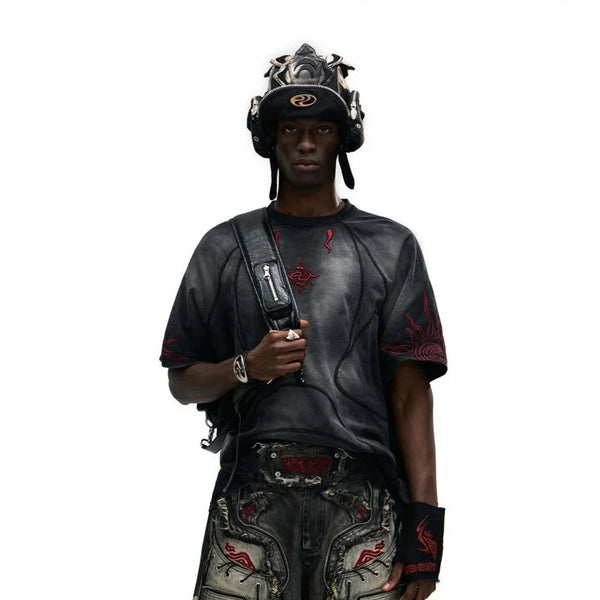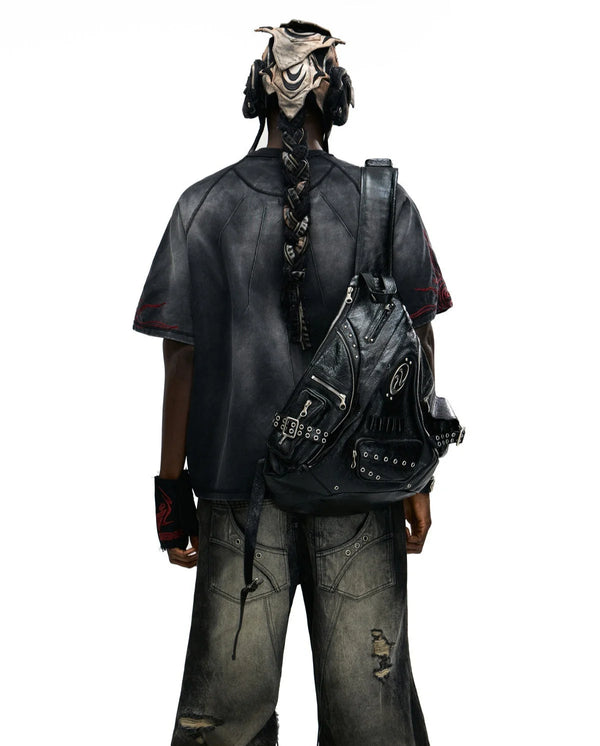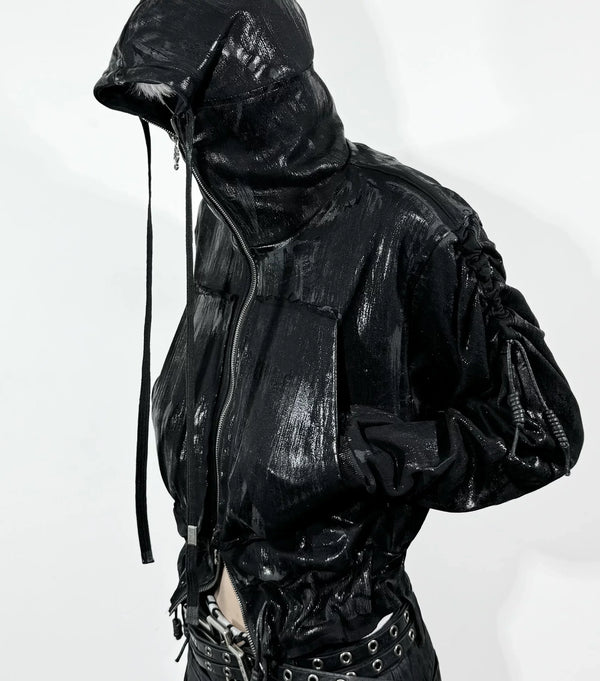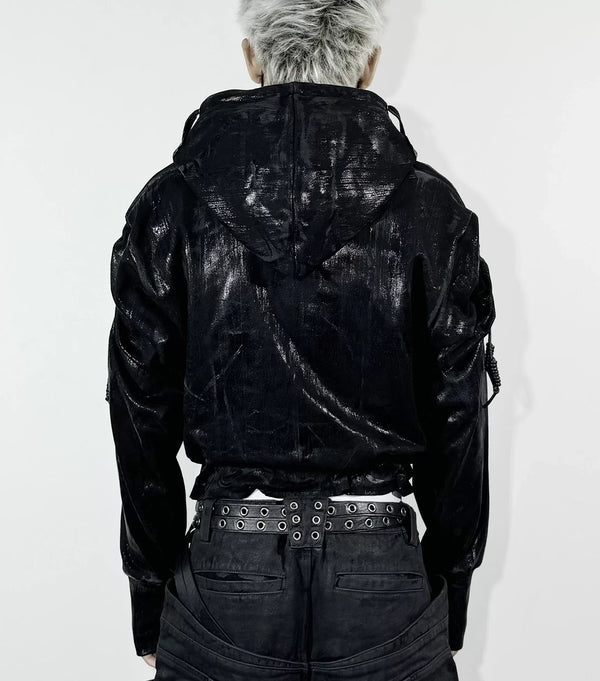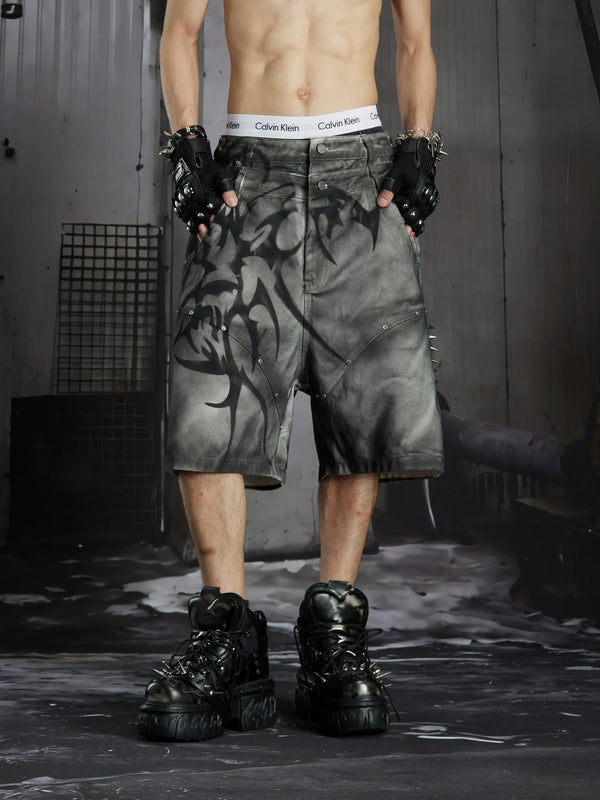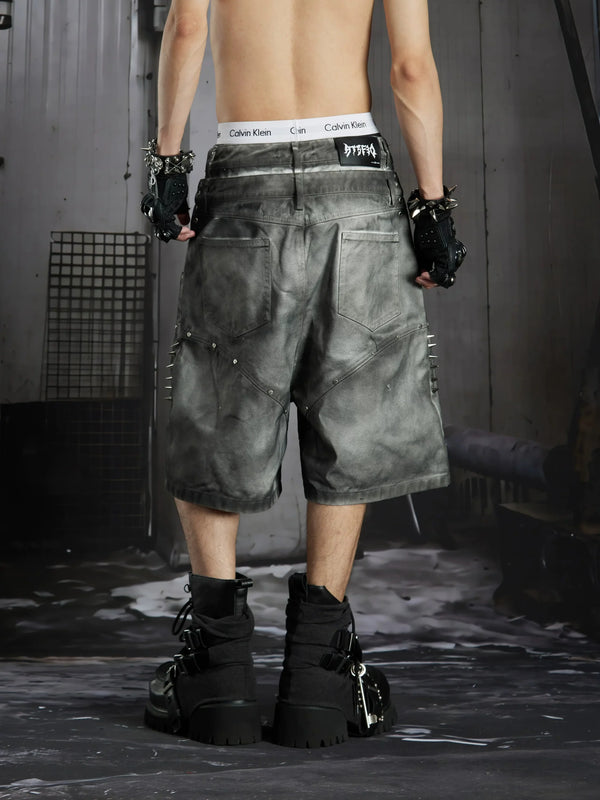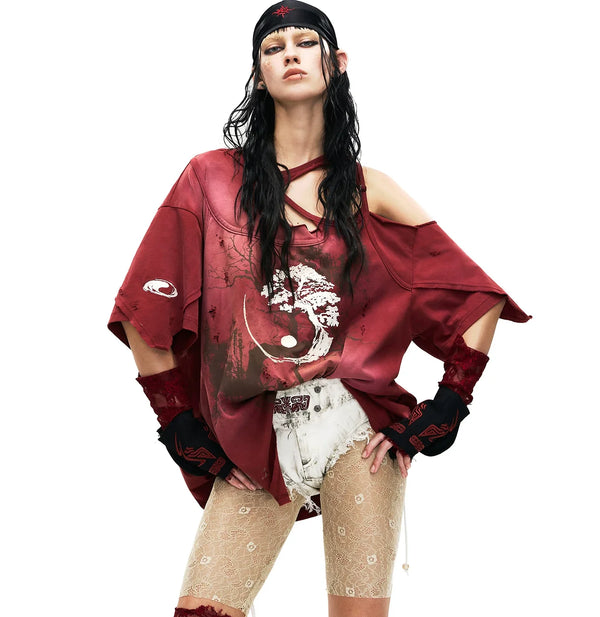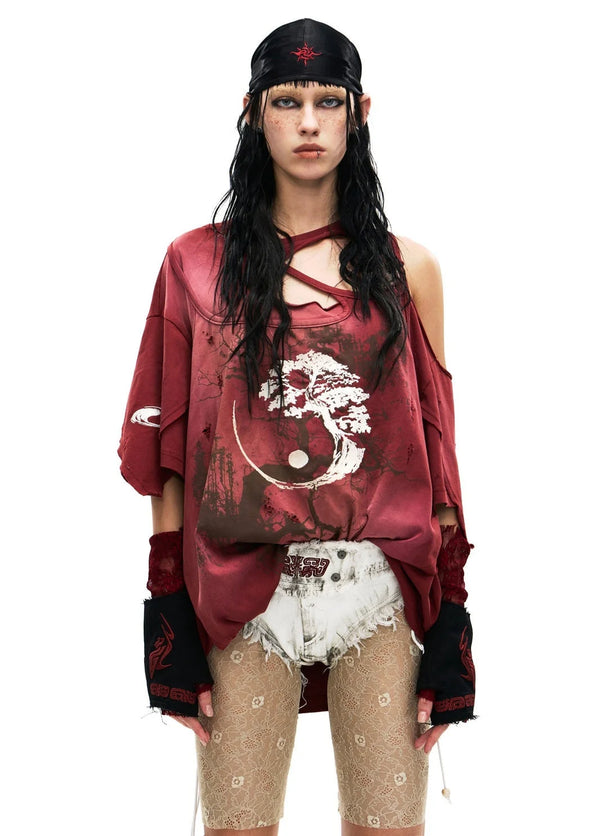



The black shirt arrived on a Tuesday. By Saturday it had turned grey in the wash, the hem had twisted, and the stud appliqué was sitting in the machine filter as a small pile. Nine euros. Worn twice. Most of us know this shirt, and most of us have more than one of them in the wardrobe.
Goth fast fashion is cheaply produced dark clothing that imitates gothic codes like crosses, studs, lace and mesh as a print or a sticker instead of building them. You recognise it by thin fabric, single-row seams and hardware made from lacquered zinc. Anyone who has seen the difference once buys differently. The basics of the style are in the Gothic Fashion Guide, this is about the buying decision.
We are not writing this as a sermon. We sell dark clothing ourselves and know how the market works. What we can give you is the way of looking at a garment that people develop when they work with it every day. After that you decide for yourself where your money goes.
Definition
What all counts as fast fashion?
Fast fashion describes a production model, not a look. It is characterised by a very high number of new styles per year, extremely short routes from design to shelf, and a price that only works if material, workmanship and wages are cut. Classically this includes the big chains, plus the online giants from the Far East with five-figure daily additions.
The difference to ultra fast fashion is now more relevant than the difference to classic ready-to-wear. A chain releases several collections a year. An ultra fast fashion marketplace releases more styles per day than a small label produces in a whole year. For you as a buyer that means: the chance that an item will ever be available again is close to zero, and so is the chance that anyone tested it beforehand.
Goth fast fashion is that model applied to a dark aesthetic. The marketplace reads from search data that crosses, chains and mesh are in demand, has the matching graphics printed onto standard cuts and ships. Nobody in that chain has ever seen the inside of a gothic concert. That is not an accusation, it is the explanation for why the pieces look as if they had been described to someone second-hand.
180
g/m² minimum weight for a black basic tee
2
rows of stitching at waistband, crotch and armpit
30°
wash cycle so black stays black
These three numbers are not a ranking but a filter. Below 180 grams per square metre a black shirt turns see-through against the light and loses its shape after a few washes. Single-row seams at stress points tear first. And anyone who washes black hot produces the typical grey haze within a month, which many wrongly blame on cheap goods even though it also happens with good fabric.
Foundation
What is gothic fashion and why does it clash with fast fashion?
Gothic fashion is a clothing style that comes out of the British post-punk scene of the early eighties and pulls together dark romance, Victorian shapes and punk hardness. Its load-bearing elements are black as a base tone, heavy fabrics like velvet, brocade, leather and thick jersey, clear silhouettes with an emphasised waist or emphasised volume, and metal as an accent rather than decoration.
The friction is material. A corset needs boning, a coat needs lining and weight, a mesh top needs a yarn that does not ladder under tension. Every one of these components costs money and working time. Fast fashion can copy colour, copy graphics and roughly imitate a cut, but it cannot simulate weight. That is why a cheap gothic piece often looks like a photo of a gothic piece.
Then there is the origin of the style. Goth grew in shops like Kensington Market and at flea markets because people had little money and sewed, dyed and rebuilt things themselves. The style was never a catalogue you buy off the page. It was a practice. Once you know that, you understand why Shein goth is argued about so hard in forums: it is less about sustainability than about whether making yourself is being replaced by ordering.
That does not mean every expensive piece is good. There are brands that charge for design and a name and still have production run in the same factories as the marketplace. Price alone tells you nothing. It only tells you where you can start looking at all.
Before we get to brands, you need a test you can apply in a shop or on product photos. The following section is the most important one in this article, because it works regardless of brand, price tag and advertising.
Practice
Spotting goth fast fashion: the 30-second check
You do not need materials science, you need an order. You work through these seven points, in exactly this order, because the first three already sort out most pieces. For online orders you check points one to three on the product photo and the material text, the rest when you unpack.
What matters is that you hold the piece up to the light and pull at a seam once. Both together take less than ten seconds and answer more questions than any product description.
- Light test. Black fabric that lets your hand show through against the light is too thin. It goes grey after three washes and loses its edge.
- Seam pull. Pull the side seam apart. If you see the thread flash between the stitches, the seam is single-row and will give out at the armpit first.
- Hardware weight. Eyelets, buckles and studs made from good metal feel noticeably cool and heavy. Lacquered zinc feels warm and light and chips at the edges.
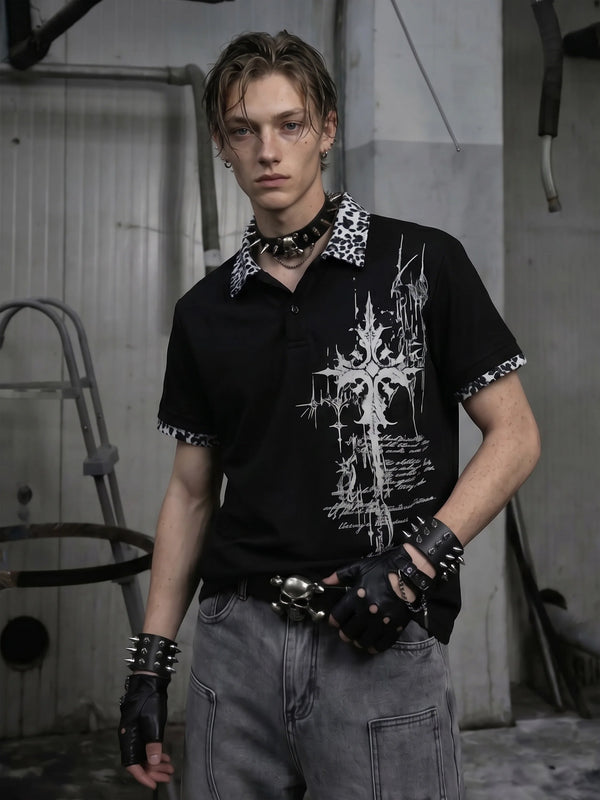
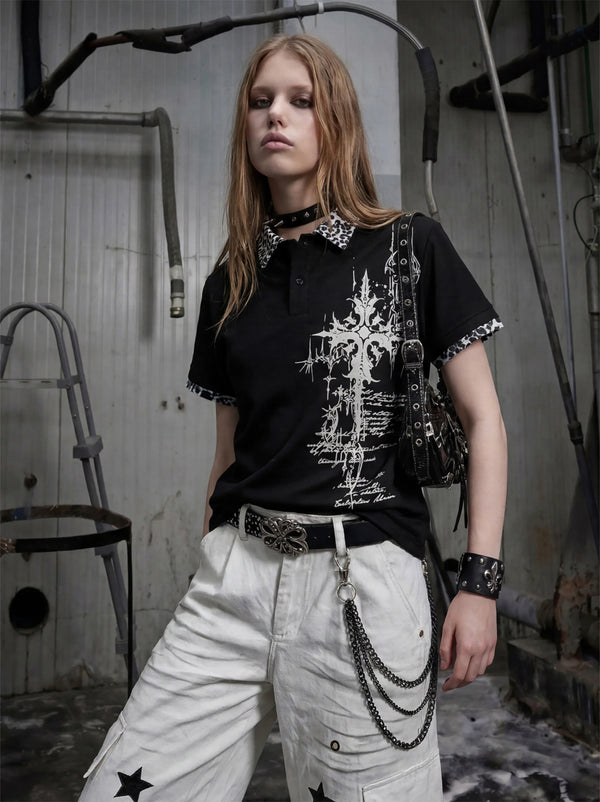
- Cross origin. If the cross is printed, glued or ironed on instead of embroidered or worked as an appliqué, the design was a graphics file and not a garment.
- Lining question. A coat or jacket without lining is decoration in winter. On gothic coats the lining is half the drape.
- Zip. If it runs rough or is unbranded and made of plastic, it is the first thing to break. Branded zips are a reliable signal for the rest of the costing.
- Sizing logic. If the shop uses the same measurement chart for ten completely different cuts, nobody measured the pieces. Then little else adds up either.
If a piece fails at point one or two, you can stop. Everything after that is cosmetics on a garment that will not see next season. If it only fails at points four to seven, it can still be a legitimate choice depending on price, especially for pieces you rarely wear.
Basics decide the impression of a whole outfit. A good black top under a mediocre jacket looks better than the other way round, because the fabric sits directly on the skin and follows every movement. If you stagger your budget, you start here and not with the statement jacket.
@fugastudios Gothic warrior energy in Denim 🖤 #darkfashion #gothicfashion #fugastudios ♬ Originalton - Fuga Studios
What stands out immediately in a short video is the drape. Clothing with weight moves with a delay, it swings after you. Thin goods flutter. That is why the same silhouette can look completely different in two pictures even though the cut is identical.
Map
Five kinds of goth shop you meet online
When you look for dark clothing, you always end up in one of five categories. They differ not in how the product images look but in the business model behind them. Once you recognise the category, you know in advance what you get.
None of these categories is bad in itself. The only question is whether you are paying for what you think you are getting.
It is striking that categories four and five together add up to what forums call the right way. Both assume you wait: for a drop or for the right find. That is exactly the break with the mass marketplace, which lives on instant availability.
Follow-ups
How sustainable are H&M and Shein really on goth pieces?
Both houses run sustainability programmes, take-back systems and material labelling. For the dark corner of their range that is barely relevant, for a simple reason: the goth pieces are trend goods. They appear at Halloween or when a series launch triggers a wave, run for a few weeks and disappear again. Recycled fibres change nothing about the fact that a garment was costed for ten wears.
At H&M you regularly find a small dark selection in autumn with usable basic jersey. That is honest middle ground, but it is seasonal stock that is gone in January. With the ultra fast fashion marketplaces from the Far East the situation is different: there the goth category is permanently huge because it refills itself algorithmically, and the quality spread within the same price class is enormous. Two shirts at nine euros can be completely different fabrics.
The most robust statement is therefore: with clothing, sustainability is measured first by wear cycles, not by material labels. A piece you wear a hundred times beats a certified piece you wear five times. That is the only calculation you control yourself.
In practice that means: before you order a new black top, count the black tops already hanging in your wardrobe. For most people it is more than five, and three of them never get worn because they pinch somewhere. Those three are the actual cost.
Category
Tops and hoodies: this is where cheap goods show first
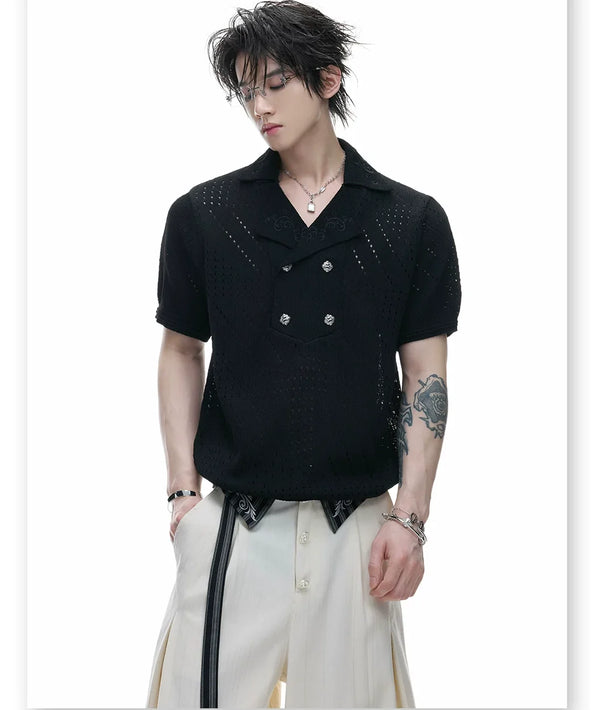
Tops sit directly on the body, get washed most often and carry the most movement. That is why what a fabric can do shows here first. With gothic tops there is the added factor that many cuts work with cut-outs, mesh panels or asymmetric edges. Every one of those edges needs a clean finish, otherwise it rolls up after the first wash.
On longsleeves and layer shirts, look at the sleeve head. If the seam sits clearly below the shoulder without the cut being declared as oversize, the pattern was cut short. The piece looks good on the hanger and tired on the body.
One note on hoodies: the cuff is the most honest part of the garment. Good ribbed cuffing springs back after stretching, cheap cuffing stays baggy. You can do this test on any hoodie in two seconds, even in store over the rail.
Follow-ups
Which fashion brands are not fast fashion?
The honest answer is uncomfortable: there is barely a brand that operates fully outside the system. Small labels also produce in the same regions, because that is where the capacity and the know-how for certain finishes sit. The difference is not the place of manufacture but run size, restocking behaviour and how long a style stays in the range.
Instead of looking for a list of clean brands, you are better off checking six signals. They can be verified on any website in a few minutes and tell you more than any advertising promise on the homepage.
One thing matters here: one signal alone is not enough. Only when three or four of them apply are you dealing with a seller that actually curates its range.
- Range size. Under a few hundred active styles a team can know its products. With six-figure catalogues that is impossible.
- Restocking behaviour. If a style runs out and never comes back, that points to small runs. Permanent availability in all sizes points to mass production.
- Material details. A concrete composition with fabric weight beats any phrase like high-quality fabric. If the detail is missing entirely, that is uncomfortable.
- Measurement charts per style. Individual measurements per cut mean somebody measured the pieces. A universal chart means the opposite.
- Image language. Own photos with real models in real places cost money. Cut-out catalogue images with a generic background usually come from the supplier.
- Returns practice. A seller that says clearly how and where to send things back has thought the case through. Vague wording is a warning sign.
By these criteria the big marketplaces fail, the old chains sit in the middle, and small labels usually do well. Known names from the dark corner like Killstar, Disturbia or Punk Rave sit in between: strong image language and their own cuts, but large ranges and permanent availability.
We do not exclude ourselves here. Fūga is a small label with limited drops and no restocking, but we are not a certified fair trade operation and we do not claim to be. What we can commit to is the order of magnitude: small quantities, clear material details, no daily flood of new stock.
The next area is where most bad buys happen. With trousers and skirts it is not the look that decides lifespan but something that is not visible on any product photo.
Category
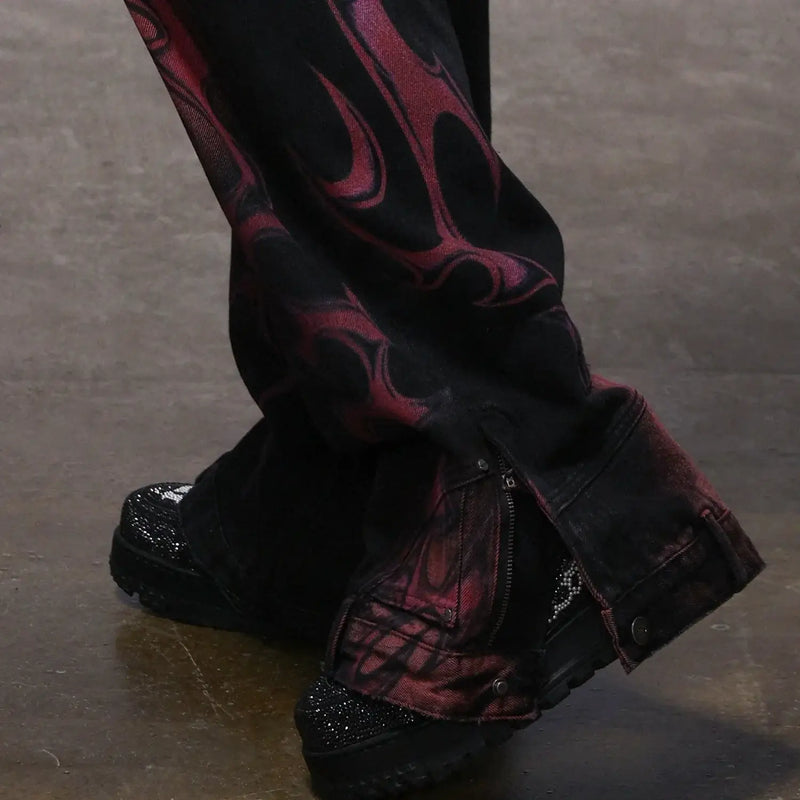
Trousers and skirts: the fabric decides, not the print
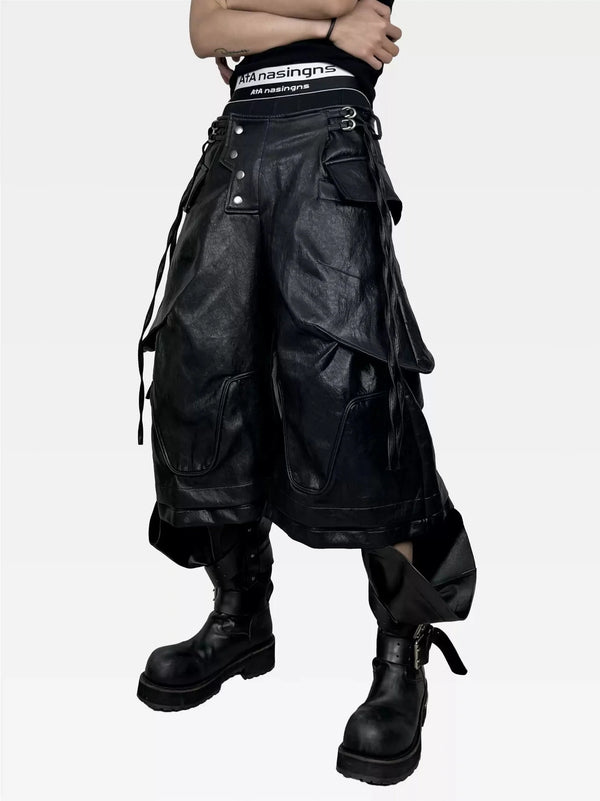
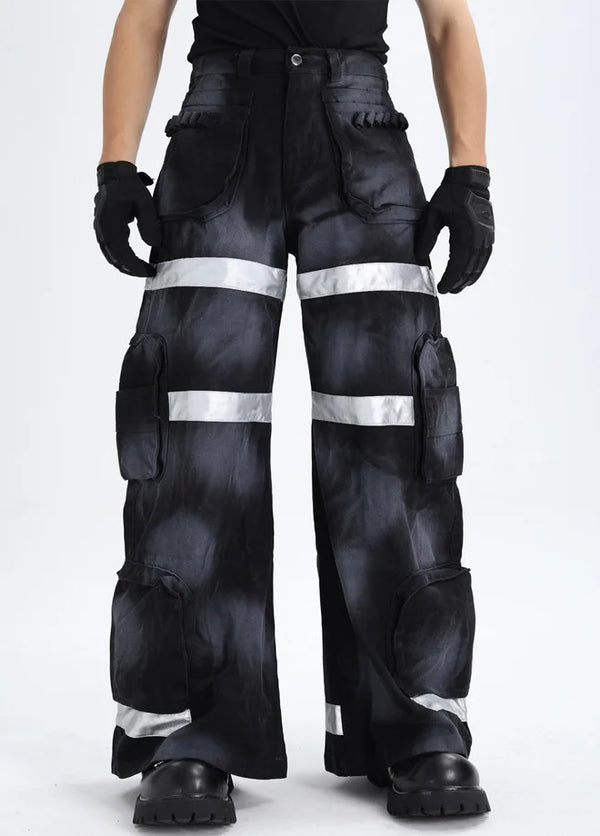
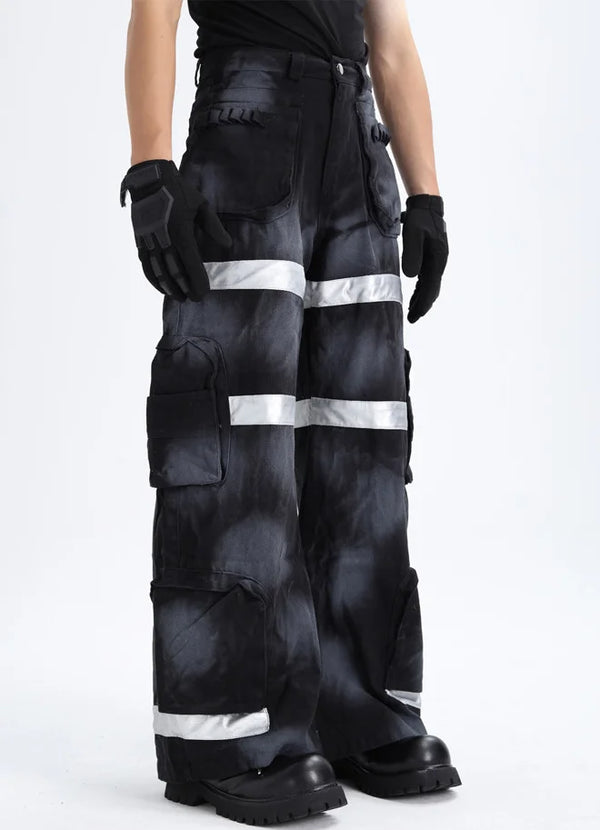
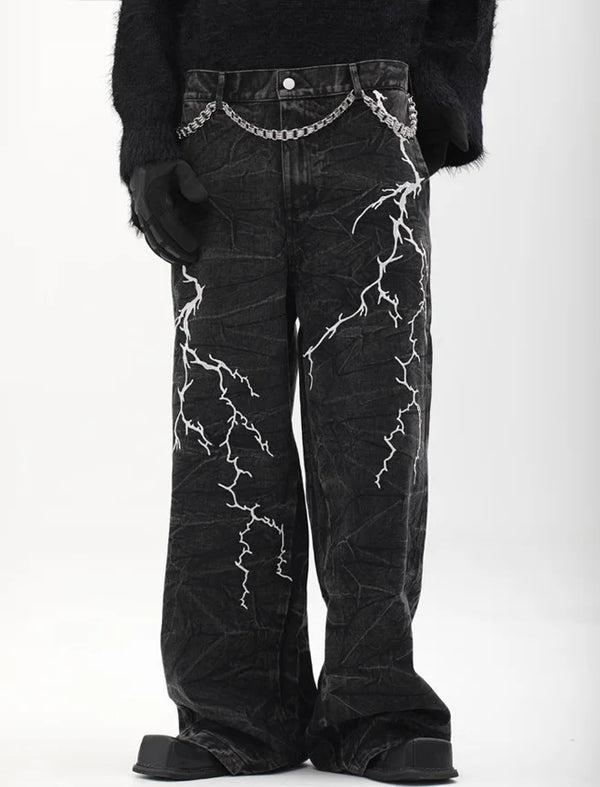
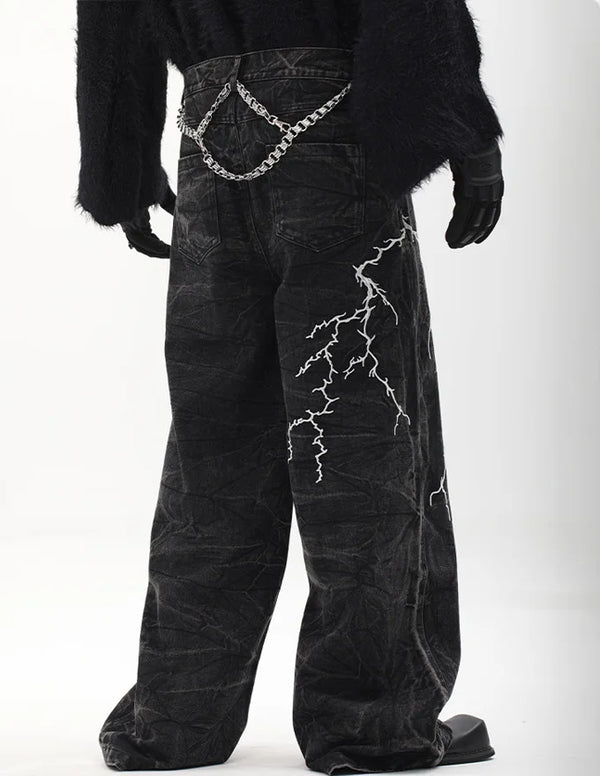
Trousers carry your whole weight and are permanently stressed in three places: waistband, crotch and knee. That is exactly where cheap goods save, because reinforcing those points costs working time. A tear in the crotch after four weeks is not chance, it is costing. With wide gothic cuts there is the added factor that the fabric needs weight for the silhouette to exist at all.
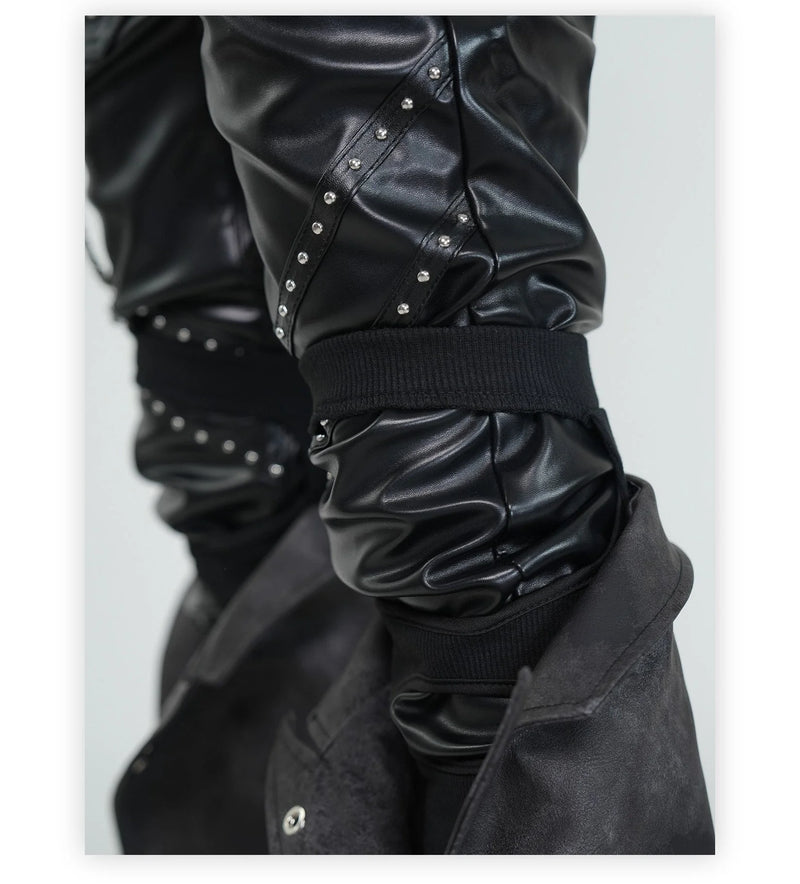
With denim the fabric weight is the only reliable figure. Anything under ten ounces is summer stock that bags out quickly. With faux leather, look at the back: a textile backing holds, a fleece backing cracks at the folds. And with skirts with mesh layers, the number of layers decides whether the shape stands or collapses.
If you can raise your budget in only one place, do it here. A good pair of trousers carries any top, a bad pair drags every outfit down no matter how expensive the jacket over it was. That is the only advice in this text that applies without exception.
Before you buy anything new at all, it is worth looking at the route goths took long before any online shop. It is cheaper than everything else and delivers material that is barely produced in this quality today.
Alternative
Secondhand, vintage and DIY: the original goth route
The style grew at flea markets. Black-dyed men's shirts, curtains sewn into clothes, army jackets with studs set by hand. Anyone searching a well-stocked secondhand shop today finds wool coats and velvet jackets from times when lining and fabric weight were standard. Pieces like that often cost less than a new fast fashion top and last decades.
The search terms make the difference. Instead of searching for gothic, you search for material and shape: velvet blazer, black wool coat, lace blouse, men's leather jacket. The gothic character comes from combination and small interventions, not from the label. That is exactly why outfits put together piece by piece often look better than fully ordered ones.
DIY needs less skill than most people think. Re-dyeing black, shortening sleeves, setting eyelets and unpicking hems are jobs you learn in an afternoon. The side effect: a rebuilt piece wears differently, because you know what is inside it.
Do the maths once on what that means. Re-dyeing four washed-out shirts costs less than one new shirt and takes one machine load. That is the point where the discussion about fast fashion stops being theoretical.
@fugastudios Layers doing the heavy lifting 🖤 #grunge #darkfashion #fugastudios ♬ Originalton - Fuga Studios
What you see in clips like these is almost always combinations of old and new pieces. Hardly anybody wears a fully newly ordered outfit, and that is exactly what makes the look interesting. The mix creates friction, and friction is wanted in this style.
Price
What goth clothing really has to cost
There is a floor below which a garment can no longer be properly made. It follows from material cost, cutting, sewing time, transport and retail. These numbers are not a price recommendation but an orientation: from here the workmanship becomes realistic, below it you have to plan for compromises.
That does not mean nothing usable exists below these limits. It means that upward outliers are the exception there and you have to search deliberately instead of trusting.
25 €
Realistic floor for a black shirt that lasts
60 €
From here trousers are reliably made
120 €
Where a coat with lining and weight starts
Extrapolate that to a basic wardrobe and you land on a sum that looks high at first glance. But it spreads over years, while the cheap version comes up again every year. Calculated over three years, the more expensive basic wardrobe is almost always cheaper, provided the pieces fit your body and do not hang unworn.
Category
Jackets and coats: here the higher price pays off
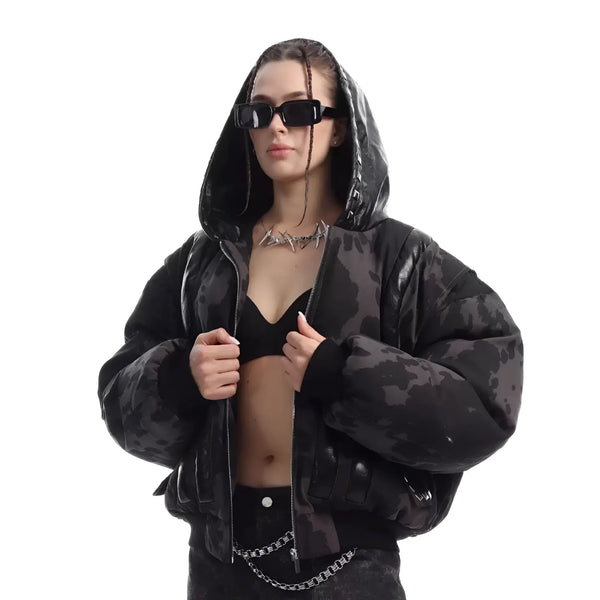
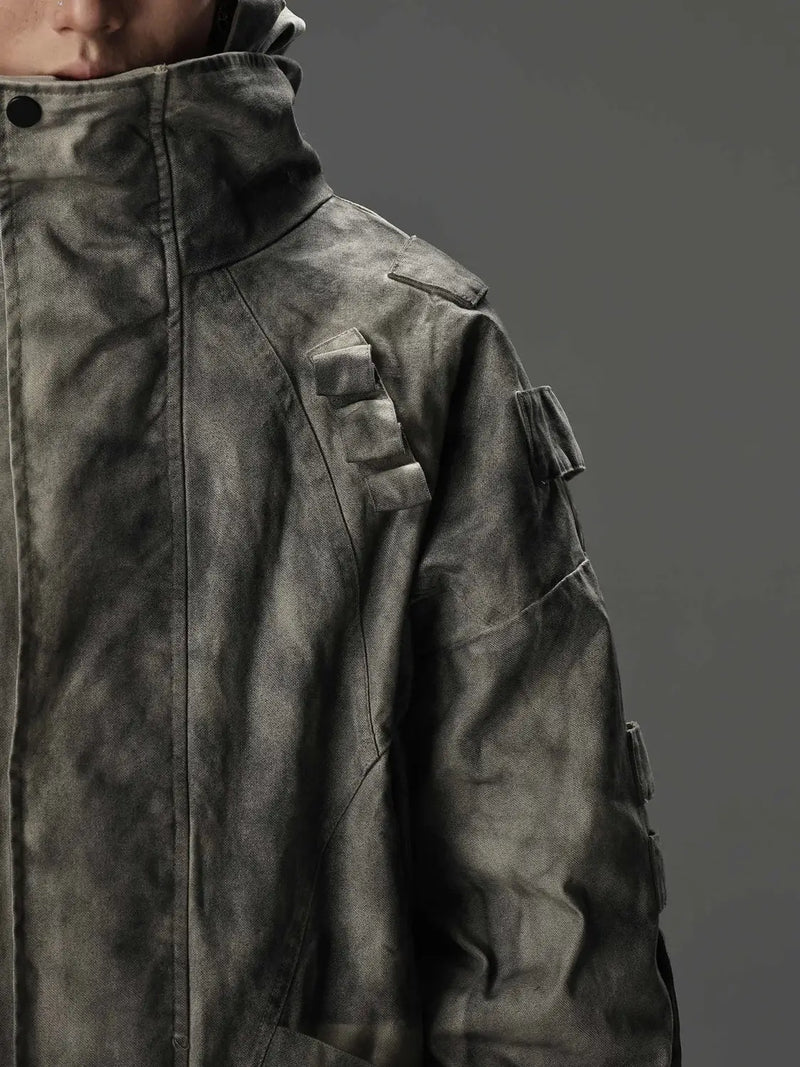
A jacket is the most visible part of your outfit and at the same time the part that lasts longest if it is well built. On gothic coats, the interplay of outer fabric, lining and shoulder construction decides whether the coat stands or hangs. A coat without inner structure collapses at the shoulders and looks cheap immediately, even if the fabric is good.
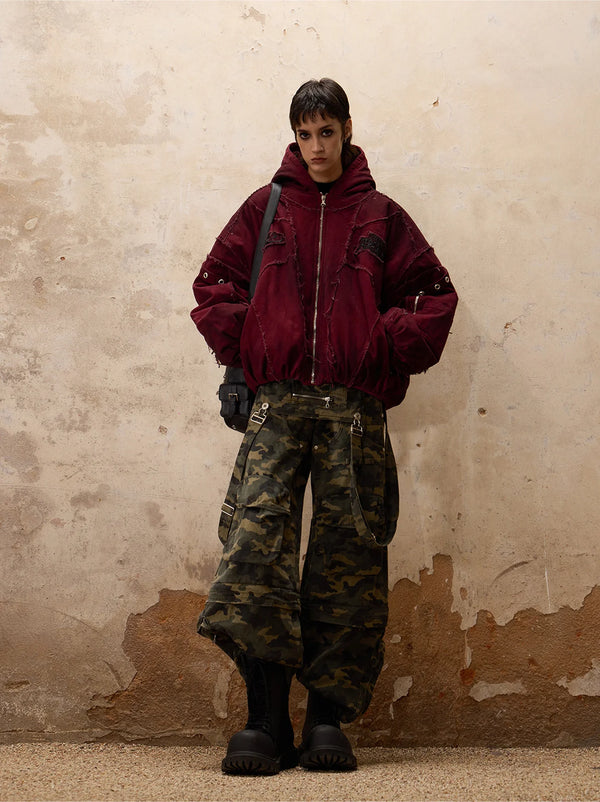
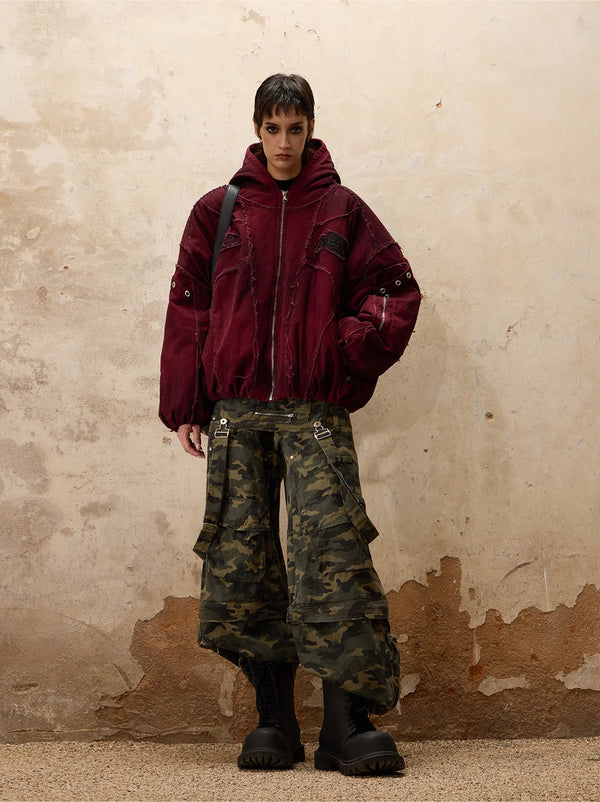
On jackets, check three things you almost never find in fast fashion: a branded zip, a continuous lining that runs into the sleeves, and buttons set with a cross stitch and a shank thread. If all three are missing, the jacket was built for one season.
On transitional jackets it is worth looking at the cuff opening. A cuff or a tab holds warmth, an open edge does not. That sounds trivial but it decides whether you still wear the jacket from October or it stays in the wardrobe until May.
With this knowledge the typical bad buys can be named. The following seven turn up in almost every wardrobe and together cost more than a good jacket.
Mistakes
Seven goth buying mistakes that burn money
Most bad buys come not from ignorance but from haste. A video is playing, a discount is running out, the basket is full in two minutes. These seven patterns repeat so often that they are worth writing down.
It is striking how few of these points have anything to do with money. Six of seven are attention mistakes that also happen with expensive brands. That is why a bigger budget alone does little if the buying routine stays the same.
Category
Accessories: where cheap is fine and where it is not
With accessories you can save most readily, though not everywhere. Fabric pieces like beanies, arm warmers and textile chains are uncritical because they carry hardly any load. It gets critical with anything that holds weight or touches skin: belts, harnesses, earrings and rings.
With jewellery the material decides, not the price. Surgical steel and titanium are skin-friendly, cheap alloys often contain nickel and cause reactions in many people. With belts: a belt made from split leather with a plastic coating breaks at the row of holes, real full-grain leather goes soft there and stays intact.
A practical trick for starting out: buy a good belt and a good chain first and combine them with cheaper basics. Both sit directly in the field of view and lift the overall impression more than an expensive top under a jacket.
FAQ
Frequent questions about goth fast fashion
These five questions come up most often in forums, comment sections and in our support. We answer them the way we would answer them on the phone.
Is Tommy Hilfiger fast fashion?
Which brands are fair trade?
Is it immoral to order from a cheap marketplace as a goth?
What do I do with the fast fashion pieces I already have?
Is Fūga Studios itself fast fashion?
If you take a single thing from this text, take the order. First the fabric, then the seam, then the metal. Brand, price and advertising come after, because they tell you nothing reliable about any of those three points.
And if you are unsure whether a piece is worth buying: count how often you would realistically put it on in the next twelve months. Anything under ten times is a costume with an invoice.
What do you think?
Tell us on @fuga_studios
About the author
Philipp Fuge — Founder · Berlin
Founder of Fūga Studios. Writes the journal himself. Berlin · Shanghai · Tokyo · Poznań — four cities, one logic.