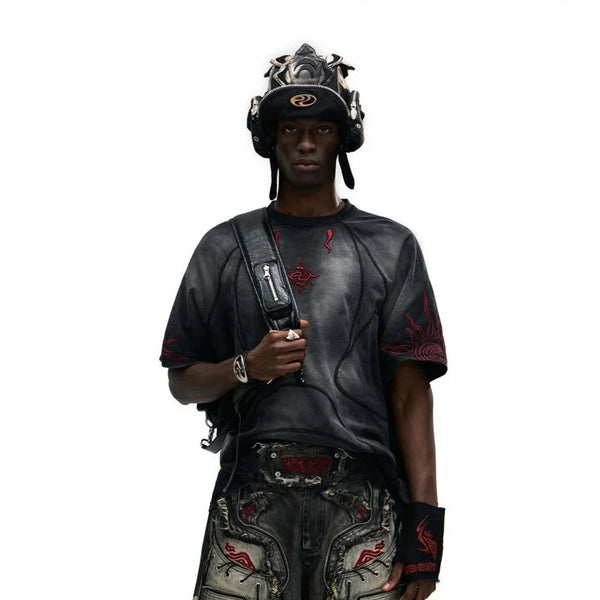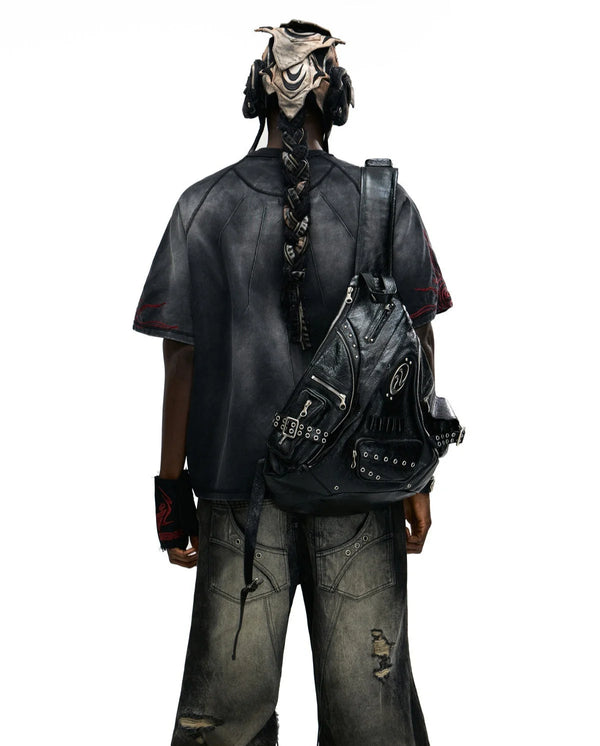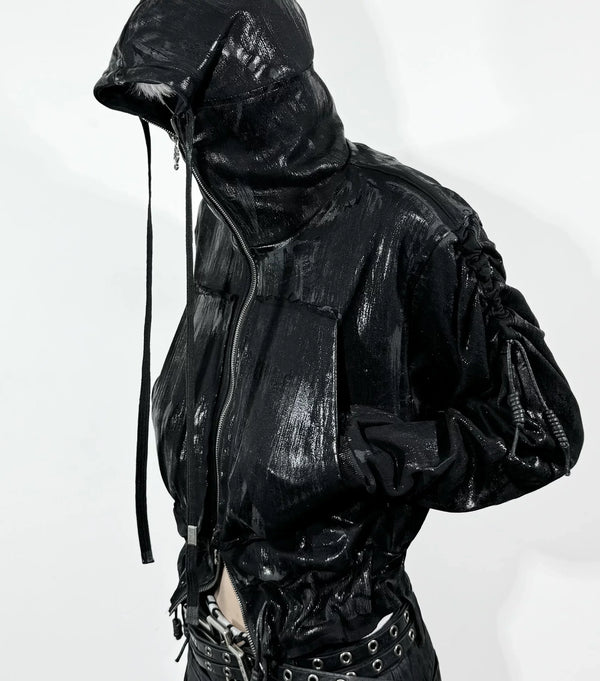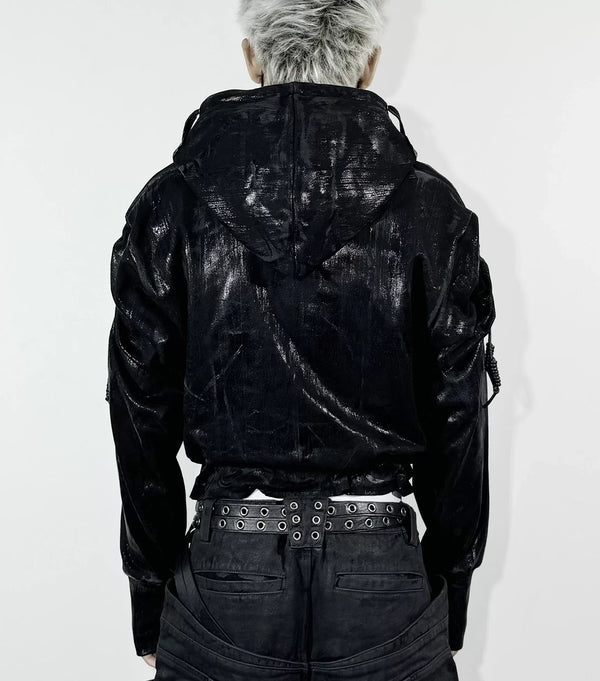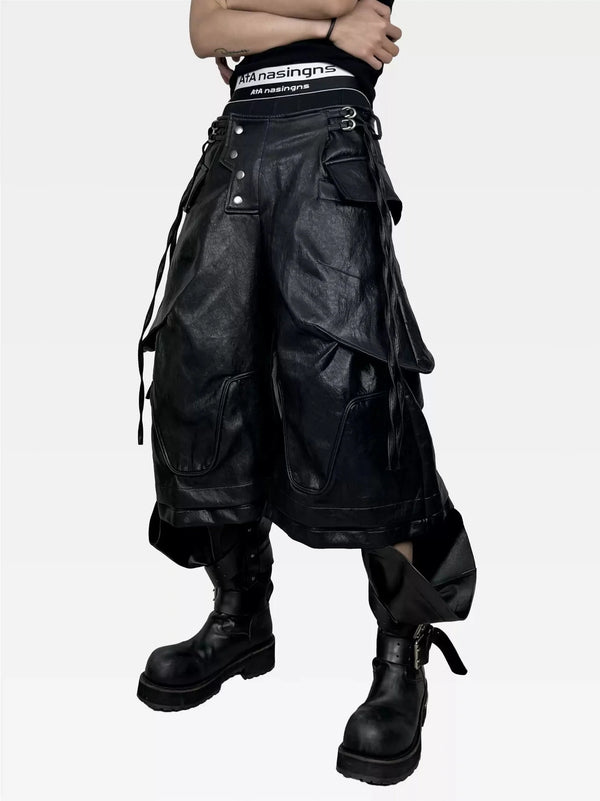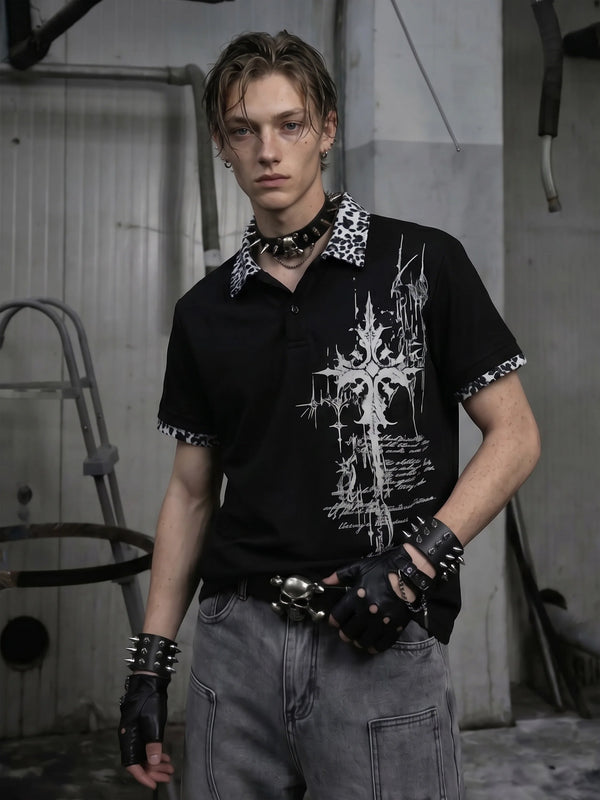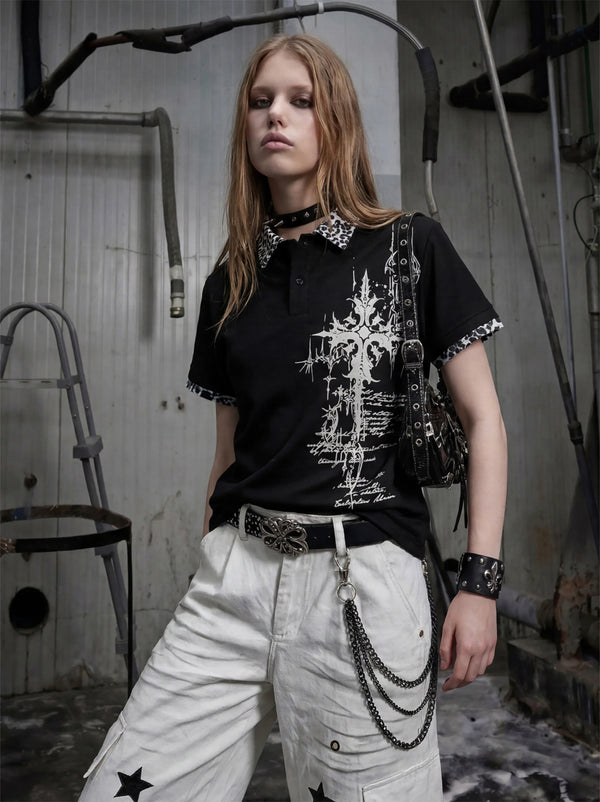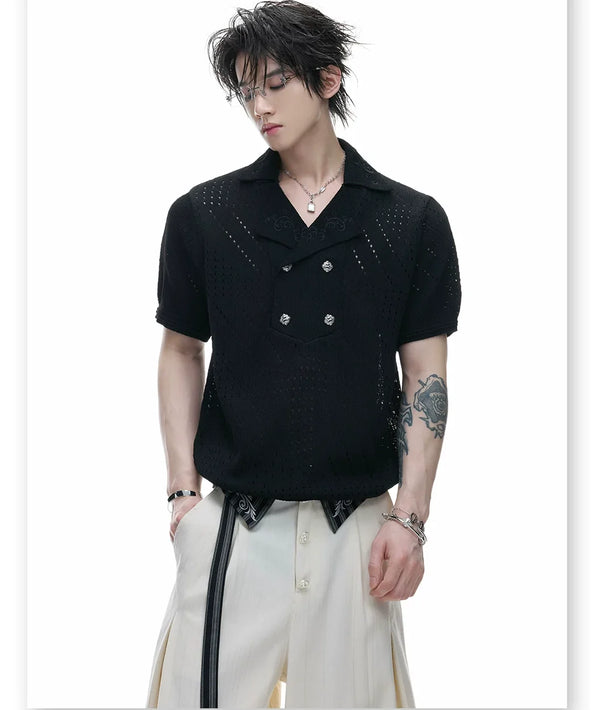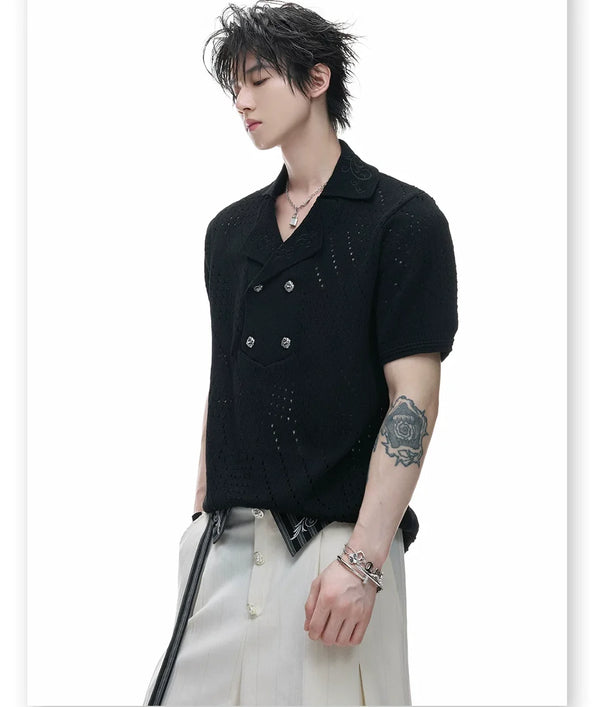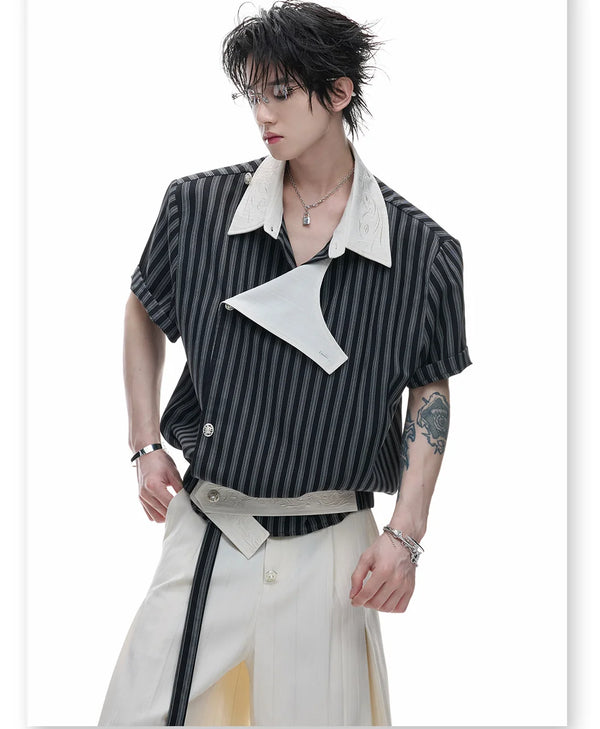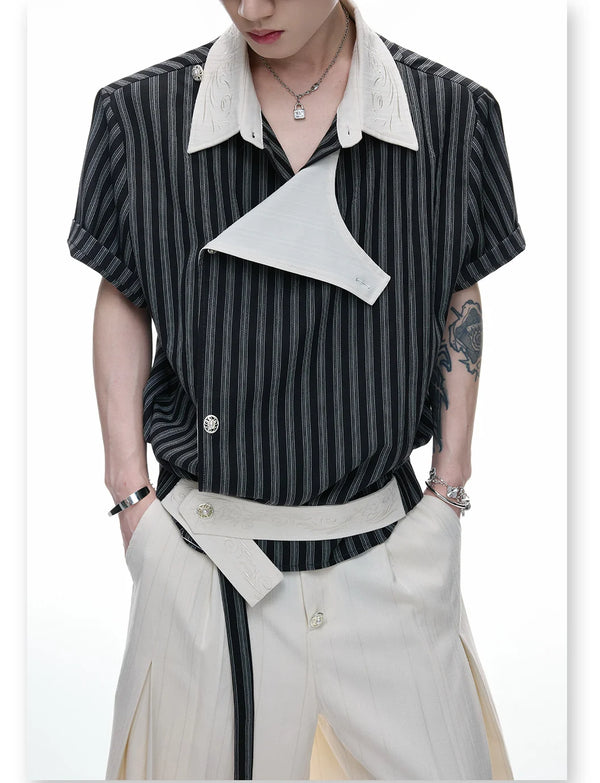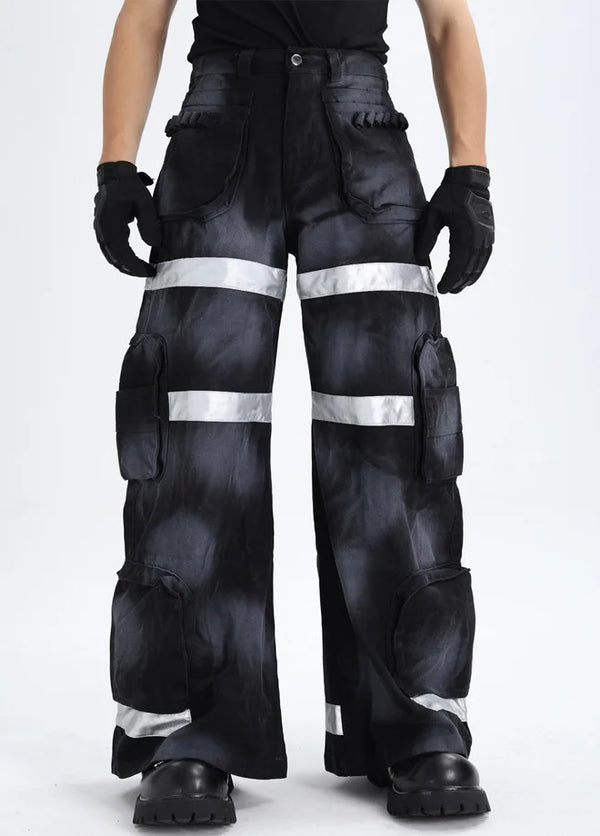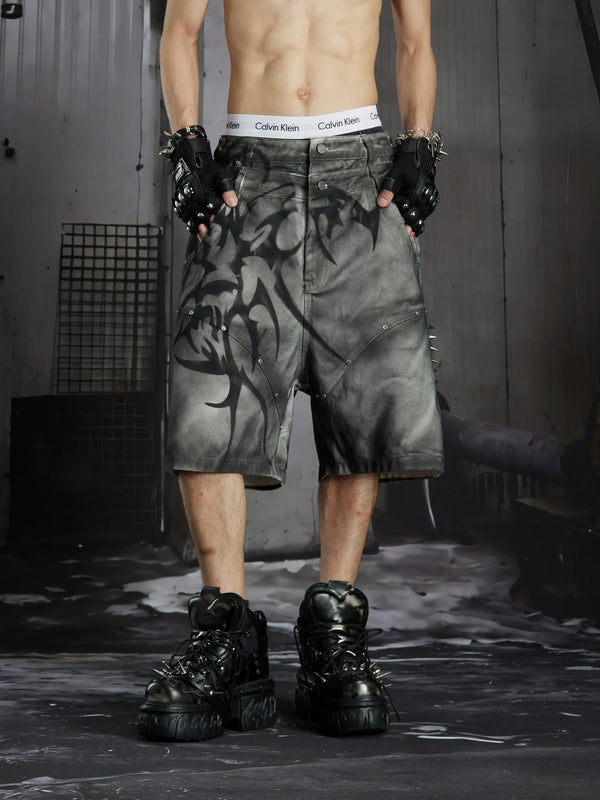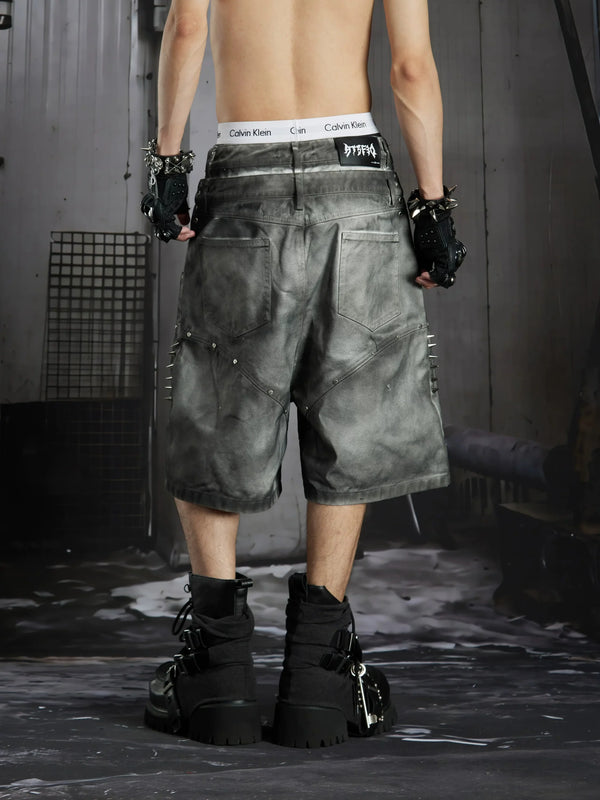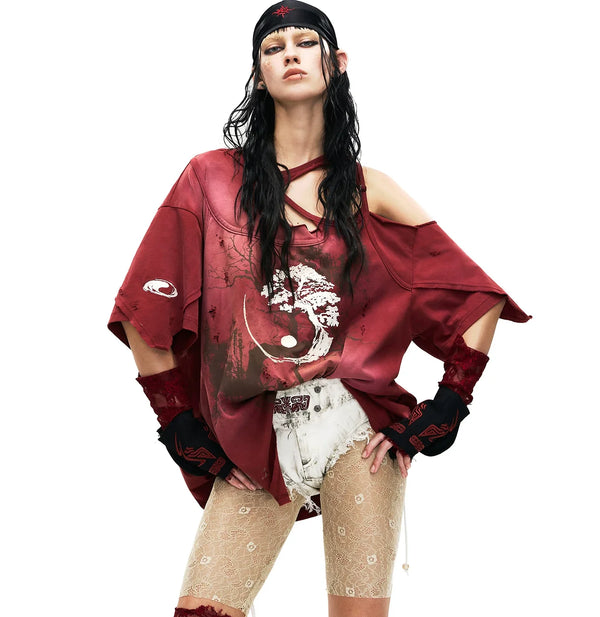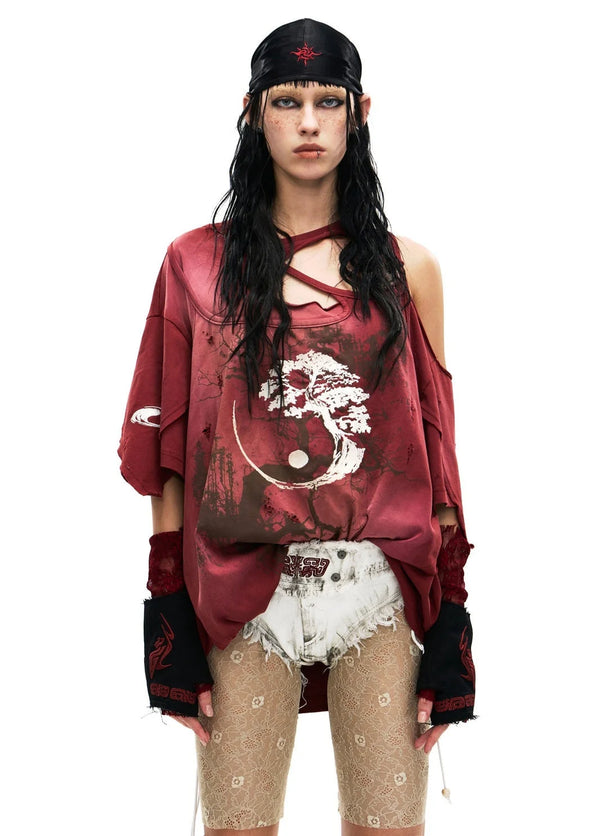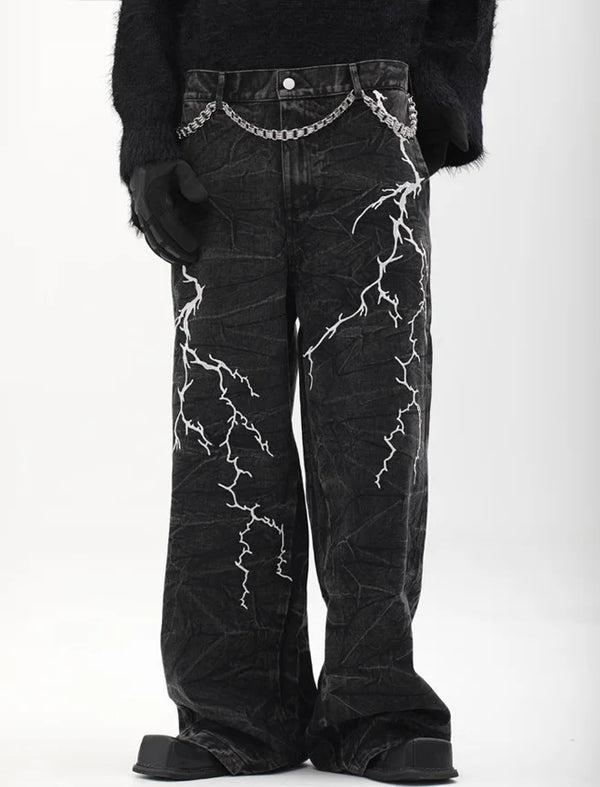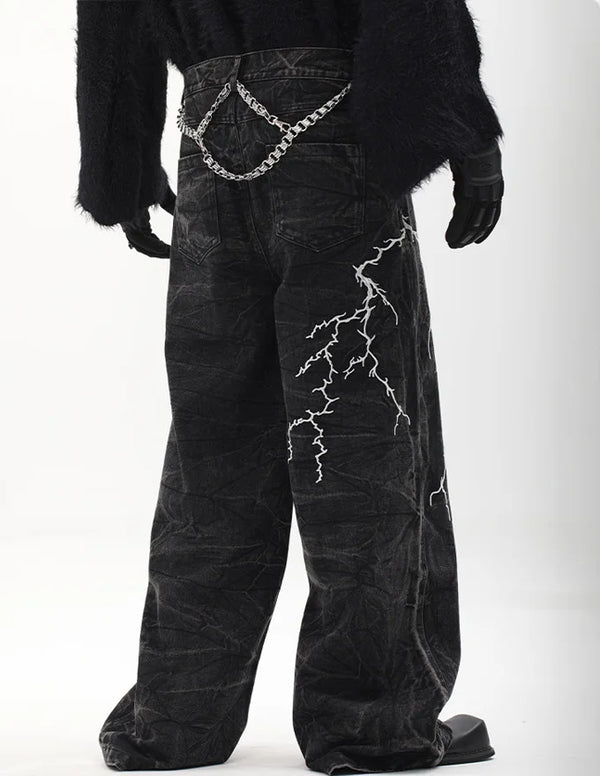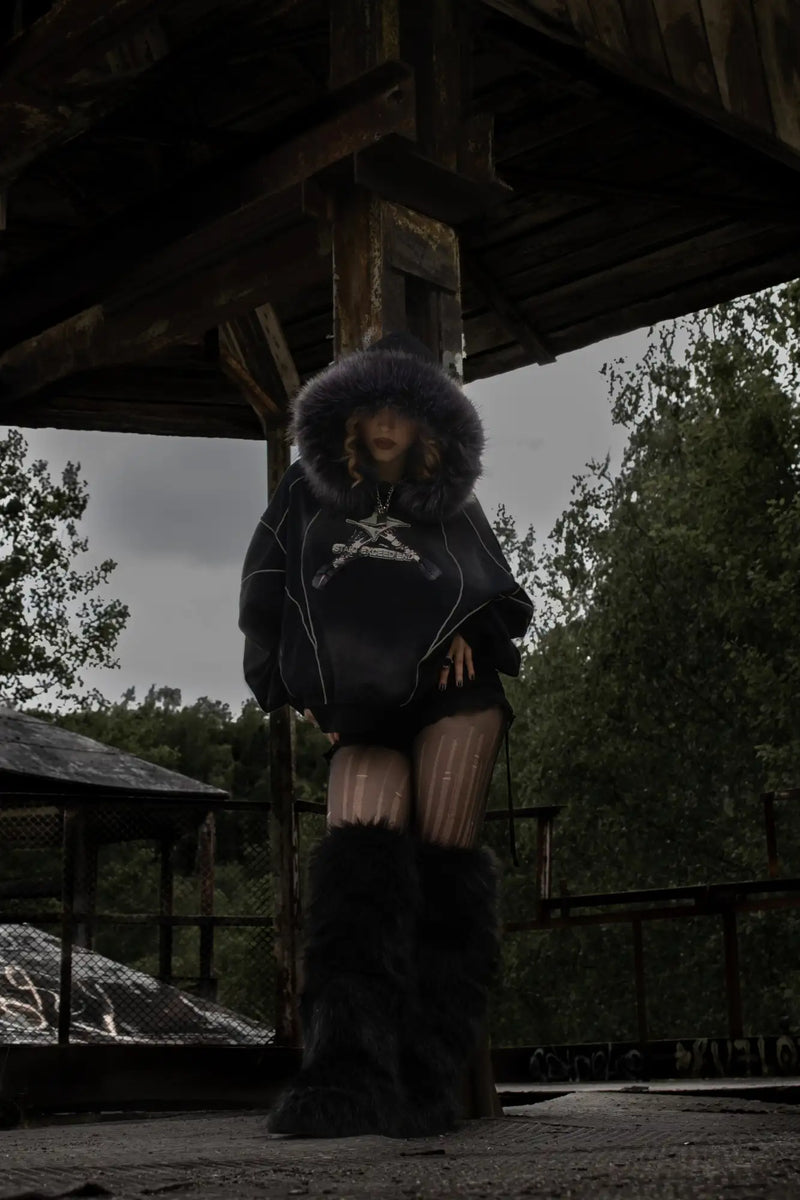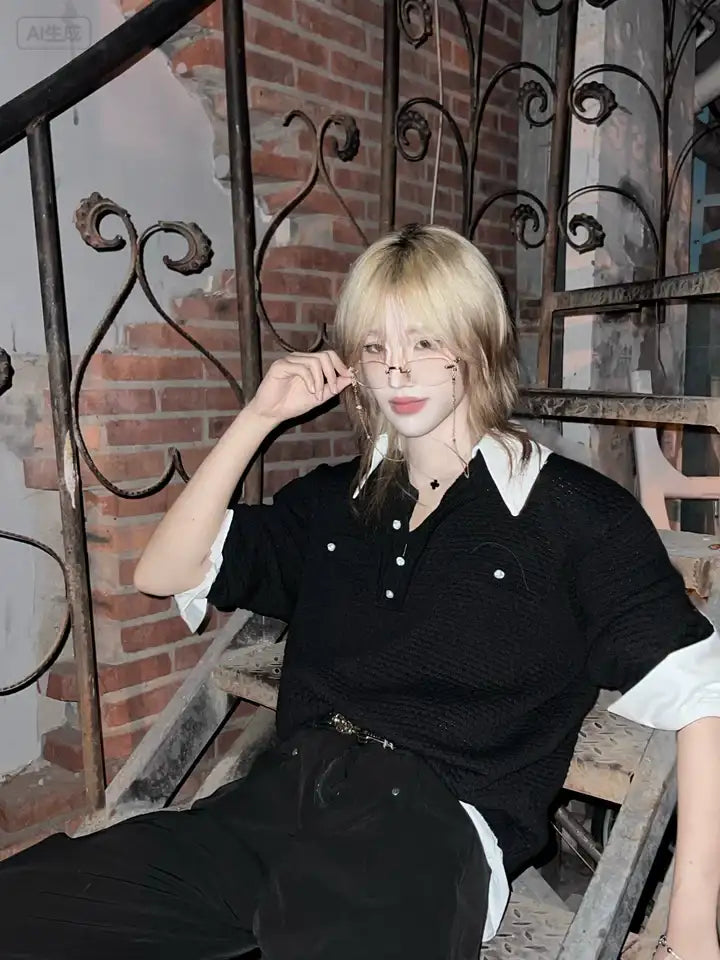
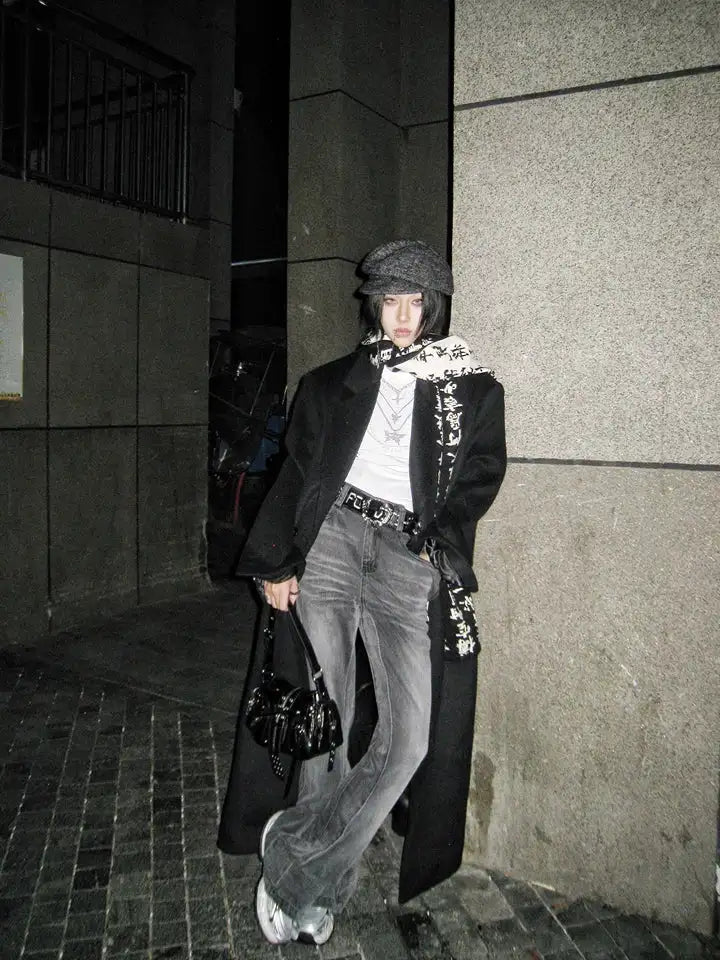

Everyone talks about „alternative clothing“, but everyone means something different. For some it’s hippie and boho. For others goth and punk. For a third group Opium, Y2K or Techwear. Search „alternative clothing shop“ and you get six different worlds in one query — and no shop explains how they connect.
We do it here. In 2026 alternative fashion isn’t a single style but an umbrella term for six sub-niches that all share the same DNA: born outside the mainstream, identity-driven, never seasonal. Opium, Y2K, Techwear, Goth, Harajuku streetwear and Rave run under the same roof — but each with its own rules.
This guide clears it up: what alternative clothing really covers in 2026, which six worlds belong to it, where women’s and men’s diverge, what remains of the historic boho/hippie core, where you buy this stuff in Germany, how to choose jackets, trousers and tops the sub-niche-correct way — and how to find the right entry point without slipping into costume.
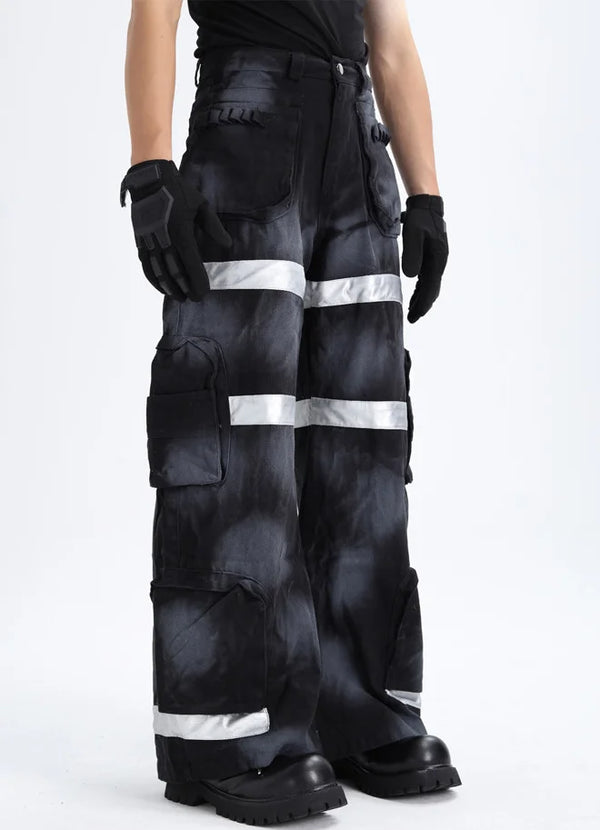
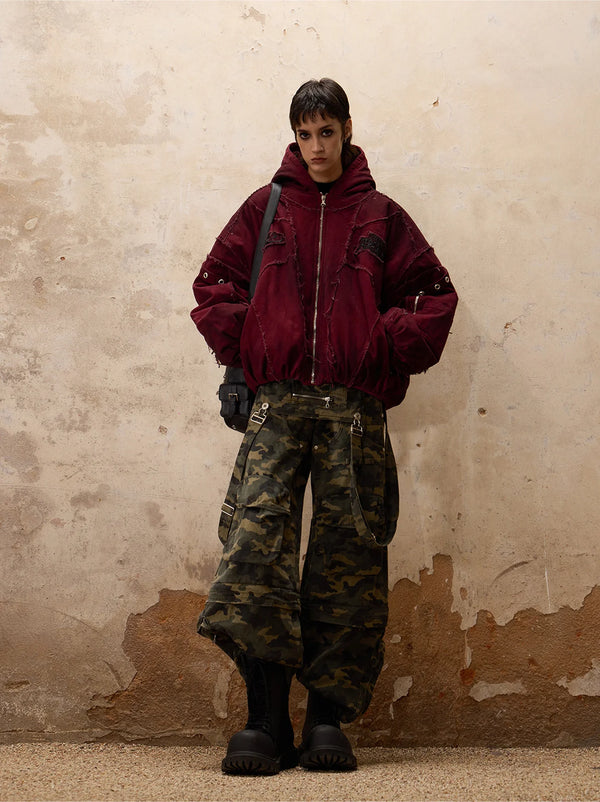
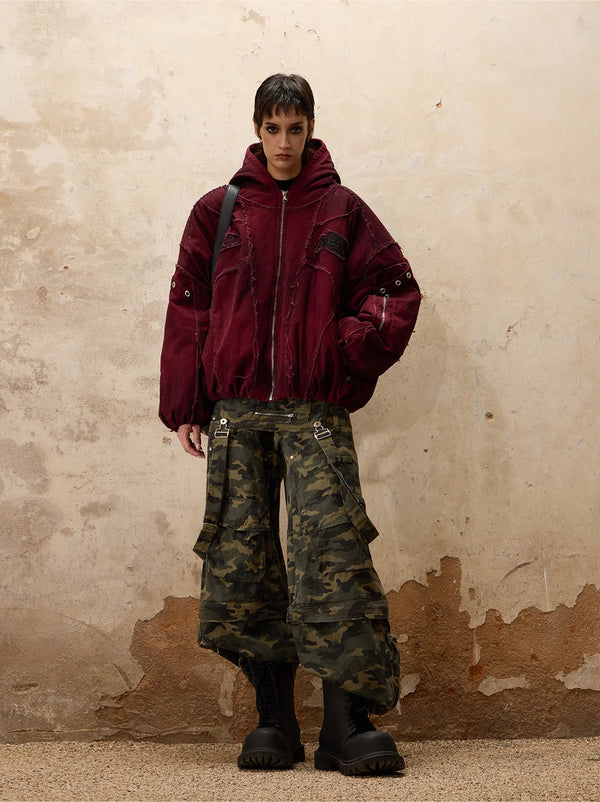
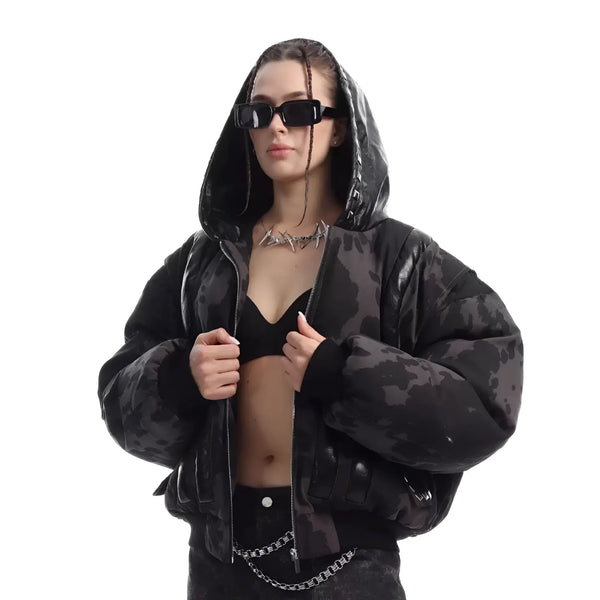
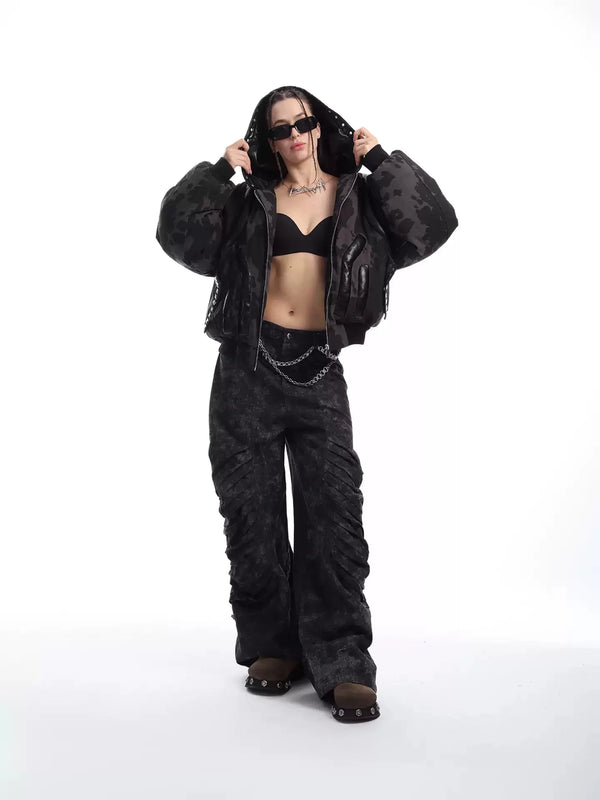
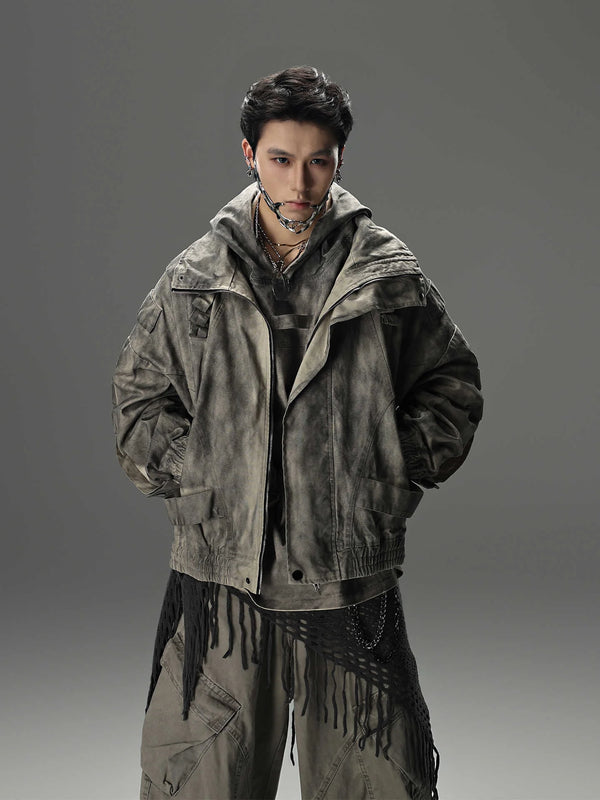
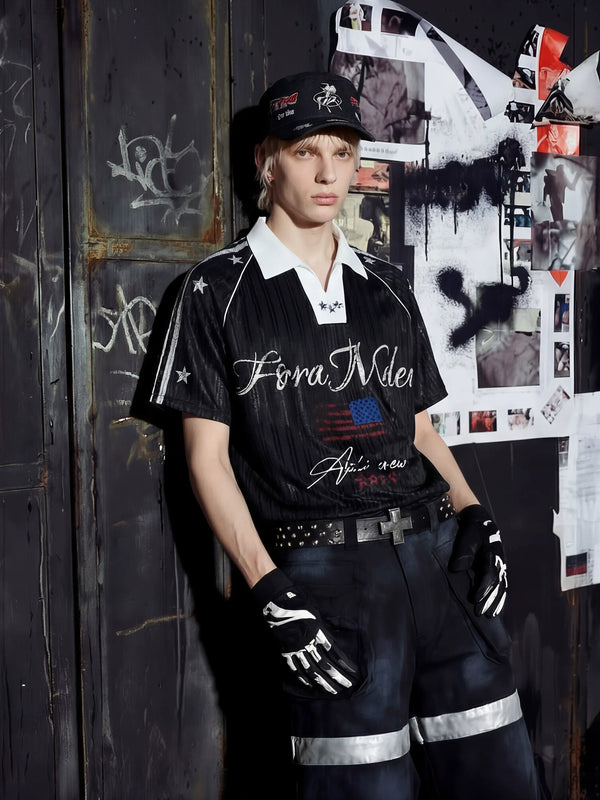
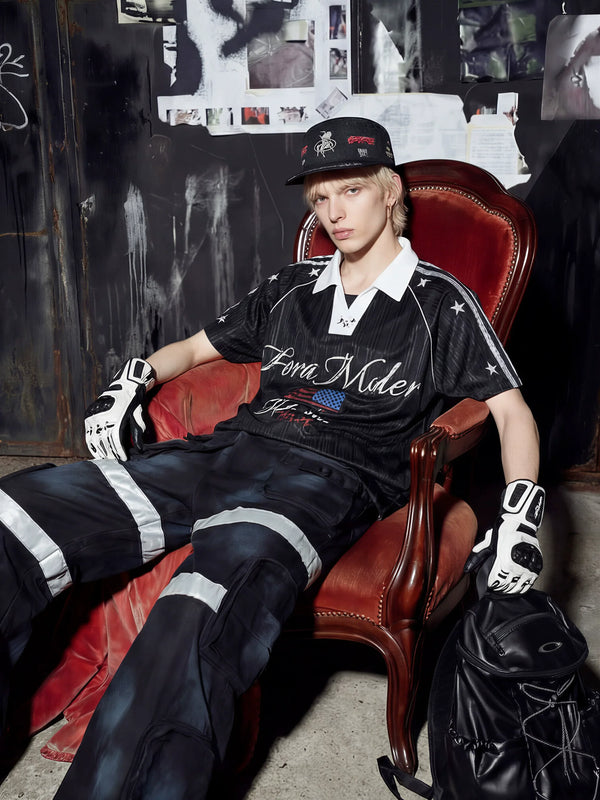
This is what the common denominator of all six worlds looks like in motion — one line, many iterations:
Definition
What does „alternative clothing“ mean in 2026 — and what no longer counts?
In the 2000s „alternative clothing“ was almost exclusively hippie, boho and psytrance. Type the term today and you’re often looking for something completely different: a subculture, an identity signal, a code that doesn’t show up in the shop windows at Zara or H&M. The term has grown broader — but blurrier.
Our 2026 definition: alternative clothing is everything deliberately created outside mainstream fashion logic. Not seasonal, not trend-driven, not out of the marketing briefings of big corporations. But out of subcultures — rap, techno, anime, skate, drill, cosplay, underground — that invented their own visual languages and then got washed up to the surface.
What’s no longer clearly „alternative“ in 2026: a ripped T-shirt from a fast-fashion collection with a skull print. A boho dress on a big online platform. A goth costume from Amazon. When the style comes from the briefing instead of the subculture, it’s mainstream with make-up — not a sub-code.
Quick atlas
The sub-niches of alternative fashion 2026 — the quick atlas
Before we go into the individual worlds, a brief overview. Six sub-niches carry the field today. Each with its own vocabulary, its own city origin, its own dominant material.
6
Sub-worlds
4
City anchor (Berlin · Shanghai · Tokyo · Poznań)
0
seasonal trend logic
1
shared DNA: outside the mainstream
What makes a piece „alternative“ — and what doesn’t:
- Born from a subculture — rap, techno, anime, skate, underground. Not from the marketing floor of a big chain.
- Identity over function — you don’t wear the piece, you wear belonging to a world. Wearing Techwear doesn’t signal „warm and weatherproof“, it signals „I know the code“.
- Never purely seasonal — fashion corporations sell spring-summer and autumn-winter. Sub-niches hold their codes for years. Opium 2026 looks like Opium 2022. Y2K 2026 looks like Y2K 2018.
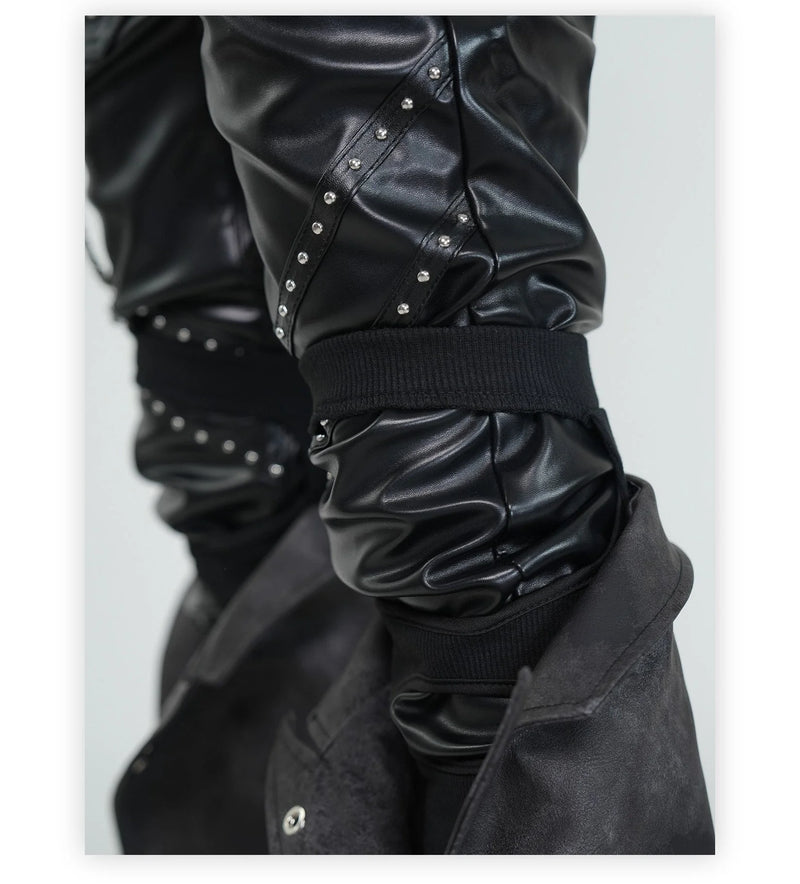
- Its own material vocabulary — Goth lives on mesh and lace. Techwear on nylon and ripstop. Rave on latex and distressed denim. Pick the wrong material and it tips over instantly.
- Its own silhouette per world — Opium is tight up top, wide below. Korean streetwear is symmetrically loose. Techwear is layer on layer. A sub-niche has a silhouette law that no longer applies in the next one.
- City anchor instead of season anchor — alternative fashion has no New York Fashion Week. It has Berghain, Harajuku, Shanghai underground, Atlanta studio, Poznań workshop. Places where the vocabulary is written.
If you see three of these six points, it’s alternative clothing. If you find only one or two, it’s mainstream with an alternative look-layer on top.
6 worlds
The 6 alternative worlds for real — Opium, Y2K, Techwear, Goth, Harajuku, Rave
The six worlds overlap at the edges, but none is a substitute for another. Lay Opium outfits and Y2K outfits side by side and you see the difference instantly — same black ratio, but a completely different silhouette and a different handling of hardware. Here are the six at a glance, each with its own logic.
Which of the six suits you depends less on taste than on three factors: which city is your anchor, which subculture you actually consume (music, film, social), and how much discipline you tolerate in your wardrobe. Opium needs 95 percent black — if you don’t want that, reach for Harajuku or Rave.
Gender split
Alternative clothing women vs men — where the worlds split
Each of the six sub-worlds has a women’s and a men’s vocabulary that overlaps on material but splits on silhouette. Same brand, same code, different line. Understand that and you don’t buy the same piece twice in a „women’s version“ — you choose the silhouette that fits the sub-niche.
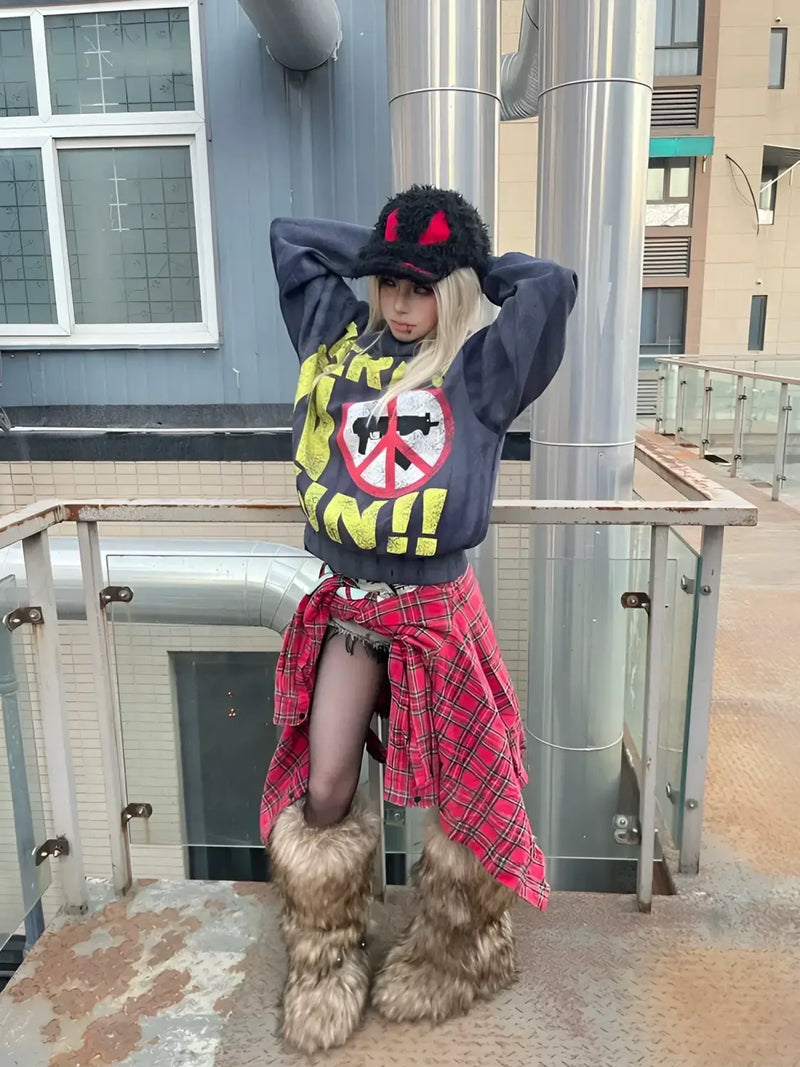
Women’s version: the tight layer on the body becomes more visible. Mesh, lace inset, crop, corset. Platform shoes or knee-high boots extend the line downward. Hardware jewellery (chains, rings, earrings) often becomes the statement, because women frame alternative fashion through jewellery more often than men.
Men’s version: tighter and more monochrome up top, more layers on the outside. More cargo, more bomber, more trench. Hardware stays functional — one chain, one ring, one buckle. Jewellery as a construction detail, not a statement.
Both need the same discipline within their sub-niche. A woman in an Opium outfit holds the 95-percent-black rule just like a man — only the mesh sits tighter, the boots go higher, the silver moves more visibly toward the face.
Historic core
Boho, hippie & the historic core — why only part of it remains in 2026
Anyone searching for „alternative clothing“ in the 1990s and 2000s ended up at hippie and boho. Maxi dress, patchouli, fringe, patchwork, earth tones, yoga-Asia reference. That was the historic core of the term — and still is at many classic alt shops in Germany today.
But in 2026 that understanding is too narrow. Hippie and boho are one sub-niche among six — important, alive, especially in the festival market and the sustainable segment, but no longer the whole field. Anyone who’s 18 to 28 today and searches „alternative“ thinks of Opium, Techwear or Y2K — not primarily patchouli.
What spilled over from the hippie-boho core into all six sub-niches:
- Anti-mainstream stance — the idea that clothing takes a position instead of following a trend. Holds for hippie just as much as for Opium and Techwear.
- Non-seasonal logic — hippie fashion never had a spring-summer line. All sub-niches took over this freedom from the season mechanic.
- Material identity over cut fashion — hippie defined itself through linen, hemp, woven fabrics. Techwear does the same with nylon, Goth with lace and mesh, Opium with matte leather. Material carries the sub-niche — not the cut.
- Subcultural origin — hippie came from the 60s counterculture. Punk from the 70s. Goth from the 80s. Y2K from the early 2000s. Opium from the 2020s. Every wave needs a subculture to carry it — no corporation invents it.
- Values component — hippie was tied to sustainability and fair trade from the start. It resurfaces in the younger sub-niches too: vintage resale, DTC brands over fast fashion, material awareness.
Anyone searching for pure hippie or boho in 2026 is well served by shops like virblatt, nomadic-affairs or LaCozy — that’s their core competence. We don’t do that. Our sub-niche set starts more where subculture went into the US and Asian underground stream.
Germany anchor
Alternative clothing in Germany — where you actually buy it
Germany has no closed market for alternative fashion like Tokyo or Atlanta. Instead three parallel routes that barely overlap: specialised DTC brands (online, niche-focused), classic alt shops with a boho-hippie focus (often regional), and the vintage and resale market (Berlin, Hamburg, Cologne, Munich).
Where you find what:
- Online DTC for the younger sub-niches — Opium, Y2K, Techwear, Harajuku streetwear, Korean streetwear, Rave. Shipping from Germany or the EU area, 6-11 days delivery, 14 days return. Here the sub-niches come cleanly sorted per world — which classic alt shops usually don’t have at this depth.
- Classic alt shops with a hippie-boho focus — virblatt, nomadic-affairs, LaCozy, Avocadostore. Strong in the sustainable segment, fair trade, yoga, festival market. Less suitable for the younger sub-niches.
- Berlin vintage and resale stores — Friedrichshain and Neukölln lead for used leather jackets, Y2K denim, goth pieces from the 90s. Vintage ages better than new production in many sub-niches.
- Festival and rave markets — temporary stalls at festivals (Fusion, Garbicz, Wilde Möhre) and pop-ups near Berghain. Specialised in Rave and festival sub-niches, hard to plan for.
- International platforms with DE shipping — Grailed, Vestiaire Collective for pricier resale pieces. Yesstyle and Stylenanda for Korean-streetwear originals. They work, but require patience with shipping and customs.
Three cities anchor the German alt market: Berlin (techno, goth, Y2K vintage), Hamburg (punk, goth resale, industrial traces), Munich (Harajuku streetwear adopters, K-pop wave). Cologne and Leipzig additionally deliver techno market and vintage depth. Live in one of these cities and you have on-site options — everyone else buys online, and in 2026 that’s no longer a compromise but often the better choice.
Category · Outerwear
Alternative jackets — the outerwear code
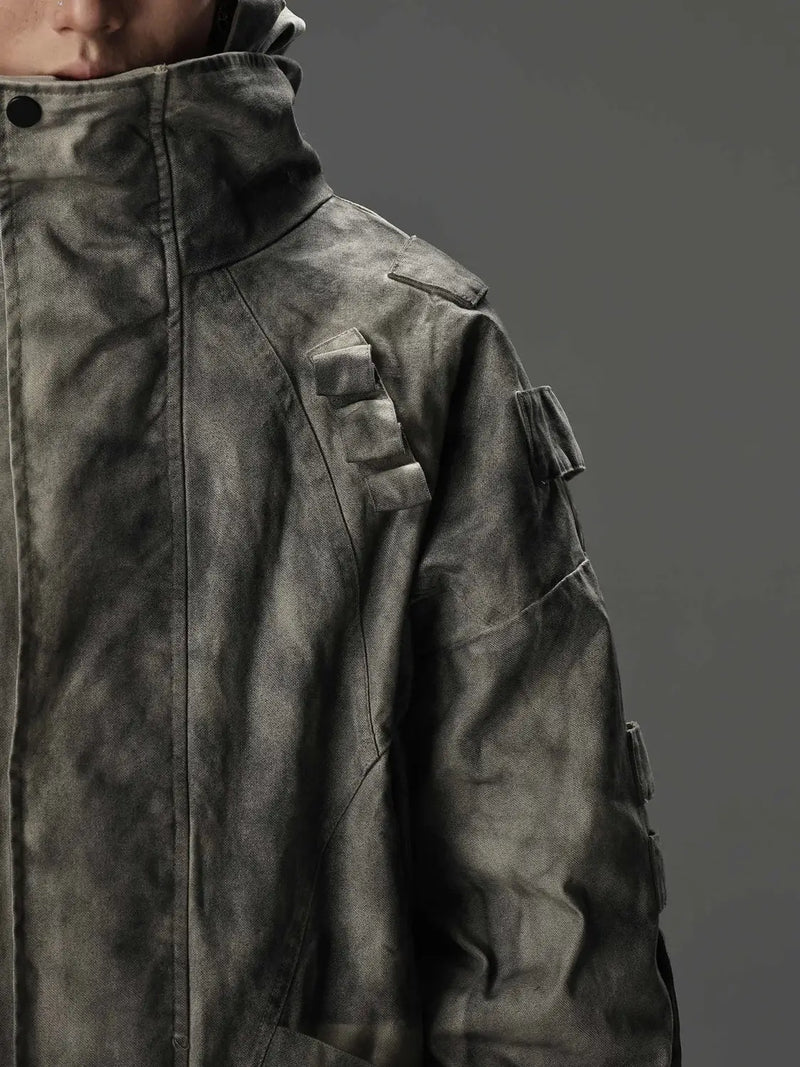
The jacket carries the alternative outfit — it’s the largest surface, the most dominant fabric, the primary identity carrier. Each of the six sub-worlds has its own outerwear logic: Opium loves the heavy leather jacket, Techwear the tactical trench, Y2K the cropped bomber, Goth the trench-coat asymmetry, Harajuku the patchwork layer, Rave the reflector puffer.
What works in outerwear for alternative fashion: matte-dark or deliberately loud. Wishy-washy beige from mainstream ranges hits none of the six codes. Buy alternative jackets and you buy position — not weather protection.
If you don’t yet own a sub-niche-clean jacket, that’s your first move. Leather jacket for Opium and Goth, tactical trench for Techwear, cropped bomber for Y2K. Everything else in the outfit hangs on this choice.
Category · Bottoms
Alternative trousers — the volume question
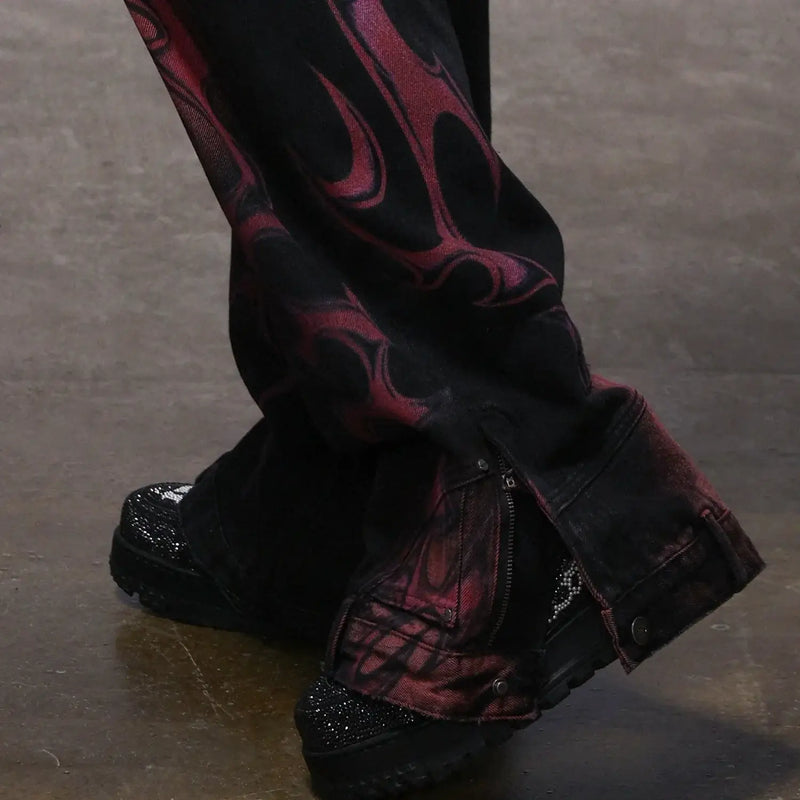
Trousers decide whether an alternative outfit looks grown-up or costume-y. Skinny jeans have been out in almost all six sub-worlds since 2020 — what replaces them depends on the world. Opium runs wide distressed jeans and leather flares. Techwear runs on cargo and ripstop pants. Y2K comes back with low-rise and wide-leg. Goth lives on heavy tartan and long skirt.
The shared rule: tight or tighter up top, wider and with material below. That holds for all six sub-niches except Harajuku (where patchwork asymmetry tips the logic) and Rave (where latex stays tight for function). Reverse the ratio — oversize tee plus tight bottom — and you tip the silhouette in each of the six worlds equally.
If you’re looking for trousers that work across several sub-niches, take distressed black denim with a wide leg. That’s the common denominator between Opium, Y2K, Goth and Rave — and beats any too-tight statement trouser.
Category · Tops
Alternative tops & shirts — from mesh to distressed print
Tops and shirts make an outfit’s second statement — when the jacket is open or drops away entirely in summer, the top takes over the visual weight. Here the six worlds split most strongly: Goth loves lace and mesh, Y2K the crop and print, Techwear the functional long-sleeve, Opium the monochrome mesh tank, Harajuku the asymmetric layer, Rave the off-shoulder cut.
What works across alternative tops: a tight fit on the body, monochrome or deliberately graphic print logic (no mainstream brand logos), material with character. Plain black long-sleeve works in almost all six worlds — a printed festival T-shirt only in Rave and Y2K.
To test the mesh look, put a monochrome mesh long-sleeve under an open-worn leather jacket. That’s the easiest entry toward Opium or Goth — with no risk if the sub-world doesn’t fit.
Styling method
How to find your sub-style — the 4-step method
The most common question we get by DM: „Which of the six is mine?“ There’s no right answer from the outside — but there’s a way to find it yourself. Four steps, one week per step.
First: look at which music you actually listen to. If it’s US underground rap, Opium is close. If it’s techno and industrial, head toward Rave and Berghain. K-pop and J-pop lead to Korean streetwear and Harajuku. Hyperpop and the Bladee wave land at Y2K or Opium e-boy. Punk rock and 80s wave land at Goth. Indie folk and festival bands often lead back to the hippie-boho core.
You don’t choose your sub-style — you recognise what you already listen to, already watch, already consume. The clothing comes last. Buy the garment first and build the subculture afterward and you end up in costume.
Fūga Studios — interner Style-Code
Second: note the cities you connect with. Berlin techno? Shanghai underground? Tokyo Harajuku? Atlanta studio? Poznań workshop? Each sub-niche has a city anchor — and your relationship to that city tells you whether the sub-world fits or is just a fashion phase.
Third: buy the cheapest piece from the sub-world and wear it for two weeks. Not the most expensive — the cheapest one that hits the code. If after two weeks it feels like a second skin, that’s your world. If it feels like a disguise, it isn’t. And if it still feels undecided — give it another week, then decide honestly.
Fourth: build the next three pieces around the test piece. A trouser, a top, a shoe — all from the same sub-world. Now you have your first complete outfit, and you know whether it holds. We’ve done the full breakdown using Opium as an example here:
If you want to go deeper into a sub-world, we have a separate guide for each of the most important ones. Pick the world that’s closest to you after the four steps — and read the pillar on it completely before you buy the next piece.
Seasonal
Alternative fashion in summer vs winter
Alternative clothing has no official season drops, but each sub-world changes in summer and winter. In winter the outerwear dominates — leather jacket, trench, bomber, puffer. In summer that layer drops away, and what was underneath becomes the main view. If you have a clean alternative outfit in winter, you often fail in July — because the sub-world stands weaker under the jacket.
Summer practice per world: Opium does a mesh tank instead of long-sleeve. Techwear takes tactical shorts and mesh vest. Y2K comes with crop top and cargo shorts. Goth runs mesh and lace without layers. Harajuku keeps layering (even at 30 degrees). Rave has little fabric on the body anyway.
A real year-round solution comes with hardware: pieces that adjust their layer thickness themselves. Convertible puffer with removable sleeves for example — winter as a full jacket, spring as a vest, summer as a pure statement piece with a short tee underneath. This is what that looks like in motion:
What does not work
The 6 most common mistakes when buying alternative clothing
Six spots where alternative outfits reliably tip over — usually already in the cart, sometimes only in the mirror at home. If you avoid just one point, make it mistake number one.
Action
First 4 pieces — your entry into alternative fashion
You don’t need thirty sub-niche pieces to wear alternative fashion. You need four that together make a complete outfit — all from one sub-world, cleanly combined, worn consistently for a week. Only then comes the next piece.
In order: choose one sub-world (Opium, Y2K, Techwear or Goth is the easiest entry). Then a statement jacket from that world — that’s your biggest investment and the most dominant carrier. Then a trouser that sits sub-niche-correct with the jacket. Then a top that supports the code. Plus boots or shoes that match the sub-world — sneakers almost never.
Outfits for real
Alternative outfits for real — what it looks like on the street
Before you build your first outfit, look at how others wear the six sub-worlds. The looks appear different in real everyday life than in a lookbook photo — tighter, dirtier, less perfect — and that’s the point where you recognise whether the sub-world fits your body, your everyday life, your city.
That’s the fastest way to test alternative fashion before you spend money.
To close
Alternative fashion isn’t a look — but a sub-niche done consistently
If you remember one thing from this guide, make it this: alternative clothing doesn’t work through the piece but through the world you enter. Master one sub-niche and you build a hundred outfits from twenty pieces. Buy all six at once and you have a full wardrobe without a single outfit that holds.
The whole logic of this guide reduces to one sentence:
The six sub-worlds have been stable since 2020 and will stay that way as long as subcultures produce music, film and underground. But you don’t have to wait until you know all six by heart. Start with the one closest to you — the city, the music, the subculture you already consume anyway.
And here’s the point: alternative fashion reads in theory like a corset of sub-niche rules, but doesn’t feel that way in practice. Once you’ve got the code of a world down, every further outfit is a variation from the same building blocks — not a new invention.
FAQ
Frequently asked questions about alternative clothing
The questions we see via DM, mail and search histories — answered briefly.
Where do I find alternative clothing for women online?
What’s the difference between boho, hippie and „alternative fashion“ in 2026?
Where’s the best place to buy alternative clothing in Germany?
Which alternative sub-world suits me?
Can I mix several alternative sub-worlds?
Is alternative fashion more expensive than mainstream fashion?
Does alternative fashion work in the office or with family too?
What do you think?
Tell us on @fuga_studios
About the author
Philipp Fuge — Founder · Berlin
Founder of Fūga Studios. Writes the journal himself. Berlin · Shanghai · Tokyo · Poznań — four cities, one logic.