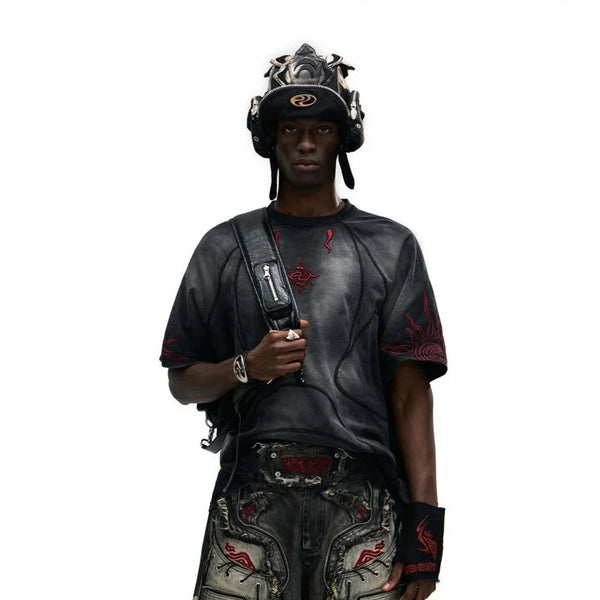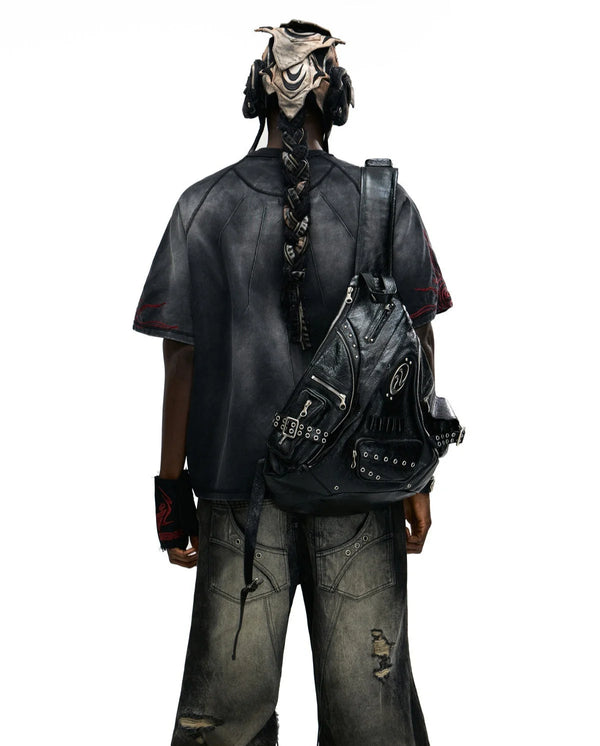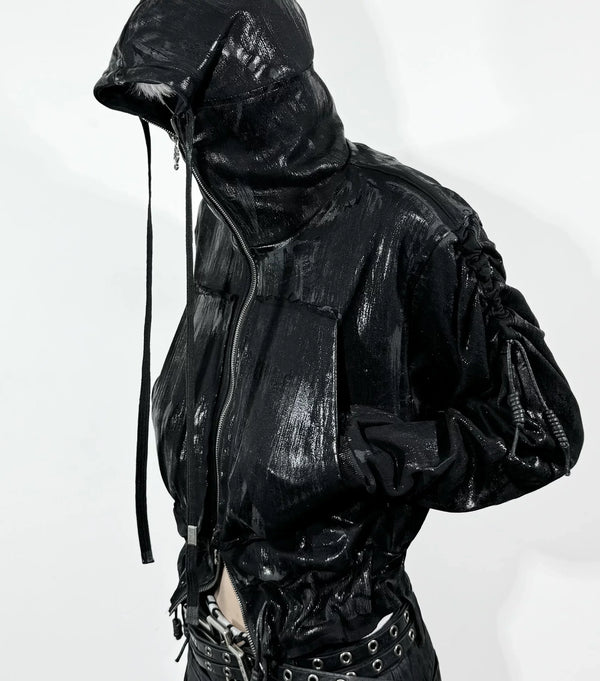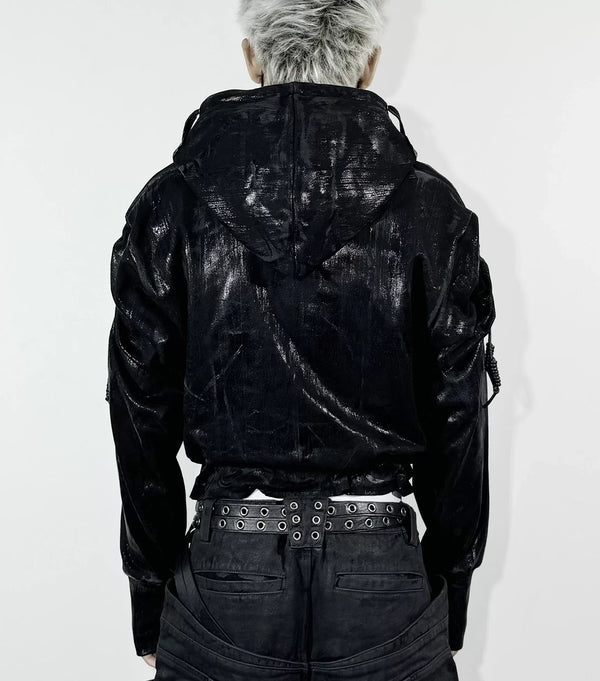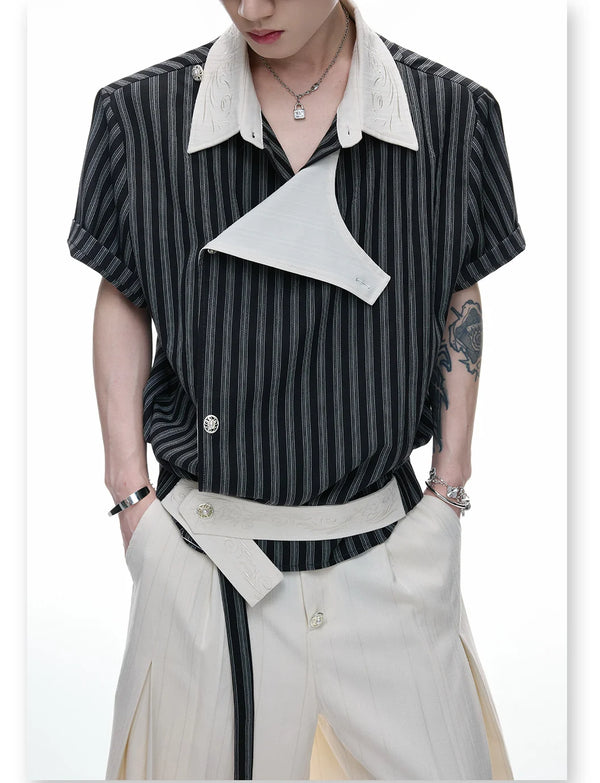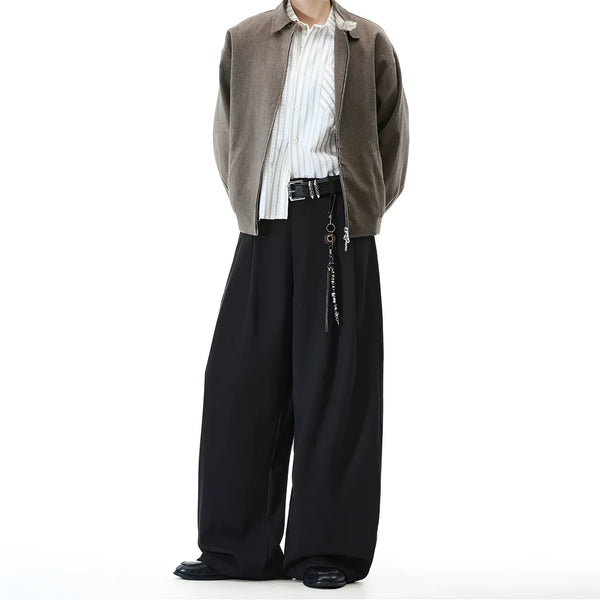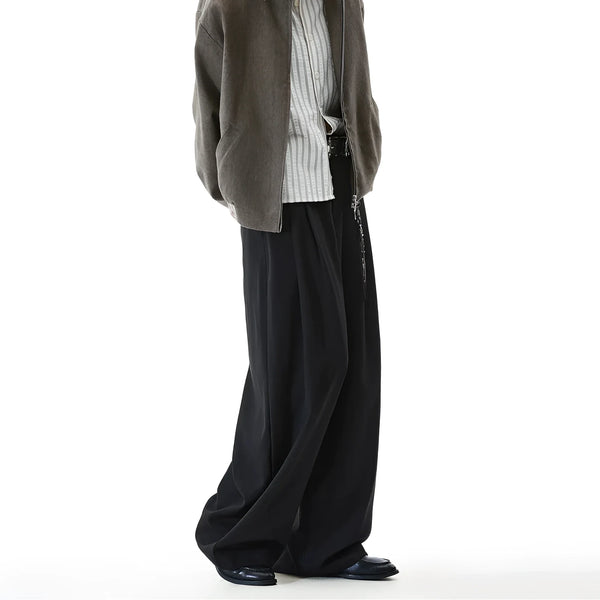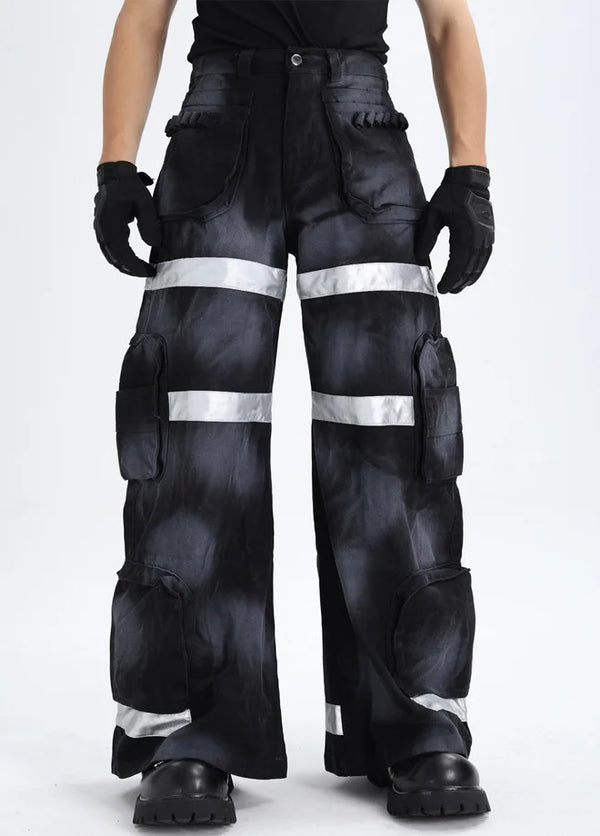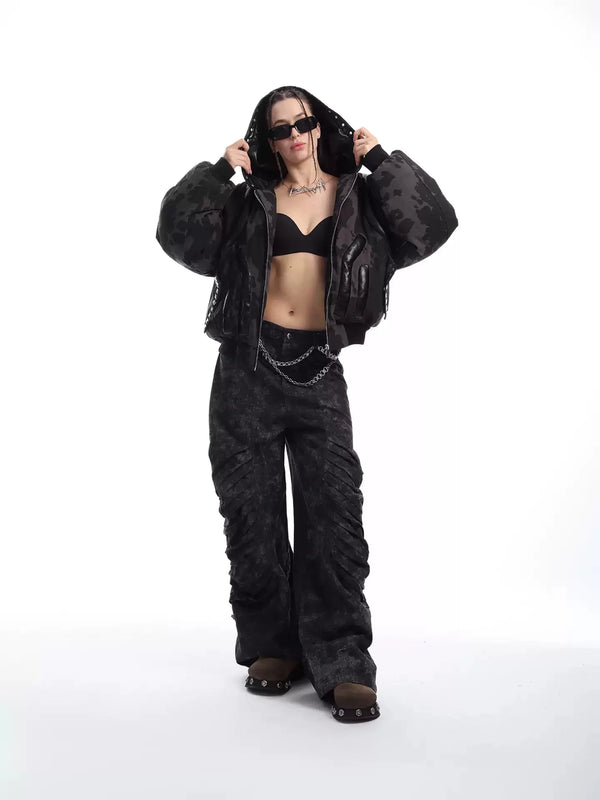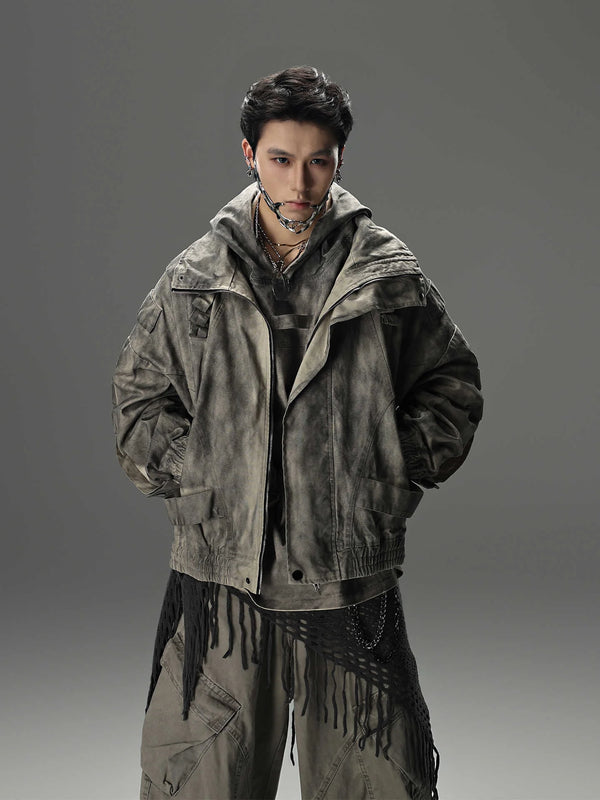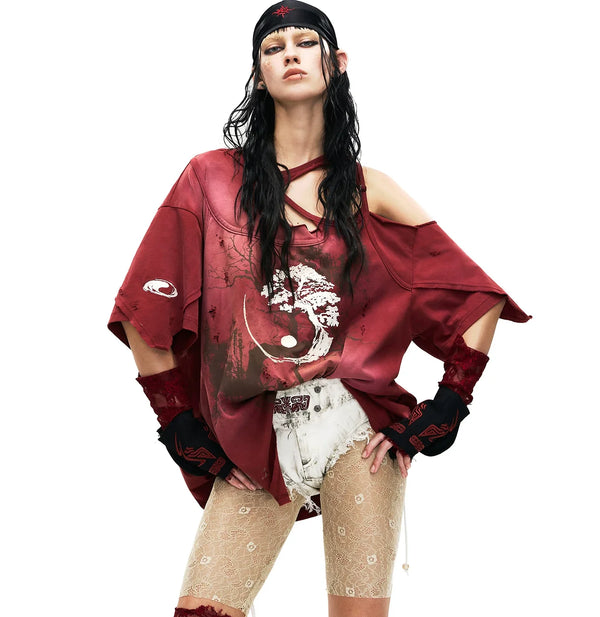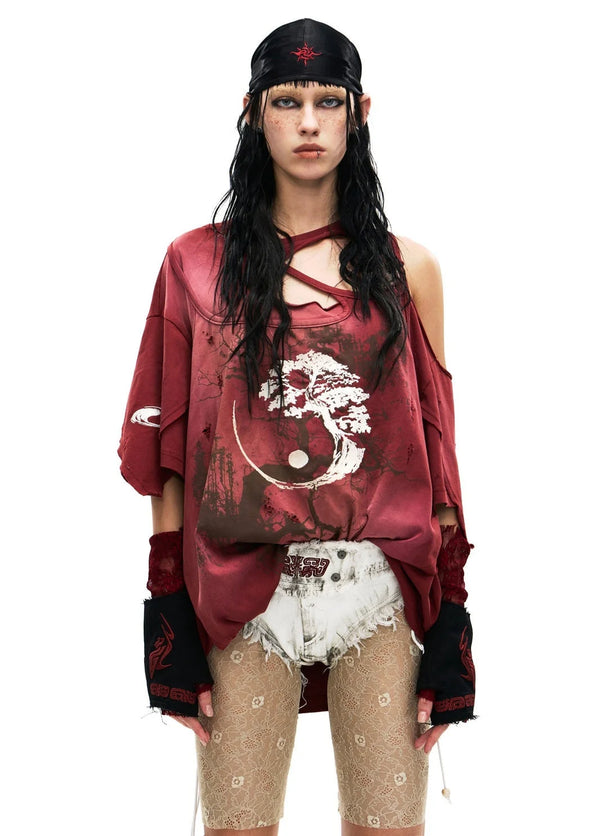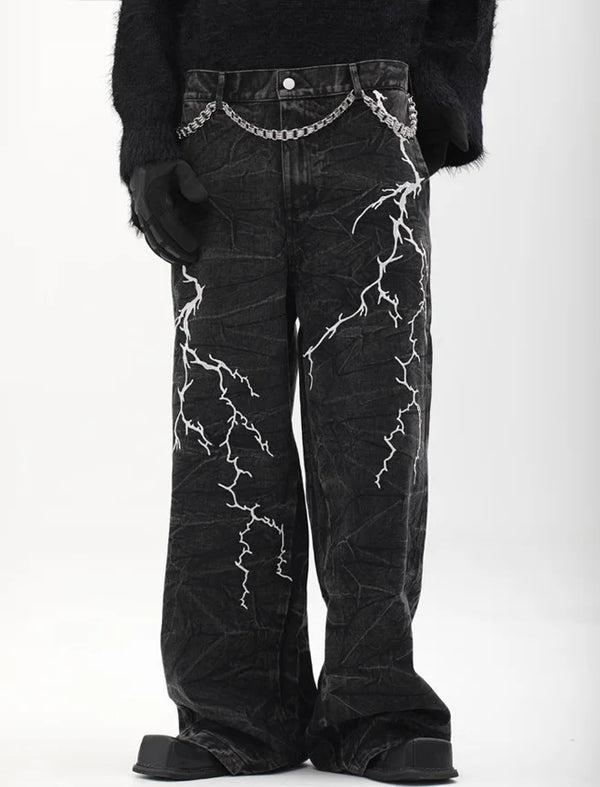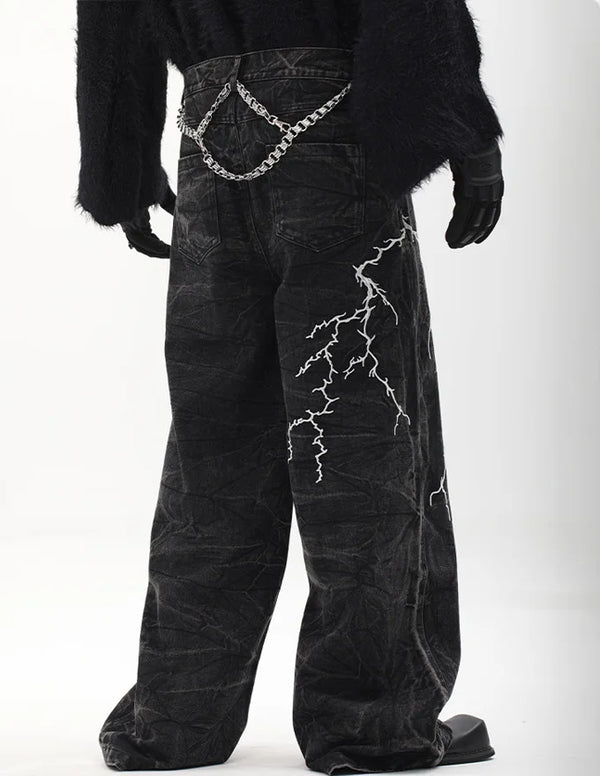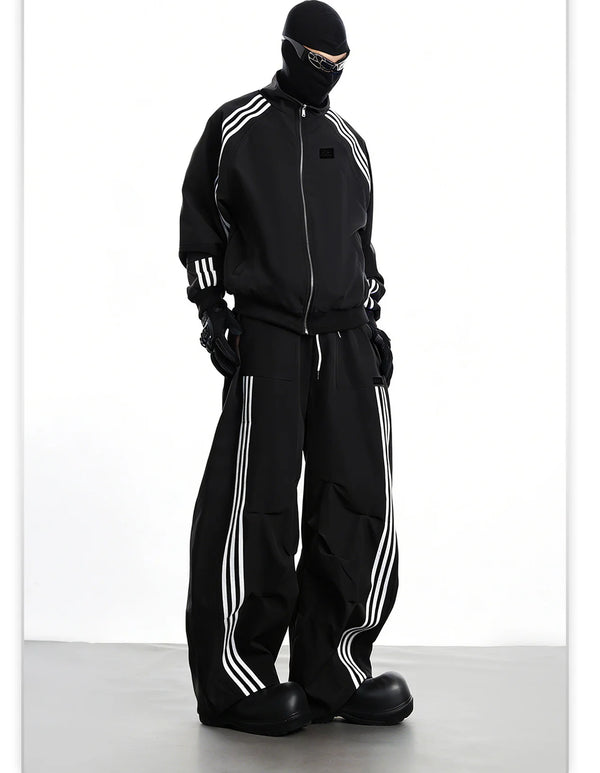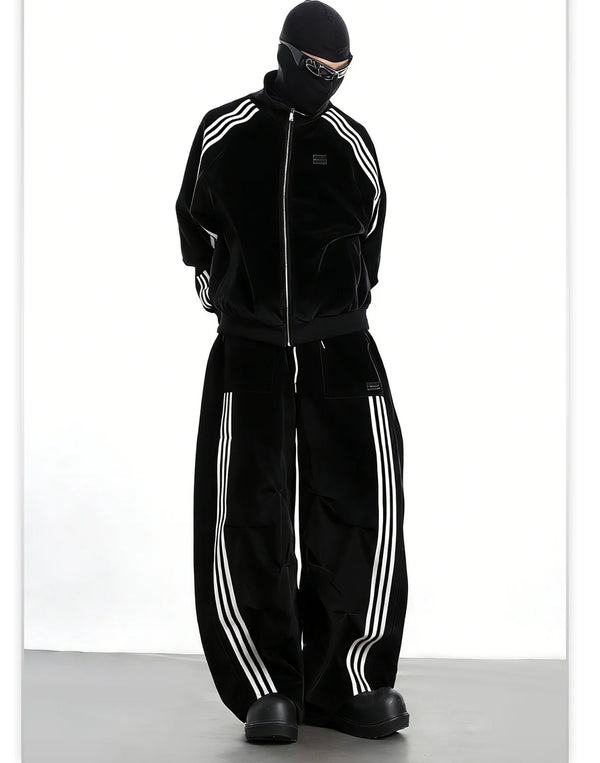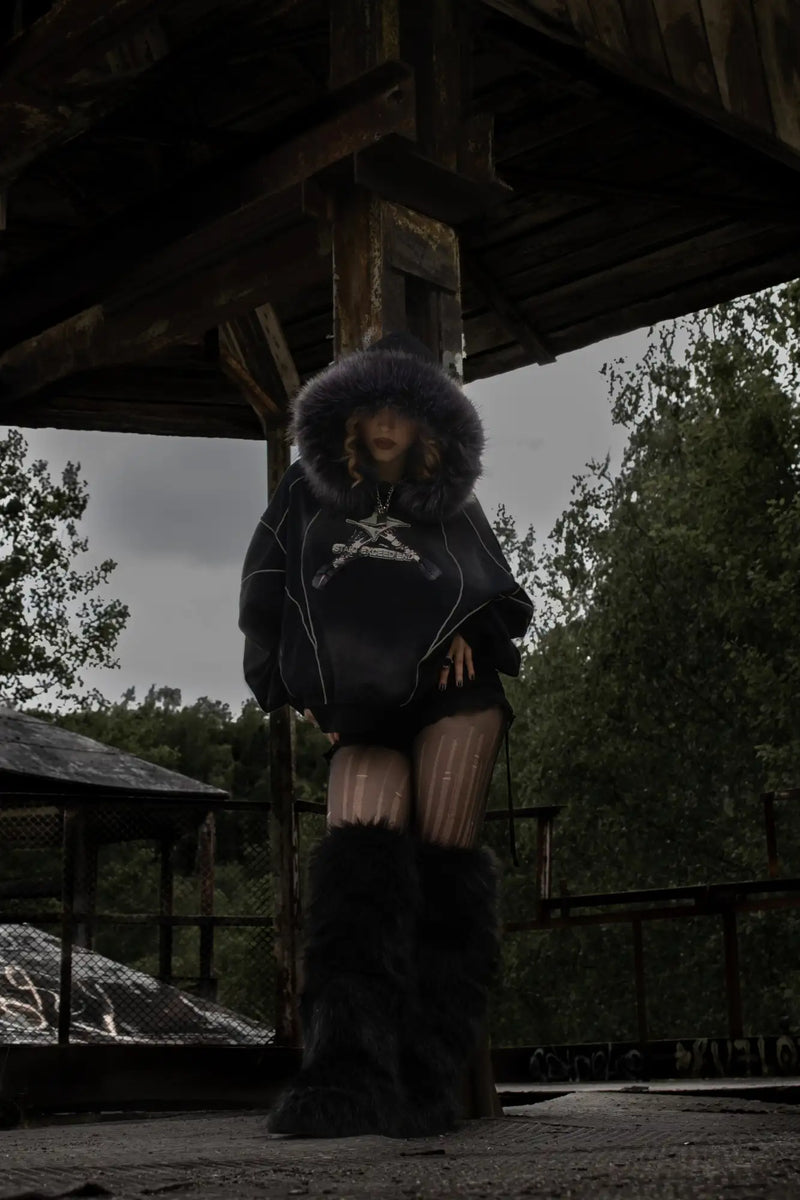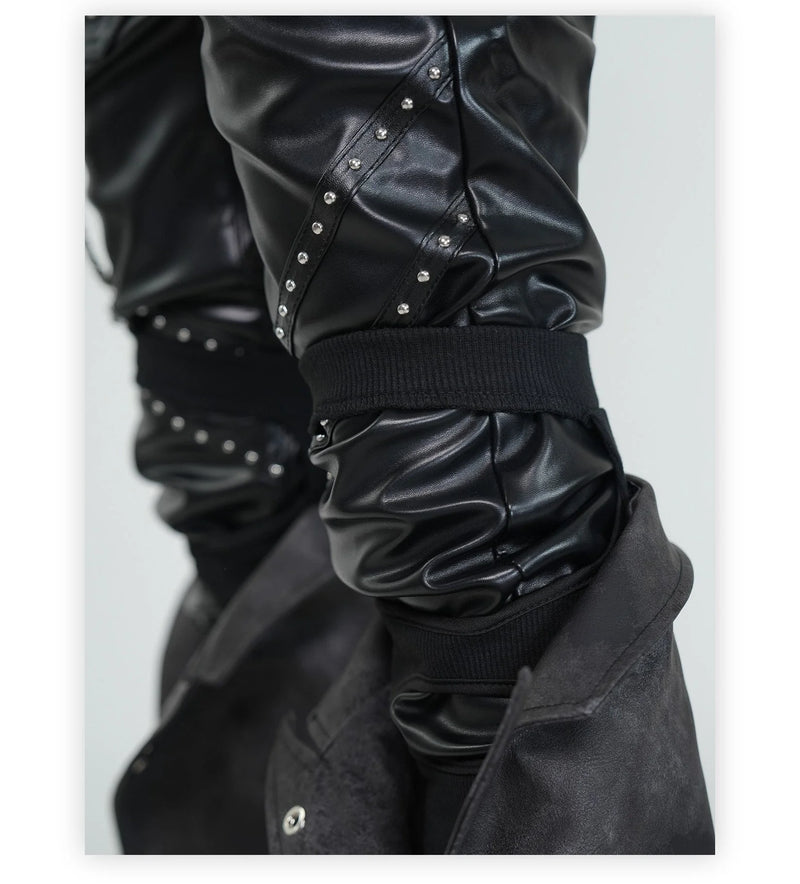
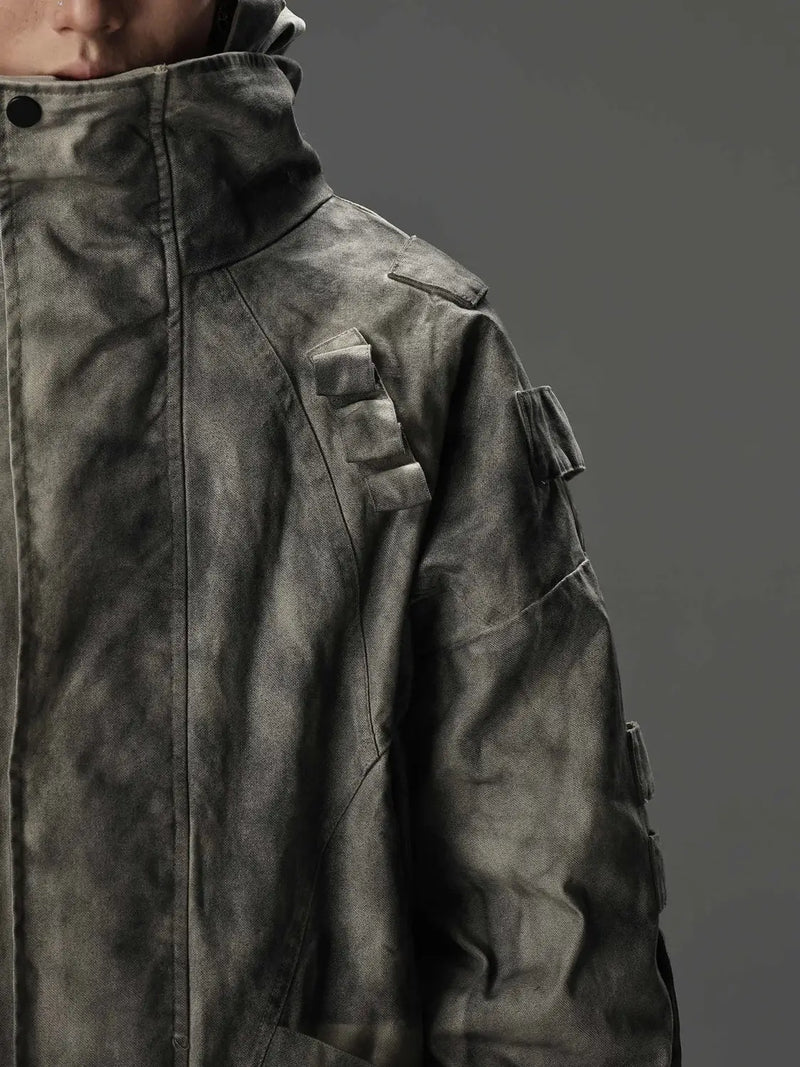

Everyone says good streetwear has to be expensive. Only half true. What expensive really means: not 12 euros. Pay 11.99 for a printed T-shirt and you're not buying streetwear — you're buying a fabric sample from a Shenzhen warehouse with a print from last night.
„Cheap“ works. But cheap has a floor. It sits at around 40 euros for tops and 60 euros for pants. Below that the fabric thins out, the seam runs short, the supply chain gets dirty. Above it there are brands that deliver: German, Korean, Japanese, mid-tier US labels — all in a corridor between €40 and €90, where streetwear finally stops feeling like a costume.
This guide sorts out: what cheap really means, the 5 signs that give away Shein clones in a second, which brands in the €40-90 corridor actually deliver, what DefShop alternatives can do, what 18-to-25-year-olds are wearing right now, and why the „top 1 %“ question in this category is a marketing fairy tale.
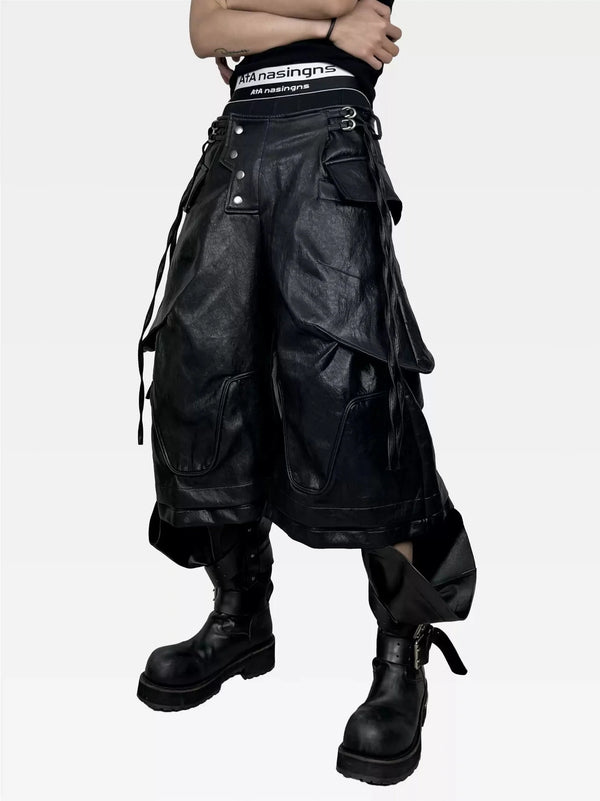
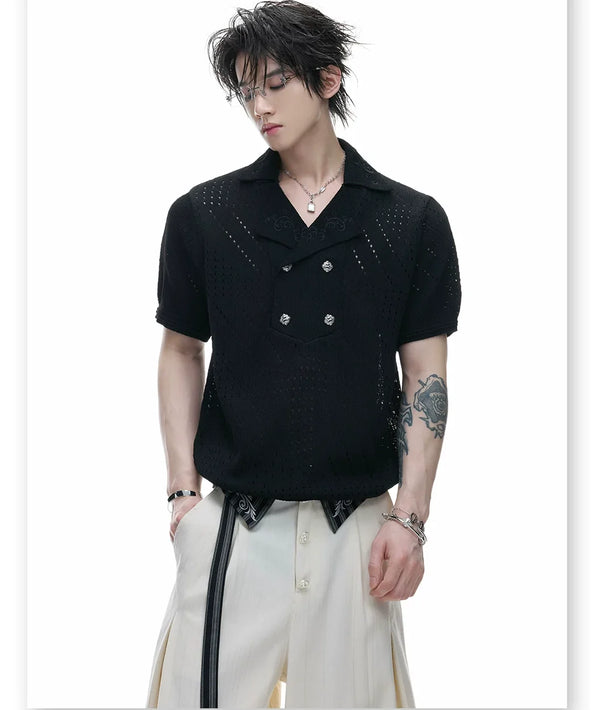
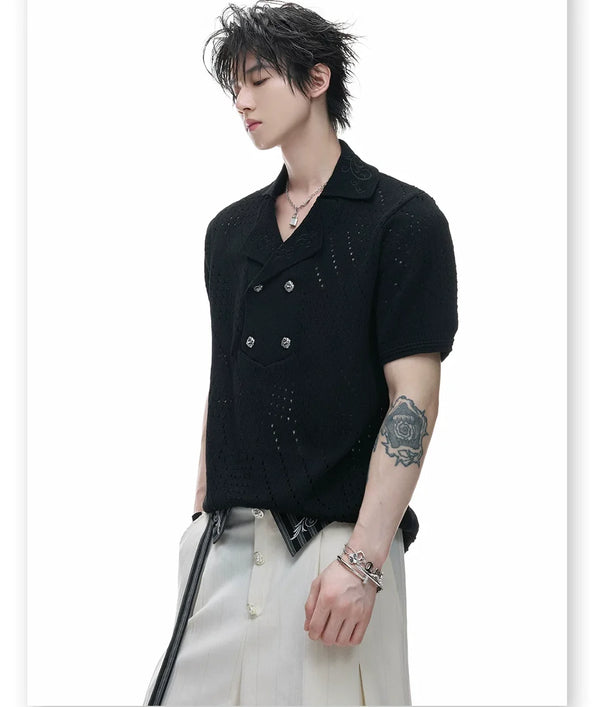
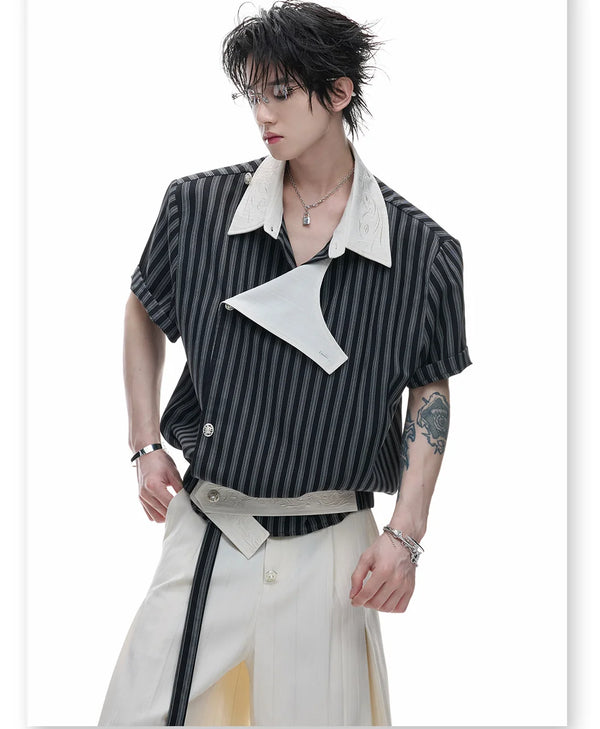
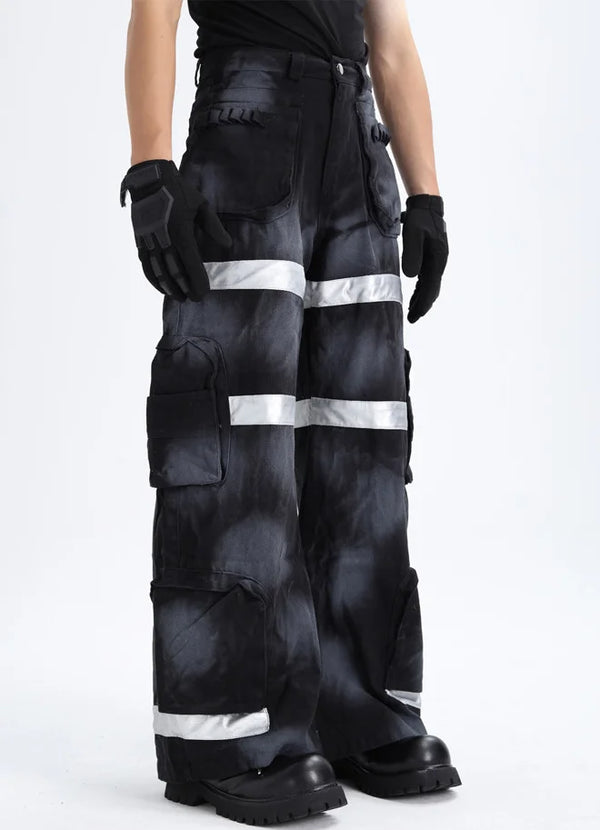
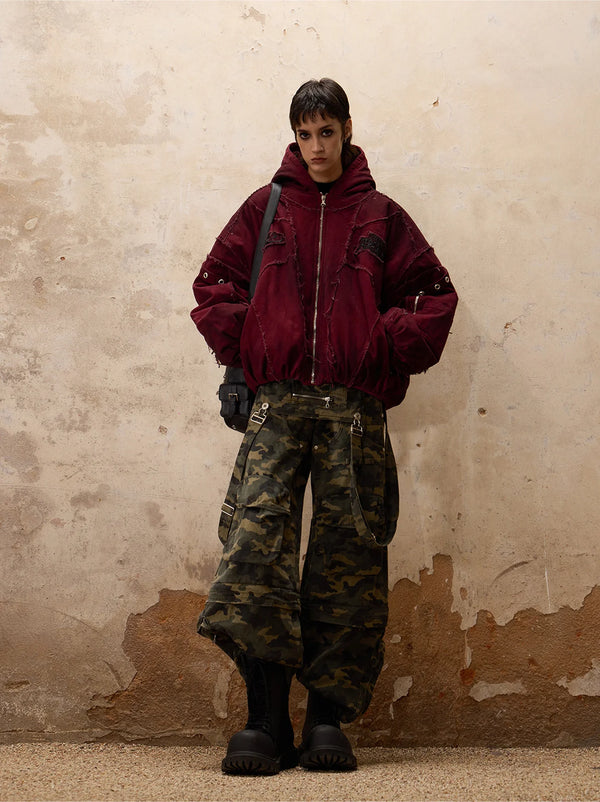
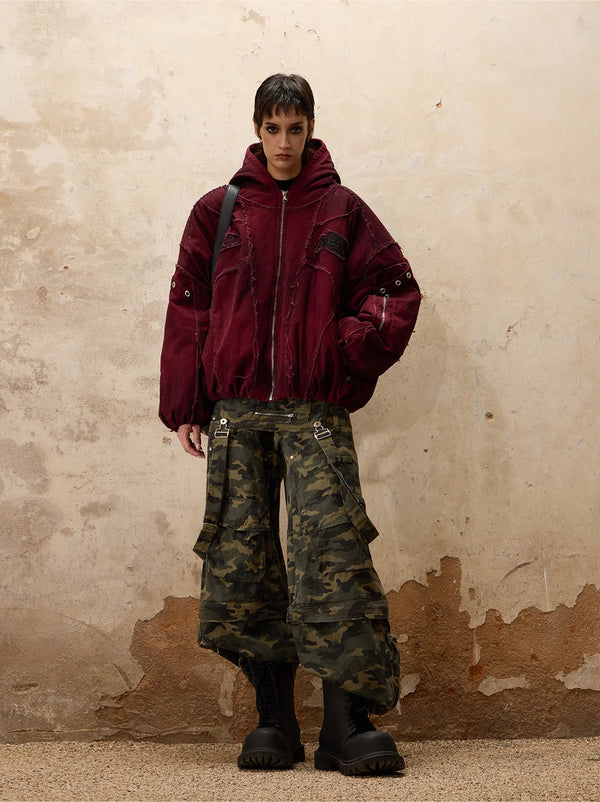
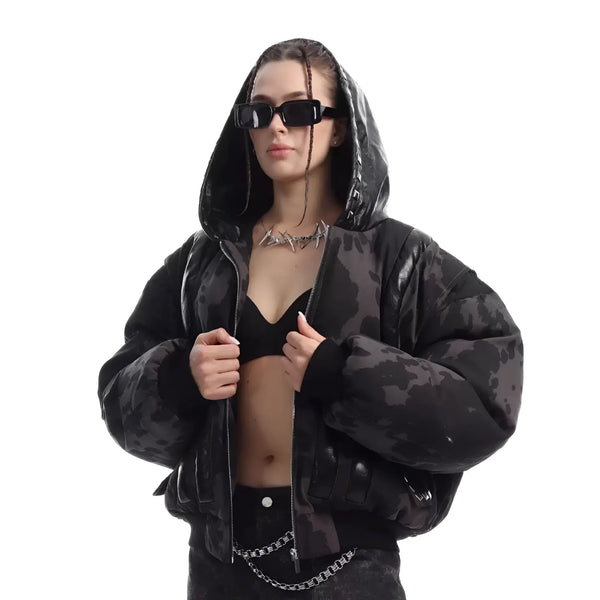
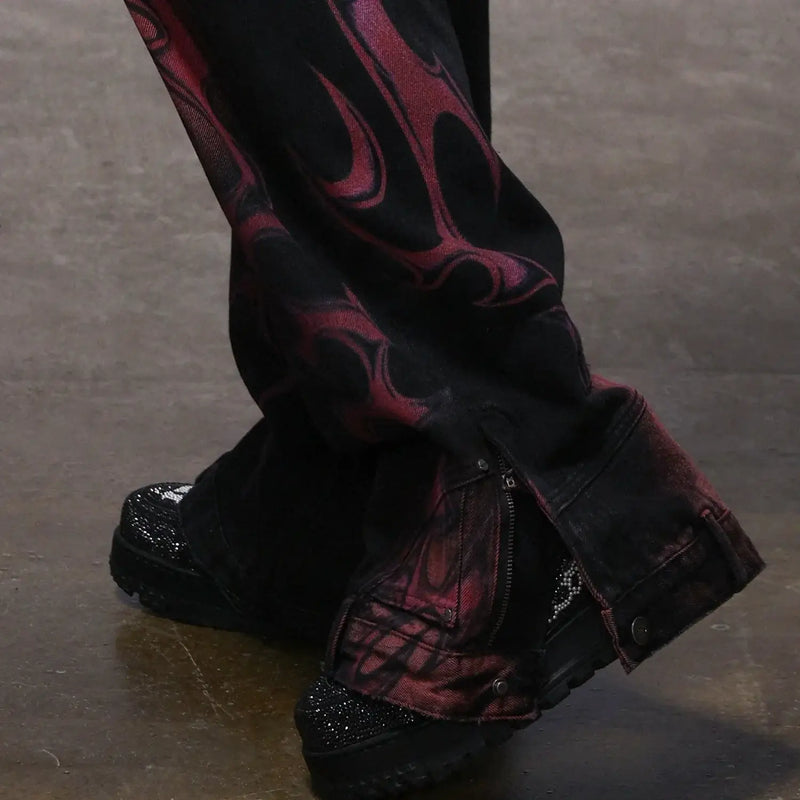
What the €40-€90 corridor looks like in a concrete outfit — 14 seconds, no studio, an ordinary street:
Price floor
What „cheap“ really means — and where the price floor sits
The price floor is the number below which a garment can no longer be streetwear, because material plus cut plus a fair supply chain together cost more than the sale price. That number isn't arbitrary — it follows from what a seam costs in a halfway clean factory, what 220-gram cotton is really worth, and what shipping from Portugal or Turkey demands.
Three price tiers run in parallel and only seem to compete:
< €15
Shein / Temu / dropship
€40–€90
Mid-tier streetwear
€150+
Designer / heritage
The lower tier isn't a cheap version of the middle one. It's a different category. A 12-euro shirt from the Shein catalogue has 110 grams of fabric, a single seam, and a print that the second wash costs it. A 40-euro shirt from Pegador or Urban Classics has 200 grams, four reinforced seams, and a print that survives two seasons. That isn't a 28-euro price difference — those are two different products.
- Fabric weight — 200 g/m² is the minimum for a streetwear shirt. Anything below is see-through and sits like a cleaning rag after three washes.
- Seam — double-stitched at neck, hem and shoulder, otherwise it gives way the first time you wear it for real.
- Shipping — from the EU or Turkey (3-6 days). China shipping with a 14-21 day wait is Shein sign number one.
- Print method — screen print or DTG (direct-to-garment). Heat-transfer film lasts three washes, then it peels off.
- Size chart — consistent across the brand. If S is sometimes 92cm chest and sometimes 102cm, the brand is a collection pool from ten factories.
Spotting
The 5 signs that give away Shein clones in a second
Shein-clone shops look better now than in 2019. Own domain, tidy product images, „Made in EU“ claims that carry no certification mark. They still give themselves away. Five signs that hold true in 90 percent of cases:
A single sign is no proof. Two of them together are. Three guarantees it. Most Shein clones hit four out of five — which makes them very easy to spot once you know what to look for.
Brand map
Which brands in the €40-90 corridor actually deliver
The list below is sorted by price-performance in mid-tier, not by hype. Each of these brands has a mid-range corridor between roughly €40 and €90, builds fabric above 200 g/m², and sells either directly from the EU or through EU warehouses.
- Pegador (DE, Hamburg) — German mid-tier streetwear classic. Hoodies €55-75, pants €60-90. Ships from Hamburg, 3-5 days. Strength: consistent cuts season to season.
- Urban Classics (DE, Berlin) — basics king. Hoodies €40-55, T-shirts €15-25, pants €45-70. Ships from Berlin. Strength: fabric weight from 240 g/m².
- Carhartt WIP Sale (US/EU) — full price over €100, the sale section delivers hoodies and pants in the €60-90 corridor. Heritage cut, double seams, lasts 5+ years.
- BDG (UK, Urban Outfitters) — Y2K/skater cut. Wide-leg jeans €55-75, tops €30-50. Ships from UK/EU. Strength: baggier cut out of the box.
- Weekday (SE, H&M Group) — minimalist Scandinavian mid-tier. Jeans €55-80, tops €25-45. Ships from Sweden. Strength: clean cuts without logo load.
- ASOS Design (UK, own label) — in-house line, not the marketplace collection pool. Hoodies €35-55, pants €40-70. Strength: range of cuts (slim, relaxed, baggy) at no surcharge.
What ties these six together: each one builds for someone who doesn't buy the hype but the piece. None has the status of a hype brand, but each lasts longer than what you get for a third of the price on Shein. For a first sensible outfit, 3 brands are enough — one for tops, one for pants, one for the single jacket that carries everything.
Trend gauge
Which streetwear brands are hot right now — and which you can skip
„Hot“ is a category that turns faster than the delivery time. In the mid-tier corridor four clusters are hot at the moment: German mid-tier, Korean affordable, Japanese workwear-inspired, and Y2K revival. Each cluster has a brand logic you can remember.
Alternatives
DefShop and its alternatives — where you land better today
DefShop has been Germany's biggest streetwear multibrand retailer in Berlin since 1999. Advantage: 270+ brands on one platform, fast shipping, fair returns. Disadvantage: it's exactly that — a retailer. No cut profile, no own line, no curator's eye. Land at DefShop and you buy what the brands want to sell, not what works together.
What delivers as an alternative depends on what you're looking for:
- Snipes — biggest direct DefShop alternative in mass market. Same brand list (Nike, Adidas, Champion), own store network, stronger sneaker selection. Better curated for hype-driven drops.
- Asphaltgold (Darmstadt) — curated mid-premium. Carhartt WIP, Stussy, Patta, Aimé Leon Dore. For people who want to leave DefShop because they can't stand mass market anymore.
- Afew Store (Düsseldorf) — premium streetwear plus sneaker drops. Shorter brand list, higher price level, but more curated.
- Solebox (Berlin) — sneaker-focused, but with a solid apparel section. Collabs with Adidas, New Balance, Patta. If you think sneaker-first, you land here.
- Caliroots (Sweden, ships to DE) — Nordic counterpart to Asphaltgold. Stronger selection of Japanese and Scandinavian brands. The first address for cluster two (Japanese workwear).
DefShop stays sensible when you know exactly which brand and which piece you want — then you buy it cheaply where it sits. For everything else — inspiration, curation, combinable pieces — the five above are better.
Target group
Which brands 18-to-25-year-olds really wear
Stand for half an hour at an S-Bahn station in Berlin Friedrichshain, Hamburg Schanze, Munich Glockenbach or Cologne Ehrenfeld, and you see a very concrete mix. It's smaller than the brand world suggests. Roughly 70 percent come from the €40-90 corridor (Pegador, Carhartt WIP, BDG, Urban Classics, ASOS Design), 20 percent from resale (Vinted, Depop, Sellpy, Momox), 10 percent are a statement piece — usually a jacket or a pair of sneakers —, the only thing in the outfit that cost over €150.
What stands out: the awareness of fabric has shifted. Whoever wore a €15 Champion logo shirt in 2018 today wears a no-name heavy tee for €40 — because the fabric feels different, not because the print is louder. The resale share isn't a poverty indicator but a style signal. A vintage Carhartt jacket from 2003 beats a 2026 new purchase — in price, in cut, in patina.
What no longer stands out: Adidas Originals pants, no collab. Champion hoodie standard. Levi's 501 in the original cut. These are still solid pieces, but they're no longer a style signal — they're background. What sends a signal is what reads slightly off: workwear pants with an office shirt, Y2K wide-leg with a heavy tee, a washed-out Carhartt jacket over a clean outfit. Mix over brand.
Category · Tops
Tops under €70 — what actually wears well
Tops are the entry into a serious streetwear wardrobe. Two heavy tees, one hoodie, one longsleeve — that carries three months if the fabric is right. Heavy tees sit at €35-55, hoodies at €55-80, longsleeves at €40-65. Start below €30 here and you buy Shein distribution. Start above €100 here and you buy a designer markup without a designer cut.
Category · Trousers
Pants under €120 — wide-leg, cargo, baggy
Pants are the second piece class where the price floor really counts. A €25 pair has a thin seam at the crotch that gives way after three weeks. A €70 pair from BDG, Carhartt WIP Sale, or Pegador lasts two seasons. Wide-leg jeans sit at €55-95, cargo at €65-110, baggy denim at €75-120. Cut tip for 2026: relaxed beats skinny in every sub-niche.
Category · Jackets
Jackets under €170 — bomber, denim, puffer
The jacket is the piece that carries the whole outfit — and the one where you shouldn't start below €90. Bombers run €110-160, denim jackets €90-150, puffers €130-180. A good mid-tier jacket lasts 4-6 years, a cheap one under €50 loses its lining and shape after one winter. Spending more here pays off fastest.
Styling
How €40-80 looks like €200 — the styling logic
A good outfit from mid-tier brands often looks more upmarket than an average one from designer pieces. The reason isn't the price, but the logic. Three rules that make the difference:
The outfit doesn't read as price, but as decision. Put 80 euros into a pair of pants that works together with the other pieces and you have a better outfit than someone who puts 400 into a single designer piece living in a wardrobe full of accidents.
Rule one: one colour language. Black plus one accent colour is always cheaper to master than five colours at once. Rule two: one silhouette. Wide on top, narrow below — or the reverse. Both at once tips over. Rule three: one material group. Cotton, denim, leather, mesh — pick two per outfit, not four. These three rules cost nothing and make the most difference.
Common mistakes
The 5 most common mistakes when buying cheap streetwear
These five mistakes together cost more money than the price difference between mid-tier and designer. They're all avoidable:
Getting started
First 4 pieces — your entry budget €200-300
If you have nothing yet or want to re-sort the wardrobe — four pieces cover 80 % of all outfits. Order by priority: pants first (you always see them), then the hoodie (it covers the top), then a heavy tee (it works alone), then the single jacket (it carries the outfit). Total cost between €200 and €300, depending on where you land.
Plot twist
What the „top 1 %“ really wear — the plot twist
The question „Which brands do the top 1 % wear“ is one of the most common in streetwear searches — and the most dishonest. It suggests the upper money class has a secret brand list that, once you know it, guarantees style. It doesn't. The upper money class wears a very concrete mix that in practice is far more boring than the marketing myth.
What's really worn: a single heritage piece (Loro Piana sweater, Brunello Cucinelli pants), combined with basics that don't come from the designer tier — because the top 1 % isn't in a suit every day. The second half of the outfit is often exactly what's sold in the mid-tier corridor: Sunspel heavy tee, Levi's Vintage, A.P.C. jeans. Plus a pair of well-kept shoes that last longer than most outfits around them.
The honest answer to the top-1 % question: mid-tier plus one statement piece per outfit. That is exactly what every style consumer can reach in the mid-tier corridor — the only difference is that the statement piece costs €1,500 in the upper class instead of €150. The logic is the same.
If you've never worn a Korean Two Piece, start with a knit coord or a tracksuit set. Both are forgiving, both work in 80 percent of occasions, both teach you the fabric discipline you'll need for blazer and linen sets later.
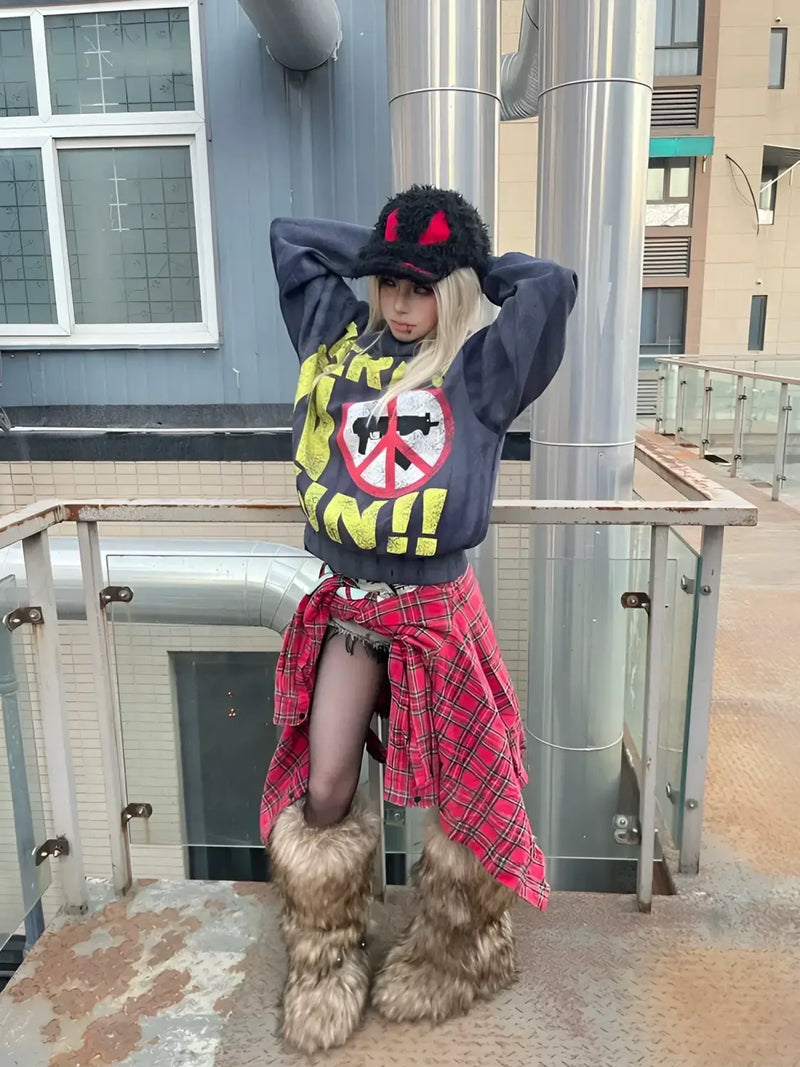
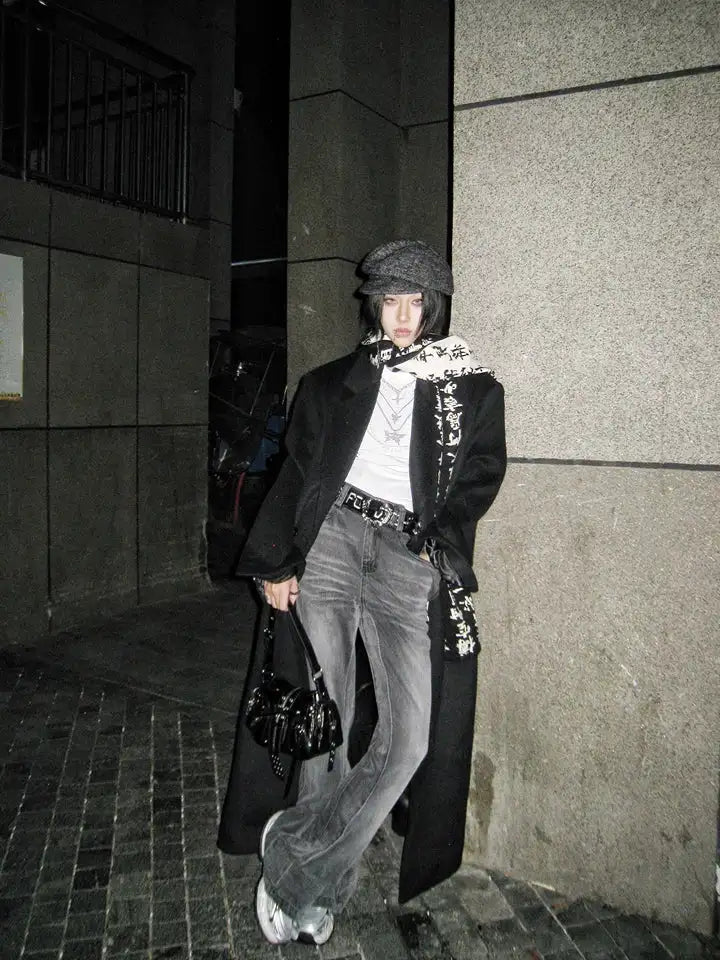
Real outfits from the Berlin-Shanghai-Tokyo-Poznań loop
From our Instagram feed — how the €40-90 corridor is worn for real, beyond the lookbook. Four cities, one logic, four different applications:
Conclusion
Conclusion — cheap isn't cheap-made
Three signals read clothing as "wealthy" — fabric quality (matte not glossy, heavy not thin), fit precision (sits at shoulder and hip, falls clean), and cohesion (one single fabric vocabulary, not three). Korean Two Piece hits all three signals: identical fabric between top and bottom (highest cohesion level), precise fit as set standard, often in matte natural fibres (linen, wool, twill). That's why the Korean set look often reads as "quiet luxury" or "expensive-looking" in Western media — it hits the perceived wealth signals without visible brand logos.
Frequently asked questions about cheap streetwear brands
What are the best cheap streetwear brands?
Which streetwear brands are hot in 2026?
Which brands do 18-to-25-year-olds wear?
What alternatives are there to DefShop?
Which brands do teenagers wear?
Which brands do the „top 1 %“ wear?
Where is the price floor for honest streetwear?
What do you think?
Tell us on @fuga_studios
About the author
Philipp Fuge — Founder · Berlin
Founder of Fūga Studios. Writes the journal himself. Berlin · Shanghai · Tokyo · Poznań — four cities, one logic.