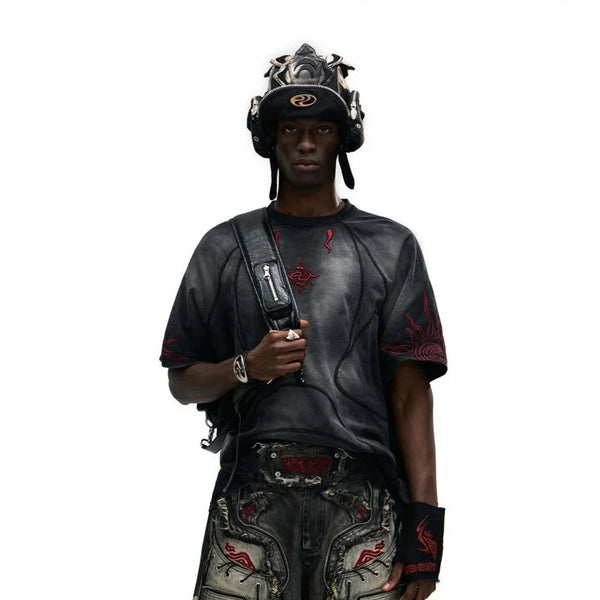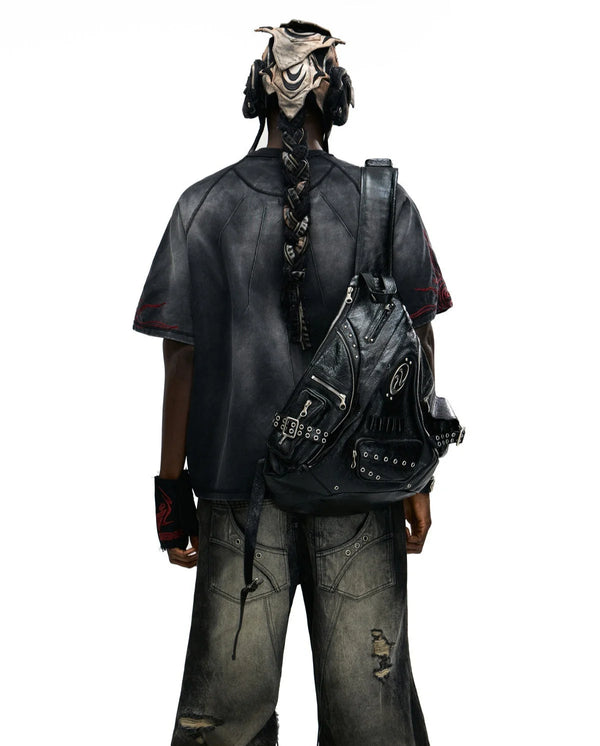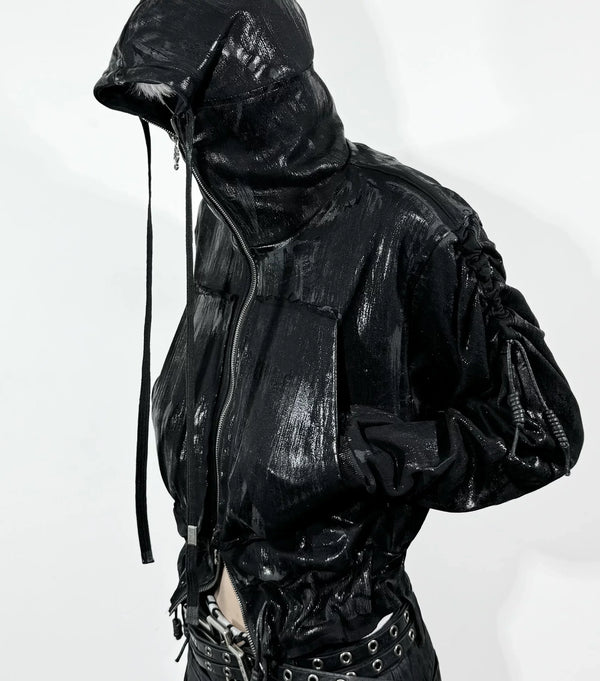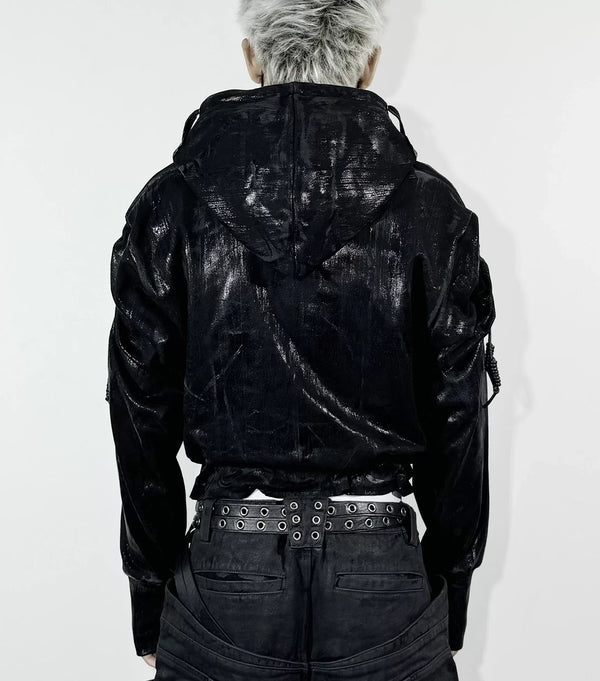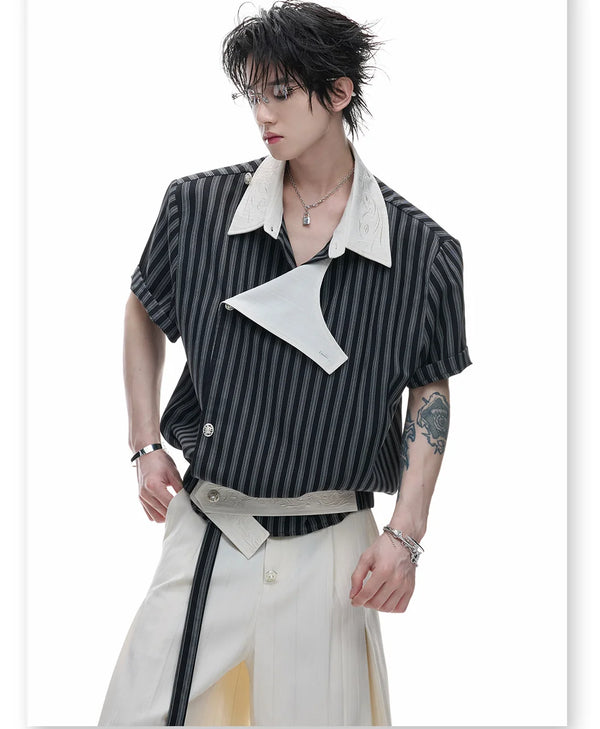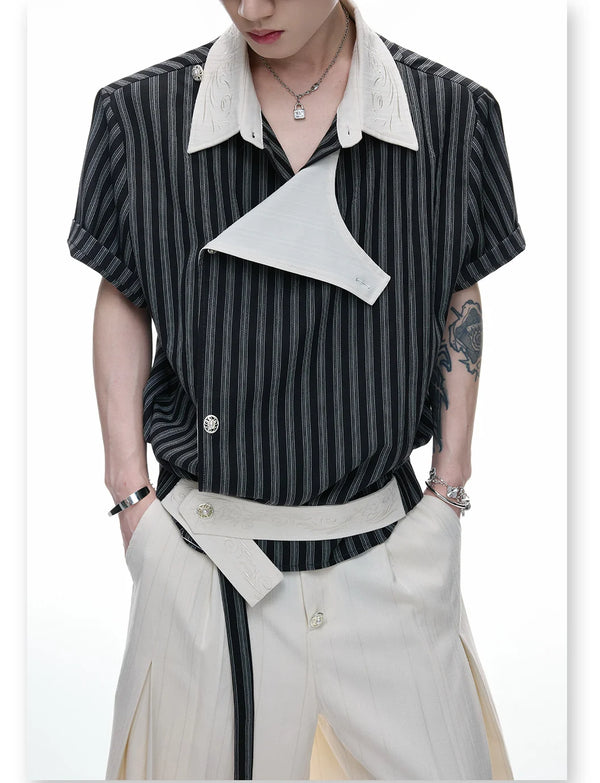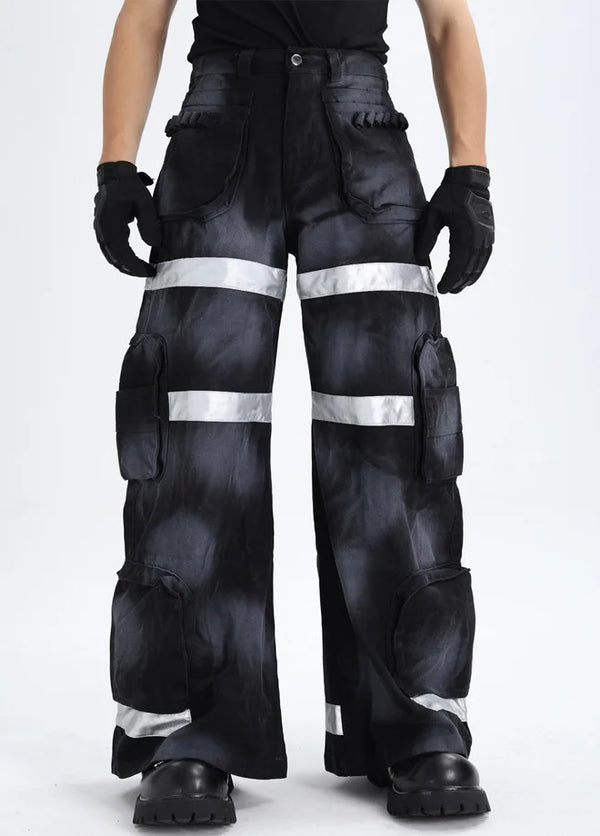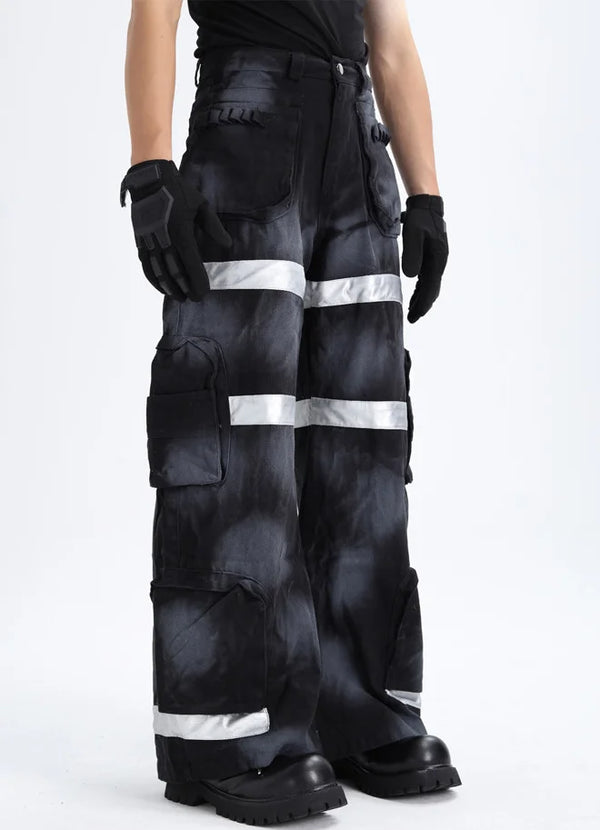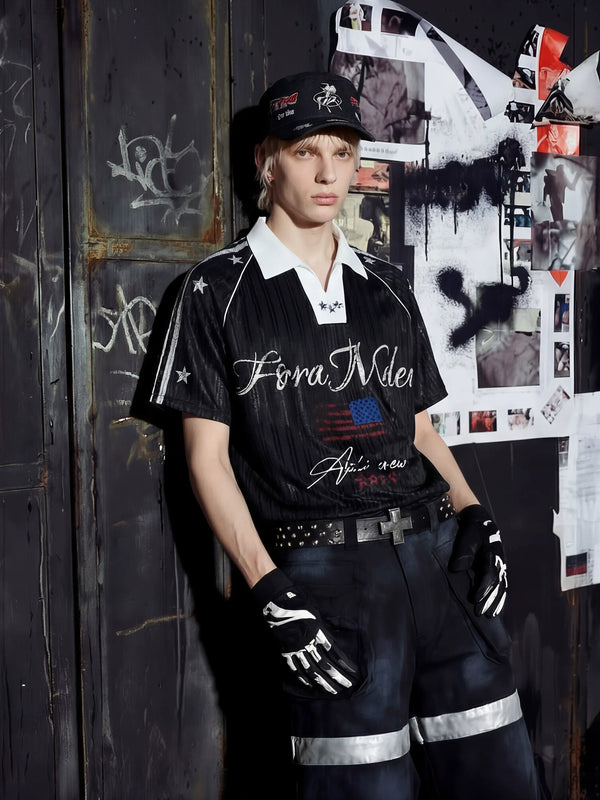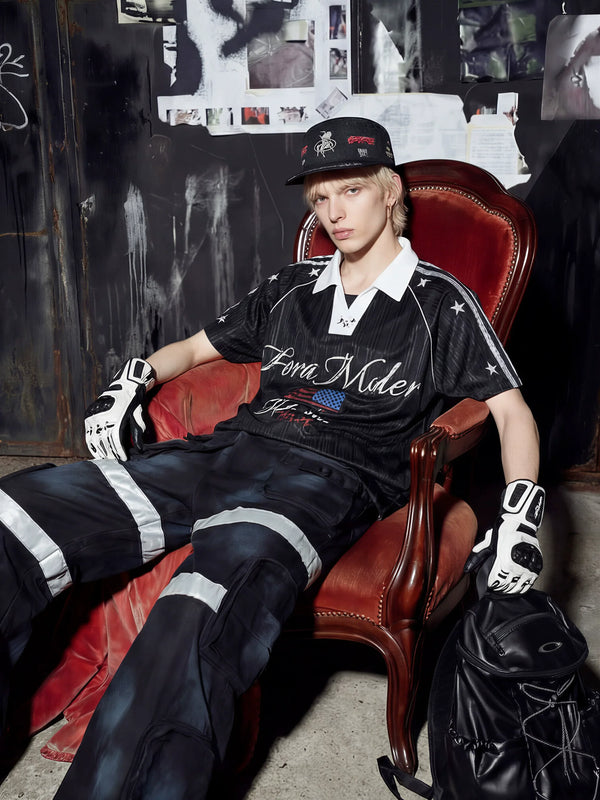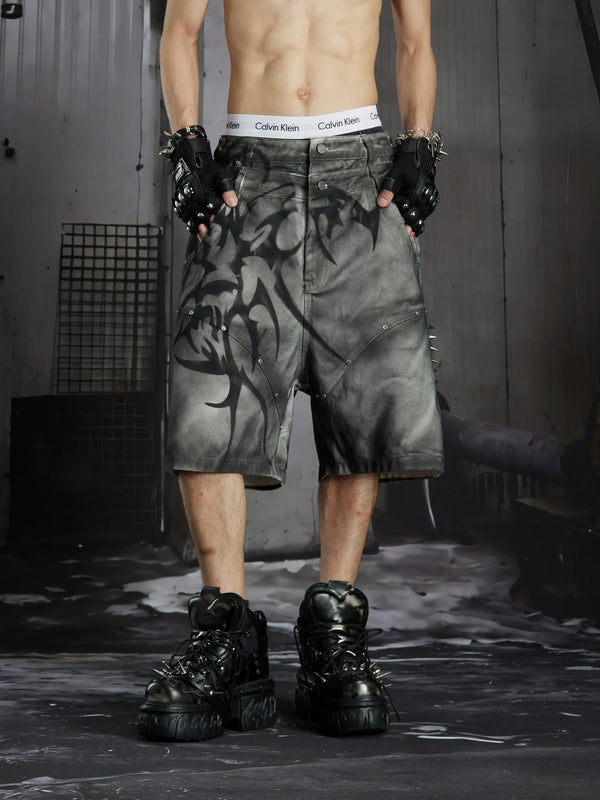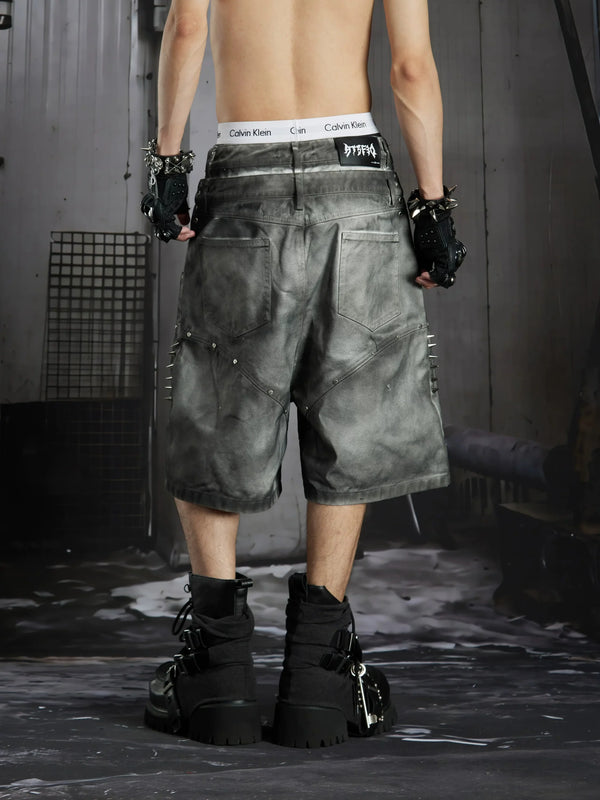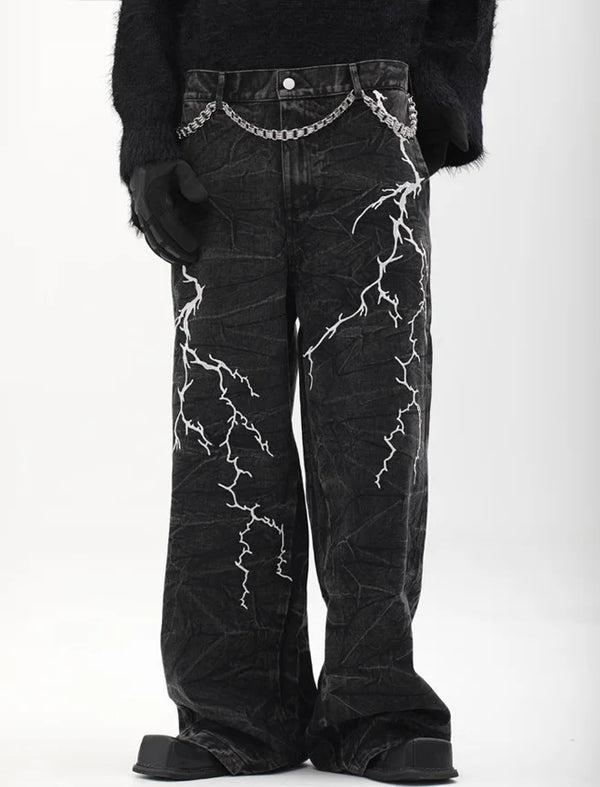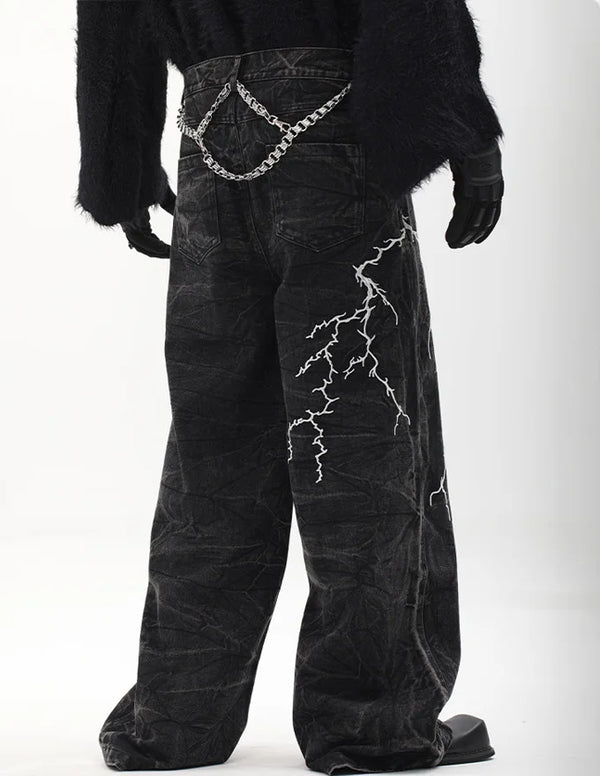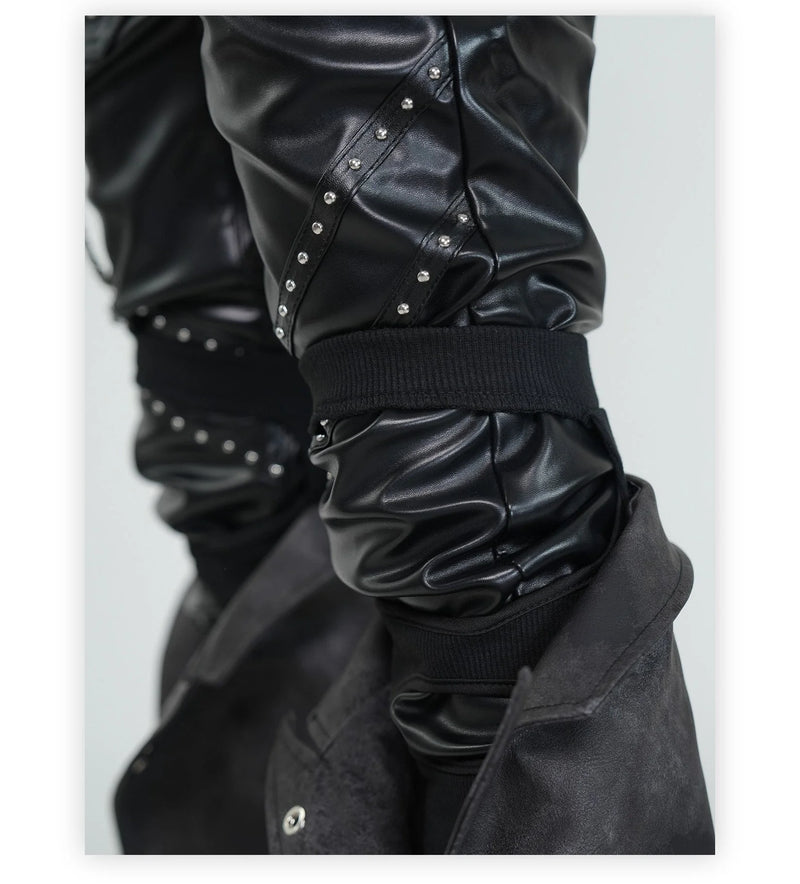
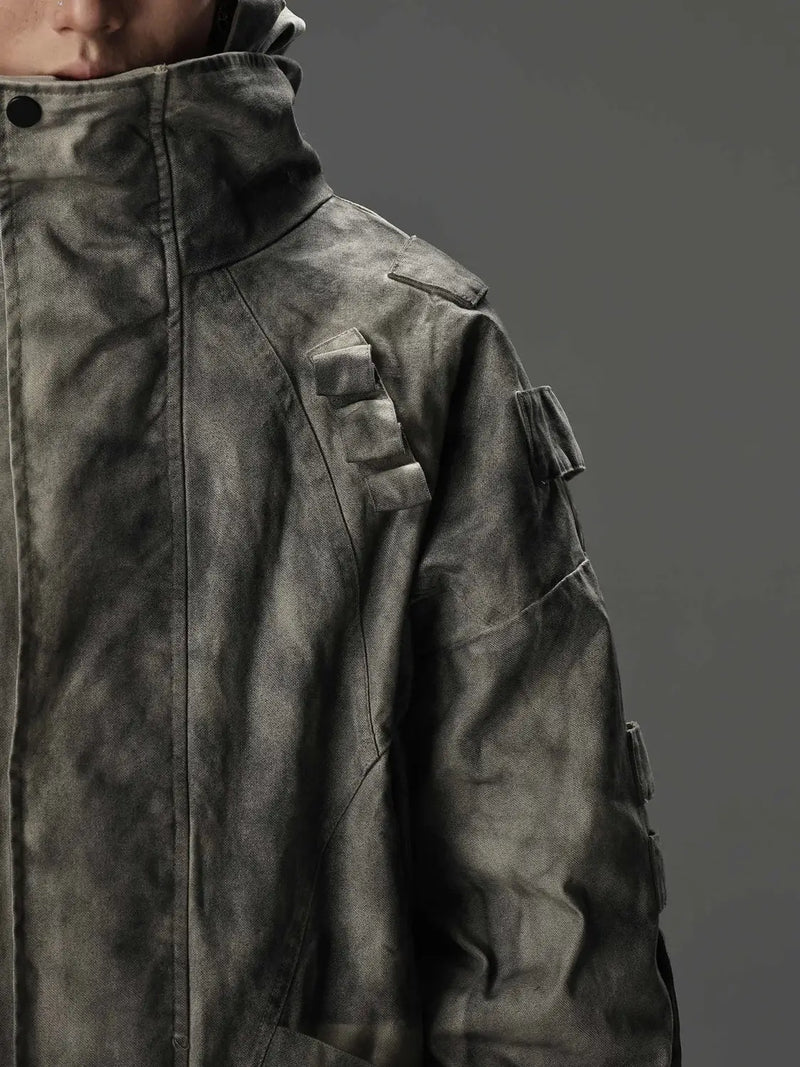

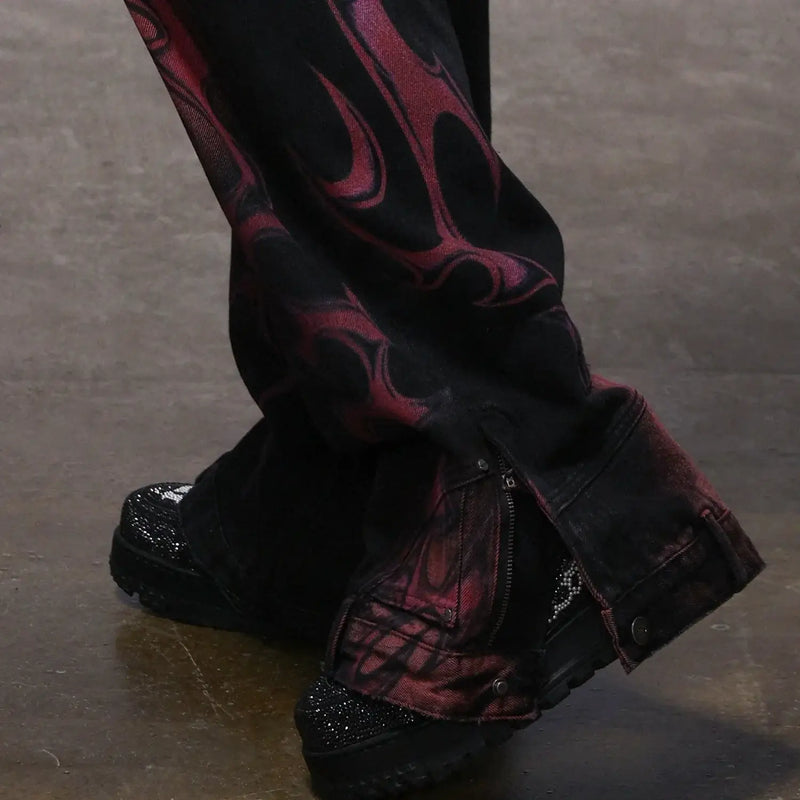


Fast fashion promises a t-shirt for €9. What you actually pay only shows up after the sixth wash — when the fabric wrinkles, the collar stretches out, and the print is half gone. Until then, the piece hangs in the closet for two seasons and then ends up in the trash. Real math: €9 for eight wear-days, plus the next €9 shirt in four months, plus the one after that.
Techwear works the other way around. A matte black hardshell jacket costs €280, sits in the closet for ten years, gets worn through every Berlin winter, every Tokyo rainy week, every festival night in the forest — and is still repairable at the end. Math: €280 divided by roughly 400 wear-days. That's 70 cents per outfit. Fast fashion lands at €1.60 to €2.30.
This guide clarifies what you're really comparing when you put techwear up against fast fashion: which materials carry one through ten years — and which shortcuts tip the other over after eight washes. Who buys what, where the switch starts, and which question you should ask yourself before every click.
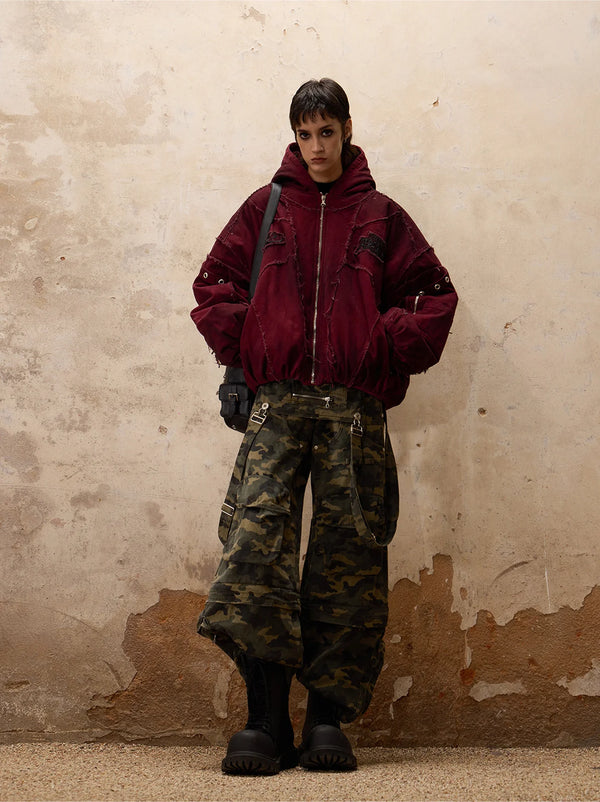
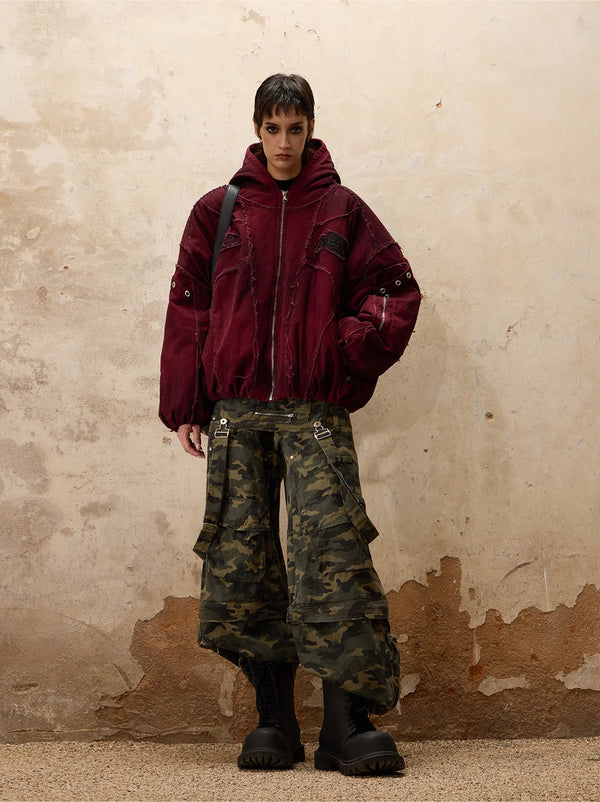
This is what the difference looks like in motion — one jacket, one outfit, no outfit change per season:
Definition
What is techwear — and what is fast fashion?
Techwear is the civilian translation of performance clothing. The vocabulary comes from two sources: outdoor engineering (Gore-Tex, Arc'teryx, Patagonia) and military function-wear (modular pockets, velcro, Cordura reinforcement). What brands like ACRONYM, Stone Island Shadow Project, or Veilance did — and what we carry forward at Fūga Studios in our cargo cuts and shell constructions — is translating that functional language into wearable outfits. Not a style switch. A build philosophy.
Fast fashion is the opposite — as a business model. Zara, H&M, SHEIN, Temu compress the design cycle to 14 days, production to weeks, life expectancy to half a season. The fabric is polyester-dominant, the seam single-stitch, the zipper generic. The model works because you buy it new three times a year — not despite that, because of it. The short lifespan is a feature, not a bug.
200-400
Techwear wear-days
7-15
Fast-fashion wear-days
14
Days design cycle at SHEIN
36
Months lifespan hardshell
These numbers aren't a branding slide. They're the test. If a piece falls under 50 wear-days, you bought fast fashion — no matter what the label says. If it hits 200+, it was techwear or workwear construction. In between is mid-market, and mid-market is usually disappointing.
What actually separates techwear from fast fashion:
- Fabric — ripstop nylon, Cordura, Gore-Tex, heavy cotton twill. Fast fashion is 75-100% polyester, thin, pills after eight washes.
- Zipper — YKK or better. Fast fashion has generic no-name hardware that freezes at -5°C or jams after three months.
- Seam — bartack stitch, double-needle, sometimes welded. Fast fashion is single-stitch, straight seam, tears at the stress point first.
- Construction — reinforced shoulders, padded edges, modular pockets. Fast fashion is flat-sewn, one cut, one fabric, no reinforcement.
- Repairability — techwear brands run repair programs (Patagonia Worn Wear, Arc'teryx ReBird). Fast fashion is disposable by design.
- Resale value — an ACRONYM jacket from 2017 still sells for 70% of retail in 2026. A Zara jacket from 2024 doesn't sell at all anymore.
If three of these six markers are missing, it's not techwear — no matter how many velcro straps are sewn on. And there's a trick that makes the choice easier in 30 seconds:
Cost calculation
The real cost calculation — cost-per-wear, honestly
"Techwear is too expensive" is the most common response when someone defends fast fashion. It ignores the only calculation that matters: what does the piece cost per day you wear it. A €9 shirt you wear eight times costs €1.13 a day. A €65 long-sleeve you wear 200 times costs 33 cents a day. Factor of three in techwear's favor — and that's the conservative math.
With bigger pieces, the gap gets brutal. A SHEIN winter jacket at €45 lasts an average of 15 days. That's €3 a day. A techwear shell at €280 lasts ten seasons at 40 wear-days each. That's 70 cents a day. Factor of four. Plus: the shell is repairable after season one, the SHEIN jacket isn't. Plus: the shell has resale value, the SHEIN jacket doesn't.
Materials
Materials & construction — where techwear wins
The price gap between a fast-fashion jacket and a techwear shell sits 70% in the fabric and 20% in the seam. The remaining 10% is hardware. Once you understand what these three factors actually mean, you can decide in any store within two minutes whether a price is fair or markup.
Ripstop nylon, for example, has a cross-woven rip-stop weave — if you get a tear, it doesn't keep running. Polyester microfiber, what fast fashion uses instead, tears diagonally until the hole is palm-sized. Gore-Tex and comparable membranes are breathable and waterproof — which you notice in the rain, when the polyester imitation soaks you through from the inside after 20 minutes.
The seam is the second identifying marker. Techwear uses bartack reinforcement at stress points — pocket corners, hoodie drawstring channel, jacket underarm. Those are the spots where fast fashion gives out first. A bartack is an 8-15-pass stitch in dense zigzag. A regular stitch is a single continuous line. You can spot it without a magnifying glass.
The hardware checklist that identifies techwear:
- YKK zipper — Japanese brand, runs smoothly, doesn't jam, survives thousands of cycles. The label is on the zip pull.
- Cordura reinforcement — usually at shoulder, elbow, knee, seat area. You recognize it by the coarser weave.
- Welded seam (taped seam) — prevents water entry through stitch holes. The inside shows a narrow tape strip.
- Modular pockets — usually 6-8 instead of 2-4. With velcro, magnet, or nested zip instead of an open slip pocket.
- Reflective accents — functional at shoulder, back, sleeve. Not decoration, but visibility at night.
- Adjustable hardware — tanka stoppers at the hem, velcro tabs at the cuff, modular hood-volume regulation.
- Interior hem tape — at the knee and cuff area, protects against chafing. Fast fashion skips this.
If three of these seven markers are visible, you're holding techwear. At six or seven, you have premium techwear — and then the price is fair, even if it hits three figures.
5 buyer types
The 5 buyer types — who makes the switch and why
Nobody wakes up in the morning thinking "today I'm only buying sustainably." The switch from fast fashion to techwear runs through a concrete trigger. From the emails we get at Fūga Studios, five clear types emerge — each with its own logic, its own first piece, its own second step.
Which type you are decides which piece you should buy first — and which second one follows logically. If you're a performance buyer, a cargo pant makes no sense as your second piece; you need a mid-layer. If you're a style buyer, the mid-layer doesn't matter; you need visuals with hardware. The order matters more than the volume.
Alternatives map
What alternatives exist to fast fashion? — beyond techwear
Techwear is the most direct answer to fast fashion, because it embodies the opposite build philosophy: durability, repair, function. But it's not the only one. Anyone who wants to step out of the Zara-H&M-SHEIN loop has five real paths — techwear is one of them. Which one fits you depends on lifestyle, not budget.
The workwear lane (Carhartt, Dickies, Stan Ray) builds on the same logic as techwear, but focuses on heavy cotton instead of synthetic membrane. A Carhartt jacket lasts 20 years — longer than any hardshell, but it isn't waterproof. Workwear is the answer if you work outside, not if you just walk around outside.
Capsule wardrobes are the most radical answer: 30-50 pieces, all combinable with each other, all quality. Brands like COS, Studio Nicholson, or Lemaire build exactly for this. You spend more per piece, but buy three times a year instead of three times a month. Secondhand (Vinted, Vestiaire, Grailed) gives you access to techwear and designer pieces at 30-60% of retail — with no extra waste added to the system.
Made-to-order is the most expensive but also the cleanest route: brands like Tencel, Asket, or local tailors produce to order. Zero overproduction. Wait times of 4-8 weeks, but pieces that fit exactly. If you have the financial room, this is the endgame option.
Category · Outerwear
Techwear jackets — the biggest investment with the biggest impact
The jacket is the piece where the techwear switch pays off fastest. It's big enough that the material quality shows visually and by feel immediately, and it's the piece exposed to the hardest strain in daily life — rain, wind, backpack straps, subway commutes.
Three jacket types work as an entry point: the hardshell (weatherproof, breathable, thin), the tactical bomber (urban-ready, modular pockets, mid-weight), and the windbreaker (transitional jacket, packs small, ripstop-light).
If you don't own a waterproof jacket yet, start here. A hardshell covers 80% of the weather conditions where fast-fashion jackets fail — and cuts your closet space down to one sturdy piece instead of three worn-out ones.
Category · Bottoms
Cargo, pants & trousers — where function is mandatory
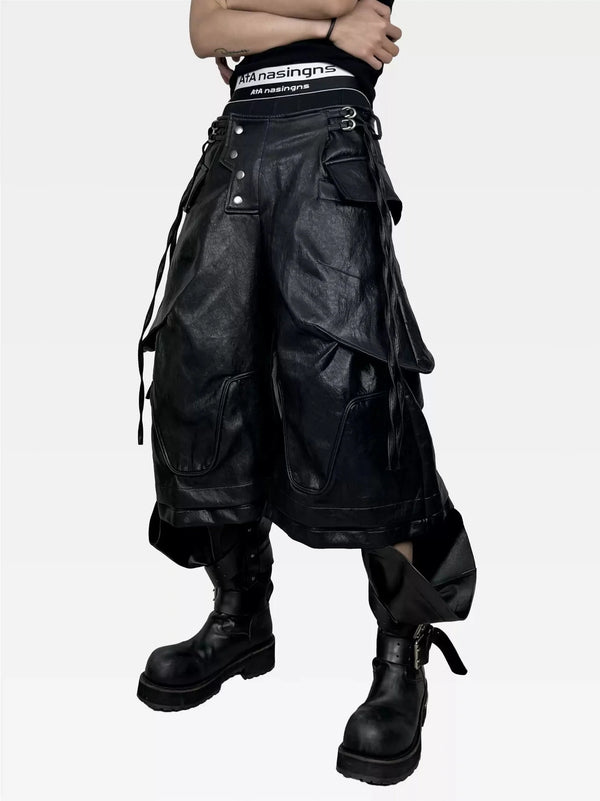
The pants do the same job in a techwear outfit as the jacket — just lower down. Modular pockets, nylon or Cordura reinforcement, adjustable ankle hem. One technical cargo pant replaces three fast-fashion pants: the commute pants, the hiking-day pants, the sneaker-day pants.
What works: ripstop or twill nylon with 6-8 pockets, a tanka hem at the ankle, a padded knee if you crouch a lot. Avoid pure polyester (slides, pills, builds up static) and anything with fewer than four pockets — that's streetwear looks without techwear function.
If you're looking for pants that fit every one of the five buyer types, get black ripstop cargo with a tanka hem. That's the common denominator — neutral enough for the city, tough enough for travel, functional enough for performance.
Category · Skin-layer & mid-layer
Tops, hoodies & mid-layer — the invisible work
The top layer is the understated component — and that's exactly why it stands out when it's wrong. A technical merino long-sleeve or a heavy-cotton tactical hoodie lasts four times longer than a fast-fashion t-shirt, doesn't wrinkle, doesn't smell after three hours on the subway, and washes at 30°C without losing shape.
The rule: heavy fabric, simple cut, neutral color (black, olive, slate). Printed logo hoodies (the fast-fashion standard) are out — the print foil peels off after 20 washes, and the hoodie looks like clearance-rack stock. Plain black or solid tactical holds up for years.
If you want to test the mid-layer concept, wear a technical long-sleeve under an unzipped hardshell. That's the easiest entry into the techwear layering look — and the layer doing the most work hidden under the jacket.
Anti-trend
Has techwear gone out of style? — the honest answer
This question comes back with every TikTok cycle. Answer: techwear isn't a fashion trend, so it can't fall out of one. What worked in 2018 — black hardshell, cargo with tanka hem, modular pockets — still works in 2026. The cut shifts by millimeters, the fabric stays. That's the opposite of a trend.
"Fashion fades, style remains the same." — Coco Chanel, about exactly the phenomenon that techwear systematically exploits: what's timeless because it's functional can't go out of fashion.
What goes out of style are trend iterations of techwear — the exaggerated hardware, the ironic tactical cosplay, the Y2K-cyber crossover. That's a style shift. The core — a hardshell that lasts, cargo pants that fit, a mid-layer that breathes — never goes out of style, because it's functional. Whoever owns the core is outside the trend cycle.
If you want to go deeper into the discussion, we've laid out the full techwear build philosophy in its own pillar:
Techwear also overlaps with several neighboring aesthetics — Warcore, Gorpcore, Cyberpunk, Workwear. Once you know the vocabulary, you can read these codes and mix deliberately. Here are the most important neighbors — each with its own guide:
Seasonal switch
How to start the switch seasonally — winter first, summer last
The cheapest way out of the fast-fashion loop isn't "replace everything at once." That produces closet junk and wrecks the budget. The smarter way runs seasonally: replace in winter, where fast fashion fails most painfully — weather protection, warmth, resistance to strain.
A SHEIN winter jacket lasts 15 days. A techwear shell lasts ten seasons. The difference is most immediate in winter — rain, wind, snow, subway sweat, standing outside waiting. Switch here and you feel the investment in the first week.
In summer, techwear is less obvious but just as important. Quick-dry tops in technical cotton-synthetic blend instead of 100% generic cotton. Black ripstop shorts instead of polyester surf shorts. A lightweight windbreaker for transitional weather — packs into one hand, waterproof for a 20-minute shower.
This is what the layer switch looks like in motion:
What does not work
The 6 fast-fashion traps — what cheap really costs
Switching to techwear, you'll reliably trip over six traps — all six are reflexes from fast-fashion mode. If you avoid just one, make it trap number one.
Action
How to start — the first 4 pieces of your switch
You don't need 30 techwear pieces for the switch. You need four that'll be in 80% of your outfits. Everything else builds around them.
In order: a matte black hardshell (your biggest investment — lasts ten years if you don't buy the trend version). Black or olive cargo pants in ripstop. A technical long-sleeve or tactical hoodie. A trail boot or modular sneaker with a Vibram sole. A tanka beanie as an optional fifth — but only once the four are sorted.
Outfits for real
Techwear in real life — what the switch looks like day to day
Before you order your first hardshell, see how others wear the switch. The five buyer types above look different in the feed than in studio lookbooks: grittier, more everyday, less perfect — and that's exactly why they work.
This is the fastest way to check whether techwear actually fits your daily life — before you put the budget into it.
To close
Techwear is a contract — you pay once, you wear it for ten years
If there's one thing to take from this guide, it's this: techwear isn't an expensive style, it's a different calculation. You pay three times as much per piece and a third as much per year. The math checks out — and it always works out once you look at the whole closet instead of the single item.
The whole logic of this guide reduces to one sentence:
The logic has been stable since the mid-90s and will stay that way — as long as fabric, seam, and hardware obey the laws of physics. But you don't have to wait until you know all seven markers by heart. Start with the one piece causing the most urgent failure in your daily life.
And that's the point: techwear sounds like performance-buyer discipline but doesn't actually feel that practical. Once you've made the first switch, every next piece is a variation on the same four or five building blocks — not a new decision.
FAQ
Frequently asked questions — Techwear vs Fast Fashion
The questions we often get by DM and email — short, clear, no detour.
What is techwear, exactly?
Is Techwearclub legit, or fast fashion in tactical styling?
Do designers really expect us to wear these ridiculous clothes?
How much more expensive is techwear really — calculated per year?
Is techwear more sustainable than fast fashion — really, or just marketing?
Which three markers do I check fastest when buying?
Can I mix fast fashion and techwear — or do I have to switch completely?
What do you think?
Tell us on @fuga_studios
About the author
Philipp Fuge — Founder · Berlin
Founder of Fūga Studios. Writes the journal himself. Berlin · Shanghai · Tokyo · Poznań — four cities, one logic.