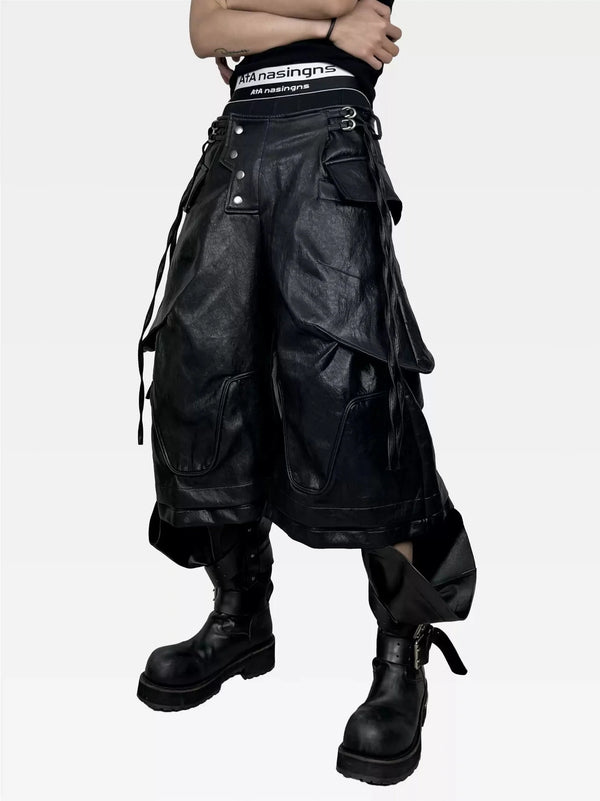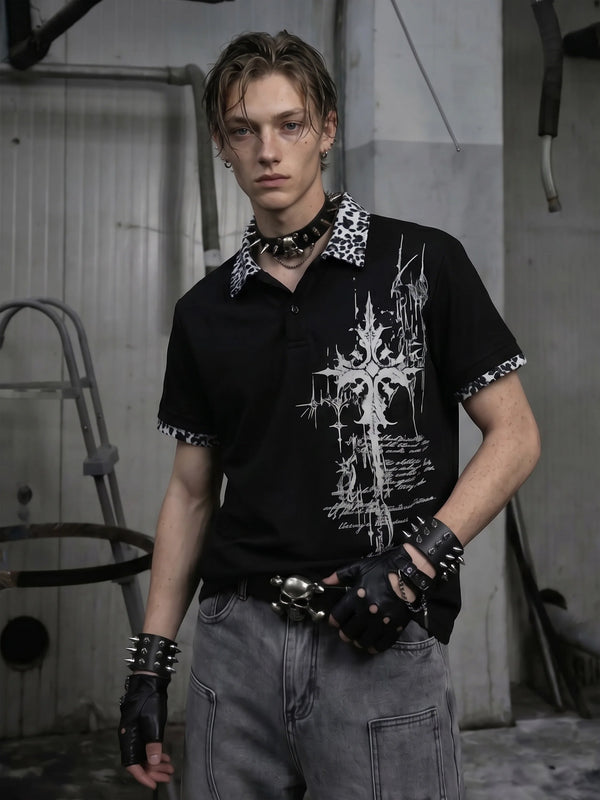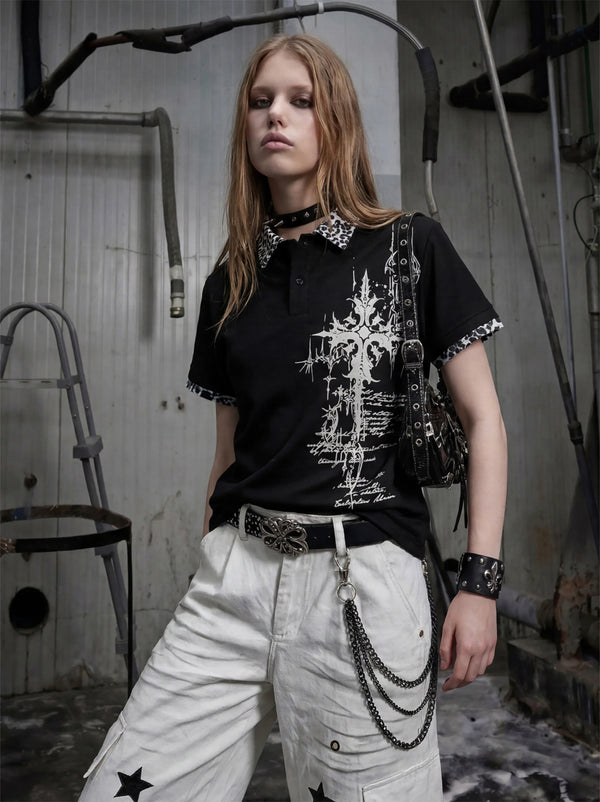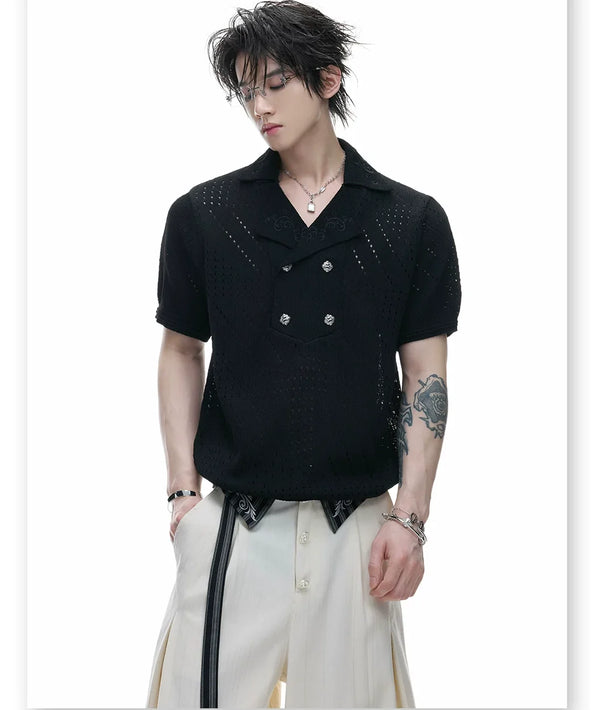
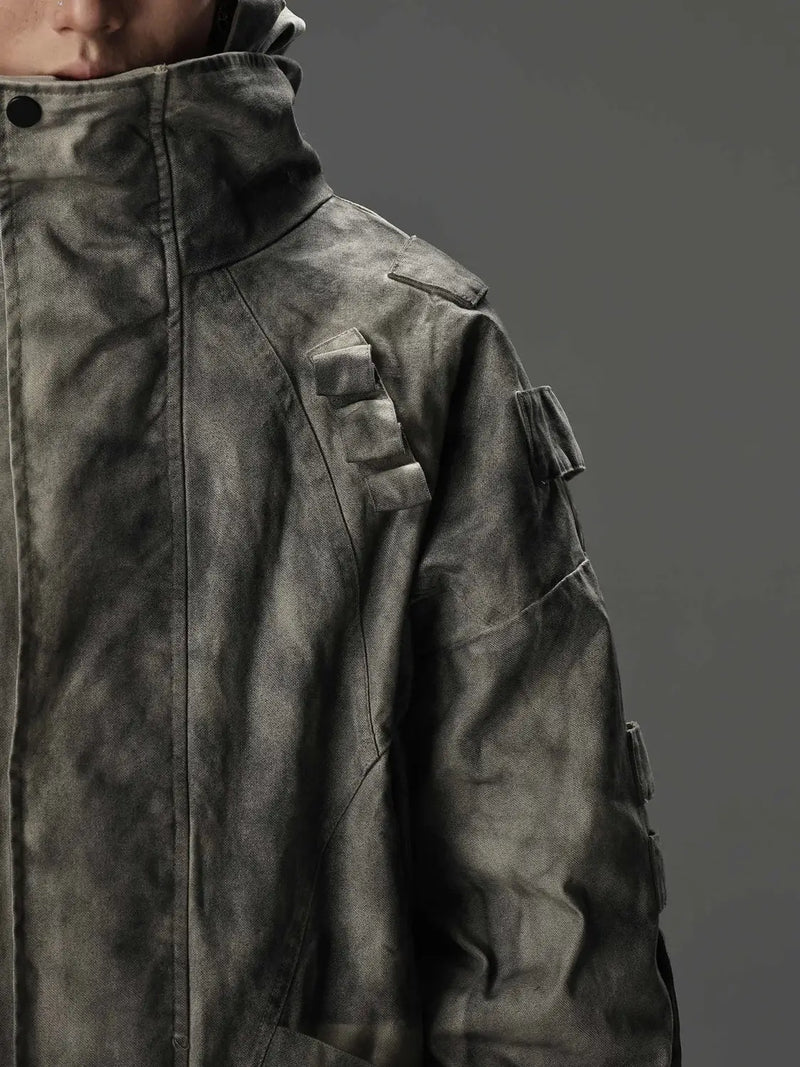
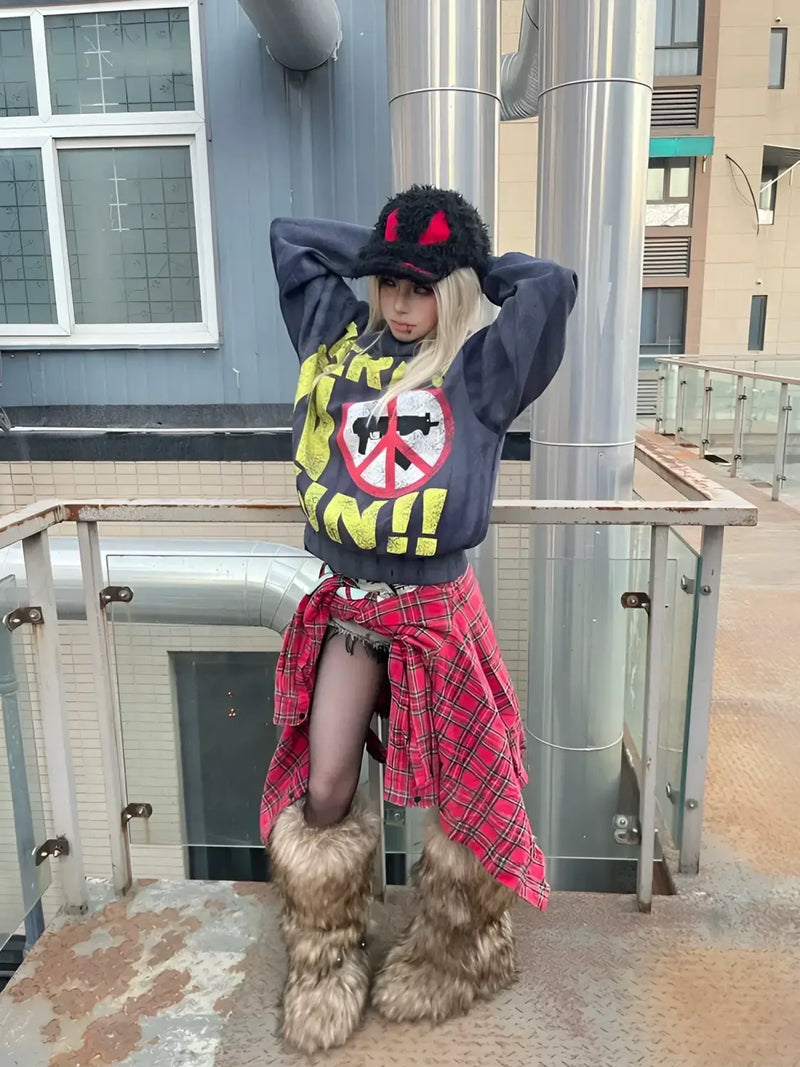
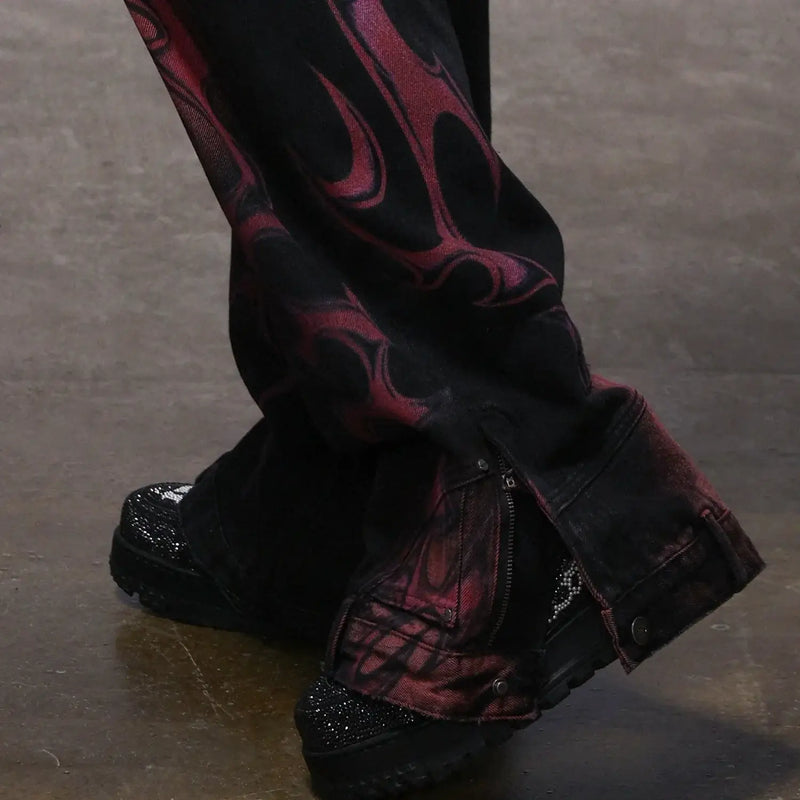
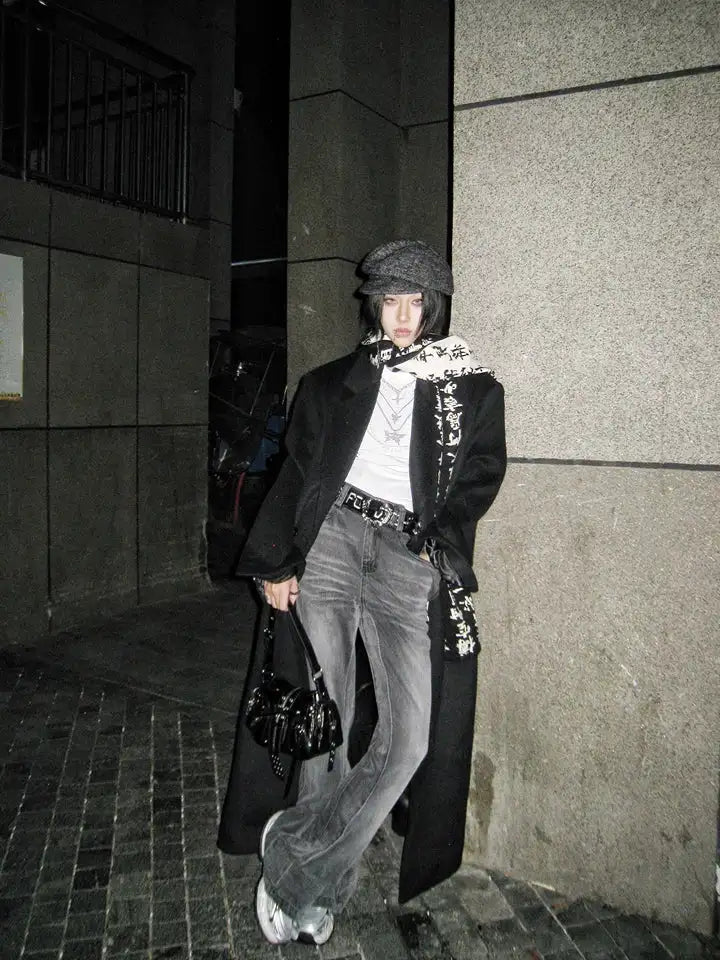

A black-and-white image from 1954: a woman in a wasp-waisted black dress, eyebrows like two razor blades, a cigarette holder between her fingers. At night she hosts horror films on a Los Angeles channel, laughing so dryly it almost hurts. Twenty-five years before anyone puts the word Goth on a record, this image is already on television. Anyone searching for dark fifties fashion today is usually searching for exactly her.
1950s Gothic Fashion is not a historical style but a modern hybrid. The silhouette comes from the fifties: wasp waist, pencil skirt, petticoat, cat-eye liner. The colour palette, the attitude and the name come from the Goth subculture from 1979 on. The fifties supplied the shape, Goth supplied the code. Put the two together and you get the look that runs under this search term today.
What Gothic is as a whole, which archetypes exist and how to recognise a real look is covered in our Gothic Fashion Guide. This piece is about a narrower question: what the fifties concretely contributed to this vocabulary, which eras lie beneath it and how to wear the look without it turning into a film costume.
The rest of this text runs chronologically backwards and then forwards again: first the honest answer to whether Goth existed in the fifties at all, then the icons and silhouettes, after that the deeper layers from the eighteen-hundreds back to the Middle Ages, and at the end the practical question of how you actually wear all of this today.
The honest answer
Was there any Goth at all in the 1950s?
No. Not as a scene, not as a music genre, not as a self-description. Anyone who wore black in the fifties was in mourning, in a convent, in a jazz club or leaning existentialist. The word Goth only became a label after punk, for a music that was darker, slower and more theatrical than what came before.
Still, the question is not stupid. The fifties produced images that were later taken one-to-one into the Goth vocabulary: the vampire woman on television, the pin-up with the black fringe, the monster in the Hammer film. Back then these images were entertainment, not identity. They only became references two decades later, when someone needed them.
1954
Vampira goes on air in Los Angeles
1979
Bauhaus release Bela Lugosi’s Dead
1982
The Batcave club opens in London
These three dates explain the whole misunderstanding. Twenty-five years lie between the first and the second, years in which the image already existed but no scene to go with it yet. Anyone who says 1950s Gothic Fashion today means the first date and wears the clothing with the knowledge of the third.
Defining the term
What 1950s Gothic Fashion really means today
In practice the term means three different things, depending on who uses it. First: fifties cuts in black, meaning swing dress, pencil skirt, halterneck, but without floral print and without pastel. Second: Gothabilly, the mix of Rockabilly shapes and horror iconography. Third: the aesthetic of the Vampira and Morticia images, often with far more drama than the fifties ever had.
All three readings share one rule: the shape is historical, the colour is not. A fifties dress does not become gothic just from the colour black. It becomes gothic through what you combine with it — heavy shoes instead of kitten heels, silver instead of pearls, a face that does not smile kindly.
It pays to keep this distinction clean. Otherwise you end up with a look made of all the right individual pieces that still reads like a theme night. The fifties are a store of forms, not a script.
A store of forms
The iconic fashion of the 1950s: which silhouettes Goth uses today
Fashion in the fifties was programmed for return after the war: tight waist, emphasised hips, plenty of fabric. Dior’s line of 1947 set the tone for a whole decade, and from it came the silhouettes that reappear today in every dark retro look. The point is not nostalgia but construction: these cuts shape the body more clearly than almost anything that came after.
- Wasp waist — the core of the decade. A belt, a corset top or a dress with a built-in waist seam.
- Swing and circle dress — a full skirt over a petticoat. In the dark look without pattern, but with texture in the fabric.
- Pencil and wiggle dress — the narrow counter-line. Knee-length, high neckline at the front, often with a slit at the back.
- Halterneck and sweetheart — neckline shapes that show the shoulders without exposing the rest.
- Seamed stockings and gloves — the two accessories that push a look straight back into the decade.
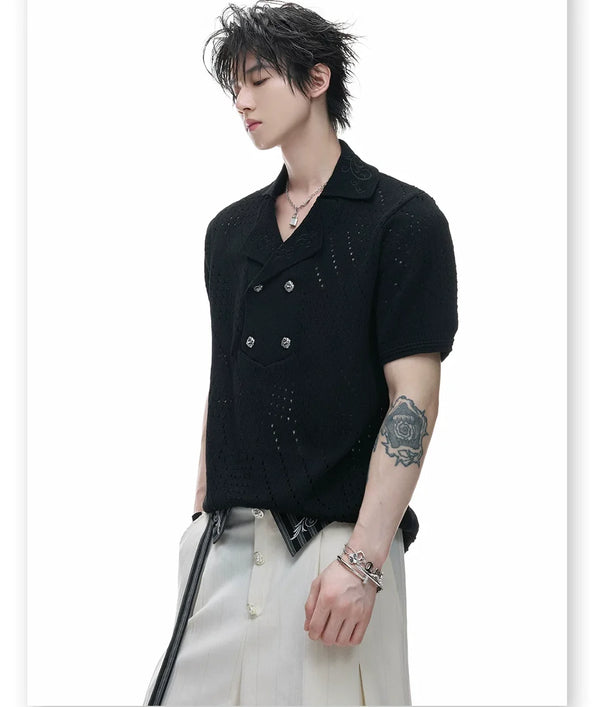
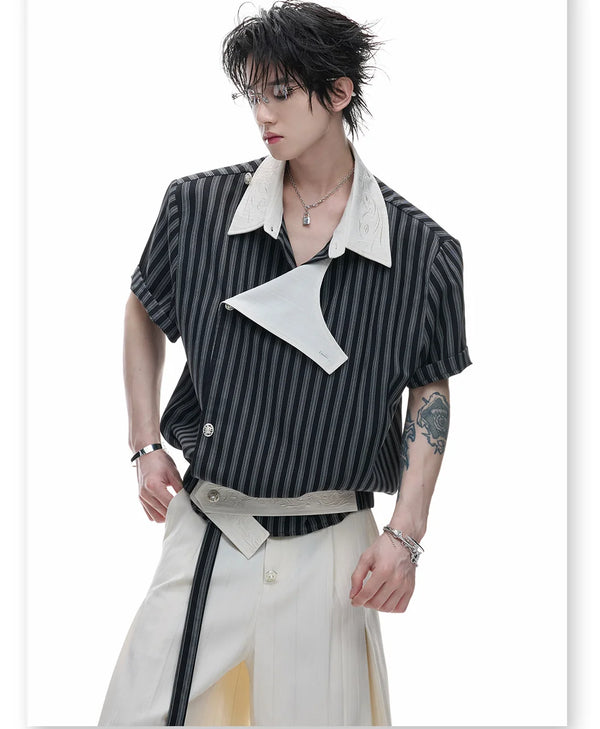
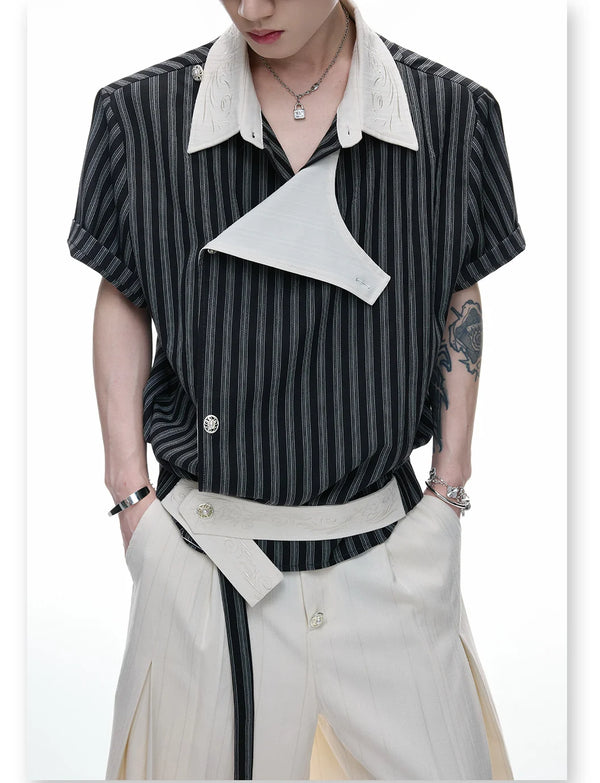
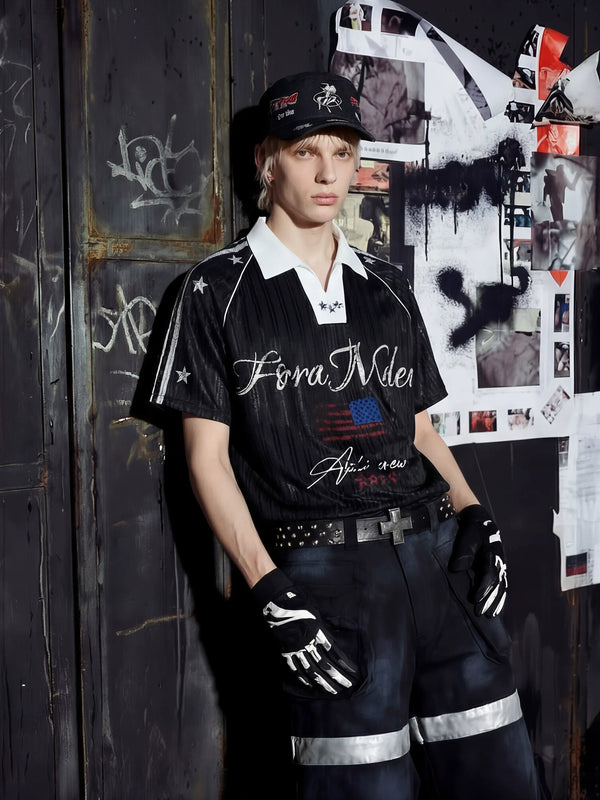
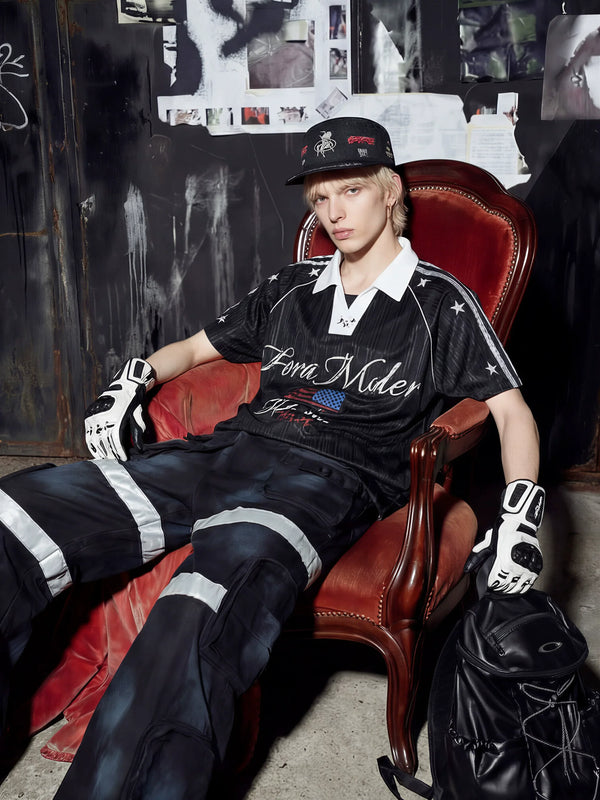
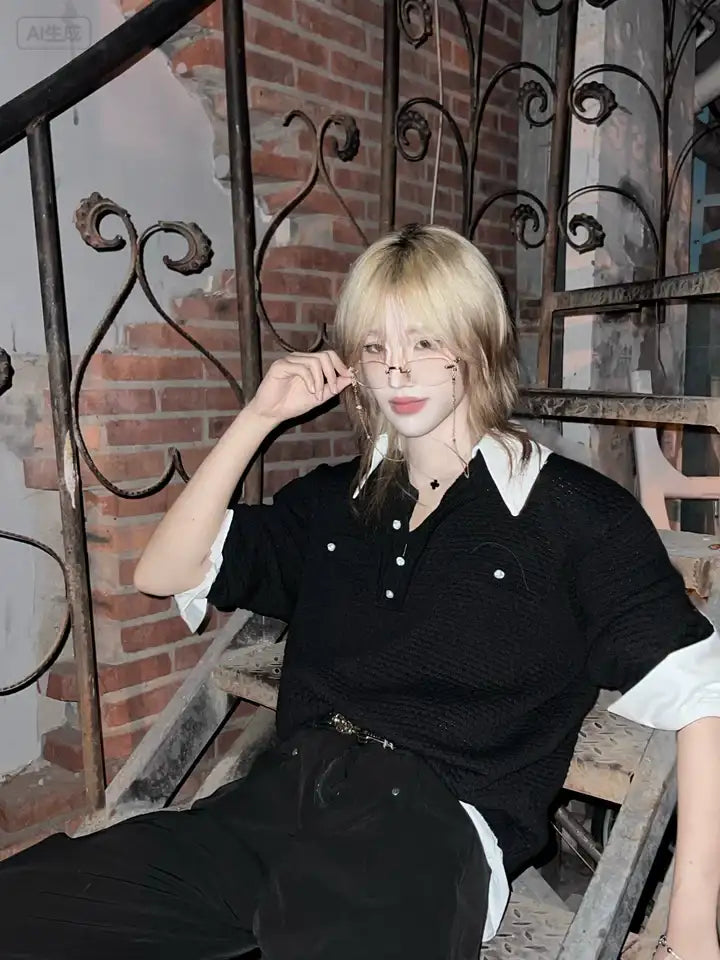
For men the same decade looked different: high pleated trousers, a short blouson, a camp collar, a narrow tie. This line is underrated in the dark retro look because it works without costume effect. A black shirt with an open collar and trousers that sit on the waist give you more fifties than any printed bowling shirt.
The image sources
Vampira, Morticia and Bettie Page: the dark icons of the 1950s
Three figures carry almost the entire visual weight of this subject. None of them called themselves gothic, all three were declared so later. Anyone who wants to understand why the look looks the way it does cannot get past these three.
Then there is a fourth source that is not a person: the horror cinema of the late fifties. The British Hammer productions brought colour, blood and Victorian sets into the genre from 1957. Velvet, candles, high collars, heavy curtains. This imagery was later taken over completely by the Goth scene and is the reason many think the look is older than it is.
The hybrid
Gothabilly: where Rockabilly meets Goth
Gothabilly is the name for the overlap, and it comes from music. Bands that mixed Rockabilly with horror-film motifs from the mid-seventies needed a label, and later it became a clothing description too. The shape stays fifties, the surface turns dark.
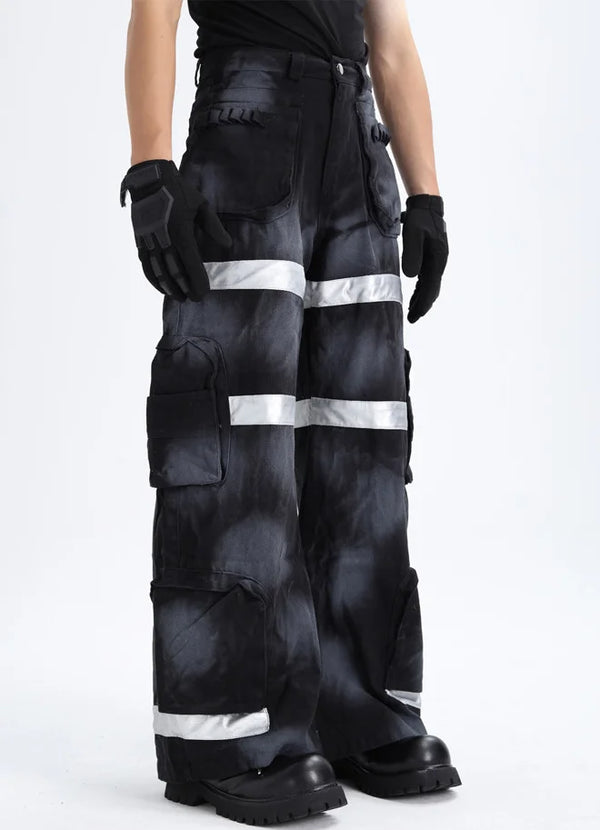
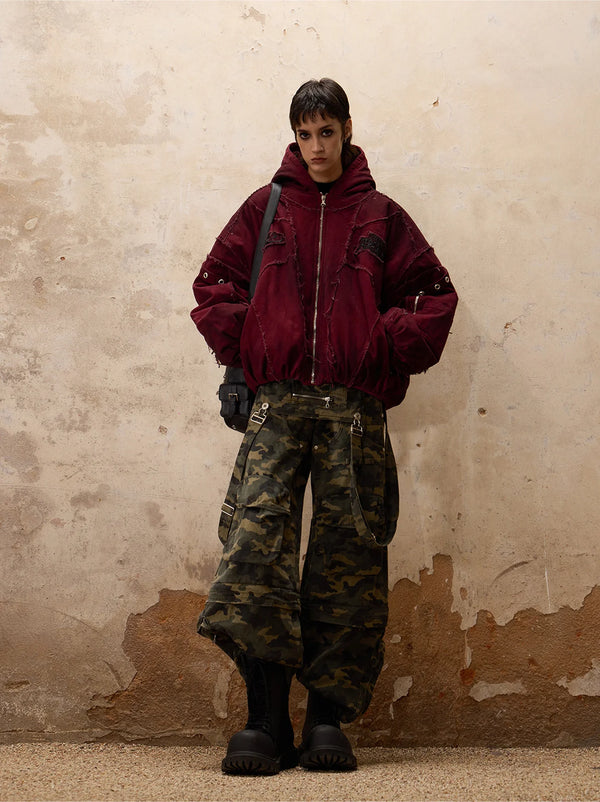
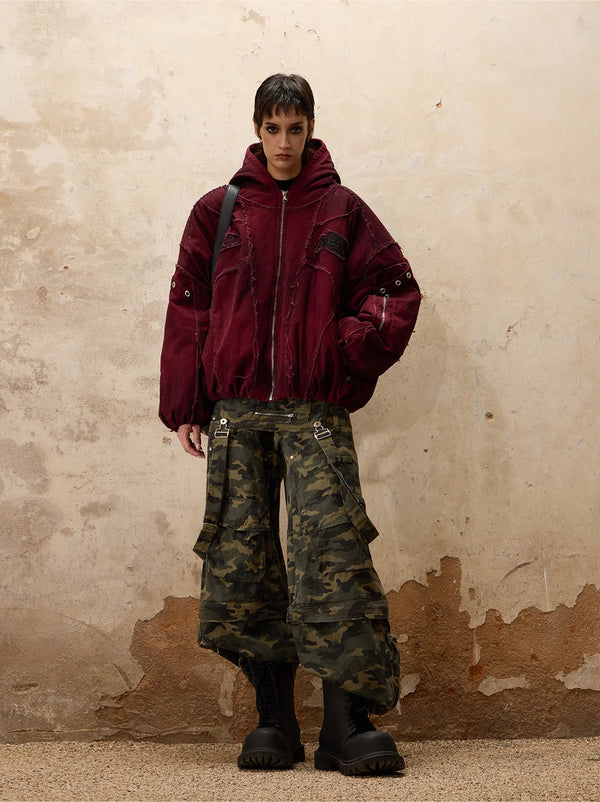
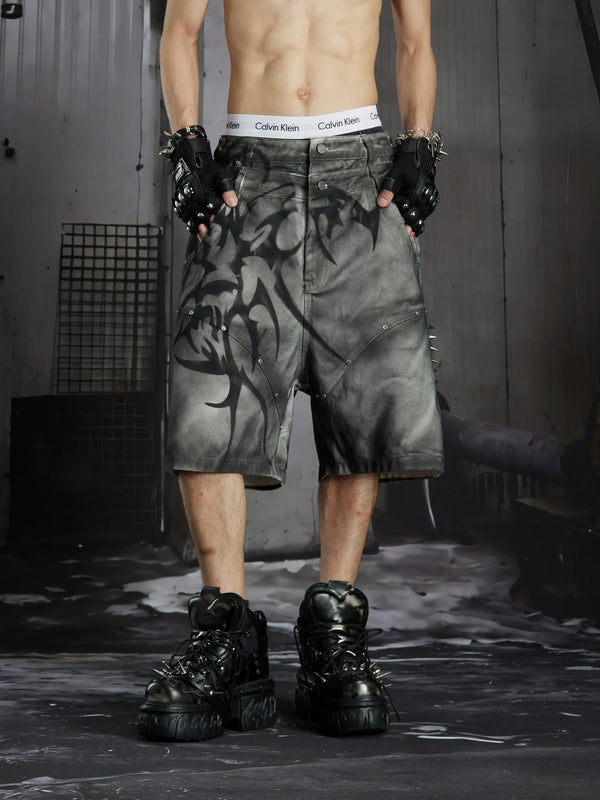
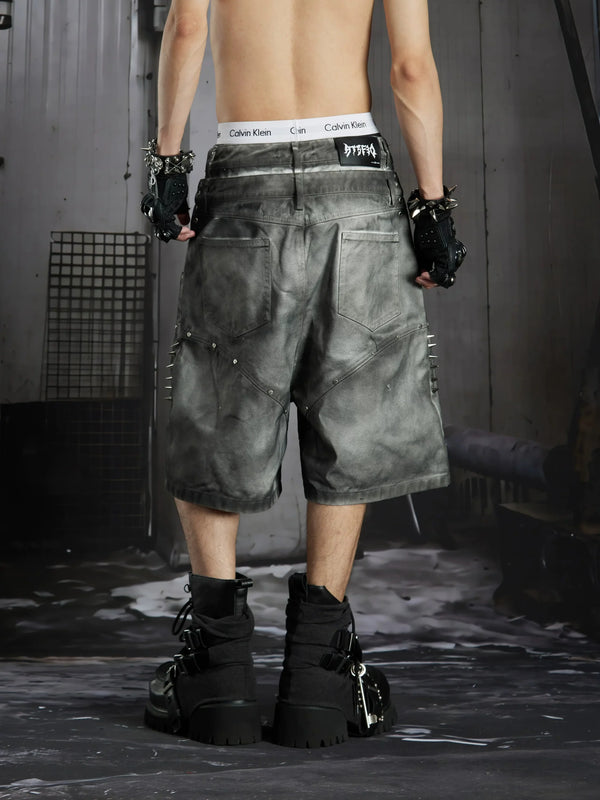
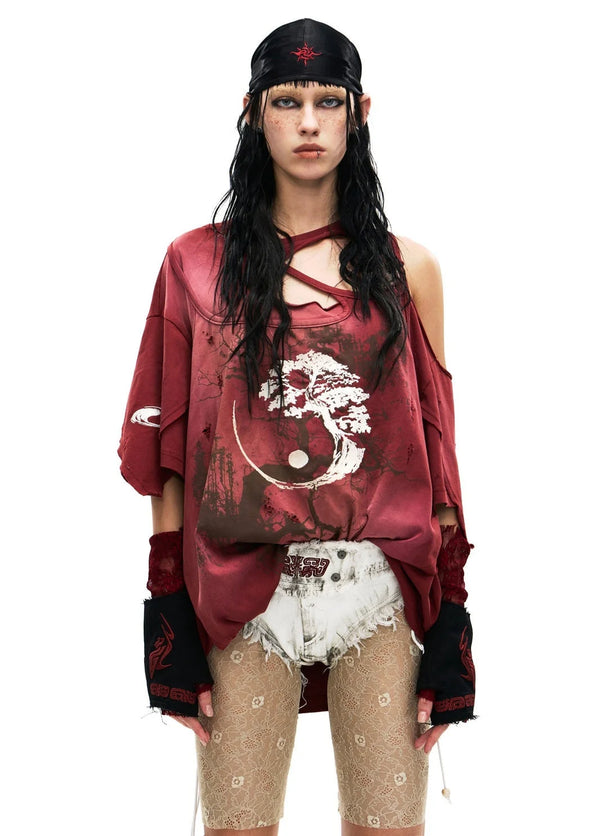
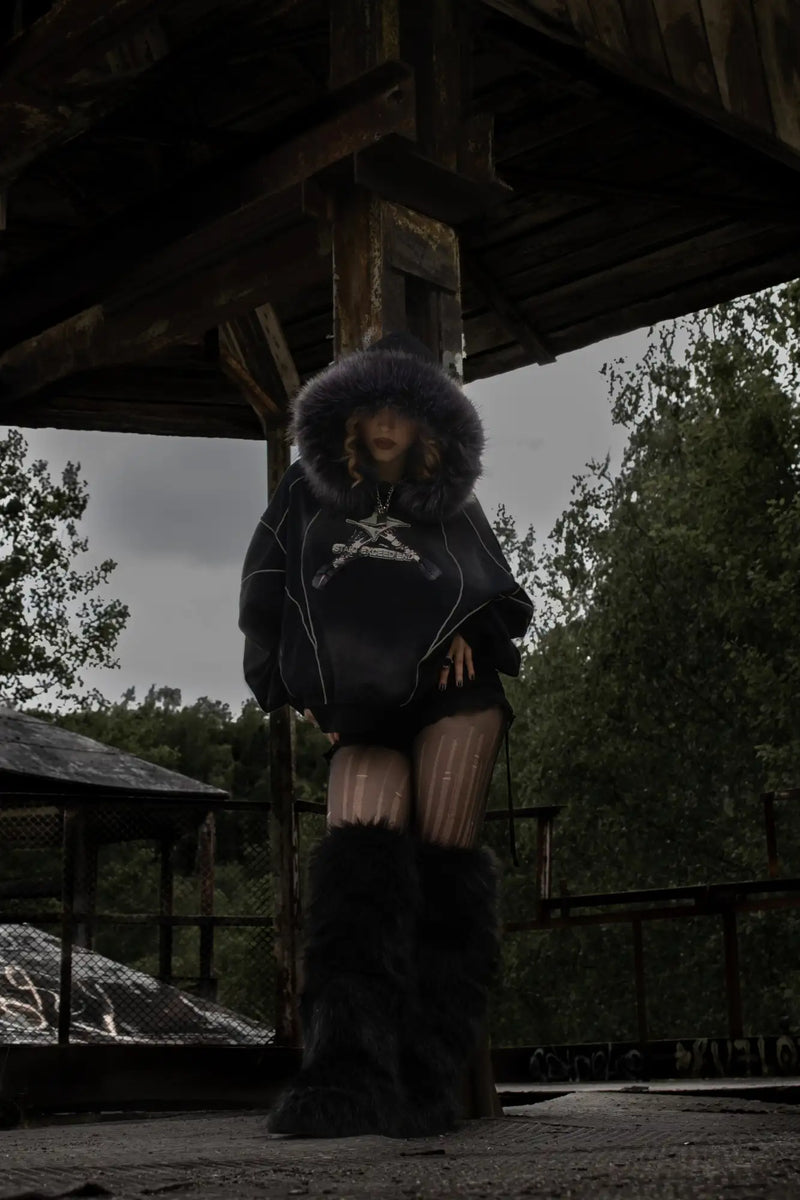
In practice that means: a swing dress in black instead of cherry print, a bandana instead of a flower crown, a skull instead of an anchor, creepers or heavy boots instead of ballet flats. The waist stays, the petticoat stays, the good mood disappears. This exact shift is what makes it appealing — you recognise the template instantly and at the same time notice that something is off.
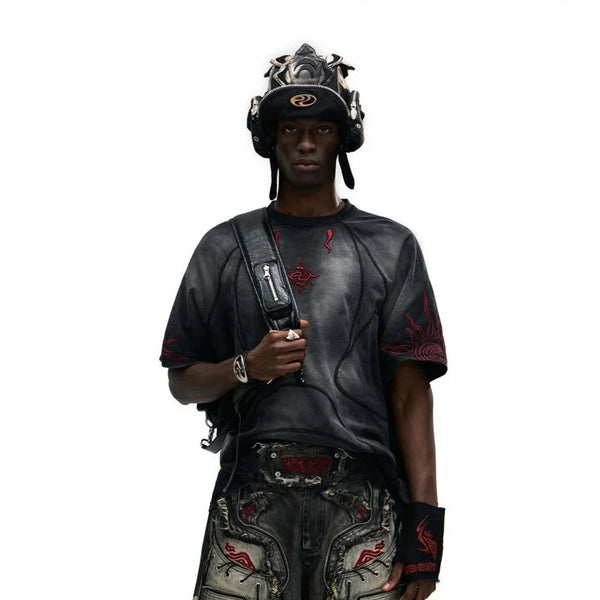
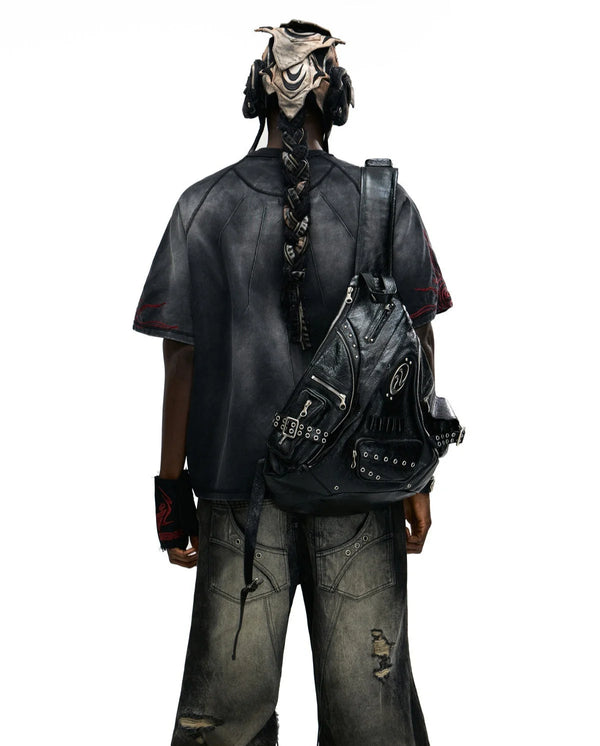
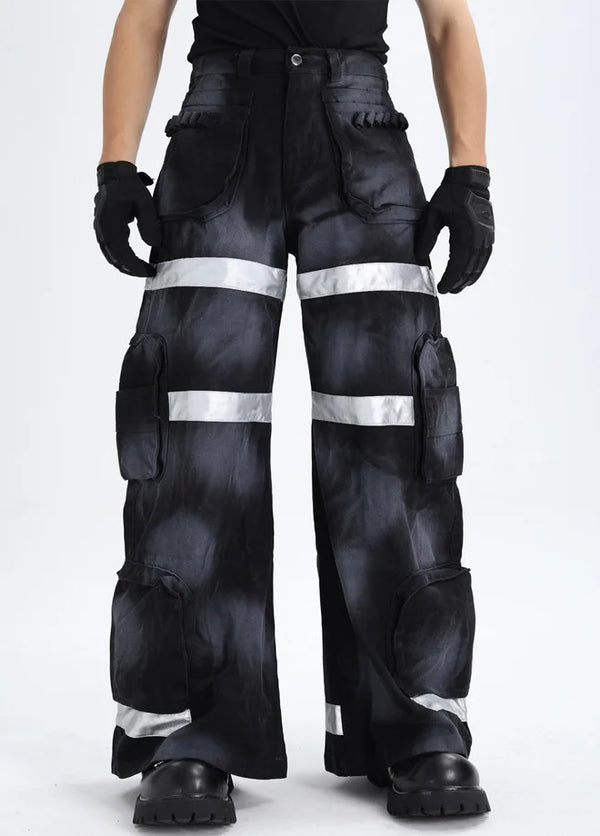
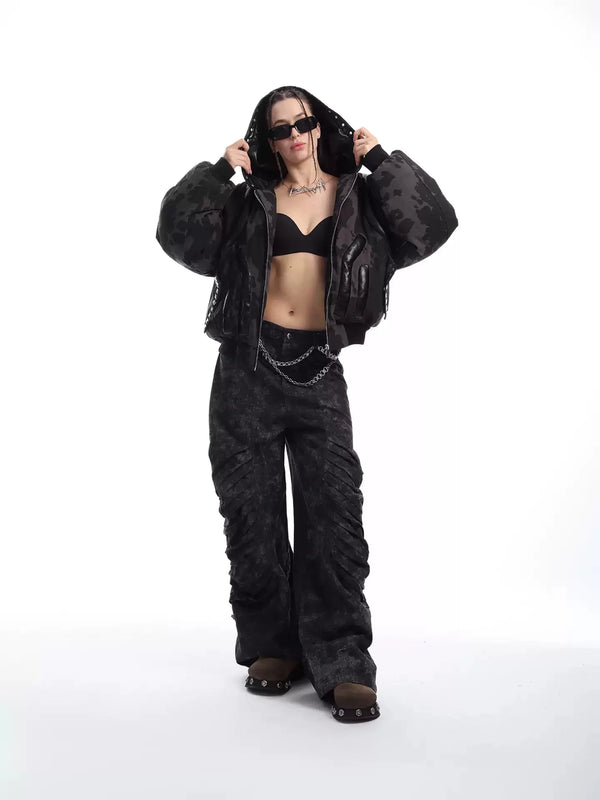
@fugastudios POV: You're the final boss and the outfit actually slaps 🔥 Gothic Warrior Denim Set got that main character energy fr#fugastudios #darkfashion #gothicstyle #OOTD #fyp ♬ Originalton - Fuga Studios
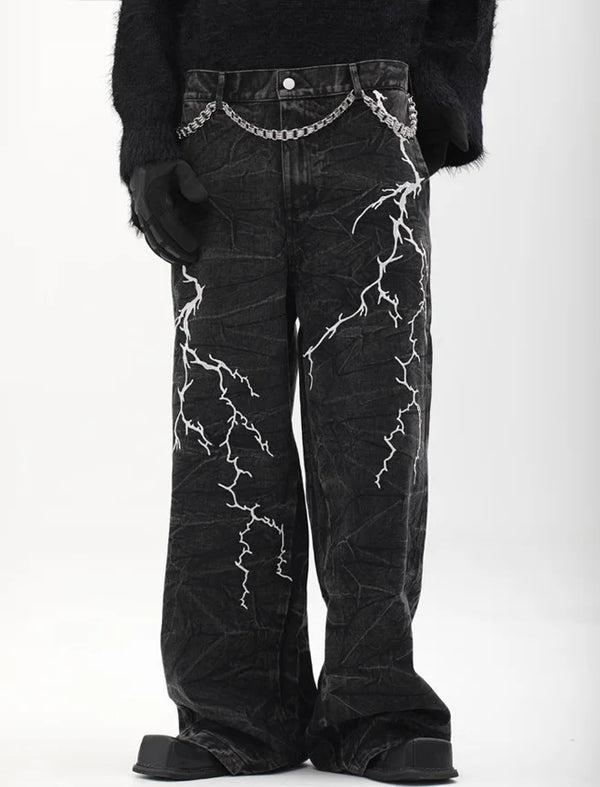
The jump from the fifties silhouette to today’s street version is shorter than it looks. Both work with a clear waistline and a heavy shoe, both rely on contrast instead of pattern. Take the retro look too literally and you end up in the vintage shop. Take only the principles and you can translate them into a wardrobe you put on on a Monday.
Face and hair
50s Gothic Pin-up: the make-up and hair vocabulary
The head carries a disproportionate amount in this look. Cat-eye liner, defined brows, matte dark lipstick, and a hairstyle with a clear shape: a blunt fringe, victory rolls, pinned-up sides or a smooth fall to the waist. It is no accident that the fifties references all have very defined faces. The clothing was geometric, and so was the face.
The same holds for men, only with different means: pomade and a clean edge instead of eyeliner, a single silver ring instead of five. The principle stays the same. A fifties look lives on precision, not on quantity.
That completes the fifties part. The next section goes deeper, because the most common follow-up question is which era the whole thing actually comes from.
Chronology
Which era does Gothic Fashion really come from?
The answer depends on what you mean by the word. As a subculture, Gothic Fashion emerged in England in 1979, out of post-punk. As a visual vocabulary it is much older and borrows from at least four eras: the Middle Ages, the Victorian nineteenth century, the silent-film and twenties period, and the fifties.
That is not a weakness but the building principle. Goth was a quotation aesthetic from the start. It took whatever was available: mourning dress from the museum, vampire films from the late-night slot, lace from the flea market, silhouettes from old catalogues. That is why the same look can look like 1890, 1954 and 1984 at once without any contradiction.
For the search for 1950s Gothic Fashion this matters, because many images that turn up under this keyword do not come from the fifties at all. A lace collar is Victorian, a veil can come from any century, a corset is older than photography. The fifties contribute one thing above all: the waist as a construction principle.
The nineteenth century
Victorian Gothic: mourning dress as a blueprint
When Queen Victoria lost her husband in 1861, she wore black for the rest of her life. What began as a personal decision became a social rule: staggered mourning periods, prescribed fabrics, a dedicated trade for mourning dress. Matte black silk, crepe without shine, jet as the only permitted jewellery, black gloves, a veil.
These rules are the actual origin of the black wardrobe that Goth later took over. Not as mourning but as form. High closed collars, long sleeves, button plackets, lace at the neck and wrist — all elements that today belong self-evidently to the vocabulary and that no one associates with a death anymore.
Anyone who wants to make the Victorian share visible in the fifties look needs little: a high collar, a lace cuff, a single heavy piece of jewellery in matte metal. Three details are enough to make a modern cut suddenly look like history.
Word origin
Gothic Fashion Medieval: what gothic originally meant
The term comes from architecture and was originally an insult. Renaissance scholars called the buildings of the high and late Middle Ages gothic because they considered them barbaric, named after the Goths. Pointed arch, ribbed vault, buttress, tall windows: what today counts as the epitome of European grandeur was bad taste to contemporaries.
In the eighteenth century the architecture became a literary genre, the gothic novel. In the twentieth century the gothic novel became horror cinema. And in 1979 horror cinema became a music scene with a matching dress code. So the word has three leaps of meaning behind it before it ever stuck to a piece of clothing.
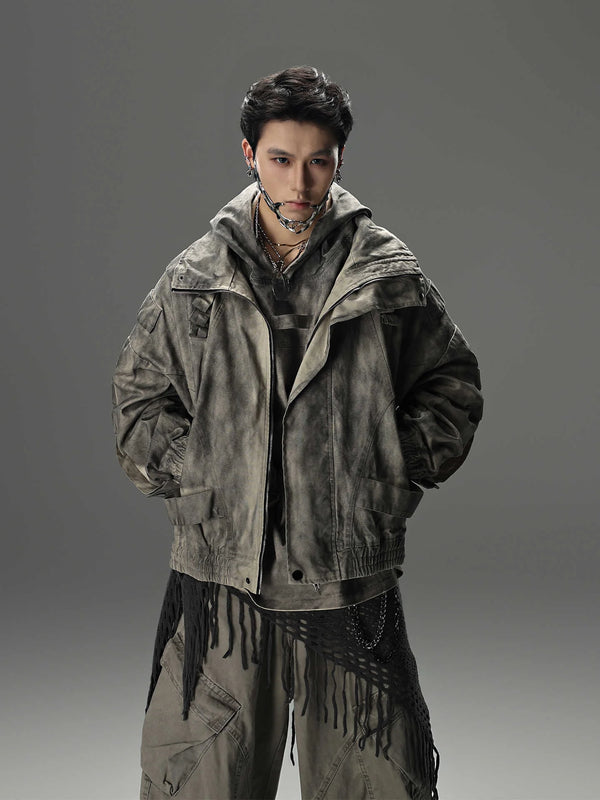
Translated into practice, medieval in today’s look means: velvet, coarse weave, wide sleeves, a hood, chain links. None of it is historically correct, and it does not need to be. It is about a material language, not about reenactment.
In-between layers
Historical Gothic between the 1800s and the 1920s
Between the Victorian black and the fifties lie two decades often overlooked in the Goth vocabulary. The twenties brought the straight cut, the low back, the fringe dress and above all the silent-film aesthetic: hard shadows, white faces, dark eyes. Anyone who shoots a photo in strong contrast today is working with this imagery, whether consciously or not.
The eighteen-hundreds in turn supply what is now called romantic Gothic: a cape, a riding coat, a stand collar, ankle boots with a button placket. This line is more elegant and less body-hugging than the fifties, which is why it works well for people for whom the wasp waist produces too much attention.
That completes the historical map. What follows now is the practical part: how to build an outfit from these layers that you actually wear instead of just saving it to a moodboard.
Practice
Wearing Retro Gothic 50s today: the build in four layers
The mistake almost everyone makes: they buy a dress and hope it is enough. It is not. The look comes from the relationship of four layers to each other, and each of them has exactly one job. When a layer is missing, the result looks like fancy dress, because the eye misses the balance.
- The shape — a piece with a clear waistline. A dress, high-sitting trousers or a skirt. Without this line the fifties reference is completely absent.
- The mass — a heavy counterweight: boots, a bomber, a coat or a leather jacket. It pulls the look out of vintage costume.
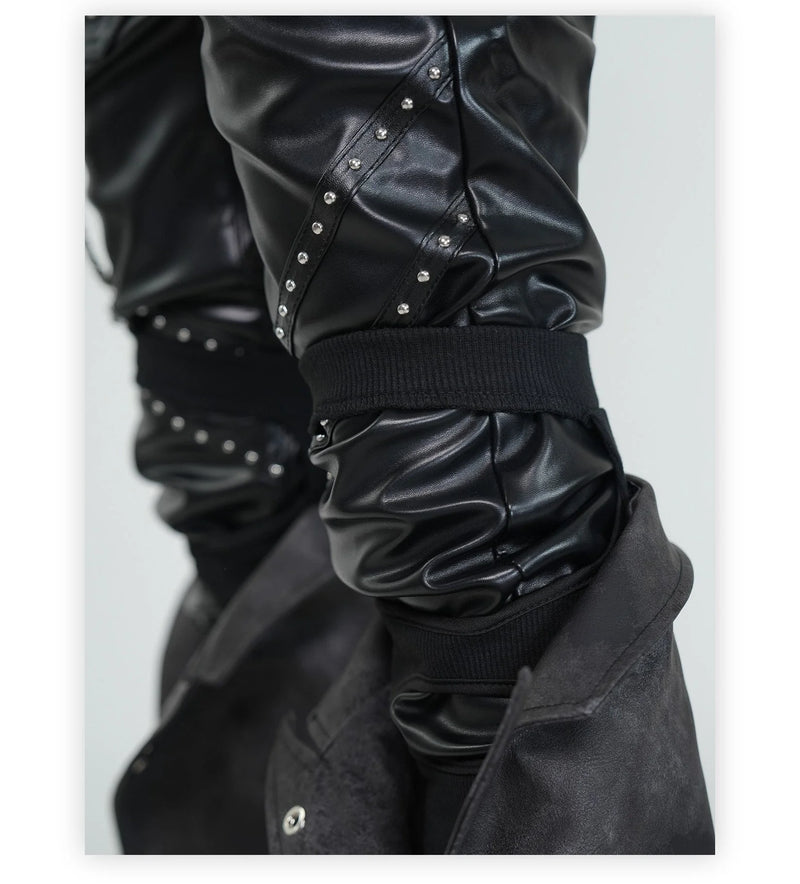
- The texture — exactly one material with character: velvet, lace, leather or mesh. Two is already too much.
- The detail — one accessory that sets the reference. A belt, a chain, a glove, a hair band. The cheapest and most effective part of the outfit.
These four layers work regardless of gender and body shape. On men the high-sitting trousers take over the role of the waistline, on plus-size bodies a wide belt over a straight silhouette does it. The principle stays: one clear line, one heavy counterweight, one texture, one detail.
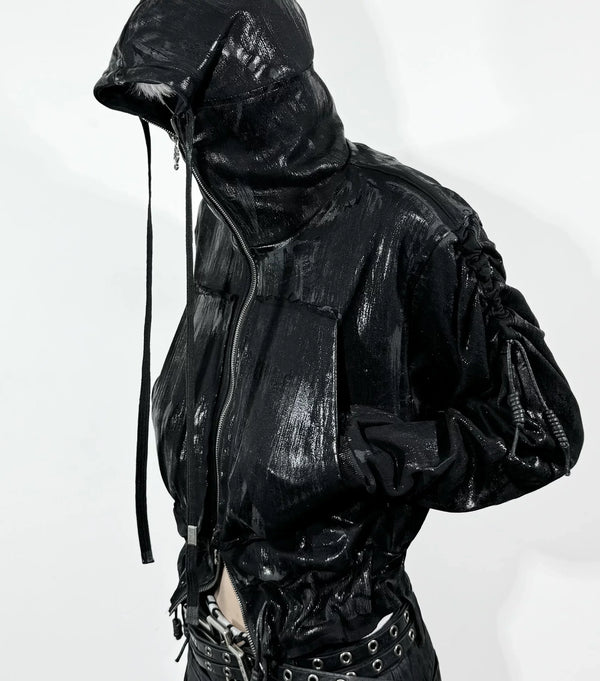
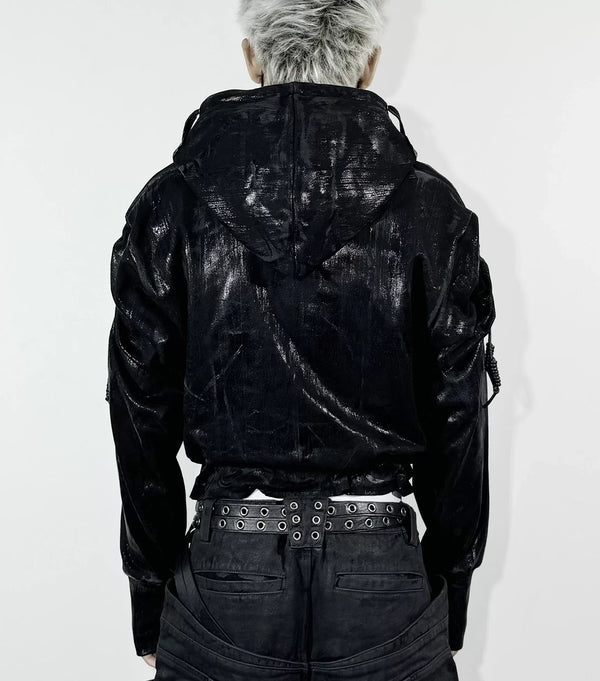
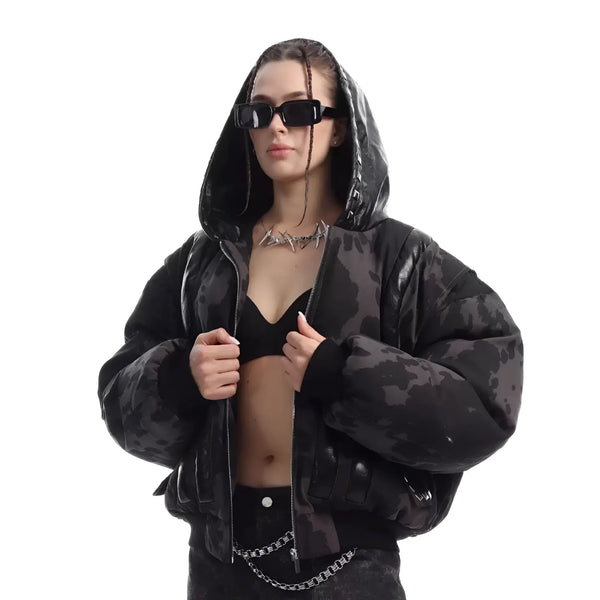
@fugastudios Witness pure darkness in motion. The Opium EXCEED Puffer, for those who command attention 🖤 Shop now at fuga-studios.com #fashiontiktok #darkstyle #blackfashion #FugaStudios #darkwear ♬ Originalton - Fuga Studios
What stands out immediately in the video: the silhouette reads from ten metres away. That was exactly the point of fifties fashion too. It was built for the glance across the street, not for the close-up.
Material
Fabrics, cuts and materials for the 50s Goth look
The fifties worked with stiff, shaping fabrics: taffeta, cotton poplin, faille, wool crêpe. These materials hold a shape on their own, which is why old photos look so sculptural. Modern jersey fabrics cannot do that, they drape. If you want the silhouette you need either firm material or a constructed cut.
With the dark textures a simple ranking applies. Matte before glossy, texture before print, deep before glaring. Velvet and wool swallow light and therefore look heavier than they are. Patent and satin throw light back and therefore need a lot of calm around them. Lace works only as an accent surface, never as a whole surface.
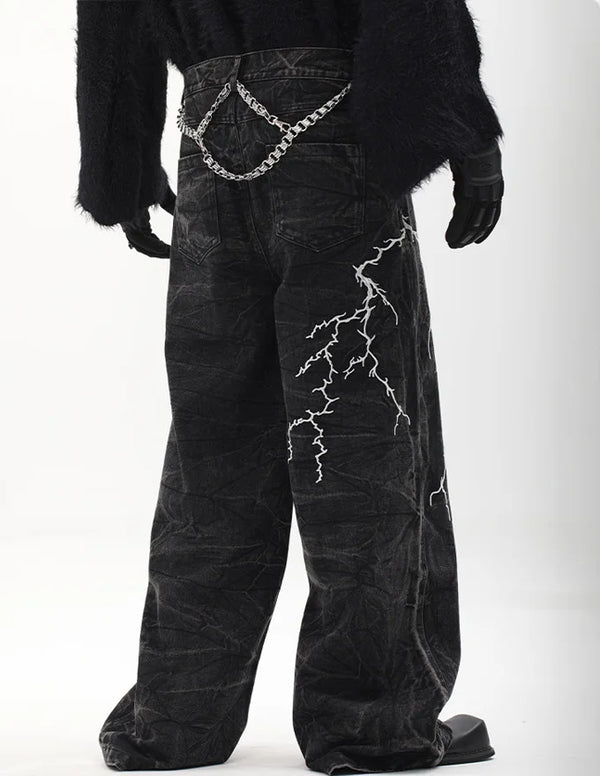
Accessories are not the addition in this look but the main work. A belt sets the waist, a chain sets the metal, a glove sets the era. Three small pieces change an outfit more than a new top, and together they cost less.
What goes wrong
The most common mistakes in the 1950s Gothic look
Almost all failed attempts fail on the same five points. None of them has to do with money, all with dosage. Once you know them, you save yourself the phase of buying things and then never wearing them.
The common denominator is restraint. The look is loud enough on its own — it needs no amplifier, just someone who has it under control.
Getting started
Where to start when you are starting from zero
Do not start with the most striking piece but with what you wear most often. A black top with a clean collar and trousers or a skirt with a high waist carry more looks than any statement dress. Everything else can be built on top step by step, without a wrong decision getting expensive.
After that comes, in this order: a heavy shoe, a jacket with structure, a belt, a piece of jewellery. Five or six pieces already make several complete outfits, because they can replace each other. Only once this base is in place are the striking pieces worth it, the ones that fit only a single combination.
Follow-ups
Common questions about 1950s Gothic Fashion
Five questions come up again and again on this subject, and most of them have to do with everyday wearability rather than history. Here are the short answers.
How do I style Goth when I am over 50?
What is Gothabilly and how does it differ from Psychobilly?
Can I wear 1950s Gothic without looking like I am in costume?
Which colours work in the 50s Gothic look besides black?
Why does the dark fifties look appeal to so many people?
What remains is a simple insight: the look you are searching for never existed in a single decade. It is assembled, and that is not a flaw but the reason it can still be built anew.
The fifties give you the line, the nineteenth century the materials, the Middle Ages the word and the eighties the attitude. You decide in which order you put it together.
What do you think?
Tell us on @fuga_studios
About the author
Philipp Fuge — Founder · Berlin
Founder of Fūga Studios. Writes the journal himself. Berlin · Shanghai · Tokyo · Poznań — four cities, one logic.