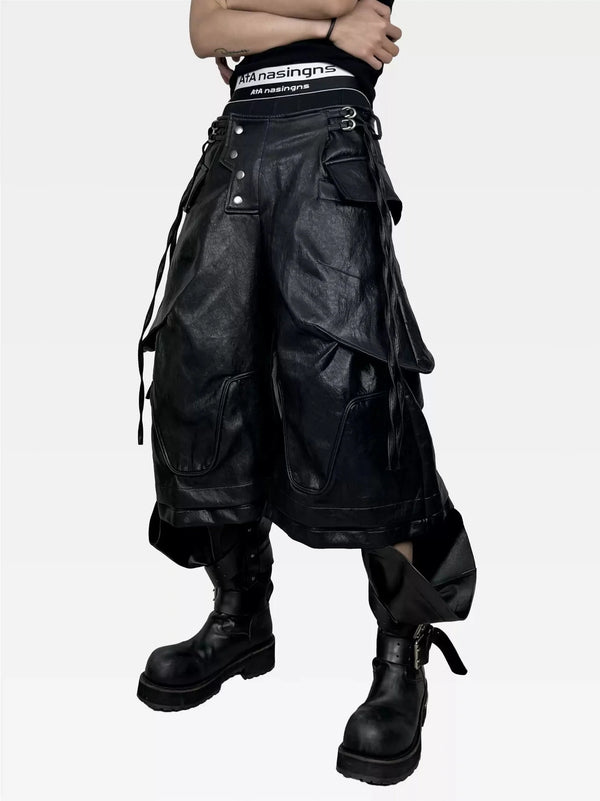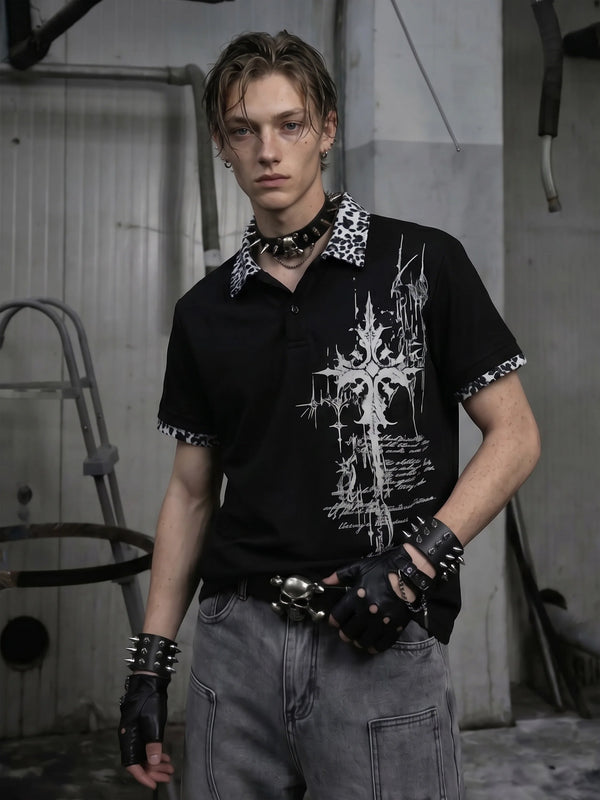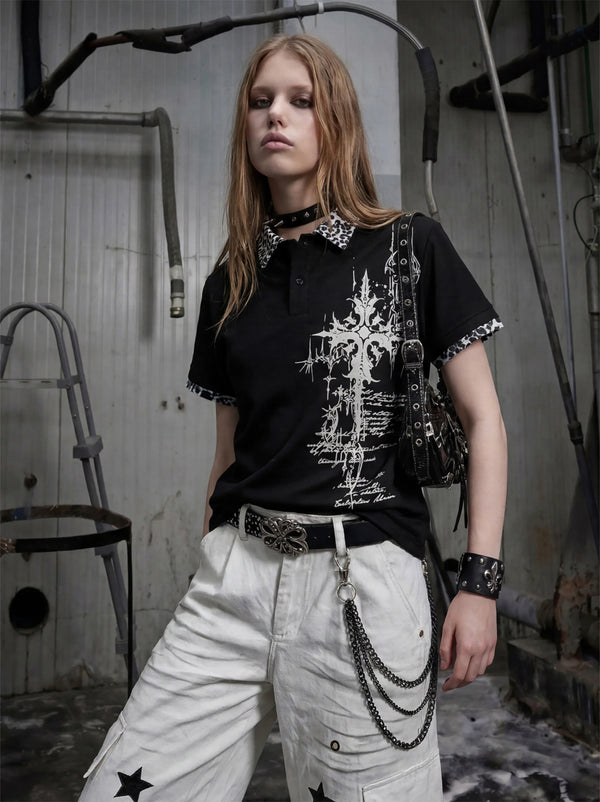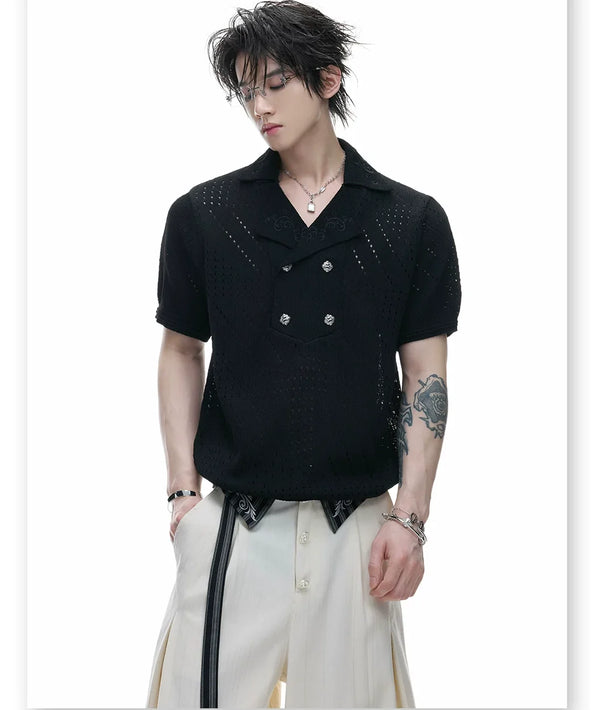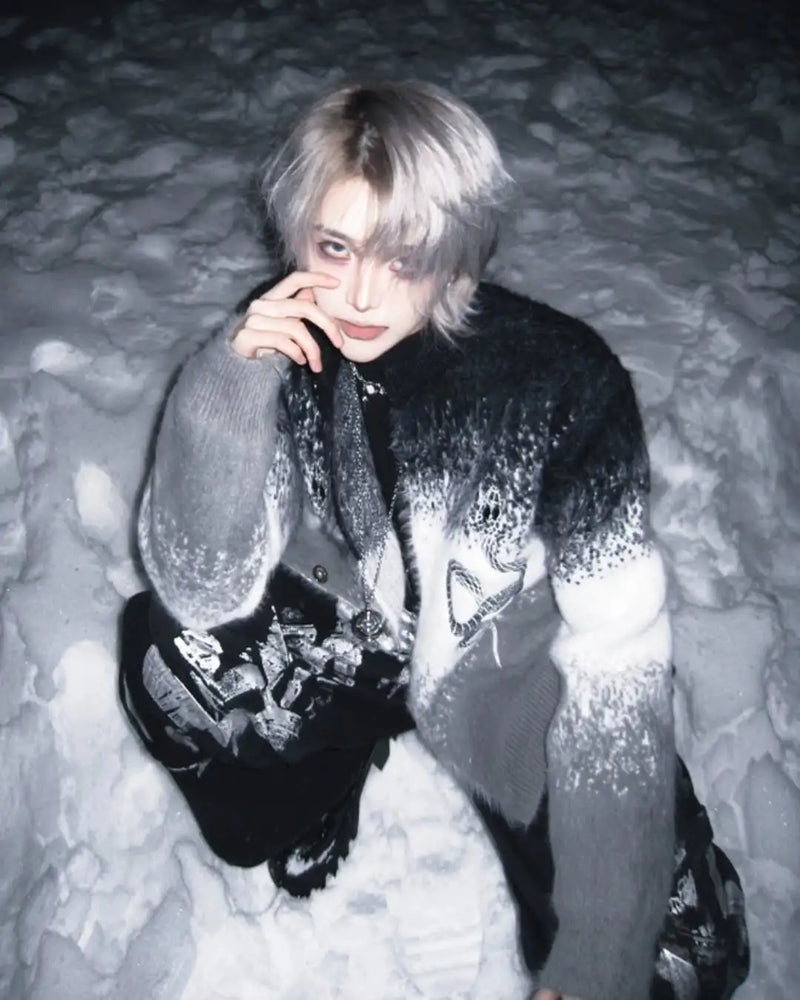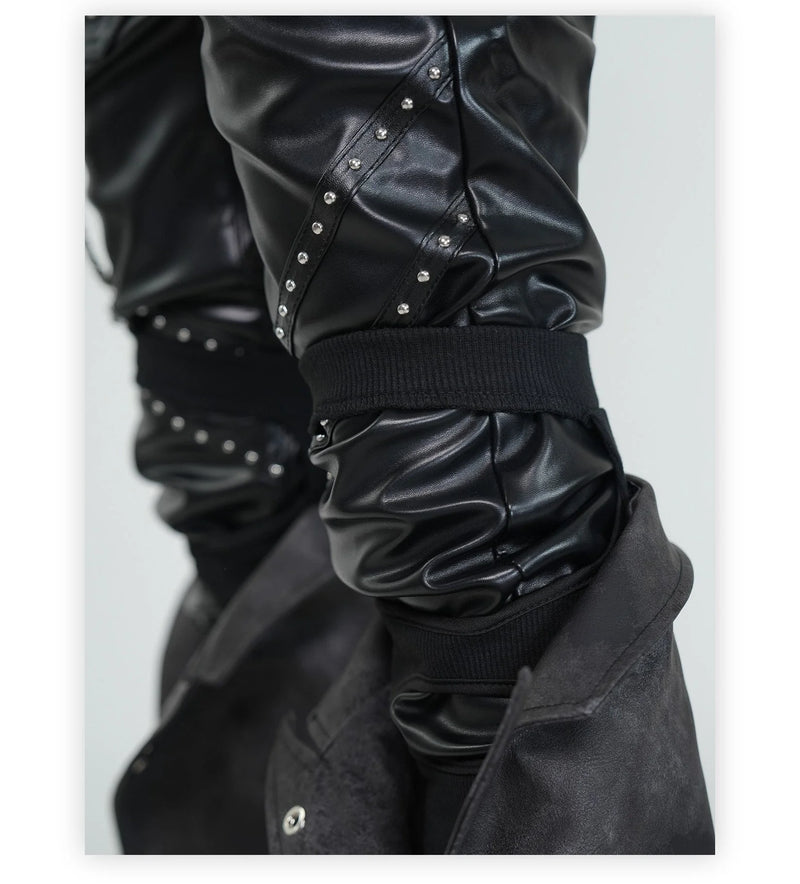
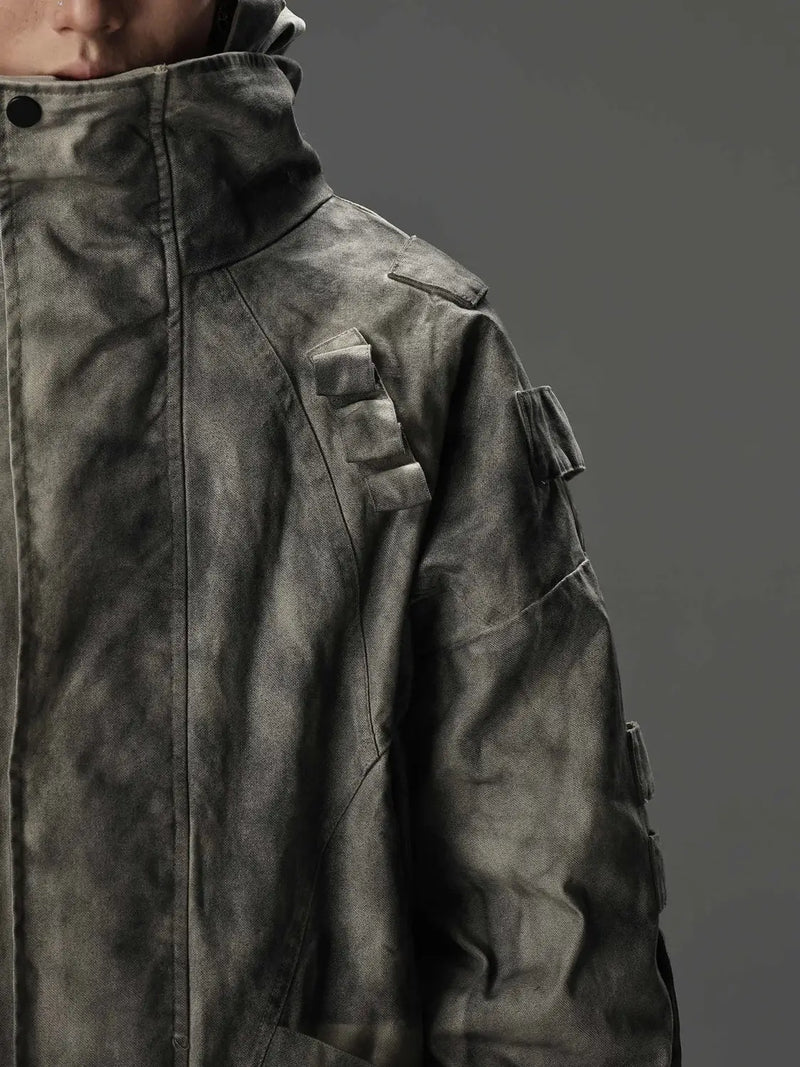
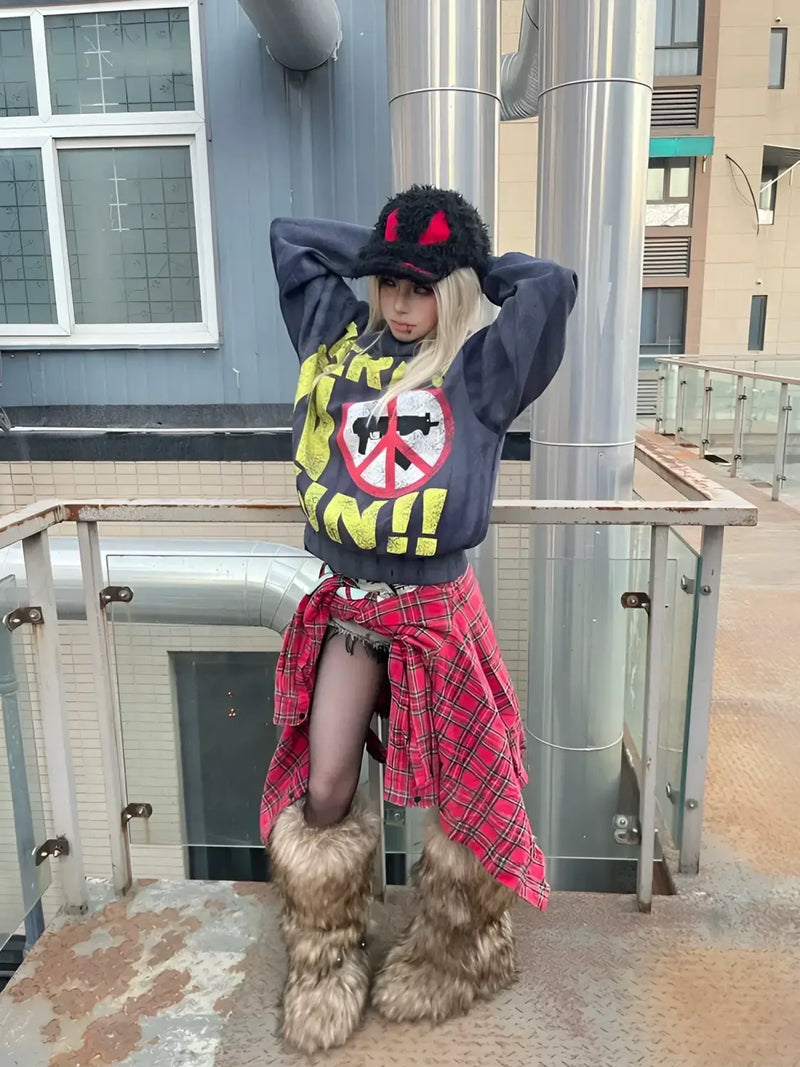

Everyone's been talking about the Y2K aesthetic for five years. Most people still haven't understood it. Low-rise jeans plus a butterfly top isn't Y2K, that's Halloween. Shiny pink plus rhinestones isn't Y2K either, that's a photo of Paris Hilton without context.
Y2K Aesthetic has been Gen Z's most-searched sub-aesthetic since the TikTok revival around 2020 — and at the same time the most commonly misunderstood. It isn't a single look, but a bundle of five sub-niches with their own rules. It refers to a specific time span (1998 to roughly 2004), a specific visual language (pre-iPhone, pre-smartphone, pre-Instagram), and a specific fashion-material world (low-rise, metallic, mesh, platform).
This guide clears up what's really behind it: when the aesthetic started and why it's back in 2026, what belongs to it and what doesn't, which five sub-niches exist, how Y2K Aesthetic Girl differs from Y2K Aesthetic Boy, why Gen Z can't get enough of it, where Y2K ends and Indie Sleaze or Coquette begins, how to put jeans, tops, and shoes together correctly, which six mistakes tip the outfit over — and which four pieces to start with.
This is what the outfit vocabulary looks like in motion — 12 seconds, one line:
Origin · Timeline
When did the Y2K aesthetic begin — and why is it back in 2026?
The Y2K aesthetic has a very concrete beginning. It starts in 1998 with fear of the Millennium Bug — the worry that every computer would fail on December 31, 1999 because their clocks couldn't read the year "00". A cultural mood grew out of that: technology becomes hope and threat at the same time. Fashion reacts to both. Silver, metallic, sheer PVC fabrics, futuristic cuts — all of it quotes the "near future" as it looked in late-90s sci-fi films.
The aesthetic runs until about 2004. After that it splits into two directions: McBling (2005 to 2008, shinier, louder, Paris Hilton-centered) and Indie Sleaze (from 2008, flash-photo, grittier). Anyone who googles Y2K today often gets McBling images as results — the two get mixed up constantly. They're not the same thing. McBling is Y2K's louder, younger sister.
The revival started around 2020 on TikTok and is in its third major wave-year in 2026. Bella Hadid has systematically worn low-rise since 2021. Doja Cat, Olivia Rodrigo, the whole TikTok hyperpop spectrum reference Y2K openly. Why now: Gen Z has grown tired of clean 2010s minimalism (Glossier, beige, athleisure) and is looking for the opposite — loud colors, visible hardware, shiny fabrics, fashion with personality. Y2K delivers exactly that: visual overload as an answer to ten years of visual diet.
Definition
What is the Y2K aesthetic — and what actually counts toward it?
Y2K Aesthetic is a visual system made of three building blocks that quotes the transition period between the analog and digital world. When all three fit, the outfit reads as Y2K. If one is missing, it tips into streetwear, into Coquette, into McBling, or simply into 2010s vintage.
3
Required materials
1998
Birth year
5
Sub-niches
0
Smartphone references
These four numbers aren't decoration. They're a test. An outfit that breaks one of them — denim without distress, a high-waisted pant, a visible 2020s logo — is no longer Y2K. It's "something 2000s-inspired". That's not the same thing.
Concretely, this counts toward the Y2K aesthetic:
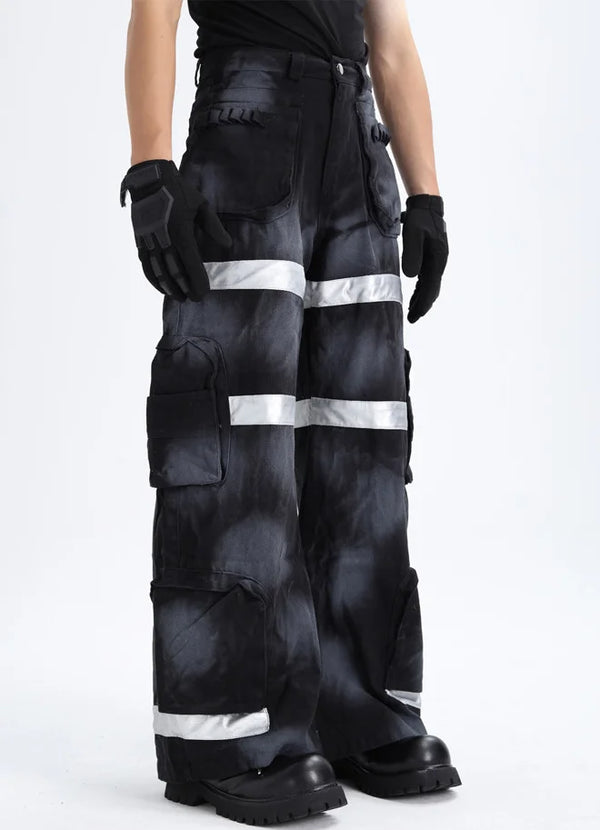
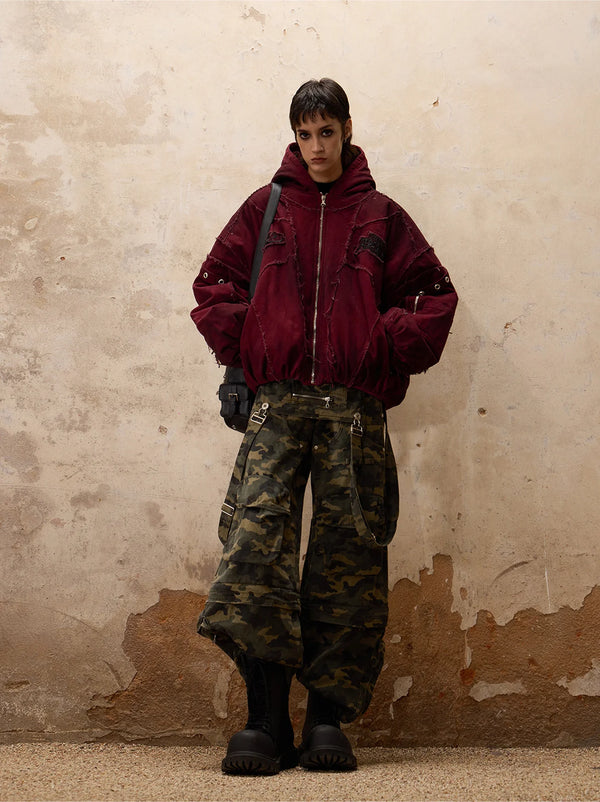
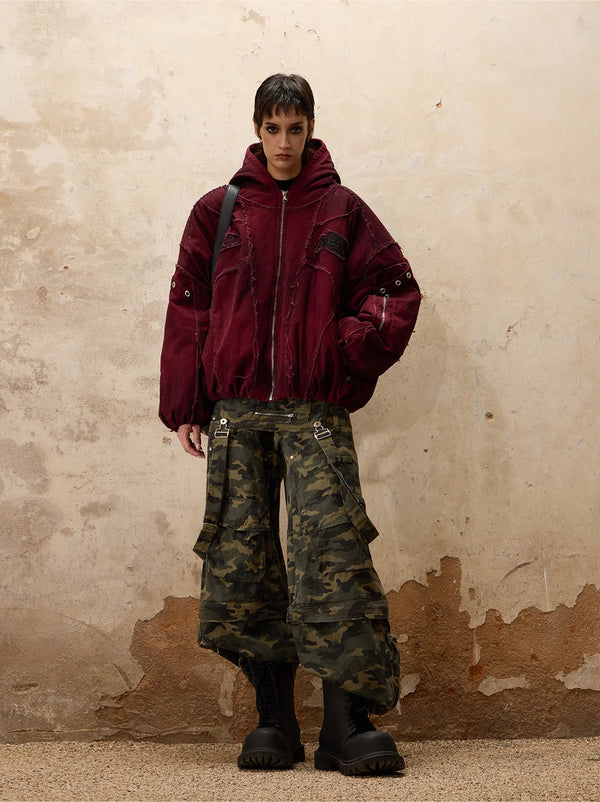
- Low-rise bottoms — jeans, cargo, skirt. Waistband sits under the navel. Mid-rise is 2010s, high-waist is 90s mom jeans. Neither is Y2K.
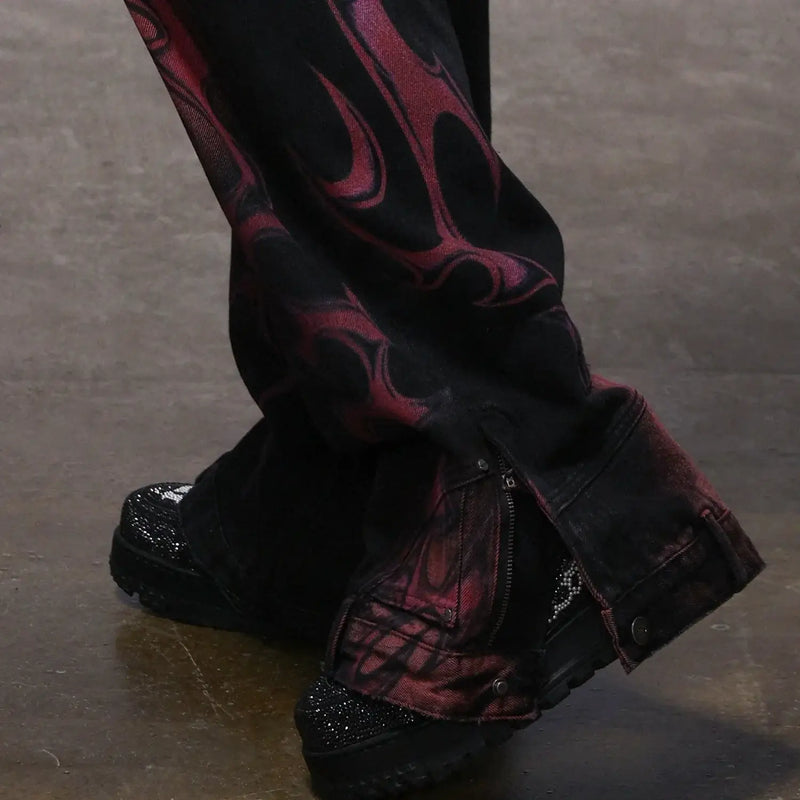
- Three required materials — denim (distressed, flame-printed, or gradient-washed), metallic (silver mesh, holographic, silver foil), and mesh as a visible skin-layer.
- Visible midriff — crop top, cropped cardigan, or layering with a deliberate gap between top and waistband. Full coverage tips into Coquette or streetwear.
- Platform sole or knee-high boot — Buffalo, platform sneaker, knee-high pleather. Skinny sneakers or regular combat boots are out.
- Statement sunglasses — rimless, cat-eye, frameless, double-heart. Small, colorful, or with a special shape. Aviator and classic wayfarer are not Y2K.
- Anti-smartphone vibe — pre-2007 aesthetic. No modern brand logos, no 2020s sneakers, no visible tech smartwatch. If Apple pops up anywhere, it's not Y2K.
If you're missing three of these six points, it's no longer Y2K — it's inspiration. And there's one rule that holds all six together:
Sub-niches
The 5 Y2K sub-aesthetics — Cyber, McBling, Coquette, Frutiger, Mall Goth
Y2K Aesthetic isn't one look — it's five that overlap at the edges. If you lay 2003 Pinterest boards next to current revival looks, these five sub-niches split apart cleanly. Each with its own color palette, its own hardware density, its own soundtrack reference.
Which of the five suits you depends less on taste than on your color stock and how much attention you want to wear at once. McBling is loud, Cyber-Y2K cold, Coquette soft, Frutiger Aero technological, Mall Goth rebellious. How girl iterations differ from boy iterations comes next.
Gender split
Y2K Aesthetic Girl vs Boy — where it really plays out differently
The three required materials are the same. Low-rise, distressed denim, metallic — applies to every body. What differs is how much skin the outfit shows, and where the volume sits. Y2K Girl shows midriff and uses platforms for height; Y2K Boy rarely shows midriff and works with layering and visible hardware on the upper body.
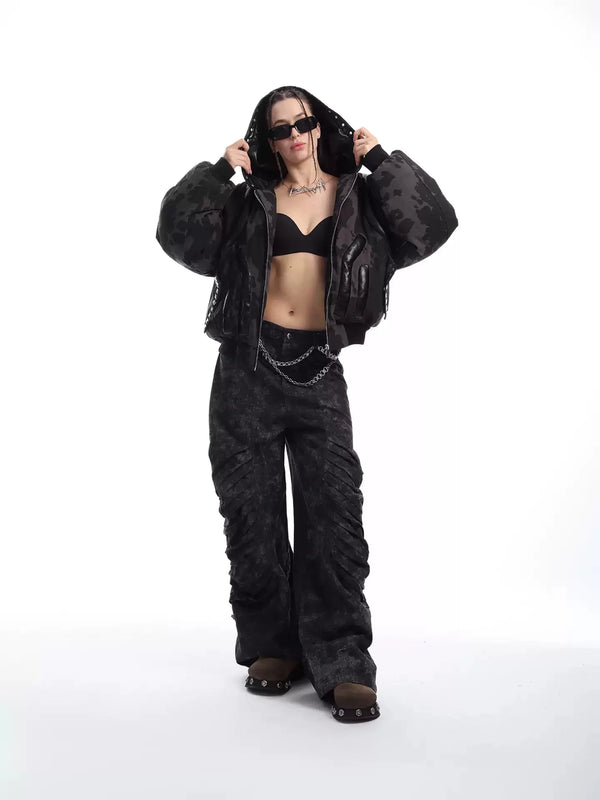
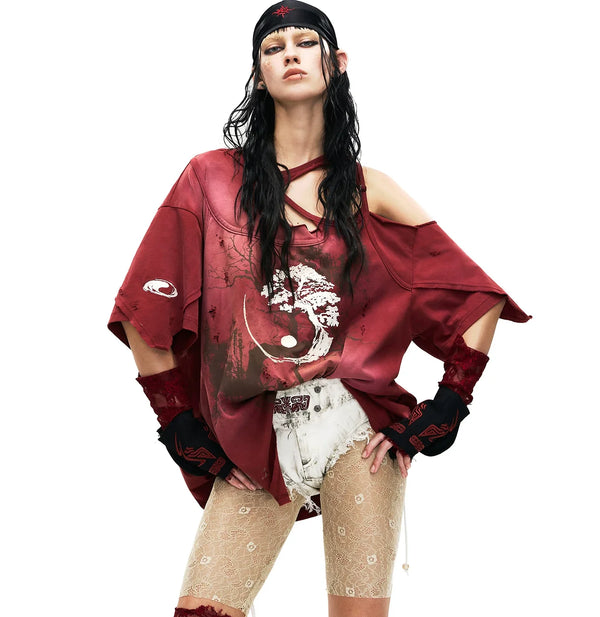
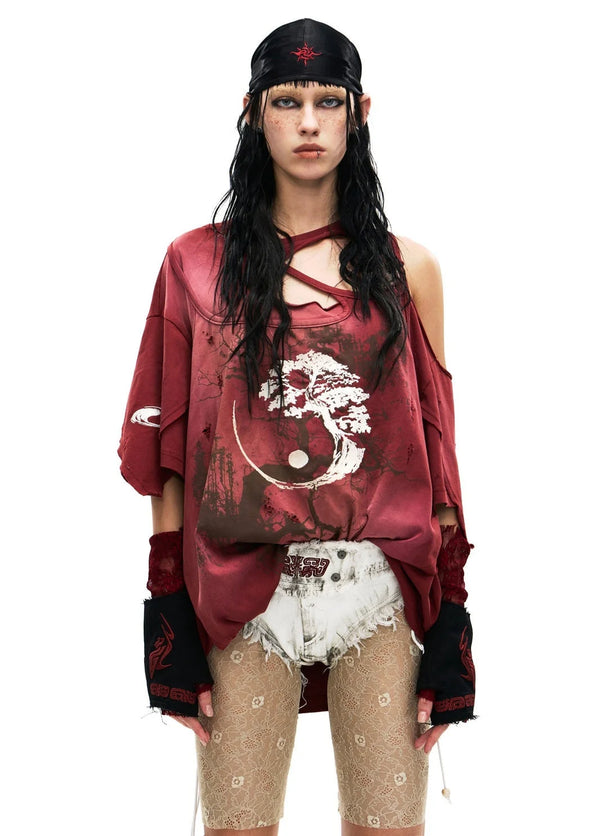
Y2K Girl: crop top with logo or butterfly motif, low-rise cargo or jeans, platform sneakers or Buffalo boots, plus a mini shoulder-strap bag (baguette style). Jewelry stack: two necklaces, three bangles, one belly-button piercing anchor. Sunglasses are small and colorful — no aviators.
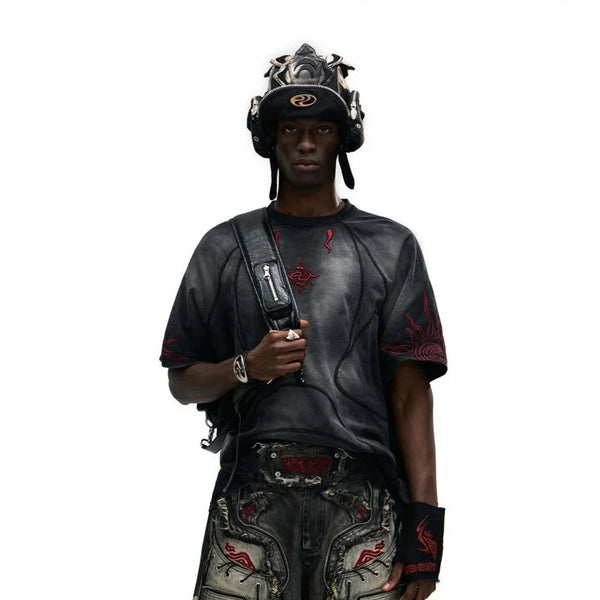
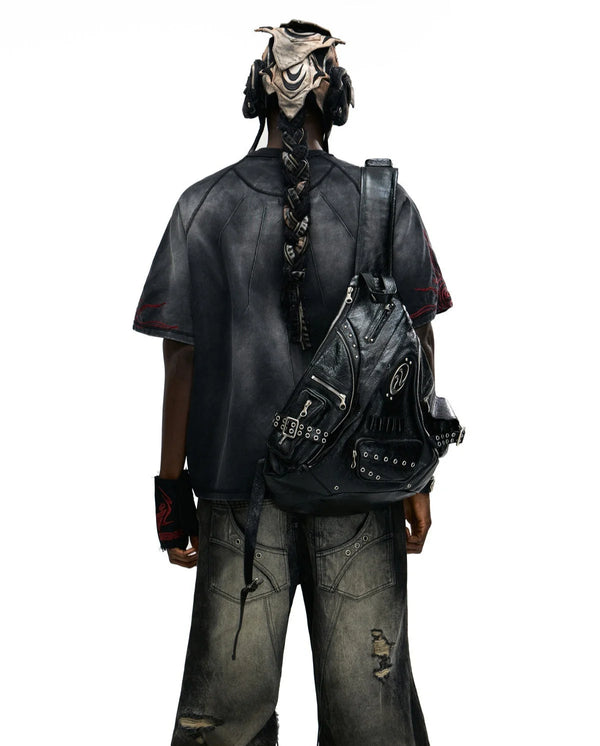
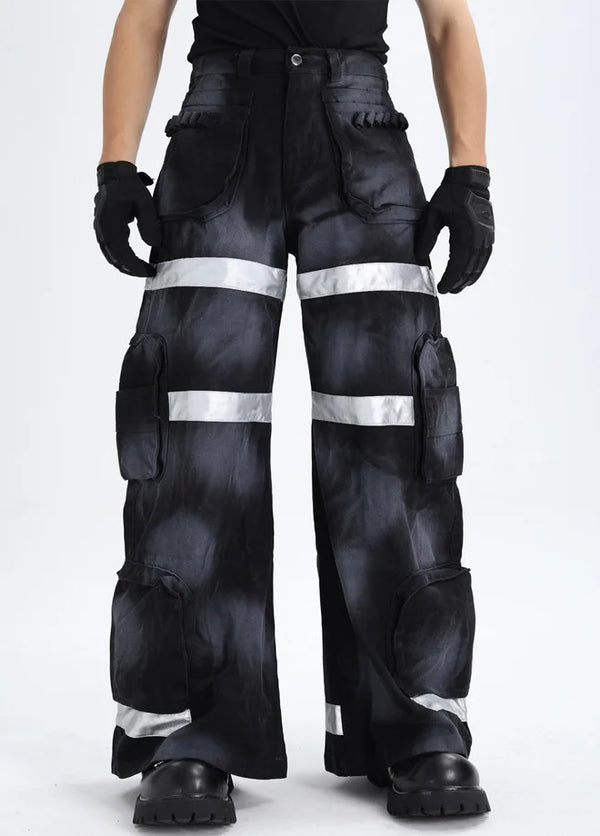
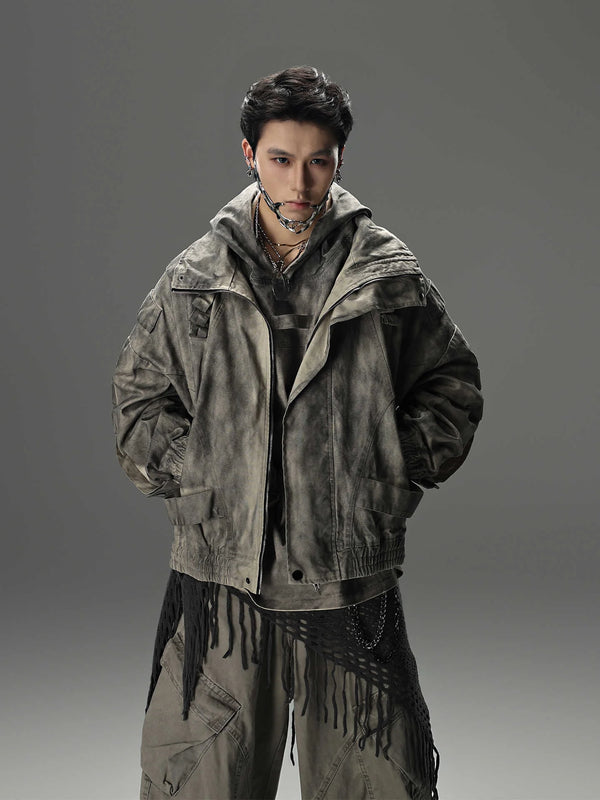
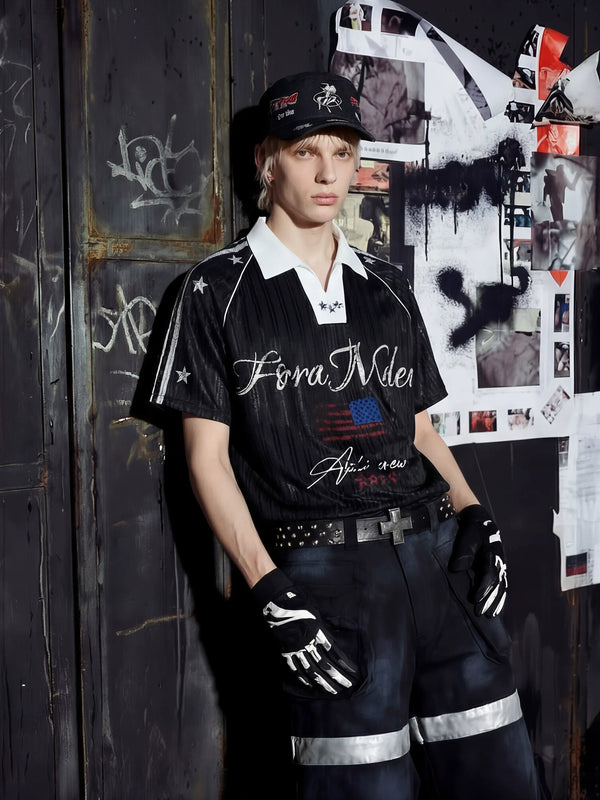
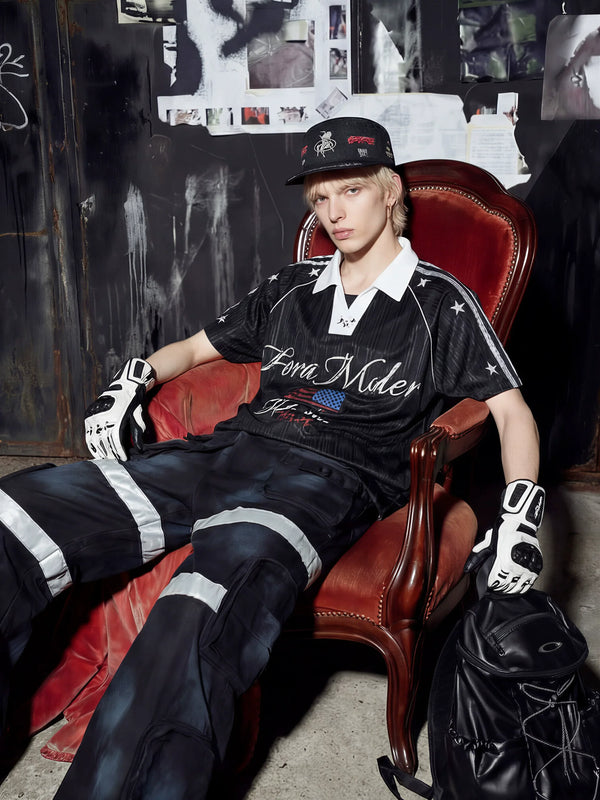
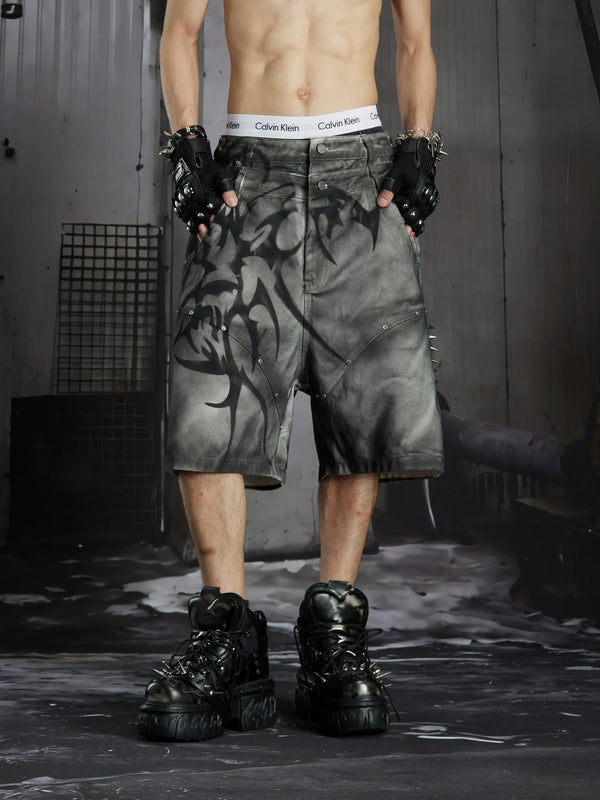
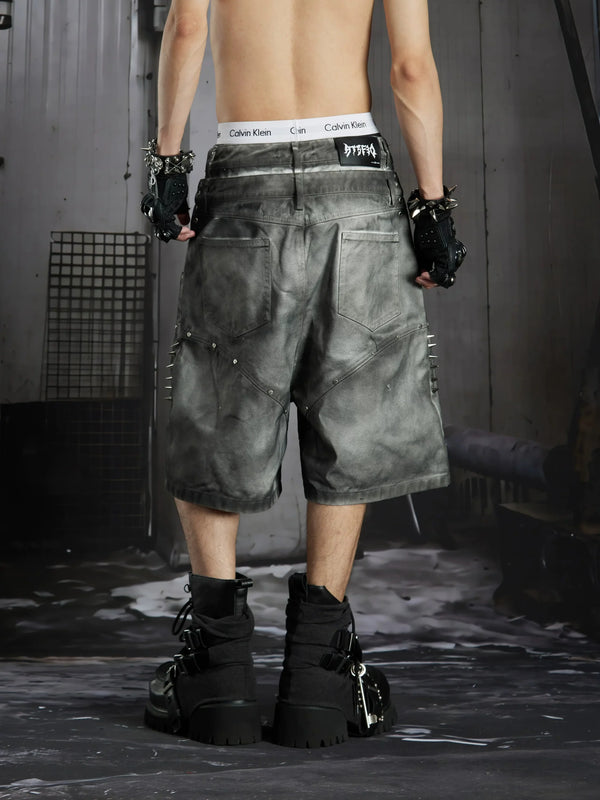
Y2K Boy: distressed denim jeans or cargo with multiple pockets, plus a mesh or football jersey top in an oversize fit. Platform sneakers in black or silver metallic. Hardware accent: a silver chain plus a wallet chain on the waistband. Sunglasses are frameless or rimless. Visible midriff is the exception, not the rule — the skin-layer moment happens more through an open shirt worn over a tank top.
Both need the same low-rise line and the same three required materials. What varies is the distribution — and which sub-niche the look references.
Psychology
Why Gen Z is obsessed with Y2K — the psychology behind the wave
The simplest explanation is: Gen Z didn't experience the peak of the Y2K era. Most 18- to 25-year-olds in 2026 weren't born yet in 2003, or don't remember it. They know the era from movies (Bring It On, Mean Girls, The Princess Diaries), images (Bella Hadid's Tumblr phase, Paris Hilton archive posts), and TikTok edits. That makes the aesthetic perfect: nostalgic, without a real personal memory around to correct it.
The second layer: Y2K is the last pre-smartphone era. In 2003 nobody had Instagram yet, nobody had TikTok, nobody had to optimize for algorithms. Photos were Polaroids or digicam snapshots with direct flash, not ringlight-perfect. Outfits were chaotic, not curated. That romanticizes a generation that is potentially on-camera every second of its life — the Y2K aesthetic offers exactly that visual "before all of it".
Y2K isn't nostalgia for the era itself — Gen Z never experienced it. It's nostalgia for a world before the algorithm. The last time fashion was allowed to be chaotic and visually overloaded without being labeled cringe.
— Fūga Studios
Third: Y2K explicitly allows layers that would count as "too much" today. Three necklaces, belly-button piercing, platform sole, metallic top, cargo pants with multiple pockets, a small bag, sunglasses. Eight visual accents in one outfit. That's the antithesis of quiet luxury, old money, and everything the last five years called "grown up". For Gen Z, Y2K is a very direct form of anti-establishment dressing — without having to look like punk.
Neighbor map
Y2K vs Indie Sleaze, McBling, Coquette — where the lines run
Y2K is constantly confused with three other aesthetics, all of which emerged between 1998 and 2012. Anyone with the vocabulary down sees the differences immediately. Anyone who confuses them buys the wrong pieces. Here are the four neighboring aesthetics — what they share, where they diverge:
- McBling (2005-2008) — Y2K's louder, younger sister. Pink velour tracksuits, visible designer logos (Juicy Couture, Von Dutch, Ed Hardy), lots of rhinestones. Y2K ends at 2004 — everything from 2005 in this aesthetic is McBling, not Y2K. Compare Paris Hilton in 2003 vs 2007 and the line is exact.
- Indie Sleaze (2008-2012) — Y2K's grungier successor. Skinny jeans, leather jacket, black tights, flash-photographed party pics. Tumblr era. If you're thinking of The Strokes plus Cory Kennedy instead of Britney plus Christina, it's Indie Sleaze, not Y2K.
- Coquette — overlaps with Coquette-Y2K, but is broader. Bows, pastels, Lana Del Rey vibes, very "girlhood". Pure Coquette can work completely without low-rise (long skirts, tights); Coquette-Y2K keeps the low-rise line. Butterflies and belly-button piercings are the overlap point.
- 2000s Streetwear — the unseparated cousin spectrum (Baby Phat, Rocawear, Sean John). More grounded than Y2K, less futuristic, more hip-hop mainstream. If the outfit looks more like 50 Cent than Britney, it's 2000s Streetwear — not Y2K Aesthetic.
This map matters when shopping. Vintage stores throw everything early-2000s into a Y2K bucket, but that's rarely accurate. Check pieces against the three required materials — if denim distress, metallic amount, and mesh potential are missing, it's a neighbor, not a core Y2K piece.
Category · Bottoms
Y2K jeans & pants — the low-rise question
The pants decide the Y2K outfit. Nobody sees the top first — everyone sees the waistband. If it sits under the navel, the look reads as Y2K. If it sits above, everything else in the outfit is wasted. That's the hardest constant in the aesthetic.
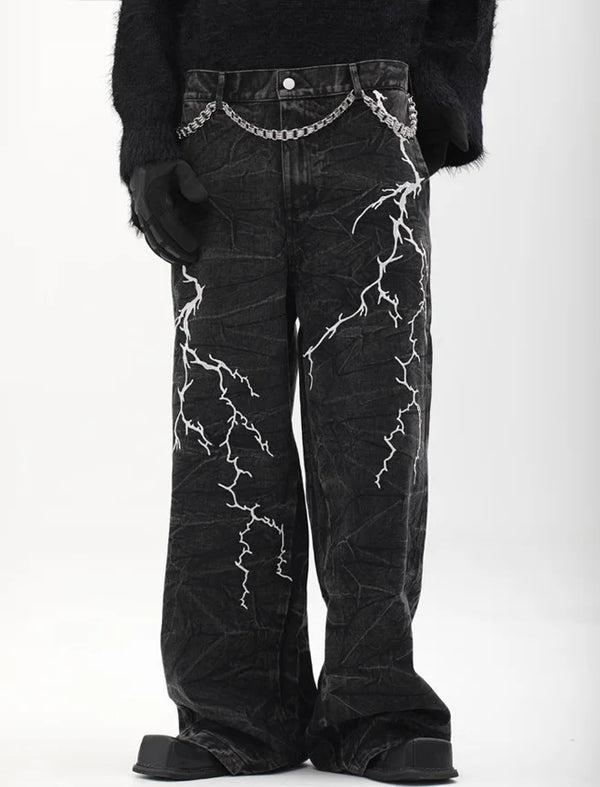
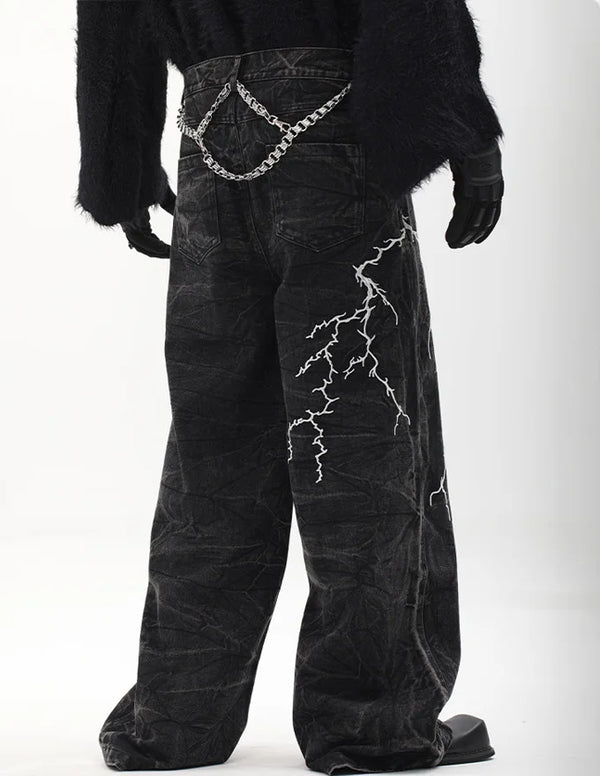
Three bottom types work in Y2K: distressed wide-leg denim (often with flame print, dragon print, or spiral print), low-rise cargo with multiple pockets, and pleather pants in black or silver metallic. Skinny is restricted — it wasn't around yet in 2003, it only comes with Indie Sleaze. Pure bootcut works, but has no Y2K signal without further markers.
If you only want to own one Y2K pant, get distressed wide-leg with a dark wash and a waistband just above the hip. That's the pant that works in 80 percent of Y2K outfits.
Category · Skin layer
Y2K tops & crop tops — where the midriff shows
The top layer carries the Y2K signal. Even more than the pants, the top decides which sub-niche the look falls into. A mesh tank in silver metallic reads as Cyber-Y2K, a velour cropped cardigan in pink as McBling, a lace-trim tank in pastel as Coquette-Y2K, a football jersey in a boy cut as 2000s Streetwear crossover.
The rule: the skin moment is what makes Y2K. A fully covered torso is not Y2K — not even with metallic fabric. Either crop top (midriff visible), or skin-layer (mesh or sheer fabric), or layering with a deliberate belly-button gap. Y2K boys often solve this through open shirts worn over tank tops instead of crop tops — the skin impression sits at the neckline.
Anyone wanting to test the mesh look gets a mesh long-sleeve in silver metallic plus a plain black tank top underneath. That's the easiest way into Cyber-Y2K — and if the sub-niche doesn't end up fitting, the mesh long-sleeve is still usable for three other outfits.
Category · Footwear & Accessories
Y2K shoes & accessories — platform, sunglasses, jewelry
Shoes and accessories are the two spots where Y2K tips most visibly — in one direction or the other. Wrong shoe choice and the outfit suddenly reads like 2018. Wrong sunglasses and it tips into 90s mom vibes.
What works for shoes: platform sneakers (Buffalo, Skechers Energy range), knee-high pleather boots, buckle sandals with a thick sole, or metallic silver sneakers. What doesn't work: anything skinny — narrow sole, low profile, mainstream sneakers like Air Force 1 or Stan Smith. Y2K shoes need height or volume.
For accessories: mini shoulder-strap bag (baguette shape), small colorful sunglasses (cat-eye, heart-frame, rimless-tinted), wallet chain on the waistband, several thin necklaces at once. Plus optionally: butterfly-shaped hair clips, belly-button-piercing imitation, mini backpack in pleather.
If you only buy one Y2K accessory, get sunglasses with a special shape. A 35-euro pair with a heart or star frame carries more Y2K signal than a 200-euro bag. The glasses are the fastest visual anchor.
Styling · three rules
How to actually style Y2K — the three rules everything hangs on
A Y2K outfit works through three rules. If all three fit, the look reads as Y2K even without expensive pieces. If one breaks, even an 800-euro cargo pant can't save the look anymore.
The three rules together explain why minimalist Y2K attempts almost always fail. Y2K isn't a reduced version of something. It's deliberately overloaded. Anyone wearing a crop top plus jeans plus sunglasses doesn't have a Y2K look — they have a casual outfit with Y2K pieces. We cover the full breakdown with photo examples in a separate article:
But Y2K doesn't stand alone — it overlaps at several edges with other early-2000s aesthetics. 2000s Korean Fashion shares the distressed denim, Coquette-Y2K shares the pastel palette, Cute Y2K shares the Bratz-doll energy. Anyone with core Y2K down can read these neighboring codes and mix deliberately.
Here are the five most important neighbours — each with its own guide, in case you want to go deeper:
Seasonal
Y2K in summer vs winter
In summer, Y2K is simple. Crop top, low-rise jeans, platform sneakers, mini bag, small colorful sunglasses. Six visual accents, three required materials, done. The challenge comes in winter, when the biggest visual surface (= bare midriff or mesh tank) disappears.
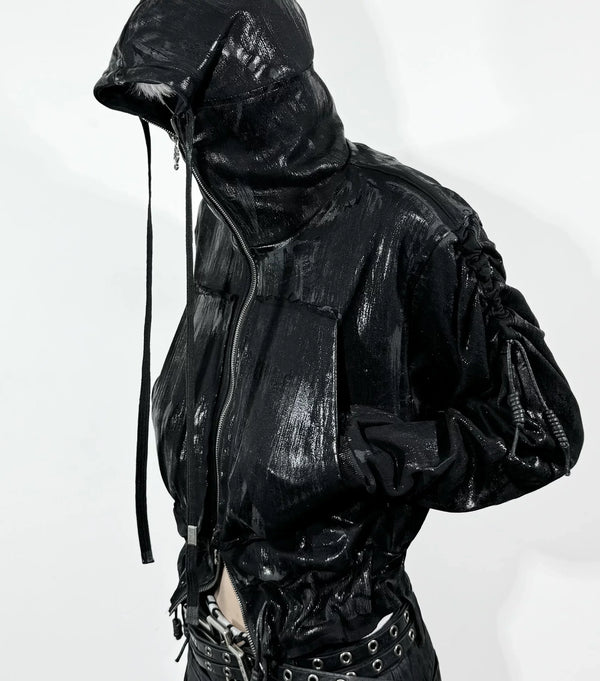
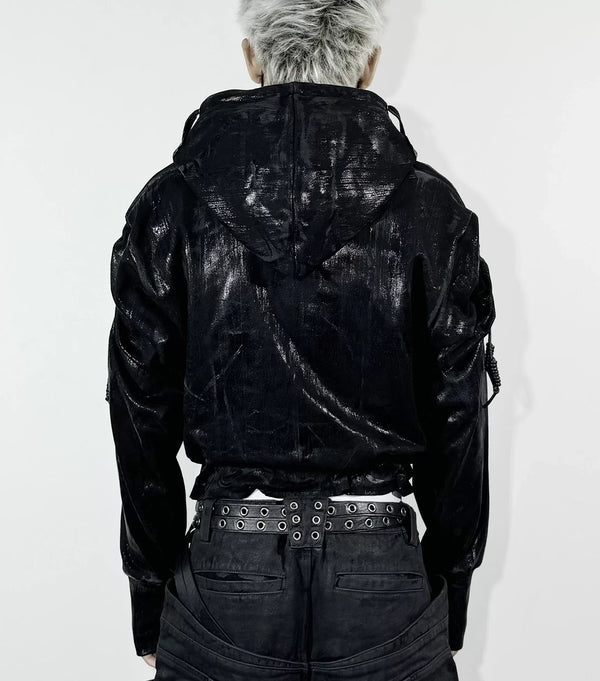
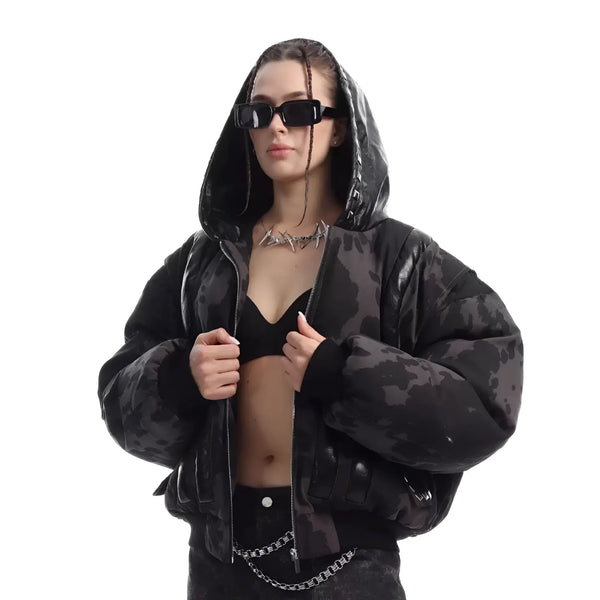
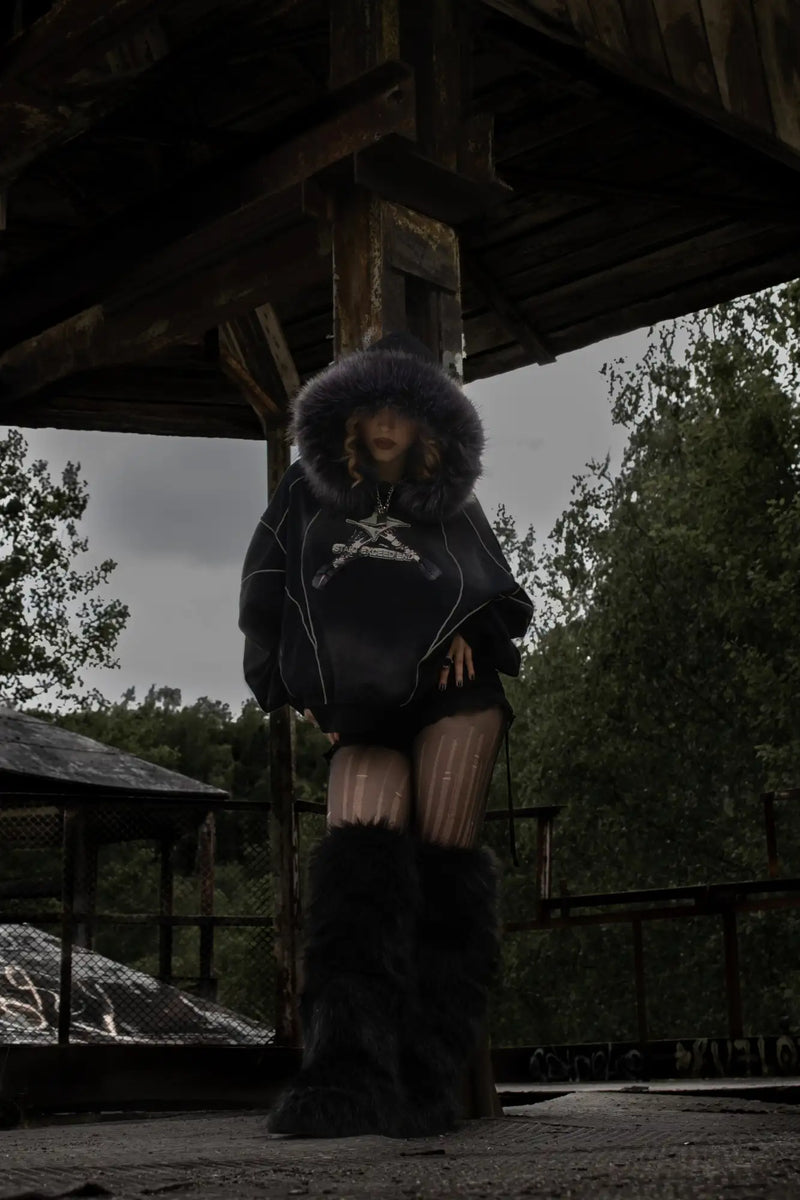
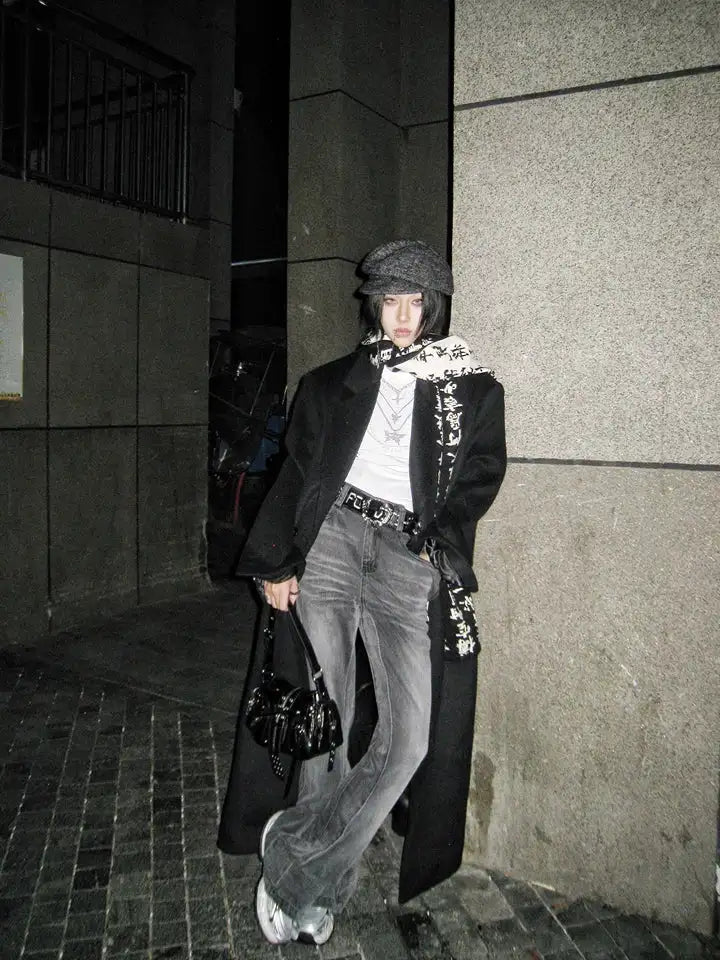
Winter Y2K works through layering. Cropped puffer in silver metallic over a mesh long-sleeve. Pleather coat in black over a velour cardigan. Distressed denim jacket over a crop hoodie. The rule: the distressed pants stay, the layering on top gets bulkier, but the belly-button anchor stays visible — either through a gap between top and pants, or through a crop layer underneath.
Anyone who doesn't feel like layering gets one statement piece that carries the whole outfit on its own: an all-metallic puffer in Cyber-Y2K coding completes the look. Underneath it only needs distressed wide-leg pants.
This is what a winter Y2K look looks like in motion:
What does not work
The 6 most common Y2K mistakes — what tips the outfit into Halloween?
Y2K has six spots where it reliably tips over — no matter how expensive the individual pieces are. If you only avoid one mistake, make it mistake number one.
Action
How to start with Y2K Aesthetic — the first 4 pieces
You don't need 30 pieces to wear Y2K. You need four that will show up in 80 percent of your outfits. Everything else builds around them.
In order: a low-rise distressed wide-leg jean with a dark wash (your biggest investment — it'll last 10 years if you don't buy cheap). A crop top or mesh long-sleeve in silver metallic. Platform sneakers or knee-high boots, matte black or silver. A small statement pair of sunglasses in a heart or cat-eye shape. A silver chain and a wallet chain as an optional fifth — but only once the four are in place.
Outfits for real
Y2K outfits in real life — what it looks like on Pinterest and Instagram
Before you build your own Y2K outfit, look at how others wear it. The five sub-niches look different in the real feed than on curated Pinterest boards: messier, grittier, less perfect — and that's exactly why they work as Y2K. Pinterest swings between reference images from 2003 and 2026 revival looks, Instagram shows the day-to-day iteration.
This is the fastest way to check whether Y2K even suits your body type — before you spend any money.
To close
Y2K is a system — not a costume, not cosplay
If you take one thing from this guide, make it this: Y2K doesn't work through pieces, it works through three rules plus one sub-niche choice. Anyone with the vocabulary down builds a hundred outfits from twenty pieces. Anyone who only buys pieces ends up with a full closet and not a single outfit that actually works.
The whole logic of this guide reduces to one sentence:
The rules have been stable since 2020 and will stay that way as long as Gen Z is in the game. Y2K in 2026 is no longer a second wave, it's an established sub-aesthetic with its own vocabulary. But you don't have to wait until you know every sub-niche by heart. Start with the one that suits you best. What you don't know yet, you'll learn by wearing it.
And that's the point: Y2K reads on paper like a jumble of layers but doesn't feel that way in practice. Once you've got the code down, every further outfit is a variation on the same three or four building blocks — not a new invention.
FAQ
Frequently asked questions about the Y2K aesthetic
The questions we often get by DM and email — short, clear, no detours.
Does Y2K mean the same thing as 2000s fashion?
When exactly did the Y2K aesthetic begin?
What exactly is a Y2K Girl?
Why is Gen Z so obsessed with Y2K?
Is Y2K still a trend in 2026 or already over?
What's the difference between Y2K and McBling?
Does Y2K work without a flat stomach?
What shoes go with Y2K besides platform sneakers?
What do you think?
Tell us on @fuga_studios
About the author
Philipp Fuge — Founder · Berlin
Founder of Fūga Studios. Writes the journal himself. Berlin · Shanghai · Tokyo · Poznań — four cities, one logic.