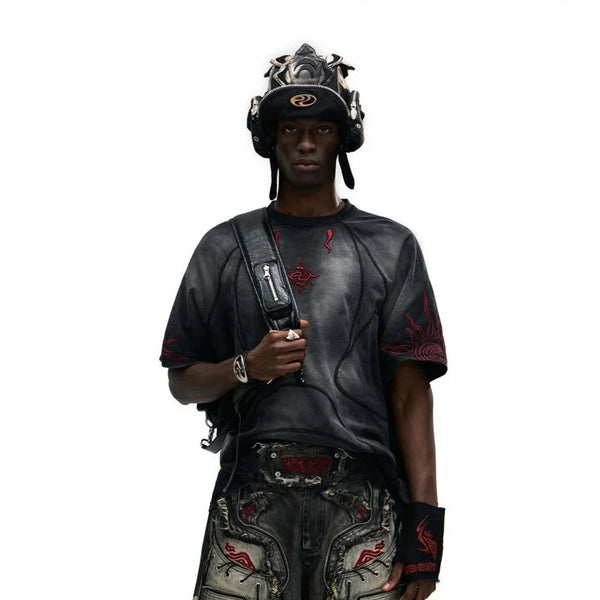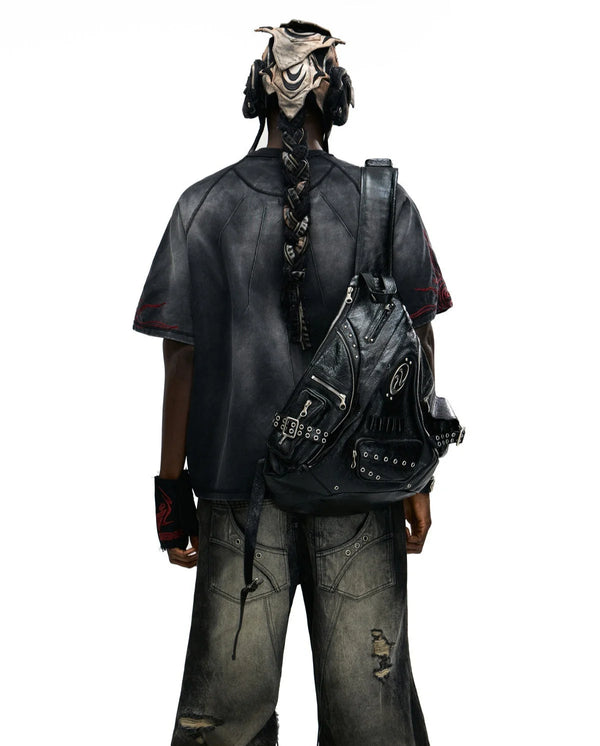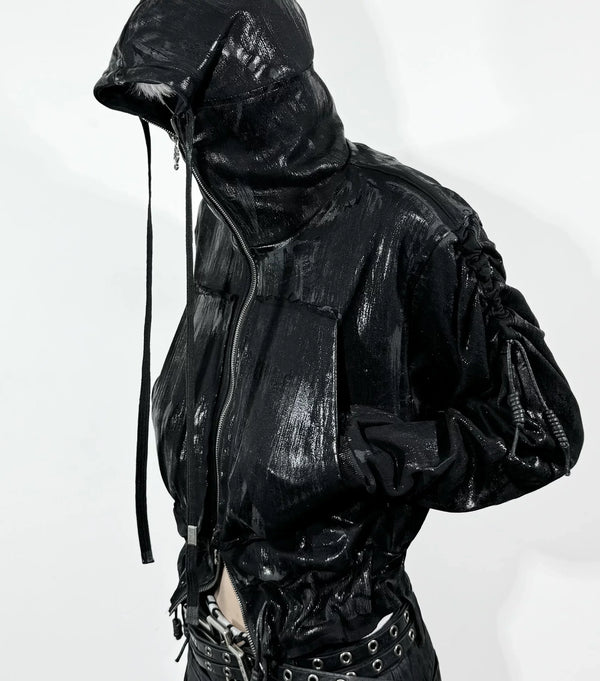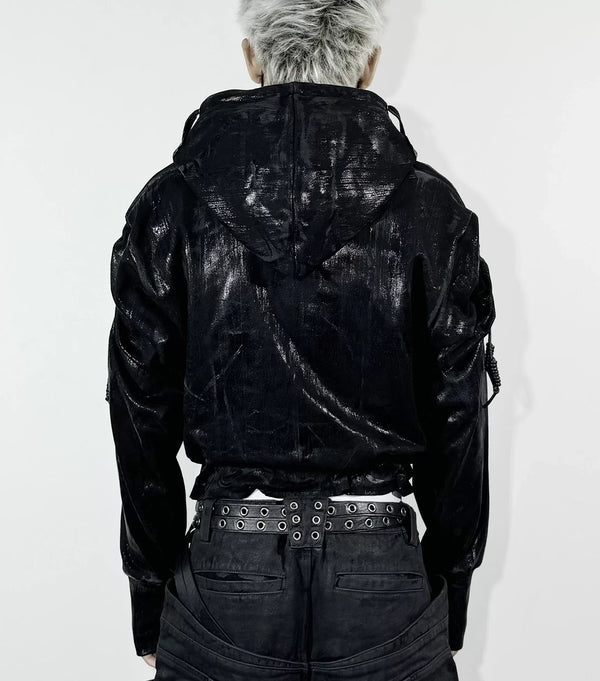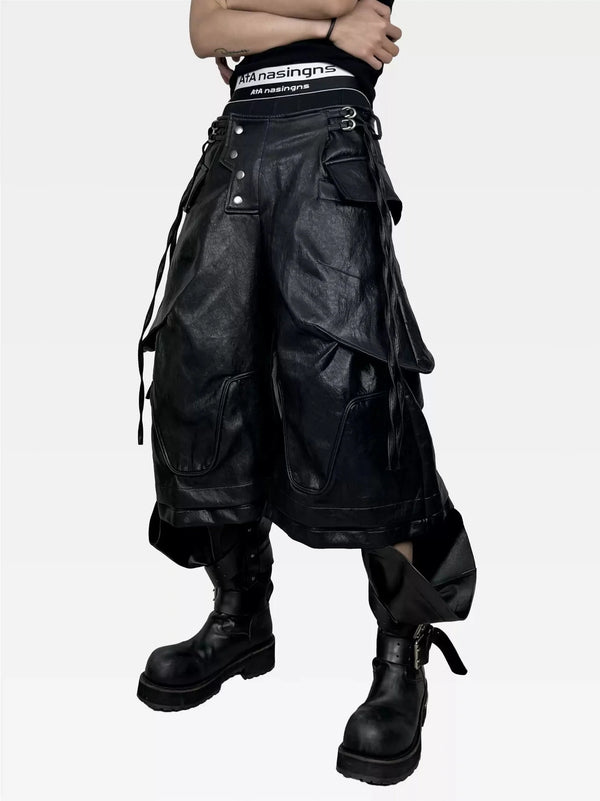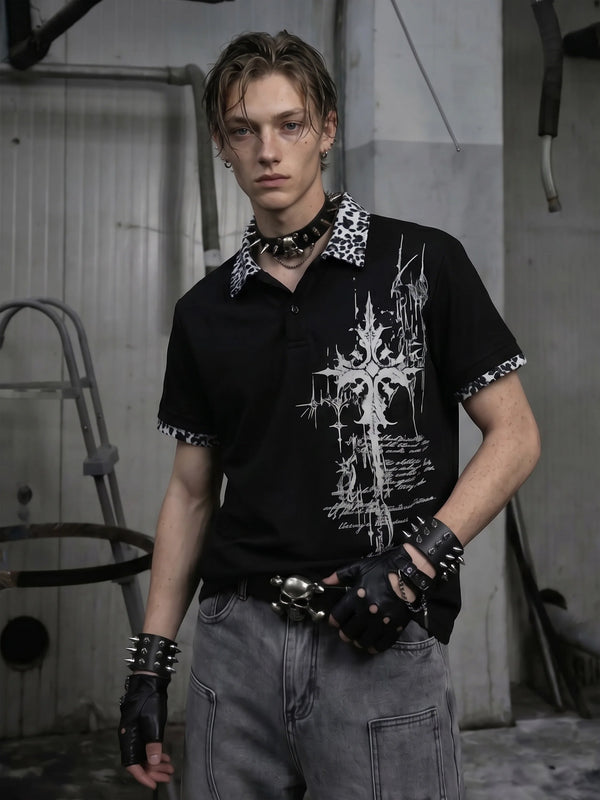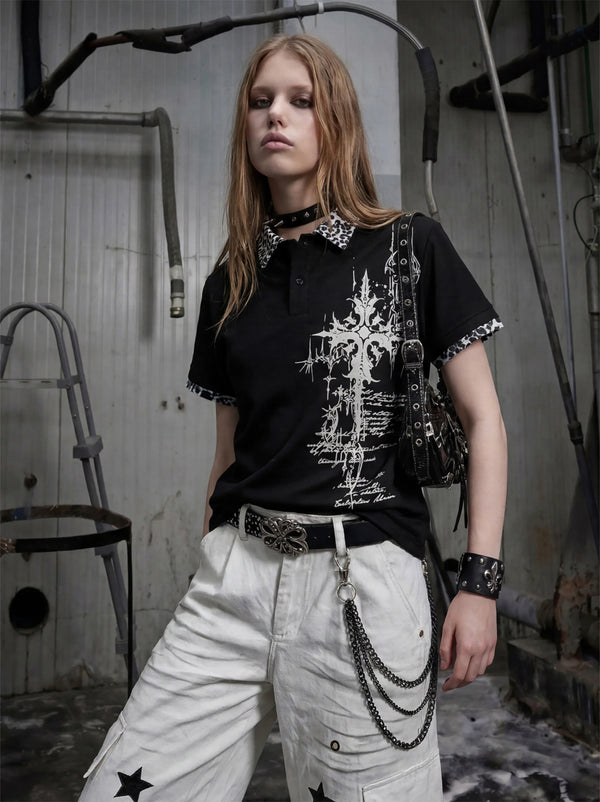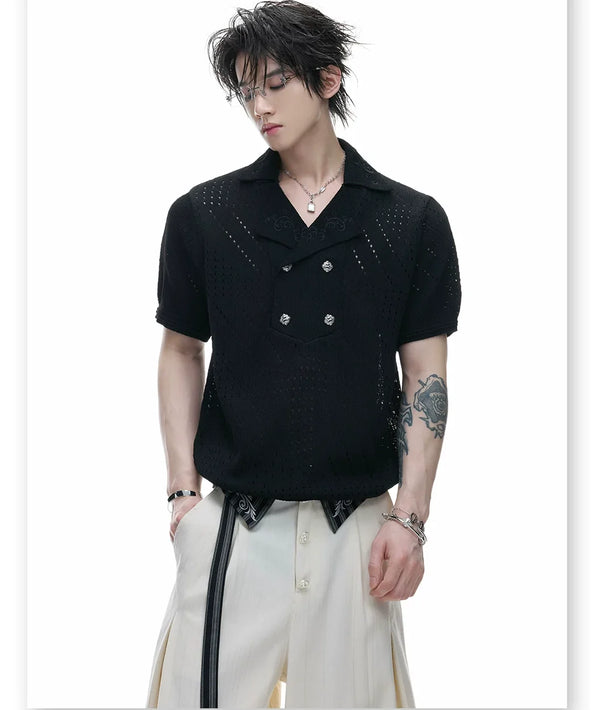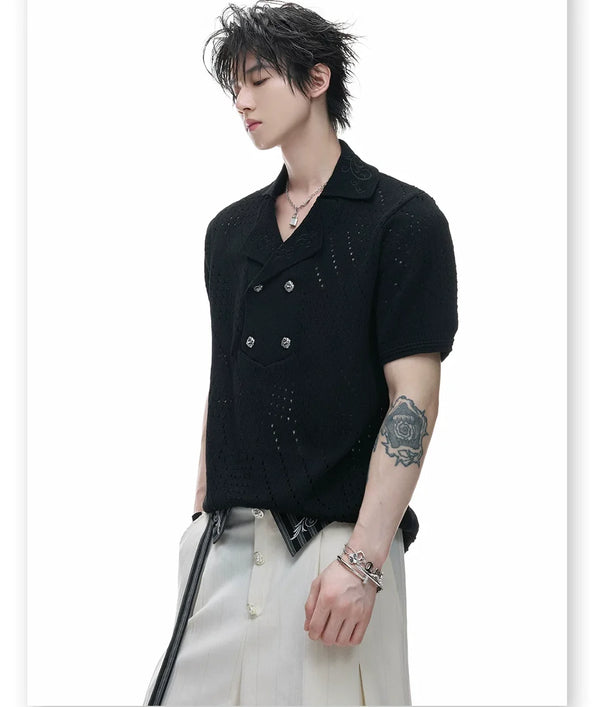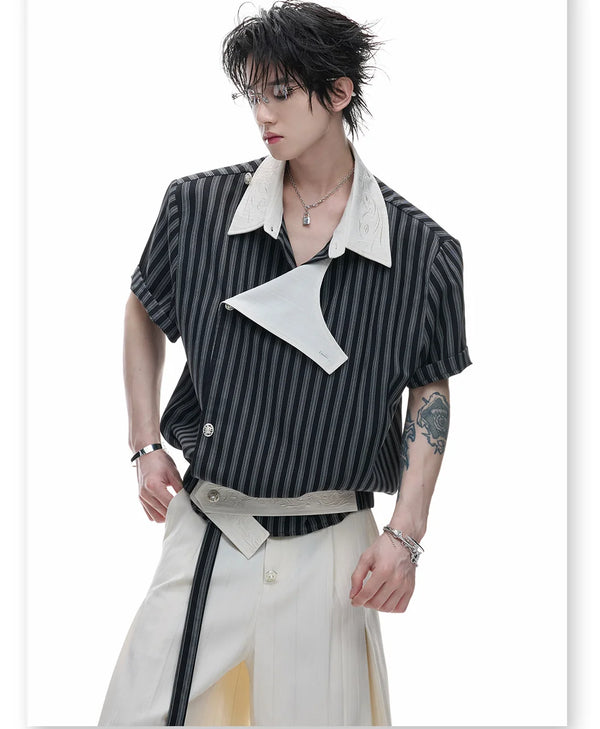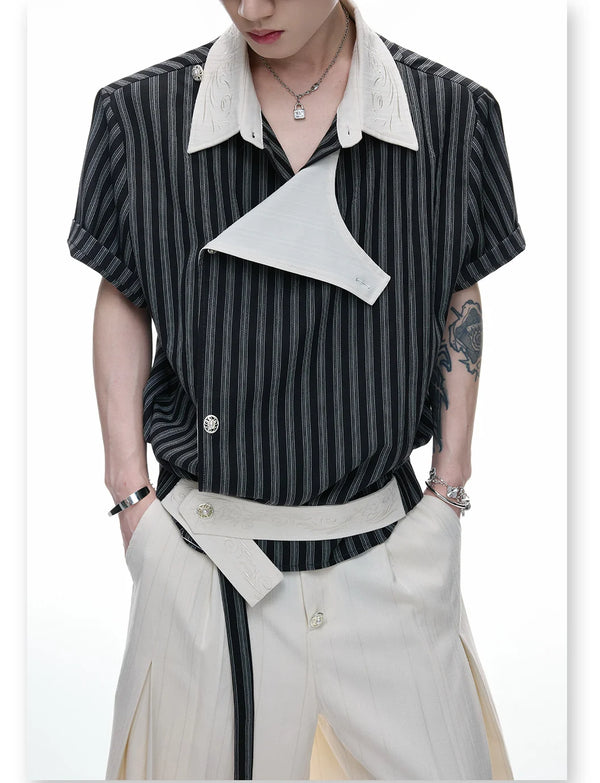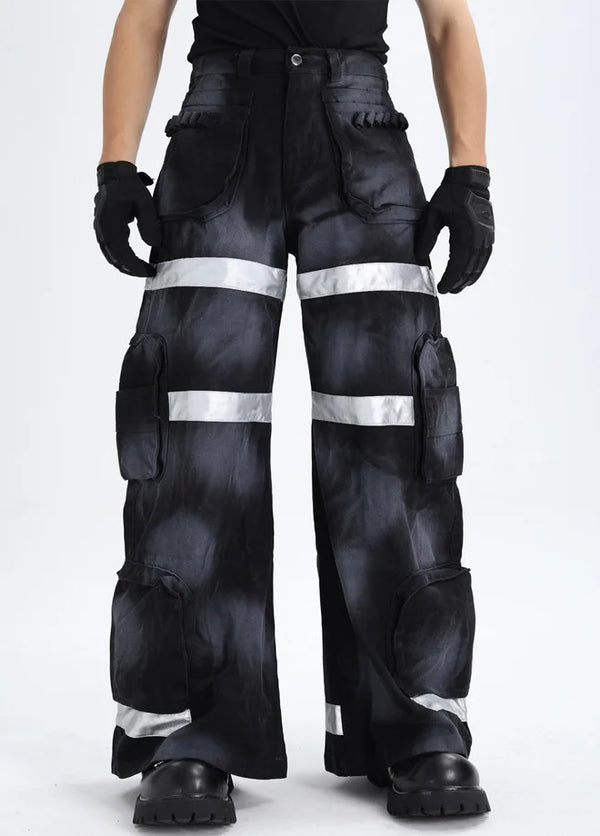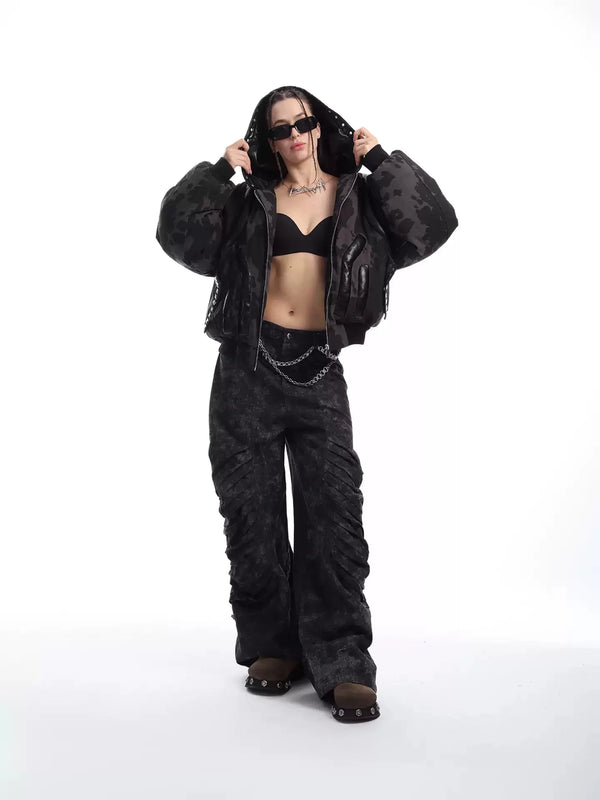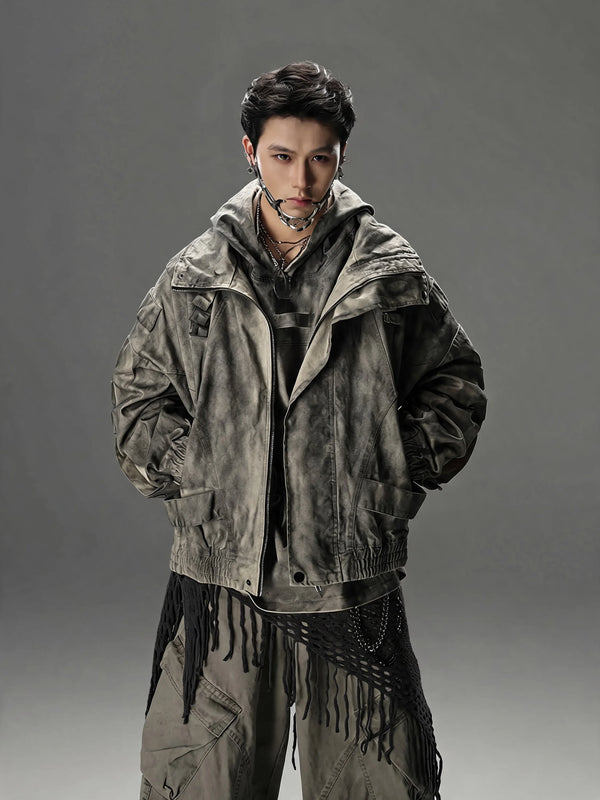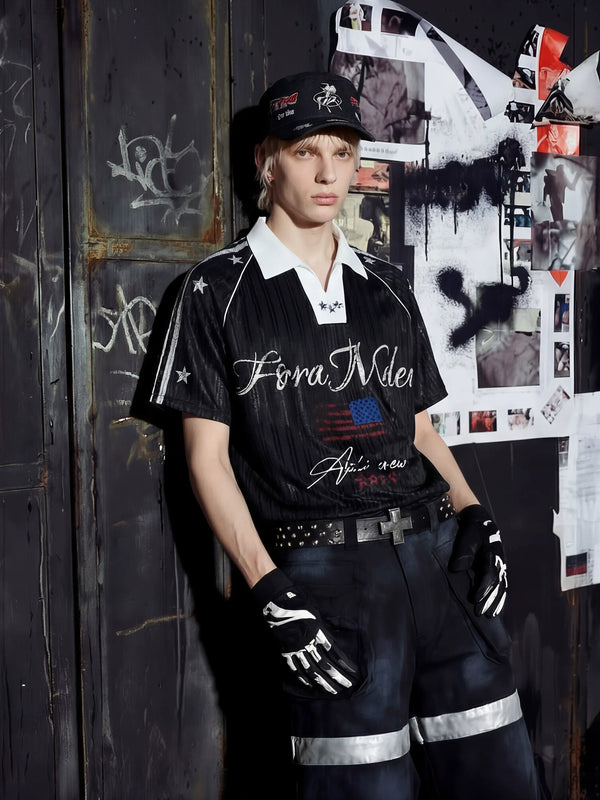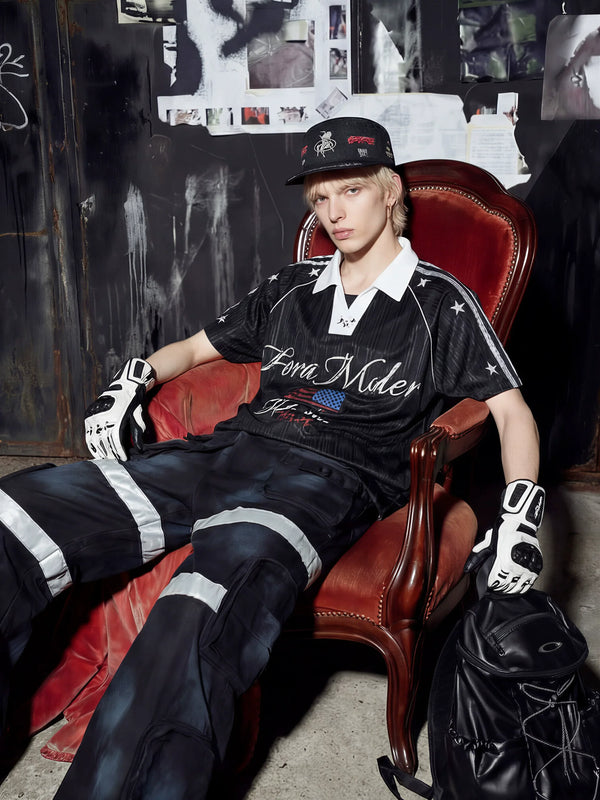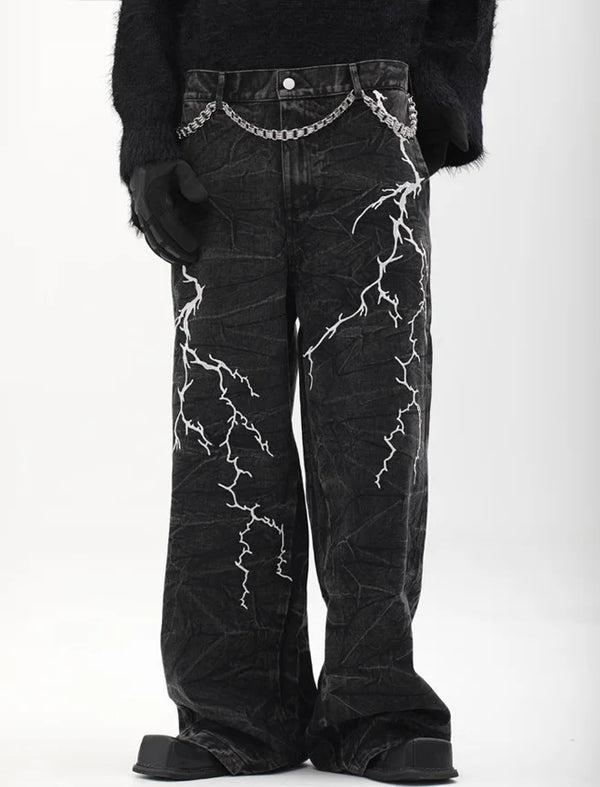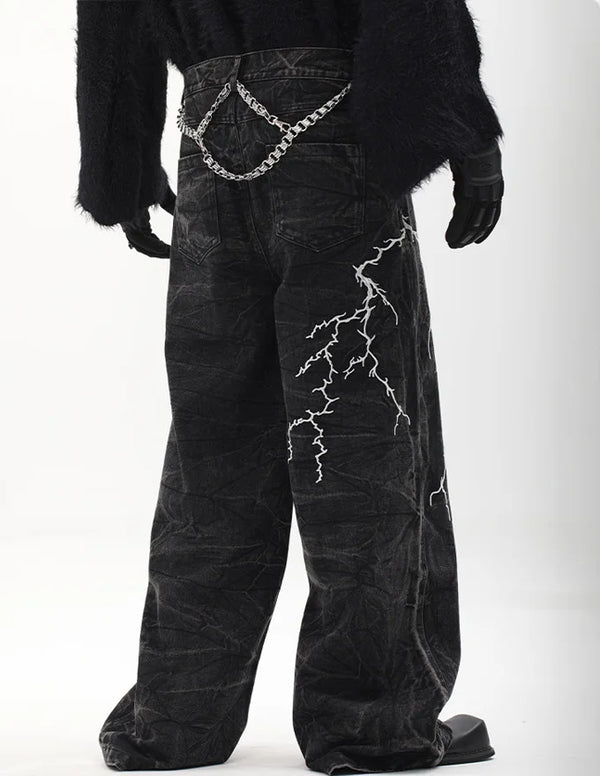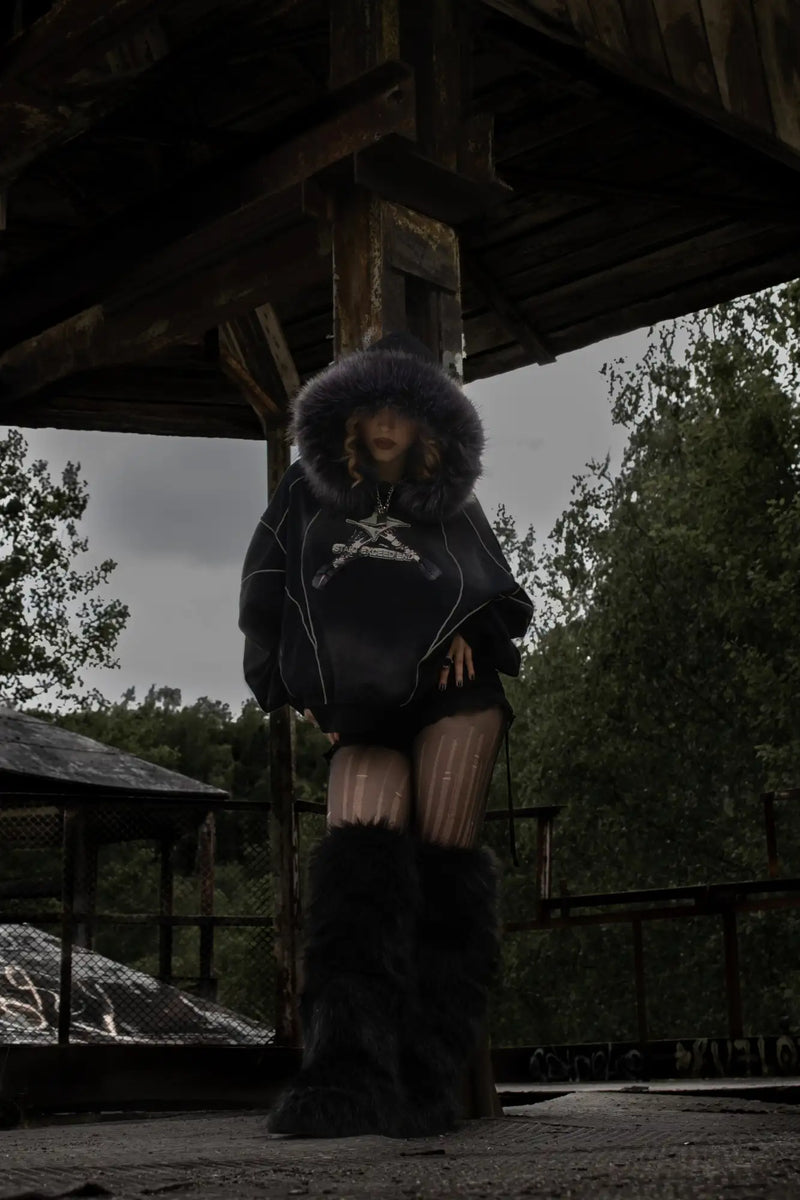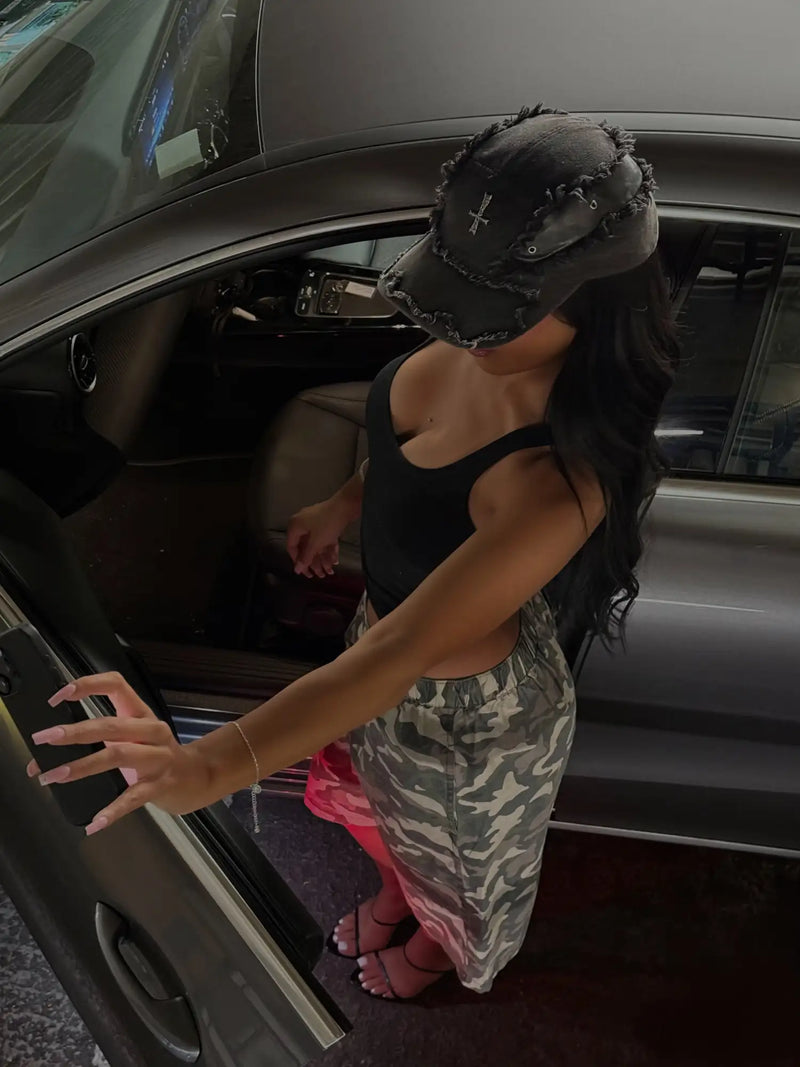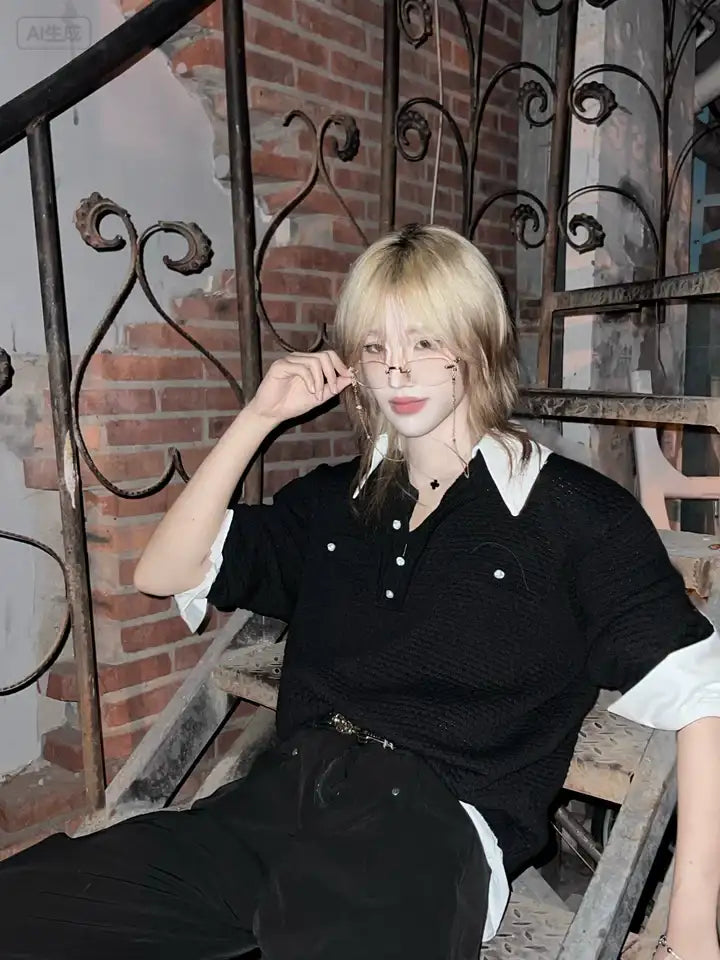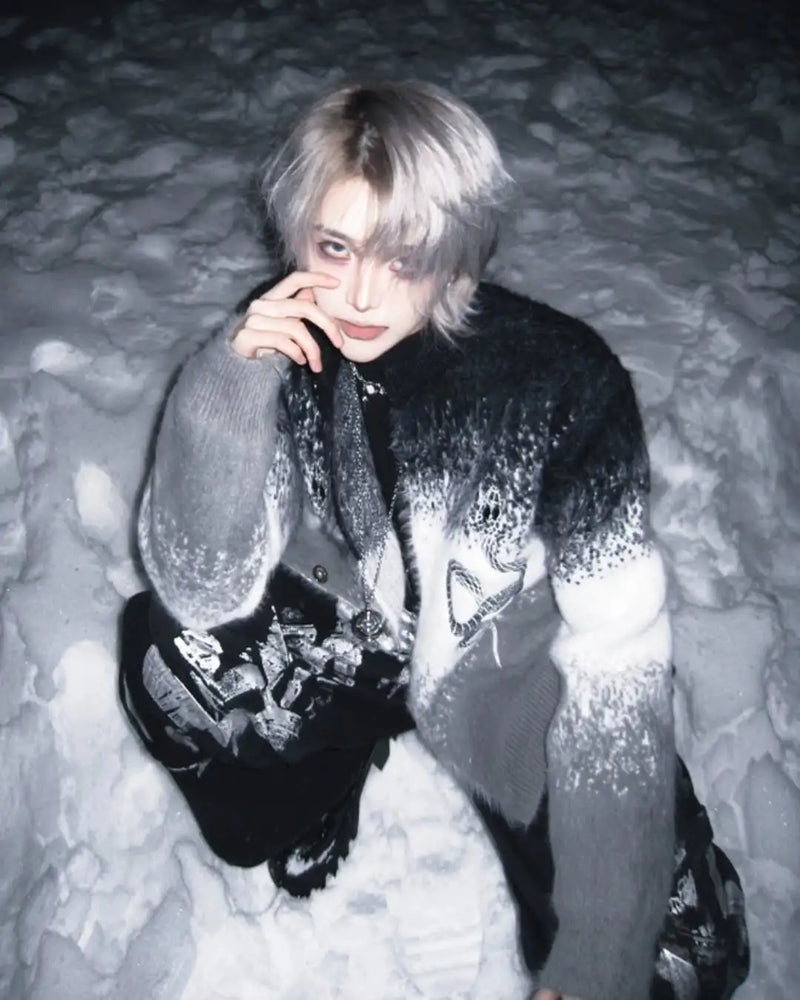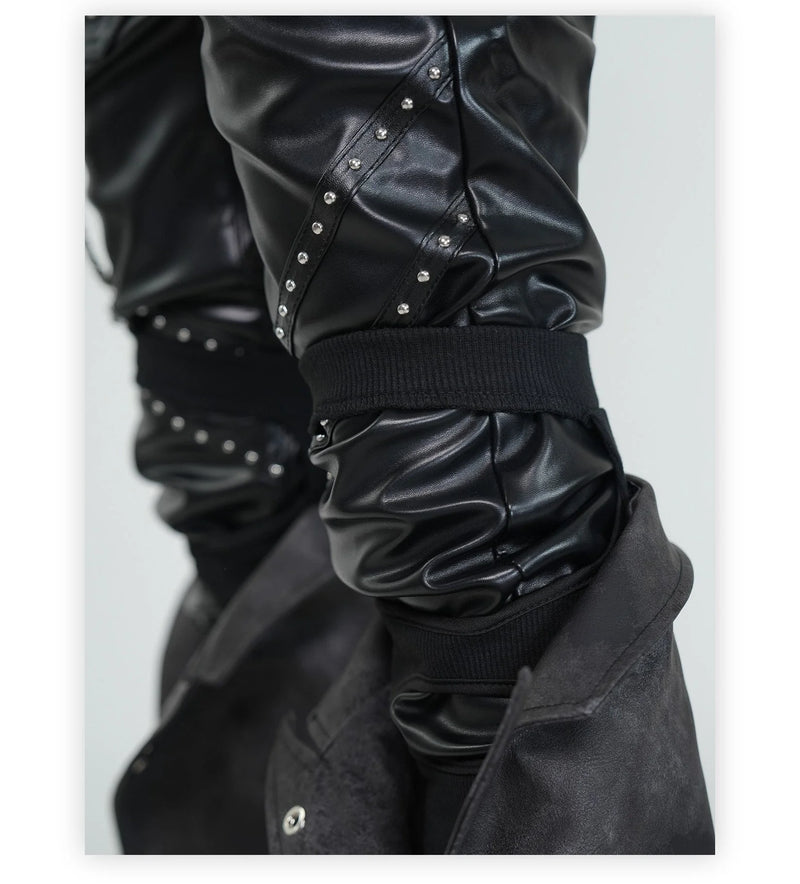
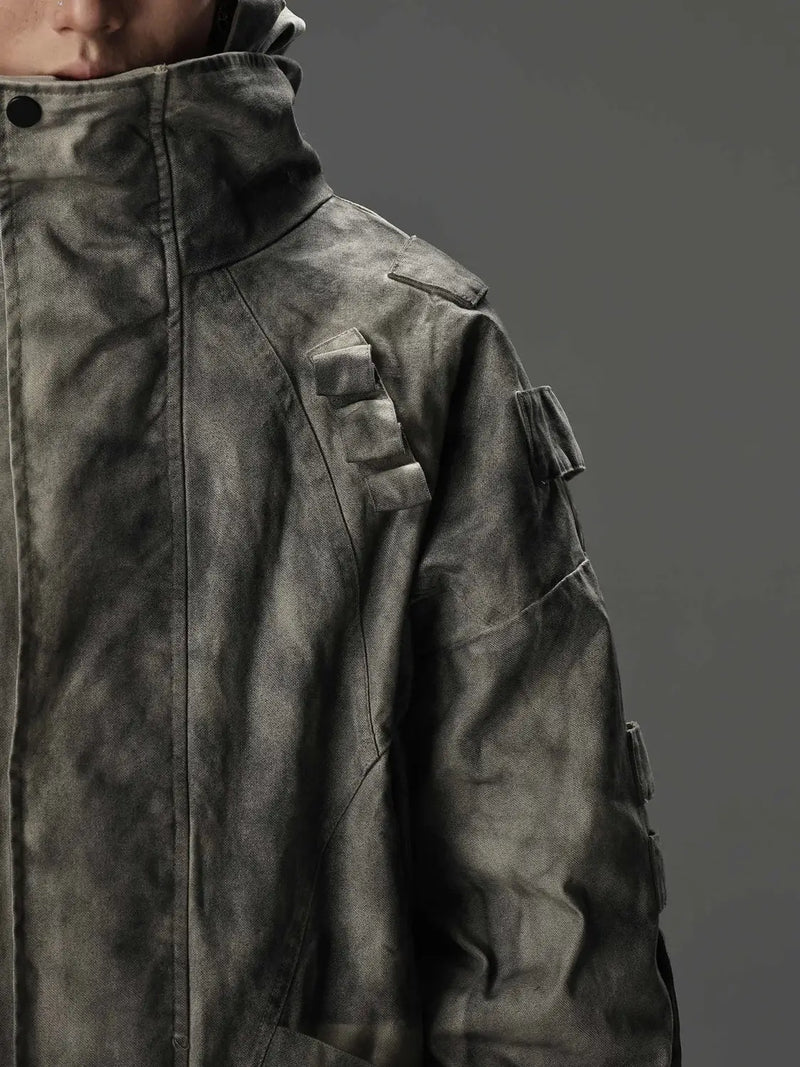
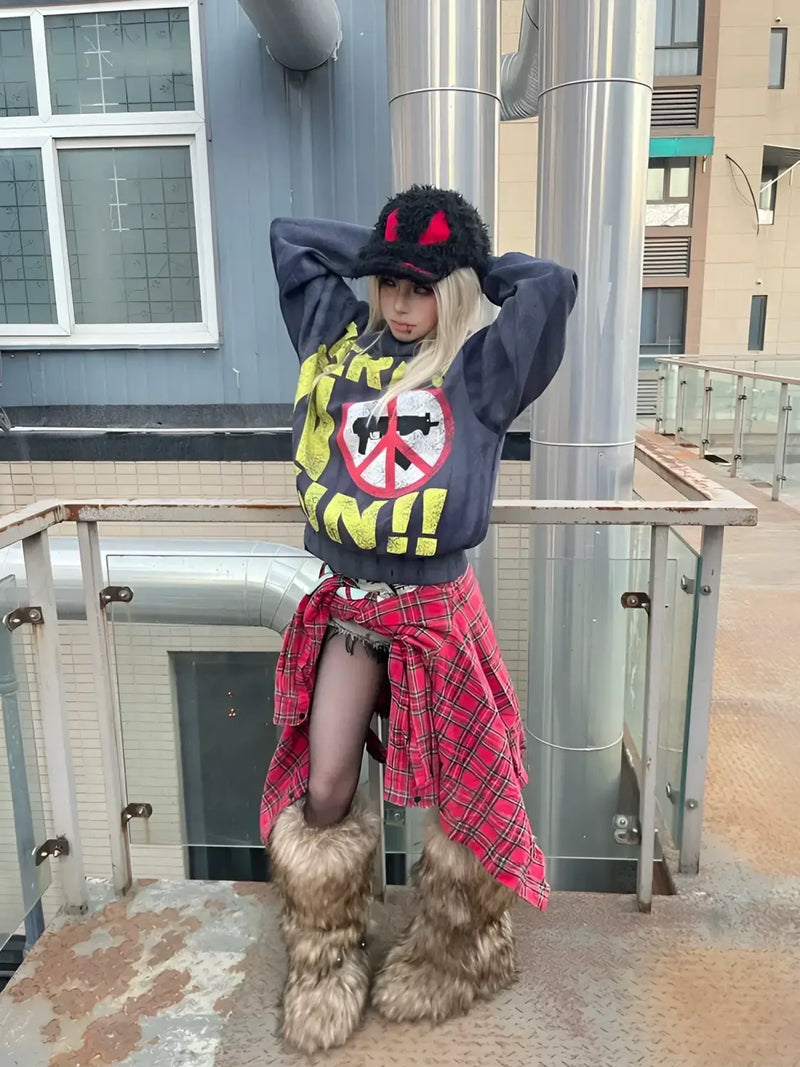
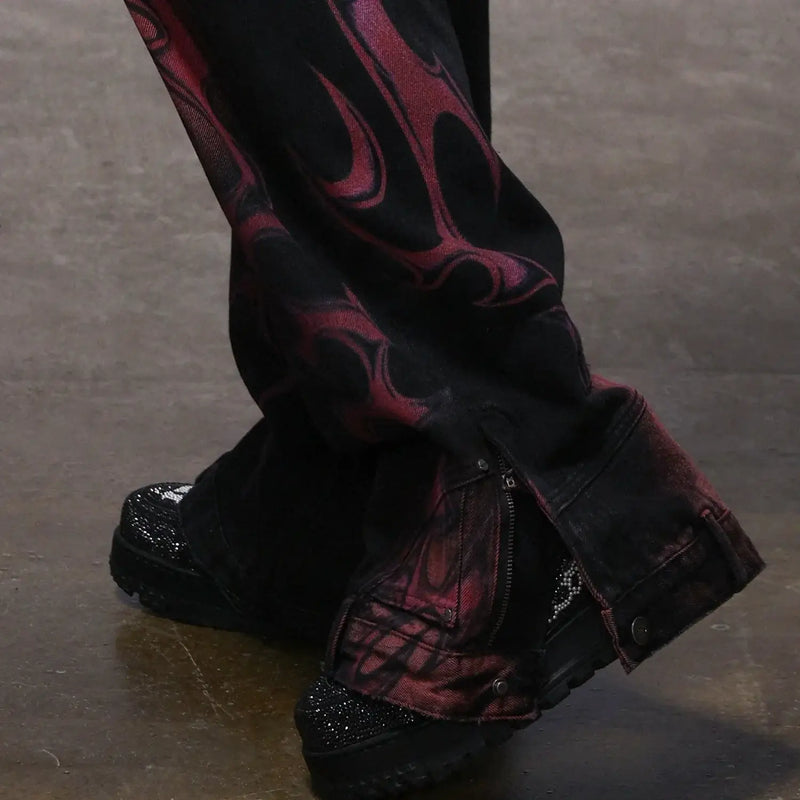
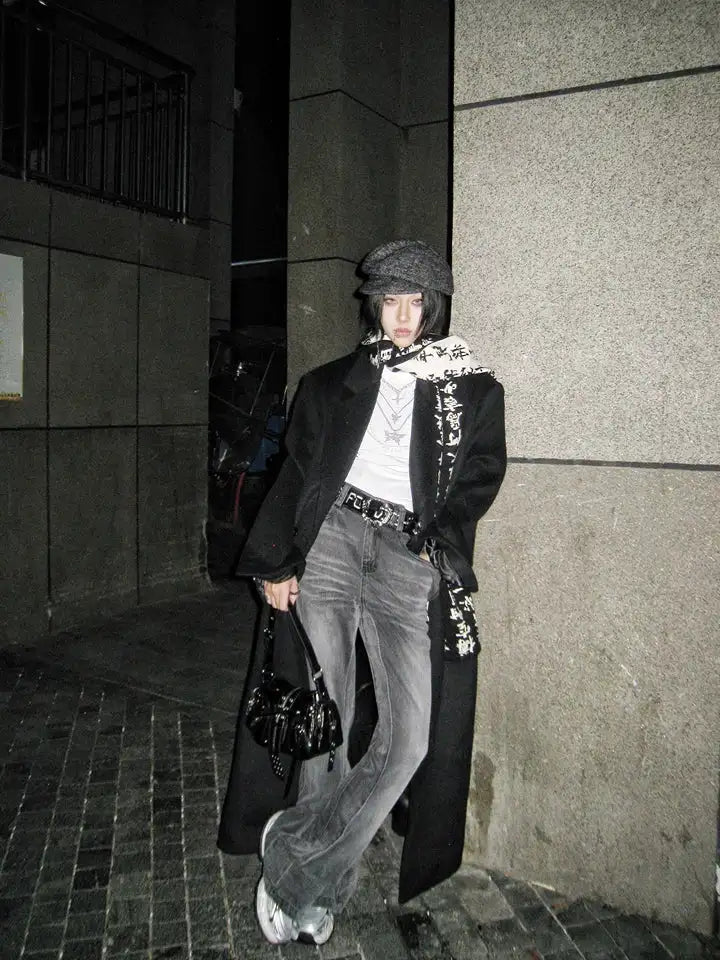

Everyone says Y2K was "only for skinny girls." They're wrong. Early-2000s fashion was wide-leg, oversized, low-rise with a stretch cut, baby tees with two sizes of room to spare. Anyone claiming Y2K needs a size 2 has confused the decade with the 2018 Tumblr Y2K revival — which really only celebrated a narrow subset of it.
Plus-size Y2K fashion isn't an adaptation. It's the original silhouette. Wide-leg jeans were never body-typed. Baby tees sat on H&M shelves in size XL back in 2002. Low-rise wasn't diet conformity — it was a cut, available up to a size 20 too, worn by Aaliyah, Beth Ditto, and Lil' Kim as well. Anyone selling plus-size Y2K as a "trend for 2026" never really lived the decade — or only saw the white magazine-cover version of it.
This guide clears up what plus-size Y2K really means: where the plus-friendly cuts come from, which 4 archetypes have formed since then, how that translates into tops / jeans / jackets / accessories, what you need in your closet, and which 6 mistakes tip the outfit over.
What that looks like in a real outfit — compact, in 12 seconds:
Origin
Why plus-size Y2K was never a contradiction
The early 2000s had two fashion worlds at once. One was the cover of Vogue and Cosmo — Britney, Christina, Paris Hilton, a very narrow range of bodies. The other was MTV, BET, and the rap videos on VIVA: Missy Elliott in tracksuits, Lil' Kim in wide-leg, Beth Ditto in mesh and a leather skirt. The second image was plus-size-positive long before the word existed.
The silhouette of the era was never built narrow. Wide-leg cargos sat loose. Baby tees were cut with 5% elastane and meant to pull slightly on top — not in a body-shaming sense, but in the sense of "this line sits on the body." Low-rise had an 8-centimeter yoke in front that held the stomach and hips instead of cutting in. Anyone living in a size 20 found themselves better represented in the fashion of that era than in 90% of today's fast-fashion collections.
What's changed since then isn't the fashion — it's the perception. Tumblr and Pinterest cemented a very narrow Y2K visual language starting in 2014: Bratz-doll figure, size 2, A-line. That was a resampling, not the original. Anyone wearing plus-size Y2K today isn't getting "an adaptation" — they're getting back what was already there. Lizzo, Paloma Elsesser, and Tess Holliday made that public with their looks starting in 2019. Fashion history has caught up.
Definition
What makes plus-size Y2K fashion — the 5 silhouette rules
Plus-size Y2K fashion is an outfit system built from five fixed components. When all five sit right, the outfit reads as Y2K. If one is missing, it tips into modern streetwear or vintage cosplay — neither of which is what's supposed to happen here.
60 / 40
Volume below / shape above
5 %
Stretch in the denim — minimum
4
Archetypes
0
Diet slogan tees
These four numbers are the test. An outfit that breaks one — two oversized layers stacked, rigid denim with no stretch, everything mixed from one archetype, or a vintage "eat less" tee — isn't plus-size Y2K anymore. It's either Tumblr cosplay or body-shaming resale. Both miss the point.
Specifically, plus-size Y2K fashion includes:
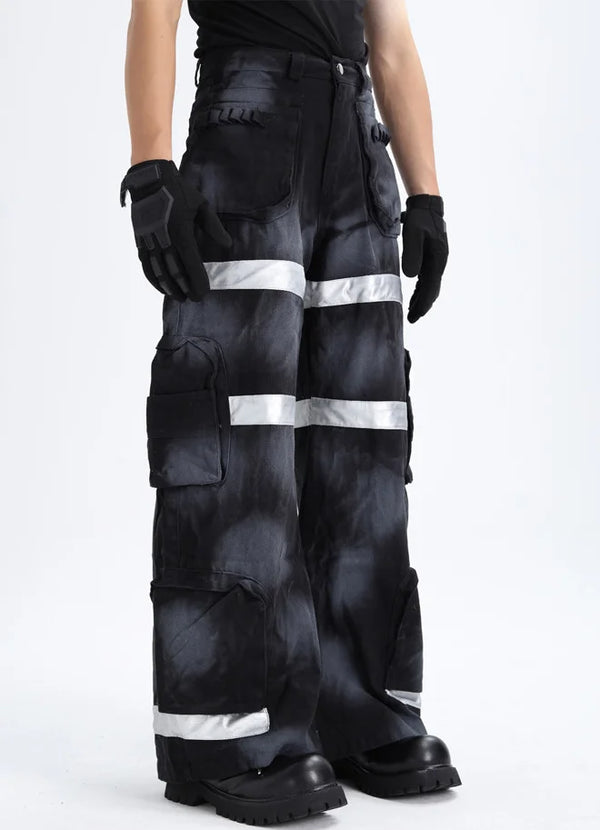
- Wide-leg below, shaped above — baggy cargo plus baby tee, or flare jeans plus mesh top. Never two loose layers stacked.
- Stretch in the denim — at least 5% elastane. Rigid vintage denim looks good on the hanger above a size 16 — on the body, it cuts.
- Low-rise with a high yoke — the waistband has to sit 6–8 cm high in front so the stomach doesn't get pushed in. Y2K yokes from 2002 were cut exactly this way.
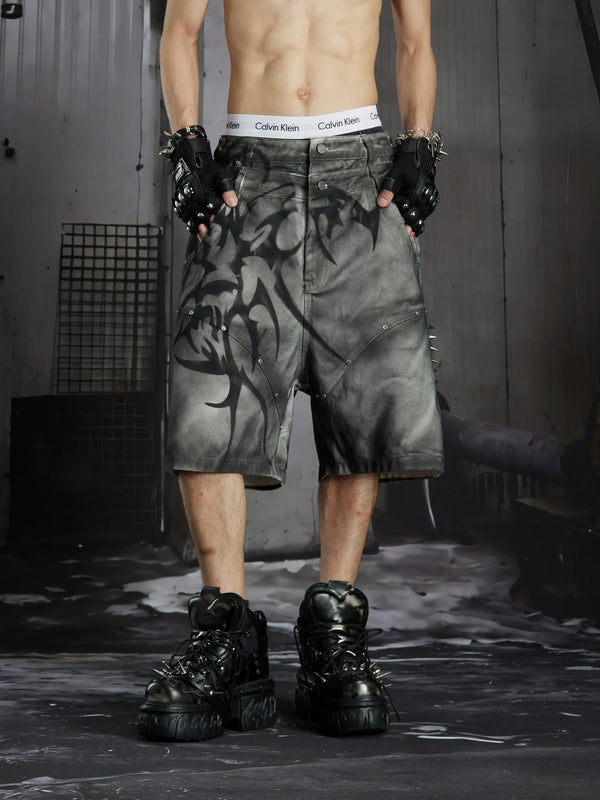
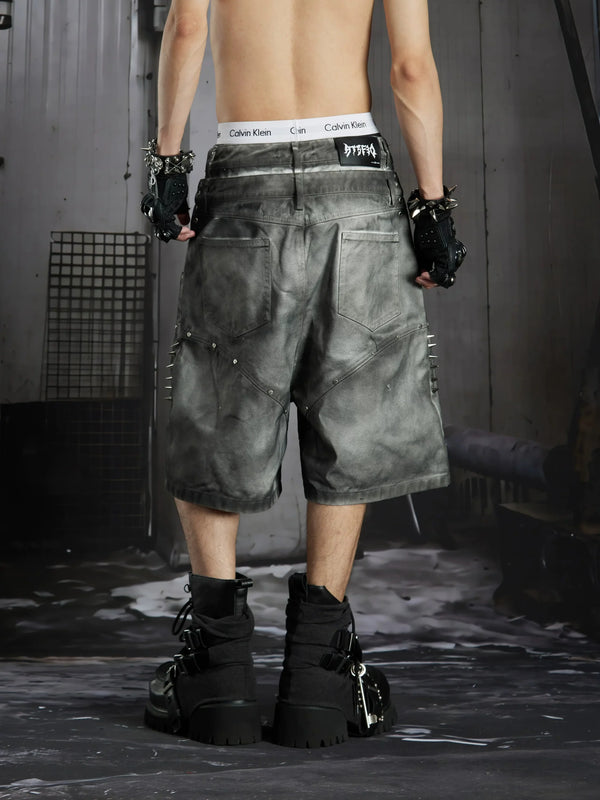
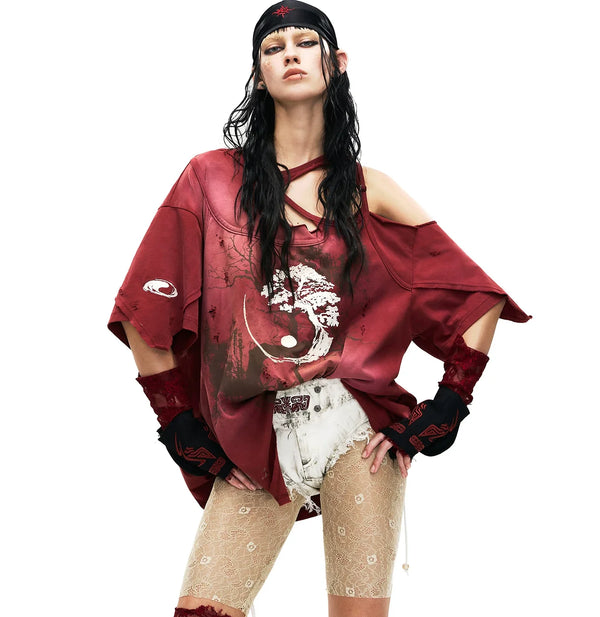
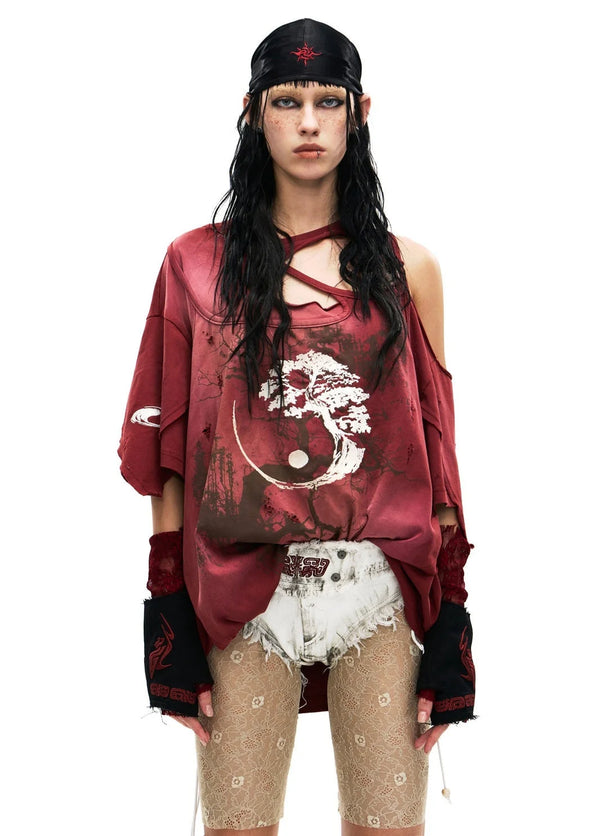
- Visible print markers — butterfly, flame, tribal, rubberized brand logo. These are the codes of the era. Plain is fast-fashion Y2K, not the real thing.
- One hardware language — silver OR gold, not both. Belt with buckle, chain on the bottom, sunglasses as the statement piece.
- No diet codes — no "skinny bitch" vintage tees, no "Allergic to Algebra," no body-shaming slogans. The era had bad lines. You don't have to reproduce them.
If three of these six points are missing, it's no longer plus-size Y2K — it's inspiration. And there's one rule that holds all six together:
4 types
The 4 Plus-Size Y2K Archetypes
Y2K isn't one look — it's four, overlapping at the edges. Line up the 2002 MTV Awards, the VIBE covers, and the old Sassy magazines, and you'll see these four types cleanly separated. Each with its own color palette, its own hardware, its own brands.
Which of the four suits you depends less on taste than on your body shape, how much print you want to wear, and how loud your everyday life can get. In detail:
Fit logic
Y2K for every plus-size silhouette — where the volume sits
The rules are the same for every body. Wide-leg below, shape above, stretch in the denim, low-rise with a high yoke. What differs is where the volume sits in your outfit. Apple silhouette, pear silhouette, hourglass, and rectangle each pull a different point of the distribution.
Apple silhouette: shape on top becomes a mesh top with lace insets or a lightly fitted knit. Volume moves into the pants — flare instead of wide-leg cargo, because flare widens from the knee down and keeps the middle calm. The belt sits under the bust, not at the waist.
Pear silhouette: the baby tee stays fitted, but with a statement detail — mesh shoulder, spaghetti strap with a second inner strap. Pants become wide-leg cargo with a low yoke so the hip doesn't get swallowed. Heavy boots or platforms hold the line.
Hourglass silhouette: maximum room to play — Y2K transfers most directly here. Baby tee plus flare jeans, crop plus cargo, both with no adjustment needed. A wallet chain at the hip emphasizes the natural waist further.
Rectangle silhouette: volume has to be created, not balanced. Layering — mesh over a tank, cargo with a buckle belt. The outfit builds the hip line through layers, not the body. Cyber-Y2K with hologram fabric reinforces that visually.
Category · Skin layer
Plus Size Y2K Tops — baby tee, mesh, or layered
The top decides which archetype your outfit falls into. Pop-Princess wears a baby tee, Skater-Y2K wears a band tee or cropped hoodie, Mall-Goth wears mesh over a tank, Cyber-Y2K wears hologram mesh alone. The same bottom — a black wide-leg — gets tipped into four different looks by the top.
For plus-size, shape on top doesn't mean tight. A baby tee with 5% elastane that sits on the body without pulling is exactly the cut of the era. If the tee cuts in, it's cut wrong — you're not sized wrong. Brand size charts from 2002 listed XL through XXXL — the codes are there, the pieces still exist.
Mesh tops and lace insets are your wildcard. They show skin without giving up the whole surface. This is the plus-size version of the Y2K mesh look — and at the same time, the original version. Beth Ditto and Missy have been wearing it this way since 2001.
Category · Bottoms
Plus Size Y2K Jeans — wide-leg, flare, low-rise
The jean carries the Y2K outfit. It's the largest surface, the dominant fabric, the primary carrier of the silhouette. This is where it gets decided whether your outfit becomes plus-size Y2K or "current bootcut jeans with a statement top."
Three cuts work in plus-size Y2K: wide-leg with mid-rise and stretch (Skater variant), flare with low-rise and a high yoke (Pop-Princess), and distressed wide-leg with print (Mall-Goth/Cyber). Skinny is out — Y2K never really had it either. What Britney wore as "skinny" in 2003 was a suggested bootcut, not what's sold as skinny today.
If you only want to buy one Y2K jean, get a wide-leg with a flame print or distressed detail in a dark wash. That's the common denominator across all four archetypes — it works with a baby tee, mesh, band tee, or hologram crop equally well.
Category · Outerwear
Plus Size Y2K Jackets — denim, moto, cropped sweat
Y2K jackets aren't winter coats. They're a layering tool — short, often cut at the waist or lightly cropped so the wide-leg line stays visible below. A classic trench coat doesn't work here — it swallows the whole silhouette and tips the outfit into 90s office wear.
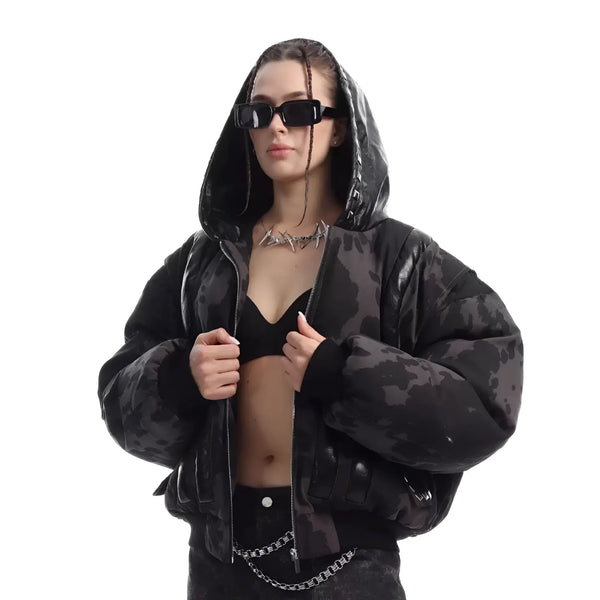
Three jacket types carry the look: cropped denim jacket (Pop-Princess, Skater), moto jacket in leather or faux leather (Mall-Goth, Cyber), and cropped hoodie/zip-up (Skater, really all four). Shoulders fitted, hem high, ending right at or just below the waist — never hanging over the waistband.
For plus-size, hem length is the critical point. A cropped cut that ends 34 cm above the waistband at a smaller size sits differently at a size 20 — it should sit right at the waistband or overlap it slightly. Brands that cut for plus-size have solved this at the pattern level; mass brands haven't.
Category · Hardware
Plus Size Y2K Accessories — sunglasses, belt, hardware
Sunglasses, belt, and chain are the three hardware points that place a plus-size Y2K outfit in the right decade. Without these three, it's a wide-leg look with a baby tee — solid, but timeless. With all three, it becomes 2002.
Sunglasses: small and narrow (Matrix line, cat-eye, frameless) or maximally round (cyber style). Never standard aviators. The narrow frame is probably the single most precise Y2K code there is — a piece of plastic that quotes an entire decade.
The belt sits either classic (Pop-Princess with a buckle plus initial pendant) or decorative (Mall-Goth with pyramid studs, double belt). A wallet chain at the side of the pants is Skater code. A visible buckle with a rubberized logo is Cyber-Y2K. One hardware statement per outfit, not three.
Styling physics
Plus-Size Y2K Outfits — the 5 formulas that work
A plus-size Y2K outfit runs on exactly one rule: volume below, shape above. 60/40 split — works. Reversed — doesn't. Flip the ratio (oversized hoodie plus skinny jeans) and you land in the 2018 Tumblr image, not 2002.
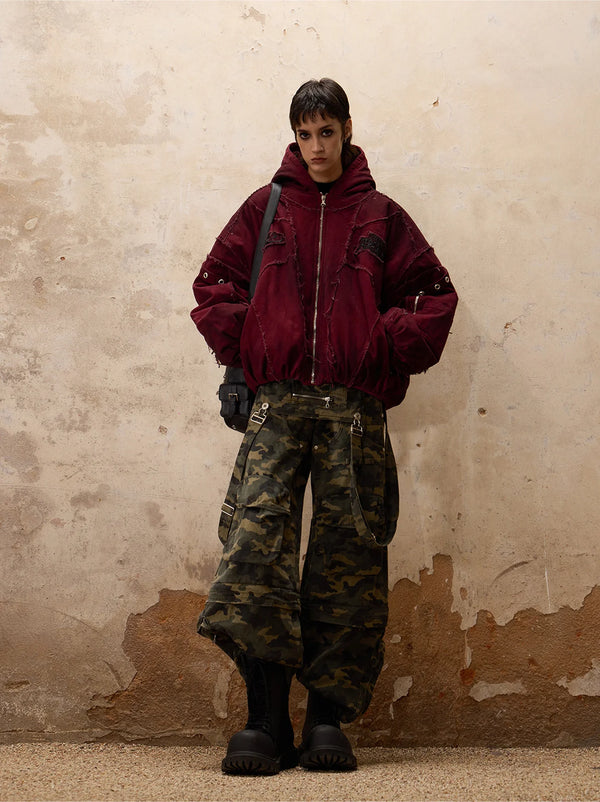
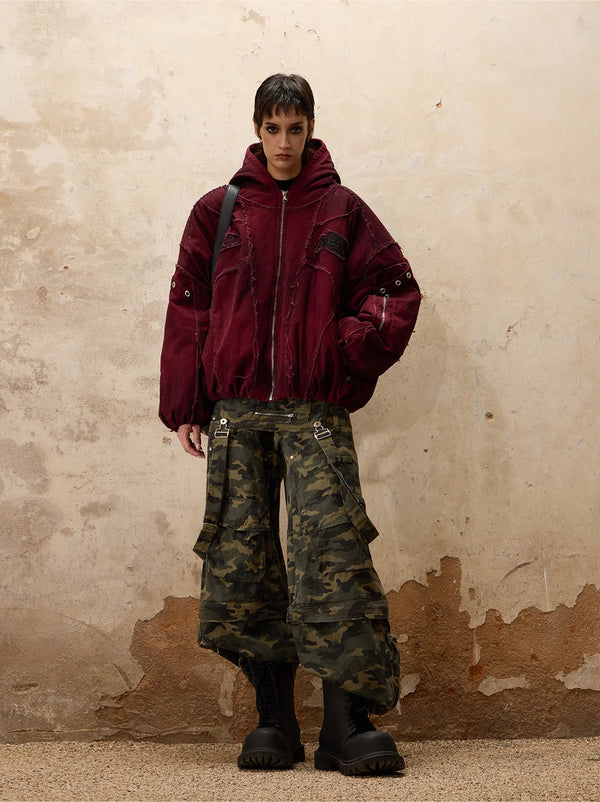
In practice, that means five concrete formulas: baby tee plus flare jeans plus buckle belt. Mesh top plus wide-leg cargo plus wallet chain. Cropped hoodie plus low-rise wide-leg plus statement sunglasses. Tank plus cargo plus pyramid belt. Hologram crop plus tribal wide-leg plus platform boots. Find the full breakdown with photo examples in the deep-dive articles:
"Y2K was pluralistic, but monogamous per look. Mix two archetypes, and you mix two stories — and the fashion gets left behind."
Seasonal
Plus-size Y2K in summer vs winter
Y2K summer is a baby tee plus wide-leg denim with a low yoke, plus narrow sunglasses and a mini bag. Mesh with no layer underneath works above 24°C. Platform sandals instead of boots. Sweating allowed — the era saw sweat as part of the performance, not a problem.
Y2K winter is layering math. Long-sleeve mesh under a cropped hoodie under a cropped denim jacket. Over the wide-leg pants, a second layer in the form of knee-high boots or leg warmers. Puffer jacket only in the cropped version — a long puffer tips the entire Y2K line. The seasonal logic here is stricter than for other aesthetics: plus-size Y2K in winter can't look like plus-size outdoor wear.
Anti-patterns
The 6 most common plus-size Y2K mistakes
Plus-size Y2K almost never tips over because of one big piece. It tips because of six small mistakes that each look harmless alone — but together break the whole line.
Getting started
How to start plus-size Y2K — the first 4 pieces
If you want to build plus-size Y2K and have nothing in your closet yet, these are the four pieces to start with. Each one carries three or four outfits — no special purchases, no one-off pieces. As long as these four sit right, you can buy the rest later.
Real outfits
Plus-size Y2K in real life — what it looks like on the street
Plus-size Y2K isn't a magazine construct. It's been running steadily on Instagram since 2019, in Berlin and Cologne, in London and Manchester, in Atlanta and Detroit. If you want to see how it looks day to day — not in a lookbook — check out the posts below from our feed.
FAQ
Frequently asked questions about plus-size Y2K fashion
Which tops work for plus-size Y2K?
Which jeans are right for plus-size Y2K?
Are there plus-size Y2K dresses?
Which brands cut plus-size Y2K right?
Was Y2K fashion already plus-size in 2002?
What's the most common mistake in plus-size Y2K?
What do you think?
Tell us on @fuga_studios
About the author
Philipp Fuge — Founder · Berlin
Founder of Fūga Studios. Writes the journal himself. Berlin · Shanghai · Tokyo · Poznań — four cities, one logic.