

A rave isn't an event with rows of chairs and a cloakroom tag. It's a floor that doesn't stand still for hours — mostly under concrete, sometimes under trees, almost never under billboards. What runs in the background has a 4/4 beat. What happens in the foreground is a collective movement that started somewhere between Berlin, Detroit and a warehouse outside London and hasn't stopped since.
This guide covers what a rave really is — as a form of music, as a subculture, as an outfit logic. The 6 PAA questions Google is suggesting under the search bar right now, we answer here in full. Plus the things Google doesn't ask, but you'll want to know the moment you're on your first floor.
What that looks like on the floor — compact, in 12 seconds:
Definition
What a rave actually is — meaning, etymology, what counts
The English verb „to rave“ means to rage, to rush, to rant, to fantasise. In the 16th century it described madness — someone no longer reachable. In the late 80s the word attached itself to British warehouse parties, because that was exactly what happened on the floor after eight hours of Acid House: people who were no longer reachable, in a positive sense.
Today a rave is a dance event with electronic music — Techno, House, Drum & Bass, Trance, Hardstyle or a mix of them — that mostly runs all night. Sometimes longer. Berghain weekends run 60 hours non-stop. That's the difference from a concert or a normal club night.
120-150
BPM Techno range
8-60
Hours on the floor
1988
UK „Second Summer of Love“
4/4
the only beat that counts
What counts as a rave and what doesn't comes down to four building blocks. Miss one and it's more of a party with a DJ — which is also fine, just not the same thing.
- Electronic music in the foreground — no live-band format, no headliner-with-stage-show. The DJ booth is usually smaller than the speakers.
- Floor-centred instead of stage-centred — the energy comes from the crowd, not from above. Most raves have no raised stage.
- Long stretch, no setlist break — DJs play 2-6 hour sets, several DJs back to back, often with no clear transitions. You dance through, not between acts.
- Non-commercial at the core — even if Tomorrowland is commercial, the subculture's DNA still holds: no branded drinks on stage, no VIP boxes walled off from the floor.
If all four hold, it's a rave. If two are missing, it's a DJ event. If three are missing, it's a wedding with electronic sound. The difference lies in the architecture of the night, not in the genre tags.
Origin
Who invented the rave — from Chicago warehouses to Berlin subway tunnels
The rave has no single birthplace — it has three. Chicago 1985 (House music, Frankie Knuckles in the warehouse club), Detroit 1985 (Techno, Juan Atkins, Derrick May, Kevin Saunderson — the „Belleville Three“). Both delivered the sound. The UK 1987-88 delivered the format: unlicensed warehouse parties, M25 raves in fields around London, the „Second Summer of Love“ 1988-89 with Acid House as the carrier wave.
Berlin added the rest from 1990 on: empty industrial buildings from the GDR era, subway tunnels, bunkers, power stations. Tresor 1991 in a bank vault under the Wertheim ruin. E-Werk 1993 in a decommissioned substation. Berghain 2004 in a heating power plant in Friedrichshain. What began as music in Chicago and became a format in England found its architecture in Berlin — and with it locked the rave in as a global cultural phenomenon.
Today the map is wider. Tbilisi with Bassiani. Amsterdam with De School. Bucharest with Sunwaves. Seoul with Faust. Tokyo with Vent. But the DNA is the same everywhere — and comes straight from these three cities. Anyone who wants to understand raves looks at these three lines and sees how they connect.
What happens
What happens at a rave — floor, set, hours
Three things happen on the floor at once. The DJ plays a long set, mostly 2 to 6 hours. The crowd moves collectively — not in sync, but on the same rhythm, without anyone having to explain it. And time disappears. What felt like an hour was three. What felt like a night was a weekend.
Concretely, a Berlin rave weekend mostly runs like this:
- Pre-floor — queue, door, cloakroom. The Berghain door takes 1-3 hours. Other clubs faster. Set it in your head that you're not on the floor yet.
- Opening slot — the first one or two hours are slower, more melodic. Whoever comes early hears a different city than whoever arrives at 4.
- Peak time — typically between 2 and 6 a.m. The floor is full, the BPM climbs, the sound gets harder. The moment you're actually there for.
- Sunrise slot — if the club has windows (Berghain deliberately has none), the daylight becomes part of the set. The feeling you can't explain on Insta.
- Sunday slot — whoever's still there belongs to the „until closing“ faction. The sound gets calmer, the floor emptier, the atmosphere more familiar.
In between: smoking corner, bar, water, toilet, chill room. Berlin clubs almost always have an outdoor or garden area so the floor can breathe. Tomorrowland and comparable mega-festivals run on a completely different logic — we look at that further down.
Music
Is rave the same as Techno — and what music actually plays
Short answer: no. Techno is a genre, rave is a format. A rave can play Techno, but also House, Drum & Bass, Trance, Hardstyle, Acid, Breakbeat or UK Garage. Anyone who uses „Techno“ as a synonym for „rave music“ is mostly talking about Berlin clubs from 2010 on, because Techno really does dominate there. But that's a shortcut.
The genres that play at raves — the main ones, roughly sorted by BPM:
- House (118-130 BPM) — invented in Chicago in 1985, the original sound. Warm, melodic, vocal-based. Frankie Knuckles, Larry Heard. Today you hear it in lower-frequency clubs and at daytime events.
- Techno (125-150 BPM) — Detroit 1985, later a Berlin mutation. Minimal, repetitive, physical. Sub-bass and hi-hats instead of melodies. When Berliners say „rave“, they mostly mean this.
- Drum & Bass (160-180 BPM) — UK mid-90s. Breakbeats instead of 4/4. London, Bristol. Its own scene, its own clubs (Fabric, Printworks).
- Trance (130-150 BPM) — Goa roots, later mainstream via Tomorrowland and ASOT. More melodic, more emotional, with build-ups and drops.
- Hardstyle / Hardcore (150-200 BPM) — Netherlands, hard kicks, fast BPM. Its own festival scene (Defqon.1, Q-Base). Little to do with mainstream Techno.
- UK Garage / Bassline (130-140 BPM) — UK mid-90s. Syncopated beats, vocal chops. London-centred, kin to Drum & Bass.
Berlin rave clubs today play 80 percent Techno. Amsterdam plays more House. Bucharest Minimal. Tbilisi UK sound. Anyone who files raves only as „Techno parties“ misses most of the global floor landscape.
5 types
The 5 types of raves — Free Party, Club, Festival, Goa, Hardstyle
„Rave“ is an umbrella term for at least five very different experiences. What you feel on a Free Party floor has almost nothing in common with a Tomorrowland day — same word, different universe. Anyone who wants to understand raves sorts themselves along these five formats.
Which of these five fits you doesn't depend on taste alone — but on city, age, budget, and how much architecture you need to feel comfortable on a floor. Berlin underground clubs deliberately do without design elements; Tomorrowland invests seven-figure sums in stage architecture. Both are rave. Both have their own crowd.
Culture
PLUR — Peace, Love, Unity, Respect: the unwritten logic on the floor
PLUR is the only rule that really counts at raves. Four words, abbreviated: Peace, Love, Unity, Respect. Invented in the early US rave scene at the start of the 90s, adopted worldwide. The idea is uncomplicated — on the floor everyone is equal. No one is treated differently because of their outfit, their skin colour, their body or their identity. Whoever breaks that doesn't belong here.
„On the floor there's no hierarchy. You're not there to watch or to be seen. You're there to dance — and everyone else is there for the same reason.“
Concretely that means: no filming without asking (Berlin clubs cover your phone lens — for exactly this reason). Don't stare at anyone. No lines, no touching, no photo-stalking. If someone asks whether you're dancing — dance or say „no, I need a break right now“. Both are fine. There's no right answer except respect.
PLUR is also the reason girls wear pacifiers at raves (more on that in the FAQ), why people offer strangers water, why the toilet queue is so strangely friendly. It sounds naive when you read it. On the floor you experience it as a given.
Outfit rules
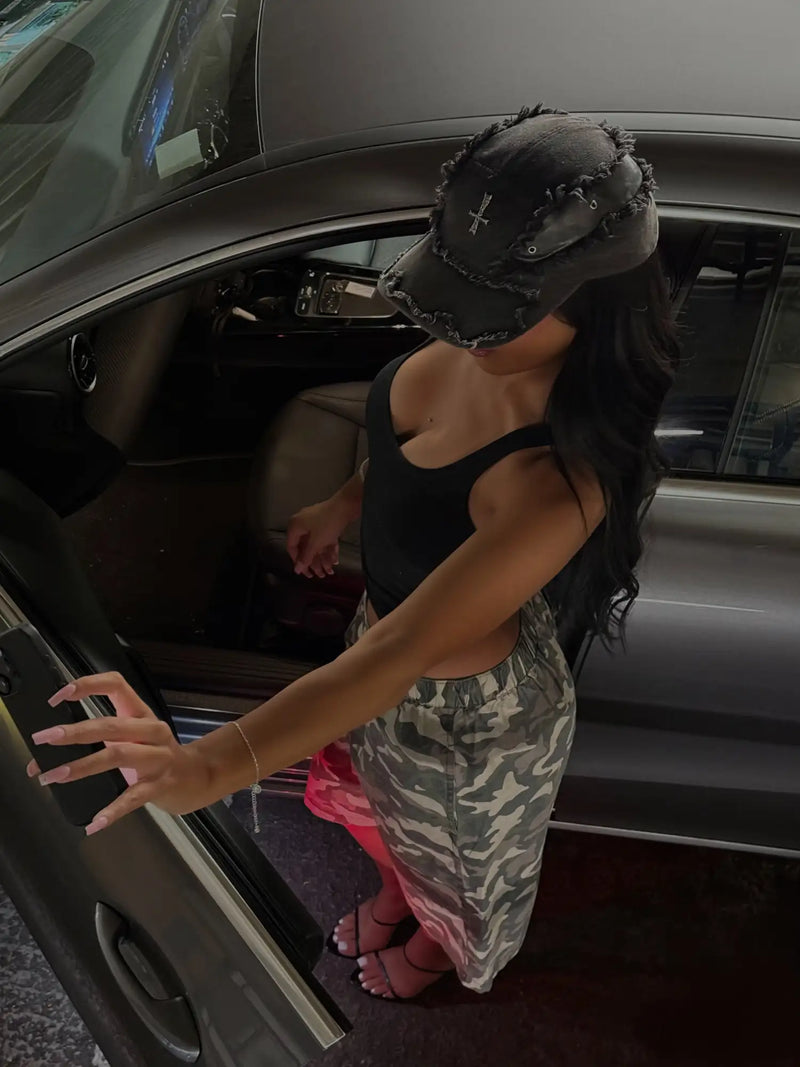
How to dress for a rave — the rules that really count on the floor
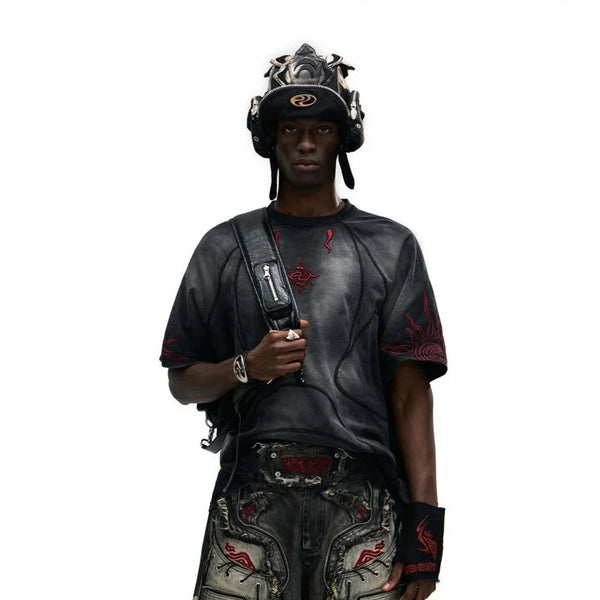
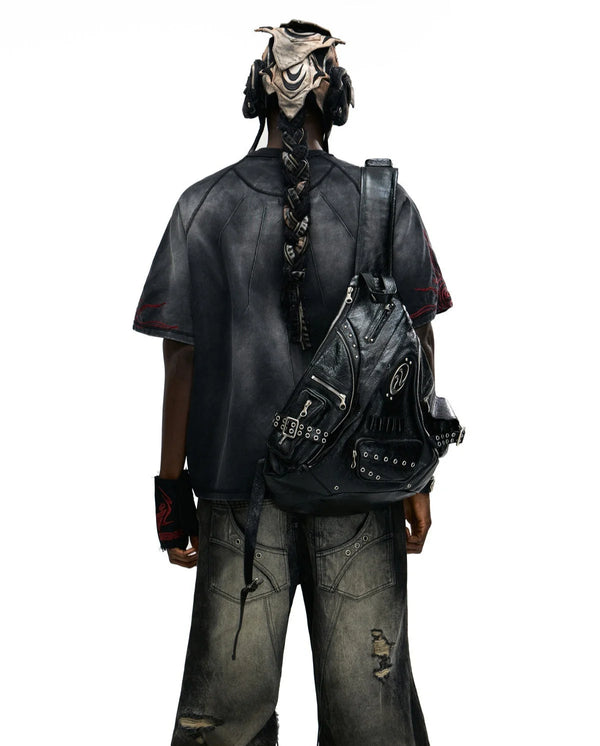
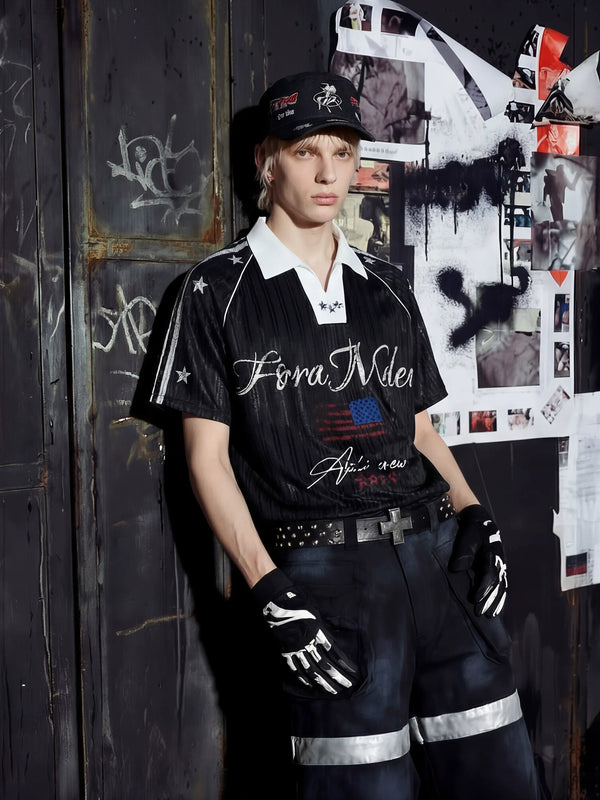
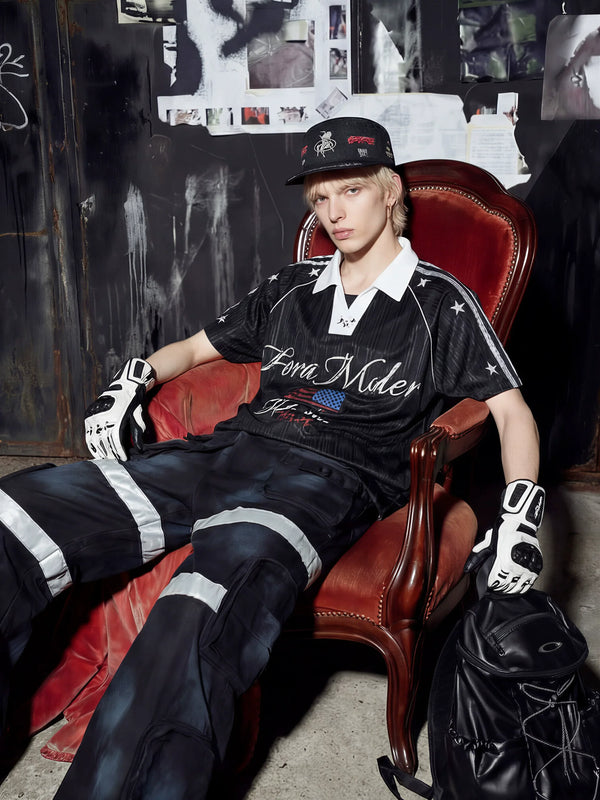
A rave outfit has a single job: to keep you standing on the floor for nine hours without wanting anything different by the third hour. Everything else is secondary. That doesn't mean „sportswear“ — it means: every piece serves a floor function, or it doesn't come along.
The six rules that make a good rave outfit — whether Berlin underground or Tomorrowland mainstage:
- Freedom of movement up top — mesh tank, long-sleeve, crop, tube top. No tight button shirts. You have to be able to raise your arms without feeling where the fabric sits.
- Breathing fabric — cotton, mesh, modal, technical synthetic. No wool, no dense polyester. The floor gets hot, you get wet, the fabric has to cope with that.
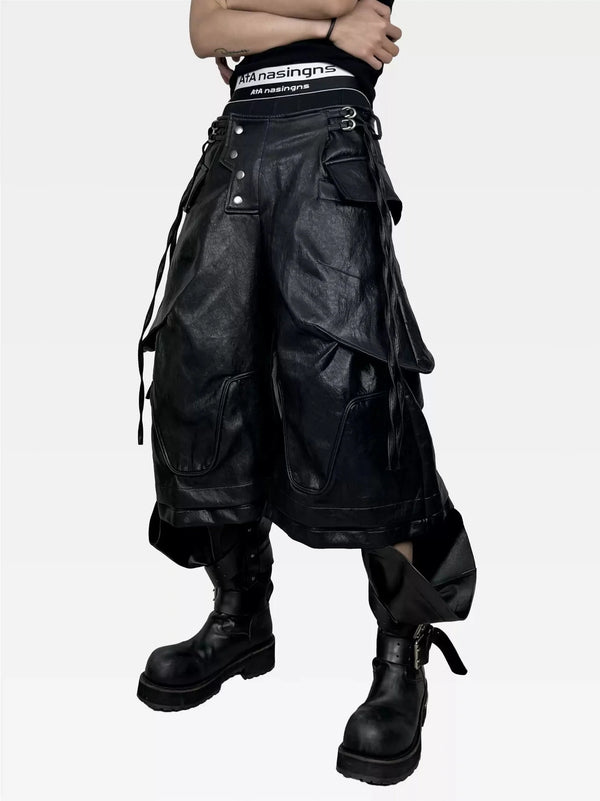
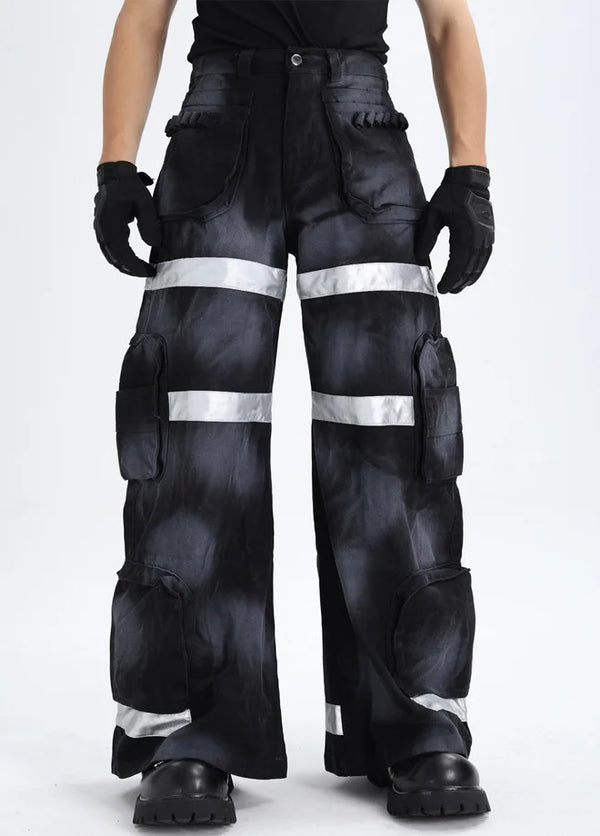
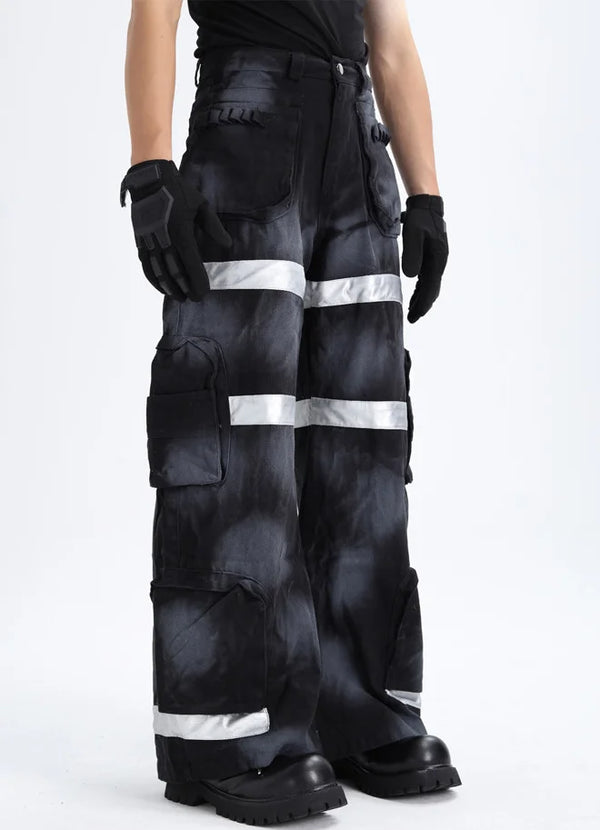
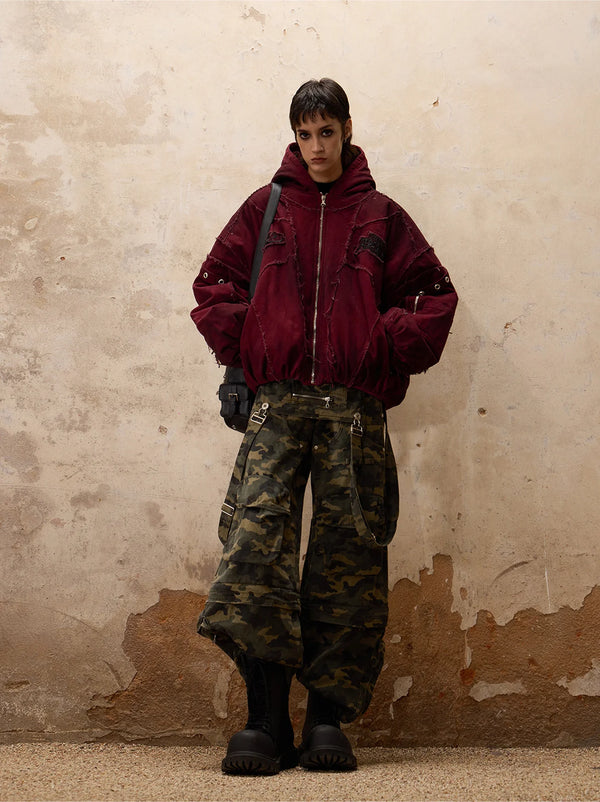
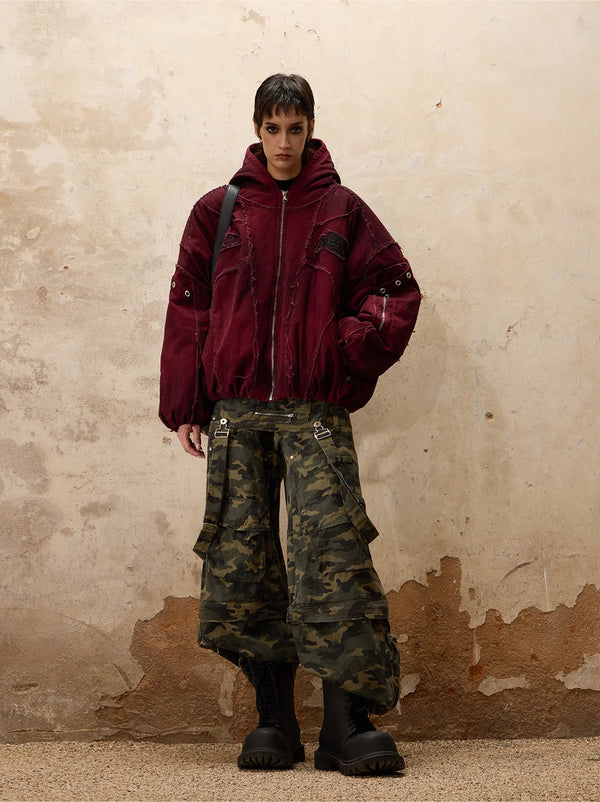
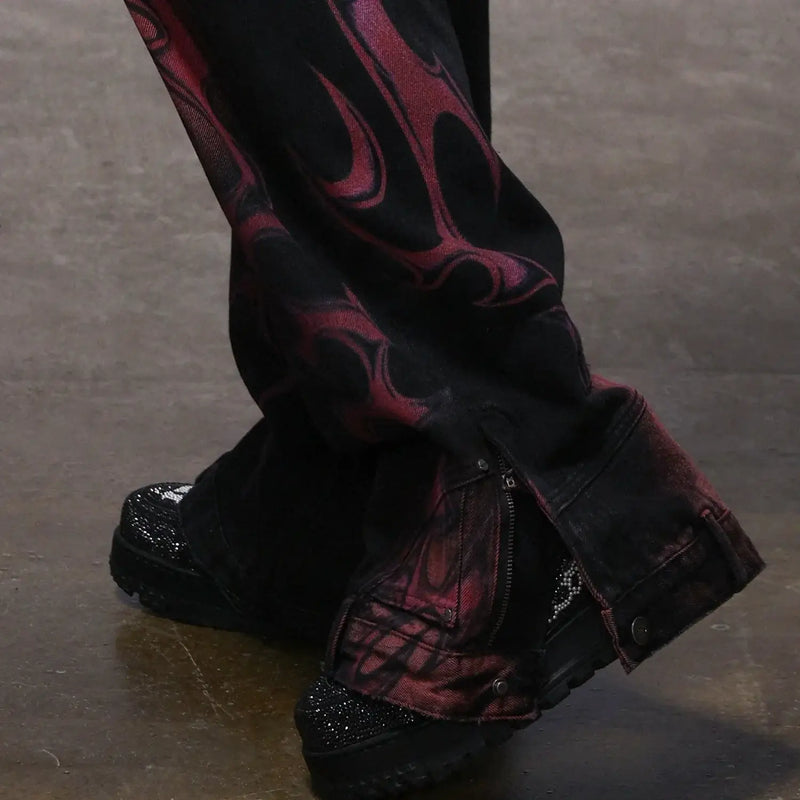
- Wide or structured trousers — cargo, parachute, wide-leg, technical trousers with stretch. Skinny isn't wrong, but uncomfortable by hour 4. Whoever stands on the floor wants space.
- Shoes with a real sole — combat boots, platform, sturdy sneaker. No stilettos, no espadrilles, no new shoes you haven't broken in yet. The floor is sticky.
- A functionally worn accessory — bumbag with a zip (money, keys, phone), bandana (sweat, dust, protection), a water bottle. Jewellery only if it doesn't get in the way while dancing.
- Layer logic for the entrance/exit — light jacket or bomber for outside, removable inside. The cloakroom is a real investment (3-5 euros), but it saves you the carrying.
What you never wear: white clothes (the floor destroys them in one night), tight shirts, hard braces, anything in real leather you don't want to ruin. Berlin underground clubs have their own outfit code (see Berlin vs Tomorrowland further down) — but that too builds on these six rules.
Category · Trousers
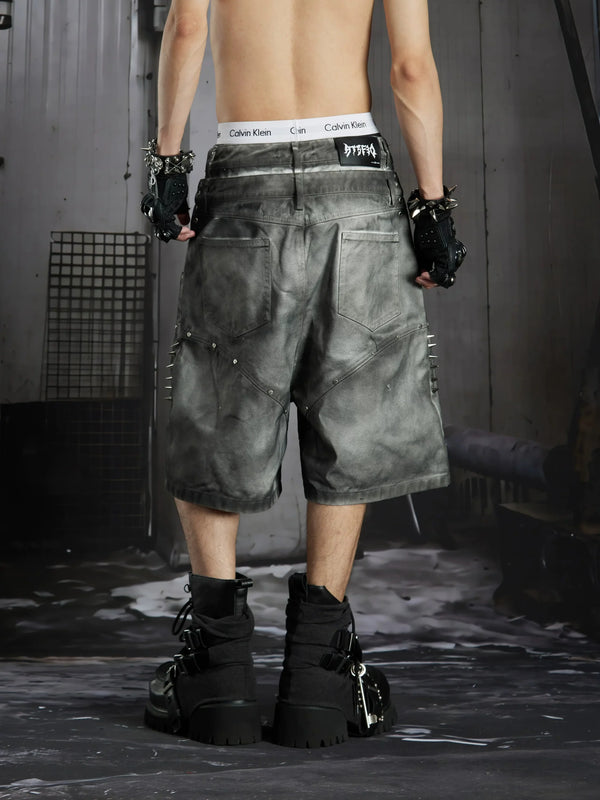
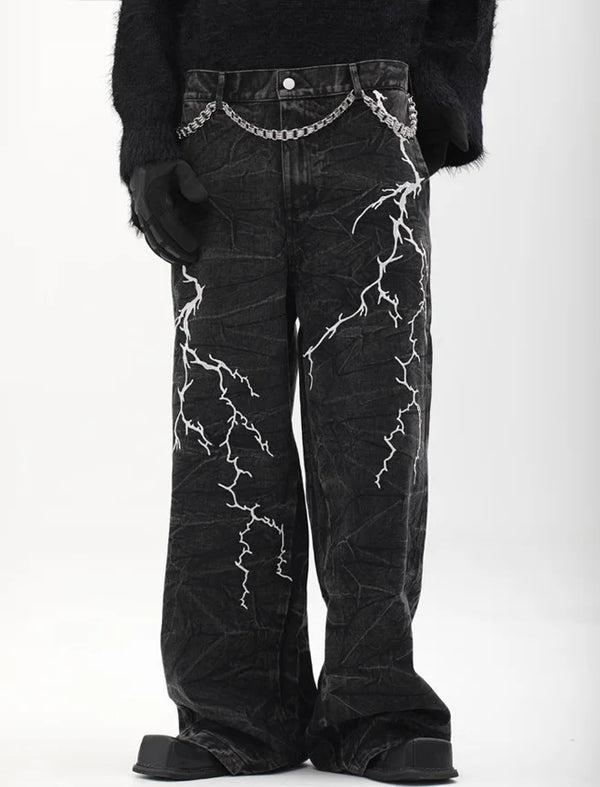
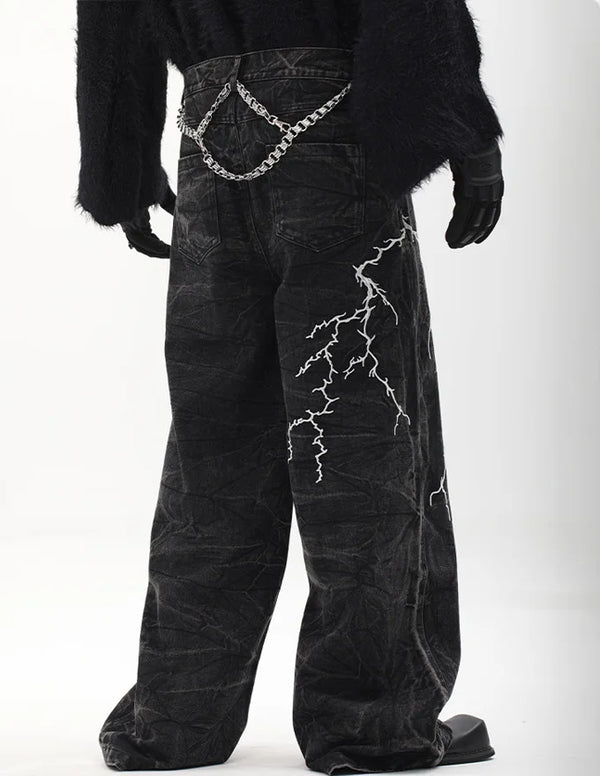
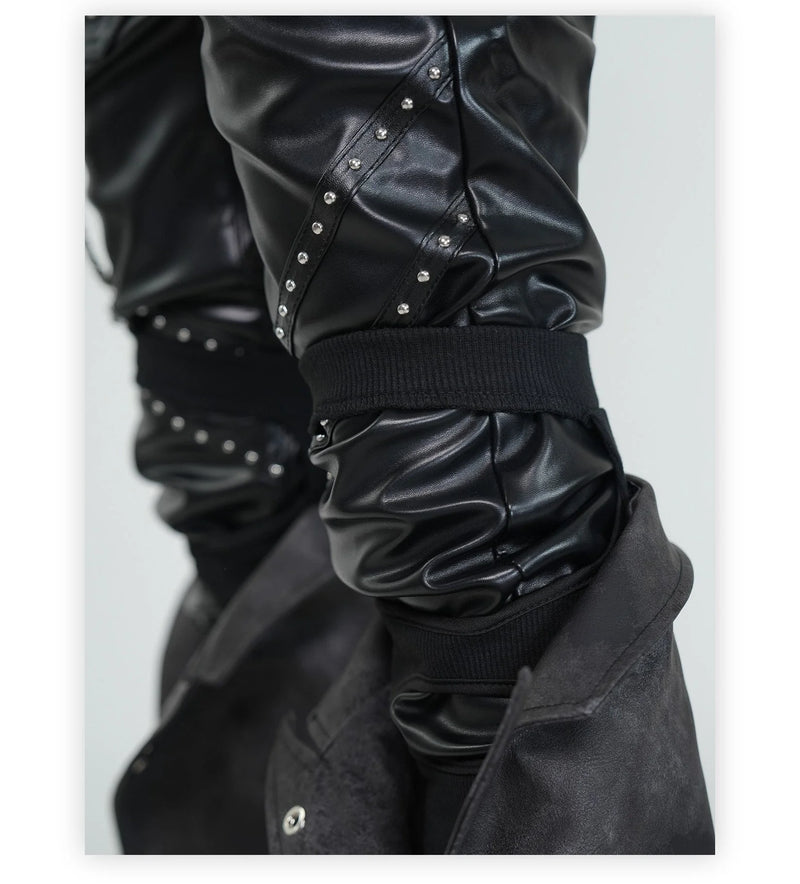
Rave trousers — cargo, parachute, leather, wide-leg
The trousers decide 60 percent of how your outfit looks after eight hours on the floor. Whoever wears skinny has a calf-length problem by 4 a.m. Whoever wears wide-leg has a different problem (hem on floor-sticky). The solution lies between the extremes — structured, breathing, with room to move.
Four trouser cuts work equally in Berlin and at festivals: cargo (pocket logic plus movement), parachute (nylon, light-reactive, light), leather or faux leather (Berlin classic, holds sweat), wide-leg denim with a bit of stretch. Which fits you depends on the club's climate, the format and the rest of the outfit.
Category · Tops
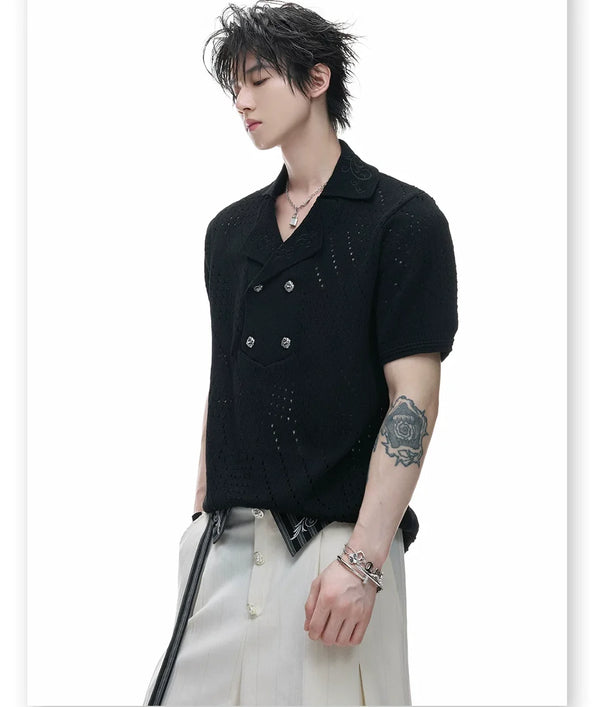
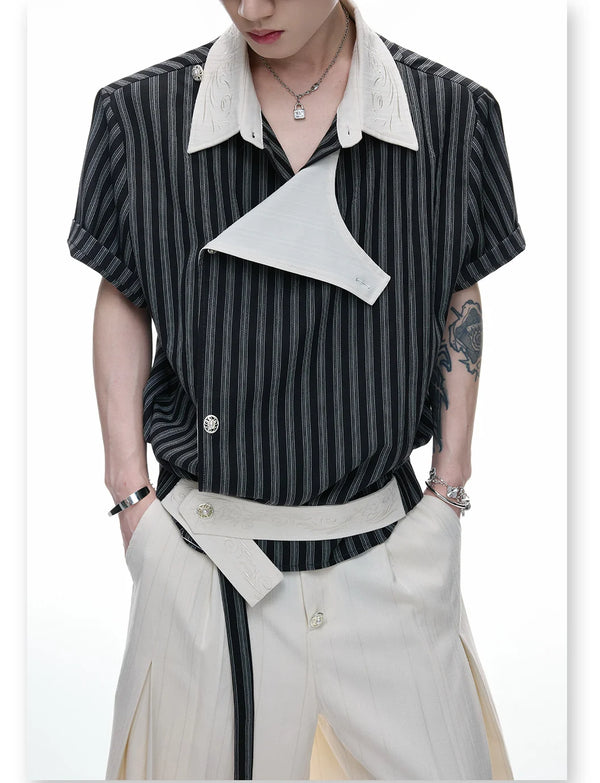
Rave tops — mesh, tank, crop, long-sleeve
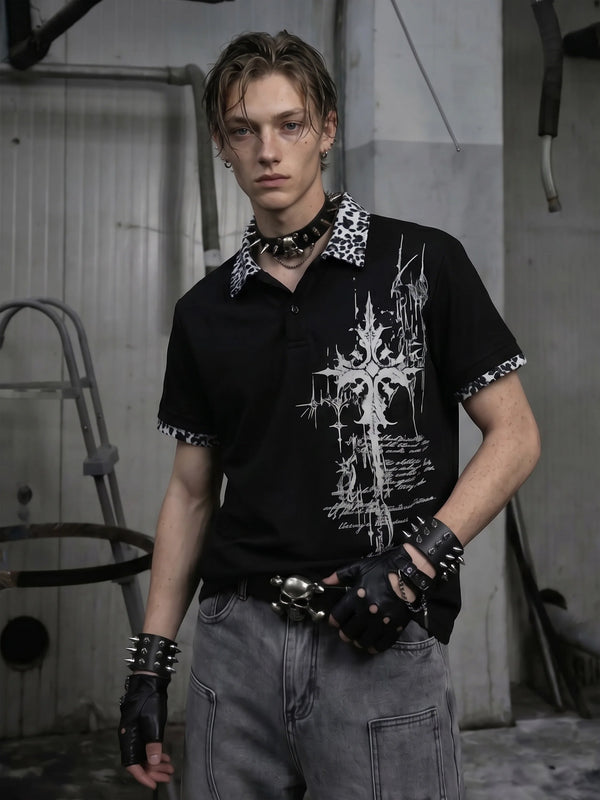
Up top is where Berlin floors get most honest. Mesh tank, long-sleeve with print, cropped tee — anything that breathes and at the same time shows the body or deliberately covers it. Whoever wears a polo on the floor won't get spoken to (PLUR), but notices by hour 2 that it was the wrong choice.
Three top types work consistently: mesh (see-through, light, climate regulator), plain tank (cotton, oversize or tight, depending on outfit logic) and long-sleeve with graphic (for colder clubs or for layering). Over that comes — if anything — a light jacket you leave in the cloakroom.
Category · Outerwear
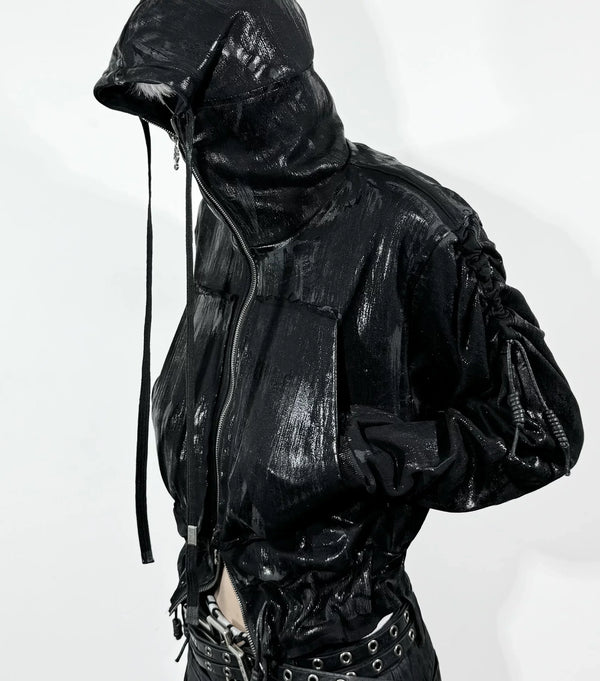
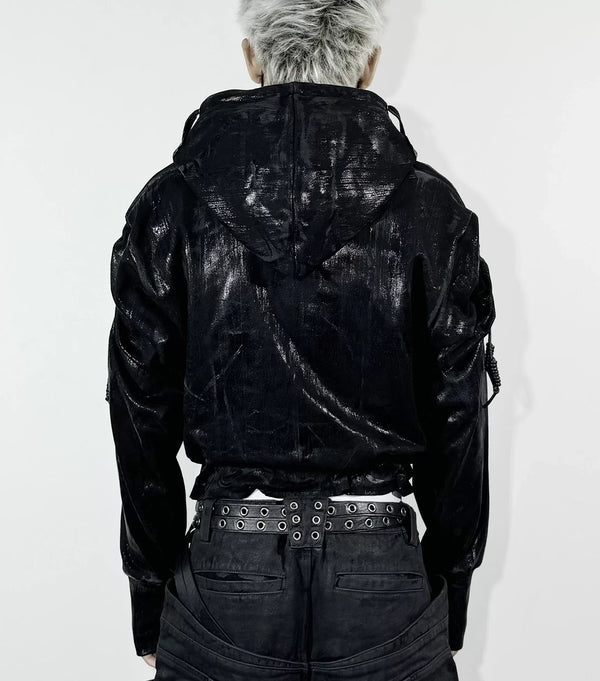
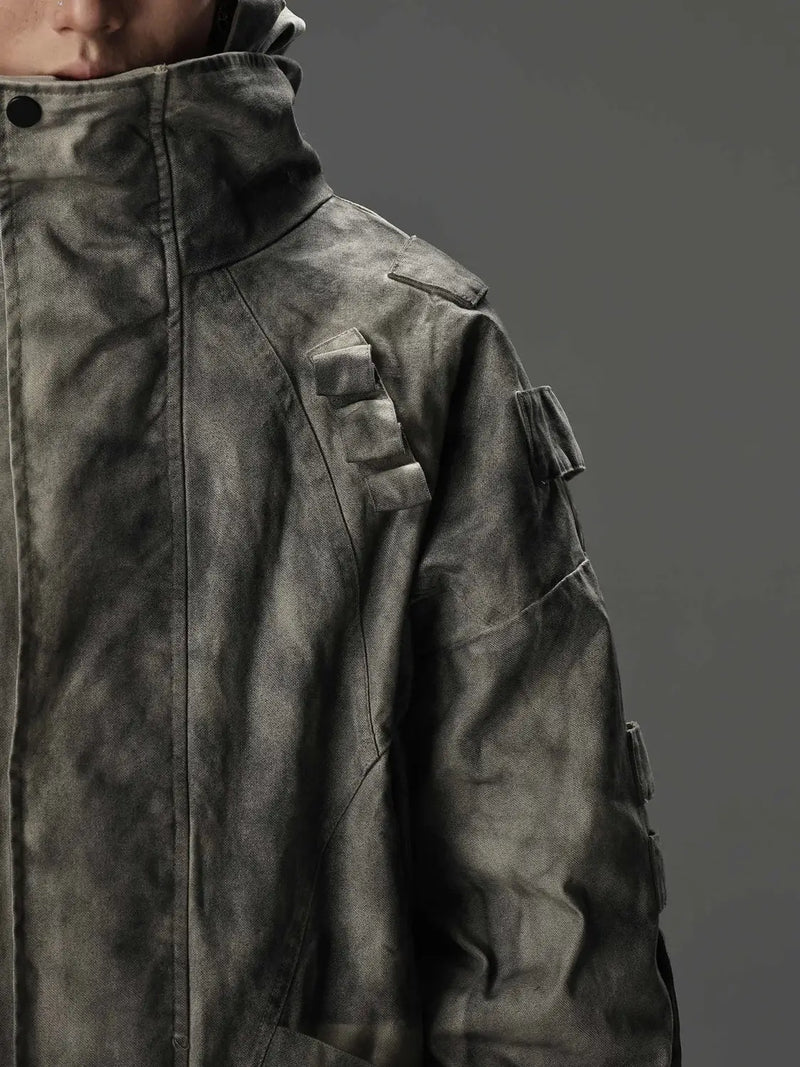
Rave outerwear — bomber, trench, puffer
The jacket plays a double role: outside it protects you from the Berlin night, inside it belongs on the hook. What has to work between the queue and the cloakroom is a bomber, light trench, short puffer. Heavy outerwear (long coat, thick winter coat) is wrong — you'll drag it around in your hand all night if you don't want the cloakroom.
Berlin rave outerwear logic: three weeks a year you need nothing at all (summer floor, open air, outdoor areas), eight months you need a bomber or short puffer, four weeks you need something that really keeps you warm. A faux-leather bomber works in all three zones.
Regional split
Berlin rave vs Tomorrowland — where the difference in the outfit really sits
Tomorrowland is technically a rave — electronic music, floor, several stages. But the logic is a different one. Tomorrowland is festival, Berlin is club. Festival means: self-staging allowed, wristband visible, outfit coordinations with glitter, crop tops with LED. Club means: no self-display, outfit function before outfit statement.
In practice that means: a Tomorrowland outfit (glitter, feathers, bra-as-top, wristband on the wrist) won't get you past the Berghain bouncer. A Berghain outfit (matte black, combat boots, no visible branding) reads as inconspicuous at Tomorrowland in a sense that isn't the point there.
Which logic is right for you depends on what your floor is meant to be. Whoever seeks sound + movement goes into the Berlin underground. Whoever seeks sound + visibility + experience architecture goes to a festival of the Tomorrowland format. Both stay rave. Both have their own outfit economy.
Common mistakes
The 6 most common mistakes at your first rave
Whoever stands on a floor for the first time mostly makes the same six mistakes. None of them is catastrophic — but all together they mean the first night ends in disappointment. Whoever knows them comes out the next morning with a story instead of a lesson.
Action
Your first 4 pieces for your first rave outfit
You don't need 20 rave pieces to start. You need four that are along for 80 percent of floor nights. Everything else builds around them.
In this order: a wide cargo or parachute trouser (your main carrier), a mesh or plain tank (breathing, easy to wash), a broken-in combat boot or sturdy sneaker (for 9-hour floor sessions), a bumbag or a small crossbody bag with a zip (for money, keys, phone, water). Optional fifth: a light bomber for the way there.
Outfits for real
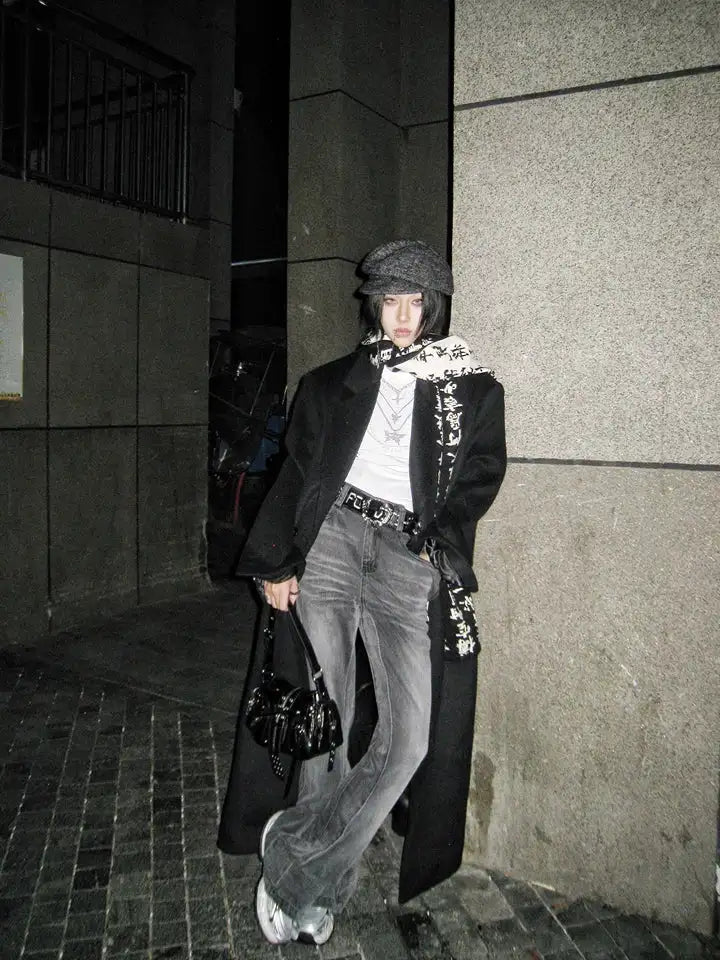
Real rave outfits on the Berlin floor
Before you build your own rave outfit, look at what it looks like on a real floor. The five formats from above look different in the feed than on lookbook photos — sweatier, less perfect, clearly more worn — and that's exactly why they work.
This is the fastest way to check whether the rave logic sits on your body type at all, before you spend money.
To close
A rave isn't an event — it's a state
If you take one thing from this guide, take this: a rave isn't defined by the location, the headliners or the wristband. It's defined by what happens between floor and crowd. Whoever understands the floor builds their own rave — whether in a Berlin subway tunnel, on a Tomorrowland mainstage or in the forest behind Cottbus.
The whole logic of this guide reduces to one sentence:
The rules have stayed stable since the late 80s and will stay that way — as long as floor, crowd and 4/4 come together. But you don't have to know it all by heart before you go the first time. Start with an underground club or a Free Party, wear the outfit through one night, ask yourself honestly the next morning whether this is your world.
If yes, you have what has held Berlin floors together since 1990 — a subculture that doesn't ask you about money, skin colour or outfit brand. Only whether you dance.
FAQ
Frequently asked questions about raves
The questions we often get by DM and email — short, clear, no detours.
Are raves legal?
Why are some raves illegal?
Why do girls wear pacifiers at raves?
Do drugs play a role at raves?
Is Tomorrowland a rave?
What does „rave“ mean exactly in German?
How old do you have to be to be allowed at a rave?
What do I wear if I've never been to a rave?
What do you think?
Tell us on @fuga_studios
About the author
Philipp Fuge — Founder · Berlin
Founder of Fūga Studios. Writes the journal himself. Berlin · Shanghai · Tokyo · Poznań — four cities, one logic.