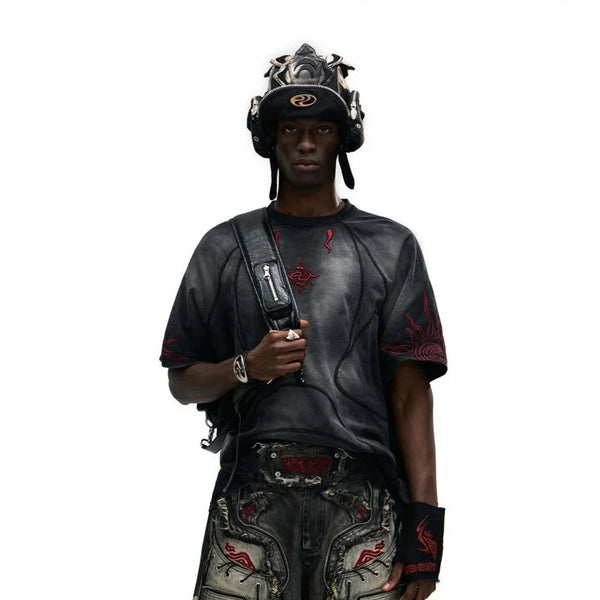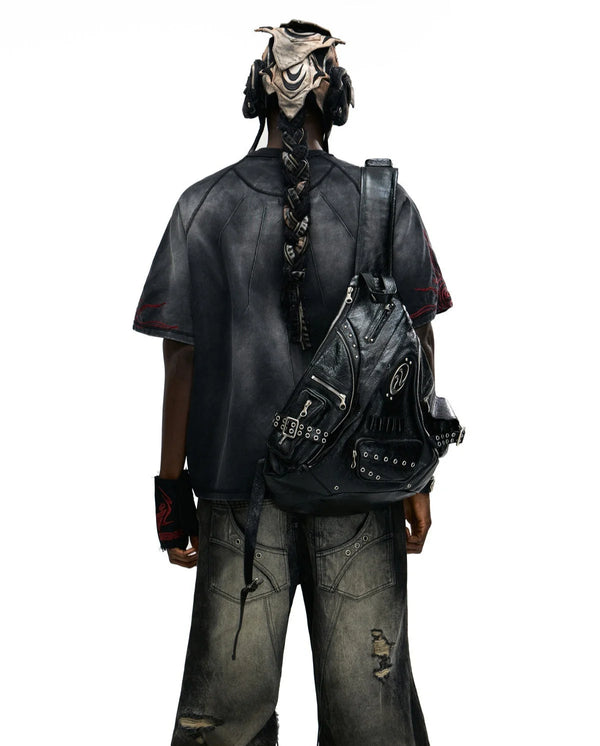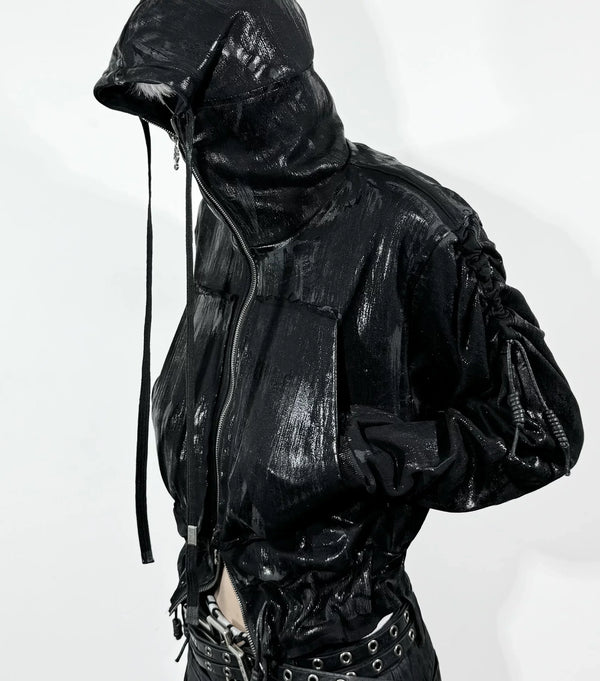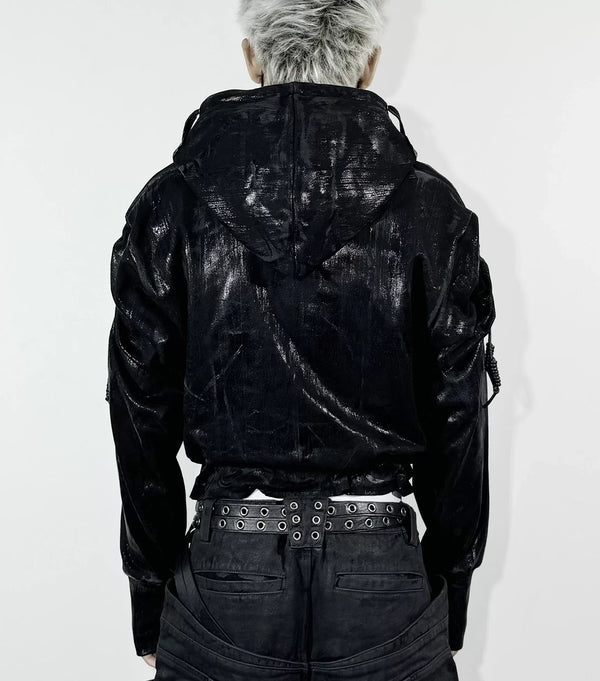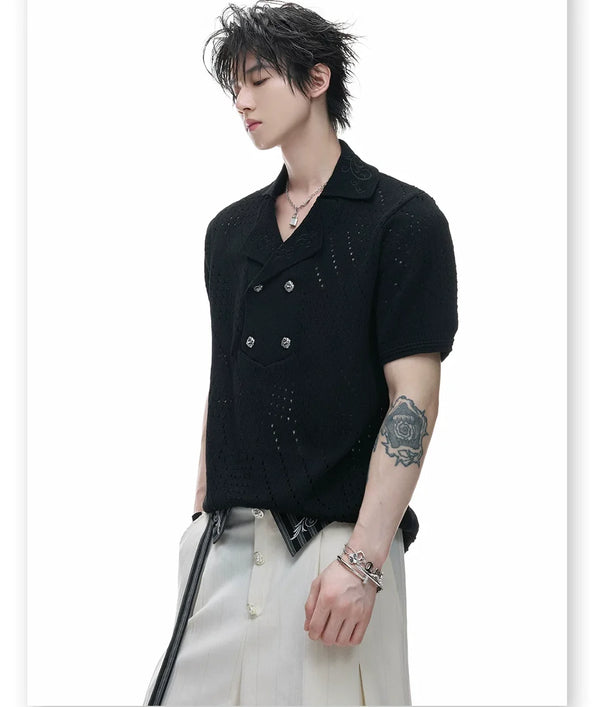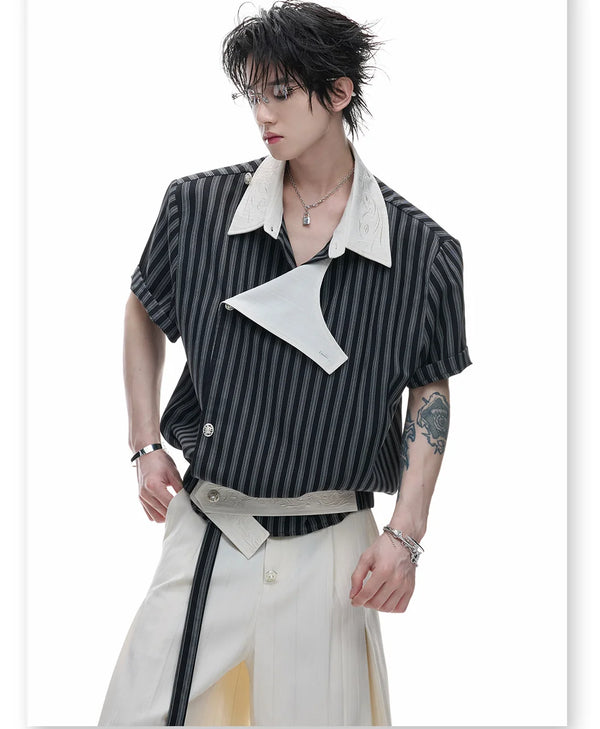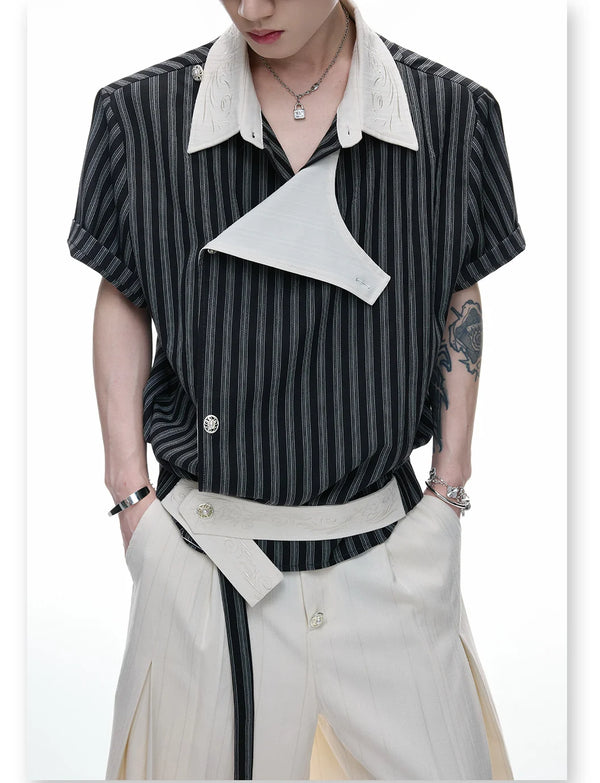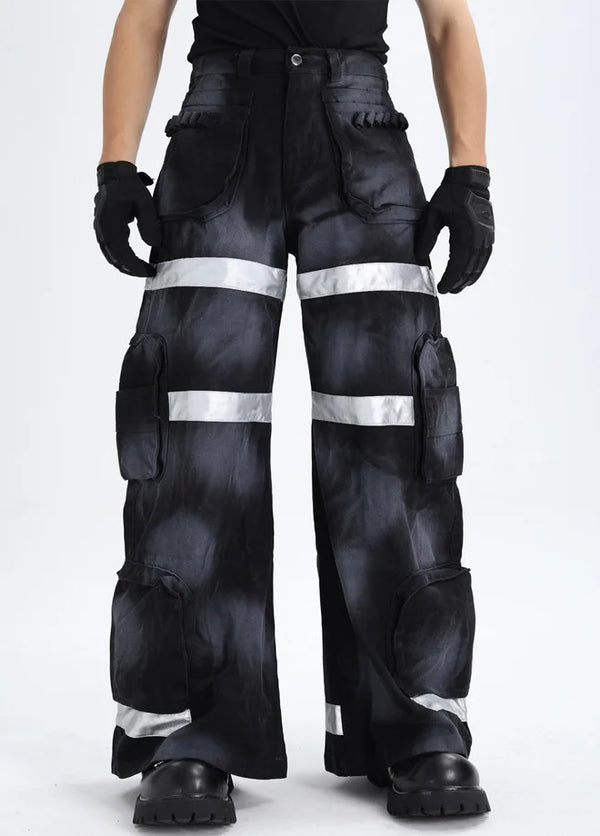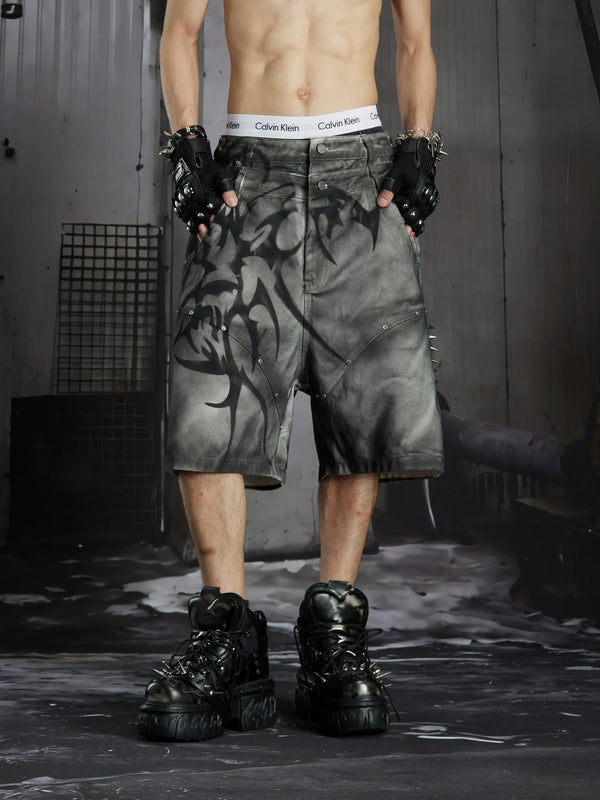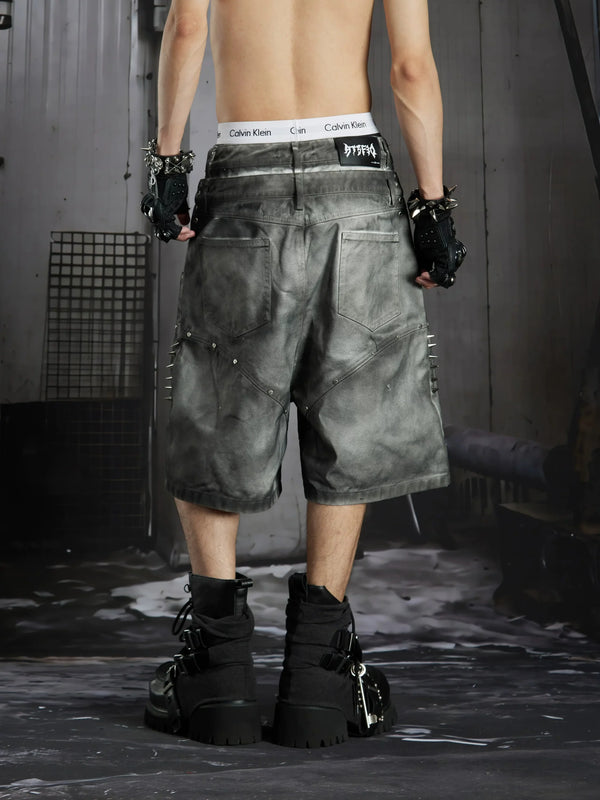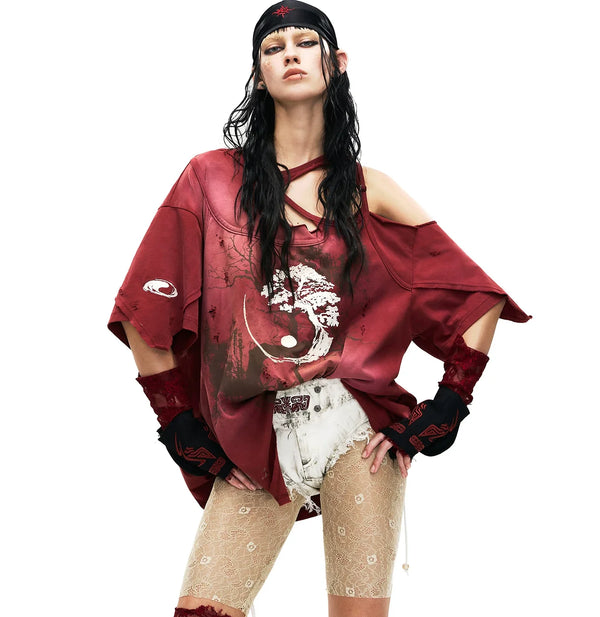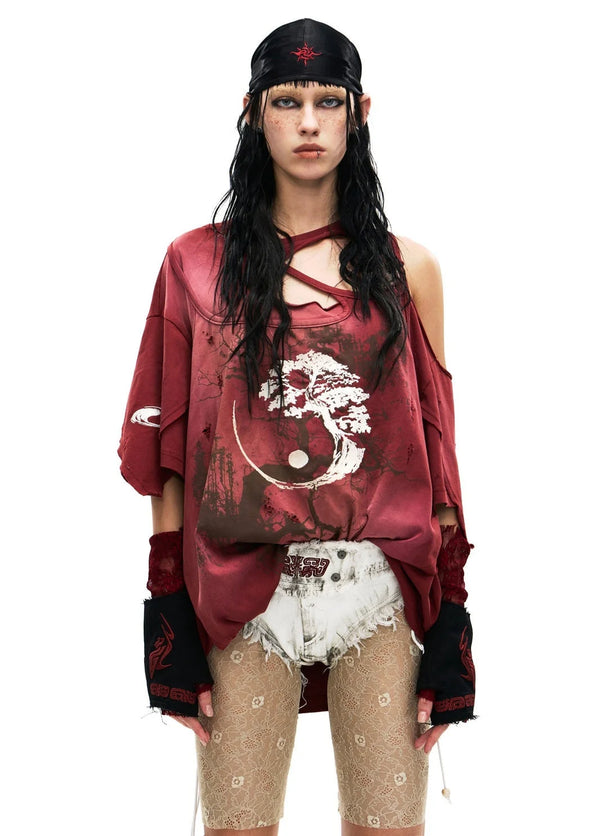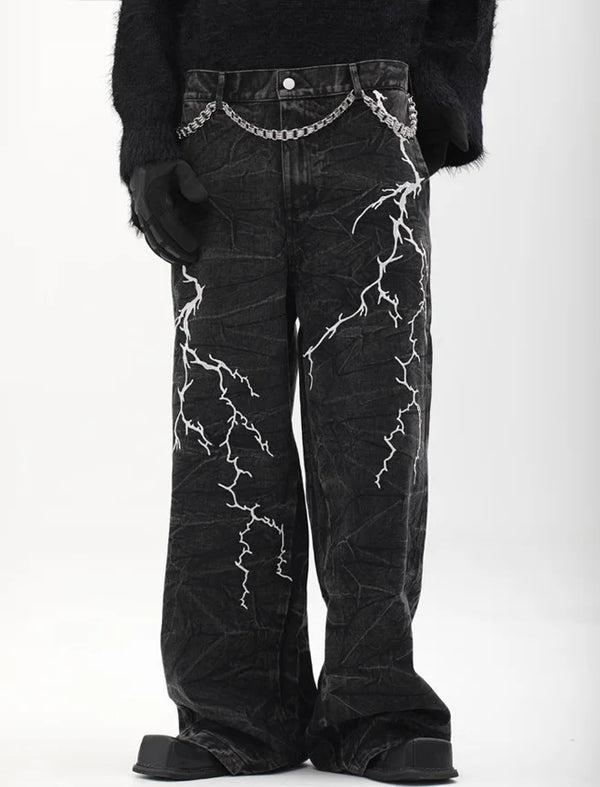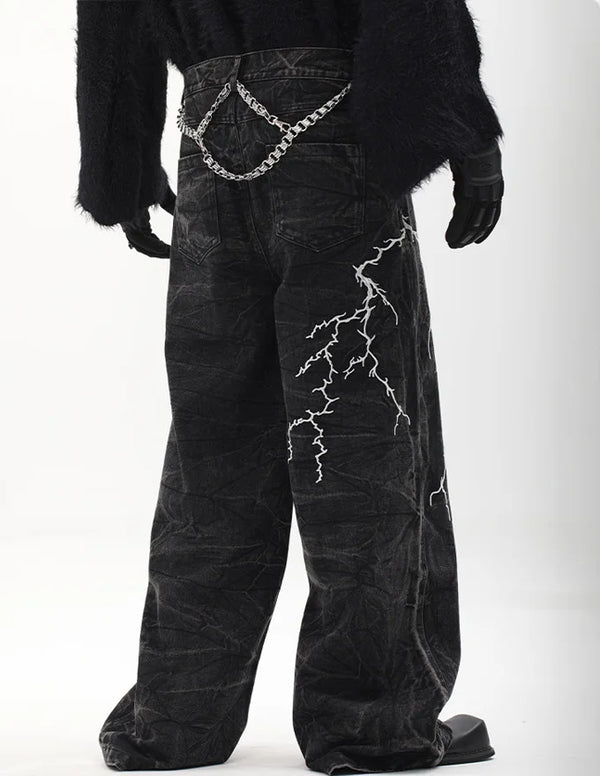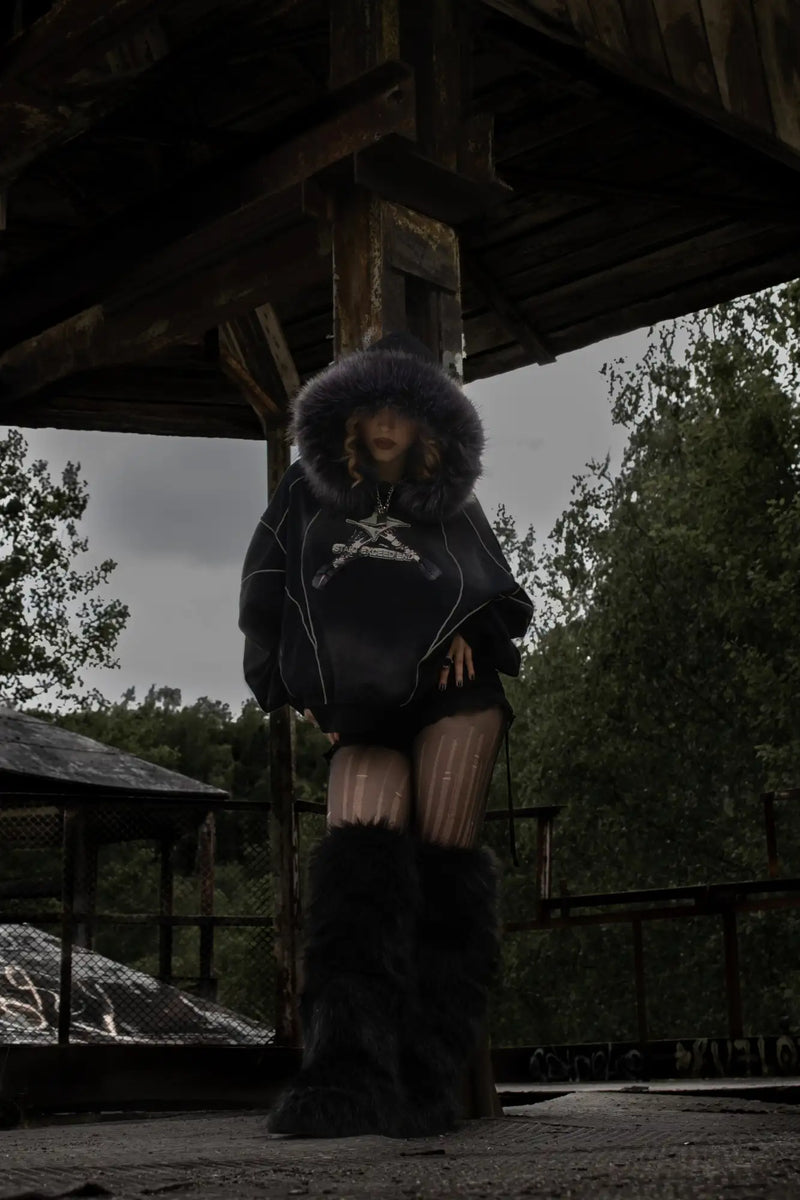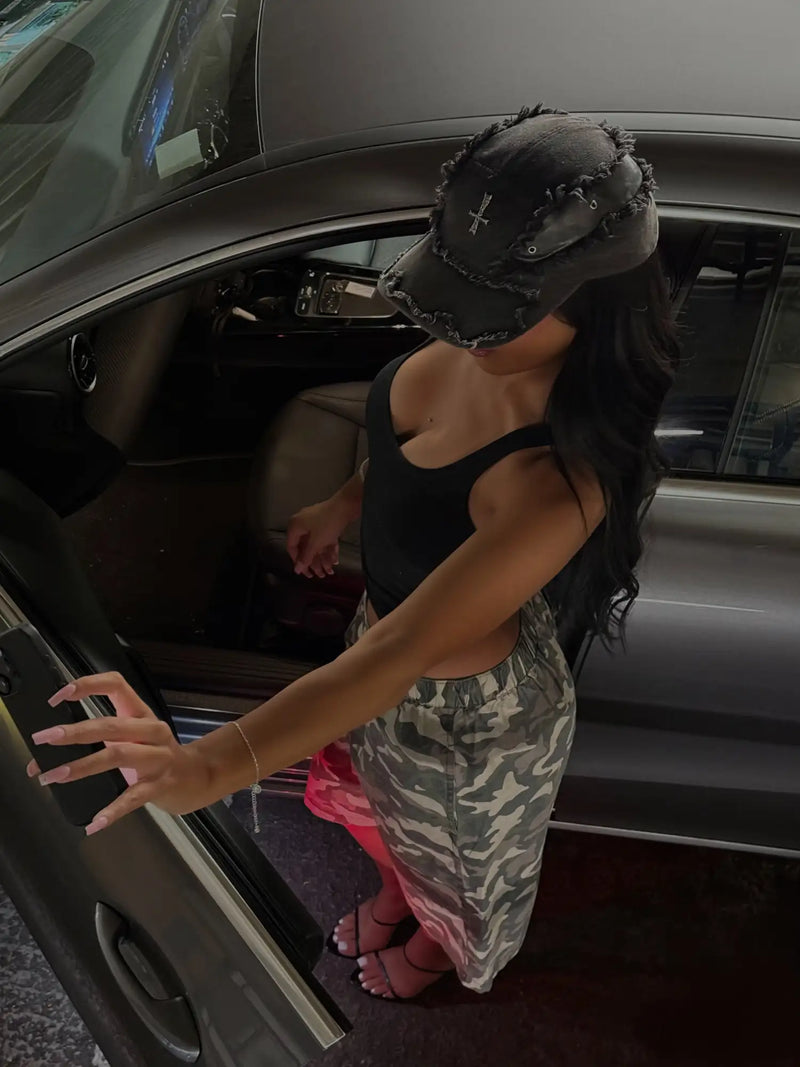
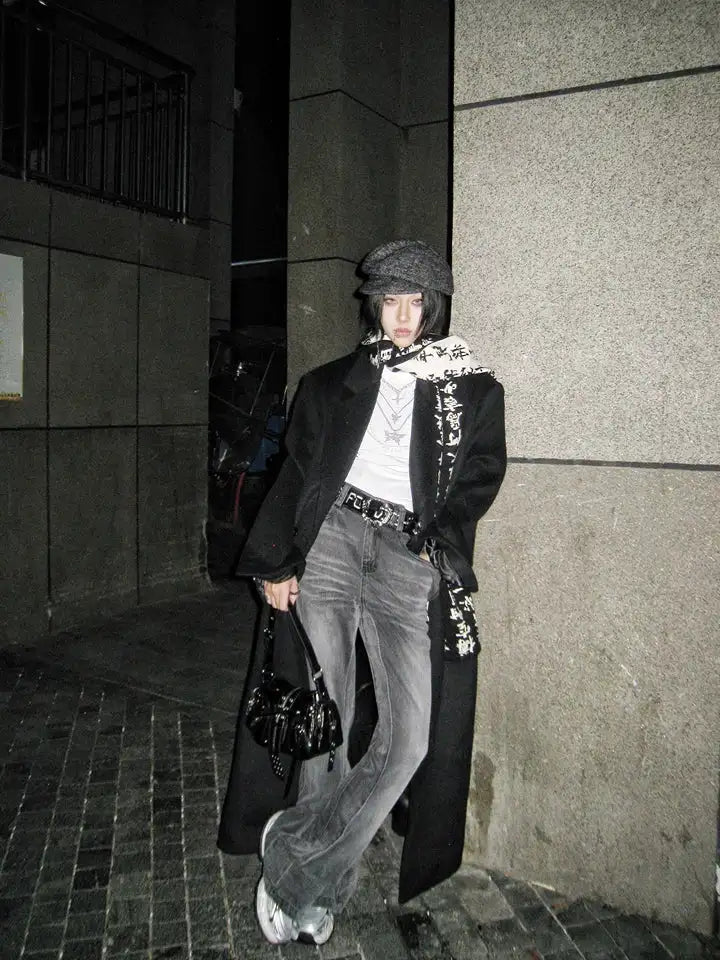
„Rave outfit“ is what everyone between 18 and 28 googles today — and gets back a SHEIN hellscape of neon crop tops and glittery bodysuits that end up in the coat check after three hours on the floor. That’s not a rave outfit. That’s carnival with bass.
A real rave outfit solves one concrete problem: dancing 8 to 16 hours without the pants chafing, without the top sticking to your stomach, without getting stuck at the door because the outfit „tries too hard“. Berlin doors, Parisian free parties, Amsterdam open-airs and English free-tek events all judge by the same criterion: does it still work at hour 6, or not.
This guide breaks down how a rave outfit is actually built: where the code comes from, why „rave“ isn’t the same as „techno“, which 5 floor codes you need to tell apart, what women and men actually do differently, which brands write the vocabulary — and the 6 mistakes that tip the outfit over at hour 4.
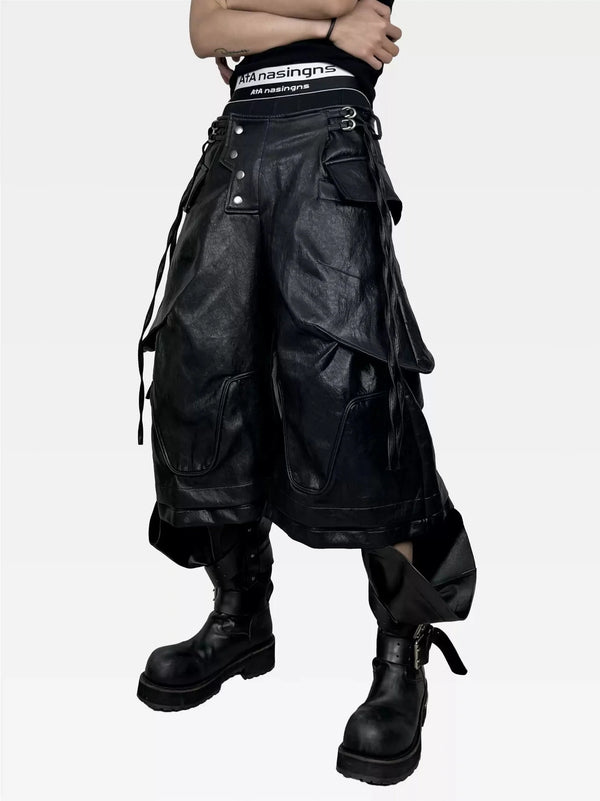
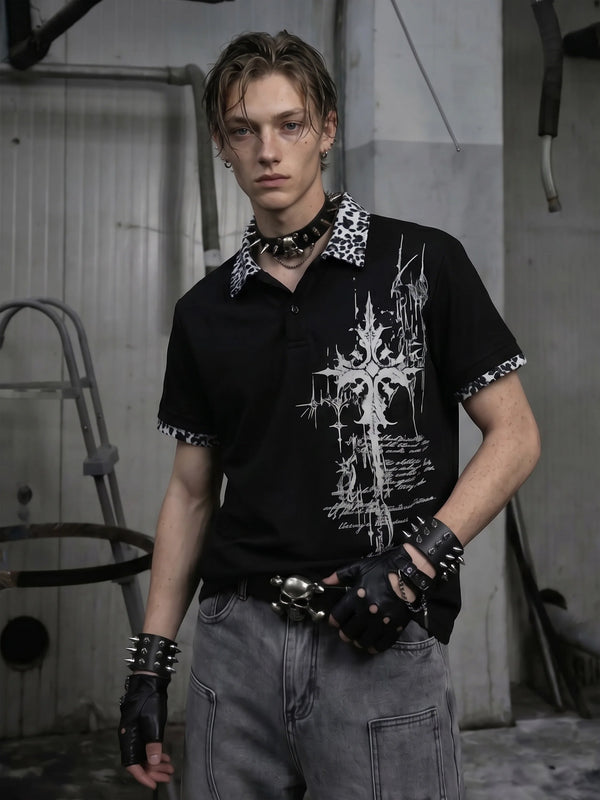
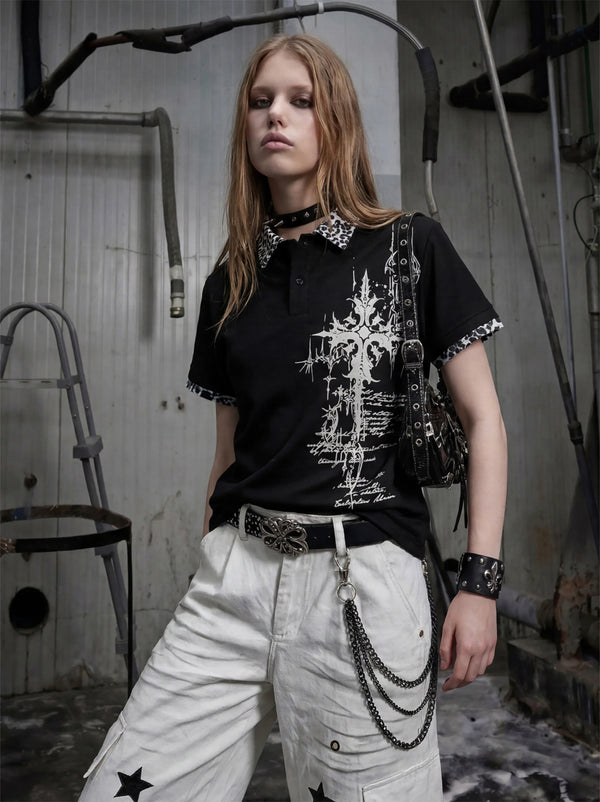
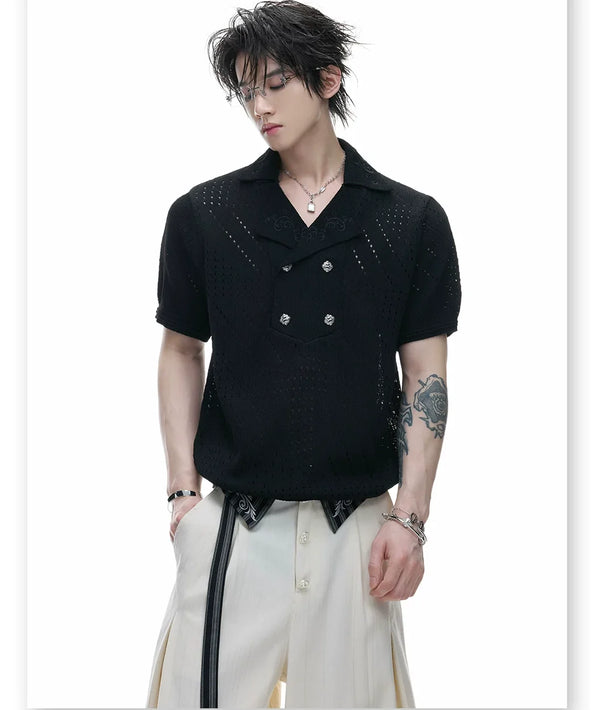
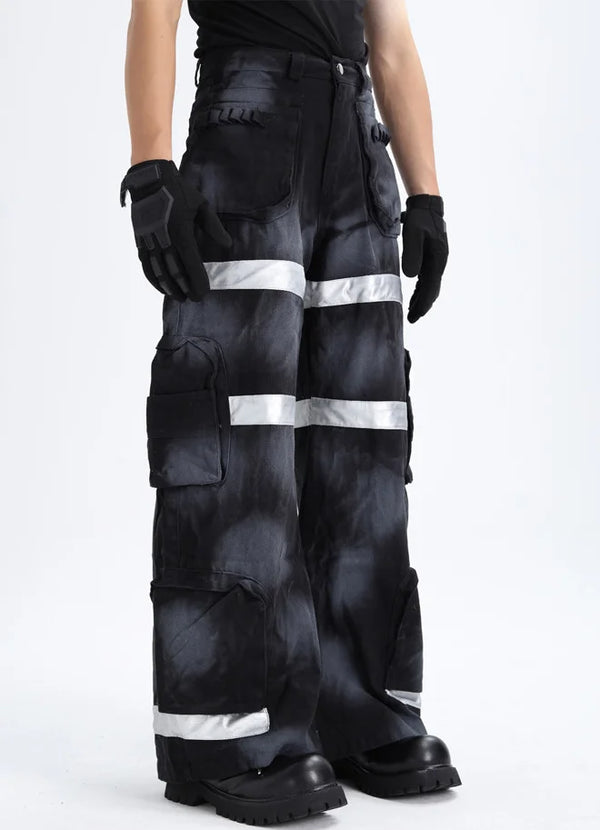
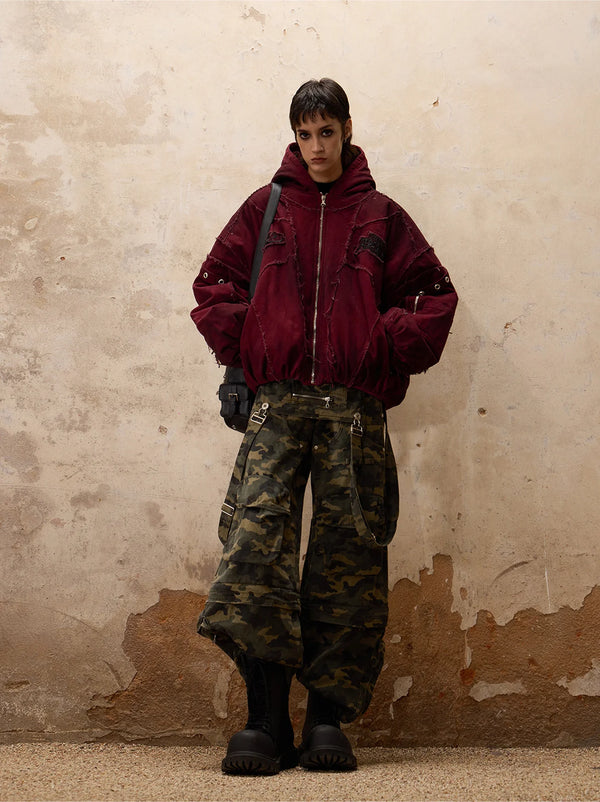
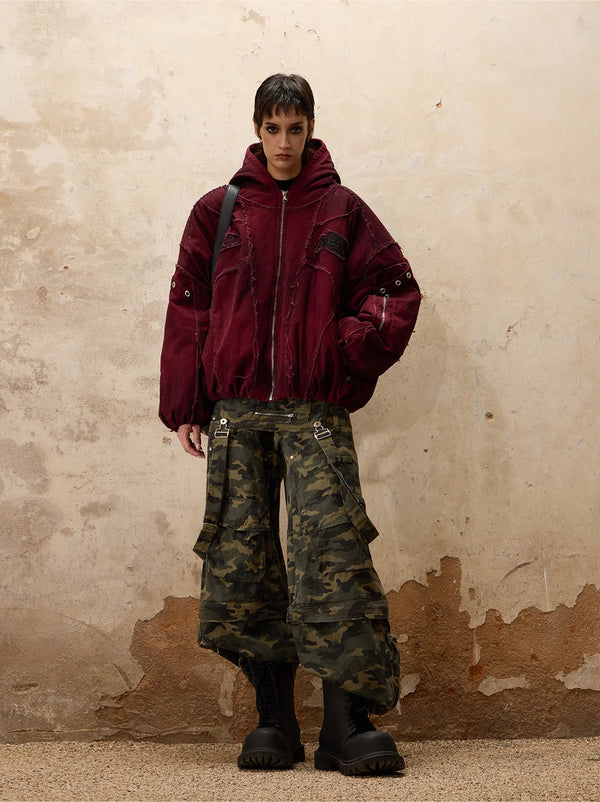
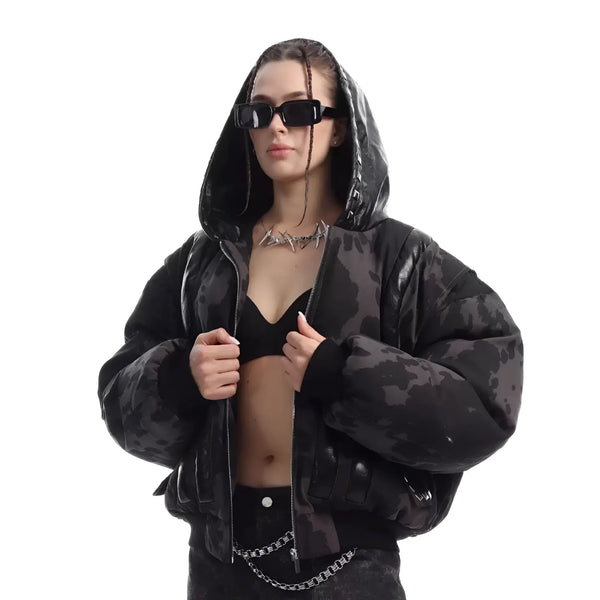
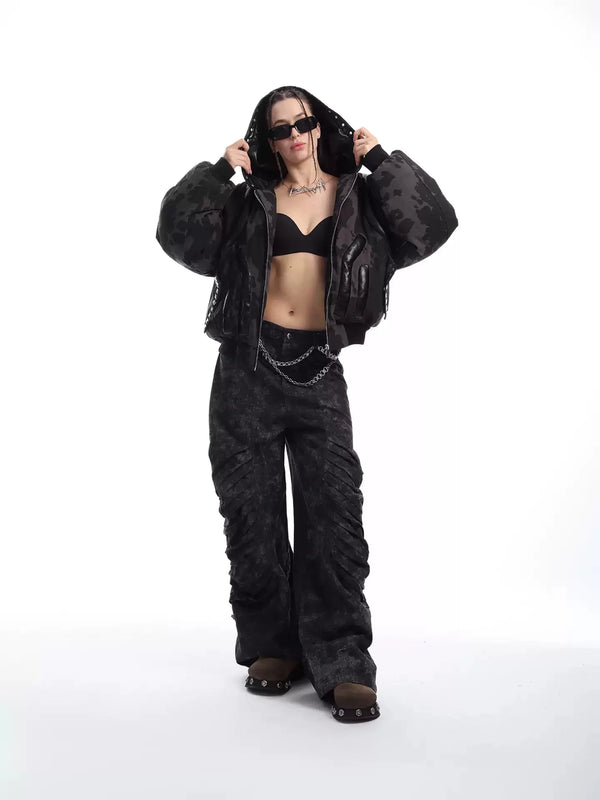
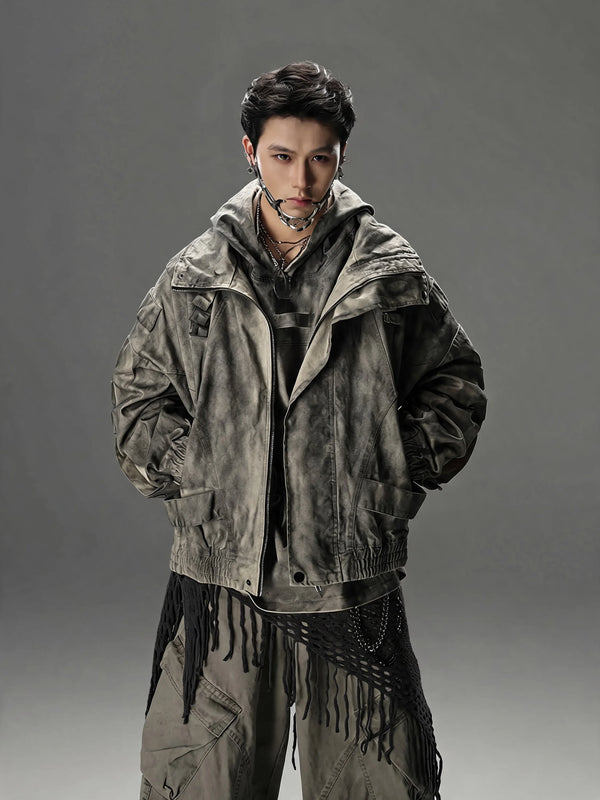
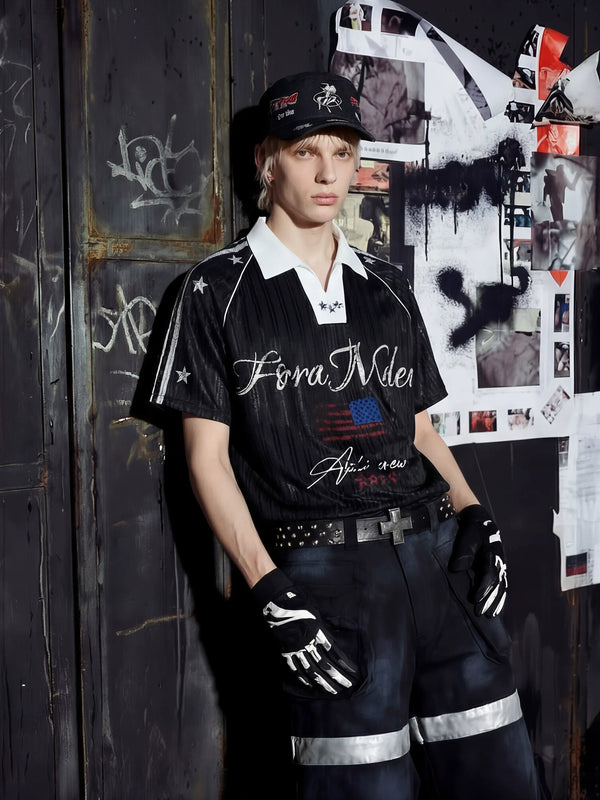
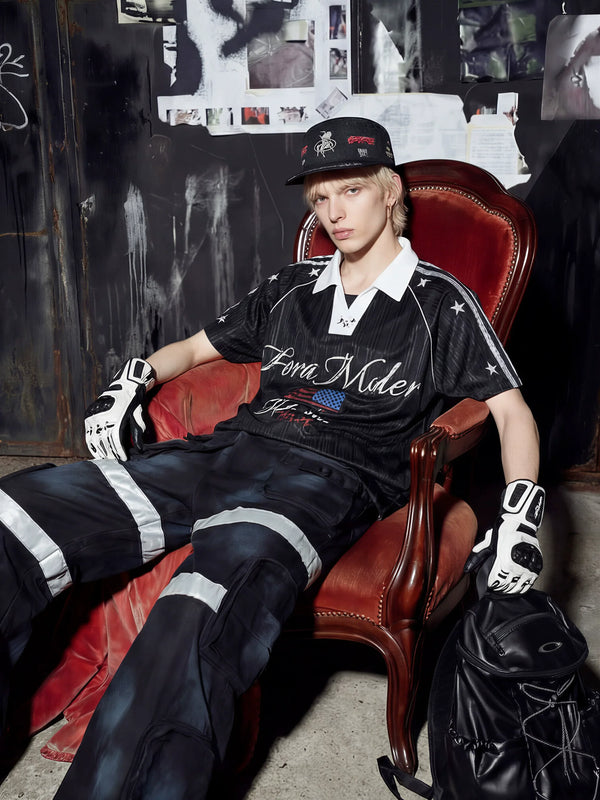
What the code looks like in a real outfit — compact, in one take:
Origin
Who invented the rave code — and how did „rave outfit“ become its own vocabulary?
Rave started in 1988 in Manchester and on the English free-party fields. Acid house was playing, ecstasy was going around, and the outfit rule was pragmatic: anything that survived 14 hours of dancing. Wide pants, cotton t-shirts, sneakers — not a fashion statement, a function.
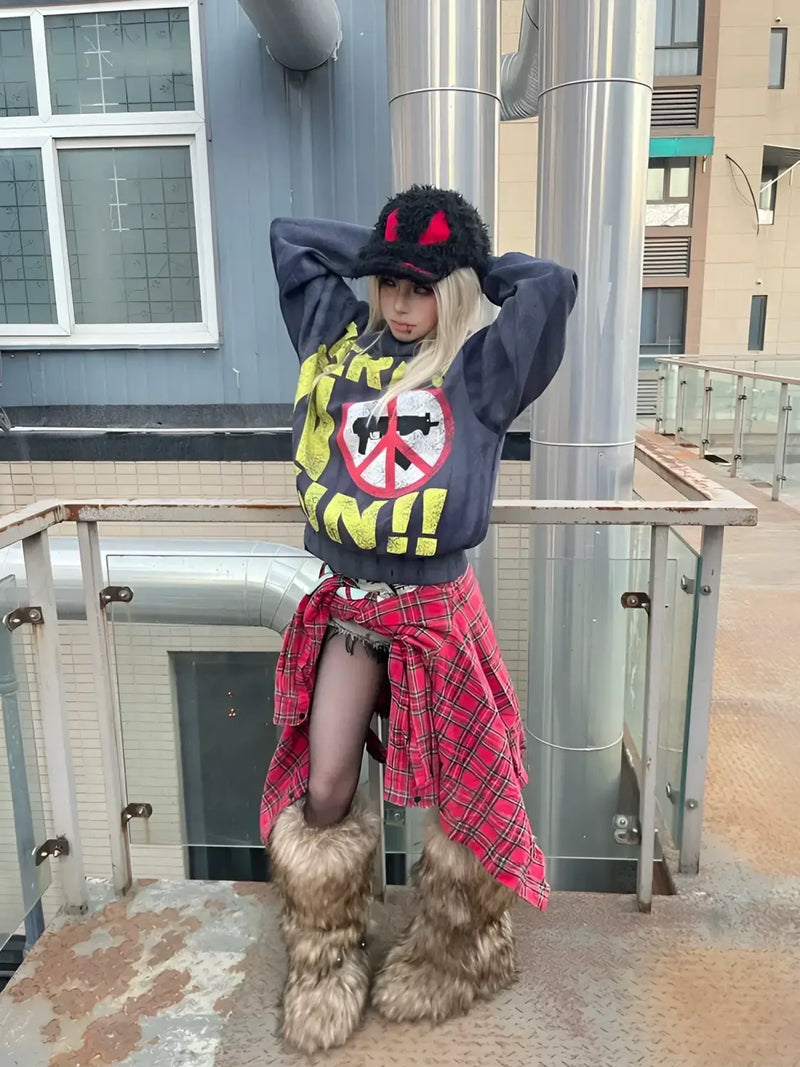
Berlin picked up the code in the early ’90s and turned it two notches further: black instead of colorful, technical instead of fluffy, door-approved instead of tourist-approved. Tresor opened in 1991, Berghain in 2004 — and with them, the Berlin rave vocabulary became the European default. Today, „rave outfit“ on TikTok means two very different things: the American EDM festival outfit (neon, bodysuit, glitter) and the European floor outfit (matte, functional, black or earthy).
This guide works with the European code. Not because EDM is wrong, but because it solves a different problem — and because the searches we see clearly point toward Berlin, Amsterdam, free-tek, and forest rave.
Definition
What is a rave outfit — and is it even the same as techno clothing?
Short answer: no, not quite. Rave is the umbrella term for the whole electronic dance subculture since acid house. Techno is a subset of it — faster, harder, darker, Detroit-Berlin lineage. Whoever googles „techno outfit“ is usually looking for the Berlin variant: black, cargo, combat boots. Whoever googles „rave outfit“ is looking at the wider spectrum: forest raves, free parties, open-airs, cyber clubs and Berghain, all in one bag.
What all rave outfits share is the function logic. Fabric breathes, the cut allows movement, the shoe holds up 10+ hours, the bag sits tight against the body. The moment one piece breaks any of these four conditions, the outfit tips over somewhere between hour 4 and hour 8.
8–16 h
Floor time per rave
5
Floor codes
2 kg
Average sweat
0
Lurex or glitter
The four layers every functioning rave outfit is built from:
- Skin layer. Mesh top, cotton tank, crop or fitted long-sleeve. No patent, no lurex, nothing that sticks to skin once you sweat.
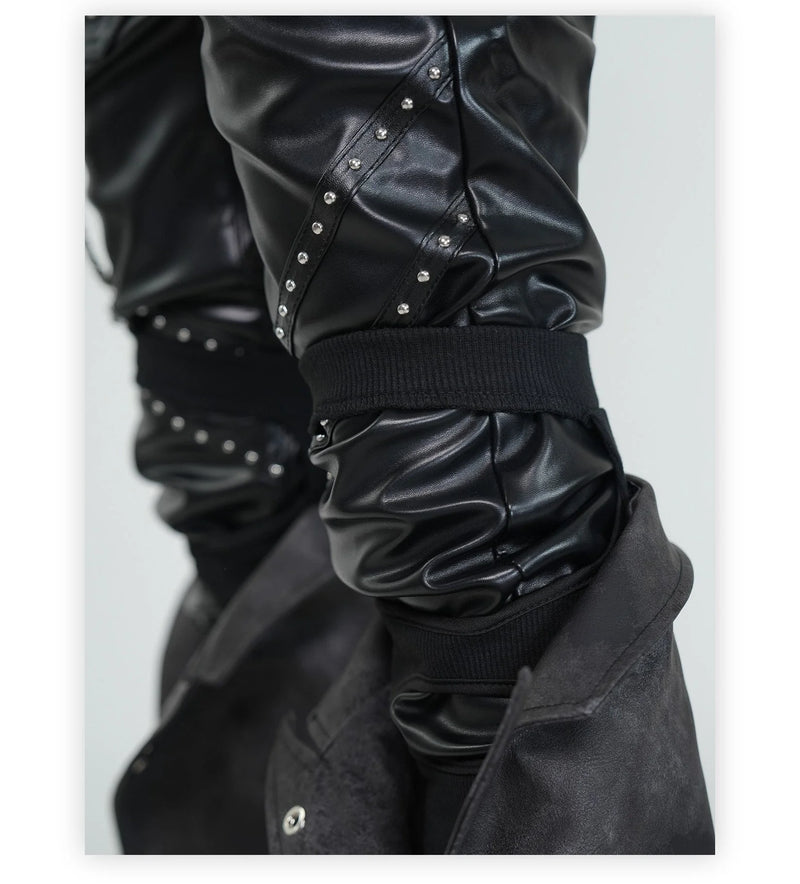
- Movement layer. Wide-leg, cargo, leather flare or loose jogger. Enough fabric for the hip, no waistband that cuts in.
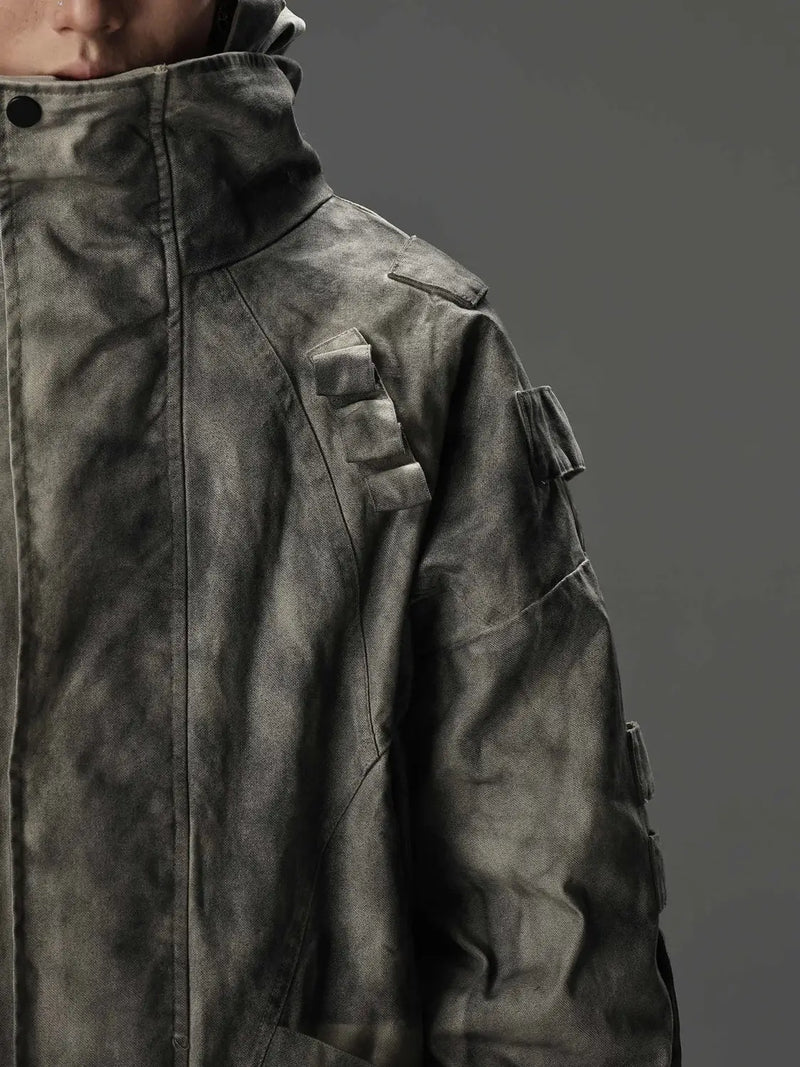
- Cover layer. Bomber, light puffer or trench. You’re taking it off from hour 1 on, so pick something you can stuff crumpled into a locker without drama.
- Hardware layer. Bumbag, earplugs, a chain, sunglasses for the way home. Nothing more — anything else gets lost while dancing.
Sub-codes
The 5 rave floors that each demand their own outfit
„Rave outfit“ in the singular is a lie. What works at Berlin’s Tresor will leave you freezing at a forest rave in the Brandenburg woods — and what shines at an Amsterdam open-air will get you turned away at a Berlin door instantly. Here are the 5 floor codes, sorted from minimal to maximal:
Gender split
Rave outfit women vs men — same rule, different line
The function logic applies equally to every body: breathe, move, hold up. But the line shifts depending on where the weight sits in the outfit. On Berlin floors, men mostly work with the cargo-plus-tank line — heavy pants, light top, combat boots, a visible chain. Women more often build the silhouette through the top: mesh long-sleeve or crop top in the skin layer, then wide leather pants or flare, then platform boots. Both stay within the code.
„Dresses as a rave outfit“ work in the open-air glam code (long black slip dress, combat boots, bumbag, sunglasses), but fall apart instantly at a Berlin door the moment the fabric shines or the cut looks like a wedding. Anyone going for the Berghain line leaves the dress at home.
Curvy & plus-size: the function logic is more of an advantage than an obstacle. Wide-leg pants and mesh tops often sit better on broader bodies than on thin ones, because they flow instead of pressing in. Three small shifts: first, high-waist pants instead of low-rise (stays put for 14 hours without slipping), second, stretchy mesh or soft jersey instead of stiff lurex, third, combat boots with a platform for extra height without ankle pain. We break this down in more detail in the plus-size festival guide.
Brands
Rave brands — which labels actually write the floor code
Whoever has been shaping the Berlin rave code since the ’90s is a short list — and it has little to do with what SHEIN sells as „rave“. Here are the brands that wrote the vocabulary, plus the ones running the update today:
- GmbH — Berlin label since 2016, post-genderless, technically cut pants with free-party DNA. Sits between Tresor and avant-garde fashion.
- Boris Bidjan Saberi — Barcelona atelier, heavy and black, every seam handmade. Berghain bouncers wear more of it than they’d admit.
- Acronym — Errolson Hugh, technical outerwear that works at any forest rave. Price is astronomical, construction to match.
- Y-3 — the Yohji Yamamoto x Adidas line, works on any floor, lasts forever, doesn’t look like a sports outlet.
- Vetements — the early Demna era defined the post-Soviet rave look. Today it’s almost all resale, but still style-defining.
- Carhartt WIP — the honest variant. Cargo, workwear jacket, beanie. The free-party default for 25 years.
- Fūga Studios — our own vocabulary: Berlin floor logic at DTC price, no luxury markup. Mesh, wide-leg, bomber.
The template most of these labels orient themselves around isn’t a single brand — it’s the layer of ’90s Berlin Tresor regulars who put their own clothes together. Black army-surplus cargo, flea-market mesh top, Doc Martens. Today’s labels have translated that DNA into modern construction.
Tops
Rave tops — mesh, tank, crop, long-sleeve
The skin layer decides what the outfit looks like from hour 3 on — once the sweat sets in. Mesh is the most honest fabric for any indoor floor because it breathes without soaking through. Tank tops work when the floor runs hot, long-sleeve in mesh or thin cotton when the AC is too aggressive. Crop works both on the Berlin door code (in black) and open-air glam (in color).
What doesn’t belong: glitter lurex (sticks), patent (zero breathability), printed slogan tees (read as tourist instantly at Berlin doors). No print that explains where you’re from.
Bottoms
Rave pants — cargo, wide-leg, leather, flare
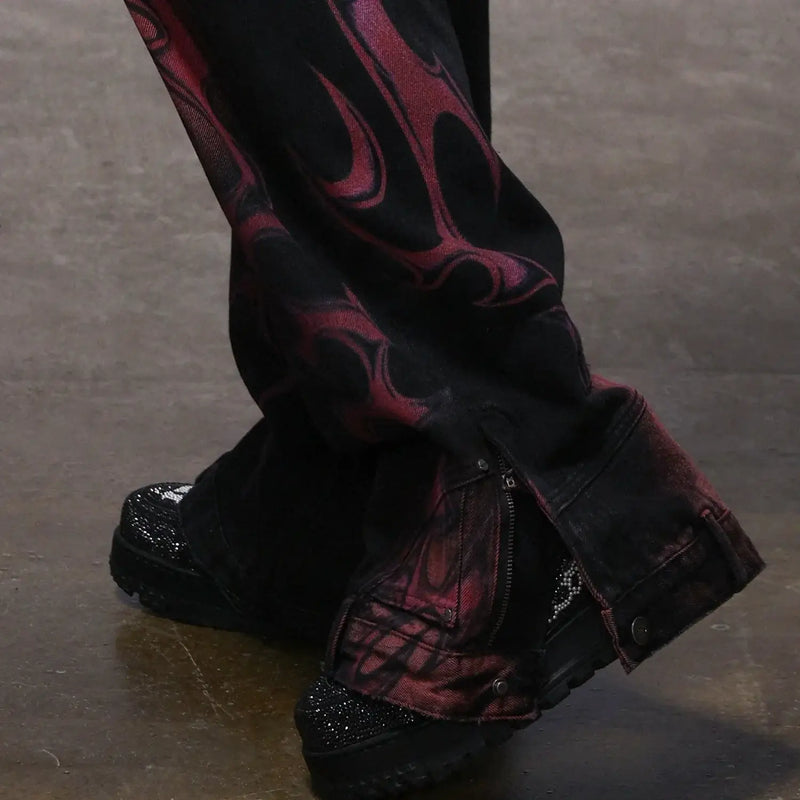
The pants are the biggest investment in the outfit, because they can’t become an issue for 12 hours straight. Four cuts work on European floors: wide-leg cargo (the Berghain default), loose tech jogger (free-party and forest-tech), leather flare (open-air glam and cyber rave), and parachute pants (open-air and festival).
What gets cut: skinny jeans (zero breathability, cuts into the hip from hour 4), lurex hot pants (sticks to sweat), unsupportive jersey leggings (slips). The pants can be wide, they can be heavy, they can taper at the ankle — but they have to hold up.
Outerwear
Rave outerwear — bomber, puffer, tech shell
You wear it on the way there and take it off in the locker by minute 30. That changes how you judge the jacket completely: easily crumpled beats shape-holding, no-logo beats statement, and you don’t want to leave €250 sitting on a locker shelf. Three cuts work universally: bomber (Berghain default, fitted), light puffer (transitional and forest-tech), technical shell (free-party outdoor and cyber rave).
What gets cut: long wool coats (don’t fit in a locker), designer trenches with a visible logo (bouncers roll their eyes), faux-fur coats in summer (you give up after 15 minutes and lug it around for eight hours).
Hardware
Shoes, sunglasses, chain, bumbag — the hardware layer
Shoes are the one item in the outfit where you can’t cut corners. 12 hours of dancing in bad shoes is an injury that costs two days of pain — and, ironically, ends up costing more than a good pair once you factor in the two days spent lying down. Combat boots with a platform are the most honest default. Doc Martens 1460 or 1490 work on any European floor and age better than anything else. Tech sneakers (Salomon XT-6, ACS Pro) are the free-party and forest-tech variant.
The rest of the hardware stays minimal: sunglasses for the walk home at 11am, a chain as a visible accent, a bumbag or sling for card, keys, earplugs, tokens. Nothing more. Anything you’d have to carry in your hand, you’ll lose.
Styling physics
How you actually layer the outfit — the floor physics
Layering in a rave context isn’t a fashion exercise, it’s temperature management. An average Berlin indoor floor swings between 15°C (coat check on arrival, winter outside) and 32°C (floor peak, 4am, 800 bodies). You need to be able to switch between both states without re-tying your pants.
A rave outfit isn’t a still image. It’s a system of layers you take off, recombine, and put back on over the course of the night. Whoever arrives in a „complete“ outfit has already lost.
— Fūga Studios
The practical rule: the skin layer stays on all night. So does the movement layer (pants). The cover layer (jacket) goes in the locker. The hardware layer (bumbag, chain, glasses) stays on the body. That leaves you with only three decisions during the night: when the jacket comes off, when the tank top goes dry, when the glasses go on for outside. Everything else is already decided.
If you need the full floor code more specific, there’s a whole library for it — one dedicated guide per floor type:
Seasonal
Rave outfit summer vs winter — the climate shift
Summer and winter don’t shift the code, they shift the material choice. Summer rave means: thinner mesh tops, shorter pants or shorts at open-airs, sandals or combat boots without socks, sunglasses mandatory for 6am. Winter rave means: a lined bomber instead of a light one, thermal tights under the wide pants for outside, a beanie instead of sunglasses, treaded boots for ice in front of the club.
At midsummer open-airs, the calculation flips: sun protection beats style. A thin tech cap with a visor against the midday sun, long-sleeve mesh instead of a tank top if you’re in the sun for 8 hours, plenty of water. The outfit photo can happen later — function comes first.
Mistake list
What reads as dated — the 6 outfit mistakes that ruin your night
The most common mistakes are all avoidable — and they all come from the same source: the outfit was made for the mirror photo before the rave, not for the 12 hours after it. Here are the 6 classics:
Getting started
How to start with rave outfits — the first 4 pieces
You don’t have to overhaul your whole wardrobe. Four pieces build the first complete rave outfit, and all four are multifunctional enough to work outside the floor too. Click the piece you want to start with:
How the 5 floor codes actually look — not lookbook, but real life — is most honestly visible on our Instagram. Berlin door codes, open-air summer outfits, forest-rave layers in November:
System, not costume
A rave outfit is a system — not a festival costume
Whoever treats „rave outfit“ as a costume buys the wrong set, wears it once, and walks away thinking „rave just isn’t for me“. That was never the problem — the outfit was. Once someone understands the system, they build a stock of 8 to 12 pieces that covers every floor variant.
FAQ
Frequently asked questions about rave outfits
The questions we keep getting over DM and email — short, clear, no detour.
What do you wear to a rave if you’ve never been to one?
Is rave the same as techno — or is there a difference?
What clothing reads as dated or touristy at a rave?
What should you absolutely not wear to a rave party?
Which app puts rave outfits together?
What is the 3-color rule — and does it apply to rave outfits?
Does a rave outfit work for curvy or plus-size bodies too?
What do you think?
Tell us on @fuga_studios
About the author
Philipp Fuge — Founder · Berlin
Founder of Fūga Studios. Writes the journal himself. Berlin · Shanghai · Tokyo · Poznań — four cities, one logic.