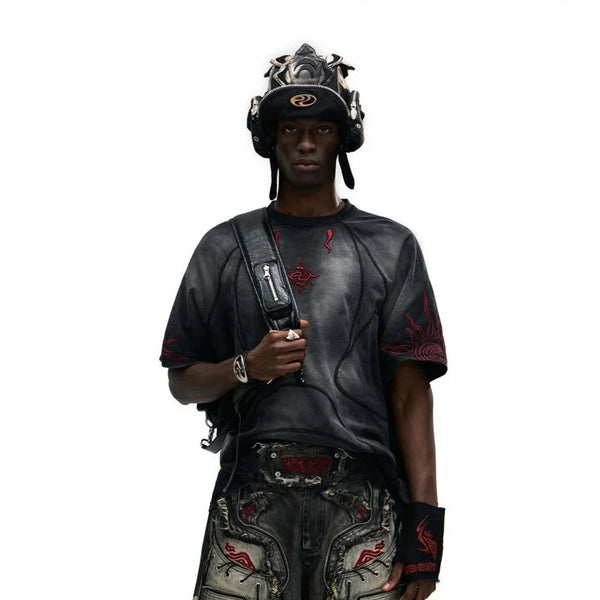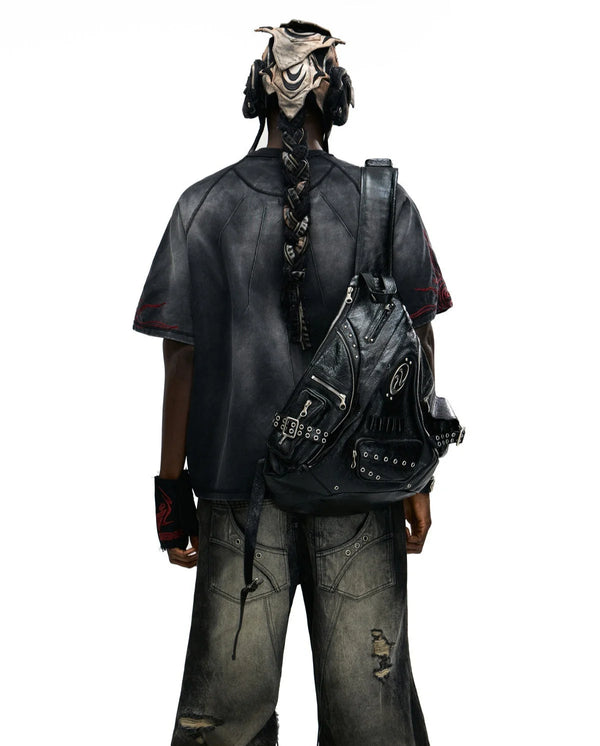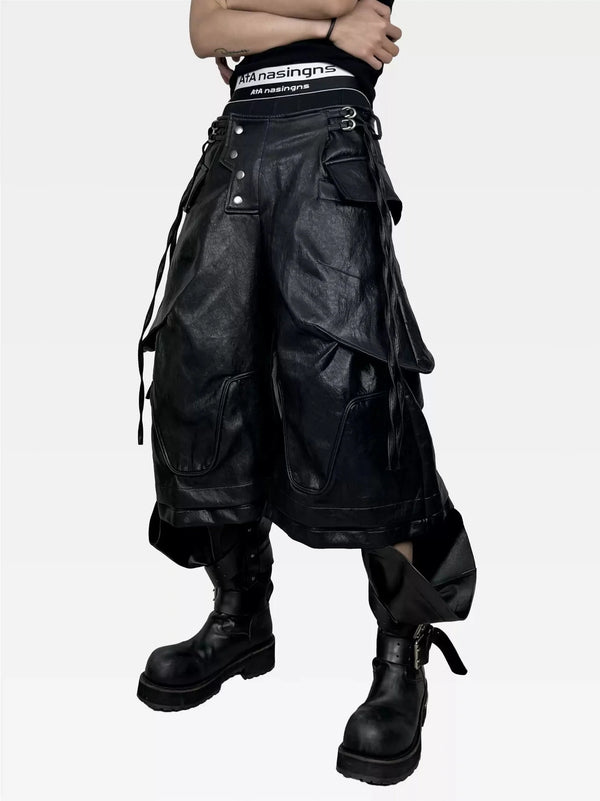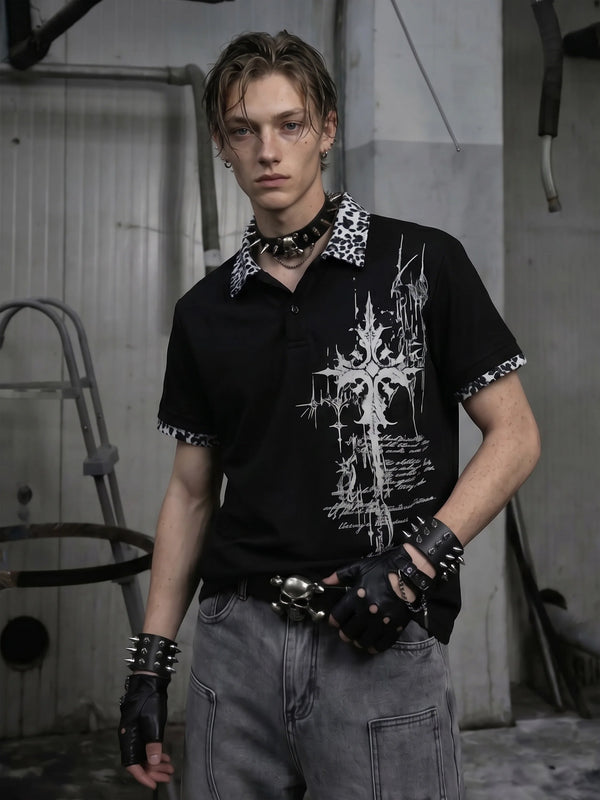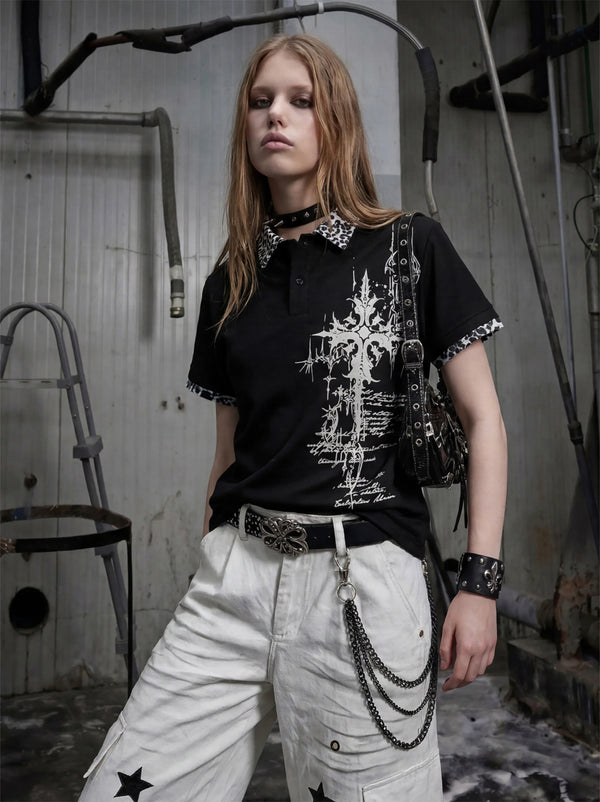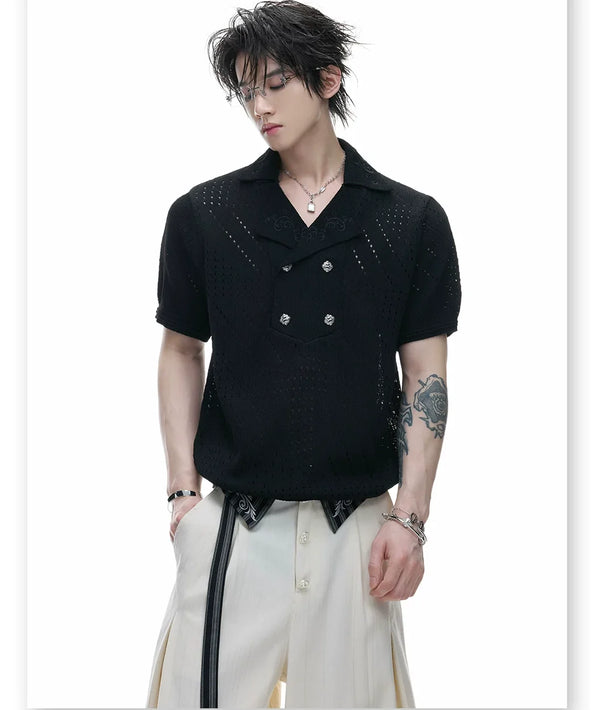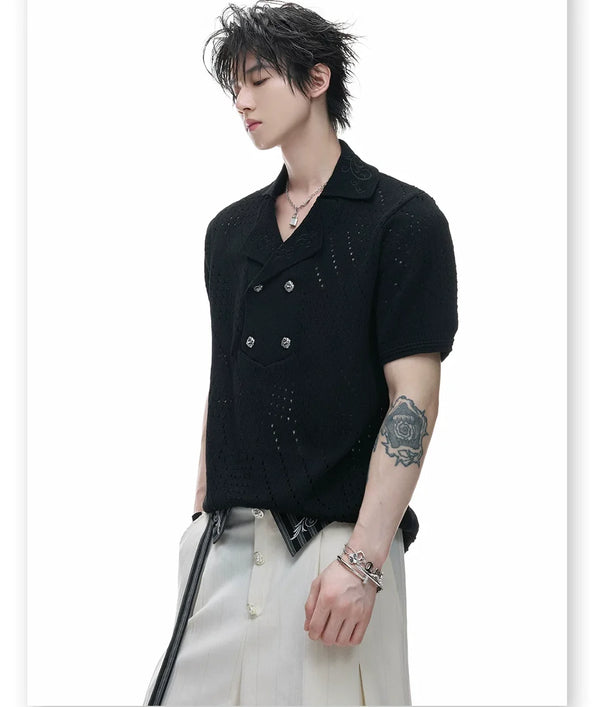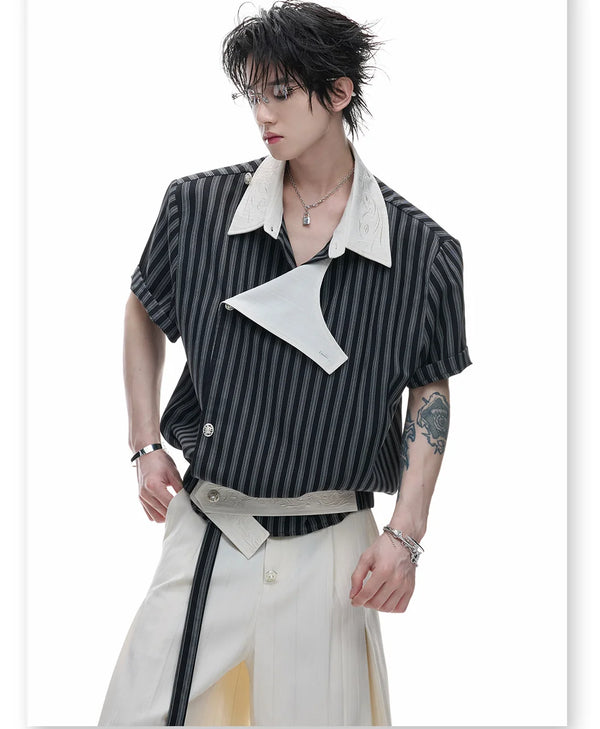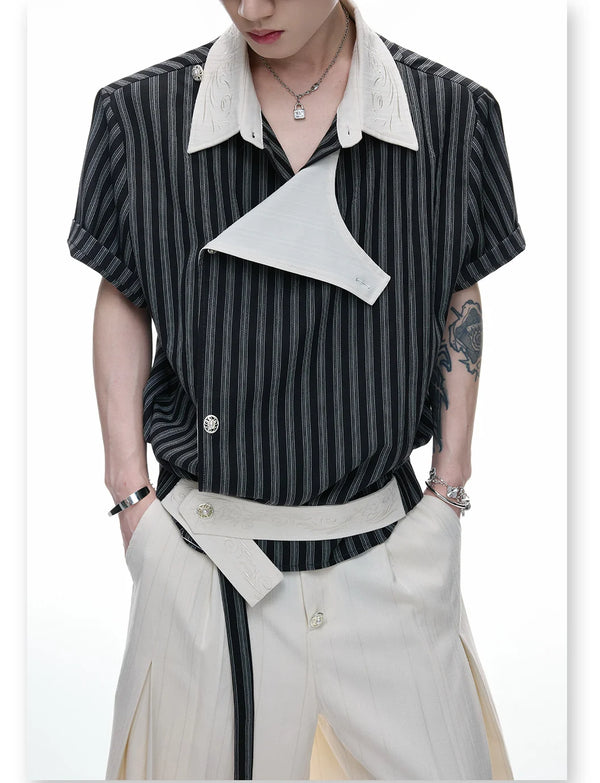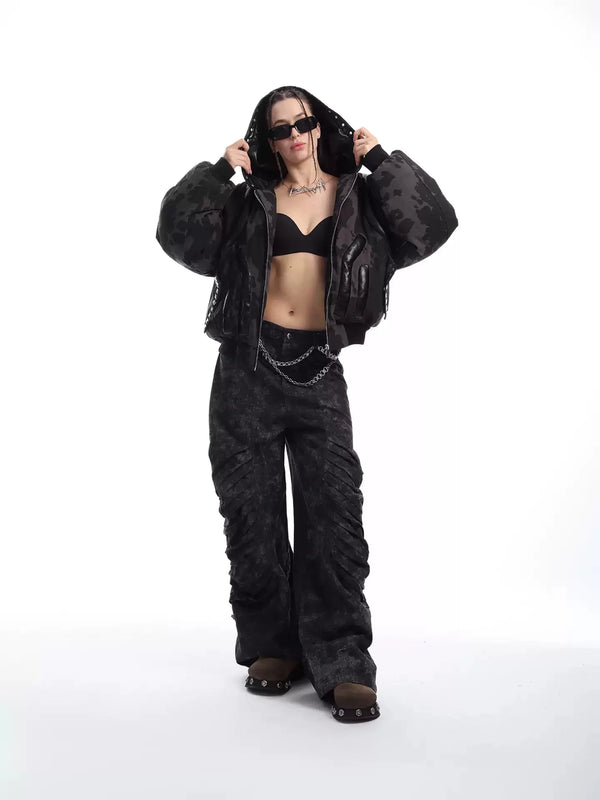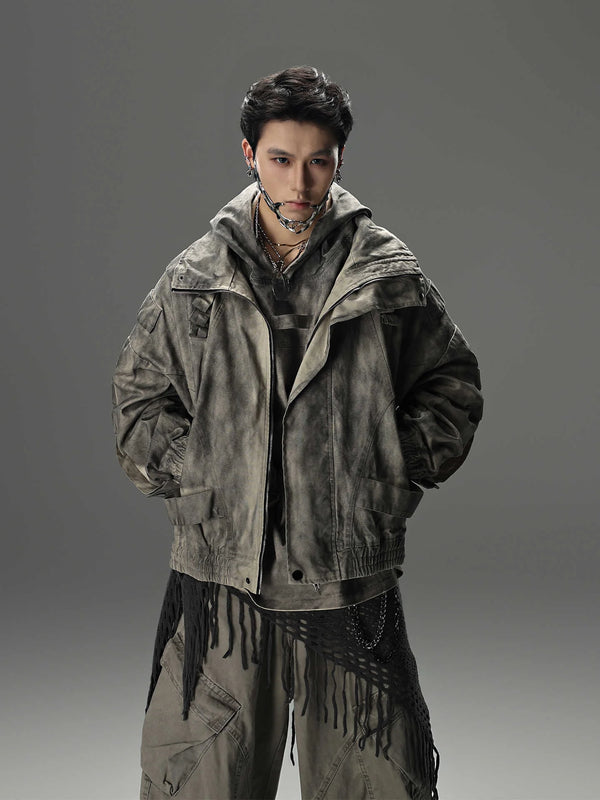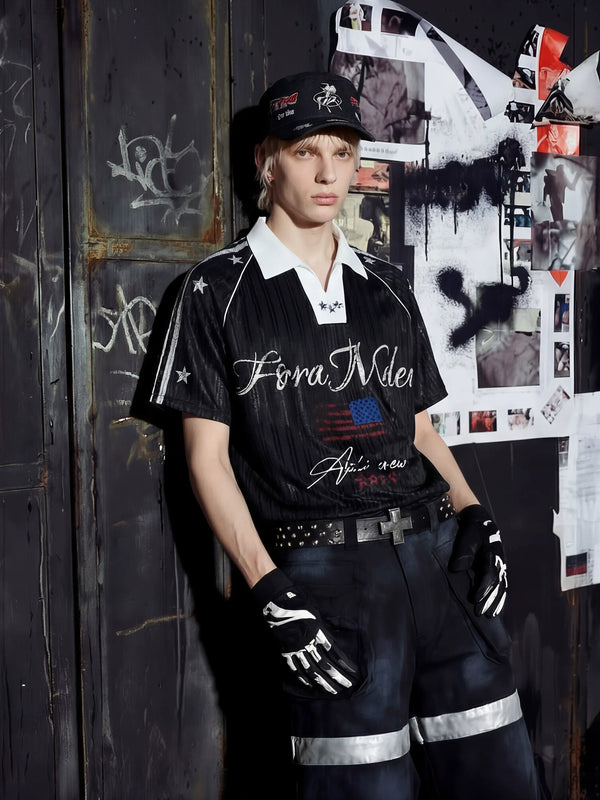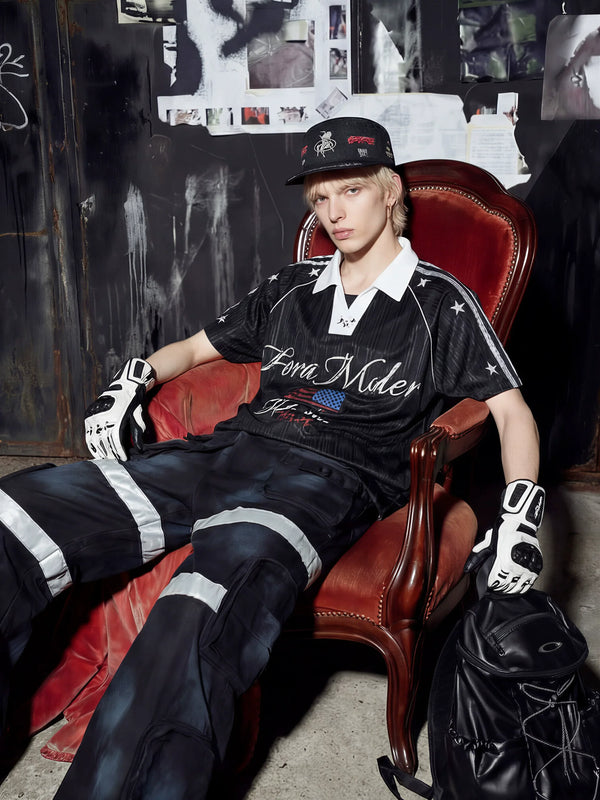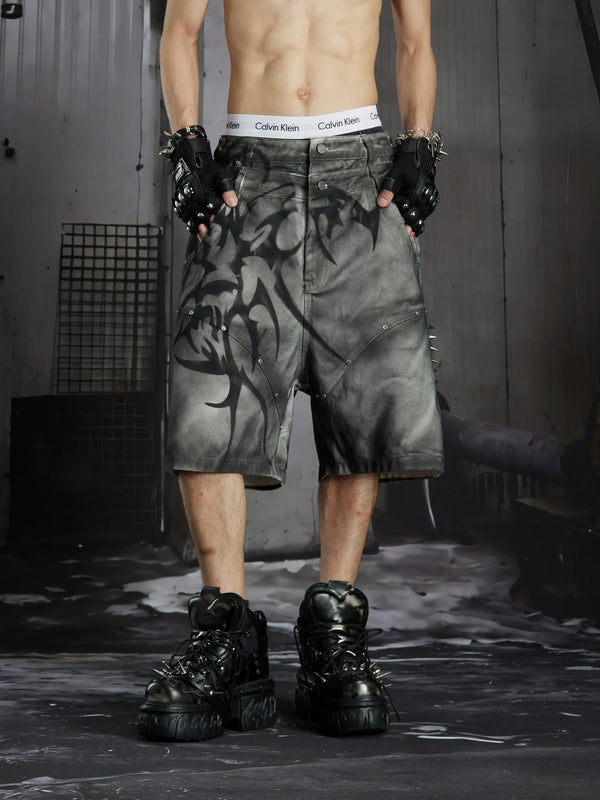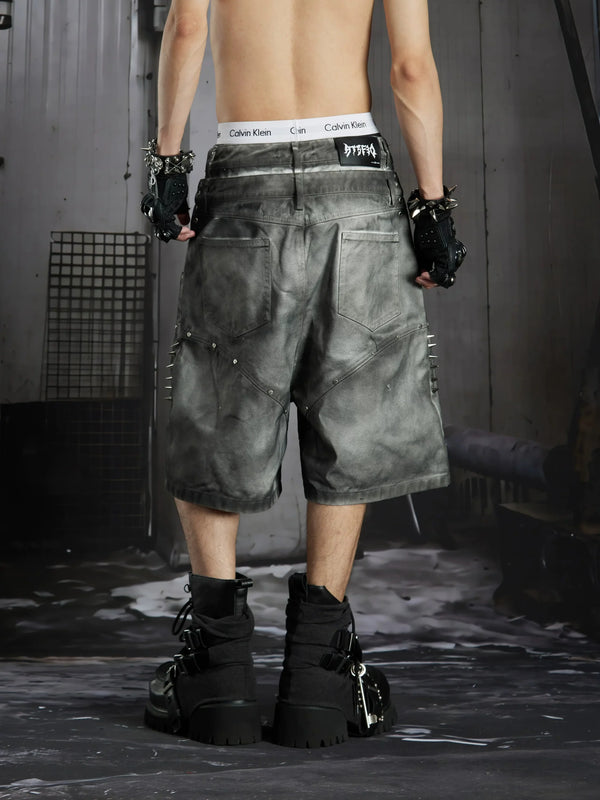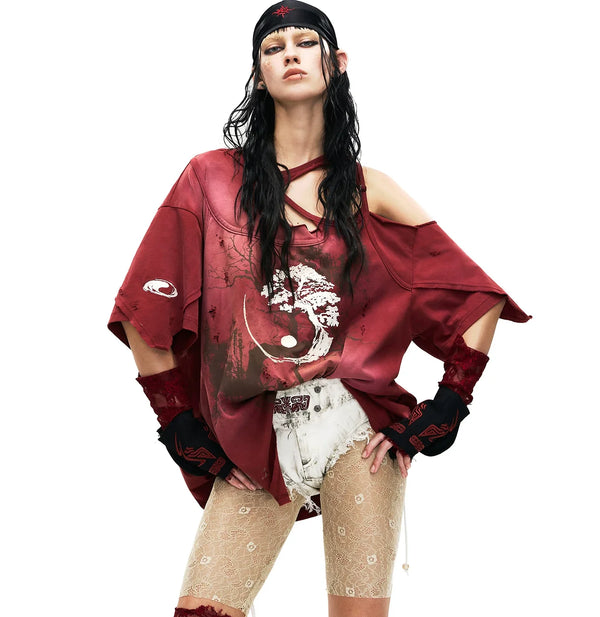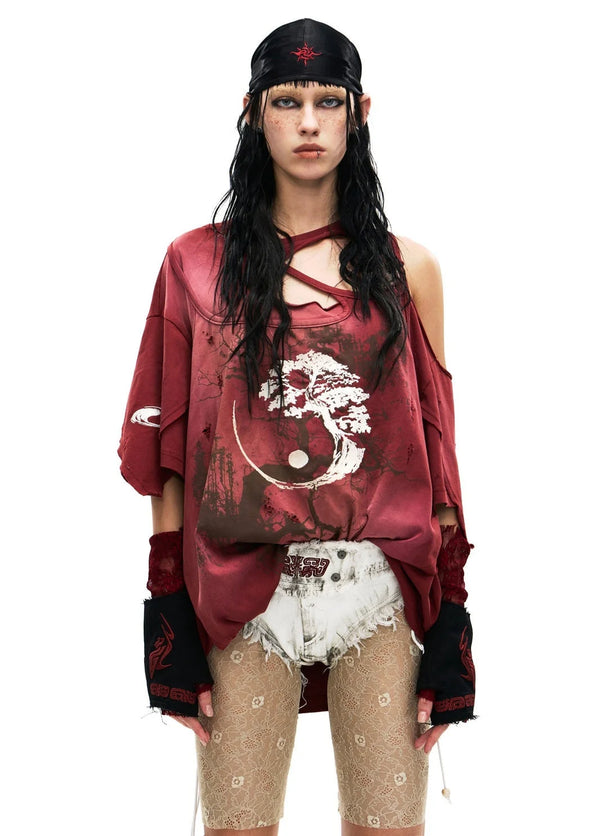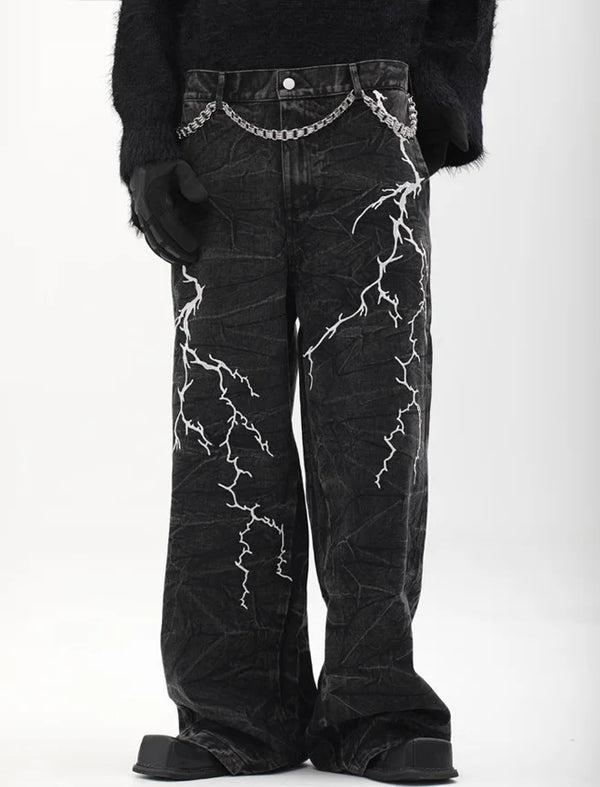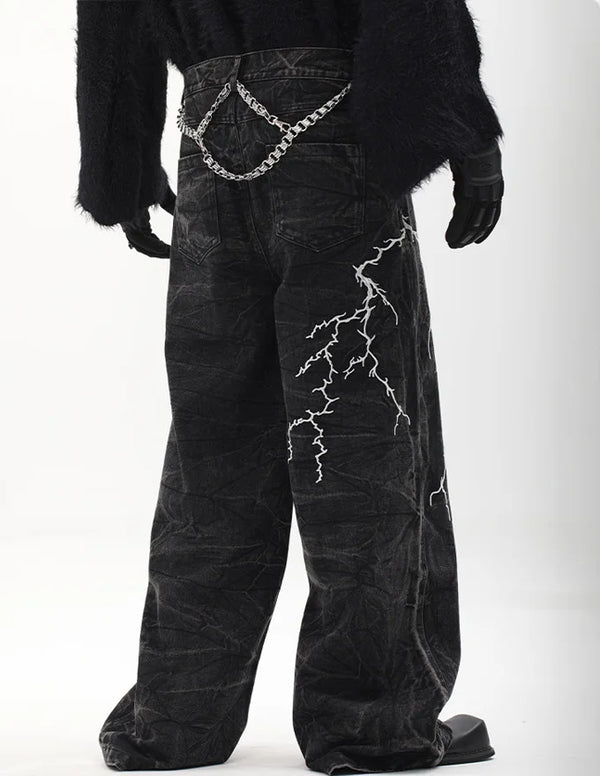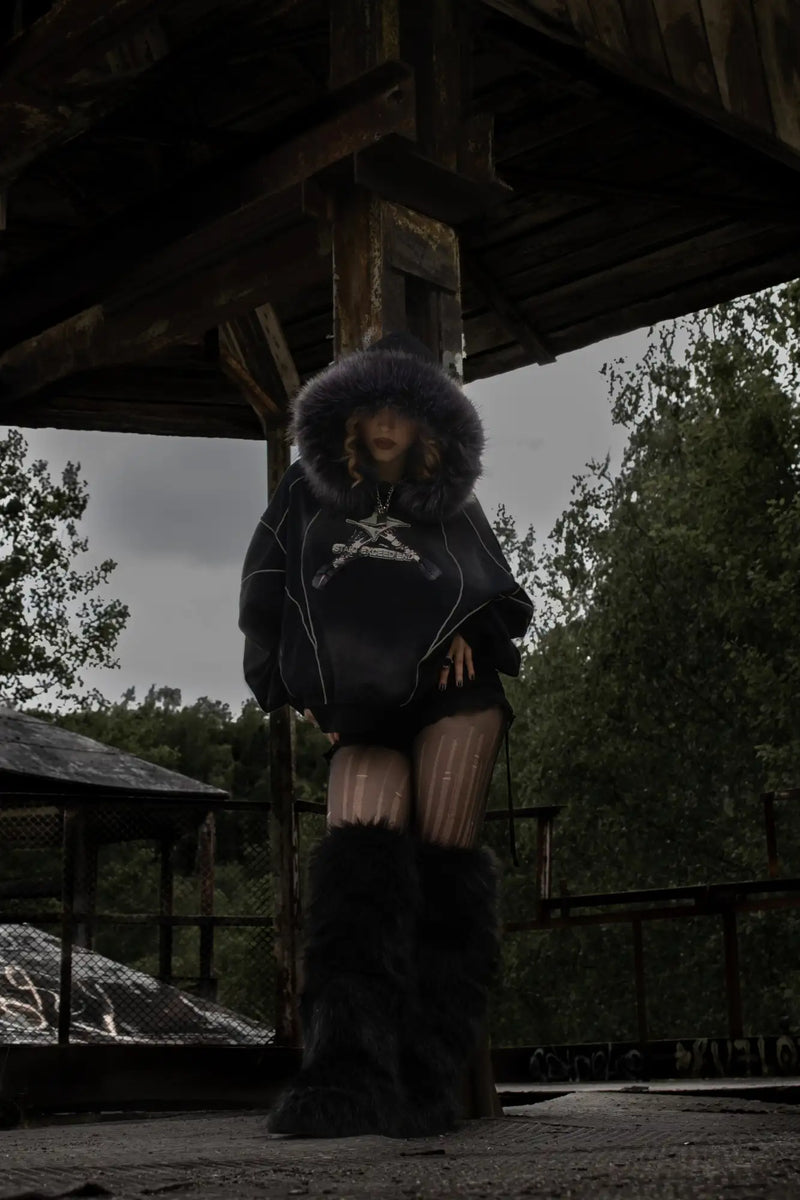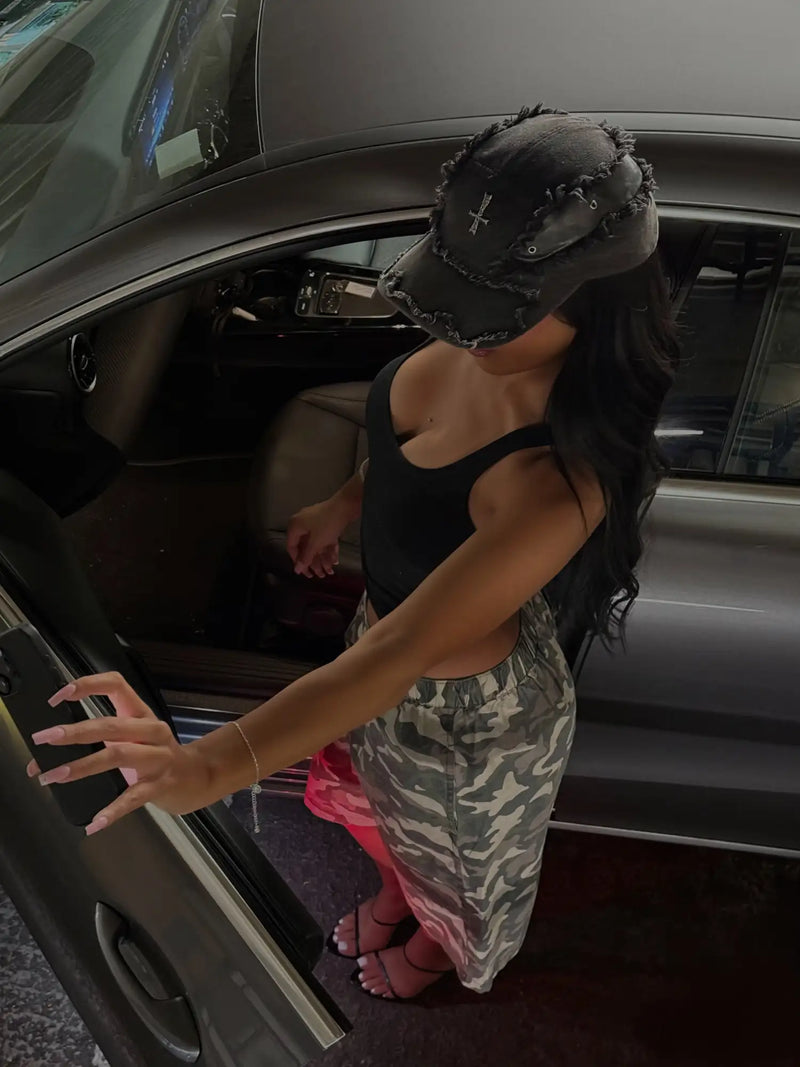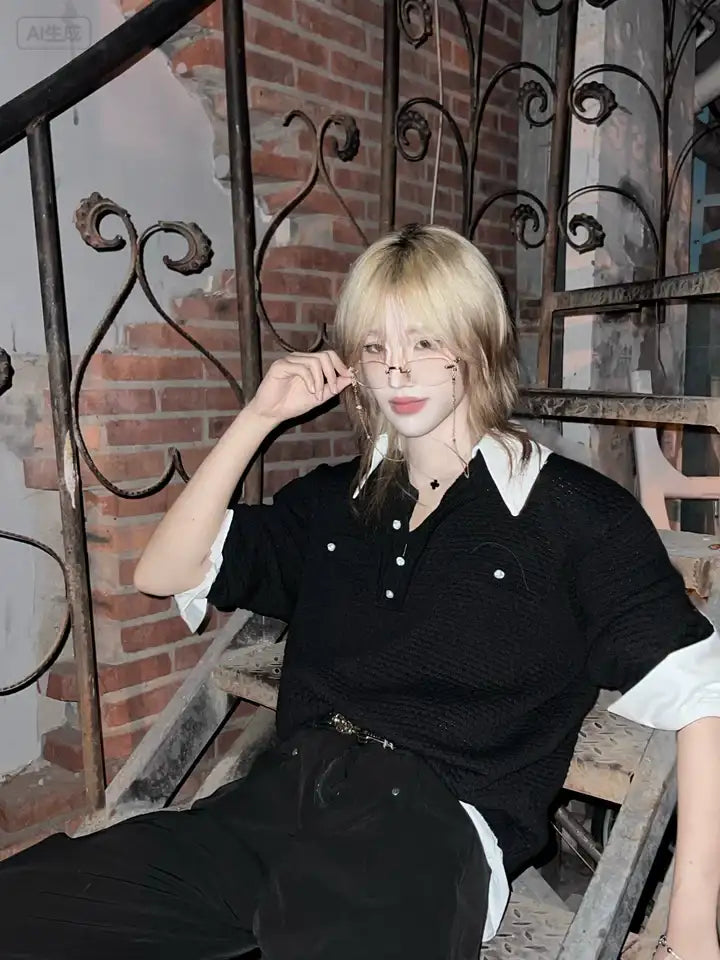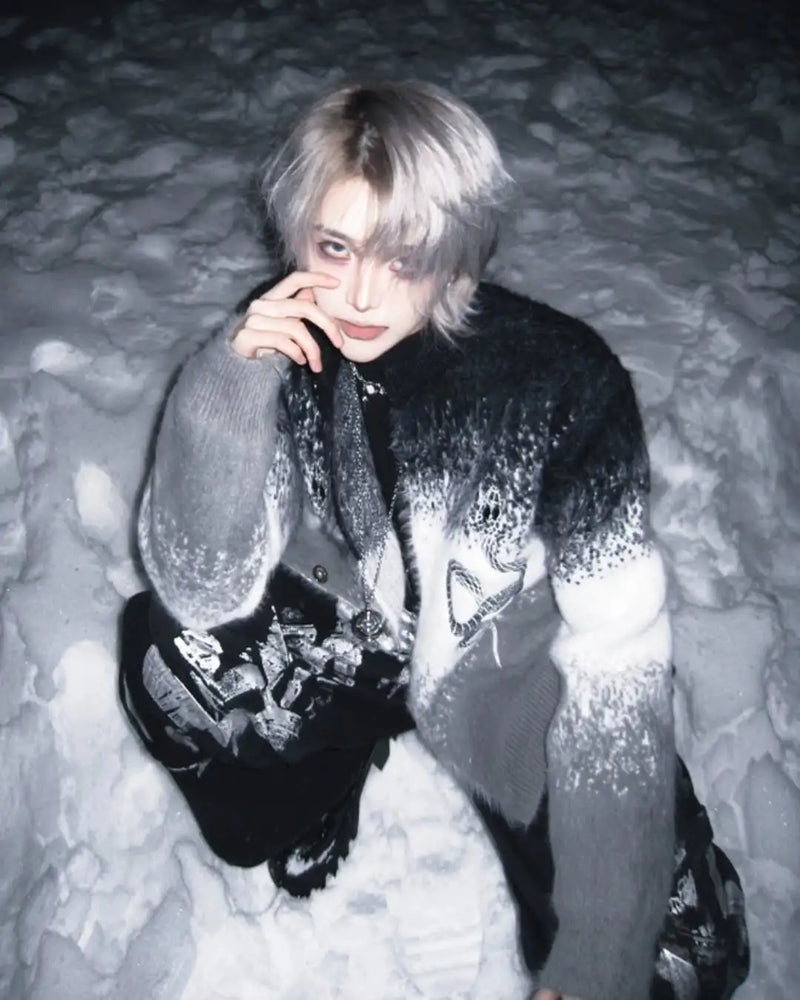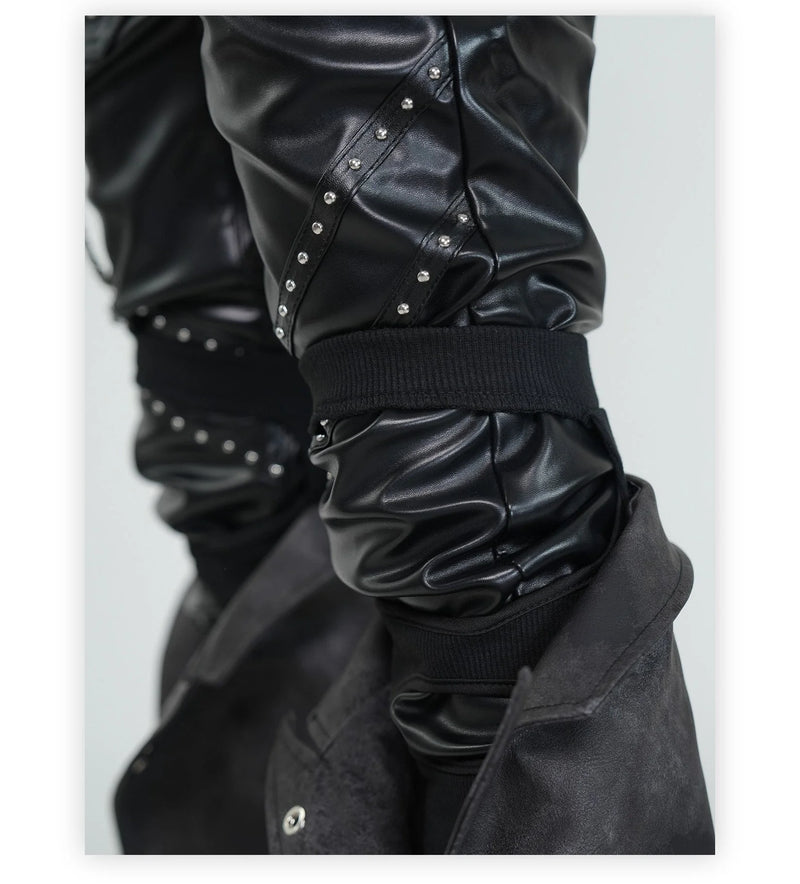
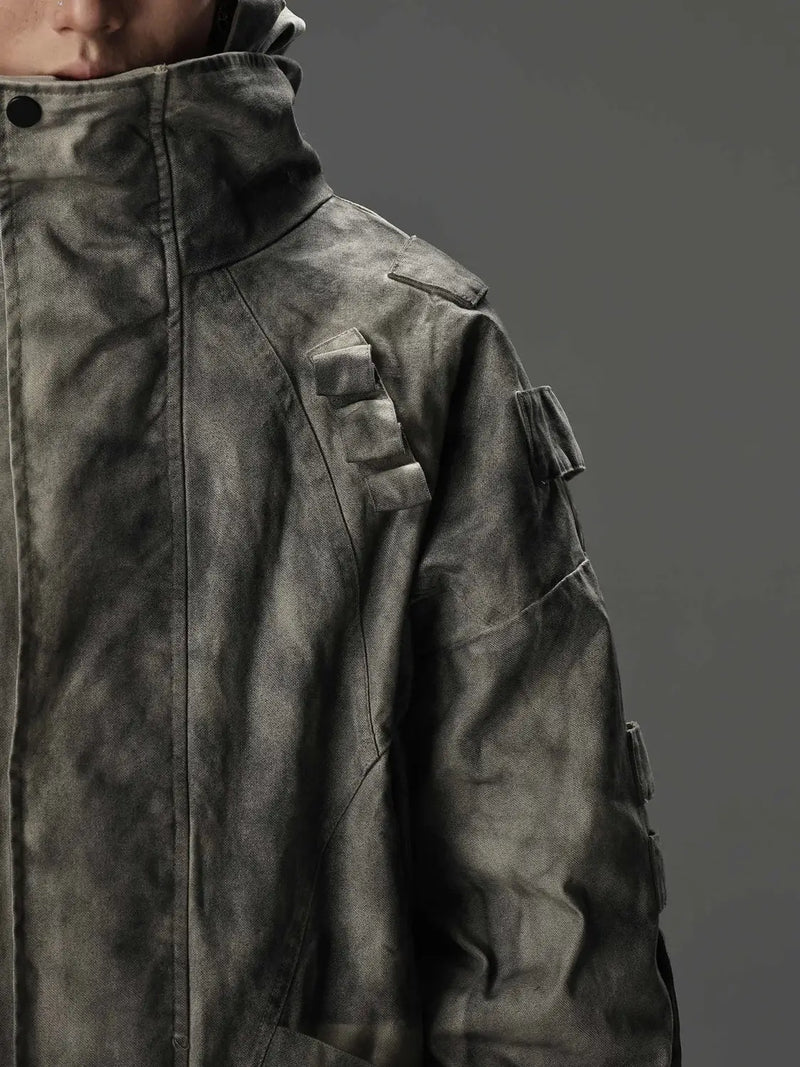
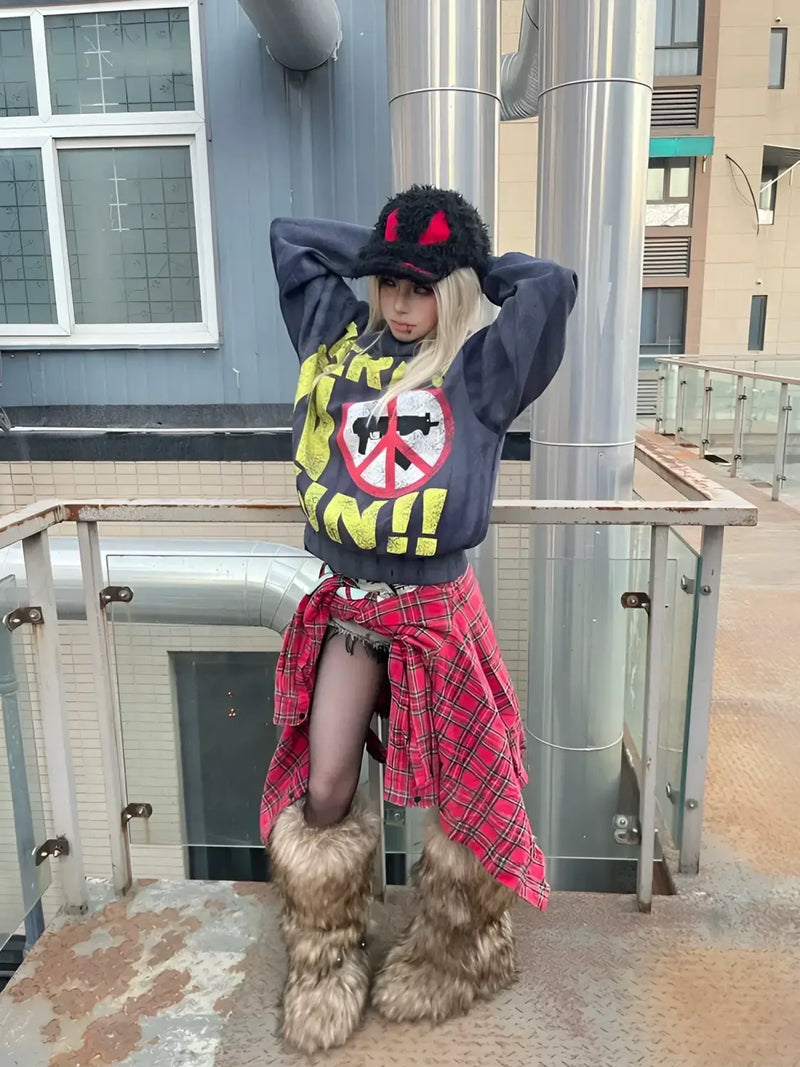
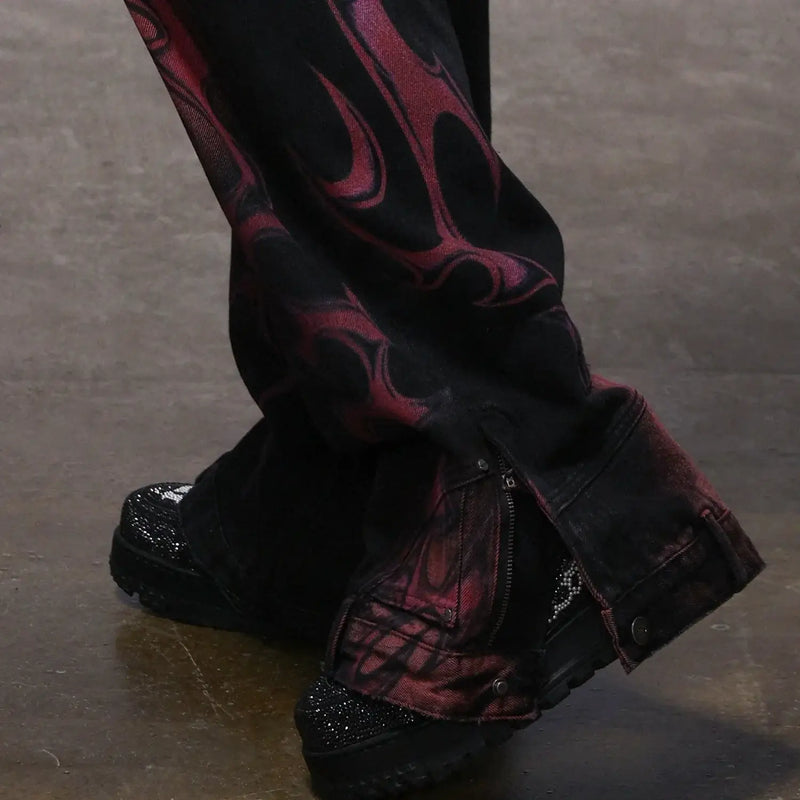
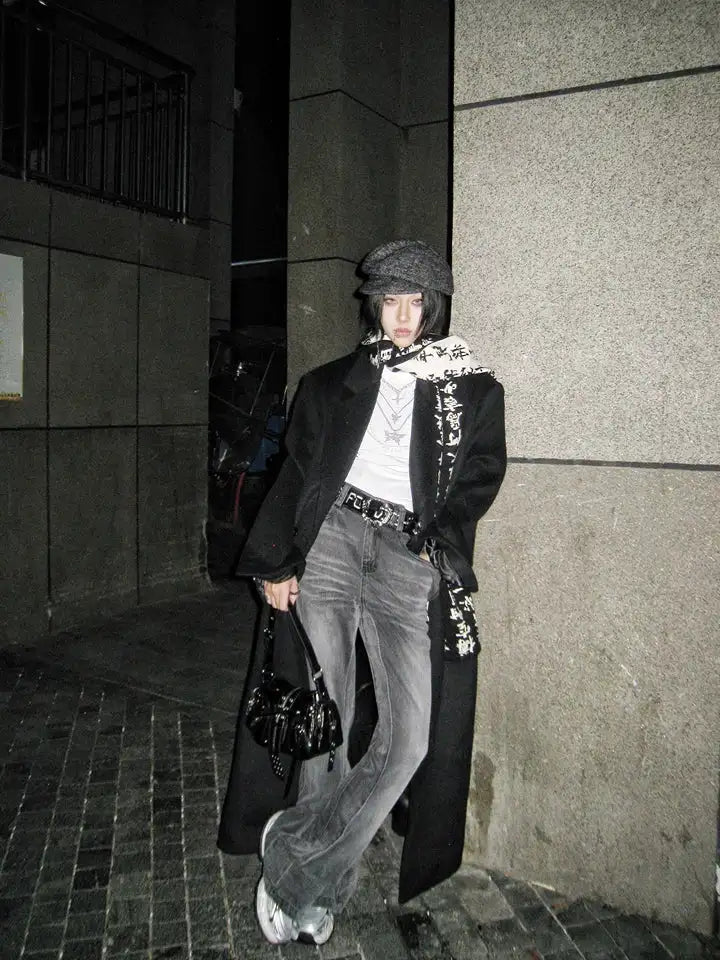

Most of what passes for a „Couple Rave Outfit“ online is a twin costume. Two people in the exact same set, same color, same print — and both look like they lost the decision rather than made it. Matching at a rave can do that. But it doesn’t have to.
Matching is a level, not a switch. There are three of them: Twin (near-identical), Echo (same idea, different pieces) and Tonal (same color and material code, completely separate outfits). Most couples reach for Twin on reflex because it’s the easiest to buy — and realize on the floor that it’s the hardest to wear.
This guide sorts out which level fits when: for the first festival together, for the fifth night around Berghain, for a daytime open-air versus a dark indoor floor. Plus: how to build a shared color code instead of a uniform mandate, what works for two different bodies, how to scale the whole thing from two people to a group, and the six mistakes that tip any couple fit over.
What two coordinated fits look like without the twin effect — compact, in twelve seconds:
The system
The three matching levels: Twin, Echo, Tonal
Before you buy anything, you decide the level. That’s the one decision that sets everything else — color, cut, budget, and whether you look like a couple or a costume in the photo.
The three levels aren’t a matter of taste, they’re a scale of how-loud-you-show-the-connection. Twin shouts it out, Tonal whispers it. Both work — as long as it’s intent and not the first hit in the shop.
Decision
Which level fits when
The level doesn’t depend on your taste, but on the occasion and on how in-sync you are. A first festival together can take more visibility than the fiftieth night. A bright open-air field can take different colors than a dark indoor floor.
1
one shared anchor is enough
3
levels, not a switch
2
outfits that work apart
0
forced into the same silhouette
The numbers are the rule of thumb: one shared anchor, three levels to choose from, two outfits that also stand on their own. If one fit only works because the other is standing next to it, you matched too much. Concretely, by occasion:
- First festival together — Echo. Enough connection for the photo, enough independence that nobody feels in costume. The safest first level.
- Routine night, dark indoor floor — Tonal. All-black with one shared silver or reflective detail. Reads as a couple only up close, holds all night.
- Daytime open-air, bright field — signal match or Twin. Bright light swallows subtlety; here the color can be louder, a shared neon line carries further.
- Deliberate statement, birthday or theme night — Twin. The only moment where identical is a statement and not an accident.
- Unsure how in-sync your style is — start at Tonal. It’s the most forgiving level: if something goes wrong, nobody still looks like a costume.
Two bodies
Two bodies, one look — His, Hers, Theirs
The reason Twin fails so often is mundane: the same piece sits differently on two different bodies. A mesh tank that reads as a statement on her reads as an undershirt on him. A cargo that drapes on him disappears into a fold on her. Matching through the silhouette is the harder road for that reason.
The easier road is matching through the code. Both wear silver in one spot. Both stay in the same color family. Both have one reflective point. What the pieces are and how they’re cut can run completely apart — and that’s exactly what makes two outfits belong together without anyone being stuck in the wrong cut.
This holds regardless of gender. Two men, two women, non-binary, mixed — the logic doesn’t change. The code is the bracket, the body stays the body. Whoever is built broader goes through drape instead of oversize; whoever is slimmer can carry more volume. The shared anchor stays identical, the execution adapts.
The anchor
The shared color code — neon, reflective or all-black
The anchor is almost always a color or a material. Three codes work reliably at a rave, and you pick exactly one — mixing all three is no longer a code, it’s chaos.
The three codes, and when each one carries:
- Neon as a shared color — a single bright color both wear (acid green, magenta, UV blue). Works at daytime open-air and under blacklight. Rule: only ONE neon color for both, otherwise it turns into carnival.
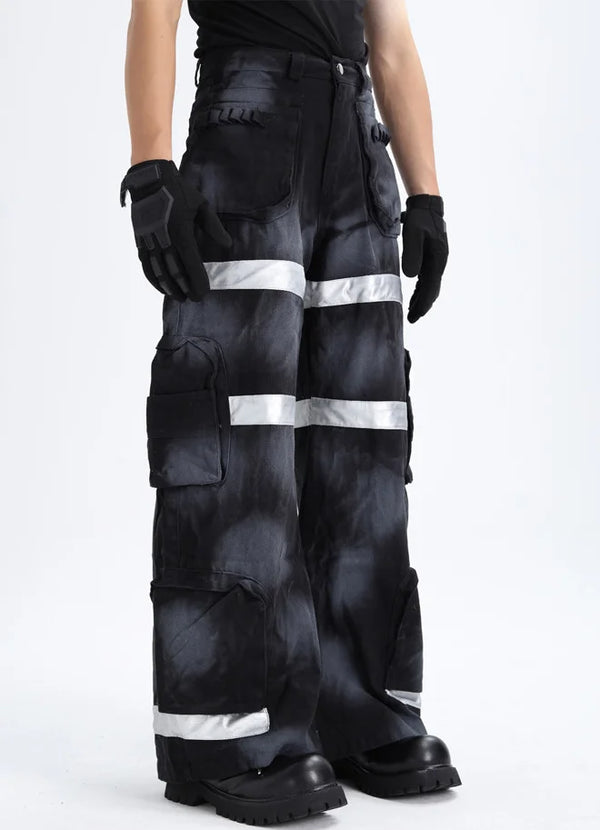
- Reflective as a shared material — reflective stripes, 3M tape, silver print. The strongest code in the dark and under flash, because it only becomes visible in the photo and in the strobe. Subtle by day, loud at night.
- All-black with one metal — both fully black, both with silver (or both with chrome) in one spot. The most grown-up, darkest code. Forgives every body and every cut, never goes out of date.
- What doesn’t work — two different neon colors, gold on one and silver on the other, or a code on her and none on him. The anchor has to sit on both, otherwise it’s not a match.
Tops
Tops for the couple fit — tank, mesh, longsleeve
The top carries the code most visibly, because it sits at chest height — exactly where cameras and eyes land. For Echo matching you take the same idea in two cuts: tank against longsleeve, mesh against rib. Same language, two sentences.
For Tonal matching it’s enough if both tops carry the same material or the same hardware — a silver emblem here, a metal detail there. The cuts can then be completely free. All that matters is that the shared element sits at a similar height on both bodies, otherwise the code tips visually up or down.
Trousers
Pants & cargos — where the weight in the outfit sits
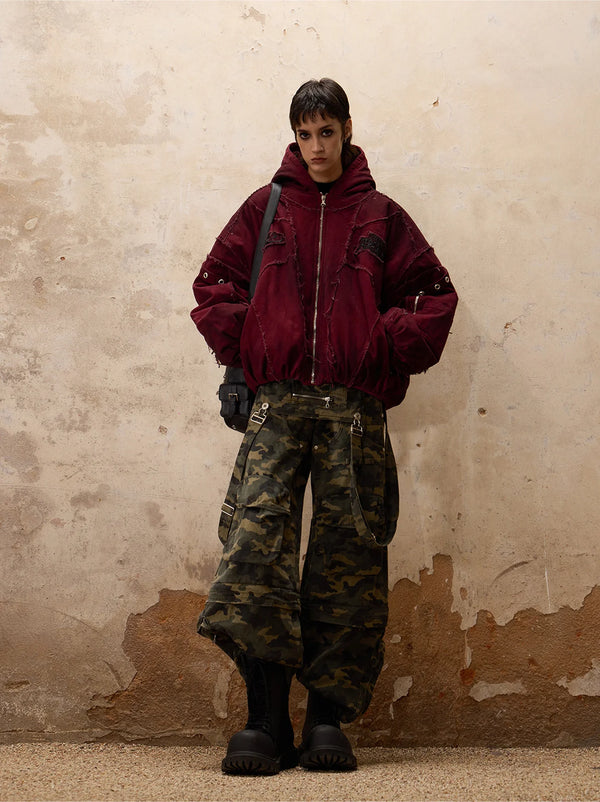
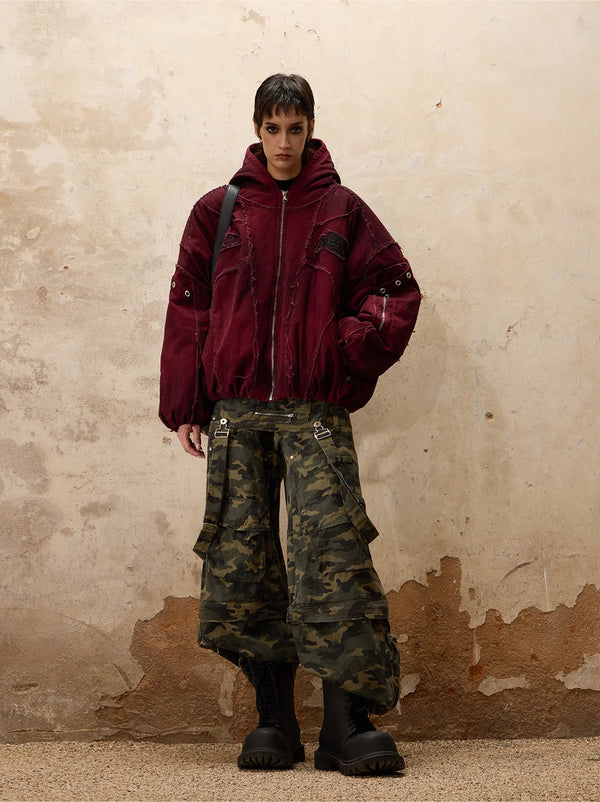
The silhouette is decided below. Rave almost always comes down to volume below — cargo, parachute, reflective pant. For a couple fit the pants don’t have to be identical; they just have to match in the volume class. Two wide pants read as a pair, one tight plus one wide only as a coincidence.
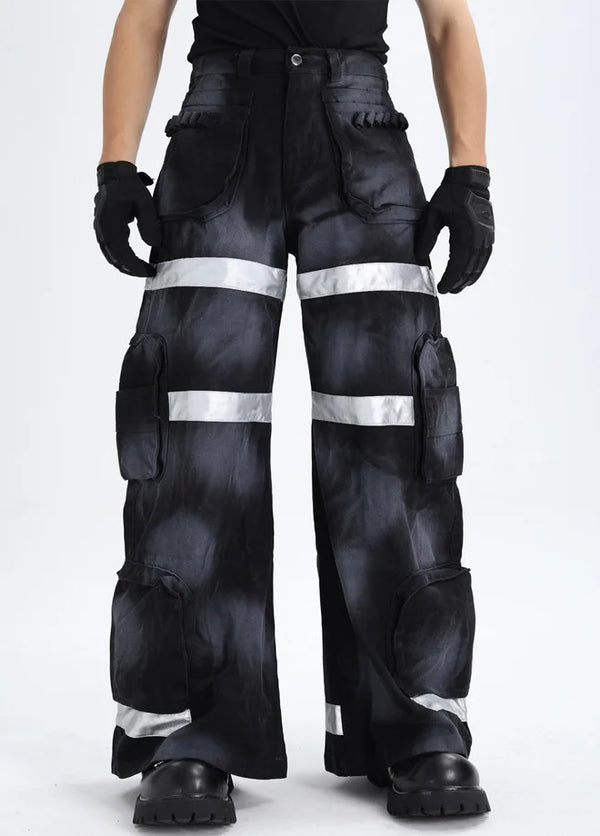
Reflective cargos are the shortcut for the couple match: both in the same reflective pant, and the code sits at the bottom automatically, without you having to match up top. For Tonal black it’s enough if both wear black cargos with silver hardware — the pocket layout can differ.
Layer
Layers & jackets for the night festival
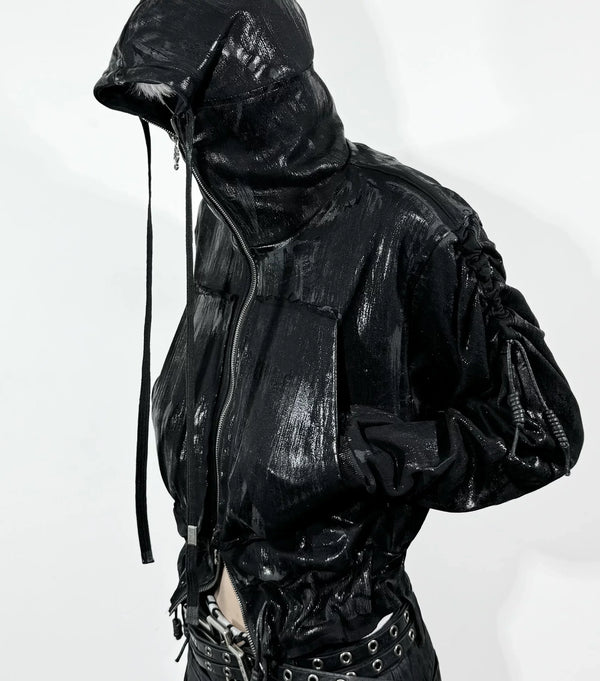
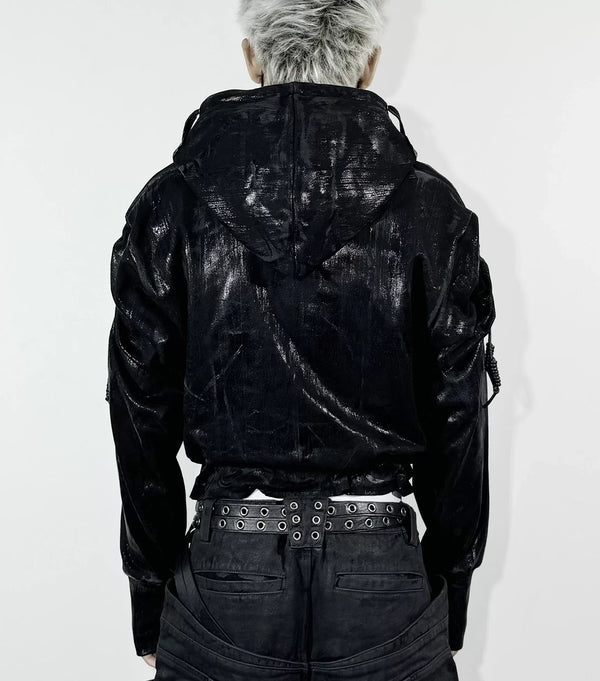
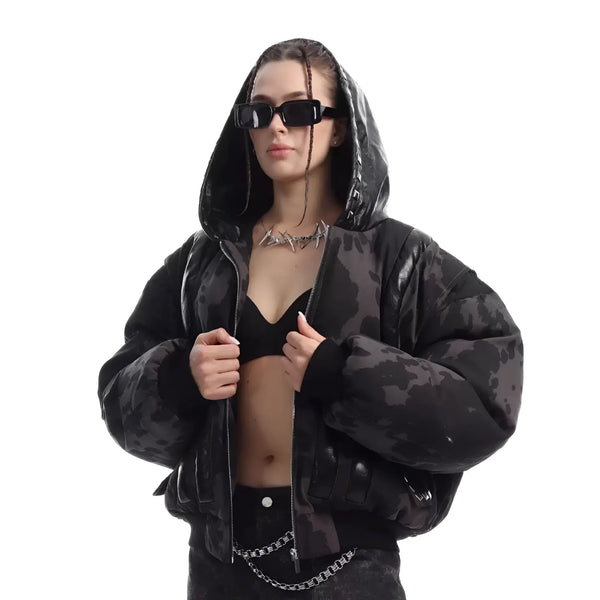
Once the sun is gone or the floor is outside, you need a layer — and the jacket is the largest continuous fabric on the body, so the strongest carrier for the matching. A puffer or bomber in a shared color turns two solo fits into a pair instantly, even when everything underneath runs apart.
The jacket is also the most honest level choice: identical puffers are Twin, the same color in two cuts is Echo, both black with the same hardware detail is Tonal. If you’re unsure, start with the jacket — it forgives the most, because at night it’s worn open or tied around half the time anyway.
Group
Matching with friends — from two to a group
What holds for two scales to six — but only through the right level. Twin with a whole group becomes a couple army and looks like a stag night. Echo and Tonal, on the other hand, carry groups effortlessly: the code stays, the pieces spread out.
The rule is the same as with a couple, only stricter: the bigger the group, the more subtle the level. Two people can wear Twin and look cool. Six people should wear Tonal — one shared color, otherwise everything own. That way the group reads as belonging together without anyone looking like a uniform parade.
Practical side effect: a group color code makes you findable again on a packed floor. If the group gets lost, „find the acid-green stripes“ is a better call than a phone number in a dead zone.
Mistakes
The 6 most common couple matching mistakes
Couple fits rarely fail on the idea and almost always on the execution. These six mistakes tip the look from coordinated to embarrassing — and all of them are avoidable if you set the level first.
Styling
How to coordinate without planning it to death
Most couples over-plan couple fits because they’re afraid of the twin effect — and land exactly there for that reason, because they coordinate every detail. The solution is less coordination, not more: agree on the anchor, then each of you gets dressed on your own.
Coordinate one thing, not ten. A shared code and two free outfits look more coordinated than two outfits negotiated piece by piece.
In practice that means: set the anchor (color or material), pick the level (Twin, Echo, Tonal), and then get dressed separately. Only at the end a photo in the mirror — if both outfits carry the code and still stand on their own, it sits. If you spend another five minutes on whether the laces match too, you’re planning it to death.
If you want to go deeper into individual rave variants — from daytime open-air to dark indoor, from summer to winter — here are the spokes that take the individual looks apart in detail:
Getting started
First four pieces for the first couple fit
Don’t start with two complete outfits at once. Build the Echo look out of four building blocks — two shared codes, two own pieces — and add from there. The jacket is the most impact per euro, because it carries the code most visibly.
Wear the look for one festival, then you’ll see right away what’s missing and what was too much. The second time the code already sits in your head — and you won’t need this guide anymore.
Conclusion
Matching is coordination, not a uniform mandate
The difference between a strong couple fit and a twin costume is a single decision: the level. Choose it deliberately, agree on an anchor, and leave everything else free.
FAQ
Frequently asked questions about Couples Matching Rave Outfits
The questions we often get by DM and email — short, clear, no detours.
What does couples matching mean for a rave outfit?
Do couple outfits have to look exactly the same?
Do matching rave outfits also work for friends or a group?
What do men wear for the couple rave fit?
Neon or all-black for the pair?
How do you match with different body types?
Where do you buy couple rave outfits without the typical rave-wear prices?
What do you think?
Tell us on @fuga_studios
About the author
Philipp Fuge — Founder · Berlin
Founder of Fūga Studios. Writes the journal himself. Berlin · Shanghai · Tokyo · Poznań — four cities, one logic.