
Everyone’s talking about „the new fashion trends“ in 2026 like it’s one single wave. It’s six. And none of them is called „this season you wear pink“ anymore.
What actually happened: the old 12-megatrends lists from the trend reports — the ones that sounded identical every spring — finally got dismantled in 2026. In their place are six niche shifts, each serving a different audience with different brands and a different vocabulary. Anyone searching for „the“ trend in 2026 is asking a question that no longer exists.
Most trend articles online still treat this like it’s 2015 — one Vogue list, ten looks, done. Follow that and you buy pieces that don’t fit your body, your city or your day, and you notice three weeks later. This guide spells out what’s really happening in 2026: which six niches have replaced the old megatrends, where the difference between the women’s and men’s drift sits, which brands write the codes, and how you spot what stays — and what’s resale stock in six months.
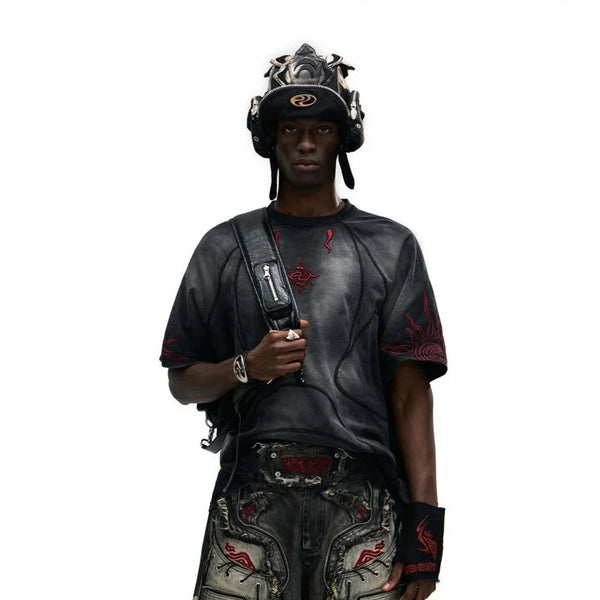
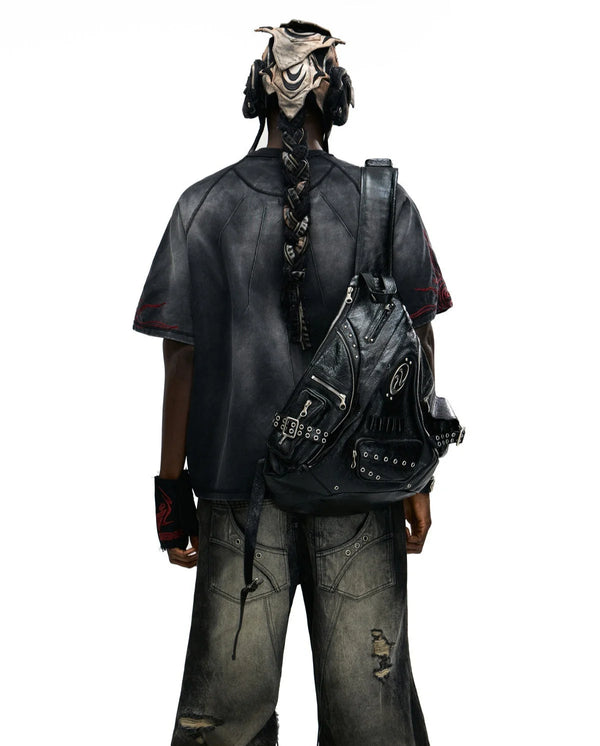
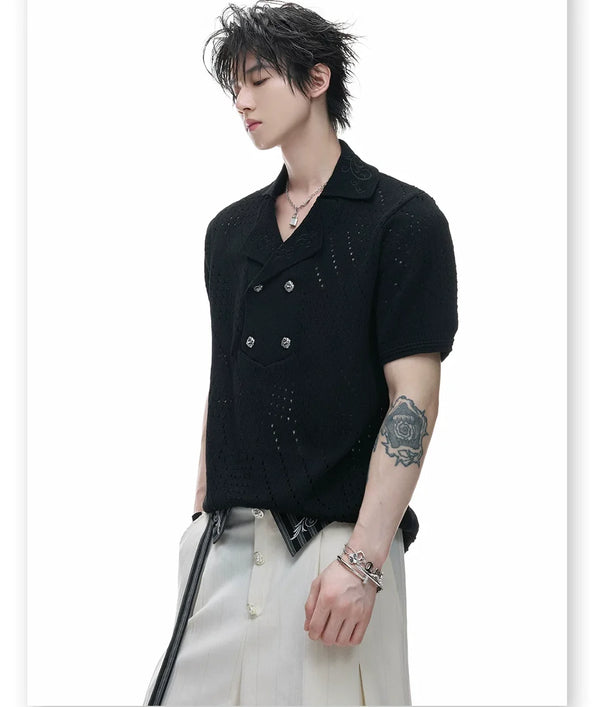
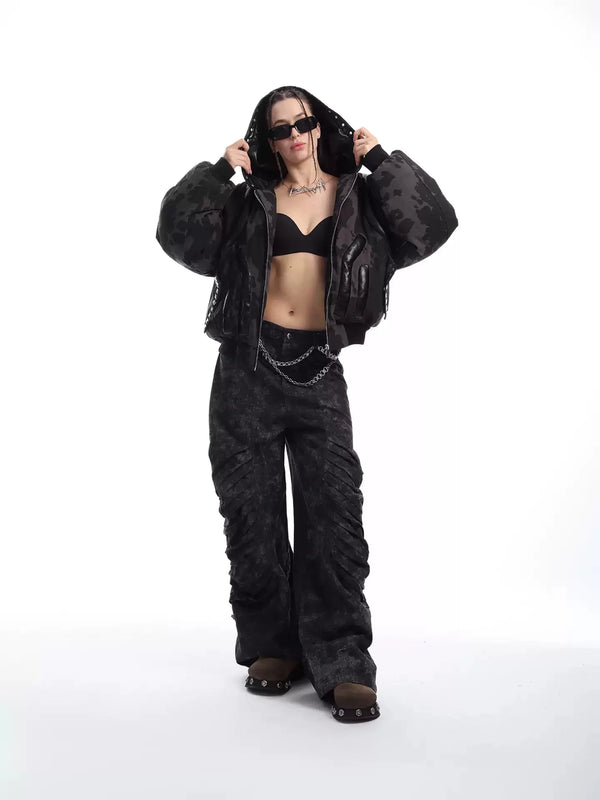
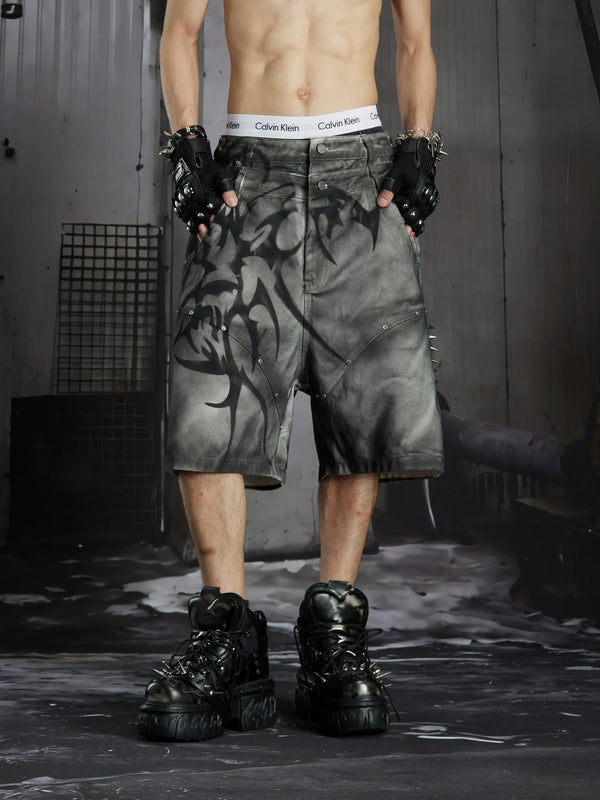
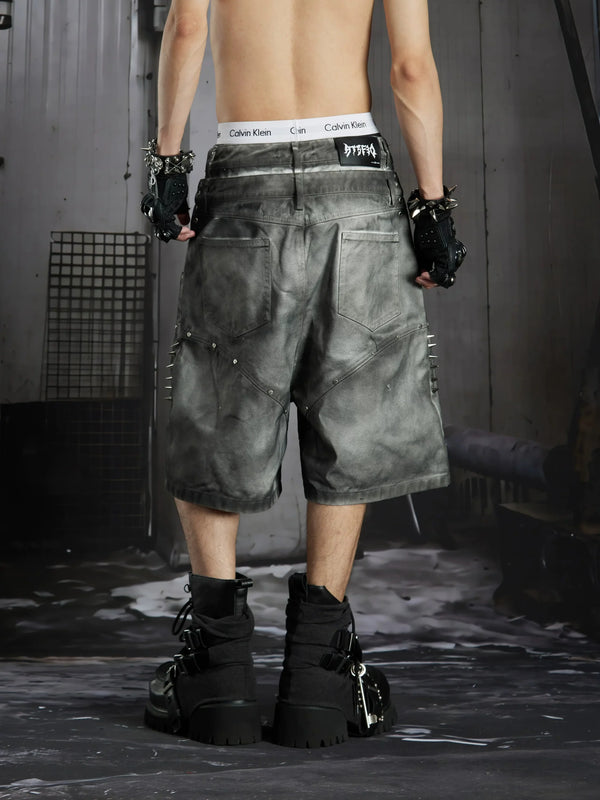
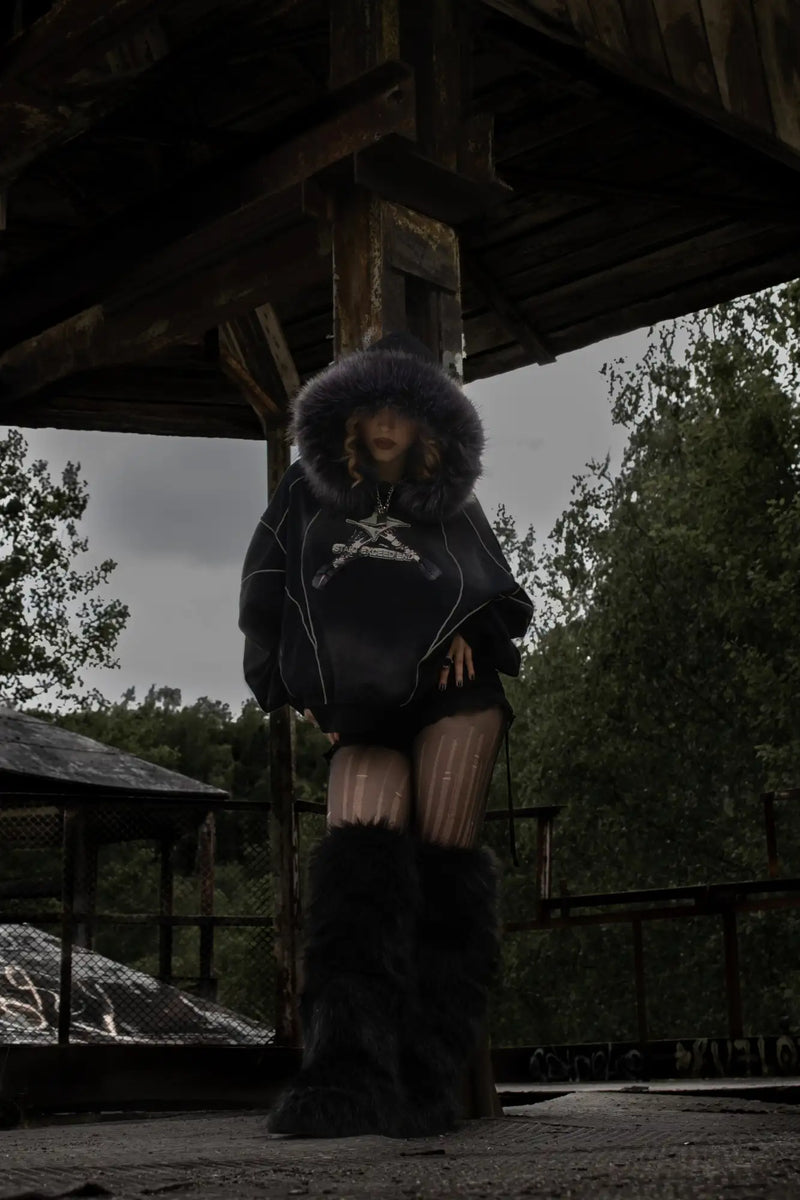
Here’s what a 2026 trend iteration looks like in 12 seconds — Opium-adjacent, but that’s just one of six codes:
Definition
What even counts as a „new fashion trend“ in 2026
Up to around 2018, a fashion trend was an industry directive. Paris Fashion Week in March defined the season, Zara translated it in May, and all spring the same crowd wore the same three colours. That logic fell apart in 2026. Trend cycles now run in parallel instead of in sequence.
What counts as a „new trend“ in 2026 looks roughly like this: a niche aesthetic that gathers over 100 million views on TikTok, then pulls a brand cluster, then a body-type cluster, then develops its own language (mesh, skin layer, drape, distressed). If it has three of those, it’s a trend. If it only has one — print, colour, logo — it’s a seasonal highlight forgotten by November.
The trend reports from the big houses (WGSN, Edited, McKinsey) list twelve to fourteen megatrends for 2026 — Quiet Luxury, cottagecore revival, tactical outdoor, western drift, Y2K mature, and so on. Maybe six of them land on the street. The rest is an industry memo, not a lived outfit.
The system
The 6 niche shifts that are really happening in 2026
These six niches have taken the spot that „the trend of the season“ used to hold in 2026. They run in parallel, overlap at the edges, and none swallows another. If you’re inside one, you see the other five as neighbours — not as competition.
6
niche shifts at once
100 Mio+
TikTok reach per niche
3 J.
Minimum shelf life of real niches
0
universal „2026 looks“
The numbers explain why the old trend reports no longer hold in 2026. Six codes in parallel, each with reach in the millions, no universal language — that’s no longer industry, that’s niche logic out of the Streetwear spectrum.
Concretely, these six niches count as „the trends“ in 2026:
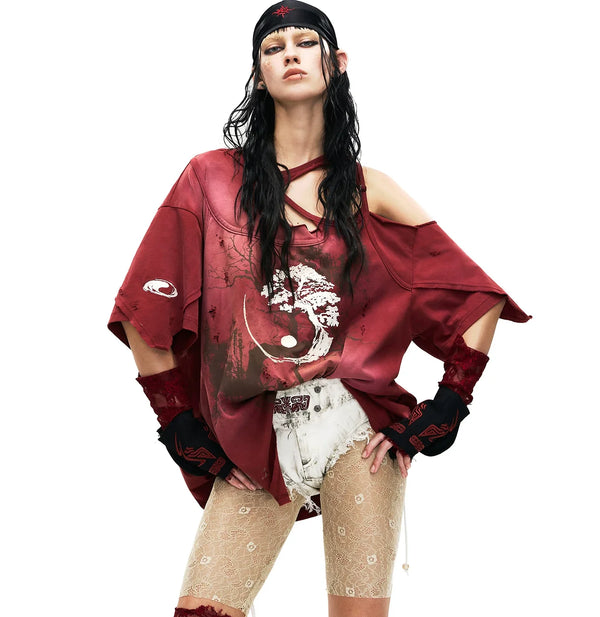
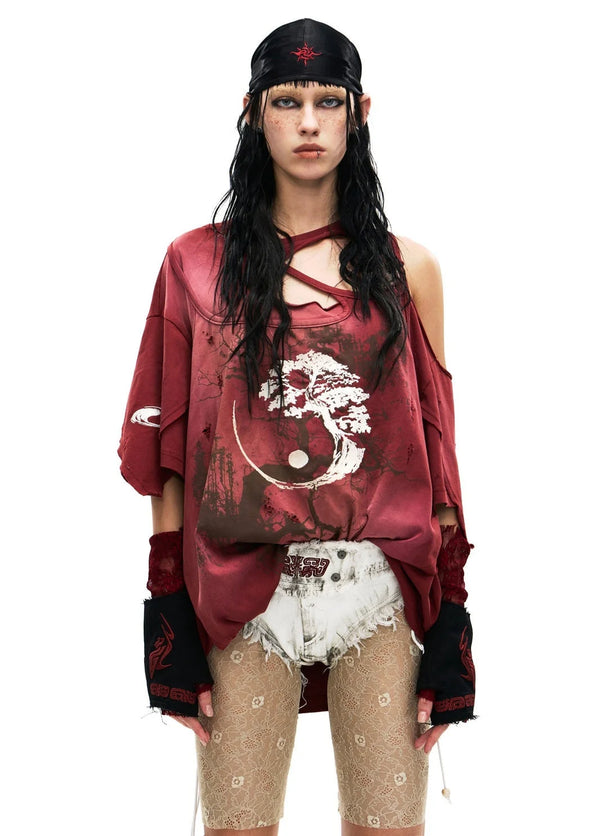
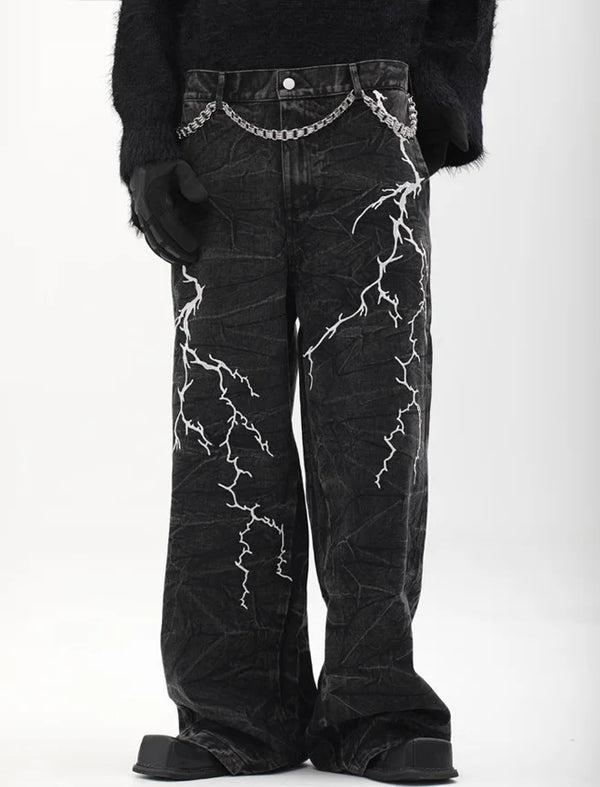
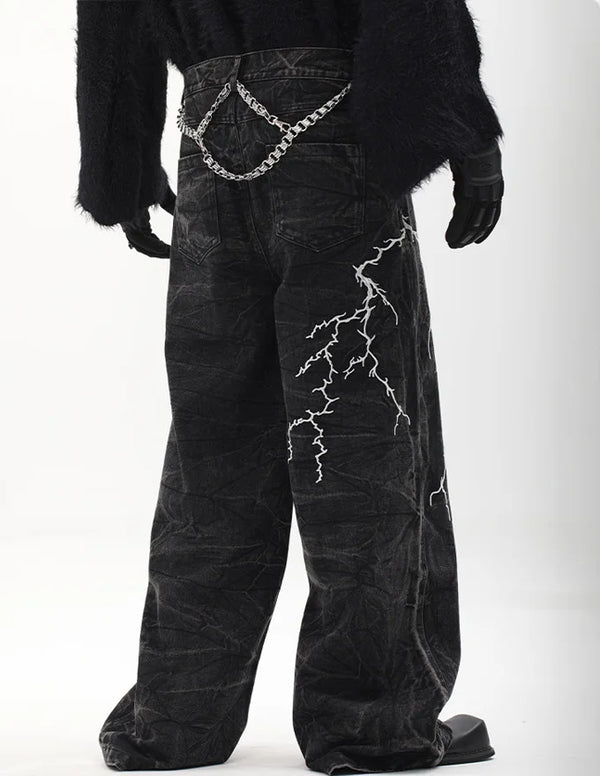
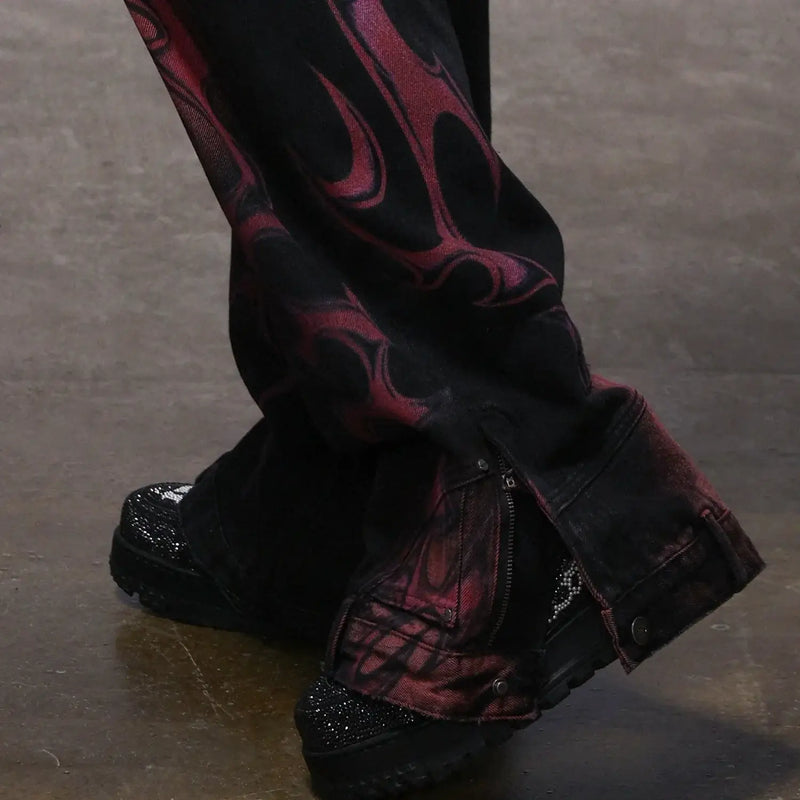
- Y2K maturity — the second wave. No longer flame print and low-rise like 2022, but wide-leg denim, distressed bleach-wash, mesh layering and a single silver detail. Older than the first wave, less cosplay.
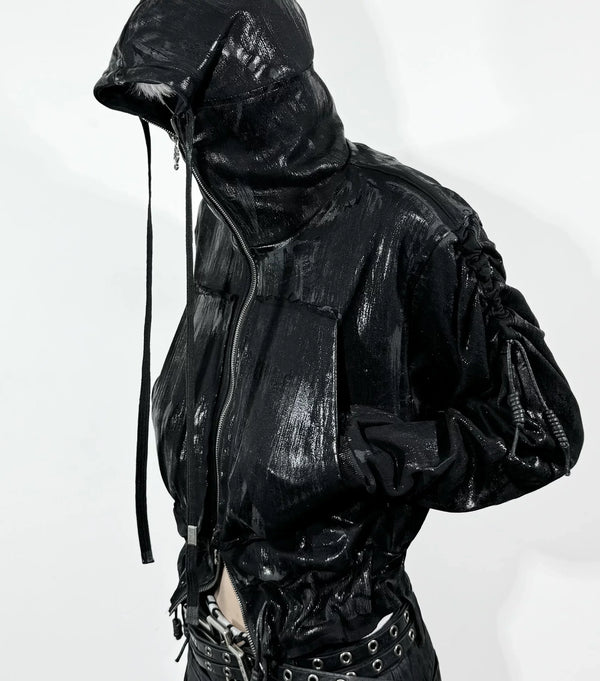
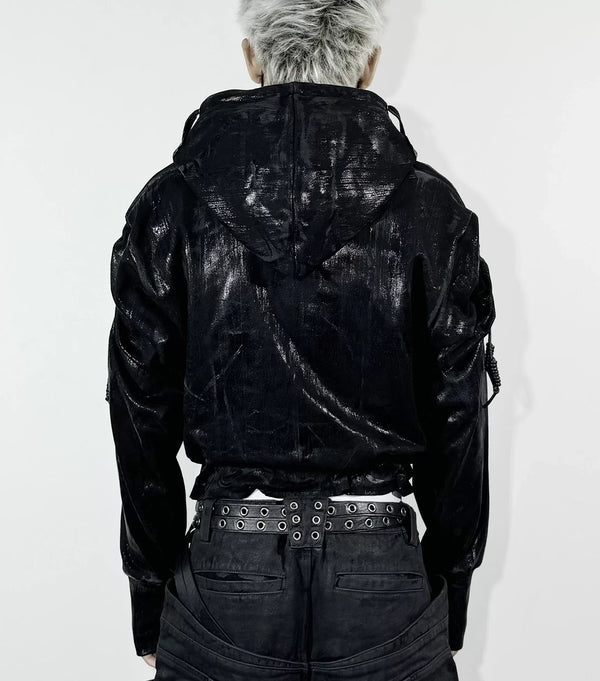
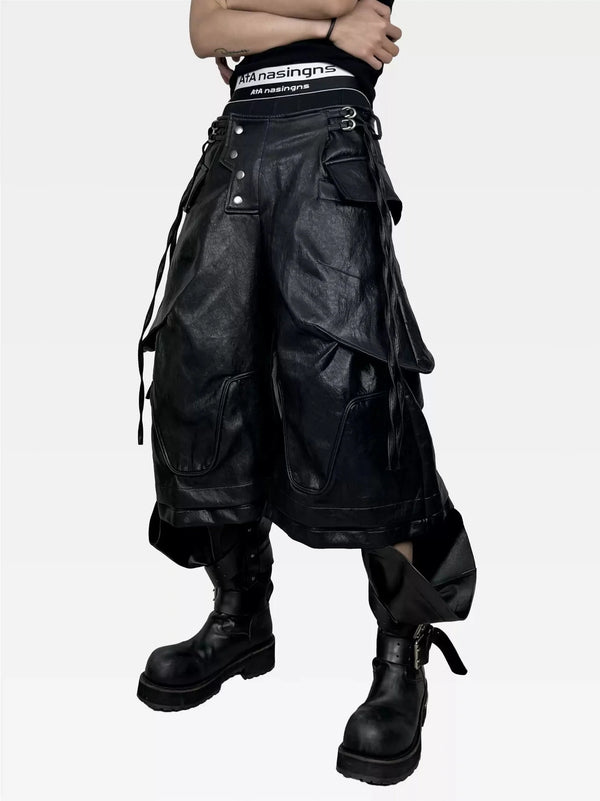
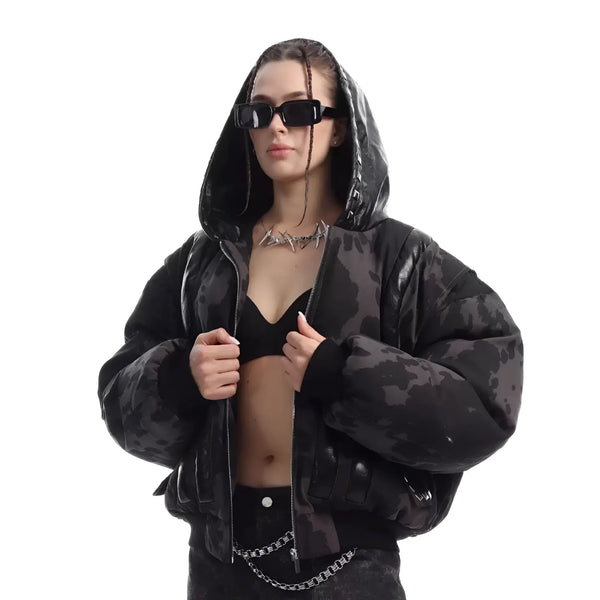
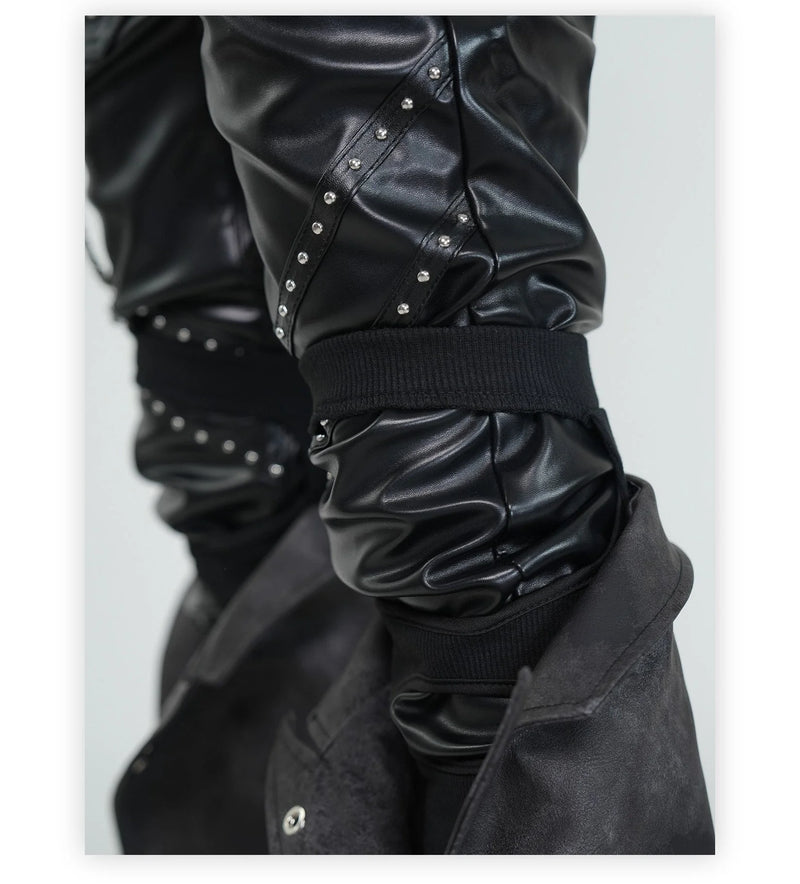
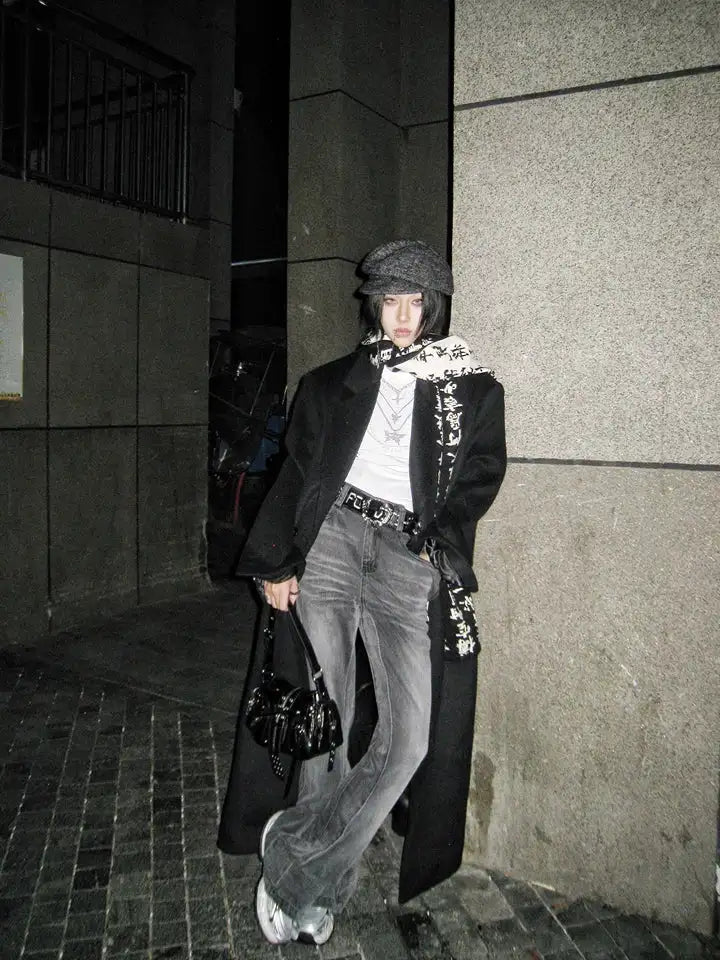
- Opium — an Atlanta drop since 2020, now in full wave. Matte black, narrow silhouette, silver hardware, no logos. Holds up against the mainstream — and that’s exactly why it’s growing.
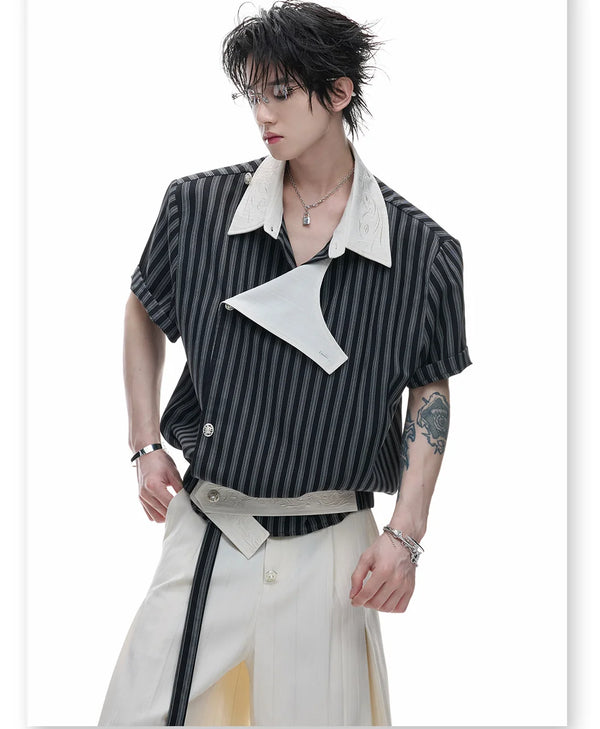
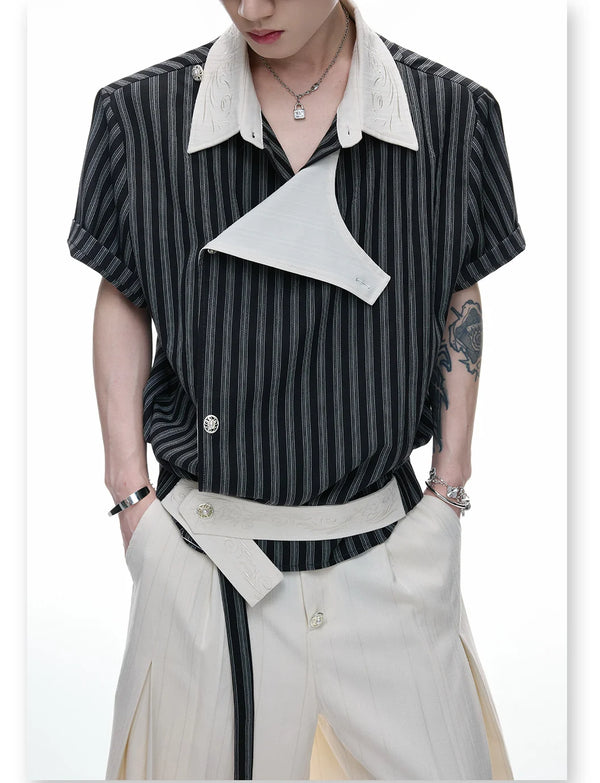
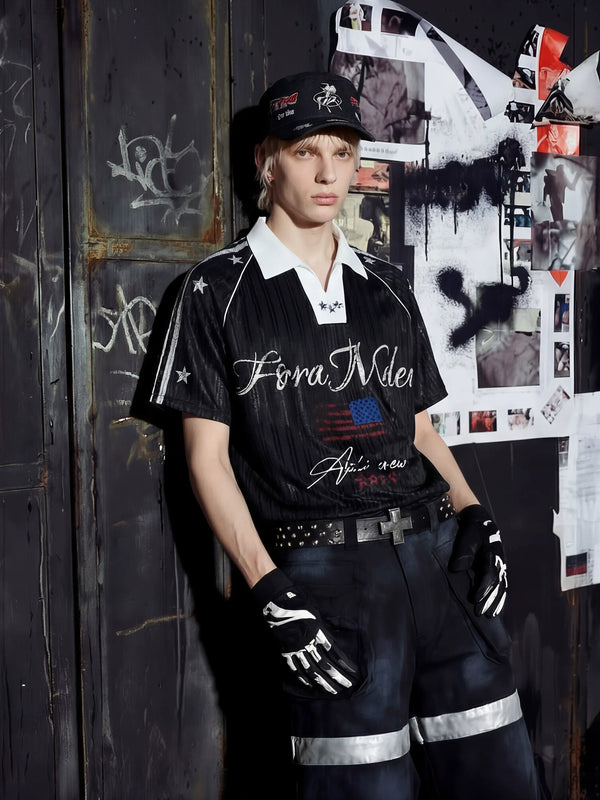
- Businesscore — the anti-hoodie. Shirt, knit, bomber instead of a Streetwear set. Old-money-adjacent, but with a Streetwear cut: oversize bomber instead of a tight blazer, ribbed knit instead of a polo. The niche for 22-to-28-year-olds who’ve grown out of the hoodie.
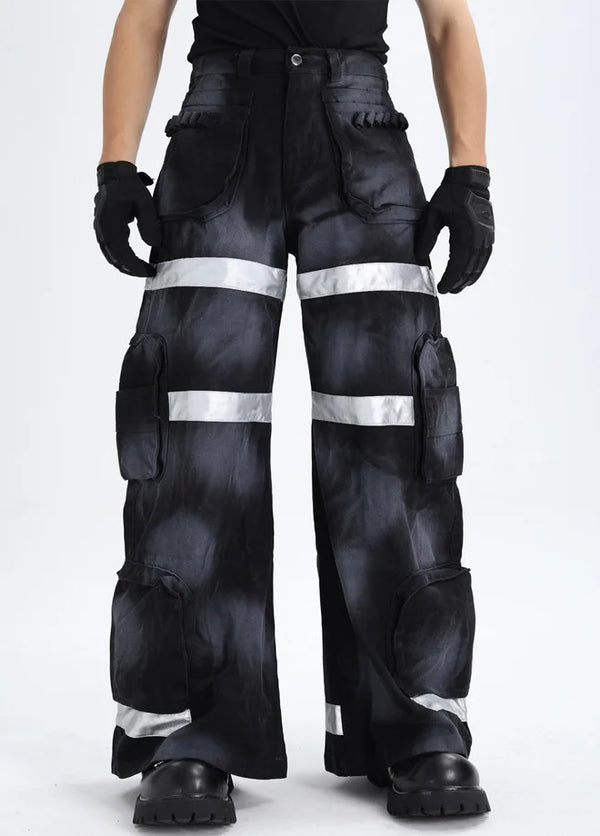
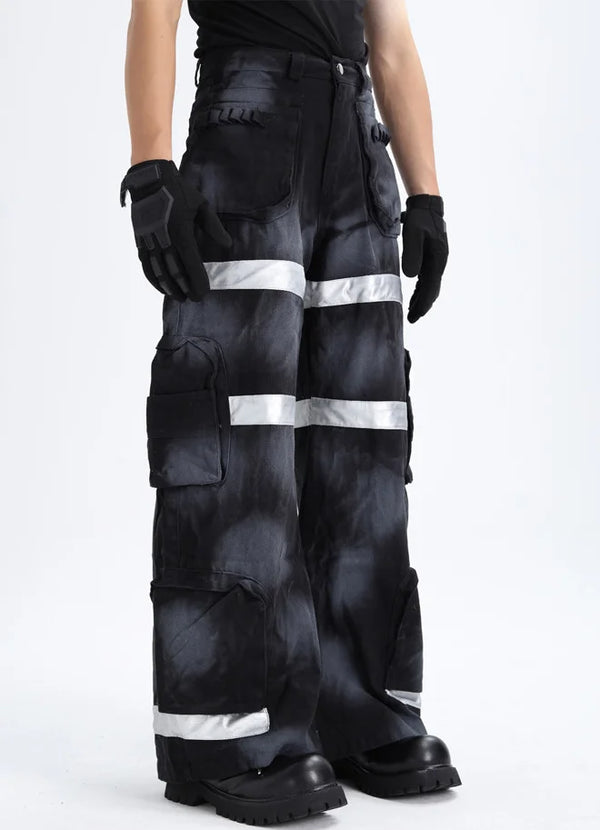
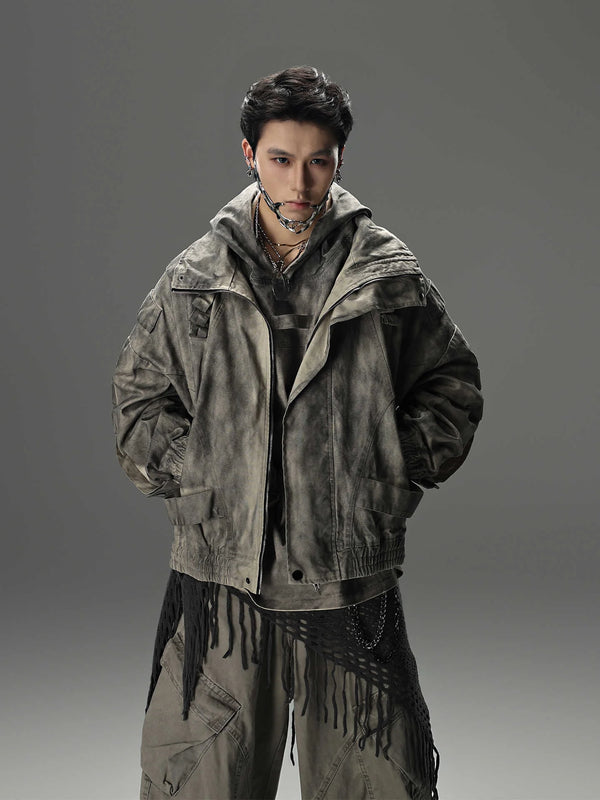
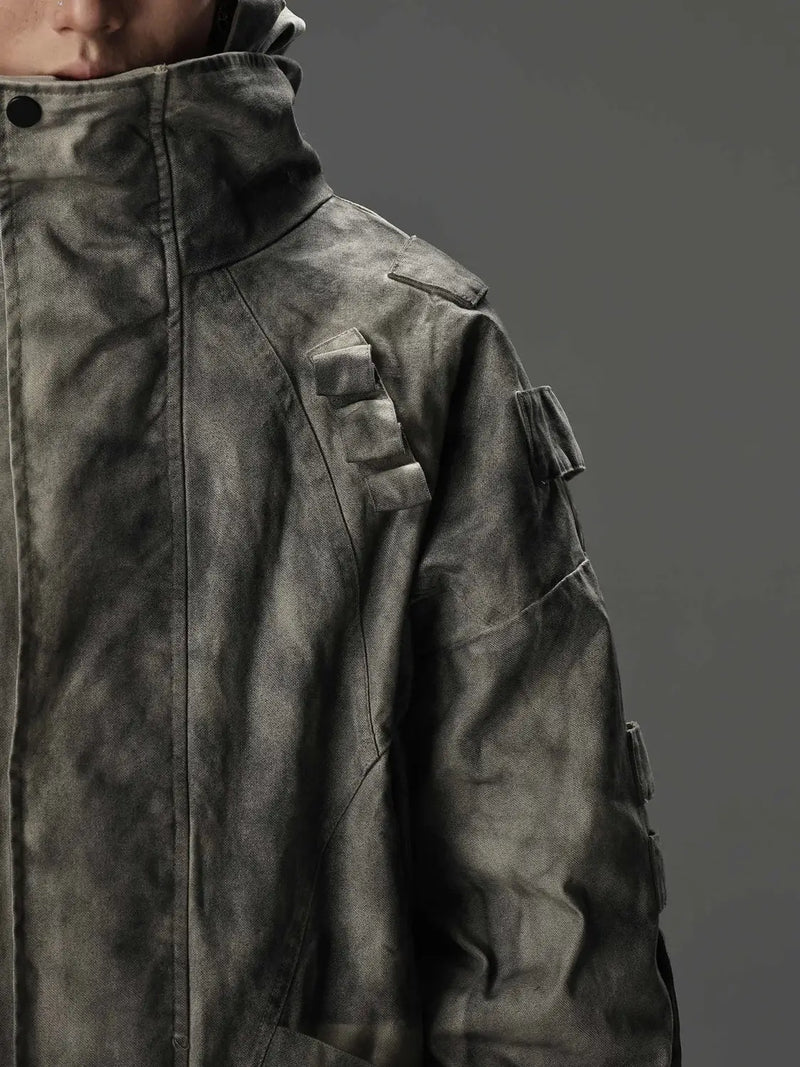
- Techwear reboot — the second iteration after 2018. Less cyberpunk, more tactical outdoor. Tactical vests, multi-pocket cargos, trekking coats — readable as functional, no longer just stylistic.
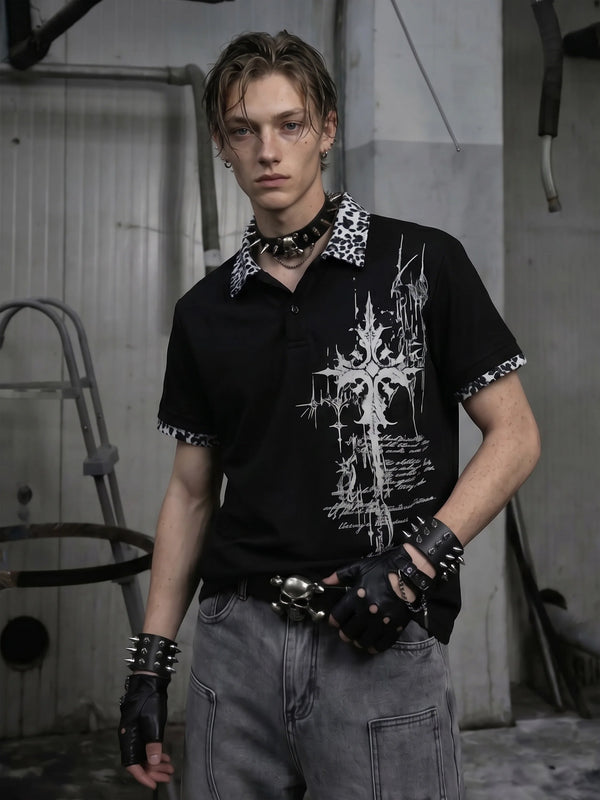
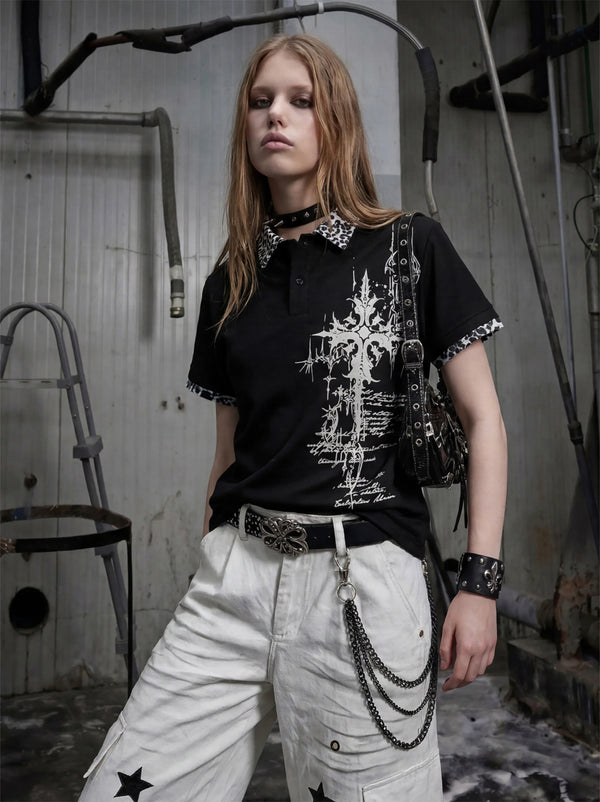
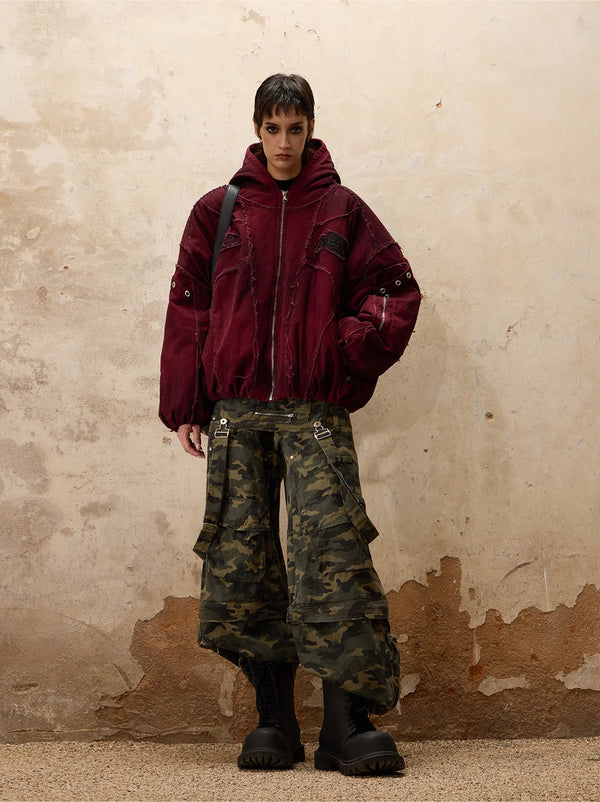
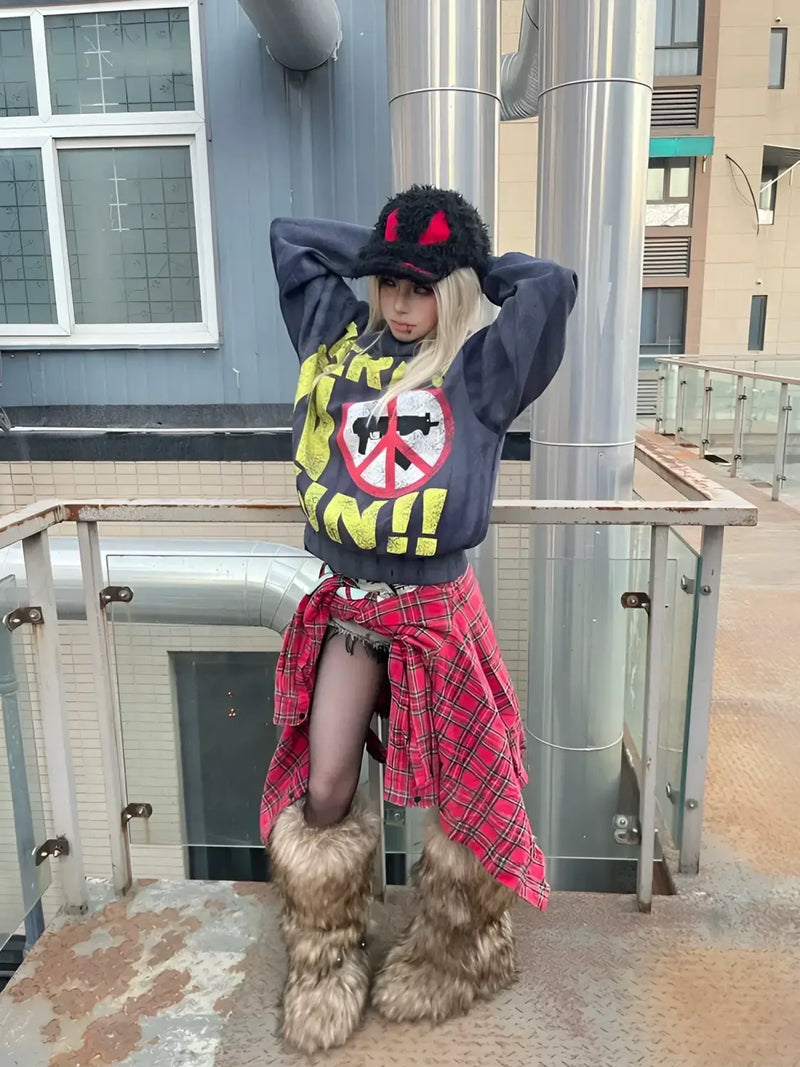
- Soft-grunge comeback — ’90s distressed, plaid layering, Doc Martens, flowing knits. It clocked the Y2K high-gloss and picks the quiet sister instead. Stronger among women aged 20 to 26.
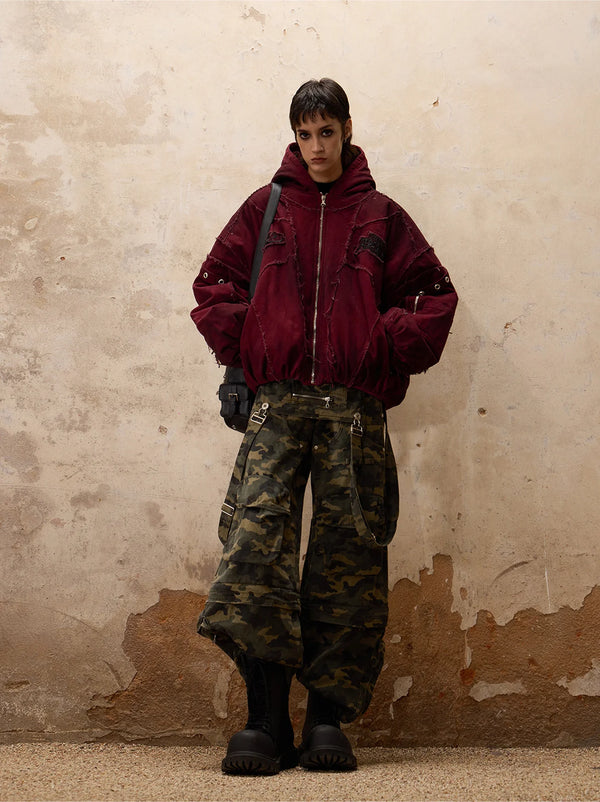
- Berlin techno drift — the Berghain code as everyday wear. Matte black like Opium, but more functional. Mesh, cargos, combat boot, a harness or a belt bag. More dancefloor practicality than avant-garde.
Anyone who finds one of these six „new“ has a blind spot. They’ve all run in parallel since at least 2024 — what’s new in 2026 is just that they no longer dissolve each other into the mainstream. They stay six.
6 niches in detail
The 6 niches in detail — who wears what, where and why
Six niches aren’t an abstract concept. Each has its own city, its own audience, its own outfit system. On the street they look unmistakably different — the mix-up only happens in Pinterest mood boards, not for real.
Which of the six fits you depends less on taste than on your city, your daily routine and how much effort you want to put into the look. Berlin Mitte students land at Businesscore less often, Hamburg career-starters at Berlin techno less often. Where you live usually narrows the six options down to two or three.
Gender split
Women vs. men — where the 2026 trend runs the same and where it doesn’t
The six niches apply to both genders in 2026 — none is „women only“ or „men only“ anymore. But the drift into the niche differs. Women come in differently, stay differently, leave differently.
Women’s drift 2026: stronger in Y2K maturity, soft-grunge and Businesscore. With Y2K maturity, the wide-leg denim plus cropped top is often at the centre; with soft-grunge, the plaid shirt over a flowing layer; with Businesscore, the oversize shirt plus pleated trousers. Silver accents more often become a jewellery statement (chain plus ring plus earring) than a pure construction detail.
Men’s drift 2026: stronger in Opium, Techwear reboot and Berlin techno. With Opium the narrow leather jacket plus distressed jeans; with Techwear reboot the tactical vest over a long-sleeve; with Berlin techno the mesh top plus cargo plus boot. Silver stays functional: a zip, a buckle, a ring — three is three too many.
What both share: wide-leg won across all six niches in 2026. Skinny is universally out, no matter which niche. Anyone still wearing slim jeans in 2026 is either in the first Y2K wave (2022, long since out) or hasn’t looked in the last two years.
Brands
The brands that really write the trends in 2026
The trend reports always quote Balenciaga, Bottega and Loewe. In practice, 18-to-28-year-olds reach for eight to twelve other labels — brands that set the vocabulary over the last three years that’s now copied everywhere. Anyone who understands trends in 2026 knows these brands by name.
Ordered by niche share — the brands that wrote the 2026 vocabulary:
- Diesel (Glenn Martens, from 2020) — pulled Y2K out of cosplay mode and into reality. Wide-leg denim, logo drape, distressed with a system. Without Diesel, Y2K maturity wouldn’t be possible.
- Stüssy x Nike + Stüssy solo — the bridge between Streetwear and Businesscore. Cardigan, knit, bomber in cuts that no longer look like a hoodie, but not like a blazer either.
- Acne Studios — the quiet sister of Diesel. Wide-leg trousers, flowing knit layers, matte beige plus matte black. Soft-grunge plus Businesscore both read through Acne.
- Y/Project (Glenn Martens, 2013-2024) — the avant-garde source for Opium-adjacent and Berlin techno. Deconstruction, drape, layering without symbolism. Despite closing in 2024, still setting the tone.
- Mihara Yasuhiro — the Japanese answer to Diesel. Layered distressed denim, patchwork outerwear, broken silhouettes. The niche source for 2026 soft-grunge.
- Salomon + ACG (Nike) + Snow Peak — the Techwear reboot runs almost entirely through these three. Tactical outdoor with city wearability. The XT-6 shoe set has been universal since 2022.
- Heaven Mall x Eckhaus Latta — the bridge between mesh, skin layer and ’90s grunge. The Y2K maturity tops mostly come from here.
- Berlin DTC brands (Fūga Studios, GmbH brands) — translate the vocabulary of the previous seven into accessible prices. Where Diesel costs €380, a comparable wide-leg jean from a Berlin DTC comes in at €89. The second wave of democratisation.
Anyone who wants to wear 2026 trends without designer prices looks first for the DTC translation of these eight — at Fūga Studios and comparable Berlin brands — and tops it up with vintage from Diesel, Mihara, Acne. The resale platforms Grailed, Vestiaire and Vinted are full of exactly these brands in 2026.
Seasonal · SS26
Spring/Summer 2026 — what you wear now
SS26 is the season in which the six niches overlap most. In winter the coat cut separates them — bomber for Businesscore, leather jacket for Opium, trekking coat for Techwear reboot. In summer the outer layer drops away, and suddenly four of six niches land at very similar skin-layer solutions.
What you wear in SS26 across five of six niches: oversize Businesscore shirt (short- or long-sleeve), wide-leg denim or straight pleated trousers, low sneaker or combat boot, a single silver detail. That’s not „the trend“ — that’s the universal consensus that sits on top of the six niches. Niche differentiation in summer happens through material, not through cut.
So what still separates the niches? Businesscore: shirt smooth, trousers pressed straight. Opium: mesh tank instead of a shirt, all matte black. Y2K maturity: bleach-wash on shirt and trousers, mini-cropped variation. Soft-grunge: plaid instead of plain, knit instead of shirt. Techwear reboot: tactical-pocket shirt instead of standard cut. Berlin techno: mesh top instead of shirt, cargo instead of pleated trousers.
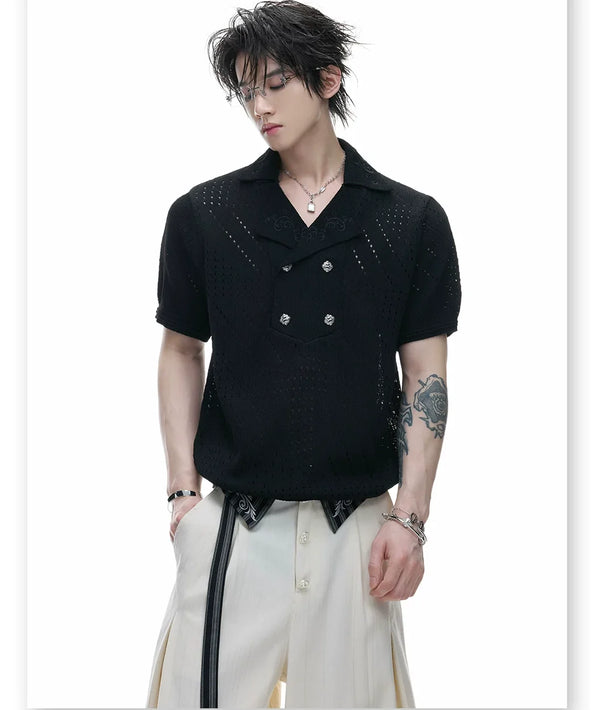
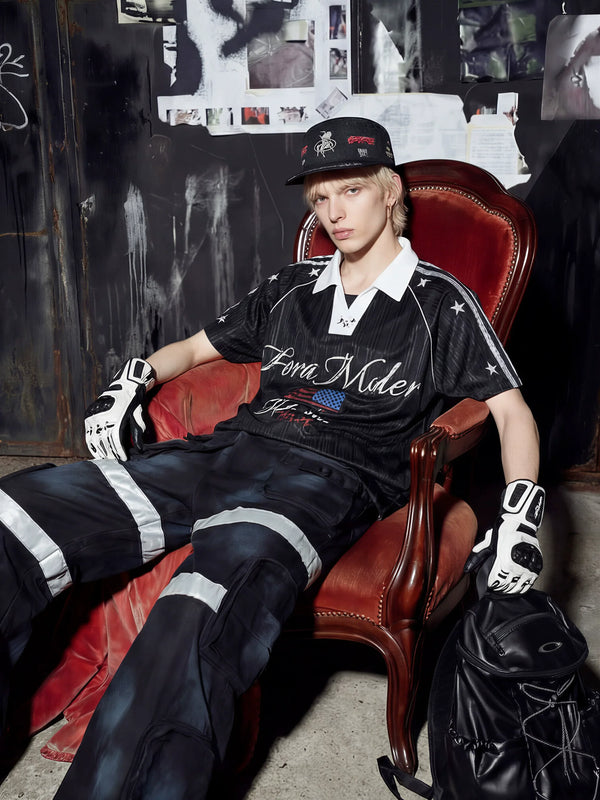
This here is the Businesscore iteration for real — short-sleeve, oversize, striped trim, summer-ready:
Industry myth
The „12 megatrends“ are dead — six niches have taken over
Anyone still reading a 12-megatrends list in 2026 is reading a trend report, not an outfit. The lists — Quiet Luxury, maximalism, tactical outdoor, western, Y2K revival, cottagecore, coastal grandmother, coquette, mob wife, tomato girl, old money, dopamine dressing — describe what marketing teams sort into mood boards. Maybe six of them land on the street as lived niches. The rest burns out in four weeks.
The difference: a megatrend is an industry observation about sales figures. A niche is a lived identity with its own outfit system, its own TikTok account and its own city. Both exist — but you only wear one of them.
„Trends are sales reports with pictures. Niches are outfits with an audience. What you put on comes from niches — not from reports.“
The full megatrend-vs-niche table got worked through in a deep-dive article, in case you want to understand the whole industry mechanism:
If you want to understand the six niches one by one, instead of swallowing them as a block — here are the guides to each. These are the pillars that hold the full vocabulary per niche:
Category · Outerwear
Jacket trends 2026 — the bomber beats the hoodie
In 2026 the bomber won. Across Businesscore (vintage leather), Y2K maturity (crop bomber), Opium (leather jacket instead of bomber), soft-grunge (distressed variant). The hoodie as a first choice in 2026 is the outfit of an 18-year-old who hasn’t found the niches yet. At 22 you replace it.
What works in 2026: vintage leather bomber for Businesscore and Opium, wide-cut distressed bomber for Y2K maturity, tactical vest plus long-sleeve for Techwear reboot (instead of a classic bomber), plaid-overshirt hybrid for soft-grunge. Six niches, five different outerwear codes — only Berlin techno stays with the leather jacket like Opium.
If you buy only one jacket from the 2026 trends, take the vintage leather bomber. It works in Businesscore, Opium-adjacent, and even in the Y2K maturity iteration. Three of six niches covered with one jacket — that’s niche efficiency.
Category · Bottoms
Trouser trends 2026 — wide-leg has won
In 2026 there is no cross-sector fashion truth. There is one. Wide-leg won across all six niches. Skinny is universally out. Anyone still wearing slim jeans in 2026 hasn’t looked in the last two years — or got stuck in the first Y2K wave.
What fits in 2026: wide-leg denim with bleach-wash (Y2K maturity), wide-leg distressed denim matte black (Opium and Berlin techno), straight pleated trousers (Businesscore), wide-leg cargo with multi-pocket (Techwear reboot), distressed wide-leg with patchwork (soft-grunge). Six niches, one cut — that’s the only universal answer 2026 has.
If you buy one pair of trousers for 2026, buy wide-leg. Which fabric, which wash, which cut depends on your niche — but the silhouette is the same across all six. Slim and skinny are dead, until some designer starts the next pendulum swing in 2029.
Category · Tops
Tops trends 2026 — layering gets more expensive
With tops, the six niches separate most clearly. The one T-shirt for everyone doesn’t exist in 2026. What does exist: a precise top vocabulary per niche that can’t be swapped — mix it up and you tip the whole outfit.
Per niche the mandatory top in 2026: Businesscore — ribbed knit or oversize shirt. Y2K maturity — mesh long-sleeve over a cropped tank. Opium — plain black mesh or long-sleeve tight to the body. Soft-grunge — flowing knit or plaid shirt. Techwear reboot — tactical long-sleeve with pocket detail. Berlin techno — mesh tank or cropped long-sleeve. Layering is six times different — and in 2026 six times more expensive than 2024, because material quality is now priced in.
If you invest in 2026 tops, buy exactly two layering pieces and one base T-shirt per niche. Three tops per niche are enough for 14 outfits — that’s the maths behind every stable 2026 wardrobe.
What does not work
The 6 most common mistakes in wearing trends in 2026
The 2026 niches tip at six typical points — mostly when you want to test two or three at once instead of wearing one consistently. These six mistakes are the reasons wardrobes are full but no outfit fits.
Action
How you start — 4 pieces from the 2026 trend stack
You don’t need twenty trend pieces. You need four that fit your chosen niche and are in 80% of your outfits. Everything else builds around that.
In order, no matter which of the six niches you’ve chosen: one wide-leg piece (denim, cargo or pleated trousers — to match the niche). One precise top for your niche (mesh, knit, plaid or shirt — to match the niche). One outer layer (bomber, leather jacket, trench or vest — to match the niche). One shoe (combat boot, low sneaker or trekking — to match the niche). That’s four slots, six niche answers — you just have to pick the right answer per slot.
Outfits for real
Trend outfits for real — how the six niches sit on the street
Before you build your own 2026 outfit, look at how the six niches are actually worn. In lookbook photos they look perfect — on the street tighter, dirtier, less staged. That’s exactly why they work there.
Here in our feed you see how Y2K maturity sits in Berlin, Opium in Cologne, Businesscore in Hamburg and Berlin techno on the street. A quick niche reality check before you throw money at pieces that don’t fit your day.
To close
Trends are cycles — niches are identity
If you take one thing from this guide, take this: 2026 fashion trends aren’t a set of 12 industry lists, but six lived niches. Understand the six and you build a hundred outfits from 20 pieces. Buy the trend reports and you buy pieces that are dead in six weeks.
The whole logic of this guide reduces to one sentence:
The six niches won’t suddenly vanish in 2027. Y2K maturity gets tighter in 2027, Businesscore broader, Opium more global. Those are drift movements — not new trends. If you’re inside the niche, you drift with it. If you’re inside the industry megatrends, you swap your wardrobe every three months.
And that’s the point too: the 2026 niches read in theory like six required programmes, but in practice they don’t feel that way. Once you’ve chosen your one, every further outfit is a variation from the same four slots — wide-leg, top, outer layer, shoe. Not a new invention.
FAQ
Frequently asked questions about New Fashion Trends 2026
The questions we get by DM and email about 2026 trends — short, clear, no detours.
What are the current fashion trends in 2026?
What’s in fashion in 2026?
What fashion trends are there for spring and summer 2026?
What are the 12 megatrends — and do they still hold?
What are the current trends in the fashion industry?
Which 2026 trends are for women, which for men?
How do I tell which 2026 trend fits me?
Which brand writes the most trends in 2026?
What do you think?
Tell us on @fuga_studios
About the author
Philipp Fuge — Founder · Berlin
Founder of Fūga Studios. Writes the journal himself. Berlin · Shanghai · Tokyo · Poznań — four cities, one logic.