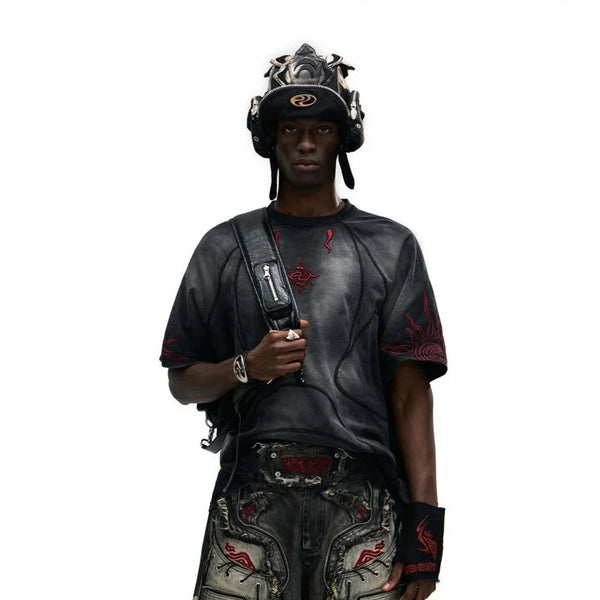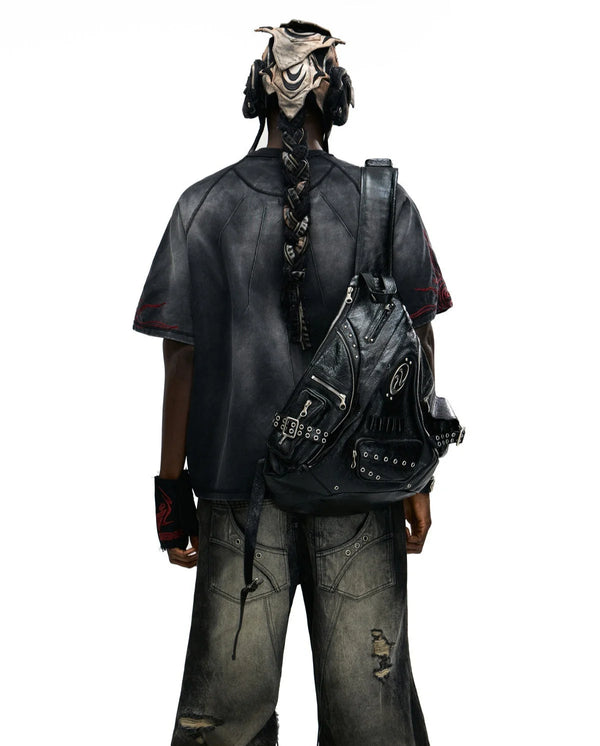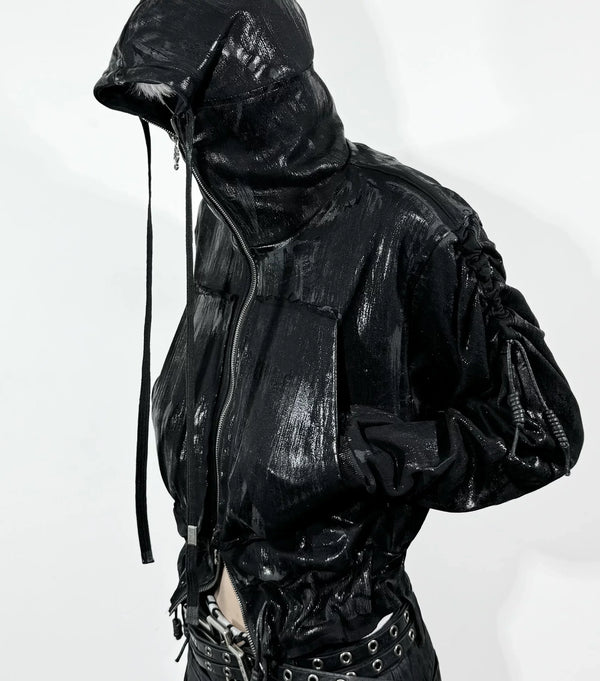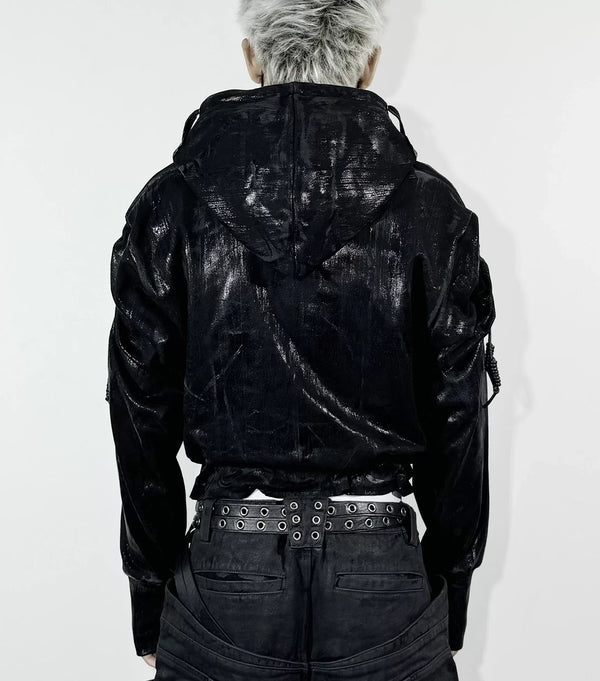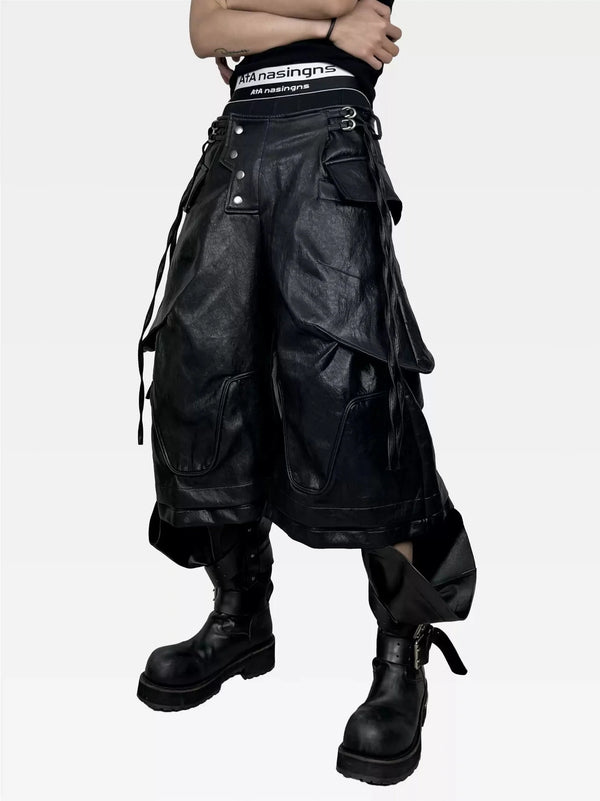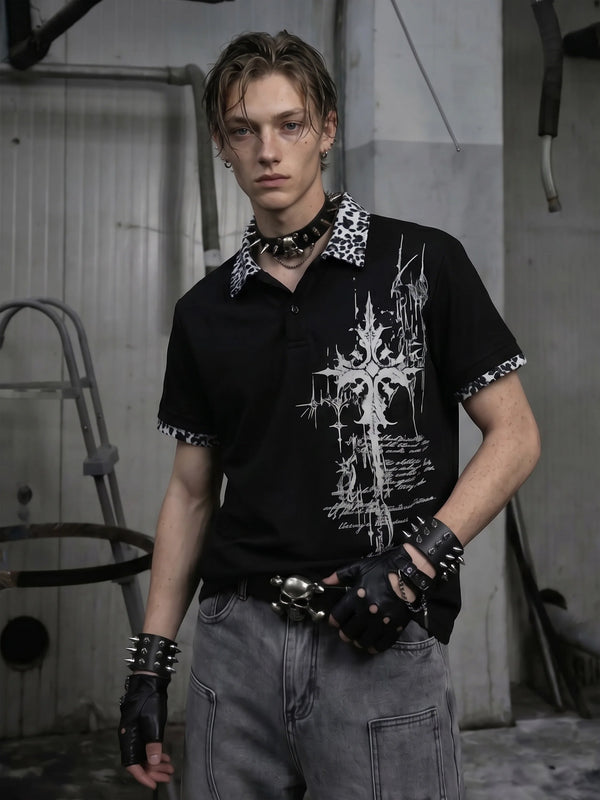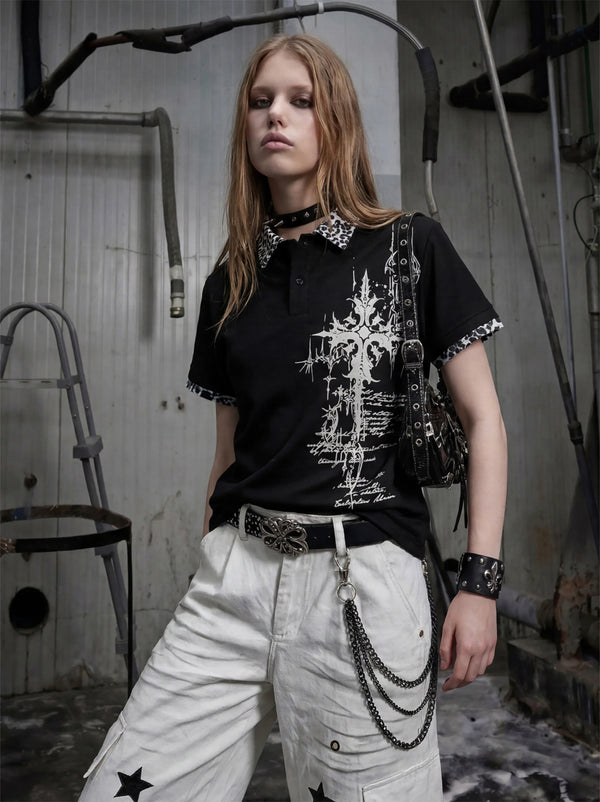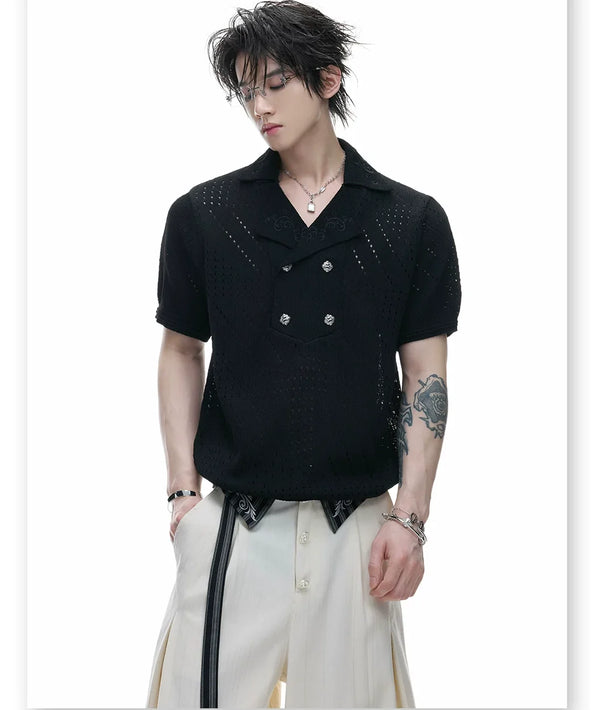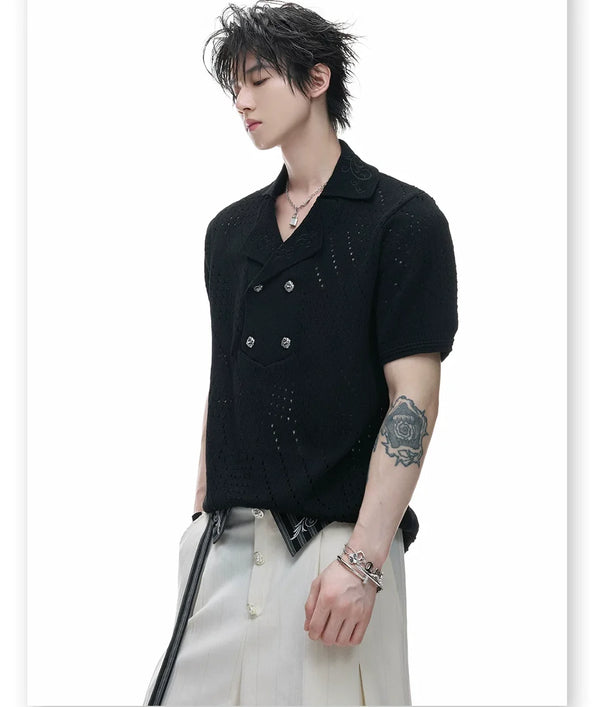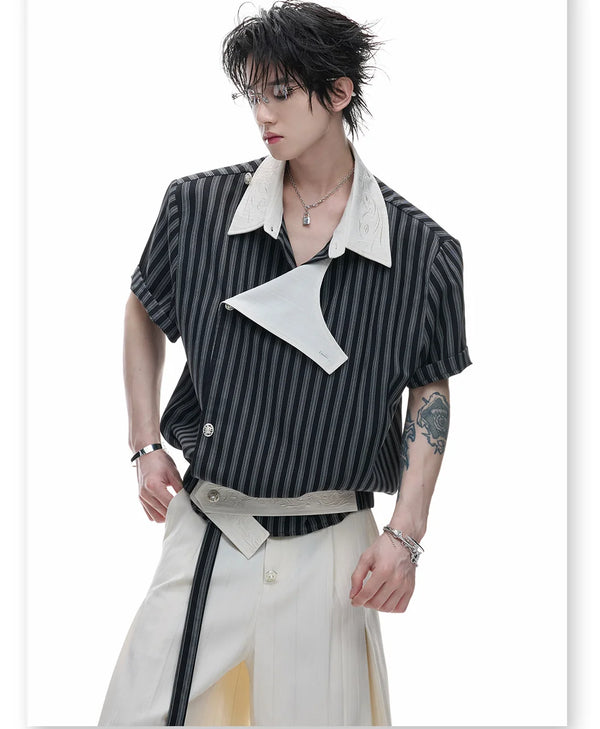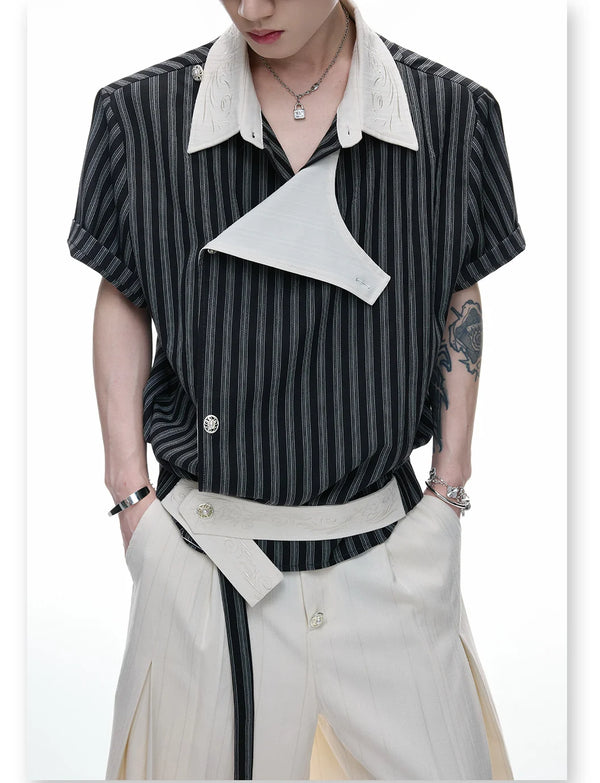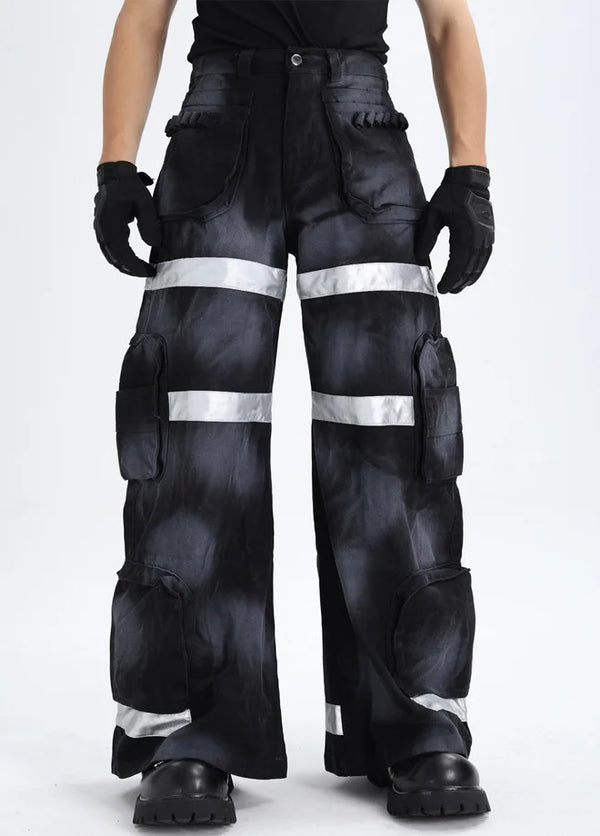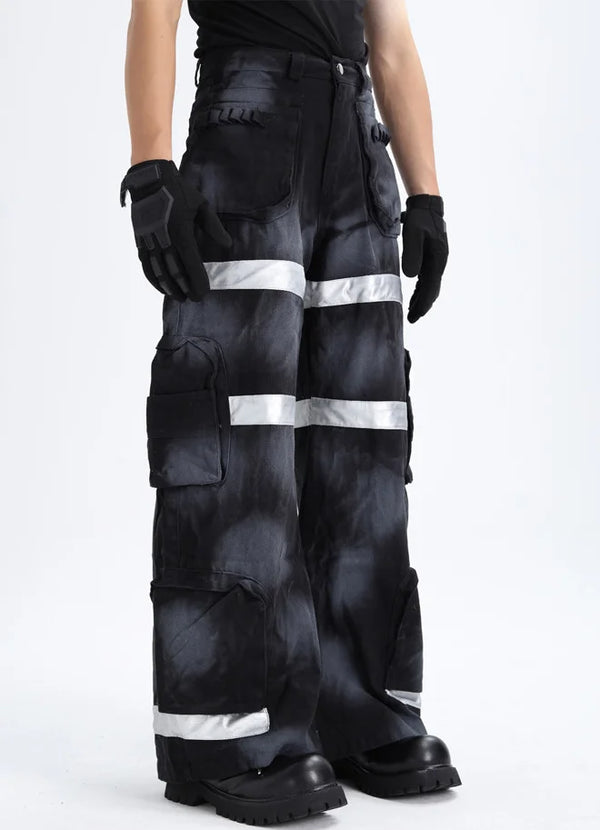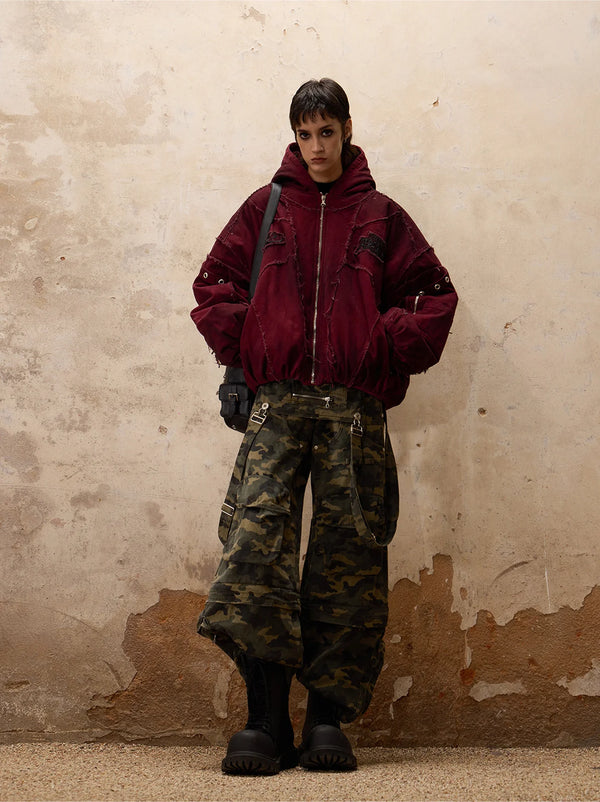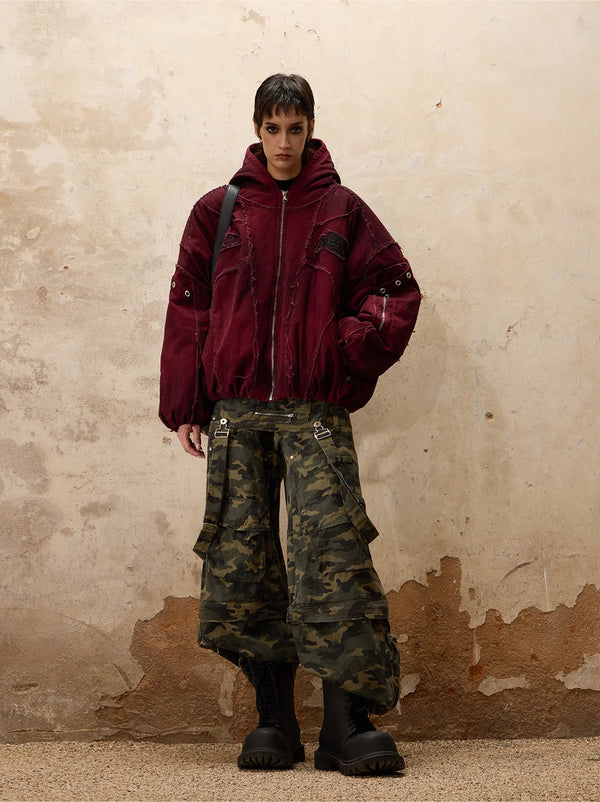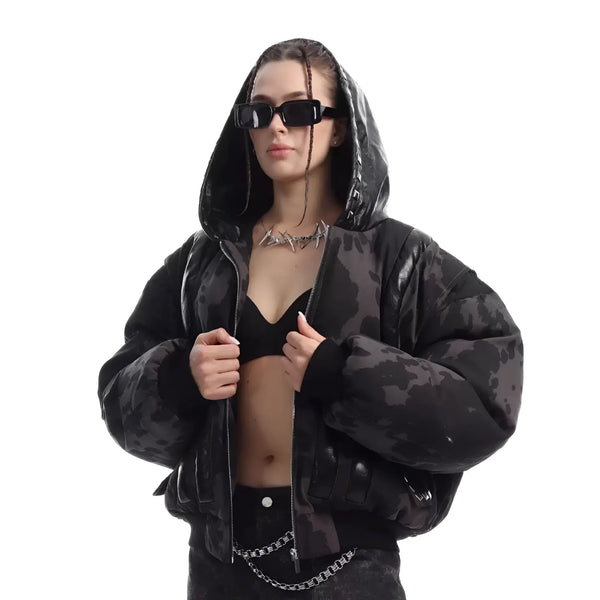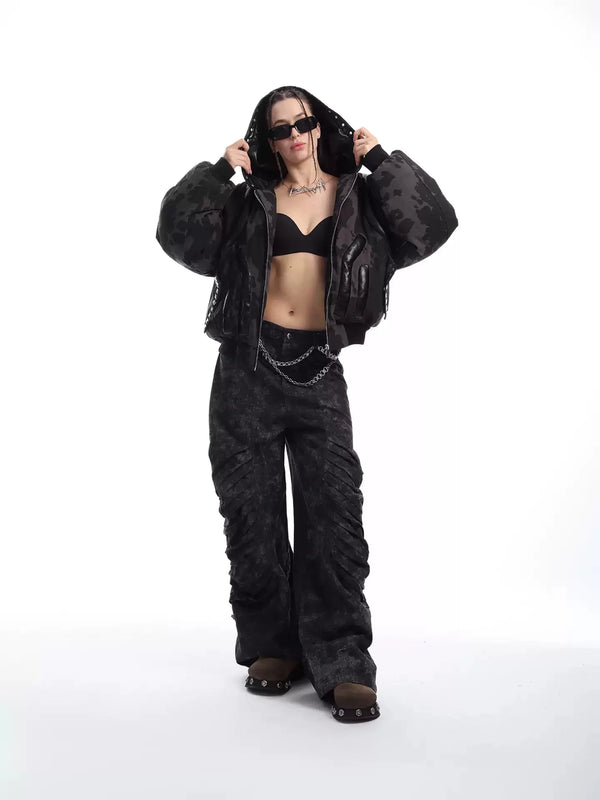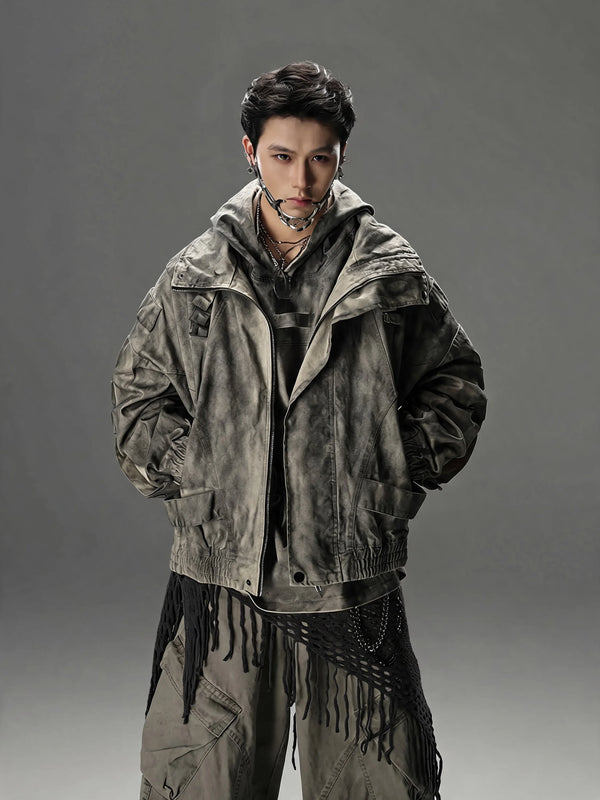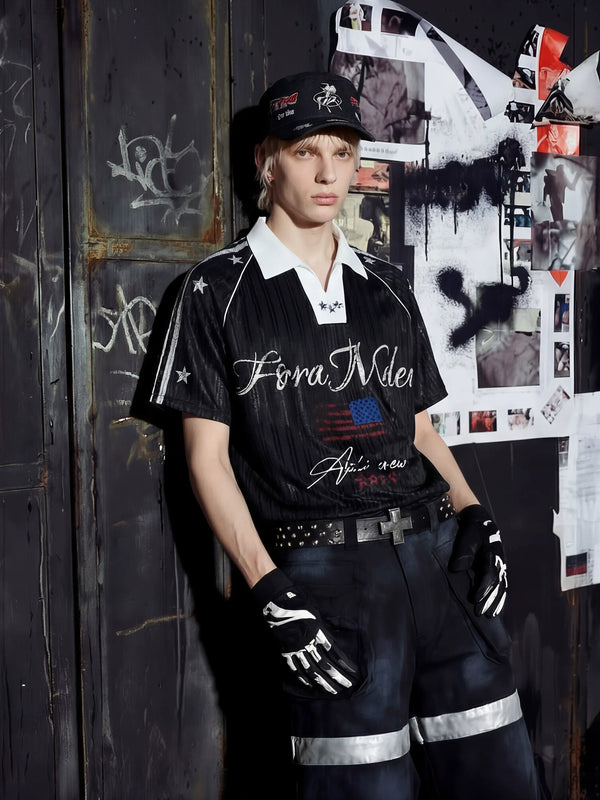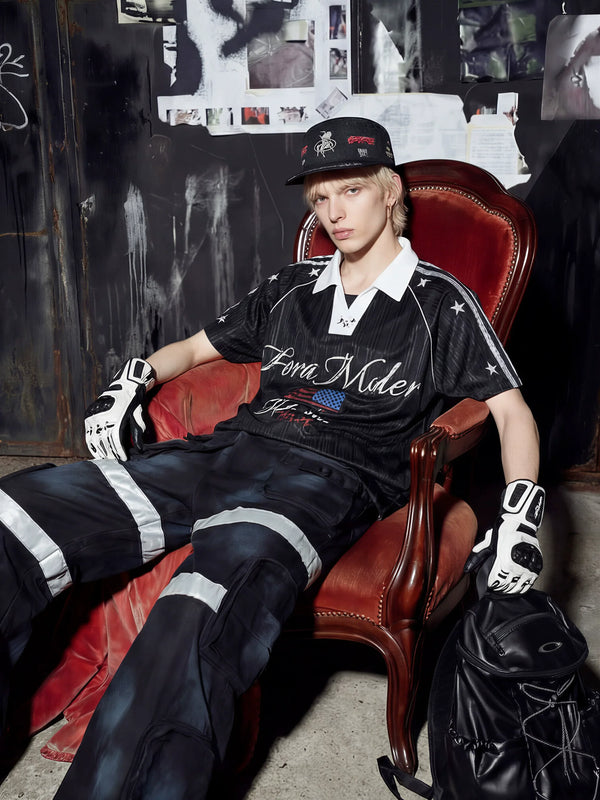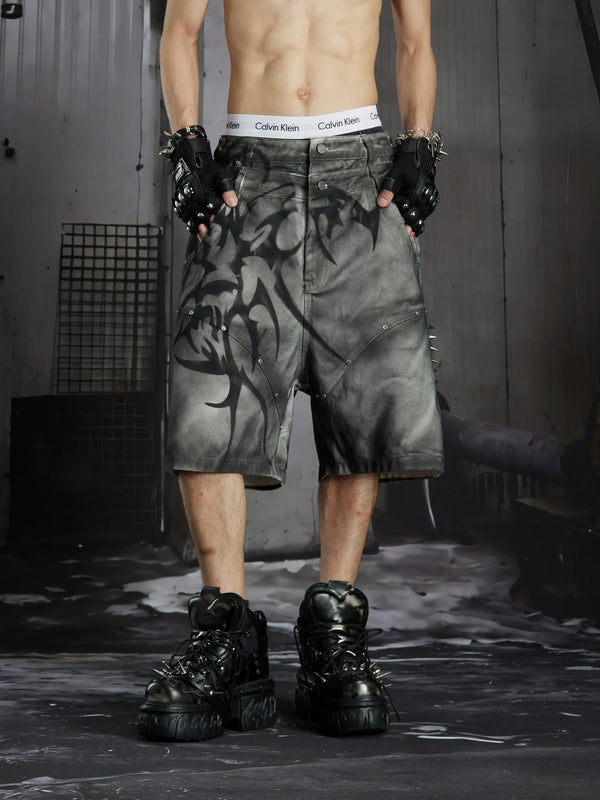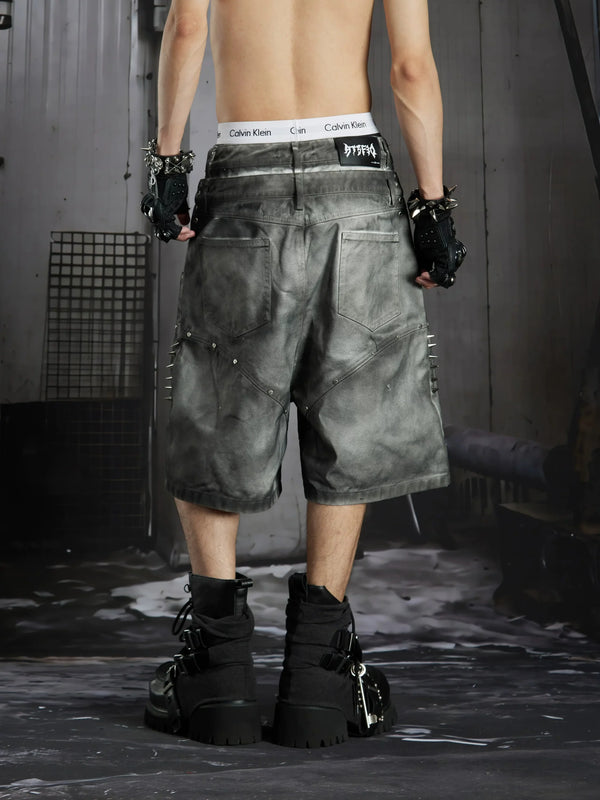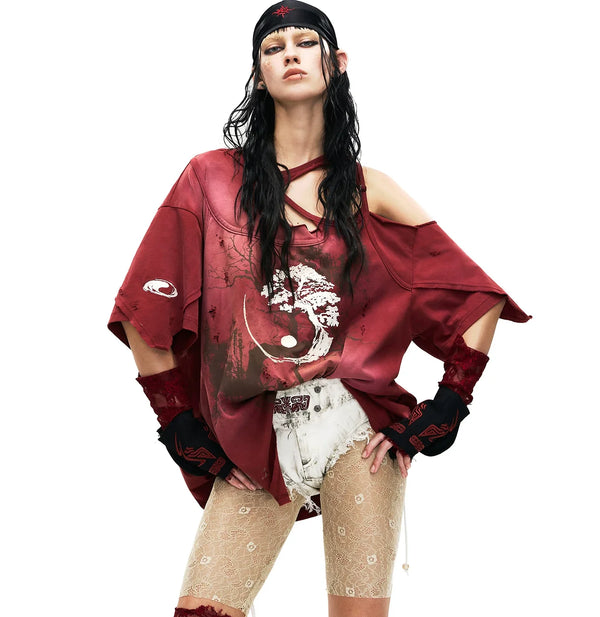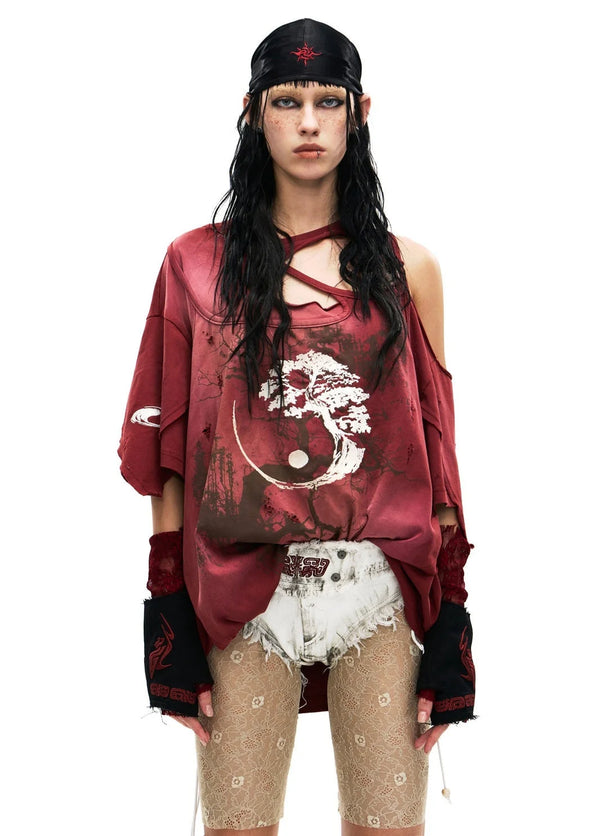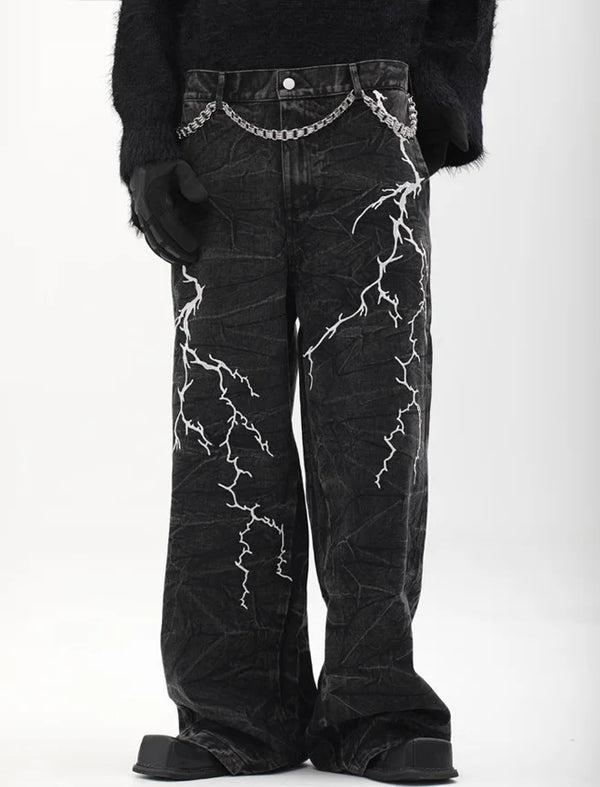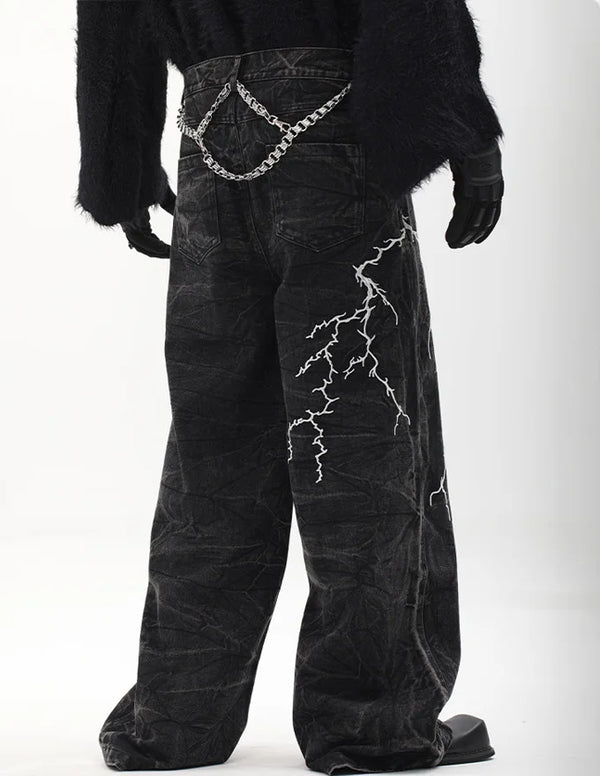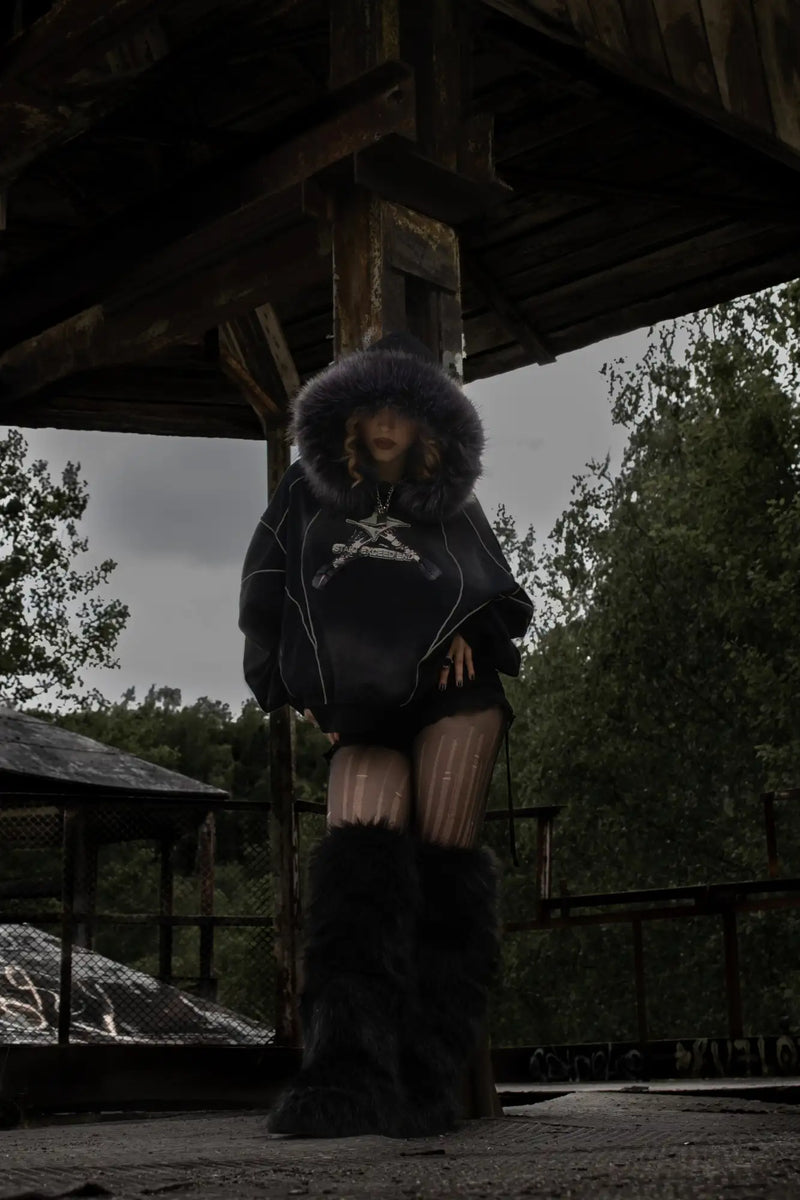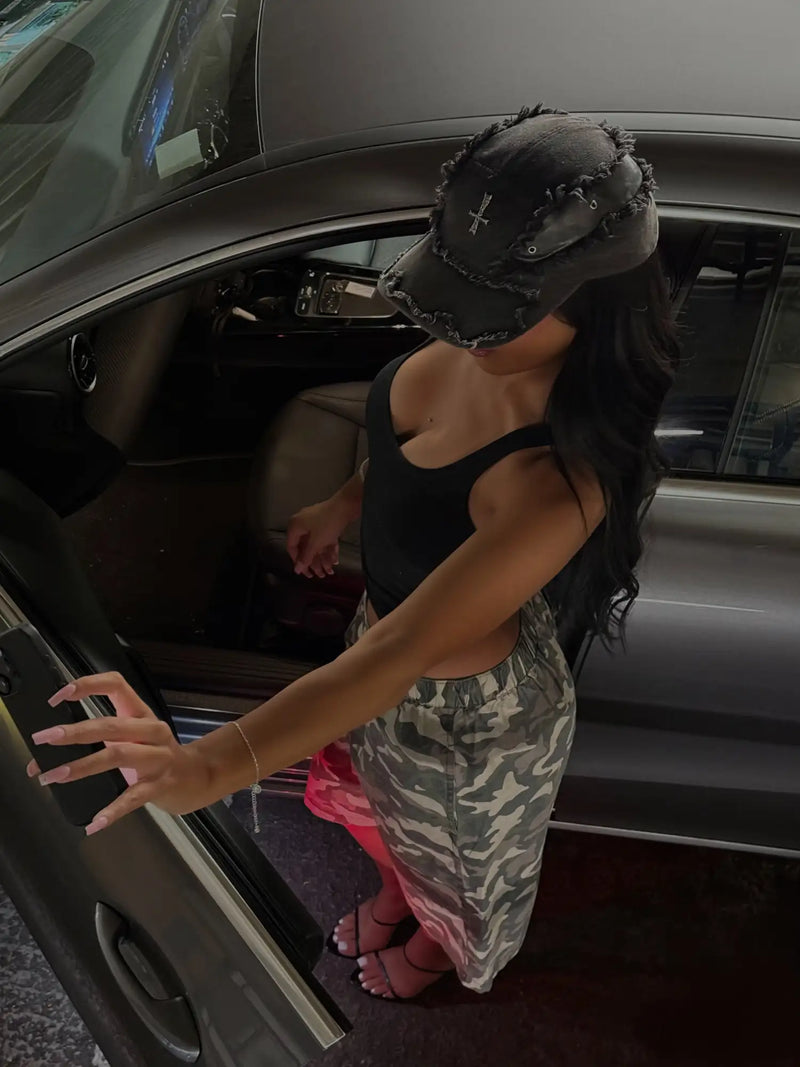
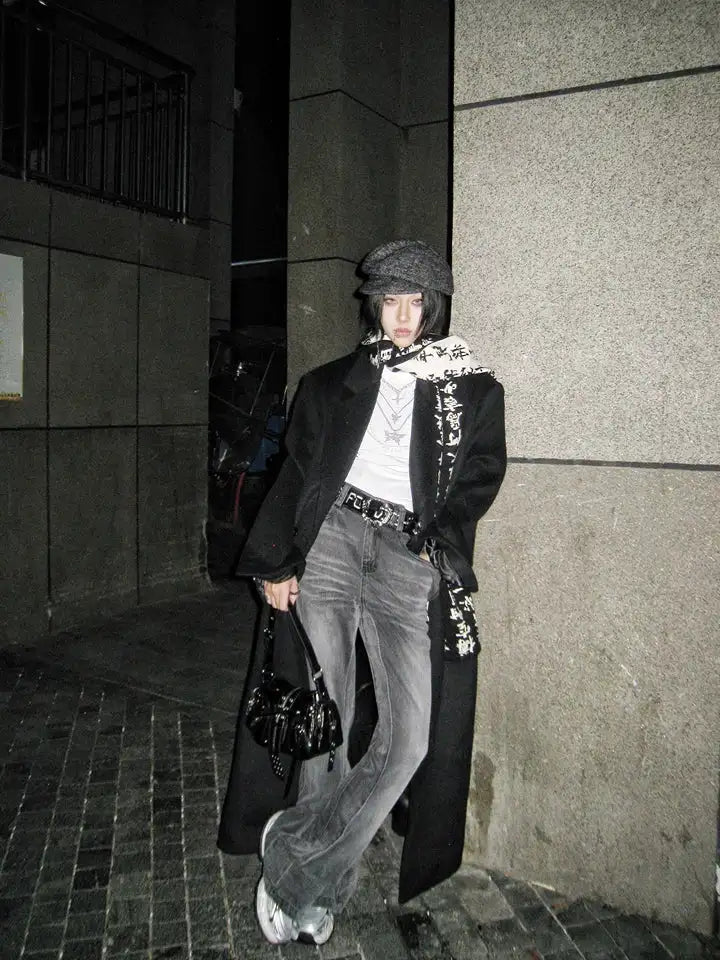

Everyone searches „Mall Goth Brands“ and means Killstar. That’s half the answer. Since the late ’90s, Mall Goth has been a brand vocabulary of twelve labels — Hot Topic builds the pipeline, Tripp NYC delivers the pants, Demonia the sole, Killstar the logo of the 2020s. Know only one brand and you’re wearing a costume. Know the vocabulary and you build an outfit nobody instantly tags as „Mall Goth“ — and that’s exactly the trick.
Mall Goth fashion emerged in American shopping malls between 1997 and 2003, when a Hot Topic store stood in almost every U.S. mall and the subculture became broadly consumable for the first time. It’s not pure Goth, not Punk, not Metal — it’s a marketing intersection that translated those three worlds into plaid, mesh and platform boots.
This guide shows you which brands actually write the vocabulary, what they cost, where you get them in Germany, and which four Pieces you need before you even buy a single Tripp pant. Plus: the four Mall Goth archetypes, the five most common mistakes, and why Killstar is the brand everyone hates — and everyone wears.
Here’s what it looks like in motion — twelve seconds, one clean Mall Goth build:
Origin
What is Mall Goth fashion — and where does the look really come from?
Mall Goth is the commercialized sister of ’80s Trad Goth. The subculture started with the Bauhaus and Sisters of Mercy generation in English clubs, lived in its early phases purely in underground concerts — and got turned into a rack-with-plaid switch by an American mall retail chain called Hot Topic in the mid-’90s. With that, Goth became something you could buy on a Saturday afternoon in a suburban mall for the first time.
The real Mall Goth era runs from 1997 to about 2003. Tripp NYC delivers the bondage cargo. Demonia makes the platform boots. Killstar doesn’t exist yet — it only joins in 2011 as a British DTC label. Marilyn Manson, KoRn, System Of A Down and the Matrix trilogy supply the imagery. Hot Topic sells the translation. This isn’t the pure Goth code from the Batcave London 1982 — it’s a flattened, retail-ready excerpt of it. That’s exactly why it still works today.
The second wave has been running since 2019. Cyber Goth girls on TikTok rediscovered the Tripp vocabulary, Killstar exploded via Instagram, and Demonia boots suddenly landed on every Brooklyn streetstyle feed. What you see as „Mall Goth fashion“ in 2026 is really this second wave quoting the vocabulary of the first — sometimes cleanly, often as costume.
Definition
The Mall Goth definition — what actually counts
Mall Goth is an outfit system of four fixed building blocks plus a mood. When the four blocks sit, the outfit reads as Mall Goth. When only three sit, it tips into Emo, Industrial or Pastel Goth — all three related, but not the same.
90 %
black or oxblood
12
brands write the vocabulary
4
Archetypes
2
must-have Pieces (band tee + platform)
These four numbers aren’t decoration — they’re the test. Mix plaid instead of a band tee, sneakers instead of a platform, or purple instead of oxblood and you build something related, but not Mall Goth. Have all four and you can build the outfit without a single Killstar logo.
Concretely, Mall Goth fashion includes:
- Band tee or mesh top on top — Marilyn Manson, KoRn, Slipknot, Type O Negative, Cradle of Filth. Plus any fishnet mesh layer that bares the shoulder.
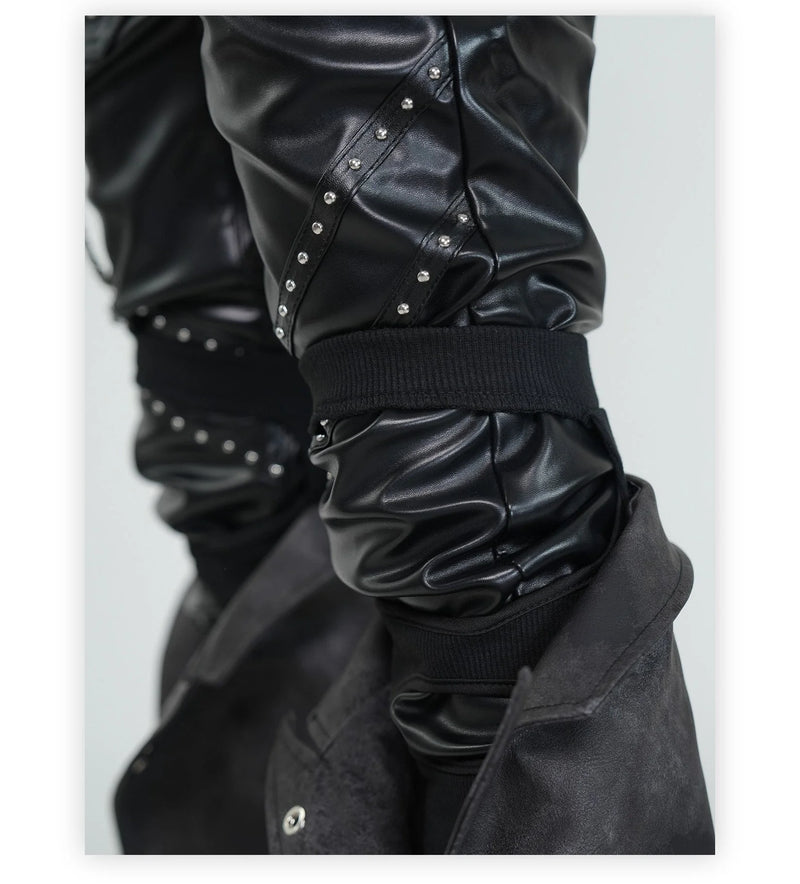
- Tripp pants or black skinny jean below — Tripp NYC delivers the bondage cargo with chains and strap detail. Alternatively black skinny jean or wide cargo with buckle.
- Platform boot or Demonia on the foot — never sneakers, never ankle booties. The sole has to be at least 5 cm thick, the shaft at least ankle-high.
- Studs, spikes, chains, cross pendant — the hardware is always black or silver, never gold. A chain on the wallet, a spike choker or a pentagram — one is enough.
- Smudged eyeliner and black nail polish — part of the system, even if it isn’t hanging on the rack at Hot Topic. Without it, the look tips into Halloween tier.
- Black, oxblood, dark plum as main colors — pink or purple only as an accent (Cyber Goth adjacency). Pastel is Pastel Goth, not Mall Goth.
Three of these six points and you’re on Mall-Goth-adjacent ground. All six and you build the look. But there’s one rule that holds all the others together:
The look in detail
What do Mall Goths really wear — the standard outfit decoded
A typical Mall Goth look is surprisingly reliable. Lay fifty Hot Topic receipt photos from 2001 side by side and you always see the same six Pieces in different mixes: band tee, Tripp pants, platform boot, spike choker, wallet chain, smudged eyeliner. Variation runs through brand choice and layering, not through different Pieces.
The women’s iteration of the late ’90s wore the Tripp cargo plus a cropped mesh top or ribbed band tee, with platform boot and stockings with a hole. The men’s iteration wore the same pants with an oversize band tee, wallet chain, sometimes a trench coat layered over the top. Both genders share the hardware — pentagram necklace, spike bracelet, cross ring.
The 2020s revival iteration rounded the vocabulary off. Tripp cargo gets replaced by Killstar wide-leg with pentagram embroidery. Band tee gets swapped for a graphic Killstar top with an „In Goth We Trust“ statement. Platform stays — that was never negotiable. What you see on a 2026 TikTok is basically 2001 with better fabrics and an online checkout.
4 archetypes
The 4 Mall Goth archetypes — from 90s Hot Topic to 2026 Revival
Mall Goth isn’t one look — it’s four that overlap at the edges. Lay Hot Topic catalogs from 2001 next to 2014 Tumblr pages and 2026 TikTok feeds and you see these four types cleanly separated. Each with its own brand pipeline, its own hardness, its own platform thickness.
Which of the four suits you depends less on taste than on how much hardware you want to wear, how high your platform tolerance is, and which brand pipeline is even reachable in your city. In Germany 2026, Soft Revival runs the most — driven by Killstar online-shop availability. 90s Hot Topic exists here more as a resale search on Vinted.
Brand list
Mall Goth Brands: the 12 labels that write the vocabulary
There’s no single „Mall Goth brand“ — there are twelve that share the vocabulary. Some build the pants, some the tops, some the shoes, some are pure retail pipelines that assemble other labels. Know all twelve and you can build the look from any mix — and don’t strictly need a single one of them.
The 12 labels that wrote the Mall Goth vocabulary or actively carry it — ordered by function in the outfit:
- Hot Topic — U.S. mall retail chain since 1988. Not a brand itself, but the pipeline through which Tripp, Killstar, Lip Service and Lucky 13 reach every American suburb.
- Tripp NYC — founded 1972 by Daang Goodman. The bondage cargo, the strap pant, the leather pant with D-ring — the whole pants vocabulary of Mall Goth runs through Tripp.
- Killstar — British DTC label, founded 2011 in Manchester. The most widespread Mall Goth brand of the 2020s. „In Goth We Trust“ as the tagline, pentagram as the logo default.
- Demonia — U.S. shoe label since the ’90s. The platform-boot authority. Stack heel from 5 to 25 cm. Bondage, buckle, spike. If the boot isn’t a Demonia, it’s a Demonia clone.
- Banned Apparel — British label since the ’90s. Punk-Goth crossover. Mesh tops, gothic tartan skirt, corset detail. A Hot Topic regular supplier.
- Kreepsville 666 — U.S. indie label, horror-camp print. Bettie Page–style dresses with skull print. The knowingly kitschy side of Mall Goth.
- Lip Service — founded 1985 in LA. Bondage skirt, punk plaid pant, latex detail. Shaped the Industrial Mall iteration of the early 2000s.
- Sourpuss Clothing — U.S. indie label since 2003. Pin-up-Goth crossover. Babydoll dresses with bat print, cherry-skull patches.
- Lucky 13 — rockabilly-punk crossover. Hot-rod print, tattoo-flash tee. A men’s focus in the Mall Goth spectrum.
- Disturbia — British label since 2002. Streetwear-Goth mix. Dragon-print hoodie, oversized long sleeve with occult symbolism.
- Iron Fist — U.S. indie since 2002. Platform heels with print, statement Pieces instead of basics. More of a Cyber iteration.
- Long Clothing — British label, statement shirts with symbolism. Makes the hardcore industrial transition.
Anyone wanting to wear Mall Goth in Germany 2026 buys 70 percent of it online — the mall pipeline doesn’t exist here that way. Killstar ships directly from Manchester, Tripp runs through U.S. resale (Vinted, Depop) or third-party sellers, Demonia is stocked by German retailers like Attitude Holland or EMP.
Flagship pipelines
Killstar and Hot Topic — the two flagships of the two waves
When someone says „Mall Goth brand“, they almost always mean either Hot Topic or Killstar. The two aren’t brands in the classic sense — they’re pipelines through which two generations consumed their subculture. Hot Topic is wave 1, Killstar wave 2. Understand Mall Goth and you understand the difference.
Hot Topic was founded in 1988 in California and expanded into almost every American mall in the ’90s. Range: band merch, Tripp pants, Killstar tops, Demonia platforms, anime-print tees, Funko Pops. Hot Topic is NOT a brand of its own — it’s a retail multibrand that assembles the whole Mall Goth pipeline on one rack. In Germany there’s not a single Hot Topic store; shipping to Europe was discontinued in the mid-2010s. Anyone wanting Hot Topic here buys through U.S. mail forwarders or finds Pieces via resale.
Killstar is the other story. Founded 2011 in Manchester by a couple who come from the Goth scene themselves. Pure DTC — no mall retail, everything through killstar.com. Range: in-house designs (no third-party labels), tagline „In Goth We Trust“, pentagram logo, full plus-size availability. Killstar Germany works through the UK shop with EU shipping and a 14-day return policy. Delivery takes 6 to 11 days — standard for British DTC brands after Brexit.
The most common question with both brands is about authenticity. „Is Goth Mall legit“, „Is Killstar real“ — both get googled daily, because Aliexpress and Temu sell knockoffs that look like Killstar but crumble after three washes. Killstar originals have the pentagram logo embroidered, not printed. Tripp originals have the „TRIPP NYC“ tag on the inside of the waistband. If the fabric sounds like 200 grams per square meter, it’s fake.
Where to buy in Germany
Mall Goth in Germany — where you can really buy it
In the U.S., Hot Topic was the pipeline. In Germany this pipeline doesn’t exist — not a single Hot Topic, no Tripp NYC flagship, no Demonia store. Anyone wanting to build Mall Goth here buys either online directly from the UK/USA, through German alternative retailers, or on the resale market.
0
Hot Topic stores in Germany
6–11
Days Killstar EU delivery
3
major German alternative retailers
14
Days return policy (statutory)
The realistic buying pipelines for Mall Goth in Germany — ordered by availability:
- Killstar online shop directly — killstar.com, shipping from Manchester, usually 6–11 days to the EU, duties already included. Full range available, plus-size throughout.
- Attitude Holland — Dutch alternative retailer with the largest EU range of Mall Goth brands. Killstar, Banned, Hell Bunny, Pamela Mann, Demonia, Tripp.
- EMP Mailorder — largest German alternative retailer, based in Lingen. Killstar, Banned, Black Craft Cult, own Spreadshirt bands. Shipping 2–4 days within Germany.
- Restyle, Punk Rave, Dark in Love — three Chinese alternative brands cheaper than Killstar and listed on most marketplaces (Etsy, Amazon, Aliexpress). Quality is mixed, designs often Killstar clones.
- Vinted, Depop, eBay Kleinanzeigen — the resale market for Hot Topic originals, old Tripp pants, Demonia classics. Here you find the real 2001 Pieces for 30–60 €.
- Fūga Studios — the Mall Goth collection with our own designs, German warehouse shipping, 14-day returns. For Pieces that carry the vocabulary without being a pure Killstar copy.
Buy Killstar directly and you get the fastest access to the brand originals. Want Tripp NYC and there’s no way around U.S. resale. And to get to know the German alternative pipeline, start with Attitude Holland — they have what’s missing here.
Category · Tops
Mall Goth Tops & Shirts — band tee, mesh, longsleeve
The top layer is the loud component. This is where the statement lands: band, symbol, slogan, mesh cutout. Anyone wanting to build the Mall Goth look traditionally starts with a band tee — Marilyn Manson, KoRn, Type O Negative, Slipknot. Today many replace the original band merch with Killstar statement shirts featuring pentagram embroidery or occult symbolism.
The rule: dark on top, heavy, with symbolism. Plain black T-shirts only work as a layer under mesh — solo they pass as Industrial Mall, but not as the loud Mall Goth iteration. If your top delivers no statement, the pants or the hardware take over. One component in the outfit has to be loud.
Anyone who doesn’t yet own a band tee that isn’t in the wash buys either official tour merch from the resale market or a graphic statement top that carries the same visual weight. That’s the foundation for the rest of the outfit.
Category · Outerwear
Mall Goth Jackets — leather jacket, Tripp coat, trench coat
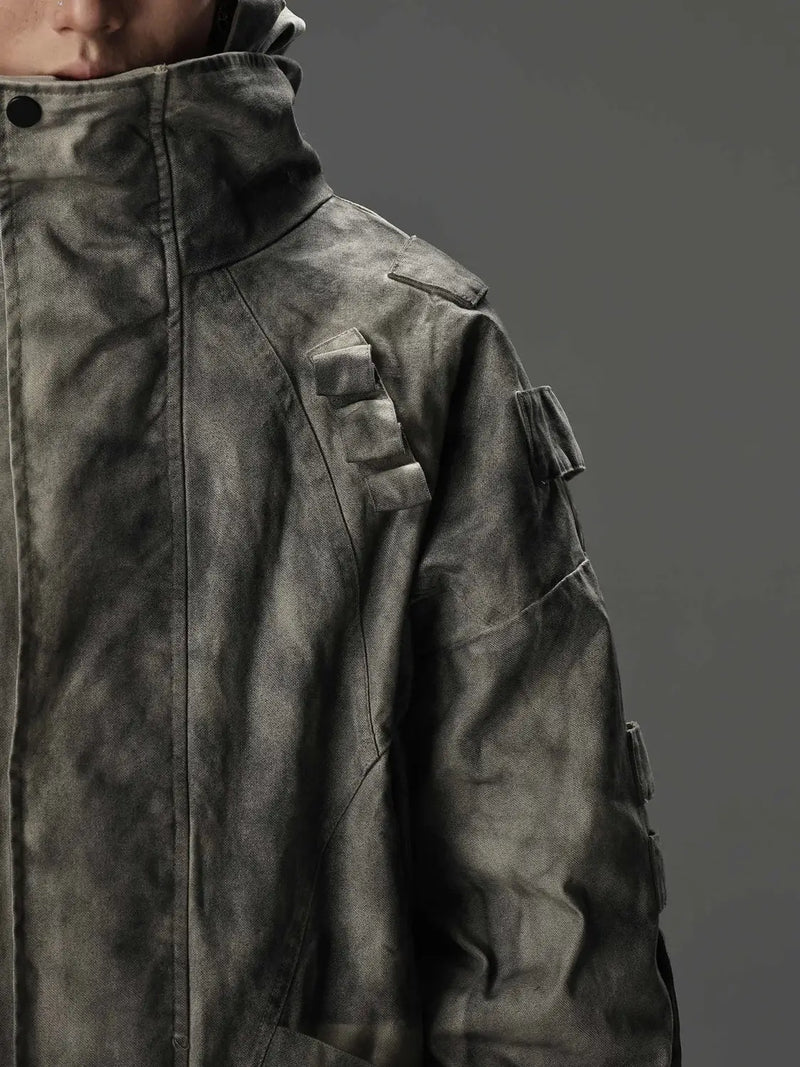
The jacket is less dominant in the Mall Goth outfit than in most Goth iterations, because the statement sits in the pants and the top. Here it works as a wrapper that holds the whole outfit together. The three standard options: oversize trench coat, classic leather biker jacket, or the Tripp NYC bondage jacket with strap detail.
The black trench coat was almost mandatory in the early 2000s — over every Tripp set, with a buckle in the middle, falling almost to the floor. Today it’s back, driven by the Y2K wave. A leather jacket always works as long as it’s matte black and carries no visible logo. Bomber jackets are tricky — more Streetwear code than Mall Goth.
Anyone wanting to build a jacket for the whole year takes the black biker jacket. It works across all four archetypes — Soft Revival, 90s Hot Topic, Y2K Cyber, Industrial Mall. The trench coat is the harder variant and sits above all in the 90s Hot Topic archetype.
Category · Bottoms
Mall Goth Pants & Jeans — Tripp, bondage cargo, wide-leg
The pants are the hardest code carrier in the Mall Goth outfit. Skinny is partly back in the 2020s Soft Revival iteration, but the classic Mall Goth vocabulary runs through Tripp bondage cargo, strap pant and wide-leg jean with pentagram embroidery. Black, heavy, with visible hardware — buckle, D-ring, chain, strap.
Working Mall Goth bottoms are matte, heavy and carry at least one visible strap detail. A skinny jean without hardware reads as generic Goth. Cargo without a buckle reads as Streetwear. The Tripp logic dictates: every pant has a buckle, a chain or a visible strap somewhere.
Anyone wanting to build a pant that fits all four Mall Goth archetypes takes a wide-leg jean with strap detail or a bondage cargo in black. Both are the common denominator — every archetype can work with them.
Category · Footwear & Accessories
Shoes & Hardware — Demonia, platform boot, spike choker
Shoes and jewelry are the two spots where the Mall Goth outfit tips most clearly — in one direction or the other. Wrong choice on the shoe and the whole outfit breaks. Sneakers, for example, are basically out. No matter the brand, no matter the color — sneakers with Mall Goth read as concert merch with a skater shoe.
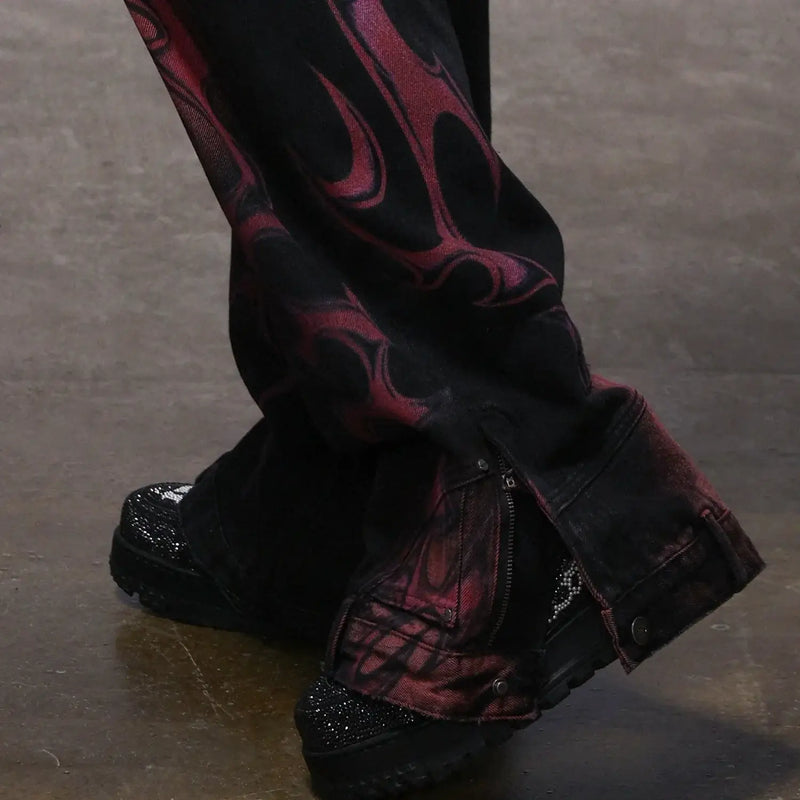
What works: high platform boots — Demonia, New Rock, Buffalo, Tripp platform. At least 5 cm sole, at least ankle-high shaft. For jewelry: spike choker or pentagram chain, wallet chain on the pants, cross ring or skull ring. Black and silver, never gold. The spike can be thick — Mall Goth isn’t subtle.
If you wear only platform boots and exactly one hardware statement (choker or wallet chain), you’ve already got the look half standing. With Mall Goth, the difference between „costume“ and „outfit“ is often exactly this one right hardware decision.
Styling logic
How to really style Mall Goth — layering, makeup, silhouette
A Mall Goth outfit works through three adjustment screws at once: the layering on top (band tee plus mesh plus open jacket), the hardness below (pants plus platform), and the makeup as the connector between the two. If one of these three screws is loose, the whole outfit tips into Halloween tier or generic-Goth tier.
Mall Goth isn’t a subculture you wear halfway. Half Mall Goth means: a Tripp pant with white sneakers. That’s visual nonsense.
— Fūga Studios
In practice that means: mesh tank under band tee, band tee under open biker jacket, all over Tripp cargo and platform boot. The silhouette runs wider from top to bottom — tight at the neck, wider at the shoulders, widest at the feet. Reverse it (oversize tee plus tight bottom) and you build something else — Y2K or skater-adjacent, but not Mall Goth.
But Mall Goth doesn’t stand alone — it overlaps at several edges with other sub-niches. Cyber Goth shares the platform-boot logic, Industrial-EBM shares the strap hardware, Pastel Goth shares the subculture DNA in pastel packaging, and 90s Mall Goth outfits pull directly from the first wave.
Here are the four most important neighbors — each with its own guide, if you want to go deeper:
Seasonal
Mall Goth in summer vs winter — the adaptation
In winter, Mall Goth is easy. Leather jacket or trench coat over band tee, Tripp cargo, platform boot, fishnet as a sock substitute under the pants. Six layers if needed, all black, works. The challenge comes in summer, when the outer shell (= the biggest visual surface) falls away and you’re left with only top and pants.
Summer Mall Goth works through what was under the jacket. The mesh top becomes the main view. Tripp cargo gets replaced by a lighter variant with mesh inserts or by a cut jean — leather doesn’t wear at 30 °C. The platform stays — in summer too, always. Stockings can go, fishnet knee-highs as an accent work.
The year-round solution runs through modular Pieces: a trench coat that works as a vest, a Tripp pant with zip-off leg, a platform boot with a removable shaft cuff. To see it in motion:
What does not work
The 6 most common Mall Goth mistakes — what you must NOT do
Mall Goth has six spots where it reliably tips — no matter how much money you put into individual brands. If you avoid only one thing, make it mistake number one.
Action
Getting into Mall Goth — the first 4 Pieces
You don’t need 20 Killstar Pieces to wear Mall Goth. You need four Pieces that will be in 80 percent of your outfits. Everything else builds around them.
In order: a pair of platform boots, matte black, at least 5 cm sole (that’s your biggest investment — Demonia lasts 5 to 7 years if you don’t buy cheap). A wide-leg jean or bondage cargo, black, with strap detail. A band tee or statement longsleeve. A black biker jacket or trench coat as a wrapper. A spike choker or wallet chain as an optional fifth — but only once the first four sit.
Outfits for real
Mall Goth outfits for real — how it looks on the street
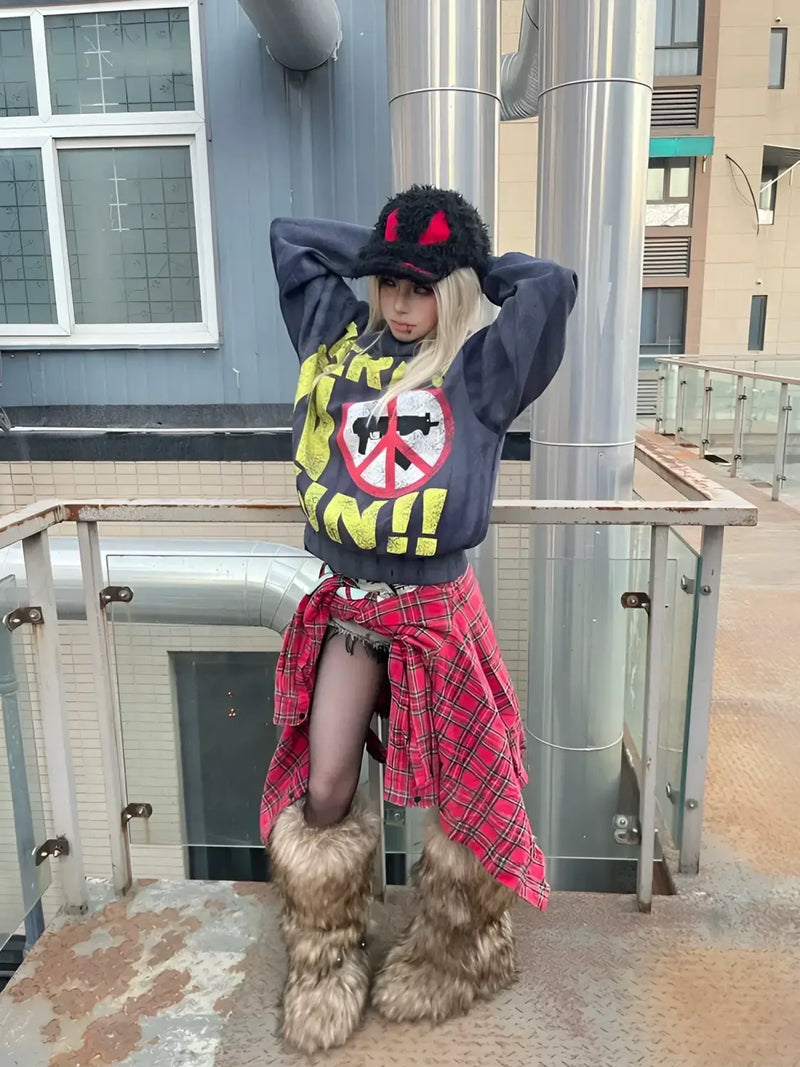
Before you build your own Mall Goth outfit, look at how others wear it. The four archetypes look different in the feed than in lookbook photos: tighter, dirtier, with combined brand mixes — and that’s exactly why they work.
This is the fastest way to check whether a particular Mall Goth archetype even sits on your body type before you spend money on Killstar or Tripp.
To close
Mall Goth is brand vocabulary — not a brand monopoly
If you take one thing from this guide, take this: Mall Goth doesn’t work through a single brand, but through a twelve-part vocabulary. Shorten Killstar to „the Mall Goth brand“ and you know only wave 2. See Hot Topic as the whole story and you know only wave 1. Know both and pull in Tripp, Demonia and Banned, and you build outfits that aren’t costume.
The whole logic of this guide comes down to one sentence:
The brands come and go — Lip Service has been more thinly positioned since 2018, Iron Fist reinvented itself, Killstar dominates the 2020s wave. But the vocabulary has been stable since 2001: band tee, Tripp cargo, platform boot, spike choker, eyeliner. Build these five components cleanly and you can survive any brand wave — including the next one we don’t know yet in 2030.
And that’s the point too: Mall Goth reads in theory like a costume-risky look, but in practice feels surprisingly stable. Once you’ve got the code down, every further outfit is a variation on the same five building blocks — not a new invention.
FAQ
Frequently asked questions about Mall Goth clothing brands
What are the best-known Goth clothing brands?
Is Killstar really a Goth brand or just Mall Goth?
Who are the most important Gothic fashion designers?
Is Goth Mall (the online shop) legit?
Who is the best-known Goth of all time?
What separates Mall Goth from classic Trad Goth?
What do you think?
Tell us on @fuga_studios
About the author
Philipp Fuge — Founder · Berlin
Founder of Fūga Studios. Writes the journal himself. Berlin · Shanghai · Tokyo · Poznań — four cities, one logic.