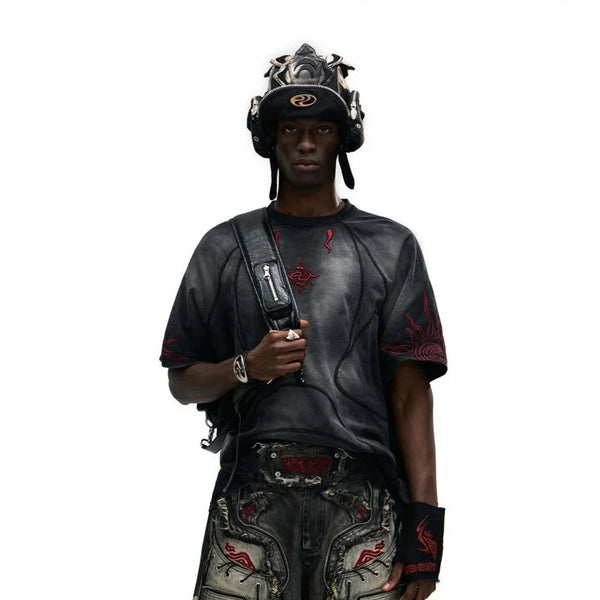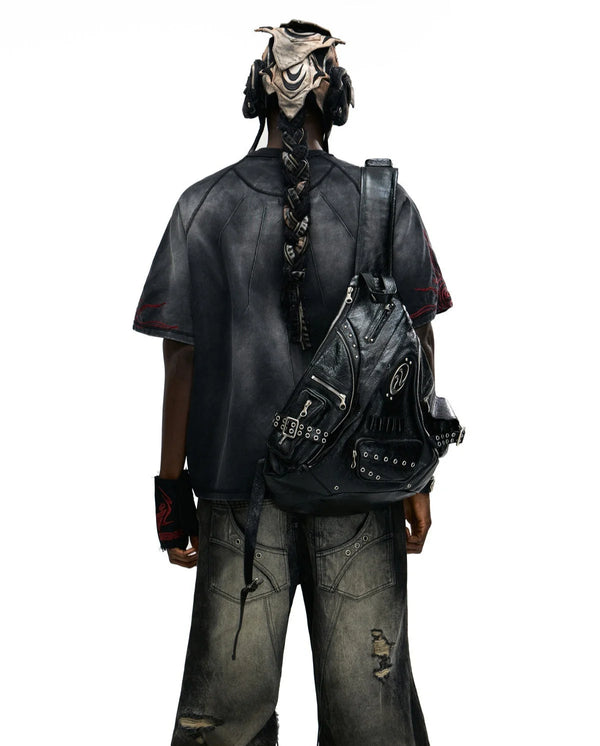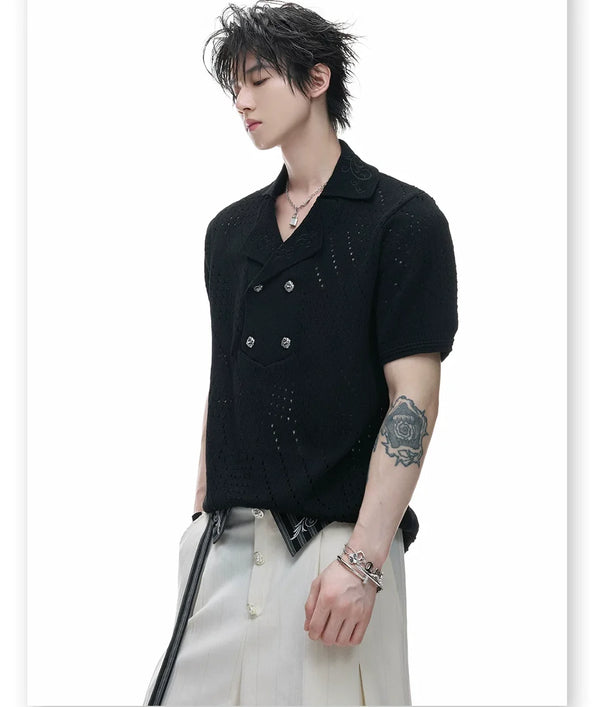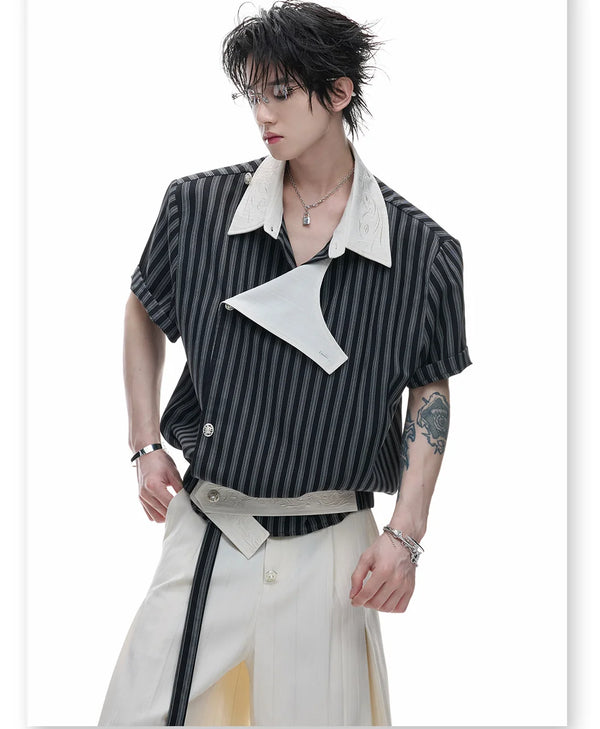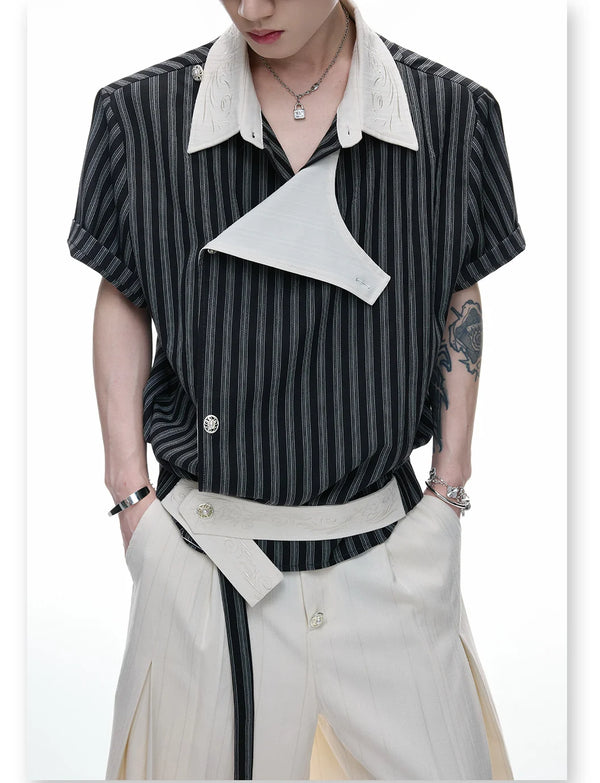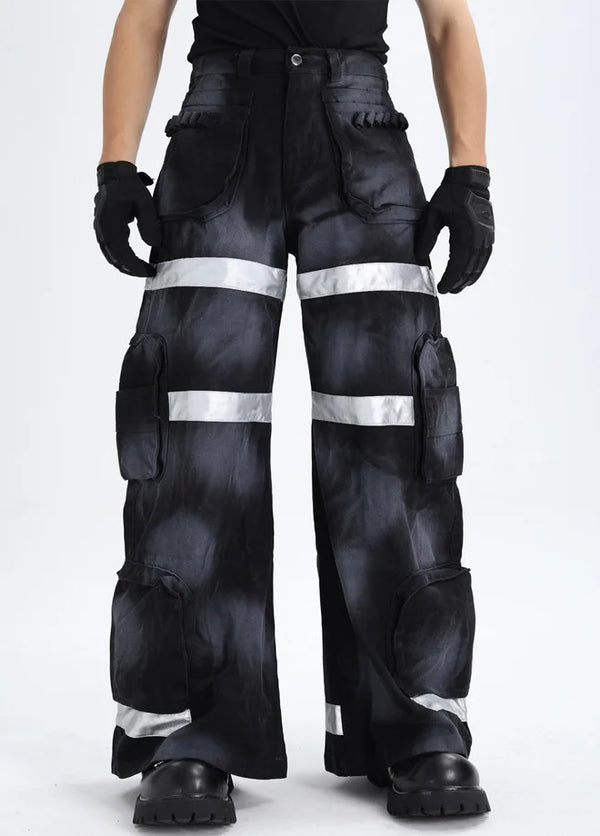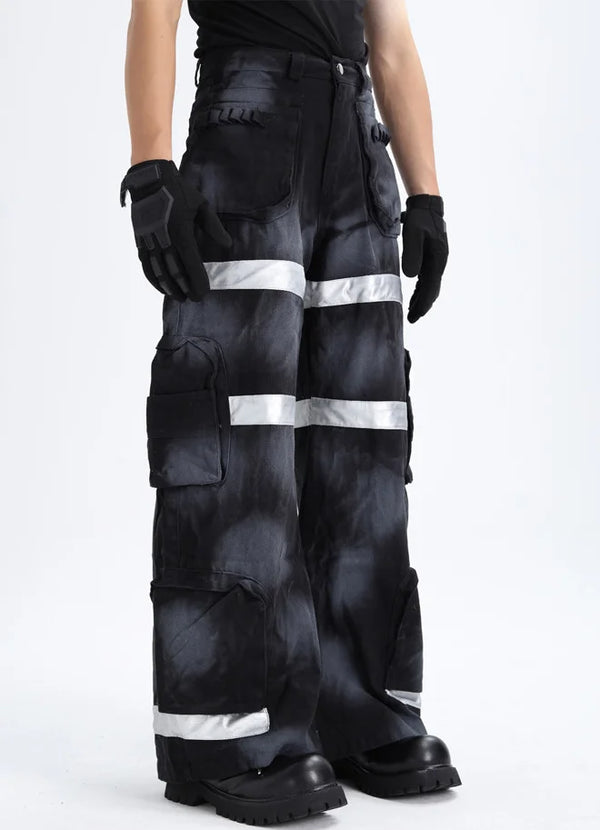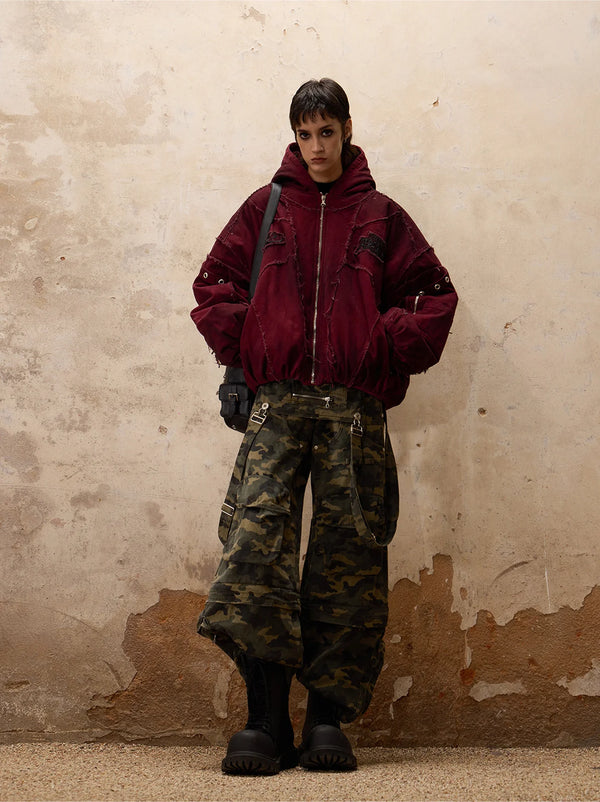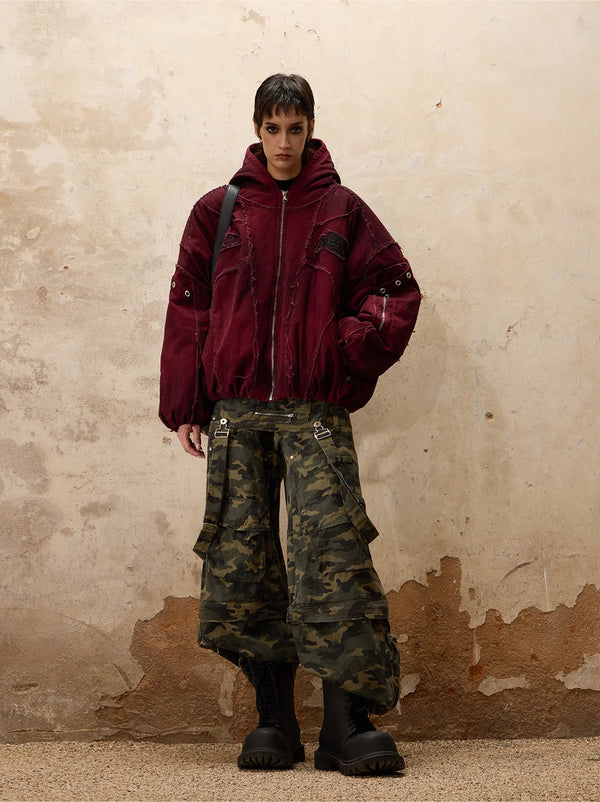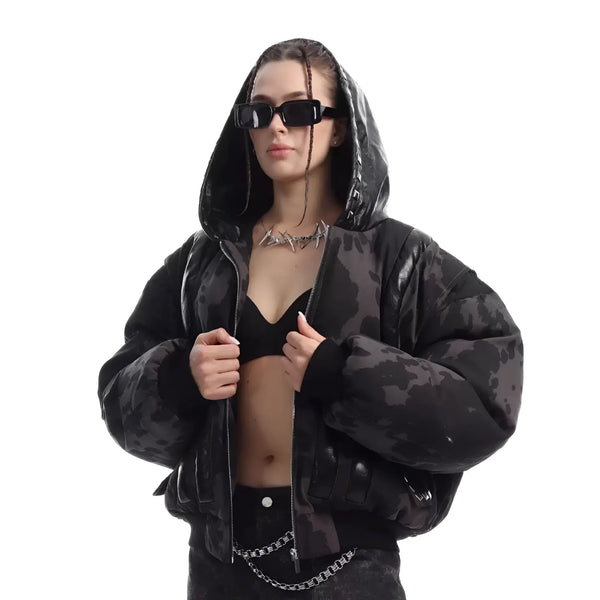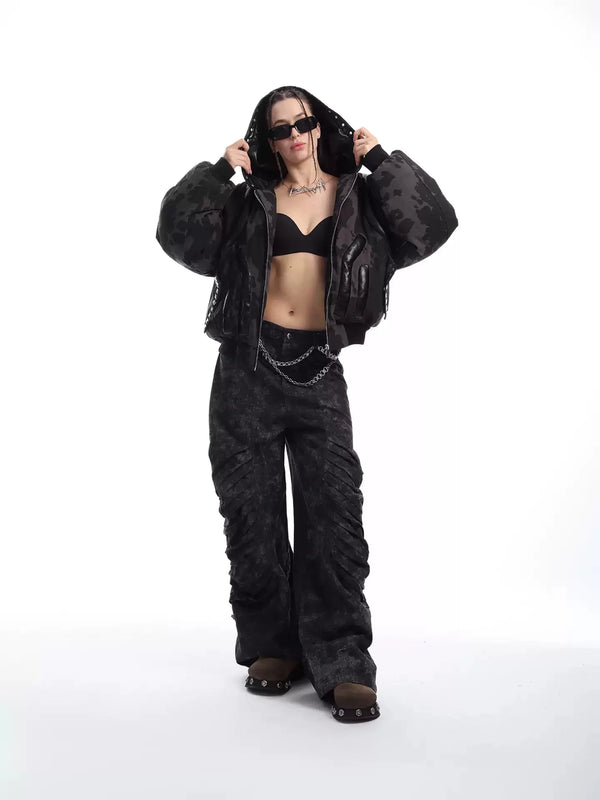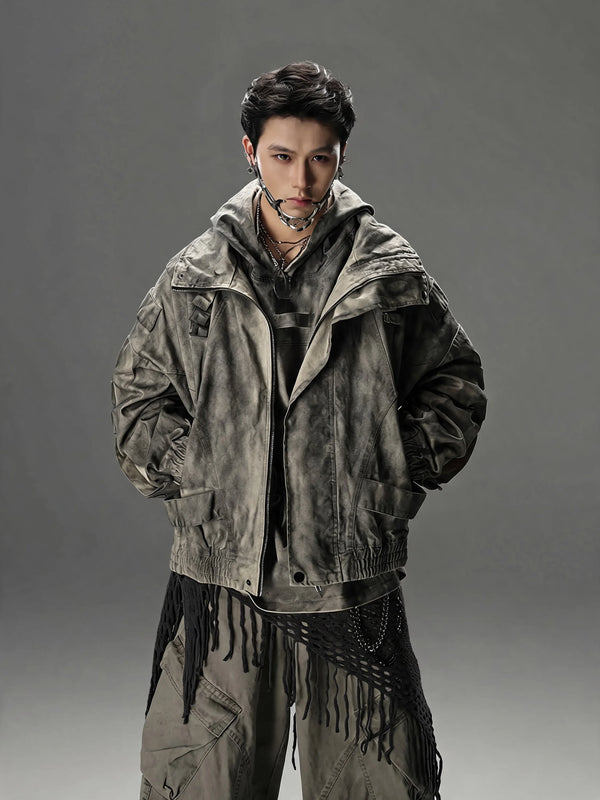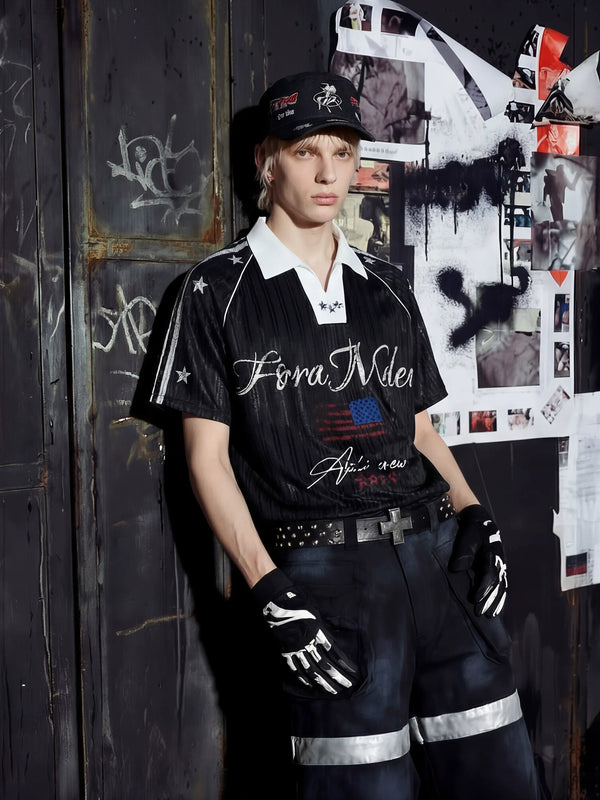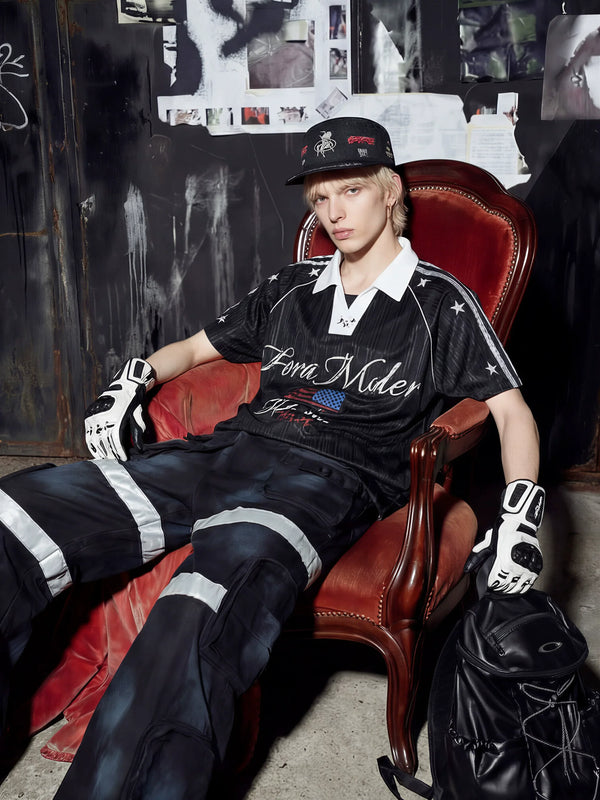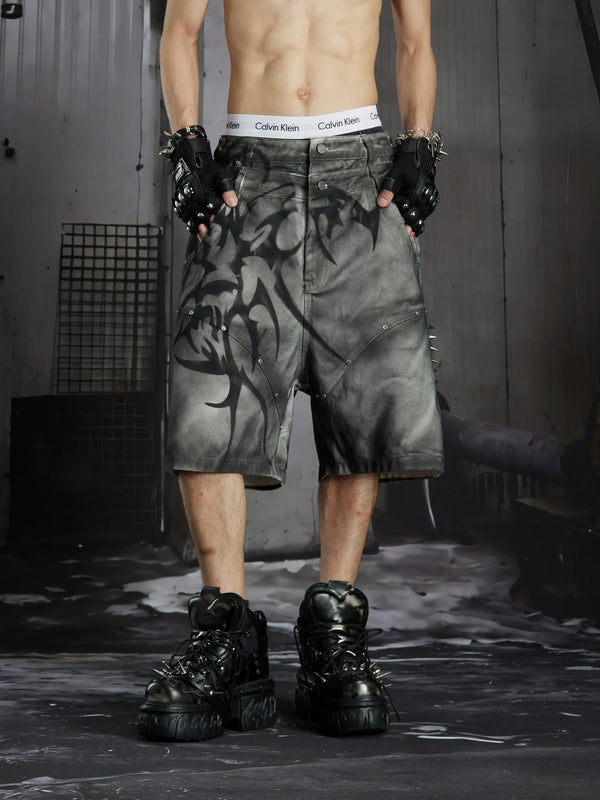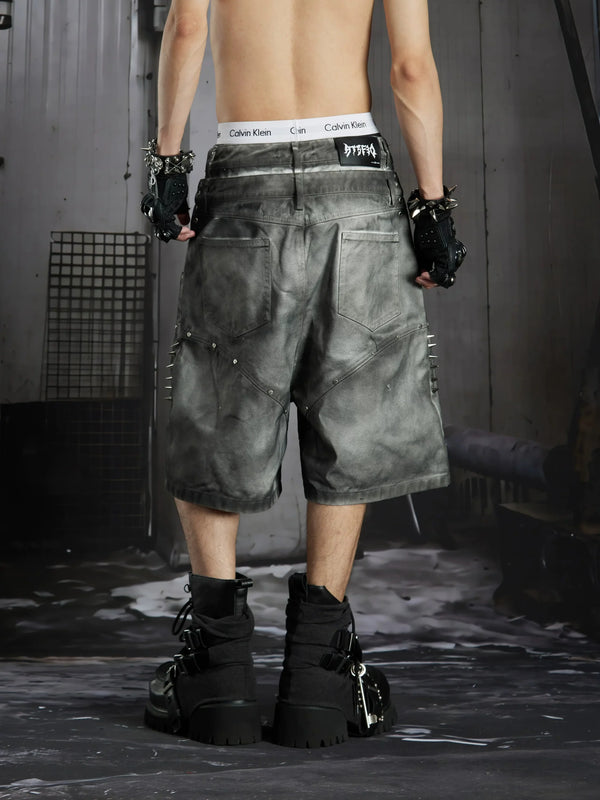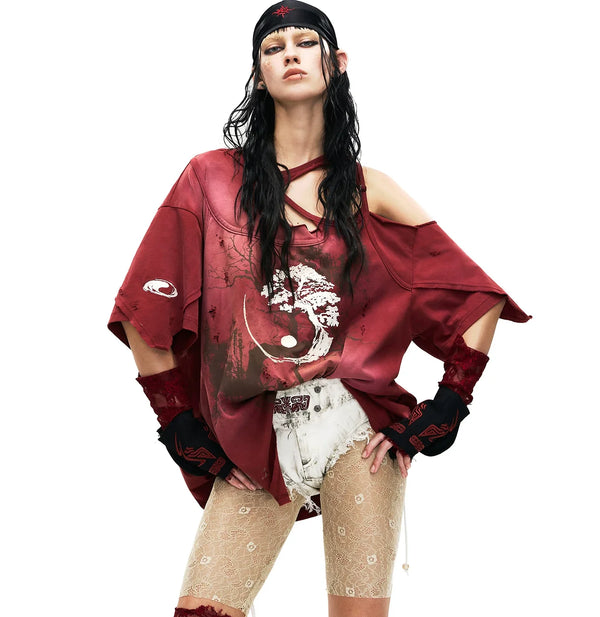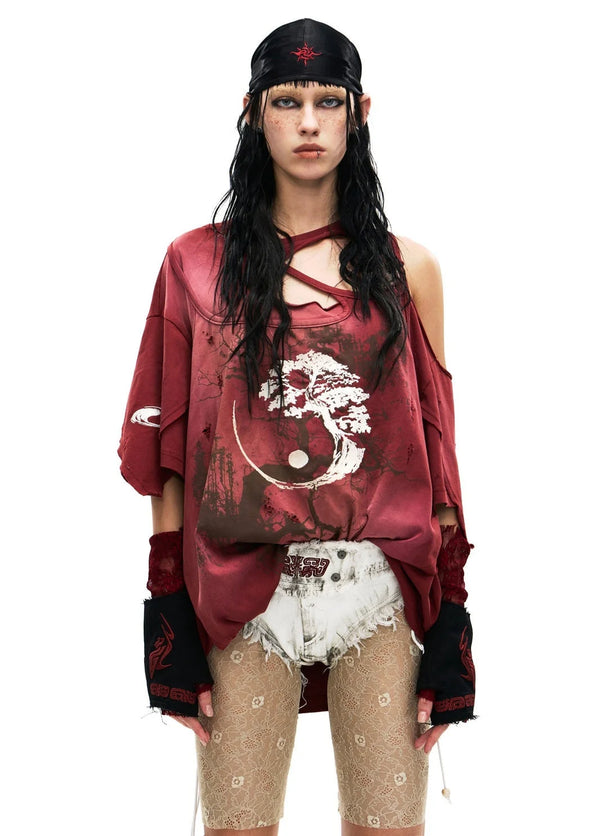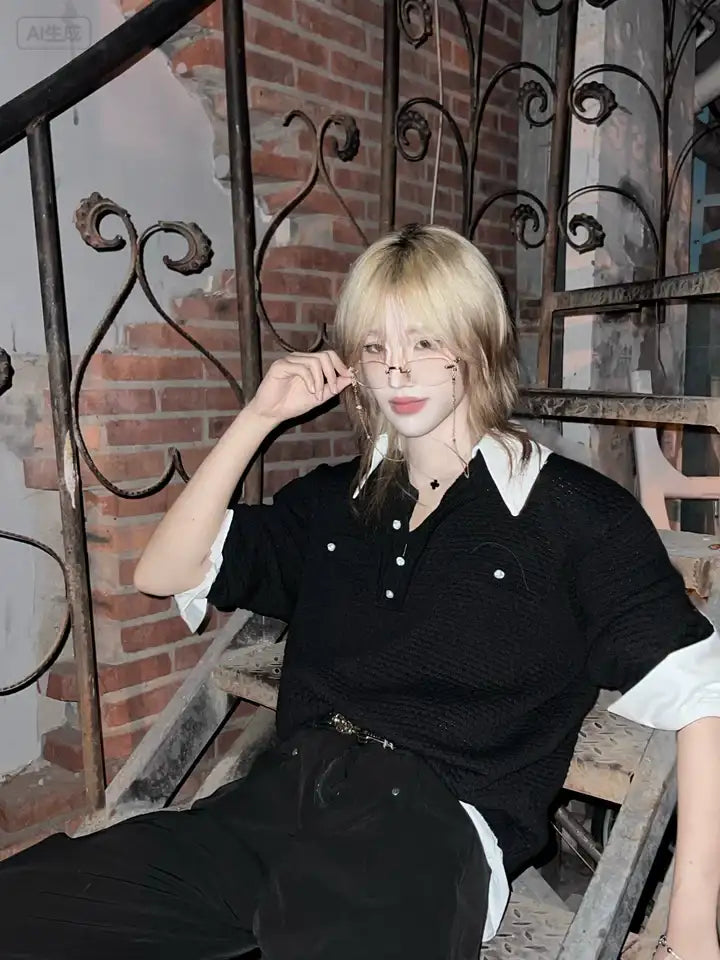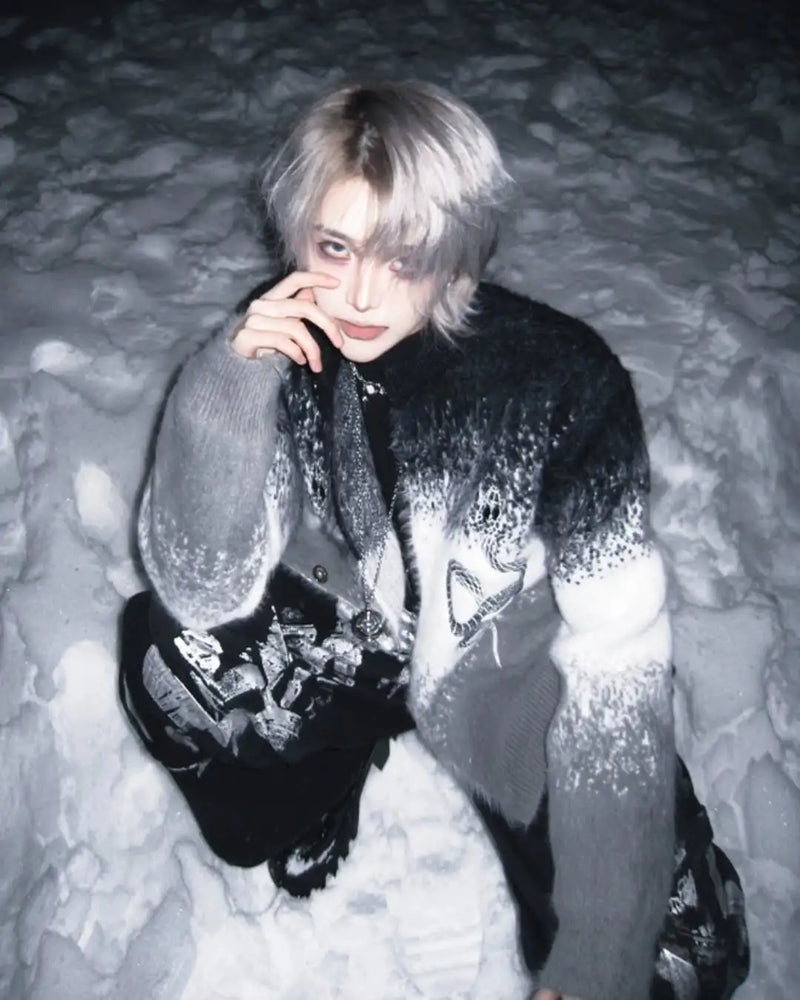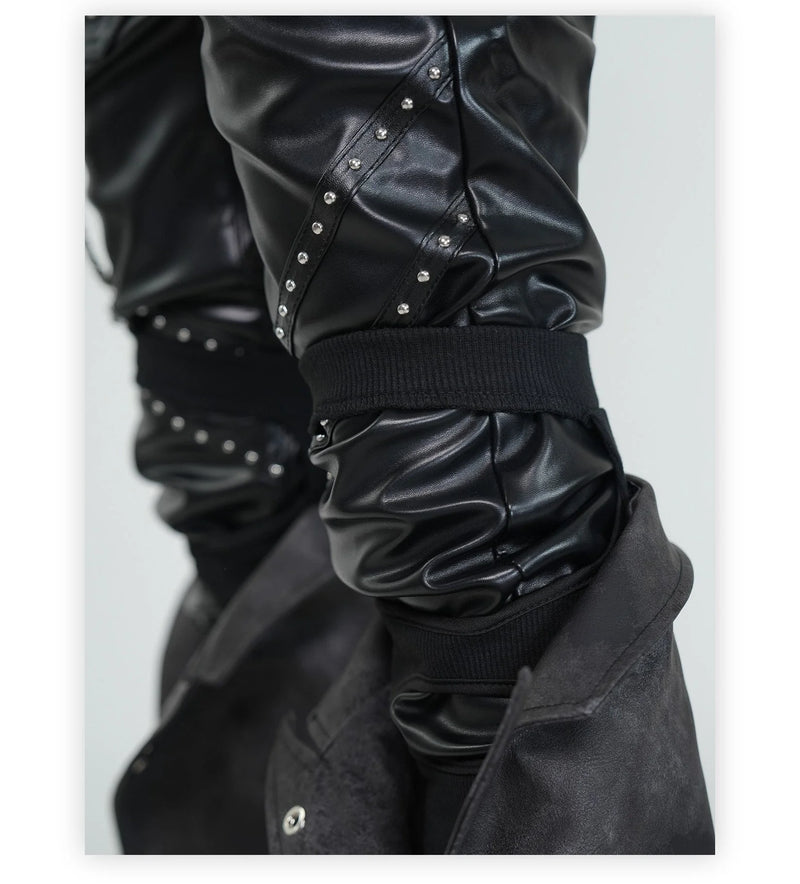
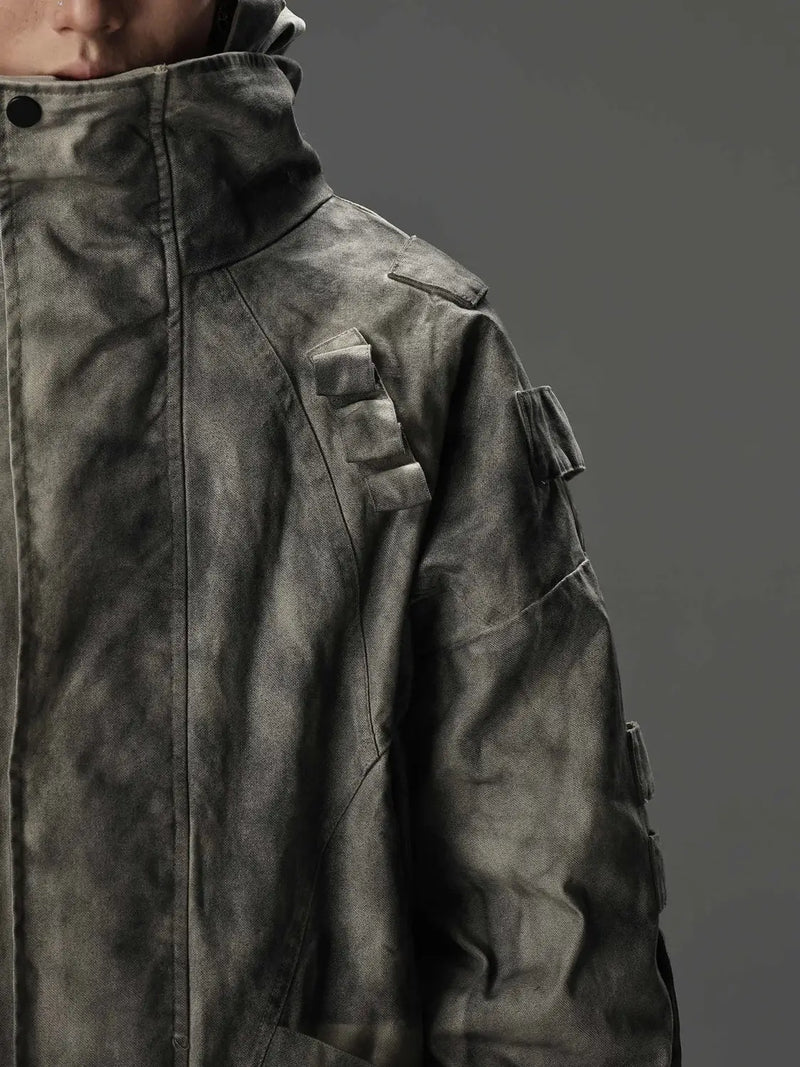
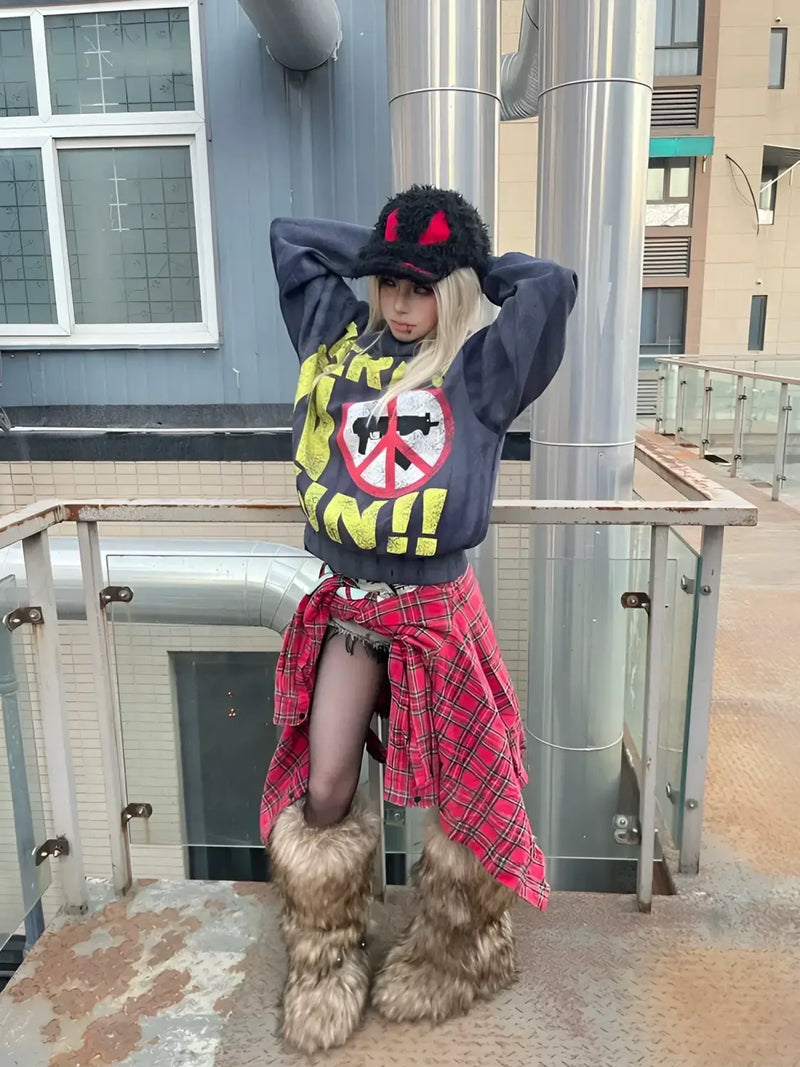
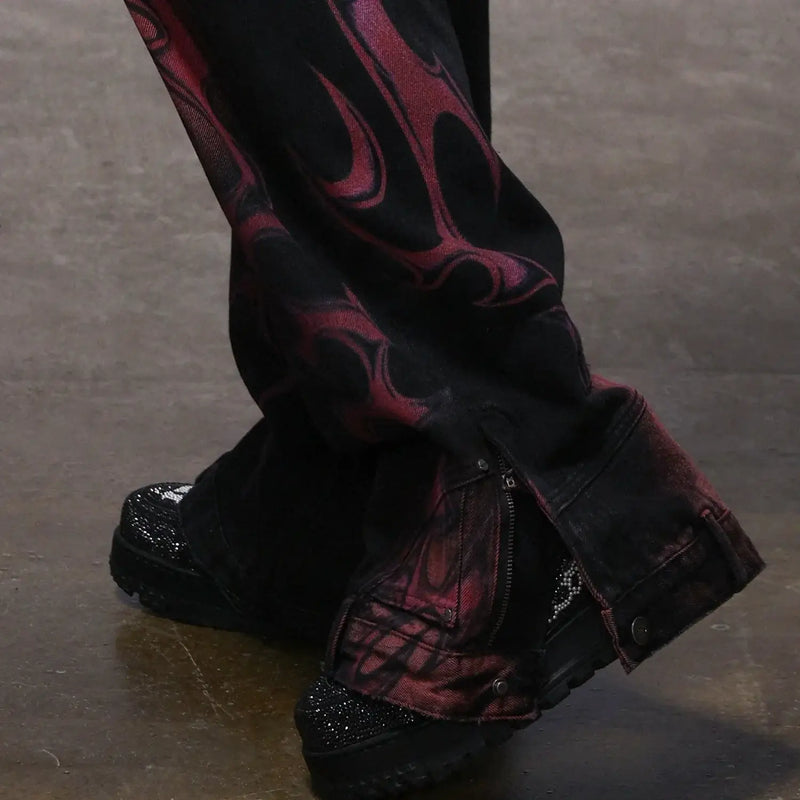
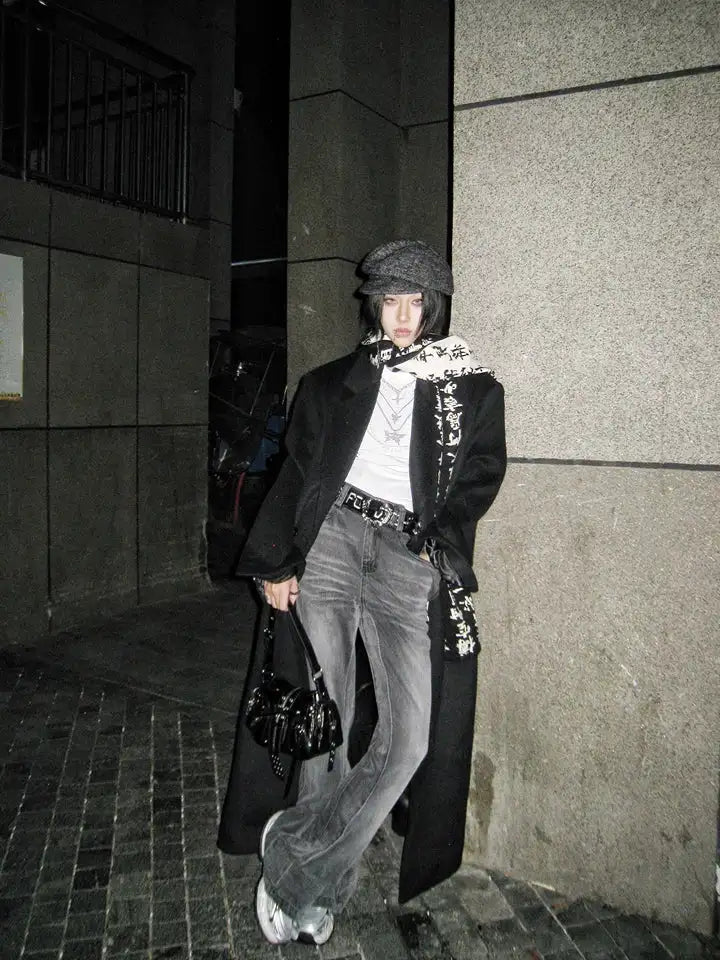

Mall Goth is not a subgenre and not a cleanly defined look either. Mall Goth is what happened between 1995 and 2001 in American suburban malls, when Trad-Goth teenagers met MTV industrial, JNCO skaters and Hot Topic ranges — and built a uniform out of it that worked in no club, but in every school. We show you the code: what Mall Goths really wore, where the brands came from, and why it's running again in 2026.
Before we go brand-by-brand and piece-by-piece, a TikTok example of how the code looks in practice in 2026 — grunge longsleeve, wide trousers, layered cargo. That's Mall-Goth logic in the current cut:
Origin
Where Mall Goth came from — Hot Topic, US mall, 1995 to 2001
Mall Goth didn't start in 1995 as a style, but as an insult. Trad-Goth adults in clubs like The Bank in New York or Slimelight in London used it for the younger suburban kids who pulled their look from the nearest shopping centre — via a single brand chain: Hot Topic, founded 1989, in over 100 US malls by 1995, and from 1998 the central sorting point for every teenager between 13 and 17 who wanted to look dark without flying to London.
Goth was very popular in the 90s on two levels. On the club level via bands like Sisters of Mercy, Bauhaus, Christian Death — most of them already ten years old by then. On the mall level via MTV: Nine Inch Nails, Marilyn Manson, Type O Negative, Korn, Slipknot. The industrial and nu-metal wave carried the range that previously only existed in underground stores into every American suburb — and Hot Topic was the till.
The decisive point: Mall Goth was not defined by Mall Goths, but by their Trad-Goth critics. The word was pejorative from the start — and exactly for that reason so precise. It describes a real sociological group: white suburban teenagers, 13 to 17, middle to upper income level, school identity built on music and fabric. No underground, no scene. A consumer identity, honestly — and it developed its own visual code.
Definition
What Mall Goths wore — the 90s uniform code in numbers
Before we go into brands and types, the sober inventory: what sets Mall Goth apart visually from everything else. Four numbers are enough to understand the code.
85 %
black in the outfit
2
accent colours max (red, purple, green)
5
Archetypes
99
% polyester in the fabric mix
The 85-percent quota is non-negotiable — go below it and you land at Soft Goth, Y2K Goth or Emo. The two accent colours are the Mall-Goth signature: Tripp-NYC red on black trousers, Manic-Panic purple in the hair, Slytherin green on the band shirt. More colour per outfit tips the look straight into Cyber-Rave or Visual-Kei cosplay.
What concretely fits under „Mall Goth“ can be brought down to six points:
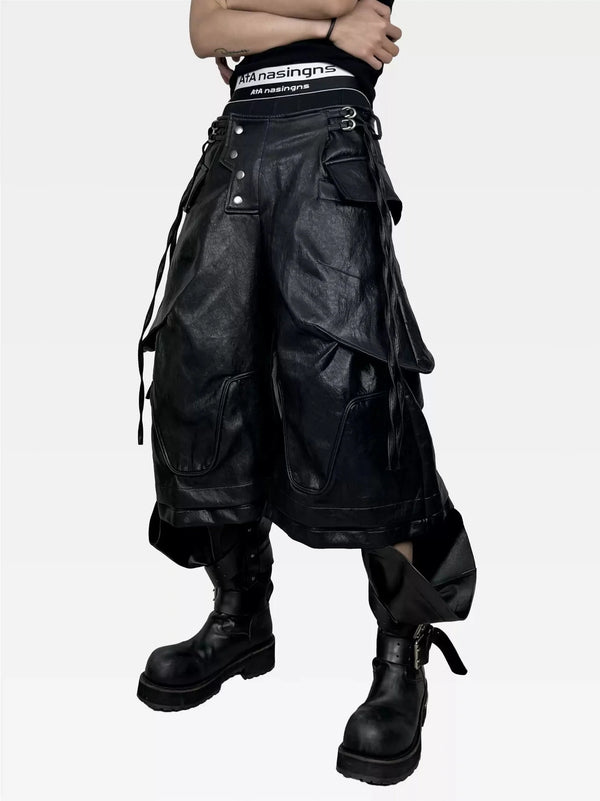
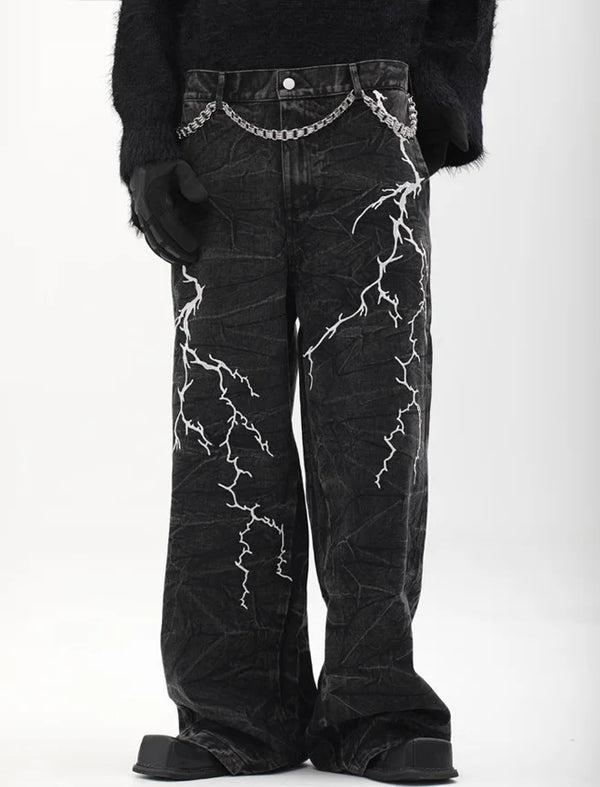
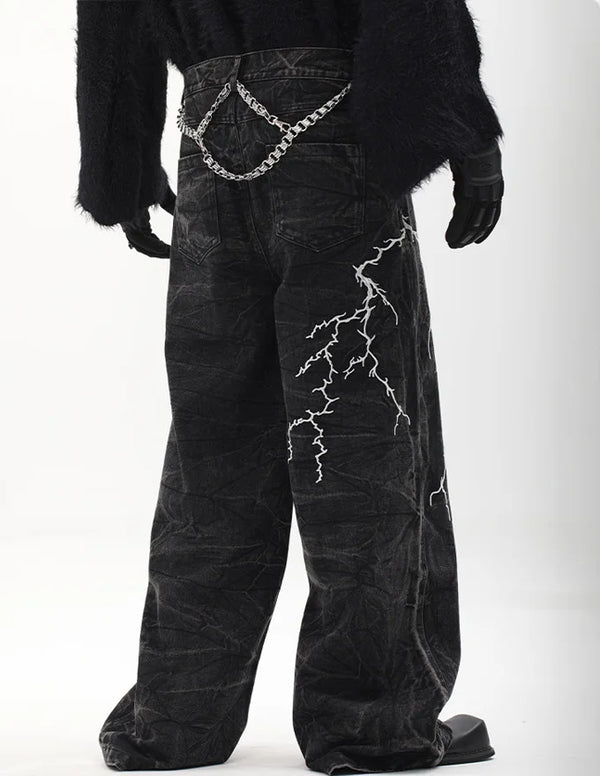
- Tripp trousers or JNCO wide-legs — checked fabric, D-ring chains, exaggerated leg width. The visual anchor piece.
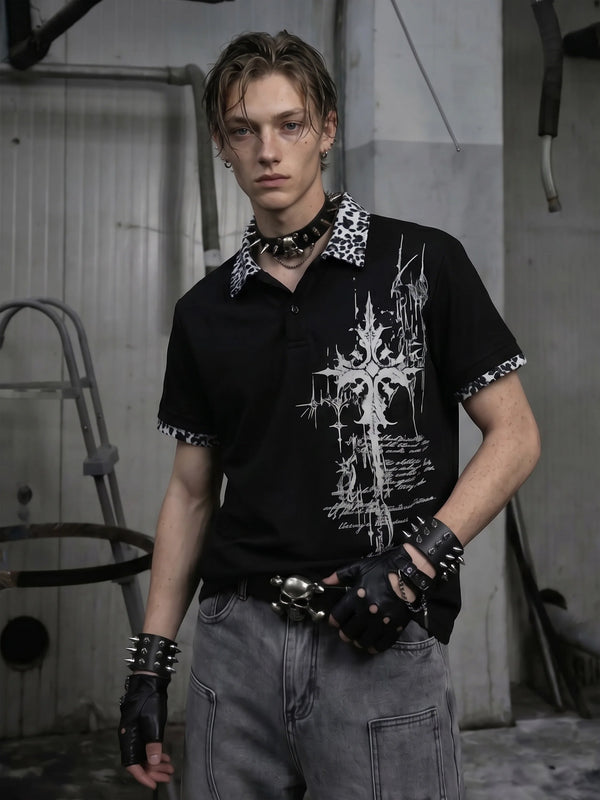
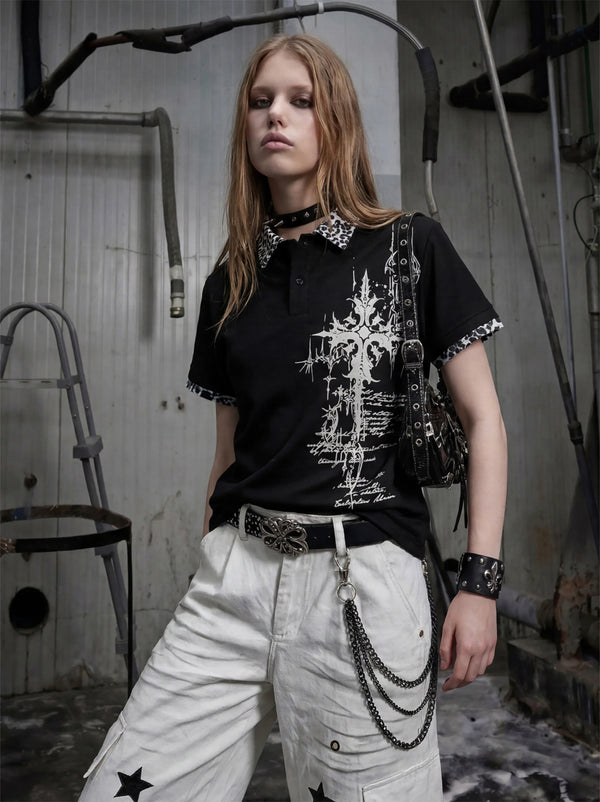
- Band shirts — Nine Inch Nails, Slipknot, Manson, Type O, Cradle of Filth. Black, large-print, often with a long-sleeve underneath.
- Fishnet as a layer — under a tank top, under a short sleeve, on arms, on legs. Never as a top on its own — that's Cyber-Goth.
- Demonia or New-Rock boots — platform, several buckles, 10+ cm sole. The combat variant is ok, but platform is Mall-Goth hardcore.
- Choker with O-ring or spike — Lip-Service chokers were the cheap status symbol. One choker per outfit, not three.
- Hair effects — Manic-Panic stripes (purple, red, green), short fringe cuts or long straightened hair with hard contours.
Polyester is the forgotten part of the definition. Mall-Goth fabric was almost never wool or cotton — the Tripp and Lip-Service pieces of the era were cheaply produced polyester with a vinyl coating. That's why the originals now go for 200 to 400 euros per piece on Depop: Hot Topic didn't build them for durability, but for one school season.
5 types
The 5 Mall-Goth types — from the Hot-Topic-Kid to the Soft-Mall-Romantic
Mall Goth was never a single look, but a range from which five recurring outfit logics emerged. Scroll through 90s yearbook photos or MTV Total Request Live recordings from 1999 and you'll find these five types again and again — in the same suburban school, the same yard, often the same cafeteria. Sorted from commercial to underground:
Differentiation
Mall Goth vs Trad Goth vs Y2K vs Grunge — where the lines run
Three questions come up in every Mall-Goth discussion, and they have clear answers — as long as you keep the time level and the brand level apart.
Is Mall Goth Y2K? No, but they overlap. Y2K is 1998 to 2003, shiny, technology-optimistic, cargo low-rise, metallic, light blue and pink. Mall Goth is 1995 to 2001, matte, technology-pessimistic, wide or laced, polyester-black. The intersection lies at wide-leg jeans and cargo trousers — both subgenres use the shape, but Y2K makes it bright and Mall Goth black. A Y2K outfit with a swapped band shirt becomes Mall Goth. The other way round too.
Is Mall Goth „real“ Goth? For Trad-Goth adults back then: no. For subculture history today: yes. Trad Goth (1980-1990) was club-based, underground-record-label-based, lace-and-velvet. Mall Goth was range-based, MTV-based, polyester-and-vinyl. Both have been catalogued under „Goth“ — but they are as different as New Wave and Industrial. Anyone wearing Mall Goth in 2026 wears its own subculture, not a watered-down Trad Goth.
Mall Goth vs Grunge? Grunge (1989-1995) was Seattle, flannel shirt, Doc Martens, unwashed, anti-fashion. Mall Goth took the flannel shirt — but under the black band shirt, not instead of it. Grunge wanted to look like it came out of the laundry basket. Mall Goth wanted to look like it took three hours.
Brands
The brands that made Mall Goth possible in the first place
Mall Goth stands on six brands. Know them and you've got the vocabulary down — don't know them and you only build Halloween costumes. The list is not exhaustive, but it covers 90 percent of the original outfits:
- Tripp NYC — checked wide-leg trousers with D-ring chains. Founded 1983, Mall-Goth boom 1998-2002. The visual anchor piece. Trousers, skirt, occasionally corset.
- JNCO Jeans — extremely wide leg width (50 to 60 cm hem), often with an embroidered logo on the back. Actually a skater brand, but adopted by Mall Goths as an anti-slim-fit statement.
- Lip Service — vinyl trousers, corsets, chokers, mesh tops. The most textile-aggressive brand of the era. Founded 1985 in LA, Mall-Goth standard from 1997 to 2003.
- Hot Topic — not a fashion brand of its own, but the range retailer. Band shirts, jewellery, make-up, platform boots. No Hot Topic, no Mall Goth.
- Manic Panic — hair-dye brand. Vampire Red, Atomic Turquoise, Electric Banana. A single Manic-Panic stripe shifts any look from „dressed dark“ to „Mall Goth“.
- Demonia — platform boots. Pleaser subsidiary, the Mall-Goth footwear par excellence since 1994. New Rock is the pricier European variant.
What connects these six brands is not quality — that was almost always medium to poor — but availability. All were reachable via Hot Topic, Walmart-Spencer's branches or the Hot-Topic catalogue. That's the central difference to Trad Goth: Trad-Goth brands like Lip Service or Stop Staring were underground and custom. Mall-Goth brands were mall.
Category · Outerwear
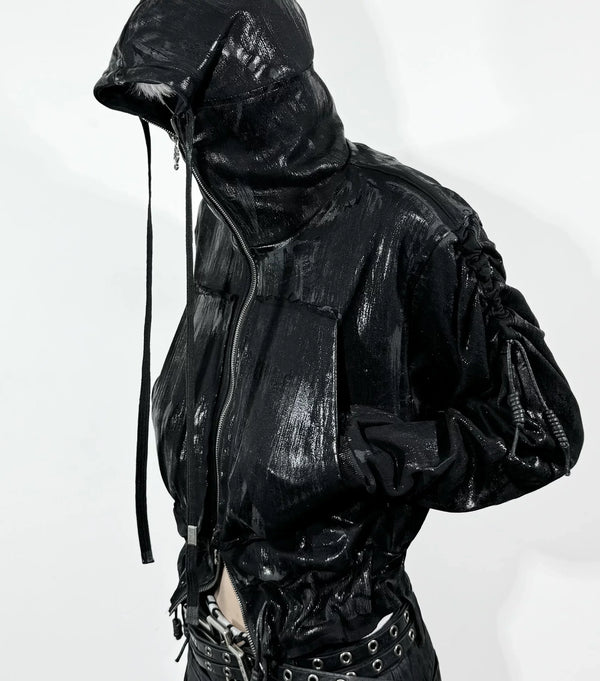
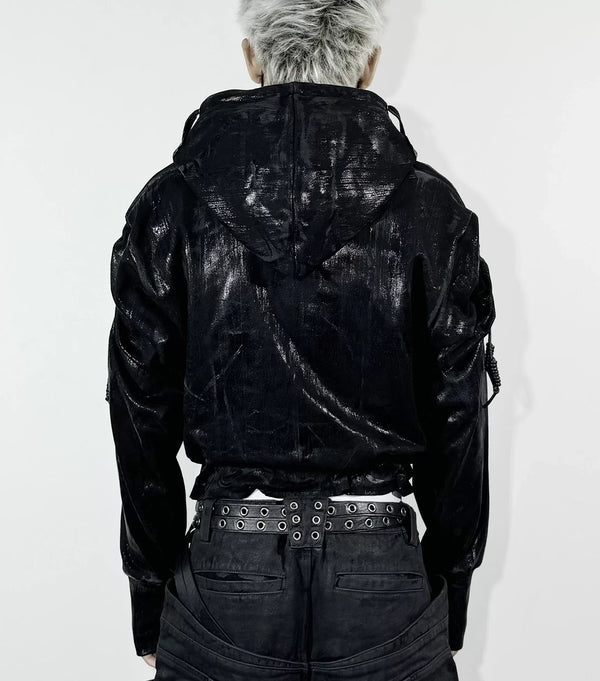
Mall-Goth jackets — bomber, studded denim, long-coat
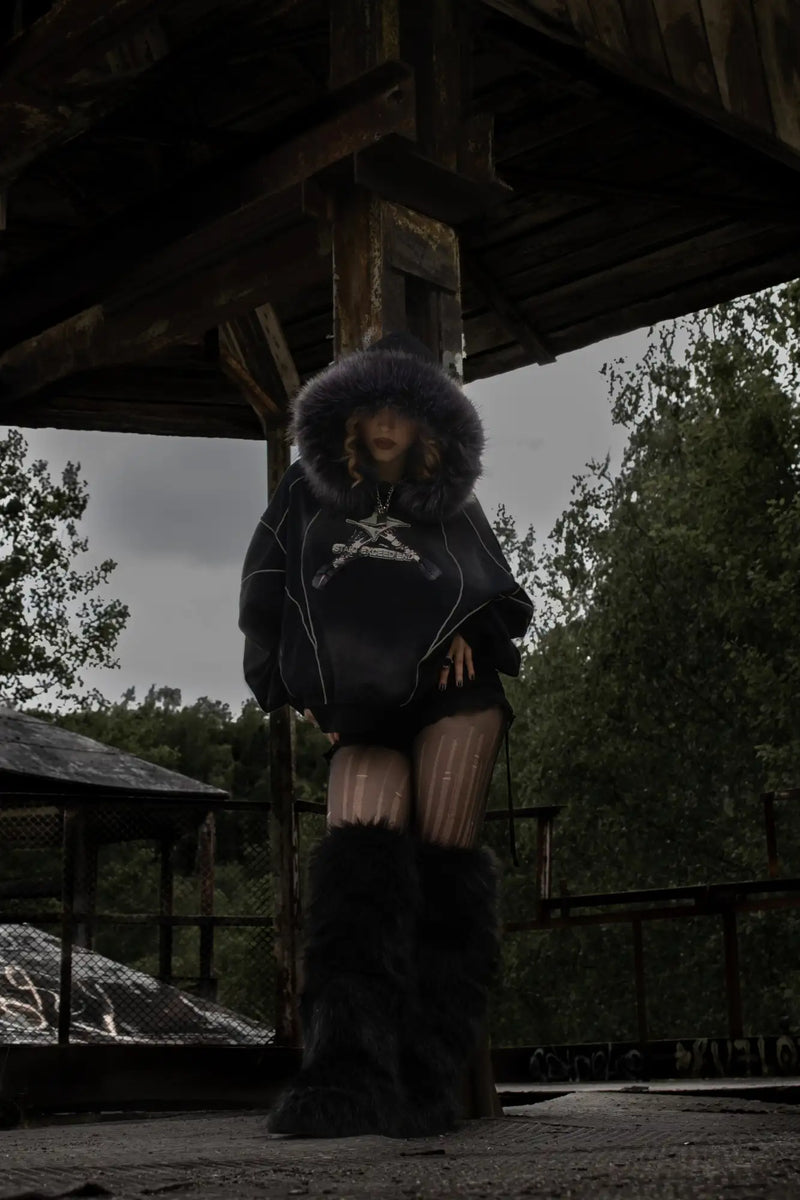
Outerwear was mostly a secondary function in original Mall Goth — most school photos are indoors, the band shirt was the anchor piece. But for any look from autumn on a jacket was needed, and they fell into three classes: studded leather or denim (commercial middle), long black coat (Crow-Romantic line), or bomber with patches (Industrial-Cyber adjacent).
The most important rule: Mall-Goth jackets are rarely clean. Patches, studs, spikes, pin collections from Hot-Topic claw machines — that was the honest 99 look. Anyone wearing Mall Goth in 2026 who buys an unworn clean leather jacket is building costume. Anyone who wants to build one with the logic buys the base and works it down.
Category · Bottoms
Mall-Goth trousers — Tripp style, JNCO, wide-leg, checked skirt
This is where the whole code sits. If only one piece of your outfit is allowed to be right, it's the trousers. Three cuts carry everything that may call itself Mall Goth: Tripp style with D-ring chains and side stripes, JNCO wide-leg with an exaggerated hem, or the checked school skirt combined with fishnet tights.
Slim-fit trousers are not Mall Goth, but Emo (2003-2008) or Trad Goth (skinny-black-stretch). Anyone wanting to build Mall Goth who grabs narrow trousers should leave them out and reach into the bottoms drawer again. That's the most common beginner trap and the fastest way to tip a look into cosplay.
Category · Tops
Mall-Goth tops — band shirt, long-sleeve, fishnet, corset
The top is the personality layer. While the trousers define subgenre membership, the top says which of the five types you currently are. Hot-Topic-Kids wear band shirts. Crow-Romantics wear long-sleeve with a lace cuff. Industrial-Cyber lines wear a mesh or fishnet tank. Tripp-NYC-Junkies mostly wear a tank top or bra top so the trousers stay visible.
The layer logic is important: Mall Goth is almost never a top on its own. Band shirt over long-sleeve is standard, mesh over tank is standard, fishnet under short-sleeve is standard. Work with only one top and you lose the 90s depth and land at modern Y2K revival.
Shoes & hardware
Mall-Goth shoes and hardware — Demonia, choker, spike, D-ring
Shoes were the most expensive single investment in original Mall Goth. While a pair of Tripp trousers cost 60 dollars and a band shirt 20 dollars, Demonia platforms ran 110 to 180 dollars in 1999 — half a week's pay for a suburban student job. That's exactly why the platform boot was the status piece.
Three shoe classes carry everything: Demonia platform (or Pleaser, or New Rock — same logic), military combat boot (Doc Martens 1460 or 1490), and the civilian variant in the form of a skater sneaker with a black sole (Etnies, Vans, later Converse Chuck Taylor in all black). Over 95 percent of the original outfit photos show one of these three.
Styling
How to really style Mall Goth — without the Halloween trap
The most important styling rule is not „more black“. But: the proportions are 90s, not 2026. Slim on top, wide below doesn't work. Wide trousers plus a tight top — that's the 2026 Y2K cut. Mall Goth was medium-heavy on top (band shirt plus long-sleeve plus optional layer), extra wide below (Tripp or JNCO).
„Mall Goth doesn't work through single pieces. It works through the late-90s schoolyard logic — whoever arrived there didn't dress like a model, but like someone who stood in front of the mirror for three hours and then walked through the rain. You need that tension in the outfit.“
— Lipp Fuge, Gründer Fūga Studios
Concretely that means: layer without it looking like layering. Long-sleeve under the band shirt, fishnet under the tank, choker AND necklace stack. But all on the same black axis, so the complexity sits in the texture, not in the colour.
The second rule: a single accent. Manic-Panic streak in the hair OR red Tripp stripe OR purple lips — never all three at once. Mall-Goth outfits at school were often 95 percent black, with one point of colour anchoring the whole outfit.
If you want to feel your way toward related looks, here are the direct neighbour-niche pages:
Within our own range there are four further reading anchors that run directly out of this pillar:
Make-up & hair
Make-up and hair — the Mall-Goth look is not just fabric
One point that most 2026 Mall-Goth attempts underestimate: the look hangs half on the face and the hair — not just on the wardrobe. The original Mall-Goth photos between 1998 and 2001 show three make-up codes that were almost never worn apart:
First: white or very pale foundation, often two tones lighter than the natural skin tone. That's the Trad-Goth heritage, imported by Mall Goth. Second: black eyeliner, eyeliner-heavy, often with a small trail outward. Third: dark lipstick in black, burgundy or aubergine — Manic Panic sold it in four standard tones, and all Mall-Goth school photos show one of them.
The hair logic is simpler: dyed black (Manic Panic Raven or drugstore-box black), often with an accent stripe in red, purple or green. Fringe either pulled hard straight or styled long forward so that one half of the face was half-covered. Long hair was mostly blow-dried straight, sometimes with a crimping effect.
Common mistakes
The 6 most common Mall-Goth mistakes — what immediately looks like costume
Mall Goth is commercial, so there are many clean ways to wear it — and just as many ways to tip it into cosplay. The following six mistakes show up again in every 2026 attempt:
-
01
Slim-fit trousers below
Mall Goth was never skinny. Wear skinny jeans and you build Trad Goth or Emo. The leg width is not optional.
-
02
More than two accent colours
Red Tripp stripe plus pink Manic-Panic streak plus green choker — that's Rave-Goth mix, not Mall Goth. One accent per outfit, two maximum.
-
03
Band shirt from a band you don't listen to
Mall-Goth band shirts are identity markers, not print designs. Wearing Slipknot without knowing a single album gets read instantly — and in real life that was already the most common Mall-Goth-internal criticism in 1999.
-
04
Demonia without 90s proportions
Platform boots plus modern tight cargo plus crop top — that's 2024-TikTok Mall Goth, not 1999 Mall Goth. If you wear Demonia, you need the full 90s width on top.
-
05
Logo-visible luxury pieces mixed in
Mall Goth was mall from the start — no luxury, no designer. A Balenciaga bag in the outfit tips the look into Goth-cosplay-at-an-influencer-wedding. If a bag at all, then Spencer's or an eBay find.
-
06
Make-up left out entirely
The most common 2026 mistake. Fabric alone makes no Mall Goth — eyeliner and lip are 50 percent of the look. Leave that out and you build a clean wardrobe without identity.
Quick start
90s themed-party outfit — the quick start in under two hours
If the party is in 48 hours and you don't want to land in wig-and-make-up Halloween, there's a quick Mall-Goth cut that works with four pieces. The trick: don't buy a statement piece, but combine four medium pieces that are all in the logic.
The four first pieces for a party outfit, in this order:
If you have the four pieces, you need no wig and no extra make-up. Pull the fringe forward, redo the eyeliner, done. Anyone wearing Mall Goth to a 90s themed party in 2026 beats 80 percent of the „Spice-Girls“ or „Backstreet-Boys“ attempts in the room — because Mall Goth is visually harder and lands better in the camera lens.
One important warning: 90s party doesn't necessarily mean Mall Goth. If the party crowd is Y2K or Grunge oriented, Mall Goth can come across as too hard. At an industrial or nu-metal theme it's perfect. At a general 90s theme, middling — clearly visible, but not out of place.
Outfits for real
Mall-Goth outfits for real — how it looks on Tumblr and Instagram
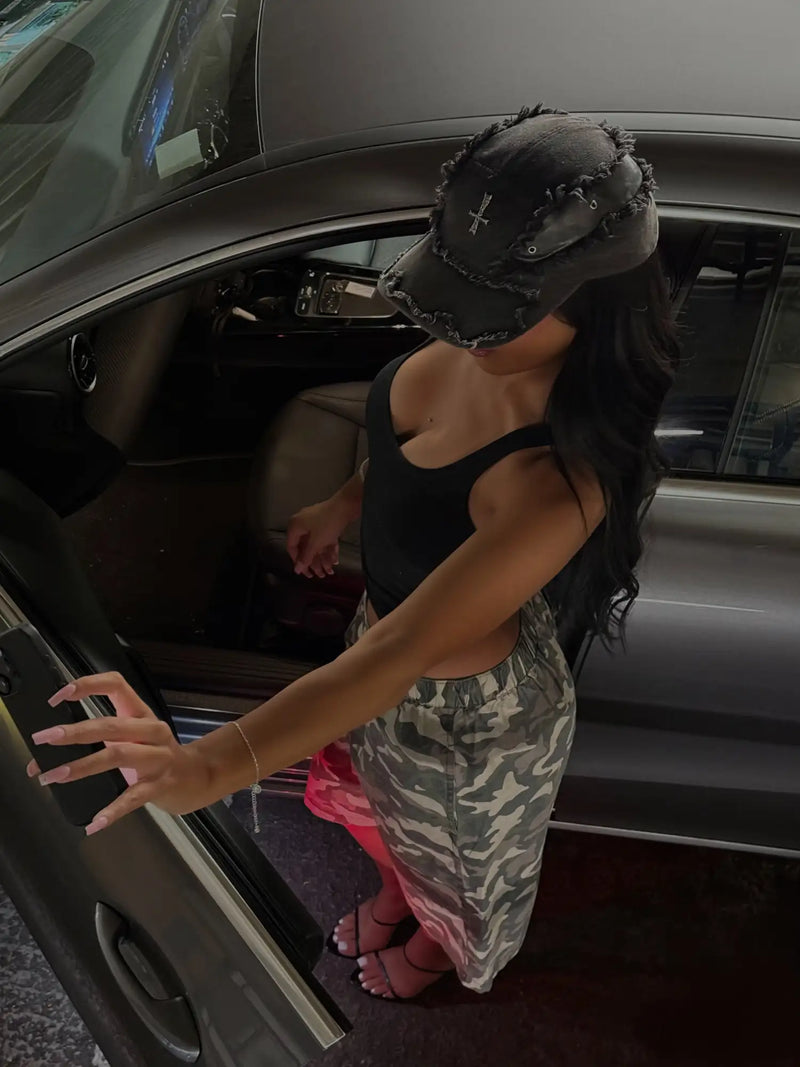
Before you build your own outfit, look at how others wear it. The five types from above look different in Tumblr reblogs and Instagram feeds than in lookbook photos: tighter, dirtier, less perfect — and that's exactly why they work. It's the fastest way to check whether Mall Goth sits on your body type before you buy pieces.
What works in the feed and not in the studio shot: the unintended layers. Hoodie over band shirt over long-sleeve. Necklace stack with chains of different lengths. Tripp trousers that already look two seasons worn. None of that translates into studio looks — but in everyday life it's the difference between a Mall-Goth outfit and a Mall-Goth costume.
To close
Mall Goth as a 1999 look — and still wearable in 2026
If you remember one thing from this guide, then this: Mall Goth was never cool because it was underground. Mall Goth was cool because it was commercially precise. Hot Topic, Tripp NYC, Demonia carried more subculture code into suburban schools in five years than any underground scene before. Exactly this combination of „easy to buy“ and „visually consistent“ makes the look still wearable in 2026.
The whole logic of this guide reduces to one sentence:
The rules have been stable since 1999 and will stay that way — as long as Hot Topic, Tripp NYC and Demonia keep existing. But you don't have to wait until you know the whole brand catalogue by heart. Start with the one type that fits you best. What you don't know, you learn by wearing.
And that's the point too: Mall Goth reads in theory like a list of rules, but in practice doesn't feel that way. Once you've got the code down, every further outfit is a variation on the same four or five building blocks — not a new invention.
FAQ
Frequently asked questions about 90s Mall Goth Outfits
The questions we often get by DM and email — short, clear, no detours.
What do Mall Goths actually wear exactly?
Is Mall Goth the same as Y2K?
What do I wear to a 90s themed party if I want to do Mall Goth?
Was Goth even popular in the 90s?
Is Mall Goth really a „real“ Goth or just cosplay?
Can I wear Mall Goth without being able to afford Tripp NYC or JNCO?
What do you think?
Tell us on @fuga_studios
About the author
Philipp Fuge — Founder · Berlin
Founder of Fūga Studios. Writes the journal himself. Berlin · Shanghai · Tokyo · Poznań — four cities, one logic.