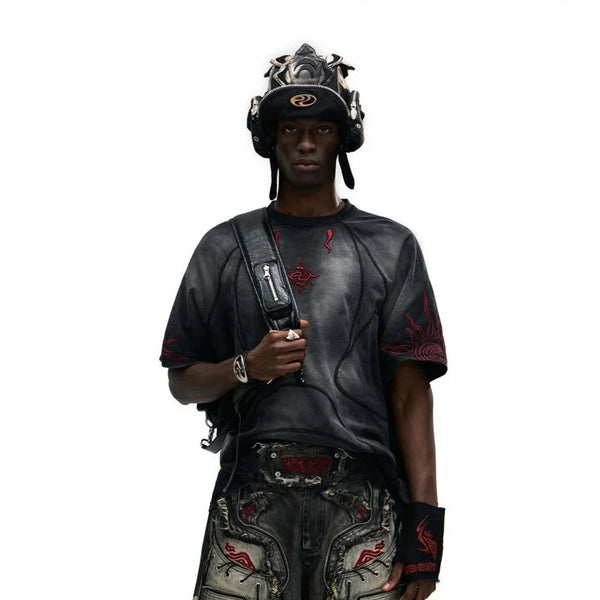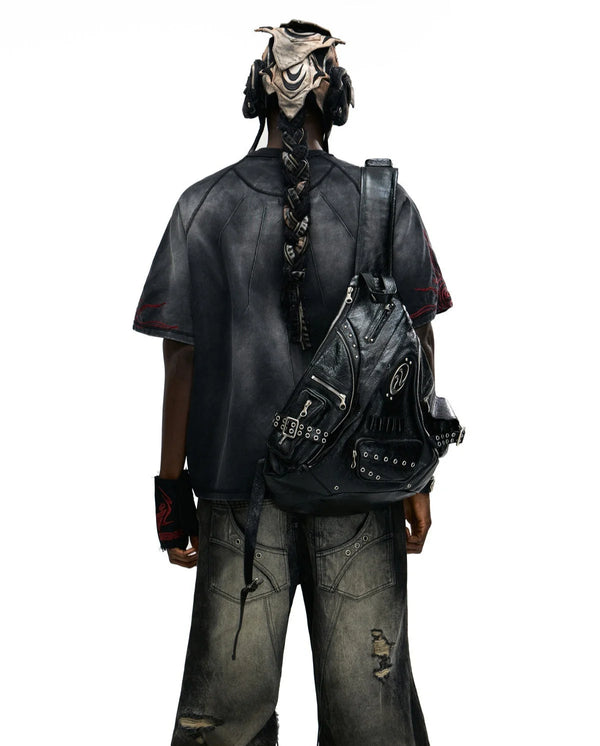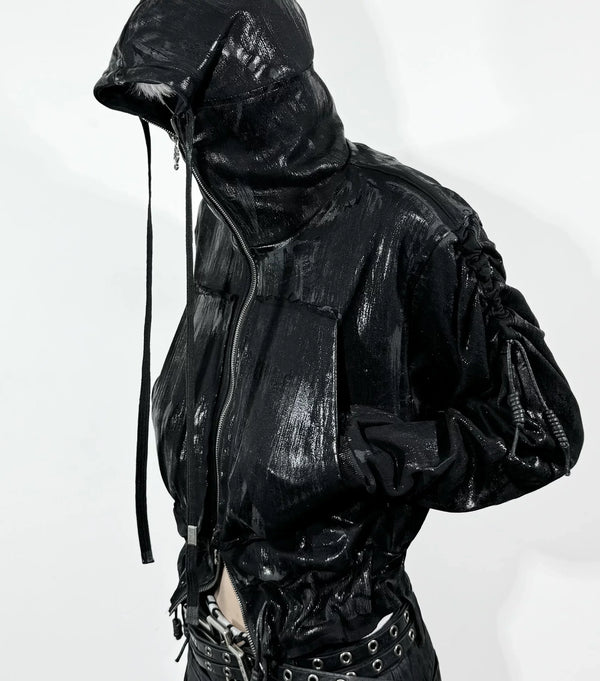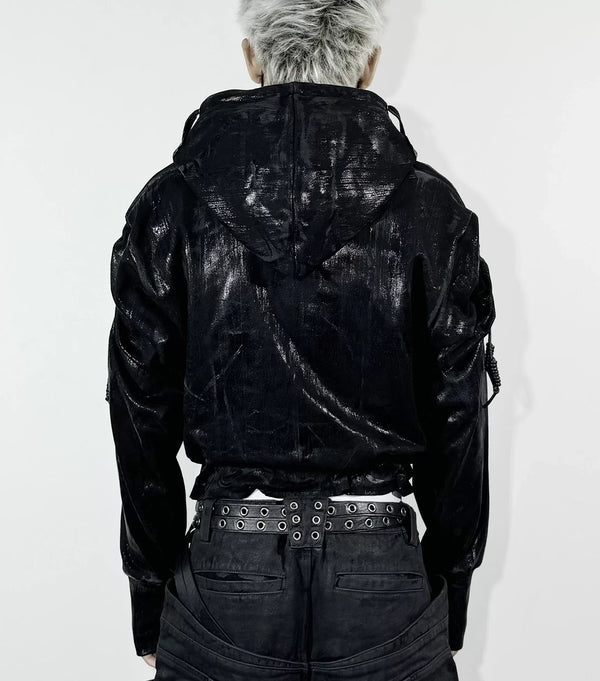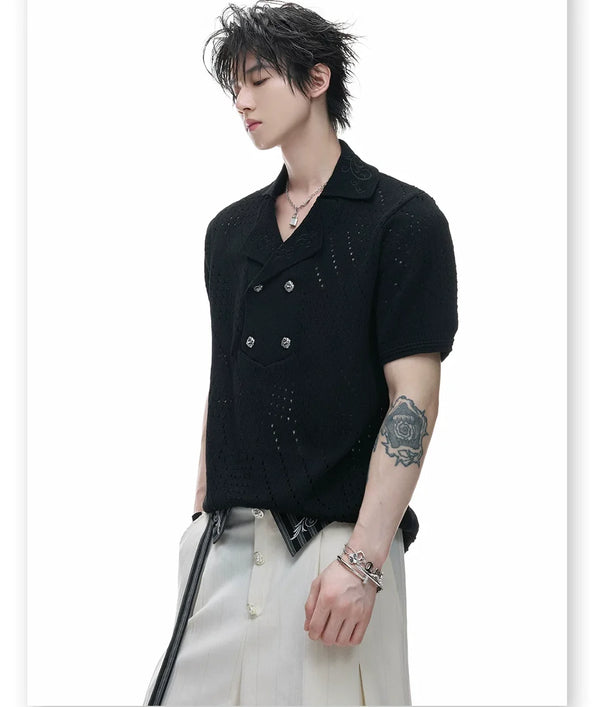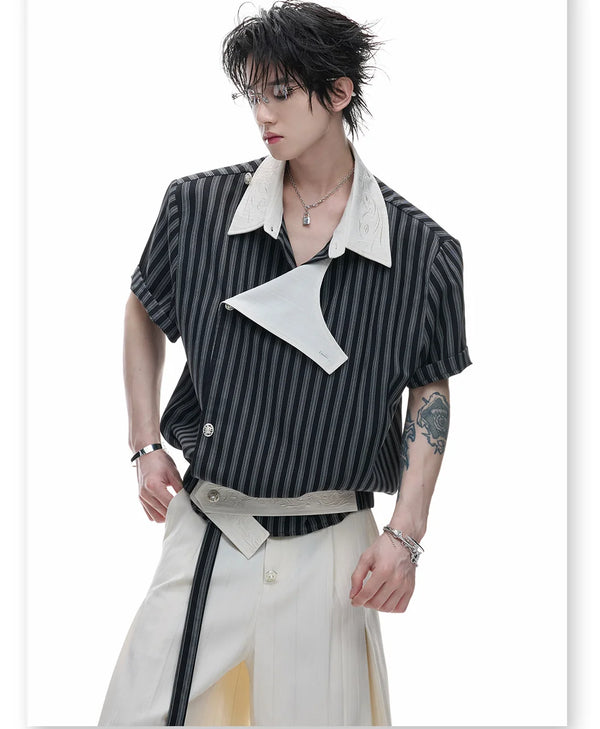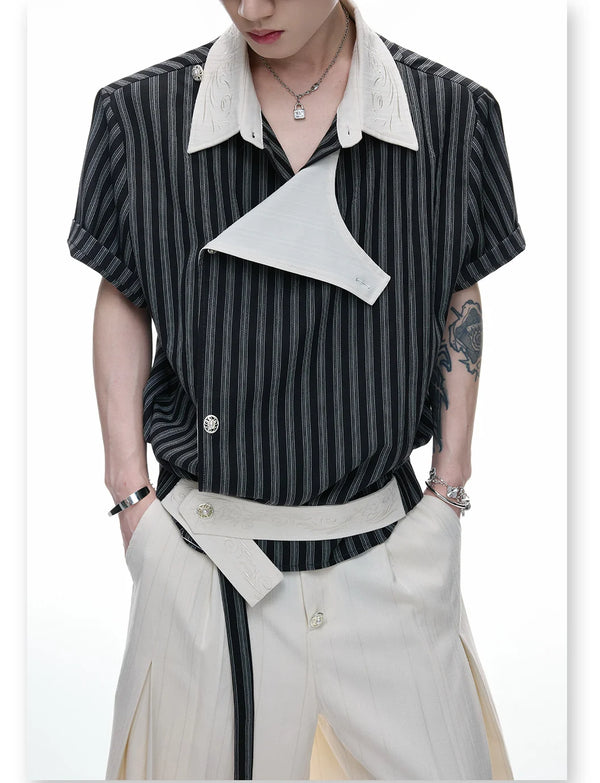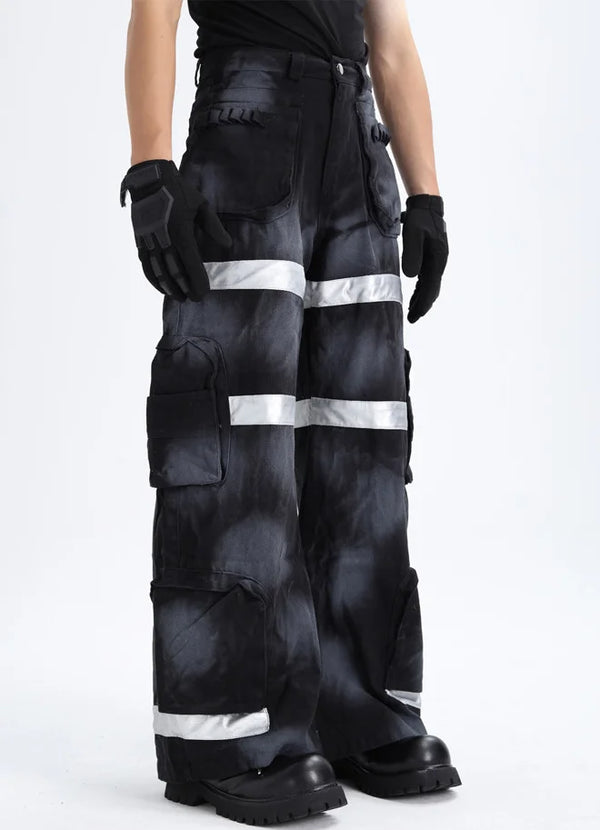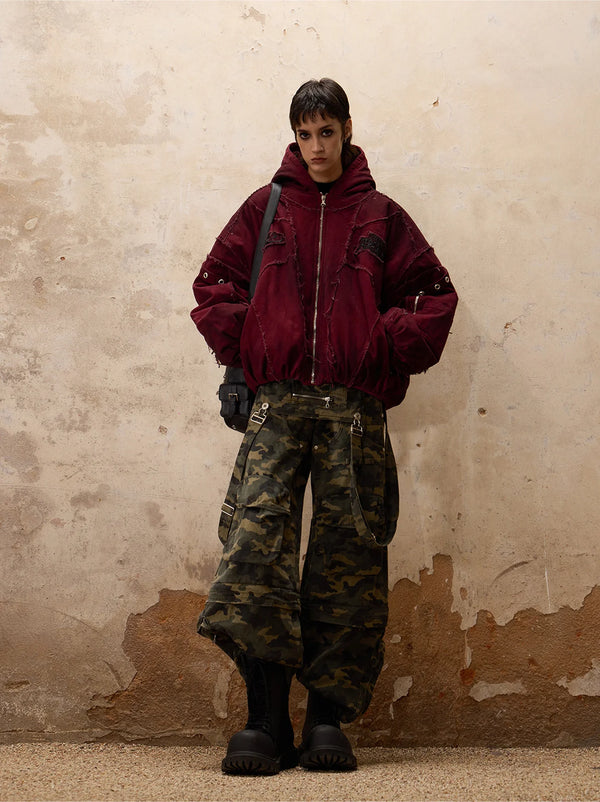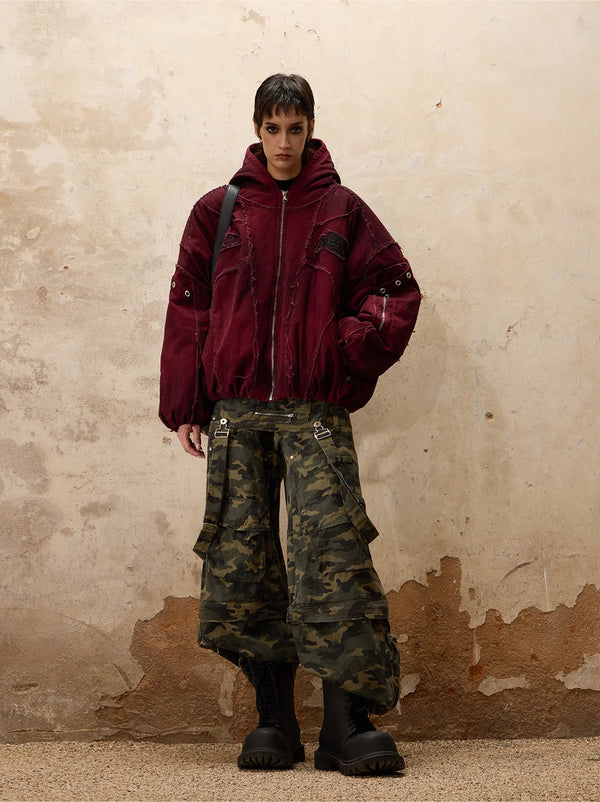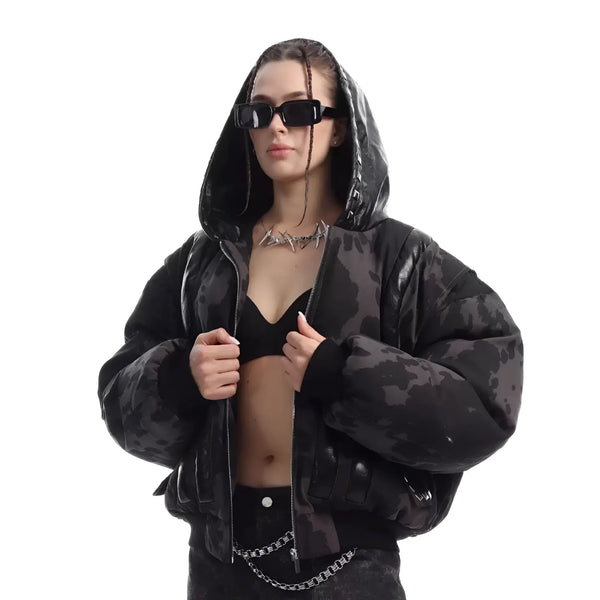

Everyone talks about „Goth Business Casual" as if it were a black shirt with grey trousers. That’s the lower threshold — not the code. Anyone who really wears Goth Business Casual follows four rules that have been stable since the 80s. And none of them has anything to do with skull prints or leather jackets.
Goth Business Casual emerged between Antwerp, Tokyo and Paris, long before TikTok turned it into „Corporate Goth". It’s an outfit system for men who sit in an office but don’t want to look like an H&M poster in the meeting. Matte black, structure-driven cut, a single metal language, zero symbolism. Pull that off and you look grown-up — precise, quietly respectable, without losing the Goth share.
This guide lays out the whole code: who invented it, what belongs to it, how the 4 types differ, how it translates into blazer / trousers / shirt / shoe, which brands wrote the vocabulary — and which 5 mistakes tip your outfit over instantly.
What that looks like in a real office outfit — compact, in under 15 seconds:
Origin
Who invented Goth Business Casual — and why does it work at the office?
Three cities wrote the code in parallel, all in the early 80s. Yohji Yamamoto and Rei Kawakubo (Comme des Garçons) showed their first collection in Paris in 1981 — black volume, deconstructed cuts, no logo, no colour. It isn’t Goth subculture, it’s the Japanese answer to European haute couture. But the vocabulary is the same one that will later move into the office.
Five years later the Antwerp Six arrive — Ann Demeulemeester, Dries Van Noten, Dirk Bikkembergs and three more Belgians — in London, and translate the Japanese black into European tailoring tradition. Demeulemeester is the direct Goth bridge: drape, falling cut, silver hardware, a melancholic line. Anyone wearing Goth Business Casual today is wearing, at its core, what Demeulemeester already showed in 1986.
Helmut Lang does the final translation in New York in the 90s: minimal-black tailoring for bankers, architects and tech founders. Slim suit, no shine, no detail except construction. That tips the vocabulary for good from the avant-garde runway into serious working life. The TikTok term „Corporate Goth" has, since around 2020, described what has long been worn at desks in Berlin, Hamburg, Vienna and Zurich.
Definition
What is Goth Business Casual for men — and what all counts towards it?
Business casual for men generally means: no suit, but a structured top; no tie, but a shirt or polo; no sneakers, but leather or a boot. Goth Business Casual takes that scale and adds four constraints — all derivable from the Antwerp-Tokyo line.
95 %
matte black or anthracite
1
metal language (silver)
4
Types
0
visible symbols
The four numbers aren’t decoration. If your outfit breaks one — 70% black instead of 95%, or gold hardware instead of silver, or a skull print on the shirt — you’re no longer in Goth Business Casual. You’re in Goth streetwear that happens to have a blazer. In the meeting that doesn’t read the same.
What concretely belongs in the code:
- Matte black or anthracite fabrics as the main surface — virgin wool, Tencel, heavy cotton, tropical wool. Shine is suit rental, not office.
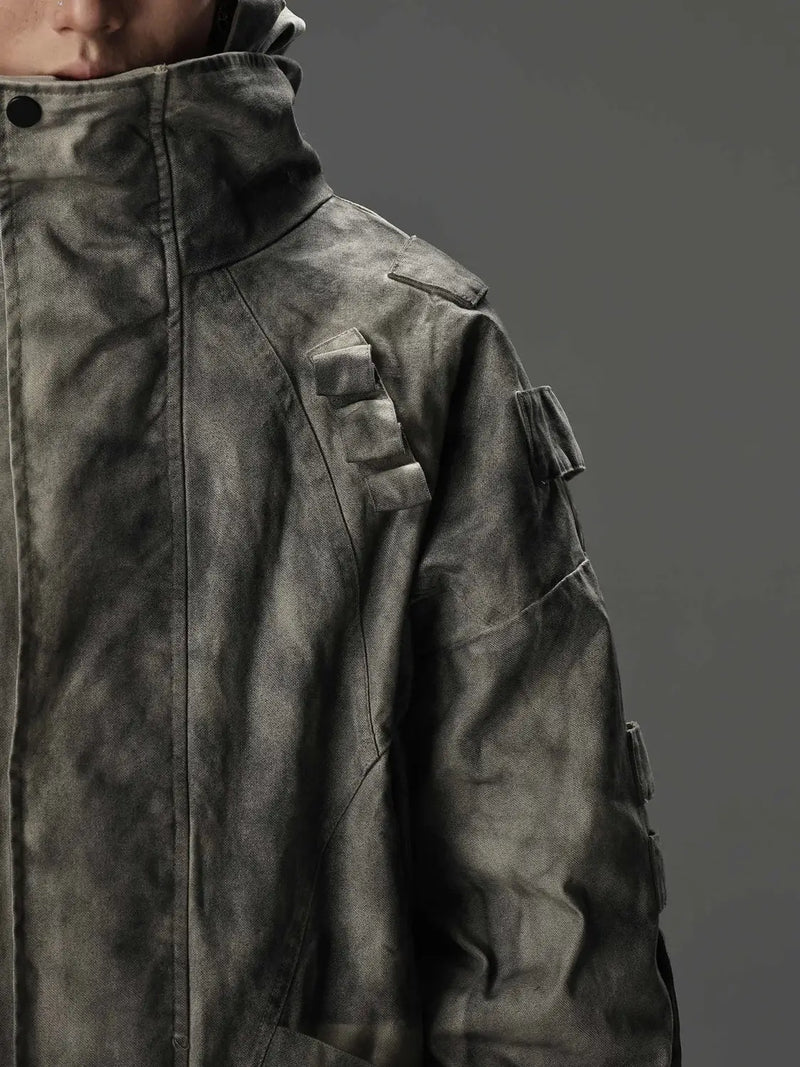
- Structured cut with a clear shoulder — blazer, tunic coat, or at least a shirt with a firm shoulder line. Soft sweaters alone tip the look into smart casual.
- Silver hardware only on construction details — cufflink, belt buckle, zip. Not as a jewellery statement over the shirt.
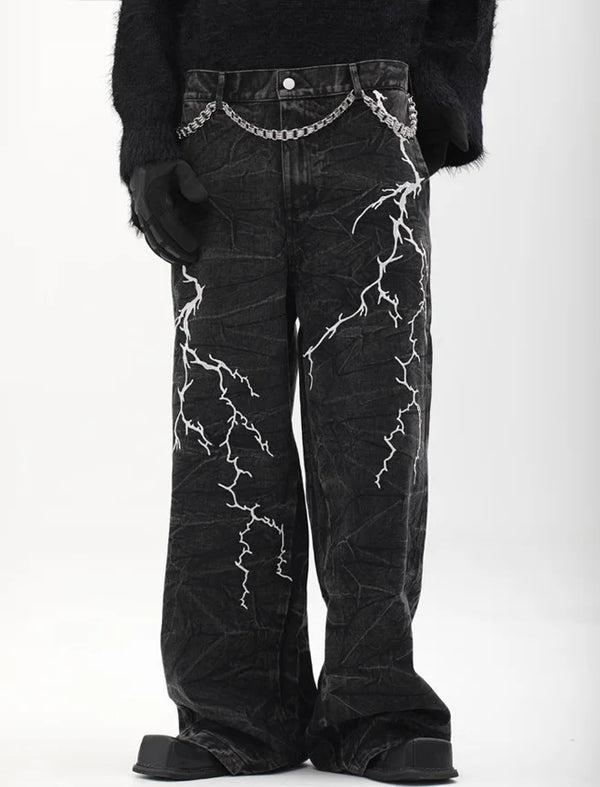
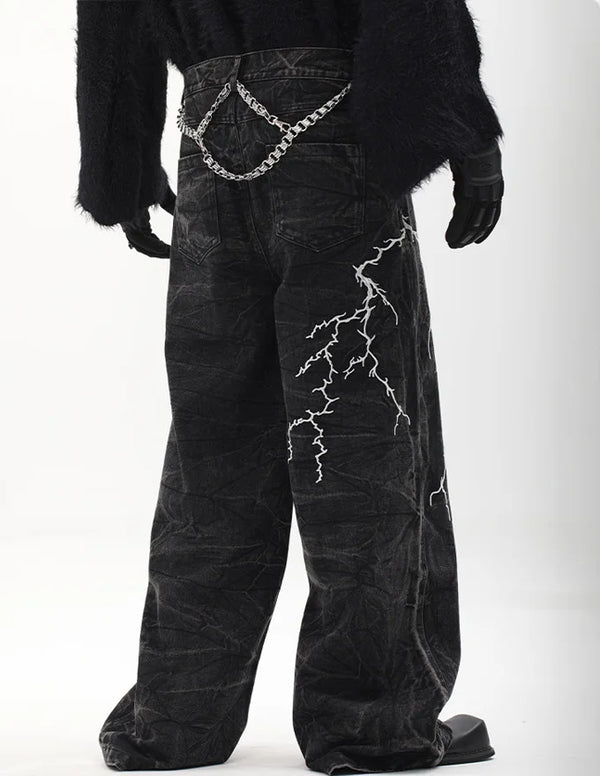
- Trousers with a defined fit — crease or wide-leg wool trousers; jeans only matte black, no wash, no distressing.
- Leather shoe or a subtle boot — Derby, Chelsea, brogue, combat with a clean shaft. Sneakers stay home.
- No visible symbols — cross, skull, pentagram, spider web stay in the weekend outfit. At the office, symbolism reads as cosplay.
If you’re missing two of these six points, it’s no longer Goth Business Casual — it’s „dressed dark". One rule holds all six together:
4 types
The 4 types of Goth Business Casual for men
Goth Business Casual isn’t one look, it’s four — and they look clearly different at the office. Put pictures of architects in Berlin, brand designers in Tokyo and tech founders in Vienna side by side, and the four types fall cleanly apart. Each with its own black quota, its own silver density, its own risk tolerance for „too Goth for the office".
Which type suits you depends less on taste than on the industry you sit in, and on how much drape your body carries. The next question almost everyone asks themselves: do you actually need a blazer for this, or does it work without one?
Blazer question
Goth Business Casual with or without a blazer — where the line sits
In classic business casual the blazer is optional — shirt plus trousers plus leather shoe is enough. In Goth Business Casual it isn’t optional, only the form is negotiable. You need some form of structured top with a clear shoulder. What exactly that is, you decide.
Three forms work as a blazer equivalent: the classic blazer (all four types), the tunic coat or short coat (Architectural Drape and Vintage Romantic), and the technical blazer in wool-stretch or coated wool (Tech-Goth). What doesn’t work: sweater over shirt, hoodie under an open cardigan, T-shirt under a leather jacket. All three tip straight into Goth streetwear or smart casual.
The rule behind it: without a structured top the code loses its office effect. A matte black outfit without a shoulder line reads as a dancefloor outfit, not a meeting outfit. When in doubt: blazer on, better too formal than too casual — business casual has no lower threshold, the top end is always ok.
In summer an unstructured linen jacket or a light tunic replaces the blazer. Both still have a clear shoulder. What they lose is padding and stiffness — what they keep is the line.
Brands
Goth Business Casual brands — which labels really write the code
If you want to see the code in its purest form, look at the brands that have been building it since the 80s and 90s. None of them calls itself „Goth Business Casual", but all of them deliver the vocabulary. Know a few of these names and you can trace the cut on the resale market or with DTC brands too.
The brands that wrote the Goth Business Casual vocabulary — chronologically:
- Yohji Yamamoto — Tokyo, in Paris since 1981. The black volume, the falling cut, the shoulder without stiffness. Yohji is the origin of the drape line that later moves into the office.
- Comme des Garçons — Rei Kawakubo, also 1981 in Paris. Deconstruction as method: seam on the outside, asymmetric cut, black on black. The CdG Homme Plus tailoring is Goth Business Casual in pure form.
- Ann Demeulemeester — Antwerp, from 1986. The most direct bridge between Goth subculture and tailoring tradition. Asymmetric tunics, silver hardware, white shirts with ruffles — much of what is called „Corporate Goth" today is Demeulemeester from the 90s.
- Helmut Lang — Vienna-New York, from 1986. Minimal-black tailoring for bankers and architects. Slim suit, no detail except construction. Lang makes the code desk-ready.
- Damir Doma — Munich-Paris, from 2007. Drape and muted tonality for a younger generation. Subtler Goth than Demeulemeester, but the same line.
- Boris Bidjan Saberi — Barcelona-Berlin, from 2007. A dark-utilitarian vocabulary, technical fabrics in tailored cuts. The Tech-Goth iteration in pure form.
- Julius Tokyo — Tatsuro Horikawa, from 2002. Japanese dark tailoring with a Techwear element. If you want Goth Business Casual with a zip detail, you go to Julius.
- Yang Li — London-Paris, from 2011. Post-punk in a suit, melancholic black, attention to the shoulder. The youngest iteration of the line.
You don’t have to pay designer prices for it. Once you understand the vocabulary, you find the same cuts on resale platforms, in vintage stores or with DTC brands for a fraction. The vocabulary is universal — the brands are just the textbook version.
Category · Outerwear
Blazer & jacket — the office outerwear
The blazer carries the whole outfit. It’s the largest surface, the most dominant fabric choice, the primary carrier of the shoulder line. This is where it’s decided whether your matte black outfit becomes a Goth Business Casual look — or a disguised streetwear outfit.
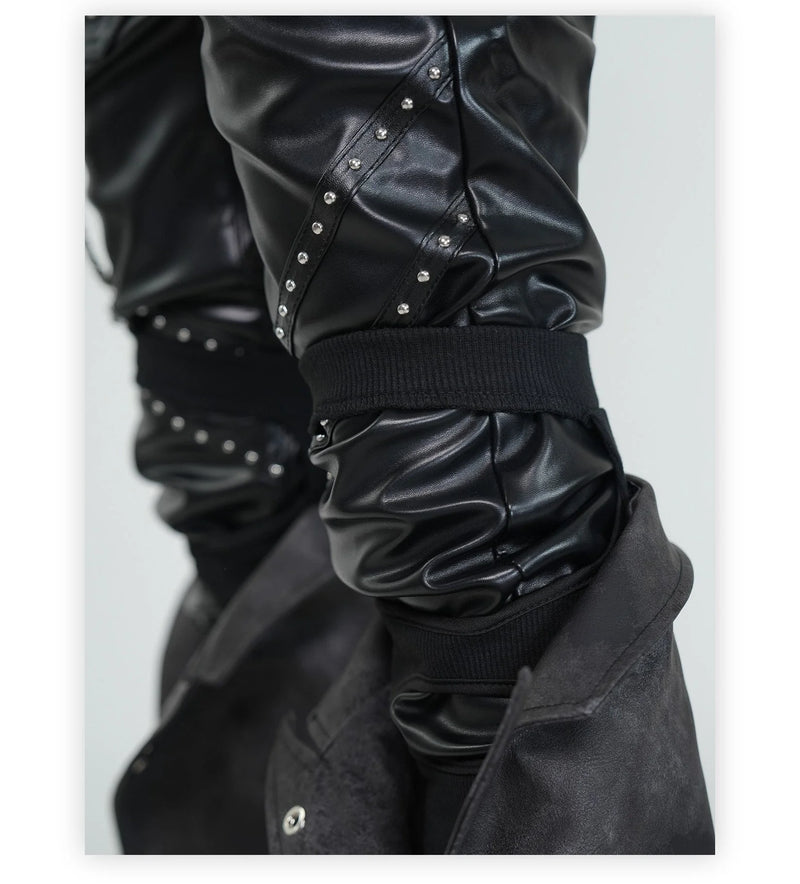
Three blazer types work: the slim single-breasted in virgin wool or tropical wool (Clean Corporate), the double-breasted with a clear shoulder (Architectural Drape and Vintage Romantic), and the tunic blazer or studded variant for the more expressive iteration (also for Tech-Goth, as long as the detail stays functional). What doesn’t work: a shiny satin blazer, a short bomber as a blazer substitute, a logo blazer.
If you don’t yet own a suitable black blazer, that’s the first investment. Without it none of the four types works.
Category · Bottoms
Trousers — fit close at the waist, fall heavy (jeans question settled)
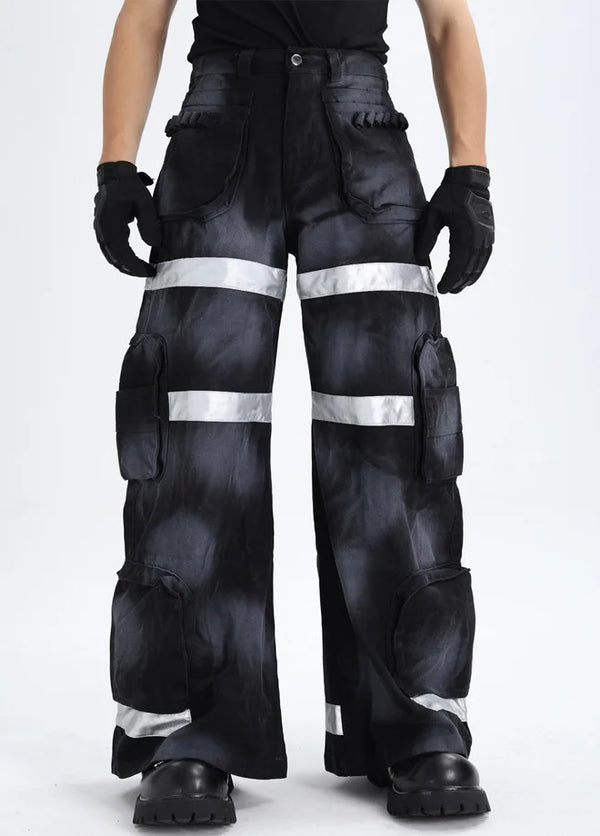
Trousers decide whether the Goth Business Casual look turns out grown-up or disguised. The rule: the waist sits close, the cut falls heavy, the fabric is matte. What happens below that the type decides — wide-leg for Architectural Drape, slim cut for Clean Corporate, pinstripe for Vintage Romantic, cargo wide-leg for Tech-Goth.
On the jeans question, short and clean: yes, jeans are allowed — but only matte black, no wash, no distressed spots, no rips. If the jeans look like a piece you’d also wear at the weekend, they’re out. If they could read as wool trousers when you don’t look closely, they’re in. Safer is a wool trouser with a crease or a wide-leg tropical wool — it works in all four types, jeans only in three.
If you’re looking for trousers that will be in 80% of your office outfits, take wide-leg wool in anthracite. It works with a blazer, with a tunic coat, with sweater-plus-blazer — it goes with a Derby and with a Chelsea boot.
Category · Skin layer
Shirts & skin layer — what happens under the blazer
The shirt is the inconspicuous component — and that’s exactly why it stands out when it tips. A badly fitting shirt ruins even the most expensive blazer. Three shirt types carry Goth Business Casual: the clean white button-down (all four types), the matte black or dark anthracite shirt (Clean Corporate and Tech-Goth), and the ruffled or frilled shirt (Vintage Romantic).
Printed shirts, polo shirts with a logo, T-shirts under an open blazer — all three tip the look. If a shirt under the blazer won’t do, then a matte black long-sleeve or fine-knit sweater with a clean neck. Henley works for Tech-Goth, but it’s on the edge.
If you want to start without a visible symbol detail, take a plain matte black shirt. It goes with all four types and is the safest choice for the first office test.
Category · Footwear & Hardware
Shoes & hardware — the silver points at the office
In Goth Business Casual shoes are the second visible point of failure after the blazer cut. Sneakers are out in every one of the four iterations. No matter the brand, no matter the colour. The silhouette of a sneaker — round cap, low sole, padding — breaks the shoulder-fall logic of the outfit instantly.
What works: Derby (Clean Corporate), Chelsea boot (all four types), brogue (Vintage Romantic), combat boot with a clean shaft (Tech-Goth and Architectural Drape). All matte black, all with subtle silver hardware only on the buckle or lace eyelet. On hardware: cufflink in silver, belt buckle in silver, optionally a slim silver chain — but under the shirt, not over it.
If you’re buying just one pair of office shoes for Goth Business Casual, take a Chelsea boot in matte black leather with a subtle silver buckle. It works in all four types, in every industry, with every one of your blazers.
Styling physics
How to actually style Goth Business Casual — the physics at the office
Goth Business Casual works through exactly one detail: where the shoulder sits and how the trousers fall. Shoulder close and straight on top, trousers falling and heavy below — fits. Shoulder soft, trousers slim — doesn’t fit. This rule isn’t new, it’s already laid down in the Yohji cuts of 1981.
The shoulder makes the blazer. Everything else follows.
— Schneider-Grundregel, seit Wien 1880
In practice: a blazer with a clear shoulder line plus wide-leg wool. Or a tunic coat plus slim trousers with a crease. Never sweater-with-a-falling-shoulder plus tight trousers — that tips every outfit into smart casual or Goth streetwear. What looks okay in the mirror reads differently at the office the moment you move.
Goth Business Casual doesn’t stand alone in the code universe. It overlaps at several edges with related aesthetics — and once you have the code down, you can read these neighbours without sliding into cosplay. The leisure variant of the same line we’ve covered in a separate article:
Here are the four most important neighbouring codes — each with its own guide, in case you want to go deeper:
Seasonal
Goth Business Casual in summer vs winter
In winter Goth Business Casual is easiest. Virgin-wool blazer or tunic coat, dark wide-leg trousers, long-sleeve, Chelsea boot. Six layers underneath if needed — as long as the shoulder line holds. The challenge comes in summer, when the outer layer (= the largest visible surface) gets too warm.
Summer Goth Business Casual works through two adjustments. First: light wool or tropical wool instead of winter wool — same cut, different weight. Second: an unstructured linen blazer or a light tunic instead of the stiff winter blazer. The shoulder line stays, the padding goes.
The year-round solution is layer logic: a thin wool-stretch blazer that works in winter with a fine-knit sweater underneath and in summer with a short-sleeve shirt. Fabric stays the same, inner layer varies. That’s the Lang solution from the 90s, and it has worked stably for 30 years.
Here’s what that looks like in motion — from the winter heavy-layer to the summer single-blazer line:
What does not work
The 5 most common Goth Business Casual mistakes — what you must NOT wear at the office
There are five spots where Goth Business Casual reliably tips — no matter how expensive the individual pieces are. If you avoid just one thing, make it mistake number one.
Action
How to start in Goth Business Casual — the first 4 pieces
You don’t need 20 black office items to wear Goth Business Casual. You need four that will be in 80% of your outfits. Everything else builds around them.
In order: a matte black or anthracite virgin-wool blazer with a clear shoulder (your biggest investment — lasts 10 years if you don’t buy cheap). A wide-leg wool trouser in anthracite. A white button-down and a matte black long-sleeve. A Chelsea boot in matte black leather. A slim silver chain as an optional fifth — but under the shirt.
Outfits for real
Goth Business Casual for real — how it looks in the Berlin and Vienna office
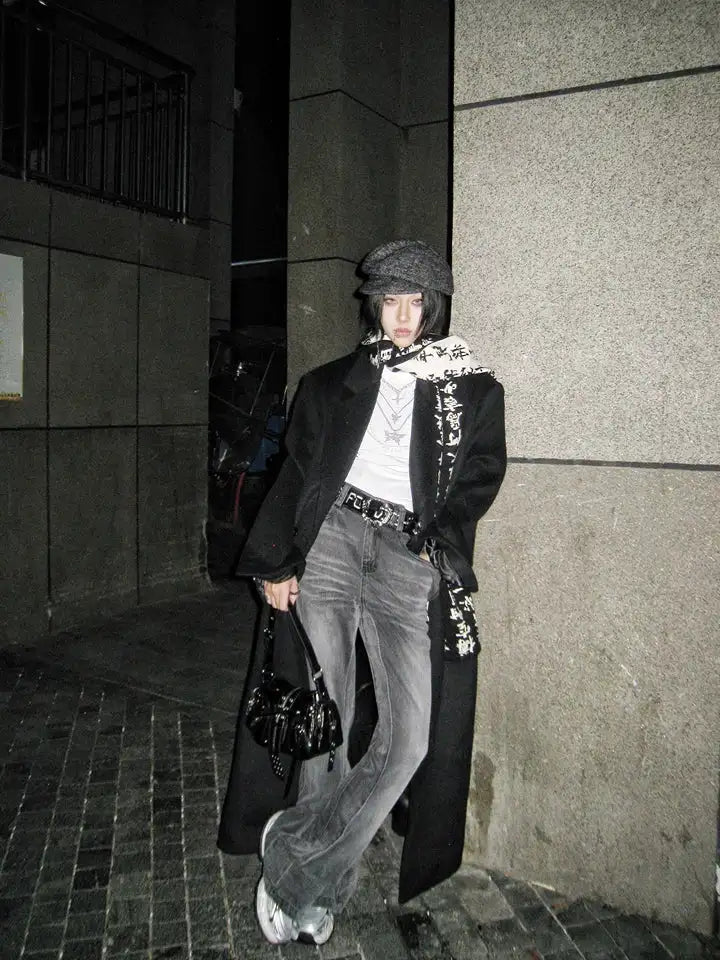
Before you build your own, look at how others wear it in working life. The four types from above look different in the feed than in lookbook photos — less perfect, more worn-in, closer to the real working day. And that’s exactly why they work.
This is the fastest way to check whether Goth Business Casual fits your body type and your industry at all — before you spend money.
To close
Goth Business Casual is discipline, not a costume
If you remember one thing from this guide, make it this: Goth Business Casual works not through pieces but through rules. Know the rules and you build forty office outfits from fifteen items. Buy only pieces and you have a full wardrobe without a single meeting-ready outfit.
The whole logic of this guide reduces to one sentence:
The rules have been stable since the 80s and will stay that way. But you don’t have to wait until you know them all by heart. Start with the one type that best suits your industry. What you don’t know, you learn by wearing it.
And that’s the point: Goth Business Casual reads in theory like a corset of rules, but in practice it doesn’t feel that way. Once you have the code down, every further outfit is a variation on the same four or five building blocks — not a new invention.
FAQ
Frequently asked questions about Goth Business Casual for men
The questions we often get by DM and email — short, clear, no detours.
What even is business casual for men — and where does the Goth variant sit?
Are jeans allowed in Goth Business Casual?
Goth Business Casual with or without a blazer?
What must you NOT wear to a Goth Business Casual occasion?
What’s the difference between Corporate Goth and Goth Business Casual?
Which shoes fit the office besides a Chelsea boot?
How does Goth Business Casual work in summer at 30 °C?
What do you think?
Tell us on @fuga_studios
About the author
Philipp Fuge — Founder · Berlin
Founder of Fūga Studios. Writes the journal himself. Berlin · Shanghai · Tokyo · Poznań — four cities, one logic.