
It is 23:40, you are in the third Reddit thread of the evening, and the list in your notes has nineteen names. Half of them are shops, not labels. Two have been offline for years. One mostly sells candles. Somewhere in between sits the brand whose jacket you saw in a photo from Leipzig, and nobody writes down whether the sizes run true or whether the black turns grey after three washes.
Goth Fashion Brands sort into five groups: well-known volume labels, Witchy brands with occult graphics, designers from high fashion, vintage names from the mall era and small independent workshops. Anyone who knows which group a brand sits in also knows roughly what fit, price and delivery time will do. The vocabulary behind it is in the Gothic Fashion Guide.
Definition
Goth Fashion Brands: what makes a brand a Goth brand
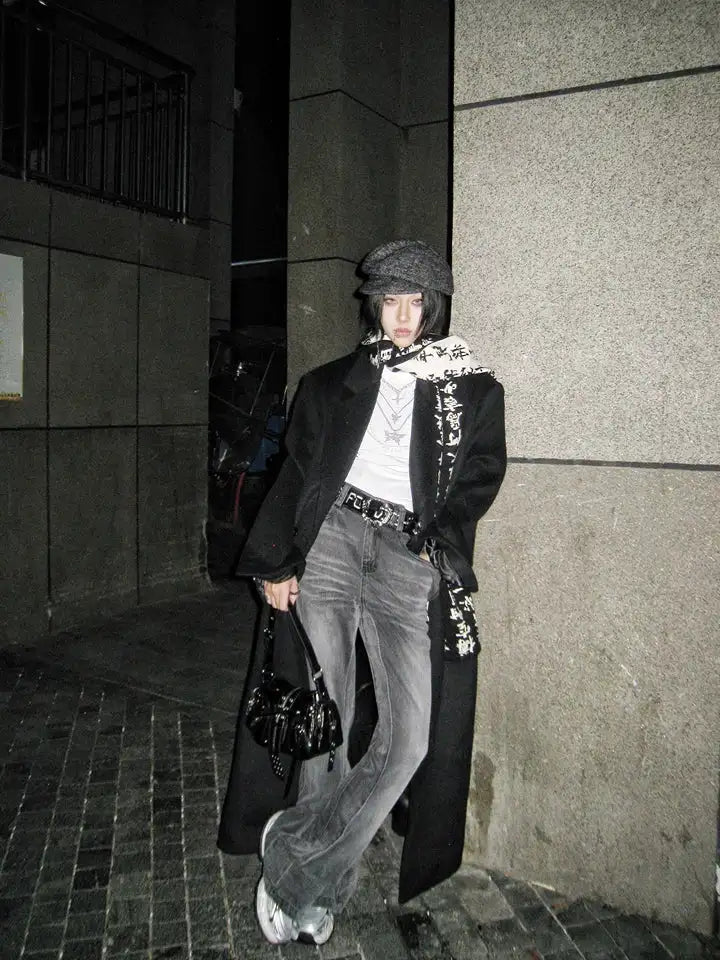
A Goth brand is not simply a brand that sells black things. The difference lies in three things: its own patterns instead of bought-in blanks, a consistent motif vocabulary, and the willingness to build silhouettes that stand out in everyday life. A label that only prints black T-shirts with a pentagram is a graphics shop. A label that develops its own coat fit across five seasons is a brand.
The second filter is where the goods come from. Large parts of the visible Gothic market are made in the same factories in China and Poland, no matter which label is sewn in. That is not a scandal, it is normal in the fashion industry. It only gets interesting when a brand does nothing more than relabel finished catalogue goods. Then you pay for a logo with no design work behind it.
5
Brand groups in the market
1979
Starting point of the vocabulary
6-11
days delivery with us
The third filter is consistency over time. Goth is one of the few aesthetics where buyers stay with the same names for years. Anyone who bought their first jacket from a label in 2016 and still orders there in 2026 does so not because of marketing, but because size M there has been the same size M for ten years. That reliability is rarer in this market segment than it needs to be.
Core labels
The best-known Goth brands at a glance
When people ask online about well-known Goth brands, the same twelve names come back every time. That has less to do with quality than with reach: these labels have European warehouses, working shops and enough volume to sit at the top of every search. The list is a starting point, not a ranking.
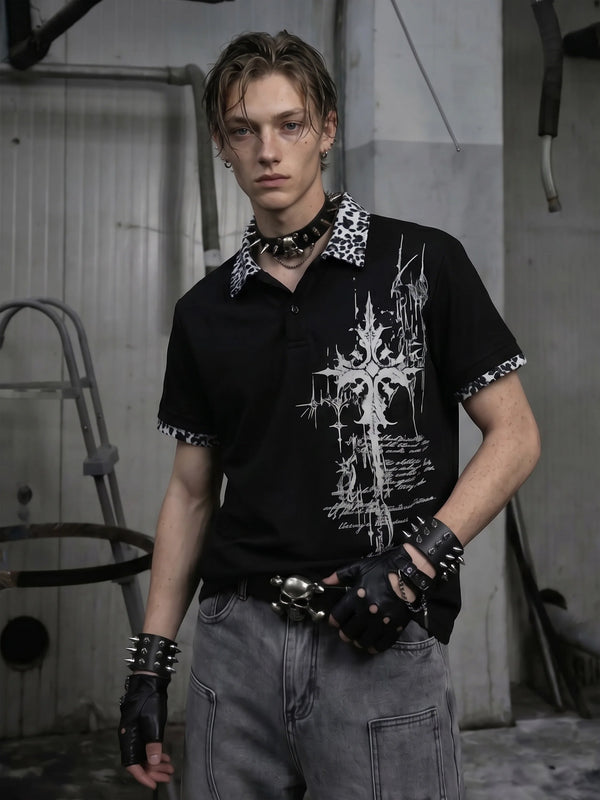
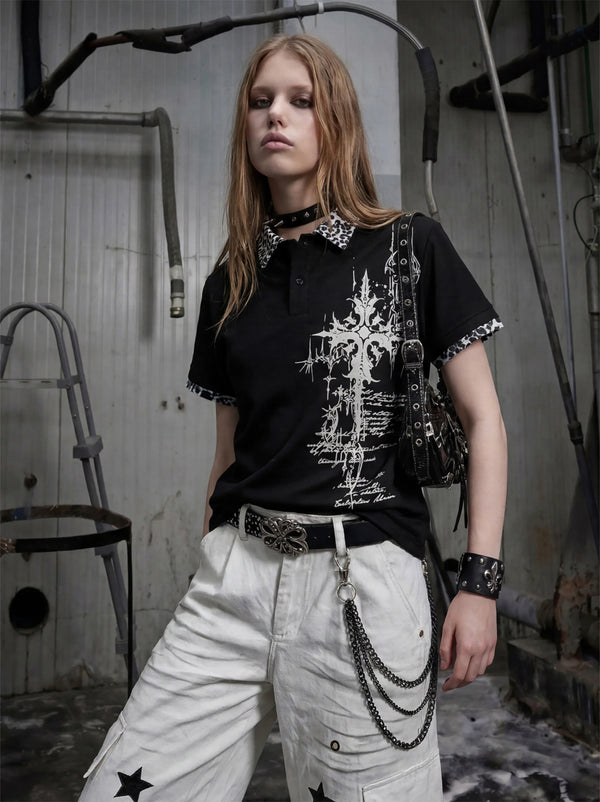
- Killstar (UK): Nu-Goth with occult graphics, witch motifs and a lot of jersey. The best-known name in the segment, with its own EU logistics.
- Disturbia (UK): Darker and less playful than Killstar, with Streetwear cuts and graphic series instead of costume silhouettes.
- Punk Rave (China): Elaborate construction, straps, buckles, Steampunk references. Sizes run small by European standards.
- Devil Fashion (China): Similar territory to Punk Rave, with a focus on heavy coats and ornamental detail.
- Dark in Love: Dresses and skirts in the romantic Gothic register, widely available through European retailers.
- Restyle (Poland): Hats, capes, headwear. Small range, a very distinct handwriting.
- Blackcraft Cult (USA): Graphic-heavy, occult slogans, more print than pattern.
- Widow (USA): Los Angeles label with Nu-Goth silhouettes and a very consistent black.
- Long Clothing (UK): London Streetwear with dark graphics, plenty of crossover towards skate and punk.
- Hell Bunny and Banned Apparel (UK): Retro cuts, fifties silhouettes in a dark execution.
- Alchemy Gothic (UK): Pewter jewellery since the late seventies, one of the oldest continuously active labels in the scene.
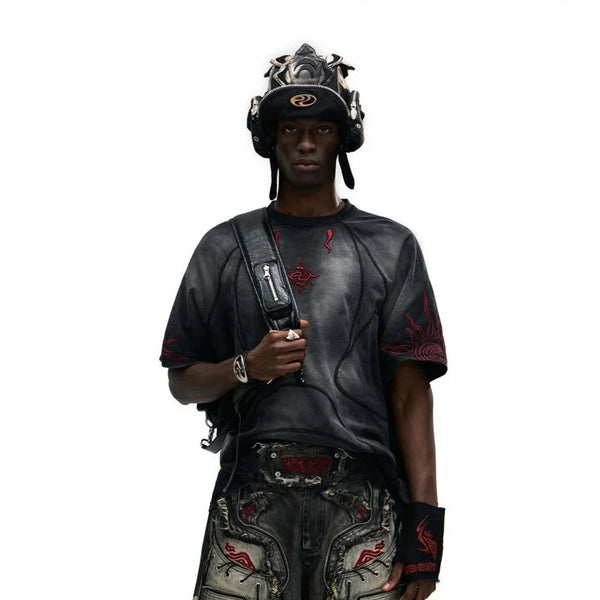
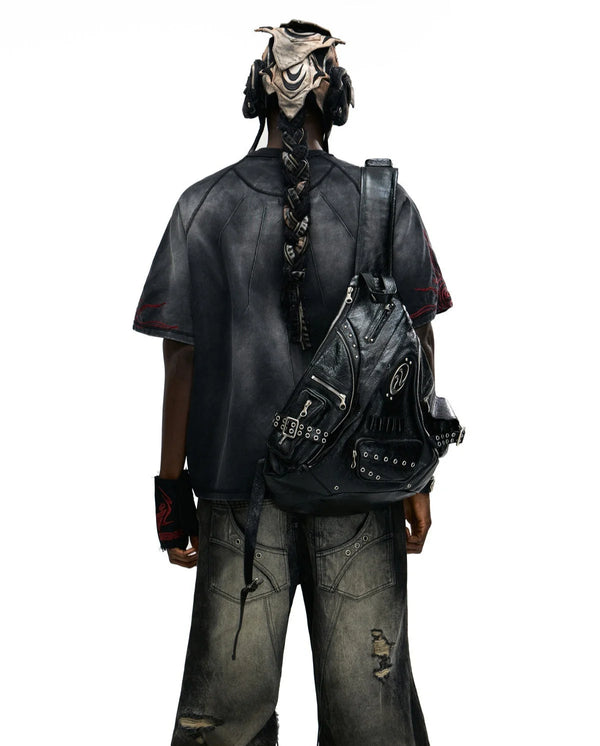
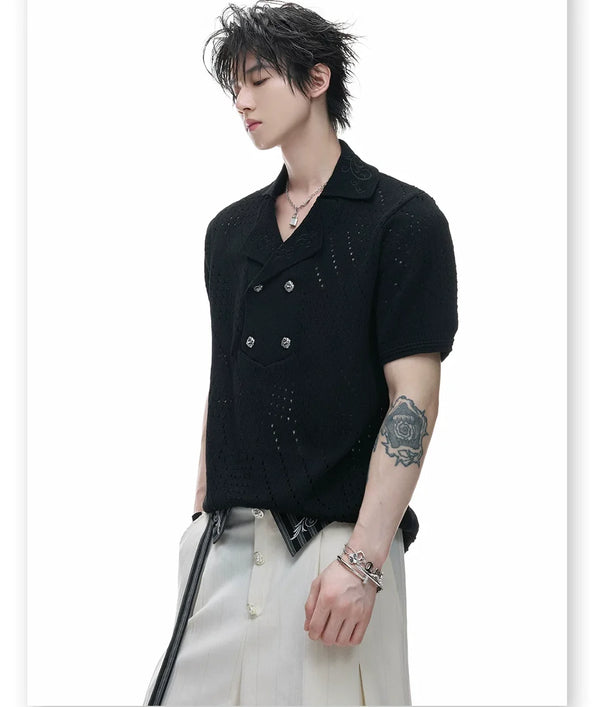
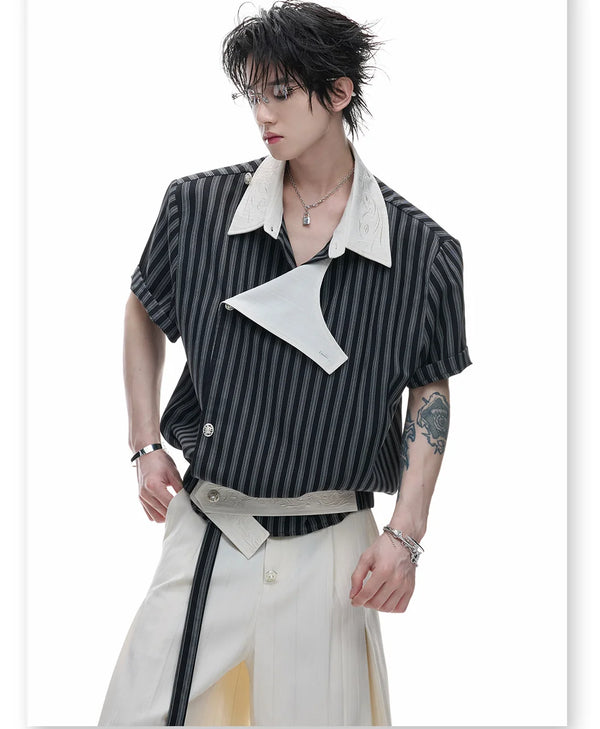
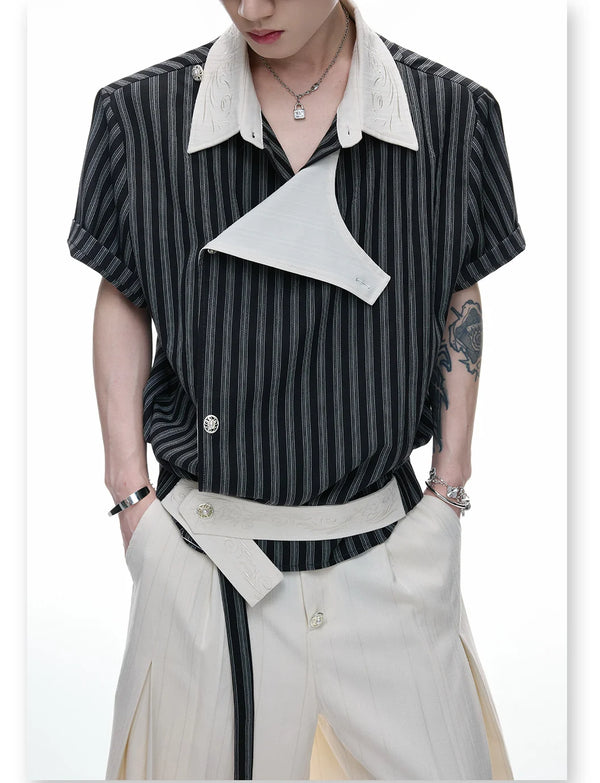
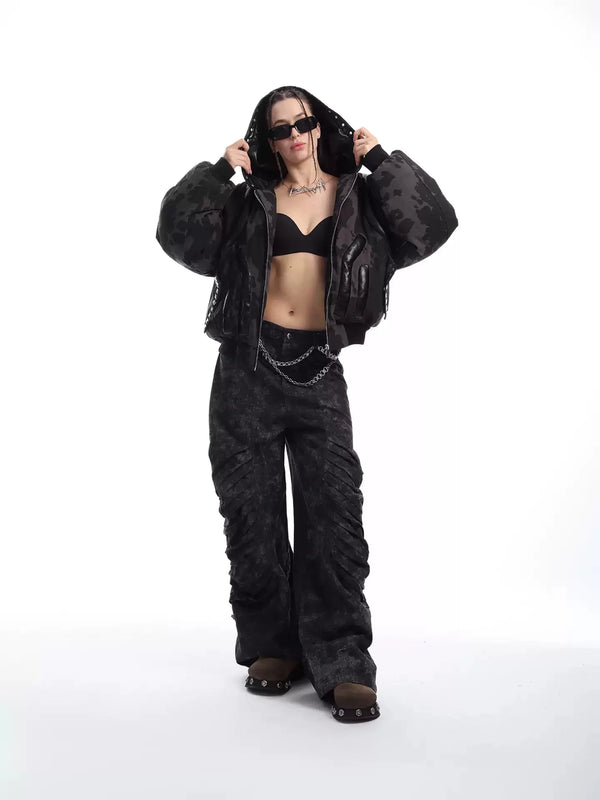
- Fūga Studios: Our own Gothic patterns, built between Berlin, Poznań and Shanghai. Limited drops, no restocks.
One thing stands out in this list: five of the twelve names come from the United Kingdom. That is no coincidence, it is the direct continuation of what grew out of Camden Market and the London clubs of the early eighties. The second concentration sits in East Asia, where the elaborate constructions are made that Western labels rarely commission.
What is almost always missing from such lists is the distinction between brand and retailer. Fantasmagoria, Dark Ages or Attitude Clothing show up in every search but design little themselves. They are shelves, not workshops. That is still relevant for you, because such retailers often bundle several labels into one basket and save you a shipment.
Price tiers
Goth brands by price tier: from 30 to 800 euros
The most common question in community threads is not which brand is the best, but which one you can afford without buying rubbish. The answer depends less on the price itself than on what is technically possible at each level. A heavy wool coat cannot cost 40 euros, and a graphic shirt does not have to cost 90.
The most expensive mistake happens in tier one. Anyone who buys a 25-euro shirt three times that turns anthracite after four washes has spent 75 euros and has nothing in the wardrobe. A single piece from tier two would have cost the same and would still be there in two years. That applies especially to everything that sits directly on the skin and therefore goes into the machine often.
@fugastudios POV: You're the final boss and the outfit actually slaps 🔥 Gothic Warrior Denim Set got that main character energy fr#fugastudios #darkfashion #gothicstyle #OOTD #fyp ♬ Originalton - Fuga Studios
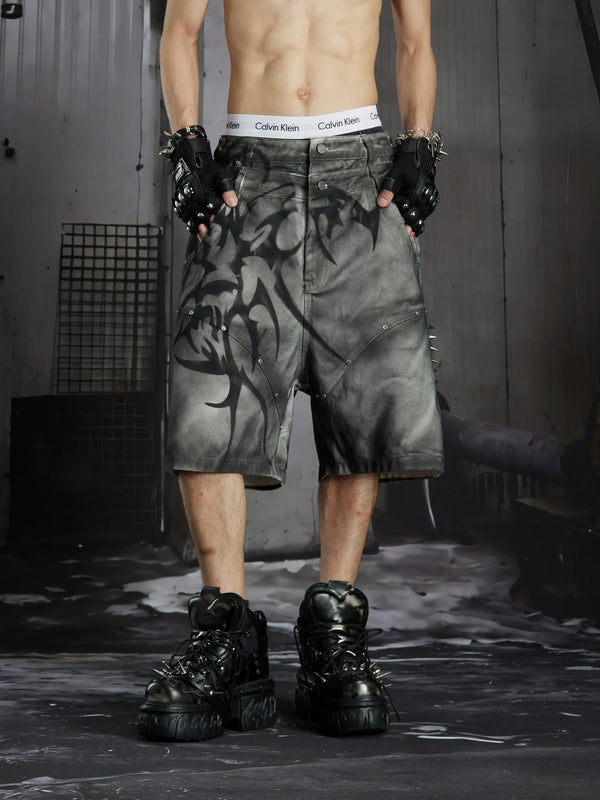
What happens in the video is exactly the point where price tier two pays off: the cut sits, the black is even, and the piece works without extra explanation. That is not a question of effort in the print, but of pattern work and fabric choice.
Witchy
Witchy Clothing Brands: occult graphics instead of silhouette
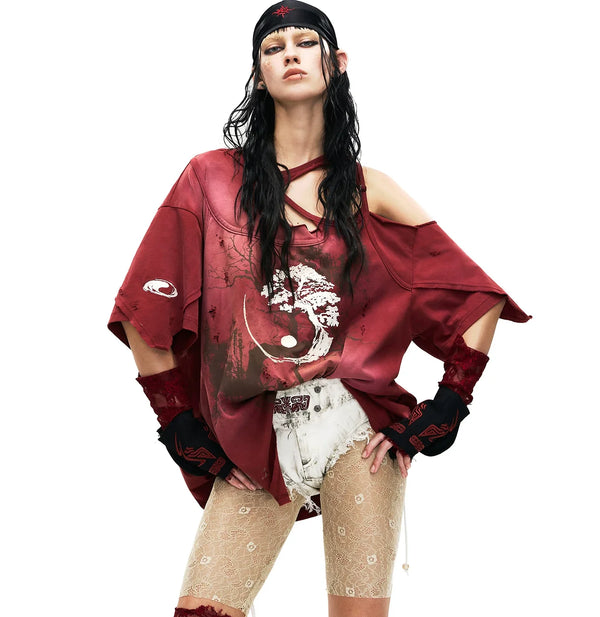
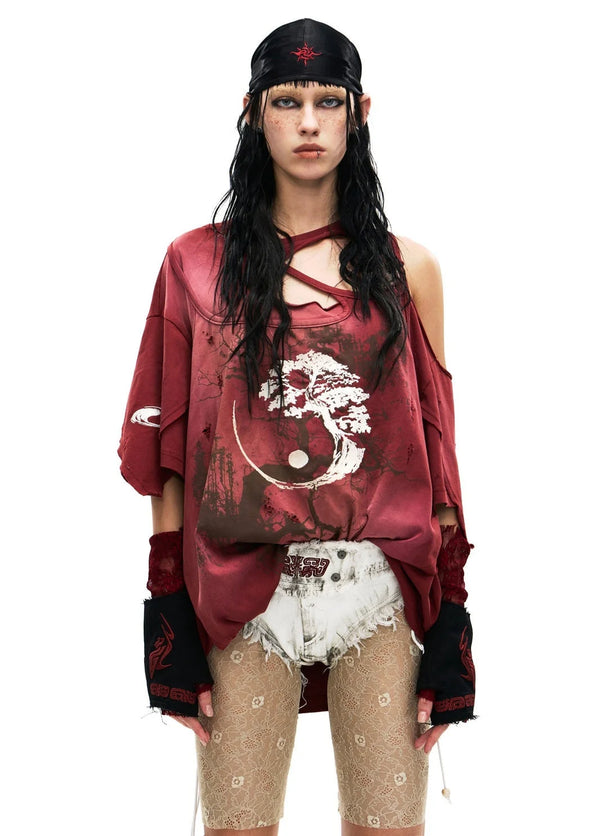
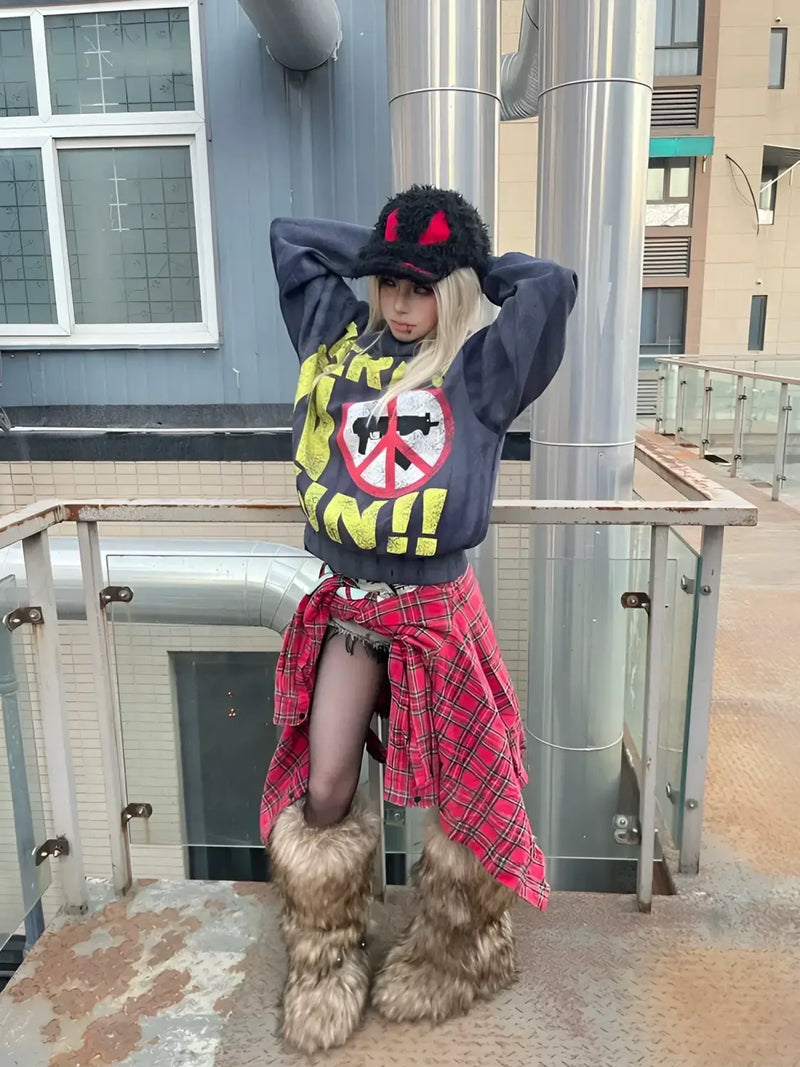
Witchy is the sub-group that has grown fastest. The difference to classic Goth lies in the motif: moon, tarot, herbs, astrology instead of bat, coffin and cathedral. The silhouette often stays soft, long and flowing, while Trad Goth leans towards hard edges. Mix both and you land at the look most people mean today when they say Nu-Goth.
Restyle from Poland is the most specialised name here, with hats and capes that are built nowhere else this consistently. Killstar occupies the mass field with moon and tarot prints, Blackcraft Cult works more with text and symbolism on jersey. For jewellery, Rogue and Wolf is a frequently named brand, Alchemy Gothic the historically oldest.
The trap in Witchy is called costume. A cape, a hat, three moon necklaces and a velvet dress add up to a disguise, not a look. The rule: one occult statement per outfit, the rest stays basic. A heavy moon pendant on a plain black longsleeve carries further than six symbols at once.
Men
Gothic Clothing Brands for Men: where men actually find something
This is the biggest gap in the market. Killstar, Disturbia, Dark in Love and Hell Bunny cut mainly for female silhouettes. Men get unisex tops and accessories there, but hardly any trousers and rarely outerwear with matching shoulder width. Anyone who has tried it knows the result: the shirt fits, the jacket pulls at the arms.
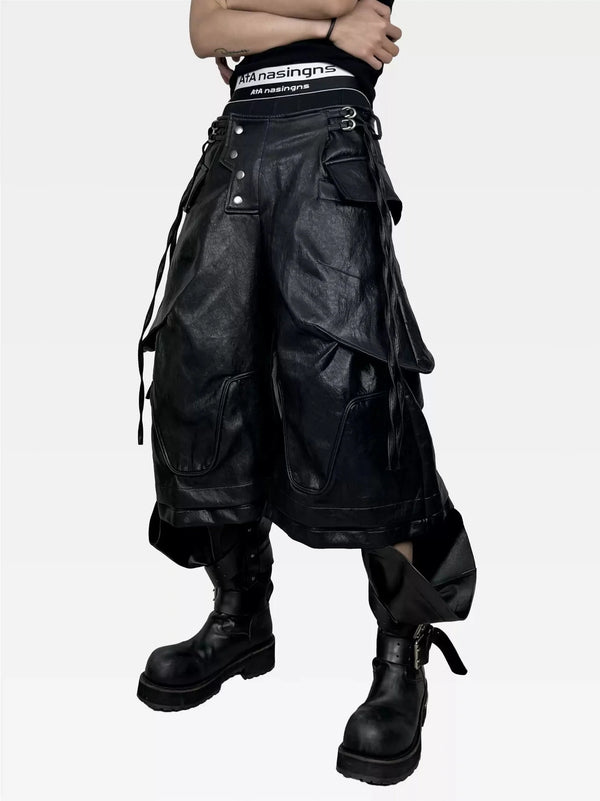
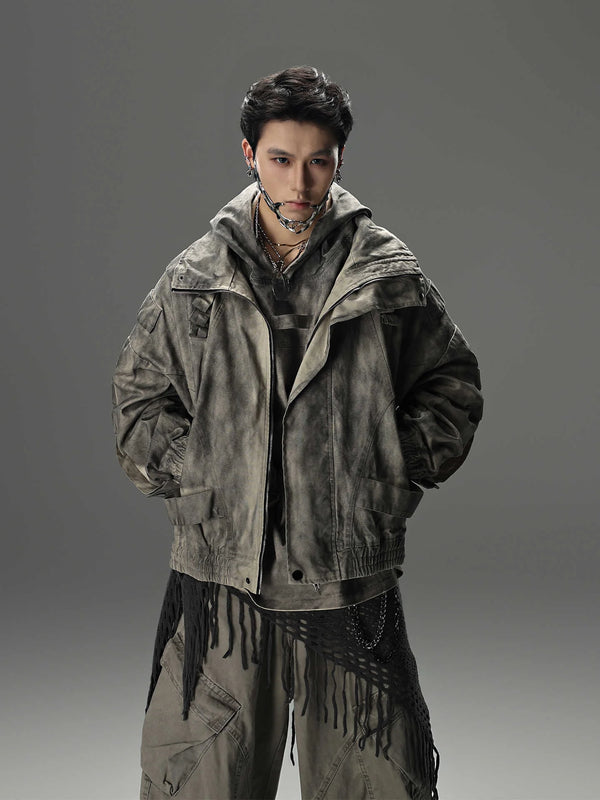
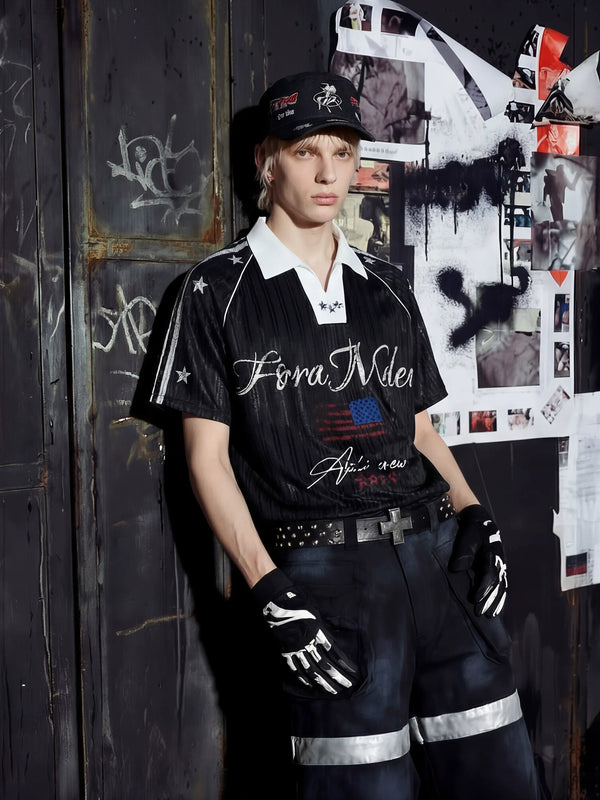
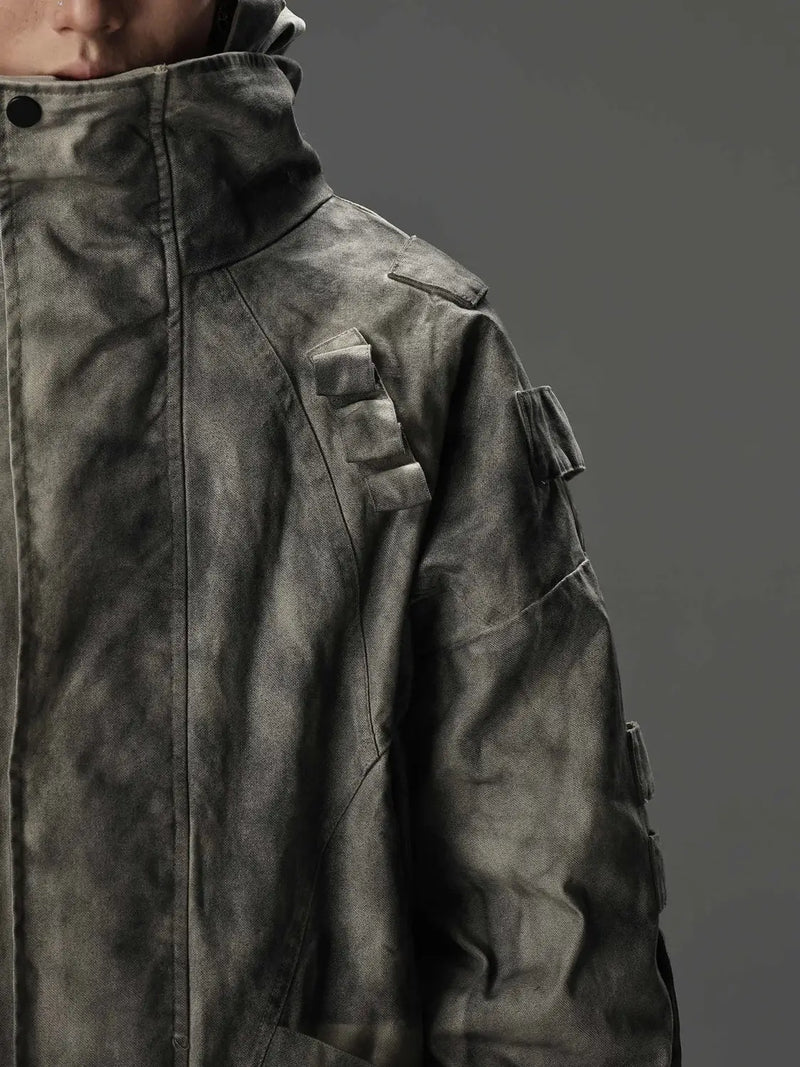
Men who are looking have three usable routes. First Punk Rave and Devil Fashion, both of which run their own menswear lines with coats and vests. Second the interface to dark Streetwear and Techwear, where cuts are designed male anyway. Third boots and hardware, which work gender-neutral and carry the look even when the rest stays plain.
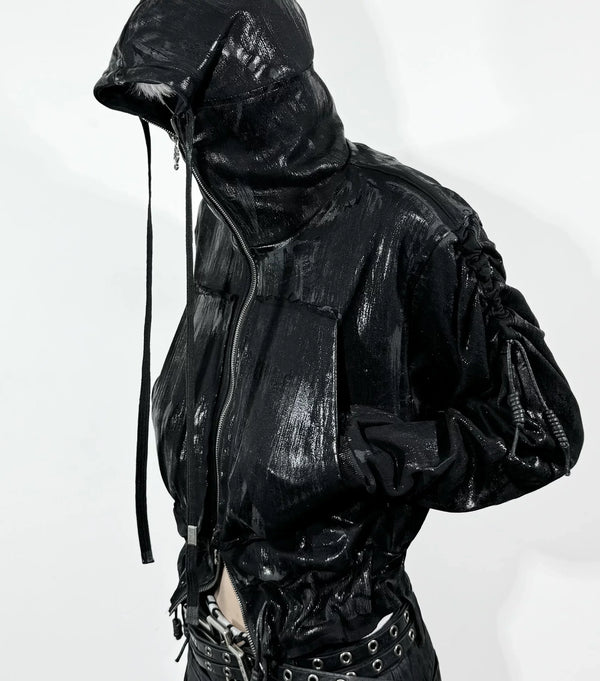
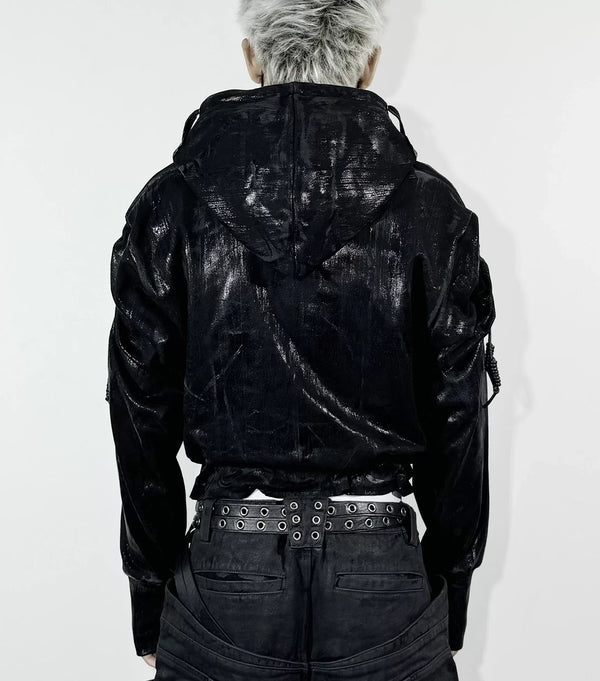
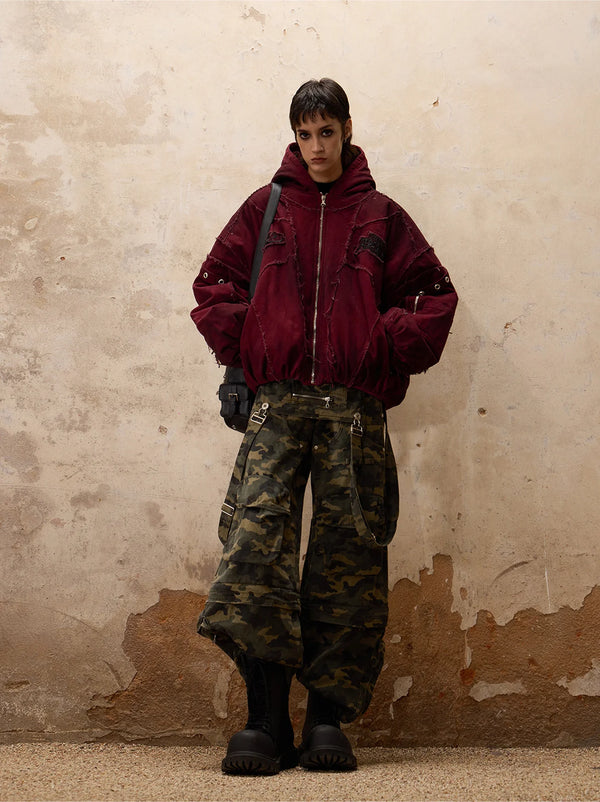
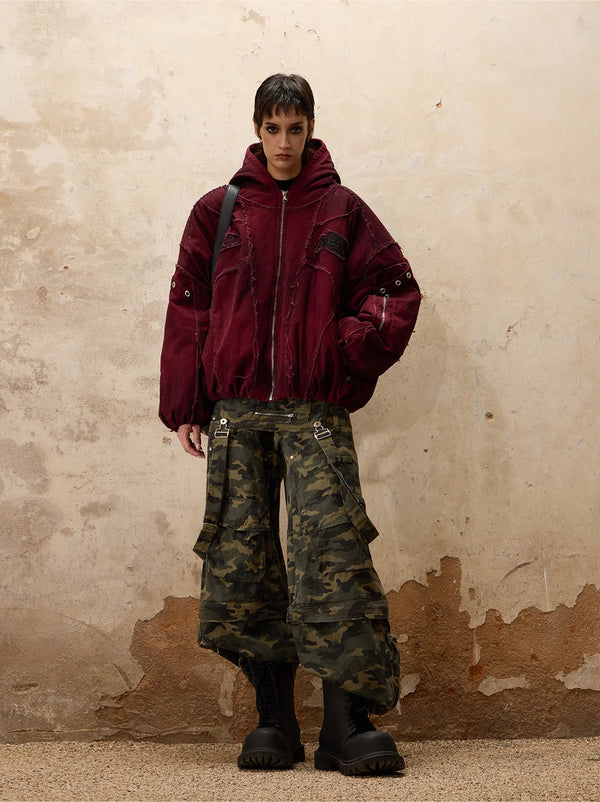
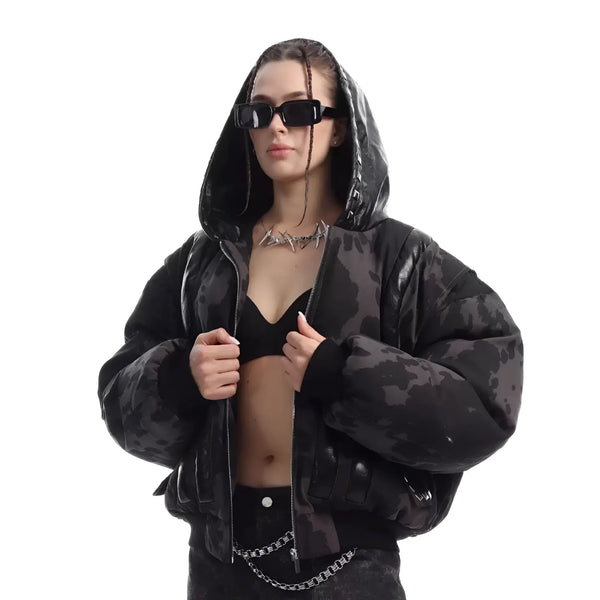
In practice that means: as a man, buy the basics where they are cut for men, and get the Goth signature from two or three pieces. A heavy hooded jacket, a pair of boots with a visible sole and a belt with hardware are enough to make an otherwise plain black build unmistakable.
A note on sizing with Asian labels: Punk Rave, Devil Fashion and comparable brands work with measurement charts that run one number smaller than European ones. Measure your chest and compare it against the chart instead of ordering your usual size. That saves you the return, and with us you have 14 days for it.
Designer
Gothic Fashion Designer: where Goth becomes high fashion
When people ask about famous Gothic designers, most do not mean the scene labels but the people who pushed black avant-garde through the fashion houses. Ann Demeulemeester from Antwerp established the narrow, asymmetric, feather-trimmed silhouette in the nineties that every dark Lookbook still quotes today. Yohji Yamamoto and Rei Kawakubo of Comme des Garçons set black as the base colour of conceptual fashion long before the word Goth appeared in the fashion press.
Alexander McQueen brought the romantic, morbid side into show culture, with tailoring as the starting point and Victorian references. Gareth Pugh worked harder and more sculpturally. Vivienne Westwood delivered, via punk, the collar, the corset and the crooked seam, without which half the scene would look different. In Japan, Julius and Undercover stand for the technical, dark reading of the same idea.
For you this level is rarely buyable, but it is the reason scene labels look the way they do. Almost every silhouette that Killstar or Punk Rave sell today has its origin twenty to thirty years earlier on a runway in Paris or Tokyo. If you know the reference, you spot faster whether a piece is well proportioned or just darkly printed.
Vintage
Vintage Goth Brands: the labels from the mall era
Tripp NYC, Lip Service and Shrine are the three names that come up in every nostalgia discussion. They defined the late nineties and early two-thousands: bondage trousers with straps, striped sleeves, PVC, chain pendants. Much of it ran through Hot Topic, which later earned the pieces the reputation of being Mall Goth rather than real Goth. Today the originals go on second-hand platforms at prices well above the original retail price.
In practice you buy vintage two ways today. Either you hunt originals on Vinted, Depop and Ebay, with the risk that twenty-year-old zips no longer cooperate. Or you take current pieces that rebuild the same vocabulary cleanly. The second route is less romantic, but lasts longer and fits.
A detail often overlooked when buying second-hand: elastic cuffs and waistbands from that era are mostly dead. The fabric looks good, the cuffs are stretched out. Ask for a photo of the waistband in a stretched state before buying, that saves you the disappointment.
Neighbourhood
Goth Alternative Clothing Brands: where the line blurs
The term Alternative Clothing is broader in retail than Goth. It covers punk, emo, metal, Grunge, cyber and everything else that sets itself against mainstream silhouettes. For you that is practical, because the same shop delivers Trad Goth dresses and punk trousers. It is also the reason you keep running into labels that actually sit in a neighbouring scene when you search for Goth brands.
The overlap is real and old. Vivienne Westwood came out of punk, Killstar serves Witchy and Nu-Goth at the same time, Long Clothing sits between skate and dark Streetwear. Anyone searching only for the Goth label misses half the pieces that would work in the wardrobe. The better filter is the silhouette, not the scene assignment of the label.
A side effect of this blurriness: price comparisons get difficult. The same mesh top often costs more as a Goth item than as a punk item, even though it comes from the same production. If you like a piece, search the product name without the scene word. Sometimes you find it twenty euros cheaper under a different label.
Ethics
Ethical Goth Clothing Brands: how to spot real sustainability
Sustainability is hard to check in this segment, because almost nobody discloses where exactly production happens. Instead of trusting brands blindly, you can check three things yourself. First: is there a named production site or at least a country. Second: is it made to order or in series. Third: has the label existed long enough that pieces from old collections are still being worn.
The second level is less spectacular but more effective than any certificate: how long the piece lasts. A coat you wear for eight years has a better balance than three certified shirts washed out after one season. That is exactly why colour stability in black is not an aesthetic question but a sustainability one.
The third point concerns quantity. Limited runs without reproduction create less leftover stock than permanent ranges that sit in a warehouse for three years and get destroyed at some point. That is why we do not run restocks. What is gone is gone, and in the end nothing sits unworn on the shelf.
How to recognise an honest product description: it names material composition, weight and care instructions, not just mood. If a shop gives you only adjectives and no grams per square metre, it either does not know itself or does not want to say. Neither is a good sign.
Where to buy
Alternative Fashion Online Shop: where to order in Germany
For orders from Germany one thing counts above all: do the goods come from the EU or from a third country. With an EU warehouse you pay the listed price, with a direct import customs duty and import VAT are added depending on the value. That is the most common reason a supposed bargain ends up more expensive than the German supplier.
In practice that means: check before buying where the shipment starts, whether returns within Europe are possible and how long delivery takes. With us it is 6-11 days, shipping is free from 169 euros, and you have a 14-day right of return. If a shop does not state these three things clearly on the page, that is a warning sign.
A second point concerns size charts. Serious suppliers give measurements in centimetres for every single piece, not just S to XL. With elaborately constructed pieces, meaning corsets, coats and everything with straps, that is the difference between fit and return.
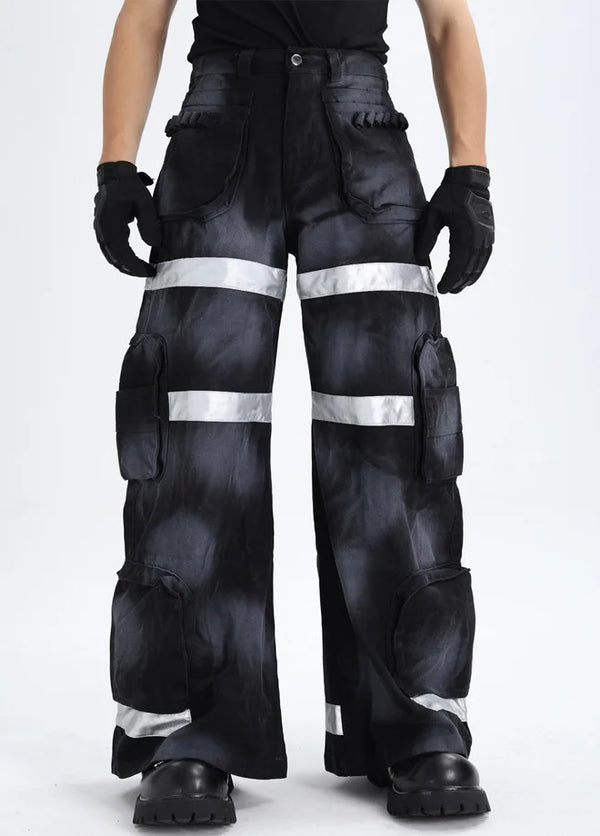
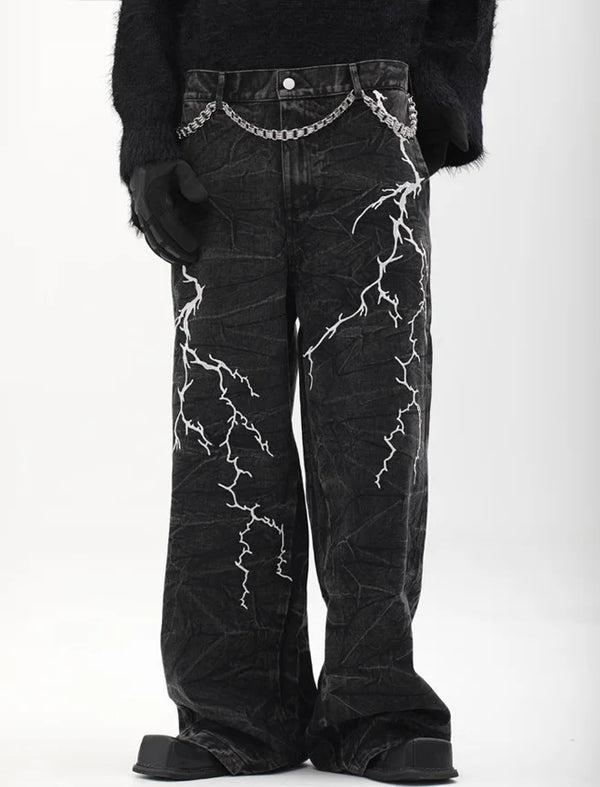
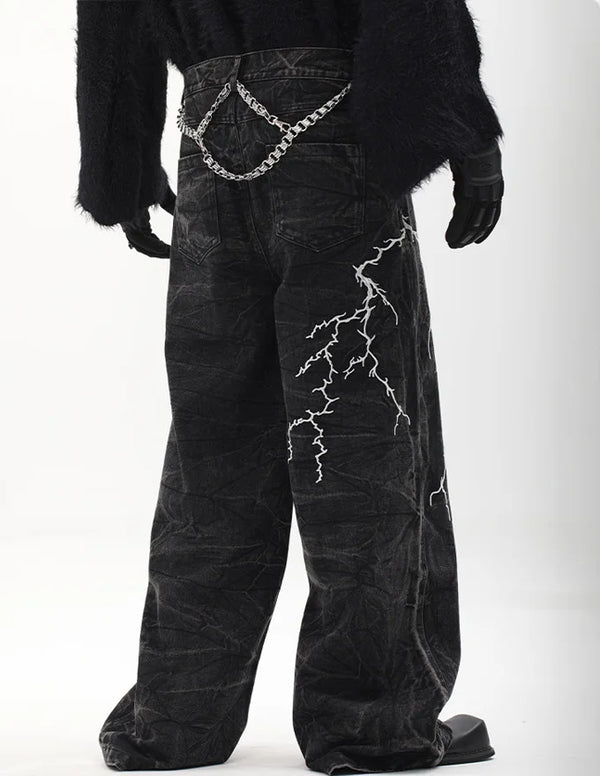
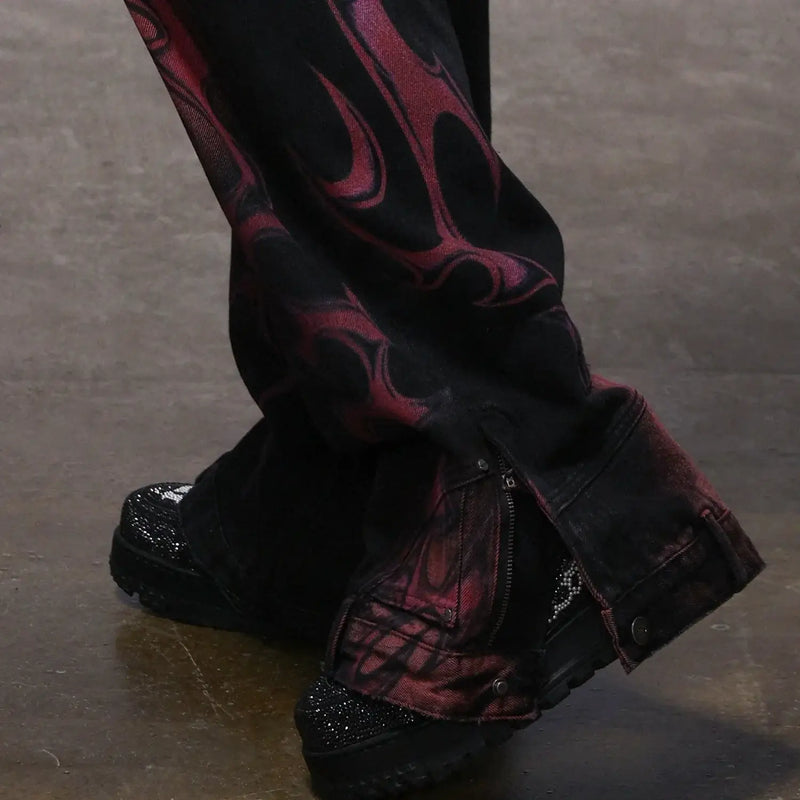
@fugastudios These pants ate and left no crumbs 🖤 walking chaos in denim form #fugastudios #darkfashion #widelegpants #fyp #distresseddenim ♬ Originalton - Fuga Studios
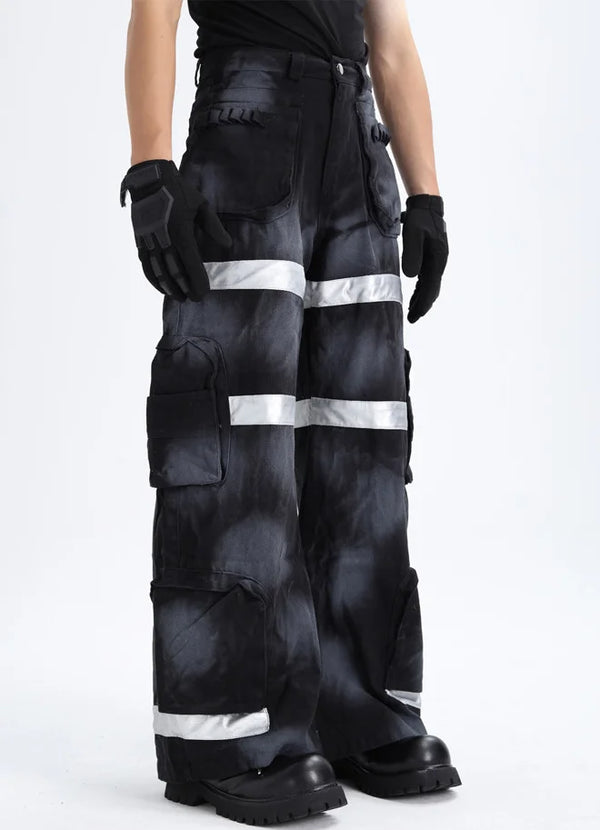
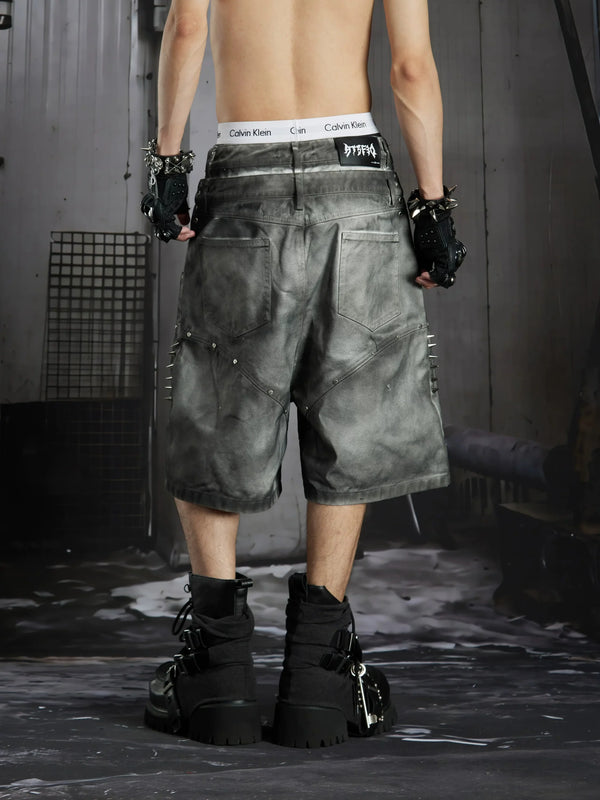
The case in the video shows why centimetres matter more than letters: a wide-cut trouser lives on inseam and waist width, not on the size label. Two centimetres too short and the whole drape breaks at the shoes.
Community
What the community recommends: the patterns behind the threads
Anyone reading along in the relevant forums quickly sees that the same three questions keep coming back: which brand lasts, which runs small, and where do I get it in Europe. The answers are surprisingly stable. Killstar, Disturbia, Restyle and Punk Rave are named almost every time, plus regularly smaller Polish and British labels that nobody outside the scene knows.
More interesting than the names are the reasons. It stands out positively when a label keeps the same measurements over years, handles returns within Europe and states materials. Criticism is almost never about design, but about shipping times, size chaos and black that tips after a short while. That matches what we see from our own returns.
One piece of advice rarely found in those threads but worth a lot: buy a single piece from a new label first, not three. From it you learn size, colour, fabric weight and shipping speed. Only when those four points check out is the second order worth it, and then you can go in properly.
Mistakes
The 6 most common mistakes when buying Goth Fashion Brands
Most bad buys in this segment have nothing to do with taste. They happen because an expectation is placed on the wrong price tier or because a size label was believed instead of checked. The following six patterns show up again and again in return reasons and community threads.
What stands out when you put these six points side by side: five of them are pure research mistakes, not one is a matter of taste. Anyone investing two minutes before buying almost never buys wrong in this segment. That is a better ratio than in most other fashion niches.
Getting started
Your first four pieces: getting in without a bad buy
If you are just starting out and do not want to choose between twelve labels, you need four pieces. A heavy outer layer that can carry the look on its own. A trouser with a clear silhouette. A plain black top as a base. And a hardware piece, meaning belt, chain or boots, that sets the signature.
These four pieces do not have to come from the same brand and mostly should not. Take the outer layer where the construction sits, the base where the black holds, and the hardware piece where you like it. After that you extend deliberately instead of starting over every season.
FAQ
Frequently asked questions about Goth Fashion Brands
Five questions come up especially often on this topic. They are less about style than about terms, classification and where a brand ends and a retailer begins.
Under which term do Goth Fashion Brands run in online shops?
What are Edgy Brands, and are they the same as Goth brands?
Why do emo brands and Goth brands always show up in the same shops?
What is the difference between a Goth brand and a Goth shop?
Can I mix pieces from different Goth brands without it looking thrown together?
Once you have the five groups in your head, the search gets noticeably faster. You stop asking which brand is the best and start asking which group the piece you need right now sits in. The rest is a tape measure and a bit of patience on the first test buy.
What do you think?
Tell us on @fuga_studios
About the author
Philipp Fuge — Founder · Berlin
Founder of Fūga Studios. Writes the journal himself. Berlin · Shanghai · Tokyo · Poznań — four cities, one logic.