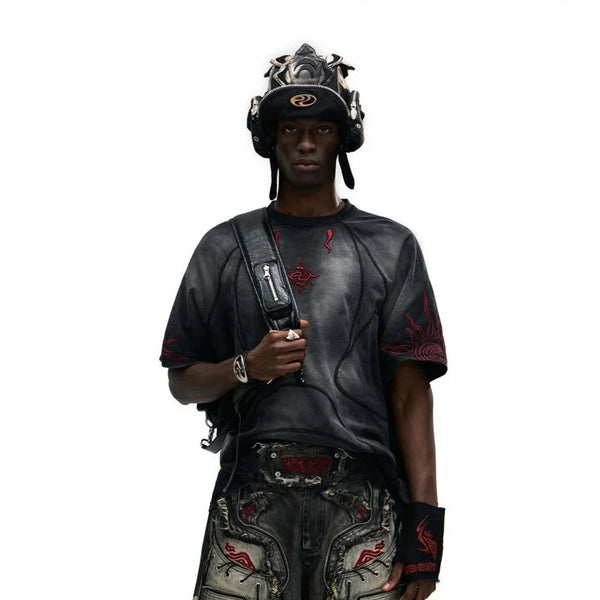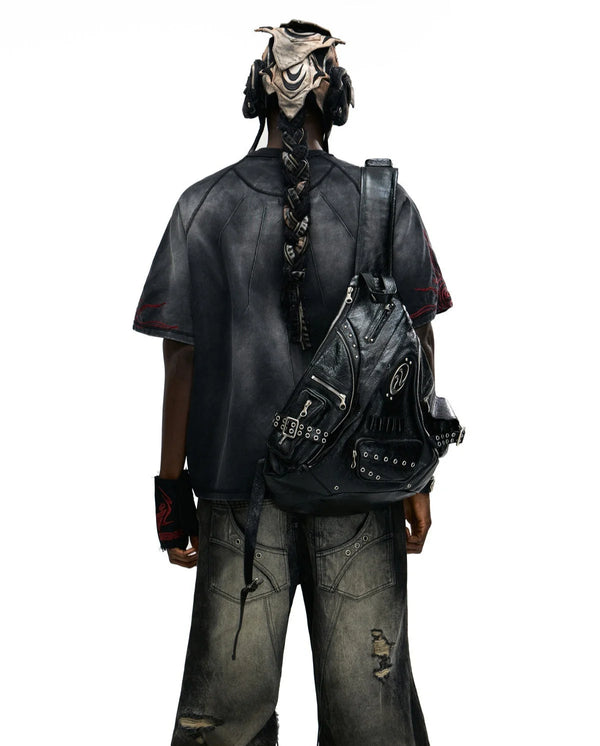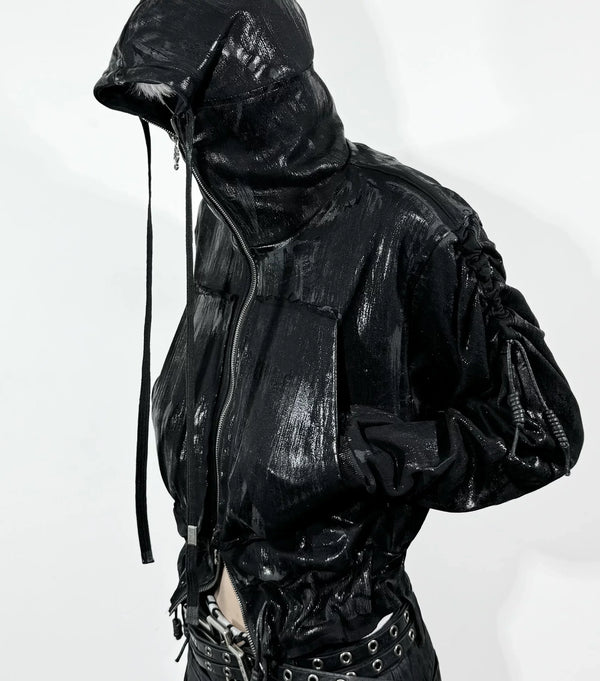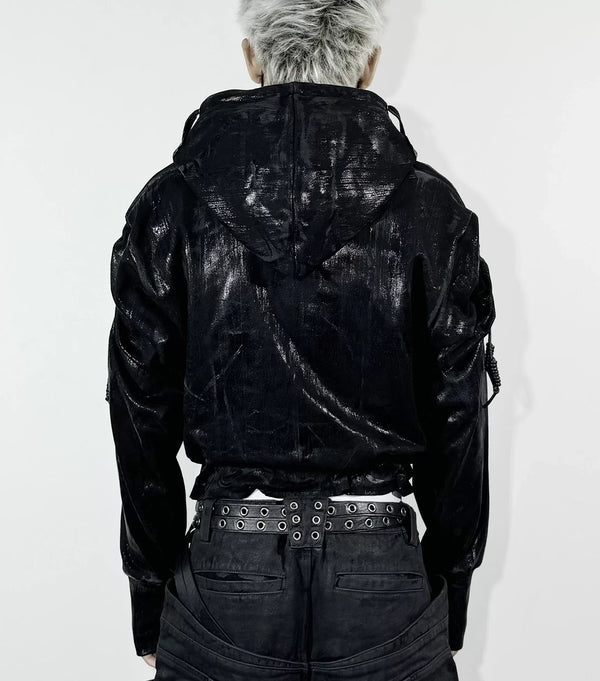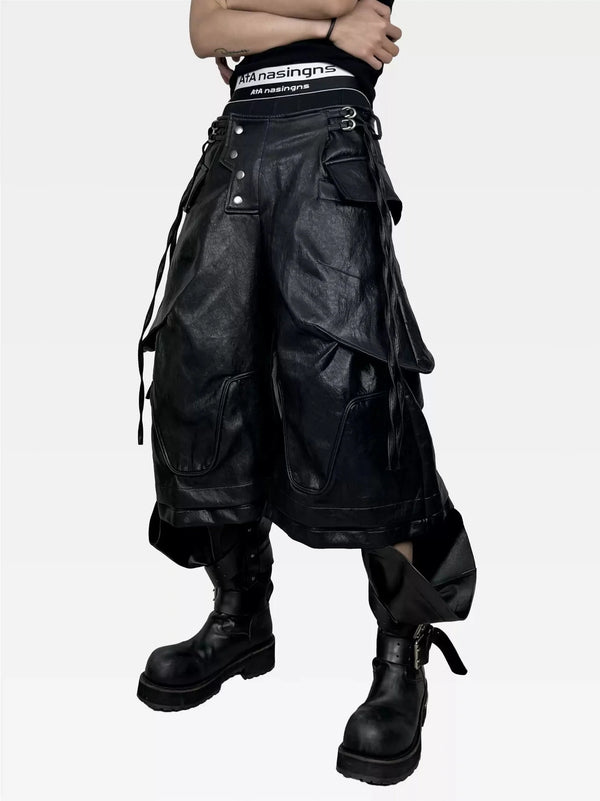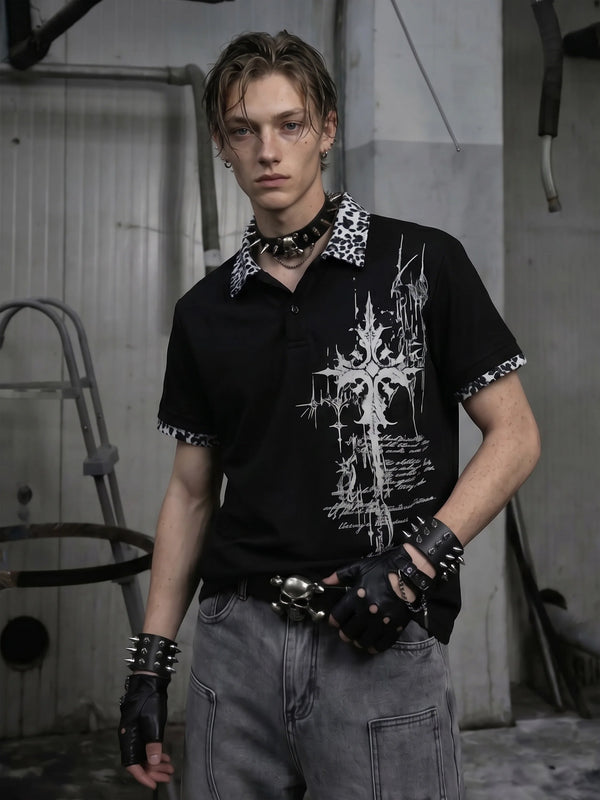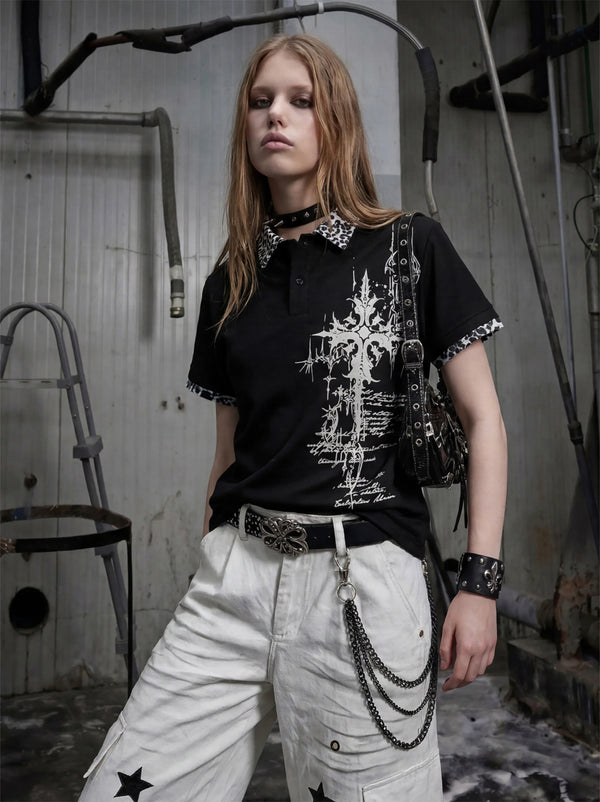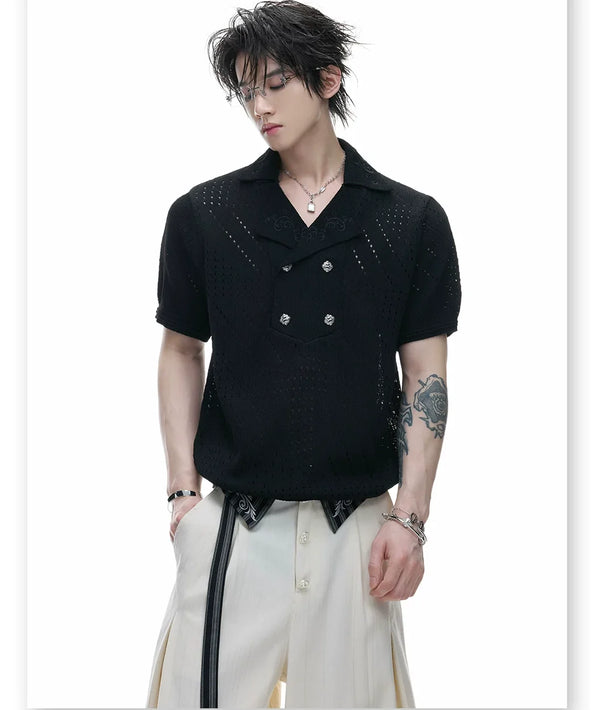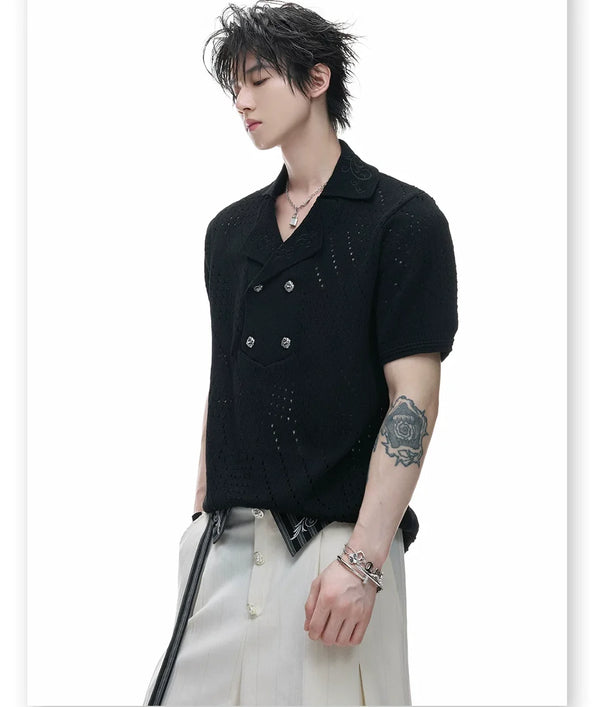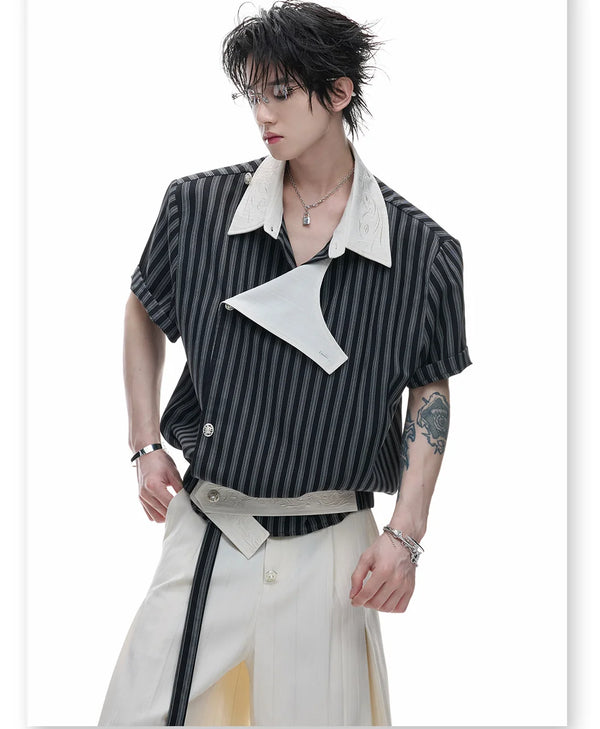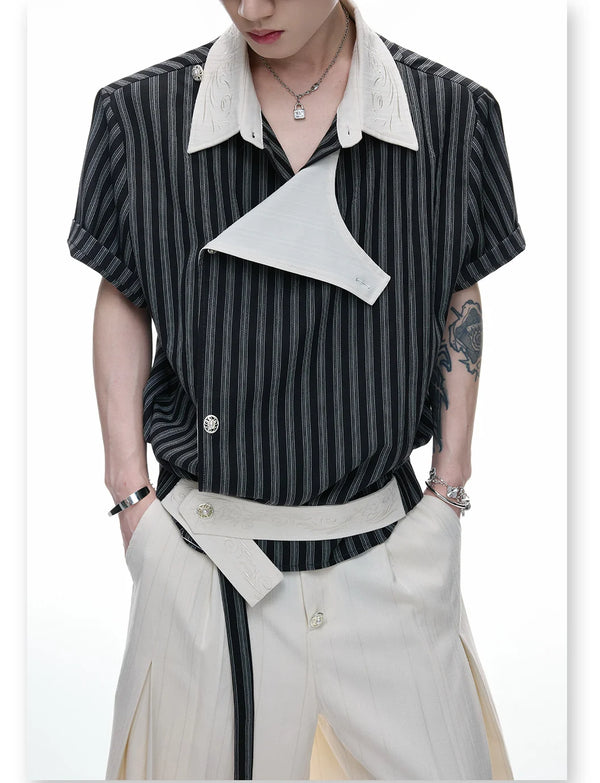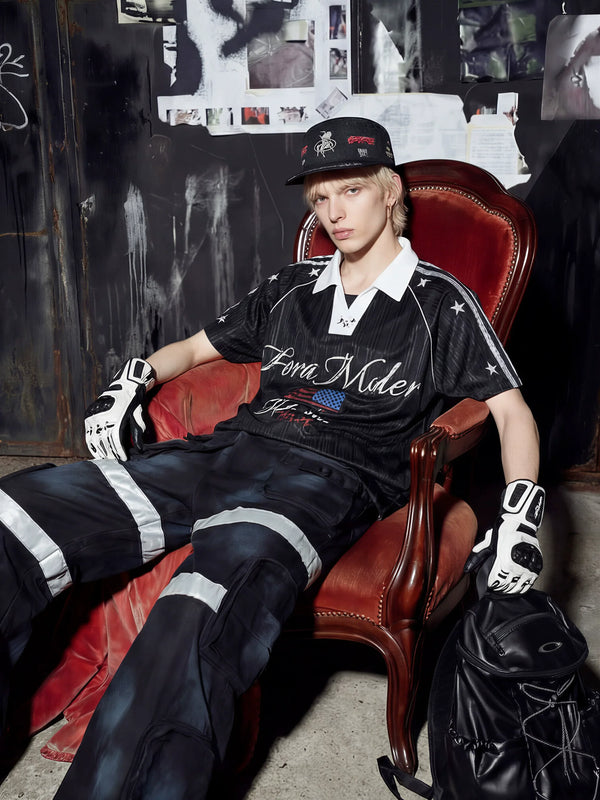

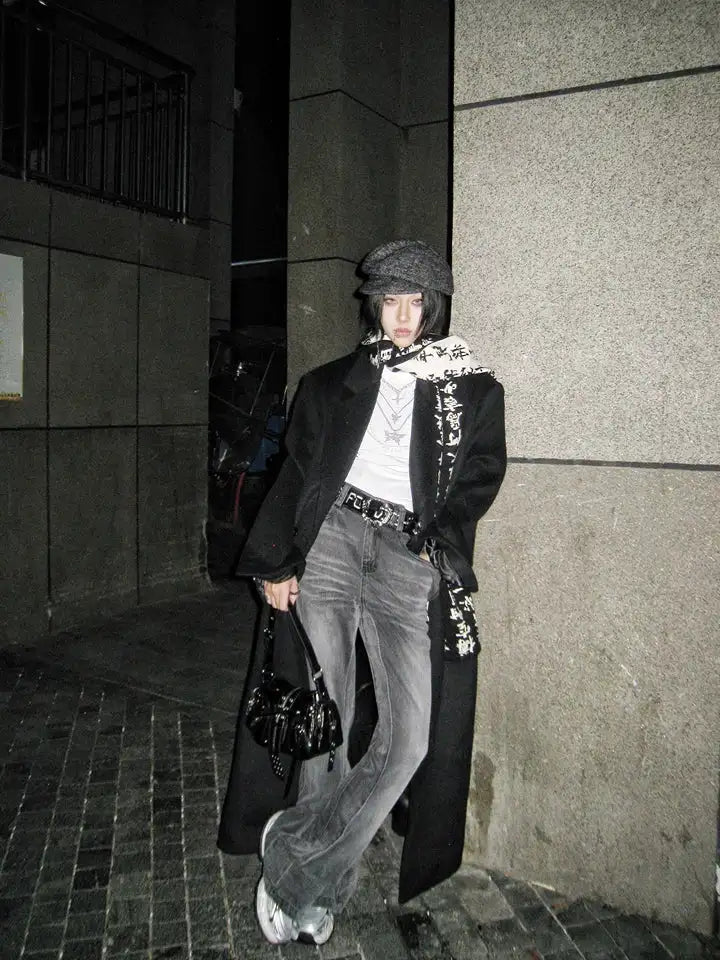

Thursday night, just after eleven. Thirty people in black are standing outside a basement club, and still no two of them look alike. Vinyl and mesh at the front, an ankle-length coat behind them, next to that someone in a plain longsleeve with a single silver chain. The bass from inside pushes through the wall. Anyone queuing here for the first time asks exactly one question: is what I am wearing enough?
Goth club attire is clothing that works in a dark club: black as the base, texture instead of colour, cut for dancing and without the costume effect. A good goth club outfit is built from pieces you would defend in daylight too, only stacked more densely: mesh, leather, silver hardware, solid boots. The full style foundation behind it sits in the Gothic Fashion Guide; this is about the night.
Before we get into pieces and silhouettes, it is worth looking at what actually counts at the door. Most of the uncertainty before a first goth club visit is not about fashion but about rules that are written down nowhere and that everyone in the room still knows.
Rules
The dress code in a goth club: all black is not enough
The short answer to the dress code question: officially, hardly any goth club demands anything specific. The door rarely turns anyone away over clothing, as long as it is recognisable that you know where you are. That is exactly where the real rule sits. A white polo signals accidental visit. A black outfit with one considered texture signals intent. Everything plays out between those two points.
Historically, all black was never mandatory. Old photos from the Batcave years show wine red, violet, even white. What runs through all of it is something else: effort. Torn mesh that is torn on purpose. Silver that works against the light. The scene reads clothing as attitude, not as uniform. Understand that and you can say more with three pieces than with a complete off-the-rack vinyl ensemble.
01
Base colour, held consistently
3+
Textures in one look
0
Pieces with a costume effect
These three numbers are the most compact formula for starting out: one colour as a foundation, at least three different surfaces, zero dress-up. The rest is distribution. And yes, people outside the scene get in too. Respect for the room counts for more than scene membership, more on that later in the FAQ.
Distinction
Goth club attire vs. Halloween: the line everyone sees
The fastest way to look wrong in a goth club is an outfit that reads as fancy dress. The line does not run between understated and extreme. Extreme is welcome. It runs between worn and put on. A corset over a mesh top looks real when both belong to you. Plastic teeth, fake blood and wigs look borrowed, no matter how expensive they were.
- Worn beats bought: pieces with visible use, washing and a real fit beat anything that still looks like packaging.
- Hardware instead of props: chains, studs and buckles in metal work, plastic spiders and rubber bats do not.
- Reference instead of quotation: a look may recall Siouxsie or industrial, it must not re-enact them like a film costume.
If you are unsure, cut exactly one piece before leaving: the loudest one. What remains is almost always closer to real goth club attire than the full kit. Reduction is not a weakness in this scene, it is the ticket into credibility.
Basics
The base: goth club clothes that always work
Every working club outfit stands on two or three core pieces that carry the night. On top: a black tee or longsleeve with a print, distressing or an asymmetric cut that can stand alone when the jacket is at the cloakroom. This is exactly the category beginners underestimate most often, because they think of the look starting from the jacket. In the club you see the jacket for twenty minutes, the top for five hours.
On top of that comes the rule of textures: cotton against mesh, denim against leather, matte surface against silver. Two pieces in identical fabric read as a set, three different surfaces read as a look. Buy your goth club clothes on this principle and five pieces build more outfits than fifteen random ones.
Men
Goth club attire men: hardness that does not look like a costume
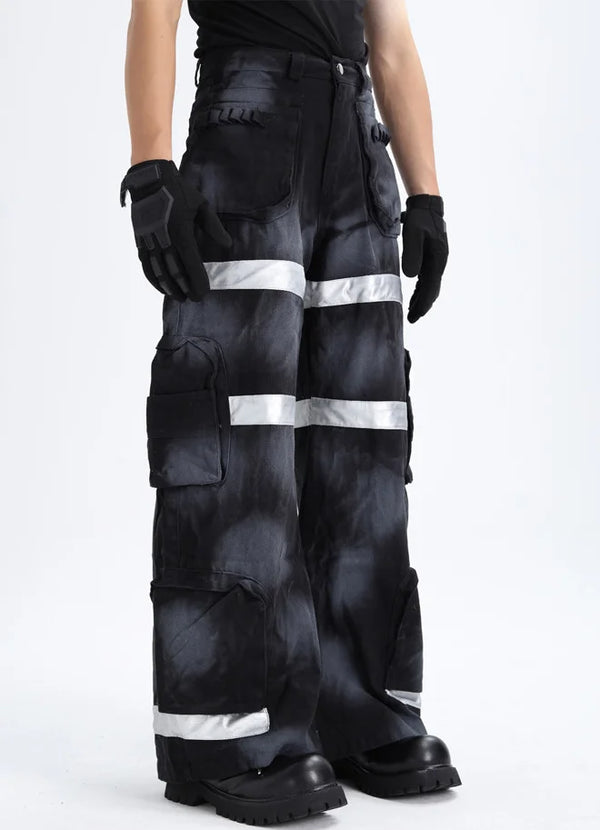
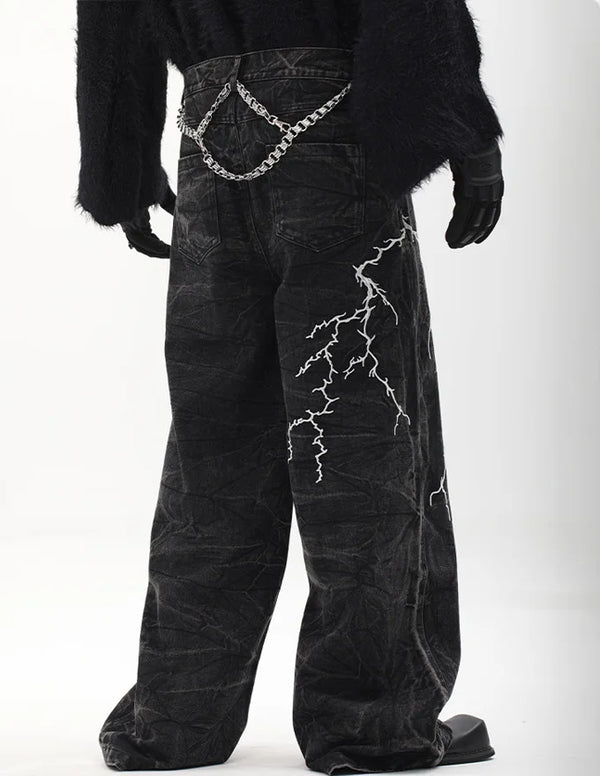
Men's looks in the goth club rarely fail on too little, almost always on too much intent. The strongest formula is unspectacular: wide black trousers with structure, a heavy tee or longsleeve, boots, one or two silver accents. It reads plain but works, because the silhouette does the labour instead of the decoration. If you want more, go through layering: open shirt over the tee, tank under mesh, harness over the longsleeve.
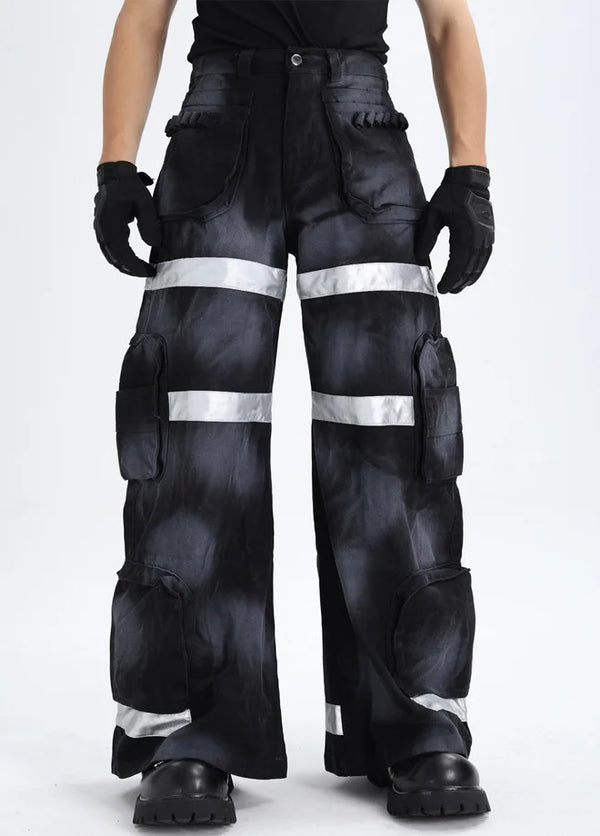
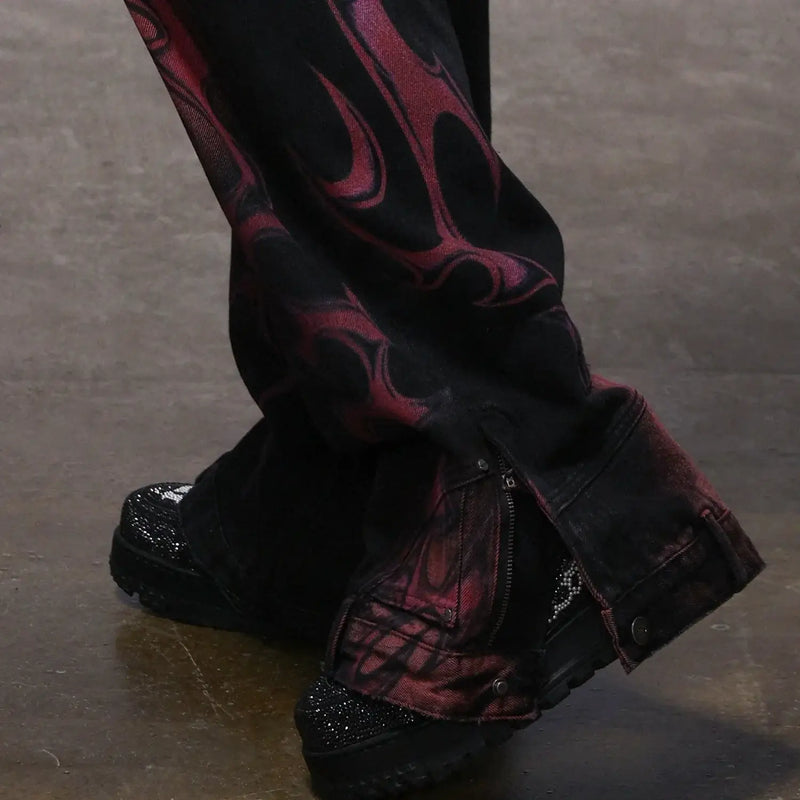
The most common men's mistake is reaching for the skinny silhouette from the emo era. On the dance floor, volume at the bottom works harder: wide-leg, cargo, stacked hems over the boots. Above it can sit closer to the body. This gradient, wide below and defined above, is the cut you see on almost every well-dressed man in the queue.
What the video makes visible: movement decides. Trousers that look good standing still and cling while dancing are the wrong trousers. That is why every piece in a goth club outfit gets the movement test in front of the mirror: arms up, one step sideways, one deep bend. Whatever slips stays at home.
Women
Goth club attire female: between mesh, leather and air
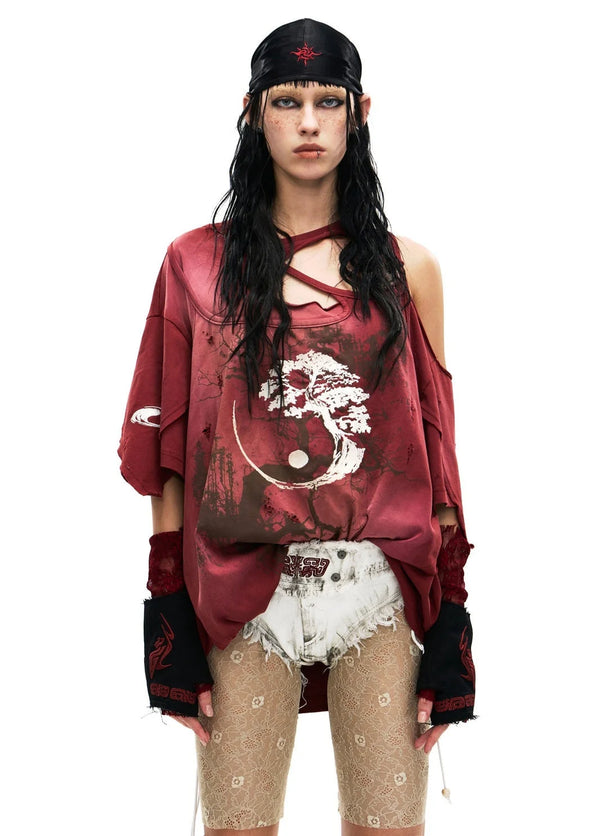
Women's looks have more established vocabulary in the goth club: mesh layers, slip dress over fishnet, corset silhouettes, skirts with hardware. The craft lies in the balance between skin and structure. A sheer top needs a solid counterweight, heavy boots or trousers with weight. Completely fragile looks disappear in the crowd and do not survive the night.
Thought through practically: few pieces have to do a lot. A black mesh top under a structured tee is two looks in one, with a jacket a third. If you get cold, layer mesh underneath instead of a cardigan over the look. And for everything heading towards the rave offshoot of the scene, from EBM nights to dark techno, our guide to cyber looks is worth a look:
The difference between the two worlds is quickly explained: classic goth club attire stays monochrome and material-driven, the cyber side allows neon accents and synthetic surfaces. Both share the same base rule: the look has to survive four hours on the dance floor, not just one photo in front of the mirror.
Archetypes
Five looks you see in every goth club
Walk deliberately through a full goth club once and you recognise recurring types. They are not boxes, they are blueprints. For starting out it helps to place yourself in one type and build it cleanly instead of quoting all five at once.
For a first visit the minimal silhouette is the safest entry: all black, one strong piece, clean shoes. From there you can move night by night towards a louder archetype, once you have read the room. Nobody expects the finished look the first time.
Down below
Trousers and silhouette: the goth nightclub outfit thought from the bottom up
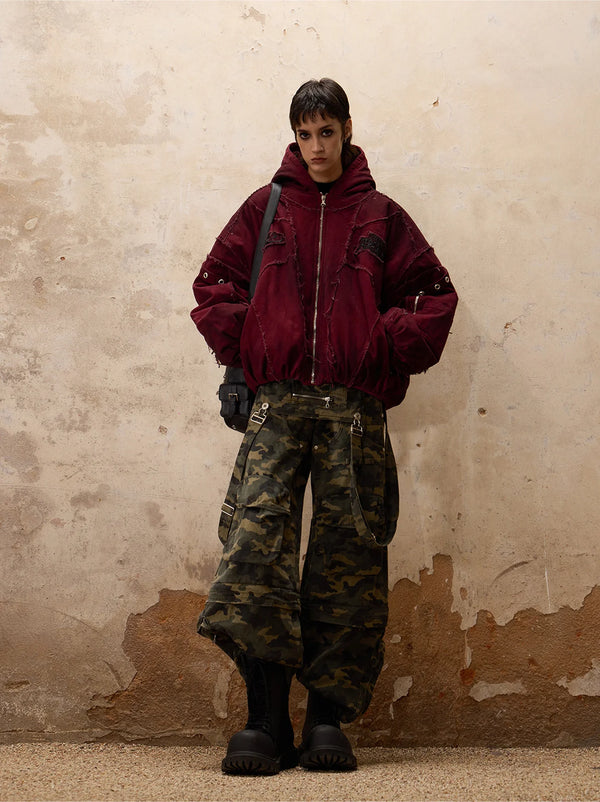
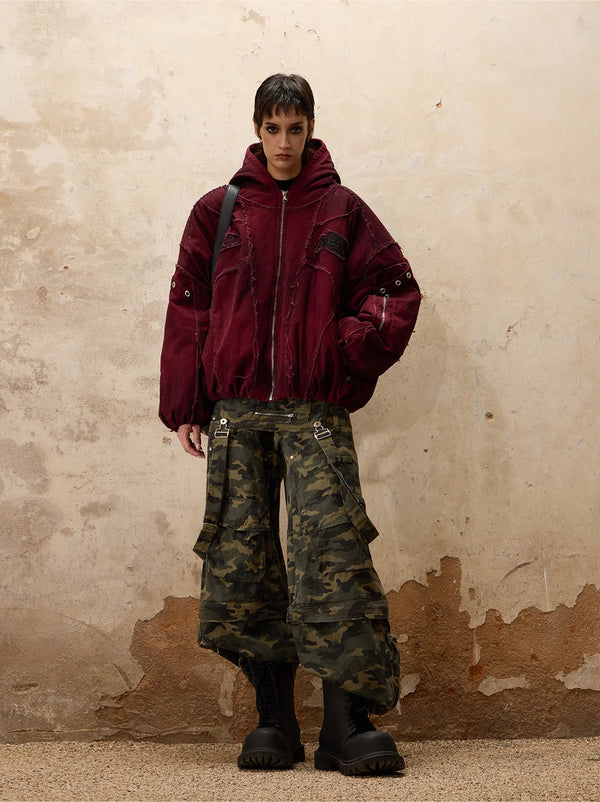
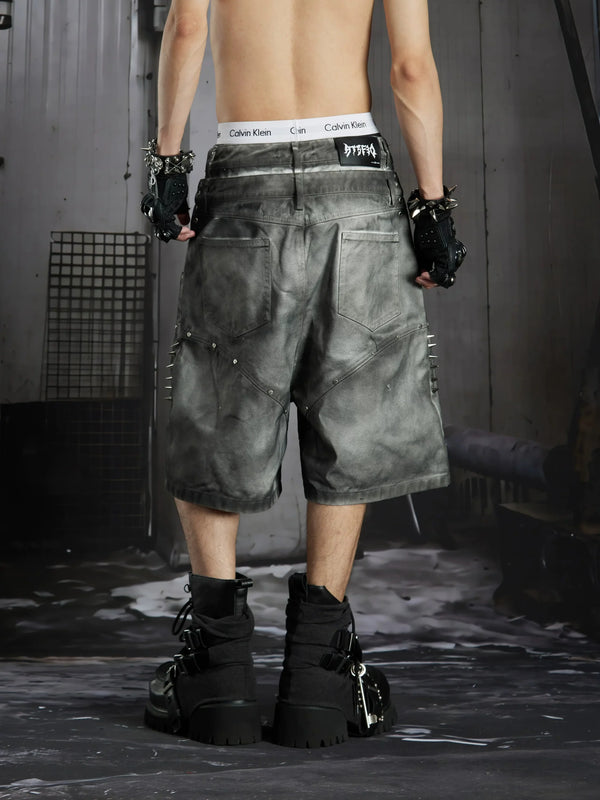
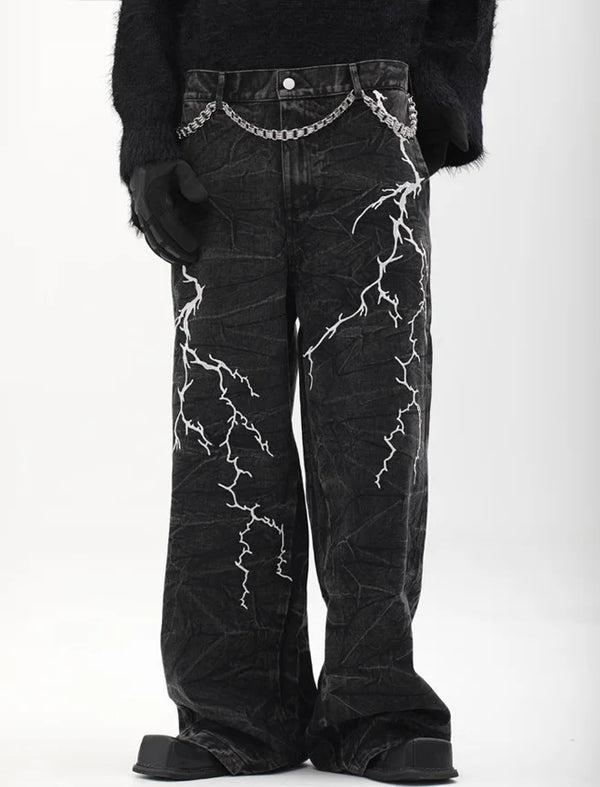
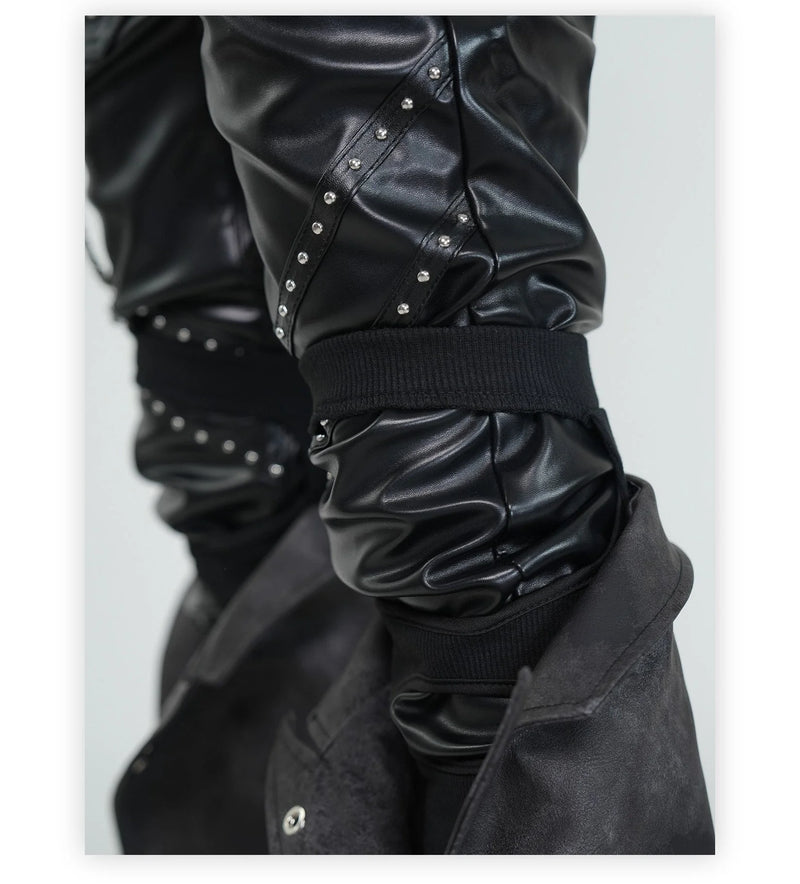
Trousers decide more about a goth nightclub outfit than any other piece. They define the silhouette in the dark, where details disappear and outlines remain. Wide cuts with chains, straps or stacked layers give movement that becomes visible on the dance floor. Shorts over fishnets or layers work better in summer and on hot floors than any long trousers.
One criterion counts double when buying: pockets. Phone, card and keys have to sit securely without breaking the line. Cargo constructions solve that elegantly, tight trousers with open pockets do not. Go out regularly and you notice quickly that the practical trousers and the good trousers have to be the same pair, otherwise one of them stays in the wardrobe.
Layer
Jackets and layering: planning for the cloakroom
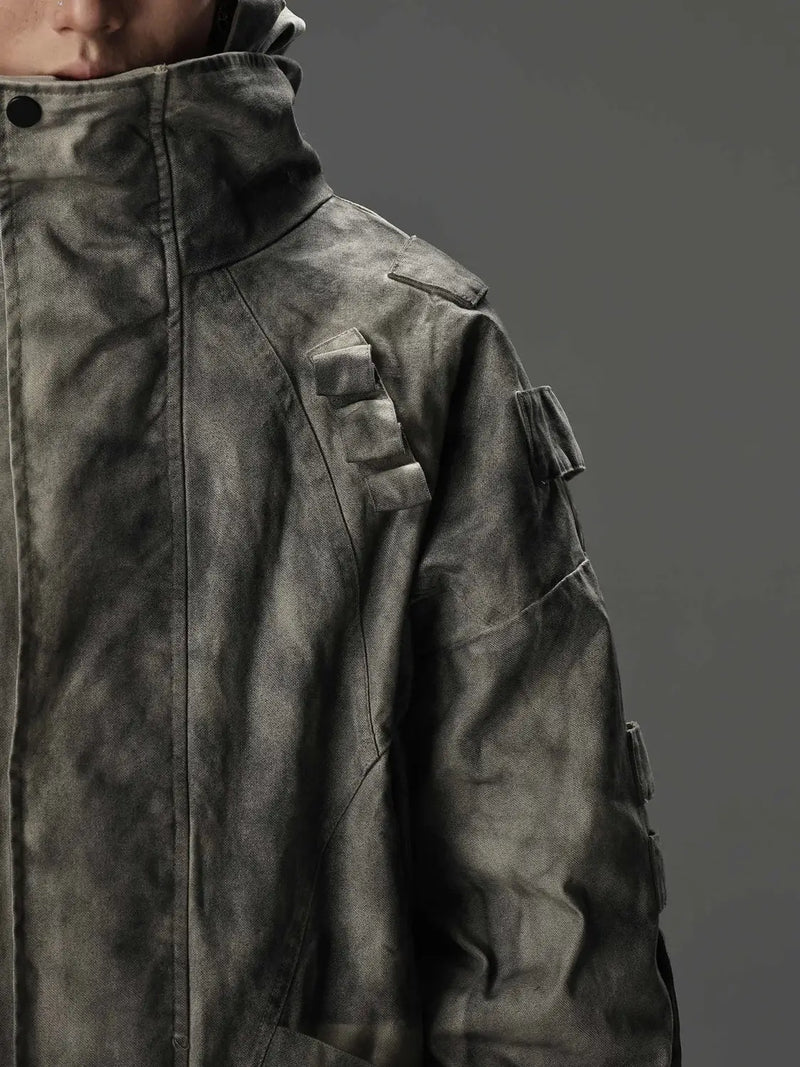
In the club the jacket is a transition piece. It has to carry the way there and back, but be handed in inside without the look collapsing. So: the outfit is planned without the jacket, the jacket comes on top as reinforcement. Bombers with hardware, tactical layers or a set with visible structure do both, presence outside and a complete look inside.
A second thought on the cloakroom: many clubs have small, chaotic drop-off situations. Anything you do not want to lose belongs on your body, not in a jacket pocket. That is also an argument for trousers with secure pockets and for layers you can tie around your waist if needed instead of handing them in.
Practice
Danceable: material, sweat and four hours of movement
The romantic idea of the goth club often ends at the reality of the dance floor: tight, warm, loud. Vinyl and PVC look spectacular and breathe exactly not at all. Dance in them and you plan breaks, or you wear them as an accent instead of a surface. Cotton, mesh and open weaves work for you, heavy synthetic surfaces against you. That is why experienced clubgoers build their looks from the inside out: breathable base, drama as a layer on top.
On shoes: platforms and Docs are classics because they solve two problems at once, stability on wet floors and presence in the silhouette. New, unworn boots are by contrast the most common reason for early trips home. Breaking them in is mandatory, at least a week before the night that counts.
Hardware
Accessories and hardware: silver carries the look
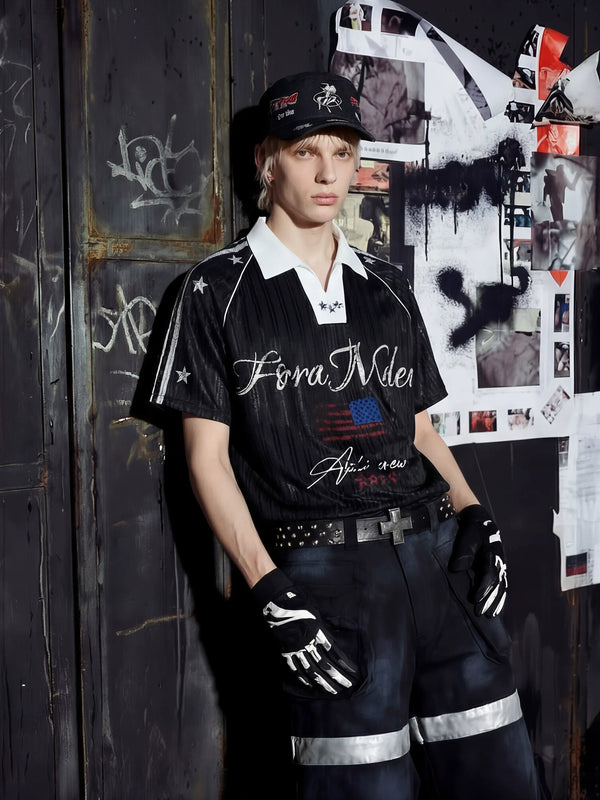
When the base stays plain, accessories take over the work. A belt with a cross buckle structures any wide trousers. A cap with distressing turns a tee and trousers into a look. Chains on the belt or worn as a necklace catch the little light the club gives. The rule from the dress code chapter applies here too: metal works, plastic fails.
Less is more here in the sense of: few points, clearly placed. A full curtain of chains plus rings plus ear plus belt becomes background noise. Two or three hardware points per look are enough for each one to stay visible. To go deeper into the categories, here are the direct routes:
Context
Goth party vs. goth club: not the same outfit
A goth party in a private setting and a club night call for different calibration. At the party there is sitting, talking, photographing: this is where delicate pieces can come out, velvet, long hems, elaborate layers that would get in the way on the dance floor. In the club the priority flips: movement first, delicacy stays at home. Turn up to the party dressed for the club and you are under-dramatised. Turn up to the club dressed for the party and at two in the morning you are carrying a burden.
For everything between the two worlds, big festival nights, dark open airs and events with both dancing and sitting, the club rule with party accents applies. Our festival guide shows how to build that concretely:
The rule of thumb to remember: the longer you stand and dance, the more robust and breathable the look has to be. The more sitting and talking there is, the more room fragile materials and complicated silhouettes have. No piece is objectively right, it is right for a format.
Places
Where you wear it: goth clubs and dark nights in Germany
Looking for a goth club nearby, you have better odds in Germany than almost anywhere else. Berlin has carried dark club culture for decades, from industrial nights to classic dark wave floors. Every Whitsun weekend Leipzig becomes the centre of the scene, when the Wave-Gotik-Treffen turns the whole city black. On top of that come regular dark parties in Cologne, Hamburg, Munich and the Ruhr area. The chance that something takes place near you every month is high.
For a first night in an unfamiliar city: read the line-up. An 80s Batcave night, an EBM night and a dark techno night pull in different looks. The base outfit stays the same, the accents shift, more mesh for the classics, more technical wear for the hard floors. Our fits show what that looks like in motion:
That leaves the last building block before the door: the one outfit that pulls it all together. A strong top, a silhouette with volume, hardware as a point. Starting from zero, a complete look from one source is the safest route, with individual pieces swapped for your own finds later.
Mistakes
Common mistakes in a goth club outfit
Almost every one of these mistakes happens for the same reason: the look was built for the mirror, not for the room. The good news is that all five can be avoided with one minute of thinking before you leave.
Keep these five points in mind and you are better prepared than half the queue. The rest are details, and we answer the most common ones directly here.
FAQ
Goth club attire: the most common questions
The questions asked most often before a first goth club night, answered short and honestly.
What is the dress code in a goth club?
Can non-goths go to a goth club too?
What is the 3-3-3 rule in clothing?
Which two colours should you not wear together?
How does a club outfit look slimmer without being tight?
That completes the kit: rules read, base built, mistakes known. What remains is the part no guide can take over, namely going. The first night answers more questions than any text before it.
What do you think?
Tell us on @fuga_studios
About the author
Philipp Fuge — Founder · Berlin
Founder of Fūga Studios. Writes the journal himself. Berlin · Shanghai · Tokyo · Poznań — four cities, one logic.