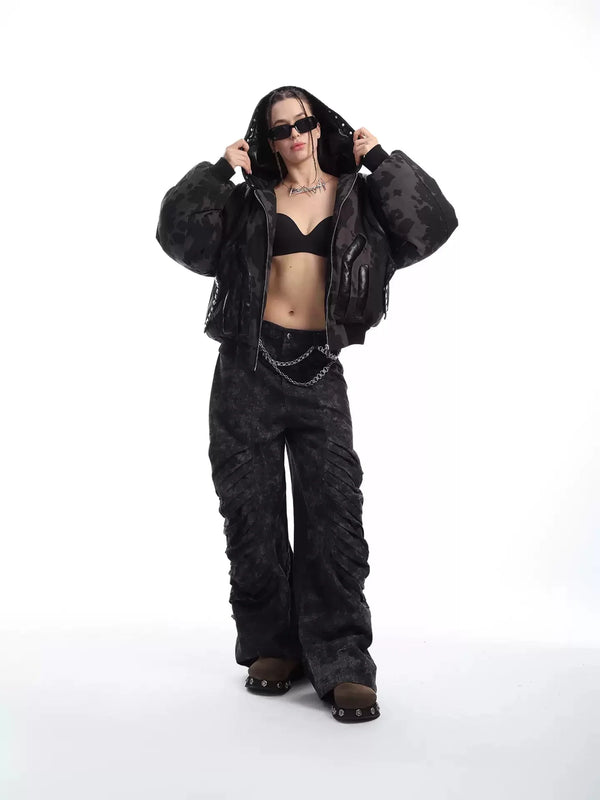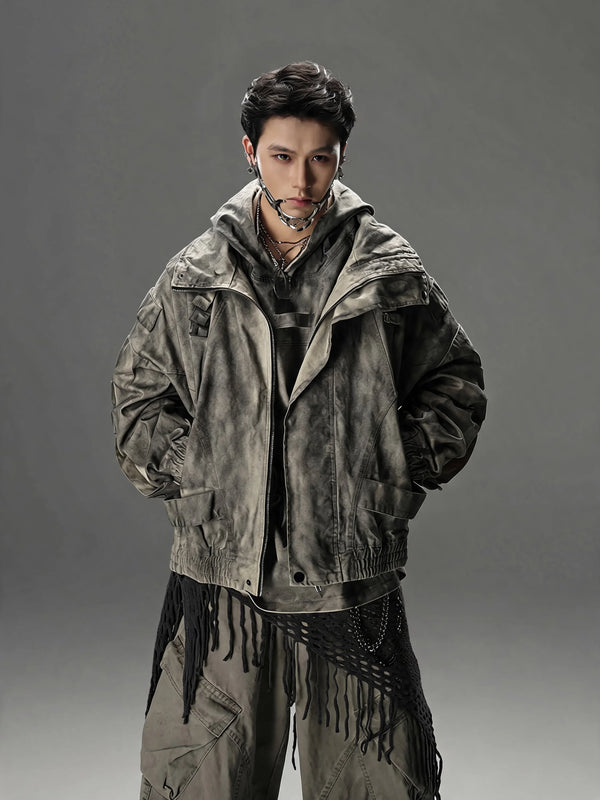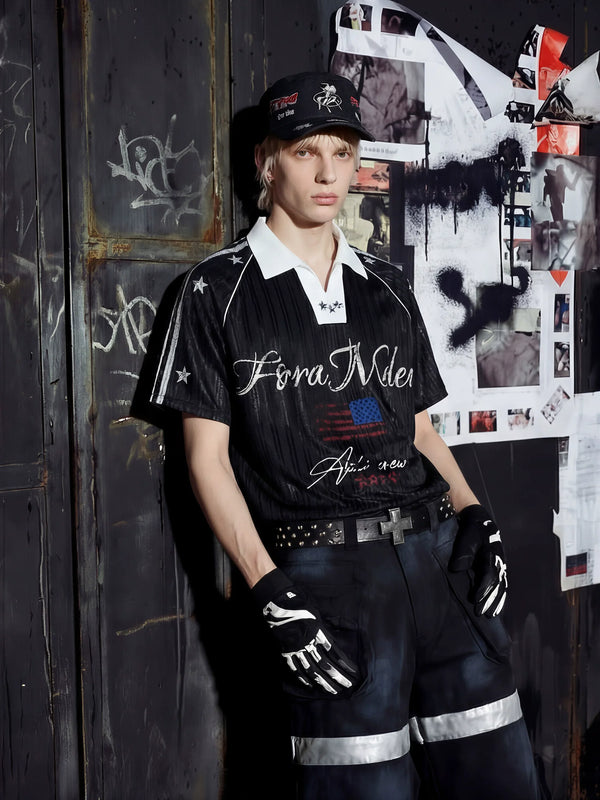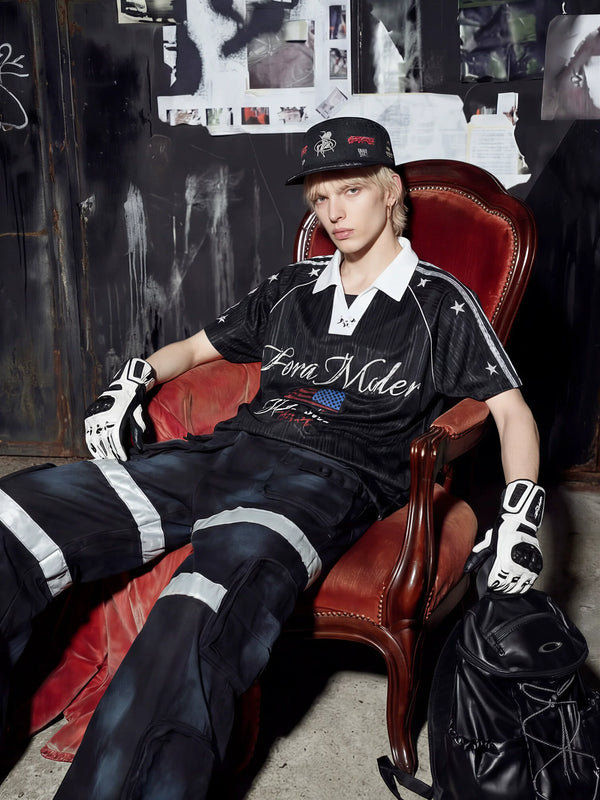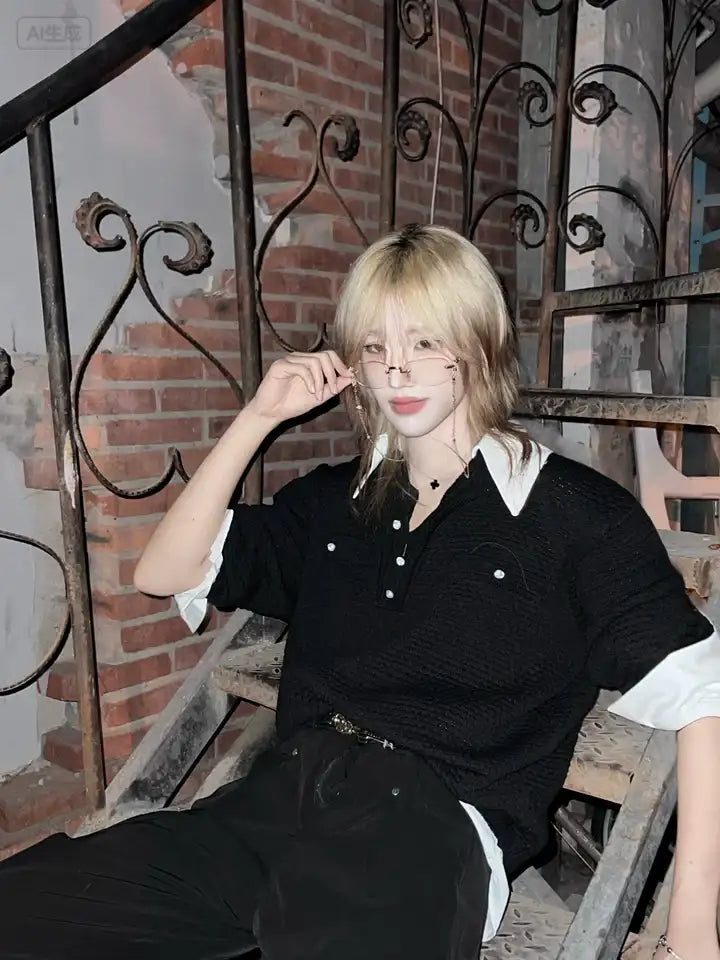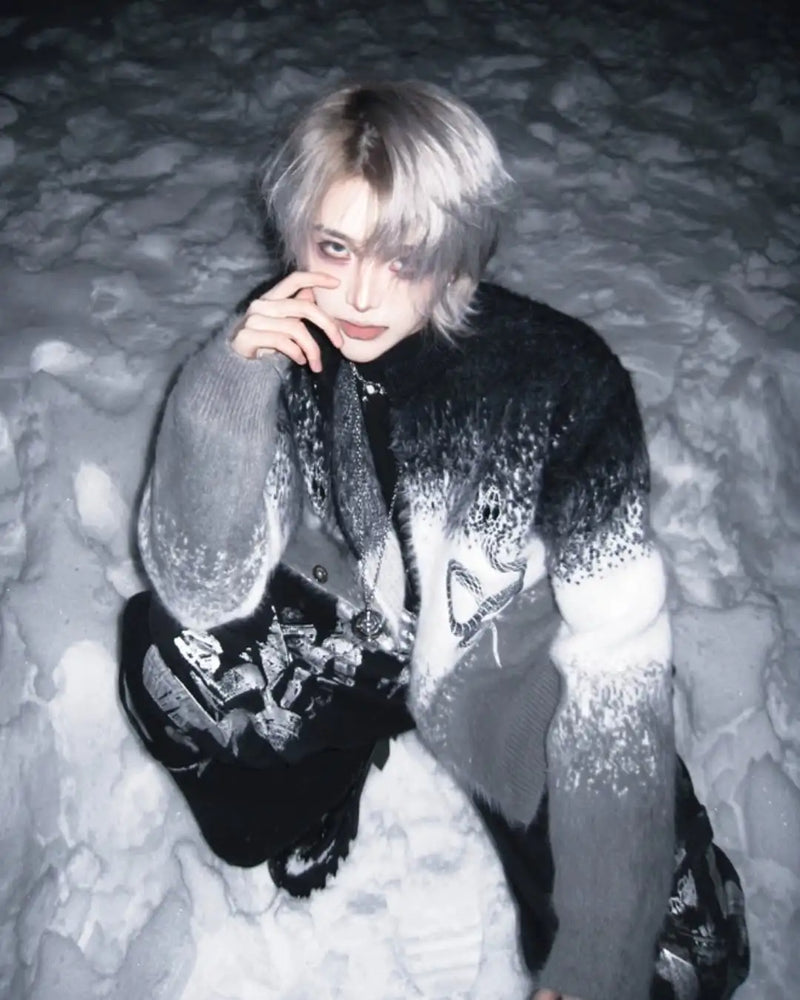
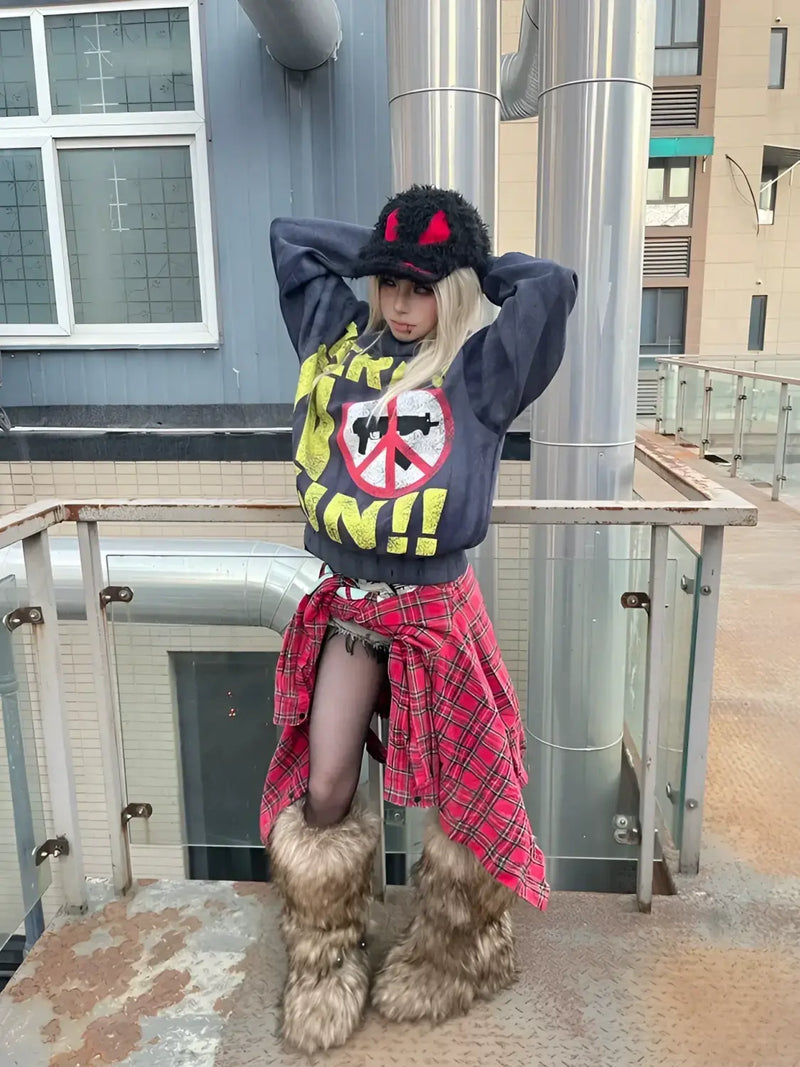

A school hallway somewhere in Germany, 2006. A guy with black bangs over his left eye walks past, band shirt two sizes too small, studded belt, Chucks covered in writing. Nobody has to ask what he listens to, which forums he uses or what his MySpace profile looks like. The outfit answers everything before he opens his mouth. Exactly that ability to tell a whole story without a single word is what still makes this look special today.
Emo fashion meaning describes the meaning behind the emo look: a style of dress that came out of the emotional hardcore scene of the 80s and makes vulnerability visible instead of hiding it. Every element carries a message, from the band shirt to the eyeliner. This article decodes the codes one by one. You will find the complete style overview in our Emo Style Guide.
Definition
What emo fashion really means
The short answer: emo fashion is the visible form of an attitude that takes feelings seriously. The word “emo” is short for “emotional”, and that is exactly the programme. Where other subcultures show hardness, emo shows vulnerability, and does so on purpose. The black bangs, the too-tight band shirt, the written-on Chucks: all signals saying that someone here feels more than the average person would admit.
Important for context: the clothing came after the music. Emo was first a sound, then a scene, then a wardrobe. Anyone who wants to understand the meaning of the look therefore has to take a short look at the history, because almost every element of today's emo outfit can be traced back to a specific moment between 1985 and 2008. Three years are enough as a framework:
1985
Revolution Summer in Washington D.C., the term is born
2005
Mainstream peak between MySpace and MTV
2021
TikTok revival brings the look back into the feed
Origin
Where the term emo comes from
Washington D.C., mid-80s. A handful of bands break away from the hardcore punk scene, suddenly playing personal lyrics about loss and doubt instead of slogans. The old scene mocks it and calls the sound “emotional hardcore” as an insult, later shortened to “emocore”, and in the end “emo” is what sticks. So the name started as an insult that the scene then claimed for itself.
Interesting for the fashion side: this first generation deliberately looked inconspicuous. Workwear, short hair, no costume. The message sat entirely in the music. Only the second and third wave translated the inner life into a visible style, and that translation is what is read worldwide today as emo fashion.
How the look changed from wave to wave, from Dischord workwear through mall emo to today's revival, we have unpacked completely in a separate article. Here we continue with the question of what makes up the core of the style.
Attitude
What makes someone an emo person
The question “what is an emo person” comes up in search engines more often than any styling question, and it hits the core: emo was never just clothing. An emo is someone who lets intensity in. Music is not played in the background, it is lived through. Friendships are not casual, they are deep. Lyrics get learned by heart, lines written on shoes, feelings processed in forums and later in captions.
That also explains why the look works the way it works. Anyone living intensity needs an outside that matches. The clothing is the volume-dial symbol of that attitude: dark enough to show seriousness, striking enough to find like-minded people. Before MySpace the outfit was literally the profile picture. You recognised each other in the schoolyard, in the record shop, at shows, long before a single word was exchanged.
That includes the rituals almost nobody sees from outside. Lyrics that migrate onto shoe soles in permanent marker. Show wristbands worn until they fall off. Playlists kept like diaries, and lines from songs living on as a status, a bio or a caption. These rituals are the invisible part of the meaning, and the clothing is their visible proof.
And that is exactly why the scene still reacts sensitively to the accusation that emo is a phase. For those who were there or still are, it is not a costume but the most honest version of their wardrobe.
The canon
Which clothes are emo? The canon
“What clothes are emo” is the most practical form of the meaning question, and it can be answered precisely. The classic canon set itself between 2003 and 2008 and is still the reference every emo outfit is measured against. These pieces form the foundation:
- Band shirt, deliberately worn tight. The most important single piece, more on that in a moment.
- Skinny jeans in black or very dark grey, cut the same across all genders.
- Hoodie or zip jacket with a graphic, often in a boyfriend fit over the tight shirt.
- Chucks, Vans or skate shoes, happily written on, painted or worn through.
- Studded belt and wallet chain, the hardware heirlooms from punk.
- Sweatbands, buttons, fingerless gloves, the detail layer for insiders.
What matters is not the list itself, though, but the logic behind it. Every one of these pieces was chosen because it communicates something. Combine the pieces without knowing the message and you produce a costume. Know them and you wear a language.
Sign language
Five codes and what they mean
Time to decode. These five signs carry most of the meaning in the emo look, and each has its own origin that explains why it has held on to this day:
What stands out about this sign language: it works in both directions. Inwards it creates belonging, outwards it draws a line. Few styles have that double function, and it is the reason why emo elements are still read as a signal even on their own.
Tops
Band shirts and layering: tops with a statement
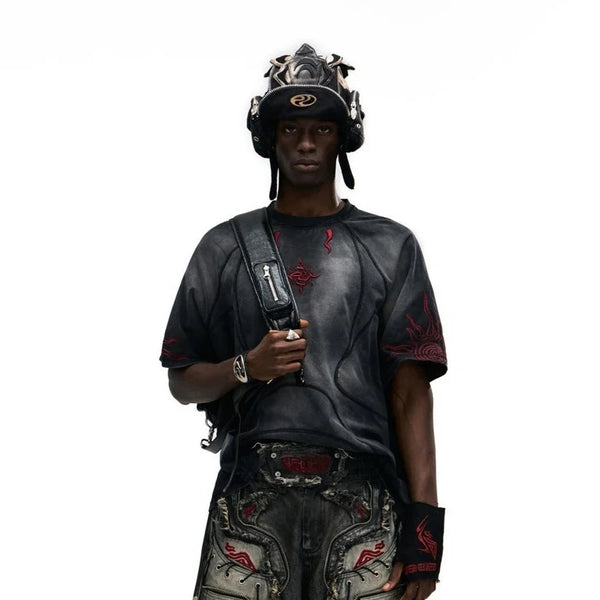
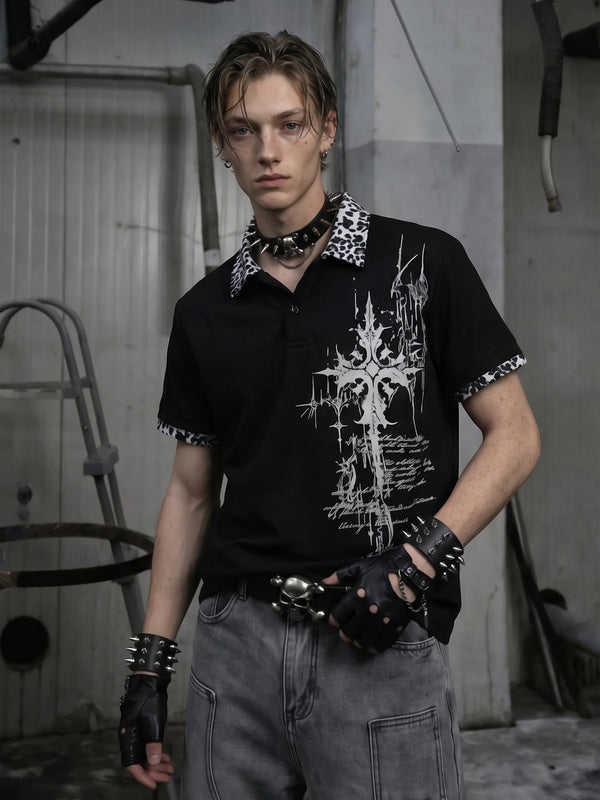
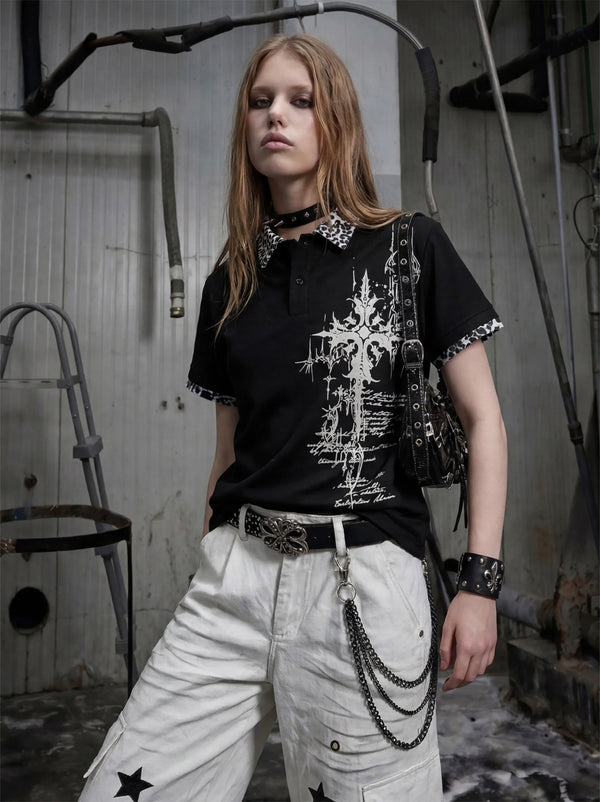
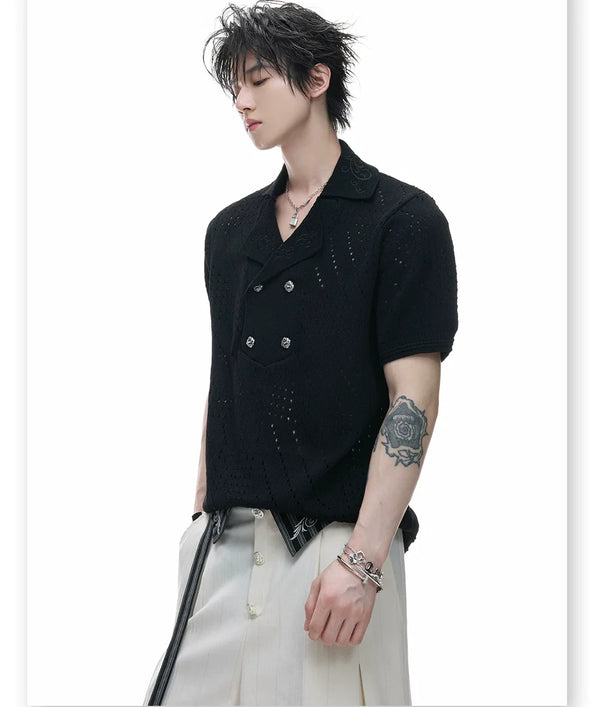
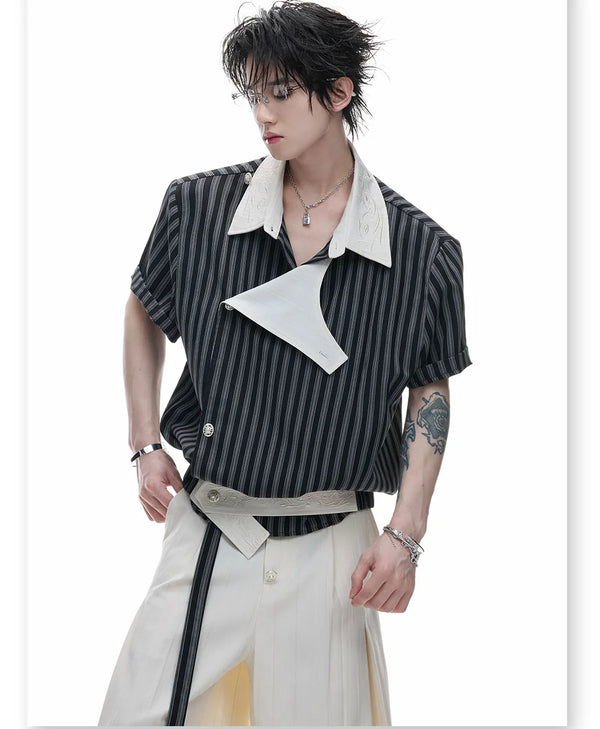
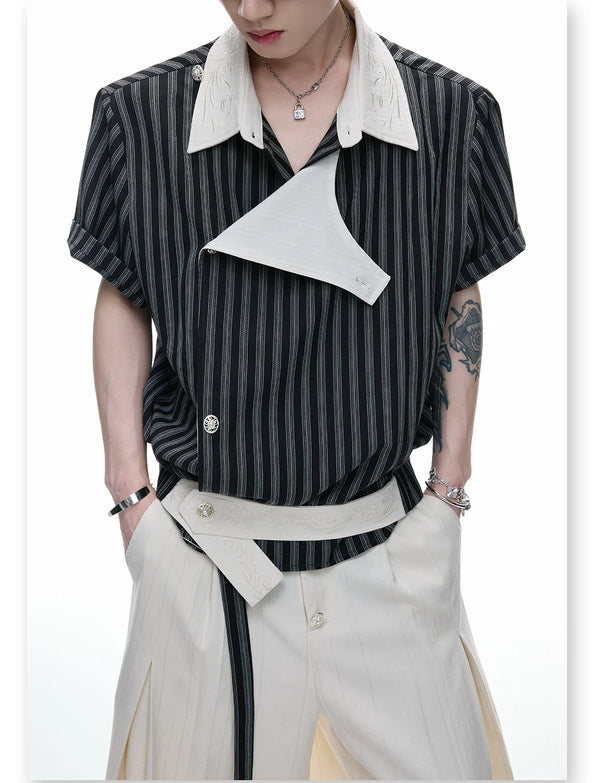
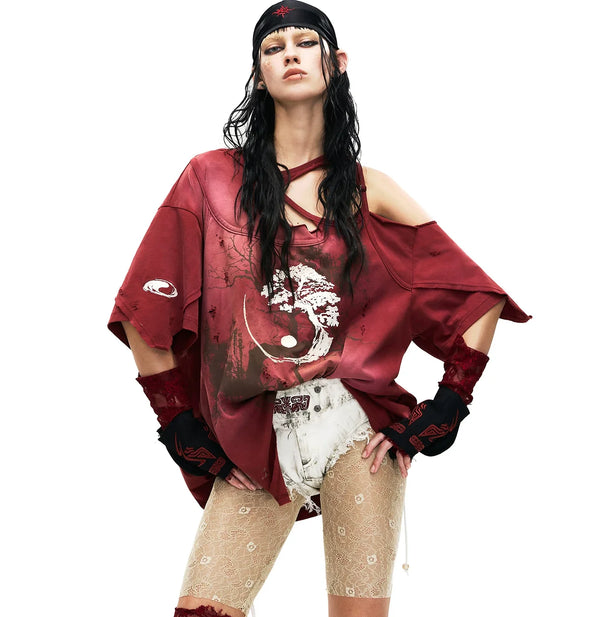
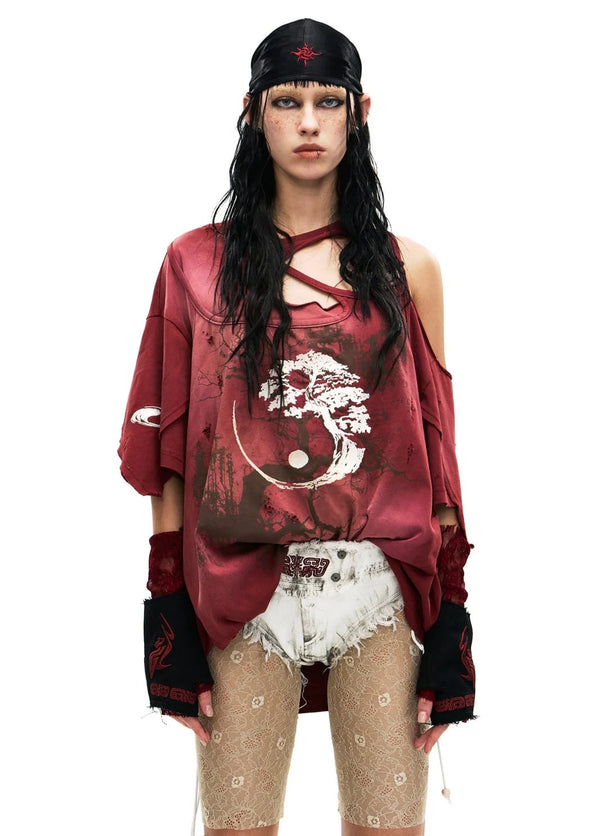
The band shirt is the number one carrier of meaning, but today it no longer needs a 2004 tour print. What counts is the function: a top with a graphic that shows attitude takes on the same job in the outfit. Dark washes, large-area prints and visible wear carry the same seriousness the scene has always worked with. Two pieces from our range that fulfil exactly this function:
For layering the old rule applies: tight under loose. The tight shirt stays the base, over it comes the open zip jacket or the hoodie a size bigger. This contrast of a narrow base line and a relaxed shell is one of the few constants that have survived every emo wave.
Emo Girl
What emo means for girls
“What does emo mean for a girl” is one of the most asked questions on the topic, and the answer has two levels. Stylistically, emo means the same canon for girls as for everyone else, plus a detail layer of its own: bangs with clips, tartan skirts over fishnet tights, chokers, more dramatic eyeliner. Culturally it means more: the emo girl of the 2000s was one of the first mainstream figures allowed to combine femininity and darkness without having to pick a side.
Setting it apart from the e-girl matters more than many think: the e-girl is an internet aesthetic with anime influence, the emo girl a scene figure with a music foundation. How the feminine look works in detail is in its own guide:
Distinction
What emo is not: Goth, Scene, Punk
The most common mix-up first: emo is not Goth. Both wear black, but for different reasons. Goth stages darkness as an aesthetic, with velvet, lace and turn-of-the-century romance. Emo uses black as a seriousness signal and stays anchored in everyday life: jeans, shirt, sneakers. Scene, meanwhile, the garish cousin of the late 2000s, turned the emo base neon and traded depth for party.
Emo also differs clearly from punk, its own grandfather. Punk aims anger outwards, at systems and institutions. Emo turns the gaze inwards. Same studs, same buckles, completely different direction. One sentence from the scene sums up the whole distinction:
Once you have understood the differences you can shop with intent instead of piling up black at random. Our emo selection is sorted by category for exactly that, from the full overview to the single accessory:
Trousers
Pants with history: from skinny to baggy
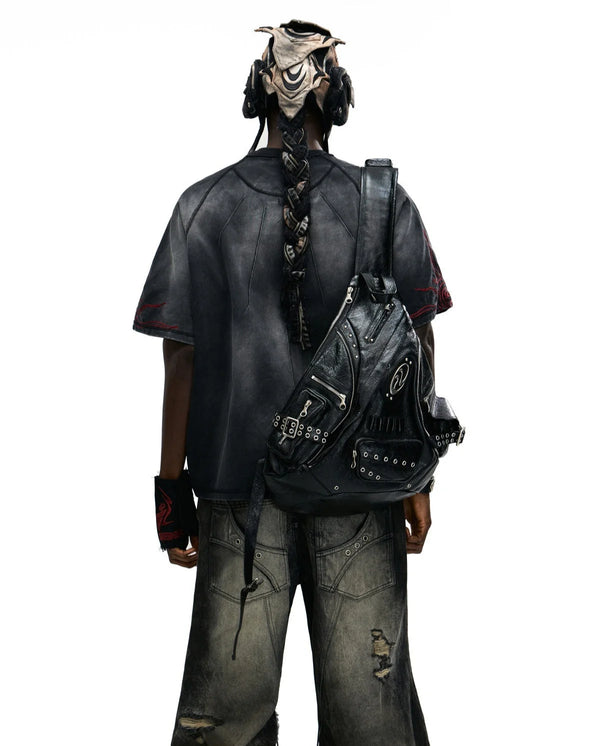
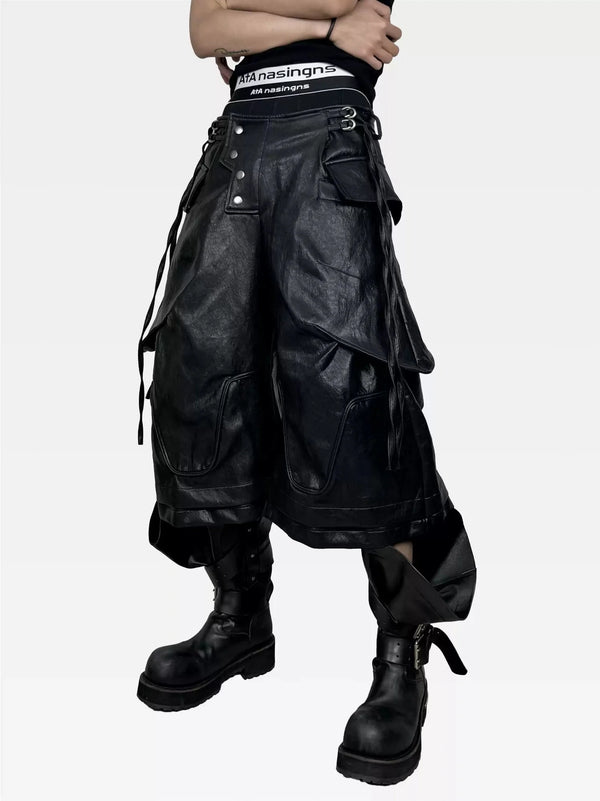
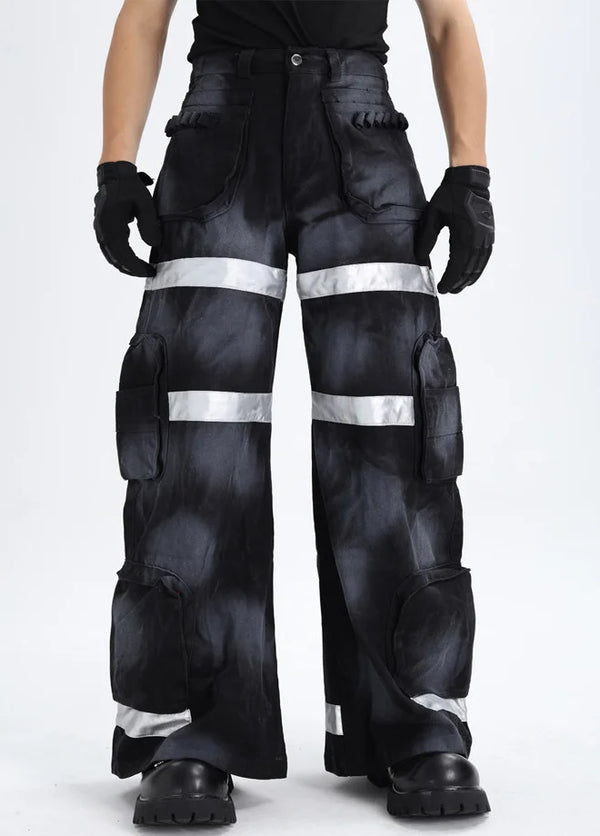
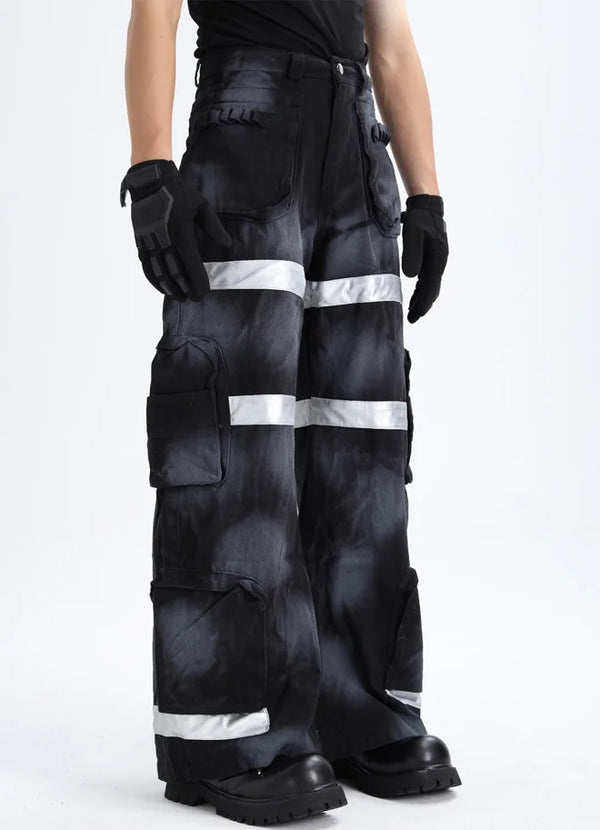
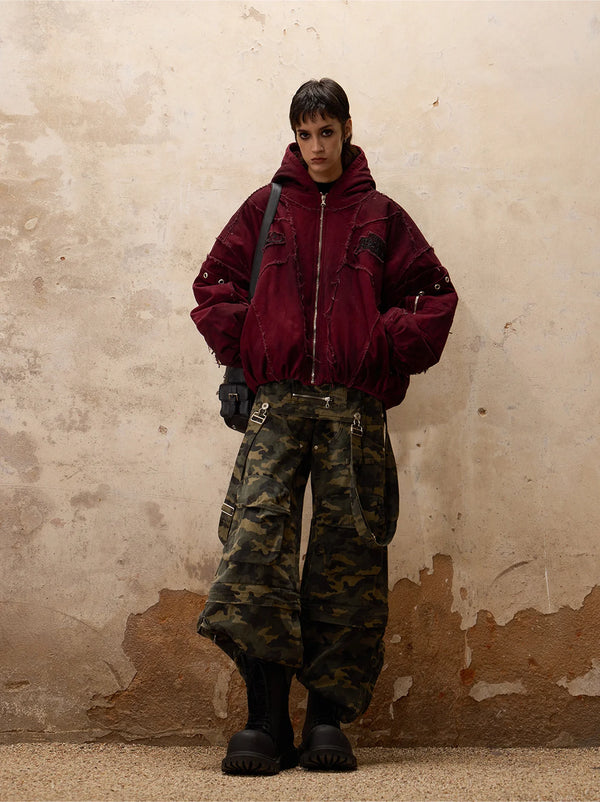
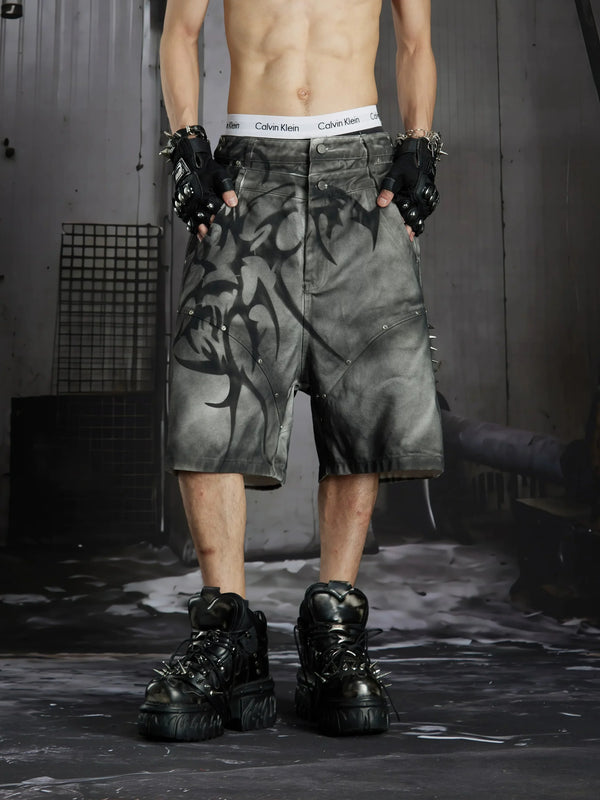
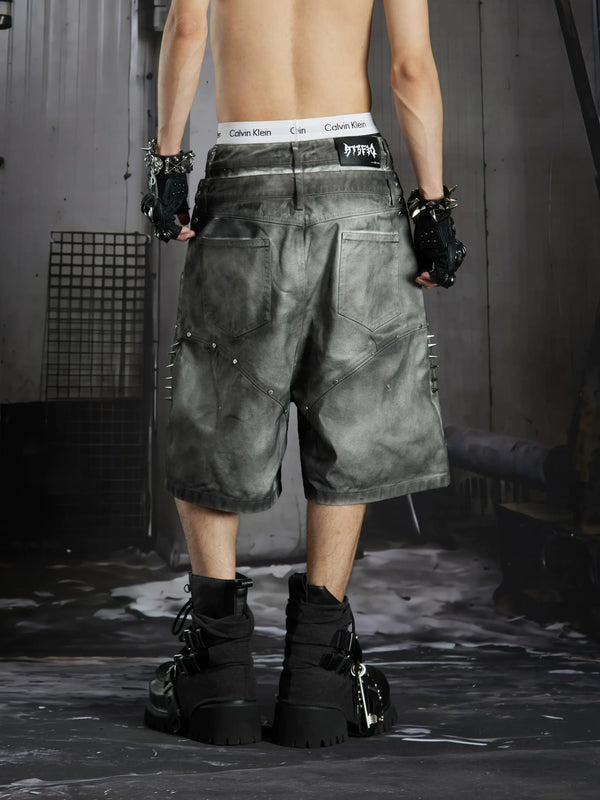
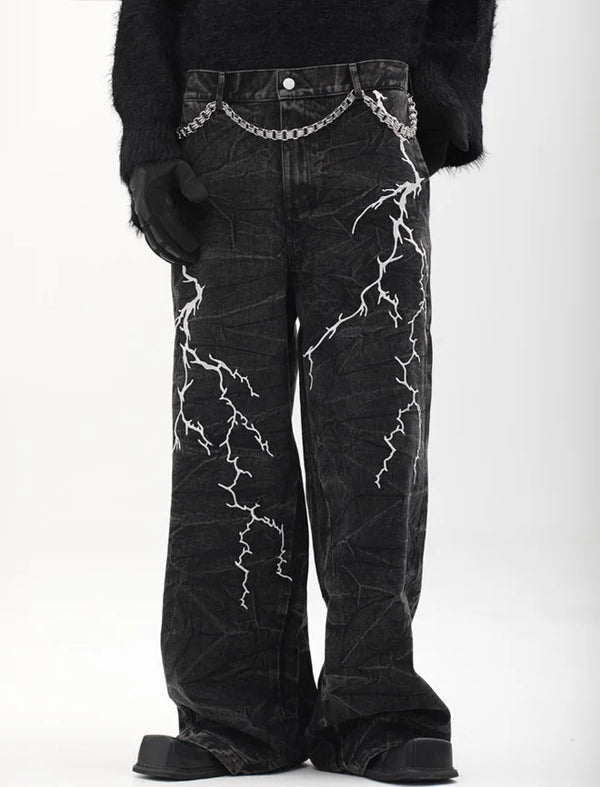
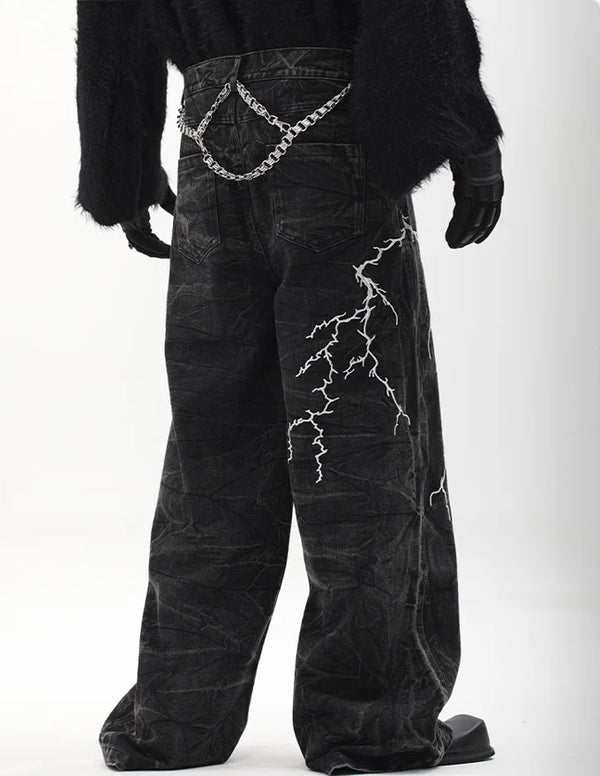
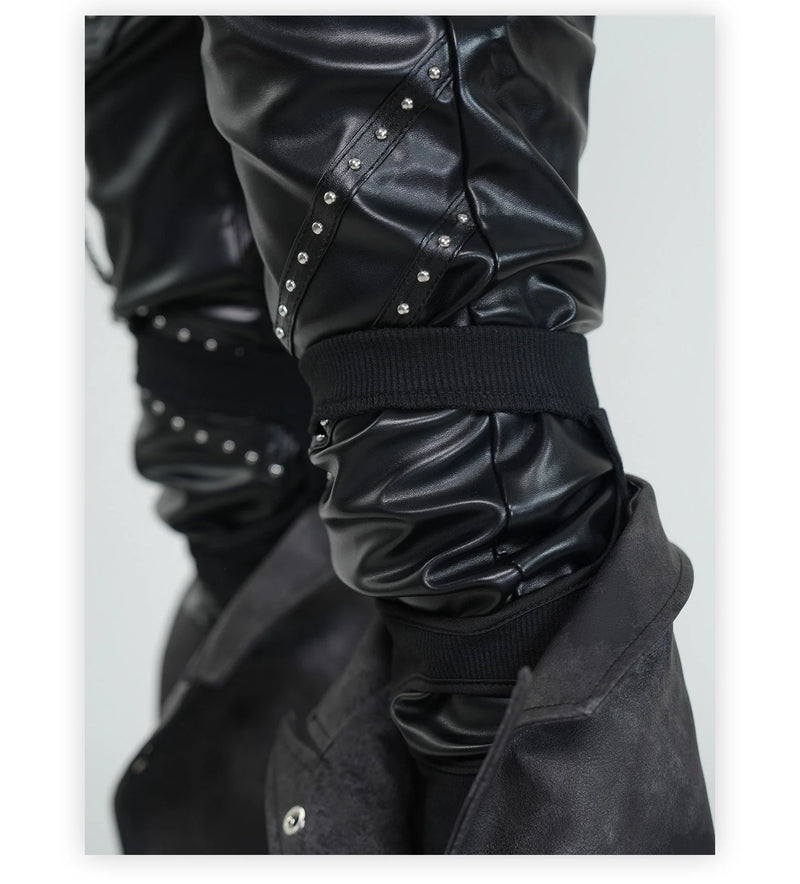
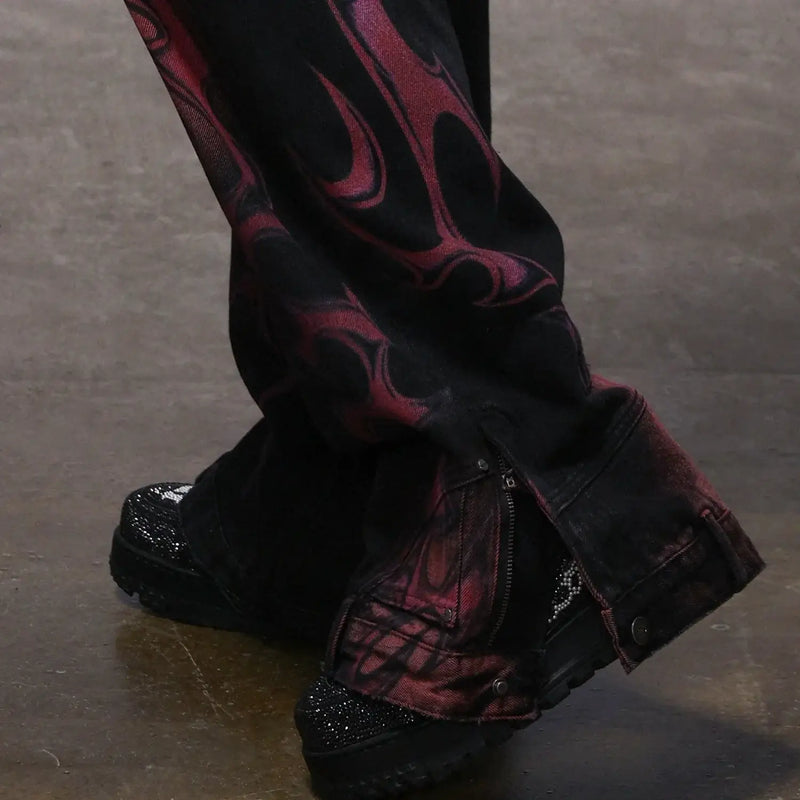
For two decades skinny jeans were the emo marker par excellence, so much so that many equate the trousers with the scene. The revival has loosened that rule: today emo-leaning fits also wear wide legs, jorts and cargo cuts, as long as the layer of meaning is right. Dark washes, hardware details and visible destruction take over the signal function that the tight silhouette once carried alone. Two examples of how that looks today:
The rule of thumb for choosing trousers stays the same as for the rest of the outfit: one piece has to tell something. Studs tell of the punk inheritance, lightning embroidery of the Y2K revival, deep black of the seriousness that has carried the style since 1985. If you are unsure, start with the darkest trousers in your wardrobe and check honestly whether they have a detail with an origin. If they have none, they are a base but not yet a statement, and exactly that distinction separates an emo outfit from a randomly dark one.
Shift
From MySpace to TikTok: the shift in meaning
In Germany, by the way, this phase ran with its own colouring: here SchülerVZ profiles, local scene forums and bands from the alternative circuit shaped the picture, and the look was argued over harder than almost anywhere else. Anyone who turned up at school in 2006 with side bangs knew both sides of the coin, the belonging on the inside and the mockery from outside. That too belongs to the meaning of the look: it was never comfortable, and that was intentional.
In 2005 an emo outfit was a full-time commitment. The MySpace profile picture, the Fotolog angle from above, the playlist in the profile: everything had to be consistent or you counted as a poser. This full-time logic disappeared with the TikTok revival. Today emo is worn as a reference, as one quote among several, and nobody demands the complete proof any more.
That has shifted the meaning but not watered it down. Black bangs in 2026 quote deliberately, because whoever wears them knows the reference. The signs have stayed the same, only their dosage has become freer. This is what that looks like in motion:
@fugastudios Battle scars as a fashion statement 🔥 When your fit survived the apocalypse and kept it pushing #fugastudios #fashiontiktok #fypシ #alternativefashion #darkfashion #opiumcore ♬ Originalton - Fuga Studios
If you want to understand how radically the 2000s era shaped the look that is quoted today, the complete mall emo phase with MySpace mechanics and merch economy is worked through in its own article:
How-to
How to be more emo: building in meaning
“How to be more emo” has a simpler answer than most tutorials claim: one element with real meaning per outfit, worn consistently. Start with the whole canon at once and you land at a costume. Start with a single clear sign, a dark graphic top, a studded belt, a precise eyeliner line, and you build the look organically, the way the scene always did.
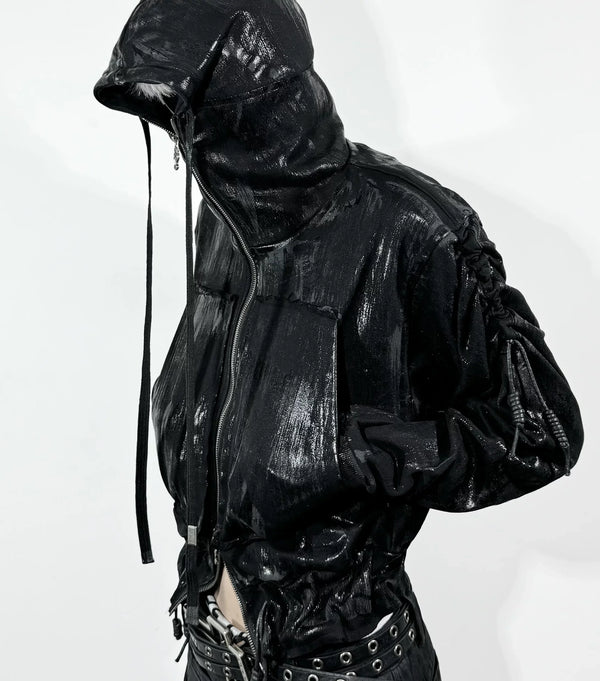
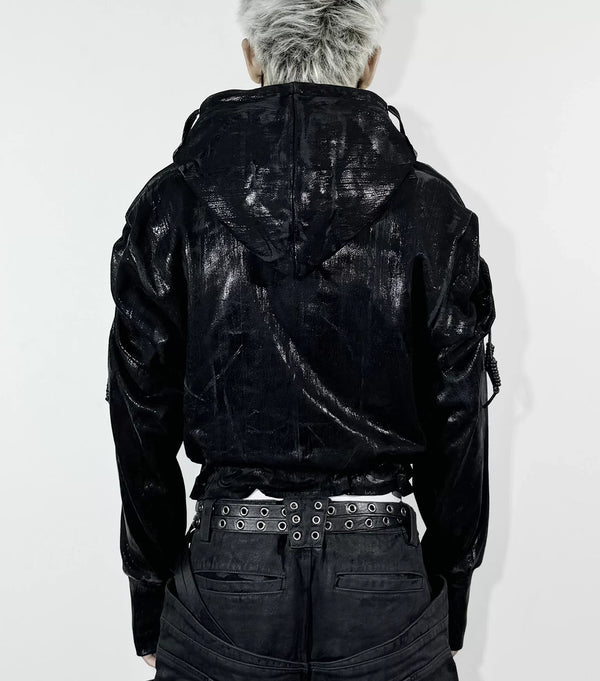
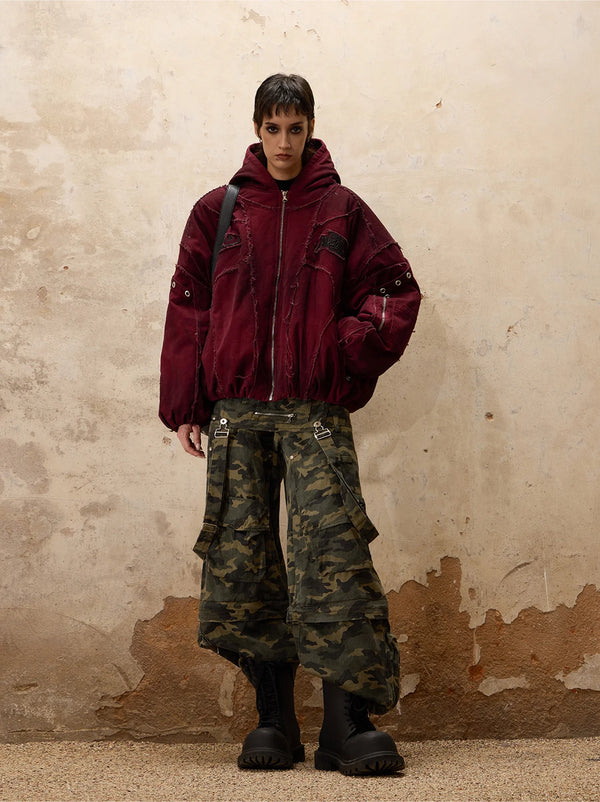
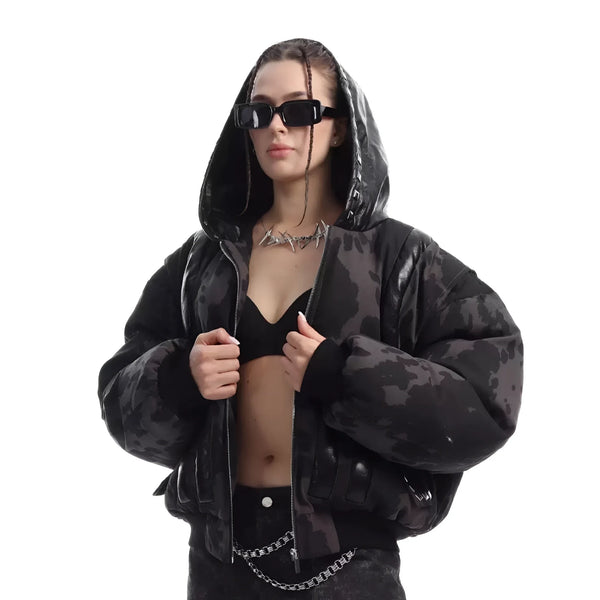
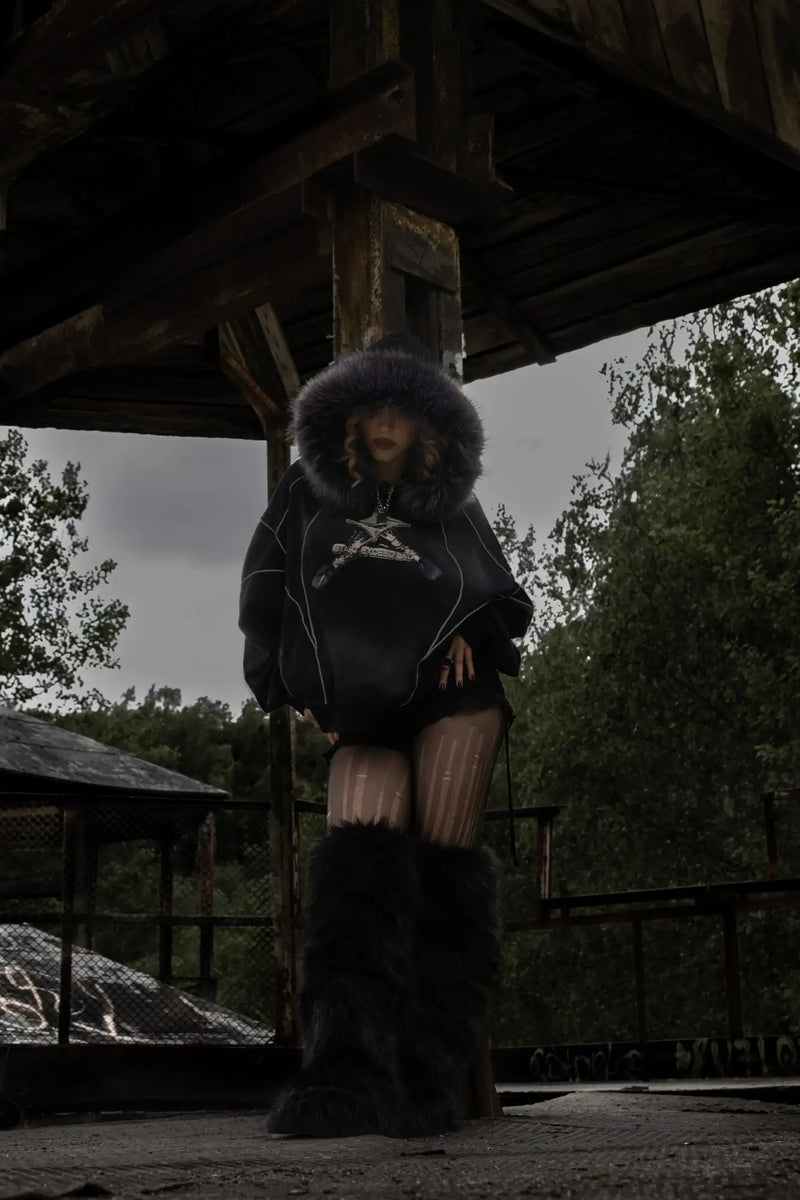
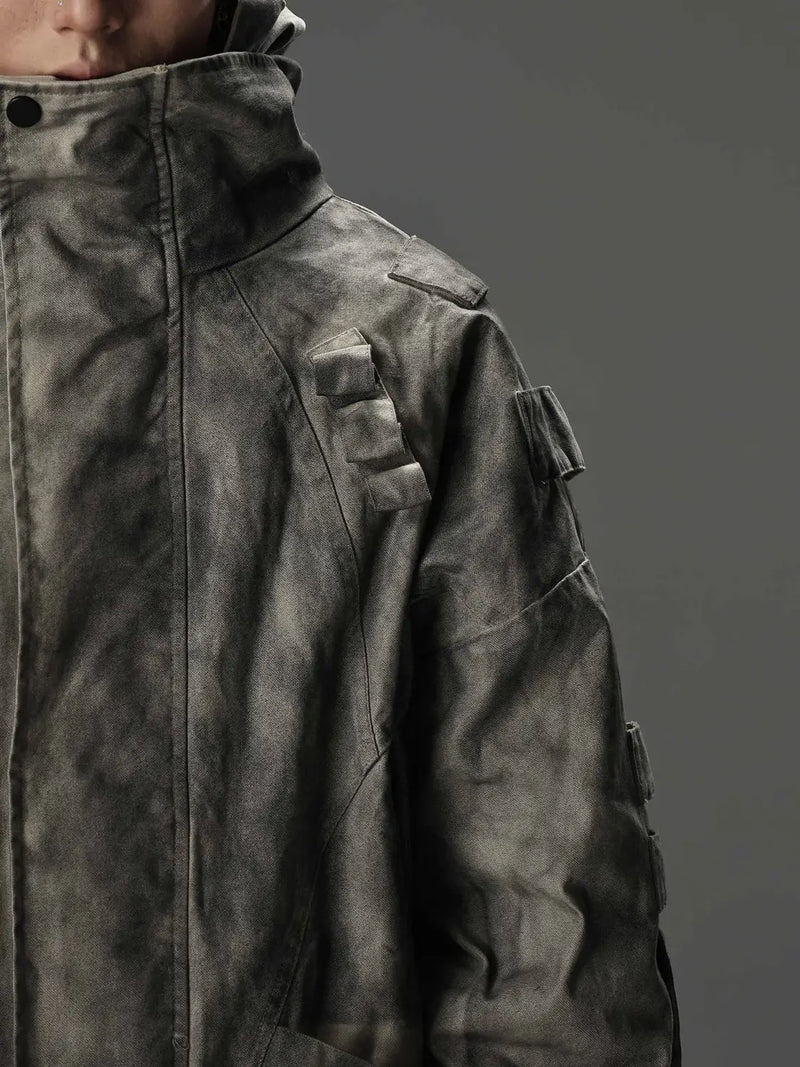
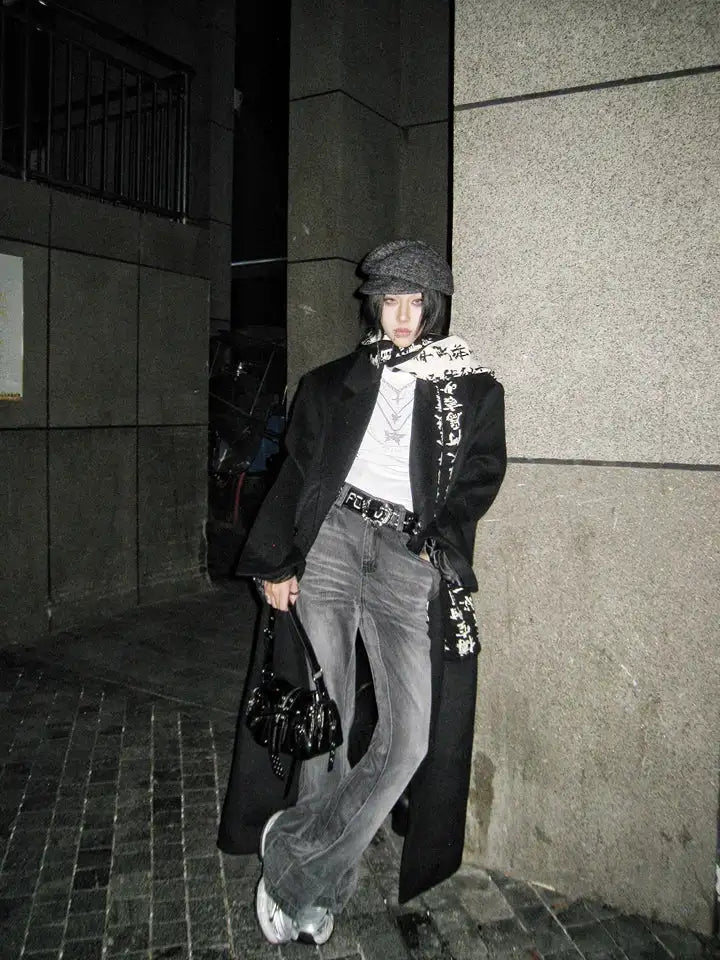
With jackets the entry works fastest, because they dominate the outfit without everything underneath having to be right. Acid wash denim quotes the DIY tradition of the scene, dark track silhouettes pull the 2000s mall era into the present:
And once the look is standing, the most important rule of the whole style applies: wear it, do not explain it. An emo outfit that has to justify itself has already missed its function. The signs speak for themselves or not at all.
Straight talk
Common misconceptions about emo fashion
Hardly any style gets explained wrong as often as this one. Five errors are especially persistent, and knowing them saves you the typical beginner mistakes:
The thread running through all five points: meaning beats optics. That is exactly why it pays to look at the smallest category of the look, the one that often gets underestimated.
Details
Accessories: small pieces, big meaning
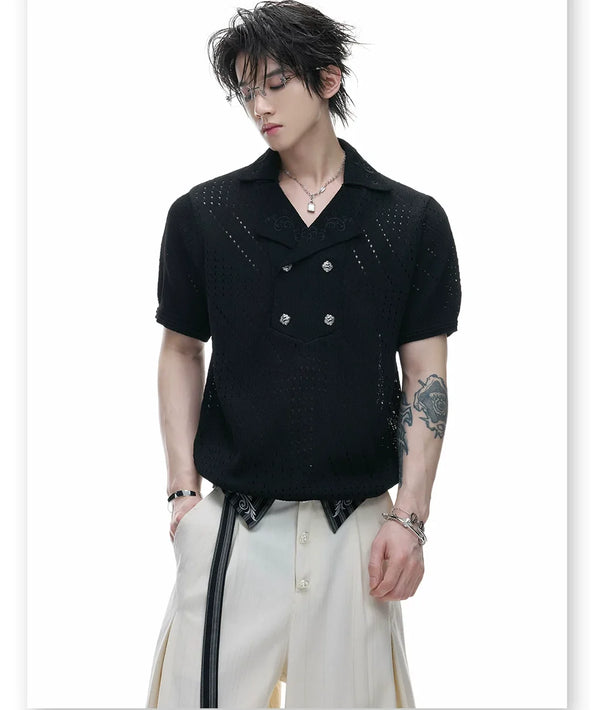
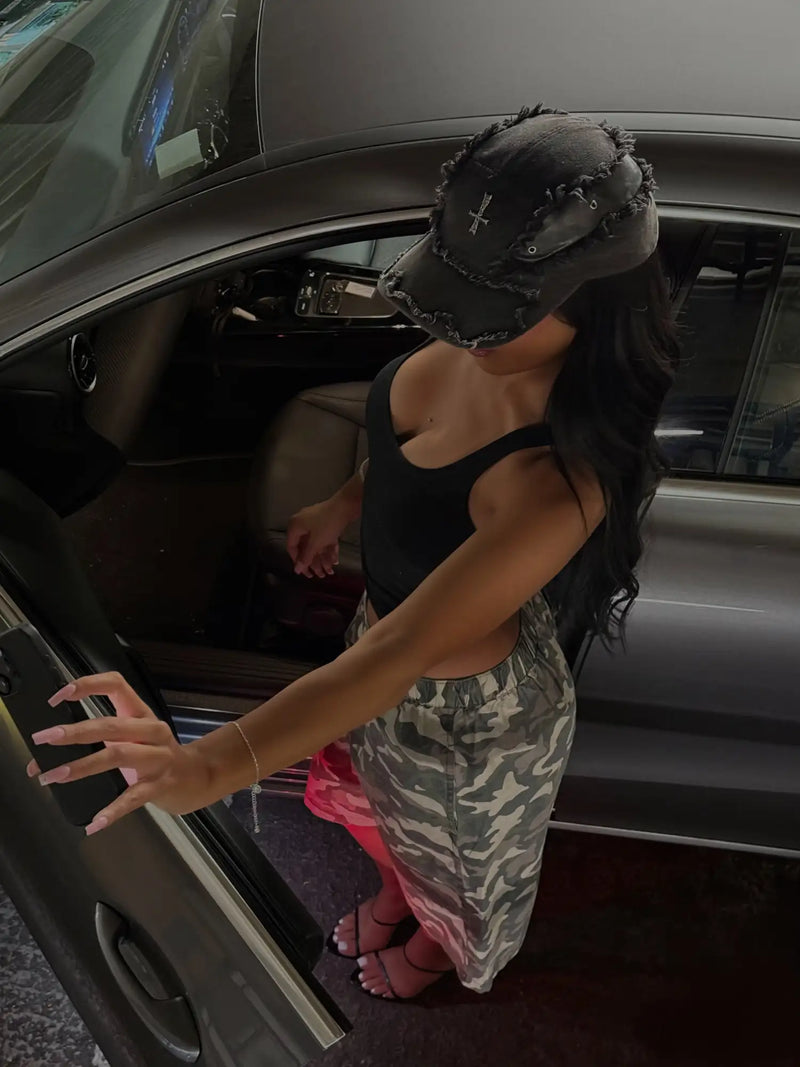
Studded belt, wallet chain, buttons: in the scene accessories were never decoration but the detail layer on which insiders recognised each other. A cross pendant on the belt, a worn-out cap with a print, a single leather strap on the wrist, each of these pieces carries on a part of the story the outfit started. Two pieces that take on exactly this function:
FAQ
FAQ: Emo Fashion Meaning
The most common questions about the meaning of the emo look, answered briefly and without detours. For everything that goes deeper, the articles above link to the respective special guides.
Is emo fashion a trend or a subculture?
Do I have to listen to emo music to wear emo fashion?
Is Taylor Swift emo?
Why does the emo girl look still fascinate today?
Is emo fashion still considered rebellious today?
That leaves the opening question, now with all the context: what does emo fashion mean? It means that a wardrobe can carry an attitude. Four decades, three waves and one revival later that idea still works, and precisely because it was never only optics.
What do you think?
Tell us on @fuga_studios
About the author
Philipp Fuge — Founder · Berlin
Founder of Fūga Studios. Writes the journal himself. Berlin · Shanghai · Tokyo · Poznań — four cities, one logic.