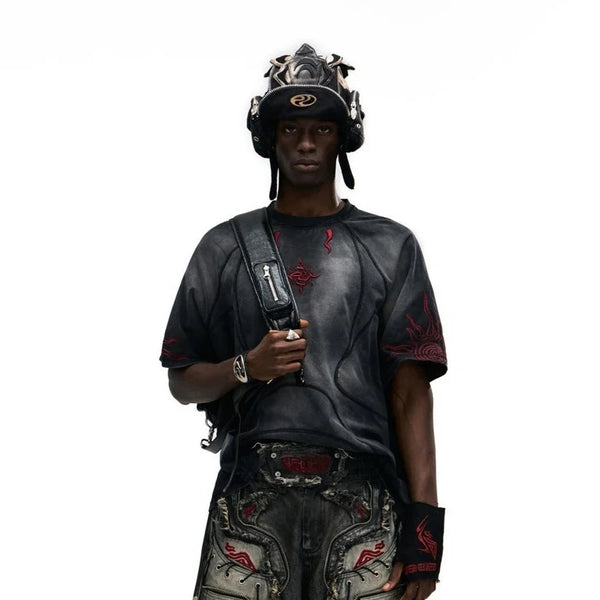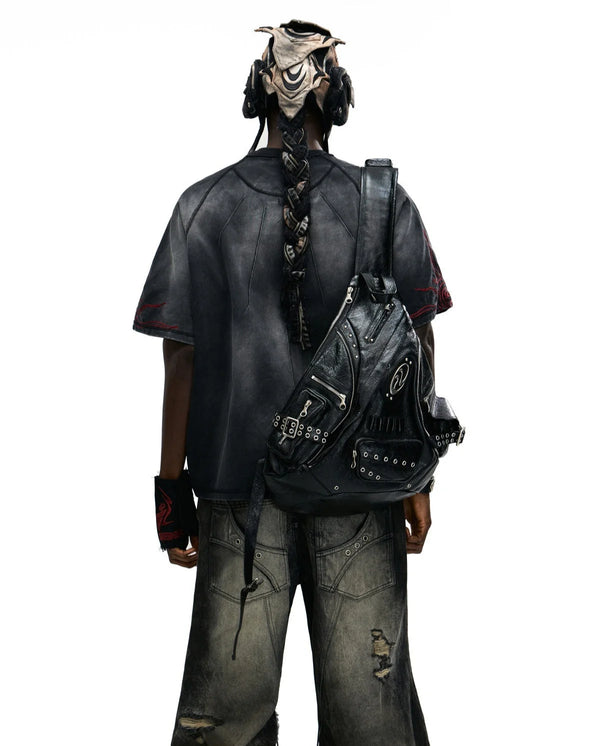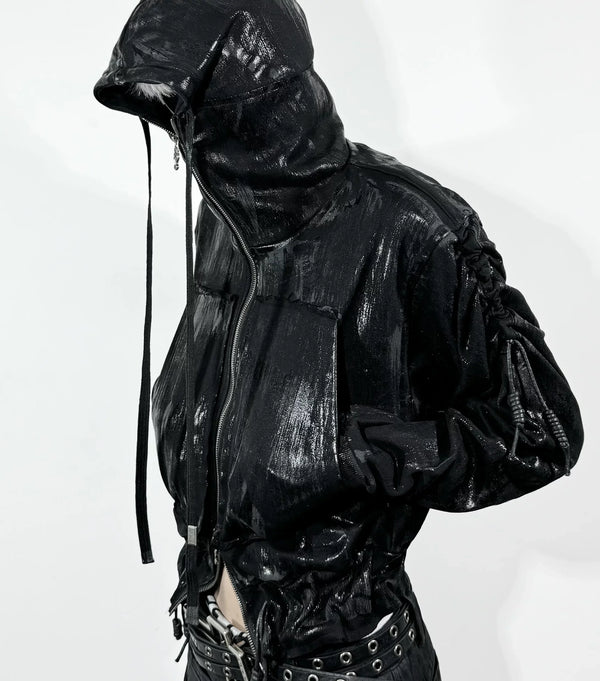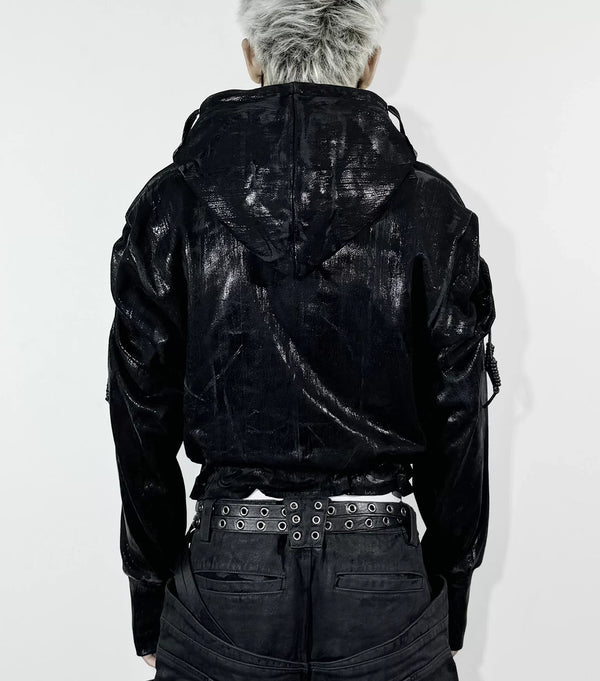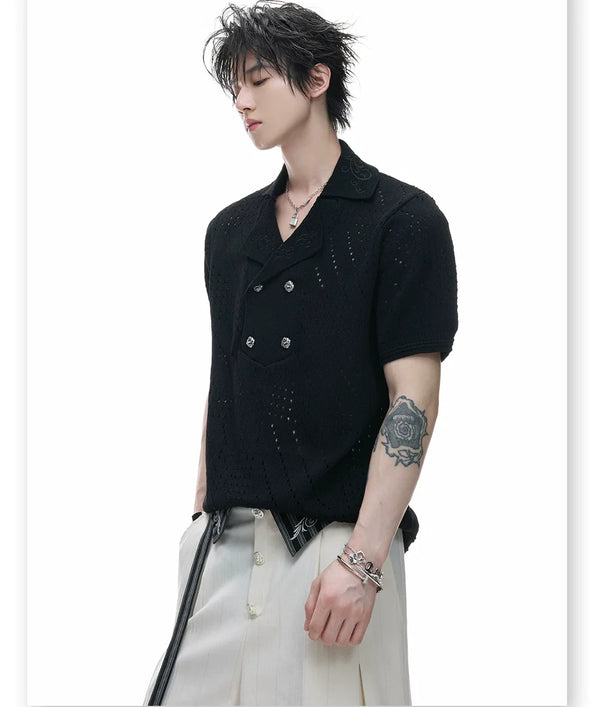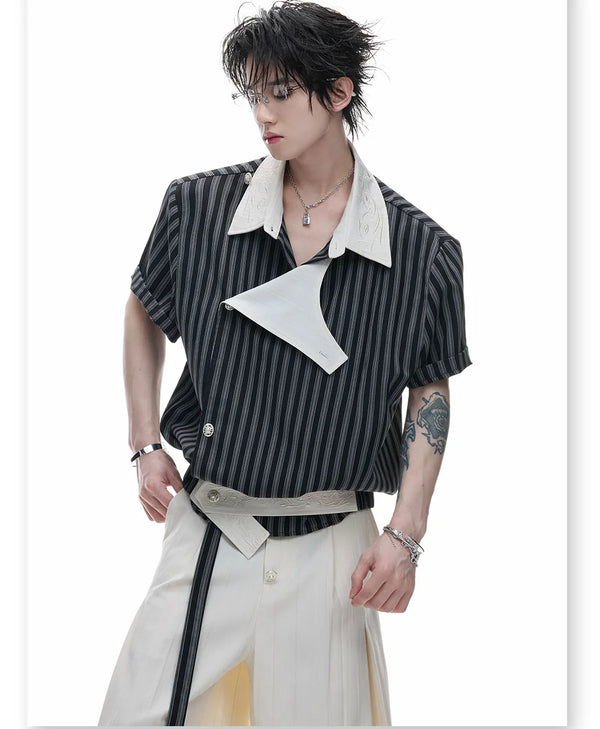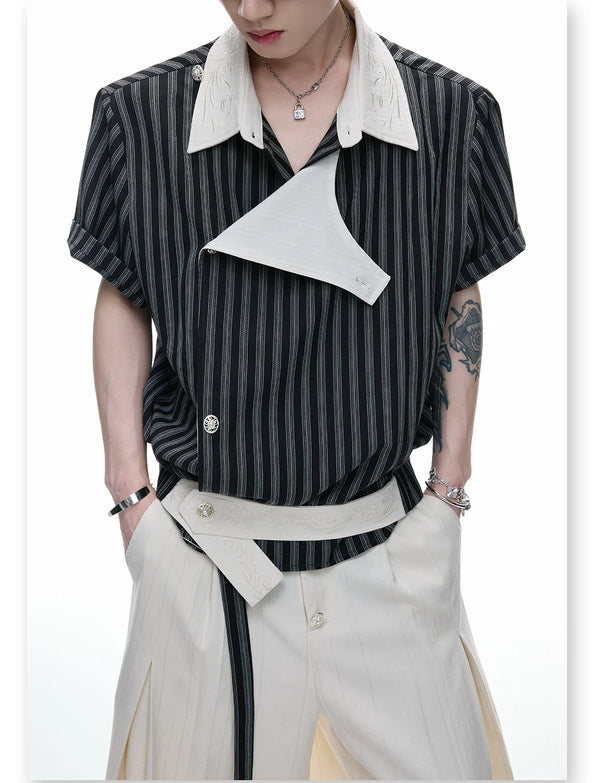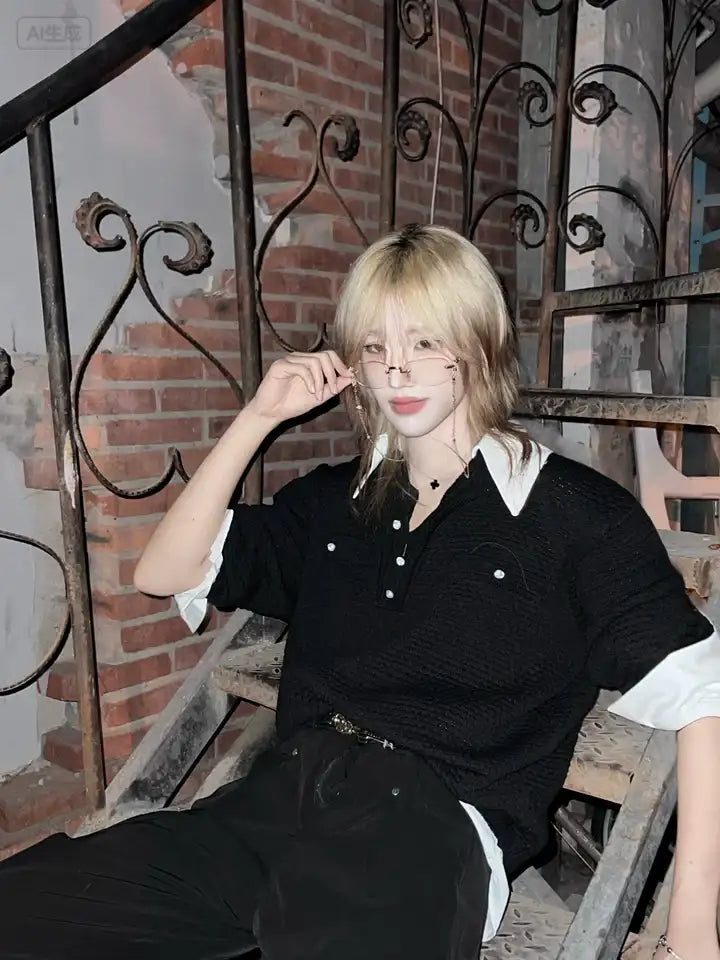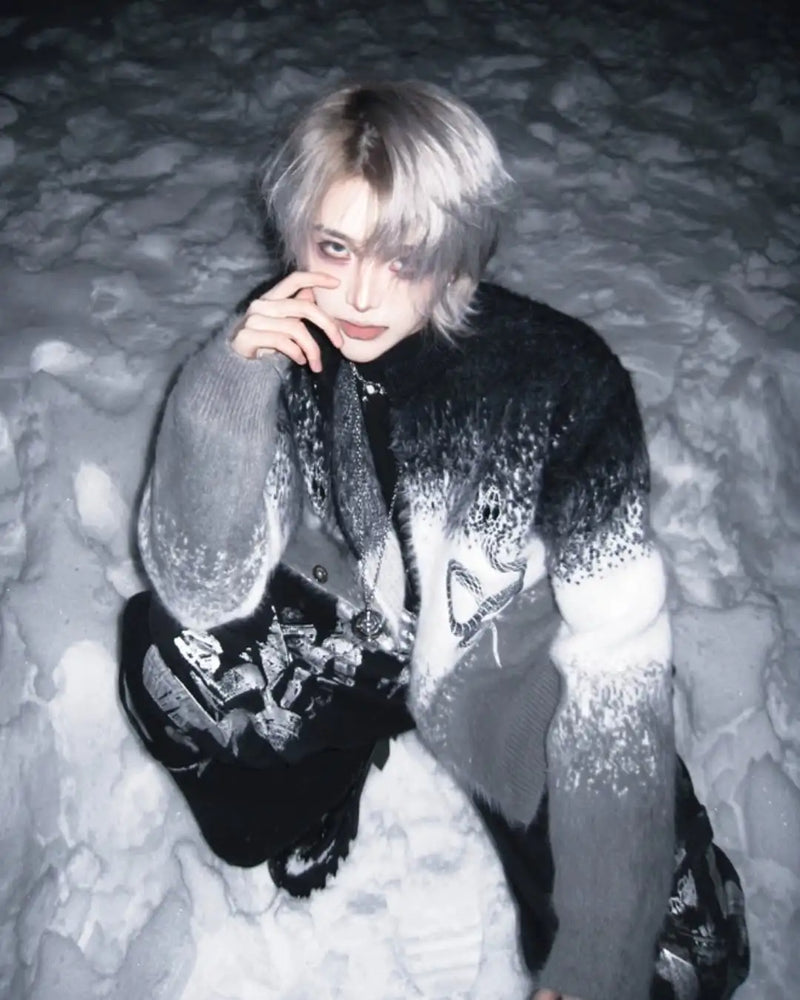
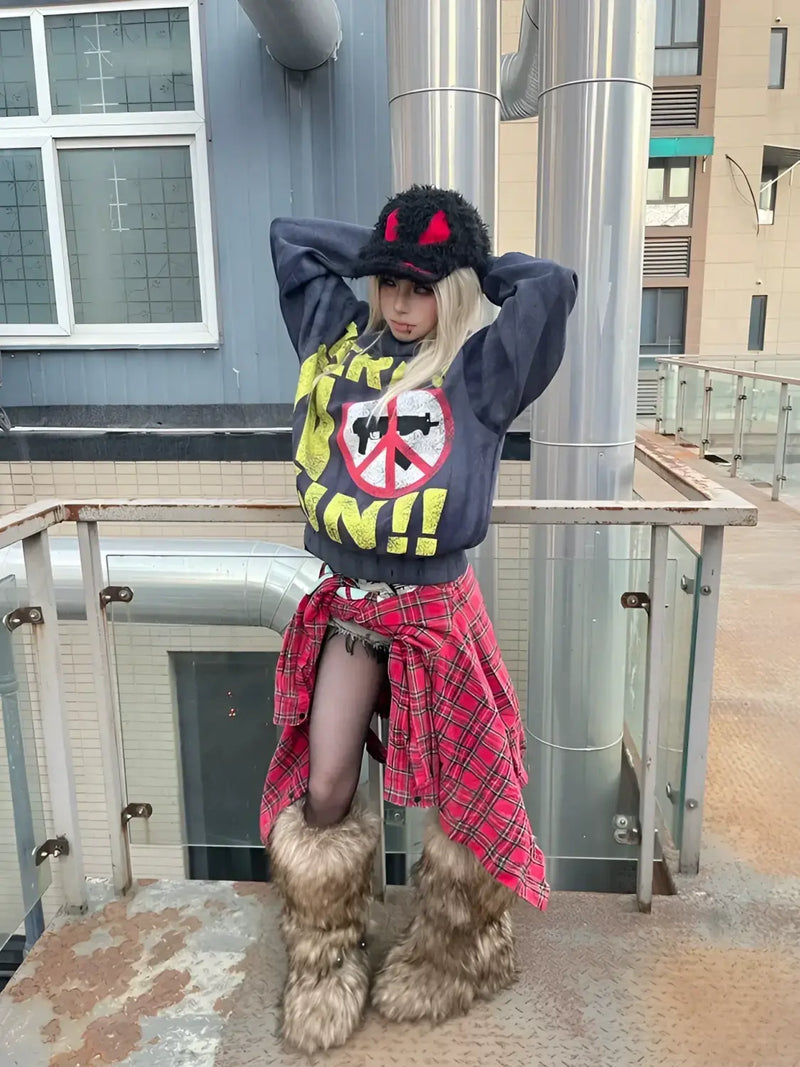
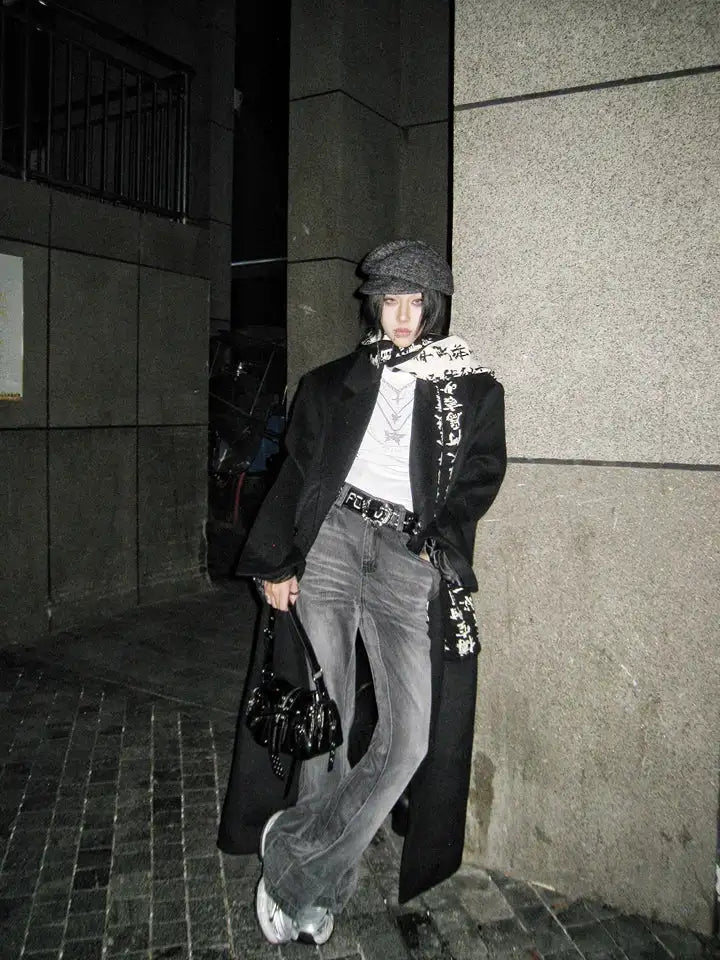

It is 2010. The school hallway smells of hairspray, pop-punk rattles out of a phone speaker, and someone pulls their side part so far down their face that only one eye is left. Black skinny jeans, a band shirt, plus a studded belt that jangles with every step. Not a pose for Instagram, because that did not exist yet. Just a dress code everyone knew and nobody had to explain.
Emo Fashion 2010 was the look of the late emo wave: black skinny jeans, band shirts, a side part over one eye and heavy black eyeliner, fused with the more colorful Scene style. It was the peak of the MCR and Fall Out Boy era, when pop-punk went mainstream. How the look came about and where it led is in our big emo guide. This is about the one year when everything came together.
We take the year apart, piece by piece, from the jeans to the eyeliner. And we show how the 2010 emo code works today without looking like a time capsule.
The definition
Emo Fashion 2010: what made the look instantly recognizable
Emo 2010 was recognizable before you could name a band. The silhouette was tight and long: narrow legs, short top, dark layers. Everything led back to black, broken by a band logo, a red streak or a hint of neon from the Scene corner. The look spoke belonging without saying a word.
What mattered was the attitude, not the price. A ten-euro shirt from the flea market counted as much as one from the shop, as long as the band was right. That mix of uniform and self-made was the appeal. You could belong and still look different from everyone else in the room.
This building-block logic also explains the longevity. Because the look relied on a few clearly defined pieces, it could be carried on for years and remixed again and again. One more shirt, a different streak, and the outfit was another one, without the basic rule changing. Exactly this robustness makes 2010 such a useful template today.
2010
Emo and Scene merge
Skinny
the jeans silhouette of the era
Eyeliner
for all genders
Once you know the basics, the side branches make sense too. So first the question that still circulates online: when did all this actually start?
Timeline
When emo fashion started and why 2010 was the peak
Emo as a music genre comes out of late-1980s hardcore punk. As fashion it only reached the mainstream in the mid-2000s, when pop-punk and post-hardcore moved into the charts. From around 2004 the look was worn in school yards, in 2006 it exploded with the breakthrough of the big bands.
2010 sat right on the crest of the wave. The style was mature, the codes were set, and at the same time the colorful Scene look was already mixing in underneath. It was the moment before the decline, before Tumblr shaped the Soft Grunge successor. That is why 2010 feels like the core of the whole era today: dark, dramatic and still radio-ready.
For Germany that means: the big wave arrived a little later and lasted a little longer than in the US. While the farewell was already running over there around 2012, people here kept wearing the full emo look partly until 2013. So 2010 marks the densest moment of the movement here too, shortly before Tumblr pushed the aesthetic in a new direction.
Where did the blueprint for all this come from? From the stage. The bands of the time set not just the sound but the styling too.
The soundtrack as dress code
The MCR and Fall Out Boy era as a style blueprint
My Chemical Romance delivered the dramatic side with their stage sets: strict jackets, black-and-white contrasts, the theatrical marching look. Fall Out Boy stood for the more accessible pop-punk variant with hoodies, tight jeans and sneakers. Everyday style played out between these poles.
Anyone who went to a concert in 2010 copied the stage on Monday. The band shirt from the merch stand became the centerpiece, everything else fell in line. Paramore added the female pop-punk energy, and newer bands like Black Veil Brides pushed the harder, darker direction. The look was a group photo of the playlist.
In Germany this often ran with a delay and by detours. Band merch came by mail order or from a concert in the nearest big city, styling ideas from forums and early video platforms. Exactly that effort made the look a sign of real belonging instead of fast fashion. Whoever wore the shirt had usually played the album to death too.
From the stage back to the wardrobe: what was actually on the pile in 2010? It was surprisingly few pieces, but each with a clear function.
The wardrobe
What emos really wore in 2010
The basics were quickly told and still endlessly combinable. A handful of fixed ingredients showed up in almost every outfit, whether in Berlin, London or a small town. The rest was variation on the same theme.
- Black skinny jeans as the foundation, often as tight as possible.
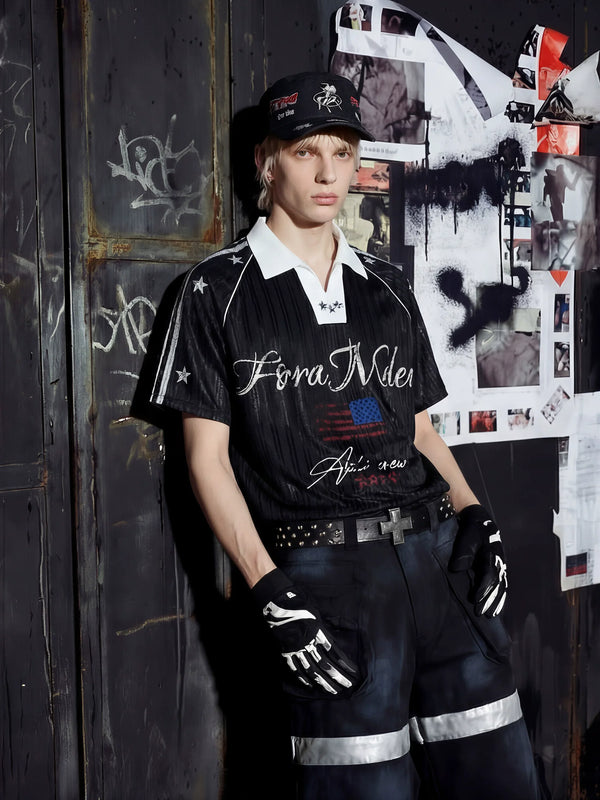
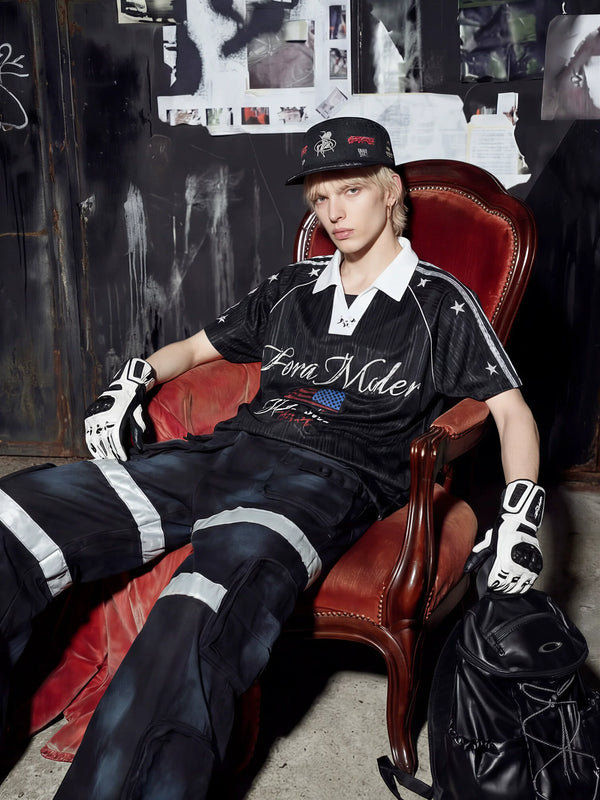
- Band shirts, washed out and sometimes cut up by hand.
- Hoodies and plaid shirts for layering.
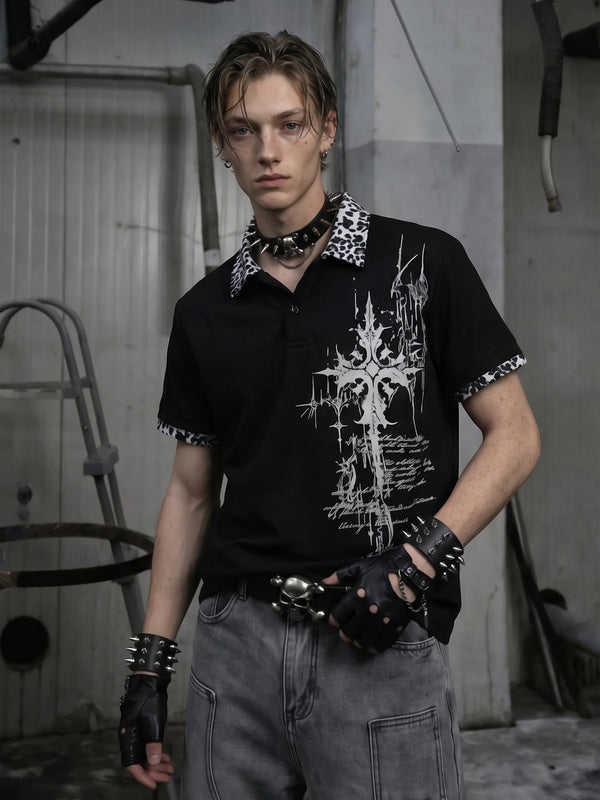
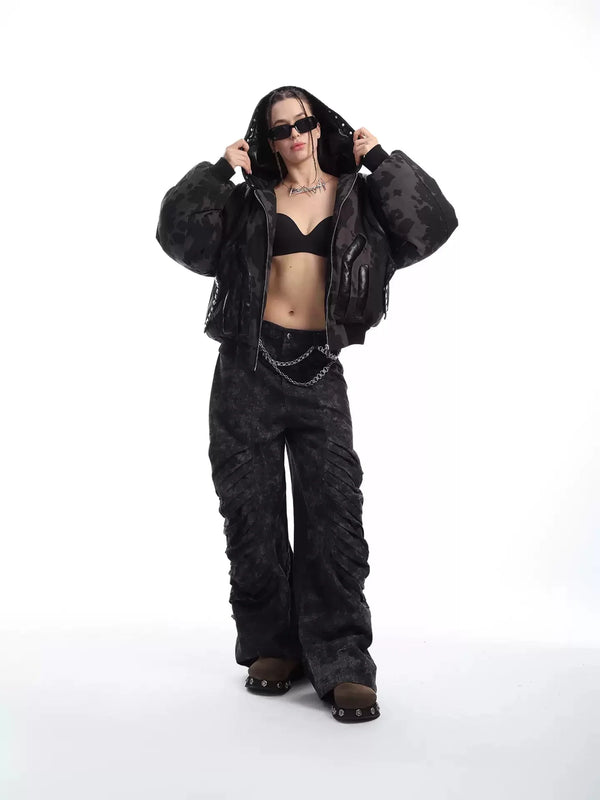
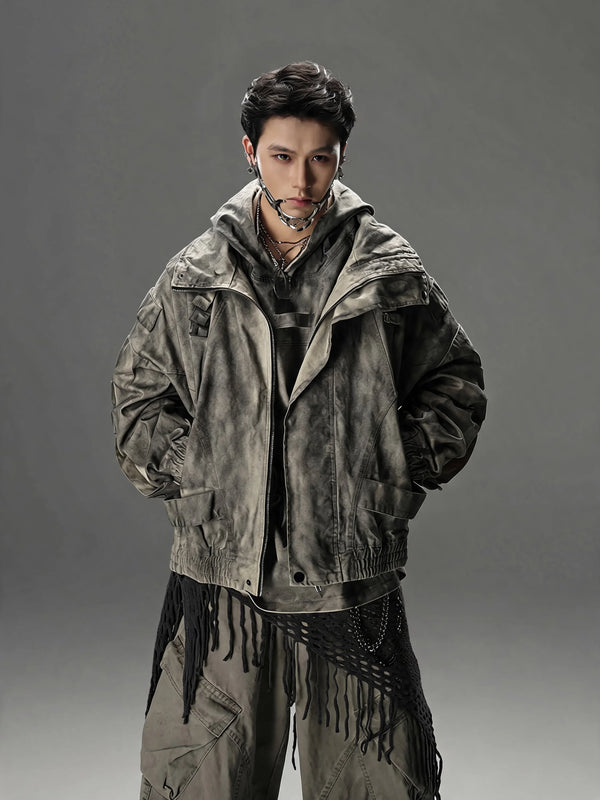
- Studded belts, wristbands and fingerless gloves as hardware.
- Converse, Vans or platform sneakers on your feet.
What sounds like a long list today was a kit of four or five pieces in 2010. The tops carried the whole statement: a band logo, a graphic print, a washed-out black. This is also where the modern translation starts.
The tops were interchangeable and still personal. Two people in the same band shirt never looked alike, because wash, cut and combination varied. That mix of uniformity and individuality is why the 2010 look can still be copied and personalized at the same time.
Under the tops there was always the same pair of trousers. And no silhouette defined the era like that tight, dark line down the leg.
The leg line
Skinny jeans, studs and dark denim: the 2010 trousers
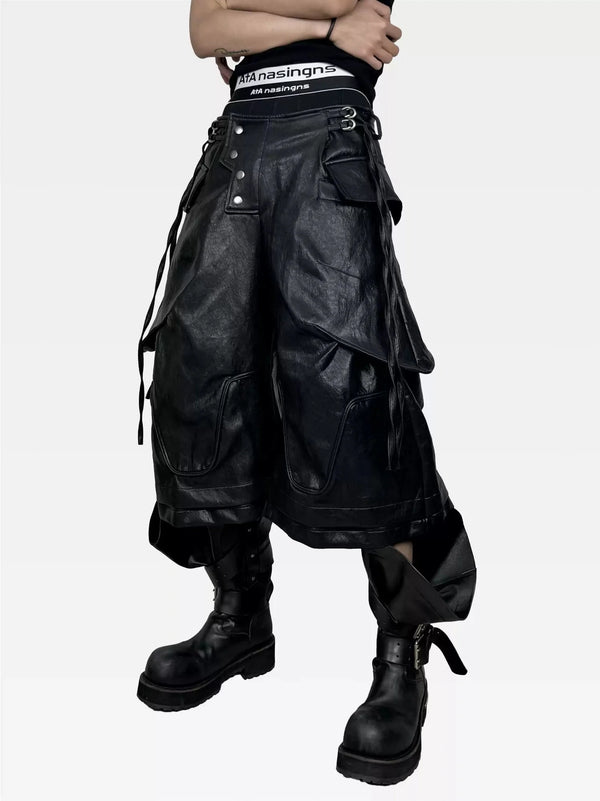
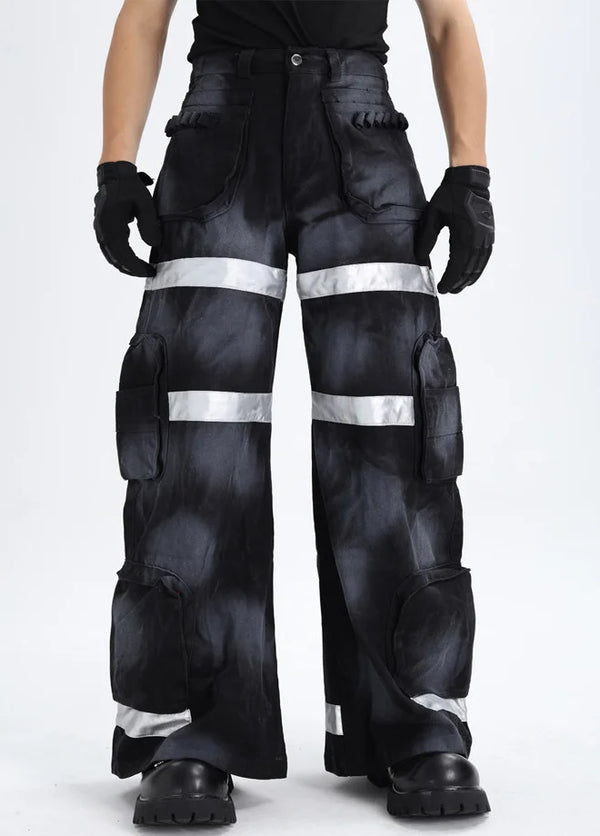
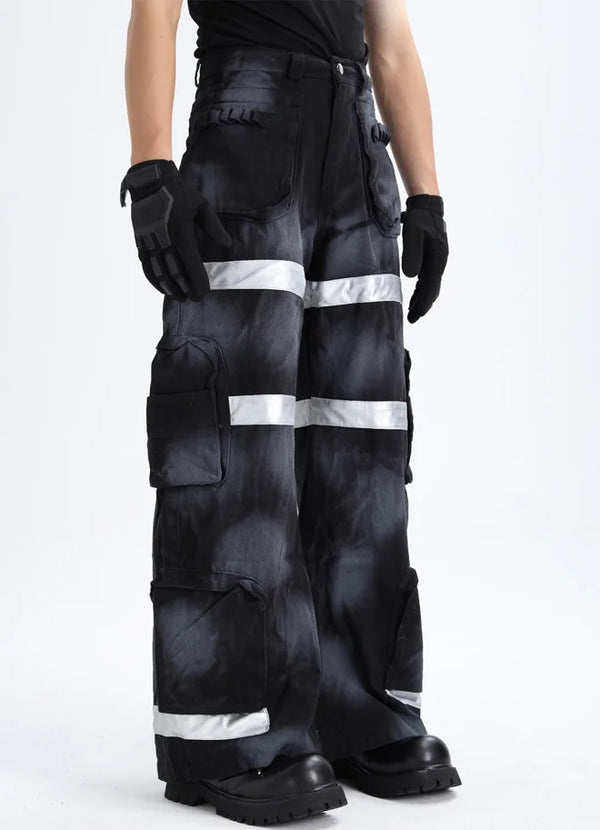
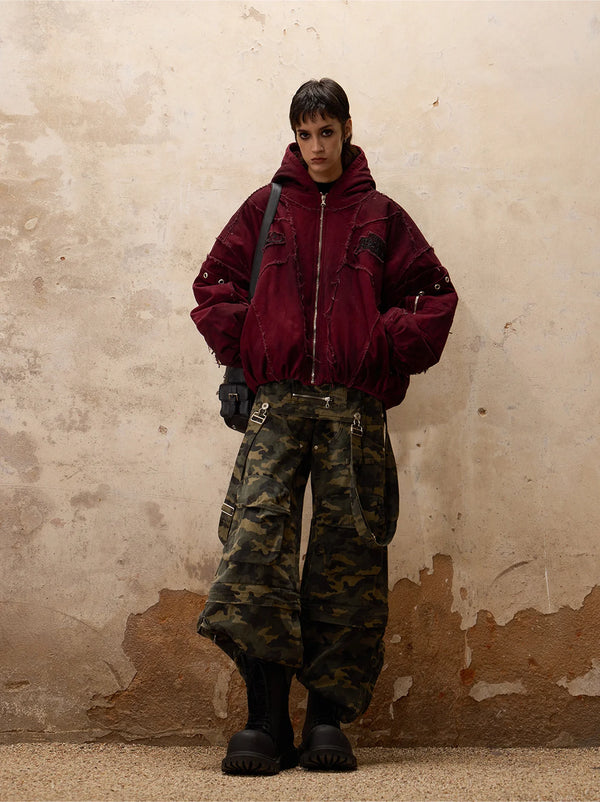
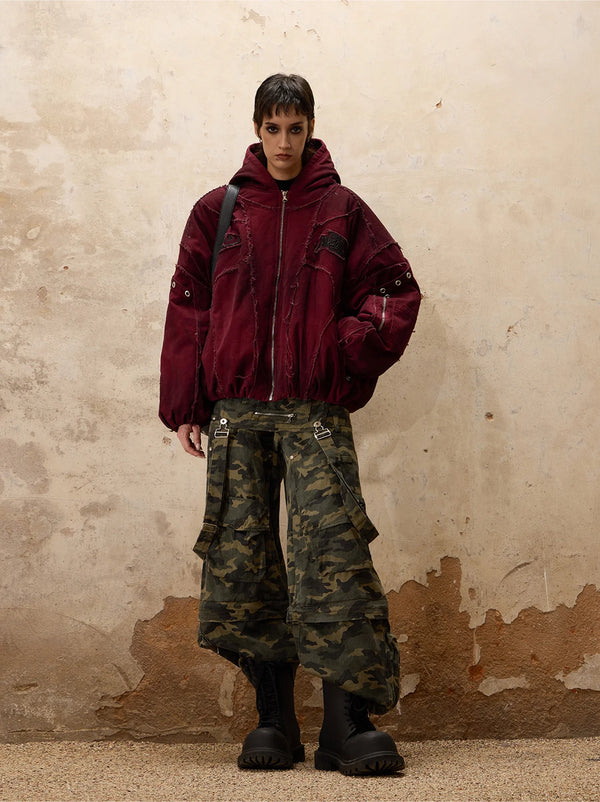
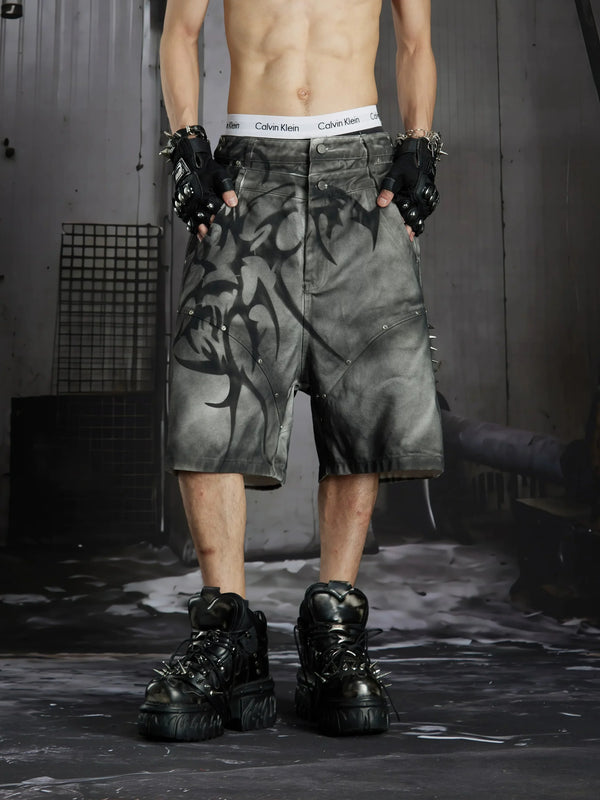
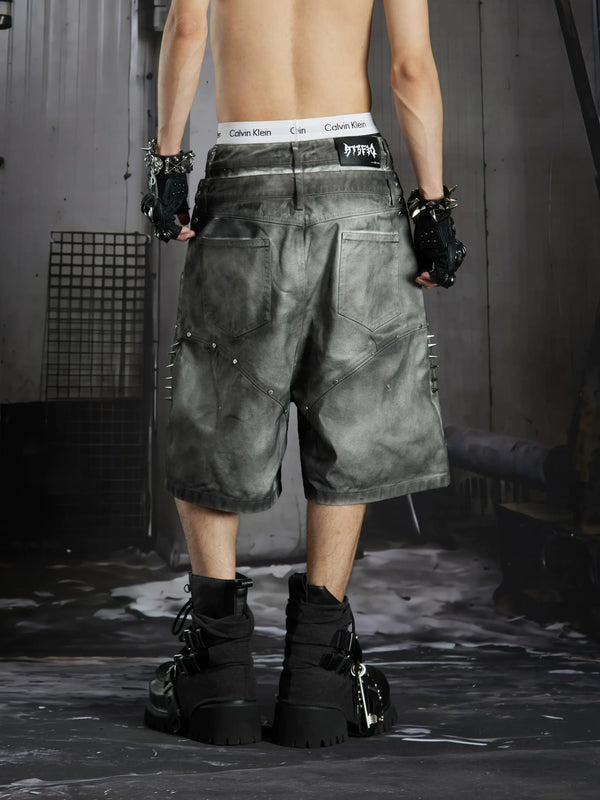
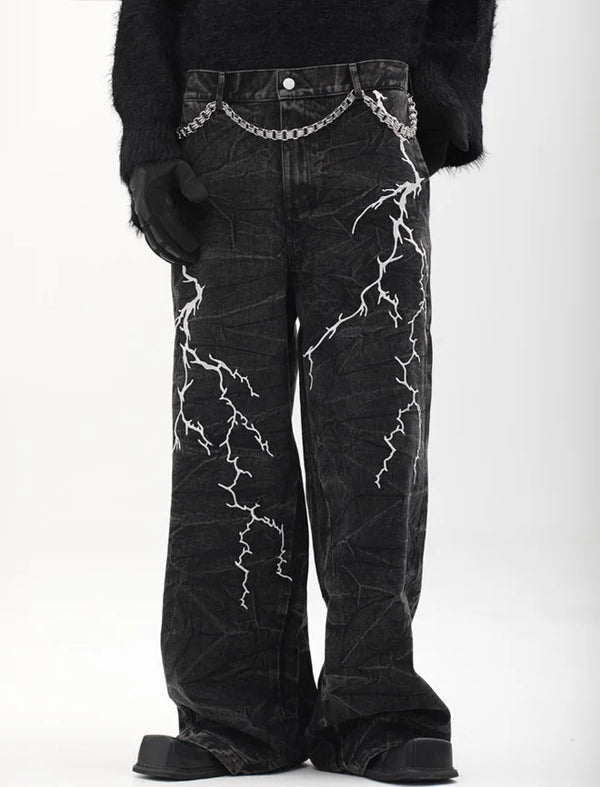
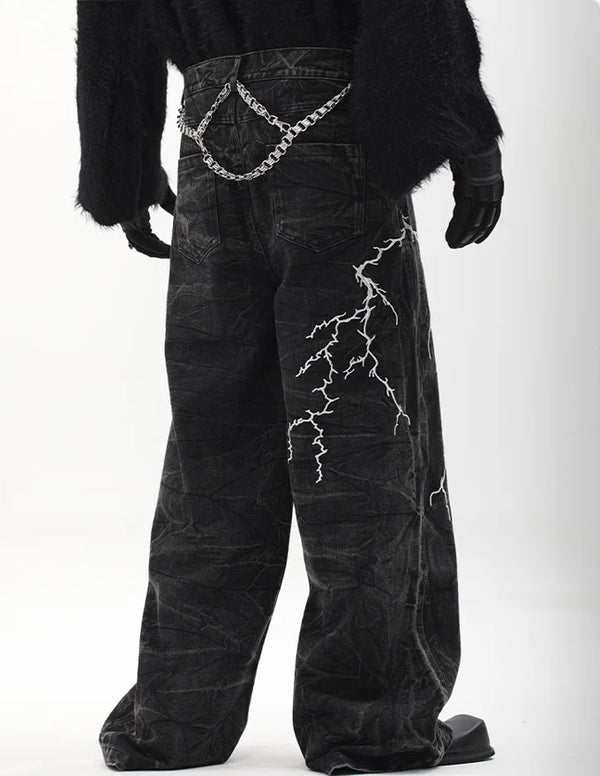
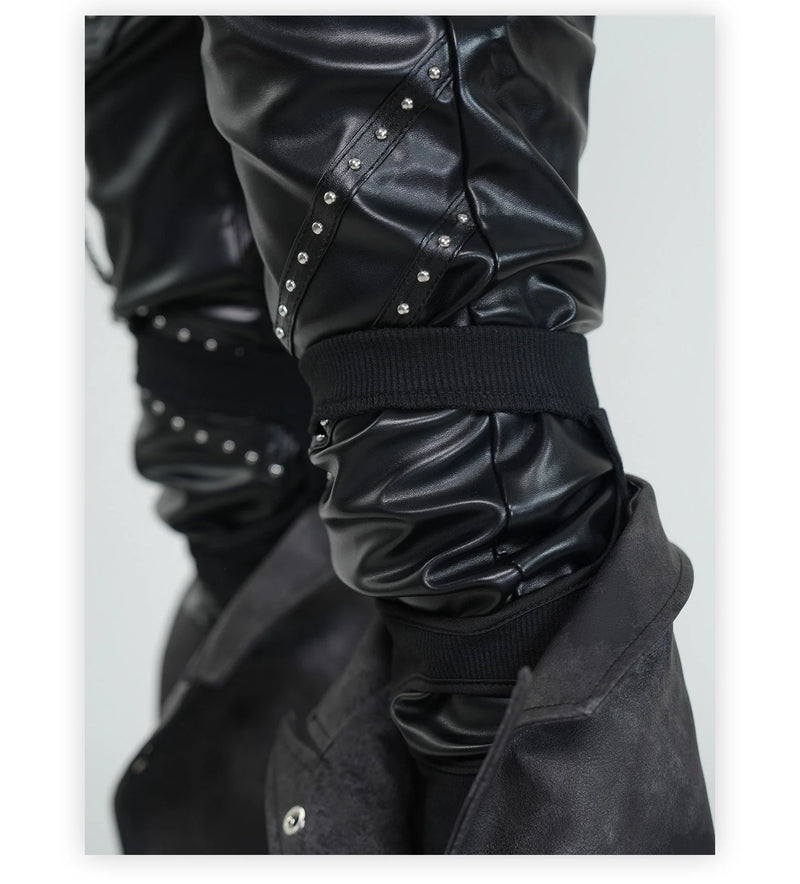
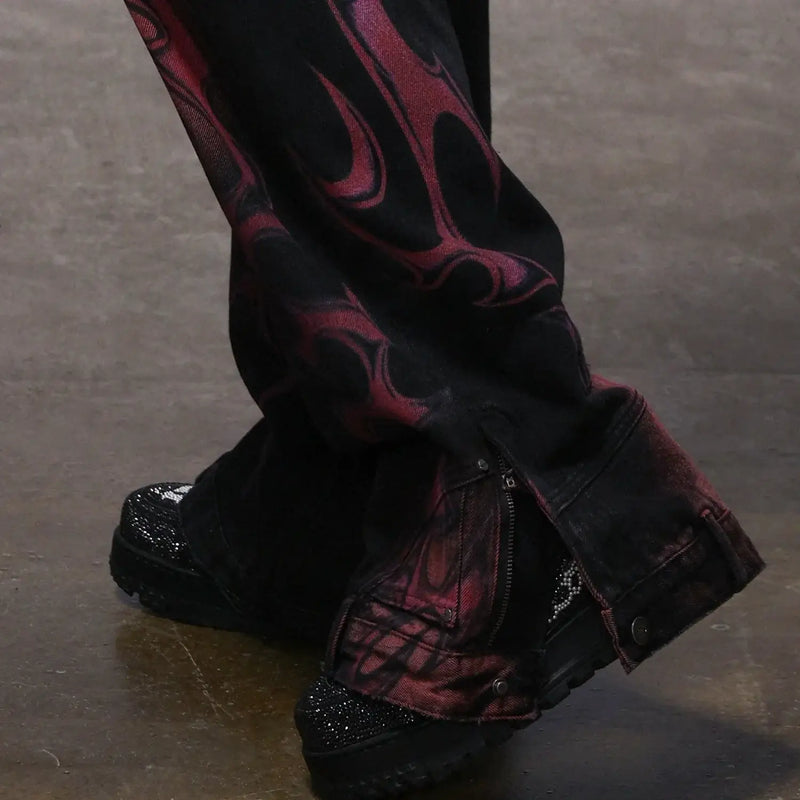
The skinny jean was the heart of it. The tighter the better, often in several shades of black at once, because black never ages quite the same way. Added to that were bondage trousers with straps and chains for the harder wing of the look, an idea from punk that peaked in 2010.
Today it no longer has to be the skin-tight tube. The dark, edgy denim idea lives on in studded silhouettes and heavy washes. If you want the 2010 energy, reach for dark denim with studs, rips or straps and keep the top plain.
Tight is only half the job. The 2010 look lived on layering, and that came mainly through jackets, hoodies and cardigans.
Before we get to the jackets, a short look sideways at the decade before, because the 2010s built directly on the foundation of the 2000s.
With that foundation in mind, the layers of 2010 make more sense. They were the more mature, more dramatic version of the early emo idea.
The layering
Jackets, hoodies and cardigans: layering like 2010
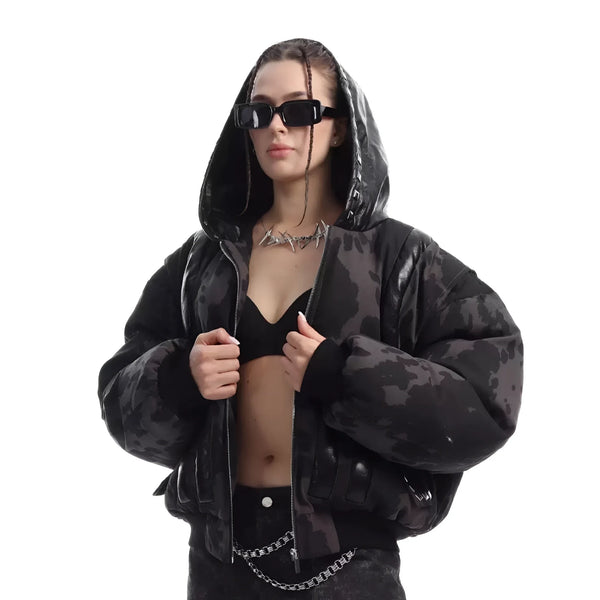
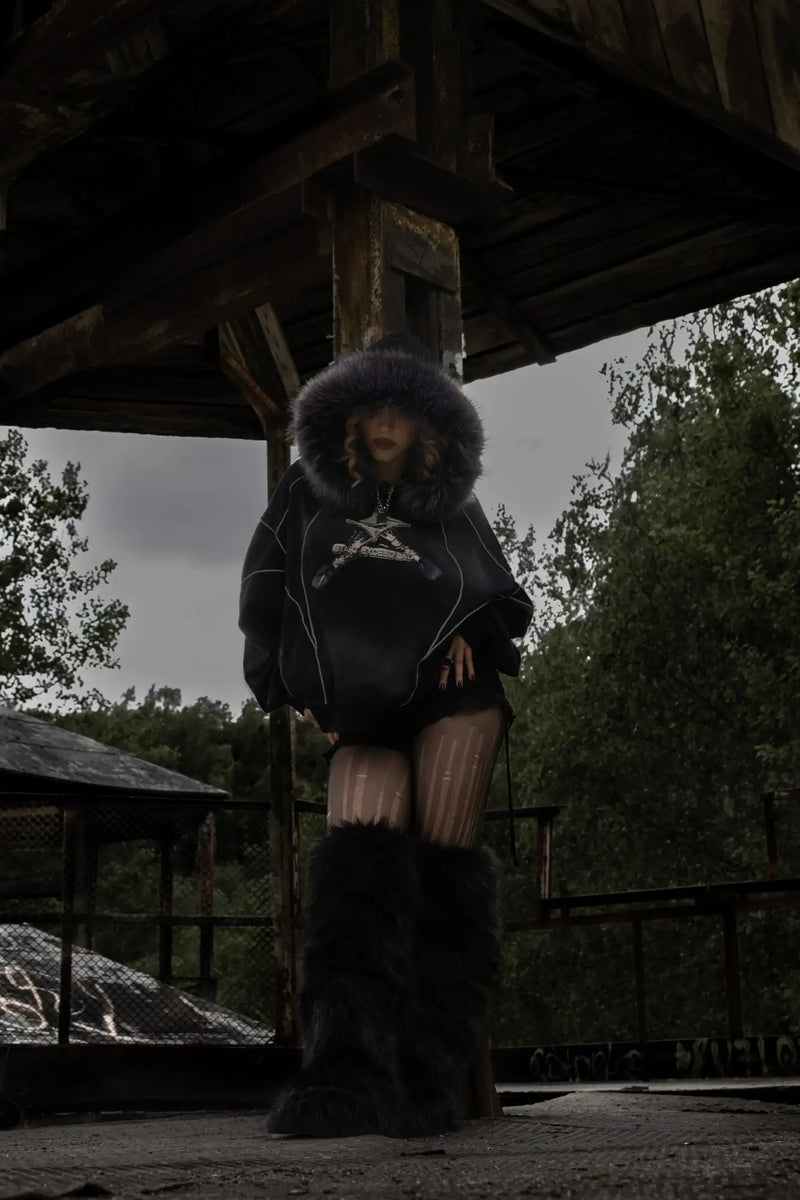
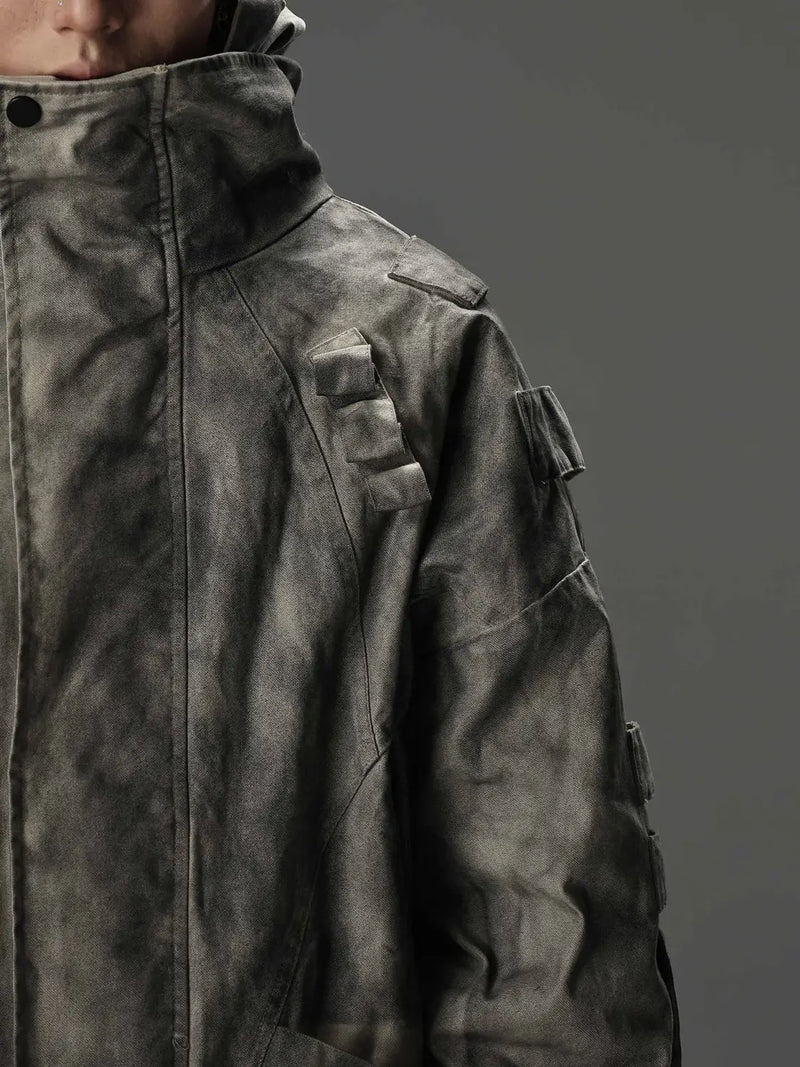
The short leather or biker jacket gave the look its hardness, the zip hoodie its everyday wearability. Both could be stacked on top of each other: shirt, hoodie, jacket, plus a scarf or a hood. In winter plaid shirts came in as a middle layer, worn open over the band shirt.
The rule was simple: dark on the outside, statement on the inside. The jacket stayed neutral and heavy, the shirt underneath made the point. That logic still holds today, because it orders any look immediately without making it look like a costume.
Clothing was only half of it. The second part of the code sat on the face and the head, and it was often more dramatic than anything on the body.
Hair and face
Hair, eyeliner and the 2010 emo beauty code
The hair was the trademark. Deep black, often with a strong streak in red or blue, cut into long, slanted fringe sections that covered one eye. From the Scene corner came teasing at the crown, for more volume and more drama.
The eyeliner ran the same way for all genders: saturated, black, drawn all the way around. Added to that pale skin and often dark lips. The face was the continuation of the outfit, not its counterpoint. Anyone quoting the look today deliberately uses less here, so the garment speaks and not the costume.
For a modern update the side part stays as an idea, but without covering the whole eye. A targeted line instead of all-round kohl, plus your natural hair color with a single dark or red section. That keeps the reference readable and wearable, well past your twenties.
Emo was not a monolith in 2010. Several variants ran under the umbrella term, differing in hair, color and volume.
The variants
Emo subgenres 2010: Scene, Soft Grunge and more
Anyone looking closely in 2010 spotted sub-types. Each had the same dark root but branched off in a different direction. These five met in every school yard and often mixed on one and the same person.
One variant deserves special attention in 2010, because it marks the transition to goth and still echoes today.
So much for the map. One question comes up in every search: did the look actually differ between men and women?
Gender
Emo 2010 for men and women
The basic pieces were almost identical: skinny jeans, band shirt, eyeliner, side part. That was part of the statement, because emo deliberately played with softening gender lines. Boys wore eyeliner, girls wore wide band hoodies, and both wore the same tight jeans.
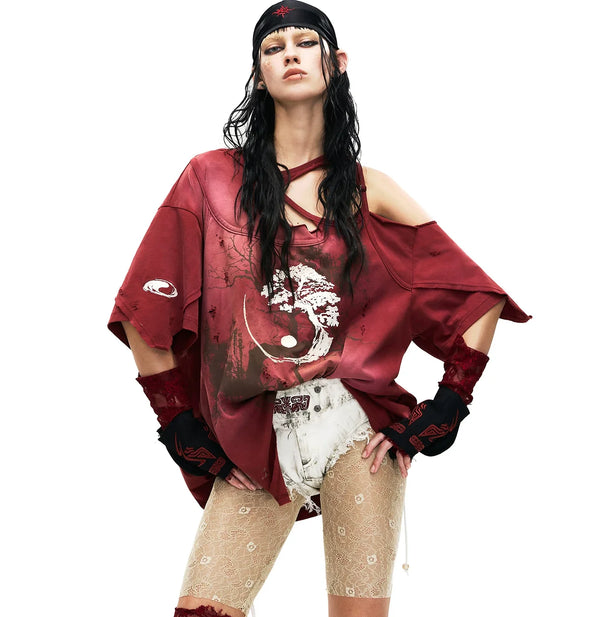
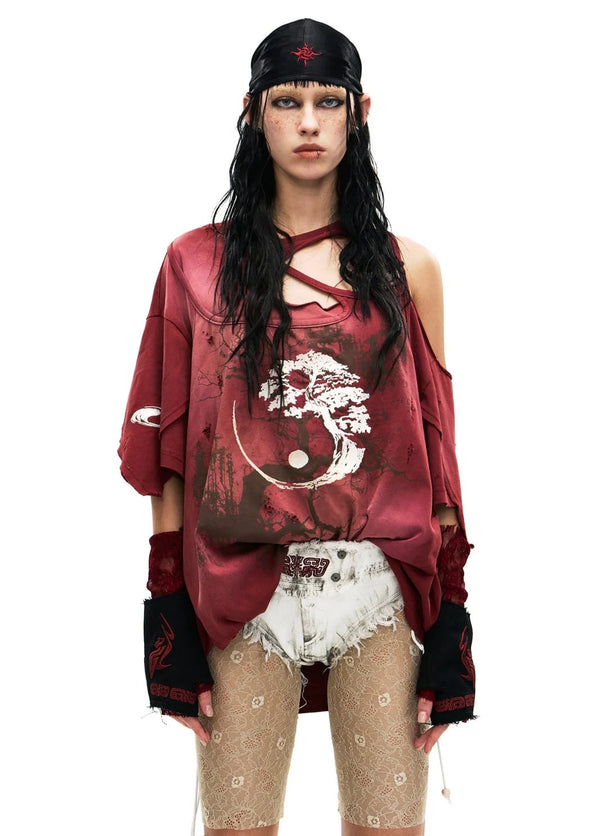
The differences were in the detail. The female variant more often took the colorful Scene side along, plus tutus over leggings, bows and more color in the hair. The male side stayed more often with the dark minimal look of hoodie and band shirt. But the dividing line was soft, and that is exactly what made the look so modern for 2010.
So much for the look back. The more interesting question for 2026: how do you wear this look today without looking like a photo from 2010?
Today
Wearing emo 2010 today without looking like a costume
The trick is dosage. Take the silhouette and one statement piece, leave the rest out. Dark slim jeans plus a distressed band shirt plus a short leather jacket are enough to quote the era. The full eyeliner-and-teasing performance stays in the archive when everyday life calls.
Modern fabrics and clean cuts keep the look grown-up. Instead of wafer-thin mall quality you reach for heavy denim, dense jersey and real studs. That way 2010 reads as a reference, not as a disguise, and works between office and concert.
A concrete example: black slim jeans, a plain washed-out shirt, a short leather jacket over it, plus sturdy boots and a single piece of hardware on the belt. This triad of silhouette, statement and hardware quotes 2010 completely, without a stranger thinking of fancy dress.
This stripped-back attitude runs through all of today's dark alt fashion. That too lives on the one strong piece over a quiet base.
That leaves the hardware. In 2010 accessories often decided whether an outfit was just dark or really emo.
The hardware
Accessories that complete the 2010 emo look
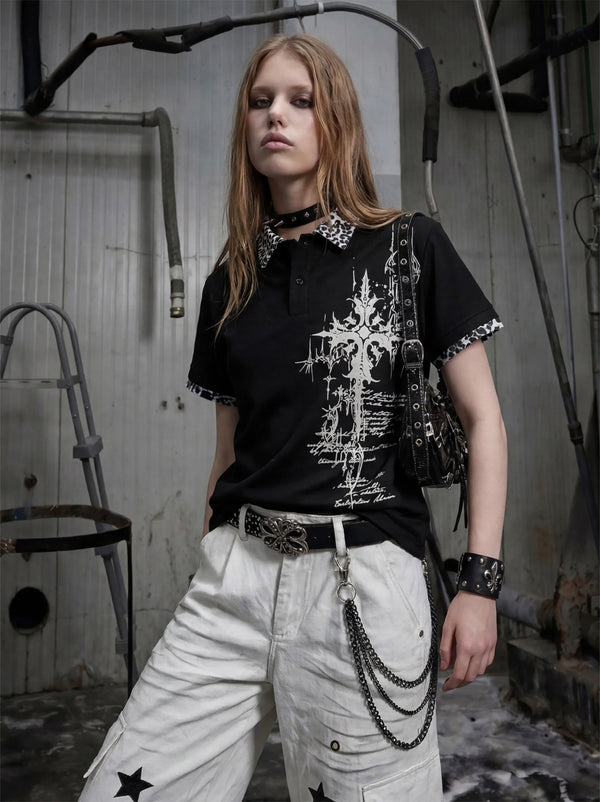
The studded belt was mandatory, often worn doubled up. Plus arm warmers, stacks of rubber wristbands, chains on the trousers and a messenger bag full of band buttons. Small pieces, big effect: they turned a plain base into a clear statement.
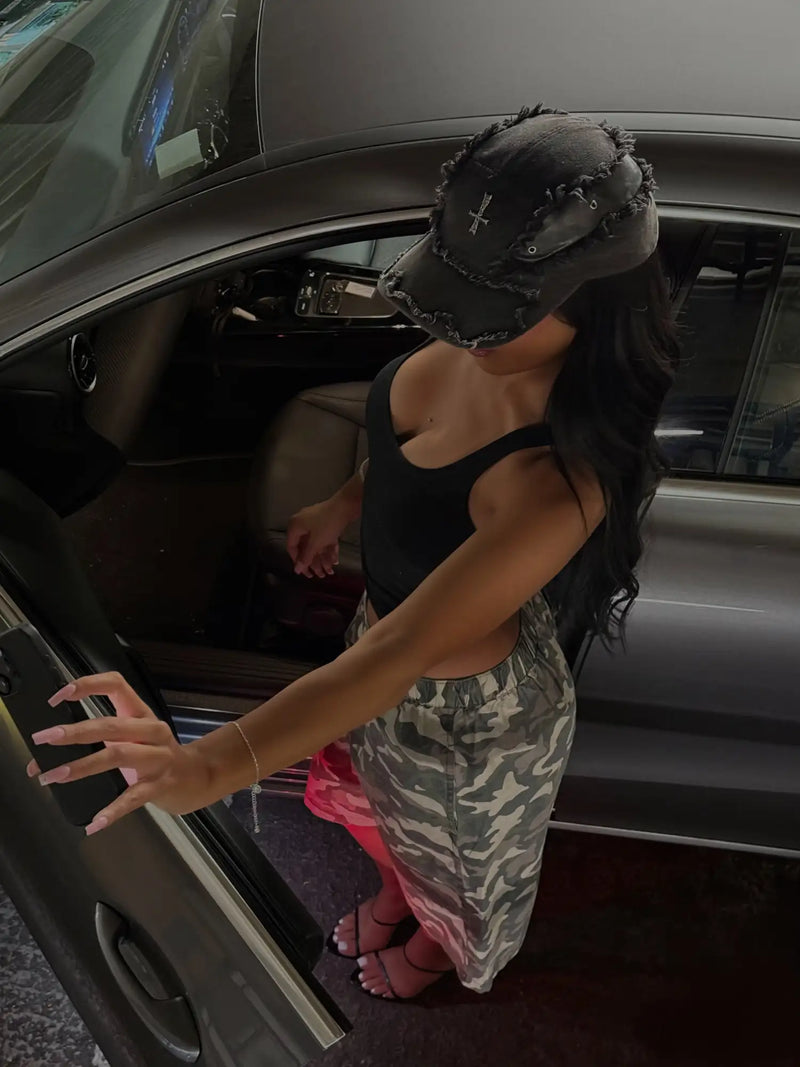
Today a single piece of hardware is enough to set the reference. A cap with a cross print, a keychain on the belt loop or a wide belt translates the 2010 idea into everyday life without overloading it.
Balance is what matters: one striking piece pulls the attention, two compete, three tip into costume. The studs and chains of 2010 work as an accent today, not as armor. Less hardware, but with more weight and better construction, carries the look more grown-up.
So much for what works. Just as important is what made the look cheap or costume-like fast in 2010, because the same mistakes are waiting in the revival today.
Pitfalls
Typical mistakes in the 2010 emo revival
A revival rarely fails on the idea and almost always on the execution. These four mistakes come up most often when the 2010 look is brought back.
If you avoid these traps, half the look is already in place. The full context, from the roots to the revival of the 2020s, is bundled in our overview.
That leaves the practical question: where do you even get the pieces for a believable 2010 emo look today?
Shopping
Where to find the emo 2010 look today
Hot Topic was the place to go in 2010; in Germany a lot ran through mail order and the occasional concert merch stand. Today the choice is bigger, but the logic is the same: a dark base plus a few loud pieces that carry the code.
We have sorted the dark alt line along this logic, from the skinny silhouette to the studded hardware. That way you build the look from single blocks instead of a finished costume, and every piece also works on its own.
This solo thinking is the real advantage over 2010. Instead of buying a complete dress-up set, you invest in pieces that stay wearable outside the emo context too. The dark slim jean goes with everything, the leather jacket anyway, and the band shirt becomes an accent instead of an announcement.
To close, the questions that keep coming up around Emo Fashion 2010, answered short and direct.
Frequently asked questions
FAQ: Emo Fashion 2010
The six questions asked most often in search about this year.
What separates emo 2010 from emo of the 2000s?
Is 2010s emo fashion the same as Y2K?
How do I style a 2010s emo look for a party today?
What did emos wear in 2010 exactly?
What is the difference between emo and Scene in 2010?
Which clothing style was generally popular in 2010?
Emo Fashion 2010 was the mature peak of a whole youth movement, shortly before it dissolved into Soft Grunge and other directions. Anyone quoting the look today has a clear blueprint.
What do you think?
Tell us on @fuga_studios
About the author
Philipp Fuge — Founder · Berlin
Founder of Fūga Studios. Writes the journal himself. Berlin · Shanghai · Tokyo · Poznań — four cities, one logic.