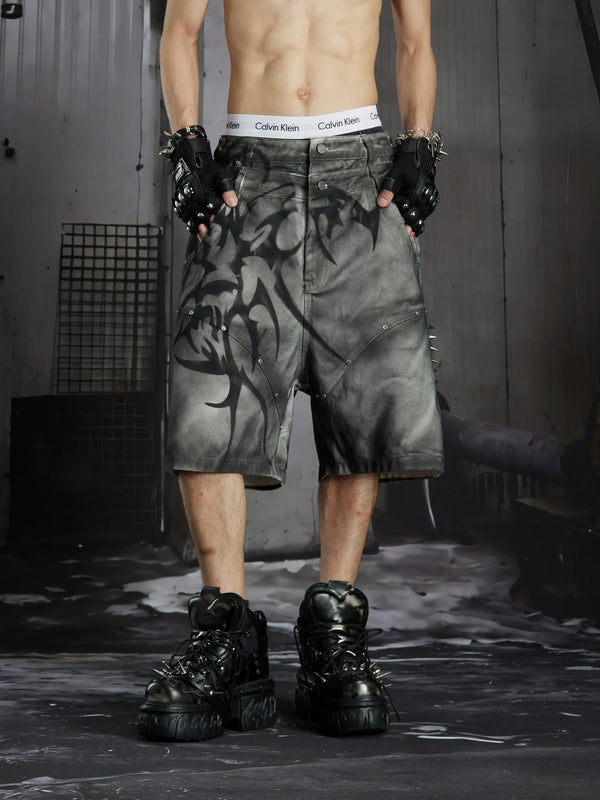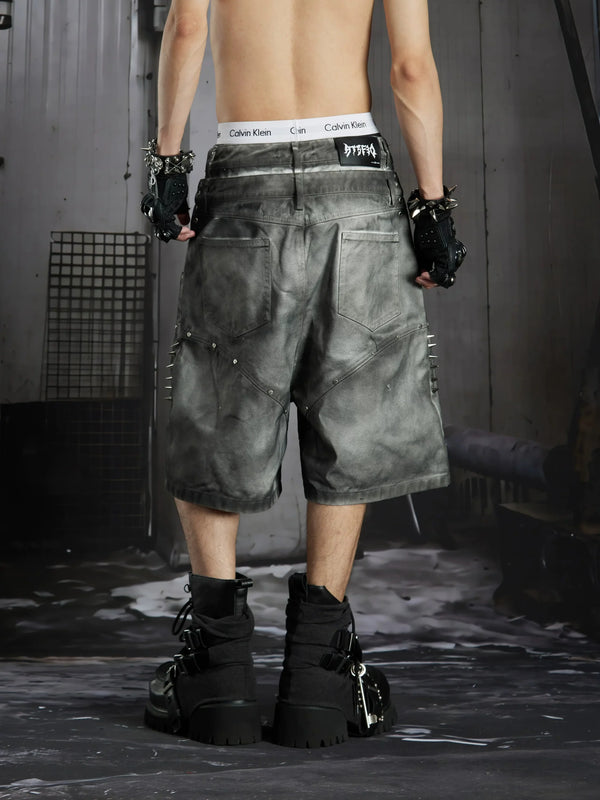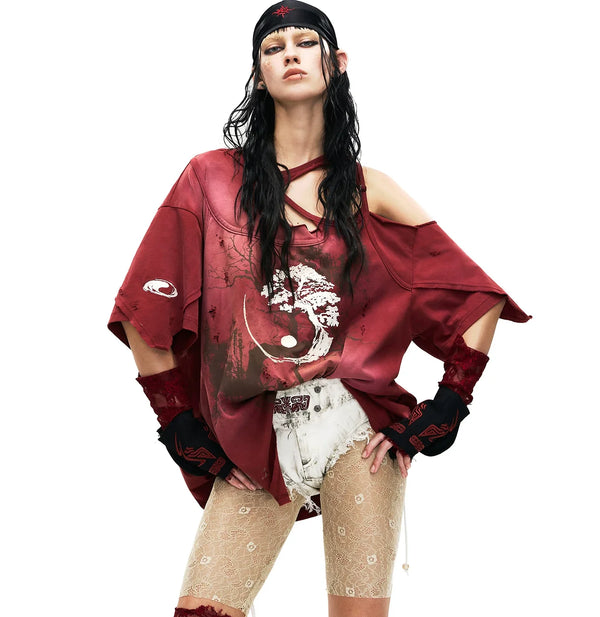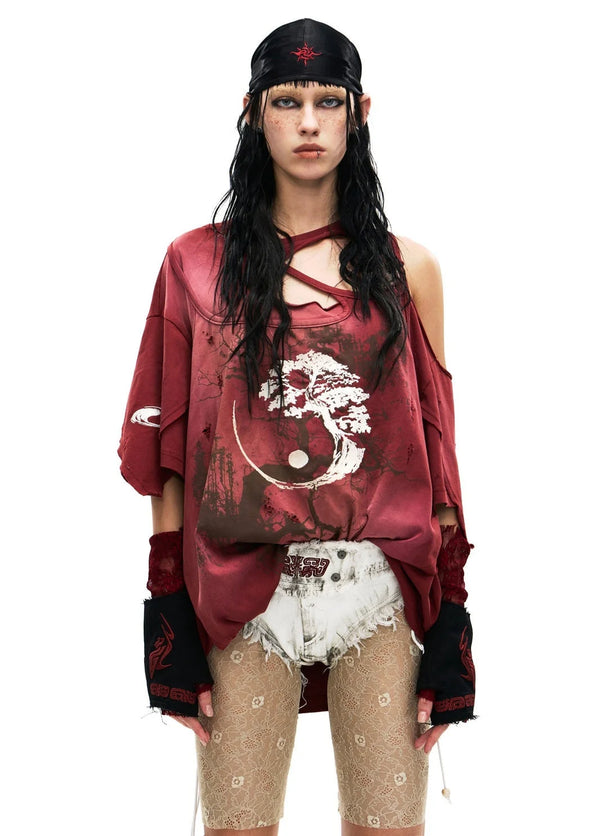


Anime · Harajuku · Origin
Denim on denim, light wash. The Canadian tuxedo, without irony.
All pieces



Drop Alerts
We'll let you know when the next drop in this niche lands.
You're in. We'll let you know at the next drop.

Double denim wasn't a mistake in the early two thousands — it was intention. Denim jacket plus denim jeans, both light-washed — the Canadian tuxedo as statement, not punchline. Fūga brings it back.
Denim was the dominant fabric of the Y2K era. Paris Hilton, Destiny's Child, Justin and Britney — the icons wore denim head to toe. The look works because it makes a clear material decision: one fabric, zero compromise. For context, check out Y2K Fashion Guide. For the pants, see Y2K Jeans.
Matching wash top and bottom is the purest form — light wash on light wash makes the strongest Y2K effect. To break it, pair a light jacket with dark jeans. Between them, a simple top, no print. Shoes: white chunky sneakers or platforms. Accessories minimal — a belt, a ring. The denim does the work.
Denim jackets in cropped and oversized cuts, baggy jeans and bootcut pants in Y2K-typical washes. Plus denim tops and Y2K Topsthat complete the look. Everything matched — the washes align, proportions balance. Part of the full Y2K Collection.
Yes. Denim-on-denim was one of the defining style patterns of the early two thousands. The look has now established itself as a core part of the Y2K revival — it appears regularly on runways and in streetstyle feeds.
Low-rise baggy jeans, bootcut jeans, and flared jeans. All three cuts sit low on the hips — that's the defining feature. Washes range from light wash to acid wash.
Double denim is the easiest answer: denim jacket, denim jeans, same wash. Add a crop top or a simple tank. Rhinestone or butterfly-clip accessories set the typical accent without overloading.

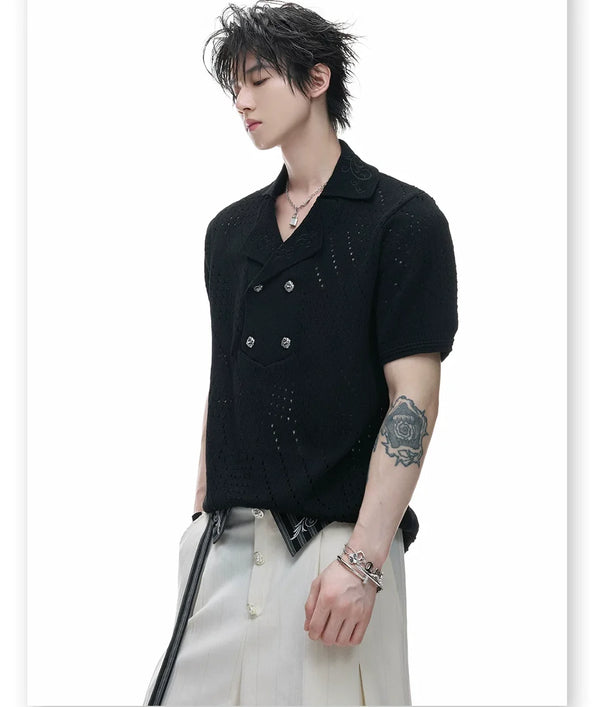
Opium Gradient Snake Cardigan
shanghai studio fit check

From Opium · 4 Pieces
All 84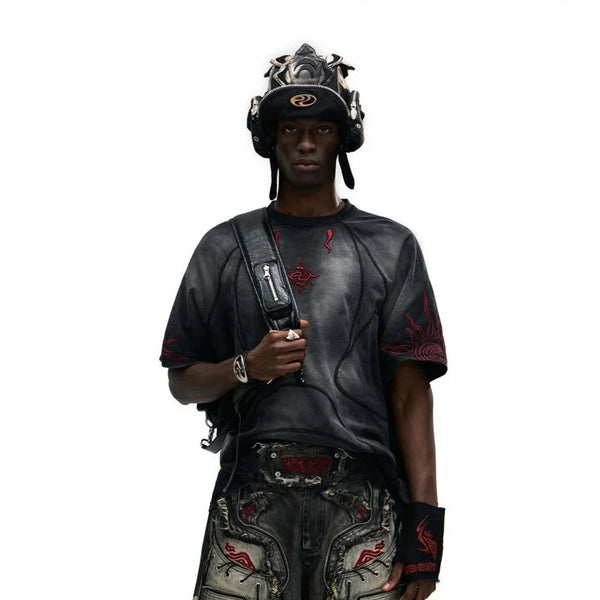
Drop Alerts
We'll let you know when the next drop in this niche lands.
You're in. We'll let you know at the next drop.

Drop Alerts
We'll let you know when the next drop in this niche lands.
You're in. We'll let you know at the next drop.


4 of 84 Pieces
All 84
From Businesscore · 4 Pieces
All 23
Niche · 03 / 04
Techwear started here as a translation of Tokyo reduction into fabric. Errolson Hugh, Acronym, GORE-TEX, ergonomic cuts — and parallel to that, Japanese discipline: nothing superfluous, all function.
From Techwear · 4 Pieces
All 104 of 10 Pieces
All 10
Niche · 04 / 04
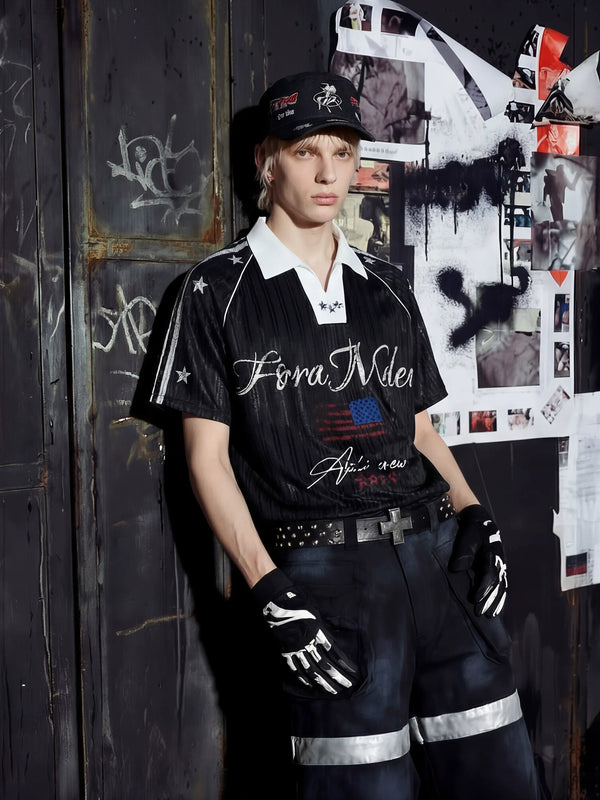
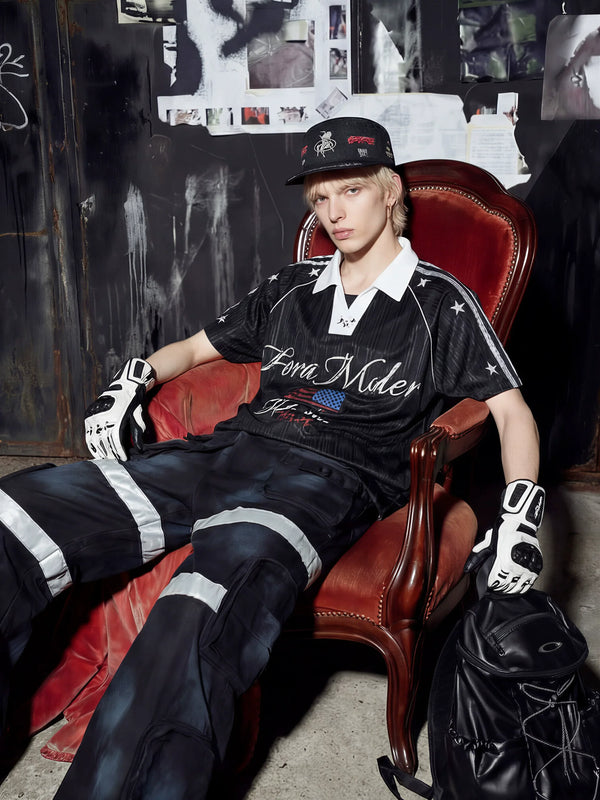
Streetwear is the root — the first designs out of Tokyo 2015 were Anime prints, Japanese characters, Harajuku graphics. Everything else grew from that, but the line keeps running.
From Streetwear · 4 Pieces
All 714 of 71 Pieces
All 712015 → today
Fūga
風雅
Berlin Plattenbau origins, Asia-inspired. Creative, but never fully fitting into the system. Tokyo 2015 as the starting point — six niche phases since then.
Today: Berlin · Shanghai · Tokyo · Poznań. We know our designers by name. Limited drops, no restocks.
We aren't dropouts. We know the system — went through training, worked, kept building. Both sides hold.
How Fūga evolved
What started as Streetwear in Tokyo has shifted over the years — through different phases, our own and collective.
01
The first designs. Anime prints, Harajuku characters, Tokyo connection.
02
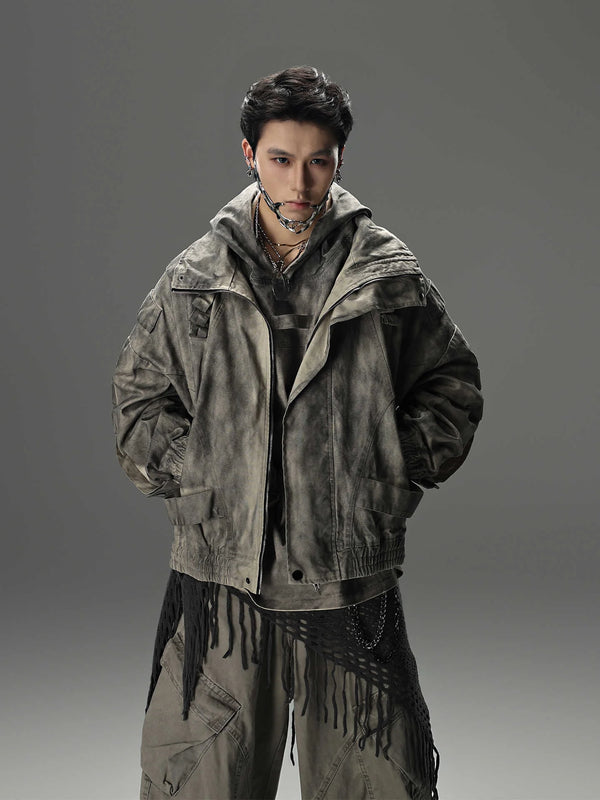
Functional, layered, dark. Tokyo reduction translated into fabric.
03
Heavier, uncompromising, more shadow. Grew up parallel to Techwear.
04
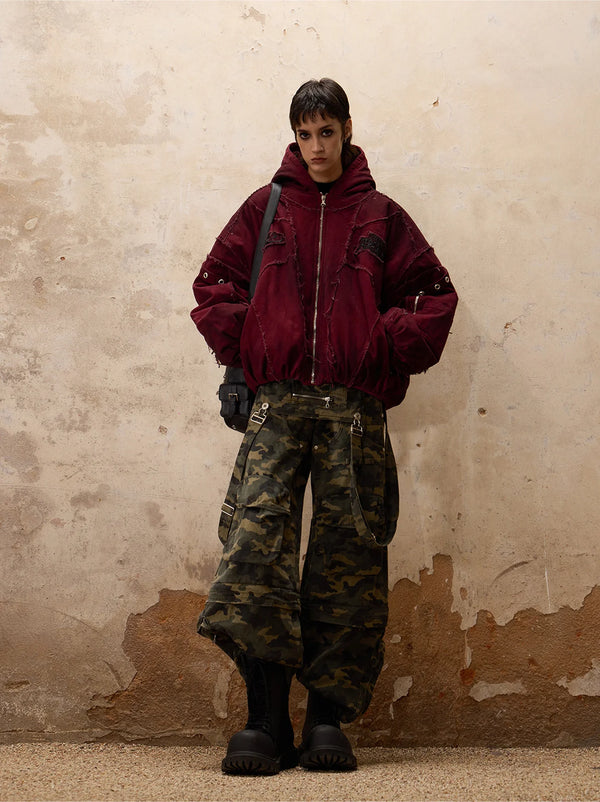
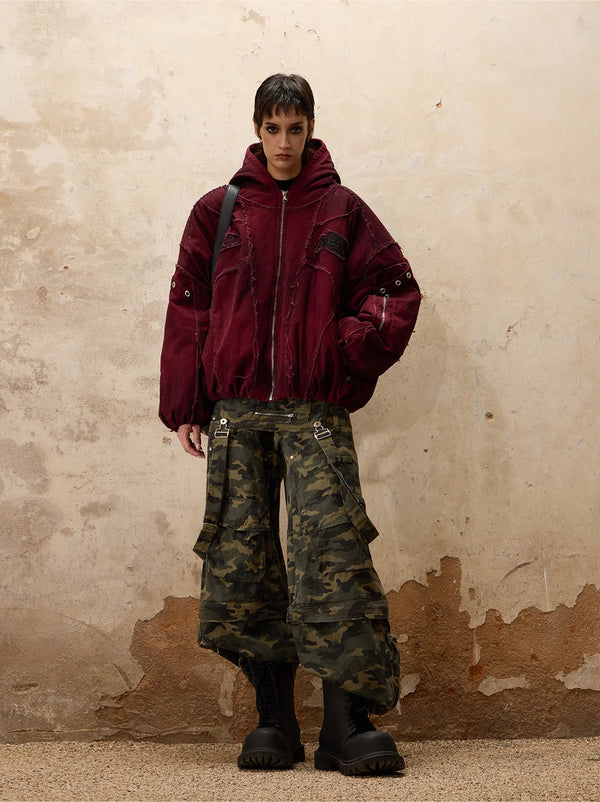
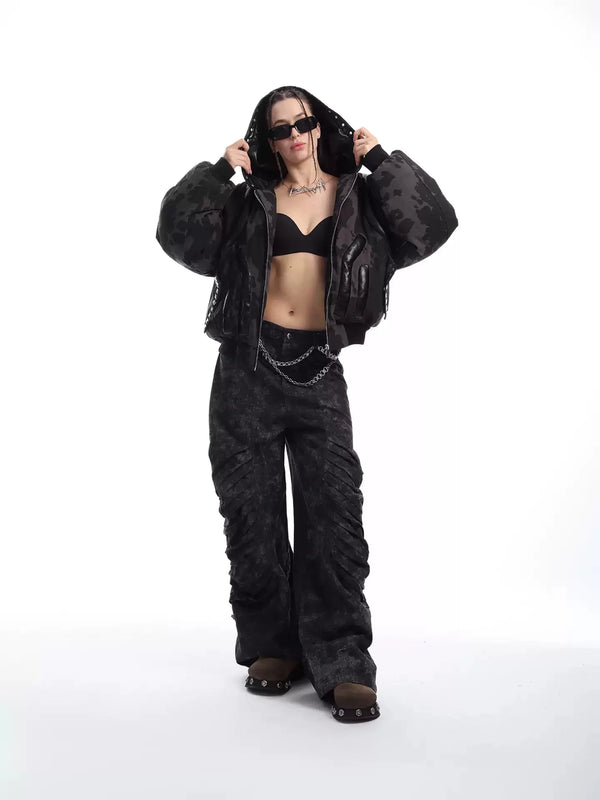
Berghain aesthetic with street cuts. Raw, black, Berlin avant-garde meets Streetwear.
05
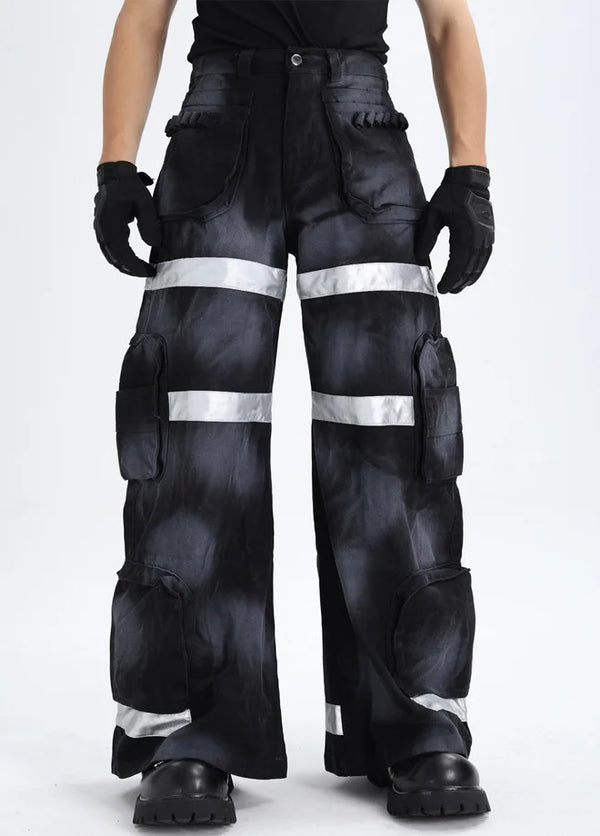
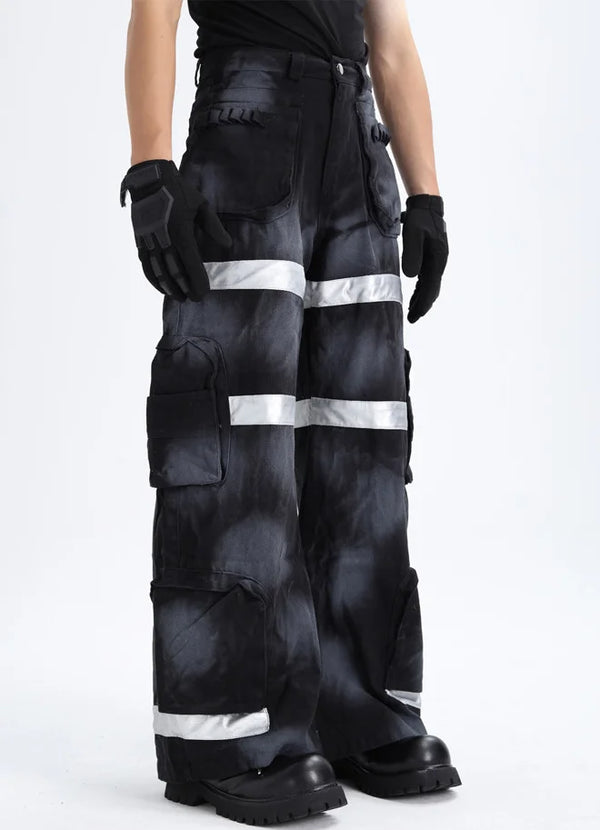
Cyberpunk meets the Berghain floor. Reflective, tactical, sound-system ready.
06
Tailored cuts with Streetwear logic. Growing older without going 9-to-5. Stay edgy.
What comes next, we'll write when the time comes.