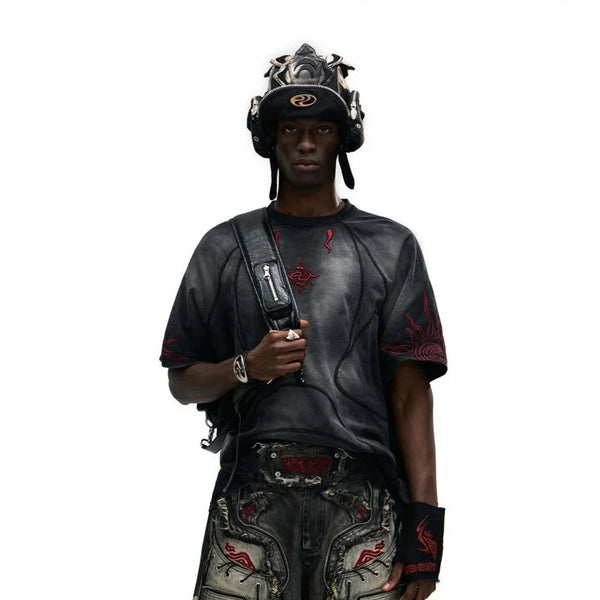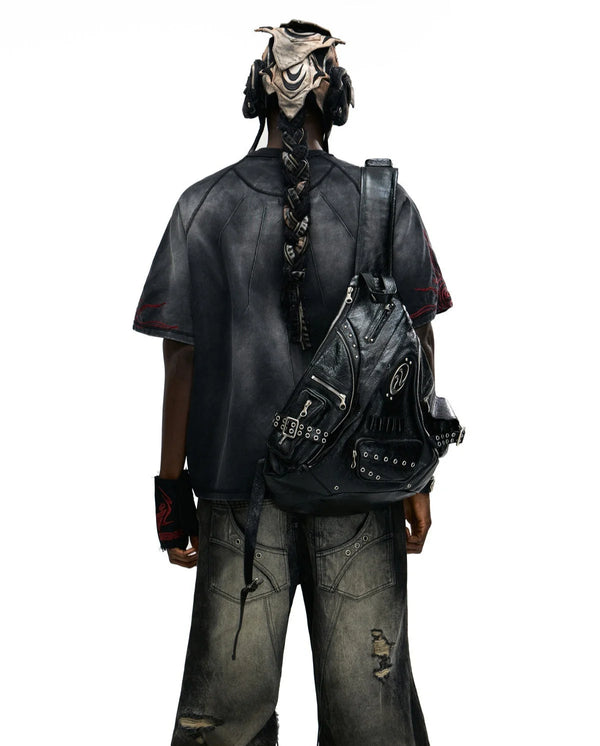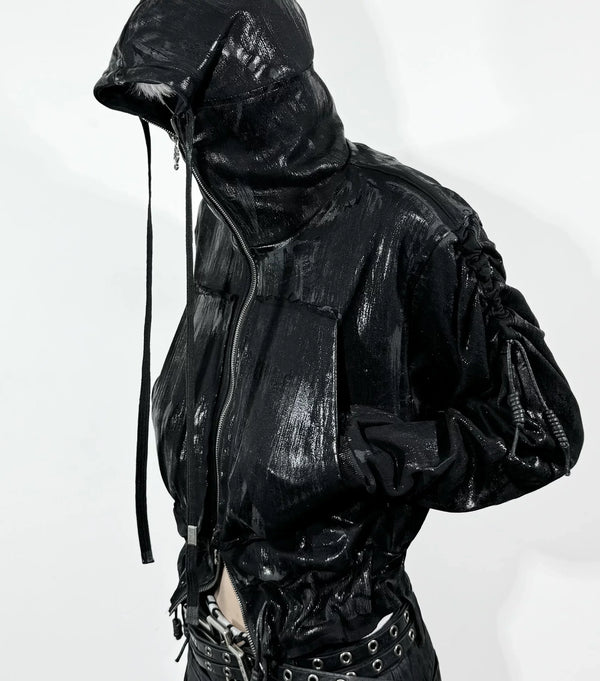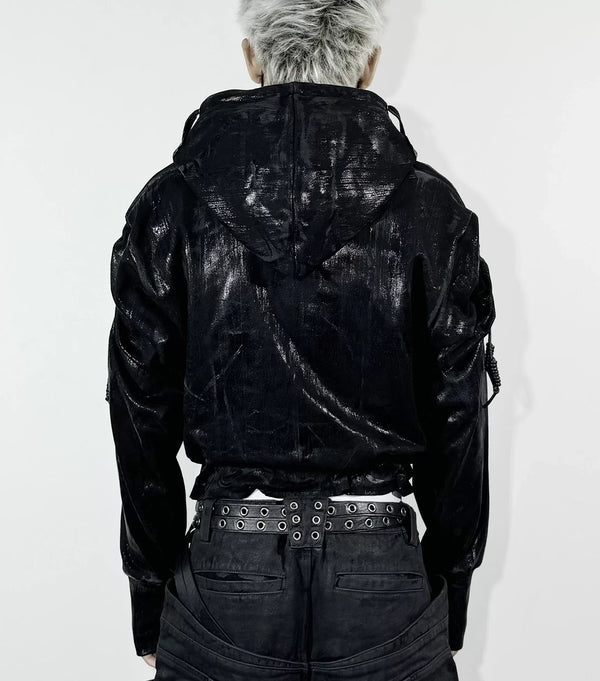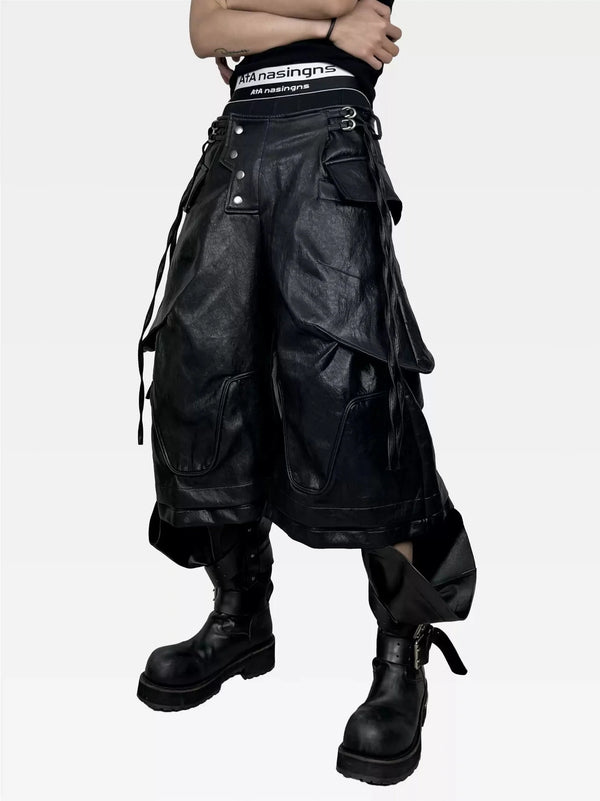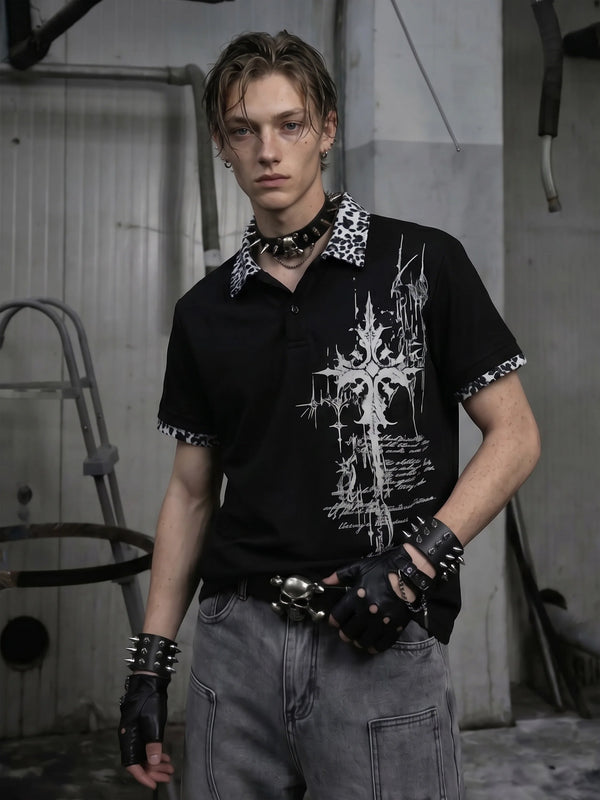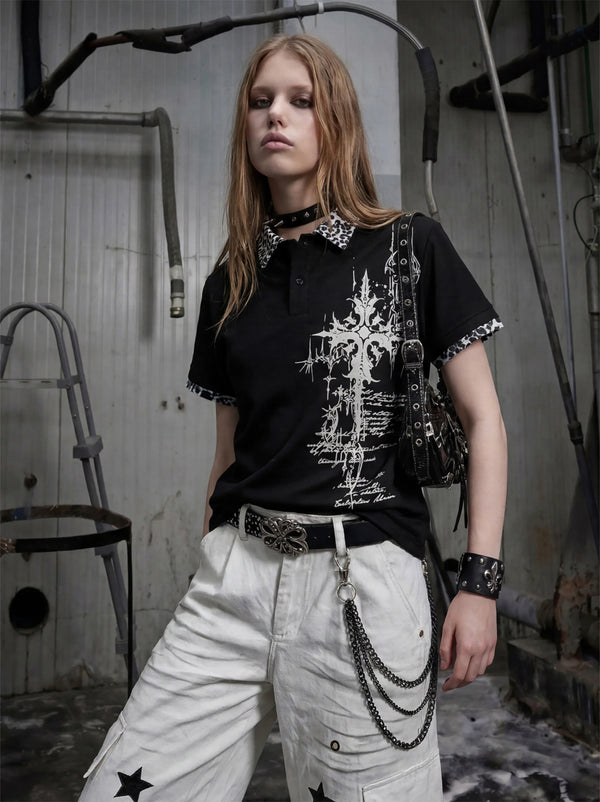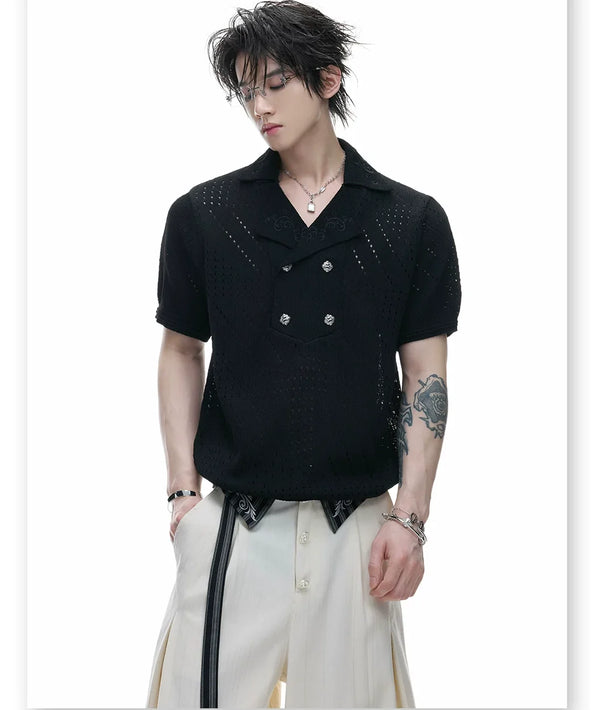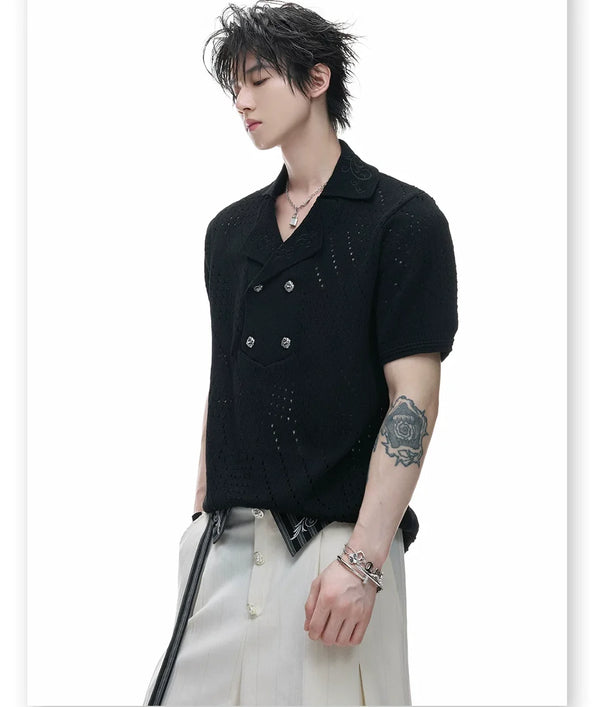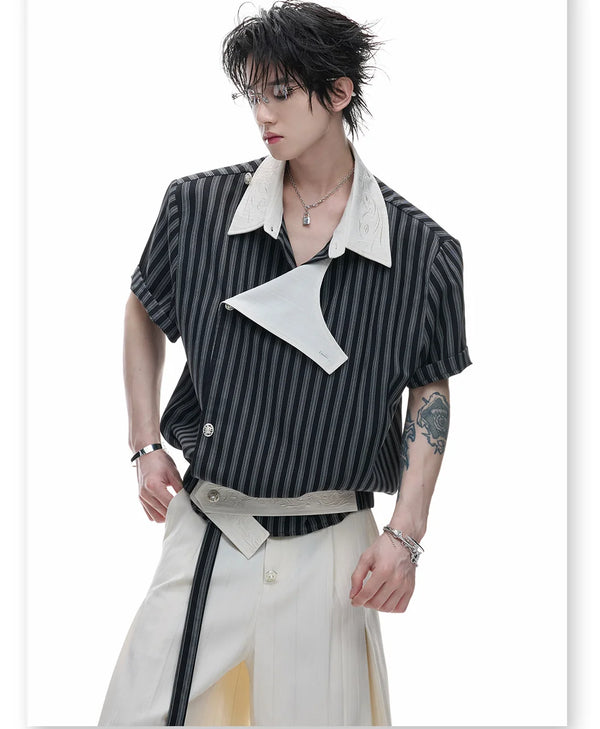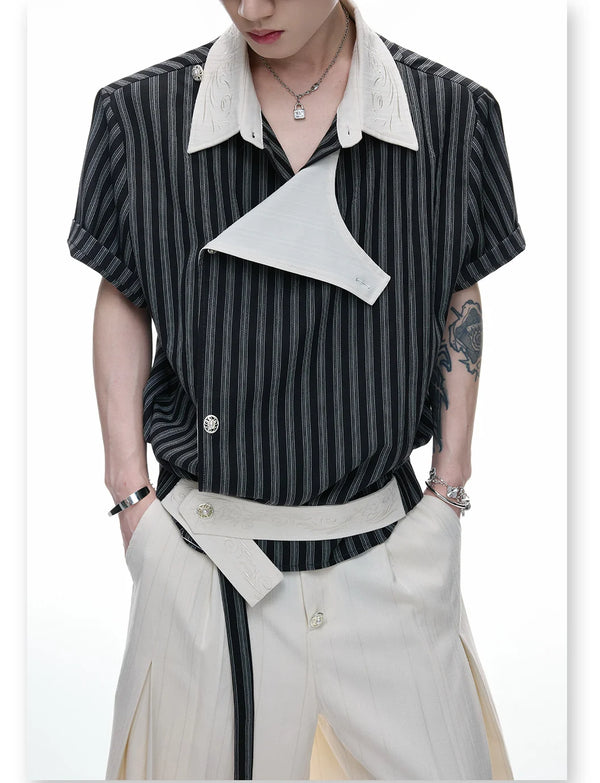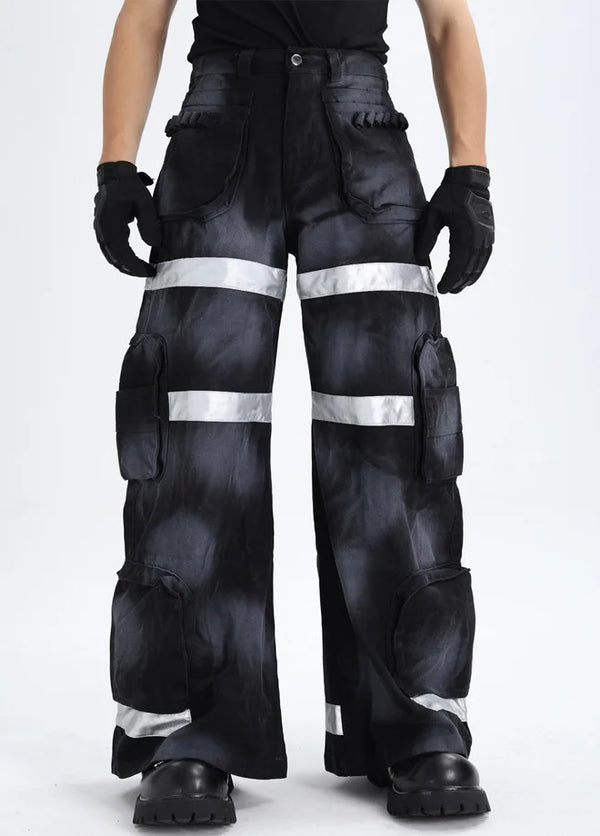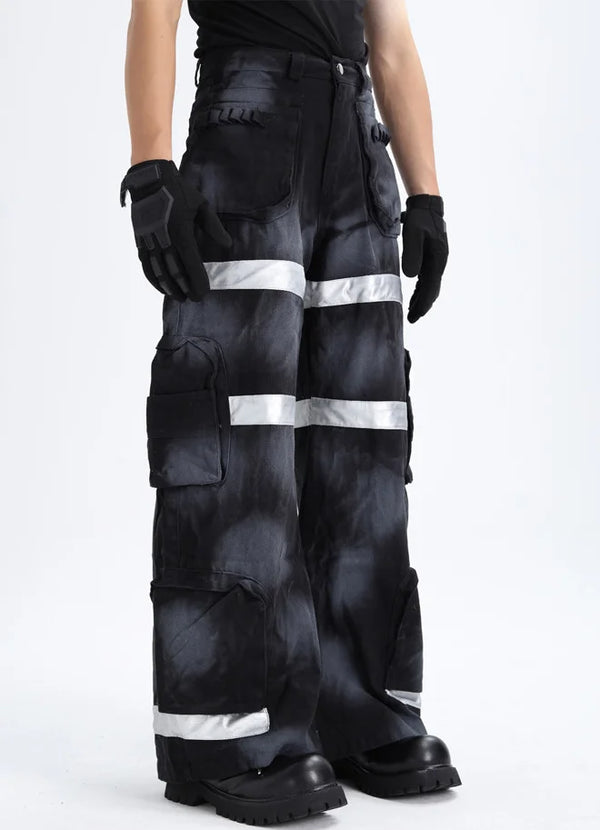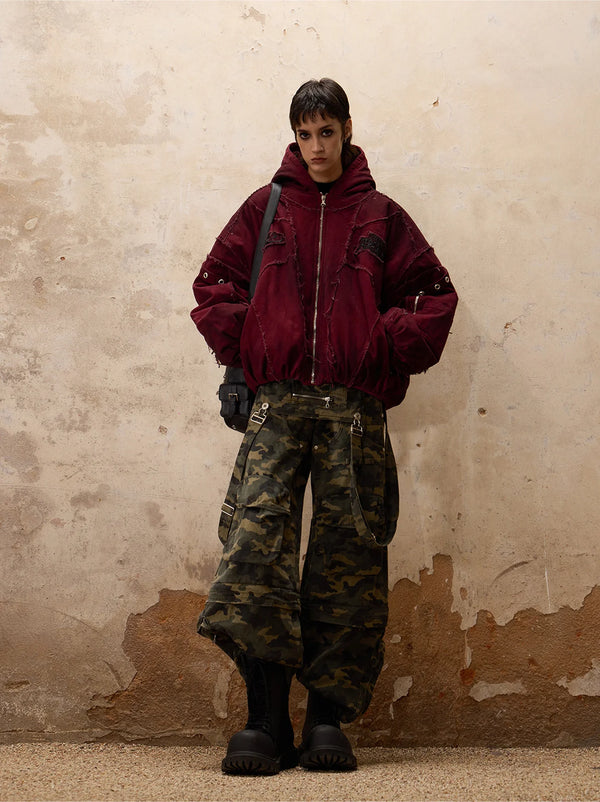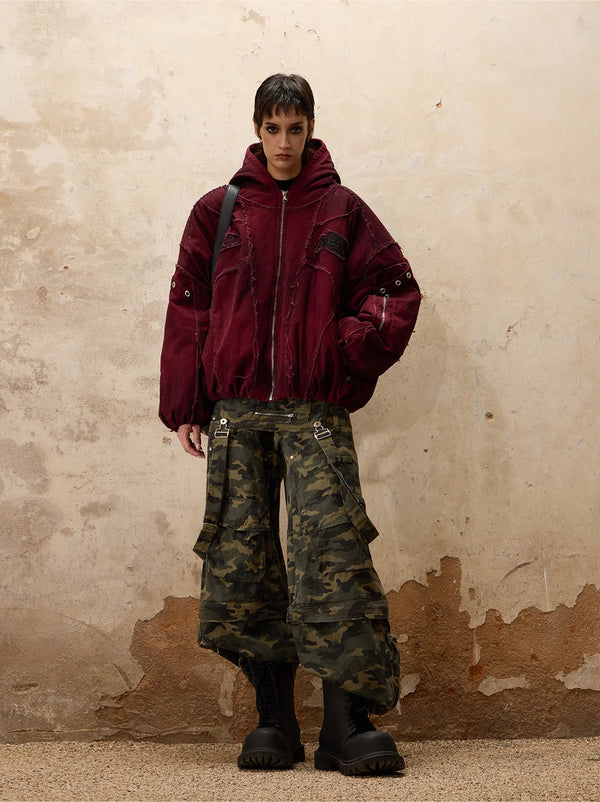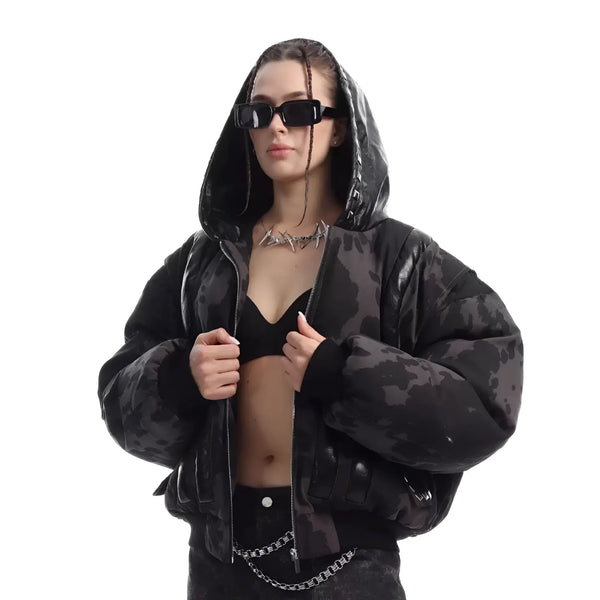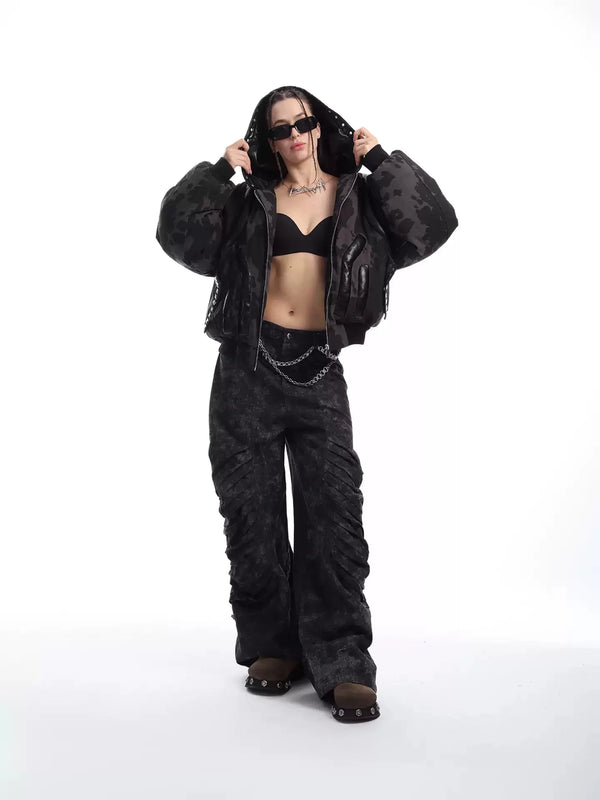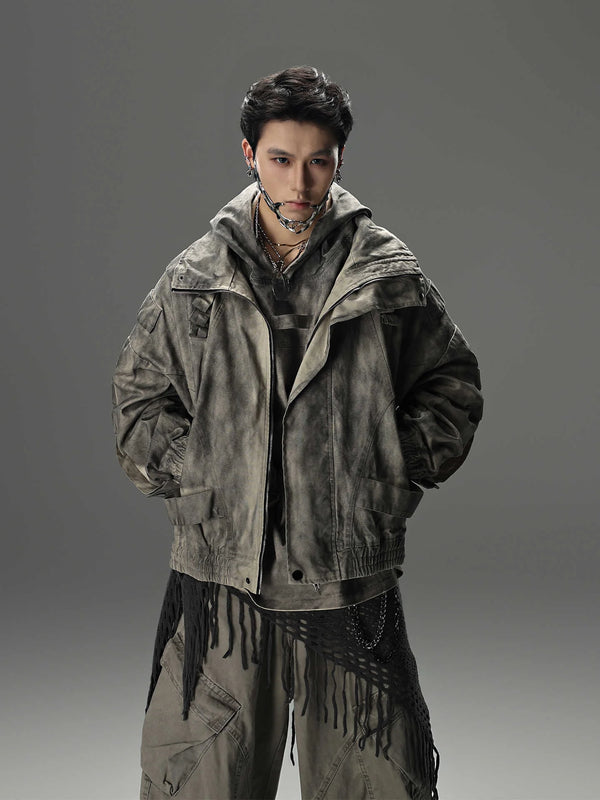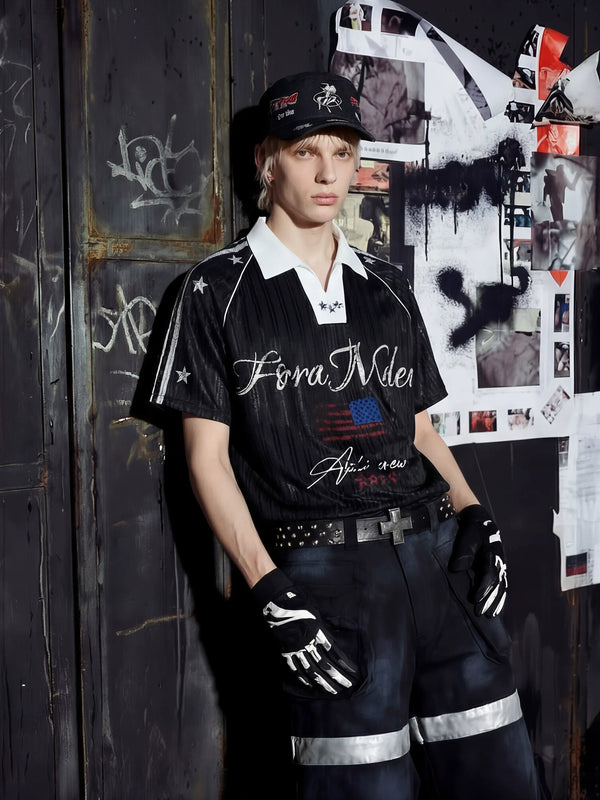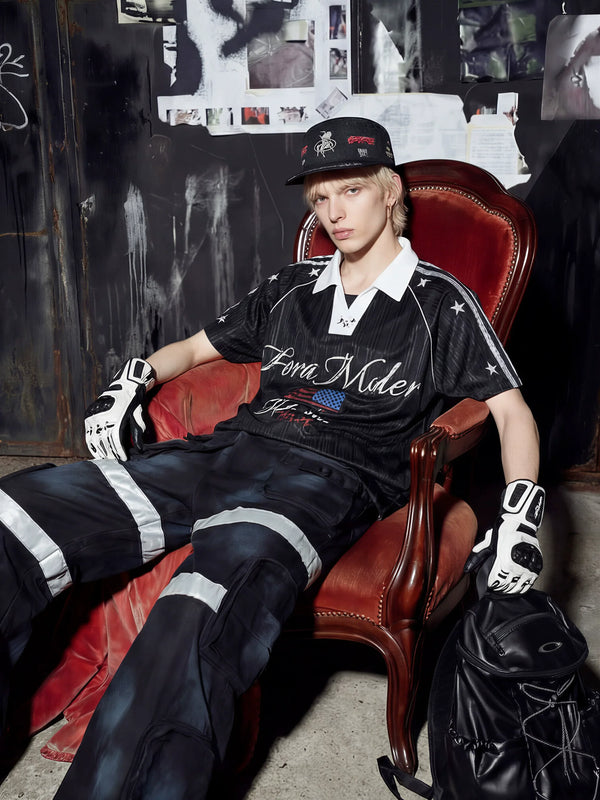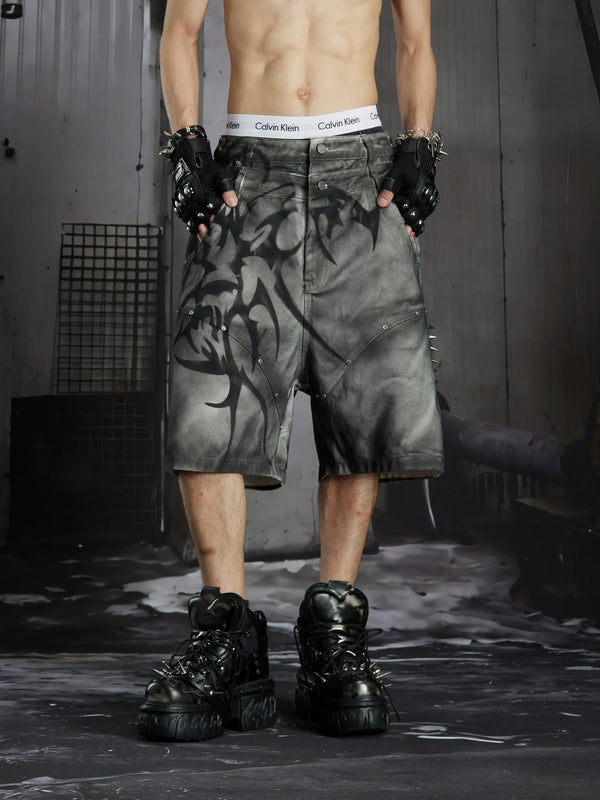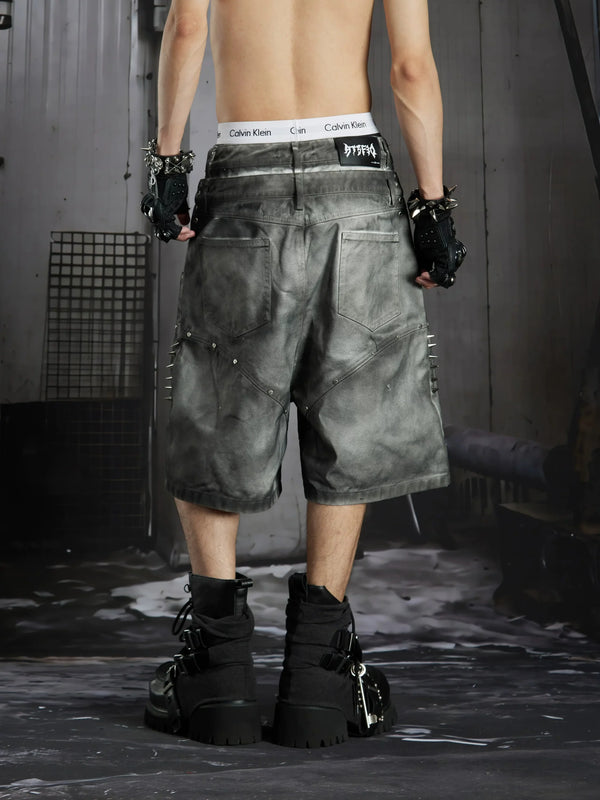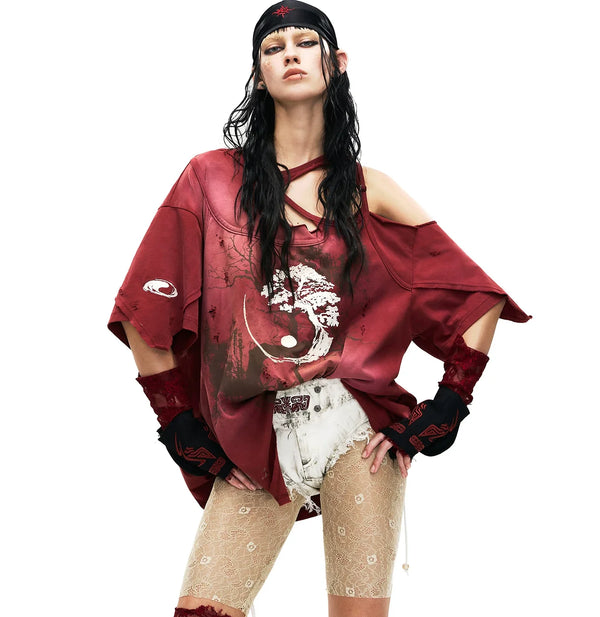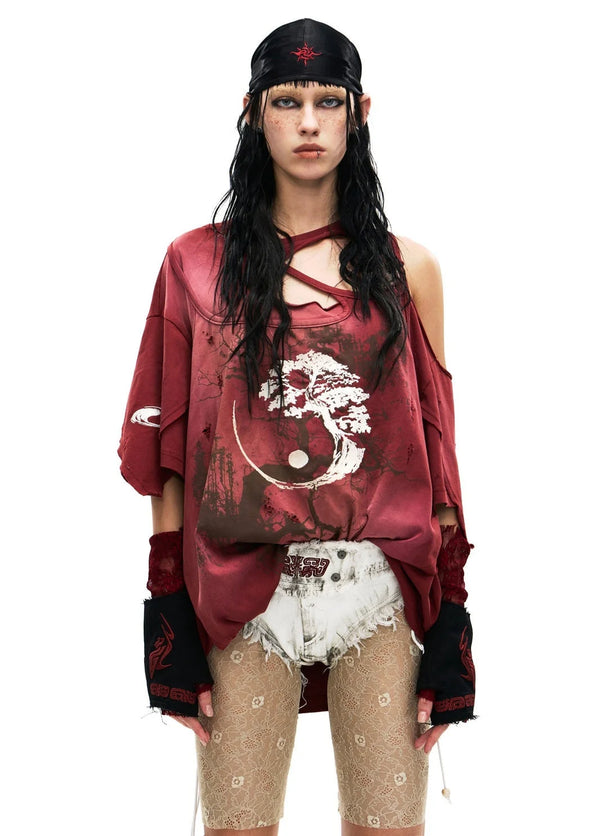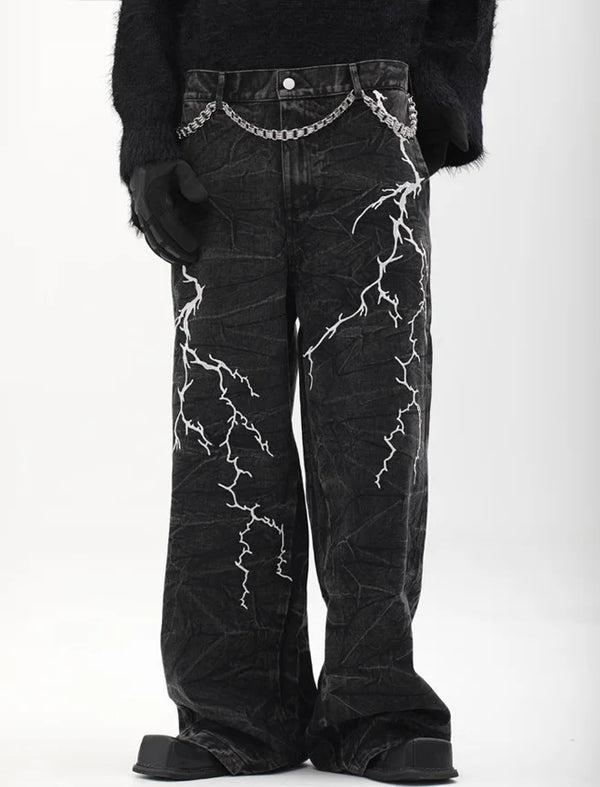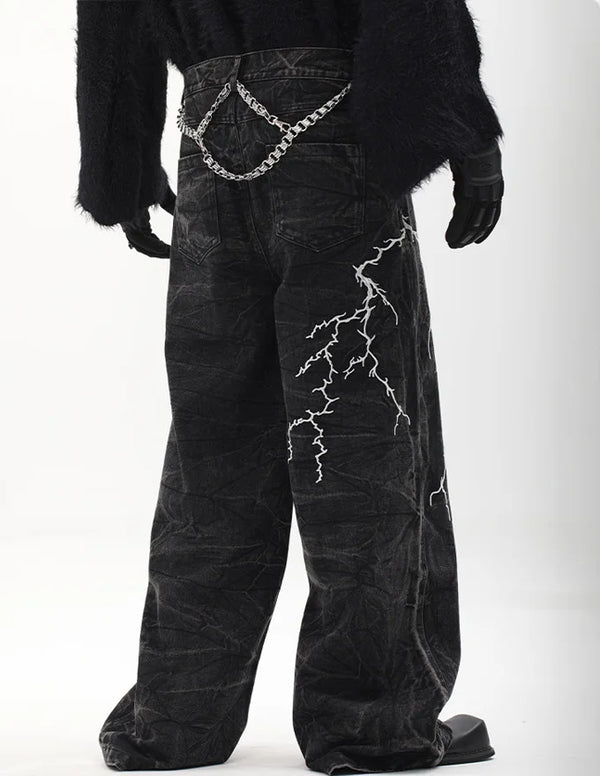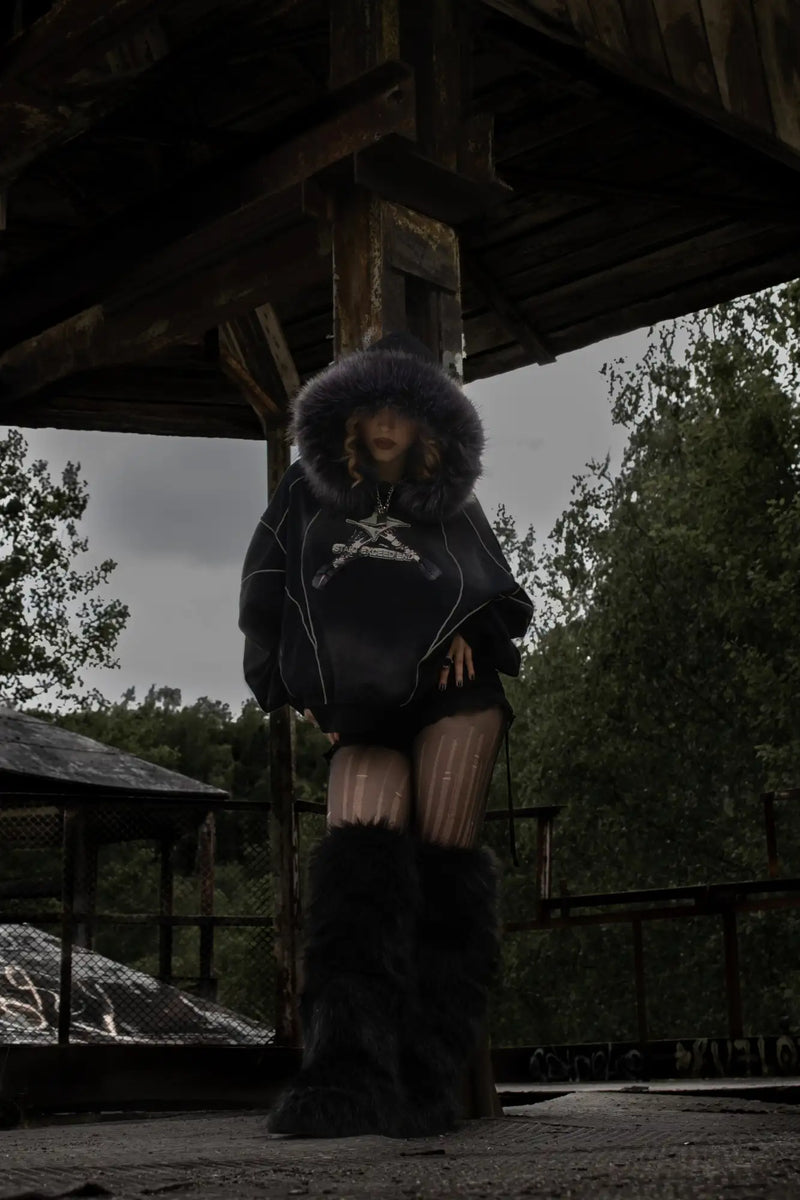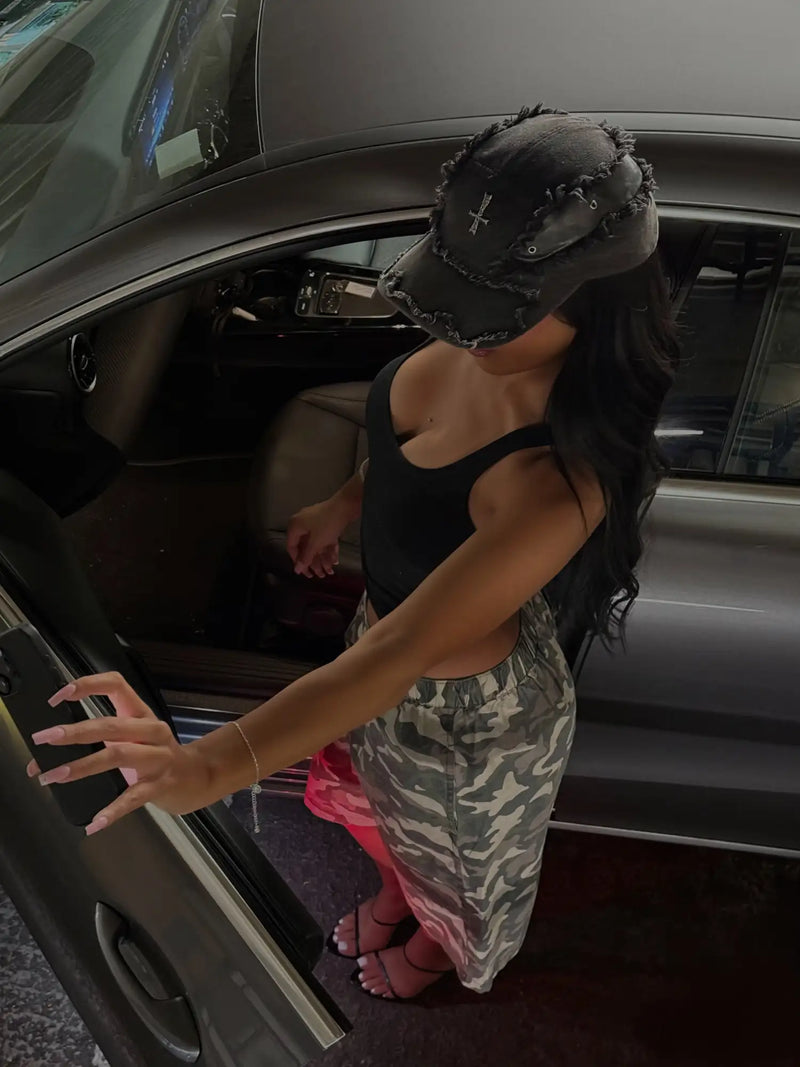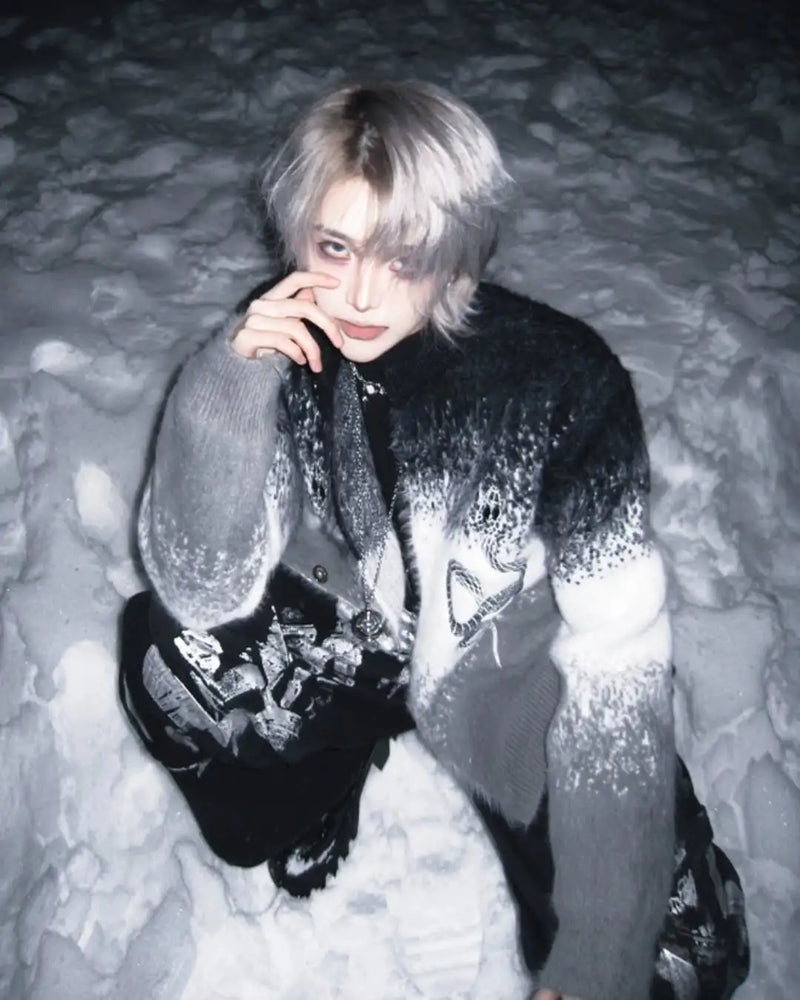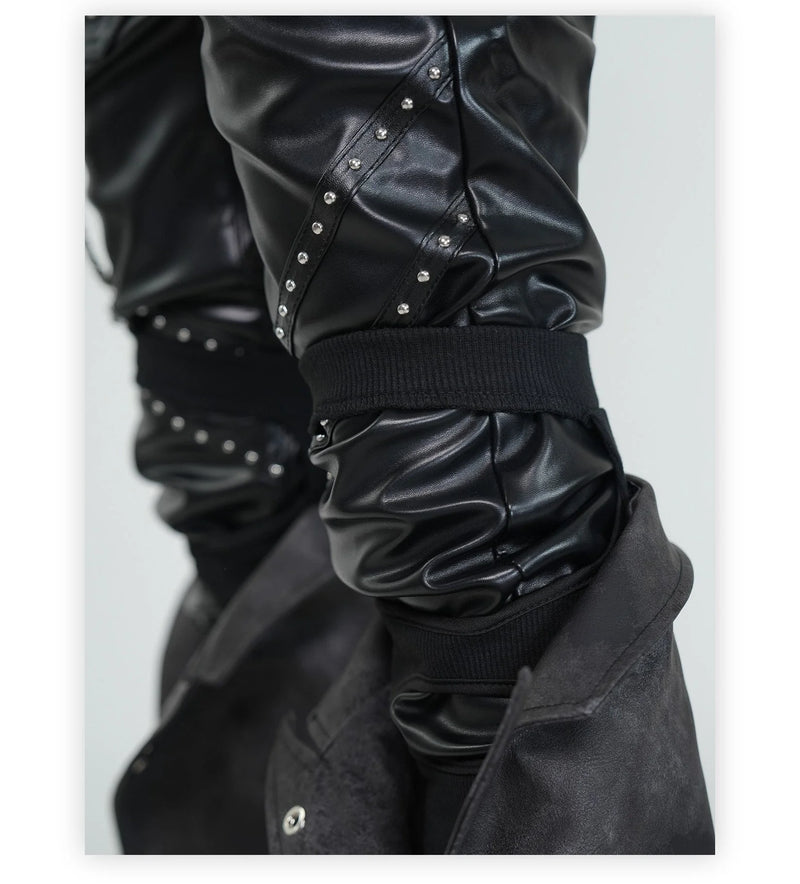
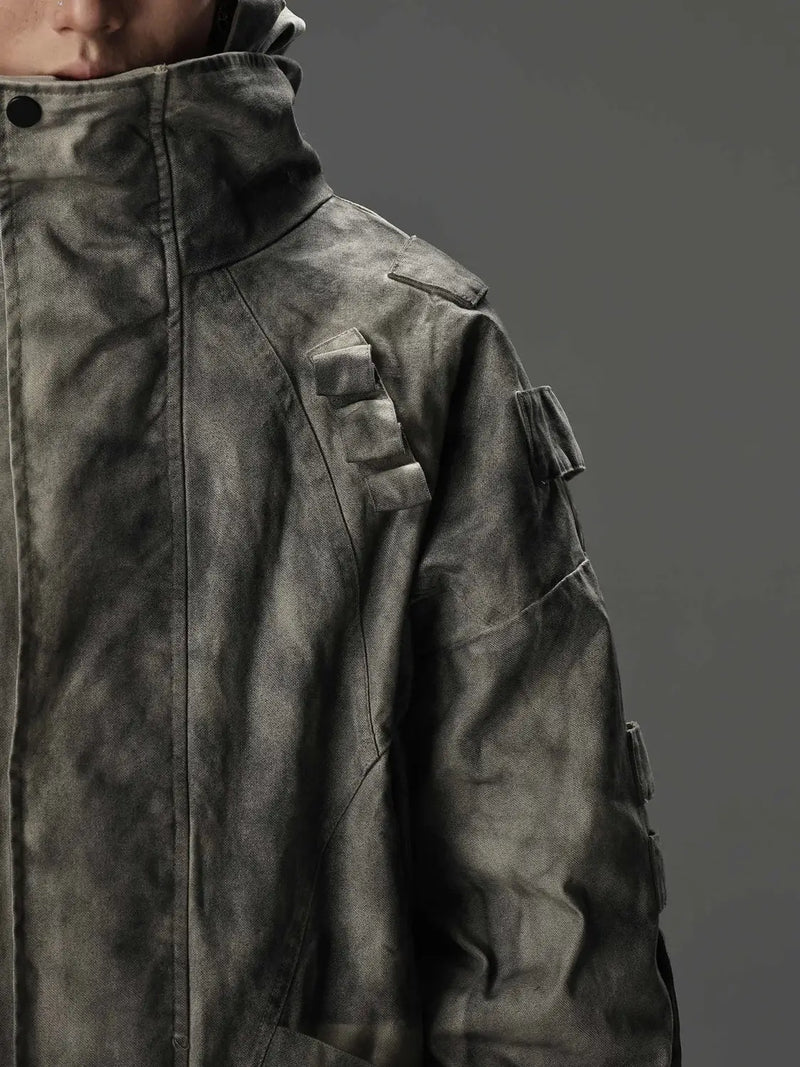
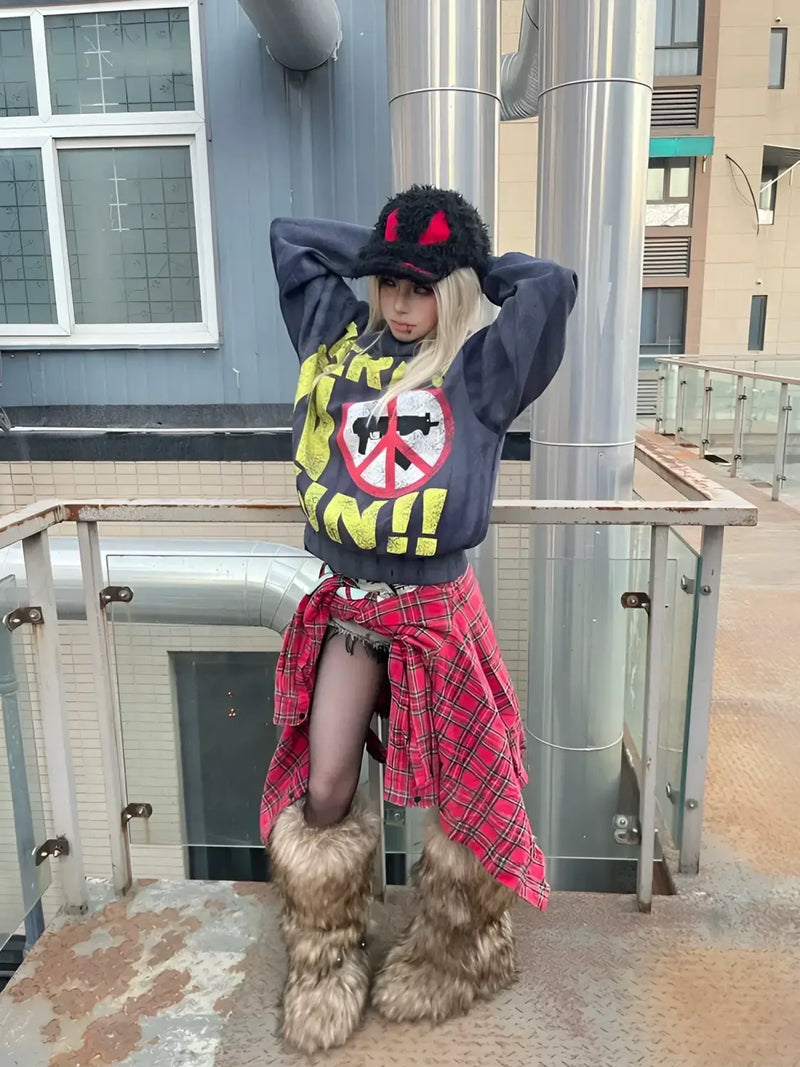
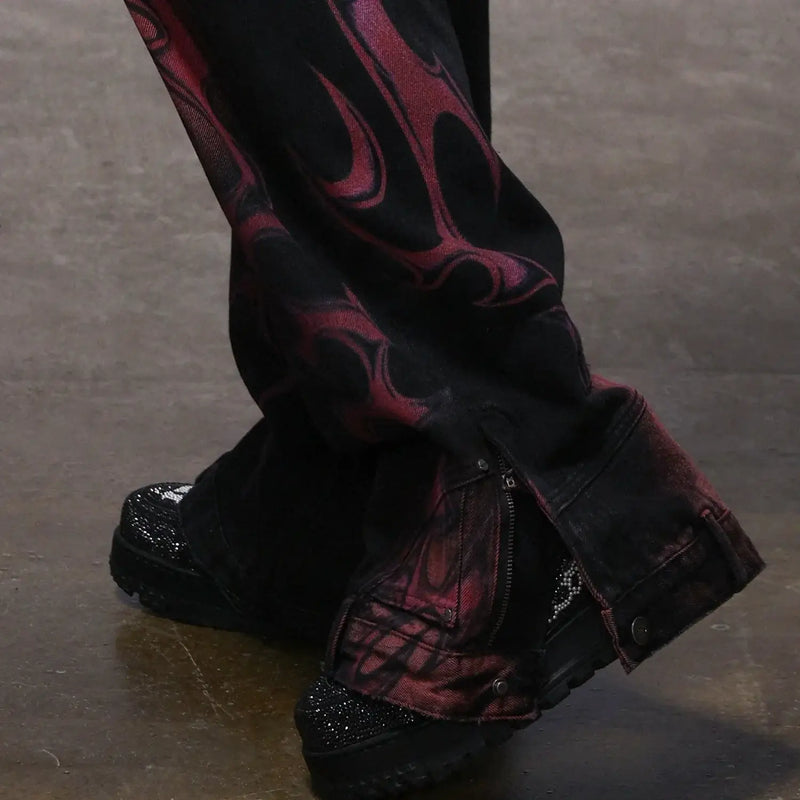
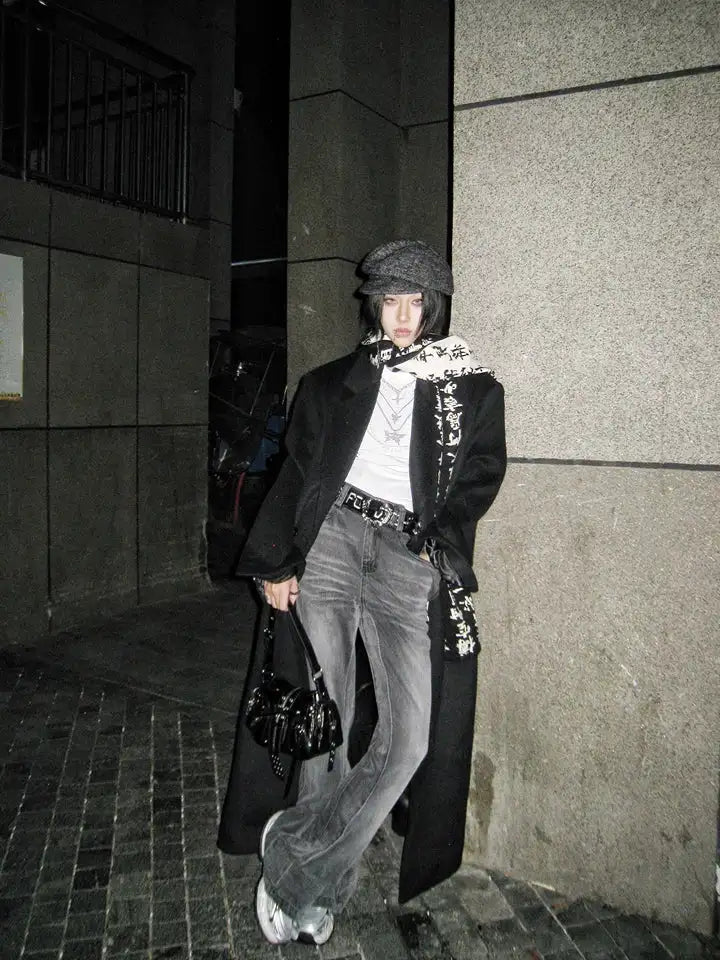

Everyone says Y2K is “Britney plus glitter.” They’re half wrong. A tube top with a butterfly clip guarantees exactly as much Y2K as a snow globe guarantees a snowy landscape — just the postcard version of it.
Y2K fashion is the style code between 1998 and 2004 — the moment the internet, MTV, TRL, and the first mall tracksuits ran through the West all at once. It's not a costume out of the Halloween box, but an outfit system with a fixed silhouette, a fixed material language, and a very concrete idea of what fashion isn't allowed to be. It's been back since 2019 — driven by Bella Hadid, Dua Lipa, TikTok, and a generation that only knows the originals as Pinterest screenshots.
Anyone selling Y2K as “low-rise plus pink” has mixed up the era with its Wikipedia entry. This guide breaks down what's actually behind it: where the name comes from, what counts as Y2K wardrobe, how the 5 iterations differ (Mall, Cyber, McBling, Skater, Tokyo), how that translates into jeans / tops / jackets / accessories, what you need in your closet, and the 6 mistakes that tip the outfit straight into costume territory.
What that looks like in a real outfit — the 15-second version:
Origin
What does Y2K mean in fashion — and where does the name come from?
Y2K is short for “Year 2000.” The term originally came from IT — the infamous Y2K bug was supposed to crash the entire internet on January 1, 2000, because software date fields used two digits and “00” could mean 1900 or 2000. The crash never happened, but the aesthetic of that fear-and-hope phase got written into fashion: silver, technical, optimistic, slightly hysterical.
As its own fashion era, Y2K has existed since about 1998. The trigger was a triple wave: pop had built a new teenage image with Britney Spears, Christina Aguilera, and the late-stage Spice Girls. MTV TRL made outfits go viral long before TikTok existed. And the first tech boom pulled metallic, chrome, and plastic out of the sci-fi zone and into the mall. All of it collided between 1998 and 2004 — then came indie sleaze, then the first skinny-jeans block starting in 2007.
The comeback started quietly in 2019, got loud through pandemic TikTok in 2020, and has been in the major houses since 2022. Diesel under Glenn Martens, Blumarine under Nicola Brognano, Coperni — all three have translated the Y2K vocabulary into the premium segment. What started as Pinterest nostalgia is now a real fashion period with its own codes, its own brands, and its own ways to get it wrong. The next section shows exactly what counts.
Definition
What is Y2K fashion — and what counts as part of it?
Y2K fashion is an outfit system made of four fixed building blocks. When all four are in place, the outfit reads as Y2K. When one is missing, it immediately tips into something else — 70s disco, indie sleaze, boho, or worse: a Halloween costume.
1998
Start of the era
5
Iterations
4
Core building blocks
2019
Comeback wave
These numbers aren't decoration. They're the test. An outfit that only mixes one iteration (say, only mall-pop), only shows one building block (like low-rise without a crop), or ignores the era entirely (Y2K sunglasses with skinny jeans and a trench coat) isn't Y2K anymore. It's “inspired by.” Which, in plain terms, means 2007 indie sleaze with Halloween sunglasses.
Concretely, Y2K fashion includes:
- Low-rise or wide flare — pants sit on the hip, not the waist. Mid-rise's heyday didn't start until 2007. Before 2004, everything sat low.
- Crop or halter top — a visible midriff is mandatory, not optional. Cami, tube, polo crop, asymmetric halter — all of it is Y2K vocabulary.
- Denim as the dominant material — stonewashed, distressed, double denim, with or without rhinestones. Six different jean washes on the same body is a Y2K move, not a styling mistake.
- Metallic, mesh, velour, faux fur as accent layers — the era's four material codes. One of them in the outfit is enough; all four at once tips into McBling overkill.
- Visible logos are allowed — Juicy across the back, Von Dutch trucker caps, Ed Hardy tattoo print. Unlike 2010s streetwear codes, a visible logo is native to Y2K, not a break in the rules.
- Sneakers or platforms, never a classic loafer — chunky sneakers (Air Max Plus, early Nikes), platform sandals with a wood wedge, buckled riding boots. Loafers and slip-ons are pre-Y2K vocabulary.
If you're missing three of these six points, it's no longer Y2K — it's inspiration. And there's one rule that holds all six together:
5 iterations
The 5 Y2K iterations — from Mall-Y2K to Cyber-Y2K
Y2K isn't one look — it's five, overlapping at the edges. Line up Britney's 2001 VMA outfit, Aaliyah's WHO cover, a Bratz doll, a Tony Hawk's Pro Skater cover, and a Tokyo gyaru magazine page, and you'll see these five iterations cleanly separated. Each has its own material language, its own silhouette.
Which of the five fits you depends less on taste than on your silhouette, how much rhinestone you want to wear, and which city it has to land in. How this splits between women's and men's styling comes next.
Gender split
Y2K style for women vs. Y2K fashion for men — where it actually differs
The rules are the same. Low-rise, crop or layering, denim, metallic, visible logos — apply to every body. What differs is the line. Where the women's version runs short on top and long on the bottom (halter plus bootcut flare), the men's version runs loose on top and wide on the bottom (baggy plus mesh layer). Same vocabulary, different grammar.
Women's version (the “Y2K girl”): the midriff strip gets more visible. Halter, cami, tube, or mesh long sleeve, always with a clear hip line underneath. Bottoms are either low-rise bootcut, mini skirt with platform sandals, or wide flare jeans with a bare-midriff top. Rhinestones shift more often into accessories (tiny bag, chain belt, hoop earrings) instead of just construction details. “Y2K girl” today is also TikTok slang for the look itself: lip gloss, glitter, Y2K sunglasses, a bag the size of a cigarette pack.
Men's version: looser and more solid-colored on top. Baggy tee, baseball jersey, mesh layer under a tank, or a zip hoodie with print. More layers on the outside (denim jacket plus tracksuit top, or faux-fur vest over a tee), less on the body. Bottoms are baggy jeans (Avril-skater iteration), wide cargo (mall iteration), or track pants (velour McBling). Sneakers stay functional: Air Max Plus, Bapesta, early Jordan models.
Both need the same low-rise discipline and the same four material codes. What varies is the distribution — not the vocabulary.
Brands
Y2K brands — from Juicy Couture to Diesel under Glenn Martens
Y2K doesn't have a single brand that defines the look — it's a composition of a first wave (1998-2004) and a second wave (2019-present). Anyone who understands the vocabulary can build Y2K without paying designer prices at all.
The brands that wrote the Y2K vocabulary — chronologically:
- Juicy Couture (founded 1997, LA) — the velour tracksuit with script across the back. Defined the mall iteration single-handedly. By 2003, every celebrity's daughter owned a set.
- Von Dutch (founded 2000, California) — the trucker cap cult. Britney, Justin, and Paris pulled the brand out of pinstripe subculture and into the mainstream.
- Ed Hardy (founded 2002) — tattoo print on tees, caps, trucker jackets. McBling-native, more of an ironic reference than a default in the comeback.
- Baby Phat (founded 1998, NY) — Kimora Lee Simmons built the cat-logo DNA for an entire generation of Black women. Cropped, pierced, rhinestoned.
- Diesel (under Glenn Martens since 2020) — the most important Y2K revival label in the premium segment. Distressed denim, devoré tops, laser-cut, re-editions of 2001-era cuts.
- Blumarine (under Nicola Brognano since 2019) — the Italian Y2K bible of the second wave. Butterflies, pink-on-pink, mesh, faux fur — all reanimated straight from the 1996-2003 brand archive.
- Coperni (founded 2013, Paris) — the tiny-bag trendsetter. Bella Hadid's spray-on dress show in 2022 put the look on the cover of Forbes tech coverage.
- Miss Sixty (founded 1991) — the Italian origin of the low-rise jean. When a specific bootcut gets a continent shorter, Miss Sixty is usually the original.
If you want to wear Y2K without paying designer prices, look for these brands on the resale market, or DTC brands that translate this vocabulary competently.
Category · Bottoms
Y2K jeans — low-rise, baggy, flare
The jeans carry the Y2K outfit. They're the largest surface, the most dominant fabric, the primary vehicle for hip height. This is where your outfit decides whether it becomes Y2K or generic indie sleaze.
Three jean types work for Y2K: low-rise bootcut (mall and McBling iterations), wide-leg or baggy (skater iteration plus the modern Glenn Martens line), and flare with distressed detail (Tokyo gyaru and cyber iterations). Skinny is explicitly not Y2K — the tight line didn't arrive until 2007. Whatever was low and wide before that is Y2K-native.
If you don't already own a low-rise bootcut or a wide flare, that's your first move. Everything else in the outfit depends on where your waistband lands.
Category · Tops
Y2K tops & crop tops — baby tee, halter, mesh
The top layer is the second defining surface. Where the pants create hip height, the top creates the visible midriff — and without a visible midriff, strictly speaking it isn't Y2K, it's 2008 boho with Y2K borrowings.
The rule: short on top, fitted or with mesh detail, ideally with a visible brand statement. Cami top (very mall), halter (very McBling), polo crop (mall-meets-preppy), baby tee with print (skater), mesh long sleeve under a tank (cyber). What doesn't work: a long tunic, boyfriend tee, oversize hoodie as the main look. Those are all post-2010 silhouettes.
If you want to try the mesh look, put a mesh long sleeve under a plain tank top. That's the fastest way into the cyber iteration — no risk, in case the full rhinestone program isn't quite you yet.
Category · Outerwear
Y2K jackets — denim, faux fur, tracksuit, puffer
In a Y2K outfit, the jacket carries the second material language. Where the pants do denim and the top does mesh or halter, the jacket translates a third code — fur for McBling, tracksuit for mall, puffer for the cyber iteration, denim trucker for skater.
Four jacket types carry the era: a cropped denim trucker (very Britney 2001), a faux-fur vest or coat (Bratz, J.Lo's 2002 cover look), a velour or tracksuit top (Juicy-native), and the early puffer in a metallic finish (cyber iteration, Diesel reboot). Long wool coats and classic trench coats are explicitly not Y2K — those are pre- and post-era vocabulary.
If you're only buying one jacket, make it the cropped denim trucker. It works with three of the five iterations and it's the cheapest investment with the biggest payoff.
Category · Accessories
Y2K accessories — sunglasses, trucker caps, tiny bags
In Y2K, accessories are where the outfit tips most visibly — one way or the other. The wrong sunglasses can push a perfect outfit into late-90s-mom territory; one precise detail can catapult a generic combo straight into 2002.
What works: wraparound sunglasses (Matrix-cyber iteration), cat-eye with small lenses (Britney 2003), rimless or frameless (McBling), flame or heart frames (TikTok revival). For caps: trucker (Von Dutch), bucket hat (in the mall variant with print). For bags: tiny shoulder bag (Sex and the City era, now Coperni-driven), velour pochette with rhinestones, mini tote in metallic.
If you're only buying one accessory, make it Y2K sunglasses. They're cheap, they push any outfit straight into the era, and if it doesn't work out — sunglasses back in the drawer, outfit stays intact.
Styling logic
How to actually style Y2K — the mall-Friday logic
A Y2K outfit runs on exactly one detail: where the hip sits. Pants low, top short — it works. Pants mid, top normal — it doesn't work, or rather: it's not Y2K anymore, it's generic casual. The era never spelled this rule out, but every pop photo between 1999 and 2004 sticks to it.
The whole Y2K logic fits into two words: hip bone visible. Skip that, and you've built 2008 casual with Y2K sunglasses on top.
In practice, that means: halter top plus low-rise bootcut. Or cami plus mini skirt with platform sandals. Or mesh long sleeve plus wide flare jeans. Never a boyfriend tee tucked into your pants. Flip that ratio and the whole outfit tips over. You'll find the full breakdown with photo examples in its own article:
But Y2K doesn't stand alone — it overlaps at several edges with other aesthetics. Cybergoth shares the mesh and chrome language, Harajuku shares the platform and butterfly codes, rave shares the metallic, and the men's iteration shares the baggy skater line. Anyone who has Y2K down can read these neighboring codes and mix them deliberately, without sliding into costume territory.
Here are the most important neighbors — each with its own guide, if you want to go deeper:
Seasonal
Y2K summer vs. winter — where the look tips
In summer, Y2K is easy. Cami, low-rise bootcut, platform sandals, Y2K sunglasses — four pieces, done. The visible midriff happens on its own, because at 90°F no normal tee fits on top anyway. The challenge comes in winter, when the outer layer wants to hide the hip line.
Winter Y2K works through what doesn't get fully closed up. A faux-fur coat worn open over a cami plus bootcut. A cropped denim trucker plus layered mesh plus wide flare. A velour tracksuit top over a halter, pants low, Ugg boots or platform boots underneath. The rule: the hint of midriff stays — even if it's just a 2-inch strip between a cardigan and the waistband.
There's also a year-round solution built in as hardware: pieces that adjust their own layer thickness. A cropped denim trucker, for example, works as a standalone jacket in spring and as a layer under a faux-fur coat in winter.
Here's what that looks like in motion:
What does not work
The 6 most common Y2K mistakes — what you must NOT do
Y2K has six points where it reliably tips over — no matter how expensive the individual Pieces are. If you avoid only one thing, make it mistake number one.
Action
How to start in Y2K fashion — the first 4 pieces
You don't need thirty Pinterest screenshots in your closet to wear Y2K. You need four pieces that'll show up in 80% of your outfits. Everything else builds around them.
In order: a low-rise bootcut or wide flare jean (your biggest investment — lasts for years if you don't buy cheap). A crop or halter top in mesh or cami. A cropped denim jacket or a faux-fur vest as a layer. Y2K sunglasses as your default accessory — wraparound, flame, or cat-eye, depending on the iteration. Platform sandals or chunky sneakers as footwear, once the first four are locked in.
Outfits for real
Y2K outfits for real — how it looks on the street
Before building your own, look at how other people wear it. The five iterations above look different in the feed than in lookbook photos: shorter, louder, less perfect — and that's exactly why they work.
This is the fastest way to check whether Y2K even suits your body type — before you spend any money.
To close
Is Y2K still in? — why this is neither a joke nor a costume
The short answer: yes. Y2K hasn't been an ironic nostalgia phase since 2022 — it's an established fashion period, with its own premium segment (Diesel, Blumarine, Coperni), its own mass market (Zara, Bershka, Shein), and its own resale market (Depop, Vinted, Sellpy). Bella Hadid has worn it almost daily since 2020. Dua Lipa built her entire 2024 tour outfit around it. What started as a Pinterest screenshot in 2019 is a real wardrobe in 2026.
The second common question — is Y2K streetwear legit, or is it still a costume party — answers itself through the code. Anyone who has all four building blocks down (hip height, crop, material code, visible logo optional) is wearing a consistent outfit language. Anyone who wears just the sunglasses and otherwise 2018-skinny looks like they're in costume. The era is legit — execution decides whether you're taken seriously.
If you take one thing from this guide, make it this: Y2K doesn't run on pieces, it runs on rules. Anyone who has the rules down builds a hundred outfits out of twenty pieces. Anyone who just buys pieces ends up with a full closet and not a single outfit that works.
The whole logic of this guide reduces to one sentence:
The rules have been stable since 1999 and will stay that way, as long as Bella, Dua, and the next generation of pop stars keep wearing them. But you don't have to wait until you've memorized all of them. Start with the one iteration that fits you best. What you don't know yet, you'll learn by wearing it.
And that's the point: Y2K reads, in theory, like a corset made of rules — but in practice it doesn't feel that way. Once you've got the code down, every new outfit is a variation on the same four or five building blocks — not a new invention.
FAQ
Frequently asked questions about Y2K fashion
The questions we often get by DM and email — short, clear, no detours.
What does Y2K mean in fashion, exactly?
What is a Y2K Girl?
Is Y2K streetwear legit, or is it still a costume?
Where can I buy Y2K clothing?
Does Y2K work without a flat Britney stomach?
Is Y2K still in, or already out again?
What shoes work with Y2K besides platform sandals?
What do you think?
Tell us on @fuga_studios
About the author
Philipp Fuge — Founder · Berlin
Founder of Fūga Studios. Writes the journal himself. Berlin · Shanghai · Tokyo · Poznań — four cities, one logic.