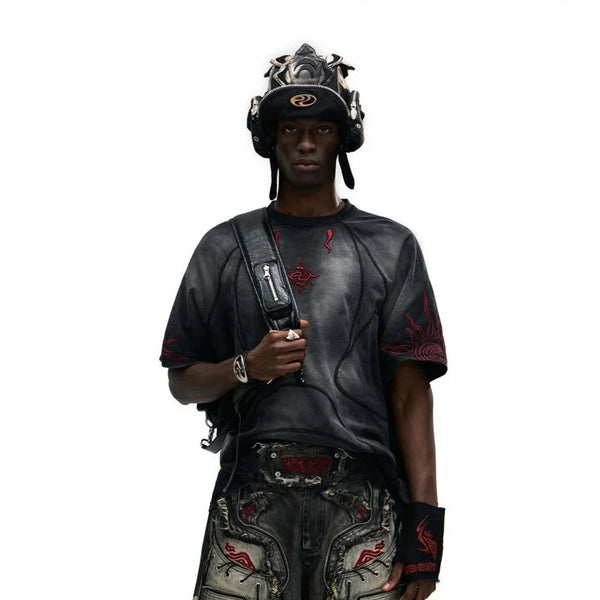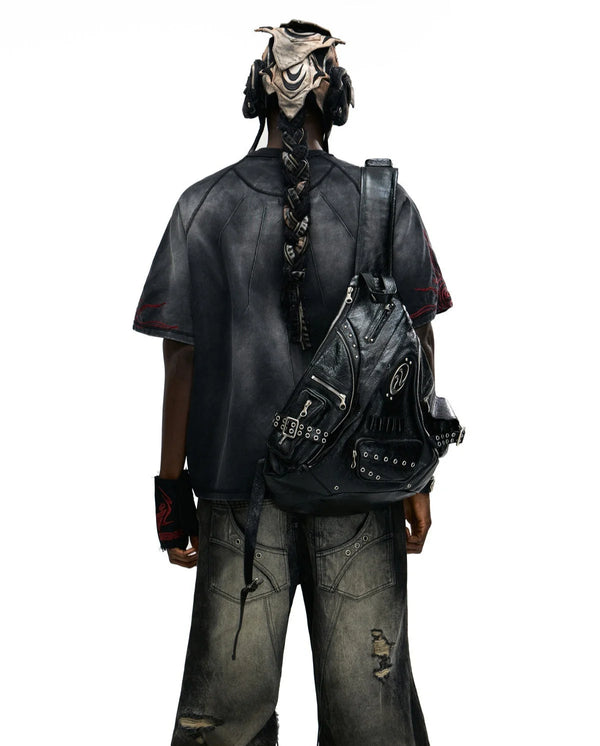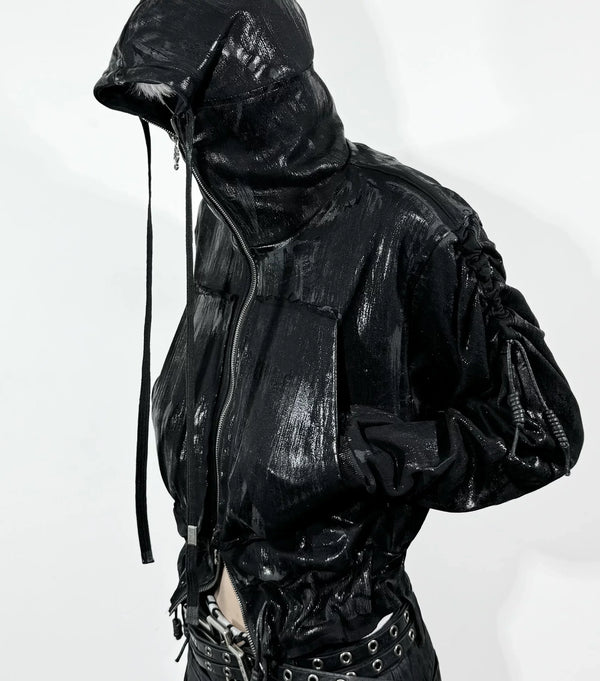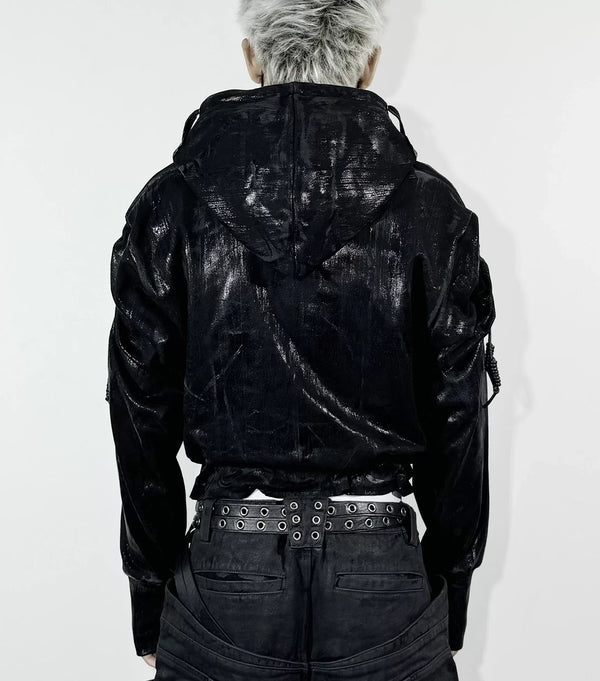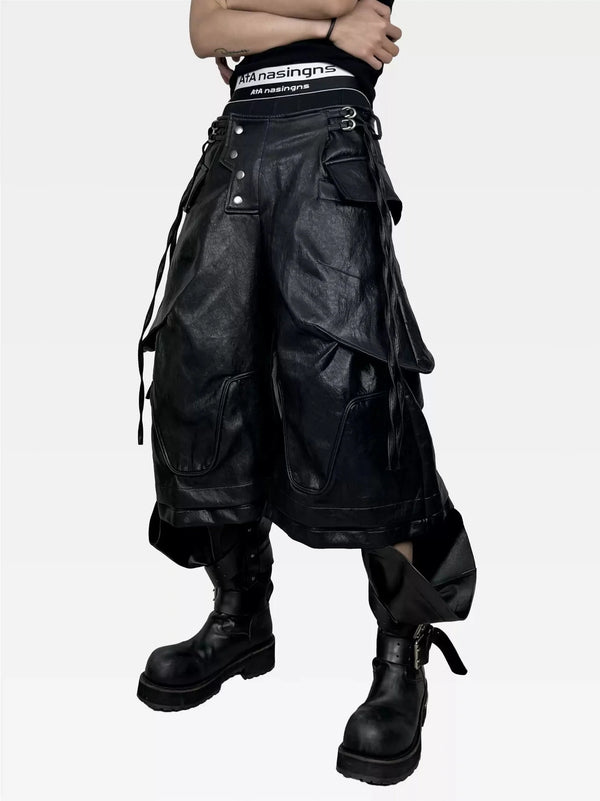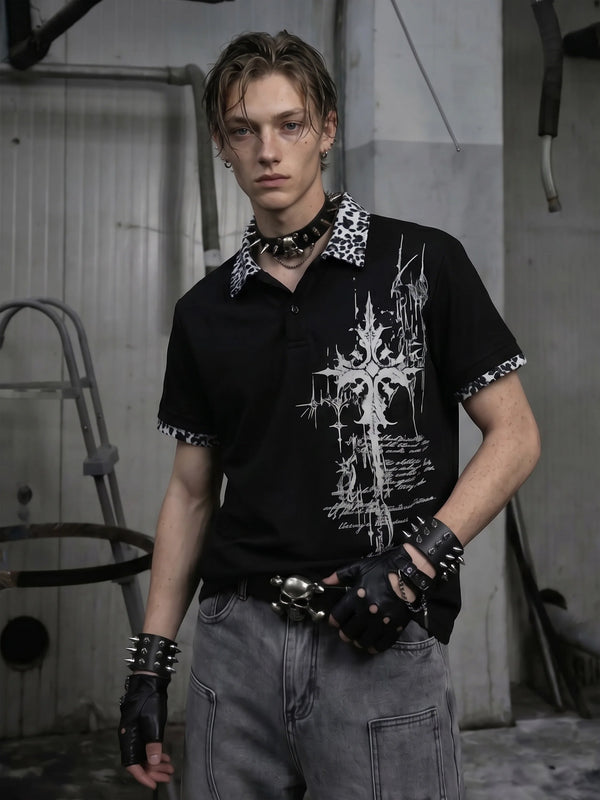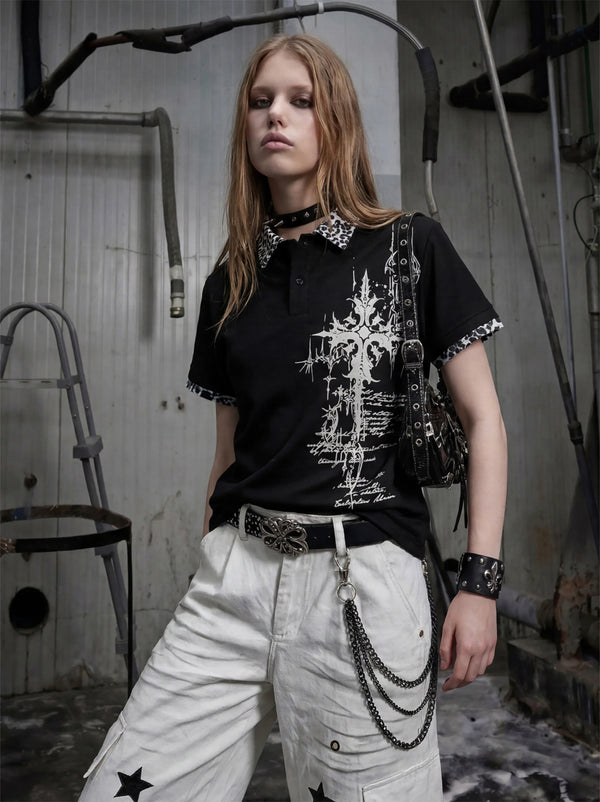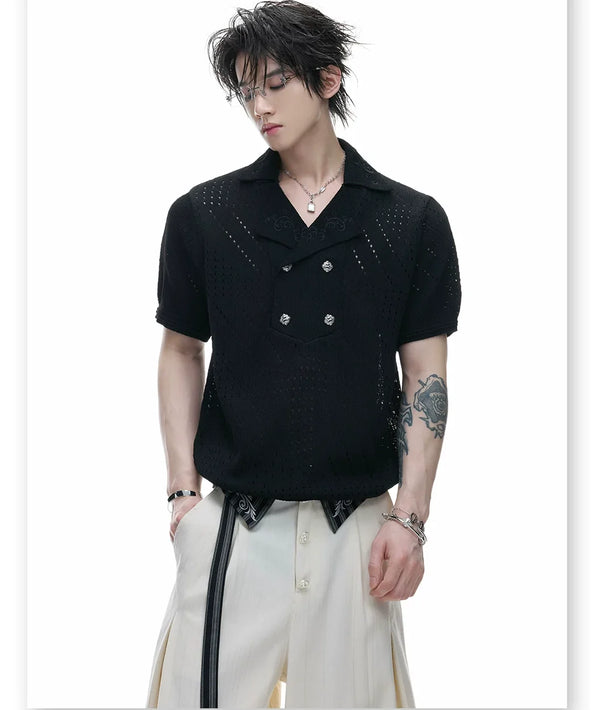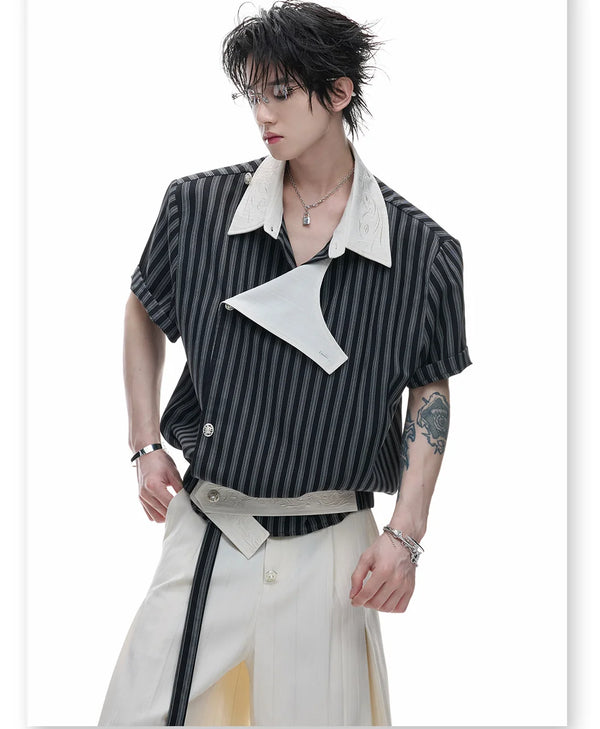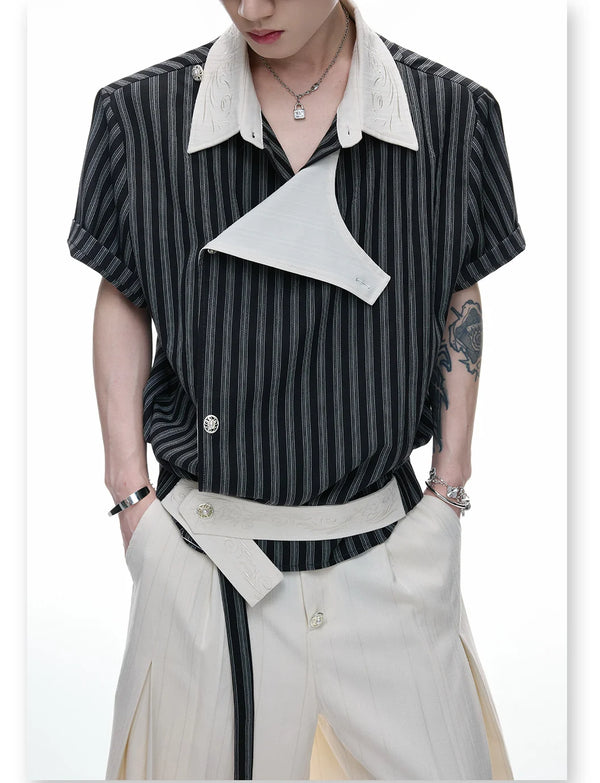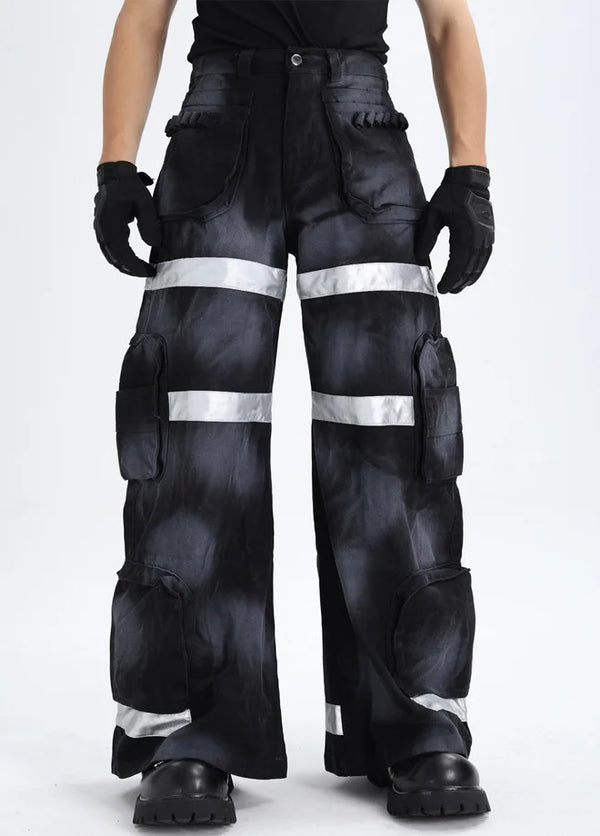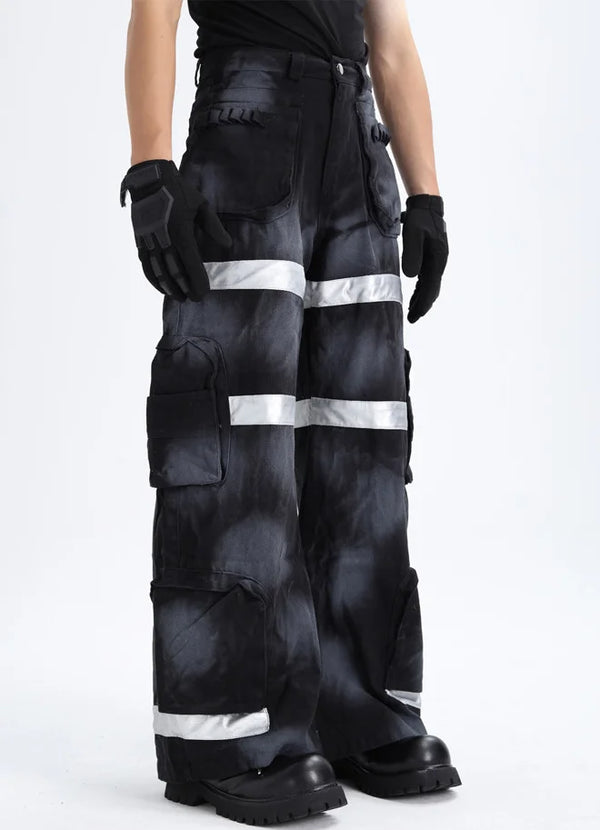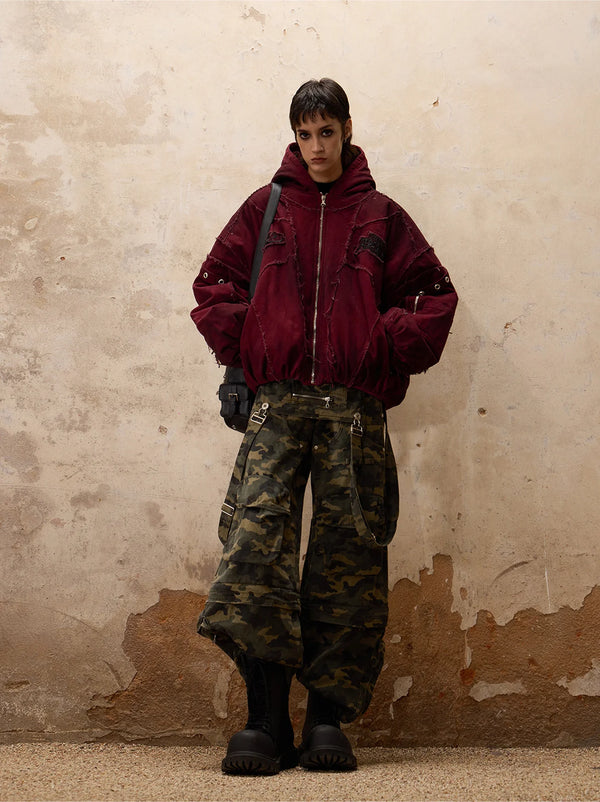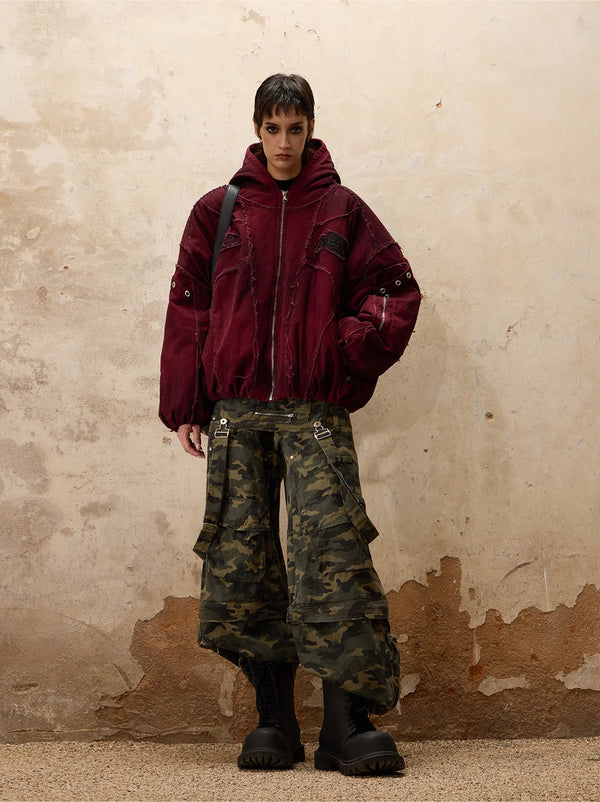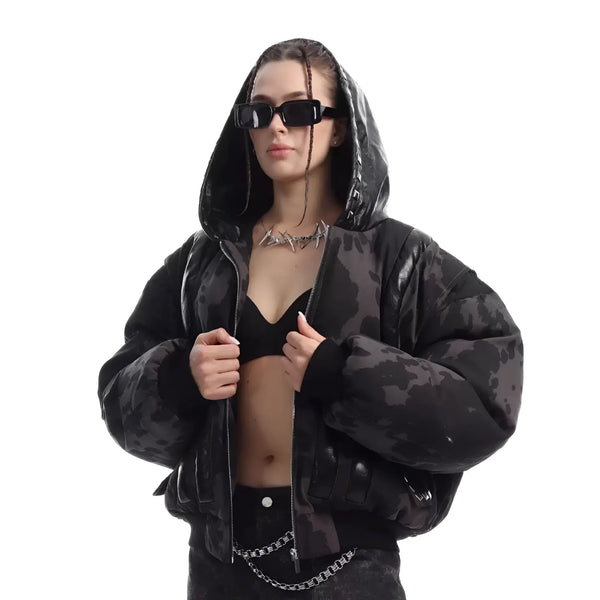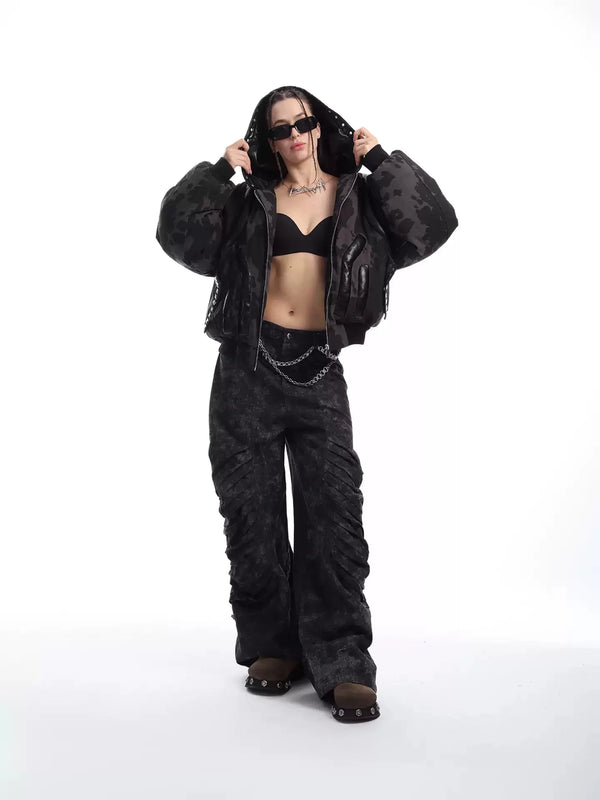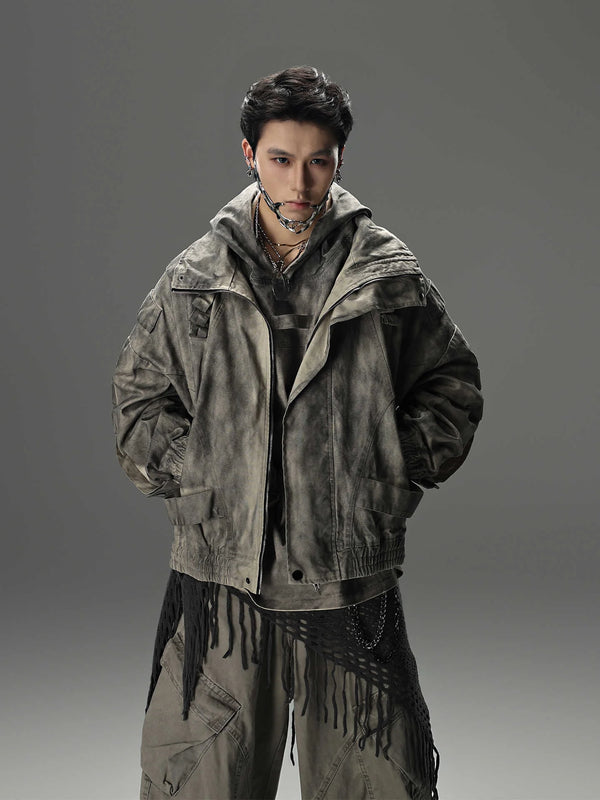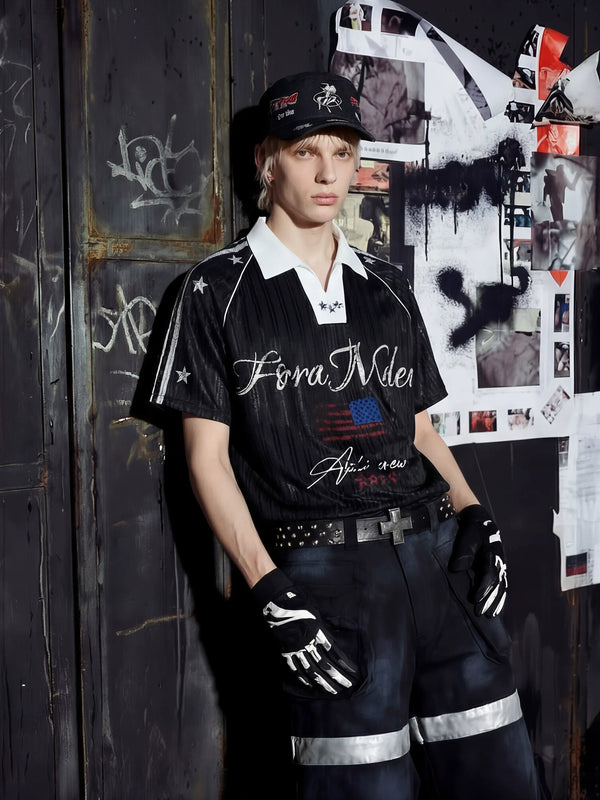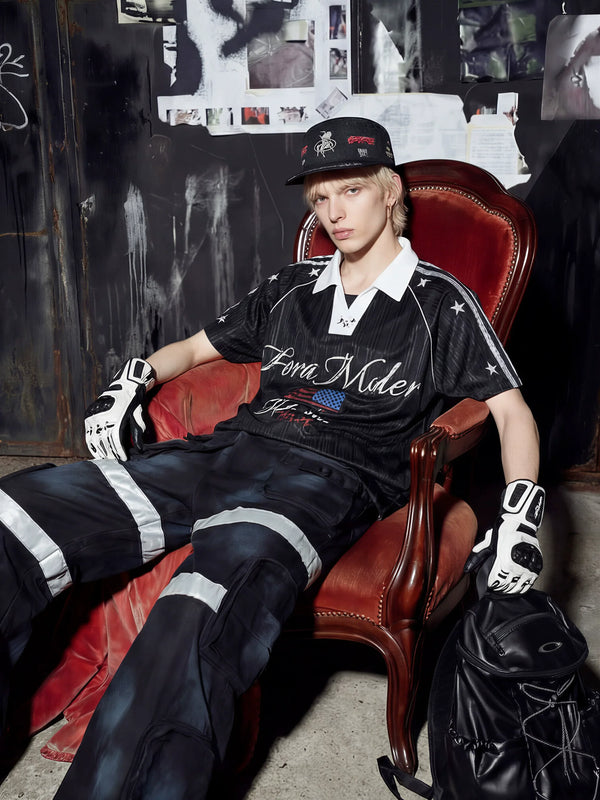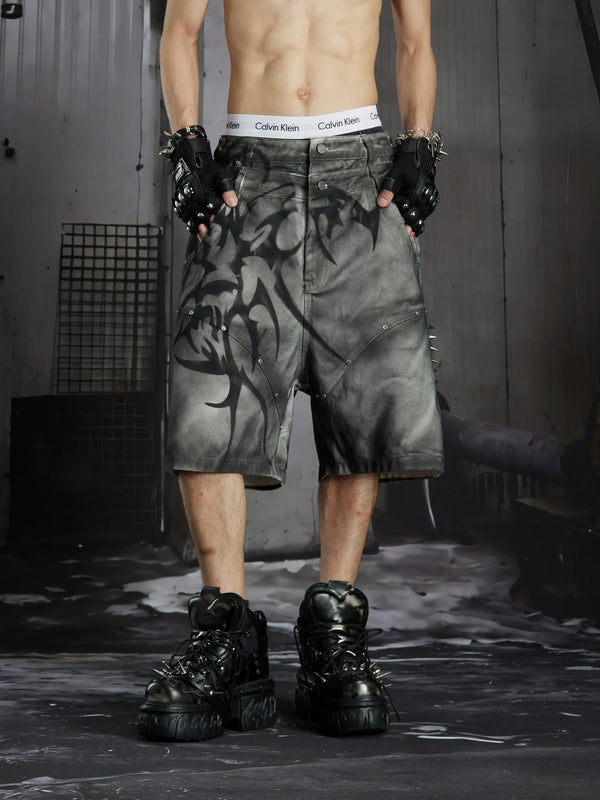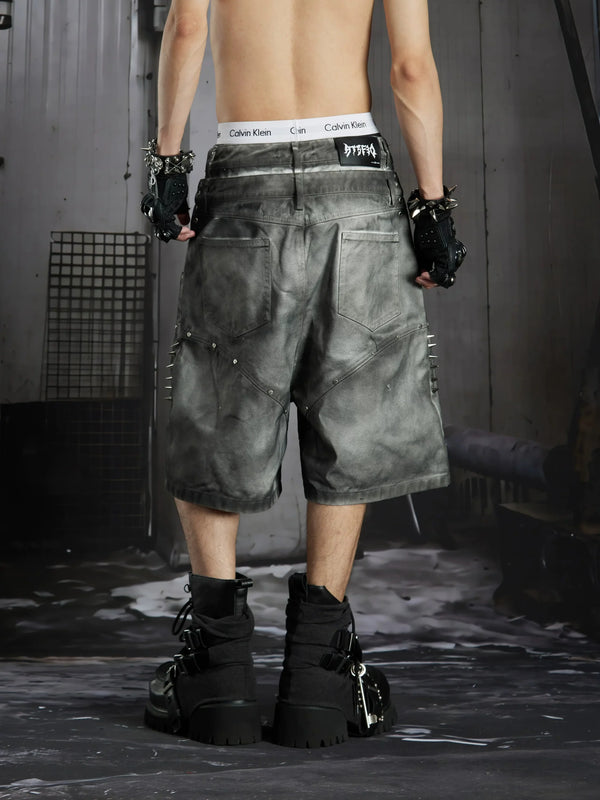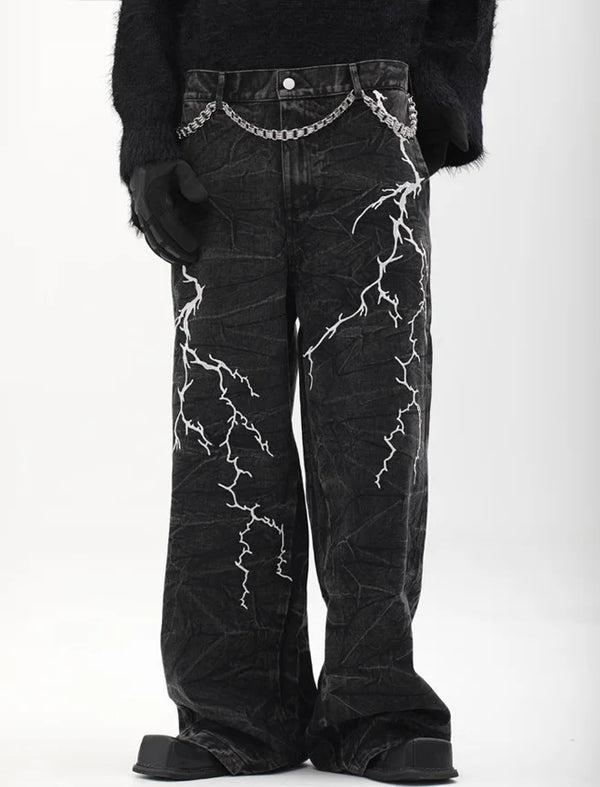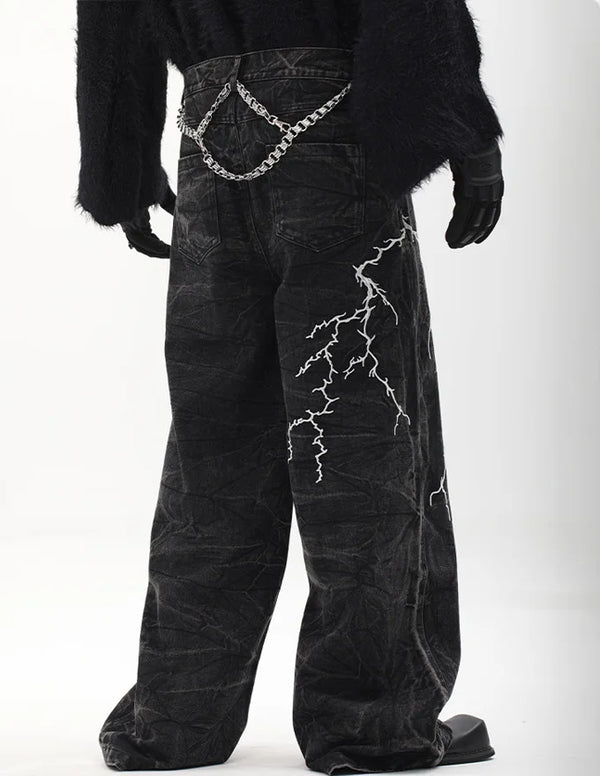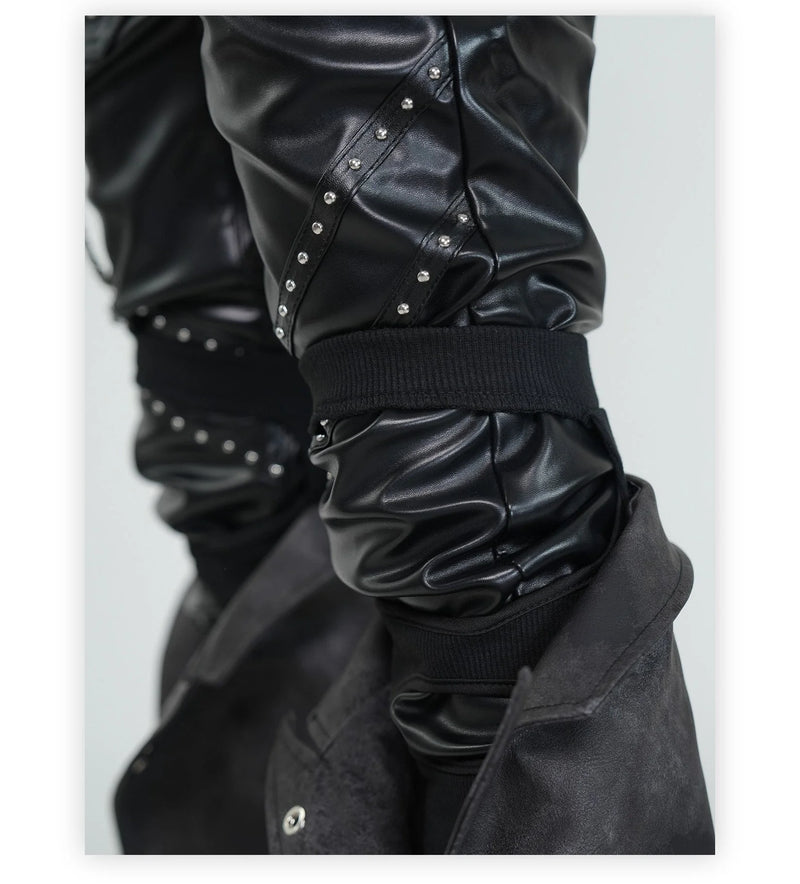
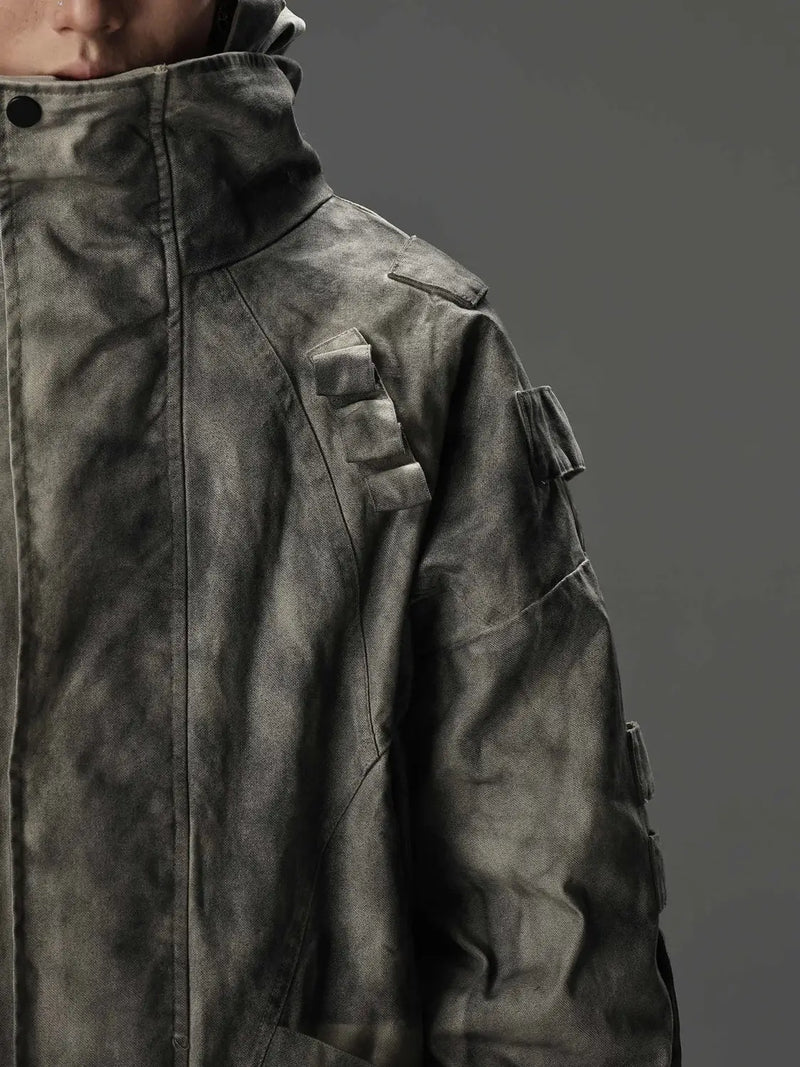

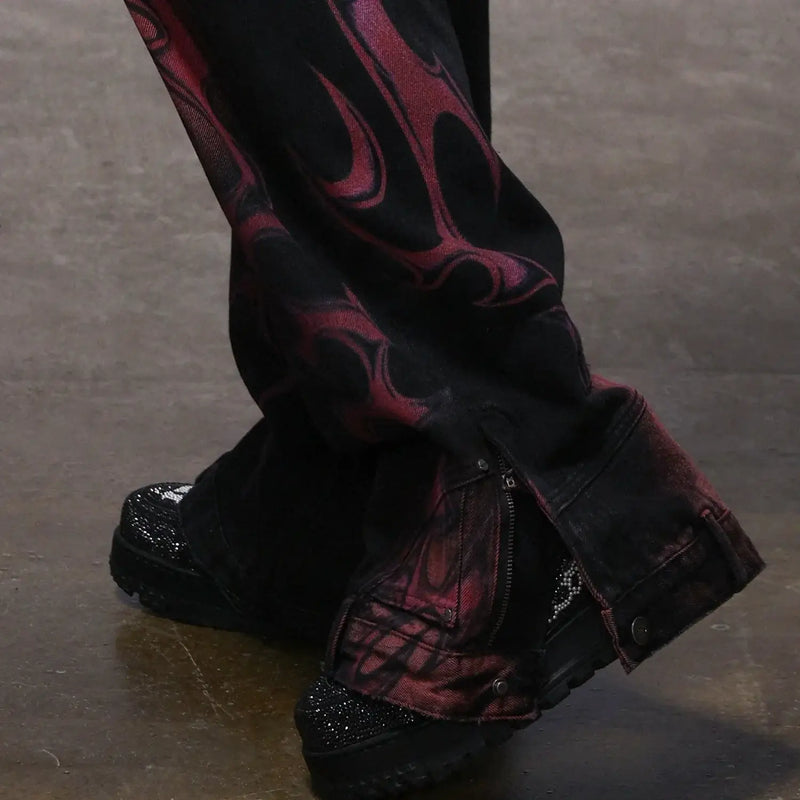

Half of all outfits running under the word "techwear" are costumes. Black cargo pants plus leg straps plus sci-fi sunglasses — and none of it works once the weather turns.
Functional techwear is the opposite: an outfit system built from outdoor engineering that's existed in Tokyo since 1994. Errolson Hugh and Michaela Sachenbacher wrote the blueprint with Acronym — waterproof membrane, considered pockets, freedom of movement under tension. Cyberpunk looks are the byproduct, not the point.
Wear techwear without these functional anchors and you're wearing a costume. This guide covers what functional techwear actually is: where it comes from, the five mandatory functions every real techwear jacket has, how the five functional archetypes differ, which brands wrote the code — and the six mistakes that turn an investment jacket into a 200-euro Halloween costume.
What that looks like in a real outfit — compact, in 12 seconds:
Origin
Where does techwear come from — and who invented it?
Techwear has a birthdate: 1994, Tokyo. Errolson Hugh and Michaela Sachenbacher launch Acronym — a label that mixes outdoor membranes with urban silhouettes from day one. Not cyberpunk staging. Outdoor tech for everyday life.
The blueprint came from two sources. First: late-80s Japanese avant-garde — Yohji Yamamoto, Issey Miyake, and Comme des Garçons had already established the asymmetric cut and matte-black vocabulary. Second: outdoor engineering — Arc'teryx in Vancouver had been building waterproof jackets for mountaineers since 1989. Acronym fused the two. The ACR line (Arc'teryx with an Errolson Hugh cut, from 2009) is the public result.
What used to be either outdoor gear or a fashion statement became an everyday piece that's both. Waterproof membrane plus a fitted silhouette. Zip architecture instead of buttons. Reflective tape in invisible places. Fabrics that hold their shape in the rain and don't flap in the wind. The logic is engineering — the look is a byproduct.
Definition
What is functional techwear — the 5 mandatory functions?
Functional techwear is an outfit system built from five fixed functions. When all five are in place, the piece reads as techwear. When three are missing, it's a pair of cargo pants with a print — no matter how many straps are sewn on top.
10k
mm hydrostatic head minimum
5
Mandatory functions
3
Layer logic (Base, Mid, Shell)
0
visible logos
These four numbers aren't decoration. They're the test. A jacket under 10,000mm hydrostatic head is drizzle protection, not a weather layer. Wear techwear without layer logic and you've got an outfit that only works at exactly one temperature. And a visible logo drags the engineering claim into a marketing statement.
Specifically, functional techwear includes:
- Waterproof membrane — GORE-TEX, eVent, Pertex Shield, or a proprietary three-layer laminate. Anything labeled just "water-resistant" holds up against drizzle, not rain.
- Taped seams — every seam sealed on the inside with seam tape. Without taping, even the most expensive membrane is useless, because water gets in through the needle holes.
- Considered pocket architecture — sealed waterproof on the inside, zip garages on the outside, hand pockets angled instead of horizontal (so the backpack strap doesn't get in the way).
- Freedom of movement under tension — underarm gussets, pre-shaped elbows, pants with a crotch gusset. A techwear jacket that rides up when you raise your arms is a fashion jacket with tape on it.
- Modular layers — a detachable hood, a zip-in liner, sleeves that disappear via zipper. The system replaces three pieces and adapts to the weather without you changing clothes.
If you're missing two of these five points, it's inspiration, not a functional piece. And there's one rule that holds all five together:
5 archetypes
The most iconic techwear looks — the 5 functional archetypes
Techwear isn't one look — it's five, overlapping at the edges. Lay Acronym lookbooks, ACG trail tests, Japanese urban editorials, and cyberpunk cosplay side by side, and you see these five types cleanly separated. Each with its own function density, its own fabric logic.
Which of the five fits you depends less on taste than on your daily life. If you get on a bike in the rain five times a week, you need Commuter. If you sleep outdoors three times a month, you need Trekking. If you do neither and just want the look, you're building a costume — no matter how much money you spend.
Fashion vs. Function
Is techwear fashion or function?
Both — but not simultaneously in every piece. Techwear is a spectrum with two poles, and every real techwear piece sits somewhere between them. Pure function without any fashion element is mountaineering gear. Pure fashion without function is a print T-shirt with a cyber motif.
The functional pole: Arc'teryx Veilance, Acronym ACR, NikeLab ACG, Stone Island Shadow Project. Here the membrane is the main event, the cut just the vehicle for it. You can tell because the pieces work without a glossy photo — they're recognizable in a drying room, not just a lookbook.
The fashion pole: Y-3, A-COLD-WALL*, large parts of Nike Sportswear under the ACG label. Here the cut is the main event, function a bonus. You can tell because the pieces lose meaning without staging — the camera does part of the work.
Functional techwear, as we use the term in this guide, sits clearly on the first pole. Fashion is allowed — the cut can be significant, the silhouette can carry charge. But if the piece fails in real weather, it was a styling exercise, not an outfit.
Brands
Techwear brands — which labels wrote the code
Techwear didn't originate as a marketing invention. It's a composition from the intersection of outdoor engineering and Japanese avant-garde — and the eight or nine labels that wrote it have kept resurfacing in every serious techwear setup for twenty years.
The brands that wrote the functional techwear vocabulary — chronologically:
- Acronym (Errolson Hugh, from 1994) — the original. Three-layer membrane jackets with asymmetric zippers, modular hoods, and the famous magnetic closure system. The blueprint for everything that runs as techwear.
- Arc'teryx Veilance (from 2009) — the quiet Veilance branch of the Vancouver outdoor brand. GORE-TEX in a civilian cut, with no visible functional aesthetic. If you want to wear techwear in a suit-and-tie environment, your search ends here.
- Stone Island Shadow Project (from 2008) — Stone Island's experimental line, made in collaboration with Errolson Hugh. Reflective fabrics, heat-sensitive dyes, cargo architecture. The bridge between Italian sportswear and Acronym logic.
- NikeLab ACG — All Conditions Gear, launched in 1989 as Nike's outdoor sub-line. Errolson Hugh was a designer here too (2014-2017). Trail boots, cargo pants, GORE-TEX sneakers for the city.
- Y-3 (Yohji Yamamoto x Adidas, from 2003) — the fashion share of the techwear spectrum. Avant-garde cut with sport performance. More statement, less function — but the entry brand for many.
- Maharishi (Hardy Blechman, from 1994) — a British brand with camouflage-print authority and a pacifist-tactical code. Cargo pants with reflective lining, snopants with stretch detailing.
- Outlier (Brooklyn, from 2008) — the commuter brand. Wool-tech fabrics, bike-optimized pants, rain-tested tailoring. For anyone who wants techwear without the cyberpunk look.
- Vollebak (London, from 2015) — the most experimental brand on the list. Solar-reflective fabrics, biodegradable jackets, carbon tech. More research than fashion — but pure function at its core.
If you want to build a functional techwear setup without paying designer prices, look for these brands on the resale market, or at direct-to-consumer labels that translate the vocabulary competently.
Category · Outerwear
Techwear jackets — hardshell, softshell, trench, bomber
The jacket carries the techwear outfit. It's the largest surface, the primary carrier of membrane logic, the piece where you see the engineering quality immediately. This is where it's decided whether your setup becomes functional techwear or a cargo look with a print.
Four jacket types work in techwear: hardshell (three-layer membrane, for real weather), softshell (two layers, more breathable, for dry cold), tech trench (long cut, the commuter default), and hooded bomber (short cut, the tactical and cyber-heavy iteration). All of it with taped seams and at least 10,000mm hydrostatic head — otherwise it's not a jacket, it's a layer promise.
If you don't own a membrane jacket yet, that's your first move. Everything else in the outfit depends on it.
Category · Bottoms
Techwear pants — cargo, drop-crotch, wide jogger
The pants carry function from below. A techwear jacket without tech pants underneath is half a setup — waterproof on top, jeans below, soaked through at the legs within two minutes of rain. Three pants types work: multi-pocket cargo (Tactical and Trekking), drop-crotch pants (Urban-Stealth and Cyber-Heavy), and wide joggers with cuff tape (Commuter, because they're mobility-friendly and quick-drying).
Techwear bottoms that actually work are made from stretch fabric, quick-drying, with a crotch gusset for freedom of movement, and pockets that can hold more than just a key. Avoid anything that only has the look of a cargo pant (sewn-on fake pockets, no stretch, no tape).
If you want a pair of pants that fits every one of the five archetypes, get a tactical cargo with stretch and an elastic waistband. That's the common denominator.
Category · Base layer
Techwear shirts & tops — the base layer
The shirt is the base layer in the three-layer system. Whatever goes over it (mid-layer fleece, shell jacket) is only as good as what sits directly on your skin. In functional techwear, the base layer shirt works with a merino blend, a polyester wicking mix, or a hybrid-constructed tech fabric — cotton is out, because it holds sweat and doesn't dry.
Three top types work: long-sleeve with thumb loop (a functional detail that keeps your hand warm and the sleeve in place), zip hoodie with inner mesh (a mid-layer hybrid), and tactical shirt with shoulder detailing or patch architecture (the Urban-Stealth iteration).
If you're looking for a top that works for all five archetypes, get a black zip hoodie with inner mesh and a thumb loop. That's the common denominator.
Category · Bags & Boots
Techwear bags & boots — the carrying system
The carrying system carries more weight in techwear than in any other style. In streetwear, the bag is an accessory — in techwear, it's part of the function. Roll-top backpack with a waterproof inner compartment, sling bag with MOLLE webbing, tech belt with modular pouches. Any bag with a purpose belongs in. Any bag that's just a print carrier is out.
For boots, the rule is: black, matte, mid to high shaft, with a Vibram sole or comparable grip. Trail runners with a GORE-TEX membrane (for Commuter and Trekking), combat boots with a buckle (for Tactical), leather boots with a side zip (for Urban-Stealth). Sneakers without a membrane are a break in functional techwear — not a style break, a function break.
If you're looking for a bag that fits every archetype, get a roll-top backpack with a waterproof inner liner. Works from the daily commute to a weekend trip.
Styling
How to style functional techwear — the layer logic
Techwear isn't something you stack on top of itself until it looks like enough. It's a three-layer system that works from the inside out: base layer (skin contact, wicking), mid-layer (insulation, breathable), shell layer (weather protection, waterproof). Miss a layer and you miss a function — and the outfit only works in one weather condition.
Techwear isn't "putting on three things." Techwear is putting on three things that together do exactly what a fifth thing in third place couldn't.
— Errolson Hugh, Acronym (sinngemäß zitiert)
Concretely: at 10°C and rain, the Commuter wears base long-sleeve plus softshell plus hardshell. At 18°C and dry, just base plus shell. At 4°C and wind, add a fleece mid-layer. The layers stay the same — only the number changes. That's the whole point of the architecture.
We didn't invent the layer logic — it comes from alpine mountaineering. If you want to read more about how the individual functions interlock, here are our detail articles:
Seasonal
Techwear in summer vs winter — what actually breathes
Functional techwear isn't a winter-only style. In summer, the system works differently — the shell layer disappears or gets replaced by a soft windbreaker, the mid-layer drops out, and the base layer switches from merino to pure polyester wicking fabric. The three-layer system becomes a one-layer system, and the function shifts from weather protection to sweat management.
In winter, the whole architecture comes back. Hardshell as the shell, fleece or down puffer as the mid-layer, merino long-sleeve as the base. If you only wear techwear in winter, you've understood that the function is most visible there. If you wear it in summer too, you've understood that the function is there all year round — just distributed differently.
What the switch between summer and winter setup actually looks like — in short:
Mistakes
The 6 most common techwear mistakes — what NOT to do
Functional techwear isn't hard to build — but it's easy to break. Six mistakes show up in 80 percent of failed outfits, and all six are avoidable once you've named them.
Getting started
How to get started in functional techwear — the first 4 pieces
You don't need twenty tech pieces to wear functional techwear. You need four that will show up in 80 percent of your outfits. Everything else builds around them.
In order: a hardshell jacket with taped seams (your biggest investment — lasts ten years with good care, if you don't buy cheap). A tactical cargo pant with stretch. A black zip hoodie as the mid-layer. Trail runners or combat boots with a membrane. A waterproof roll-top bag as an optional fifth — but only once the first four are locked in.
Outfits for real
Functional techwear in real life — what it looks like on the street
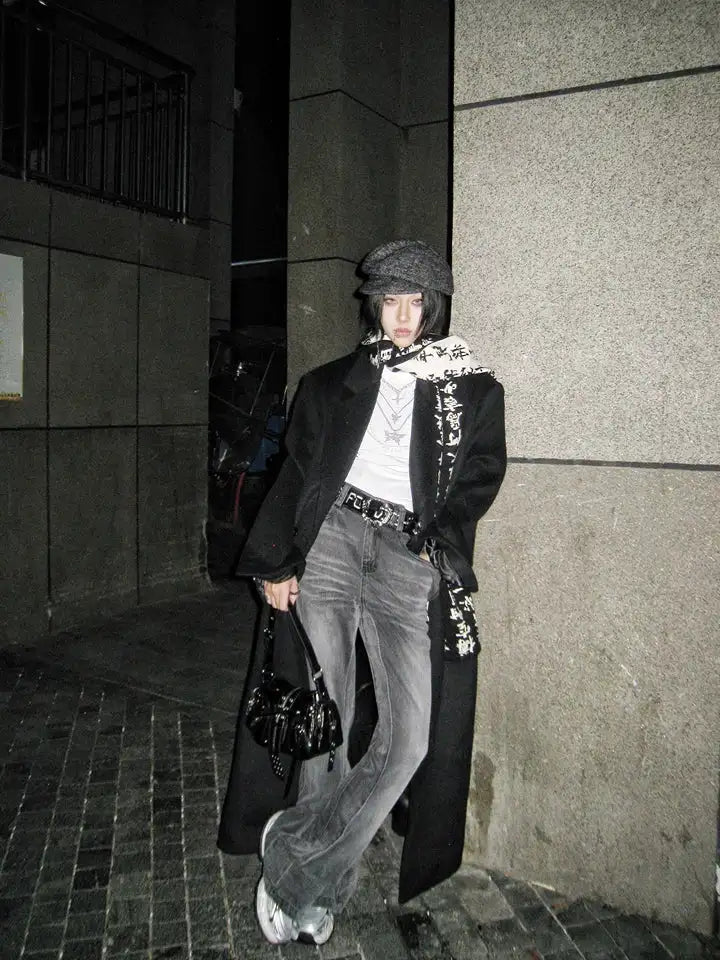
Before you build your own setup, look at how others wear it. The five archetypes from above look different on the feed than in lookbook photos: dirtier, more worn, less perfect — and that's exactly why they work. Real-life techwear has rain marks, worn zipper pulls, and boots that don't look fresh out of the box.
This is the fastest way to check whether a specific archetype fits your daily life — before you spend the money.
To close
Techwear is engineering — not a trend, not a costume
If you remember one thing from this guide, make it this: functional techwear works through function, not looks. Understand the function, and you can build a hundred outfits for every kind of weather from eight pieces. Buy just the looks, and you'll have a closet full of cyberpunk cosplay and still end up with wet legs in the rain.
The whole logic of this guide reduces to one sentence:
The rules have been stable since 1994 and will stay that way — as long as people have to commute, sleep outdoors, or simply want to get to work dry. You don't have to wait until you know every membrane spec by heart. Start with the one archetype that fits your weekly reality.
And that's the point: functional techwear reads like an engineering textbook in theory, but it doesn't feel like one in practice. Once you've got the code down, every further setup is a variation on the same building blocks — base, mid, shell — not a new invention.
FAQ
Frequently asked questions about functional techwear
The questions we often get by DM and email — short, clear, no detours.
What does techwear mean?
What is meant by techwear clothing?
Is techwear fashion or function?
Where did techwear originally come from?
Is the site Techwear Club trustworthy?
What does the techwear community on Reddit in Germany say?
Which boots go with functional techwear?
Do techwear bracelets actually work, or is that just for show too?
What do you think?
Tell us on @fuga_studios
About the author
Philipp Fuge — Founder · Berlin
Founder of Fūga Studios. Writes the journal himself. Berlin · Shanghai · Tokyo · Poznań — four cities, one logic.