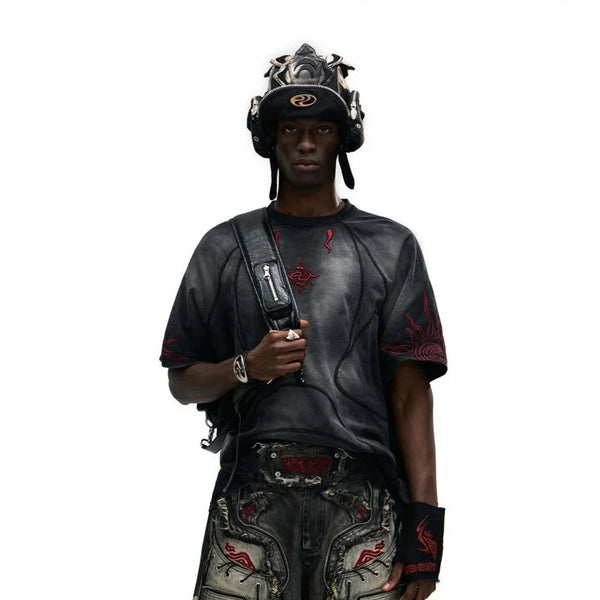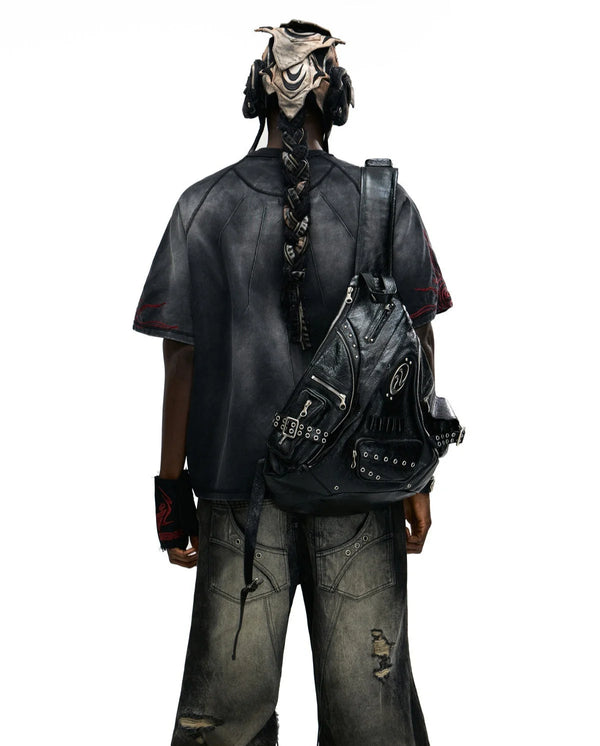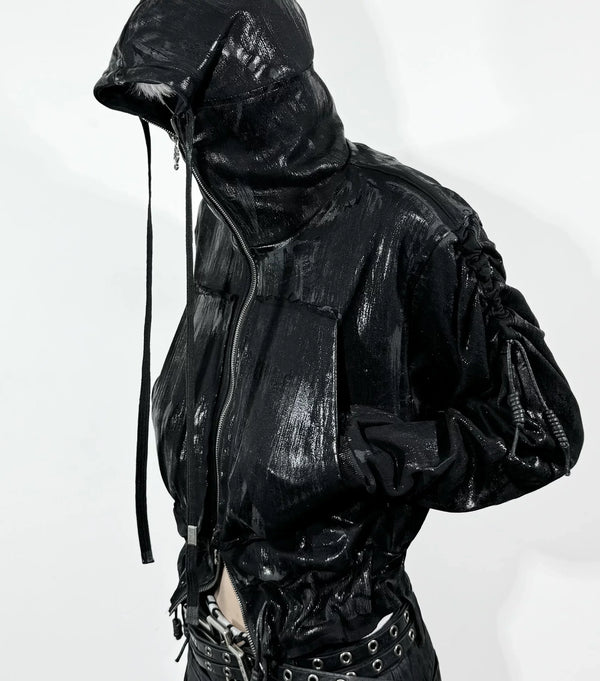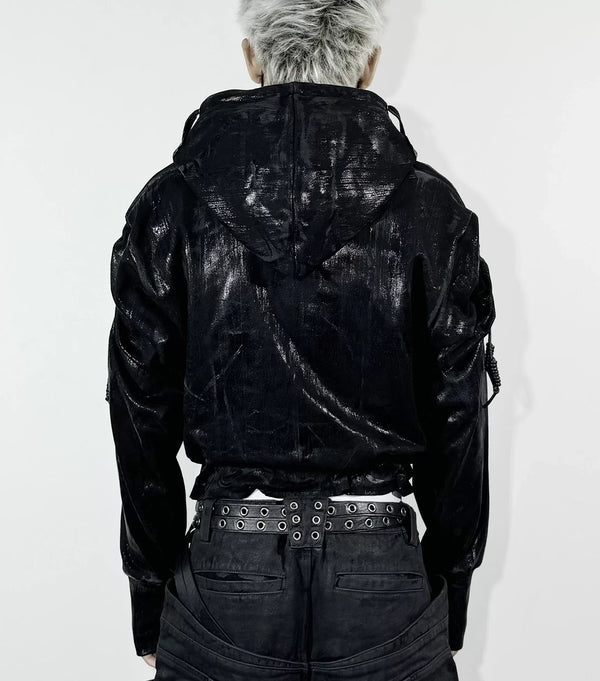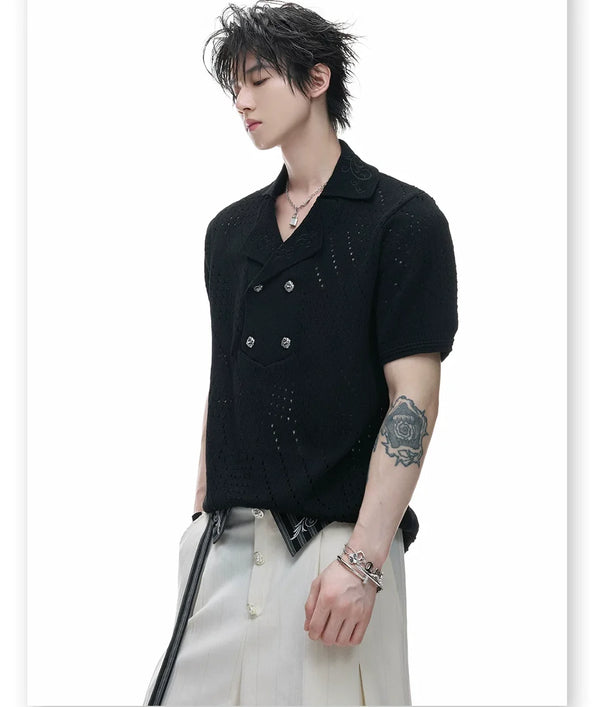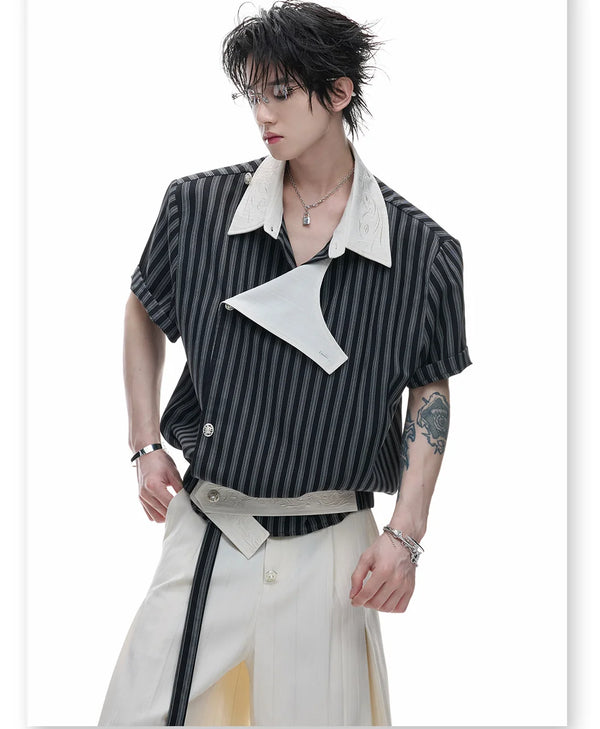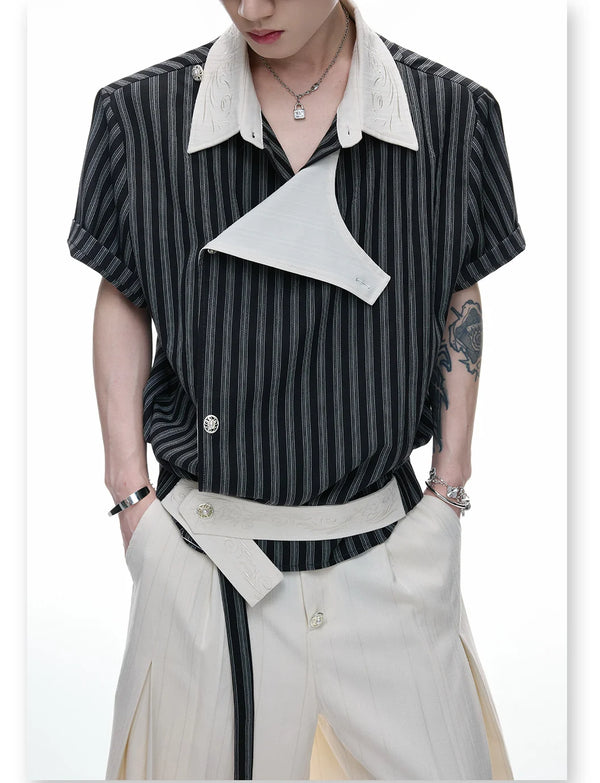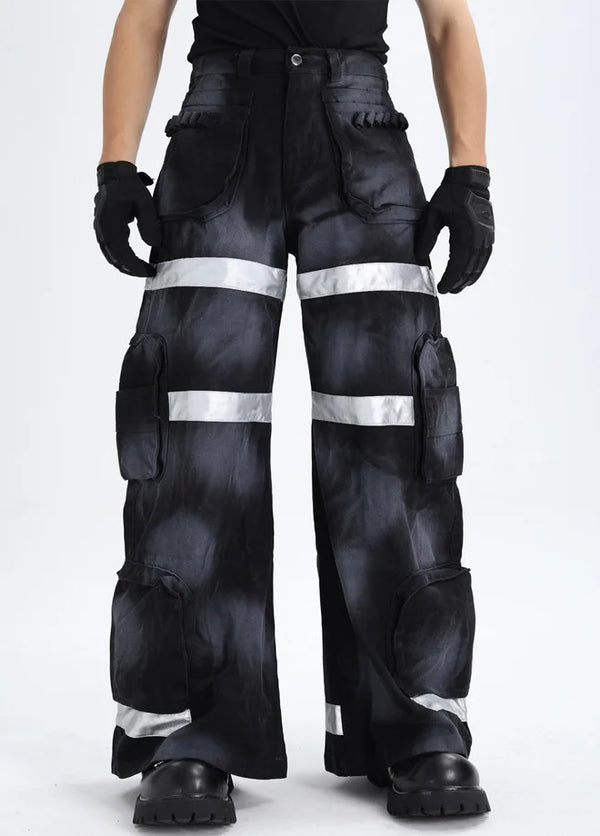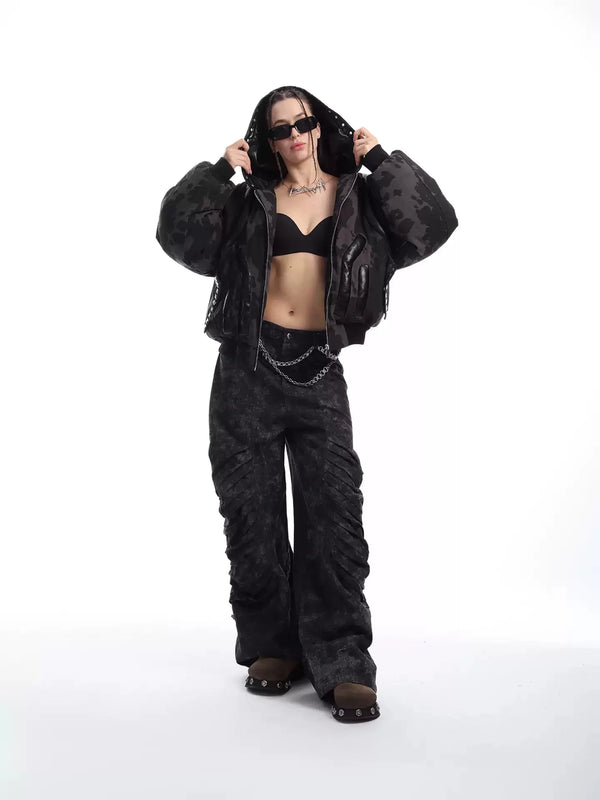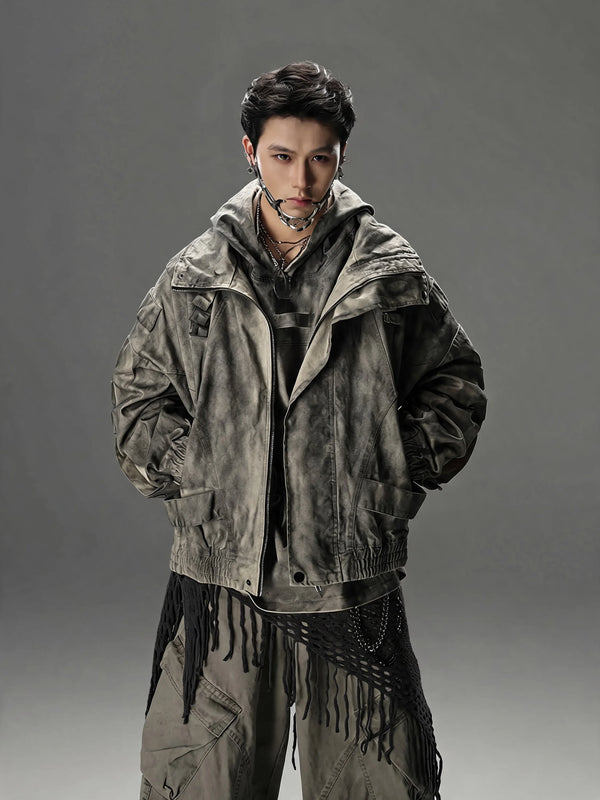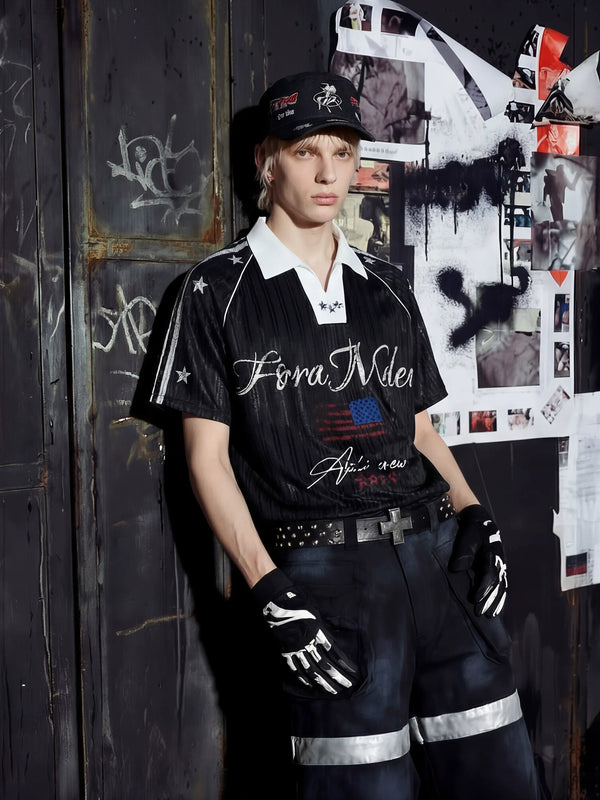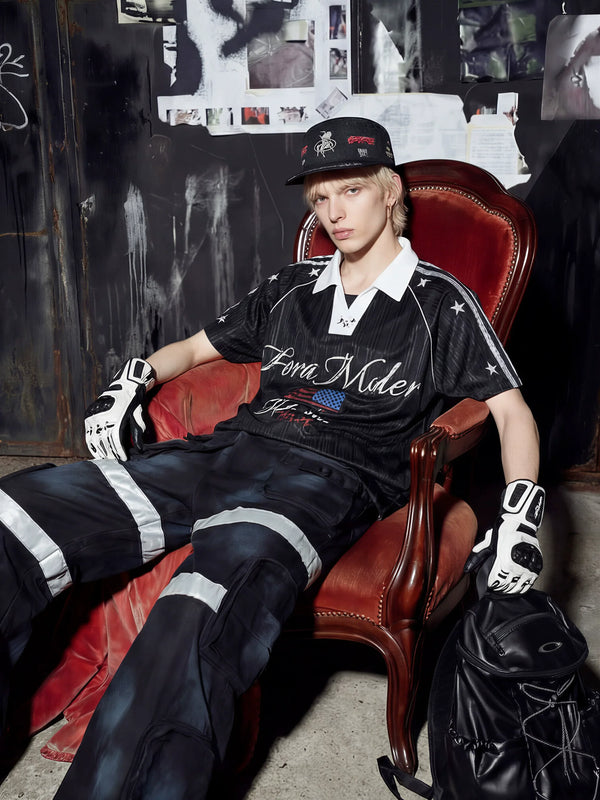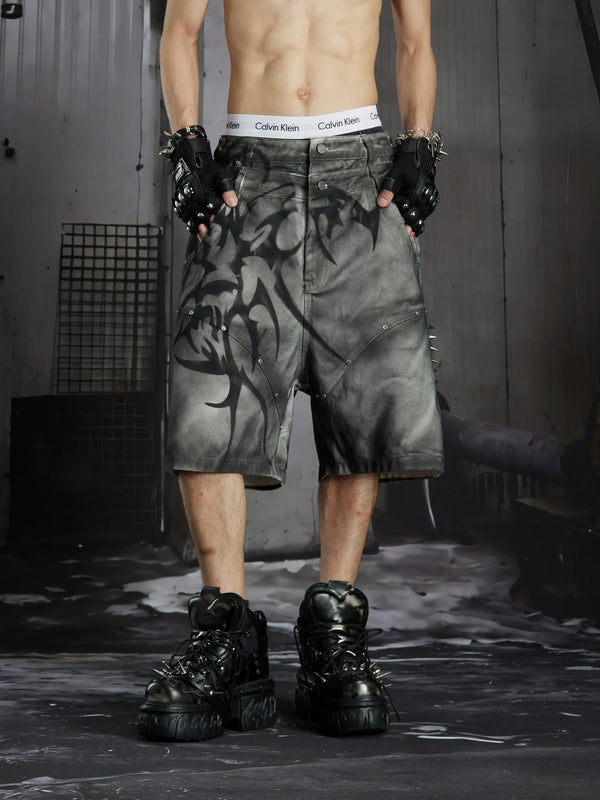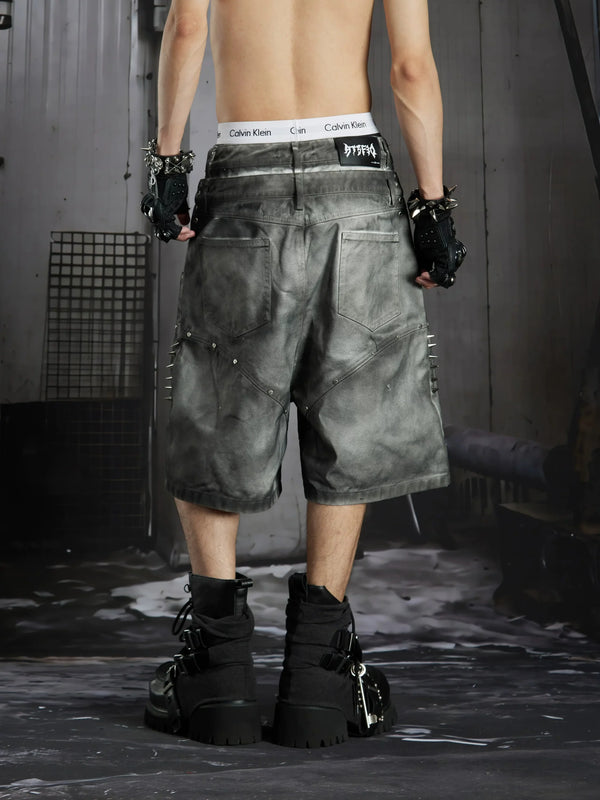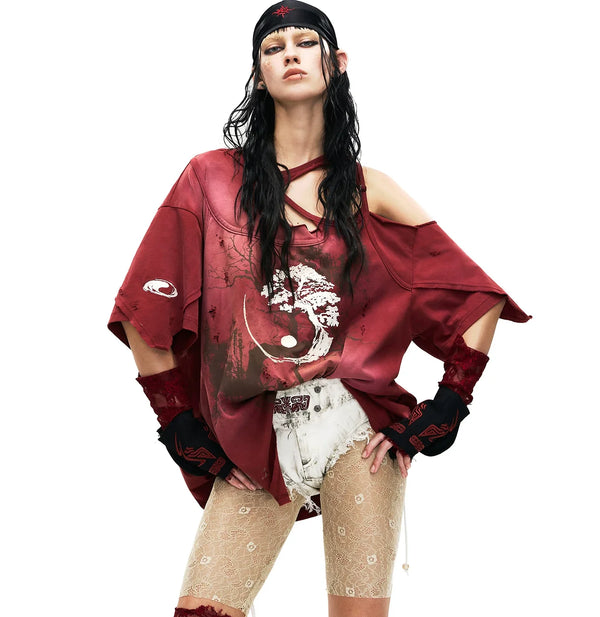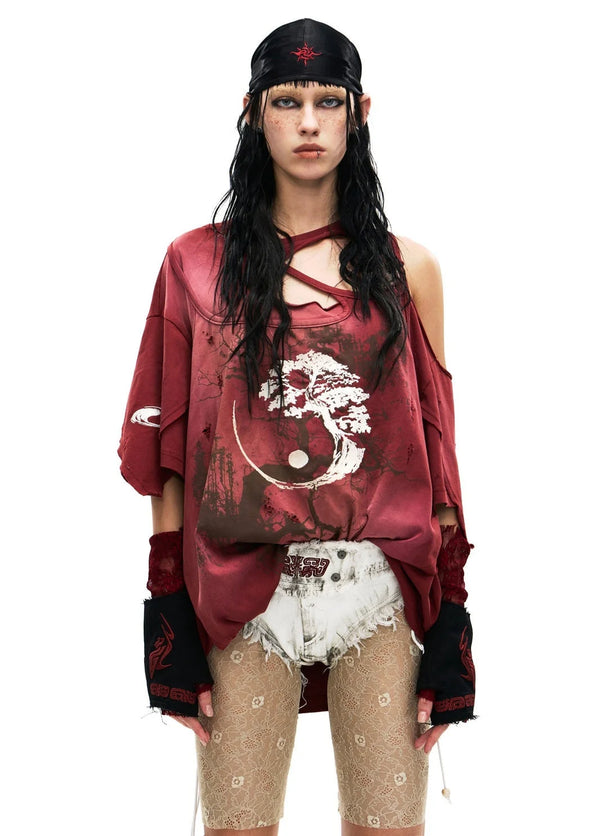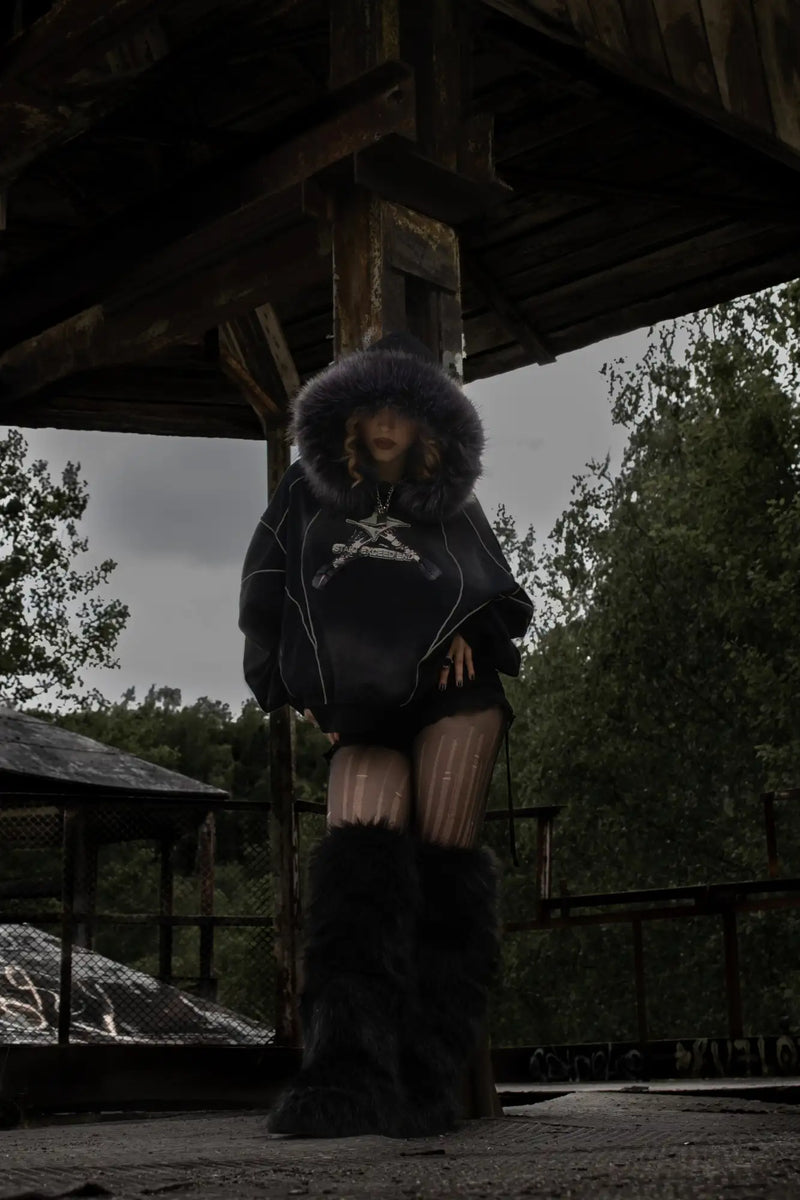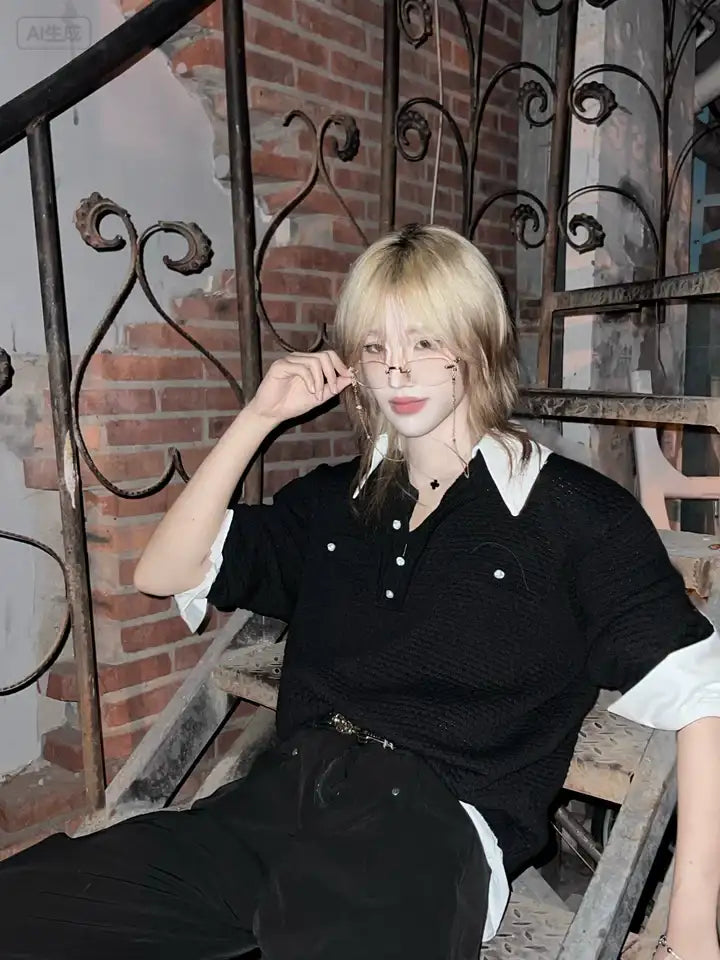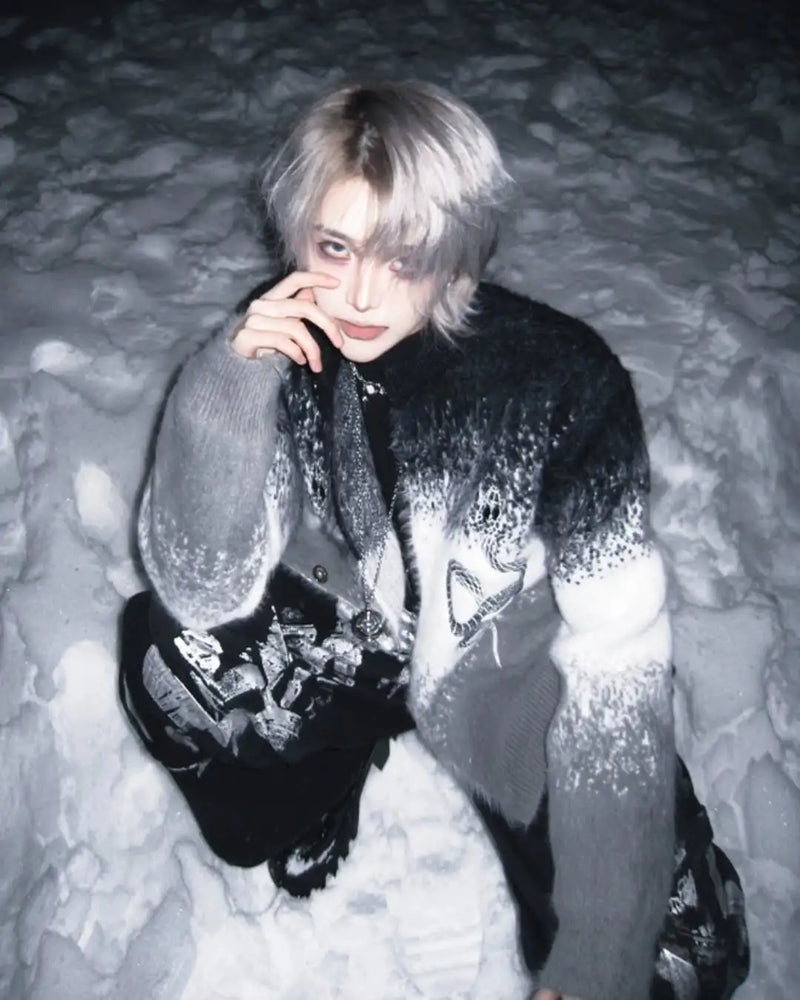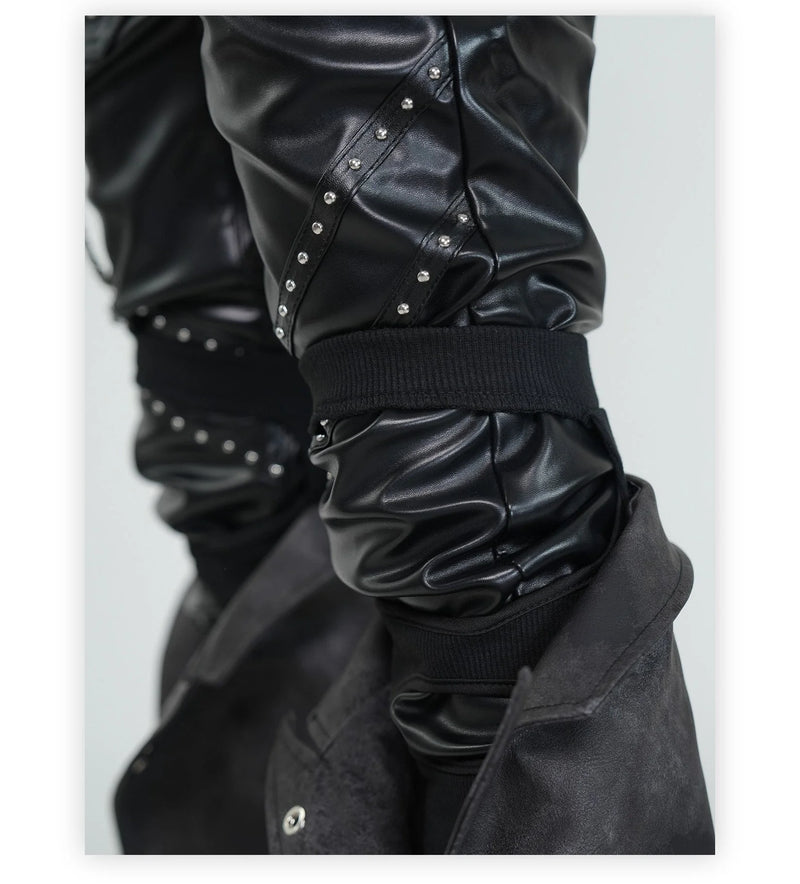
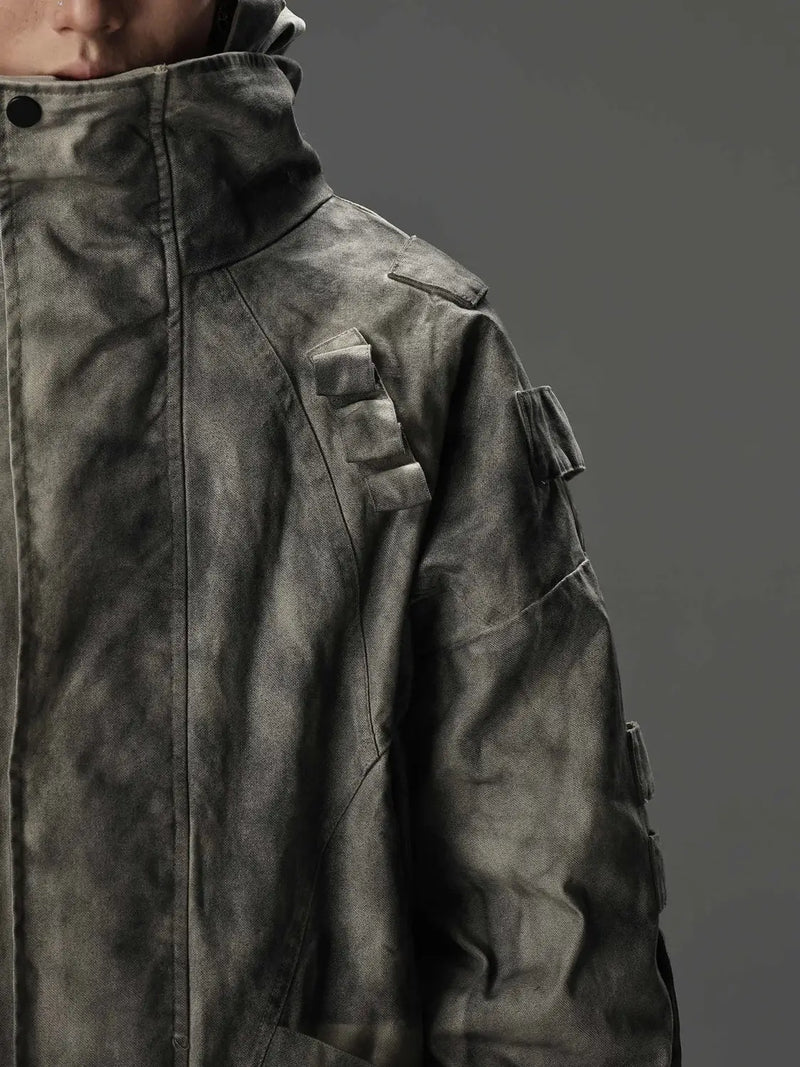
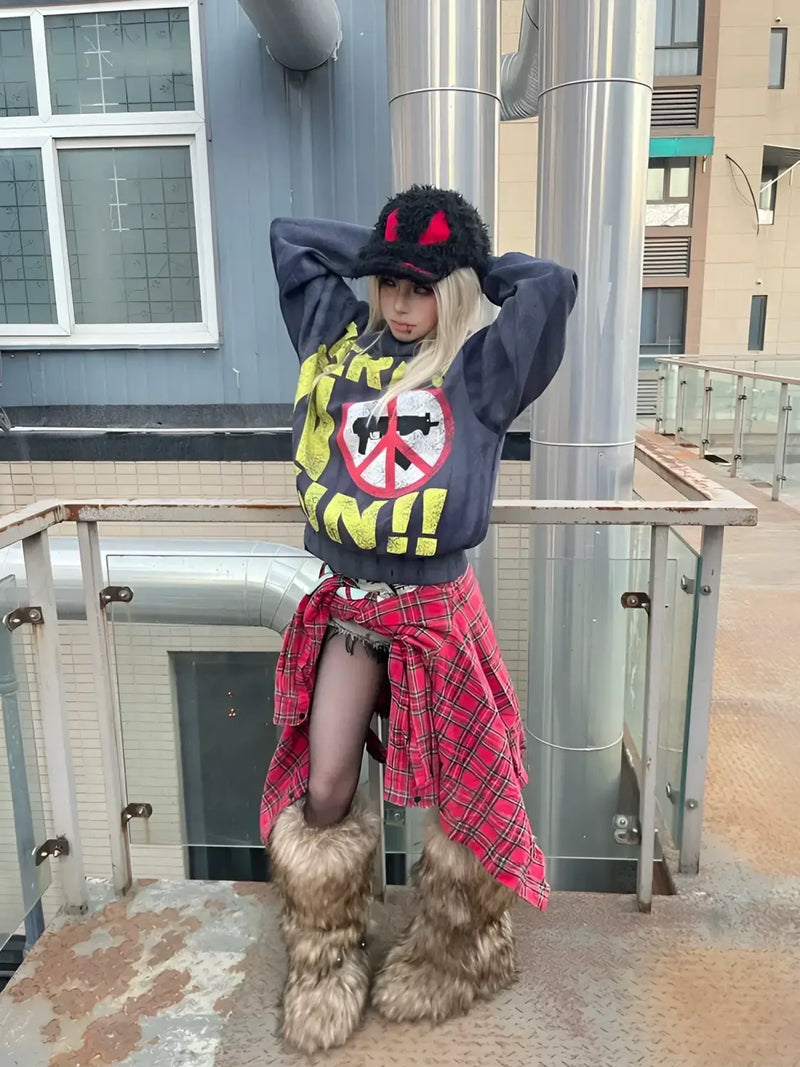
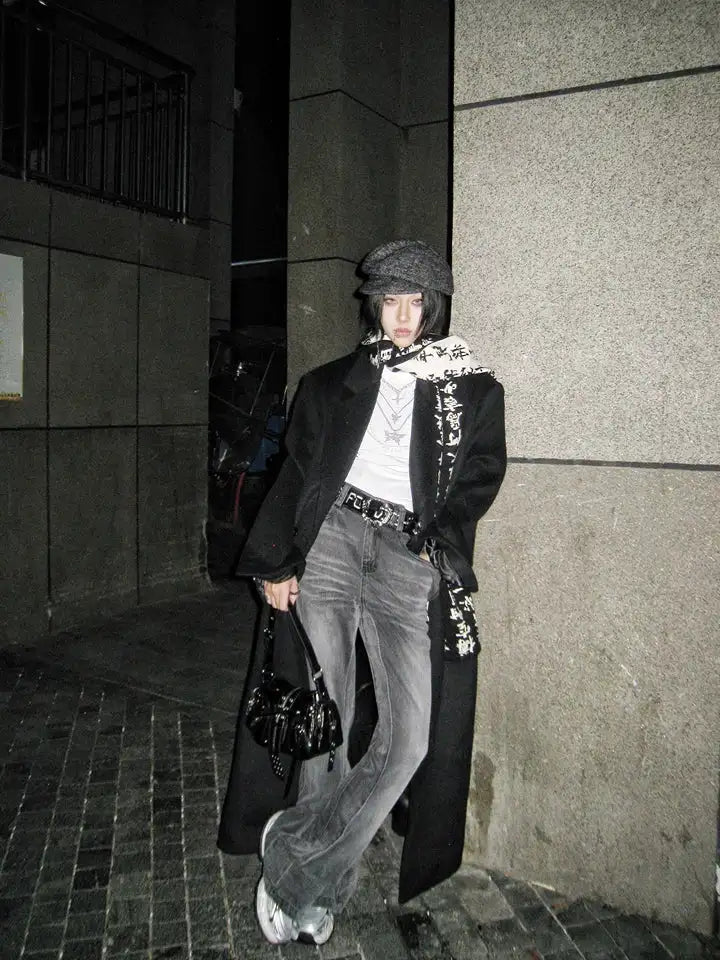

„Grunge is grunge.“ Not true. Anyone who says that has never seen side by side how a 19-year-old Pinterest Soft Grunge take from 2014 differs from a Seattle-1991 Mudhoney outfit. Both are black. Both are broken. Both have Doc Martens. And yet one wears like a concert photo and the other like a Tumblr mood board.
Soft Grunge and Hard Grunge are two readings of the same root. Hard Grunge is the original version: Seattle 1991, uncombed, unintended, flannel shirt over a T-shirt with a hole, distressed jeans without marketing distressing. Soft Grunge is the internet iteration: Tumblr 2012-2014, lace meets weight, pastel accents deliberately mixed into the dark code, a bit of witch, a bit of Y2K contamination.
Once you work through this guide, you’ll know: which pole fits your everyday outfits, how to spot the difference in a photo in two seconds, how to build every iteration in tops, pants, jackets and shoes — and where the most common cosplay traps sit that tip both poles alike.
How the direct comparison looks on one line — in 12 seconds:
Origin
Where does grunge come from — and where does it split into Soft vs Hard?
Grunge emerged between 1988 and 1991 in Seattle. Nirvana, Soundgarden, Mudhoney, Pearl Jam — four bands, one microclimate. Sub Pop as the label. Flannel shirts weren’t there because they were a style — but because it rains constantly in the Pacific Northwest and flannel is the cheapest thing that keeps you warm. The unintended aesthetic became the marker. That’s Hard Grunge in its original iteration: not staged, but a byproduct.
In 1992-1993 Marc Jacobs put the same vocabulary on the runway for Perry Ellis. The collection got fired, the brand lost the designer — but the style had slipped out of Seattle into the mainstream. Through the 90s grunge stayed music-driven and male-coded. The twist only came in the 2010s.
Between 2011 and 2014 Tumblr built a second iteration. Young users — mostly female, mostly mid-teens — ran the grunge vocabulary through a second filter: lace from Hot Topic, babydoll dresses from vintage shops, purple hair, witch jewellery, mini skirt with ripped tights, skull pendants next to pastel friendship bracelets. That became Soft Grunge — a deliberately softer version that mixes the vocabulary of Nirvana with the mood board of Sailor Moon and The Craft.
Soft Grunge was never a band, but an internet subculture. Hard Grunge was never a style, but a consequence of Seattle weather. Knowing both poles means: knowing what is deliberately staged and what emerged as a side effect.
Definition · Soft
What is Soft Grunge — and what all counts as part of it?
Soft Grunge is the Tumblr iteration of grunge: the same black base tone, but with lace, pastel, shorter cuts and a witch romance foreign to original grunge. Anyone wearing Soft Grunge signals: I know Nirvana, but I translate them through Mazzy Star, Hole and Lana Del Rey.
70 %
Black base
2-3
Pastel accents allowed
2012
Tumblr wave start
3
load-bearing layers
Concretely, that means: a typical Soft Grunge outfit has roughly these four building blocks:
- Crop top or babydoll — tight, short, ideally with lace, bow or mesh detail. Black dominant, but burgundy, baby pink or purple are allowed.
- Mini skirt or ripped skinny jeans — mini skirt in denim or pleated, high on the waist. The skinny jeans aren’t wide but tight — that’s the biggest difference from the Hard variant.
- Ripped tights or knee-high socks — tights with pulled runs, or socks over the knee. The leg becomes its own layer.
- Doc Martens 1460 or platform boots — black, kept clean, worn more as a jewellery piece. Soft Grunge boots don’t look walked-through.
On top of that come accessories that don’t exist in Hard Grunge: choker with pendant (skull, cross, moon), small friendship bracelets, glitter eyeliner, sometimes pastel hair clips. The witch romance is a marker, not a side effect.
Definition · Hard
What is Hard Grunge — and where does the cut to Soft run?
Hard Grunge is what happened organically in Seattle in 1991. Heavy fabrics, darker palettes, visible wear as function and not as decor. Anyone wearing Hard Grunge builds no mood board — they wear what survived two winters and isn’t worn through yet in the third.
90 %
Black / grey / earth
0
pastel accents
1991
Seattle wave start
2-3
worn layers
The Hard Grunge outfit consists of these building blocks:
- Oversized flannel shirt — worn open over a washed-out band T-shirt or long sleeve. Check pattern, red-black or green-black, never pastel. The shirt is the main surface.
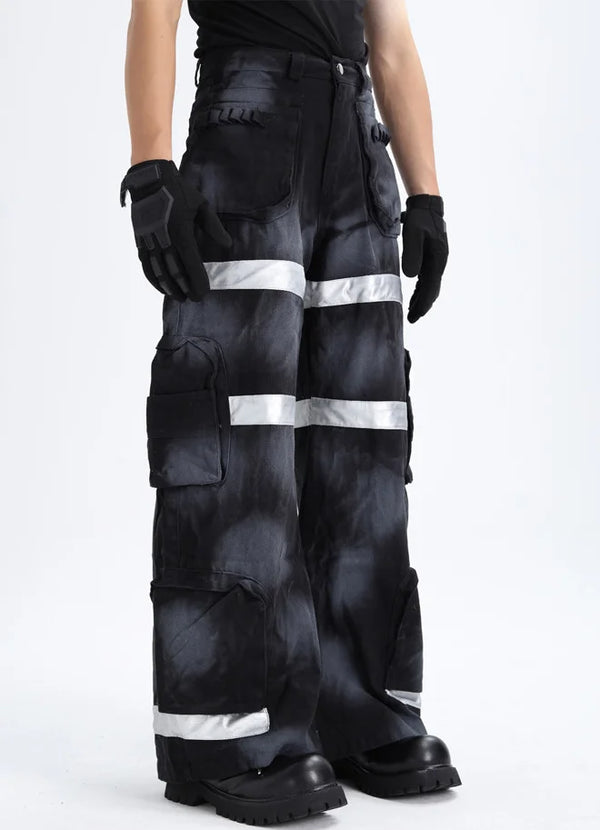
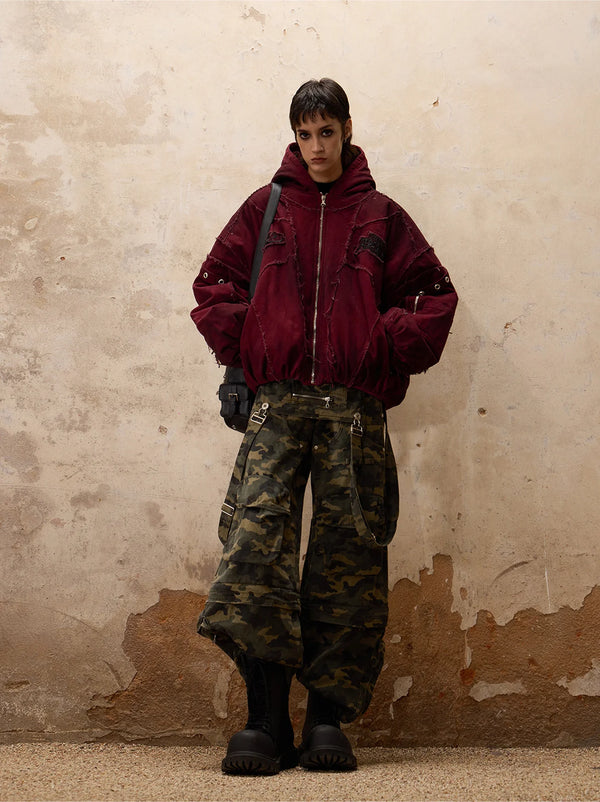
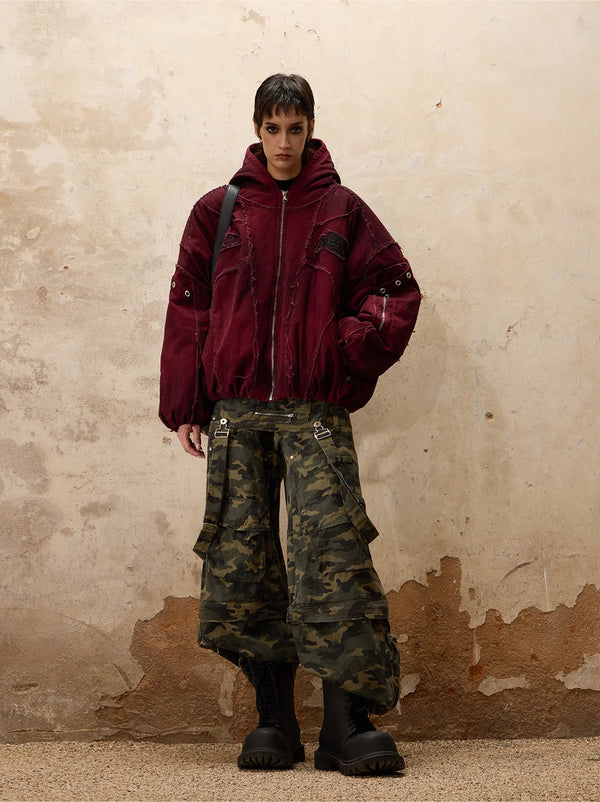
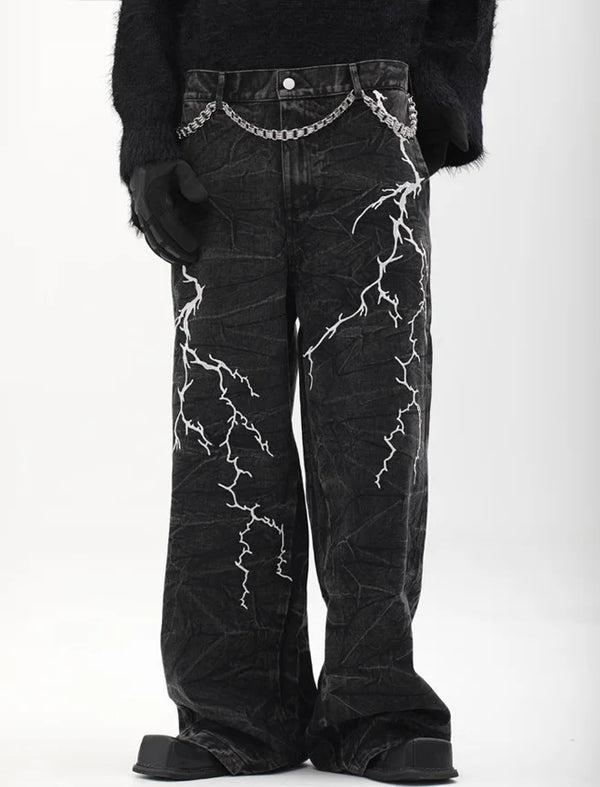
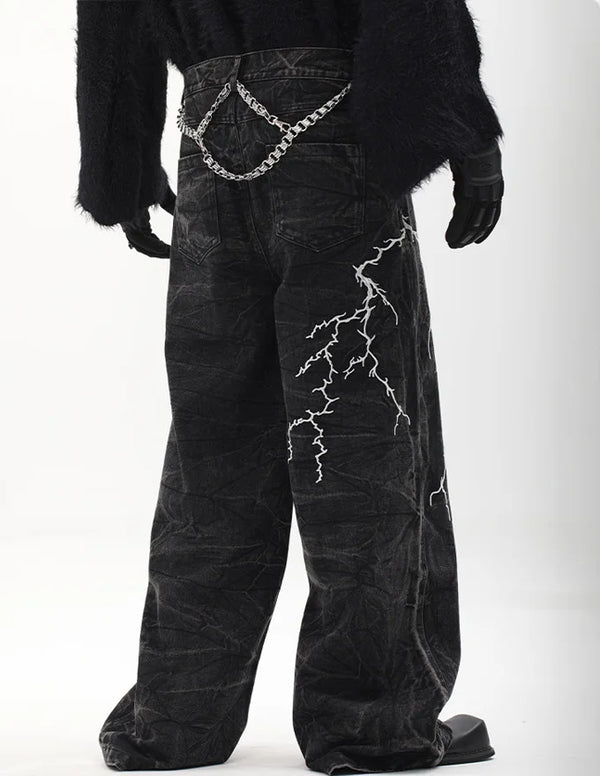
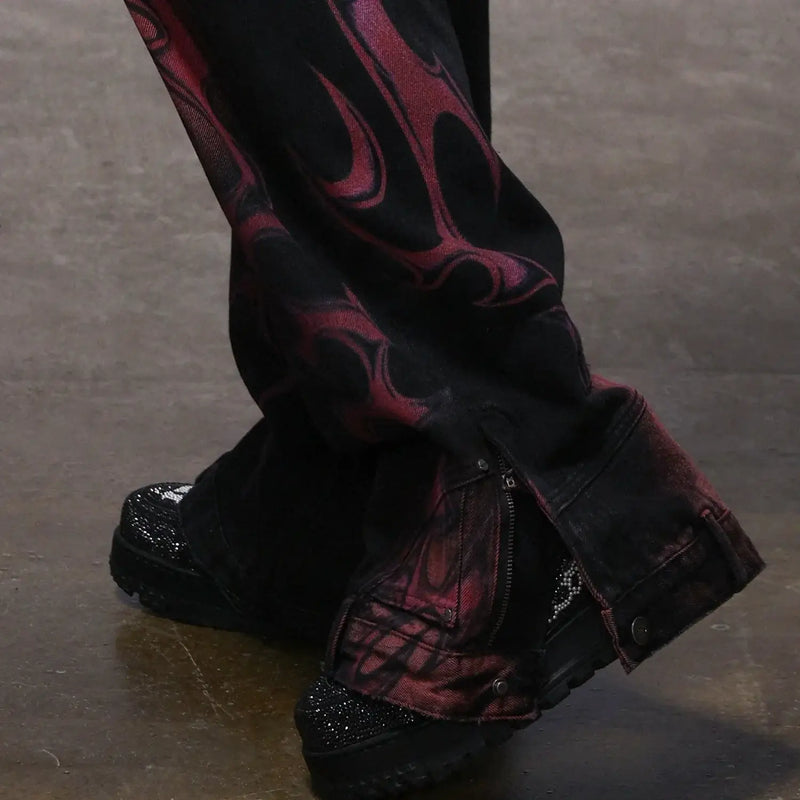
- Distressed wide-leg or bootcut jeans — never tight, always with volume at the lower leg. Holes are no decor but a result of wearing. Bootcut is the historically correct Hard form.
- Beat-up combat boots or Converse — visibly worn sole, crushed shaft, dirty laces. Never freshly cleaned.
- Beanie, trucker cap or uncombed hair — no styling, no eyeliner, no choker. Hard Grunge isn’t done up — it just wears.
The cut to Soft Grunge runs along three points: cut (wide instead of tight), fabric (heavy instead of light), hardware (no jewellery instead of a lot). If an outfit tips all three toward heavy, it’s Hard. If even one axis is light or romantic, it’s Soft or a hybrid.
Direct comparison
Soft Grunge vs Hard Grunge — the 6 axes side by side
Instead of a table: the six axes along which the two poles peel apart. When you see a photo in the feed and don’t know what it is, check in this order — usually axis number one already decides.
Brands & Bands
Which bands & brands write Soft Grunge vs Hard Grunge?
Grunge is one of the few sub-aesthetics that run in parallel musically and in fashion. Knowing the bands lets you read the outfit — and vice versa. The list splits along the same axis as the fashion.
- Hard Grunge bands (Seattle 1989-1994) — Nirvana, Soundgarden, Pearl Jam, Mudhoney, Alice in Chains. Male-coded, guitar-heavy, anti-glamour. The visual: Cobain on the MTV Unplugged stage in a cardigan over pyjama pants.
- Soft Grunge bands (1990s to the indie folk wave of the 2010s) — Hole, Mazzy Star, Cocteau Twins, later Lana Del Rey and Marina & the Diamonds. Woman in the frontman slot, voice as the central tool. The visual: Courtney Love with a ripped babydoll and smudge eyeliner.
- Fashion Hard vocabulary (designer translations) — Marc Jacobs for Perry Ellis 1993 (the original runway translation), later Raf Simons SS18, Helmut Lang’s 90s distressed line. Vintage stores for 90s flannel and washed-out band tees.
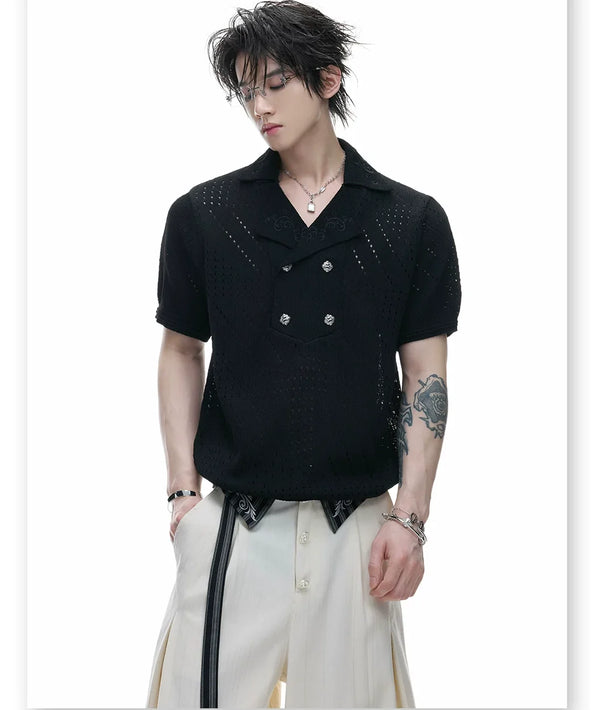
- Fashion Soft vocabulary (Tumblr translations) — early Marc Jacobs mainline with babydoll lines, Anna Sui, Killstar, Disturbia, Dolls Kill. DTC brands like Fūga Studios that translate the vocabulary without pastel mall-goth simplification.
- The crossover designer — the Paris skinny-black era of the early 2010s and Helmut Lang’s later distressed phase. Both underpinned the male-coded Hard silhouette with Soft romance, creating a third iteration that doesn’t quite fit either camp.
Category · Tops
Grunge tops — lace and crop top vs flannel and band tee
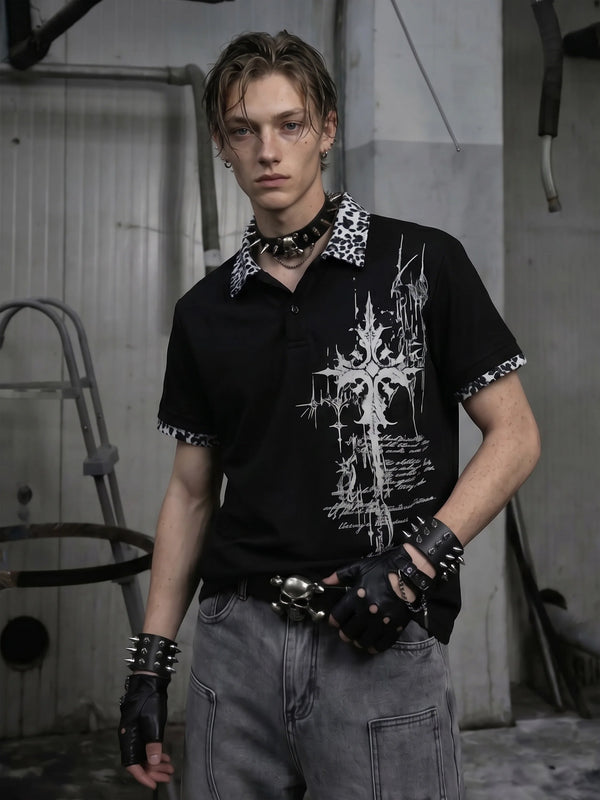
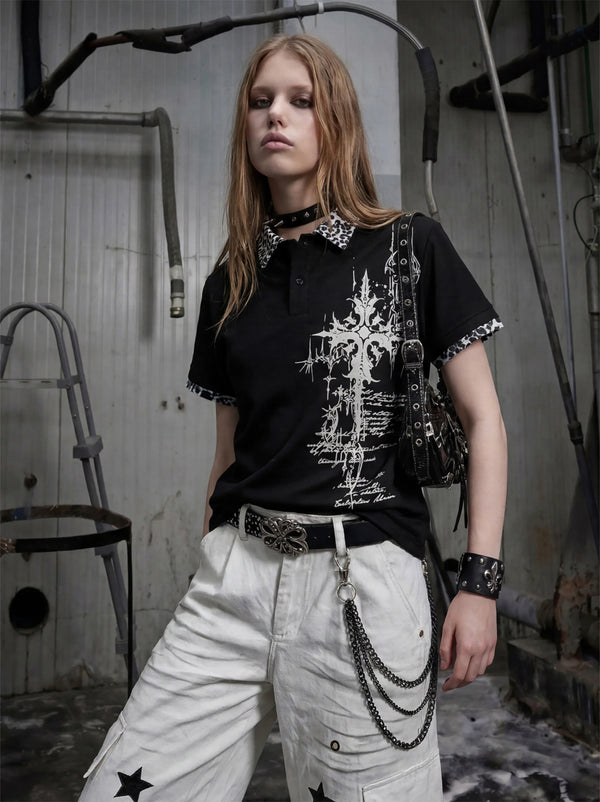
The top is the spot where the poles diverge most visibly. Soft Grunge shows skin over lace and short cuts; Hard Grunge hides the body under flannel and a layer stack. Two pieces, two poles — the first ones you’d actually buy:
Soft tops sit tight, end high above the waist, and work with a material mix — a lace inset at the neckline, a bow at the back, a mesh sleeve. Hard tops are the opposite: oversized, long enough to disappear under the flannel, in washed-out black or grey, with print only if it looks like a 1992 concert souvenir.
Category · Outerwear
Grunge jackets — cardigan and knitted leather vs flannel layer and leather jacket
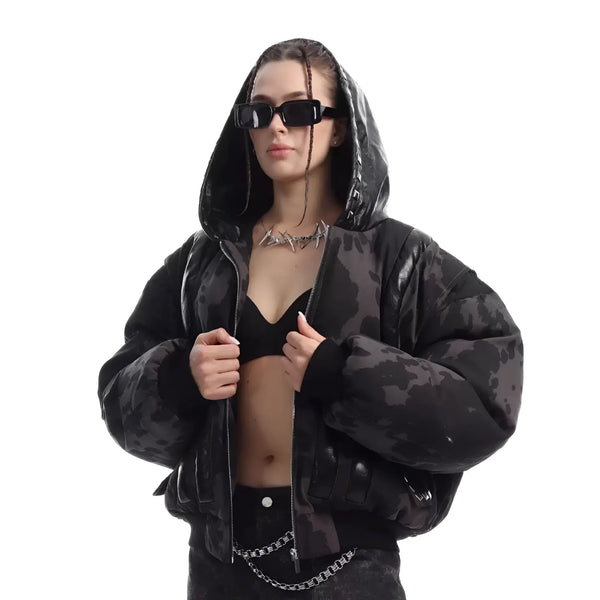
In the jacket the outfit tips fastest from Soft to Hard and back. A thin, long knit cardigan over crop top and mini skirt is Soft default. A heavy, oversized leather jacket over the same outfit turns it Hard without the lower layers doing anything.
Important: neither cardigan nor leather jacket is exclusively Soft or Hard. It’s the combination with the rest. A cardigan over a washed-out band tee and distressed wide-leg is Hard. A leather jacket over a lace top and mini skirt is Soft. The piece alone decides nothing — the relationship to the rest does.
Category · Bottoms
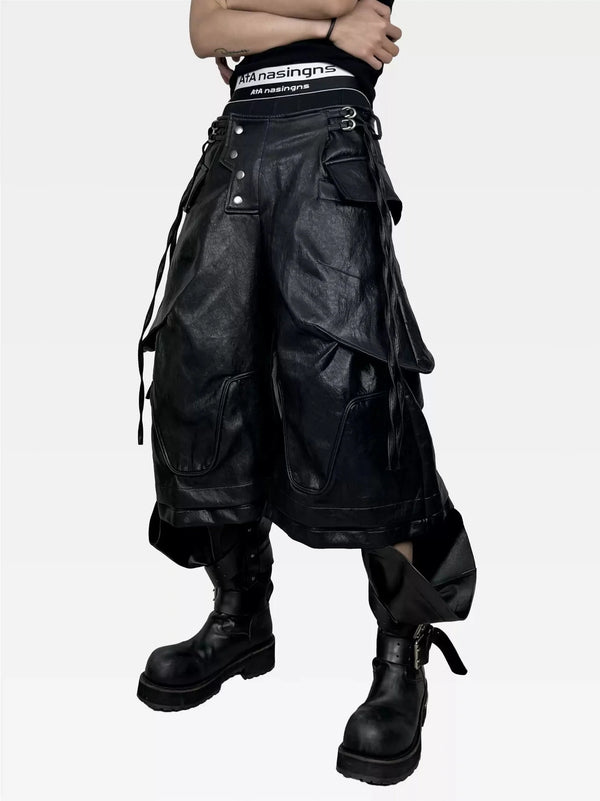
Grunge pants — mini skirt and skinny vs distressed wide-leg and bootcut
The bottom piece carries half the pole signal. Soft Grunge shows leg — mini skirt with tights, high-cut skinny jeans, sometimes pleated skirt with knee-high socks. Hard Grunge hides leg under volume — wide-leg, bootcut, cargo pants, all in black or washed-out indigo.
The skirt-jean is the hybrid piece: denim like Hard, but cut like Soft. If you don’t know whether you live Soft or Hard, it’s a good test piece — you get both codes on one pair. Distressed wide-leg only goes one way: Hard, always.
Category · Footwear & Hardware
Grunge shoes & hardware — same boots, different care
This is the point where Soft and Hard separate most subtly. Both wear combat boots — mostly Doc Martens 1460. Both wear platform boots as an alternative. The difference: care condition and the hardware around them.
Soft boots look like they were polished this week. Laces neatly tied, sole clean. They sit as a piece in the outfit, not as a side effect. Hard boots look like they walked two years in every weather. Sole tread half gone. Laces grey instead of black. That’s the look — it can’t be bought, only worn.
Hardware rule: Soft wears jewellery (choker, mini cross, thin rings, glitter eyeliner). Hard wears no jewellery or at most an old pin collection on the backpack. A choker on a Hard outfit tips it straight to Soft. An empty neckline on a Soft outfit doesn’t tip it back — Soft needs the signal, Hard does without.
Styling logic
How to mix Soft & Hard — without tipping into cosplay
Most real outfits don’t live at the extreme pole. They sit 70-30 or 60-40 between Soft and Hard. The rule for it: one of the two poles has to clearly dominate. If both are equally strong (50-50), the outfit reads as “wanting to try both” — which is cosplay tier.
Anyone wearing Soft and Hard equally strong ends up wearing no pole — just the attempt to be both at once. Pick one as the main code and use the other as 1-2 accents.
— Fūga Studios
In practice it looks like this: Hard outfit base (flannel, distressed wide-leg, beat-up boots) plus one Soft accent (choker or lace inset on the top). Or: Soft outfit base (crop top, mini skirt, clean boots) plus one Hard accent (oversized flannel as a layer over it).
Women historically wear the Soft pole more naturally — Tumblr 2014 was mostly female-coded. Men historically wear the Hard pole more naturally — Seattle 1991 was mostly male-coded. Today both are dissolved, but the default iteration remains: a man in a lace top reads as more progressive than a woman in flannel, because the woman in flannel is the default Pinterest look of the last ten years.
If you want to go deeper into the individual Soft iterations, we have a complete Soft Grunge guide:
But grunge doesn’t stand alone. It overlaps at several edges with other dark aesthetics. Y2K shares the distressed textures. Gothic shares the black quota. Fairy Grunge is a Soft sub-iteration. Here are the most important neighbours, in case you want to spin the code in another direction:
Seasonal
Soft Grunge vs Hard Grunge in summer vs winter
Hard Grunge works in winter easily. Flannel shirt over long sleeve, wide-leg jeans, boots, beanie — all layers have function, all keep you warm. Soft Grunge in winter is more challenging: the mini-skirt-with-tights setup that defines Soft turns into a costume performance at sub-zero degrees. Solution: thick knit cardigan plus knee-high socks plus pleated skirt, or skinny jeans with lace inset.
In summer the ratio flips. Soft Grunge gets lighter and more natural: crop top, pleated skirt, Doc Martens with ankle socks, no layer stack. Hard Grunge in summer is the real problem — a flannel shirt at 32°C looks like a memory of winter. Solution: washed-out band T-shirt alone (flannel gone), distressed cut-off jorts instead of wide-leg, boots stay. The Hard iteration gets thinner in summer, but stays readable.
Here’s what the pole shift across the season looks like in motion:
What does not work
The 6 most common Soft and Hard Grunge mistakes — what you must NOT do
Both poles tip at three points each — three of them universal, three pole-specific. If you only avoid the first two, you’ve dodged 80% of the cosplay traps.
Action
Where you start — the first 4 pieces (which pole for you)
You don’t need 30 black things to wear grunge. You need four — and the choice depends on which pole naturally suits you. If you can’t decide, start with Hard — it’s more robust and doesn’t tip into cosplay as fast.
In order: one outerwear piece (flannel shirt or knit cardigan, depending on the pole). One top (lace crop for Soft, washed-out band tee for Hard). One bottom (mini skirt or distressed wide-leg). Combat boots or platform boots in matte black. Everything else builds around it.
Outfits for real
Soft & Hard Grunge for real — how it looks on the street
Before you build your own outfit, look at how others wear it. The pole iteration from the lookbook differs from the pole iteration in the feed: less perfect, more layers, more fabric mix, more weather marks. That’s exactly why it works.
This here is the fastest way to check whether Soft or Hard sits on your body type — before you invest:
To close
Soft and Hard are two languages — not a trend, not a costume
If you remember one thing from this guide, then this: Soft Grunge and Hard Grunge are not two steps on the same scale. They are two readings of their own, with their own rules, own hardware, own care logic. Anyone wanting to wear both at once ends up wearing neither — just the attempt.
The whole logic of this guide reduces to one sentence:
Both poles have been stable for over ten years and will stay — as long as Doc Martens exist and flannel hangs in the vintage store. You don’t have to wait until you know all the axes by heart. Start with the pole closer to your everyday, and finish that one outfit before you start the next.
And that’s the real point: grunge — in whatever iteration — works not through trend, but through repetition. Once you’ve got the vocabulary down, you build a hundred outfits with twenty pieces. Anyone who only buys pieces has a full closet without a single outfit that fits.
FAQ
Frequently asked questions about Soft Grunge vs Hard Grunge
The questions we often get by DM and email — short, clear, no detours.
What is Soft Grunge music?
Who are the most important Soft Grunge artists?
Which bands belong to original grunge (Hard Grunge)?
Is a “Titelkampf” track Soft Grunge?
What’s a concrete example outfit for Soft Grunge?
Can a man wear Soft Grunge without it becoming cosplay?
What’s the difference between Soft Grunge and Fairy Grunge?
Which shoes fit both poles — Soft and Hard?
What do you think?
Tell us on @fuga_studios
About the author
Philipp Fuge — Founder · Berlin
Founder of Fūga Studios. Writes the journal himself. Berlin · Shanghai · Tokyo · Poznań — four cities, one logic.