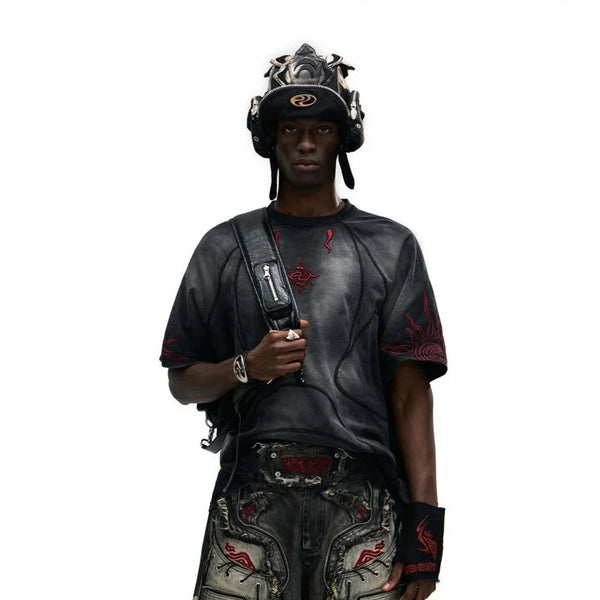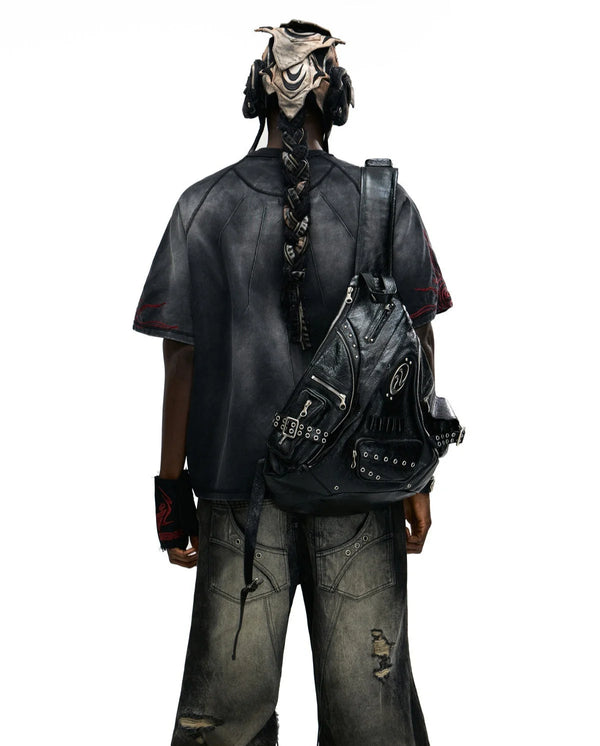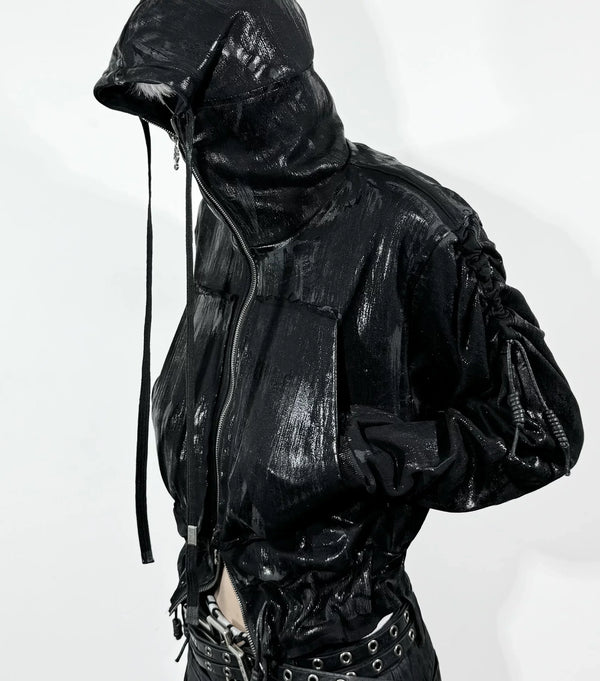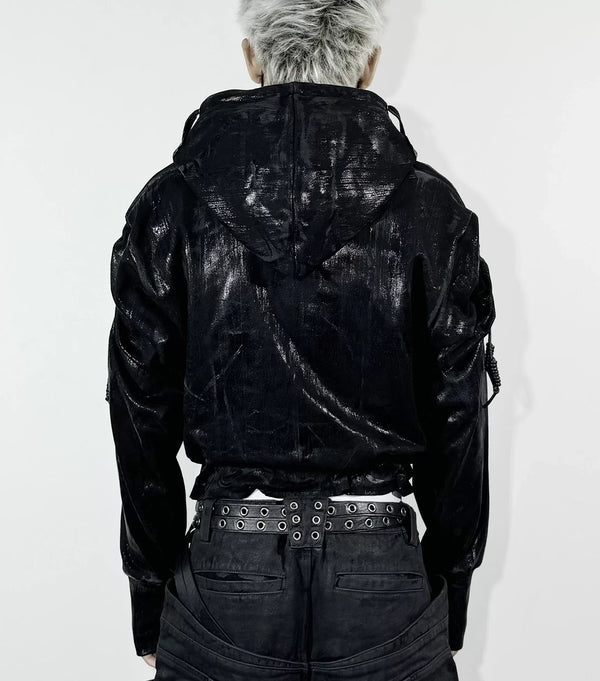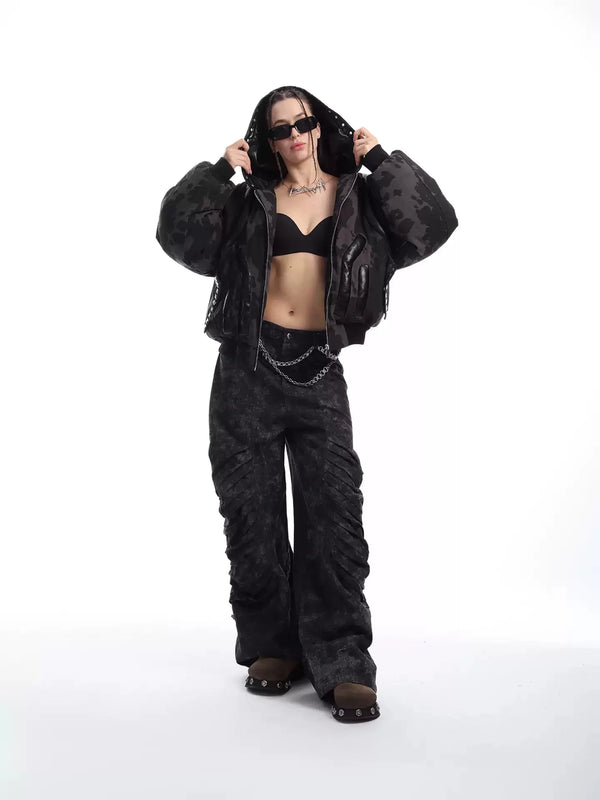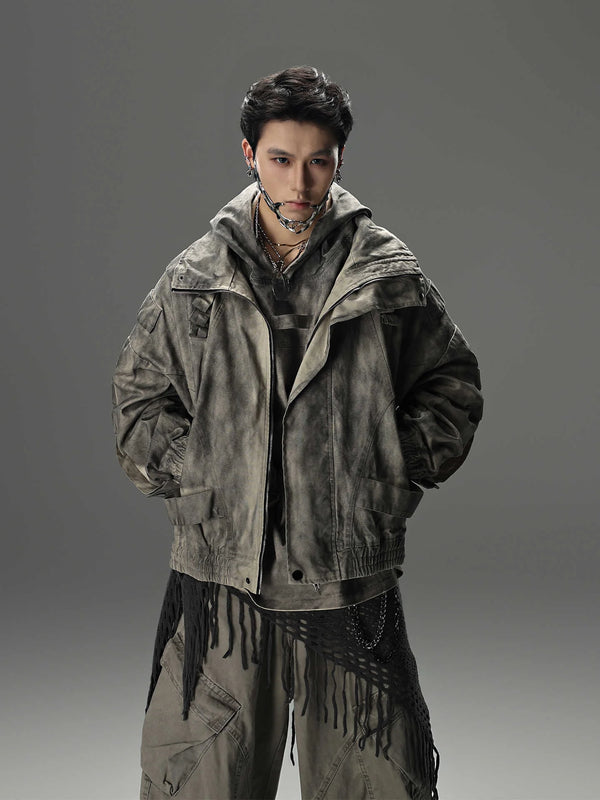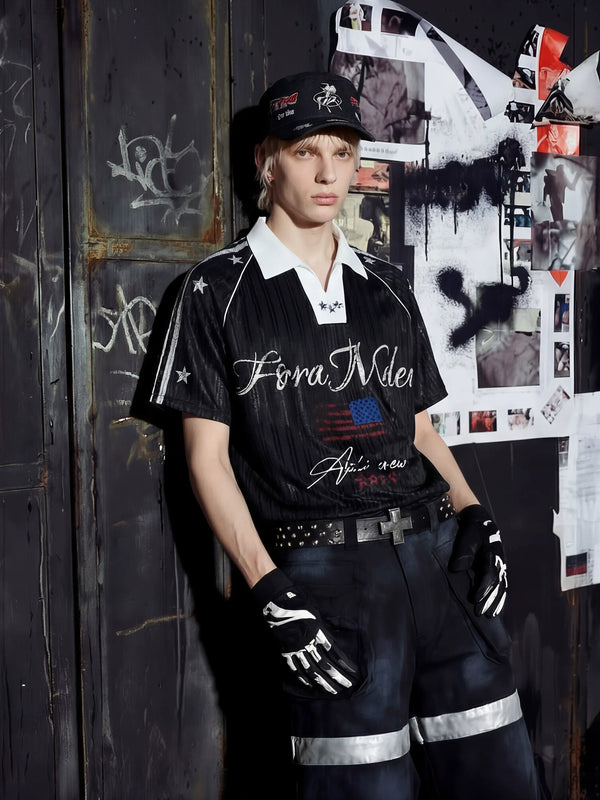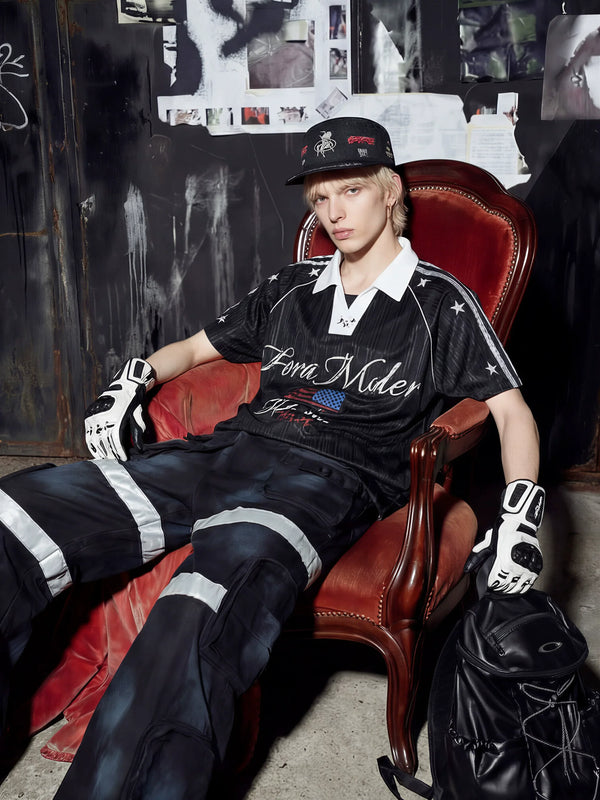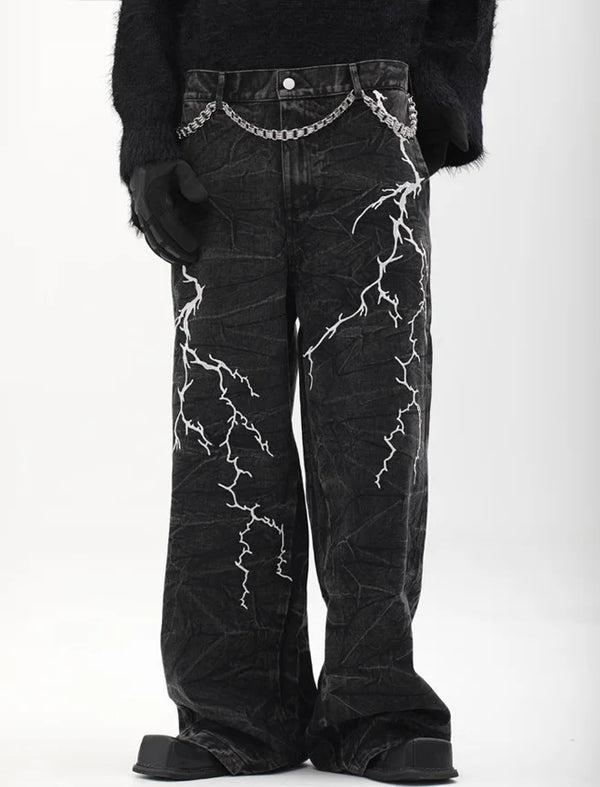
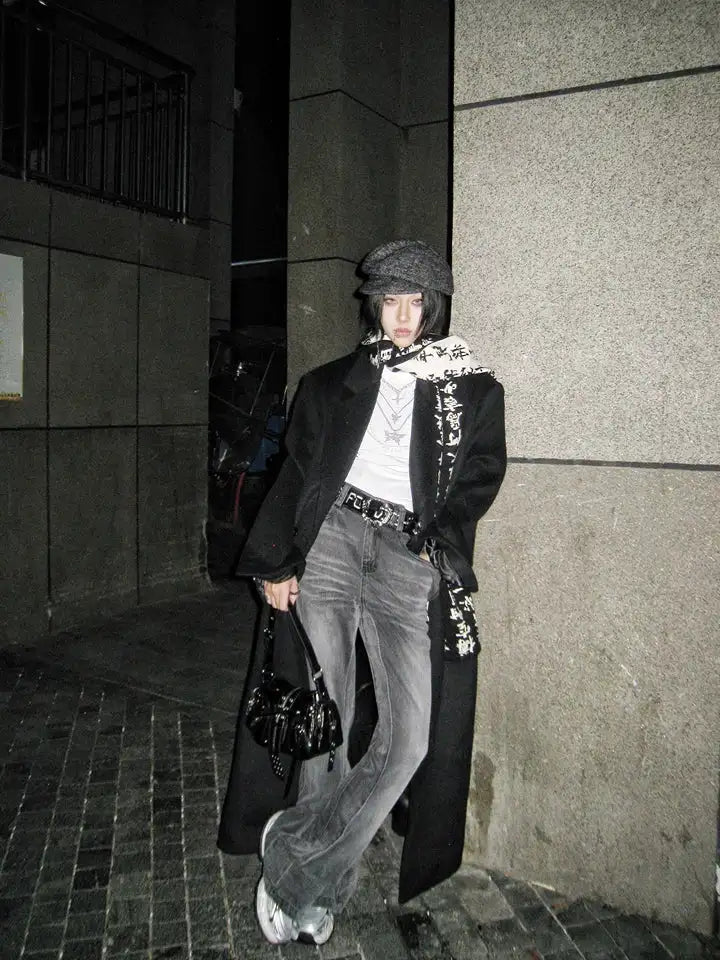

Everyone googles „best rave wear websites“ and lands on the same wall of US neon shops. The problem: half of them sell you a costume for the photo, not something you can dance in for six hours — and the other half ships from California, with customs and a three-week wait.
Rave wear isn't a look. It's function. You stand for hours, you sweat, you move, often in the dark, often in a crowd where nothing valuable should survive. What you wear has to take that — and at the same time speak the right language for the floor you land on. Because rave wear has two poles: Berlin techno black on one side, neon EDM festival on the other. Get them confused and you're either at Berghain in glitter or at EDC in full black.
This guide settles both: what rave wear really is, the five styles from Berlin black to neon, where you actually buy them (and which shops are worth it for Germany), how you combine mesh, cargo and bomber — and the six mistakes that leave you standing wrong on the floor.
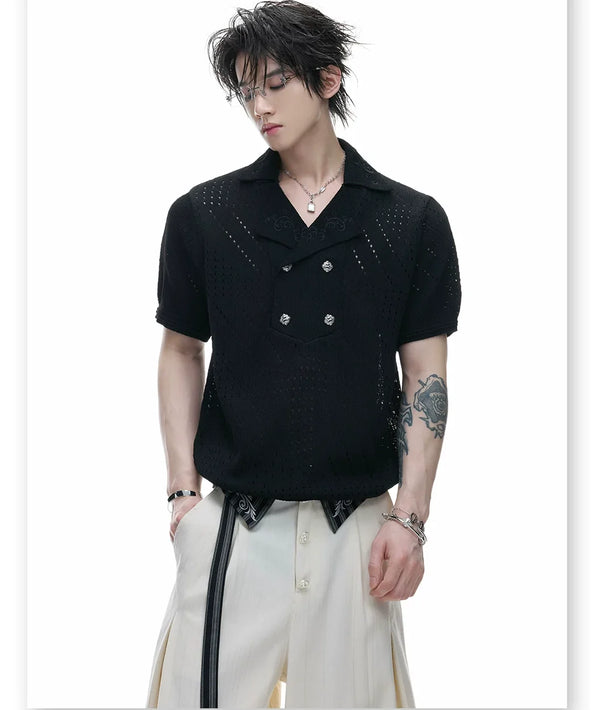
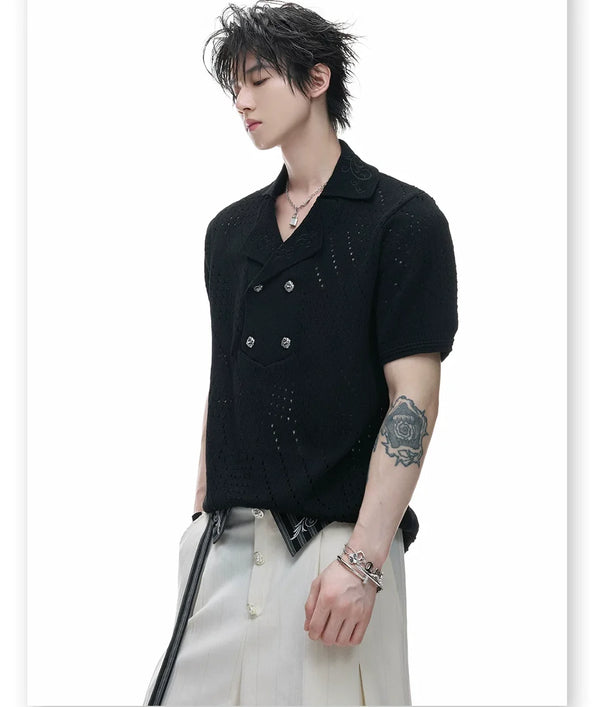
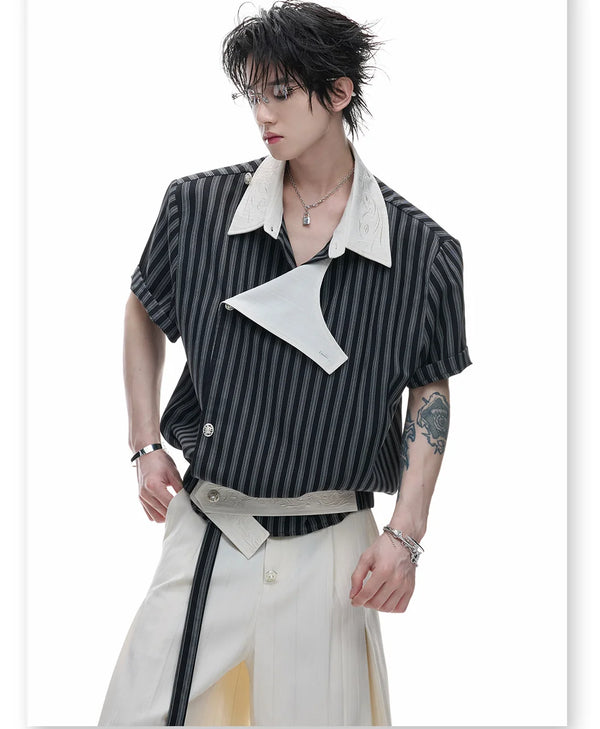
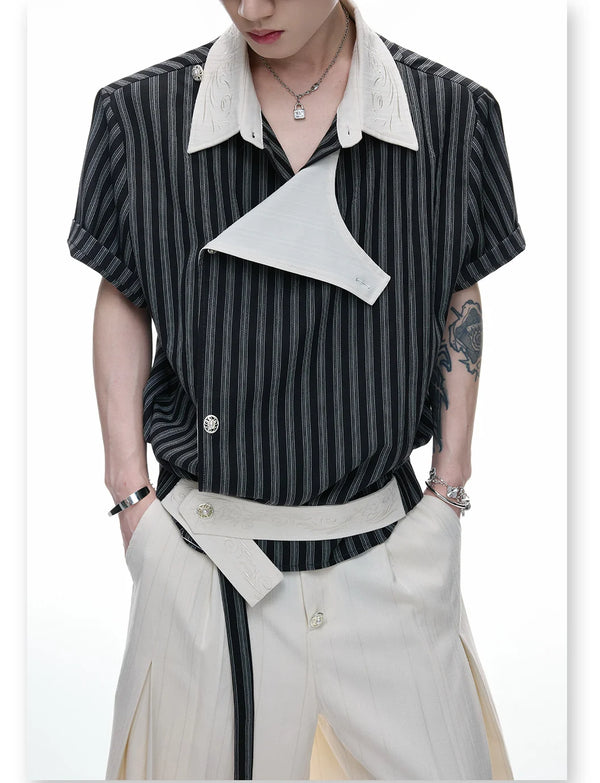
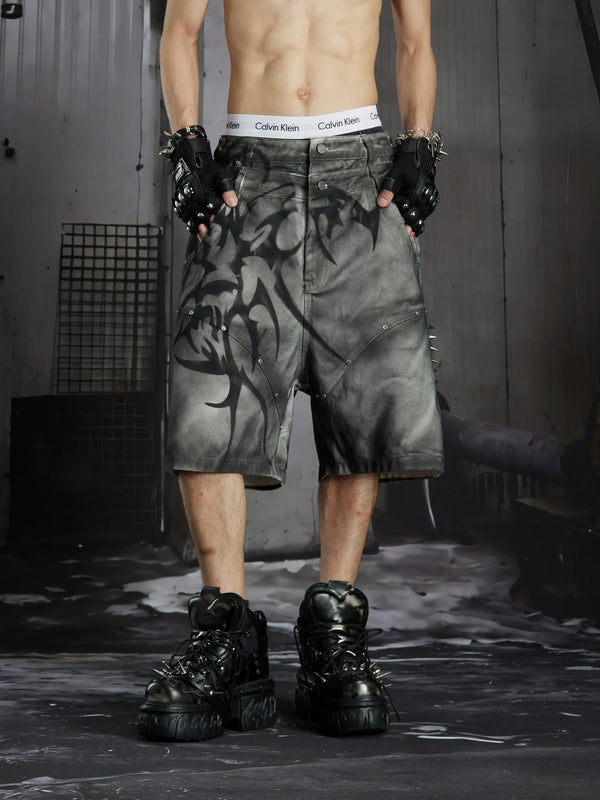
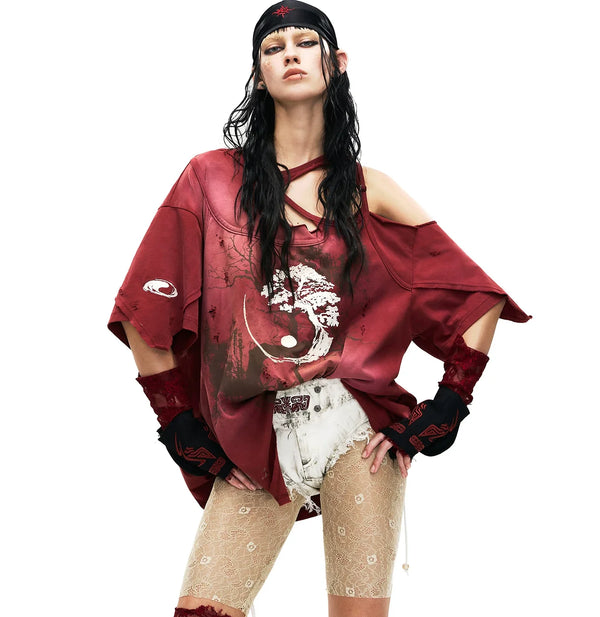
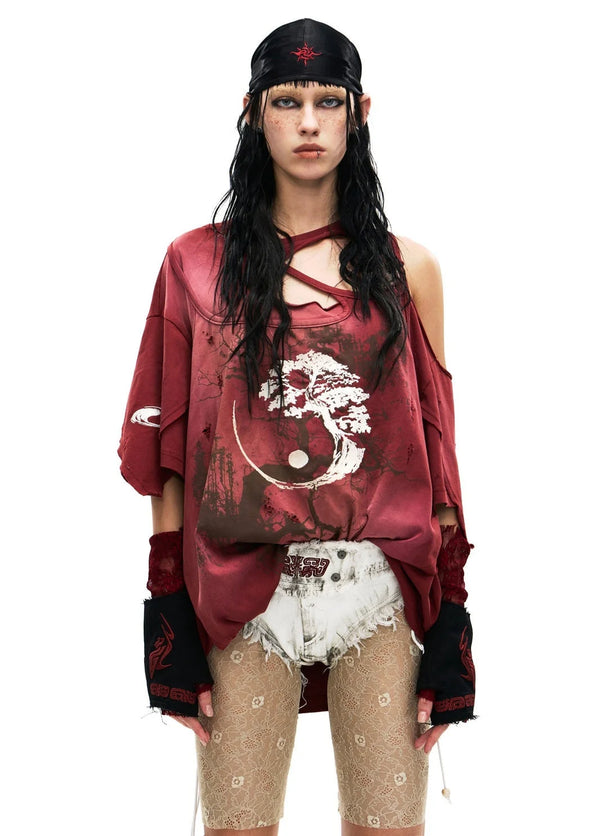
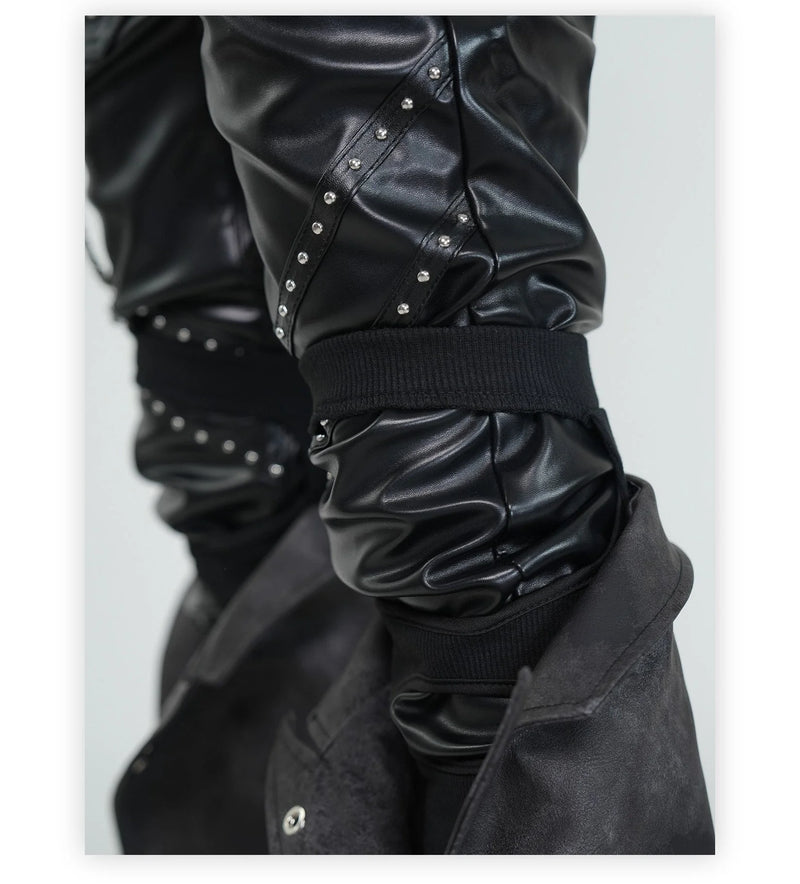
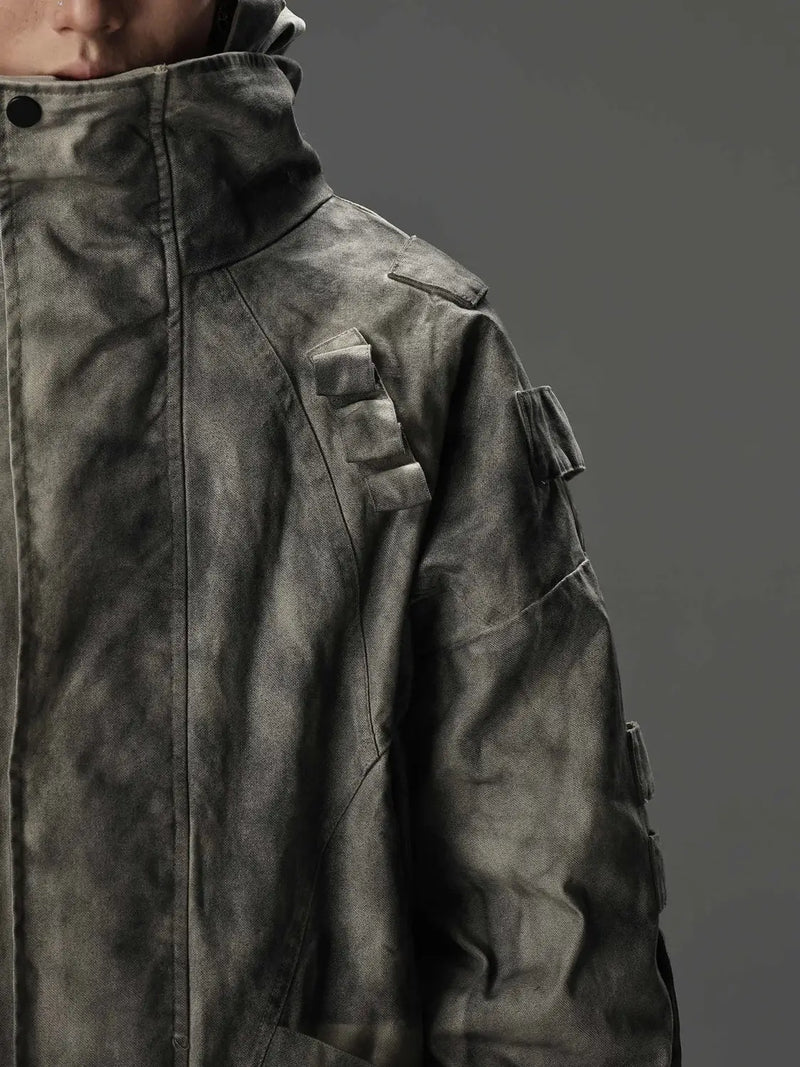
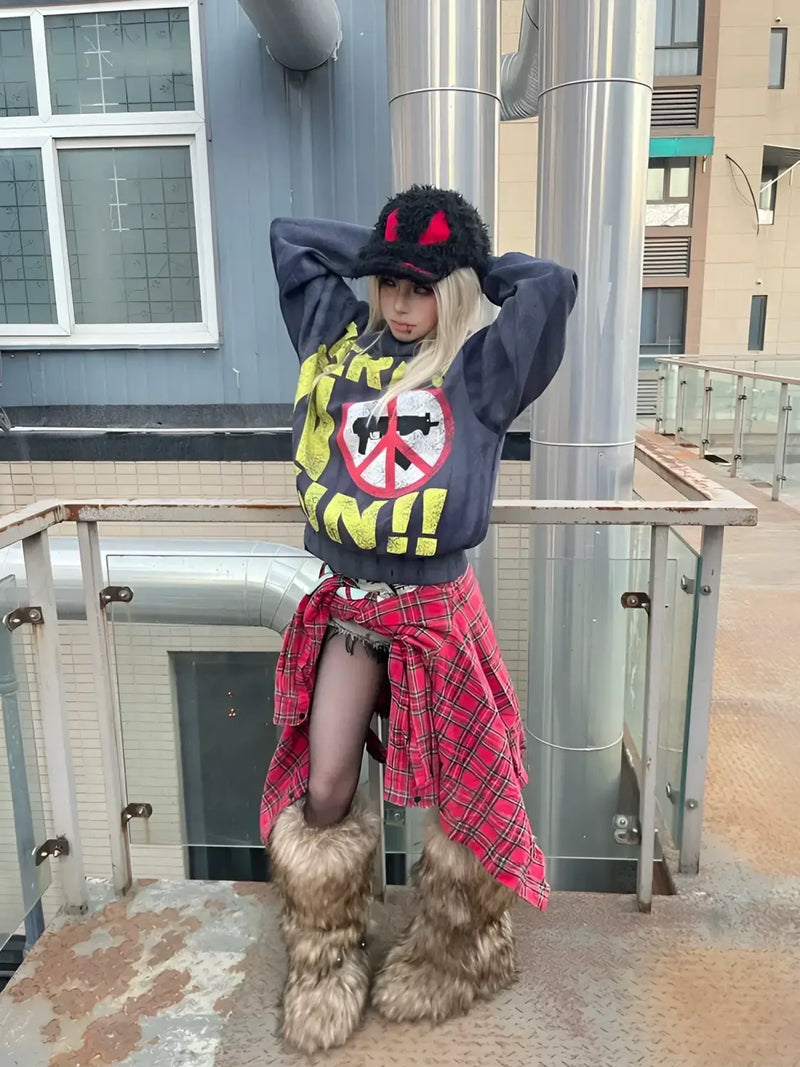
What that looks like for real — in a few seconds:
Definition
What is rave wear — and what really counts as it?
Rave wear is clothing built for the dance floor — not the mirror in front of it. The difference from normal streetwear isn't the look, it's the load: a rave runs six, eight, in Berlin sometimes forty hours. In that time you sweat through, you move without a break, you stand tight in a crowd, and you don't want anything on you that can get lost or broken. Anything that meets these four conditions is rave wear. Everything else is an outfit you regret after two songs.
6 Std+
on the dance floor
2
Poles: black ↔ neon
5
Rave styles
0
valuable pieces on you
These four numbers aren't decoration. They're the checklist. What counts as rave wear in plain terms:
- Freedom of movement — wide or elastic cuts. You dance for hours, the fabric has to move with you. Tight, stiff material gives out after an hour.
- Sweat tolerance — mesh, light synthetics, thin cotton. Heavy denim and thick knit soak through and turn into a drag.
- Layer thinking — what you hand in at the coat check and what stays underneath. In Berlin you hand in the jacket and dance in the tank. Plan both layers.
- Dark-room presence — either all black (Berlin techno) or reflective or neon (EDM/Cyber). Both are a deliberate choice, not chance.
- Sturdy shoes — you stand and jump for hours on a sticky floor. Combat boot, chunky sneaker, all broken in. Nothing new, nothing white.
- Nothing valuable — no expensive watch, no designer bag, no heirloom. Crowd, darkness, sweat — the worst conditions for anything you care about.
If you're missing three of these six points, it's not a rave outfit — it's a photo outfit. And there's one rule that holds all six together:
Origin
Where rave wear comes from — from acid house to Berghain
„Rave“ as a clothing term comes from British acid house in 1988 — the Second Summer of Love. Baggy cuts, smiley faces, neon, everything comfortable enough for illegal warehouse parties that ran until morning. That was the first pole: colorful, sweaty, anti-elegant.
In the 90s the sound moved to Germany. Love Parade in Berlin, Mayday in the Ruhr area — and with techno came its own cyber aesthetic: platform boots, neon mesh, goggles, futuristic synthetics. The second pole only came after, in the Berlin of the new millennium: Berghain, Tresor, the hard Berlin door. Here the rave uniform flipped to the opposite — all black, functional, anti-photo. Whoever wants to stand out doesn't get in.
That's why rave wear today isn't one uniform look but a tension between these two poles. The US EDM festival (EDC, Tomorrowland) keeps the colorful, revealing acid-house heir alive. Berlin techno holds the black, covered counterpole. Most real outfits sit somewhere in between — and that's exactly why you have to know where you're going before you buy.
5 styles
The 5 rave wear styles — from Berlin black to neon EDM
Rave wear isn't one style but five, overlapping at the edges. Which one fits you depends less on taste than on the door you're standing in front of. Berghain reads black, EDC reads neon. If you work both worlds, you need two separate outfits — not a mixed one.
How these five styles split between women and men is the next question — and there it runs less differently than most think.
Women vs men
Rave wear women vs men — where it really runs differently
The function rules are the same for every body: sweat-ready, free to move, sturdy shoes, nothing valuable. What differs is the spread of skin — and even that less than the cliché claims.
Women's version: up top often mesh top, crop, bralette or body, below cargo, parachute pants or mini with bike shorts underneath. In the EDM pole the kandi-and-glitter line gets added, in the Berlin pole it's a black mesh tank plus wide cargo — more covered than the festival image suggests.
Men's version: up top mesh tank, longsleeve or open shirt layer, below multi-pocket cargo or parachute pant, over it a light bomber you hand in at the coat check. „Techno rave outfit male“ almost always lands on the same frame: tank, wide pants, boots, one outer layer.
Both need the same sweat tolerance and the same layer logic. What varies is the cut on the upper body — not the vocabulary.
Where to buy
Where you really buy rave wear — shops, websites & the EU catch
This is the question most people search for in the first place. And the honest answer is: there isn't one best shop, but four source types — and which one is right depends on which of the two poles you work and where you live.
- US EDM specialists — iHeartRaves, Freedom Rave Wear, Rave Wonderland, iEDM. Huge selection of colorful festival gear, kandi, romper, bras. Great for EDC or Tomorrowland — but shipping from the US means customs, weeks of waiting and expensive returns. For an EU raver often more pain than fun.
- Resale & vintage — Depop, Vinted, eBay. Here you find real 90s rave and Love Parade pieces, cyber classics and pieces that age better than anything new. Patience required, but unique pieces and no customs.
- Fast fashion — the SHEIN line. Cheap, colorful, available instantly — and done after one sweaty weekend. Seam rips, mesh stretches out, color bleeds. Save the money for a piece that lasts more than one night.
- EU direct brands for techno black — the real gap. Whoever wants Berlin black without US customs and without fast-fashion quality looks for European direct brands. This exact pole is the thinnest online.
„Rave clothes near me“ in Berlin leads to real stores — but online the split is clearer: US sites for neon, EU-direct for black, resale for vintage. Whoever searches for techno black in Germany does best with a European direct brand, because shipping, returns and sizes simply fit.
Category · Tops
Rave tops & mesh — the upper layer
The top is the layer you still have on at the end of the night, when jacket and everything else are at the coat check. It has to breathe, sit tight enough not to get in the way, and handle sweat. That's why mesh is the standard choice: airy, close to the body, and it dries faster than cotton.
What works: mesh tank, mesh longsleeve, thin crop, tank in light synthetics. What doesn't work: thick knit, heavy hoodies as a main layer, anything that soaks up and gets heavy.
If you only buy one top, take a black mesh longsleeve. It works in Berlin solo and under an open jacket, and it's wearable in summer as in the club.
Category · Bottoms
Rave pants — cargo, parachute & techno pants
The pants carry the rave outfit. They're the surface the whole night stands on, and the spot where most people make the first mistake: jeans. Heavy denim turns into a drag in the hot club — it holds the heat, restricts movement and soaks up sweat. Get rid of it.
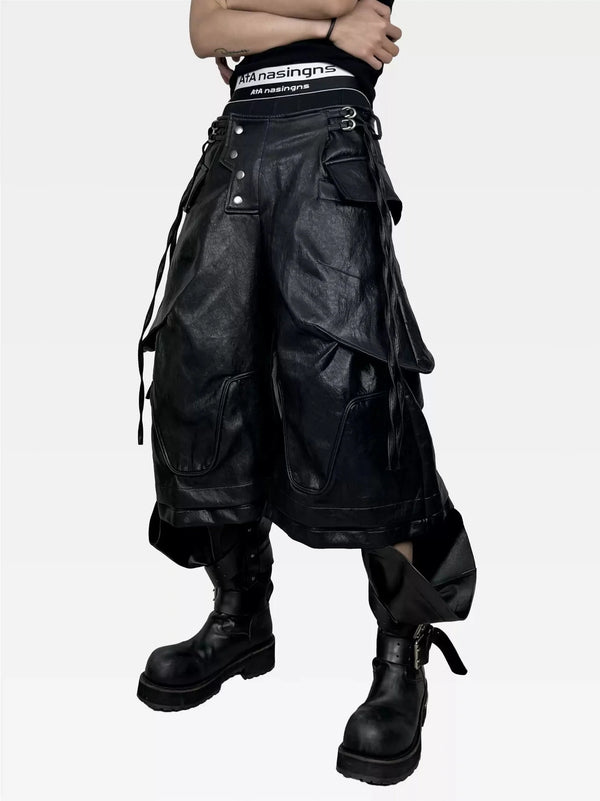
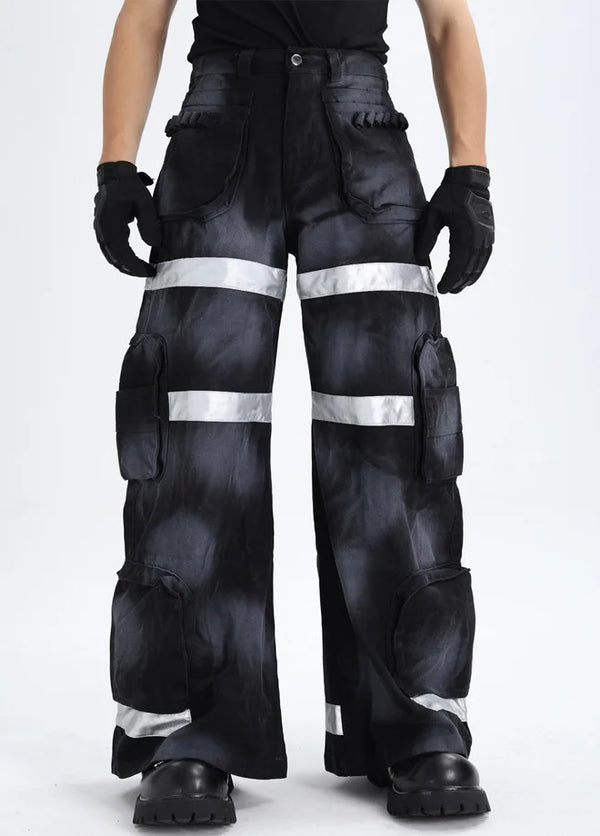
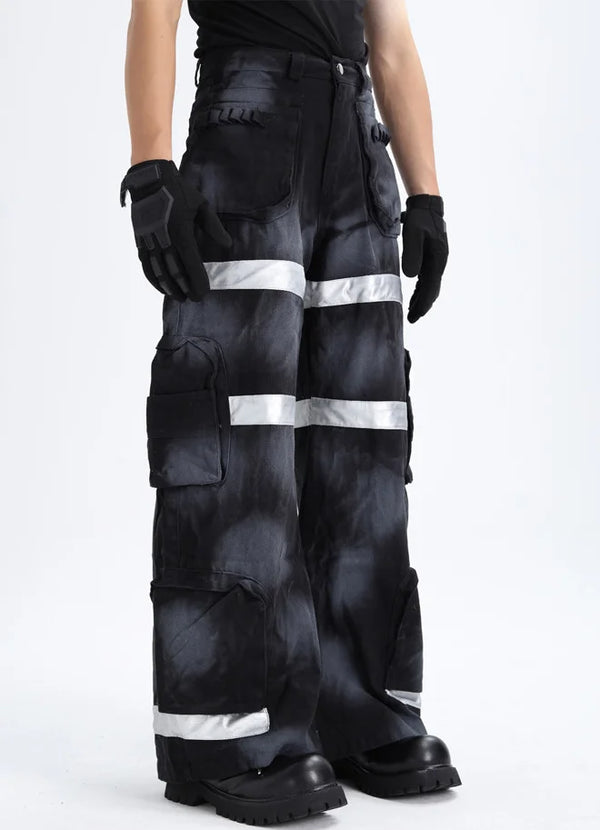
What works: wide cargo with pockets for keys and coat-check token, parachute pants with elastic waist, light techno pants in synthetics. Tight up top, fabric and air below — that's the fit rule that survives any floor.
If you want one pair of pants that fits all five styles, take black multi-pocket cargo with a wide leg. That's the common denominator between Berlin and festival.
Category · Outerwear
Rave jackets & outerwear — the coat-check layer
The jacket is the layer you rarely keep on for long. You arrive in it, hand it in at the coat check, dance in the top, and grab it again for the way home. That's why the rule here is: light enough that you don't miss it, and cheap enough that losing it doesn't hurt.
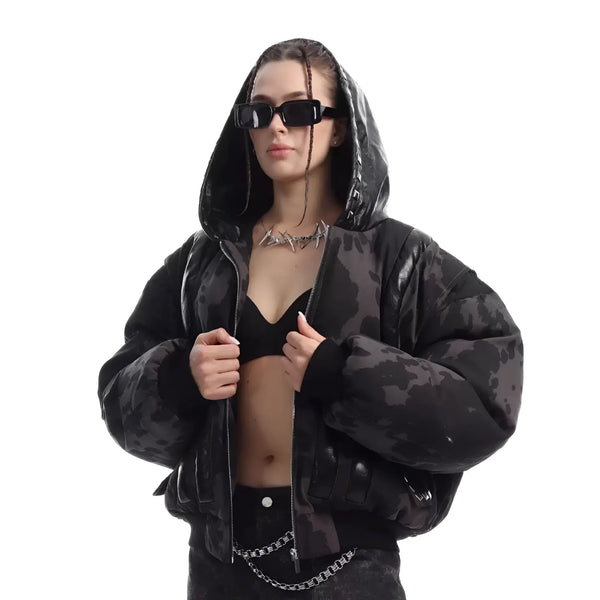
What works: light bomber, track jacket, thin trench for the Berlin pole, reflective outer layer for the cyber line. What doesn't work: thick down jacket (too warm, too bulky for the coat check) and anything valuable you don't want to hand in.
A light black bomber is the safest choice: warm enough for outside, quickly handed in, and it fits each of the five styles without standing out.
Category · Accessories
Accessories — glasses, kandi & the small stuff
At a rave accessories are functional before they're decorative. „Rave wear glasses“ is one of the most common searches — and the answer depends on whether you're inside or outside.
- Glasses — open-air during the day: mandatory, against sun and dust. Indoor club at night: more of a style statement, and take them off on the dark dance floor or you'll see nothing. Cyber and Y2K lines wear futuristic shields, Berlin rather none.
- Kandi & bracelets — the EDM pole, not the Berlin one. Beaded bracelets to trade are firm US festival culture. At Berghain they look out of place.
- Functional small stuff — fanny pack or cargo pocket for keys, coat-check token, earplugs. Earplugs are the single most underrated rave accessory there is.
- Jewelry — if at all, then cheap and secure. Anything that comes loose while dancing or that you'd miss if it's gone stays home.
The rule of thumb: every accessory has to have a purpose or be losable. Both at once doesn't work.
Styling logic
How you style rave wear — and why it shows so much skin
The most common question behind rave outfits is: why so revealing? The answer is mundane and functional. A full club quickly hits over 30 degrees, you dance for hours without a break, you sweat through. Less fabric means less overheating — mesh and crop aren't a fashion decision but thermoregulation. Whoever has stood six hours on a closed floor will wear less the next time on their own.
Important: the revealing pole is mostly US EDM. Berlin techno goes the opposite way — covered, black, long sleeves of mesh instead of bare skin. Both solve the same heat problem, just with different material. So revealing isn't a must, but one of two strategies.
Rave wear doesn't show skin because it wants to provoke. It shows skin because a full floor is hot and you dance for six hours. Function first, photo by accident.
Fūga Studios
The actual styling rule is the same as with any functional outfit: tight and breathing up top, wide and mobile below, one outer layer for arrival and departure. We've got the full breakdown for men's outfits in a separate article:
Rave wear also overlaps with several neighboring aesthetics — Berlin techno, hard techno, EDM, cyber goth. Whoever knows the codes can mix on purpose instead of landing in a costume. Here are the most important neighbors, each with its own guide:
Setting
Indoor club vs open-air — rave wear by setting
With rave wear the setting decides more than the season. A Berlin club runs equally hot all year — inside it's always 30 degrees, whether it's January or July outside. Open-air, on the other hand, follows the weather: sun during the day, cold at night, dust and rain depending on the field.
Indoor (Berghain, Tresor): plan two layers. Outside the cheap coat-check jacket, inside the tank or mesh you stay in all night. Shoes that can take standing. Open-air (festival): glasses against the sun, layers to change for the temperature drop at night, sturdy shoes for muddy ground, and everything water-resistant enough for a rain shower.
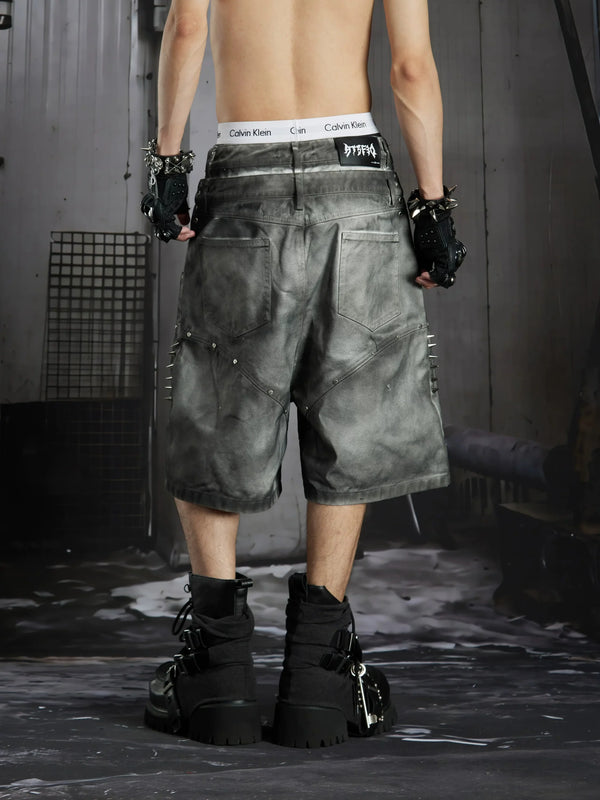
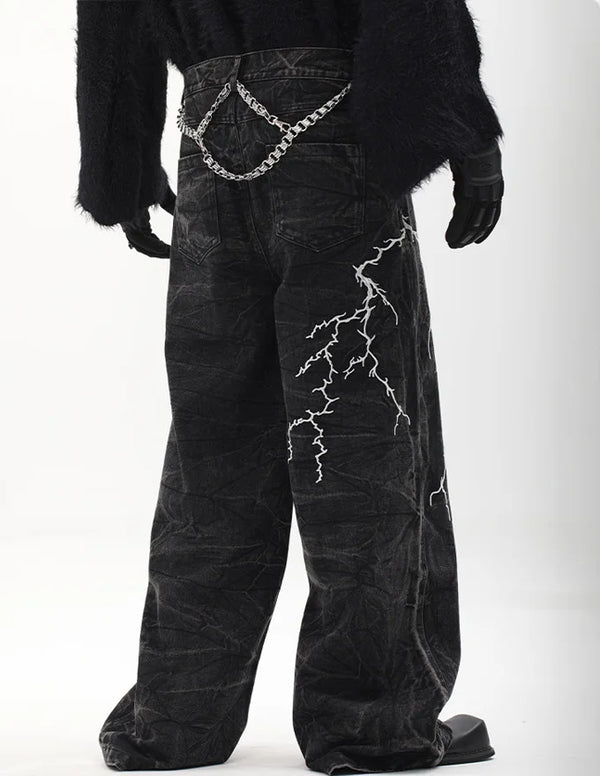
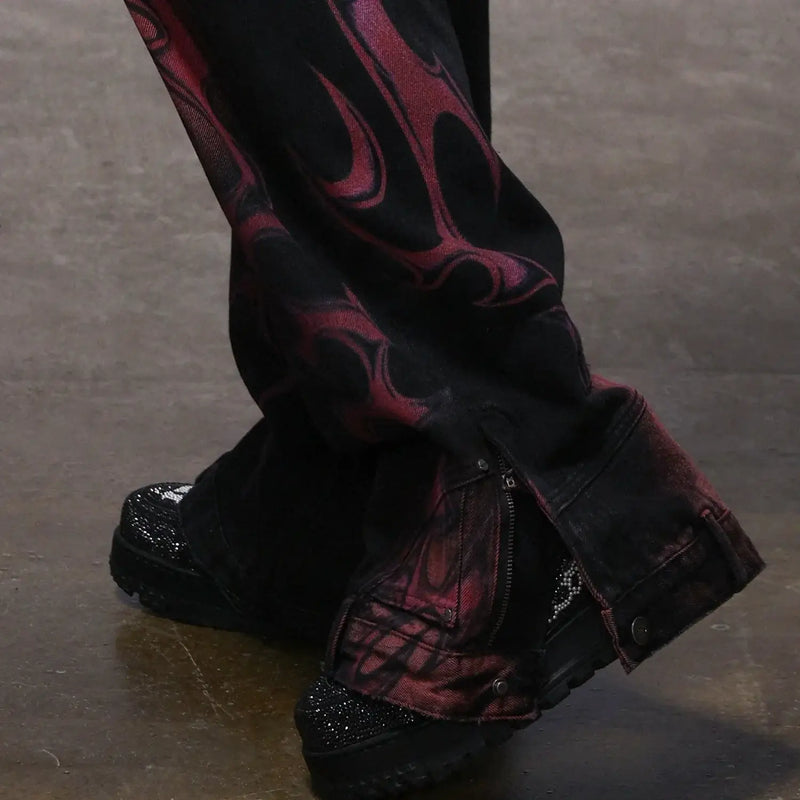
This is what a floor-ready bottom half in motion looks like — the part that works regardless of the weather:
What doesn't work
The 6 most common rave wear mistakes — what you do NOT wear
Rave wear has six spots where it reliably goes wrong — no matter how expensive the outfit was. If you avoid only one thing, make it mistake number one.
Action
How to start — the first 4 pieces
You don't need twenty pieces to be dressed rave-ready. You need four that come along almost every night. Everything else builds around them.
In order: a black mesh top (works in both poles). A wide cargo or parachute pant. A light bomber for arrival and departure. And a pair of glasses — open-air mandatory, indoor optional. Sturdy, broken-in shoes are assumed; you probably already have those.
Outfits for real
Rave wear for real — how it looks on the floor
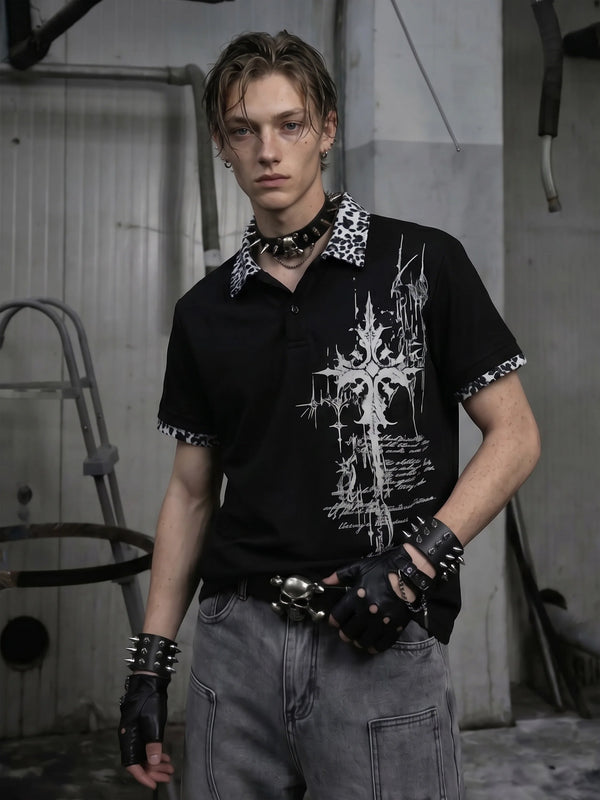
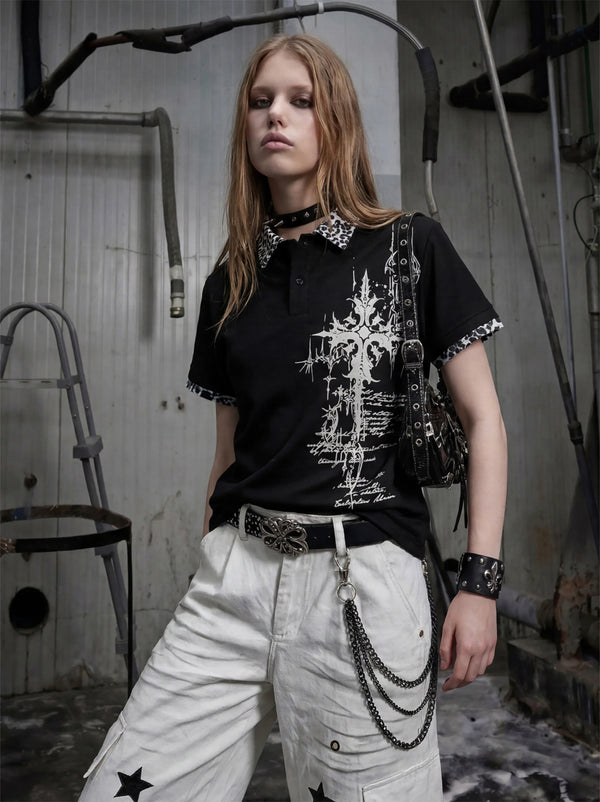
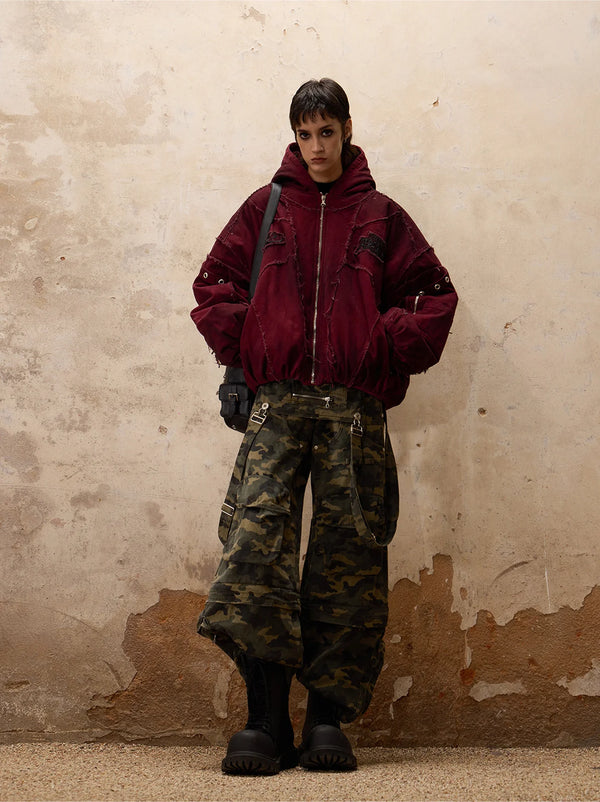
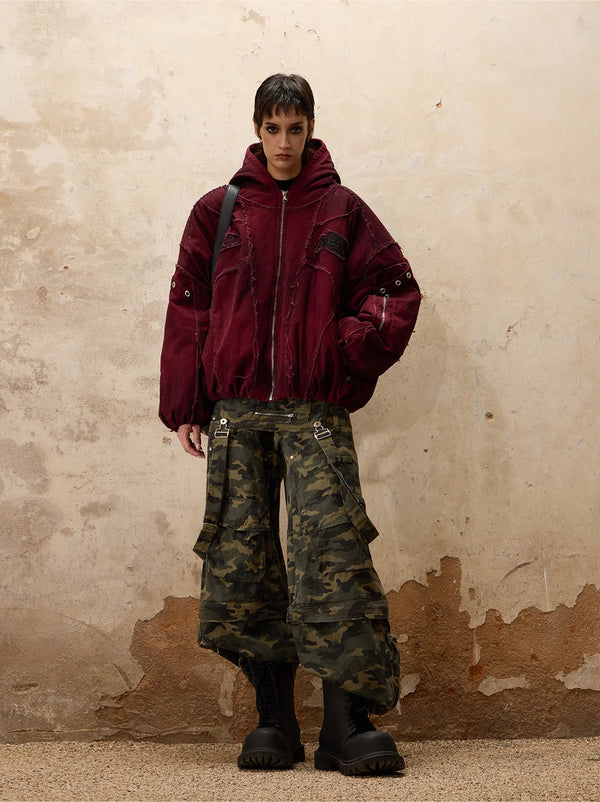
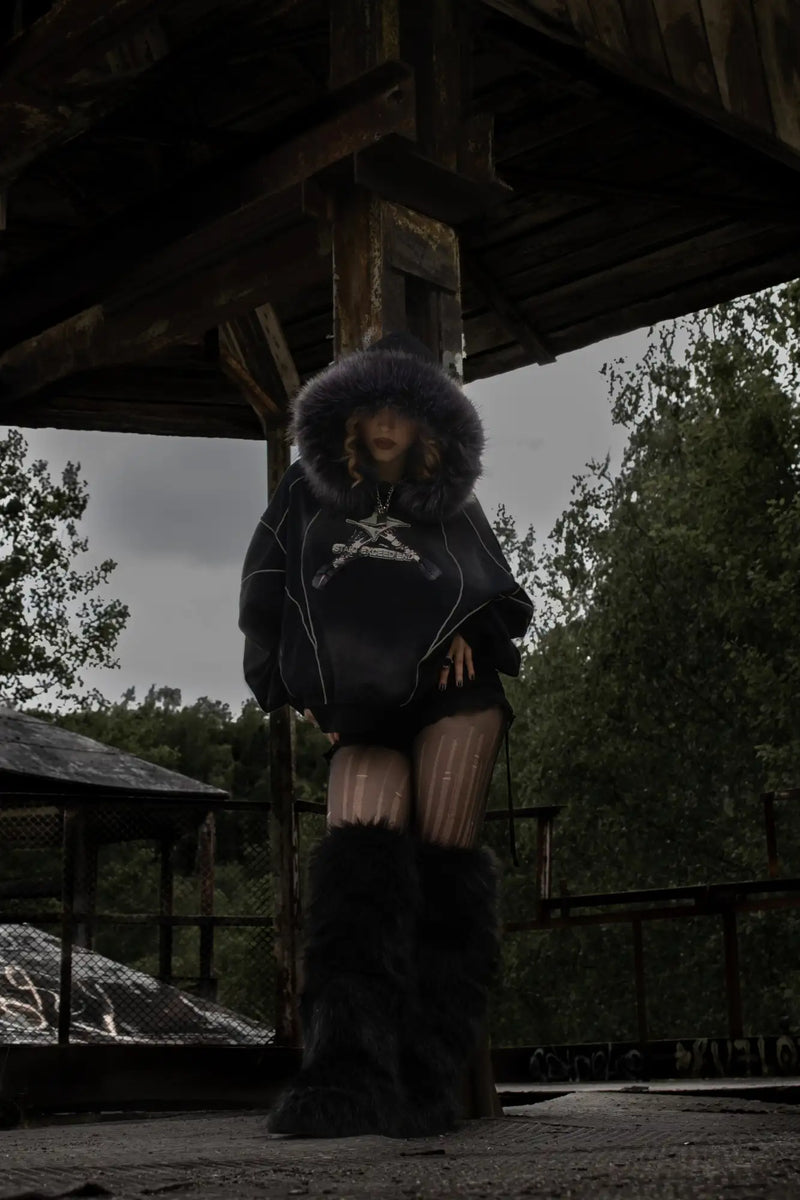
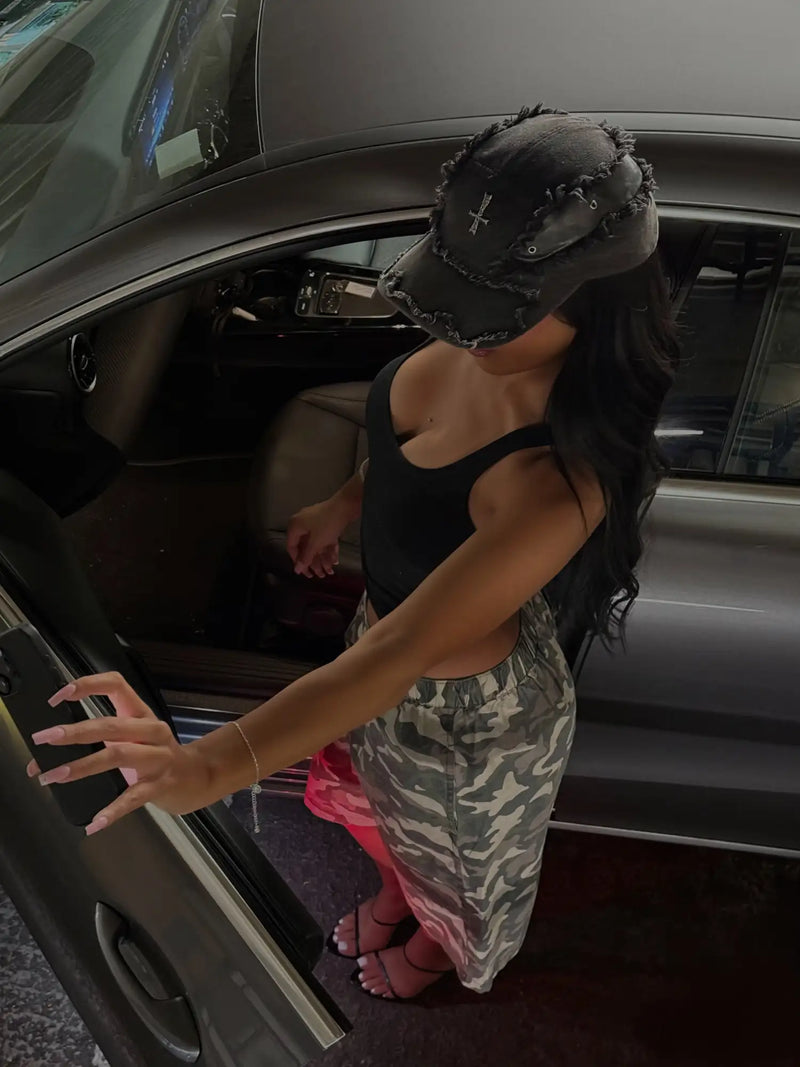
Before you build your own outfit, look at how others wear it. In the real club the five styles look different than in lookbook photos: sweatier, darker, less perfect — and that's exactly why they work.
That's the fastest way to check whether a style fits you and your door before you spend money.
In closing
Rave wear is function — not a costume
If you remember one thing from this guide, make it this: rave wear works through function, not through looks. Whoever dresses for six hours of dance floor ends up looking better than the one who dressed for the photo in front of the door — because they're still dancing the same after two songs, instead of standing at the edge sweating.
The whole logic of this guide reduces to one sentence:
And the two poles — Berlin black and neon EDM — aren't a contradiction but two answers to the same heat problem. You don't have to decide forever. You just have to know which door you're standing in front of tonight.
Don't start with twenty pieces. Build an outfit that works, wear it one night, and you'll notice right away what's missing and what's too much. From the second night you've got the code.
FAQ
Frequently asked questions about rave wear
The questions we often get by DM and email — short, clear, no detours.
What does „rave“ mean in clothing?
What do 40-year-olds wear at festivals?
Why are rave outfits so revealing?
What is the 3-3-3 rule for clothing?
Where do you buy rave wear in Germany and the EU?
Do you need rave glasses?
What do you think?
Tell us on @fuga_studios
About the author
Philipp Fuge — Founder · Berlin
Founder of Fūga Studios. Writes the journal himself. Berlin · Shanghai · Tokyo · Poznań — four cities, one logic.