



Contents 16 sections
- 01 What counts as a Berghain outfit — and what doesn't?
- 02 The Berghain code: black, function, skin
- 03 The 5 types at the bar — Berghain archetypes
- 04 Berghain outfit women vs. men — where it really runs differently
- 05 Trousers — cargo, leather, mesh layer
- 06 Jackets — trench, bomber, long coat
- 07 Tops — tank, mesh, cut-out
- 08 Shoes — boots, Tabis, no sneaker
- 09 How to style for Berghain — layers & hardware
- 10 Berghain in summer vs. winter — the 60h marathon
- 11 The Berghain taboo — what deters the doorman
- 12 Who goes to Berghain — the crowd as a mirror
- 13 The first 4 pieces for Berghain
- 14 Real Berghain outfits — in front of the cooling tower
- 15 Berghain is a code — not a costume
- 16 Frequently asked questions about the Berghain outfit
Berghain is the only club in the world whose door has generated more fashion discourse than the Paris shows. What you wear here doesn't decide your style — it decides whether you see the cooling tower from the inside at four in the morning, or whether you stood in line for an hour for nothing. This guide shows you what actually works: what makes a Berghain outfit, which five types you recognise at the bar, where the taboo line runs — and which four pieces you need before you join the queue on a Sunday night.
What counts as a Berghain outfit — and what doesn't?
The Berghain outfit is not a disguise and not a genre — it's an answer. An answer to the fact that you'll spend the next twelve to sixty hours in a former power plant where it's loud, dark, hot, cold, tight and on your feet. Everything you wear has to survive that list. What doesn't survive doesn't belong inside.
90 %
black in the outfit
60 h
Club-marathon limit
3 / 7
Entry chance, roughly
If you do the rough math on the door statistics of recent years, Berghain regularly turns away two thirds of those waiting — sometimes more. That has nothing to do with fashion snobbery and everything to do with code legibility. Sven Marquardt, Berlin's best-known doorman, is not a stylist but a filter. His job is to read, in two seconds, whether you understand what happens inside — or whether you're on a city tour. Clothing is the fastest signal.
- What counts — black, black, one accent. Fabrics that don't scream brand. Layers you can take off at the bar without ending up naked.
- What works — mesh, leather, technical fabrics, cotton tank, cargo trousers, heavy boots. Hardware quiet, not loud. Make-up welcome smudgy.
- What doesn't get in — polo shirts, bachelor shirts, white sneakers with a logo stripe, shorts in winter, carnival costumes, T-shirts with rave irony.
- What you wear at the bar — the layer you keep when everything else goes to the floor. That's usually a tank, a mesh top, or a harness.
The Berghain code: black, function, skin
There are only three rules that count. They're written nowhere, but every regular knows them by the second weekend. Black is the default — not an ideological statement but an optical volume control. Function is the second principle — you dance eight, ten, sixteen hours, your clothing has to move with you, breathe, absorb sweat and still keep its shape. Skin is the third — calculated cut-outs, mesh panels, tank tops, harness straps. Not exposing, but strategically permeable.
What connects the three principles is their relationship to the reality of the room. Inside it's loud and dark — fashion that makes its statement in daylight loses here. What stays is silhouette, movement and fabric. A coat that falls well beats a coat that looks good. A tank that wicks the sweat beats a tank that looks expensive. Berghain rewards pieces made for the conditions, not for the camera.
The 5 types at the bar — Berghain archetypes
Play one night at Berghain through and watch the bar across two floors, and you see the same five types again and again. They vary in detail, but not in logic. Anyone who wants to understand the system starts here — because each of these silhouettes is a different solution to the same problem: dance long, exist quietly, stay visible without shouting.
What unites all five: none of them is trying to be someone else. That's the real difference from almost every other club in the world. Show up here with a look that seems copied from a magazine feature and you read as a tourist — no matter how expensive the look was. In Berlin, authenticity is measured not by the price tag but by the patina.
Berghain outfit women vs. men — where it really runs differently
The most common question online is the gender variant. The honest answer: in the end women and men land at the same table, but they arrive via different pieces. For women the entry ticket is often a cut-out top, a mesh shirt over a bra, a slip dress with boots, a harness over a T-shirt. For men it's the tank, the mesh tee, the cargo trousers, the long trench, the heavy boots. The codes are permeable — men in slip dresses work, women in tanks work — but the default routes differ.
A concrete example: a typical women's outfit at Berghain is a black mesh top over a bralette, heavy leather trousers, boots with a platform, a few silver rings and a light trench that comes off at the bar. A typical men's outfit is a black tank, cargo trousers with buckles, combat boots, a chain under the shirt, plus a bomber or trench for the way there. Both stand at the same table, both are read the same.
Trousers — cargo, leather, mesh layer
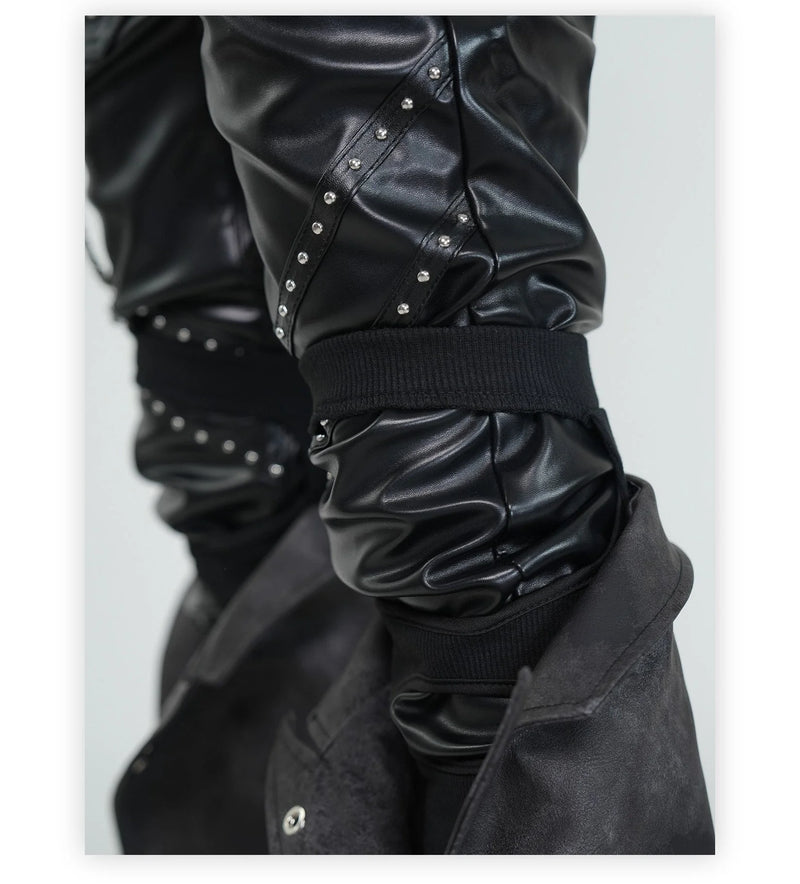
Trousers are the quiet workhorse piece at Berghain. They have to survive four hours of queue, eight hours of dancing and twelve hours of sweat without losing their shape. Three families have established themselves: the cargo trouser in technical fabrics, the leather trouser in various cuts, and the mesh or wide-leg trouser with a layer function. All three share the same logic: black, sturdy, movement-friendly, no logo.
The cargo trouser is the pragmatic choice — pockets for your card, keys and the coins you need at the toilet door. The leather trouser is the optical choice — it reads harder, sits tighter, signals code understanding. The mesh or wide-leg trouser is the summer variant — it breathes, falls heavy, and underneath it you often wear a short layer-short that regulates the amount of sweat.
Jackets — trench, bomber, long coat
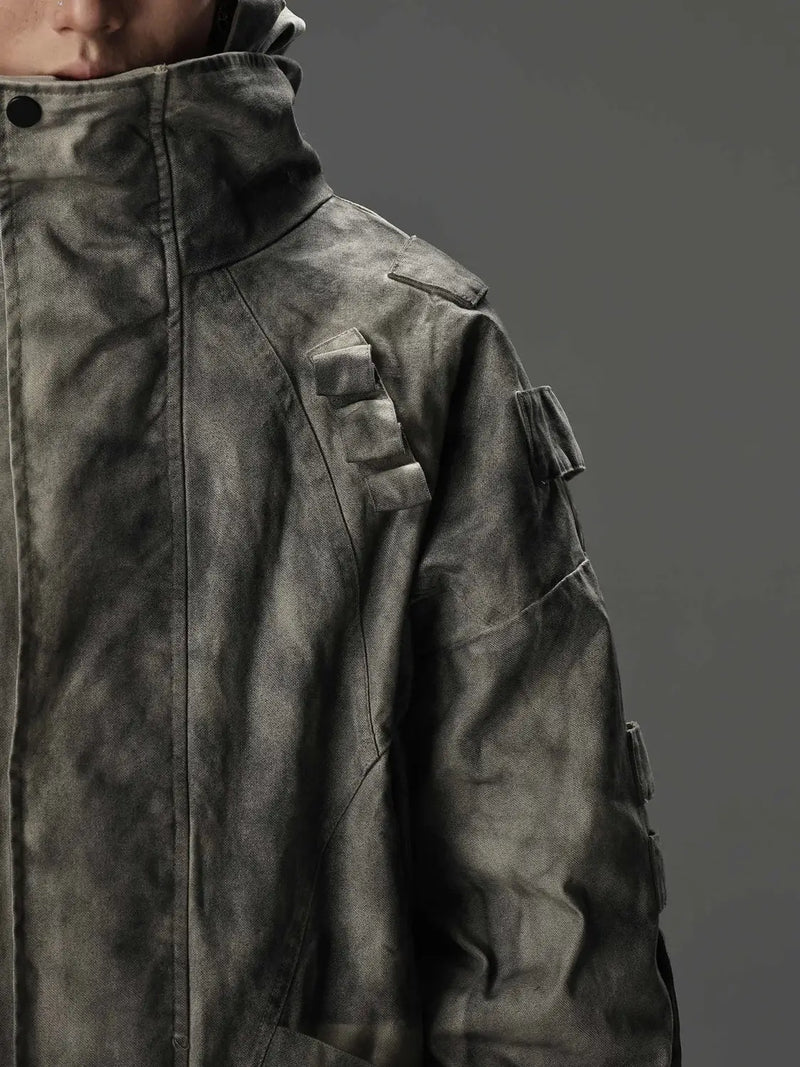
The jacket is the only piece you see at the door, hide at the bar, and put back on for the way home at four in the morning. It makes the first impression and the last impression; everything in between is trimming. Three cuts work on the Berghain doorman: the long trench in black or dark grey, the bomber in leather or technical material, the long coat in wool or vinyl. What doesn't work: anything in pastel colours, anything with a big logo, any outdoor jacket that looks like hiking.
The trench is the safest bet. It falls well, has a vertical silhouette, can be hung on a hook at the bar and is warm enough for the Brandenburg night. The bomber works when it's leather or has a technical cut — a printed streetwear bomber reads as a mall look at the door. The long coat is the choice for anyone who's been inside two or three times already — it signals that you understand fabric, not just brands.
Tops — tank, mesh, cut-out
The top is the layer that survives everything. You keep it when the coat is on the cloakroom rail, when the jacket migrates around your hips, when the hours hit their fourth repeat. Three families dominate: the black tank (cotton or mesh), the mesh or cut-out shirt, the slim long-sleeve with hardware. All in black, all breathable, all movement-friendly. Print T-shirts don't belong here — the print is the main thing, the top is the side thing, and Sven likes it the other way around.
The tank is the pragmatic anchor. It breathes, it fits under any layer, it keeps the sweat off. The mesh shirt is the code-aware variant — it shows skin strategically without exposing, and signals that you understand mesh here isn't underground goth but standard. The cut-out shirt is the women-oriented variant with the same logic: permeable, black, shape-giving.
Shoes — boots, Tabis, no sneaker
If there's one piece that makes the difference between getting in and going home, it's the shoes. Berghain has published nothing on its door policy, but every regular's observation of recent years comes to the same conclusion: the white sneaker with a logo is the fastest rejection in the book. Anyone who wants to play it safe comes in heavy boots — combat, platform, or leather lace-up. Anyone dodging the standard comes in Tabi shoes or black platform loafers.
- Combat boots — black, heavy, worn-in. The safe bet, because they survive 60 hours of dancing and don't react to glass/beer/sweat.
- Platform boots — sturdy platform shoe in black, 4-6 cm sole. Works for all genders, gives stage presence.
- Tabi boots — black Tabi with a small heel or platform. The code-aware variant: shows you pay attention to cut, not to brand branding.
- Vinyl or latex boots — when the rest of the outfit leans towards latex-goer. More look, less marathon — come early, leave early.
- What you avoid — white sneakers, brown leather shoe, loafers with a buff, anything trendy that doesn't come from the dark spectrum.
The real argument for heavy boots isn't aesthetic but functional. Stand on the dance floor at two in the morning and you'll get stepped on twice or three times, brushed by beer-glass shards, and stand in puddles of sweat that unite every taboo topic. A sneaker doesn't survive that — a boot does. That makes the shoe the one place where you may put the functional argument before the fashionable one, without code loss.
How to style for Berghain — layers & hardware
“At Berghain you don't wear an outfit. You wear a layer system that halves at the cloakroom, halves again at the bar, and gets rebuilt on the way home at four in the morning.”
Berlin club logic, never officially formulated by any magazine, understood by every regular
Styling for Berghain is layer mathematics. You enter the club with three layers — coat, mid layer, tank. Inside you reduce to one or two. The reduction has to be thought through from the start, otherwise you stand at the bar with an outfit that no longer works. What sits beneath the jacket beneath the layer has to hold up on its own — as its own look, not as a stopgap.
The hardware question is the second pillar. Berghain hardware is quiet: thin silver chains, small rings, slim harnesses, a belt that suggests function. What doesn't work: thick designer chains with logos, big belt buckles, anything that looks more like a hip-hop festival than a Berlin club room. The hardware complements the silhouette — it doesn't make it.
Berghain in summer vs. winter — the 60h marathon
Berghain runs year-round, but the outfits change radically twice a year. In summer it's all about breathability — mesh tank instead of jumper, short layer-shorts under the mesh trouser, light vinyl instead of heavy leather. In winter the coat is the main investment — it has to survive the queue, which at minus five degrees in Berlin becomes a test of patience, and at the same time be checkable at the cloakroom without destroying the look entirely.
Concretely: a summer outfit for Berghain could look like a black mesh tank, cargo shorts under a mesh wide-leg, combat boots, a light vinyl jacket for outside. A winter outfit could be: heavy tank under a long-sleeve, leather trousers or cargo, combat boots, long coat or trench for the queue. What stays constant between seasons: heavy shoes, a black base, one considered hardware point.
The Berghain taboo — what deters the doorman
Sven Marquardt himself has said publicly that he doesn't filter by a look but by an attitude. But the observation of recent years shows: the door consistently reads certain outfit markers as “doesn't fit”. This isn't a secret circulating in dark Berlin forums — these are patterns every regular recognises after three weekends.
What matters is the mechanism behind it: the taboo is not a ban but a legibility filter. Sven Marquardt reads whether you understand which world you're applying to enter. Anyone who configured the outfit as a solution to that question gets through. Anyone who brings it as a statement for another world doesn't.
Who goes to Berghain — the crowd as a mirror
One of the most common questions is who's actually inside on a normal Berghain weekend. The answer is broader than you'd think: Berlin regulars in their thirties and forties, international visitors with local knowledge, queer communities from the city and from Central Europe, industry insiders from music and fashion, occasionally tourists who made it anyway. What connects this group is not age or origin, but a similar understanding of fabric, volume, privacy and time.
- Berlin regulars — the largest group. Meet friends on Friday or Saturday evening, stay twelve to twenty-four hours, dress pragmatically and with routine.
- International insiders — Berlin commuters from Paris, London, Milan, Warsaw. They understand the code, mix it with their own city logic, mostly stand out positively.
- Queer communities — historically and currently central to Berghain. The club ethos comes from Berlin's queer scene of the 90s and remains formative to this day.
- Industry observers — DJs, producers, label people, designers, fashion people. Often come with insider company and queue for less time.
- Prepared first-timers — the smallest but constant group. Anyone who makes it with preparation becomes a regular next time.
The first 4 pieces for Berghain
If you've never been and you're putting an outfit together from scratch, the question isn't what you need, but in what order. Four pieces cover 80 percent — the rest is mood and detail. Build these four first; everything else comes after your first weekend inside.
What you don't need at this stage: hardware. Anyone who doesn't yet have an outfit doesn't load up on chains and rings — the look tips into costume territory immediately. Hardware comes only once the base stands and you've understood where your accent sits.
Real Berghain outfits — in front of the cooling tower
In theory it's all clear. In practice, Berghain outfits in the queue rarely look the way magazines stage them. They're used, worn-in, lived-in. A small selection of what's to be seen in front of the cooling tower on a normal weekend — no staging, no fashion-week representation, but everyday.
What stands out in practice: nobody looks like they came from a lookbook. The pieces are combined, not arranged — a leather trouser from last summer with a tank from this winter, a trench with a season of patina, boots with laces that have already torn and been re-threaded. This patina is the real difference between a Berghain outfit and an outfit bought for Berghain.
Berghain is a code — not a costume
Frequently asked questions about the Berghain outfit
What do you wear to Berghain?
What is the Berghain taboo?
What kind of people go to Berghain?
What does entry to Berghain cost?
What does the 3-3-3 rule for clothing say?
What does the 3-3-3 outfit rule mean?
Which shoes really work at Berghain?

UK Drill Outfits: The London Uniform — Not US Rap Cosplay
UK Drill is not a US-Rap variant with a tracksuit — it's a London uniform built from four fixed Pieces with its own anonymity code. The complete guide:...
 Opium
OpiumOpium Fashion: This Isn't Streetwear. It's Code.
Despite some controversy, this aesthetic is gaining popularity not only in the underground rap scene and high fashion, but also in the mainstream. It is to be expected...
 Rave
RaveGoddess Rave Outfits: Drape, Chrome, Mesh in One Line
Goddess Rave stands on three materials — Drape, Chrome, Mesh — and a few clear rules: one metal, one open zone, a solid base. Five types from Greek...
 Gothic
Punk Rave Fashion — the Gothic-Punk brand and its look
Punk Rave isn't a rave brand but one of the largest Gothic-Punk labels from China — Steampunk, Military, and Lolita under one roof. We explain the difference from...

From Opium · 4 Pieces
All 84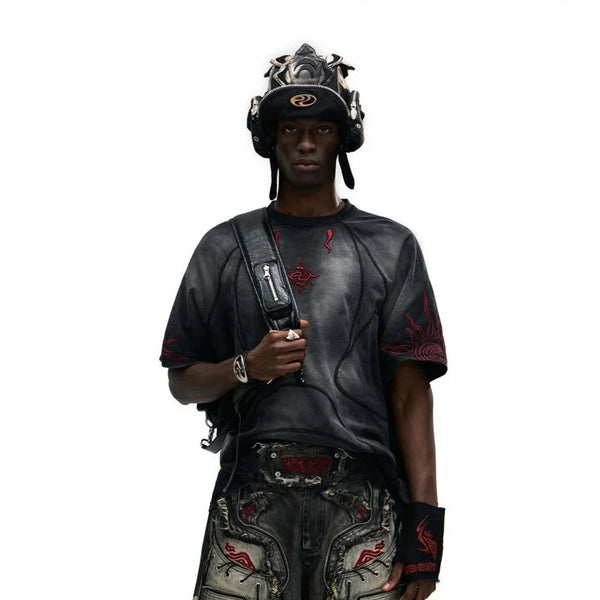
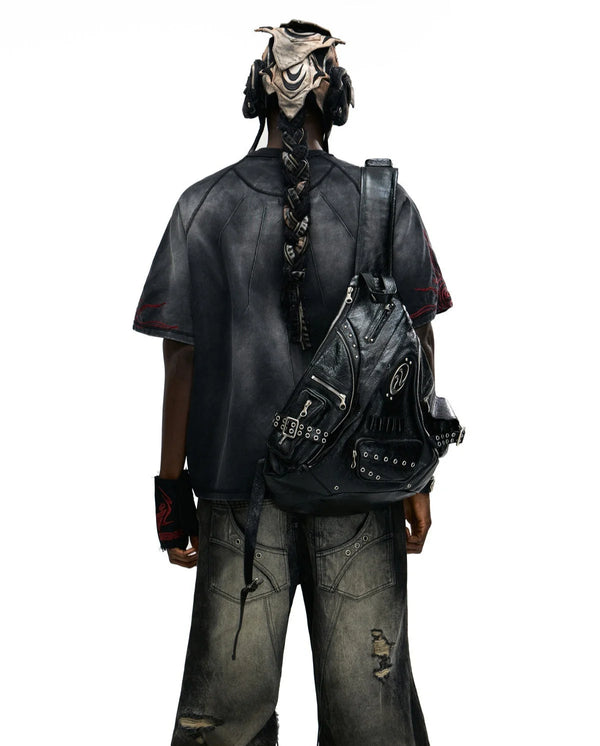
Gothic Washed Totem Tee
€89,99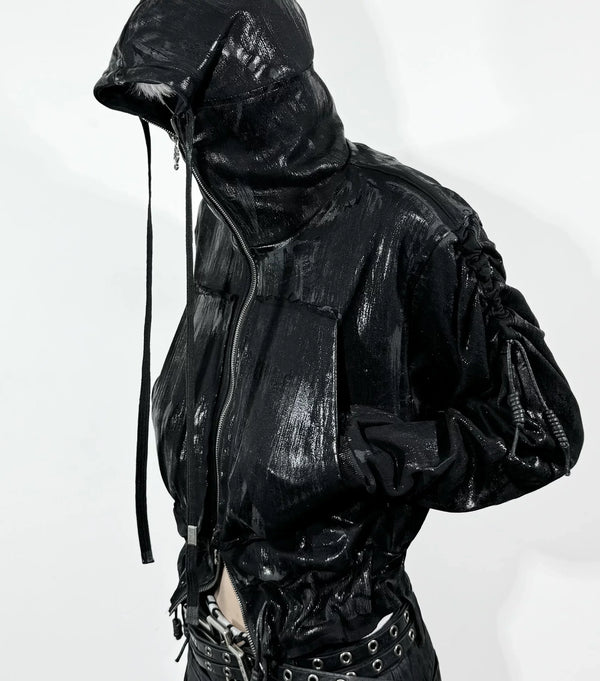
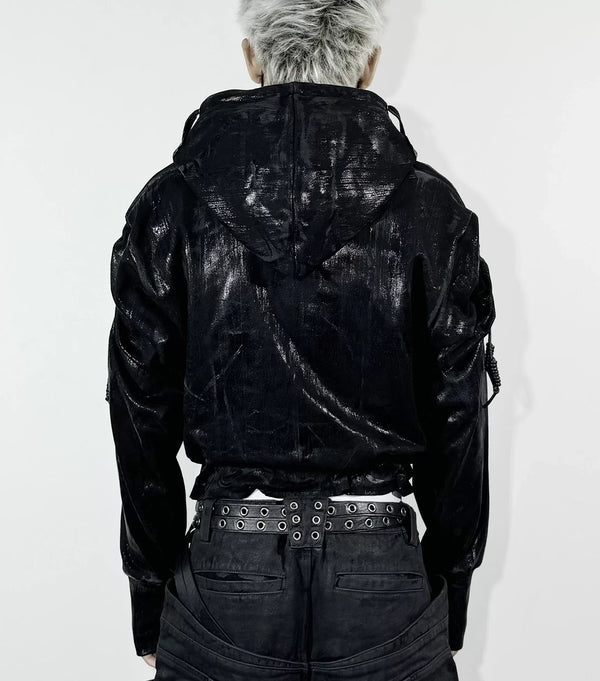
Gothic Waxed Hooded Jacket
€184,99


Opium Cat-Eye Pants Keychain
€34,994 of 84 Pieces
All 84
From Businesscore · 4 Pieces
All 22

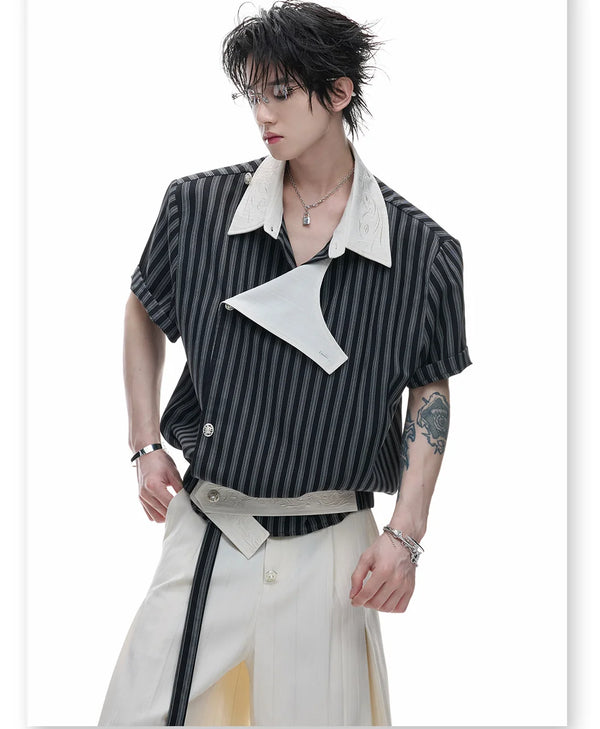
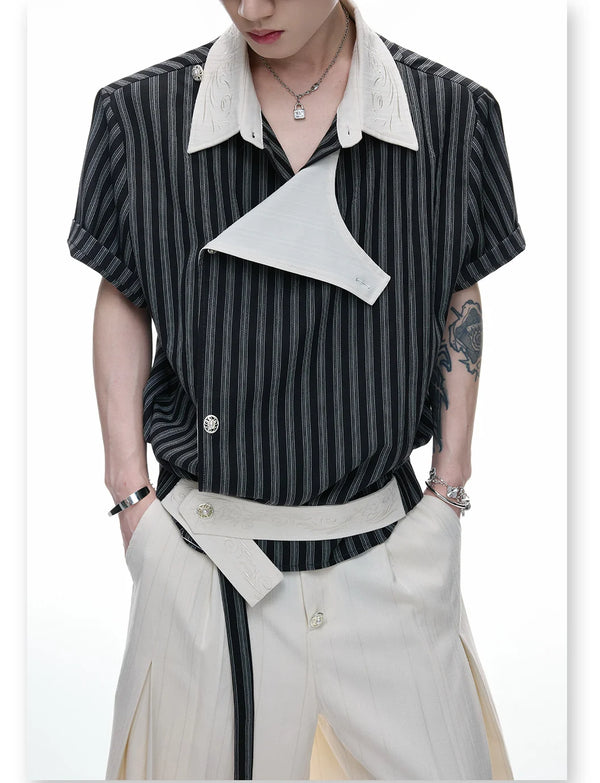
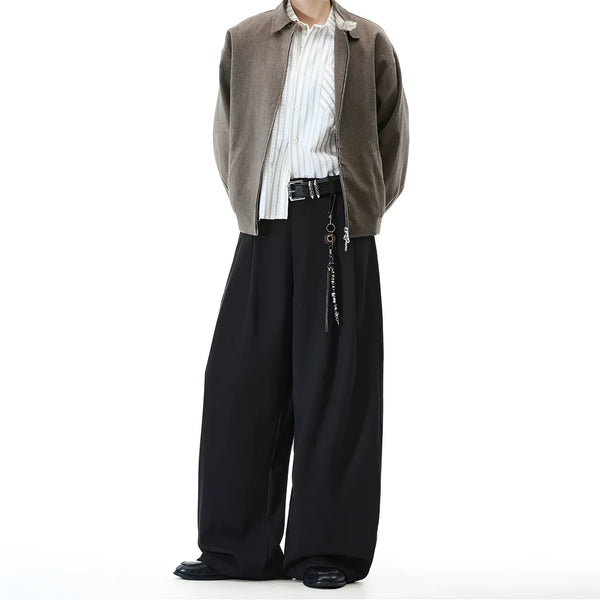
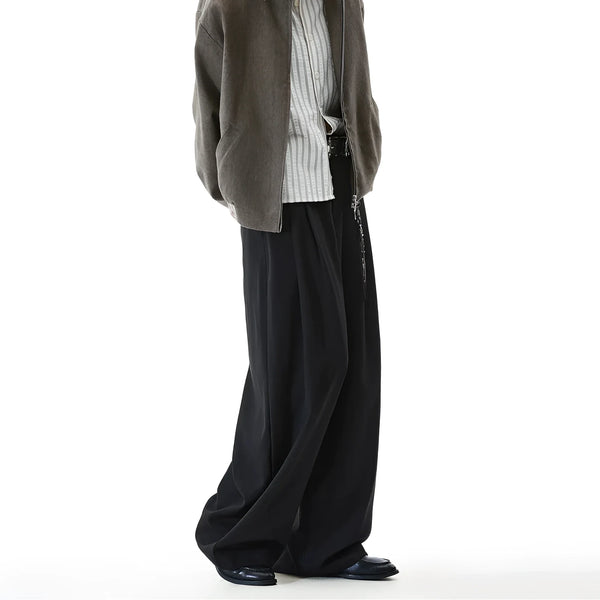
4 of 22 Pieces
All 22
Niche · 03 / 04
Techwear.
Acronym logic. Tokyo reduction. Layered, precise, dark.
Techwear started for us as a translation of Tokyo reduction into fabric. Errolson Hugh, Acronym, GORE-TEX, ergonomic cuts — and in parallel the Japanese discipline: nothing superfluous, everything function.
From Techwear · 4 Pieces
All 10

4 of 10 Pieces
All 10
Niche · 04 / 04
Streetwear.
Anime origin. Harajuku substrate. Where Fūga started in 2015.
Streetwear is the root — the first designs out of Tokyo in 2015 were anime prints, Japanese characters, Harajuku graphics. Everything else grew from it, but the line keeps running.
From Streetwear · 4 Pieces
All 70
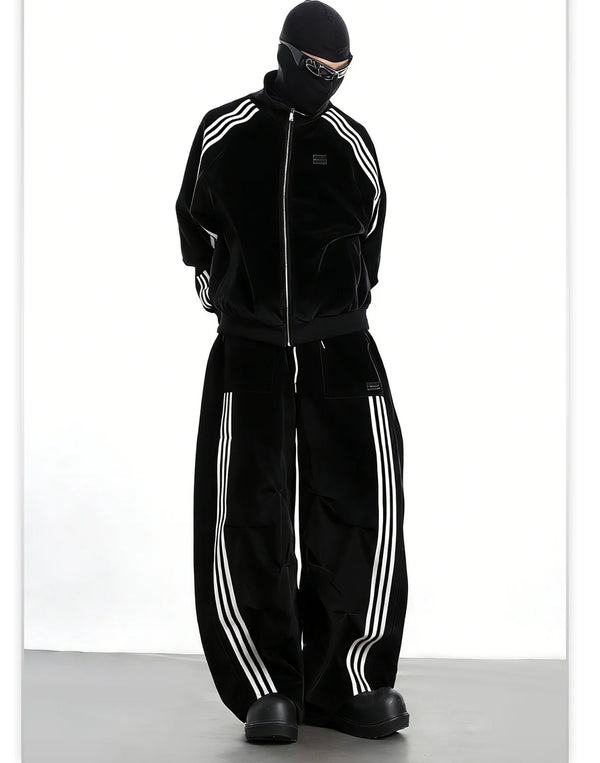


4 of 70 Pieces
All 70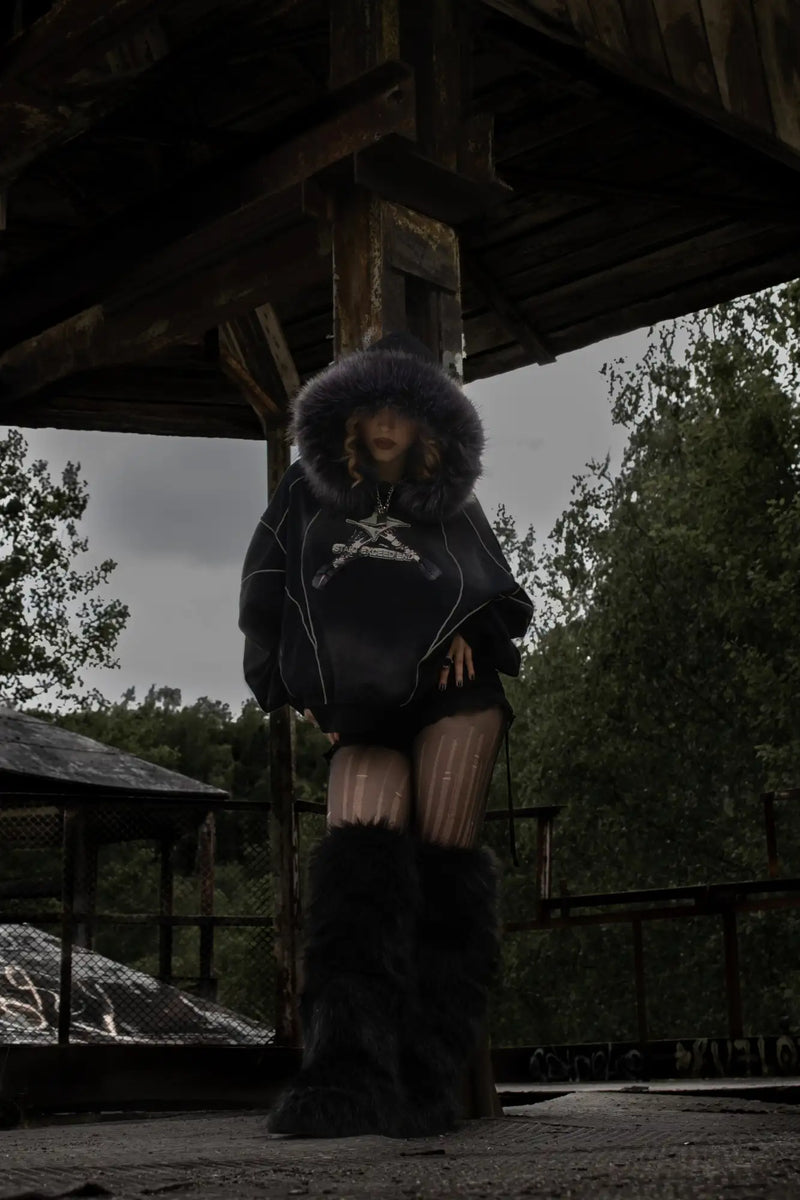
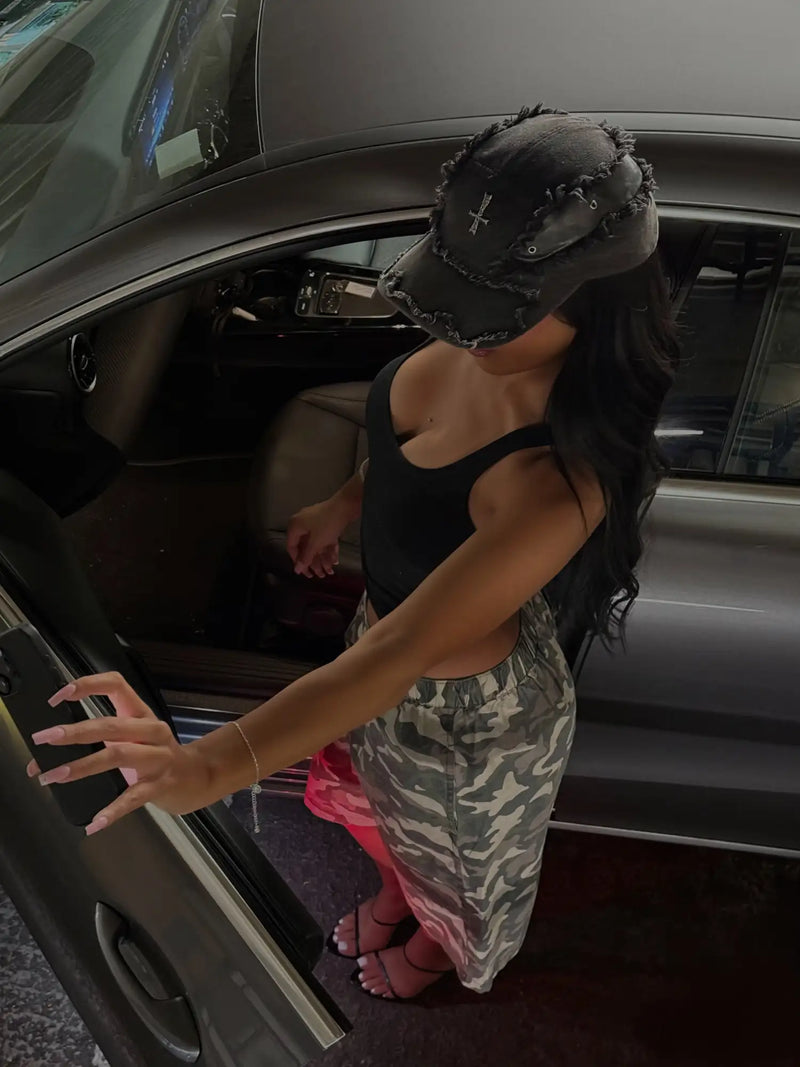


Opium Gradient Snake Cardigan
shanghai studio fit check
2015 → today
Fūga
風雅
Fūga isn't for everyone.
Berlin Plattenbau origins, Asia-inspired. Creative, but never quite fitting the system. Tokyo 2015 as the starting point — six niche phases since.
Today: Berlin · Shanghai · Tokyo · Poznań. We know our designers by name. Limited drops, no restocks.
We're not dropouts. We know the system — did the training, worked, kept building. Both at once.