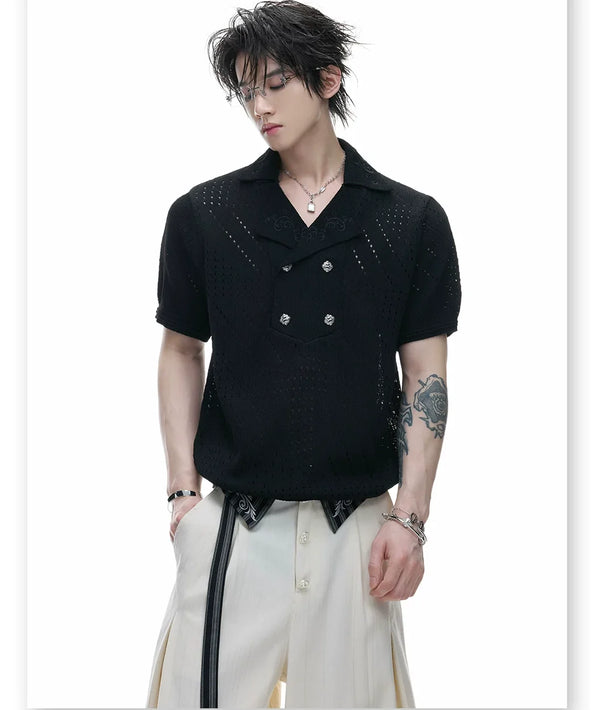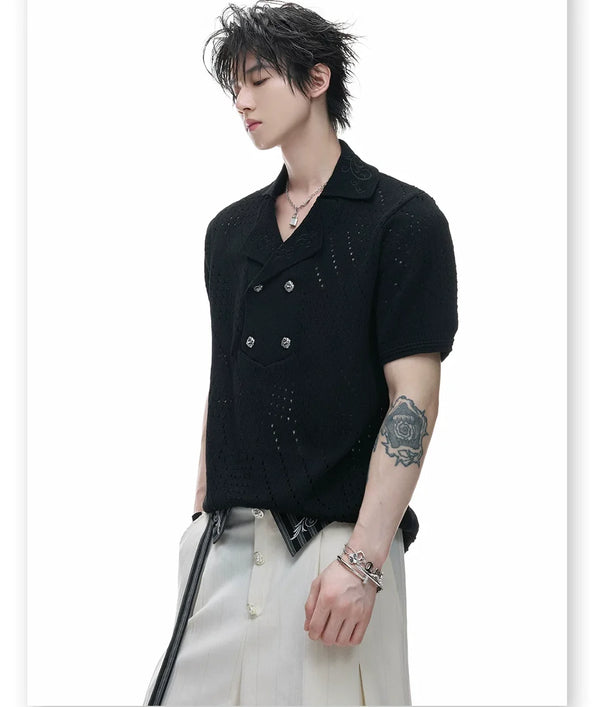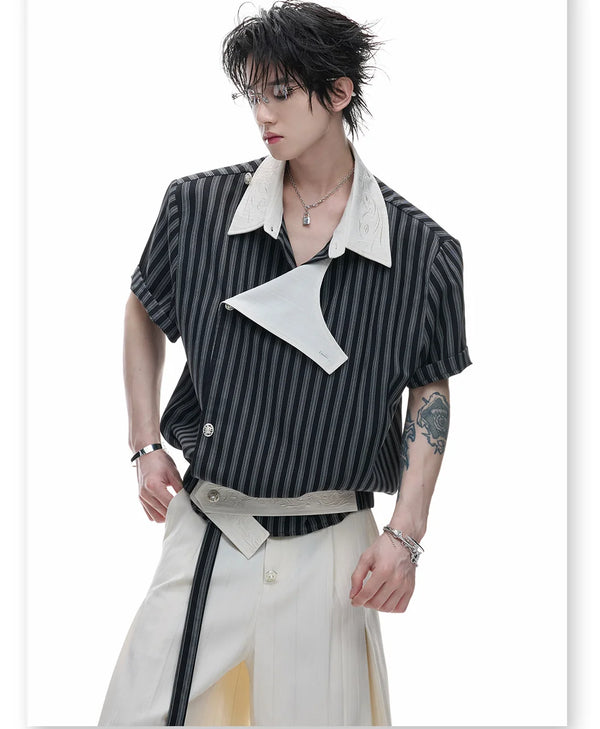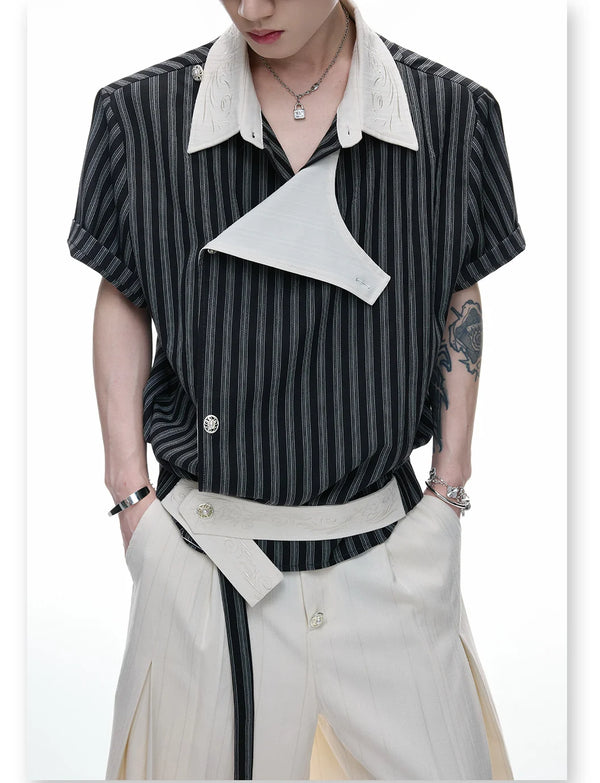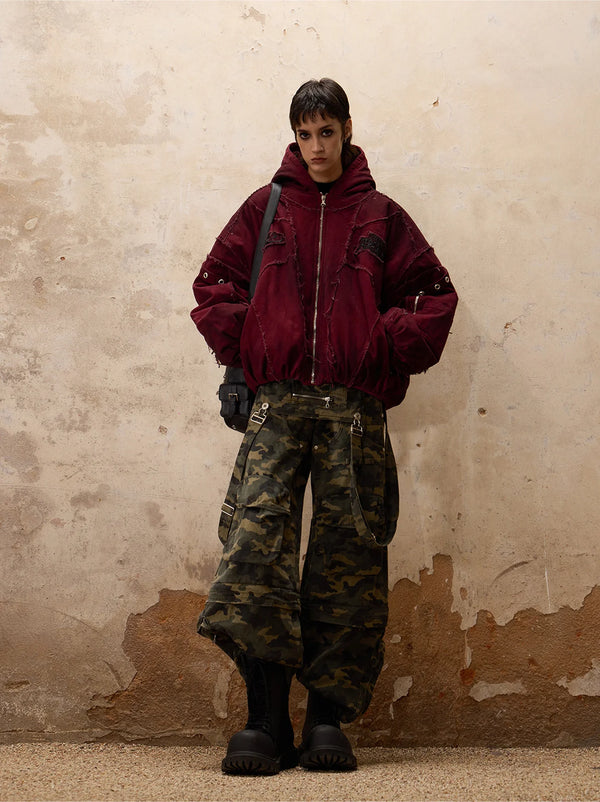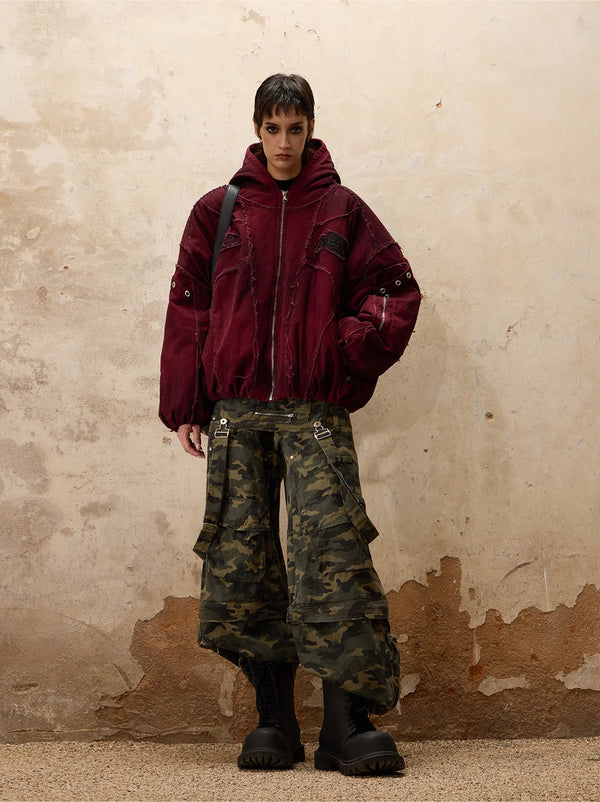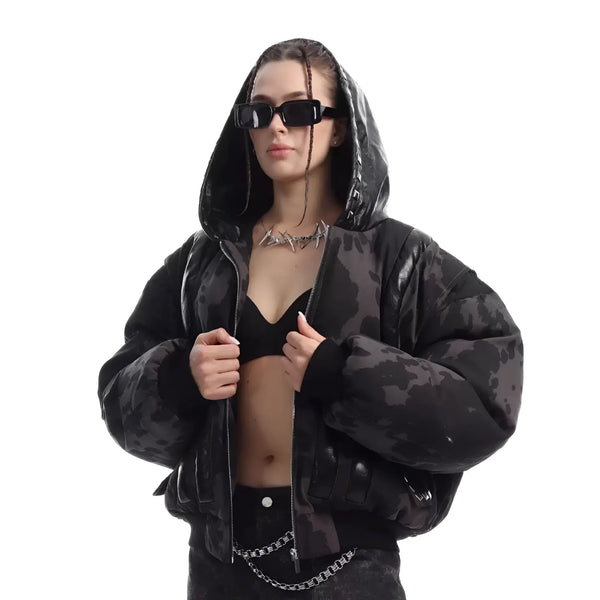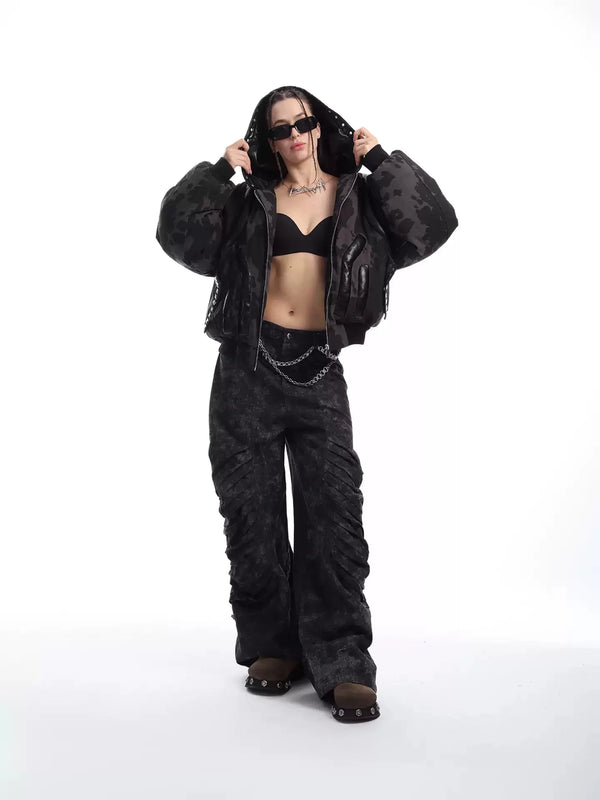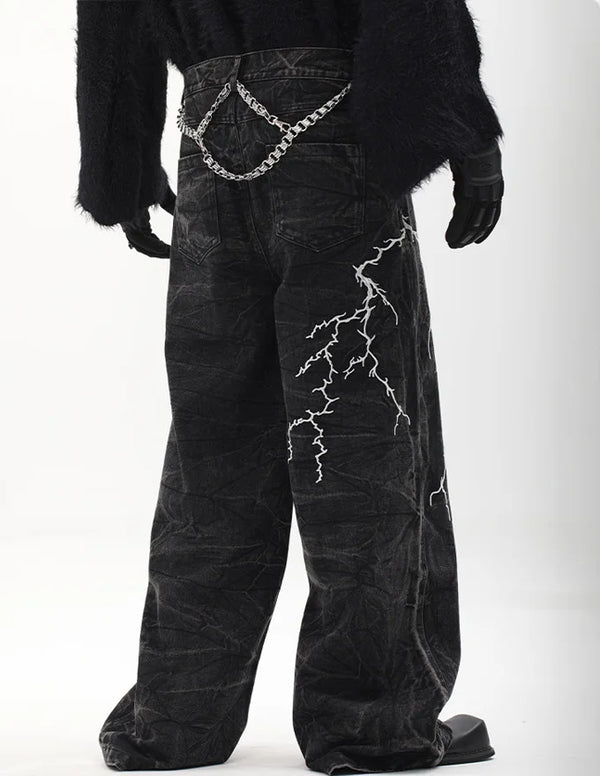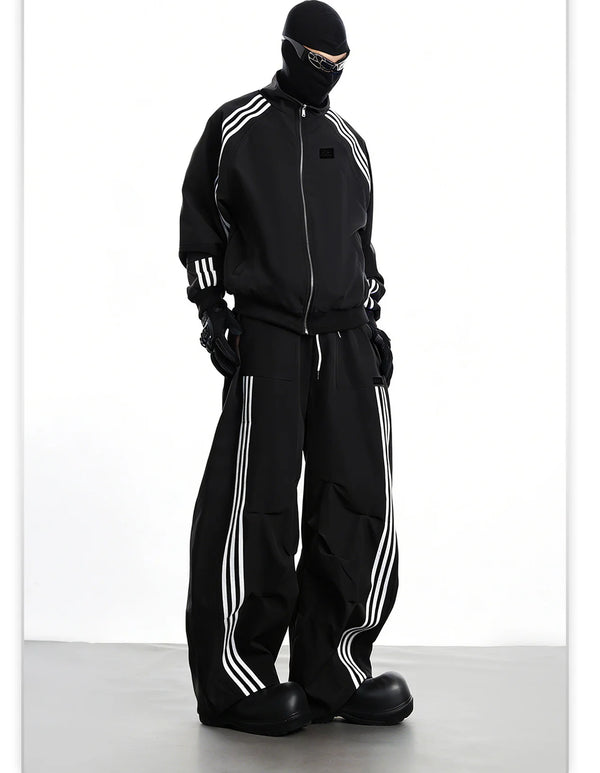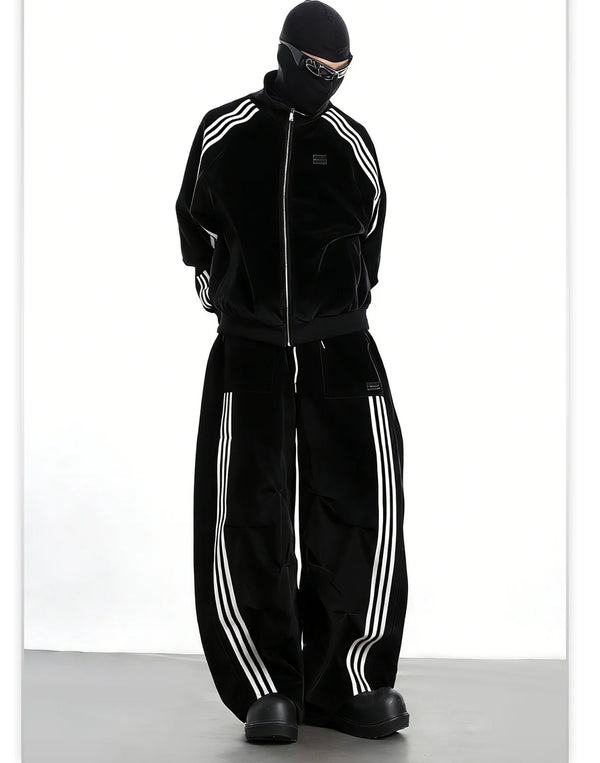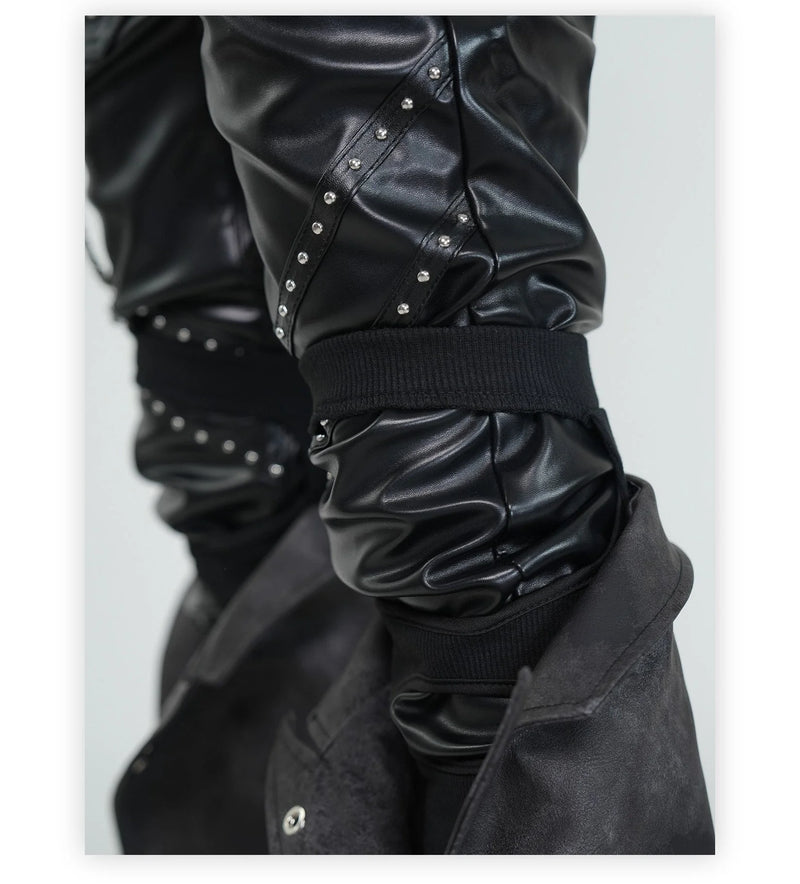
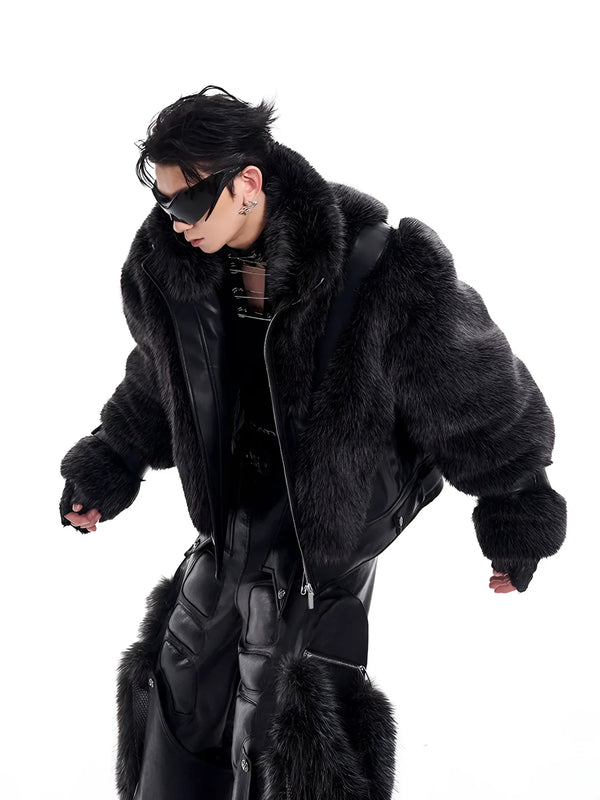

Anime · Harajuku · Origin
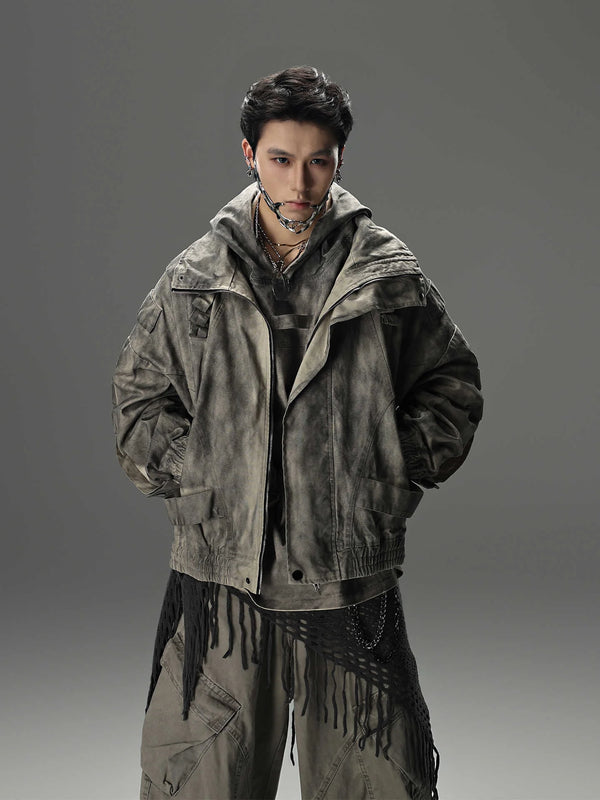
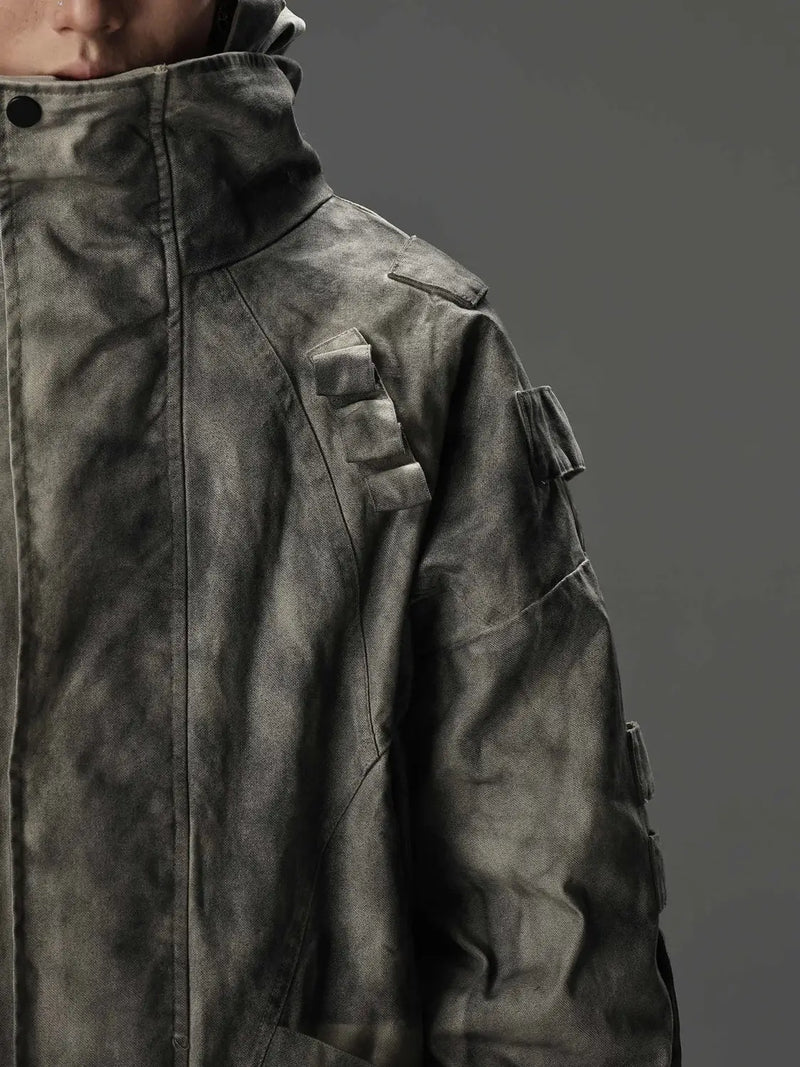
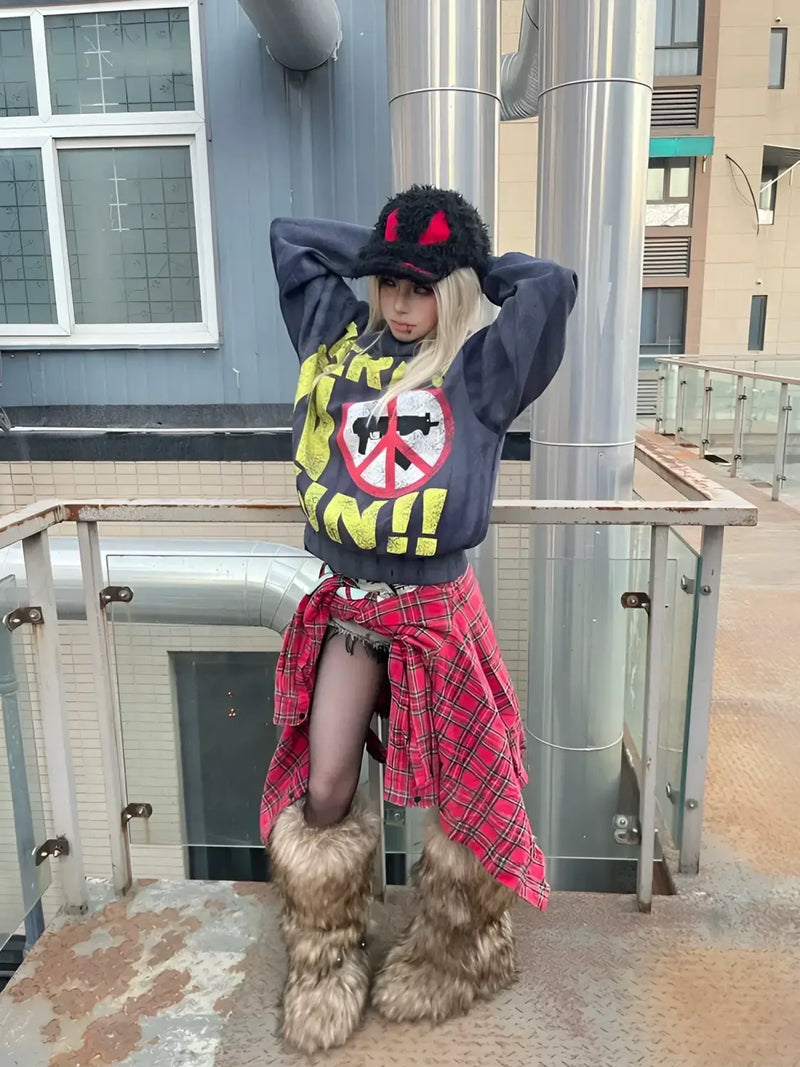
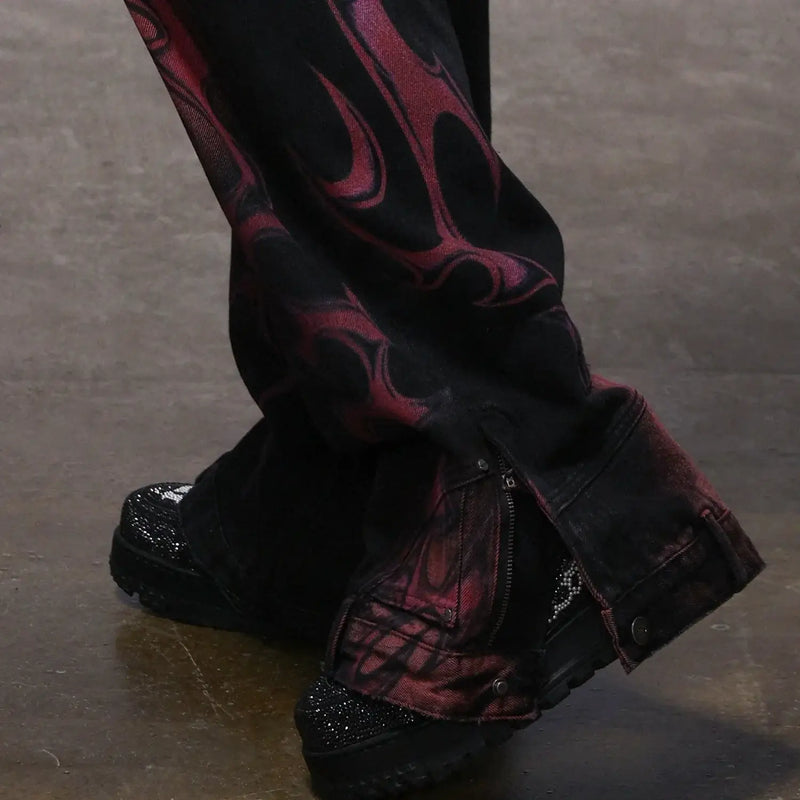
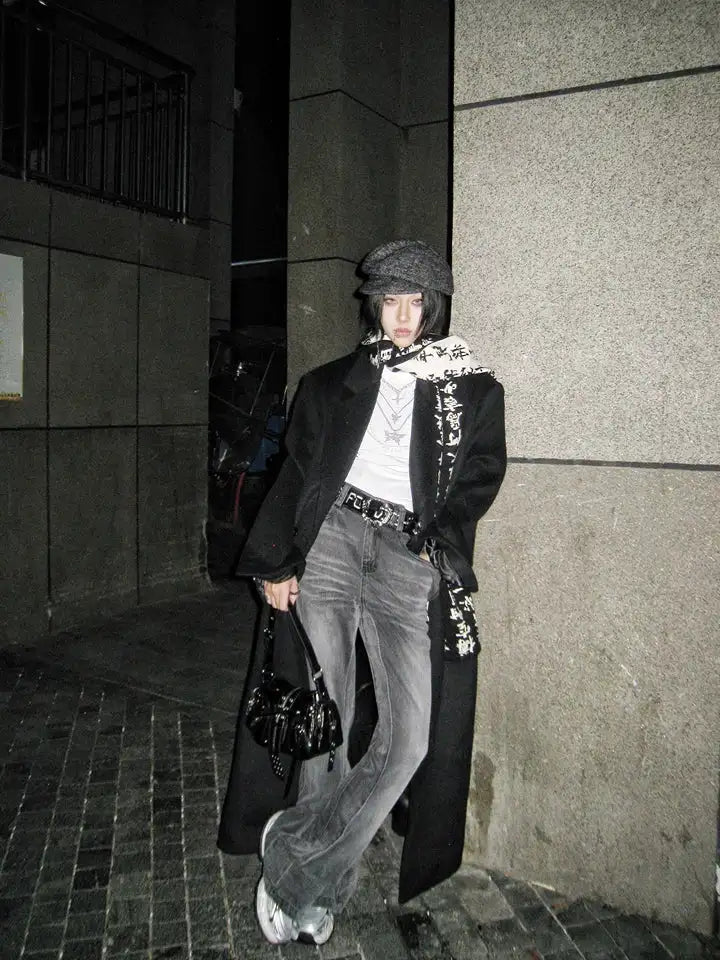
Long, precise, asymmetric. The coat as a Tokyo statement.
All pieces
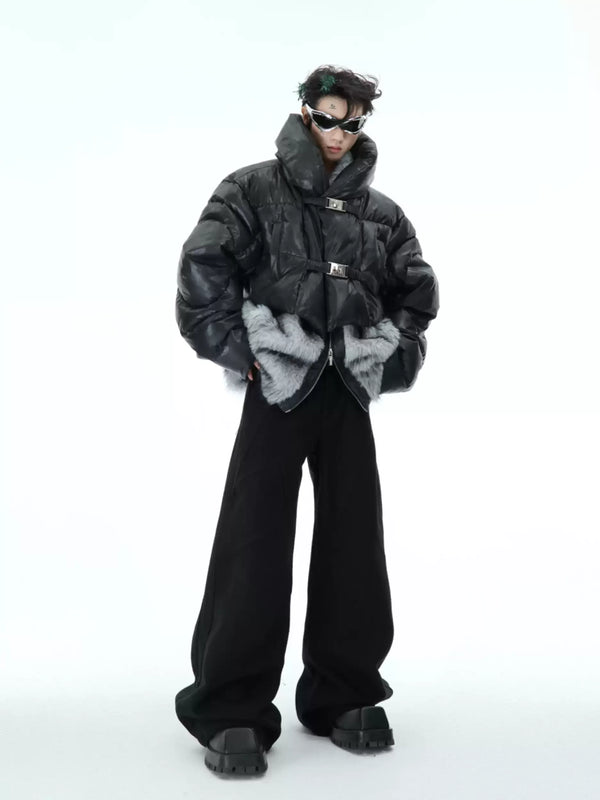
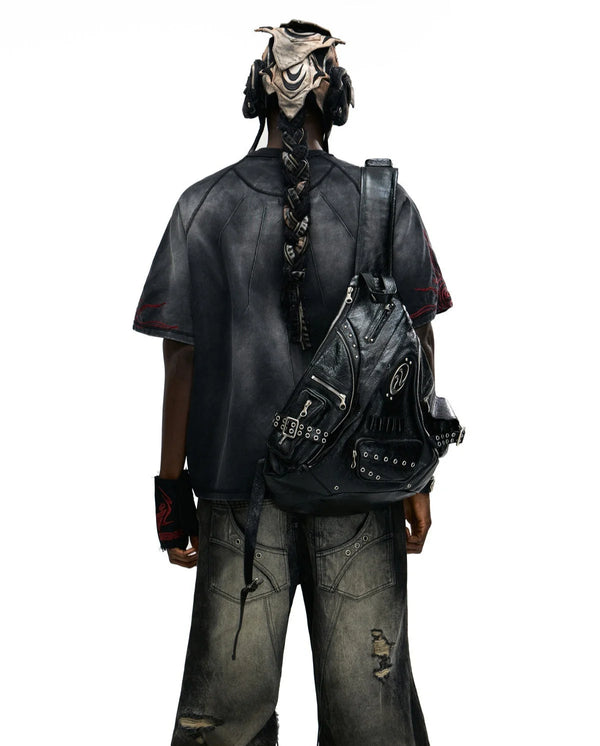
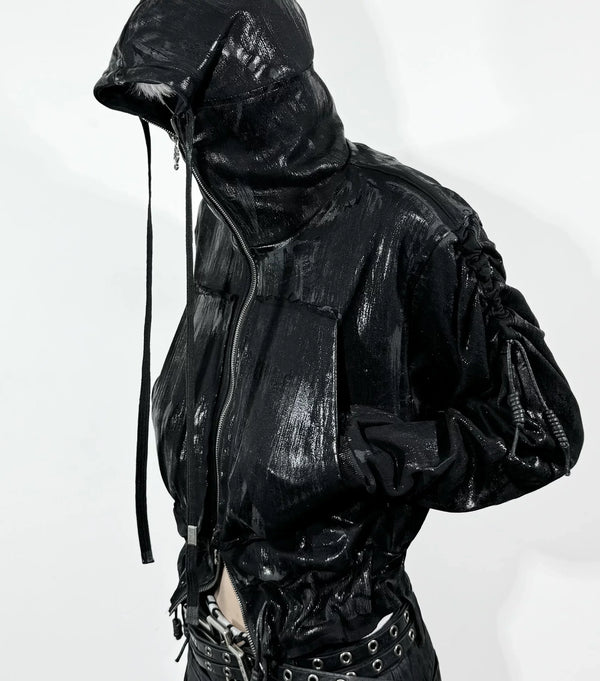
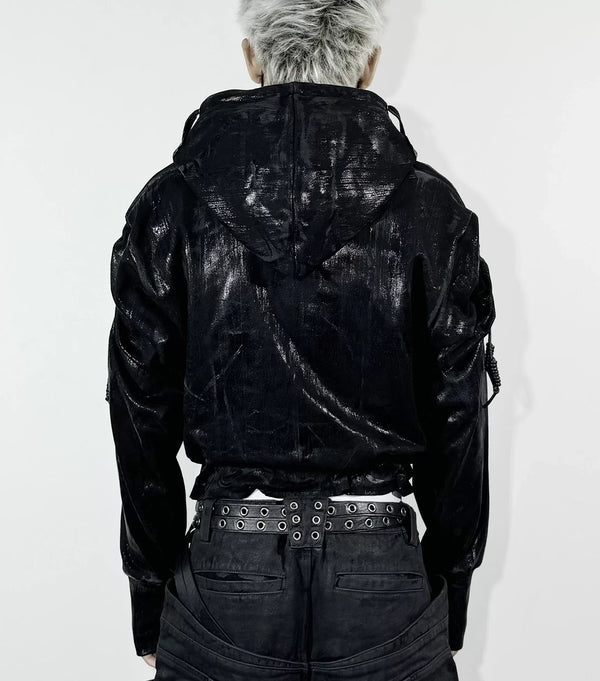
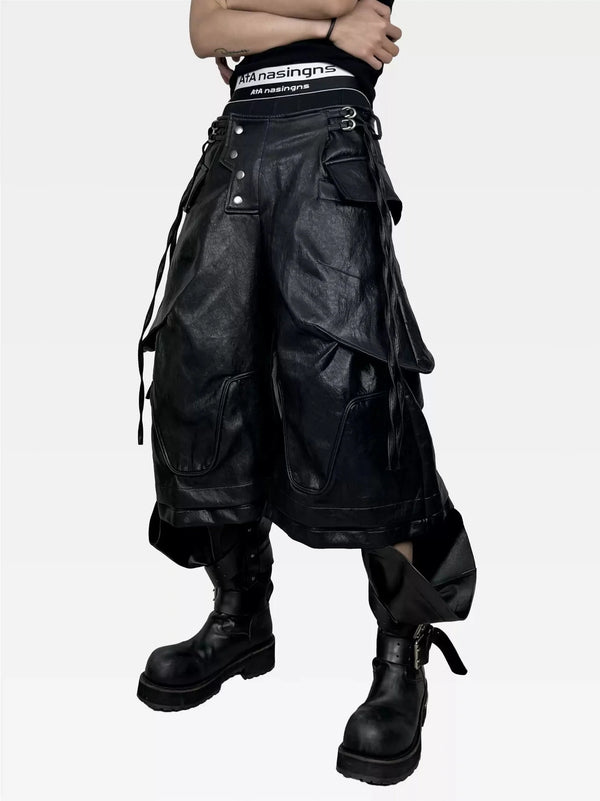
Japanese streetwear coats are the visual foundation from Tokyo to Berlin - an aesthetic fusion of minimalist Japanese cuts, technical fabrics and urban East Asian design that combine function and wearability with a clear visual identity. At Fuga Studios Discover Japanese Streetwear Coats 2026 in all their diversity: Noragi-inspired jackets with Japanese tailoring techniques, modern windbreakers with asymmetrical details, structured transitional coats and technical outerwear that fit in every city - from Harajuku to the Berlin promenade.
📖 Briefly explained: Japanese Streetwear Coats at Fuga Studios
Classic Japanese cutting techniques (Noragi, kimono-inspired construction) combined with modern streetwear functionality. Color palette: Dark blue, black, gray, green, brown — with occasional accents of neutral textures (corduroy, nylon, canvas). The cuts are deliberately loose, slightly oversized, but structured - not baggy, but precisely designed. Japanese streetwear coats are layer-ready and age visibly beautifully.
Japanese Streetwear Coats represent a design-philosophical fusion between Japanese craftsmanship tradition and contemporary urban minimalism. The style emerged from the intersection between traditional Japanese tailoring (particularly noragi and workwear), 1990s Japanese high fashion deconstructions, and modern athleisure thinking. The cuts follow Japanese proportions — looser than Western standards, but not without reason. The fabrics are functional and age intentionally: raw linen, untreated canvas, unwashed denim, nylon with patina. The result: coats that not only fit perfectly on day 1, but get better as you wear them.
The DNA of Japanese Streetwear Coats is based on four pillars: Cut, material, Details and Carrying culture. When it comes to cuts, the Japanese philosophy of a loose, flexible fit dominates - shoulders are lower, sleeves are longer, and the length is deliberately ambiguous. When it comes to materials, the focus is on untreated, long-lasting fibers: raw denim, raw linen, heavy-weight canvas. The details are subtle but intentional — leather patches on the hem, sashiko embroidery, Japanese labels, contrast stitching. The wearing culture is crucial: Japanese streetwear coats are designed to age, fade and patina. This is not a bug, but the feature.
At Fuga Studios you will find these principles across all categories — from Japanese streetwear jackets about Windbreakers up to complete Japanese streetwear.
From traditional noragi to modern windbreakers — every silhouette has a Japanese core.
🎥 Japanese streetwear aesthetic
@fugastudios POV: You're the main character in a post-apocalyptic film 🖤🏜️ Japanese streetwear vibes — minimal, functional, timeless #fugastudios #japanesestreetweaar #streetwear #darkfashion #desertvibes ♬ Original sound - Fuga Studios
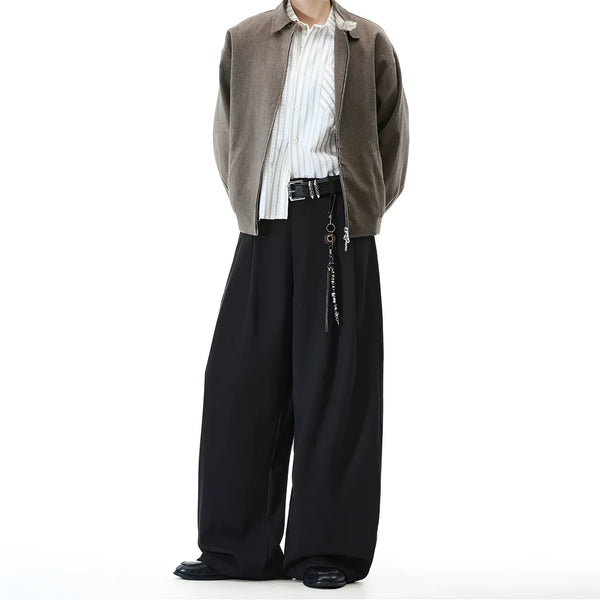
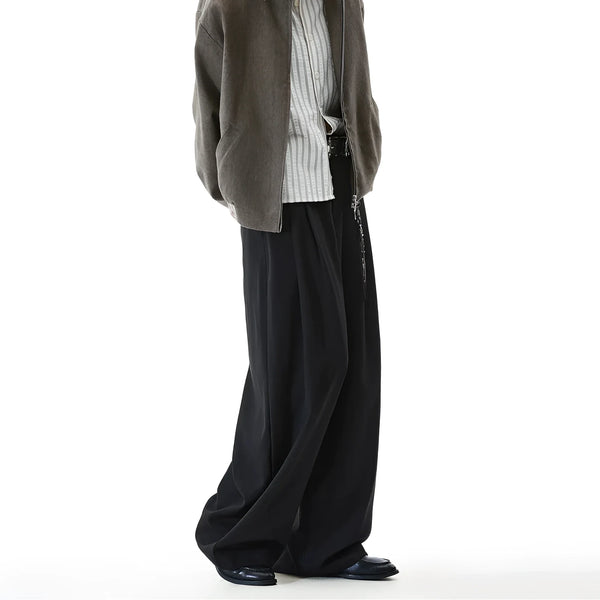
The classic Japanese streetwear coat outfit follows one simple rule: the jacket is the statement, everything else is room for it. A high-quality coat or a structured Noragi-inspired jacket as a centerpiece, paired with neutral basics (dark, simple trousers), and then the magic happens through aging and texture contrasts. A leather patch, faded indigo, unwashed canvas — these are your statement elements. The concept: the coat gets older and better with you. That's not wear and tear, that's character.
In winter, use structured, unlined or lightly lined wool blends and technical nylon shells — Japanese layering thinking means several thinner layers instead of one thick one. For transition and fall, light linen and canvas coats are the gold standard — durable, age beautifully, and work as a windbreaker and statement piece at the same time. Set in summer light windbreakers the same principles around — nylon without lining, light cuts but with full structure. The central question is: how do these materials age, and do you like this aging process?
Minimal but precise - for every season with Japanese cutting logic.
💡 Pro tip
First, invest in a good Noragi or Linen Coat in a neutral color. This is your investment for years. Japanese streetwear coats aren't designed for every season — they're designed to age. Pay attention to material weight and cut quality, not trends. A good coat grows older with you.
The word "Japanese" refers to the design philosophy roots in Japanese craftsmanship, Japanese cutting techniques and Japanese minimalism. "Streetwear" marks urban, everyday use - not traditional garments, but modern interpretations of Japanese principles. The Combination creates its own design language: traditional techniques in a modern context. Brands like Nanamica, Uniform Experiment and The North Face Purple Label have defined this standard.
Japanese Streetwear Coats work with several adjacent categories. If you like the Harajuku site, explore ours Harajuku streetwear collection — more colorful, but with similar cutting uncertainties. For a more technical approach, try Techwear — functional, but less focused on craftsmanship. If you like the minimalist principles, check out ours general streetwear collection on. For an even more traditional approach, we recommend ours Japanese Streetwear Guide and ours 2000s Japanese Fashion Exploration.
From Noragi roots to modern Harajuku — all Japanese editing insecurities explored.
Free Shipping from €169 | 14-Day Returns
Japanese Streetwear Coats combine traditional Japanese tailoring techniques with modern urban minimalism. They feature loose, structured cuts from Japanese proportions, high-quality materials that age intentionally (raw denim, linen, canvas), and subtle details like leather patches and contrast stitching. These coats are designed to improve over time with wear.
Durable, unfinished fabrics dominate: raw denim, untreated linen, heavyweight canvas, wool blends, and nylon that patinas with age. These materials are chosen specifically because they develop character over time — fading, creasing, and acquiring a unique worn aesthetic.
Neutral and earthy tones dominate: dark indigo, black, gray, sage green, and brown. Occasionally you'll see cream or off-white in linen pieces. The palette is intentionally restrained — Japanese minimalism prioritizes material texture over color variation.
Wear them with minimal layering — simple basics underneath, neutral pants below. Let the coat be the statement piece. Japanese streetwear philosophy is that the garment speaks through aging and material character, not through loudness. Pair with high-quality basics for best effect.
Wash raw materials like denim and linen sparingly to preserve patina. When washing, use cold water and avoid aggressive detergents. Air dry completely. Many Japanese streetwear enthusiasts embrace the aging process intentionally — fading and creasing are features, not bugs.
Prices range from approximately €79.99 for base pieces to €249.99 for premium coats with specialized construction. Core range sits between €119.99 and €189.99. Free shipping from €169, with 14-day returns on all orders.

Opium Gradient Snake Cardigan
shanghai studio fit check

From Opium · 4 Pieces
All 844 of 84 Pieces

From Businesscore · 4 Pieces
All 224 of 22 Pieces

Niche · 03 / 04
Techwear started here as a translation of Tokyo reduction into fabric. Errolson Hugh, Acronym, GORE-TEX, ergonomic cuts — and parallel to that, Japanese discipline: nothing superfluous, all function.
From Techwear · 4 Pieces
All 104 of 10 Pieces

Niche · 04 / 04
Streetwear is the root — the first designs out of Tokyo 2015 were Anime prints, Japanese characters, Harajuku graphics. Everything else grew from that, but the line keeps running.
From Streetwear · 4 Pieces
All 704 of 70 Pieces
2015 → today
Fūga
風雅
Berlin Plattenbau origins, Asia-inspired. Creative, but never fully fitting into the system. Tokyo 2015 as the starting point — six niche phases since then.
Today: Berlin · Shanghai · Tokyo · Poznań. We know our designers by name. Limited drops, no restocks.
We aren't dropouts. We know the system — went through training, worked, kept building. Both sides hold.
How Fūga evolved
What started as Streetwear in Tokyo has shifted over the years — through different phases, our own and collective.
01
The first designs. Anime prints, Harajuku characters, Tokyo connection.
02
Functional, layered, dark. Tokyo reduction translated into fabric.
03
Heavier, uncompromising, more shadow. Grew up parallel to Techwear.
04
Berghain aesthetic with street cuts. Raw, black, Berlin avant-garde meets Streetwear.
05
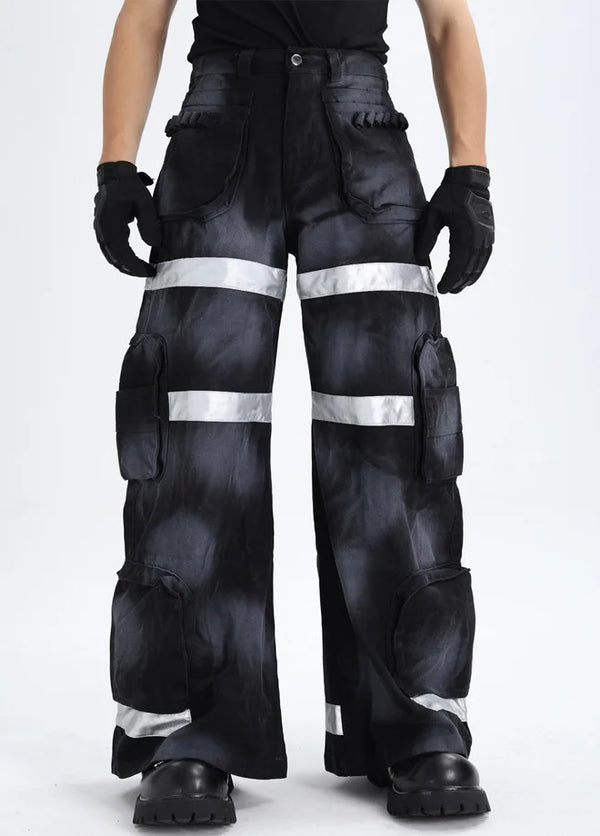
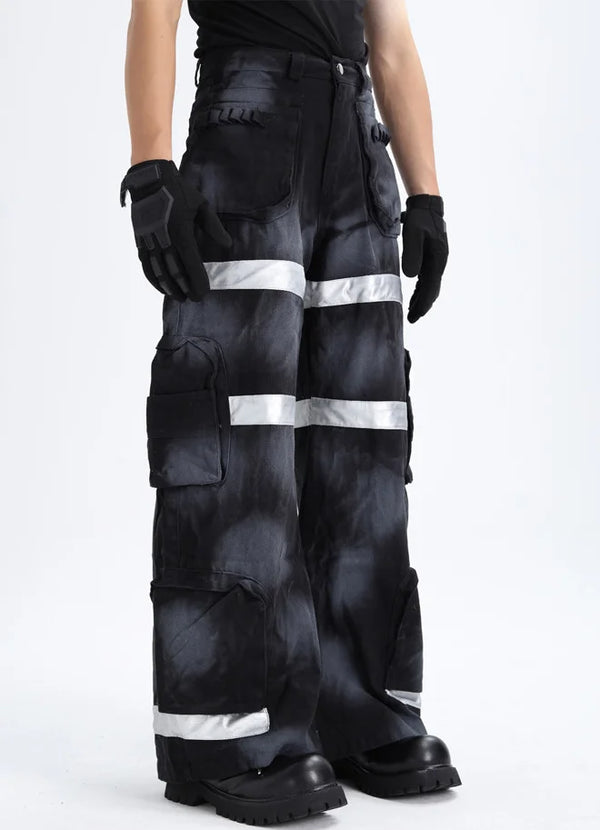
Cyberpunk meets the Berghain floor. Reflective, tactical, sound-system ready.
06
Tailored cuts with Streetwear logic. Growing older without going 9-to-5. Stay edgy.
What comes next, we'll write when the time comes.