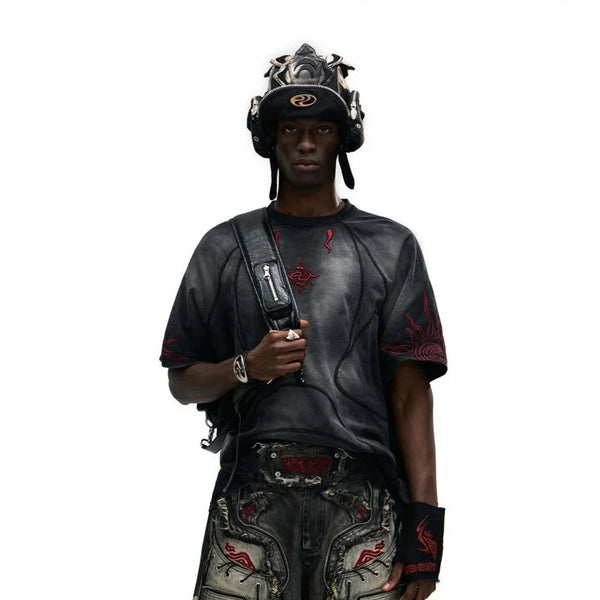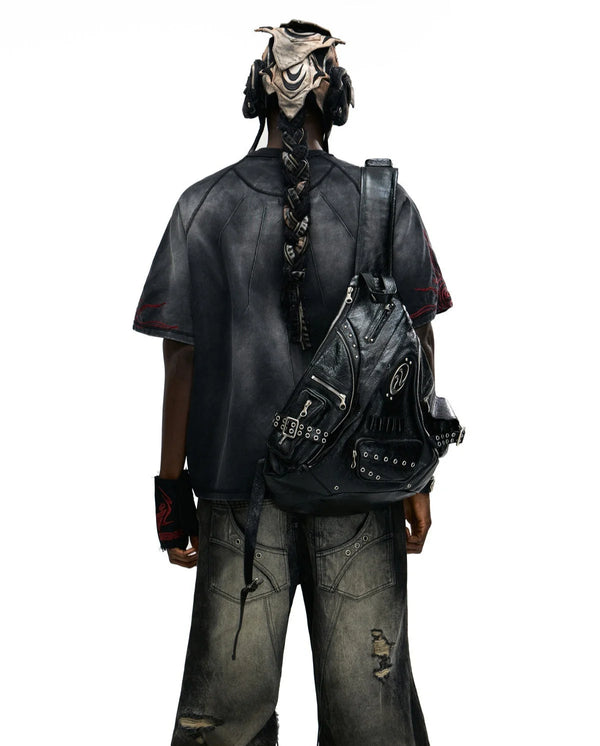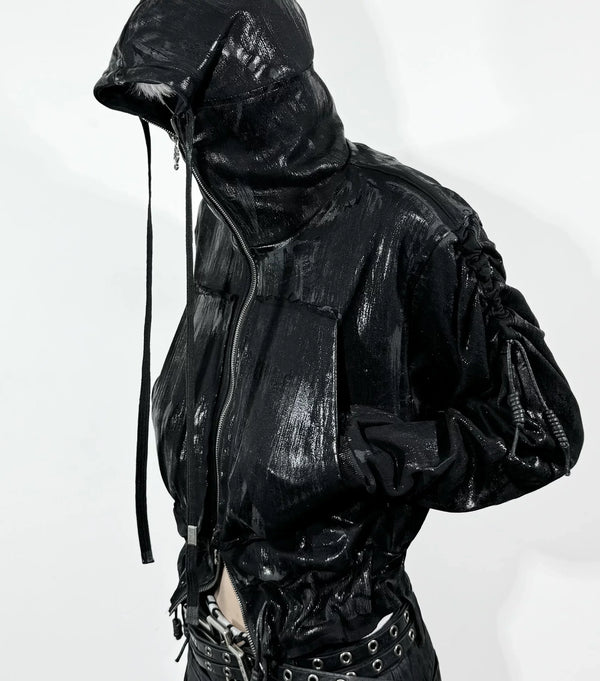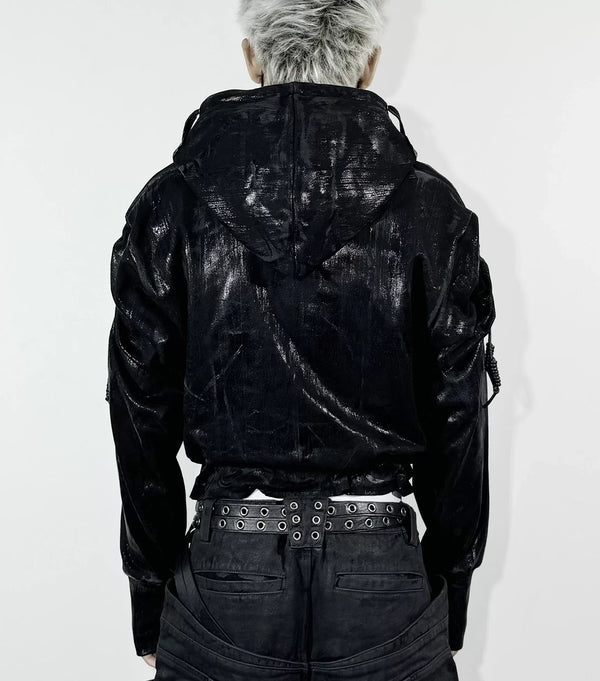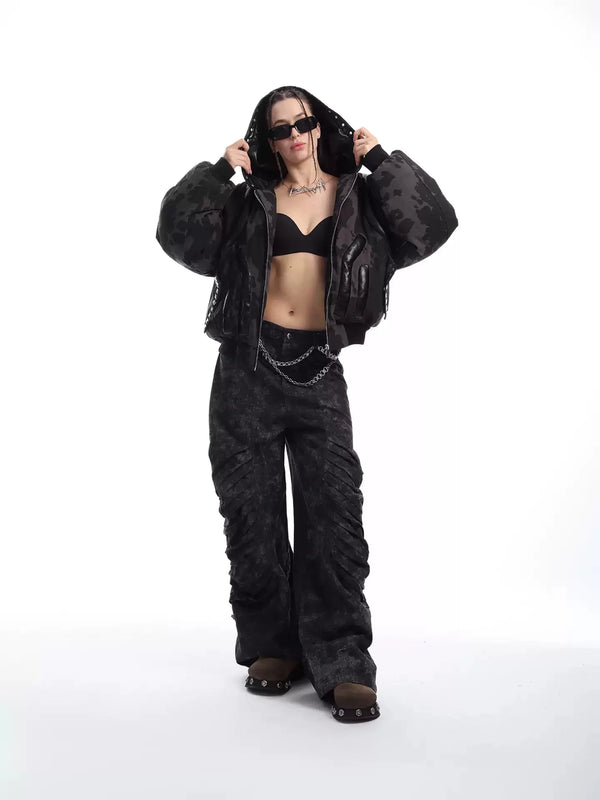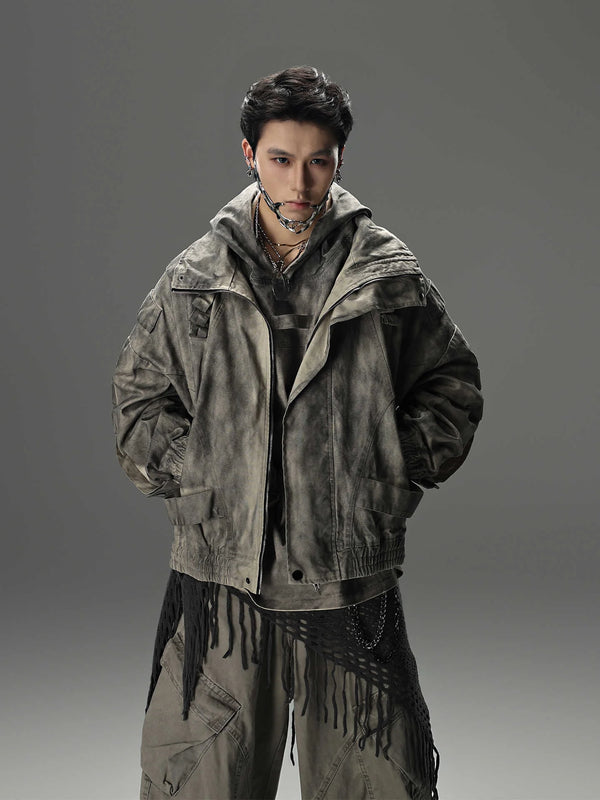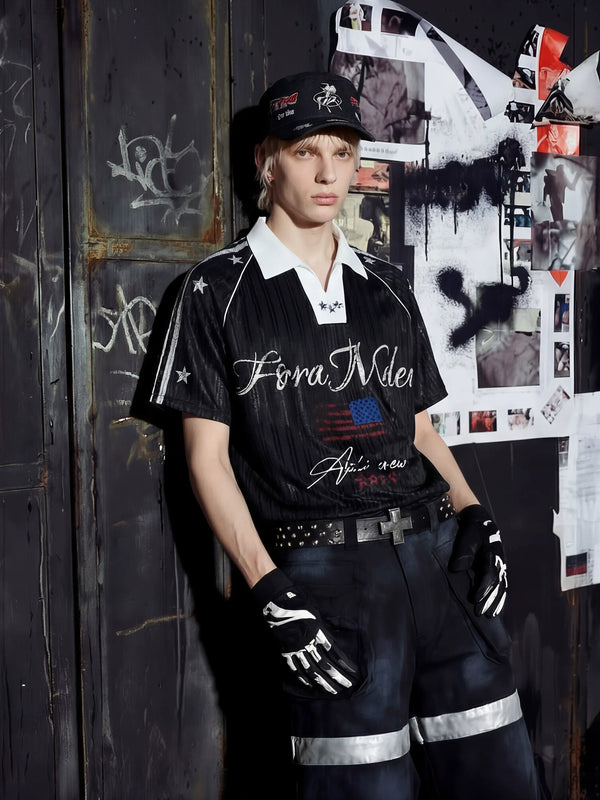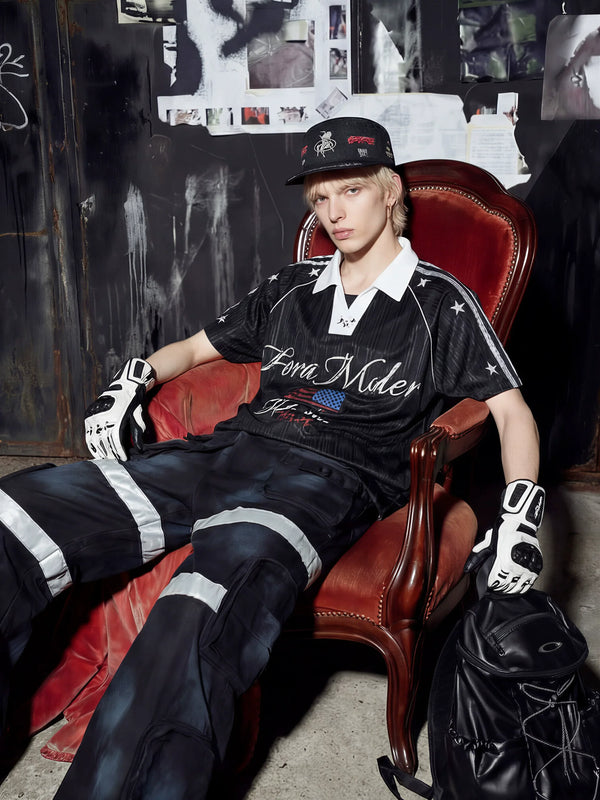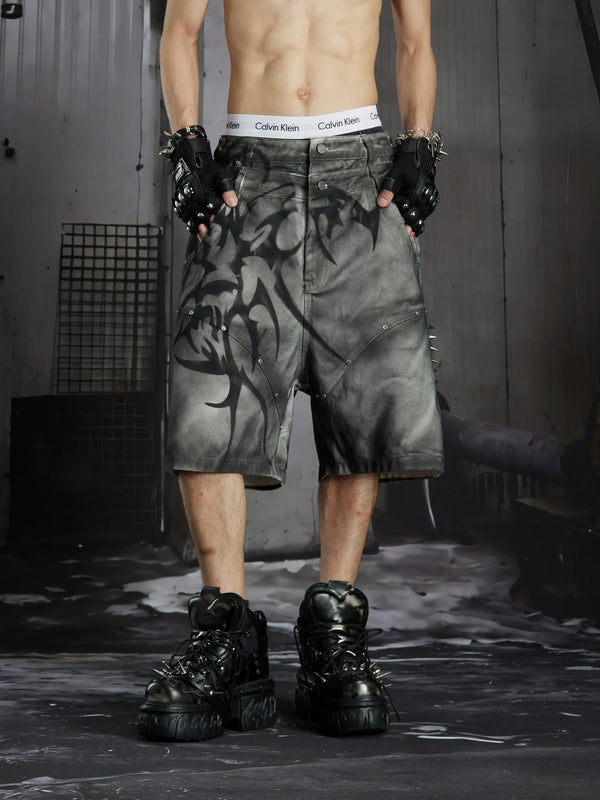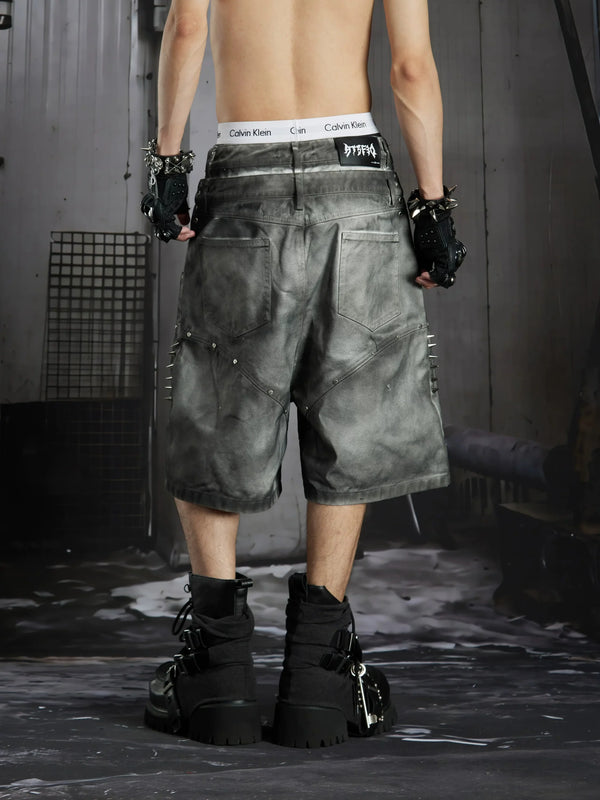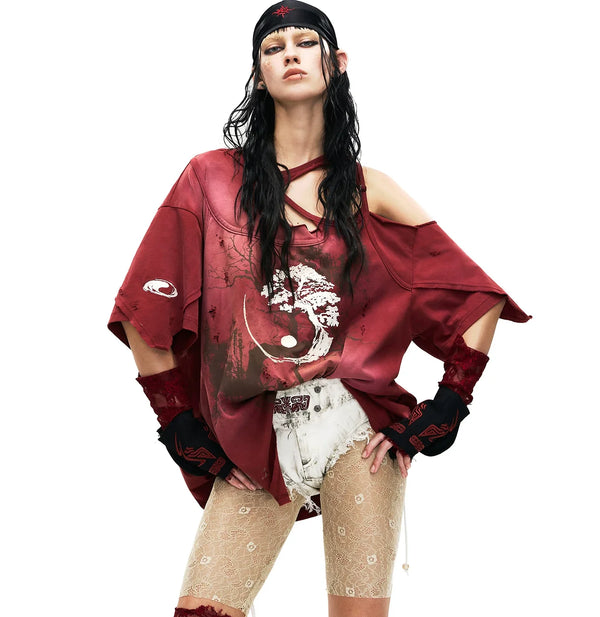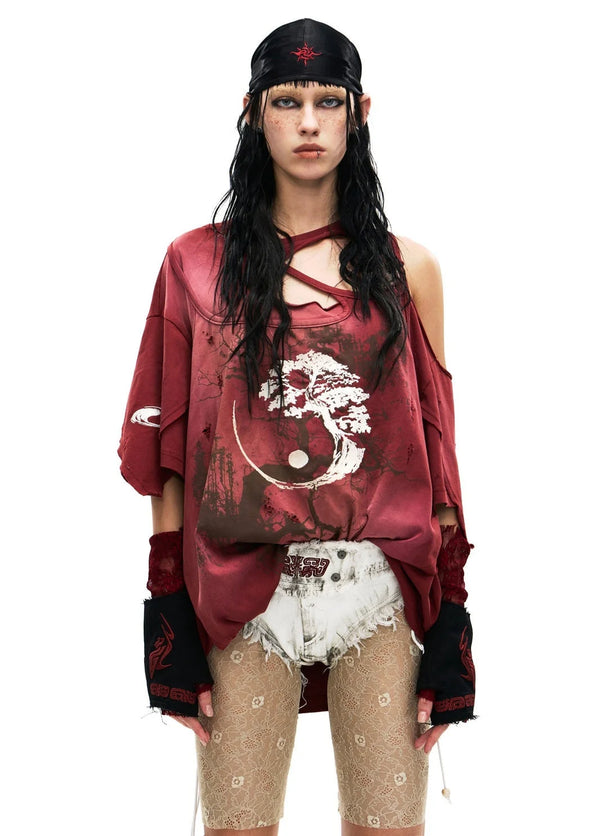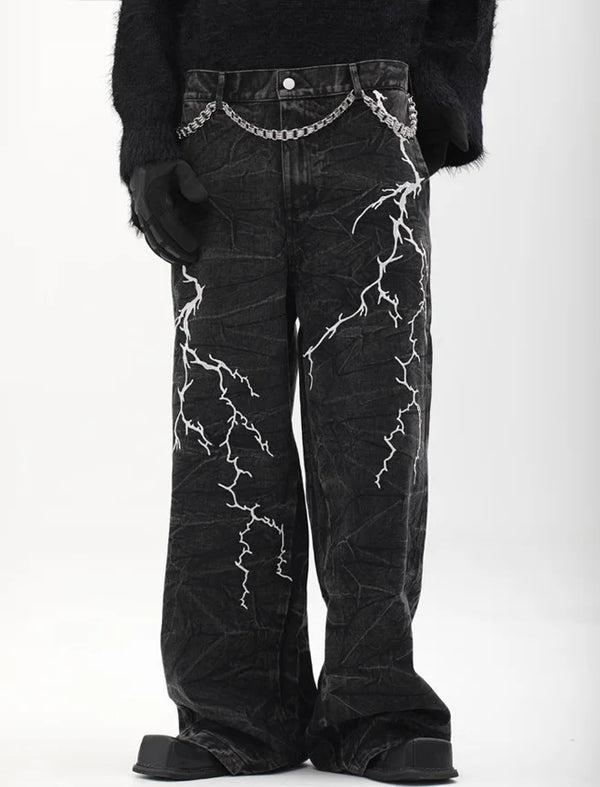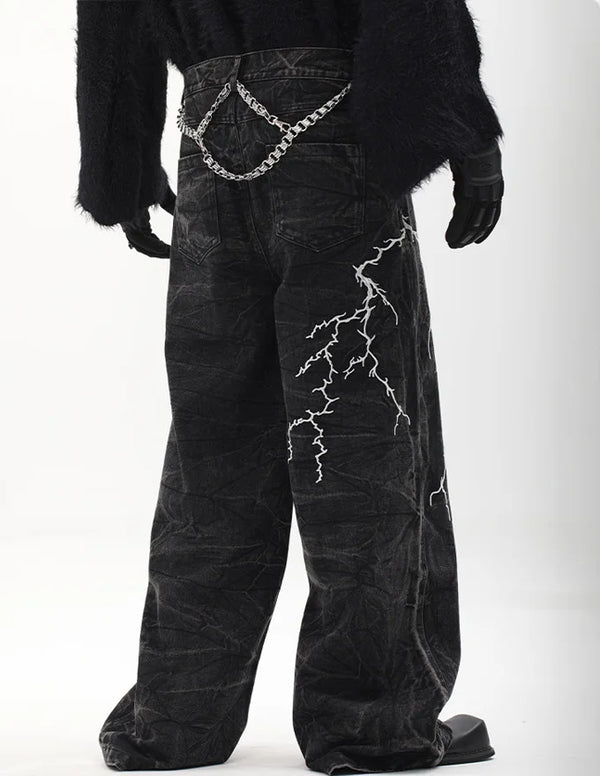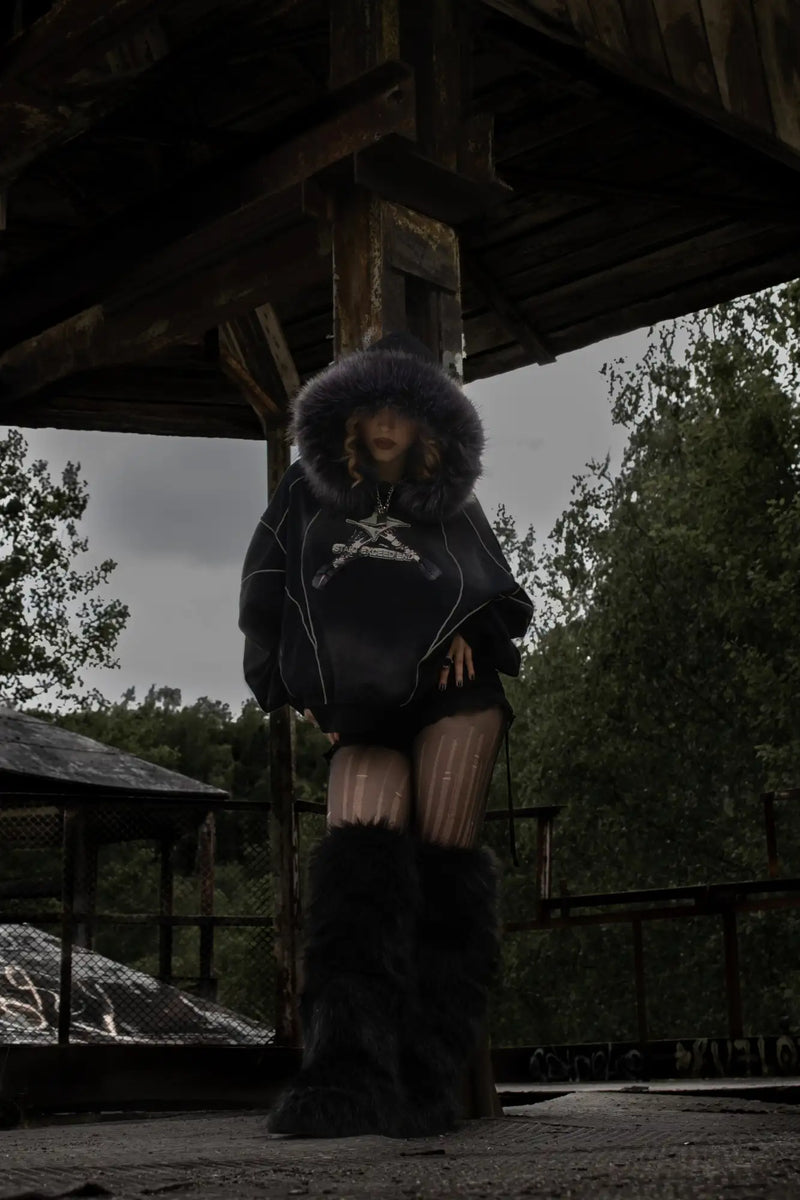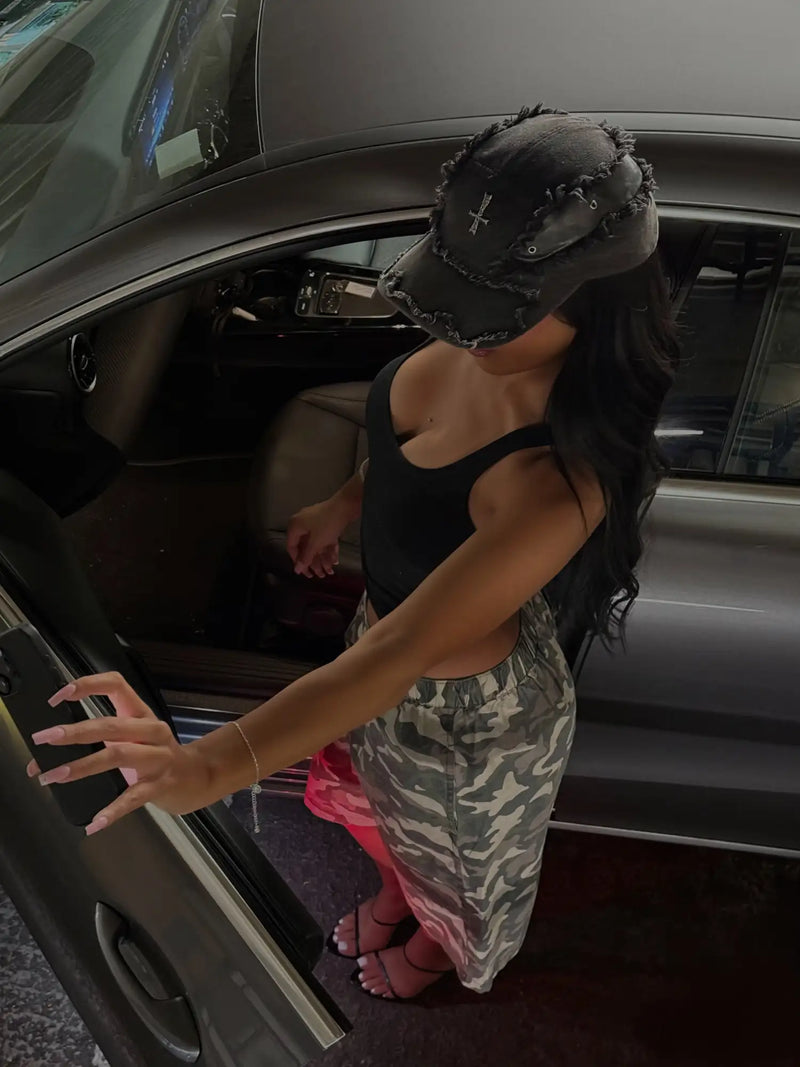
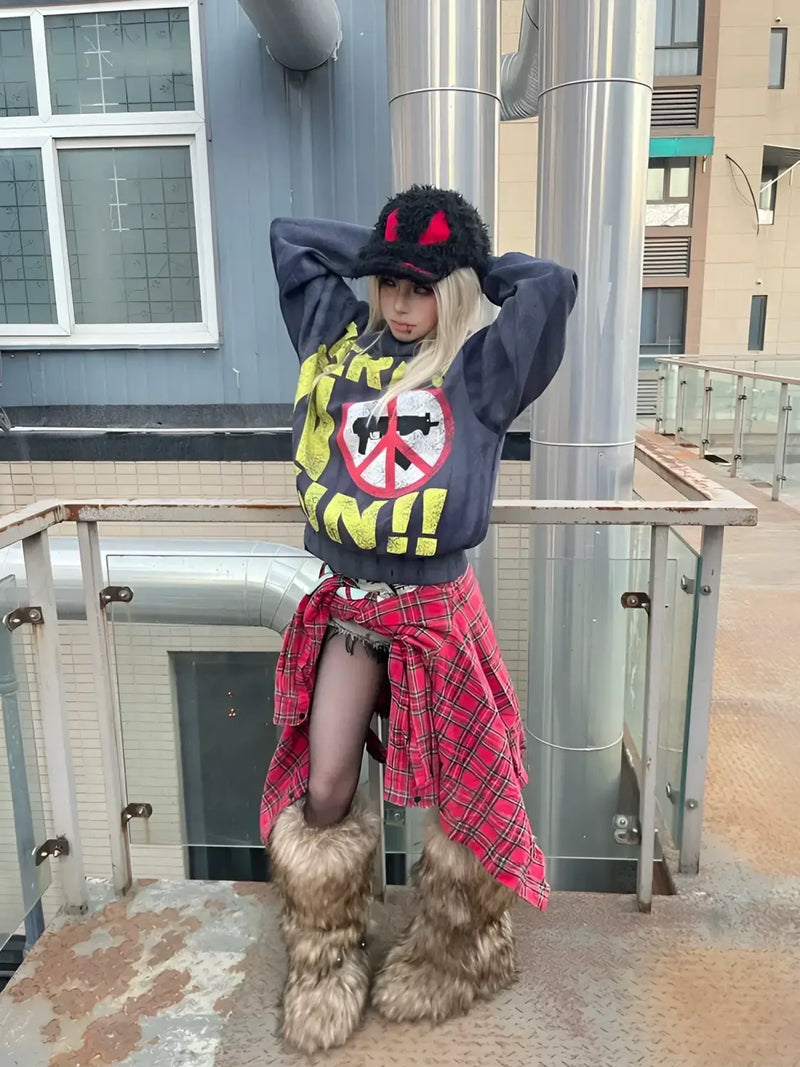
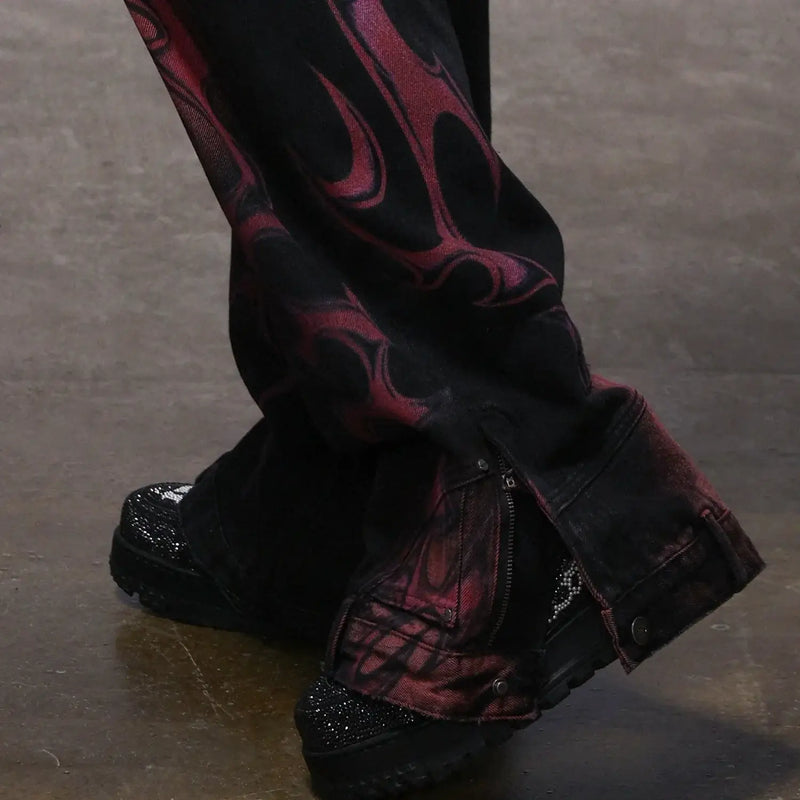
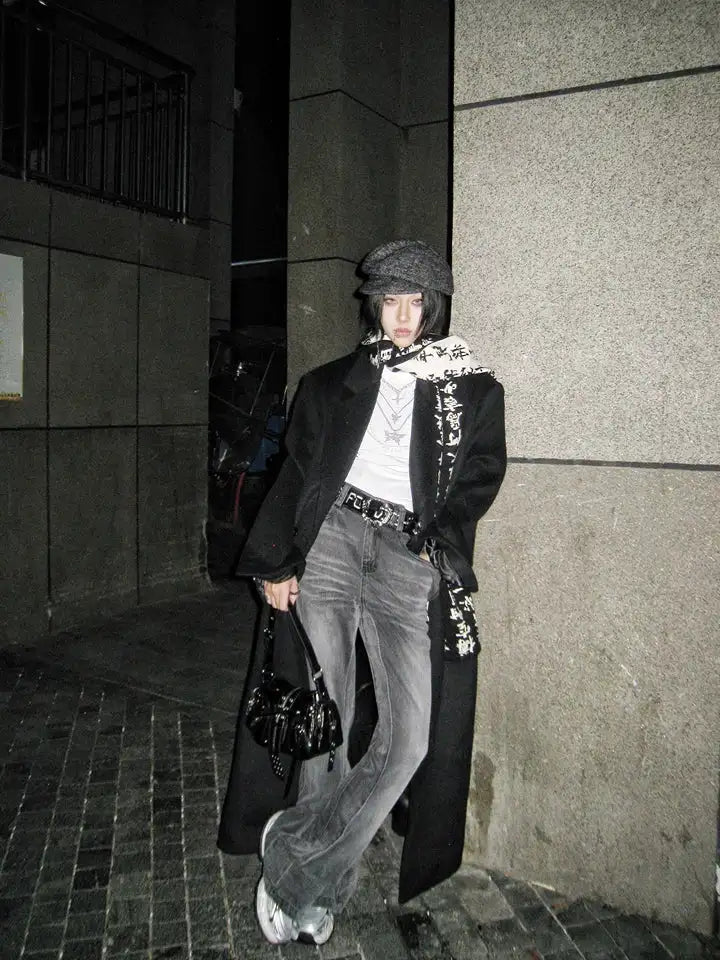

Searching „Korean Casual Outfit" on Pinterest gets you: white tank tops, light-blue mom jeans, white sneakers, a bow in the hair. Half the internet is wrong about this. That's soft-girl, that's coquette, that's 2014 Tumblr — but it's not what Koreans actually wear casually.
Korean Casual is a layering system that grew out of Seoul. Photographed since 2014 at Incheon Airport, where K-pop idols were styled between tour stops. Refined ever since at Seoul Fashion Week through labels like Andersson Bell, Ader Error, We11done, Recto, Mardi Mercredi. The logic: three visible layers, a hard neutrals quota, one oversize element, zero visible luxury logo.
Anyone who reads this as „streetwear with white sneakers" has confused the code with the cliché. This guide clears it up: where it comes from, which five archetypes wear it, how the 3-3-3 rule works, how the men's and women's versions differ, which brands actually write the code — and six mistakes that tip any Korean Casual outfit into Pinterest tier.
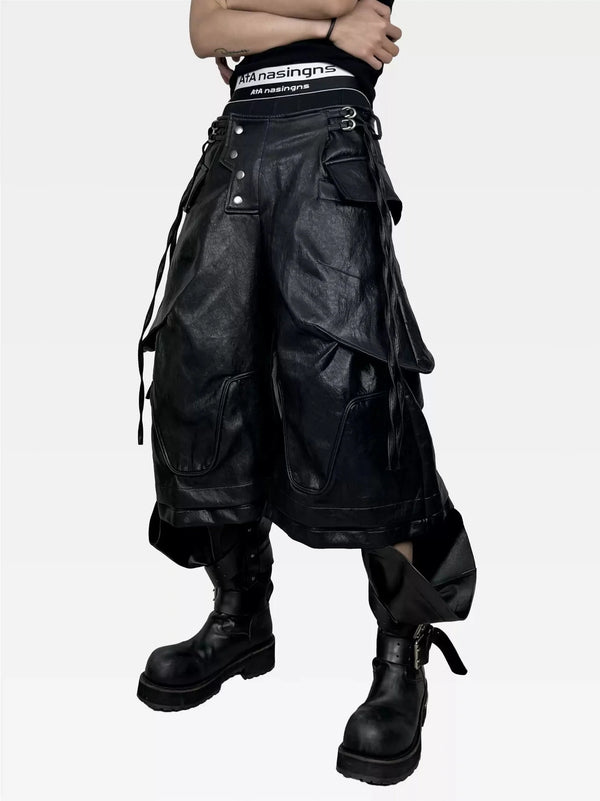
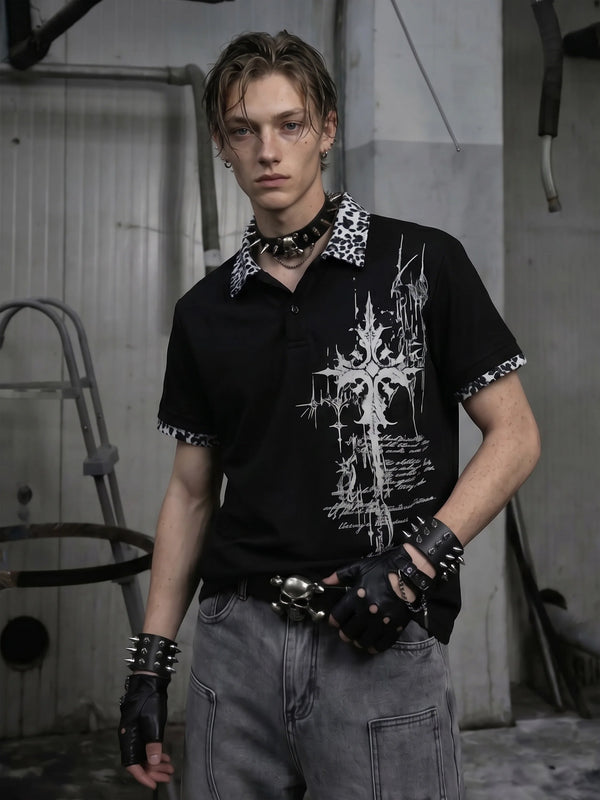
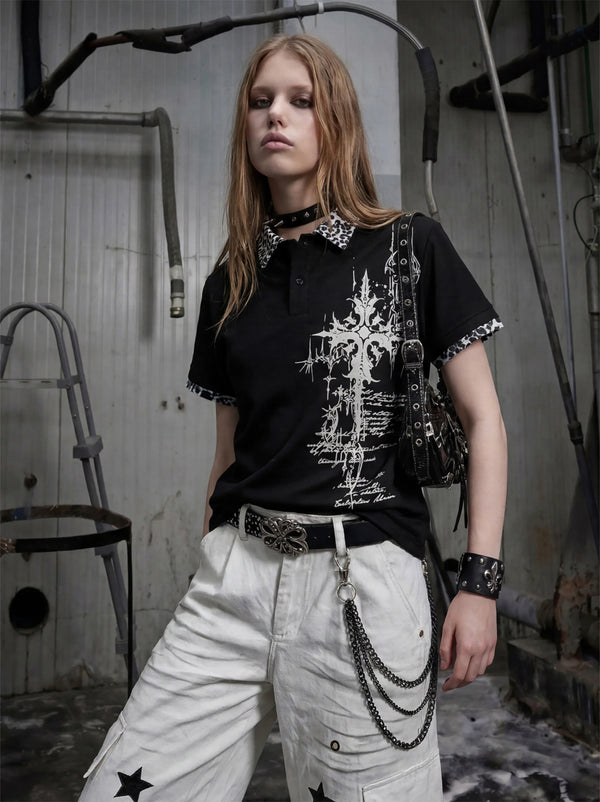
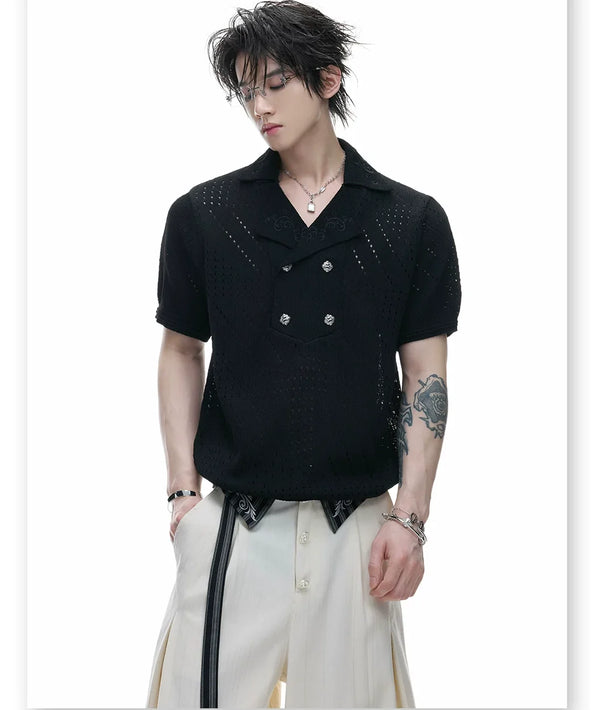
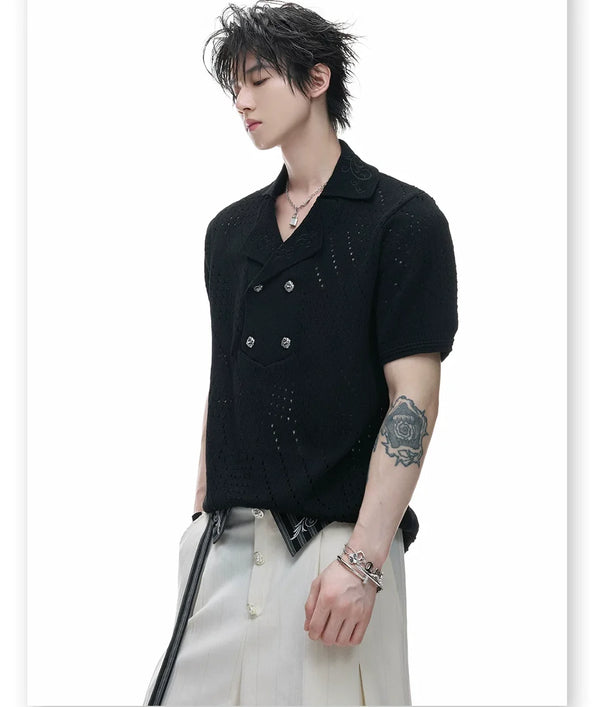
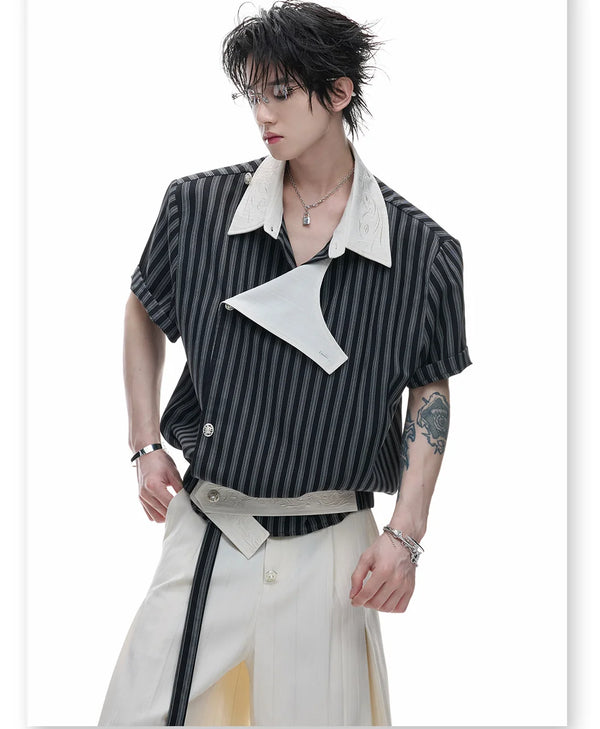
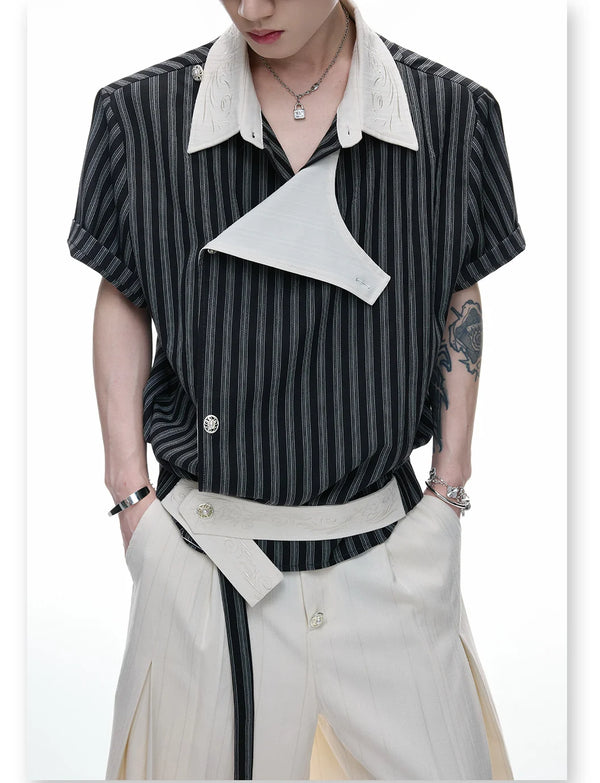
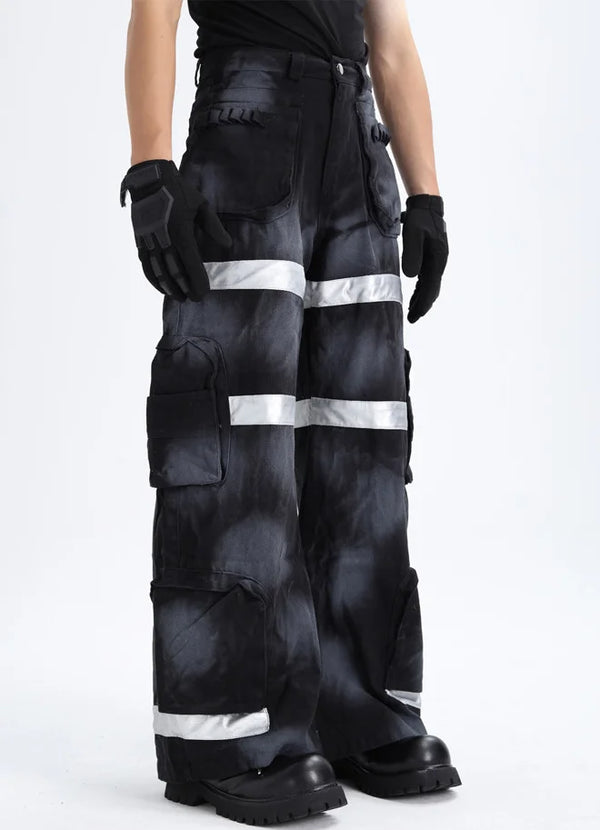
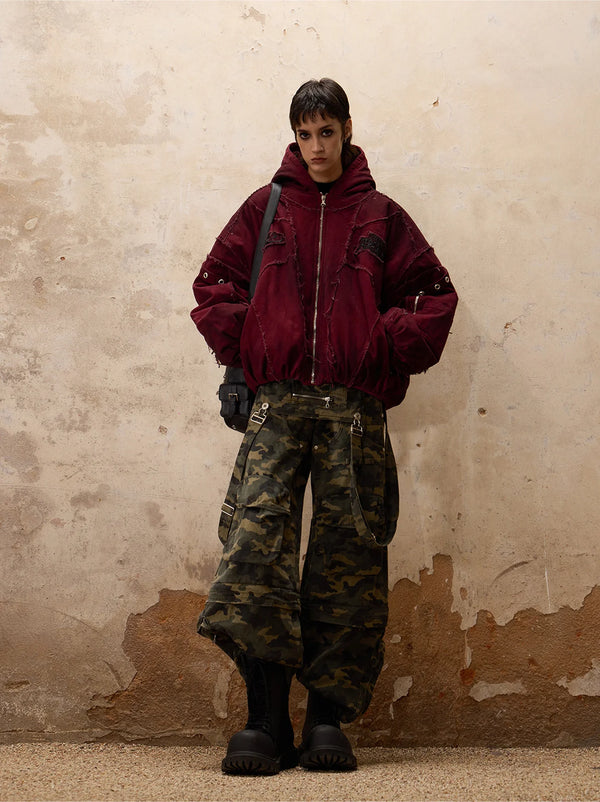
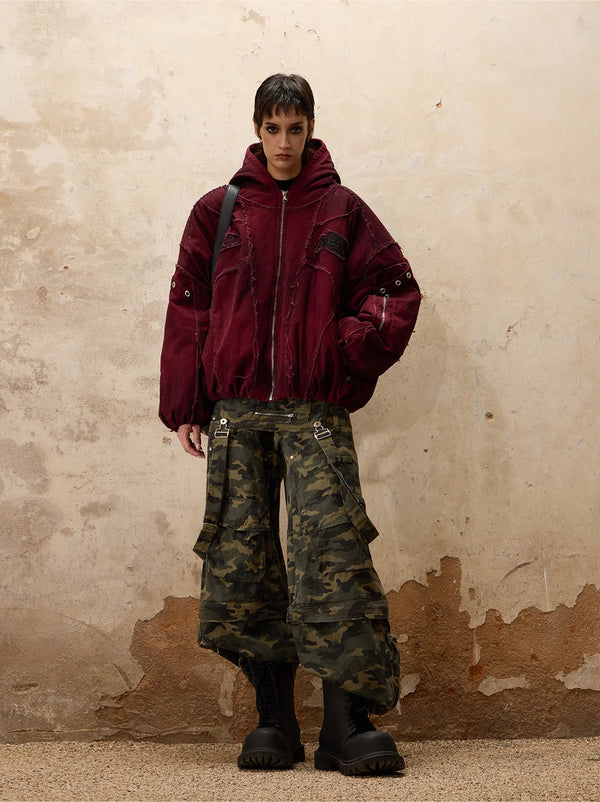
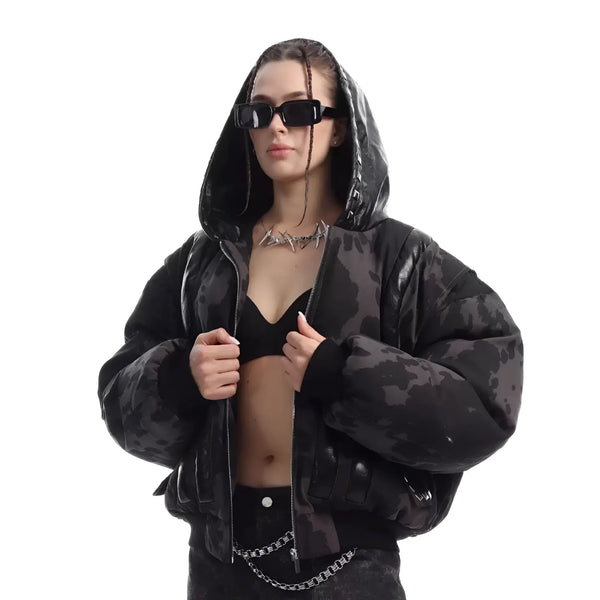
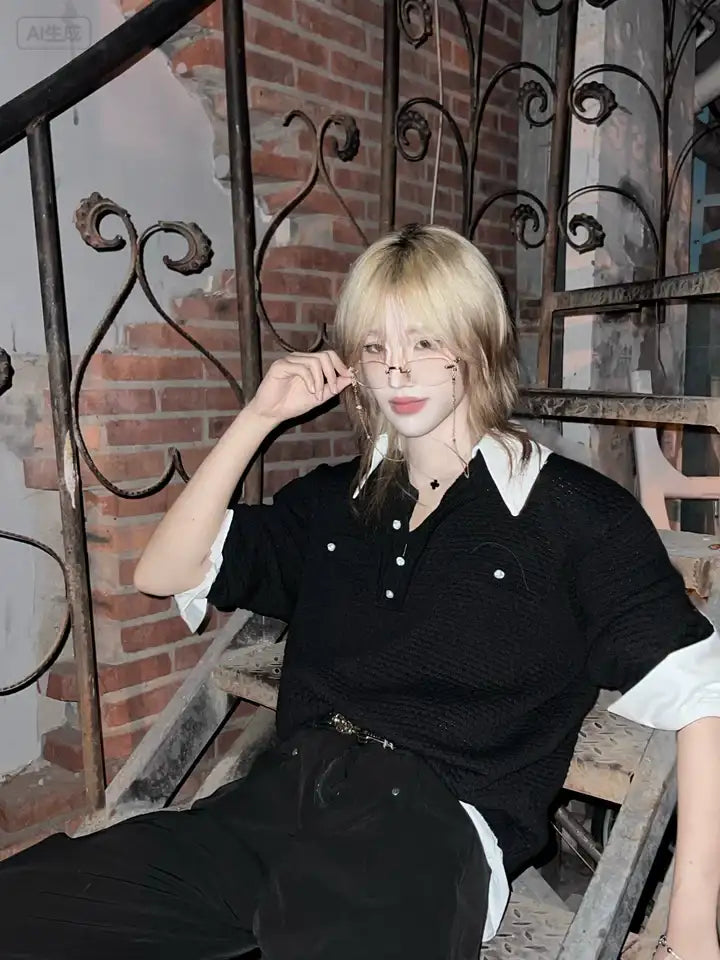
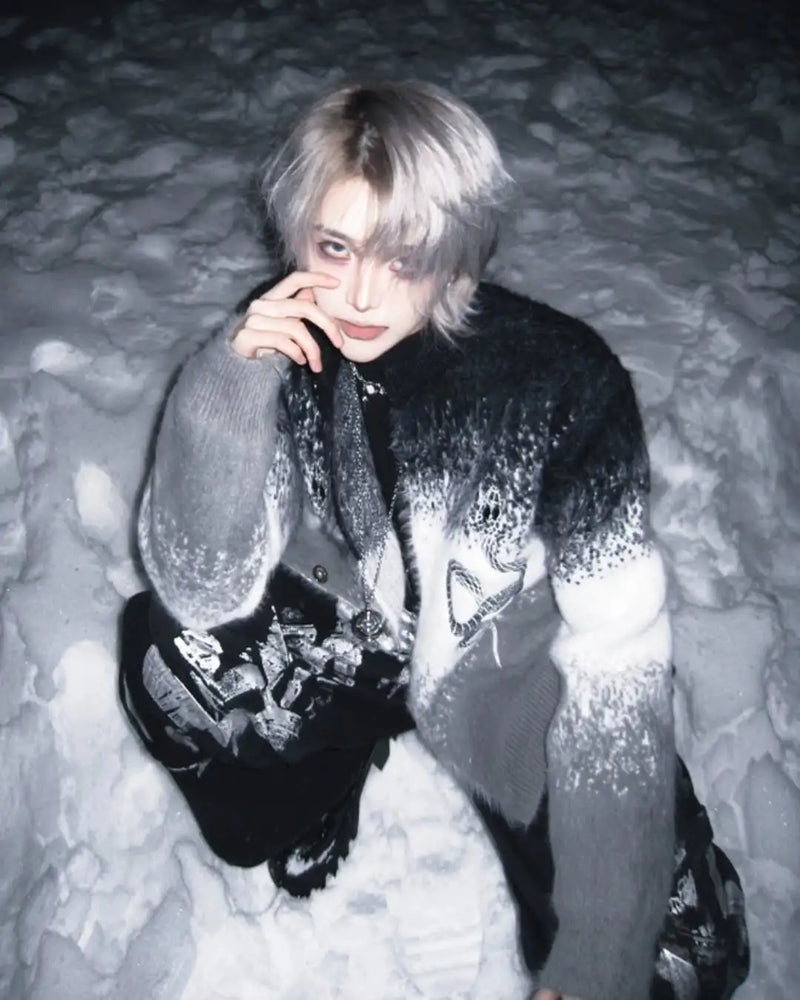
What this looks like on the body — the short version in 12 seconds:
Origin
Who really wears Korean Casual — and where does it come from?
What Koreans wear day to day has three sources — none of them Pinterest. First, 공항패션 / Gonghang Fashion, meaning airport fashion: since around 2014 Korean tabloid media have photographed K-pop idols arriving at or departing from Incheon Airport. A genre of its own emerged from it: styled but framed as „casual", visibly planned but not overdressed.
Second, Seoul Fashion Week. Since the late 2010s, labels like Andersson Bell, Ader Error, We11done, Recto and Juun.J brought a recognisably Korean cut into the international conversation — oversize but precise; minimal but not bare; designed but wearable. These labels define what „Korean Casual" really means on the stretch between Apgujeong and Hongdae.
Third, the K-drama and idol off-stage staging: serial visibility of actors and idols in daywear over streaming services exported the look into global pop culture. What is everyday in Seoul is now searchable in Berlin, London or Mexico City — with its own misunderstandings.
Definition
Korean Casual defined — the 4 building blocks that make the outfit legible
Korean Casual isn't one look but a system of four building blocks. When all four are in place, the outfit reads unambiguously as Korean casual. When one is missing, it tips quickly into something else — soft-girl, Y2K, Western athleisure, or worse: into „Asian aesthetic" as a generic Pinterest mood board.
80 %
Neutrals
3
visible layers
1
oversize element
0
visible logos
These four numbers are the test. An outfit that breaks the quota — 50% neutrals instead of 80%, only one visible layer instead of three, four oversize pieces at once, or a thick designer logo on the chest — is no longer Korean Casual. It's „K-pop-inspired" or Pinterest bait.
Specifically, what counts as Korean Casual:
- Neutrals palette — cream, beige, sand, tobacco, khaki, olive, grey, black, navy. Pastel is allowed but sparingly. Loud saturation tips straight into Y2K.
- Three visible layers — skin layer (knit, tee, mock-neck), mid layer (crewneck, cardigan, knit-vest, shirt), outer layer (bomber, trench, field jacket, long coat). A single T-shirt is a summer rule, not an outfit.
- One oversize element per outfit — one pair of trousers, one cardigan, one outer. Not everything at once. If the coat is oversize, the trousers sit tighter; if the trousers are wide, the knit sits close to the body.
- Logo restraint — no monogram, no 20cm brand strips, no „statement" print. Korean Casual shows construction, not lettering: stitch detail, hem edge, fabric choice.
This also answers the question of what the style is „called": officially there's no single name. Search on Google and you'll find Korean Casual, K-Style, K-Fashion, Seoul Style. In Korea itself it runs under 데일리룩 / Daily Look or 일상룩 / everyday outfit. The style is older than the word for it.
5 types
The 5 Korean Casual types — from K-pop airport to Seoul street
Korean Casual isn't one look — it's five that overlap at the edges. Lay the off-duty photos of the best-known idol groups, the streetstyle galleries of Seoul Fashion Week and the Hongdae coffeeshop threads on Instagram side by side, and you see these five archetypes cleanly separated.
Which of the five suits you depends less on taste than on occasion. K-pop airport for travel and the city, K-indie coffeeshop for weekends, K-office casual for work, Seoul street for Hongdae nights, K-athleisure for the day in between.
Gender split
Korean Casual women vs men — where it really runs differently
The building blocks are the same. Three layers, 80% neutrals, one oversize element, no logos — applies to every body. What differs is the line. Where the men's version carries volume on the outside (oversize bomber, wide trousers, body-close knit), the women's version works with volume on the inside (oversize cardigan over a slim crop knit, with straight-cut trousers).
Women's version: the cardigan and the knit-vest are the star pieces. Mardi Mercredi flower tee under a cream cardigan, with wide-leg trousers and loafers — that's the coffeeshop standard outfit. Hardware stays small: thin gold chain, small earrings, pearl ear cuff. Make-up is clean, glow-coded, not high-contrast. Shoes are loafers and Mary Janes rather than sneakers.
Men's version: the outer layer carries the outfit. A bomber, field jacket or long coat sits oversize over a tee or crewneck, with wide-leg or tapered trousers. Knit-polo under an open cardigan is the K-office variant. Hardware functional: one ring, one chain, no second statement piece. Shoes are Asics, New Balance 530/2002R, or sturdy loafers.
Brands
Korean Casual brands — which labels actually write the code
Korean Casual has a clear brand repertoire. Anyone serious about it knows the list — and either buys straight from Seoul, via resellers like SSENSE and W Concept, or through brands that translate the vocabulary one to one, without designer markup.
- Andersson Bell — founded 2014 in Seoul by Dominic Lee. Knit-polos, oversize cardigans, anatomical cuts. The office-casual vocabulary comes almost 1:1 from here.
- Ader Error — since 2014, Seoul-based. Unisex, lavender as the signature accent, lettering reduction. The formal bridge between streetwear and quiet luxury.
- We11done — since 2016, part of IAB Studio. Conceptual outerwear, oversize cuts, cool neutrals. Defines the editorial iteration of Korean Casual.
- Recto — women's label, since 2014, a clear tailoring line. Tapered trousers, knit-tops, trench coats. Quiet luxury on Korean body mapping.
- Mardi Mercredi — the most viral casual brand of the last three years. Flower tee, cream cardigan, pastel knit. Coffeeshop standard.
- Acme de la Vie (ADLV) — streetwear variant, oversize tee with photo print, baggy denim. The transition toward Seoul street and Y2K-K.
- thisisneverthat — Seoul, since 2010. Field jackets, carpenter pants, workwear reference. The hard corridor between casual and outdoor.
- Juun.J — since 1999, the senior among Seoul designers. Architectural tailoring, trench reforms, long silhouettes. The formal root of a lot of it.
The list isn't complete — labels like KIRSH, IIse, EENK, 87MM, LMC and General Idea write the same code in their own hand. Anyone with three of them in the closet has understood Korean Casual as a vocabulary.
Capsule logic
The 3-3-3 rule — the Korean capsule hack behind the look
The 3-3-3 rule is the closet logic that has circulated for years in Korean fashion forums and on the capsule-wardrobe threads in Naver cafés: three tops, three trousers, three outers. Nine pieces. 27 possible outfits if everything combines with everything. That's exactly why Korean Casual can dress a whole week out of a few coordinated pieces.
3
Tops (knit, tee, shirt)
3
Trousers (wide-leg, tapered, denim)
3
Outer (cardigan, bomber, coat)
27
Combinations
The rule only works if the nine pieces come from the same neutrals palette. Three tops in cream, sand and olive. Three trousers in black, beige and indigo. Three outers in tobacco, grey and cream. Every piece goes with every other. Mix in a bright-red pair of trousers and a pink knit and you break the system after three outfits.
Category · Outerwear
Korean Casual jackets — bomber, field jacket, cardigan-as-outer
The outer carries the Korean Casual outfit outward. It's the largest visible surface, the first layer someone reads on the street. This is where it's decided whether three layers become a legible outfit or just a thick stack of sweaters.
Three outer types work reliably: oversize bomber (for airport and street), field jacket or workwear coat (for the thisisneverthat-coded iteration) and long cardigan or trench (for coffeeshop and office casual). What doesn't work: tight leather jackets, thick down coats with a logo, slim-cut sports jackets with stretch content.
Anyone building a Korean Casual closet should fix the outer first. Bomber in tobacco, olive or cream. Field jacket in beige. Long cardigan in sand. Everything else in the outfit depends on it.
Category · Bottoms
Korean Casual trousers — wide-leg, tapered, carpenter
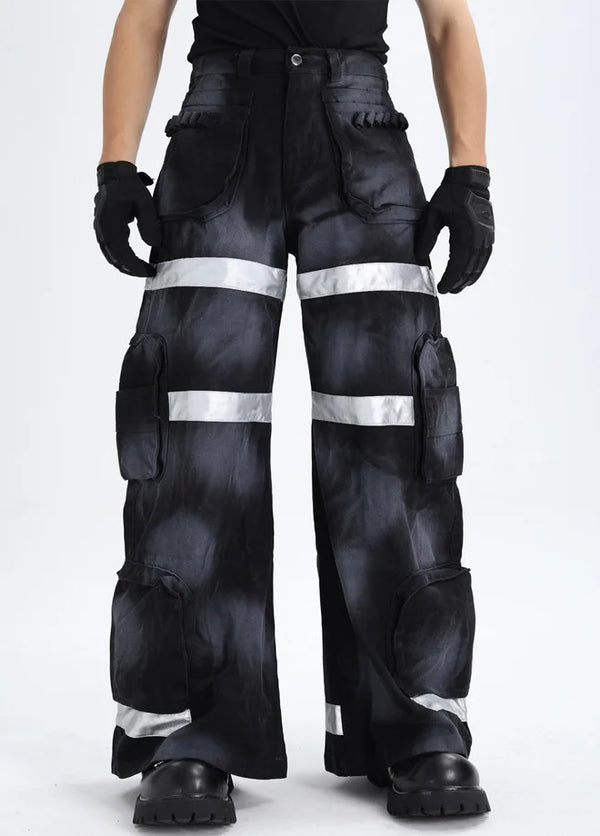
Skinny has been out of Korean Casual for years. What the idol stylists still wore in 2014 has been systematically replaced by volume since the mid-2010s — wide-leg denim, tapered trousers, carpenter pants. The new fit rule: tighter on top, fabric below. Exactly the mirror image of the Pinterest assumption that Korean = tight mom jeans.
Working Korean Casual trousers are matte in fabric, straight or wider cut, and sit on the hip or slightly above. Avoid anything too tight at the ankle (tips into 2010s slim optics) and anything that ends too short (cropped trousers above the ankle read as European-Italian, not Korean).
Anyone wanting to build trousers that fit all five Korean Casual types takes wide-leg denim in indigo or black. That's the common denominator — airport-ready, coffeeshop-ready, office-ready (with a crease), street-ready.
Category · skin & mid layer
Korean Casual tops — knit, crewneck, mock-neck, shirt
Tops carry the layering. The question isn't „which T-shirt" but which two layers sit on top of each other. Classically Korean: a body-close knit mock-neck under an open cardigan; crewneck under an open shirt; knit-vest over a long-sleeve tee. That's not chance — it's the communicating layer between skin and outer.
The rule: material and texture on top, not print. A plain knit in cream beats any graphic tee. A mock-neck in tobacco reads more grown-up than any „souvenir" shirt. If you want print, keep it small — a small embroidery instead of a chest print, discreet embroidery instead of a statement slogan.
Anyone wanting to start with the mid layers begins at the knit-vest. Cream, beige or grey. Over any long-sleeve tee it carries the outfit instantly toward coffeeshop or office casual.
Styling deep dive
How to actually style Korean Casual — the layering logic
Korean Casual reads easily in a photo. In practice it falls apart in two places: at the transitions between the layers (where the knit peeks out under the cardigan, where the long-sleeve becomes visible under the shirt) and at the length of the outer. If the middle layer is too short and disappears under the outer, the look looks like two layers — not three.
Three concrete layering tricks from the Seoul repertoire. First: the sandwich move. Skin layer and outer have the same length; the mid layer juts out 3-5 cm below. Visible contrast in the middle, a closed frame on the outside. Second: the open-cardigan cascade. The cardigan stays open, the mid layer becomes the visible surface, the skin layer serves as an accent at the neck. Third: the vest switch. Knit-vest over long-sleeve, no extra layer in between. That gives two visible layers — works only in summer or in warm weather.
Anyone wanting to go deeper into the brand roots of the vocabulary finds the full list in our brand overview — Andersson Bell, Ader Error, Juun.J, Recto and the reseller platforms explained:
Seasonal
Korean Casual in summer vs winter
The 3-layer rule doesn't tip in summer — it goes quieter. Instead of cardigan over knit under bomber, summer Korean Casual reads as: mock-neck tank under an open linen shirt with wide trousers. Three layers, all thin. The outer layer is worn open, the buttons are decoration. Hardware stays small. Sneakers become loafers or soft slip-ons.
Winter is the home game. The skin layer becomes a thin knit, the mid layer a thick knit or crewneck, the outer layer a trench, long coat or heavy bomber. Cream and cream-tobacco-olive combinations are the seasonal standard palette. Black works, but only as an accent — otherwise the look tips toward minimal-European and loses the Korean cream signal.
What tips the look
The 6 most common Korean Casual mistakes — what tips the look
Korean Casual rarely falls apart over a missing piece — more often over smaller detail decisions. These six mistakes are the ones we see most often when readers send in outfits by DM.
Getting started
How to start in Korean Casual — the first 4 pieces
No one builds Korean Casual all at once. If you want to test the code without dismantling the closet, buy four pieces in this order. With them you build at least eight working outfits in the first two weeks — and you notice immediately whether this is your playing field.
Once these four pieces are in place, you have the core. Everything that comes later — trench, second trousers, thicker knit, different outer colour — is a variation of the core, not a new system.
Real outfits
Korean Casual for real — how it looks on Pinterest, Instagram, TikTok
Anyone searching „Korean Casual Outfit" on Pinterest gets two kinds of results: first the real streetstyle galleries from Seoul (good), second the global soft-girl Pinterest layer hijacking the keyword (bad). The difference is usually visible at a glance — three layers or two, neutrals or pastel saturation, designer subtlety or aggressive logo.
We collect in our Instagram feed real outfits our customers send us — worn in Berlin, Munich, Vienna, but in the Korean Casual vocabulary. That's what it looks like without the Pinterest filter:
To close
Korean Casual is discipline in neutrals — no trend, no cosplay
Korean Casual reads in theory like a corset of rules — three layers, four building blocks, five types, 3-3-3 capsule. In practice it doesn't feel like a constraint. As soon as the first nine pieces stand from the same neutrals palette, every new outfit is a variation, not a new invention.
The building blocks have been stable since 2014 and will stay that way — as long as Seoul designers like Andersson Bell and Ader Error keep writing the code. But you don't have to wait until you know all five types, four building blocks and the 3-3-3 rule by heart. Start with the look closest to you. What's missing, you learn by wearing.
FAQ
Frequently asked questions about Korean Casual outfit
The questions we get most often by DM and email on the topic — short, clear, no detour.
What do Koreans really wear casually?
What is the 3-3-3 rule in clothing?
How do you dress like a Korean girl?
What is the Korean outfit style officially called?
Why is the 4 taboo in Korea — does it affect fashion?
Which shoes go with Korean Casual?
Is Korean Casual the same as K-pop fashion?
What do you think?
Tell us on @fuga_studios
About the author
Philipp Fuge — Founder · Berlin
Founder of Fūga Studios. Writes the journal himself. Berlin · Shanghai · Tokyo · Poznań — four cities, one logic.