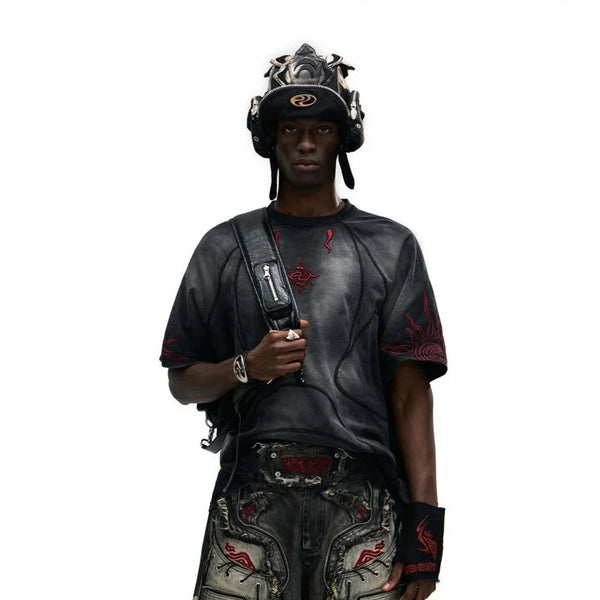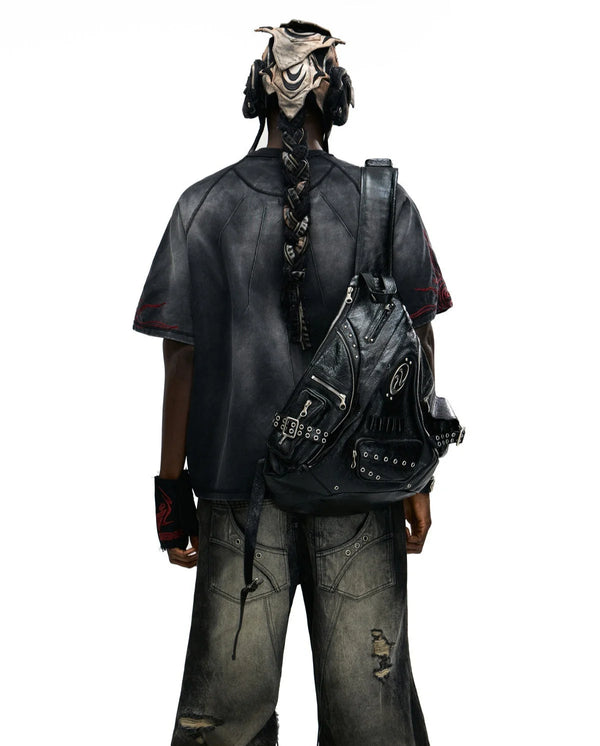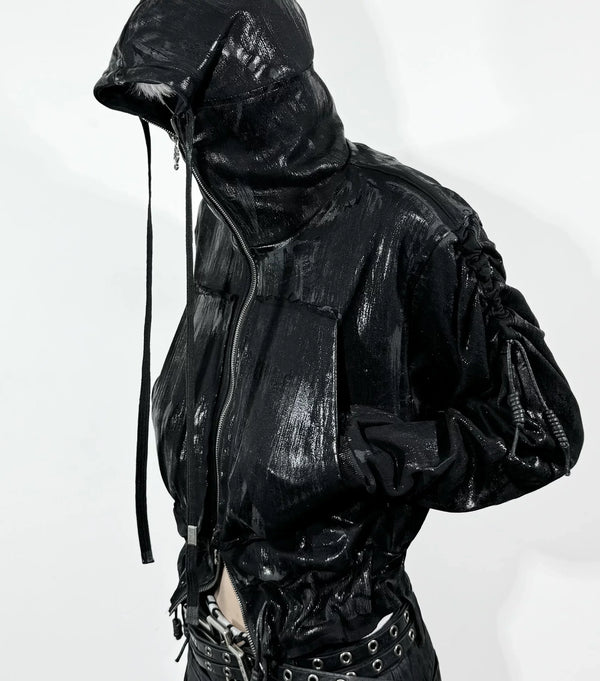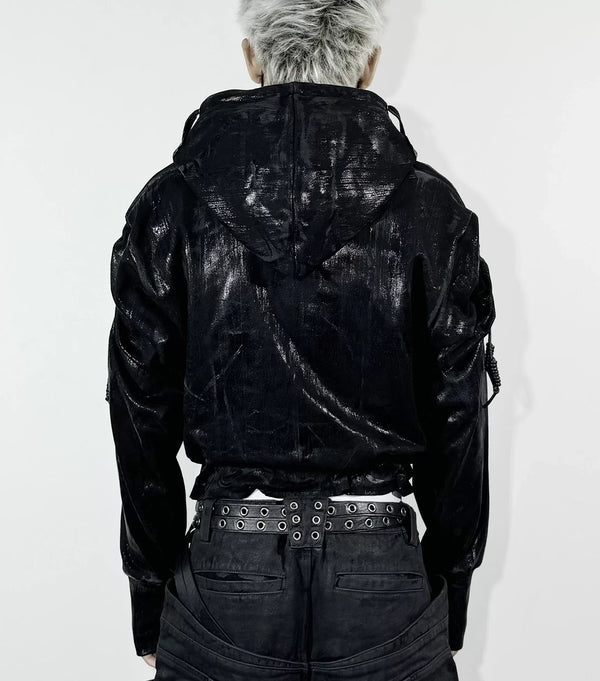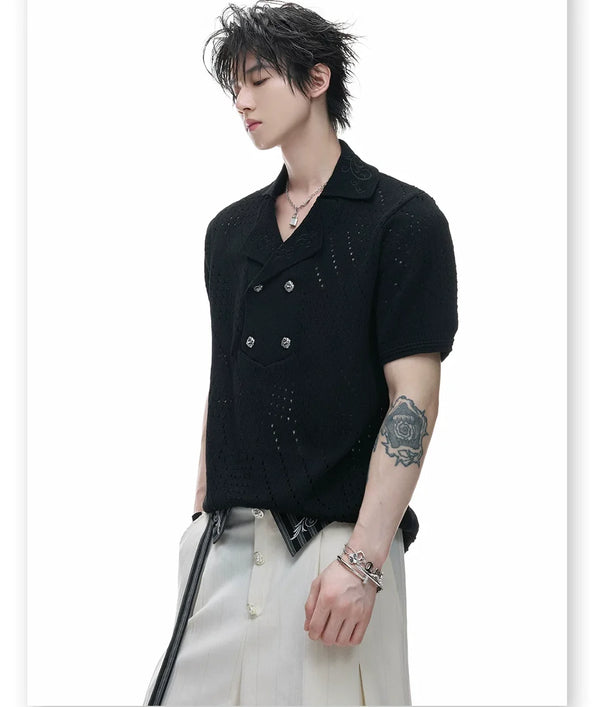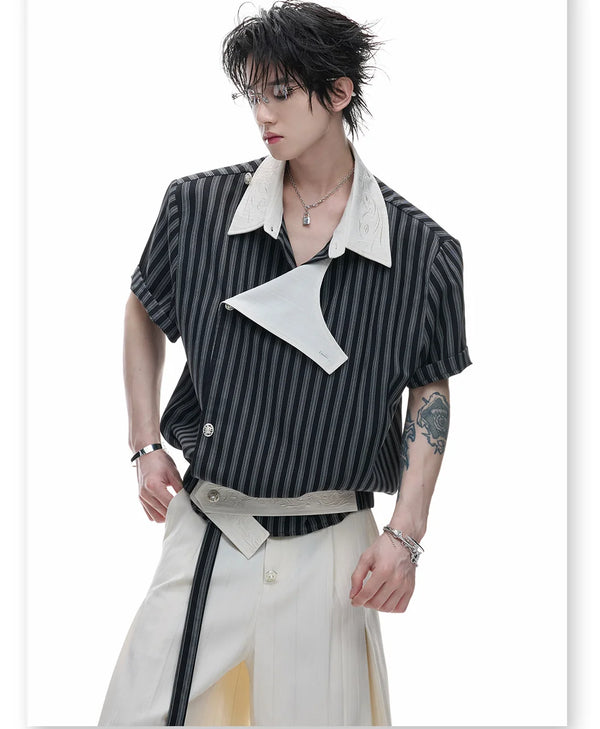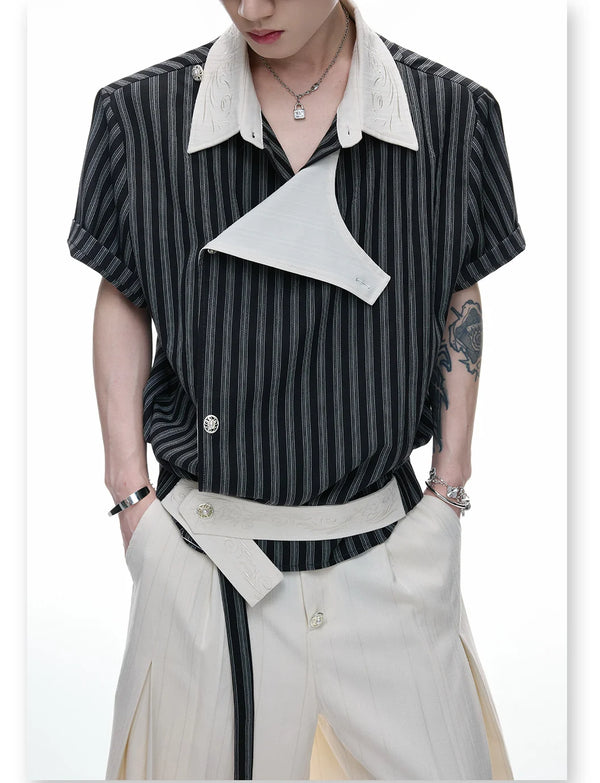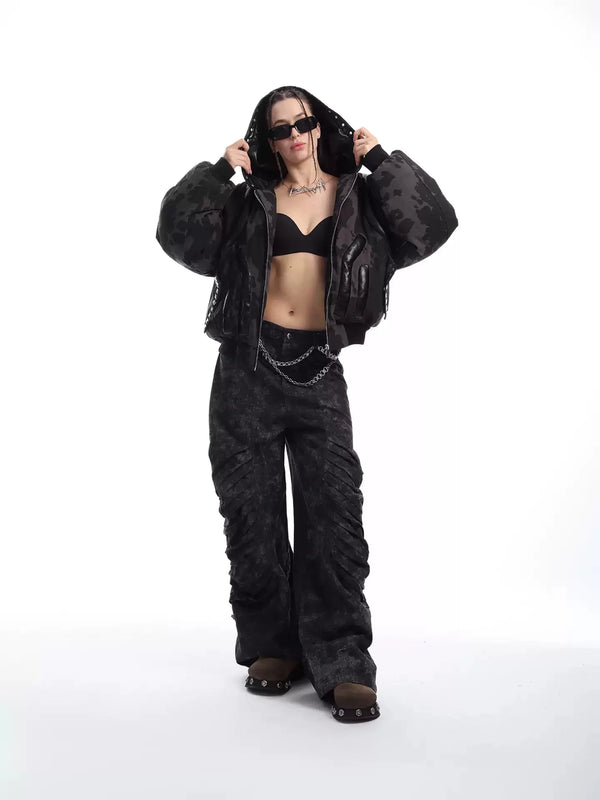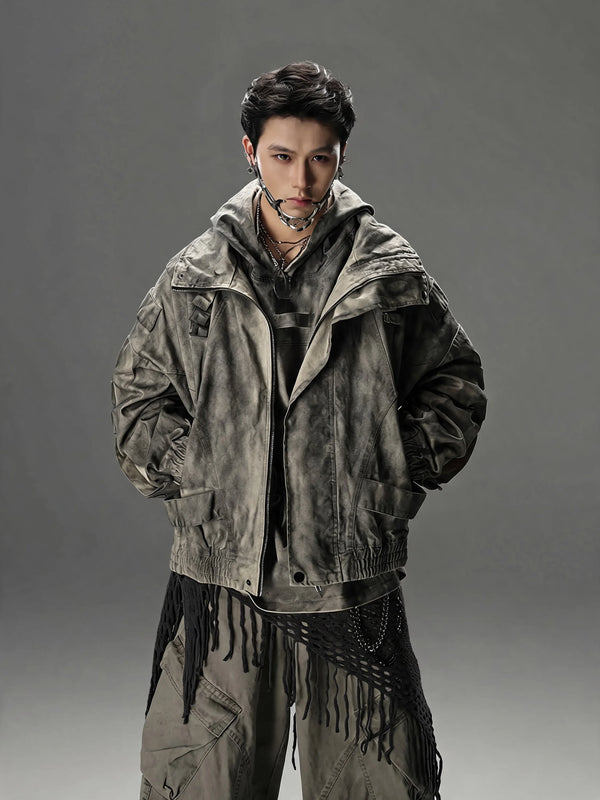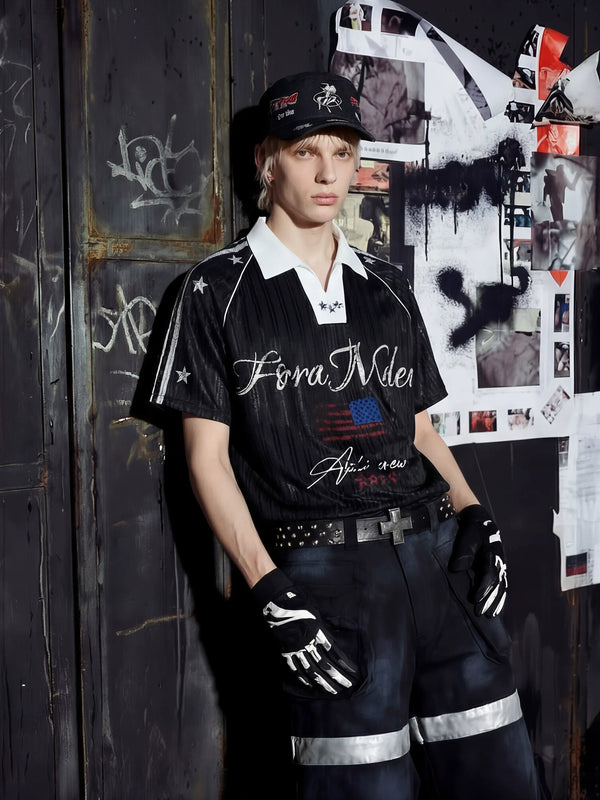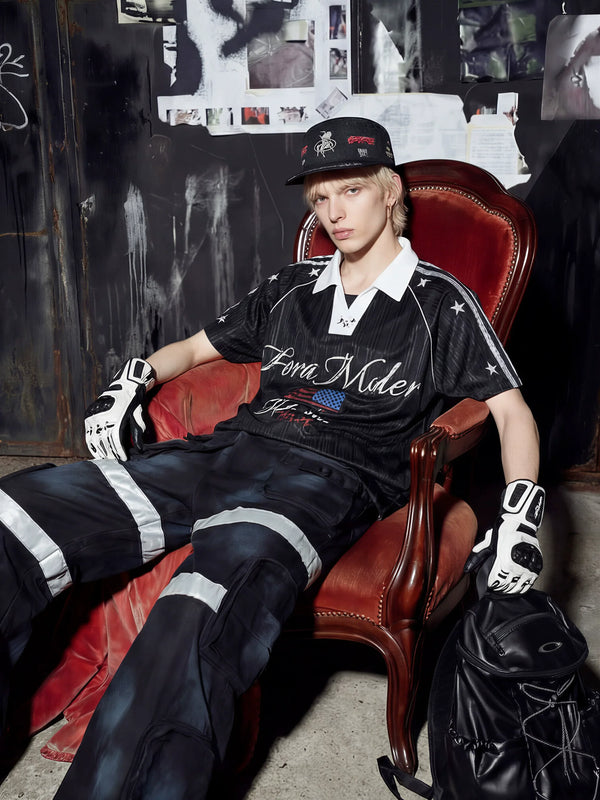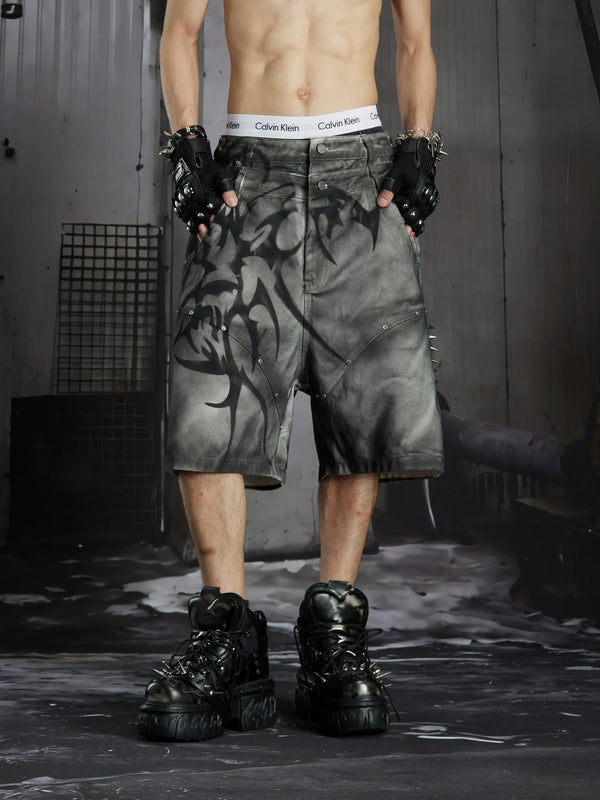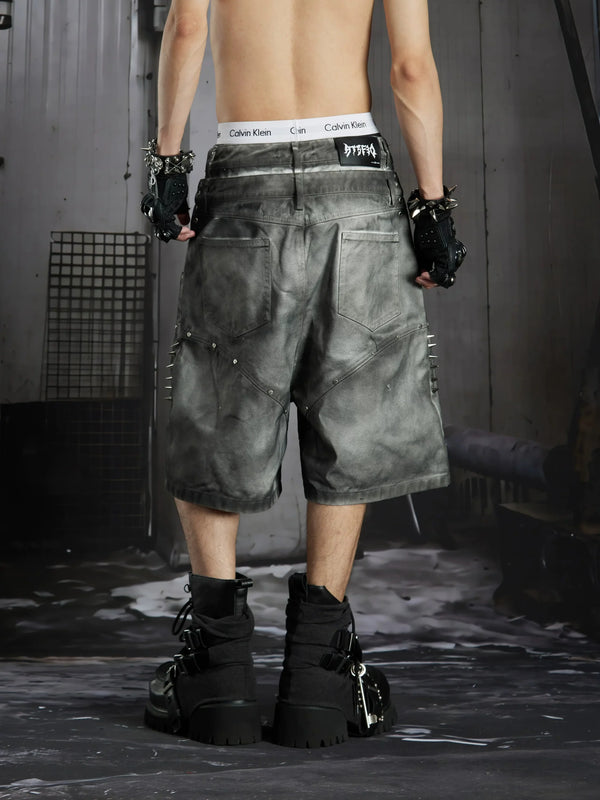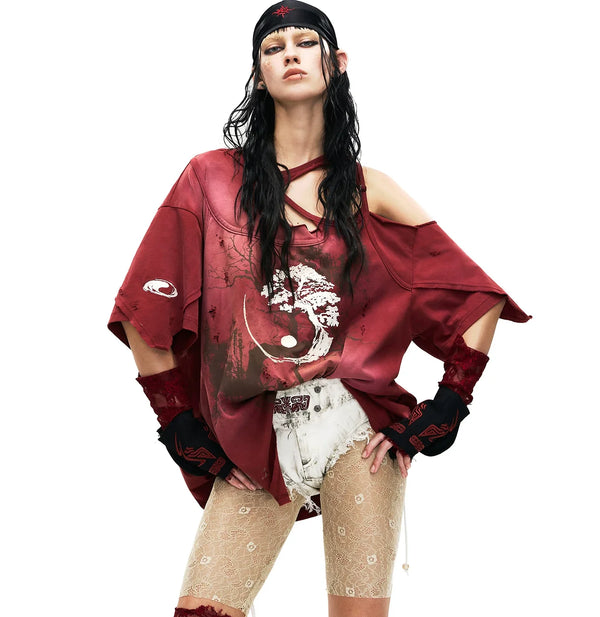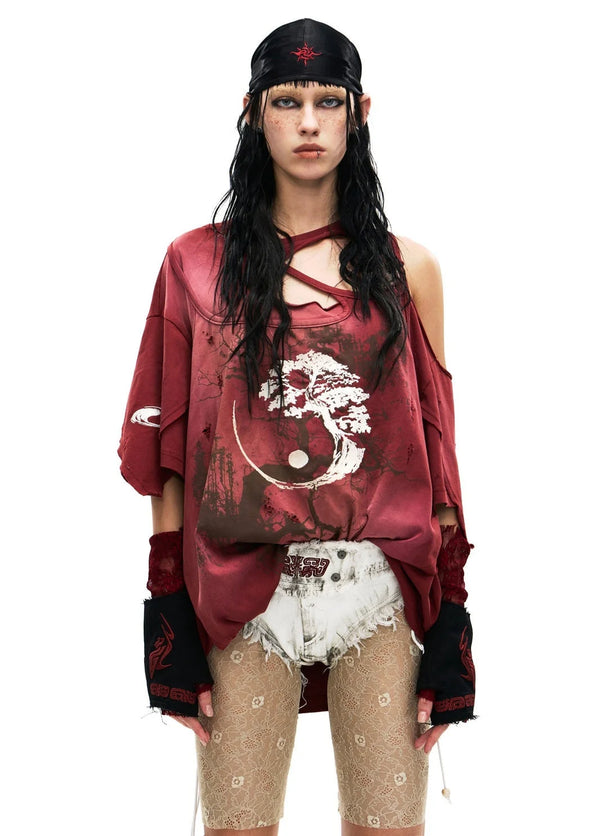
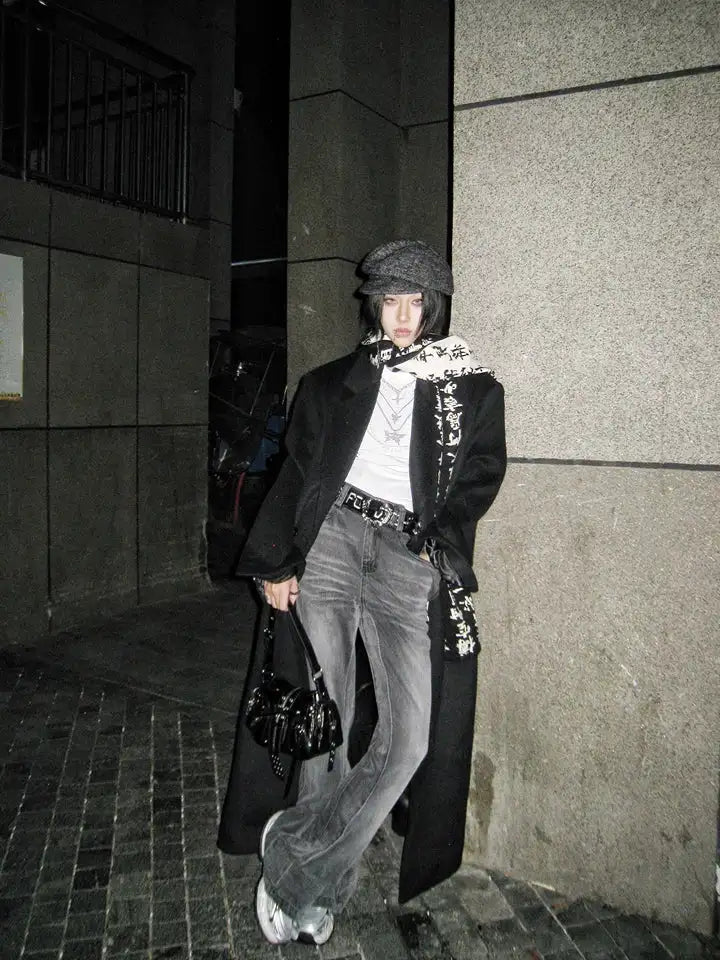

The festival outfit that works at the open-air in July leaves you shivering in the line outside the warehouse in January. Winter festivals run on a different logic — and most people only learn that at three in the morning, standing at the coat check at minus five, realizing the unlined leather jacket only looked good.
The short version: your winter festival outfit has to be three outfits at once. One for the line outside, one for the hot floor inside, one for the way home in the dark. Plan for only one of those three moments and you freeze in the other two. The answer is layers — three of them, that you build up and strip down in seconds.
This guide spells out how that works in practice: the 3-layer system, the five looks that actually work in winter, the difference between an indoor warehouse and an open-air, what women and men do differently, the winter 2026 trends, the 3-3-3 rule for the weekend, and the mistakes that cost you the night.
What a winter festival piece that handles all three configurations looks like — in twelve seconds:
The system
How do you dress for a winter festival? The 3-layer system
Warmth doesn't come from one thick jacket, but from air trapped between several thin layers. Mountaineers have known this for decades; ravers mostly learn it the hard way. The system has three parts, and each has exactly one job.
3
Layers
0
Cotton against the body
10 s
layers to strip down
1
a bag for the shell
These four numbers aren't decoration, they're the checklist. Three layers, no cotton straight on the skin, an outfit you open in seconds in the crowd, and a plan for where the outer layer goes once you heat up on the floor. Get that right and you don't freeze and you don't sweat.
Here's how the three layers break down, concretely:
- Base layer (skin) — Merino or technical long-sleeve, tight to the body. Wicks sweat outward instead of storing it. This is the layer you dance in on the floor once everything else is off.
- Mid-layer (warmth) — fleece, hoodie, knit or a thin teddy. Holds the warm air. In the warehouse this layer goes first; outside it stays on.
- Shell (protection) — puffer, lined leather jacket or waterproof technical jacket. Stops wind and wet. The biggest surface, the most dominant part of your look.
- Boots, not sneakers — high shaft, lugged sole, ideally water-repellent. Combat, buckle or lined boots. White sneakers are done after the first muddy step.
- Accessories that hold heat — beanie or balaclava, fingerless gloves for your phone, a neck gaiter. You lose the most heat through your head and neck first.
The trick isn't to wear all three layers all night — it's to stagger them. And that's exactly where the most important rule comes in:
5 looks
The 5 winter festival looks that actually work
A winter festival isn't one look — it's five, depending on whether you land at an open-air, a warehouse or a New Year's rave. Each of them keeps the 3-layer system but sets a different emphasis. Find the one that fits your night.
Which of the five fits you depends less on style than on place and duration. Indoors you can stay minimal; outdoors the insulation decides. That difference deserves its own explanation.
Two settings
Indoor warehouse vs open-air — two different winter festivals
Both are called festivals, both are in winter, but they make opposite demands. Mix them up and you pack for the wrong one.
The indoor warehouse — a Berlin hall in January, a New Year's rave in an old factory — is a temperature jump. Minus five outside in the line, quickly over twenty-five inside on the floor with the body heat of a thousand people. This isn't about insulation, it's about layers you can shed fast. Full three layers for the line, down to the base on the floor, everything back on for the way home. A bag or coat check matters more here than the warmest jacket.
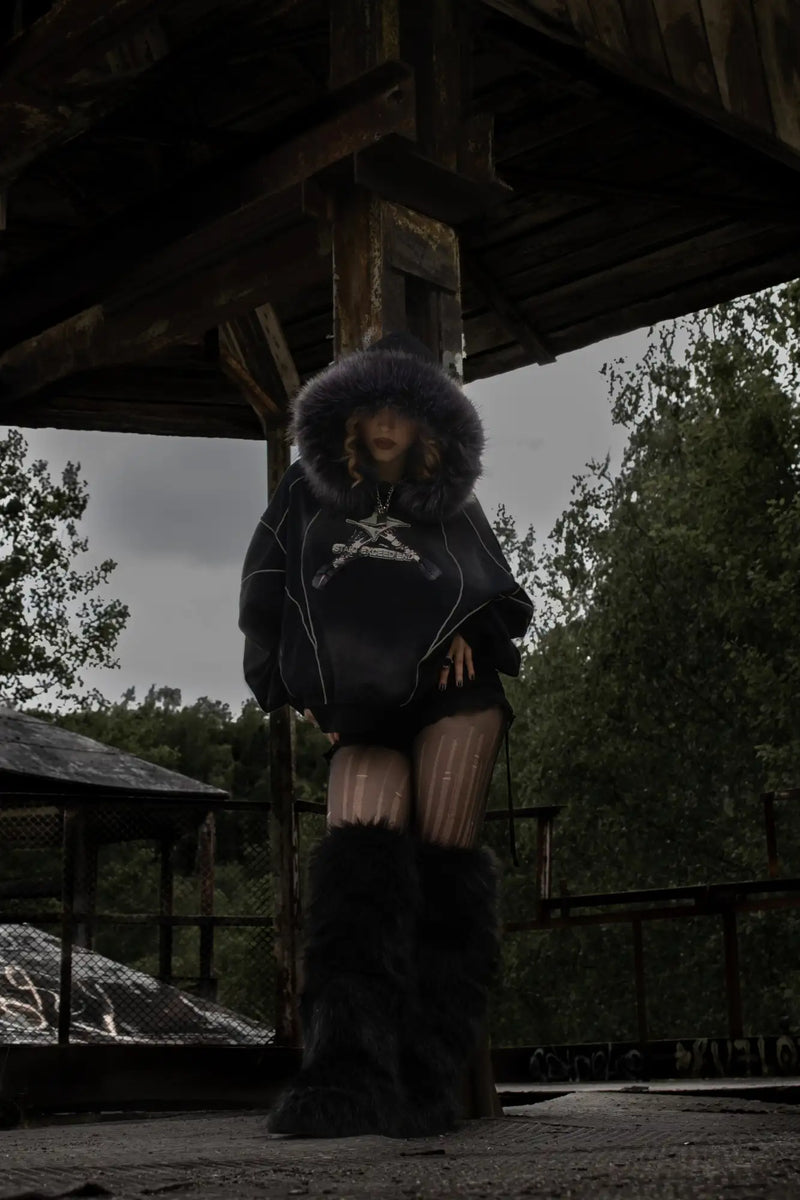
The winter open-air — a snow rave in the Alps, a New Year's set under open sky — is the opposite. It never gets warm all night. Here real insulation counts: a thick puffer, a waterproof shell, lined boots, and accessories that protect head and hands. Shedding isn't a thing, because you don't want to shed anything. Here the outfit forgives no compromise between look and warmth.
Women vs men
Festival outfit winter: women vs men
The 3-layer system applies to every body. Base, mid, shell, boots, warm accessories — none of that changes. What differs is the distribution and the visible layer.
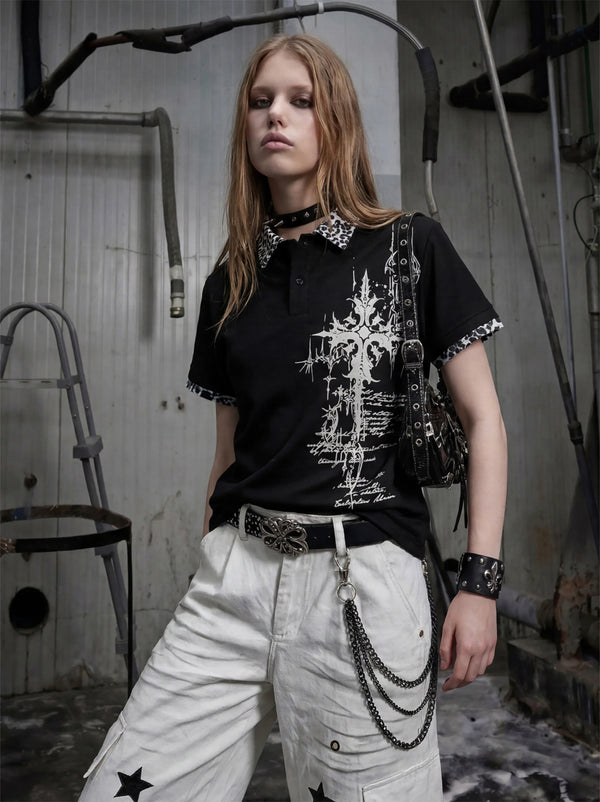
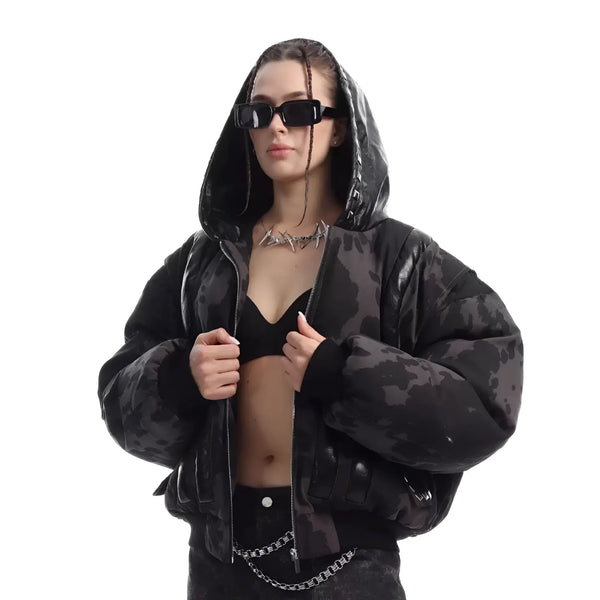
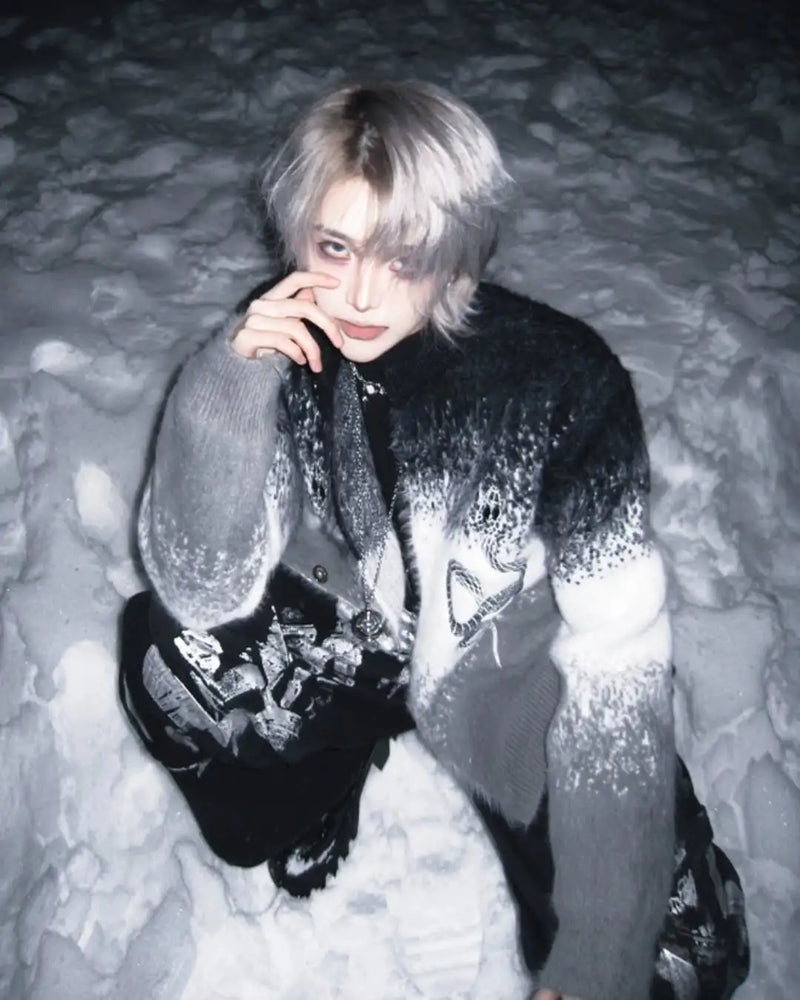
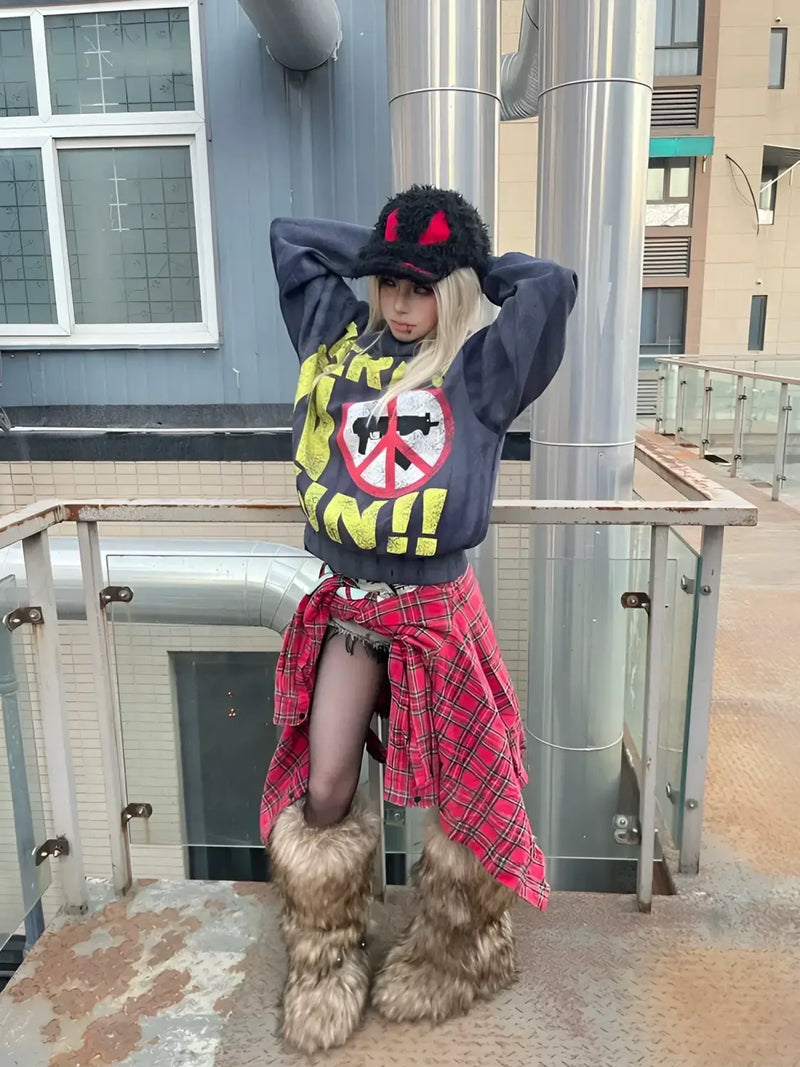
Women's version: the base layer often becomes a visible part of the look — a mesh or rib long-sleeve, a tight thermal top worn solo on the floor. Over it comes the mid-layer as a statement: oversized knit, a short teddy, a fleece zip. Many go for high lined boots instead of ankle boots, because they keep the legs warm longer. Reflective and chrome accents tend to land in the accessory — bag, belt, glasses.
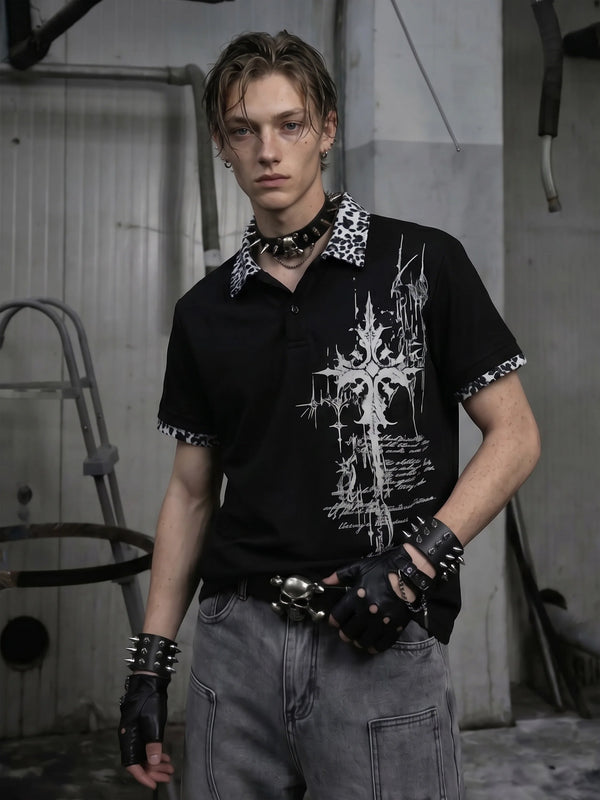
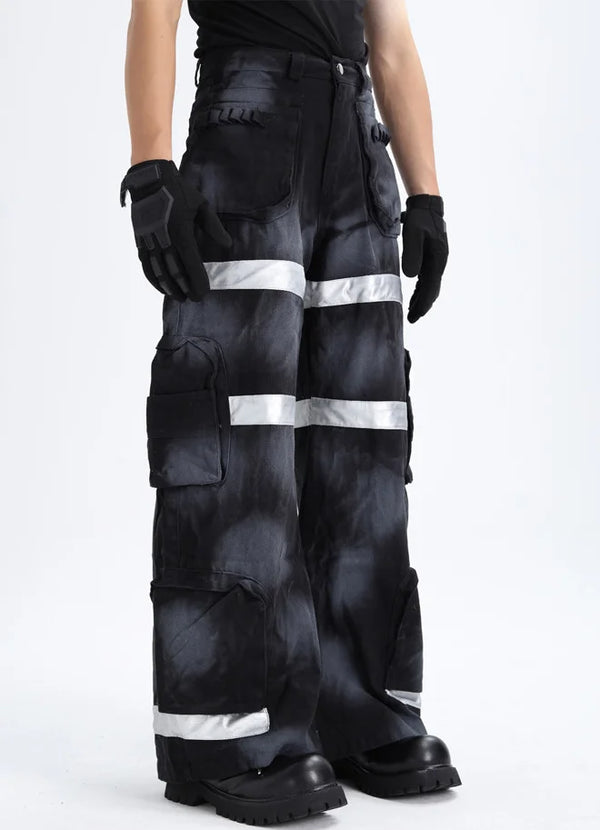
Men's version: usually plainer and tighter up top, the base stays functional rather than decorative. More weight on the shell — a big puffer or a lined leather jacket carries the look. Cargo with thermal lining instead of tight pants, because volume below matches the heavy jacket above. Combat or workwear boots, a beanie, done.
Both need the same three layers and the same discipline about shedding. What varies is which layer stays visible — not the system underneath.
Category · Shell
Jackets & shell layer — the outer layer
The shell is the biggest surface and the most important decision. It stops wind and wet and visually carries the whole look. This is where it's decided whether your three layers become a winter festival outfit or just a thick coat.
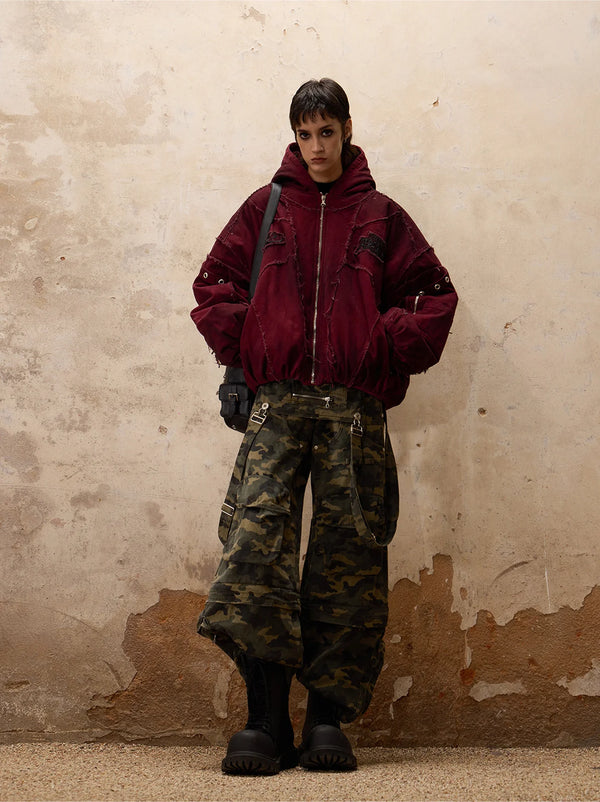
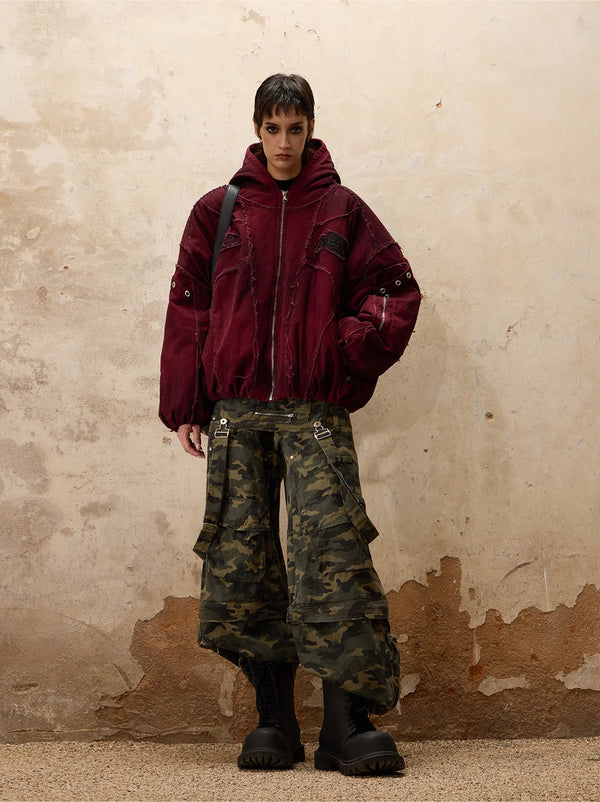
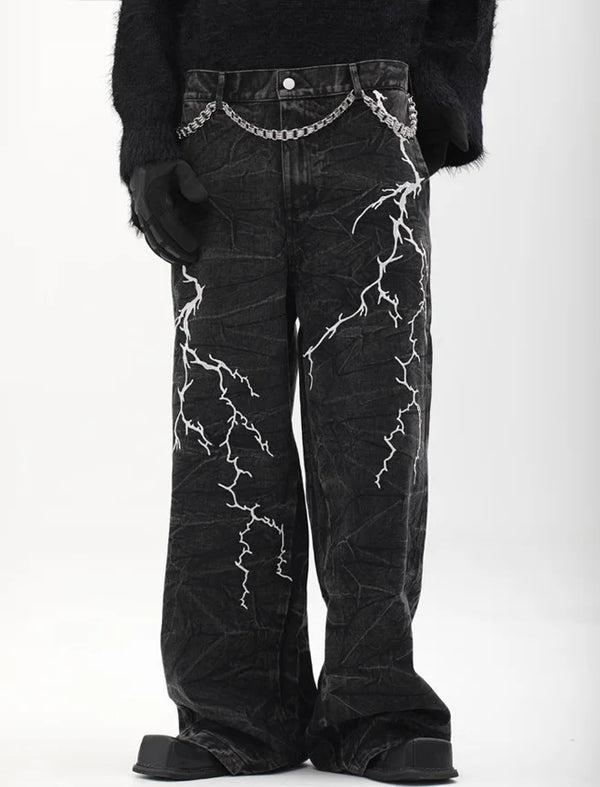
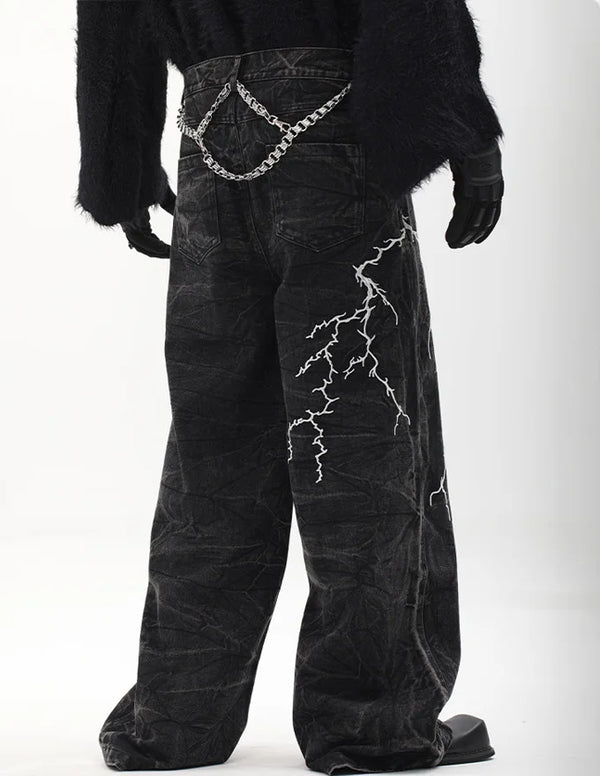
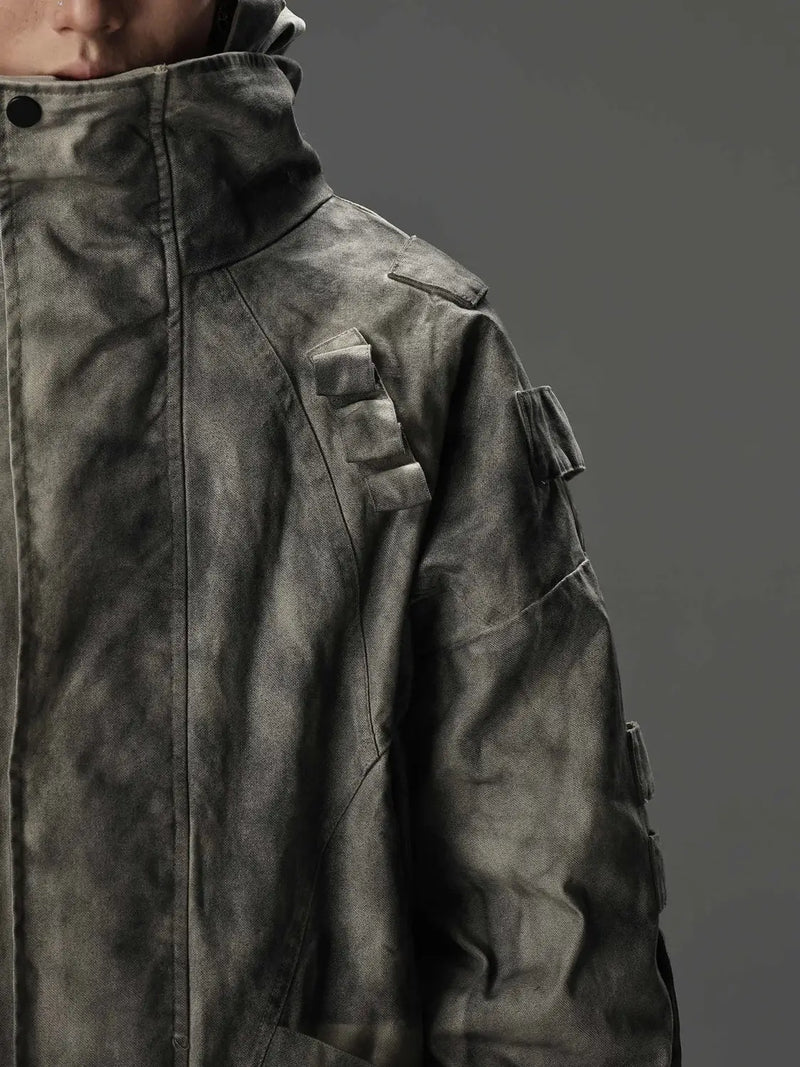
Three shell types work: the technical puffer with hood (maximum warmth, open-air-ready), the lined leather jacket or bomber (compact, easy to take off, warehouse-ready), and the waterproof technical jacket (for snow and rain). What they share: matte not glossy, dark not bright, and a hood if you're outside.
If you don't own a winter-proof shell yet, that's your first investment. The lined puffer survives the longest nights; the bomber is the compact option for the indoor set.
Category · Bottoms
Pants — warm from below
Legs get reliably forgotten at winter festivals — until you've stood a night in thin jeans in the snow. The pants have to do two things: keep you warm and move with you. Skinny jeans do neither.
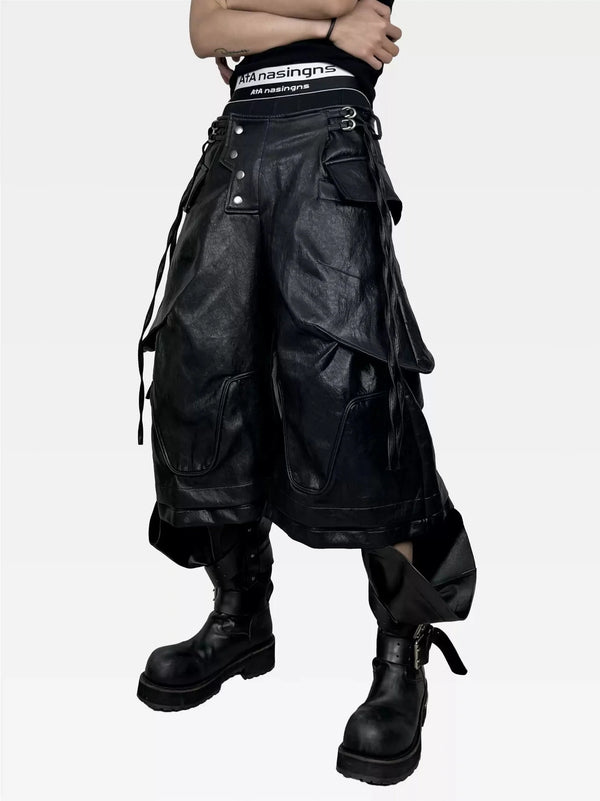
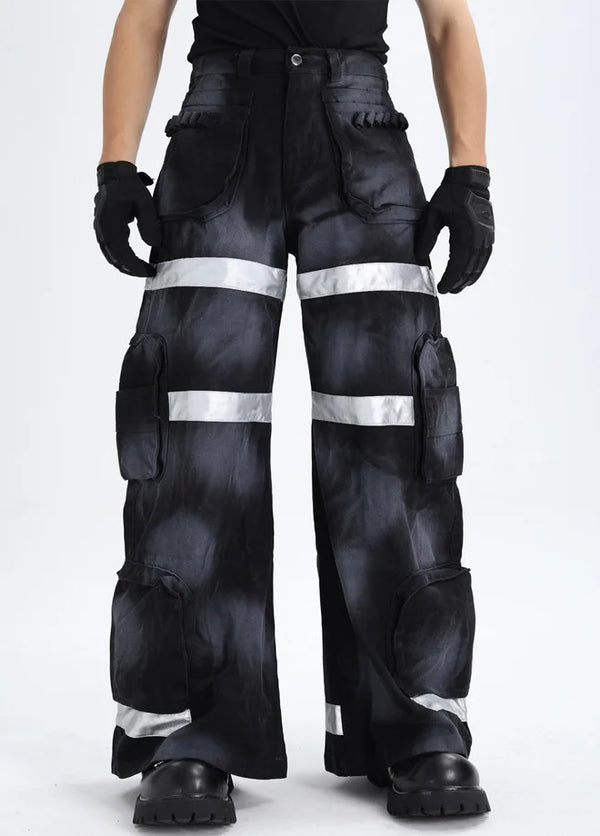
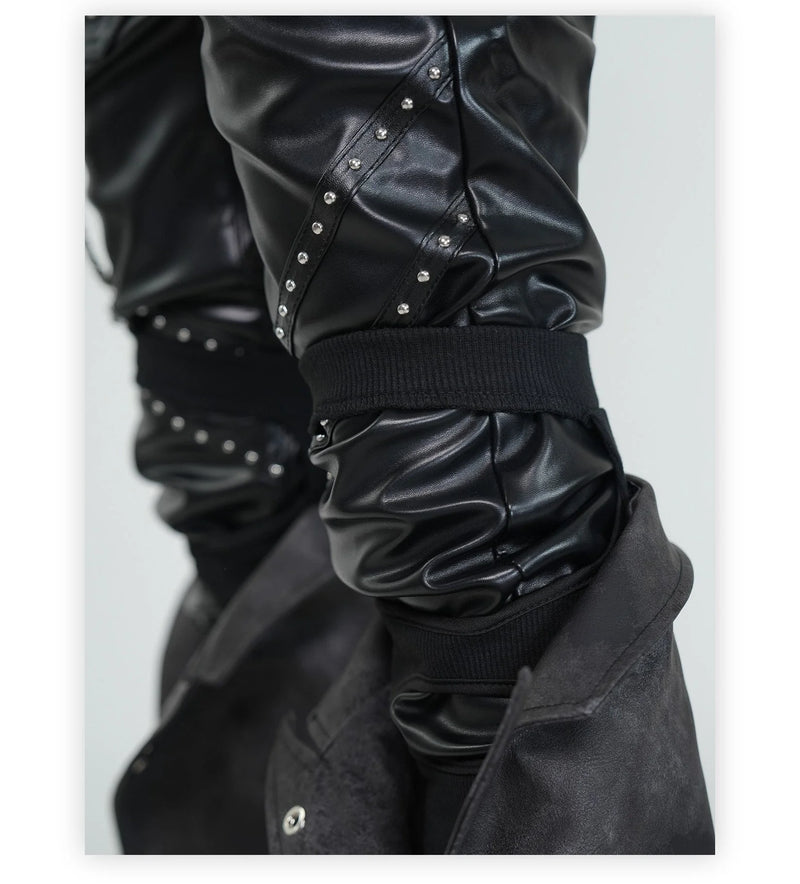
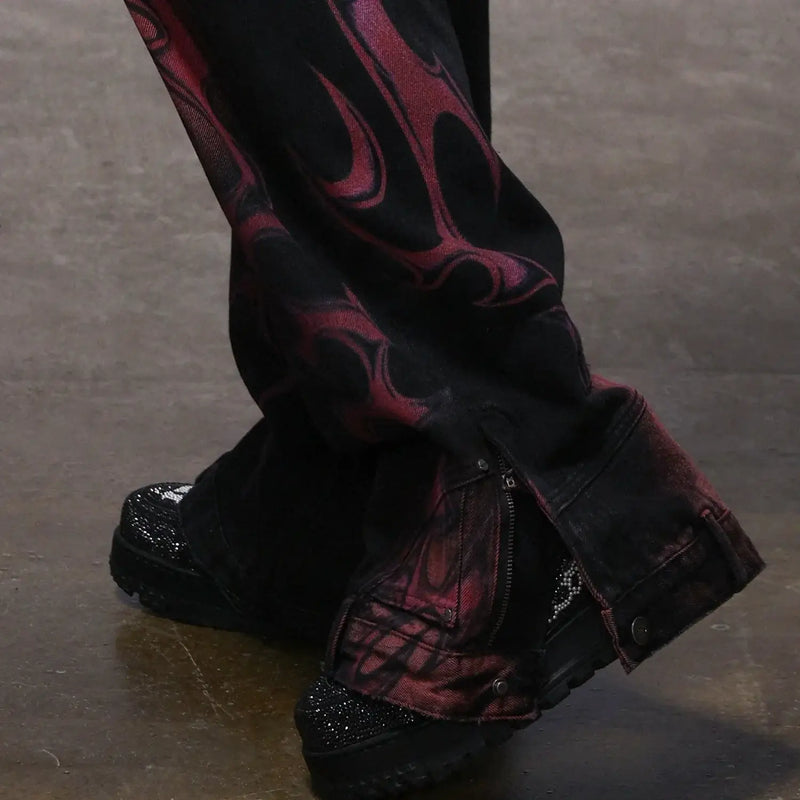
What works: cargo with thermal lining, wide workwear pants with room for leggings underneath, or lined technical pants. A thin base layer under the pants is the easiest warmth gain there is — nobody sees it, everyone feels it. Reflective details on the cargo are a plus in the dark.
If you want one pair of pants that fits all five looks, take a wide cargo with pockets — room for phone, gloves and leggings underneath when it gets really cold.
Category · Base & Mid
Tops & base layer — the layer against the body
The base layer is the unobtrusive component — and on the floor the only one left once everything else is off. That's exactly why it can't be cotton. A technical or rib long-sleeve wicks sweat outward; a cotton shirt stores it and chills you the moment you stop.
The rule: tight to the body, breathable, plain or with a subtle print. Over it a mid-layer — hoodie, knit or fleece — that goes first in the warehouse. A rib tank works as a layer under the hoodie for people who heat up fast on the floor.
If you sweat fast on the floor, take the long-sleeve as the base and a zip hoodie as the mid — you open it without having to take it off entirely. That's the layer logic in its simplest form.
Trends
Winter 2026: the festival trends
The good news for 2026: the trends lean toward function. What keeps you warm also looks good this year — the conflict between style and warmth is slowly dissolving.
Concretely, five movements shape winter 2026: first, the oversized technical puffer as the central statement piece, often with a high fortress collar. Second, modular pieces — removable sleeves, zippable layers, jackets that turn into a vest. Third, reflective and chrome accents that are visible in the dark and fit the rave look perfectly. Fourth, the visible thermal base: the technical long-sleeve worn solo on the floor, not hidden. And fifth, utility — cargo, pockets, buckles as style, not just function.
What stays: matte black with exactly one chrome or reflective point reads just as clean in 2026 as before. Trends come and go; a disciplined dark look with one bright accent doesn't age.
Styling & packing
How to style winter festival outfits — and the 3-3-3 rule for the weekend
A winter festival outfit works on a simple balance: volume on top from the shell, volume below from the pants, tight in between from the base. If all three are thick you turn into the Michelin man; if all three are thin you freeze. Thick outside, tight to the body, warm underneath — that's the whole styling physics.
For a multi-day festival the question of packing comes in too — and here the much-quoted 3-3-3 rule helps.
The 3-3-3 rule has two readings. The capsule version: three tops, three pants, three pairs of shoes that all combine with each other — nine pieces, almost thirty combinations. The challenge version: one outfit of three pieces, worn three ways. For a winter festival the capsule logic is the useful one: pack three base layers (you sweat, you need changes), two to three mid-layers, and one shell that spans everything. Boots, you only need one good pair. That keeps the luggage small and every layer has its place in the system.
We put the detailed build with example outfits for techno and open-air festivals in a guide of its own:
A winter festival also overlaps with several neighboring looks — Berghain techno shares the black discipline, rave shares the reflective accents, Korean streetwear shares the layering logic. If you want more, here are the matching guides:
What doesn't work
The 6 most common winter festival mistakes
Winter festivals have six points where the night tips over — no matter how good the outfit looks. If you avoid only one thing, make it mistake number one.
Action
First 4 pieces for the winter festival
You don't need ten new things for a winter festival. You need four that work in almost any setting. Everything else builds around them.
In order: a winter-proof shell (the biggest warmth gain per euro — puffer for the open-air, compact bomber for the warehouse). A technical base layer that wicks sweat outward. A warm, wide pant with room for a layer underneath. And a pair of boots with tread. A beanie and fingerless gloves are the optional fifth — but only once the four are sorted.
Outfits for real
Winter festival outfits for real — what it looks like
Before you build your own, look at how others wear the layers. In the feed the five looks look different than in lookbook photos: thicker, darker, more functional — and that's exactly why they hold up a whole night.
This is the fastest way to see how the 3-layer system sits on real bodies in real cold — before you spend money.
In closing
Staying warm is no style compromise
If you take one thing from this guide, it's this: you don't have to choose between warm and good. The 3-layer system is exactly the answer to that apparent conflict — three layers you build up and strip down, instead of one thick jacket in which you either freeze or sweat.
The whole logic of this guide reduces to one sentence:
The system is simple, but it asks for a moment of planning before you head out. Which setting, which layers, where the shell goes. Run it once and you do it automatically at the next festival.
FAQ
Frequently asked questions about winter festival outfits
The questions we often get by DM and email — short, clear, no detour.
What's the best thing to wear at a festival?
How do you dress for a winter festival?
What fashion trends are there for winter 2026?
What casual festival outfits are there for women?
What does the 3-3-3 rule for clothing say?
What does the 3-3-3 outfit rule mean?
What shoes do you wear to a winter festival?
What do you think?
Tell us on @fuga_studios
About the author
Philipp Fuge — Founder · Berlin
Founder of Fūga Studios. Writes the journal himself. Berlin · Shanghai · Tokyo · Poznań — four cities, one logic.