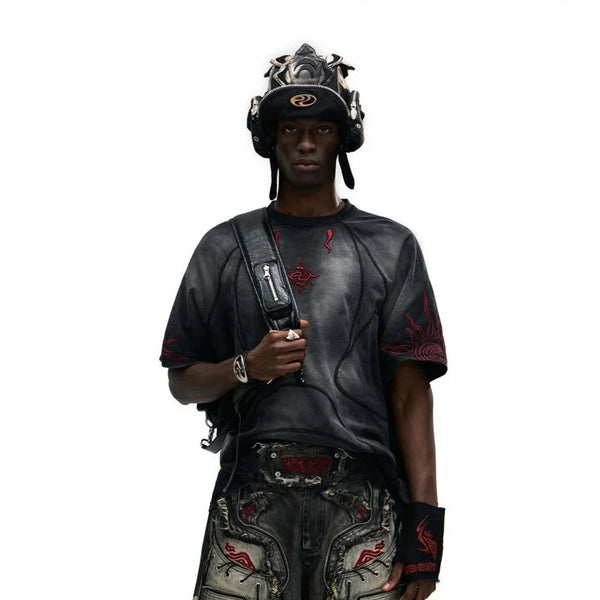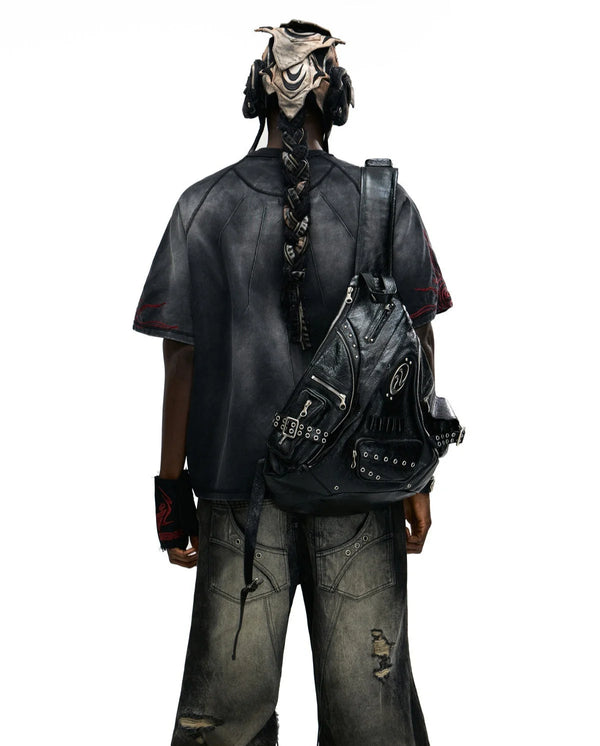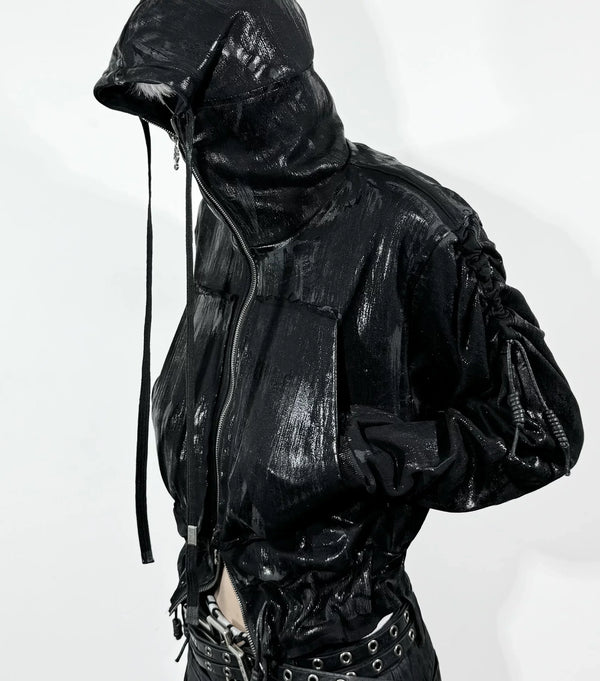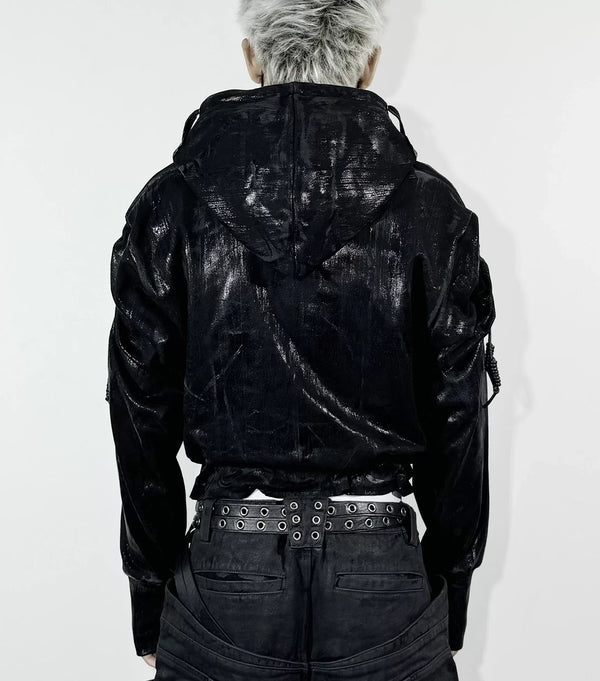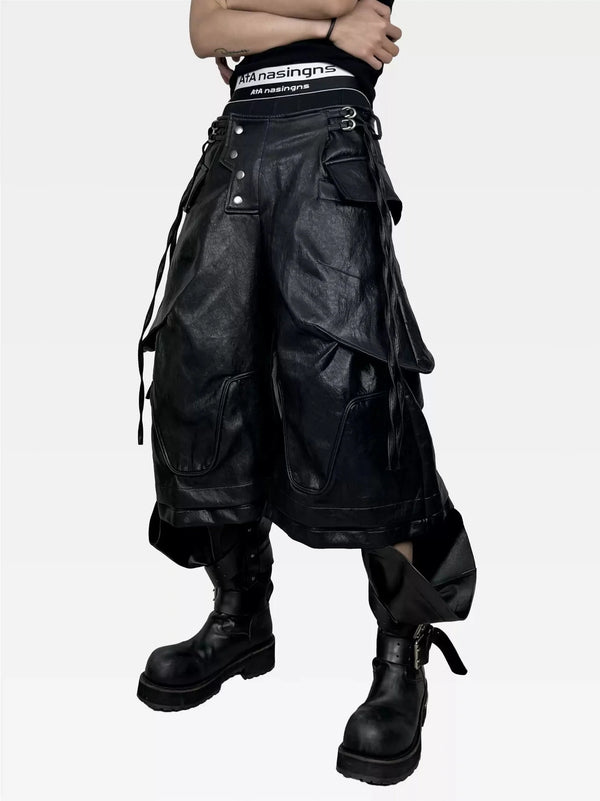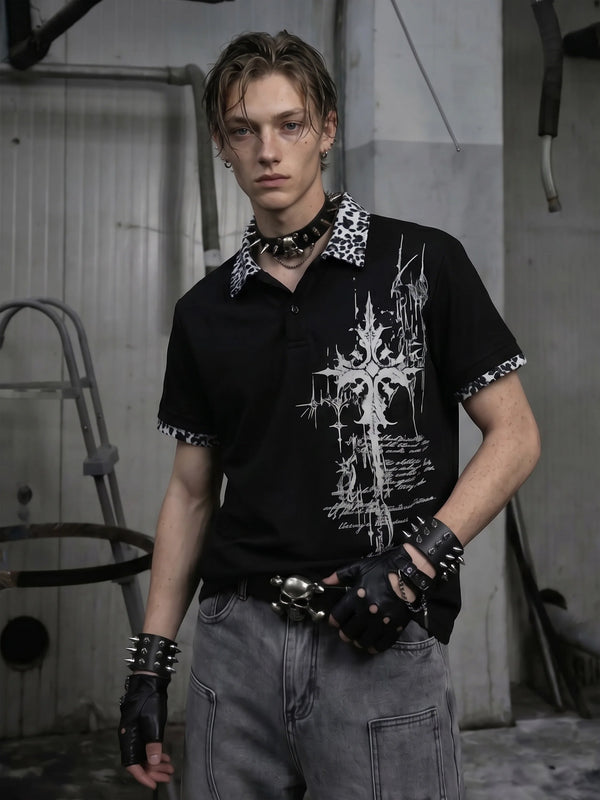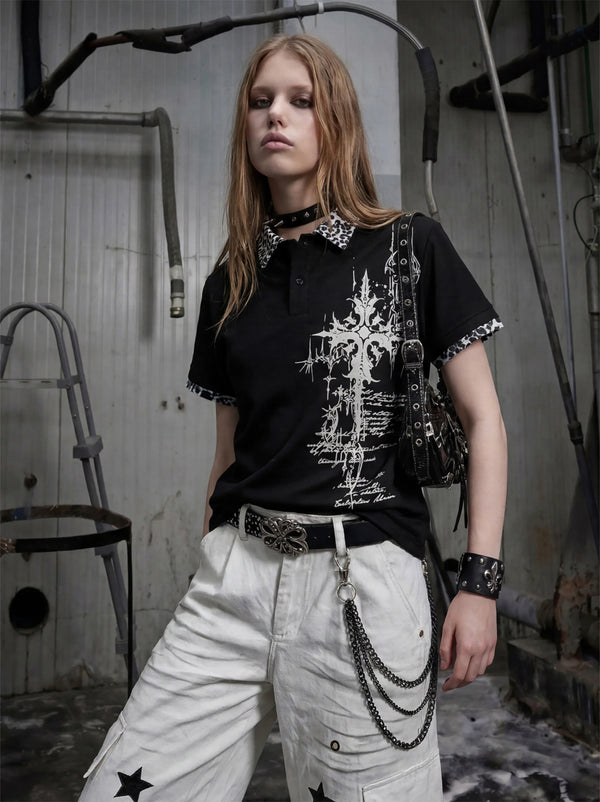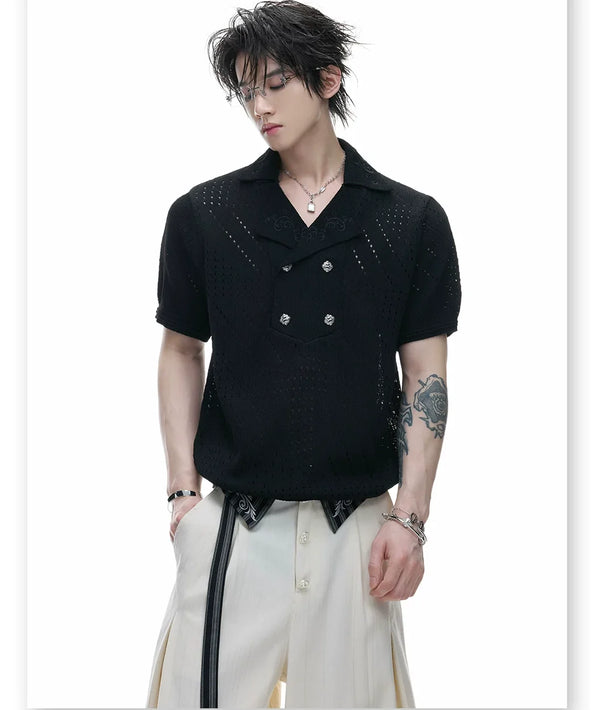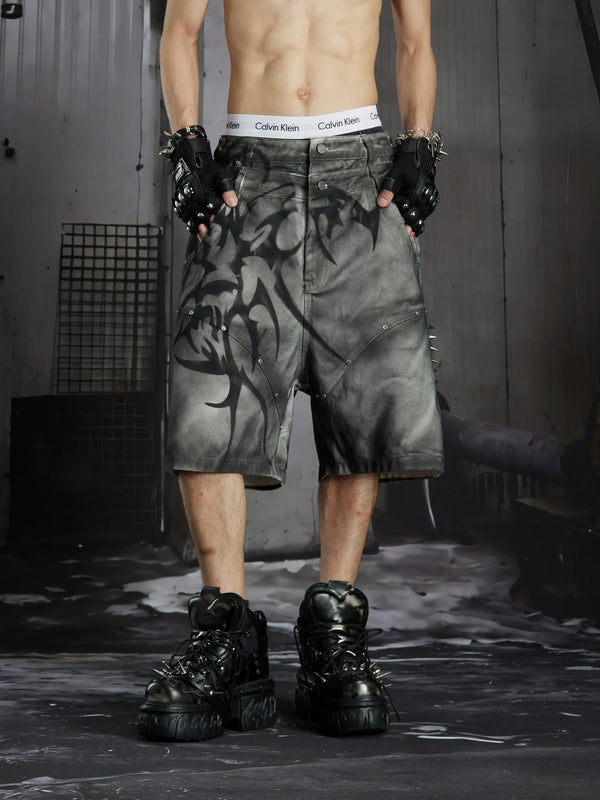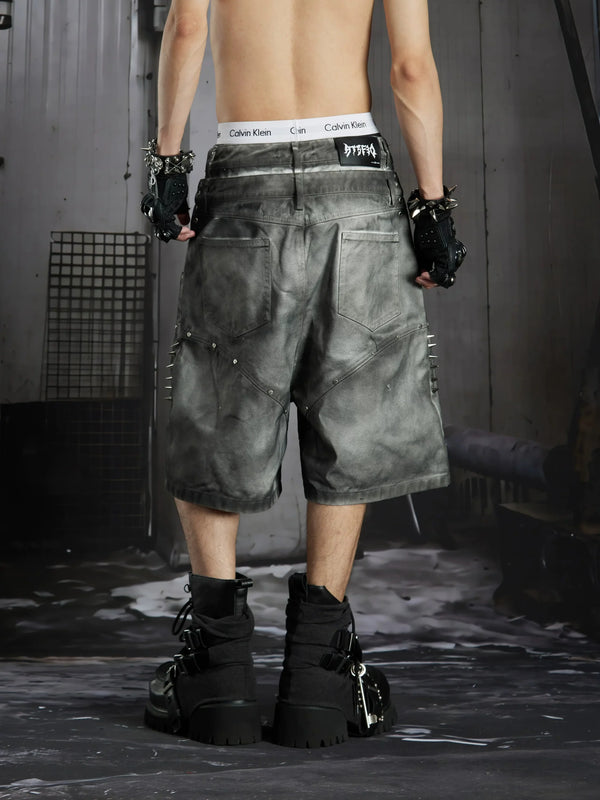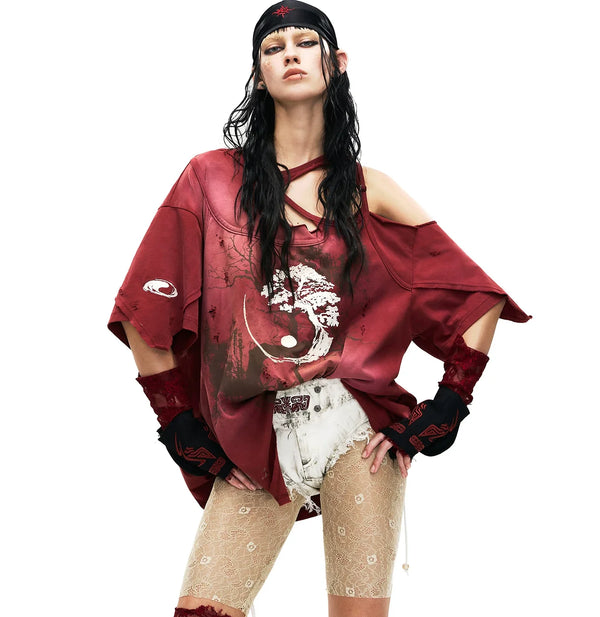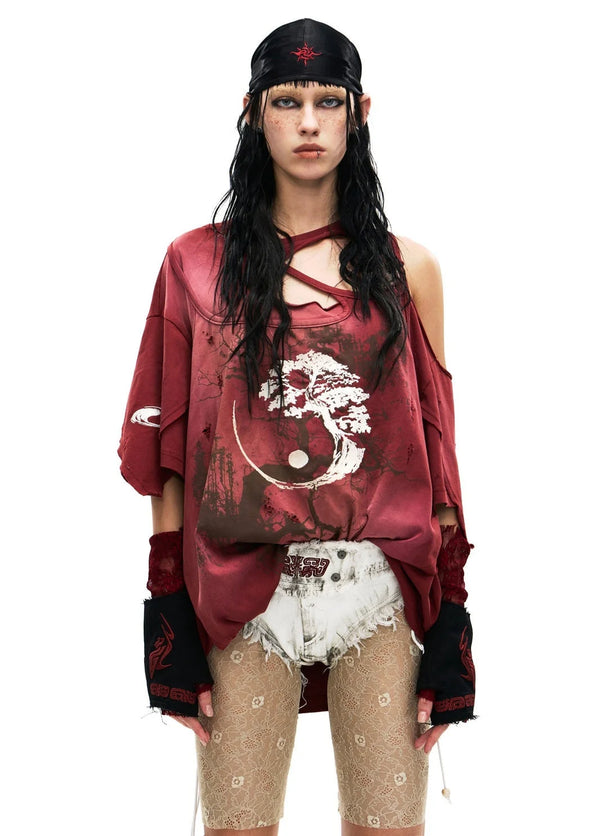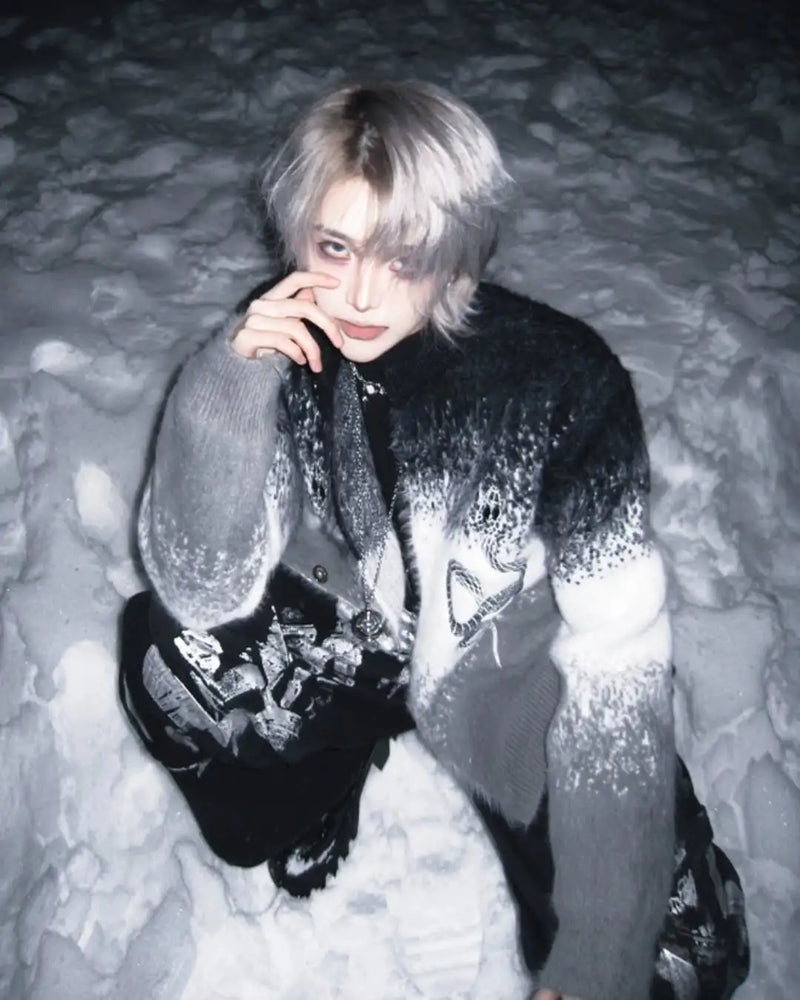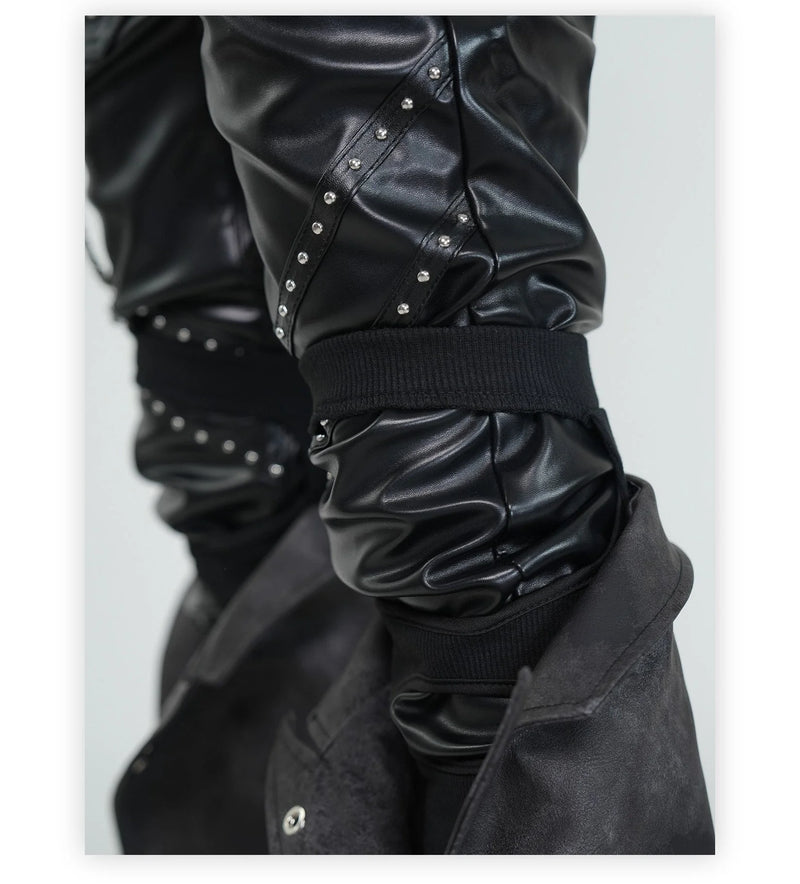
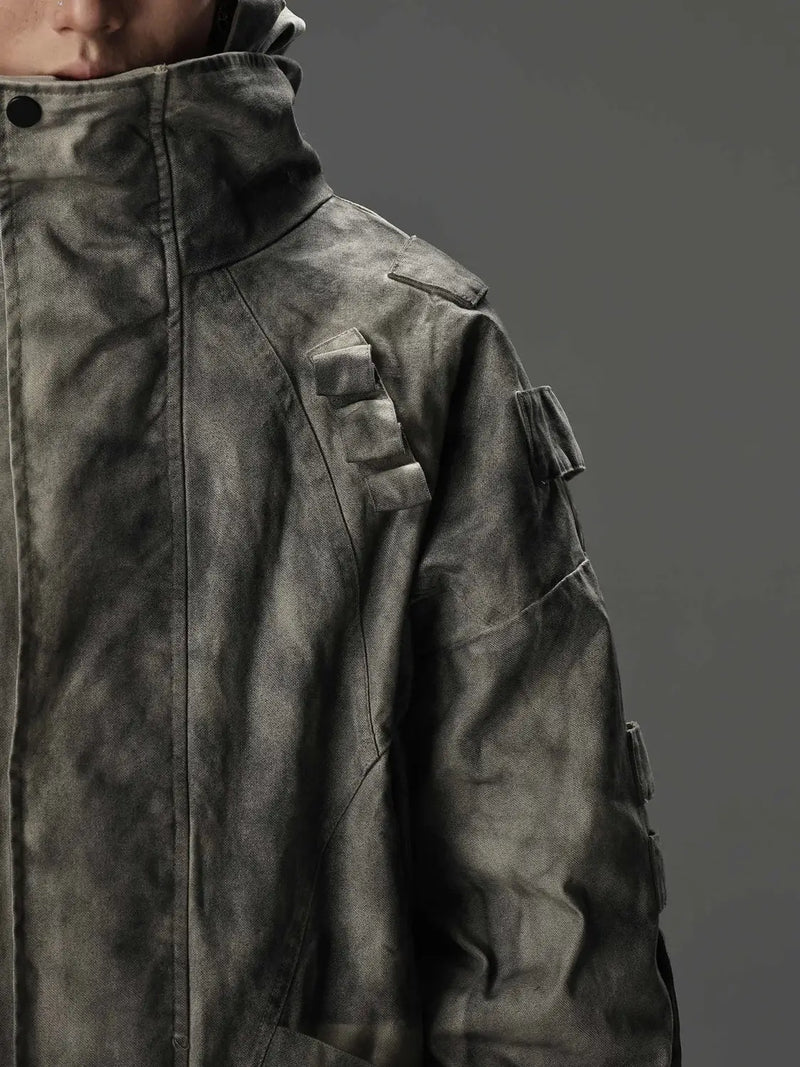
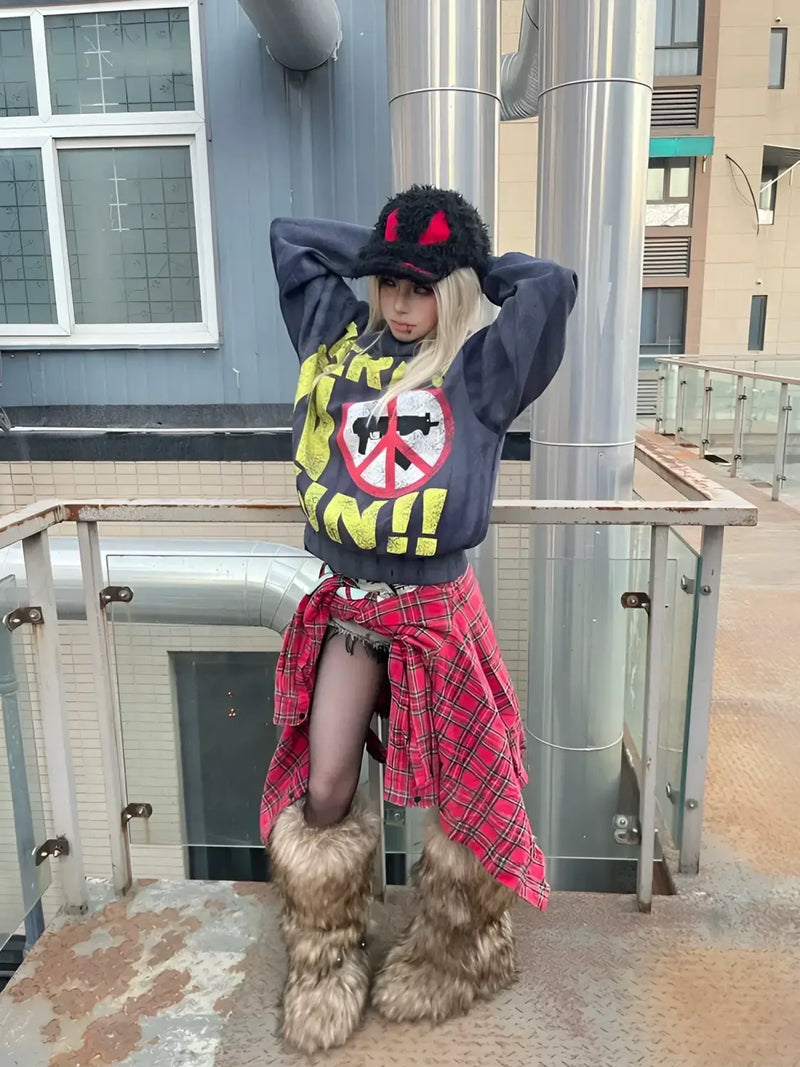
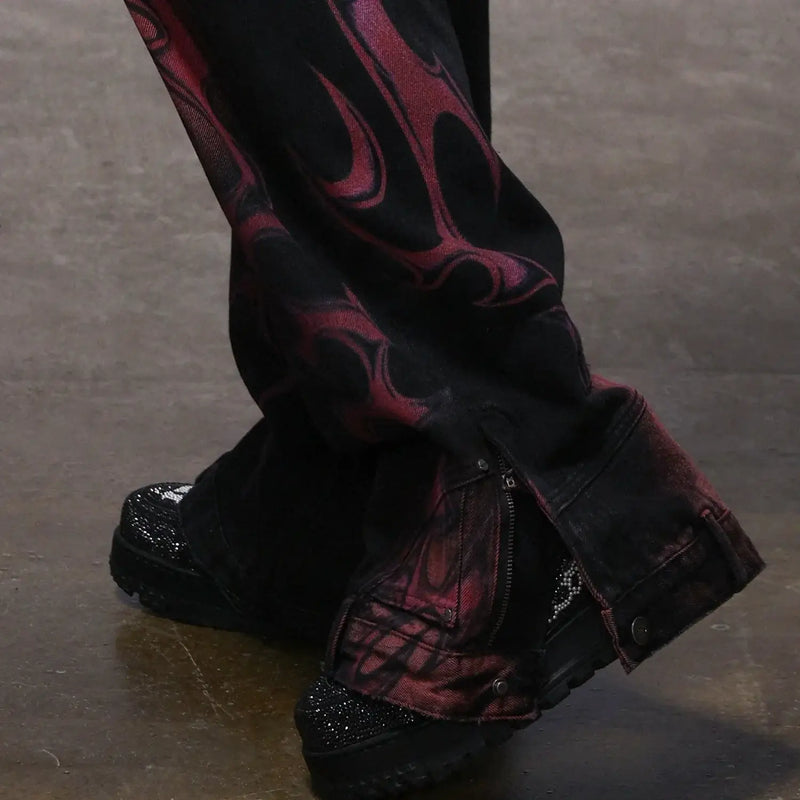
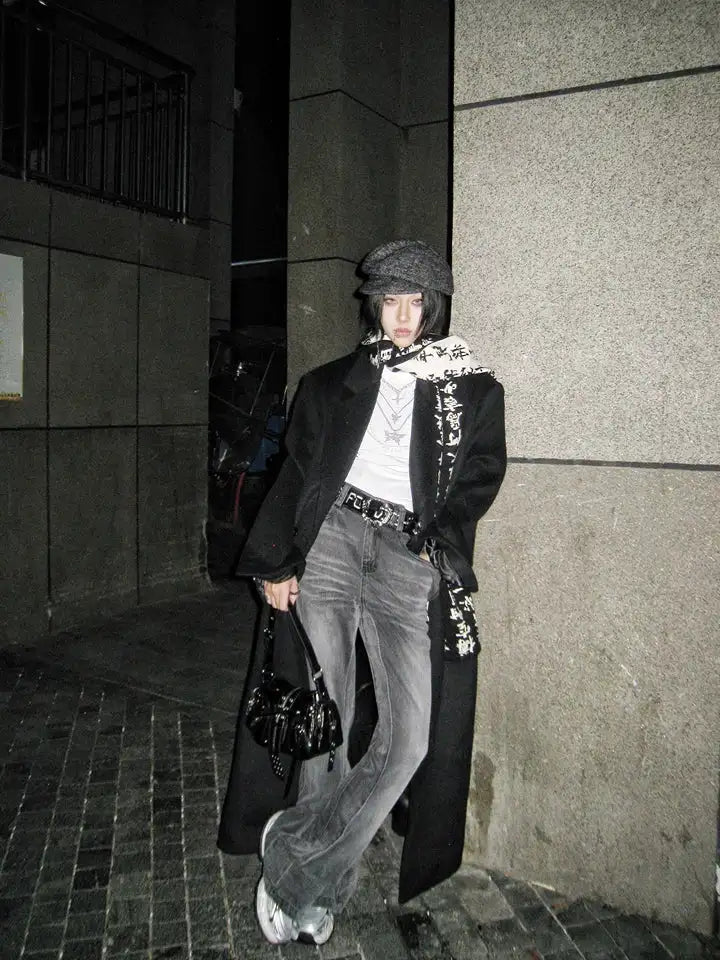

To a lot of people, Dark Cottagecore sounds like a Halloween outfit someone left behind in the woods. That's also the main reason so many looks fall apart — before they even make it out the front door.
Dark Cottagecore is not a black Cottagecore version with a cobweb print. It's an aesthetic of its own, with a fixed color logic (Moss, Oxblood, Charcoal, Cream — no pitch black), fixed materials (linen, velvet, wool, lace — no polyester sheen) and a clear move away from the bright English cottage vibe, toward Forest Witch, Victorian Widow and Folk Goth. Mix that up and you land straight in costume territory.
This guide lays out what Dark Cottagecore really is: where the look comes from, why it isn't Cottagegoth (but sits well next to Cottagegoth), the 5 archetypes, the color code, what you wear in dresses, jackets, pants and shoes — and the 6 mistakes that stamp Halloween on your outfit every time.
Here's what it looks like in motion — one outfit idea in 15 seconds:
Origin
What is Dark Cottagecore — and where does the look come from?
Cottagecore went viral in 2018 on Tumblr and Pinterest. It was the answer to too much city, too much screen, too much hustle — a romanticized cottage dream with Cream dresses, lavender fields, straw baskets, fresh-baked bread. Cottagecore was bright, feminine, soft, and painless.
Dark Cottagecore is what happens when someone lets the woods into that picture — the woods where the moon doesn't shine. Instead of a sun hat, a lace bonnet. Instead of a picnic blanket, moss. Instead of fresh sourdough, a cauldron steaming with sage. The look formed organically between 2020 and 2022, on TikTok under tags like #darkcottagecore and #cottagegoth, then on Pinterest in boards with Forest Witch and Victorian Widow moodboards.
Important: Dark Cottagecore isn't just “Goth meets Cottage.” Goth is symbolic — crosses, skulls, pentagrams. Dark Cottagecore is atmospheric — mushrooms, cobweb lace, dried flowers, old library books. The difference is huge. Wear a skull print and you land in cosplay; wear a pressed-flower locket and you land in the look.
The break
Cottagecore vs. Dark Cottagecore — the hard break
The question comes in almost daily: is Dark Cottagecore just Cottagecore in black? No. Swap the color on Cottagecore and you get a black Cottagecore apron — and that's a Halloween costume, not a look. Dark Cottagecore differs in four places, and all four have to land, or the outfit tips over.
80 %
muted natural tones
0
Halloween symbols
3
layer minimum
2
natural materials visible
These four numbers aren't decoration, they're the filter. An outfit that breaks one quota — a pentagram piece of jewelry, a single-layer stretch dress, a glossy polyester cape — is no longer Dark Cottagecore. It's “Cottagecore with a Halloween twist.” Which, in plain terms, means: costume.
Concretely, Dark Cottagecore differs from the bright variant on these four points:
- Color palette — Cottagecore: Cream, pastel, lavender, white. Dark Cottagecore: Moss, Oxblood, Charcoal, muted black. Pitch black is out (too Goth).
- Mood — Cottagecore is midday sun in the garden. Dark Cottagecore is fog in the woods, just before sunset. The mood shifts from “cozy” to “melancholic and roomy.”
- Material detail — Cottagecore: embroidery, bows, floral print. Dark Cottagecore: cobweb lace, mourning lockets, dried flowers as pins, velvet accents. The detail stays — but the symbolism shifts toward a graveyard garden.
- Silhouette — both variants love layers. Cottagecore: puff sleeves, round cuts, A-line. Dark Cottagecore: longer lines, drape, Victorian mourning-dress references, no volume over the shoulders.
If only the colors get darker but everything else stays the same, you're still in the bright world — just in a shadow variant. Only when mood + material + silhouette tip along with it does the look begin.
Naming
What else is Dark Cottagecore called? Cottagegoth, Cottagegore, Witchcore
The look has a whole set of aliases that get tangled in the feed. Some are synonyms, some are neighbors with their own code. Keep the terms cleanly apart and you post your look under the right tag and find the right Pinterest boards.
- Cottagegoth — the direct synonym. Aesthetics Wiki lists the look under this name. Cottagecore silhouettes plus a Goth color palette. Google Dark Cottagecore and you get just as many Cottagegoth results.
- Cottagegore — the slightly harder sister of Cottagegoth. “Gore” refers to the macabre note — blood-red berries, animal bones as decoration, memento-mori jewelry. It works visually, but it's more uncompromising. Cottagegore outfits tip into Halloween faster if you're not careful.
- Witchcore — overlaps 70% with Dark Cottagecore, but focuses on the witch iteration. More lockets, more crystal pendants, more herbs in the outfit. If the Forest Witch archetype dominates, you can post your outfit under #witchcore too.
- Forestcore (dark) — a subset of Dark Cottagecore. Focus on moss, mushrooms, tree bark, dyed linen. Outfits are closer to the woods than to the cottage. If your look shows more forest than houses, it usually runs under Forestcore.
- Goblincore (dark) — visually related, but a different logic. Goblincore celebrates “ugly cute” and dirt. Dark Cottagecore stays elegant and melancholic. Goblincore outfits are often thirty percent deliberately rumpled. Dark Cottagecore is draped, not rumpled.
- Cottagecore fog iteration — a German coinage that has taken hold on Tumblr and Pinterest. It describes the sub-look most precisely for a German audience, because “fog” captures the core of the mood.
When you search, it helps to know several of these tags at once — on Pinterest you find four times as many boards under “Cottagegoth” as under “Dark Cottagecore.” Visually it makes no difference. For the algorithm it does.
Archetypes
The 5 Dark Cottagecore archetypes
Dark Cottagecore isn't one look — it's five, overlapping at the edges. Analyze Pinterest boards from the #darkcottagecore tag and you see these five types cleanly separated. Each with its own degree of darkness, its own material preference, its own main setting.
Which of the five fits you depends less on taste than on the setting where you wear the look. Forest Witch works at a Sunday market. Victorian Widow works at a gallery opening. Which archetype lands where — and what material connects them — comes in the next section.
Color code
Color code & material logic — Moss, Oxblood, Charcoal, Cream
Dark Cottagecore works through a very tight palette and a very clear material selection. Know the vocabulary and you build ten different outfits from the same seven pieces. Don't, and you buy thirty things without a single clean outfit.
4
Core colors
5
Natural materials
1
Accent metal (antique brass)
0
Polyester sheen
Concretely, Dark Cottagecore outfits are built from this vocabulary:
- Moss (moss green) — the signal color. Knit, coat, scarf. If an outfit is allowed only one color, Moss is the right choice.
- Oxblood (oxblood red) — the accent. Velvet pants, lockets, lip color. Never as the main surface — always as a point of emphasis.
- Charcoal (coal gray) — the pitch-black replacement. Wool coats, lace-up boots, long skirts. It reads as aged black, not mourning black.
- Cream (off-white) — the skin layer. Slip dress, blouse, stocking layer. It brings light into the outfit without tipping into cottage-bright.
- Linen, wool, velvet, lace, sherpa — the five allowed natural materials. Everything else — polyester, satin, lurex, smooth stretch — kills the look in 0.5 seconds.
- Antique brass hardware — lockets, button rows, lace-up boot eyelets. Silver reads as Goth. Gold reads as old money. Antique brass reads as a cottage-garden find.
Miss three of these six points and your outfit is no longer Dark Cottagecore — it's inspiration. And there's one place that holds all six together:
Category · Tops
Dark Cottagecore clothing — tops, knits & slip dresses
The top layer is the biggest dividing line from Goth or Y2K. This is where it's decided whether your outfit looks like a witch in the woods, a mourners' gathering, or graveyard cosplay. A good top layer in Dark Cottagecore isn't a statement — it's a base for everything else.
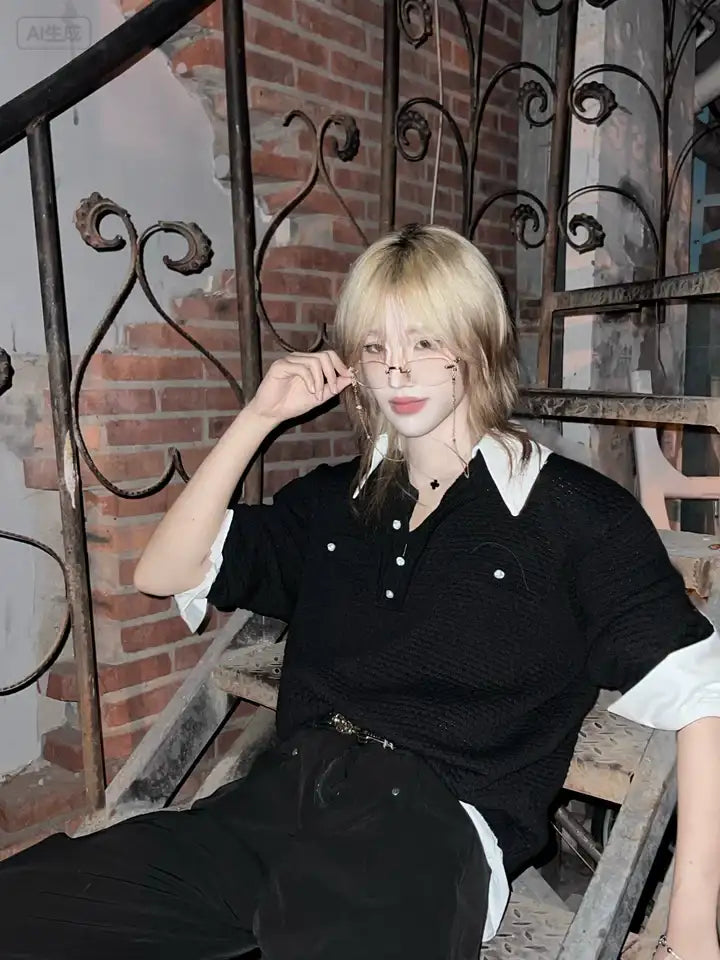
Three tops work as a base: a wool-blend cardigan in Moss or Charcoal (the all-purpose layer), a velvet or lace blouse with a spine detail or high collar (the iteration with character), and a Cream slip dress you pull on as a layer under everything else. Everything else builds around these three.
If you buy only one top piece, choose the wool-blend cardigan. It works in four of five archetypes and will last at least three winters.
Category · Outerwear
Jackets & coats — wool, velvet, cape
The outerwear layer carries the Dark Cottagecore outfit the way a brick house holds a garden — it's the biggest visual anchor. Whatever Cream or Moss sits underneath, the coat pulls together. If the outerwear doesn't land, the whole outfit doesn't.
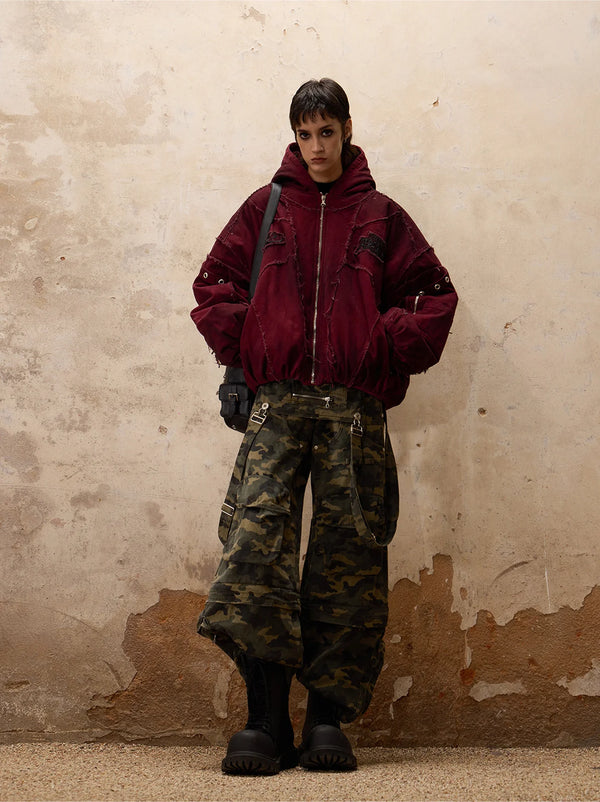
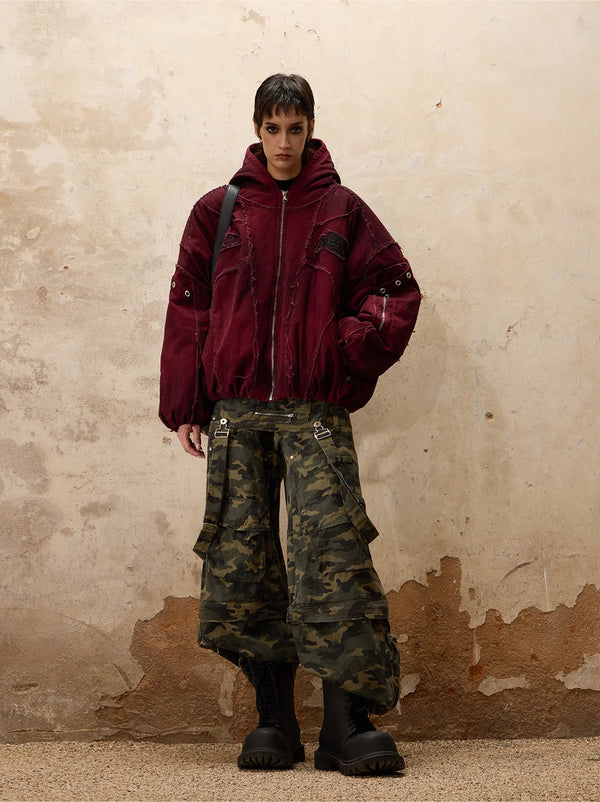
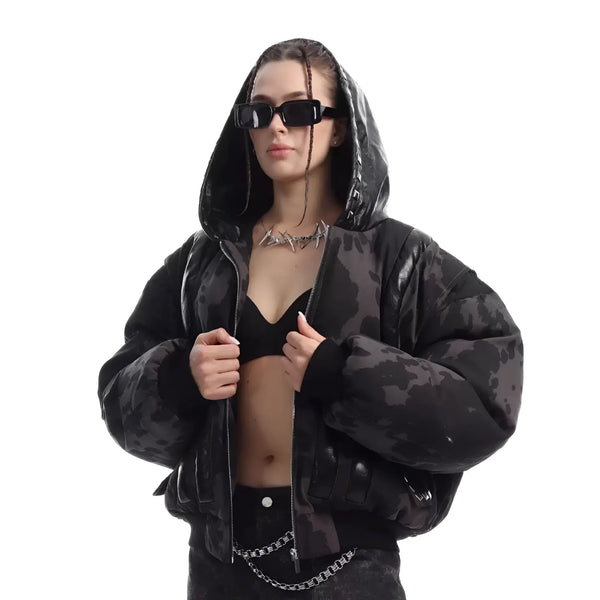
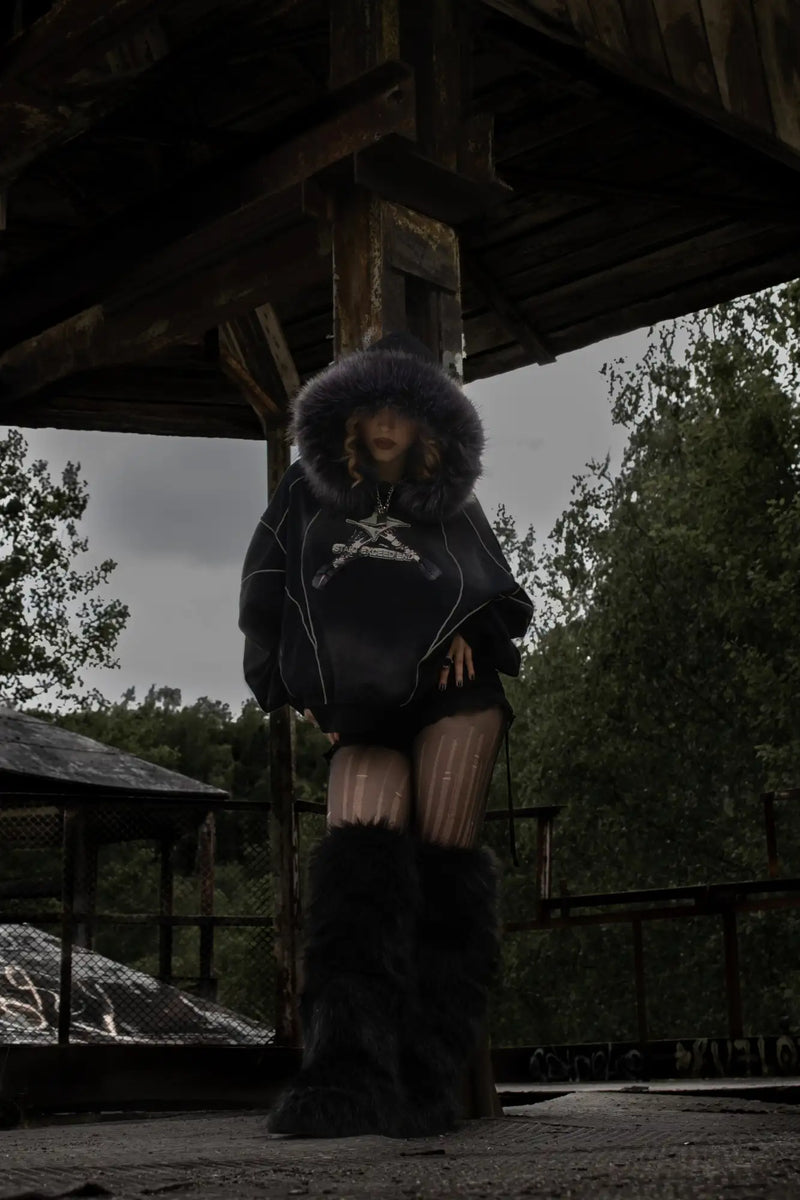
Three jacket types work in Dark Cottagecore: a long wool coat in Charcoal or Moss (the all-purpose coat), a velvet blazer with a straight line (the elegant, melancholic iteration for Victorian Widow), and a sherpa bomber for the Mossy Hermit iteration. Capes work too — but only if they don't look like a Halloween cloak (so no pointed hood, no clasp that looks like a keychain).
If you don't yet own a heavy outer layer in Charcoal or Moss, that's your first move. A good wool lasts ten winters and hardens your outfit against every Halloween iteration.
Category · Bottoms
Pants, skirts & layering — from bloomers to wide-leg
Bottoms are the silent layer. They make up 40% of the visible outfit but rarely 40% of the attention. That doesn't mean they don't matter — the opposite. A wrong bottom tips the whole outfit without anyone pointing out why.
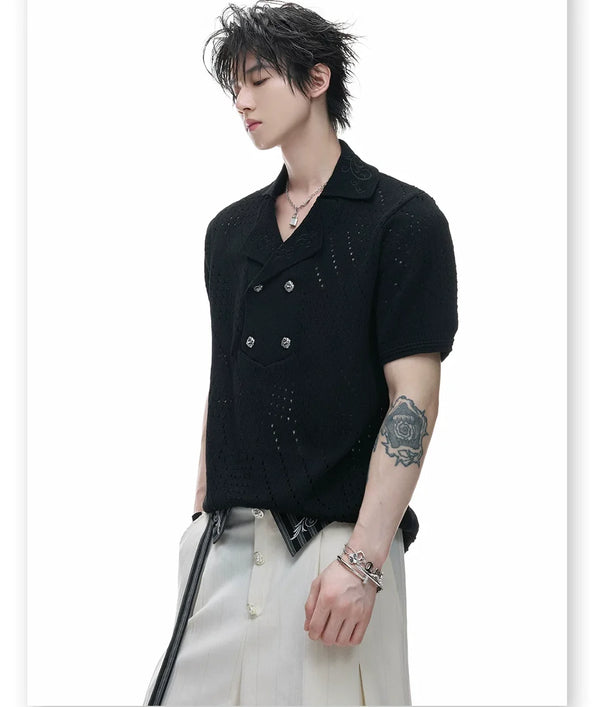
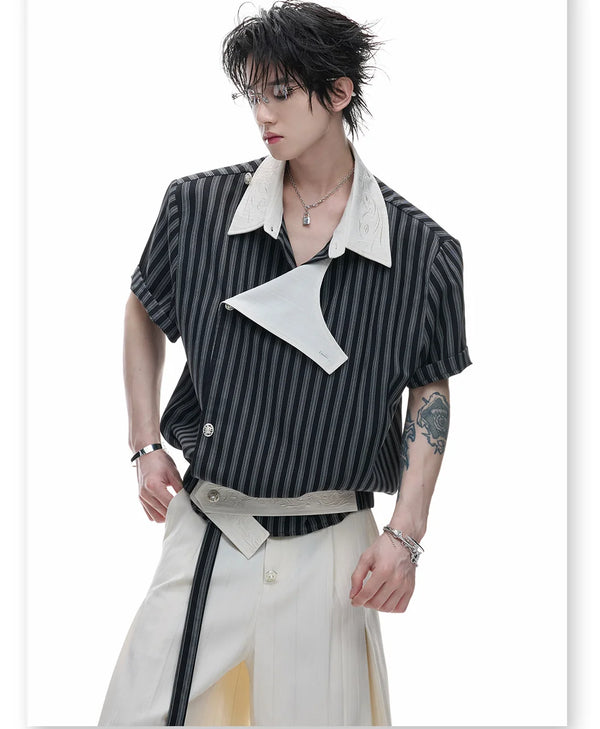
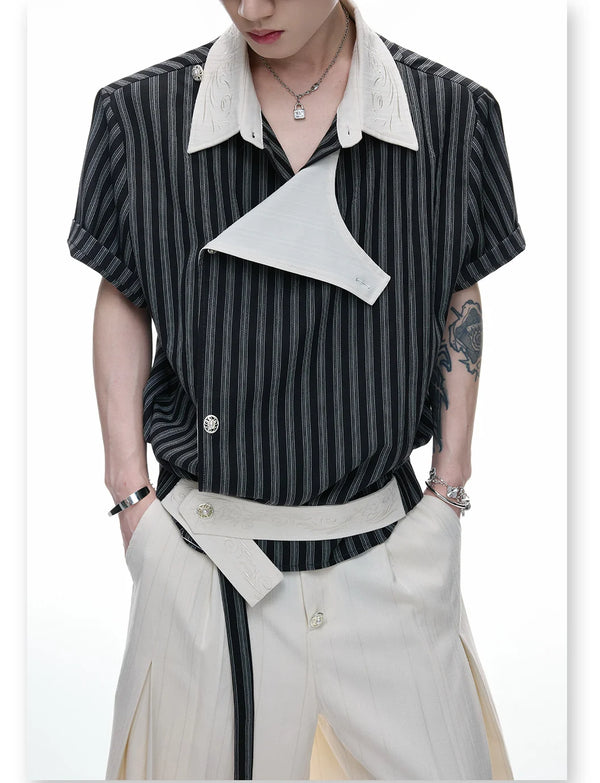
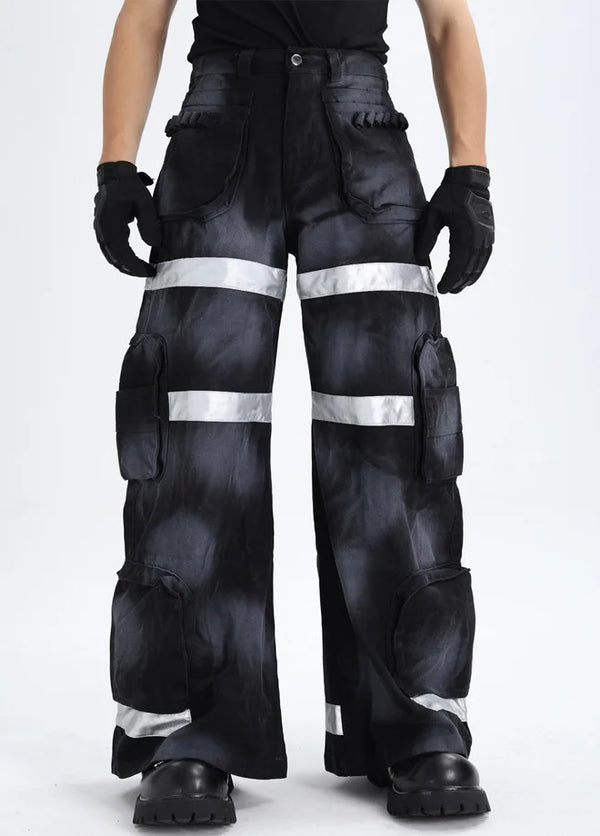
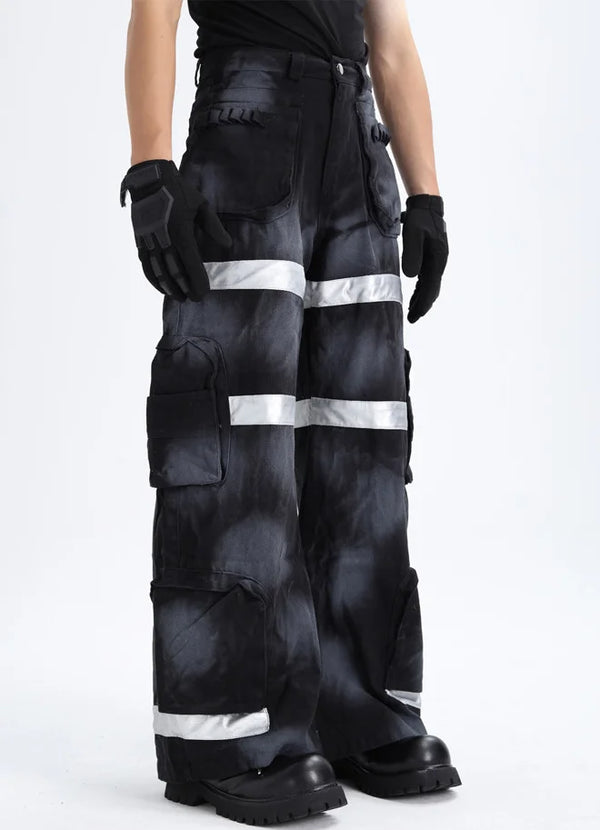
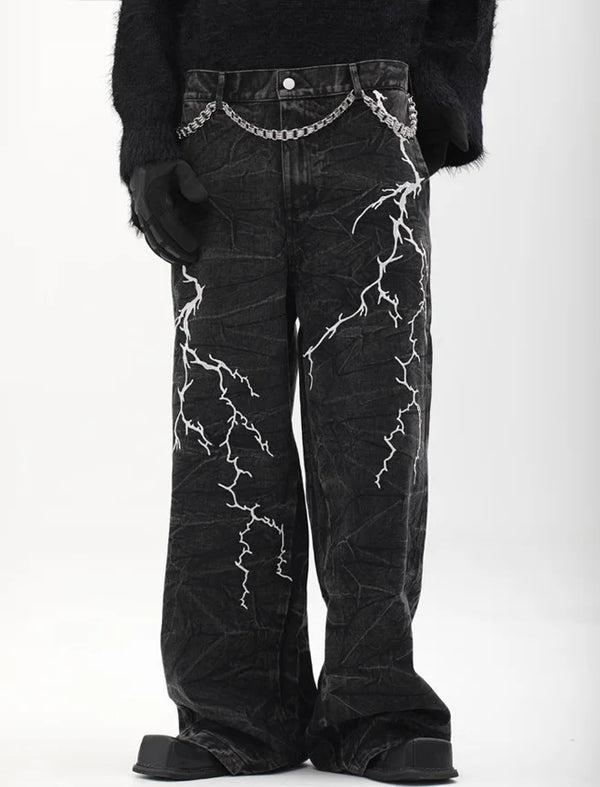
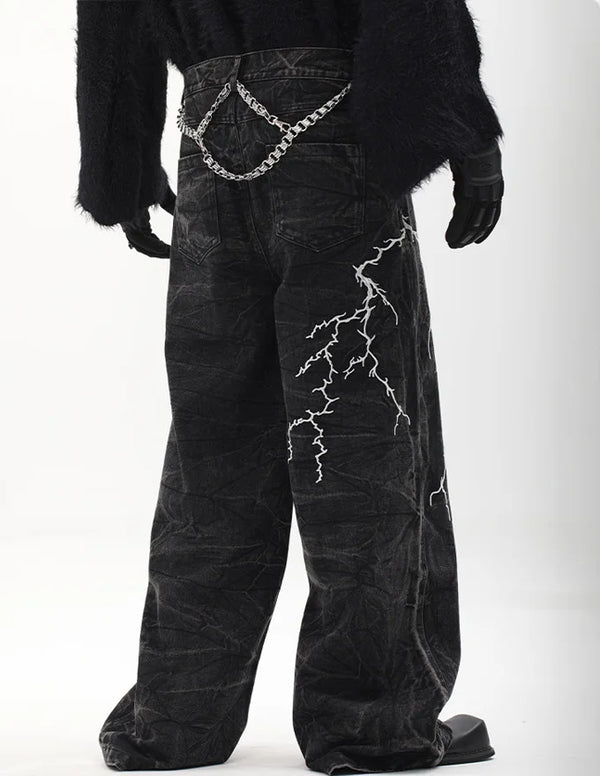
What works: wide linen pants in Charcoal or Moss (all-purpose), pinstripe wide-leg pants for the Victorian Widow iteration, a long wool skirt with a button row (the classic Forest Witch move), and bloomer pants with ankle cuffs for summer. What does NOT work: stretch jeans (too modern), mini skirts (wrong silhouette), glossy polyester pants (kills every bit of material vocabulary).
If you want a bottom iteration that fits all five archetypes, choose the wide wool-linen pants in Charcoal. You can layer anything over them — from a slip dress to a wool coat.
Category · Footwear & detail
Shoes & accessories — lace-up boots, charms, lockets
Shoes and small accessories are the two places where the outfit most visibly tips into cosplay — or doesn't. Sneakers are categorically out in Dark Cottagecore. Heels mostly too (too office). What works: lace-up boots, buckle shoes with antique-brass eyelets, mid-height black lace-up boots.
For jewelry: one locket, one pendant with a dried plant, a single button earring. Not three. Pressed-flower lockets are the signal gesture. Pentagrams, crosses, skulls — all of them tip straight into Goth-symbol land.
If you buy only one shoe piece, choose the lace-up combat boots in black. They fit all five archetypes and wear practically at the Sunday market, in the woods, at the gallery opening.
Styling logic
How to style Dark Cottagecore — the layering logic
A Dark Cottagecore outfit works on a single rule: three layers is the minimum, five the maximum. Fewer than three tips into T-shirt logic. More than five tips into Halloween. The look sits in between.
The outfit reads as “grown in the witch's hut,” not as “thrown together on Halloween morning.” Three layers, muted colors, one detail from the woods — the rest is confidence.
Fūga Studios
In practice that means: slip dress as the base, knit cardigan over it, wool coat over that. Or: bloomer pants, lace blouse, velvet blazer. Three layers, three materials, one color family. We have the full layering breakdown in a sister article:
Dark Cottagecore doesn't stand alone — it overlaps at several edges with other dark aesthetics. Dark Academia shares the wool library. Dark Boho shares the layering vocabulary. Gothic shares the Charcoal palette. Once you have Dark Cottagecore down, you can read these neighboring codes and mix deliberately without slipping into cosplay.
Here are the most important neighbors — each with its own guide, if you want to go deeper:
Seasonal
Seasonal — autumn peak, winter velvet, spring lace
Dark Cottagecore has a clear favorite season: autumn. Late September to mid-November is the look in its natural habitat — fog, falling leaves, dried flowers, cold wind. That doesn't mean it only works for three months. It means the other seasons need adjustments.
Winter iteration: more wool, more velvet, one extra layer. Charcoal wool coat over Cream slip dress over Charcoal stockings. Combat boots carry through. Spring: lighter lace accents, dried flowers become fresh buds, Cream moves forward. Summer: the outfit has to breathe. Linen instead of wool. Bloomer pants instead of wide-leg wool. Mesh sandals with an antique-brass buckle instead of lace-up boots.
Here's what it looks like in motion — one idea for the autumn layer in 15 seconds:
Sister aesthetics
Sister aesthetics — Dark Academia, Whimsigoth, Goblincore
Dark Cottagecore doesn't exist in a vacuum. It shares so much vocabulary with three other aesthetics that the edges blur. Wear Dark Cottagecore and you regularly risk drifting into Dark Academia, Whimsigoth or Goblincore — and the other way around.
Dark Academia is the intellectual sister. Same wool library, same Charcoal palette, same delivery. Different mood: library instead of woods, Latin books instead of mushrooms, tweed blazer instead of slip dress. Wear Dark Cottagecore in a university town and you often slide automatically into Dark Academia — and that's not a bad thing.
Whimsigoth is the 90s-mysticism sister. More purple, more velvet, more crystal pendants. Stevie Nicks energy with a graveyard note. It overlaps with Dark Cottagecore at the Witchcore end, but Whimsigoth is more dramatic, more theatrical. Dark Cottagecore stays earthier.
Goblincore is the scruffy cousin. Same love of mushrooms, same love of moss, but without the elegant, melancholic line. Goblincore outfits are deliberately rumpled, dirty, ugly-cute. Dark Cottagecore stays draped. Wear both tags and you usually have a Goblincore accent in a Dark Cottagecore outfit — or the other way around.
What doesn't work
The 6 most common Dark Cottagecore mistakes
Dark Cottagecore has six places where it reliably tips into Halloween — no matter how high-quality the individual pieces are. If you avoid only one thing, make it mistake number one.
Getting started
How to start in Dark Cottagecore — the first 4 pieces
You don't need a closet full of vintage pieces to wear Dark Cottagecore. You need four pieces that will be in most outfits. Everything else builds around them.
In order: a Charcoal wool-blend cardigan (the all-purpose layer — you'll wear it three seasons straight). A Cream slip dress (the skin layer — fits under everything and softens the outfit). Wide pinstripe pants or a wool skirt in Charcoal (the bottom). Lace-up combat boots in black or Charcoal (the footwear for all five archetypes). A pressed-flower locket as an optional fifth — but only once the four land.
In real life
Dark Cottagecore in real life — how it looks on the street
Before you build your own outfit, look at how others wear it. The five archetypes look different in the feed than in Lookbook photos — more mixed, dirtier, less perfect. And that's exactly why they work.
This is the fastest way to check whether Dark Cottagecore sits on your body type and in your city — before you spend money.
In closing
Dark Cottagecore is a mood, not a costume
If you remember one thing from this guide, make it this: Dark Cottagecore doesn't work through Halloween symbols, it works through atmosphere. Have the mood down and you build forty outfits from eight pieces. Buy only skull prints and you have a full closet without a single outfit that comes from the cottage woods.
The whole logic of this guide comes down to one sentence:
The look has been stable since 2020 and will stay that way as long as Tumblr and Pinterest are around. But you don't have to wait until you know all five archetypes by heart. Start with the one that fits your city and your everyday life best — usually Forest Witch or Mossy Hermit. You learn the rest by wearing it.
And that's the point: in theory Dark Cottagecore reads like a tight corset of rules, but in practice it doesn't feel that way. Once the code lands, every further outfit is a variation on the same four or five building blocks — not a new invention.
FAQ
Frequently asked questions about Dark Cottagecore
The questions we often get by DM and email — short, clear, no detour.
What is Cottagecore, actually?
What does Cottagecore mean in German?
What is the aesthetic of the academic world?
Is Dark Cottagecore ethically defensible?
How does Dark Cottagecore differ from Goth or Whimsigoth?
Does Dark Cottagecore work in plus size too?
Does Dark Cottagecore work for men too?
What do you think?
Tell us on @fuga_studios
About the author
Philipp Fuge — Founder · Berlin
Founder of Fūga Studios. Writes the journal himself. Berlin · Shanghai · Tokyo · Poznań — four cities, one logic.