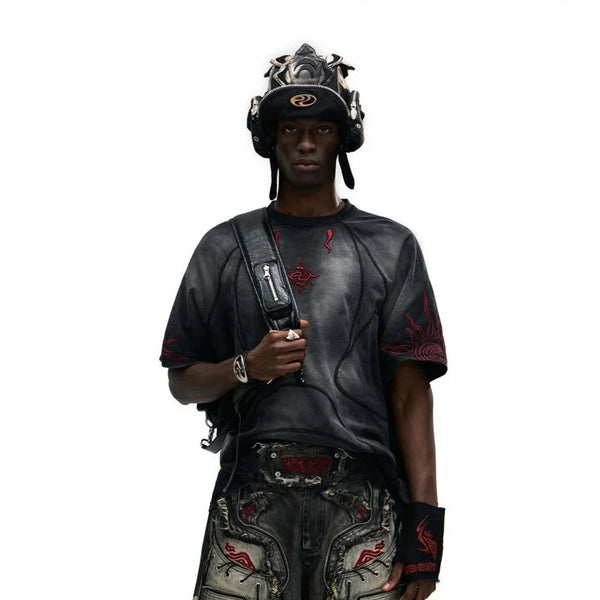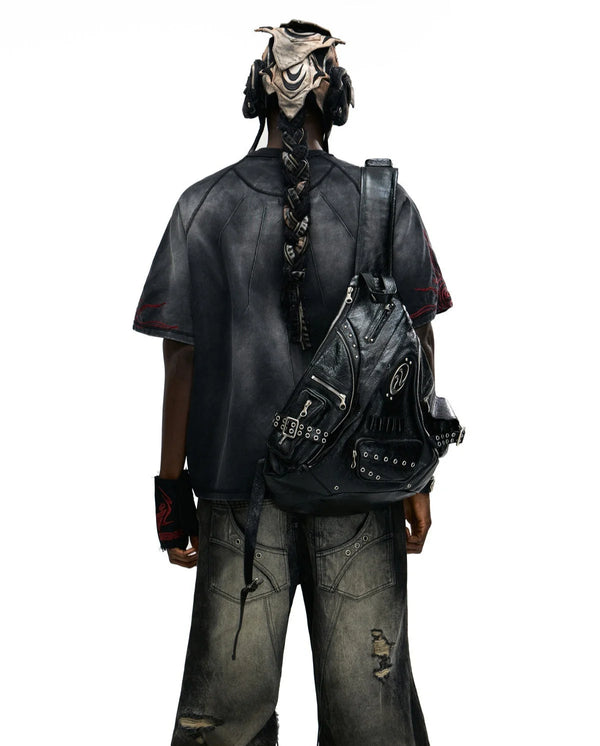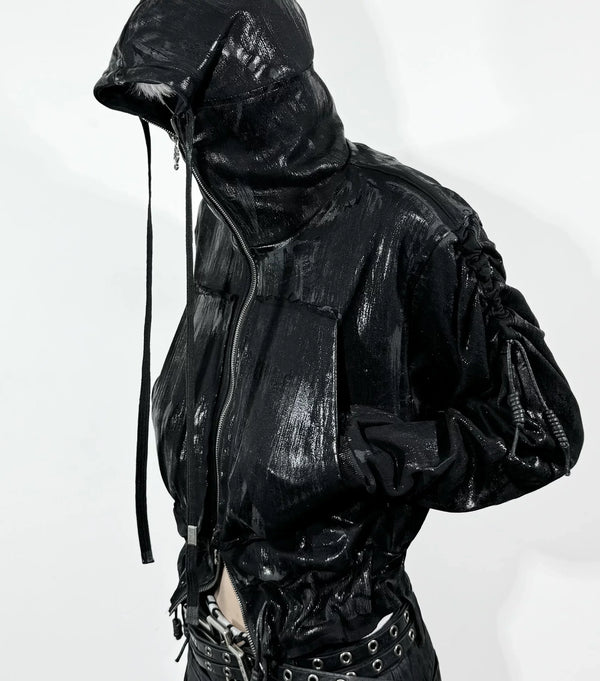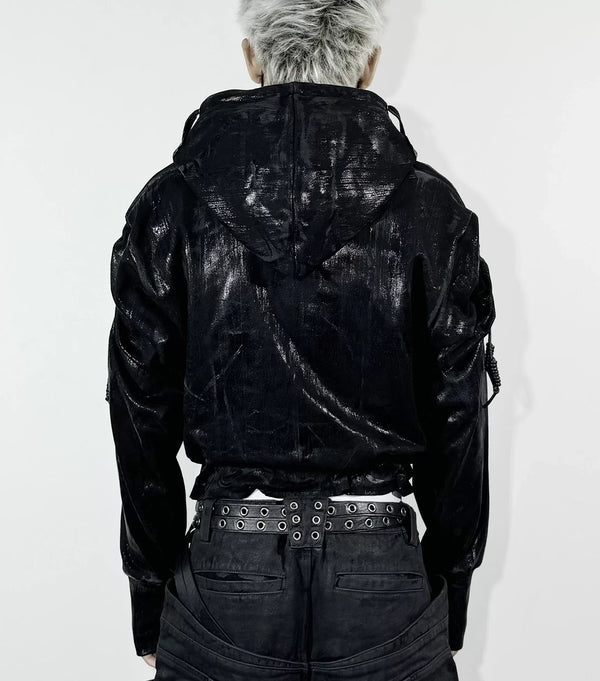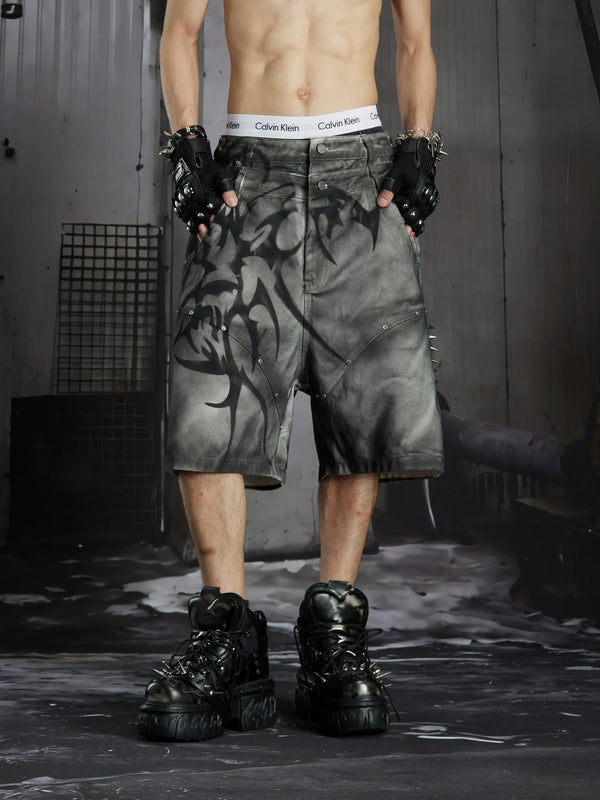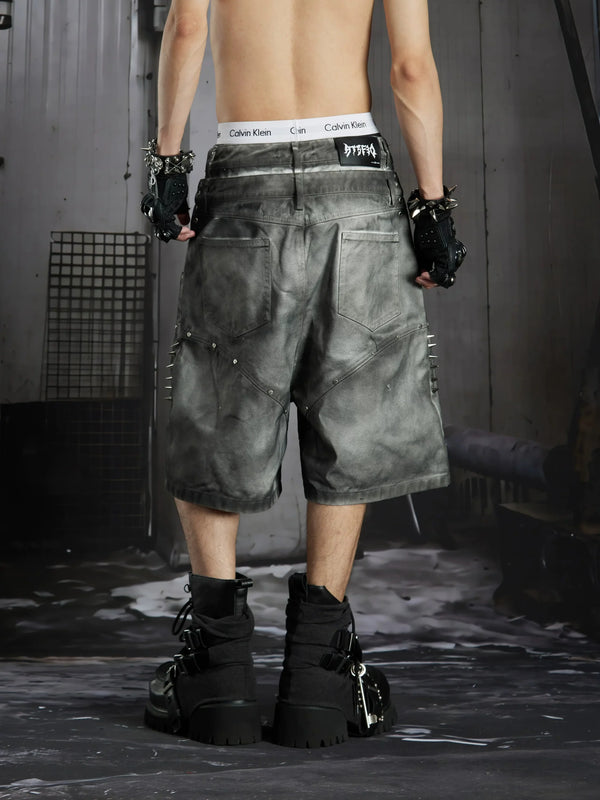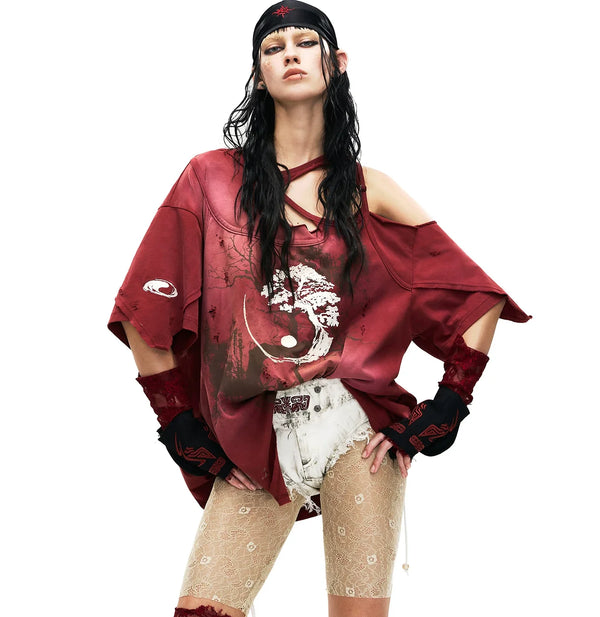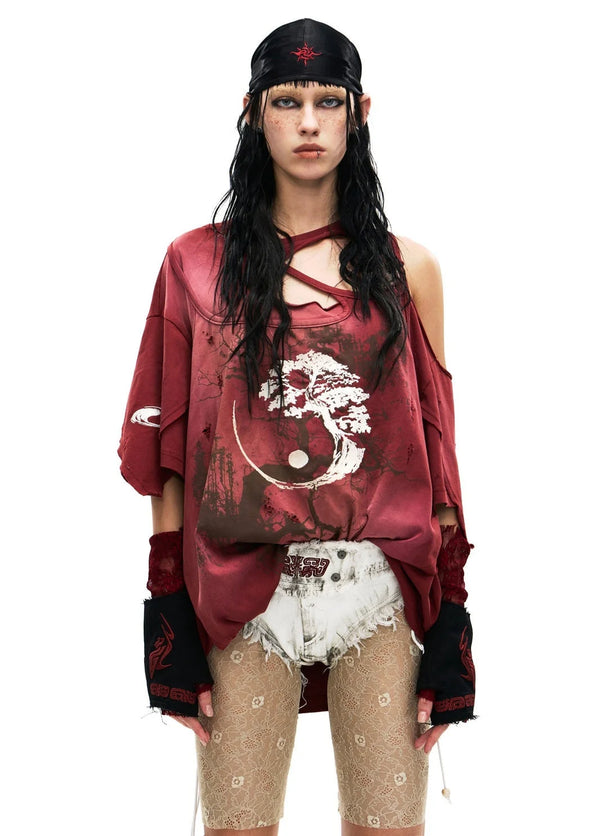

Google "Rise Up Fashion" and you land straight in a knot: yoga leggings from an insolvent activewear holding out of Berlin, Aldi search results, a few Snocks news articles — and somewhere in between, half-visible, a completely different fashion idea that means the exact opposite of activewear.
Rise Up Fashion as an aesthetic is not a sports label and not a slogan-tee trend. It is a synthesis of three sources — Punk DNA, Opium code and Rave residue — and translates rebellion into a daily uniform. Matte, heavy, dark, a single finisher. Nothing more. Stack more and you land at cosplay; stack less and you land at office wear in black.
This guide first separates the activewear company from the style term, then breaks down the 4 pillars, the three sources, the fabric grammar and the five most common mistakes. At the end stands the entry rule: four pieces are enough to build Rise Up — the rest is discipline.
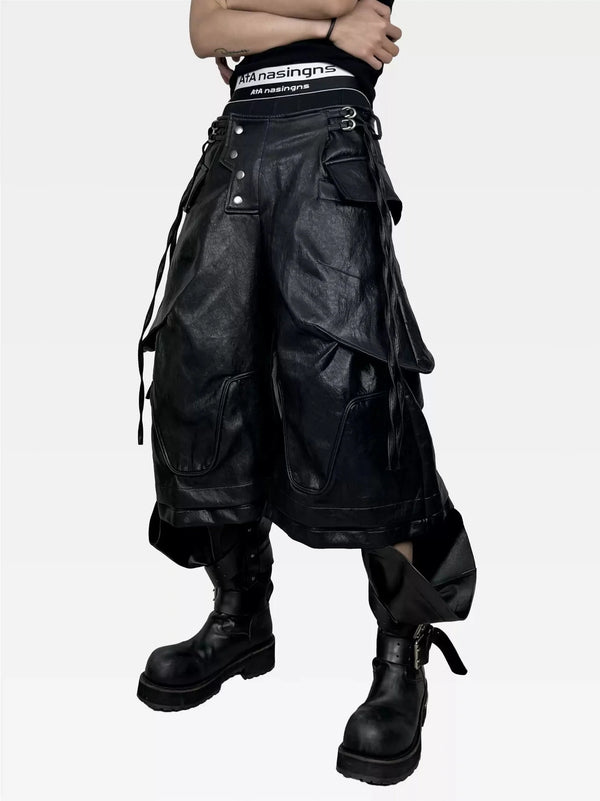
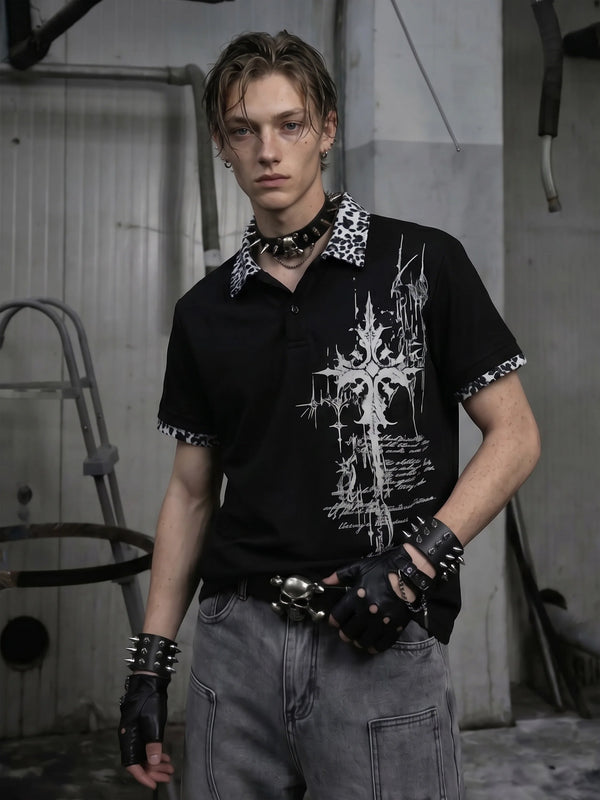
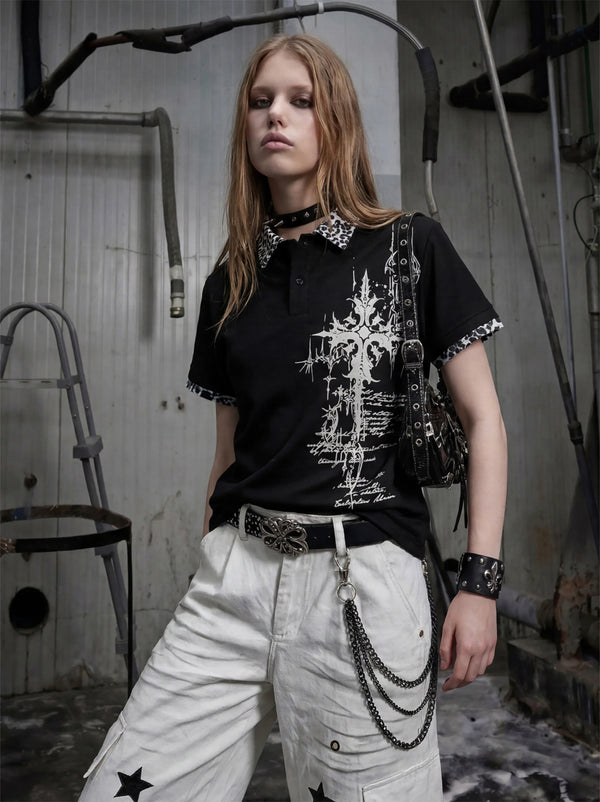
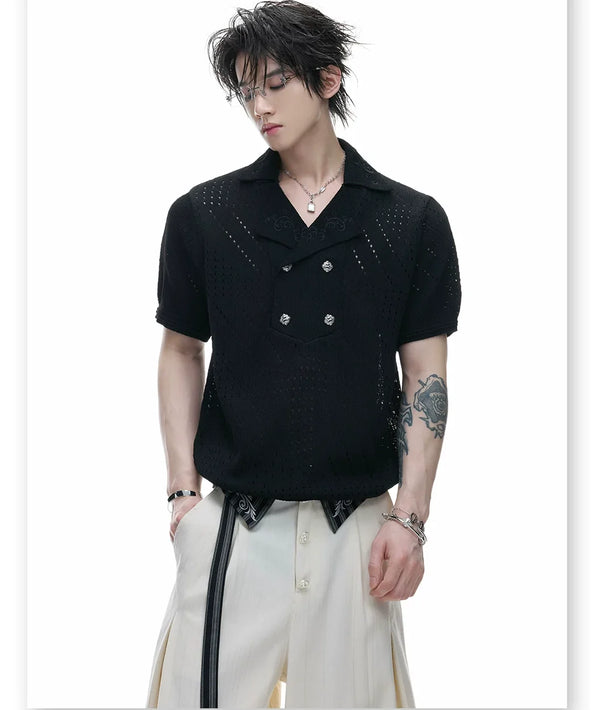
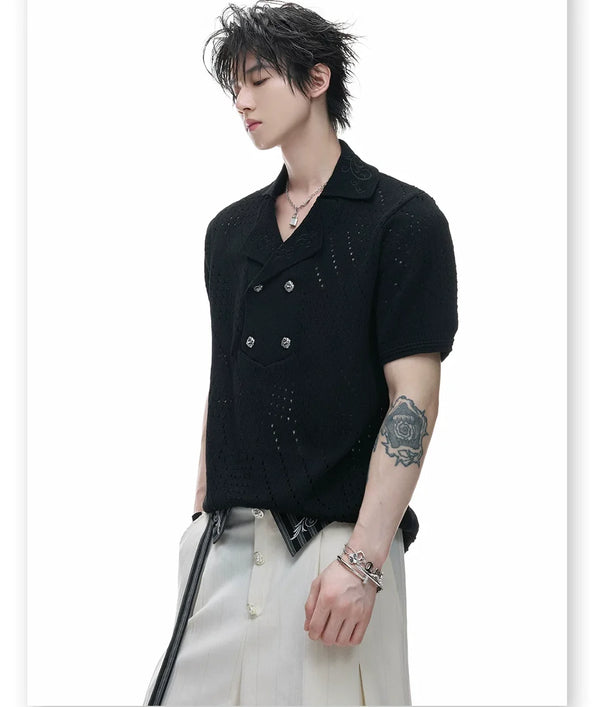
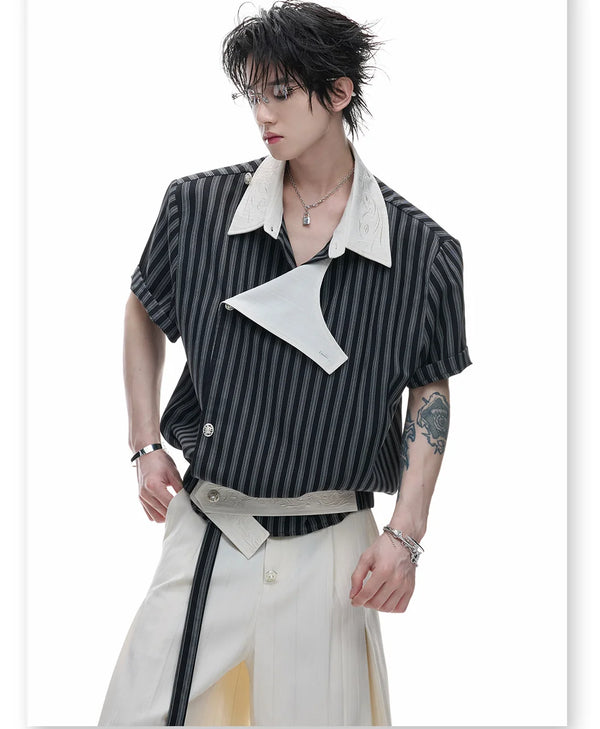
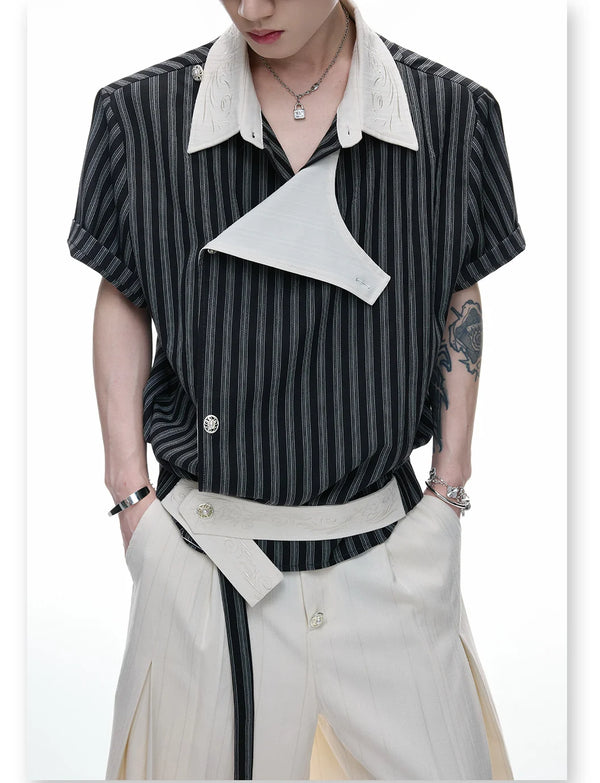
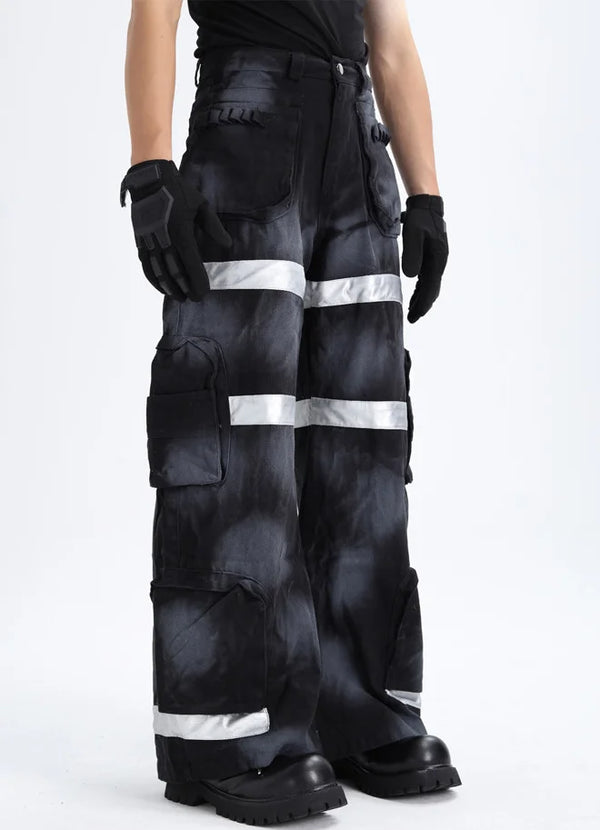
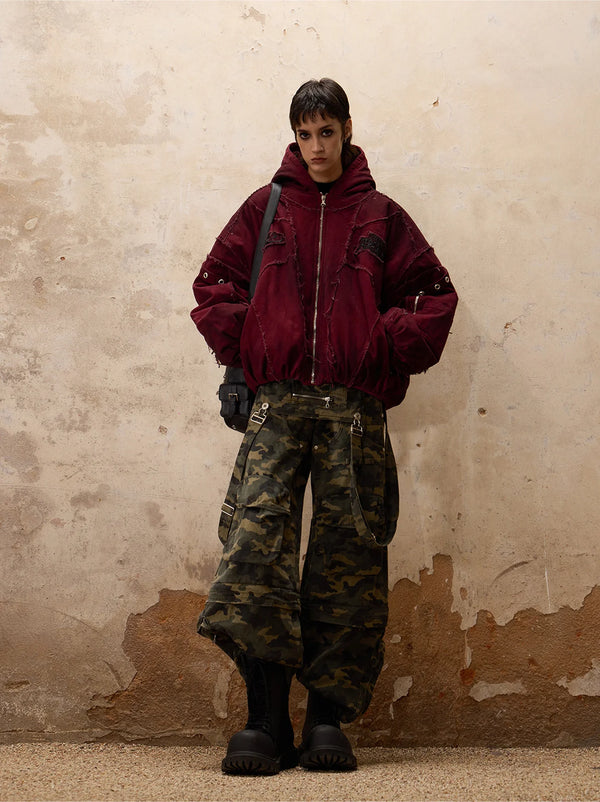
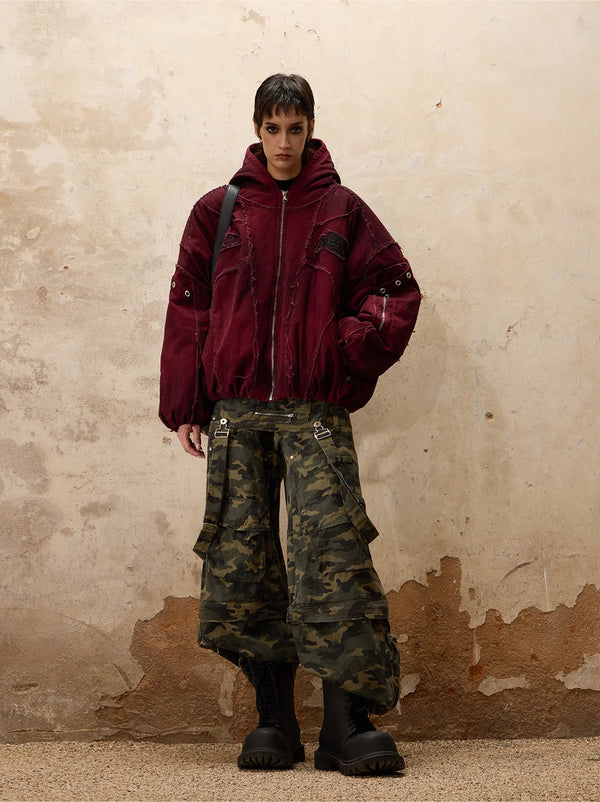
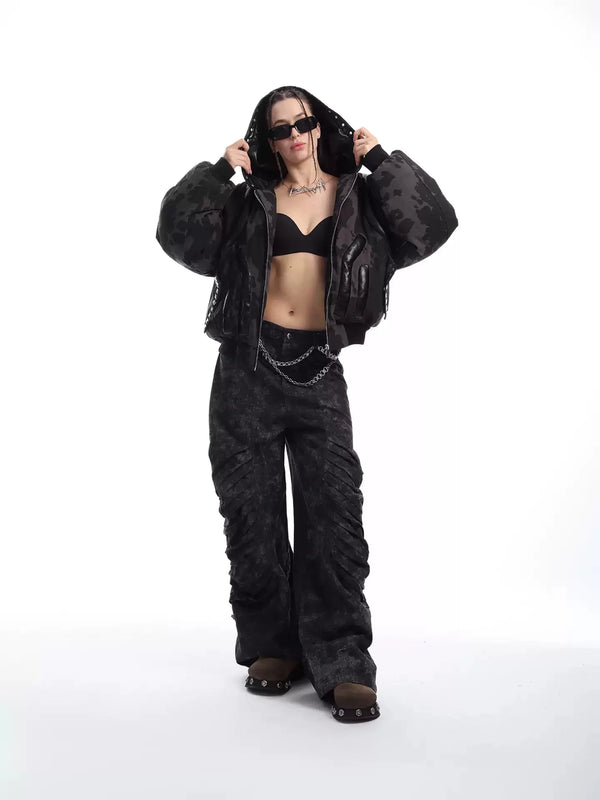
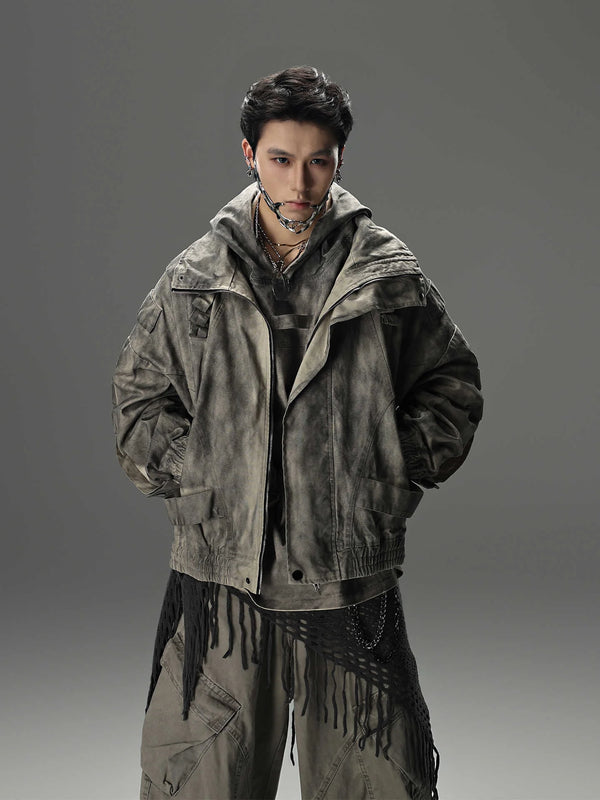
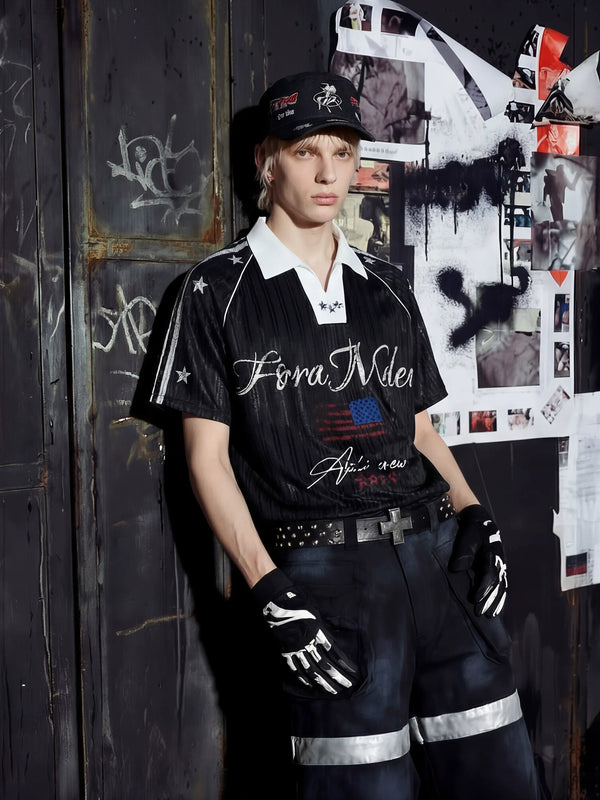
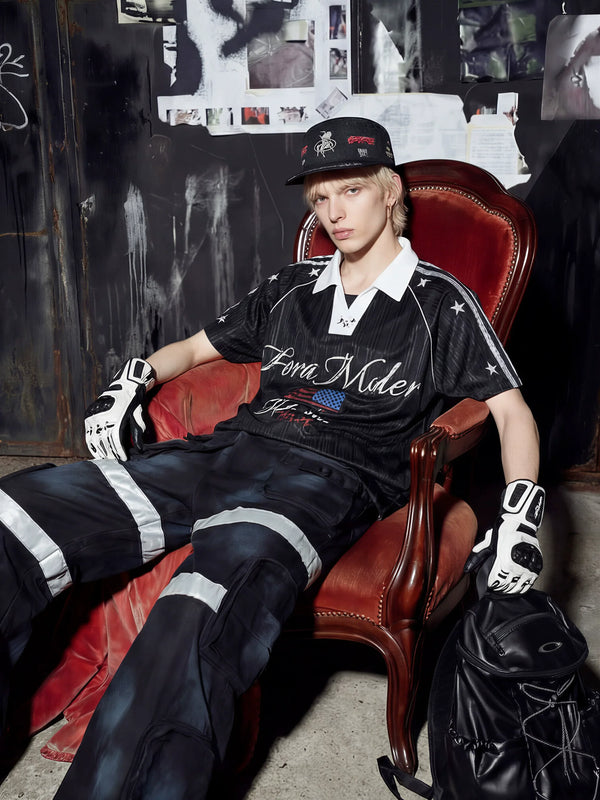
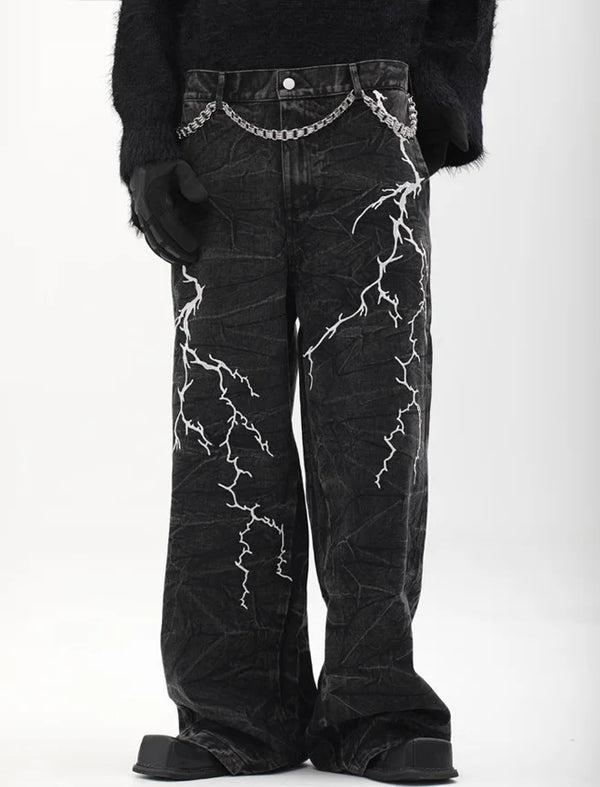
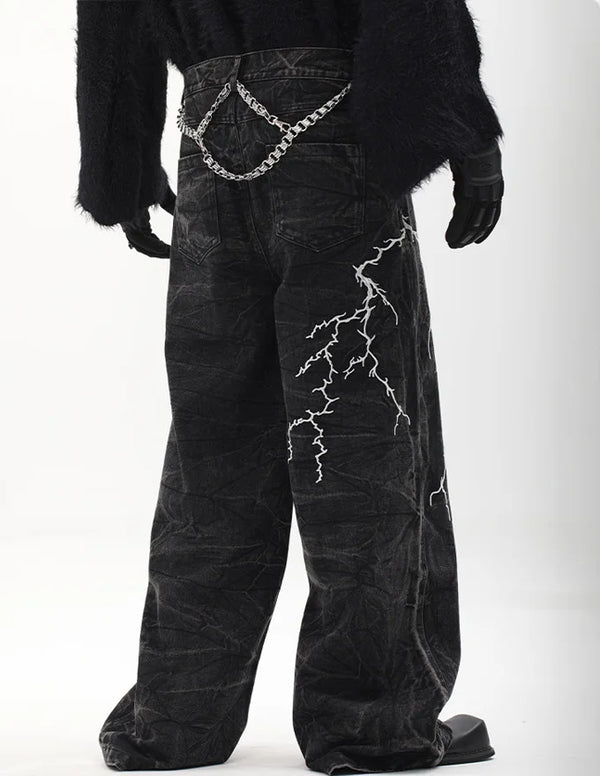
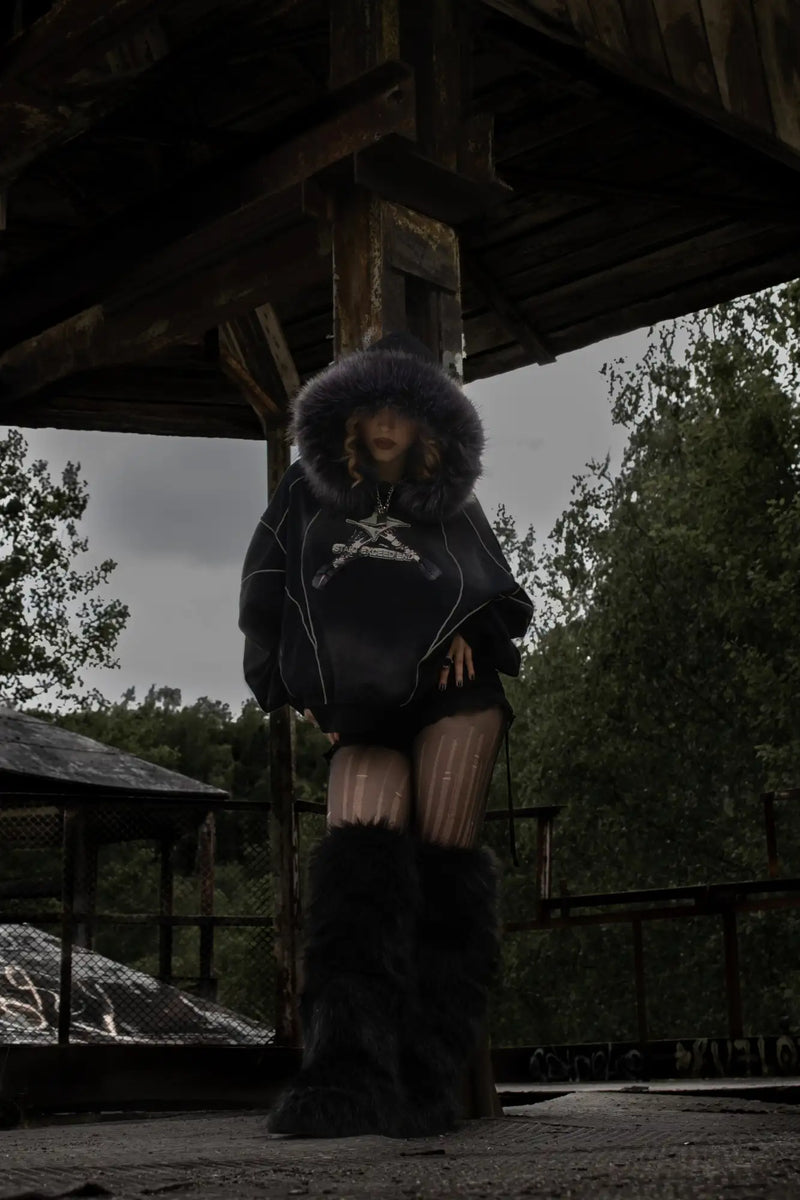
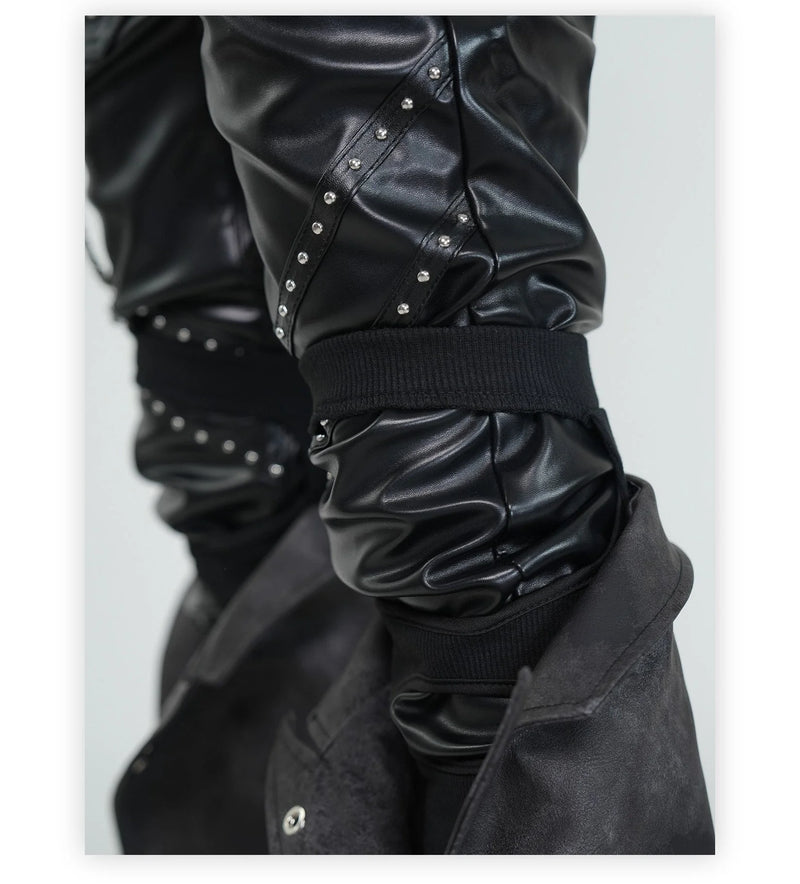
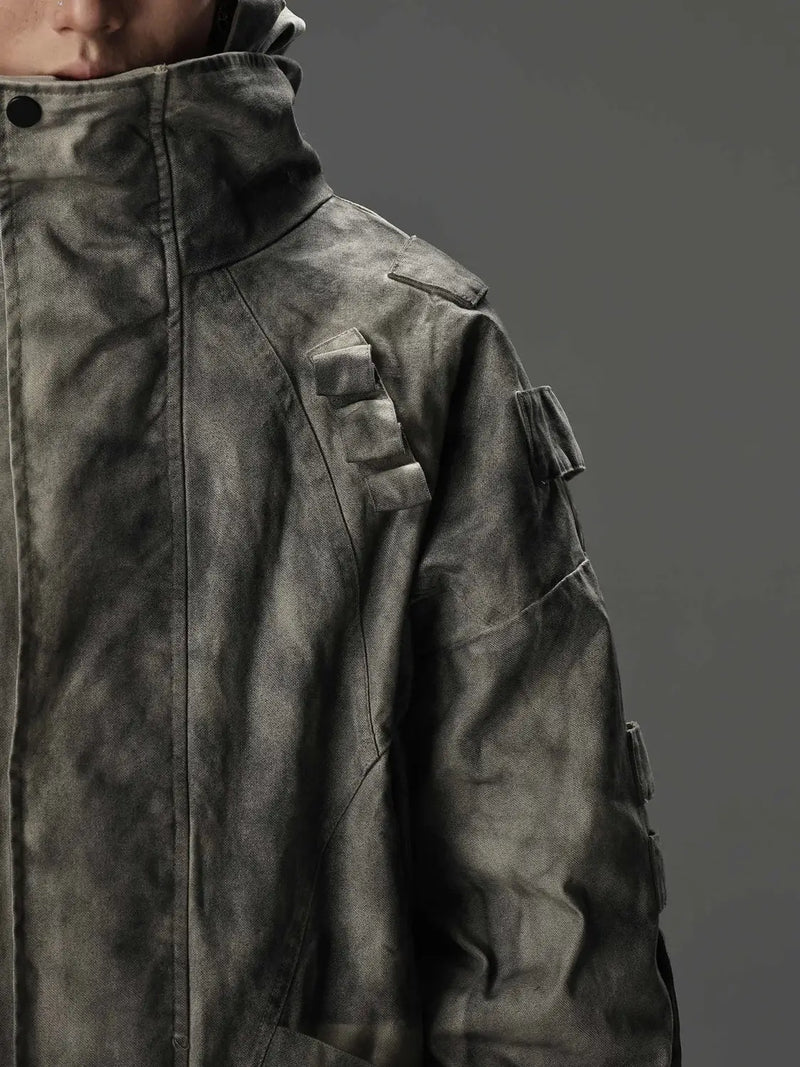
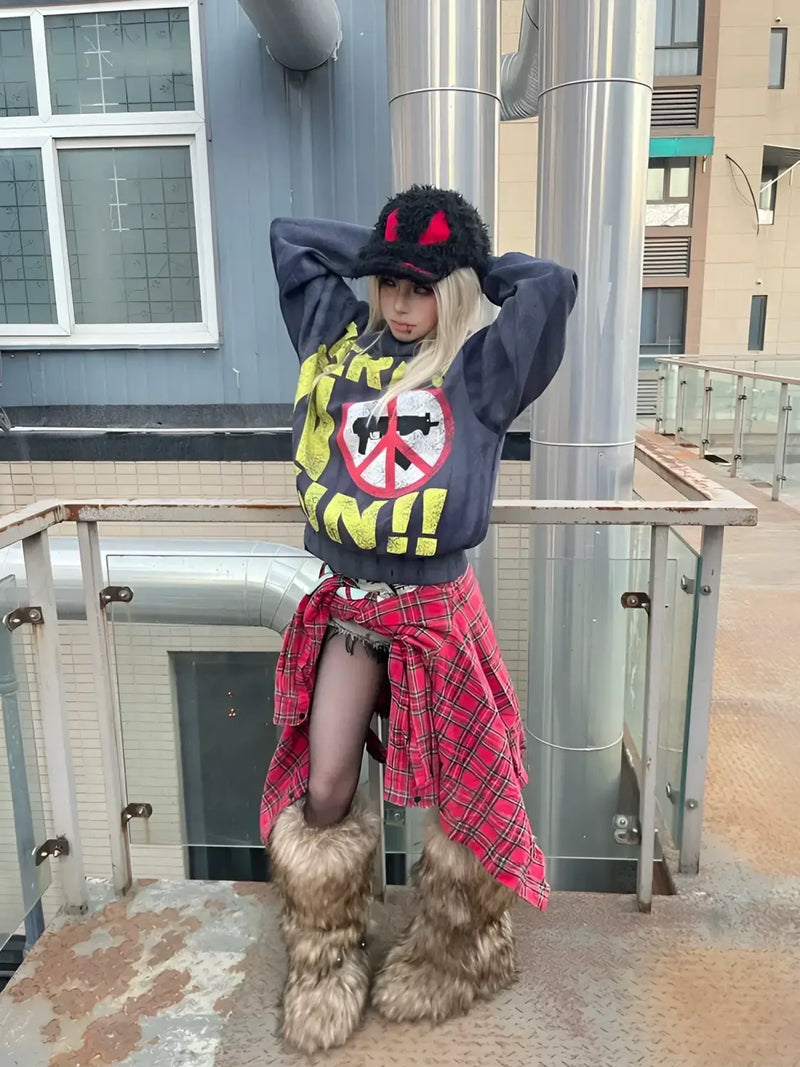
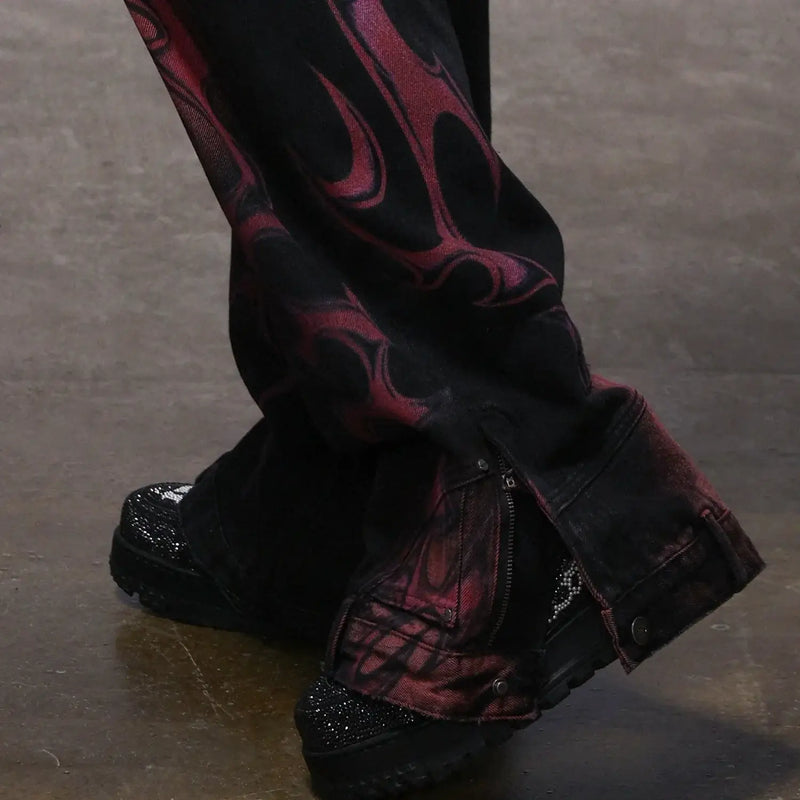
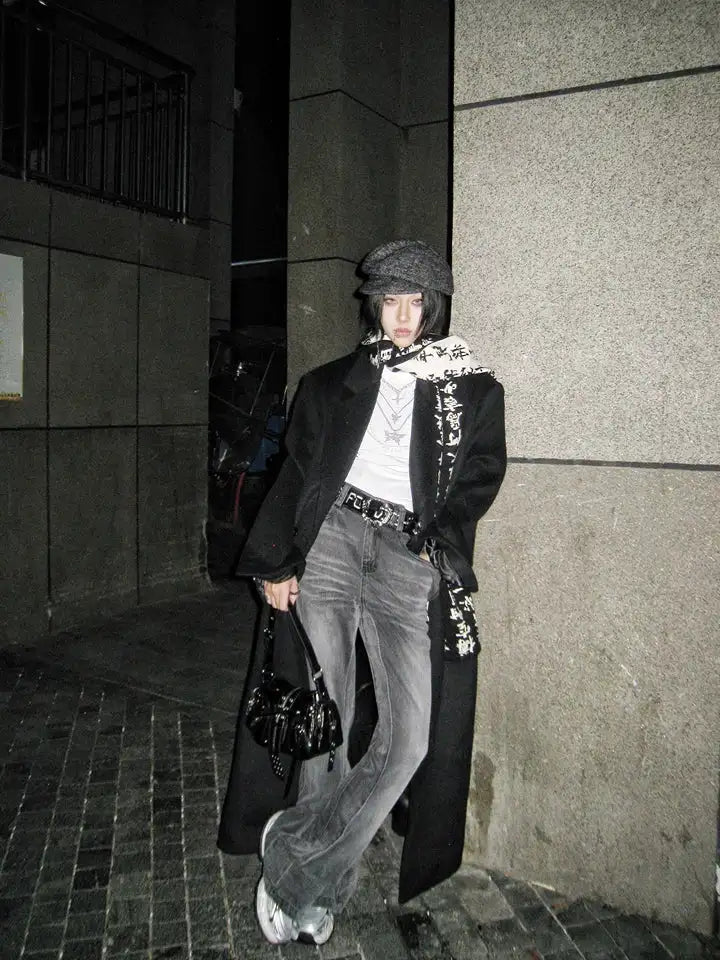
This is what Rise Up Fashion looks like in motion — no pastel, no logo statement, just matte darkness with a single silver line:
Clarification
Rise Up Fashion ≠ activewear brand — what you were really looking for
First clarification, because Google otherwise points the wrong way: the Rise Up Fashion GmbH from Berlin was the holding behind the activewear brand Oceansapart. Insolvency filing on 10 July 2024 at the Charlottenburg district court, transferring restructuring, taken over by Snocks in November 2024, brand rights secured, activewear production continues under new ownership. Anyone who searched for that is better served by the Fashionnetwork and BBL-Law press releases than by a streetwear page.
The confusion comes from search history: between 2017 and 2024 Oceansapart ran hundreds of thousands of influencer activations, and every one of them anchored the combination "Rise Up Fashion + yoga leggings + pastel" deep into Google. Aldi Süd ran its own activewear line under "Up fashion" in parallel; Teveo does the same in direct sales. Three activewear trails, one search, no streetwear hit on top — if you didn't mean a sports context, that was frustrating.
Rise Up Fashion as an aesthetic concept is its own story. The term means the fashion that emerges when you consciously position yourself against mainstream styling — against clean streetwear, against influencer basics, against the whole Gen-Z fast-fashion carousel. Rebellion as a base stance, translated into a daily outfit. No band shirts, no anarchy patches, no political-message tee. The rebellion sits in cut, fabric and colour — not in the print.
Definition
What Rise Up Fashion really is — the 4 pillars
The mistake most people make: Rise Up Fashion is understood as a collection of "cool individual pieces". A leather jacket here, a pair of boots there, done. But that doesn't create a coherent outfit, it creates vintage-store chaos. Rise Up Fashion only works as a system of four pillars that have to stand at the same time.
4
load-bearing pillars
2
colours maximum
1
finisher per outfit
0
visible logos
These four numbers are not decoration. They are the test. An outfit that breaks one number — three colours instead of two, two finishers instead of one, a visible brand strip on the belt — is no longer Rise Up. It is "dark clothing with Rise-Up influences". Which in plain terms means: an outfit that doesn't sit.
Broken down concretely, the four pillars look like this:
- Pillar 1 — Dark colour-lock. Black, anthracite, muted brown, maybe off-white or a dirty khaki as contrast. Nothing more. Any colour currently running in the mainstream (beige-tan, baby blue, pastel) is an instant break.
- Pillar 2 — Fabric statement over logo statement. The outfit speaks through fabric: leather, raw cotton, densely woven denim, matte nylon, wool. No logo larger than two centimetres. No shiny polyester. You show cost through texture, not through branding.
- Pillar 3 — Silhouette with a position. Either dominantly oversized (puffer jacket with fortress collar, wide-leg, drop-shoulder) or dominantly slim (skinny fit, harness, cropped jacket). No regular fit. The silhouette has to tell that you decided on purpose.
- Pillar 4 — A single finisher. One element that tips the outfit: a chain, a harness, a handcuff necklace, a ring detail, combat boots, knee-high boots. Not two, not three. One. More pulls the outfit straight towards a theme party.
Get all four pillars right and you build fifty outfits from twelve fabric pieces. Drop one pillar and you have a full wardrobe without a single combination that sits.
The 3 sources
Punk DNA, Opium logic, Rave residue — what Rise Up Fashion is really made of
The three sources Rise Up Fashion draws from are not interchangeable styles. Each has its own grammar. The finished outfit mixes from them — but with a clear focus. Anyone who can't tell the three apart accidentally builds a costume mix that looks like a Halloween collage.
Which mix works for you depends less on taste than on two factors: how loudly you want to be read in public, and which hardware points you can stand on your body. A harness needs a different mental preparation than a silver chain.
Fabric grammar
Fabric grammar — matte, heavy, worn instead of shiny, light, new
The fastest diagnostic tool for a broken Rise-Up fit is the fabric. If your top mirrors in the bus light, it is wrong. If your jacket looks stiff and fresh-out-of-the-wrapper, it is wrong. If your trousers crease like paper instead of like cotton, they are wrong. Three rules of thumb settle the question.
Matte beats shine. Matte surfaces absorb light and read heavy; shiny surfaces reflect and read cheap. Jersey, raw woven cotton, twill, raw denim, nubuck — those are the Rise-Up fabrics. Satin, shiny polyester, patent, high-gloss nylon — those are the mainstream fabrics you avoid.
Heavy beats light. Rise-Up fabrics have tangible weight. A longsleeve in 280-gram cotton falls differently than one in 150 gram. A leather jacket in 1.2 mm leather moves differently than one in 0.6 mm. The weight transfers to the silhouette — light fabrics flutter, heavy ones fall. Rise Up falls.
Worn beats new. A piece that looks like it has three years of club nights behind it speaks the Rise-Up language better than a brand-new piece with perfect seams. That does not mean: artificially destroyed, with fake-torn edges. It means: natural patina, second-hand vintage pieces, or new pieces in fabrics that never look flawless from the start (raw denim, untreated leather, washed cotton).
Category · Outerwear
Jackets — leather, trench, puffer
The jacket carries the Rise-Up outfit. It is the largest surface, the most dominant fabric, the primary carrier of the silhouette. This is where it is decided whether your black outfit becomes Rise Up or just "winter coat in dark".
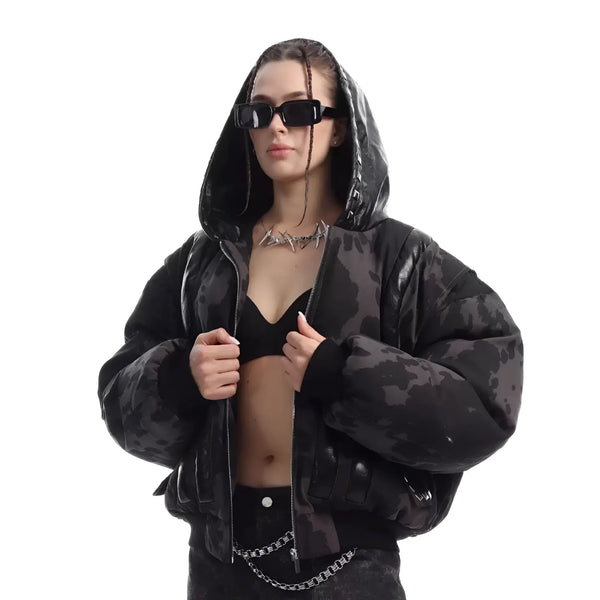
Three jacket types work in Rise Up: oversized leather jacket (the standard case), long coat or trench (a quieter iteration with drape), and puffer with fortress collar (the tactical iteration). Bombers work if they are matte black and carry no visible logo. What does not work: denim trucker, workwear chore coat, sports windbreaker. All of that reads wrong.
If you don't yet own a matte black leather jacket, that is your first move. Everything else in the outfit hangs on it — the trousers, the skin layer, even the choice of finisher follow the jacket.
Category · Bottoms
Trousers & jeans — wide-leg instead of slim
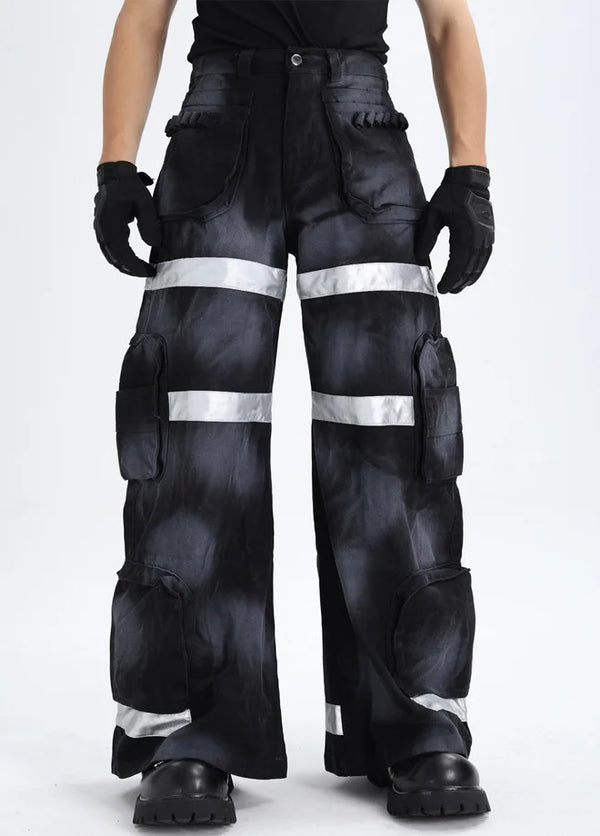
Skinny has been dead in Rise Up Fashion for five years. The new fit rule: tight on top, material on the bottom. Wide-leg denim, cargo with volume, leather trousers with drape, wraith pants with a technical cut. What the trousers have to do: have tangible weight and fall in a way that slows your steps.
Working Rise-Up bottoms sit on the hip, not on the waist. Avoid everything that shines (skinny jeans with wash-stretch are out) and everything too fitted (slim cargo without volume reads as workwear). The trousers must not try to show your legs — they should weigh down your steps.
If you only want to build one pair of trousers that goes with every Rise-Up outfit, take distressed black denim with a wide leg. That is the common denominator between the Punk, Opium and Rave iterations — and in practice the most forgiving piece.
Category · Skin layer
Tops & skin layer — mesh, longsleeve, harness
The skin layer is the most inconspicuous component of the outfit — and that is exactly why it stands out when it sits wrong. Under the leather jacket, a few centimetres of fabric decide whether the outfit reads Rise Up or streetwear default. A print tee with lettering cancels any look. A plain black longsleeve or mesh tank holds the line.
Three top types carry Rise Up. First: the matte longsleeve, single colour, body-close, 280 gram upwards. Second: the mesh layer top (tank or longsleeve) that makes the Rave share visible. Third: the harness shirt that turns construction into a statement line. Anyone testing the mesh look layers a mesh longsleeve under an open leather jacket — that is the low-threshold entry into the Rave iteration without full commitment.
What does not work: printed shirts (skull, spider, band logo) tip the outfit straight into goth cosplay or streetwear generic. If your top has something to say, let it run through construction and fabric, not through lettering.
Category · Footwear & finisher
Shoes & the one finisher
Shoes and finisher are the two spots where the Rise-Up outfit tips most visibly — in one direction or the other. The wrong choice in either and the whole outfit breaks. Sneakers, for example, are out on principle. No matter the brand, no matter the colour, no matter the hype. The low sole and round cap of a sneaker silhouette do not match the falling, heavy cut of the jacket and trousers above.
What works: high boots — combat, buckle, Chelsea with a long shaft — all matte black, black sole, with silver accents on buckle or zipper. For the finisher the strict one-rule applies: one chain or one harness or one ring or one handcuff necklace. Not two, not three. Exactly one. Wear two finishers and you tip the outfit from rebellion into theme party.
If you only wear combat boots and exactly one silver piece, you have already won half the look. In the Rise-Up vocabulary more is always less — every additional element subtracts from the impression instead of adding.
Styling physics
How you really style it — where the weight sits in the outfit
A Rise-Up outfit works through exactly one detail: where the weight sits in the outfit. 60 percent bottom, 40 percent top — sits. The other way round — doesn't sit. This distribution is unspoken, but present in every clean Rise-Up outfit.
Tight longsleeve plus wide distressed jeans. Or tank plus leather trousers. Never oversize tee plus tight bottom. Flip the ratio and the whole outfit tips into streetwear default.
In practice that means: what you wear tighter on top, you compensate below with more fabric. What you pack into volume on top (leather jacket worn open, longsleeve with drape) you compensate below with a straight line instead of more volume. Two volume layers at once — oversize jacket and wide-leg trousers with pleats — become a fabric wall and break the Rise-Up impression. One layer carries the volume, the other holds the line.
The full styling physics — why exactly this distribution works and which photo pose makes the outfit finally readable — we broke down in a separate guide. Anyone who wants to train Rise Up as an Opium iteration, start there:
Rise Up Fashion does not live in a vacuum — it overlaps at several edges with neighbouring aesthetics. Berghain techno shares the black quota. Gothic shares the fabric weight. Grunge-rave shares the distressed textures. Anyone who has Rise Up down can read these neighbouring codes and mix them deliberately without slipping into cosplay. Here are the most important neighbours:
Seasonal
Summer Rise-Up vs winter Rise-Up
In winter Rise Up is easy. Leather jacket, black wide-leg jeans, longsleeve, combat boots. Six layers if needed, all matte black, everything works. The real challenge comes in summer, when the outer layer (the largest visual surface) falls away and the outfit suddenly runs on whatever was under the jacket.
Summer Rise-Up works through exactly those invisible layers. The mesh tank becomes the main view. The leather trousers are replaced by distressed black denim — leather at 30 degrees is dead. The silver rule stays: one chain or one ring, never both. Combat boots run all year; in high summer the buckle sandal also passes as a finisher.
The all-year solution also runs through the hardware: pieces that adjust their layer thickness themselves. Convertible puffer with detachable sleeves, for example — winter as a full jacket, spring as a vest, summer as a pure statement piece with a short longsleeve underneath. This is what it looks like in motion:
What makes the outfit collapse
5 mistakes that turn your Rise-Up fit into a disguise
Five details are enough to tip the whole fit. Each single one is read in the underground in three seconds — and then you are no longer rebellious, but dressed like someone on the way to a theme party.
The bus test settles it in five seconds: would a stranger across from you read you as "dresses well" or as "someone on the way to a theme party"? If you can't safely rule out the second, pull out a finisher, swap the print tee for a single-colour longsleeve, or take a matter fabric.
Getting started
The first 4 pieces — how you start
You don't need thirty black things to wear Rise Up. You need four that will be in 80 percent of your outfits. Everything else builds around them.
In this order: a matte black oversized leather jacket (the biggest investment — lasts ten years if you don't buy cheap). A black wide-leg jean with distressed detail or a plain pair of leather trousers. A plain black longsleeve or mesh tank for the skin layer. Combat boots or buckle boots, matte black, sole also black. A silver chain as an optional fifth — but only once the four sit.
Outfits for real
Real outfits — what Rise Up looks like on the street
Before you build your own outfit, look at how Rise Up is worn in real life — not in lookbook photos. The three source mixes look different in the Instagram feed than in the studio: tighter, dirtier, less perfect — and that is exactly why they work. Lookbook Rise-Up is always a little too clean; street Rise-Up carries the patina the vocabulary needs.
This is the fastest way to check whether Rise Up sits on your body type at all before you spend money. If none of the real outfits draw you in, Rise Up is probably not your code — and that is valid information.
To close
Rise Up Fashion is uniform, not costume
Anyone who pulls the 4 pillars through — dark colour-lock, fabric statement, silhouette with a position, a single finisher — builds an outfit that stands in the club and in the supermarket. Anyone who mixes the pillars or stacks several finishers is read by the surroundings as in disguise, not as stylish.
The whole logic of this guide reduces to one sentence:
The rules are stable and stay that way as long as mainstream fashion retreats into beige-tan and slim fit. You don't have to wait until you know all the details by heart — start with the one outfit that fits you best. What you don't know, you learn by wearing.
FAQ
Frequently asked questions about Rise Up Fashion
The questions we often get by DM and email about Rise Up Fashion — short, clear, no detour.
Is Rise Up Fashion the same as Rise Up Fashion GmbH (Oceansapart)?
What even is "riseup"?
Why do Aldi, Teveo, Snocks and Oceansapart show up when searching for Rise Up Fashion?
What sets Rise Up Fashion apart from normal streetwear?
Do I need band shirts or slogan tees for Rise Up Fashion?
Does Rise Up Fashion also work in the office or in everyday life?
Which brands make Rise-Up-capable clothing without designer prices?
What do you think?
Tell us on @fuga_studios
About the author
Philipp Fuge — Founder · Berlin
Founder of Fūga Studios. Writes the journal himself. Berlin · Shanghai · Tokyo · Poznań — four cities, one logic.