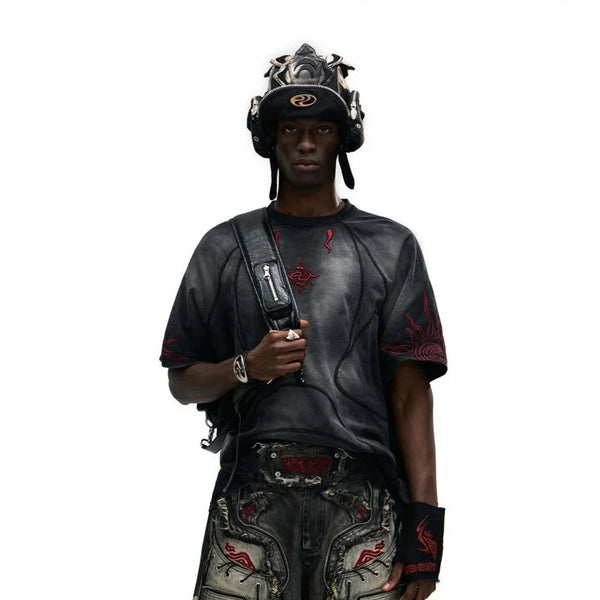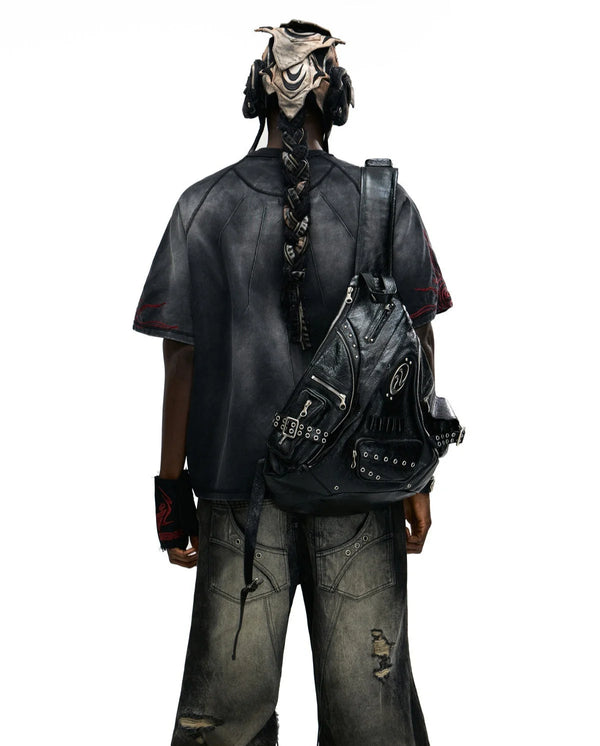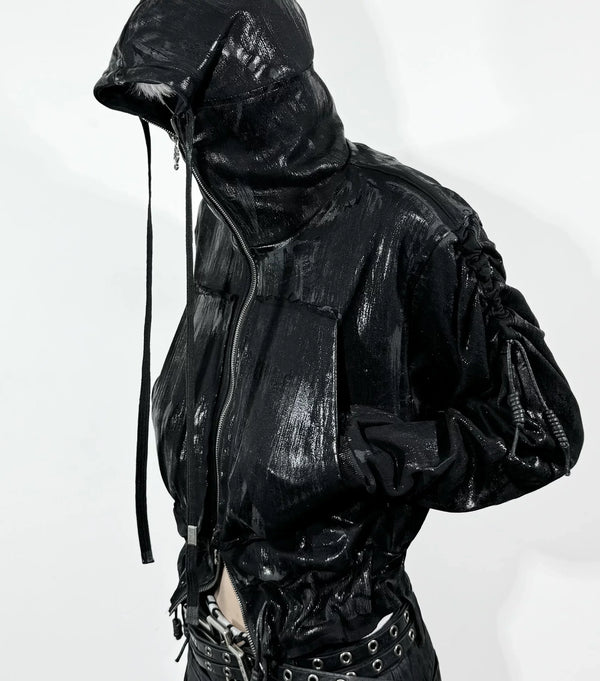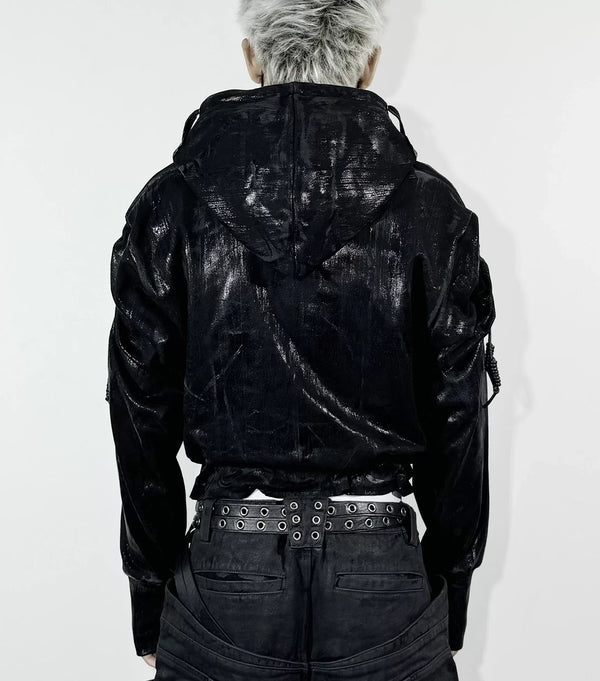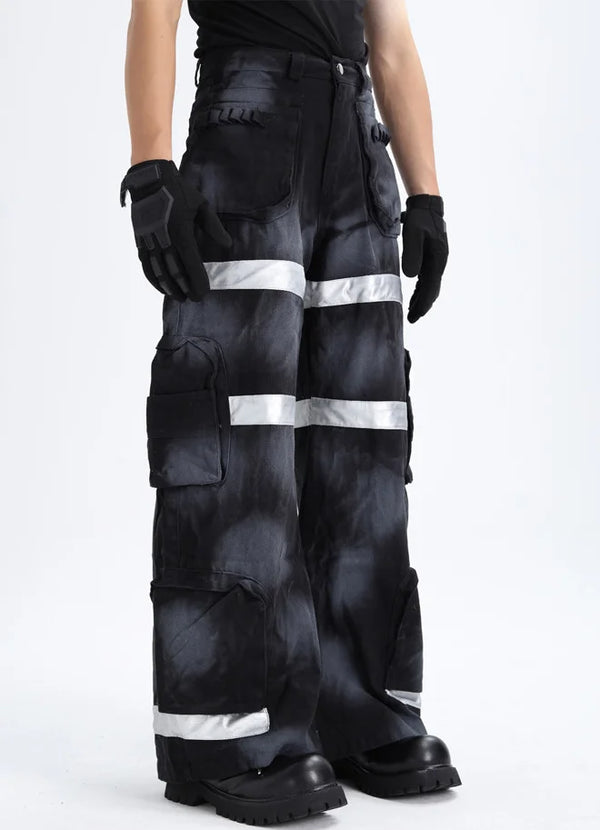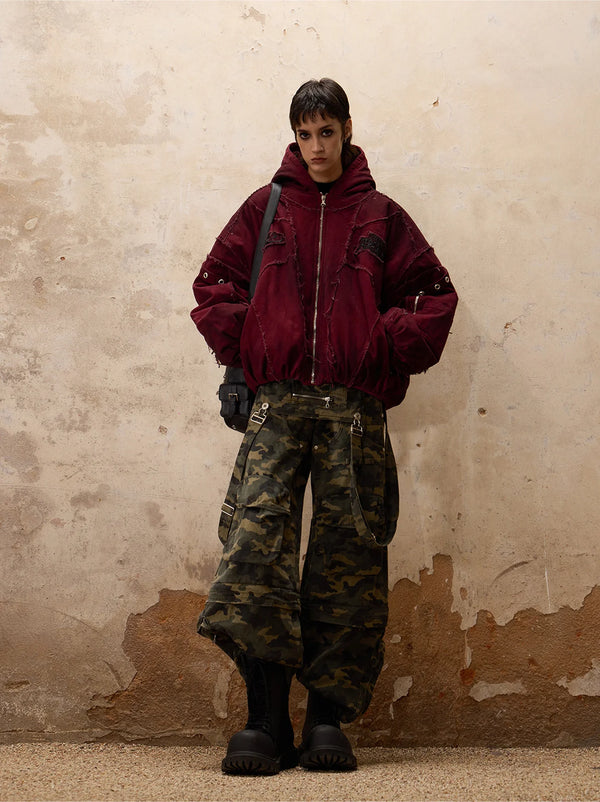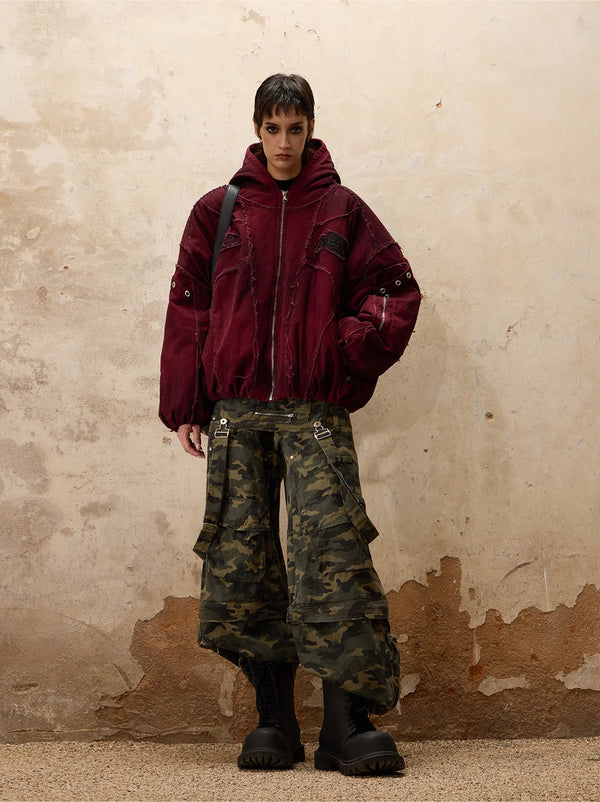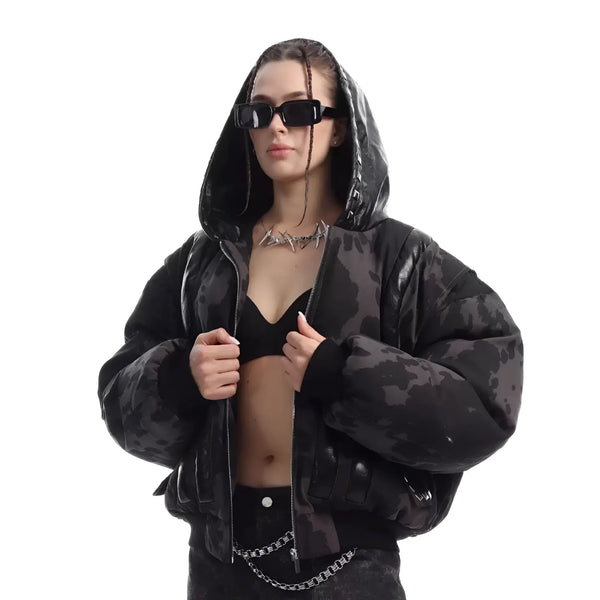

Most jorts outfits fail at one spot nobody mentions: the knee. Three centimeters too high and you look like an eight-year-old in PE, three centimeters too low and it's a pair of cut-off trousers, not jorts anymore. The whole style sits in between.
"Jorts" is short for "jean shorts" — long denim shorts, almost always at knee height, almost always with a visible hem or fringe. Y2K pulled them out of obscurity in 2003, TikTok reframed them in 2023 as the summer default of a whole generation. In 2026 they're no longer a trend but a cut of their own, next to Skinny, Wide-Leg and Cargo.
This guide shows you what jorts really are, which five cuts have established themselves, who wears them, how the women's and men's versions differ, how the silhouette is built, which tops and shoes work, how the Pinterest Y2K code works and which five mistakes tip the look over.
How a pair of jorts really sits — in ten seconds, no commentary:
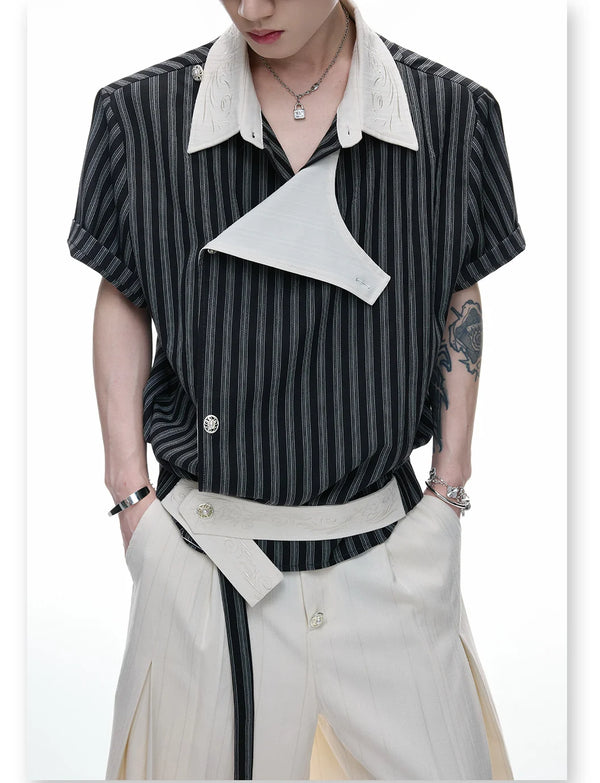
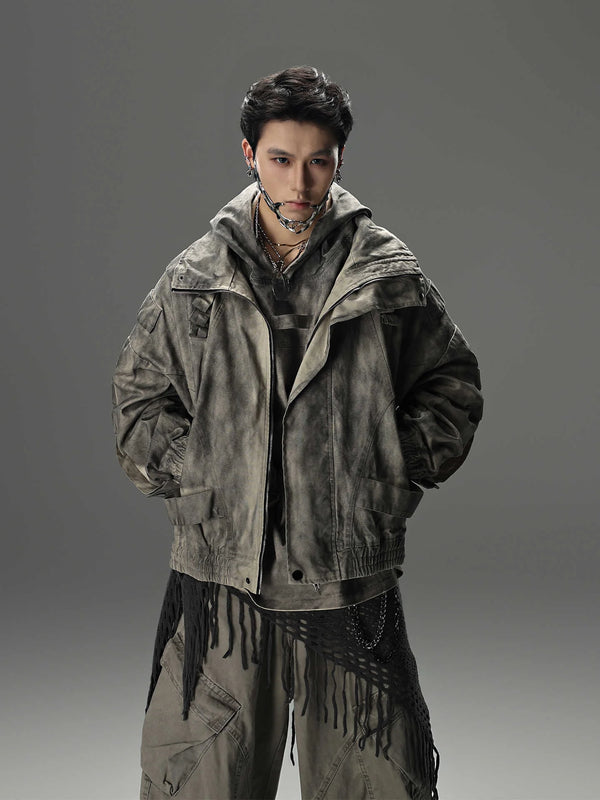
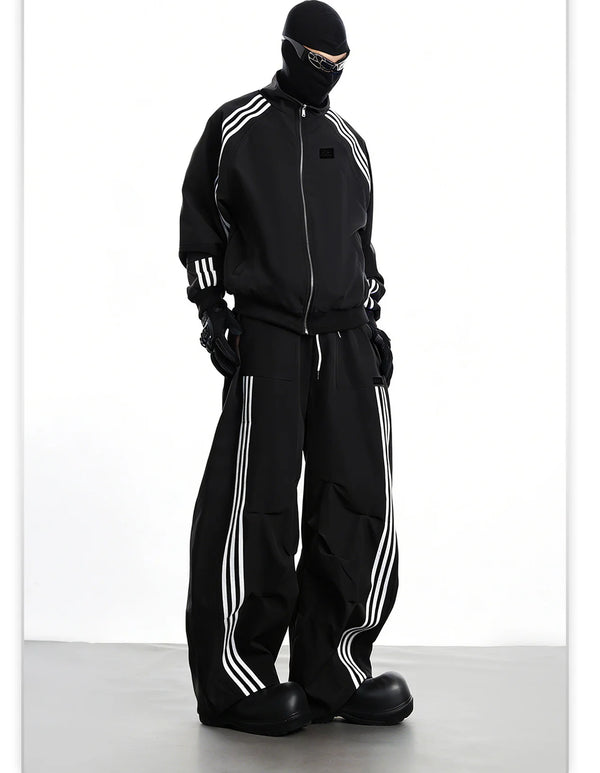
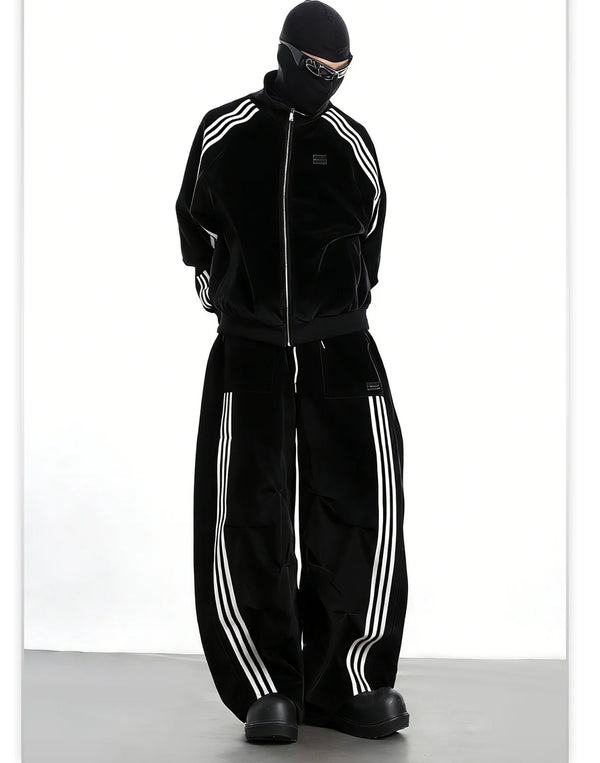
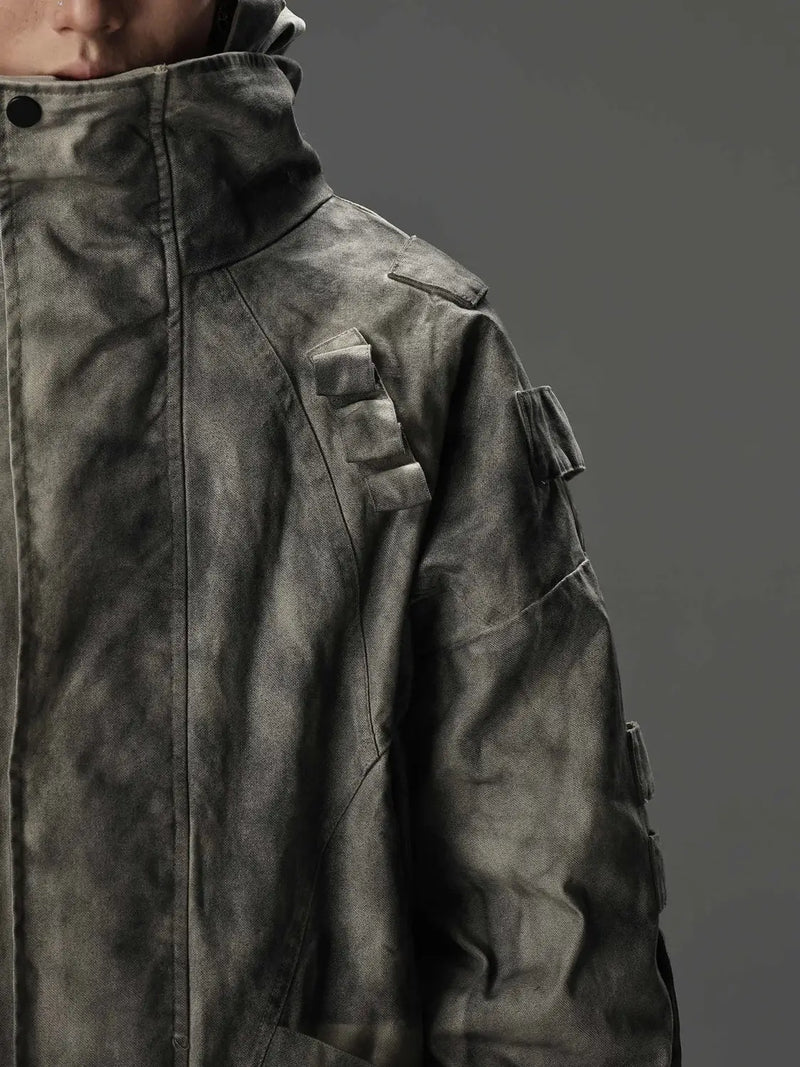
Clean line — the set sits at shoulder and hip and falls straight. No layer stack breaking it up.
What are jorts? Meaning, origin and why they're back
"Jorts" is a portmanteau from American English: jeans plus shorts. Literally just jean shorts. The term is old — the first documented mentions date to the early 90s, when American skater kids left their busted Levi's 501s standing in the bin from the top, cut off the lower third and wore them like that. Pragmatism before fashion.
The cut made its jump into pop culture through the Y2K era. Britney, Christina, later Avril Lavigne — they all wore jorts between 2001 and 2005, often low-rise with a belly top and cargo detail. After that the piece almost disappeared completely: ten years of skinny-jeans hegemony left no room for the knee-length denim cut. Only the wide-leg wave from 2021 on pulled it out of the archive.
Today, in 2026, jorts run in two streams: one as a Y2K revival with a nostalgic lean (Pinterest, Tumblr, TikTok FYP), one as a sober summer default in European cities — Berlin, Vienna, Copenhagen, Amsterdam. Both streams use the same cut but completely different top and shoe codes. This whole guide is about separating those two paths cleanly.
Status 2026
Are jorts still in? Status 2026 in numbers
Short answer: yes, and stronger than at the last trend peak in 2023. The honest answer needs a few numbers, because "in" is an imprecise word. What counts is search behavior, availability in mainstream stores and Pinterest frequency — and in all three the cut stabilized between 2024 and 2026, it didn't lose ground.
3.
summer seasons in a row on trend
+180 %
search volume 2024 → 2026
5
established cuts
2 cm
knee tolerance, then it tips
What makes the number 3 matter: a cut that lasts three summers is no longer a micro-trend. Skinny jeans held for fifteen years, wide-leg is into its fifth. In 2026 jorts sit between micro-trend and cut classic — which puts them exactly where investing in two or three good pieces pays off, instead of buying one fast-fashion pair once.
Three hard indicators by which the status can be measured:
- Search trend — DataForSEO shows a clear rise for "jorts women" and "jorts men" between 2024 and 2026, no flattening. The peak is in May every year and holds until September.
- Mainstream availability — Zara, & Other Stories, COS, Weekday and Mango have carried jorts year-round since summer 2024, not just as a seasonal piece. That's the hardest indicator for "no longer a trend, but a cut".
- TikTok hashtag depth — #jortsoutfit has over 280k videos, most of them new in the last 12 months. Unlike short-lived trends, the top videos aren't from 2023 but from 2026.
What does not work anymore: the ultra-low-rise version from 2003. It quietly tipped out from 2024 and probably won't come back. Mid-rise and high-rise carry the cut right now — and that's the hint that in 2026 jorts don't copy Y2K one-to-one but recalibrate the cut for modern silhouettes.
5 cuts
The 5 jorts cuts — Baggy, Carpenter, Cargo, Long-Bermuda, Vintage
"Jorts" isn't one cut but five. From two meters away they look similar, but they wear completely differently. If you don't know the difference, you often buy the wrong variant for the wrong outfit idea — and wonder why the photo on Pinterest doesn't work with your actual pair.
Important: the five cuts overlap at the edges. A Baggy with a patch pocket is half Cargo. A Long-Bermuda in 501 cut is half Vintage. Don't let that confuse you — the question isn't "which cut is this exactly" but "with which top and which shoe do I wear it".
Persona map
Who wears jorts? The four archetypes
When you search "jorts outfit" on Pinterest, the first two pages give you back four very different looks mixed together. That confuses — and is the main reason beginners often buy a variant that doesn't go with the rest of their wardrobe. The four archetypes sort that out.
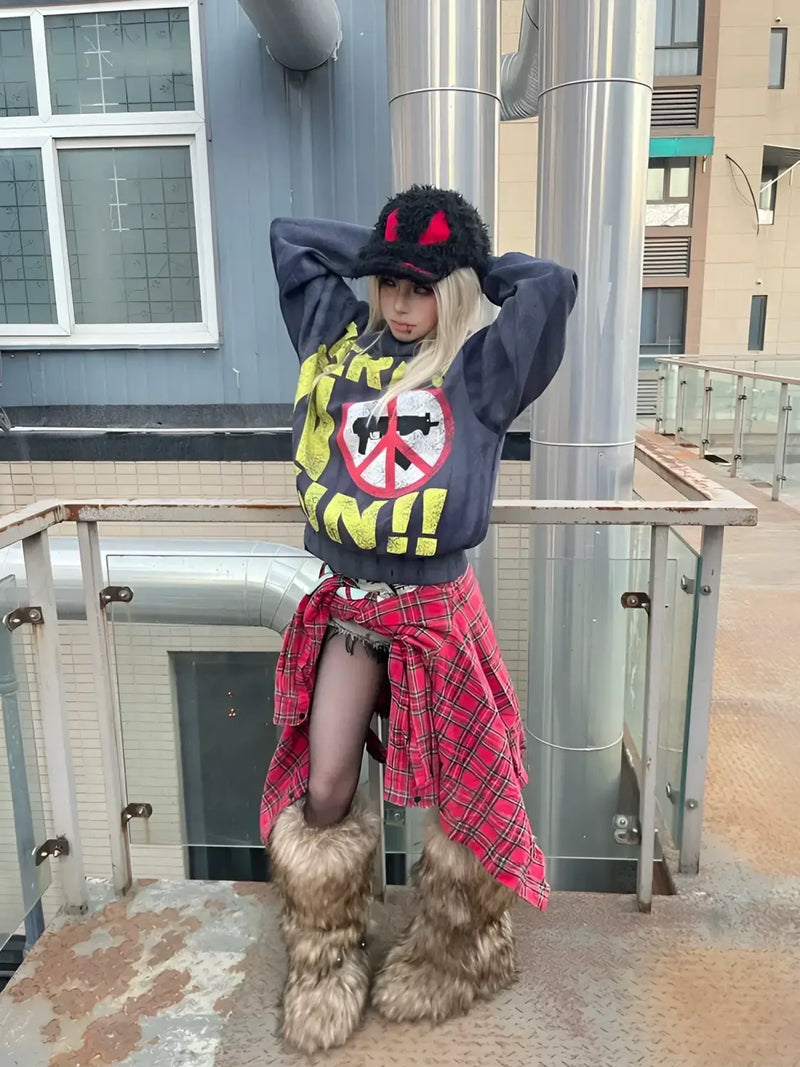
First: the Pinterest Y2K look — mostly read as female, baggy cut with mid-rise, plus a baby tee or tank, loafers or Mary Janes, a thin silver chain. Inspiration source: Y2K throwback Pinterest boards, Bella Hadid, Hailey Bieber, Sofia Richie. The look exploded in 2024 and dominates the SERPs.
Second: the skater and workwear look — mostly read as male, Carpenter or Cargo cut, loose tee or henley, low-top sneakers (Vans, Converse, New Balance), often with a trucker cap. Inspiration source: Tyler the Creator, Steve Lacy, Pharrell's 2010s phase, the whole Supreme skater cluster.
Third: the Berlin summer look — gender-neutral, mostly Long-Bermuda or Baggy in black or a dark wash, plus a tank or open shirt, combat boot or Birkenstock. Inspiration source: Berghain-adjacent, Acne, Our Legacy, Aimé Leon Dore. Functional, not loud.
Fourth: the vintage look — a self cut-off Levi's 501 or similar, high waist, fringe hem, plus a vintage tee, white sneaker or cowboy boot. Inspiration source: Kendall Jenner around 2018, Hailey Bieber 2020, the whole reposted Tumblr cluster. The quietest variant, the easiest to wear.
Gender split
Jorts women vs men — what really differs
The cut is the same. What shifts is waist height, top length and shoe family. If you ignore that, a one-to-one Pinterest look looks instantly wrong on a different body — not because of the cut, but because of the proportions around it.
Women's version: waist tends higher (mid- to high-rise), top shorter than the jorts (baby tee, crop, tank). The stomach-waist transition is visible or almost visible — that pushes the silhouette up visually and makes the leg longer. Shoe family: loafers, Mary Janes, low boots, ballet flats. Sneakers work, but then rather Adidas Samba or Onitsuka, not Air Max.
Men's version: waist tends lower (low- to mid-rise), top longer or the same length as the jorts (standard tee, henley, open shirt). The stomach-waist transition is covered, which makes the look earthier. Shoe family: low-top sneakers (Vans Old Skool, Converse Chuck 70, New Balance 990), occasionally Birkenstock Boston, almost never loafers. Combat boots work, but they're Berlin-specific.
Unisex note: the Long-Bermuda works almost identically in both versions. It's the most diplomatic choice if you don't know where your body lands, or are deliberately styling gender-neutral.
Silhouette logic
How do you wear jorts? The knee rule and three silhouette codes
The most important question with jorts isn't "which brand" but "where does the hem end". Two centimeters too high and the cut tips into a Bermuda-tourist look, two centimeters too low and it tips into cut-off trousers. The rule is more banal than anything fashion magazines will ever tell you about it:
Put the jorts on and stand in front of the mirror. Lay two fingers across your knee. The hem of the jorts should either end right above your fingers (standard cut) or right below the kneecap (Long-Bermuda). Anything in between is uncertain and looks like an accident.
Above the knee rule there are three silhouette codes that determine how the rest of the outfit is weighted. If you pick the wrong one, even the most expensive jorts won't help you.
Code A: tighter on top, wide below. Classic Pinterest Y2K. Baby tee, tank or tight shirt on top, Baggy or Carpenter below. Works for 80% of outfits and is the default recommendation.
Code B: wide on top, wide below, but shorter. Oversize tee or shirt to the hip, Long-Bermuda below. Only works if the oversize top really ends just above the waist, otherwise the jorts visually disappear. Skater default.
Code C: tighter on top, wide below, plus a vertical line. Tank or crop on top, Baggy below, plus a vertical accent line (trench coat half open, cardigan half open, open shirt as a layer). The Berlin summer variant — lengthens the silhouette without hiding the jorts.
Once you've got the three codes down, you can build the rest yourself. But before you do, the next two sections go concrete on tops and shoes — the two spots where most jorts outfits fail.
Tops
Tops with jorts — the mismatch effect
The rule for tops isn't "which top suits the jorts" but "which top contrasts the jorts right". Denim is always heavy and textured — if your top brings the same heaviness on top, the outfit sits like a single block with no separation.
Three top families work reliably: tight skin layers (baby tee, tank, long-sleeve), short crops (ending just above the waist) and half-open shirts with a tank underneath (layer trick that lengthens the silhouette vertically). What rarely works: a thick hoodie, heavy knit, boxy sweatshirt — they make the lower denim block visually heavier, not lighter.
Shoes
Shoes with jorts — three sole codes
The shoe decides more with jorts than with any other trousers which direction the outfit tips. Same cut, same jorts — loafers turn it into a Pinterest look, sneakers into a skater look, combat boots into a Berlin summer look. Three soles, three different outfits.
Sole code 1: flat profile sole — loafers, Mary Janes, Adidas Samba, Onitsuka Tiger, Vans Old Skool. The Pinterest and Y2K variant. Thin silhouette below, long leg line, subtle. Works perfectly with a baby tee or crop.
Sole code 2: chunky white sole — New Balance 990, 530, Adidas Spezial with a thick sole, classic skater sneaker. The skater variant. Makes the lower part more visible, pulls the jorts down. Works with a tee and henley.
Sole code 3: heavy boot sole — combat boot, Doc Martens 1460, buckle boot, Birkenstock Boston. The Berlin and Berghain variant. Makes the outfit earthier, darker. Works with a tank, open shirt, possibly a tee.
Y2K code
Y2K jorts outfit — the Pinterest code in detail
The Y2K variant is the most searched, so it needs its own section. It works through five concrete elements that have to appear together — miss one and it's no longer Pinterest Y2K but a generic summer look.
Element 1: baggy cut, mid-rise, medium-light wash. Not dark blue, not washed-almost-white — the medium indigo wash you see in Britney-2003 photos. Element 2: baby tee or tank on top, ideally with a logo, band shirt or small print. Element 3: a thin silver chain or two layered necklaces. Element 4: a flat shoe (loafer, Mary Janes or Samba). Element 5: a small shoulder bag, ideally with a monogram look or vintage feel.
If you have these five elements, you have the Pinterest Y2K code. What you should leave out: thick gold chains (that's 2010s streetwear, not Y2K), sneakers with a thick sole (skater code), black tights under jorts (that's 2015 Berlin summer, not Y2K), and anything with camo print (that's workwear, a different code). Y2K is surprisingly disciplined for a supposedly nostalgic, glossy aesthetic.
If you have to wear a winter coat over a Korean set, pick either a long coat in a third neutral tone (not the set tone — the gap would show) or a puffer in matte nylon with a clean cut. A dropping bomber or a loud down model breaks the code. Long line over short line works; short over long doesn't.
Jorts in summer vs winter — does both work?
Jorts are primarily a summer piece — that's not up for debate, in high summer between May and September they run everywhere. But they also work in the transition and even in winter, if you know two tricks.
Summer: bare legs, flat shoe or sandal, thin top, maybe a light open jacket in the evening. That's the default and needs no further hints — if you can't pull off this look, you have a different problem than the jorts.
Transition (April–May and September–October): jorts plus knee-high socks (ribbed, black, not white) plus sneaker or boot. Sounds like a school outfit but looks surprisingly good if the socks go to just below the jorts. Plus: a light transitional jacket or a cardigan on top.
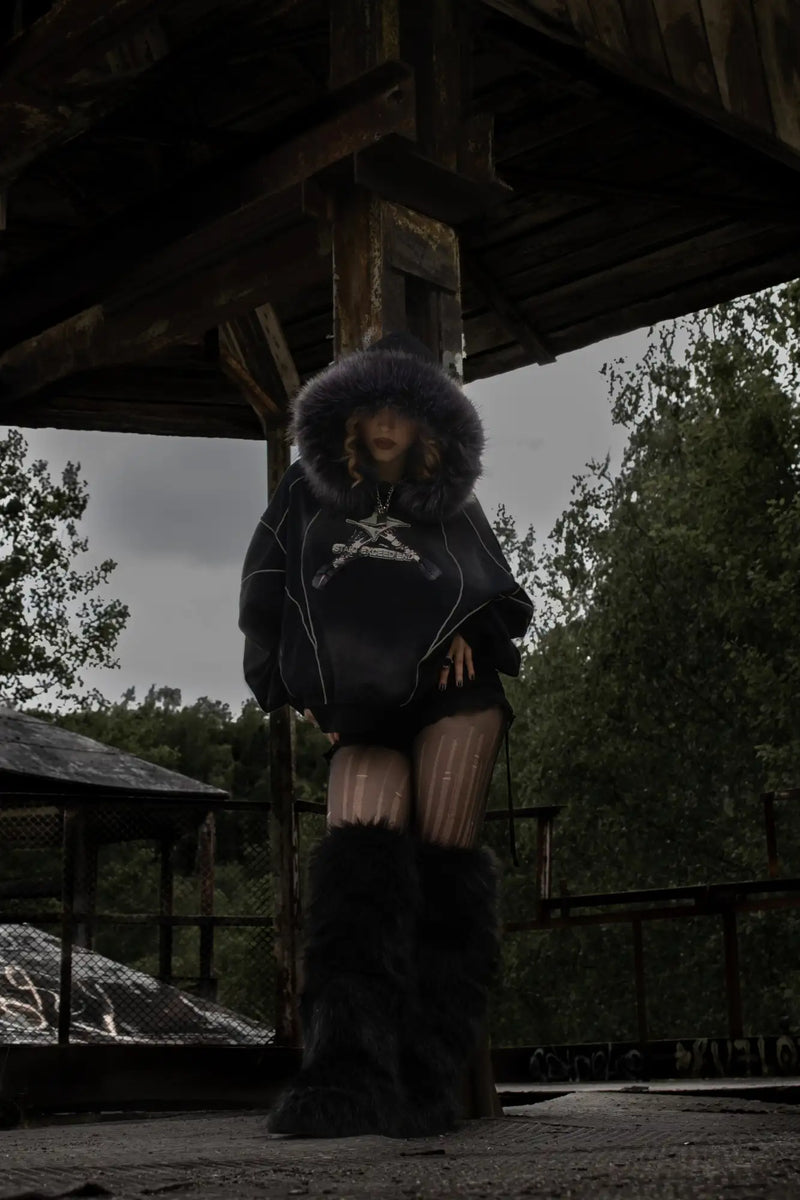
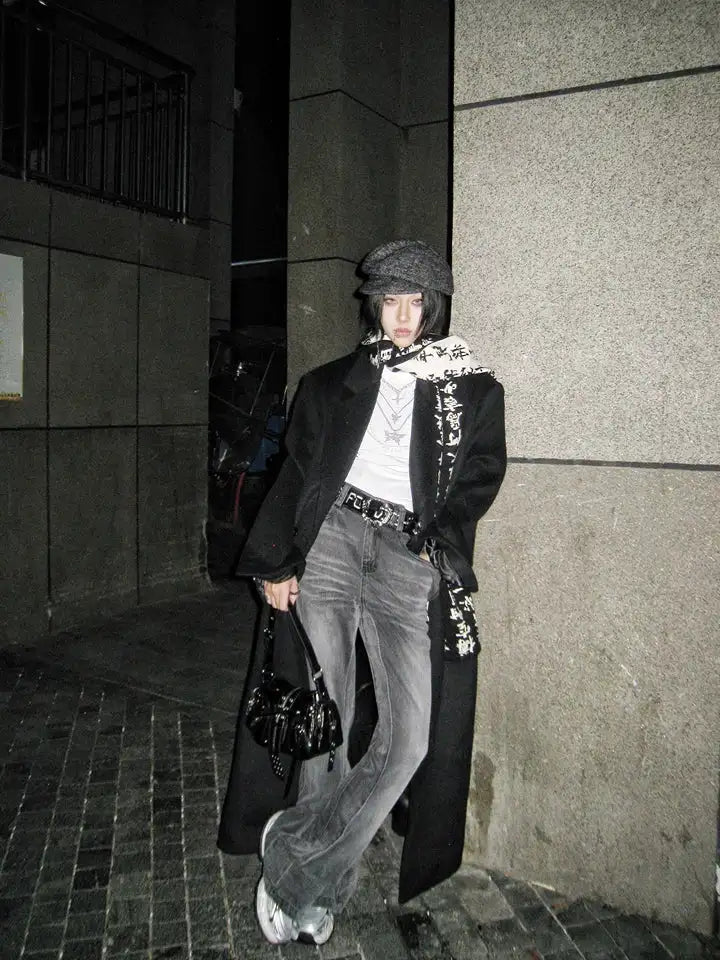
Winter: jorts plus thick tights (60 denier or more, opaque) plus boot (combat or knee-high) plus a thick coat or puffer. That's the Pinterest Berlin winter look and it actually works — but only in dry cold, not in wet slush. It's not practical, but it is stylish.
What this looks like in reality with the tights and the transitional layer, this short example shows:
Mistake list
5 mistakes in jorts styling — what tips your denim look over
Most jorts outfits fail at three or four recurring points. Once you know them, you rebuild most outfits yourself before you take the photo.
Getting started
The first 4 pieces to get into jorts
If you haven't had jorts in your wardrobe so far and don't want to buy ten different variants in parallel, these are the four pieces that together cover most of the outfits above. One pair of jorts, two tops, one shoe — you build three to four different looks with that.
For real
Jorts in real outfits — the feed check
Before you build your own jorts outfit, look at how it looks on other bodies and in other cities. The four archetypes look cleanly separated in the Pinterest mock-up, in the real feed they often mix at the edges.
This is the fastest way to check which archetype actually sits on your body at all — before you spend money.
The 3-3-3 rule says: 3 tops, 3 bottoms, 3 layers in the active wardrobe = 27 outfit combinations. Translated for Korean Two Piece: 3 sets (blazer, knit, linen) plus 3 alternative bottoms plus 3 alternative tops = around 21 clean set outfits plus extra mix options when the set doesn't fit once. The rule is a capacity logic, not a Korean-specific vocabulary — but it works well when you count sets as the base unit instead of single pieces.
Jorts are the most honest trousers of summer
If you remember one thing from this guide, then this: jorts don't work through the piece but through the two spots around it — top and shoe. Cut and wash decide the genre, top and shoe decide the archetype. Whoever knows the difference between the four archetypes builds twelve outfits from three jorts and six tops.
The whole logic of this guide in one sentence:
The cut has been stable for three summers, the archetypes only shift at the edges. You don't have to buy new every year — the right jorts for your archetype lasts three to five summers. What shifts are the tops and shoes around them, and that's the cheaper part of the outfit.
Build one archetype, wear it a whole season, then see if you want to switch. Most end up with two archetypes in parallel, not four. That's enough for a whole summer without outfit standstill.
Three signals read clothing as "wealthy" — fabric quality (matte not glossy, heavy not thin), fit precision (sits at shoulder and hip, falls clean), and cohesion (one single fabric vocabulary, not three). Korean Two Piece hits all three signals: identical fabric between top and bottom (highest cohesion level), precise fit as set standard, often in matte natural fibres (linen, wool, twill). That's why the Korean set look often reads as "quiet luxury" or "expensive-looking" in Western media — it hits the perceived wealth signals without visible brand logos.
Frequently asked questions about jorts styling
The questions we often get by DM and email — short, clear, no detours.
What does jorts mean?
How do you wear jorts?
How do you combine jorts with tops and shoes?
Are jorts still in?
What kind of person wears jorts?
Which jorts length works for my body?
Do jorts work in winter too?
What do you think?
Tell us on @fuga_studios
About the author
Philipp Fuge — Founder · Berlin
Founder of Fūga Studios. Writes the journal himself. Berlin · Shanghai · Tokyo · Poznań — four cities, one logic.