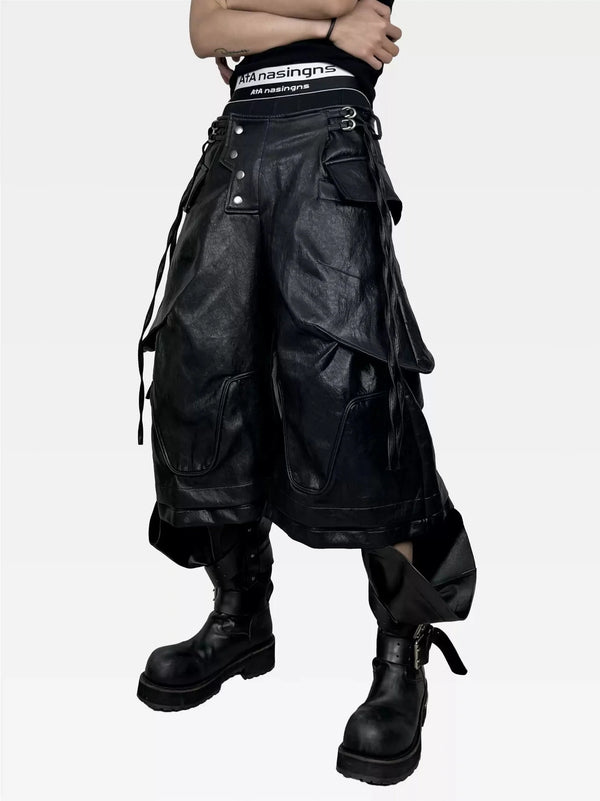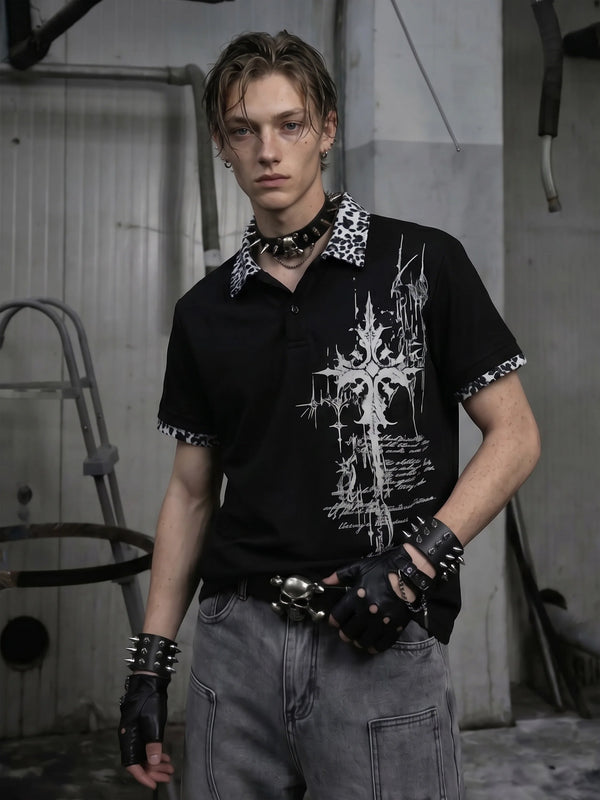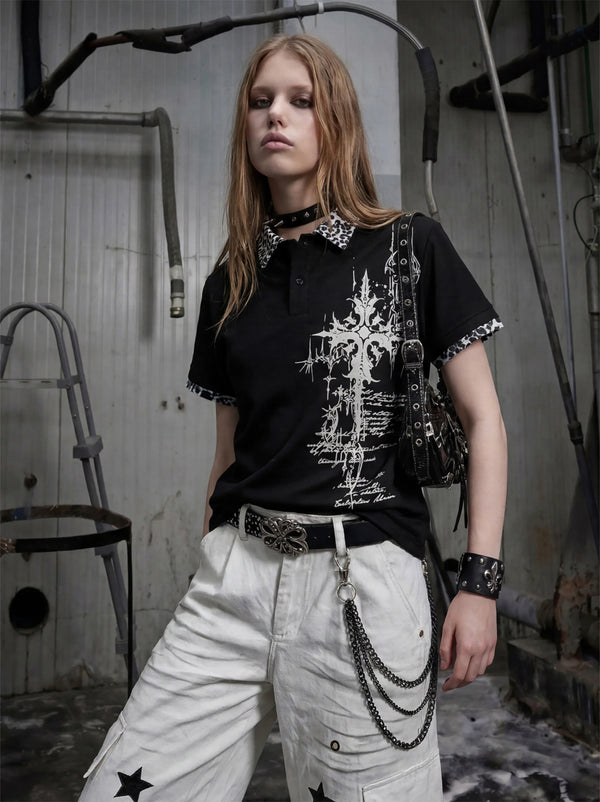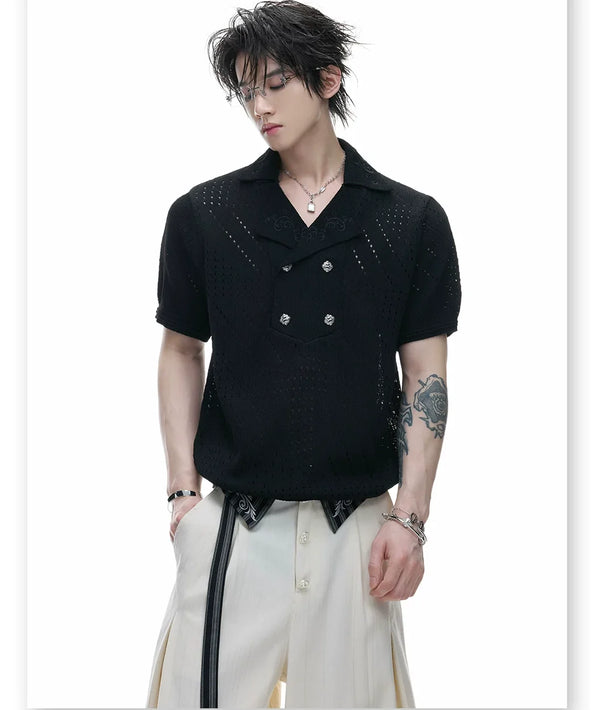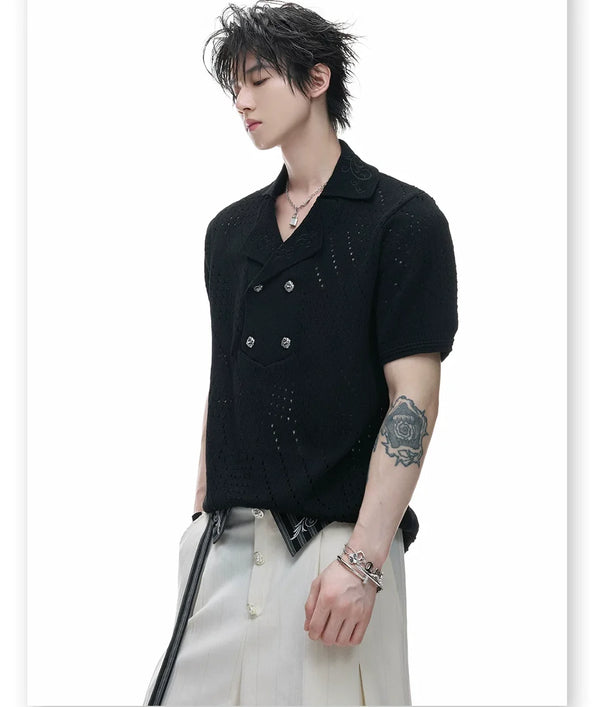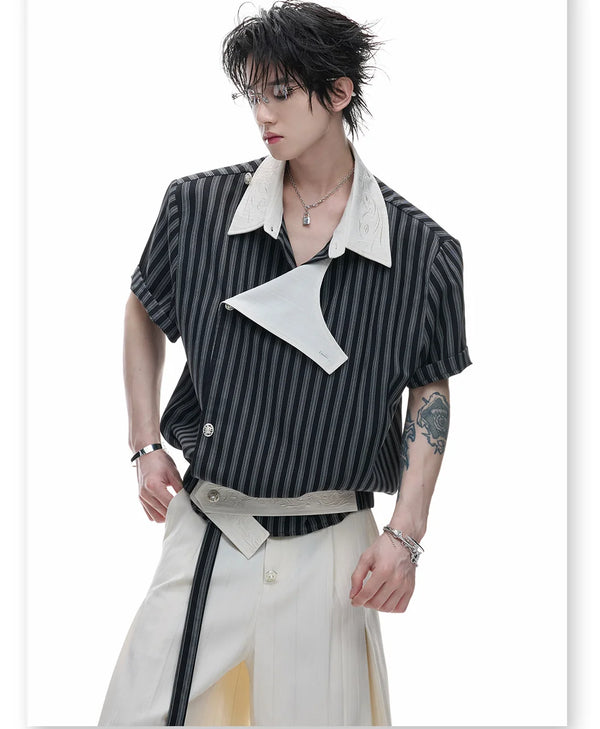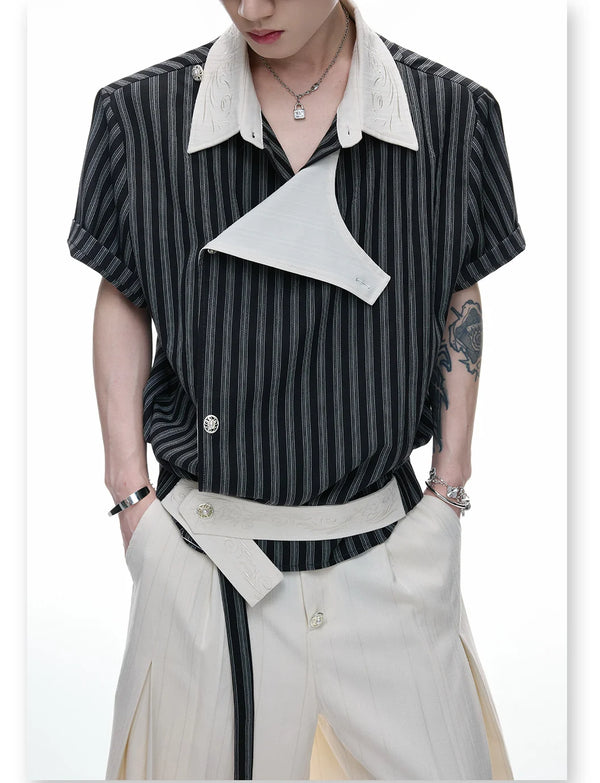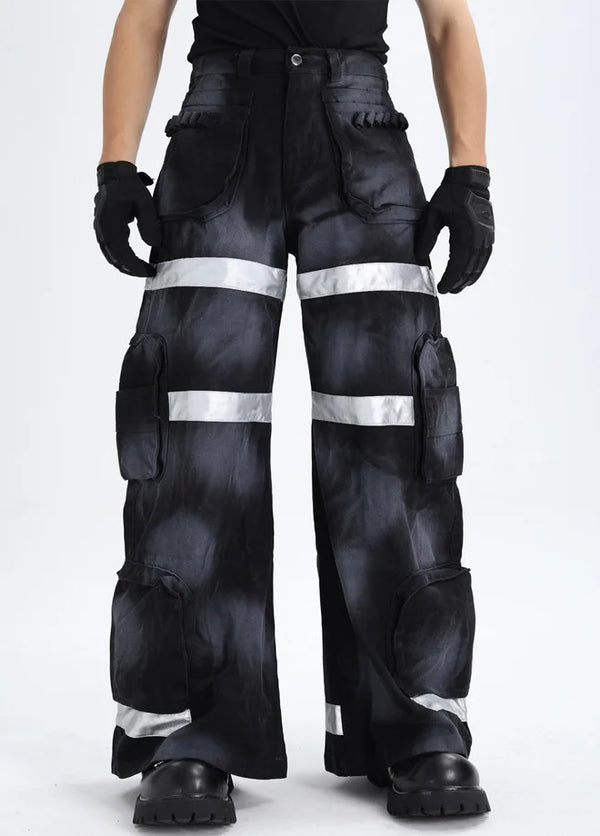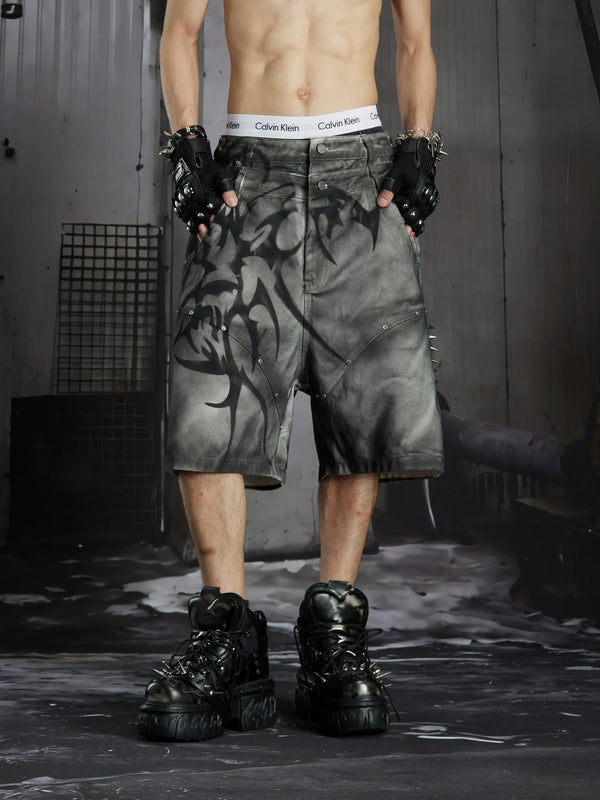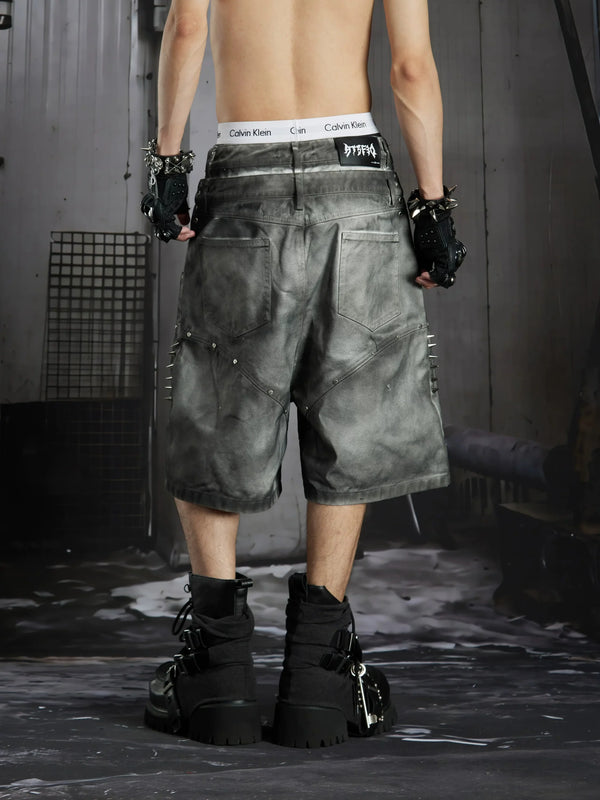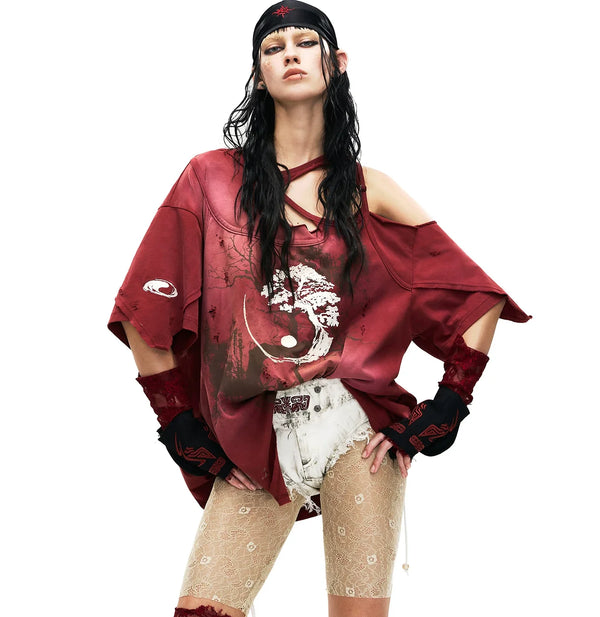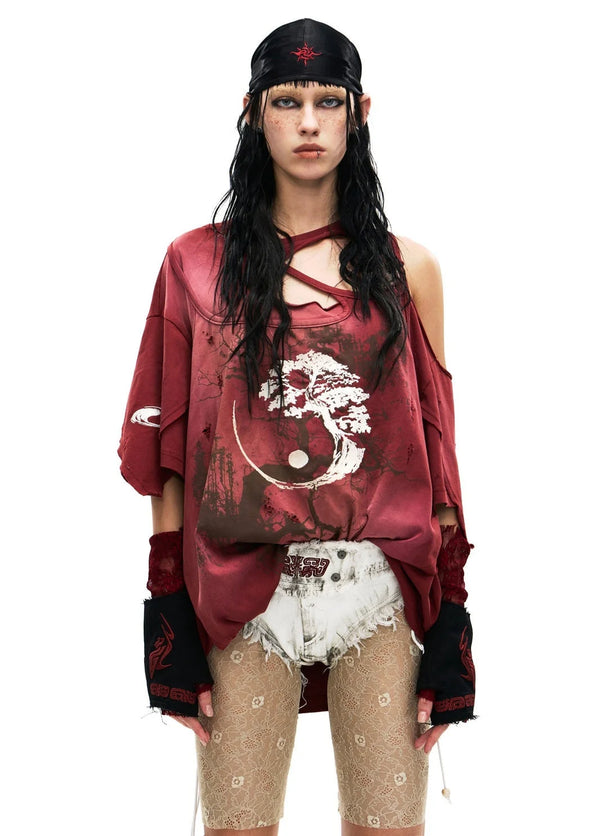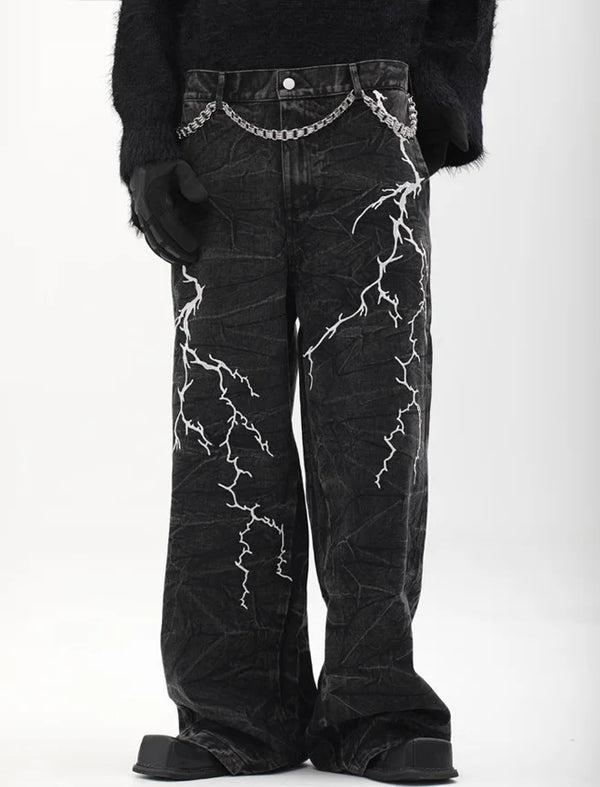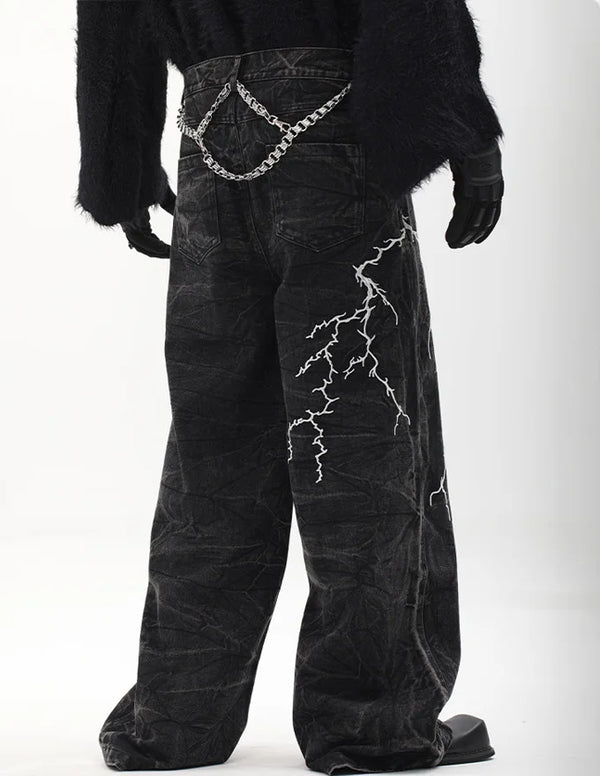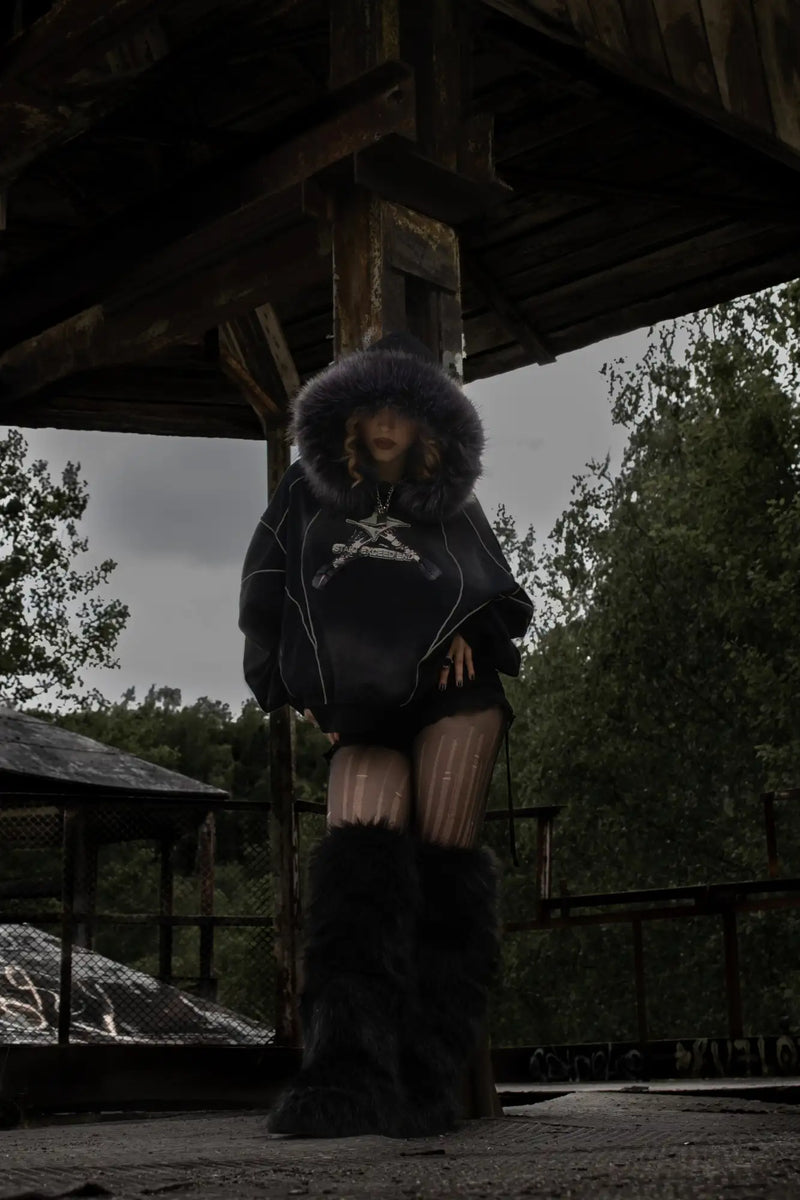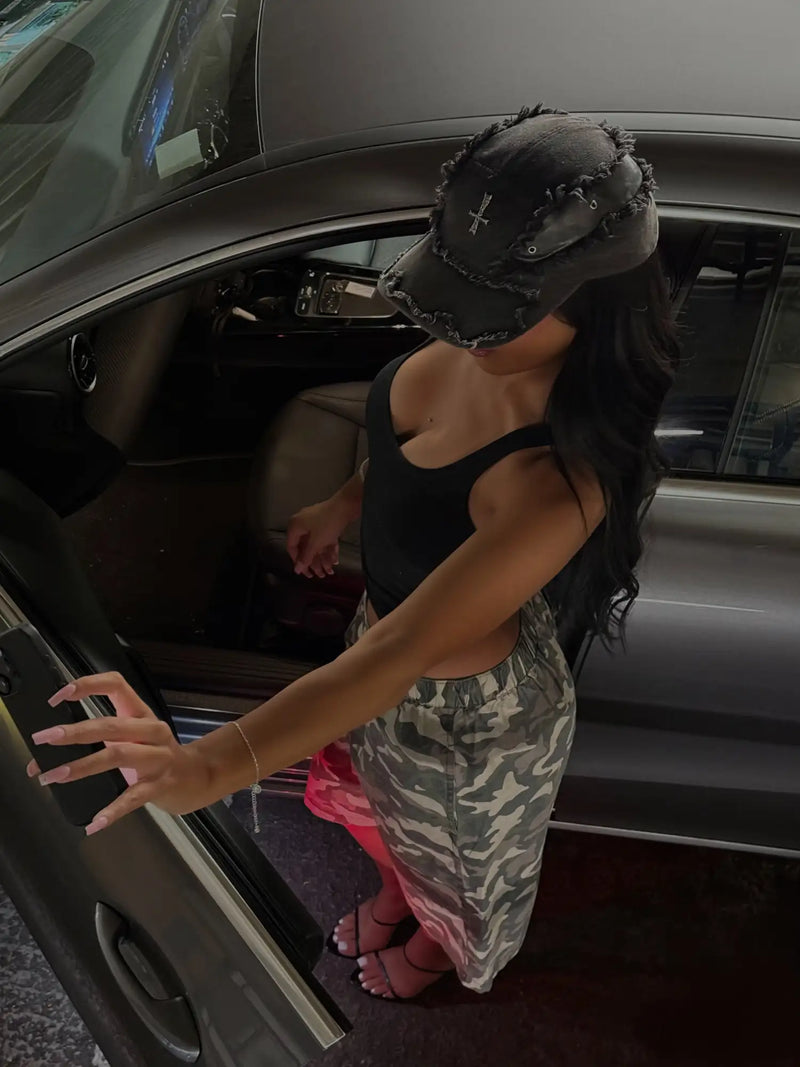
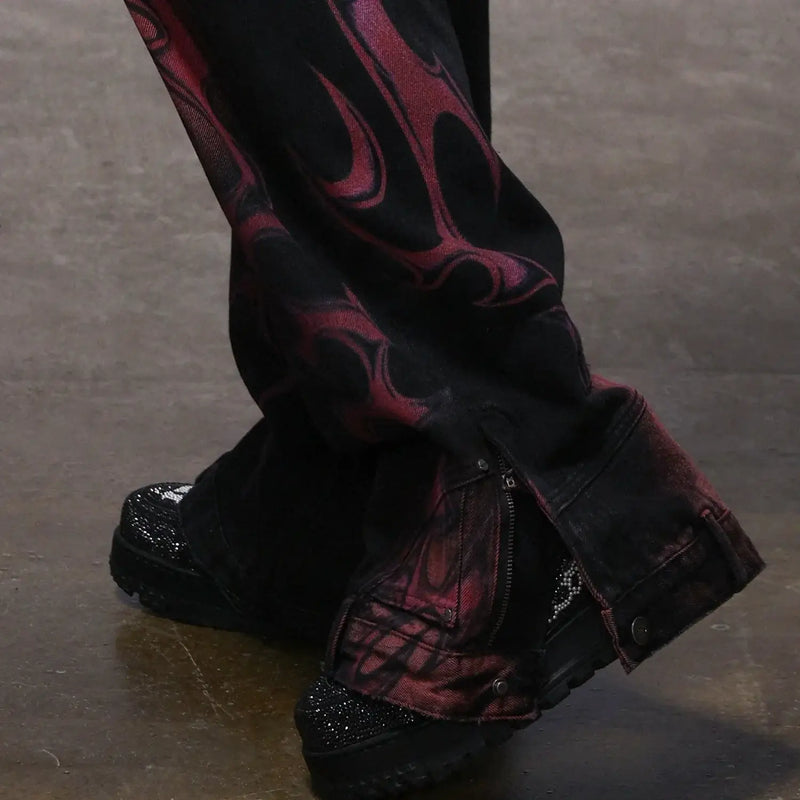
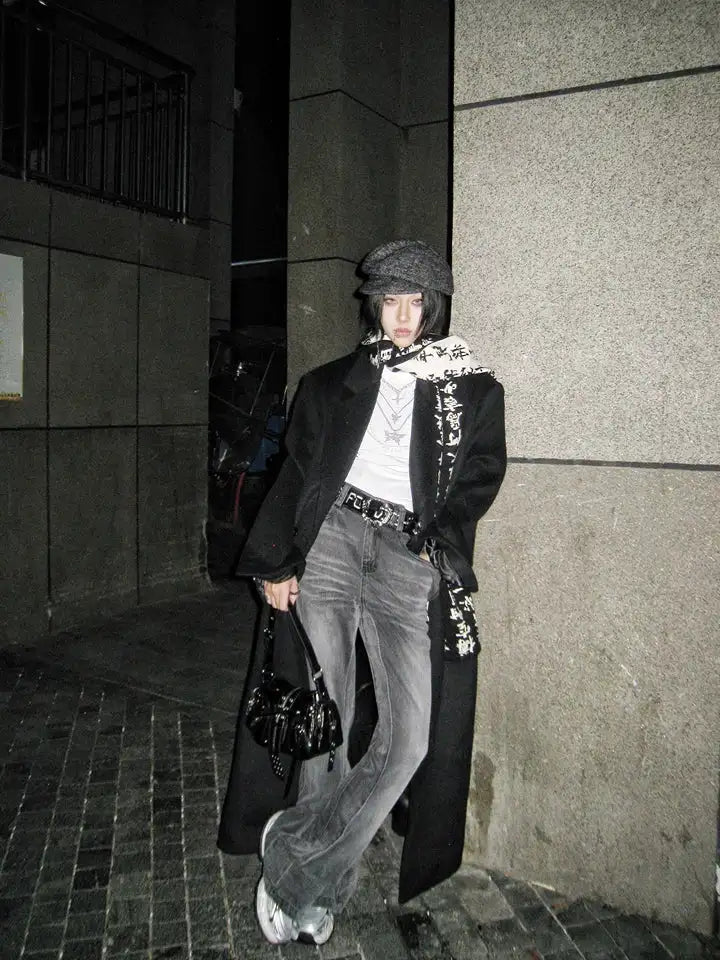

You google "K-Fashion" and land on Pinterest boards or Zalando hits that have little to do with actual Korean fashion. Neither gets you to an outfit. The problem isn't the search engine. It's the assumption that K-Fashion is an aesthetic you import. It isn't. It's a distribution question — seven platforms, three shipping routes, one language barrier.
South Korea's fashion market lives online. Over 90 percent of revenue runs through platforms, not brick-and-mortar stores. Musinsa alone turns over more than 2 billion dollars a year. Alongside it sit Lewkin, YesStyle, W Concept, OKDGG, Style Nanda and Kooding — each with its own profile, its own price point, its own shipping route to Germany. Anyone who doesn't separate them either pays three times too much or never gets to the pieces they saw on TikTok.
This guide names the 7 shops with a clear profile, sorts the Korean brands by global distribution, clarifies what Zalando really offers and why it's rarely enough, lists the current aesthetics (Acubi, Quiet Luxury Korean, Y2K iterations) and warns about the five traps every first-time buyer falls into — from the wrong size chart to the 150-euro customs threshold.
What that looks like in 15 seconds — Acubi code, baggy fit, one platform address:
Context
How South Korea's fashion market works — and why 7 dedicated shops exist for it
Fashion in South Korea runs online. Brick-and-mortar stores in Seoul — Galleria, Lotte, Hyundai — are showrooms for tourists; the real revenue happens on platforms. Over 90 percent of fashion revenue is digital. That's more than in Germany, more than in Japan, more than in the US. An entire generation has bought its wardrobe exclusively through apps like Musinsa, 29CM and W Concept since 2015.
These platforms aren't just sales channels. They're also trend incubators. Musinsa, for example, has its own editorial section where editor picks assemble outfits — and exactly those picks land on the TikTok feeds of Korean influencers days later. Anyone who wants to set a trend in Korea doesn't go to Fashion Week. They go to the Musinsa top page.
Alongside it exists a second layer: indie shops carrying smaller labels and newcomers. Style Nanda (founded 2005, now under L'Oréal) built the Y2K girl look. Stretch Angels drives Acubi code. OKDGG curates Quiet Luxury Korean. These platforms are smaller than Musinsa, but they dictate what becomes popular over the next six months.
Plus a third layer: diaspora shops set up specifically for international customers. Lewkin (US team, warehouse in Korea), YesStyle (Hong Kong hub), Kooding (California). These three are the only ones with real shipping infrastructure to Germany — all the others are reachable, but slower and more expensive.
7 shops compared
The 7 best K-Fashion websites at a glance
In theory there are thirty shops where you can buy Korean fashion. In practice, seven of them cover 95 percent of what you really need — from the mainstream sweatshirt to the indie designer jacket. The other 23 are niche providers without English translation, without international shipping, or with prices a German distributor could charge just as easily.
7
Platforms with a profile
3
Shipping routes to DE
6-14
Days delivery time
95 %
Hit rate for K-Fashion
The seven platforms sort along three axes: price point (mainstream, mid-tier, designer), shipping hub (Korea direct, Hong Kong, US), and trend layer (what they carry very early). Anyone who understands all three axes knows instantly which shop is right for which look.
Which shop suits you depends on two factors: how much patience you have with shipping and which trend you're after. If you need an outfit for the weekend in five days, go to Lewkin or Kooding. If you want to curate, go to W Concept or OKDGG. If you want volume and have patience, go straight to Musinsa.
Brands
Which Korean fashion brands are well known — and who dominates globally?
If you take away only one name, it's Ader Error. Founded 2014 in Seoul, distributed in over 30 countries worldwide, collaborating with Zara, Maison Kitsuné and Puma. Their signature — oversized cuts, neon-blue fabric inset, deformed typography — has become the global K-Fashion default look. Anyone talking about the "most successful Korean brand" in 2026 means Ader Error, in case of doubt.
But Ader Error isn't alone. The Korean fashion landscape has exploded over the last five years. Here are the most important labels you'll find on the platforms named above:
- Ader Error — the global default brand. Oversized, deformed logos, neon-blue inset. W Concept and Zalando carry it, Musinsa has the broadest stock.
- Andersson Bell — avant-garde with a Nordic influence. Knitwear, patchwork, asymmetric cuts. Popular with stylists, less with mainstream buyers.
- Mardi Mercredi — the pastel daisy sweatshirt you see on every second Instagram feed. Cool-mom style in sweatshirt size.
- ROKH — designer tier, sits internationally at Selfridges, Lane Crawford, Net-a-Porter. Cinching, wraps, power dressing for the Quiet Luxury iteration.
- Pushbutton — playful, Japan-coded, with cartoon prints and mesh layers. Well represented on Musinsa and W Concept.
- Hyein Seo — streetwear avant-garde. Cargos, mesh, layering. Popular in the indie spectrum, harder to get without ordering directly in Seoul.
- Stretch Angels — Acubi mainstream. Bags, small leather goods, plus apparel. Ships via Musinsa Global.
- IISE — a pair of brothers, Korean-American. Workwear iteration, field jackets, cargos. Mid-tier prices, clear line.
- JNBY — actually Chinese, but strongly present in Korean subculture. Drape, knitwear, layering playground.
- 3CE / Style Nanda — make-up and fashion in one. Y2K girl headquarters, lipstick plus mini skirts.
The list isn't exhaustive. Mardi Mercredi alone has half a dozen sub-labels, Andersson Bell starts a new capsule every year. What connects them isn't an aesthetic — it's the distribution. You'll find all ten labels on a maximum of three of the seven platforms above. Anyone who knows them has 80 percent of the K-Fashion inventory in their head.
A temptation the first time: buy everything at once. Test three labels simultaneously, a full look in 5 days. That usually goes wrong — sizes differ per label, delivery times overlap, and the outfits end up looking inconsistent.
Aesthetics
Which K-Fashion aesthetics are running right now — the trend status 2026
What's being worn in South Korea right now changes faster than in Germany. Trends rotate on TikTok and Musinsa in 3-month cycles — what dominated in May 2025 is already two iterations further along by May 2026. As of now, May 2026, three aesthetics are on the top charts at the same time:
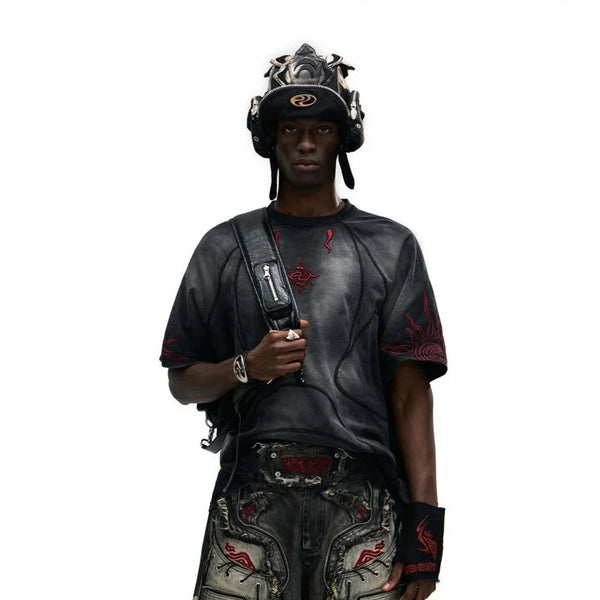
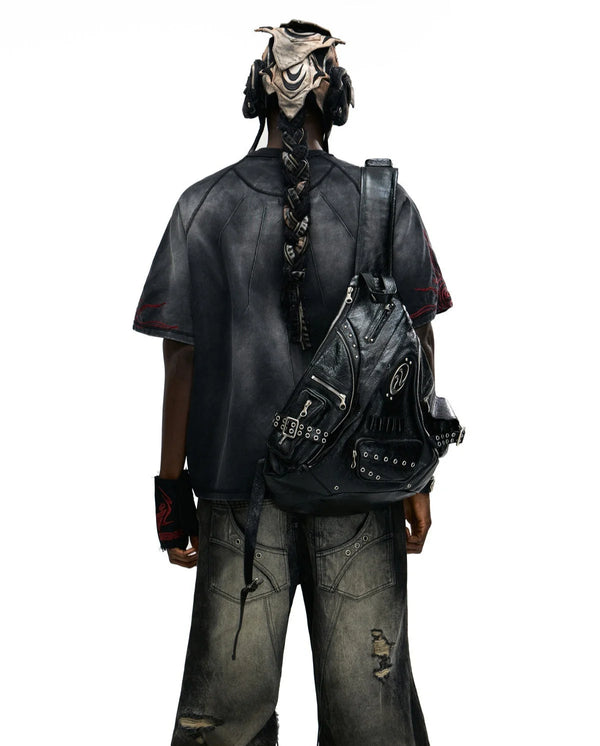
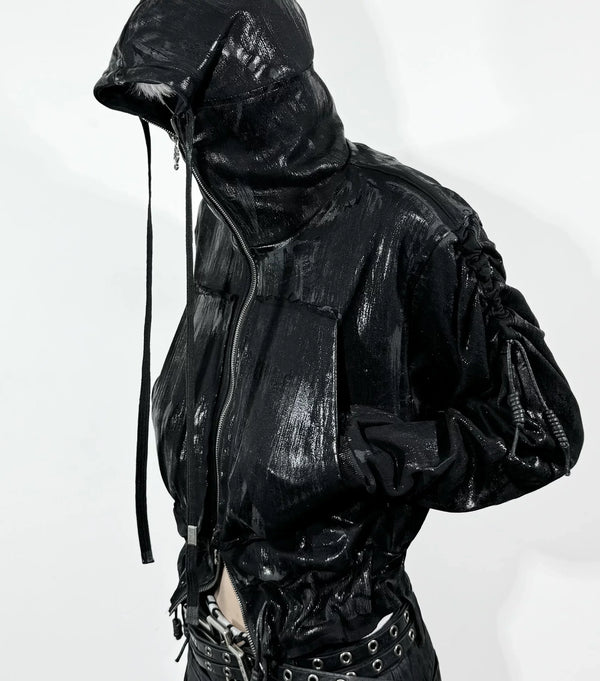
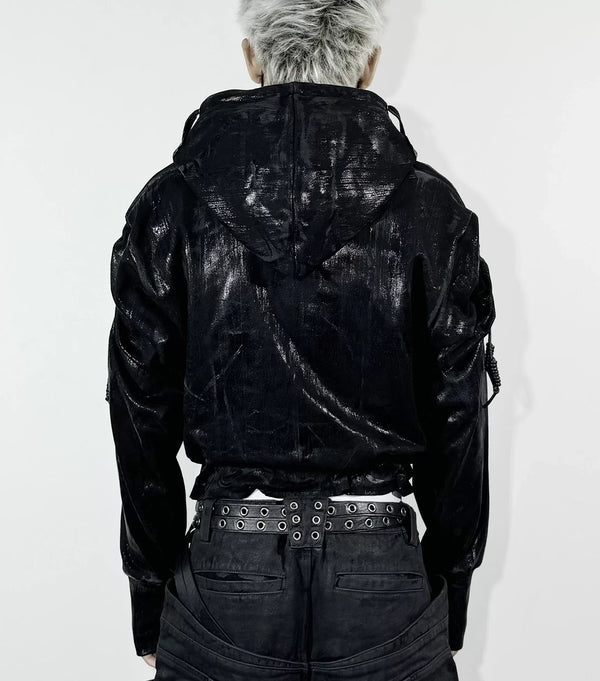
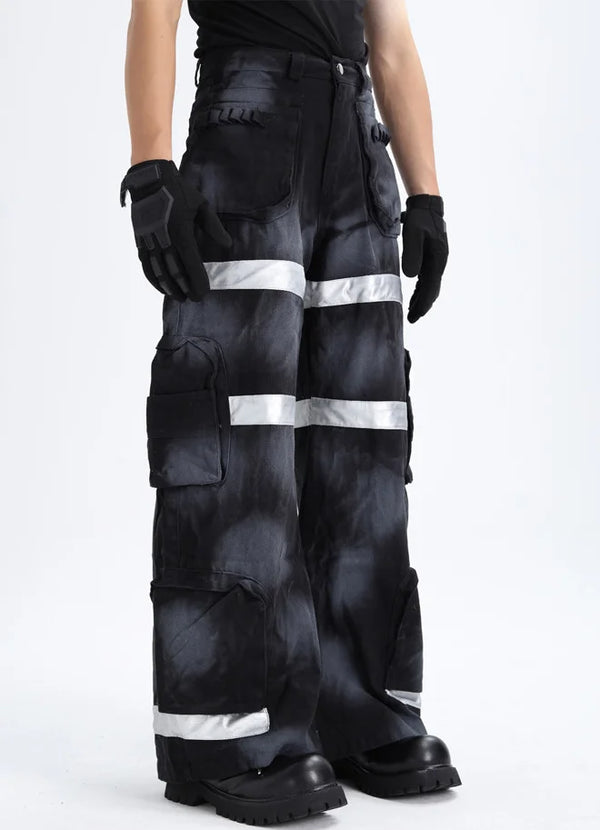
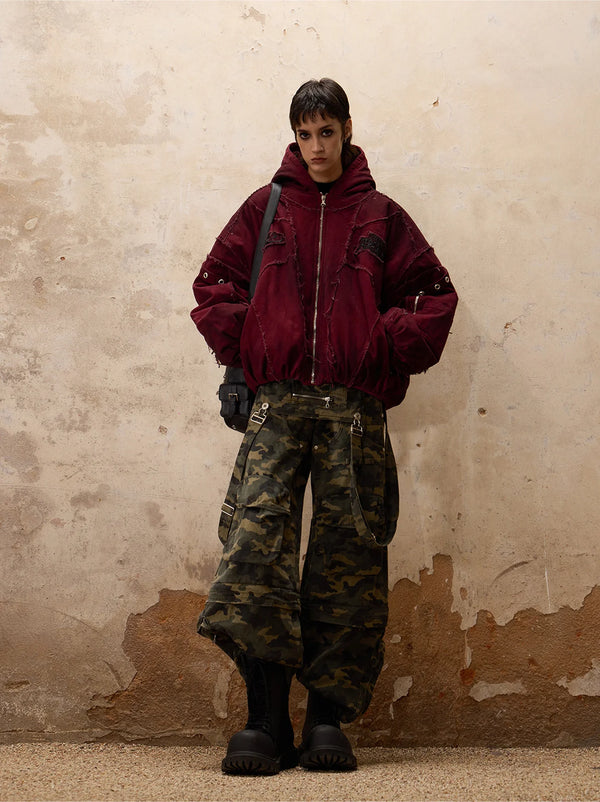
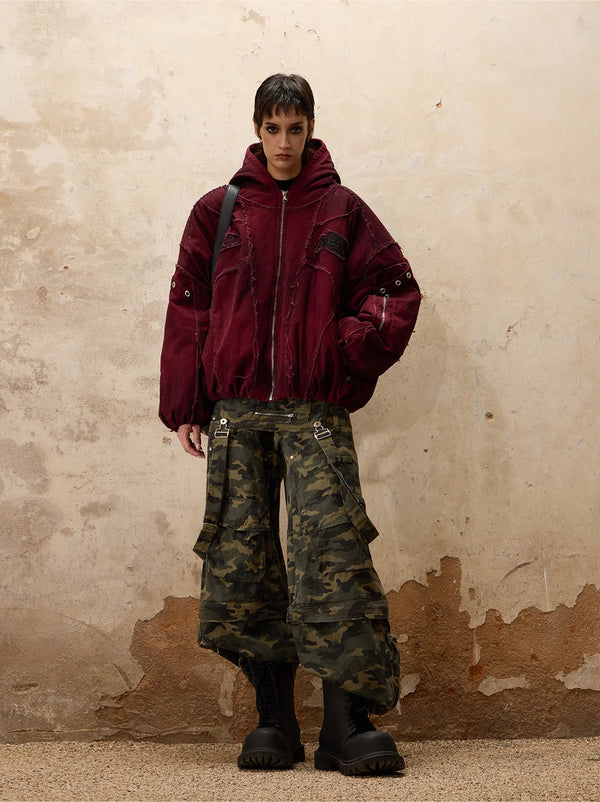
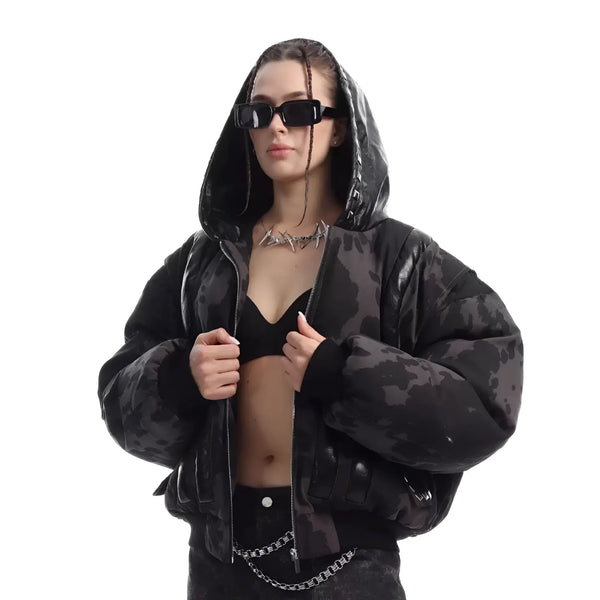
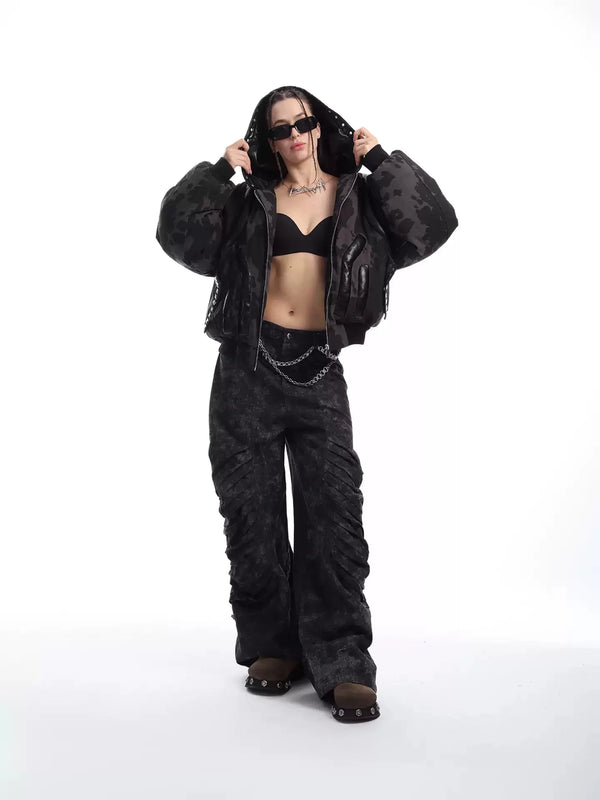
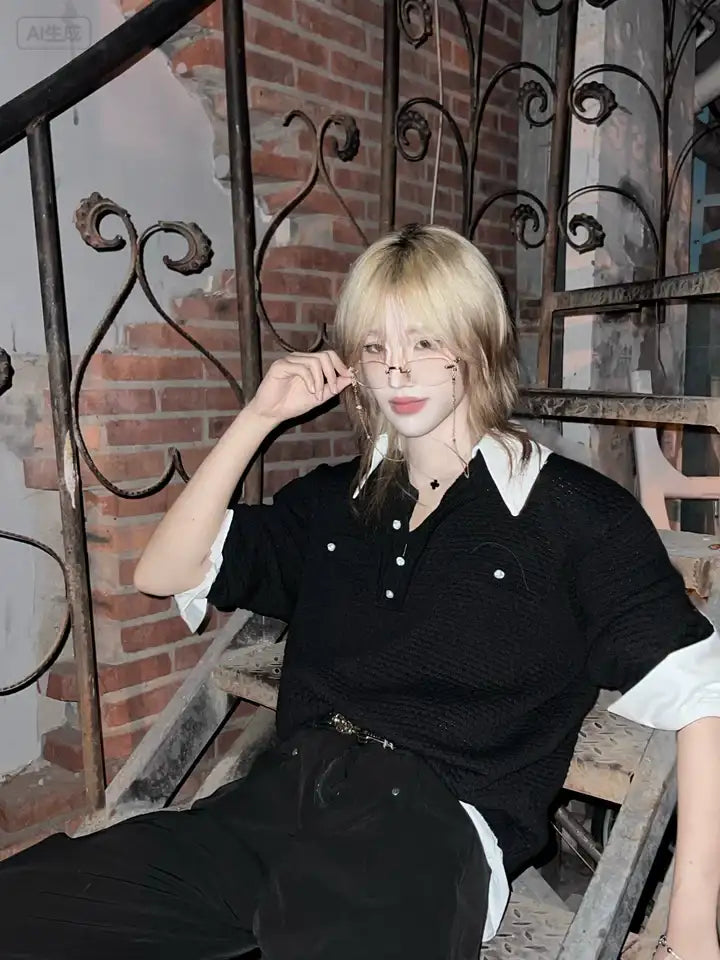
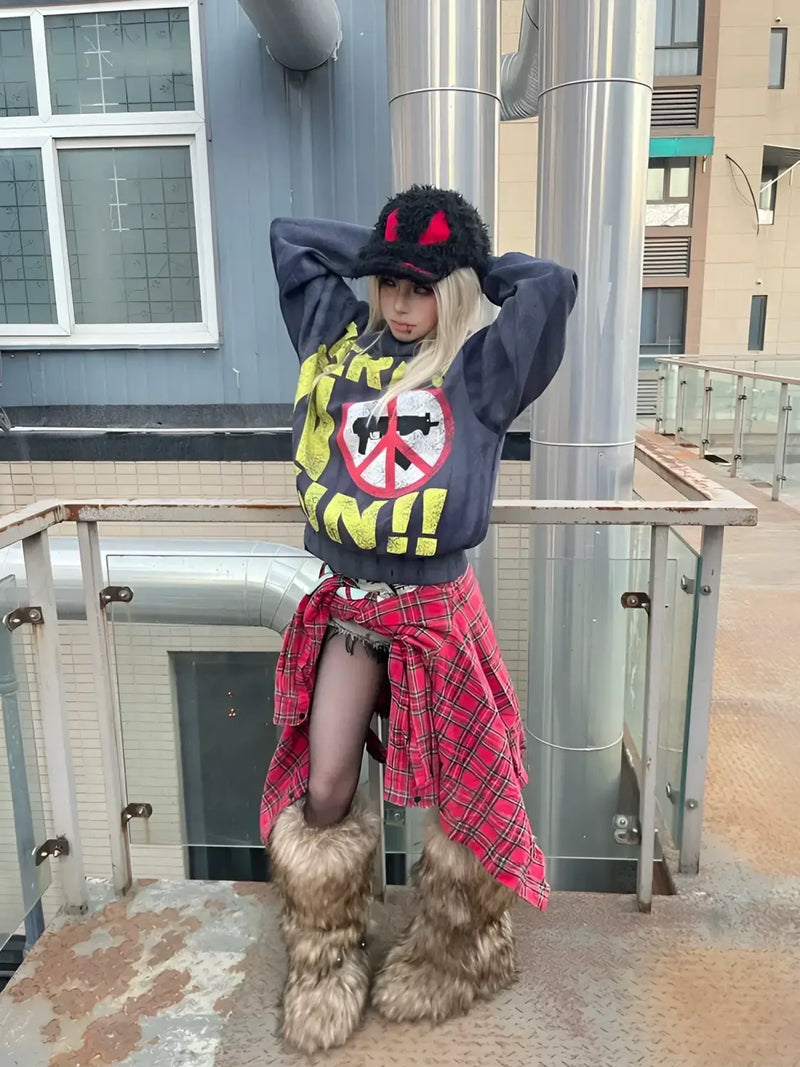
Acubi style. The post-Y2K iteration for women 18-28. Characteristics: baggy cargo pants, a cropped midriff top or mesh long-sleeve, platform sneakers or combat boots, several thin silver chains. Color code: black, beige, off-white, occasionally sage green. Mainstream hub: Style Nanda, Stretch Angels, OKDGG.
Quiet Luxury Korean. The Korean translation of the old-Celine code. Beige knits, black leather skirt, simple low-heel ankle boot, a coat without a logo. Shows up above all in Hannam-Dong and Gangnam cafés — the look of Korean career women in their early 30s. Mainstream hub: W Concept, ROKH, Acne Studios Korea.
Cool Mom Style. The 90s-wave iteration with pastel sweatshirts, wide jeans, sporty sneakers. Mardi Mercredi is the figurehead. In summer the sweatshirt becomes a printed T-shirt, the jeans a Bermuda. Mainstream hub: Musinsa, Mardi Mercredi DTC, W Concept.
Dying out right now: hard Y2K with glitter top and flared pants. Cottagecore in its Korean iteration. Overdone preppy with a tie. What dominated in 2024 now sits in the clearance bin at Style Nanda — solid entry prices, but no longer a trendsetter piece.
Single-shop deep dive
Lewkin in detail — where the shop comes from and what it stands for
Lewkin has been named so often on TikTok and Reddit over the last two years that the question "Where does Lewkin even come from?" genuinely arises. Answer: Lewkin is a Korean-American team, founded 2017, based in California with a warehouse in South Korea. Shipping runs directly from Seoul via DHL, delivery to Germany in 6-11 working days — that's faster than Musinsa and slower than Kooding.
The range is narrower than Musinsa's, but more targeted. Lewkin concentrates on two sub-genres: streetwear (baggy jeans, hoodies, cargo, skater decks) and Acubi code (mesh tops, cropped pieces, platform sneakers). If you're after designer pieces — Andersson Bell, ROKH — Lewkin is the wrong place. If you want a cheap baggy-jeans outfit for under 150 euros, Lewkin is right.
What Lewkin does better than most competitors: the size documentation. Instead of just listing "S, M, L," every item gives cm-precise measurements for chest, shoulder, waist, leg length. Compare your own measurements with the chart once and you'll almost always land on the right size. With YesStyle and sometimes even Musinsa, that's missing.
Weakness: narrow on curation. If you want to browse broadly, you get bored after 200 items. If you buy with a target in mind, you know exactly what you came for — and you find it.
The Germany question
K-Fashion in Germany — Zalando vs. dedicated K-shops
"Korean Fashion ZALANDO" is one of the most common searches for German buyers. What do you actually get? Answer: a cross-section of five to eight Korean labels that have a European distributor. Above all Ader Error, Mardi Mercredi, occasionally Andersson Bell or ROKH. Very rarely Pushbutton or Hyein Seo. Never OKDGG, Style Nanda, Lewkin or Stretch Angels.
The advantage: delivery in 2 days, free returns in German, German VAT in the final prices — no customs surprise. The disadvantage: a markup of roughly 20-30 percent over the Korean direct price, because the distributor takes its margin.
- Zalando — 2-day delivery, 100-day returns, 5-8 Korean labels, ~25% markup. Good for: a quick test, a safe outfit for next weekend.
- About You — similar to Zalando, slightly thinner K-stock, occasional Ader Error sale. Good for: occasional hits in the sale.
- Musinsa Global (DE) — 6-9 days, ships from Seoul, English interface. Markup: none (direct price). Good for: volume, mainstream, broad selection.
- Lewkin (DE) — 6-11 days, DHL from Korea. Markup: none. Good for: streetwear, baggy jeans, Acubi.
- YesStyle (DE) — 7-14 days, from Hong Kong. Good for: cheap tests under 50 euros per piece, mixing several Asian countries.
- W Concept (DE) — 7-12 days, designer-curated. Good for: higher-value pieces, Ader Error with full selection, ROKH direct.
Anyone buying K-Fashion in Germany without knowing in advance what they're after starts with Zalando as a test platform. As soon as it's clear which label style fits, they switch to Musinsa Global or Lewkin for the following orders — with a saving of roughly 30 percent per order.
Sub-genre split
Korean Streetwear vs. Korean mainstream — where do you go for what?
K-Fashion isn't one style. Domestically, the market splits into two clear camps: streetwear (younger, baggy, Acubi- and Y2K-coded) and mainstream (Mardi-Mercredi-coded, Quiet-Luxury-adjacent, more age-tolerant). Both have their own platforms, their own price points, their own style codes.
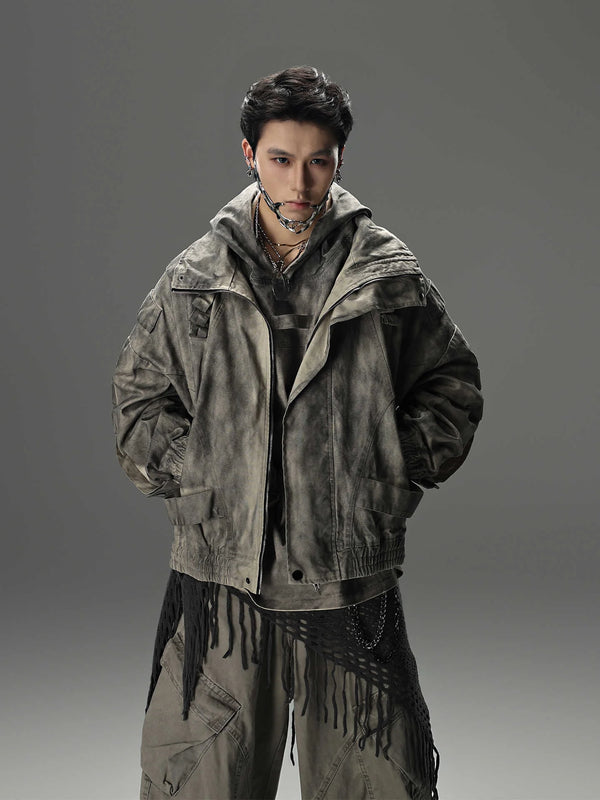
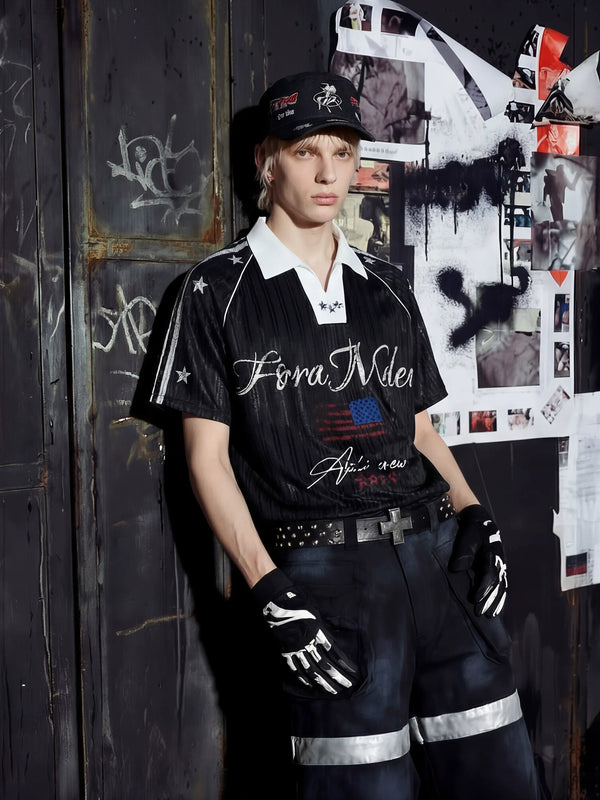
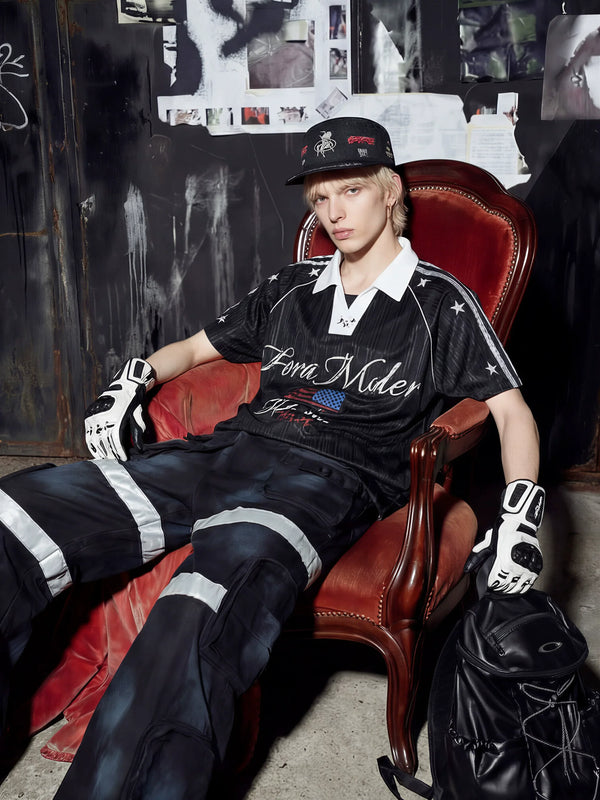
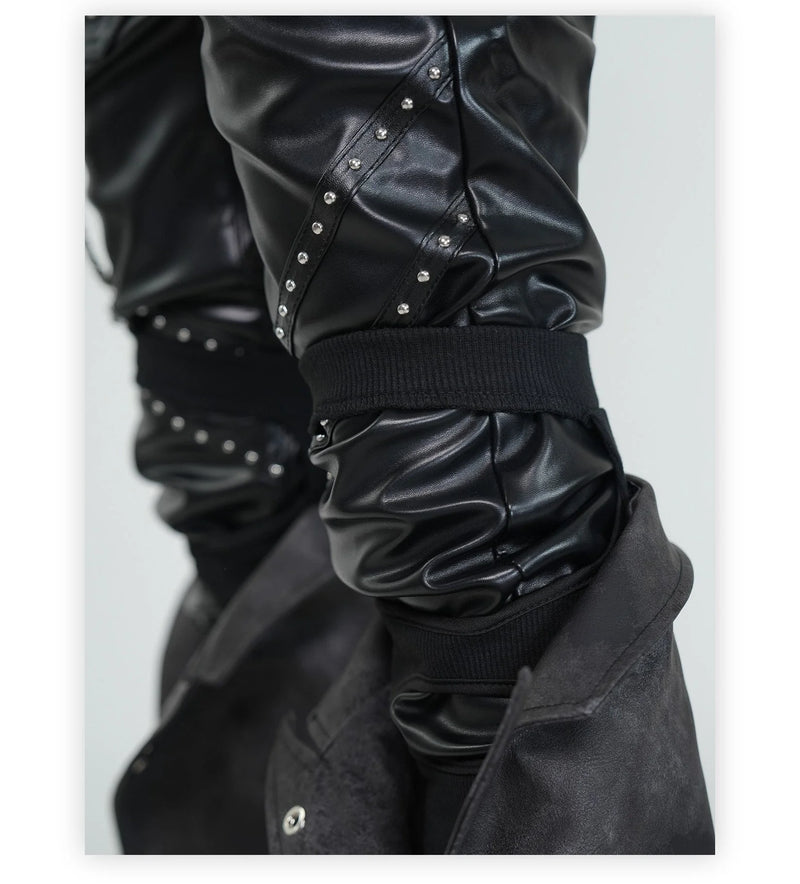
Streetwear markers: baggy cargo or wide-leg jeans, cropped top or mesh long-sleeve, platform sneakers, several thin silver chains, black-beige-white as main colors. Hubs: Lewkin, Style Nanda, Stretch Angels, the Musinsa indie tab.
Mainstream markers: straight or slim fit, pastel sweatshirts or simple knits, straight pants or mom jeans, low ankle boot or loafer, a slim gold chain. Hubs: W Concept, the Musinsa top tab, Mardi Mercredi DTC, Zalando.
If you want to mix, you can — a Mardi Mercredi sweatshirt mainstream look with platform sneakers and cargo isn't automatically wrong. But if you're starting from zero as a first-time buyer, you're best off picking one camp and staying there for the first three outfits. Mix only after that.
Logistics
Delivery time, customs and sizes — what you need to know as a German customer
A K-Fashion outfit usually doesn't cost what's in the cart. It costs that plus customs, plus shipping, plus a possible return with your own postage. Factor it in beforehand and there's no surprise. Ignore it and you pay 20-40 euros more than expected.
150 €
Customs threshold (goods value)
19 %
Import VAT
6-14
Days delivery time Korea-DE
-1
Size up from EU to KR
The most important number: 150 euros. Up to this goods value (excluding shipping costs) you pay no customs and no import VAT. As soon as the order crosses this threshold, 19 percent VAT applies to the full goods value plus any customs fees — most K-Fashion pieces fall under a 12 percent customs rate for textiles. In plain terms: a 200-euro order effectively costs about 260 euros after customs.
Sizes: Korean cuts tend to run one size smaller than European ones. If you normally wear EU M, you should order L or XL in Korea. If you wear EU S, order M. The only exception: Lewkin and some designer labels like Ader Error already use EU-oriented cuts — here your normal size is enough.
What does not work
The 5 most common mistakes when shopping K-Fashion online
Anyone ordering from Korea for the first time reliably runs into the same five traps. Prepare the first ordering process and you save money, shipping back-and-forth and painful returns with your own postage.
Action
How to start — 3 shops for your first test
You don't need seven platform accounts the first time. You need three that together cover 80 percent of the K-Fashion inventory — mainstream, streetwear and designer in one row. Everything else comes later, once your look gets clearer.
In order: Lewkin for the first streetwear test (fastest shipping, best size documentation, baggy cargos and mesh tops for under 60 euros per piece). Musinsa Global for volume and mainstream (more selection than anyone else, slightly slower shipping). W Concept, once you know which designer label interests you (Ader Error, ROKH, Andersson Bell — here with full selection instead of the Zalando cross-section).
Before you order your first K-Fashion outfit, look at how others wear it. On platforms like Musinsa, Style Nanda and in the Fūga feed, the looks appear different than in lookbook photos: tighter on German bodies, dirtier in the detail, less perfect — and that's exactly why they work in everyday life.
To close
K-Fashion is a distribution problem — not an aesthetic
If you remember one thing from this guide, let it be this: K-Fashion isn't an aesthetic you import. It's seven platforms with their own code, their own sale cycles, their own size charts. Anyone who understands the distribution system builds K-Fashion together more cheaply and more precisely than anyone relying only on TikTok-Pinterest pinning.
The whole effort comes down to one sentence:
The seven platforms will stay stable — Musinsa, Lewkin, YesStyle, W Concept, OKDGG, Style Nanda, Kooding have existed since at least 2017 and grow every year. But you don't have to wait until you've worked through all seven. Start with the shop that fits your first look. What you don't know, you learn while ordering.
And that's the point too: K-Fashion reads in theory like a web of shipping routes and size charts, but in practice it doesn't feel that way. Once you've got the code down, every further outfit is a variation of three or four platforms — not a new research project.
FAQ
Frequently asked questions about K-Fashion websites
The questions we often get by DM and email — short, clear, no detours.
Which Korean fashion brands are well known?
Where does Lewkin come from?
What is fashion like in South Korea?
Which is the most successful Korean brand?
Which trend is popular in South Korea right now?
What does Zalando offer in Korean fashion?
What is the best Korean fashion online shop for Germany?
How high is customs on K-Fashion orders?
What do you think?
Tell us on @fuga_studios
About the author
Philipp Fuge — Founder · Berlin
Founder of Fūga Studios. Writes the journal himself. Berlin · Shanghai · Tokyo · Poznań — four cities, one logic.