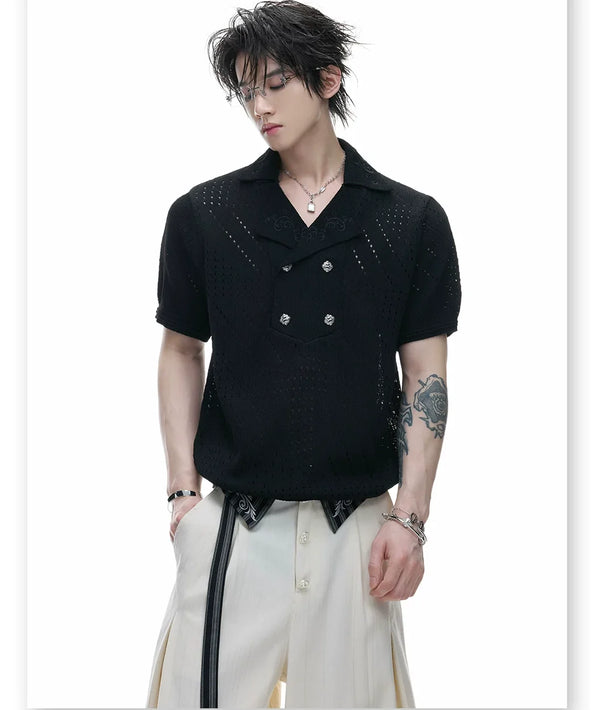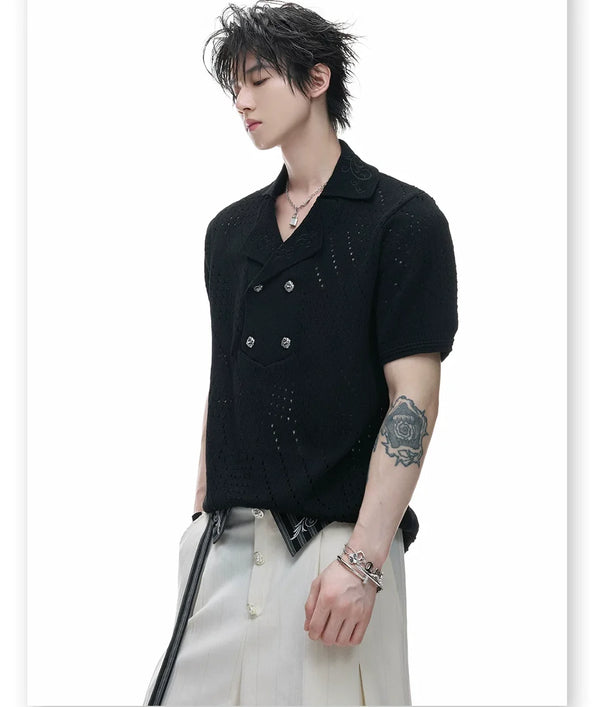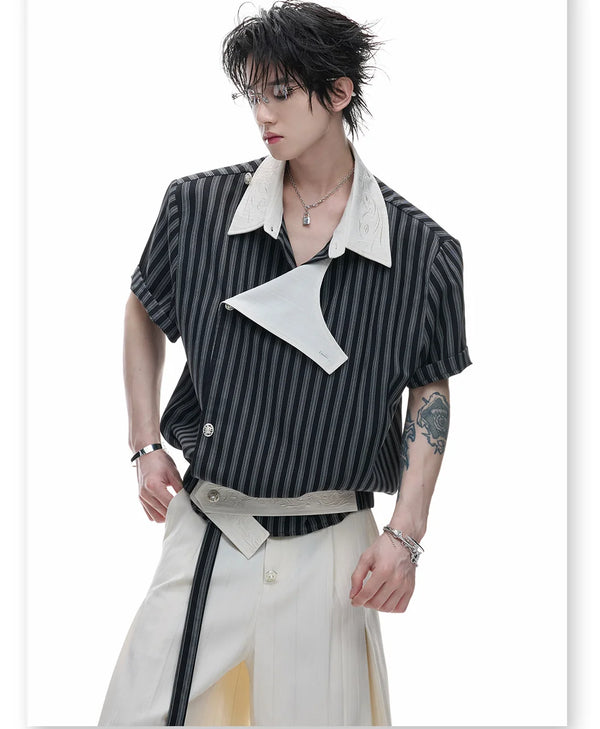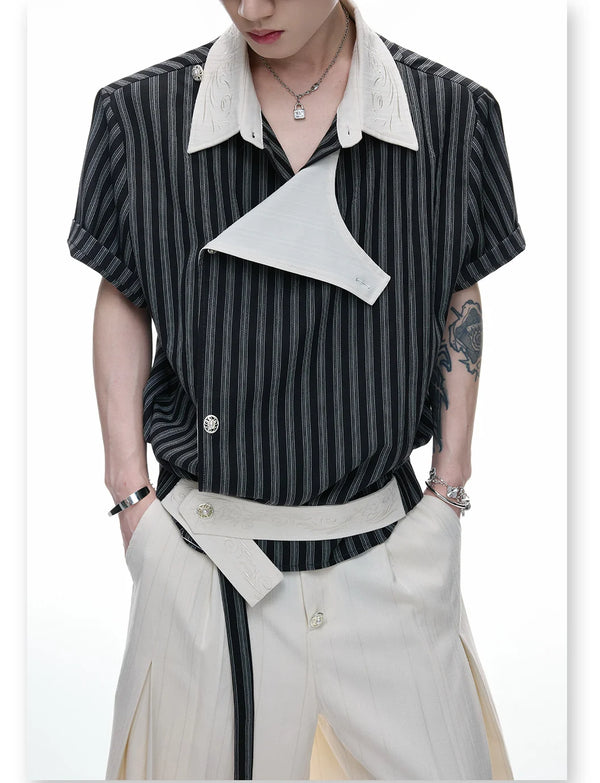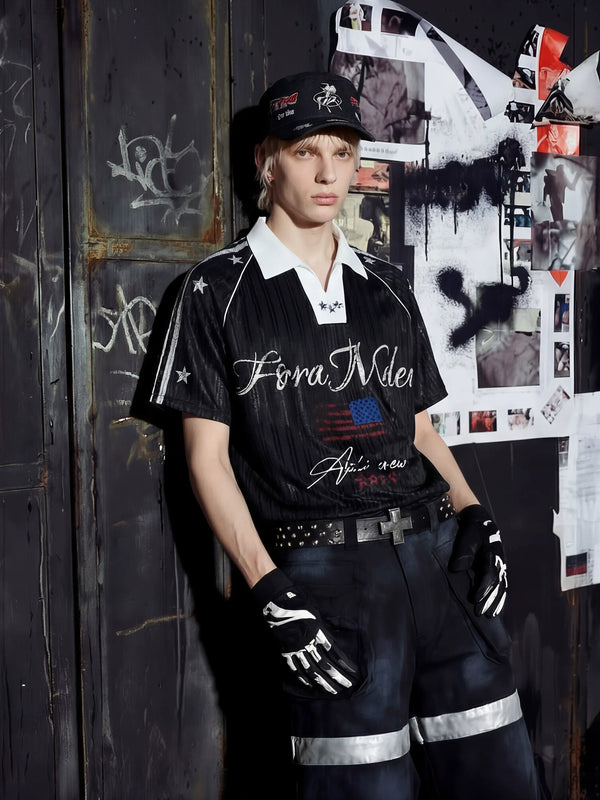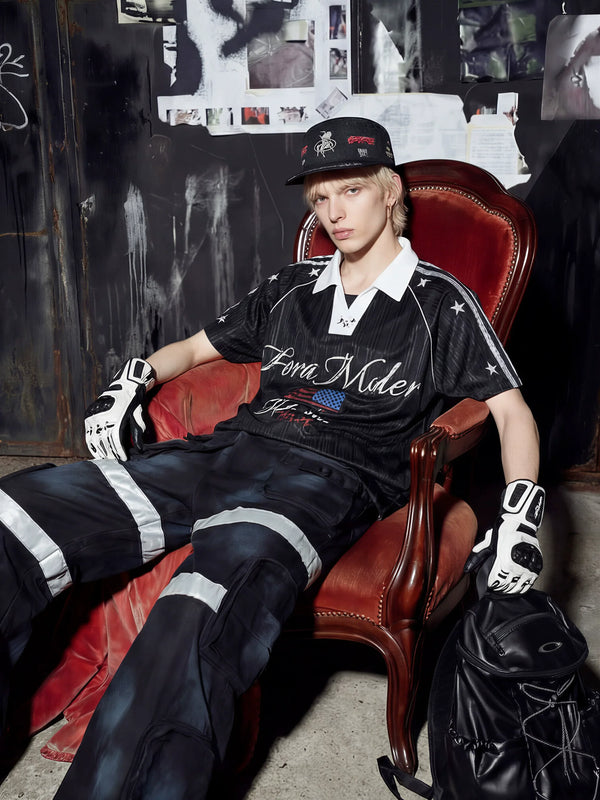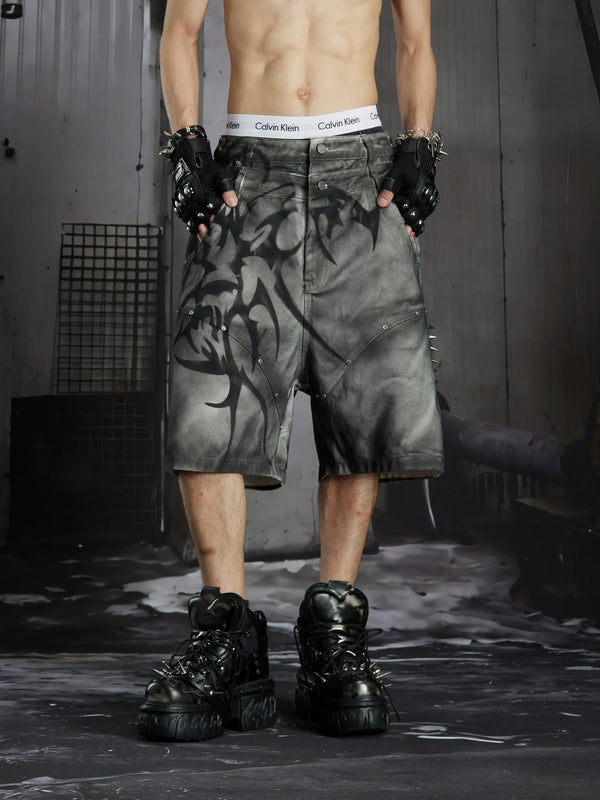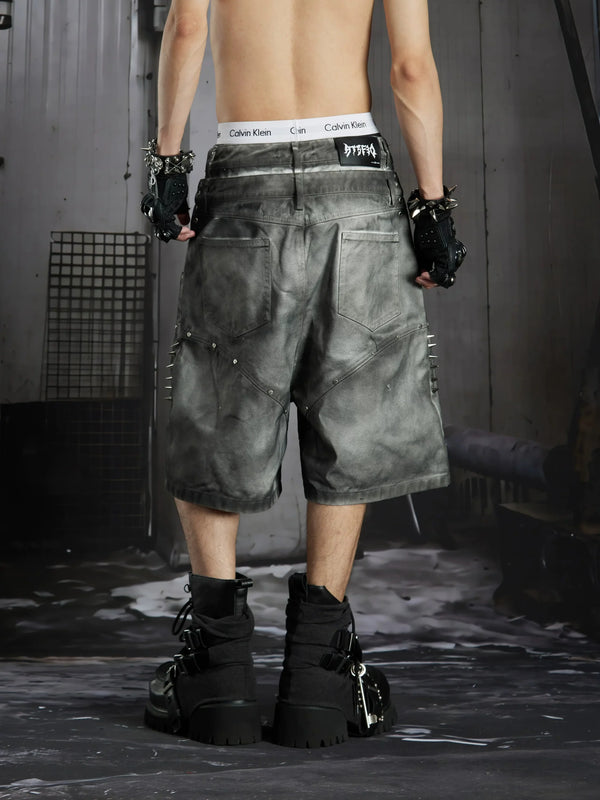

Functional · Layered · Precise
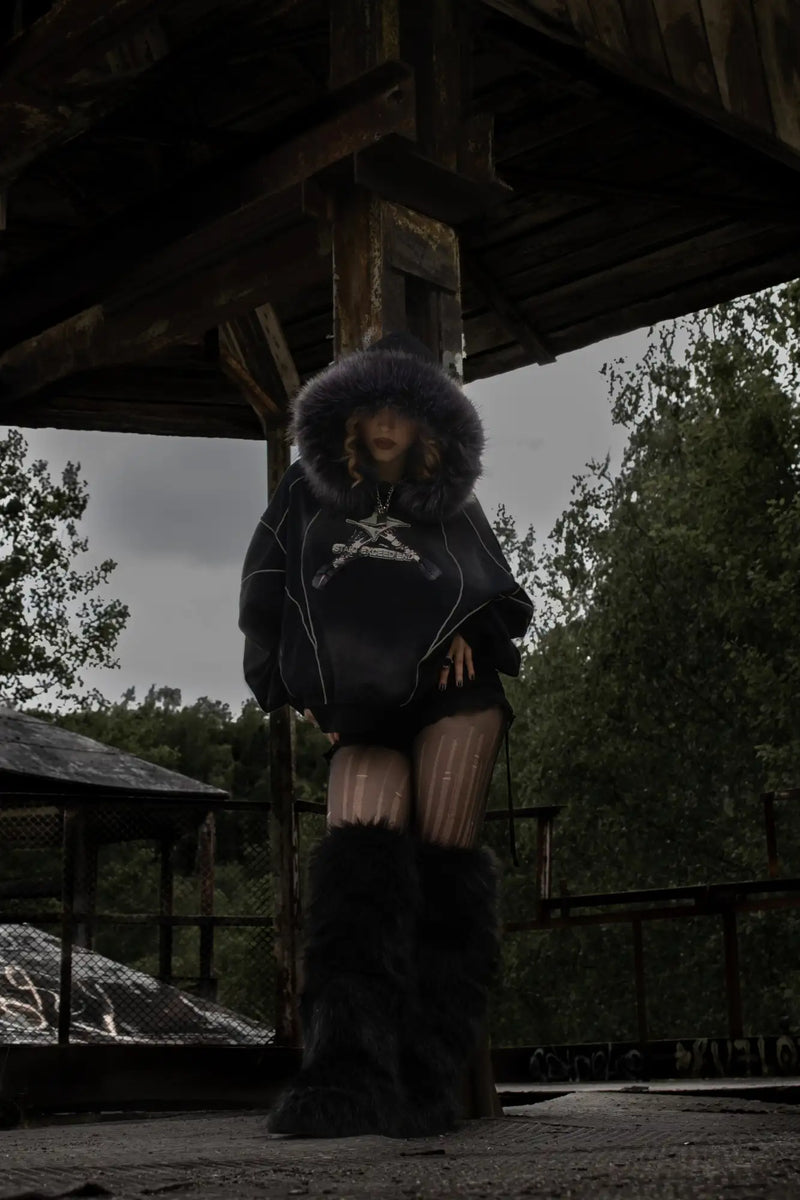
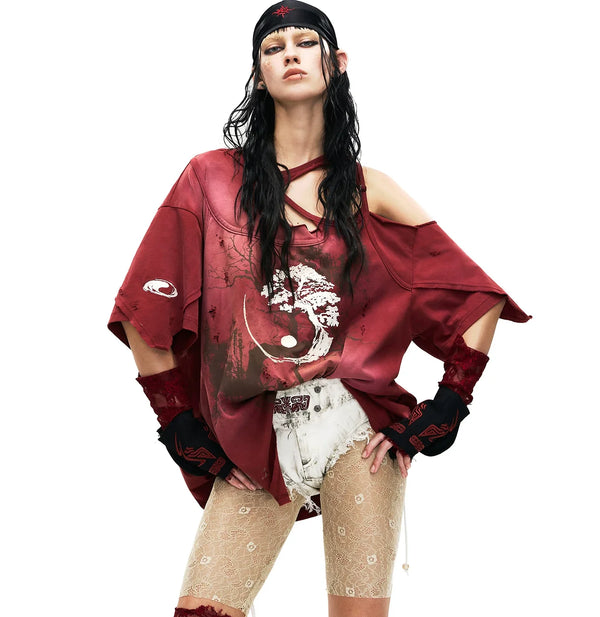
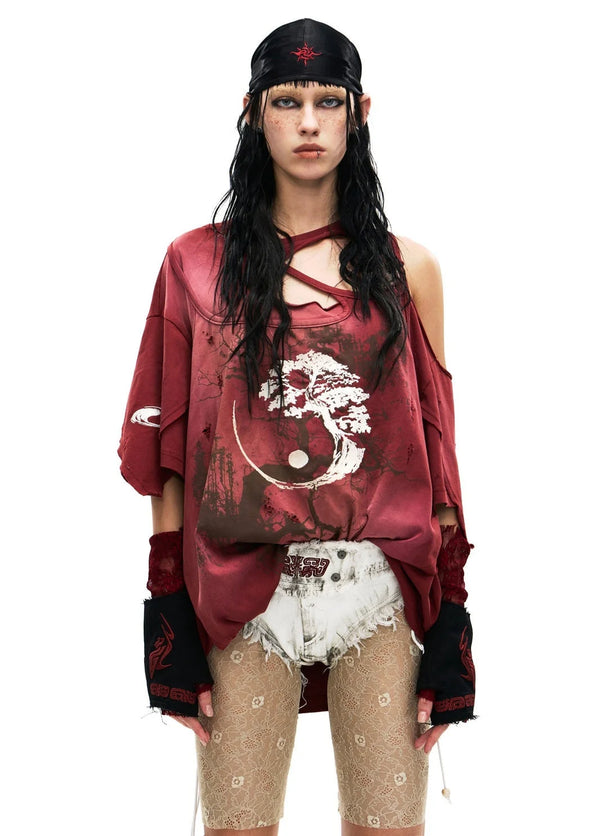
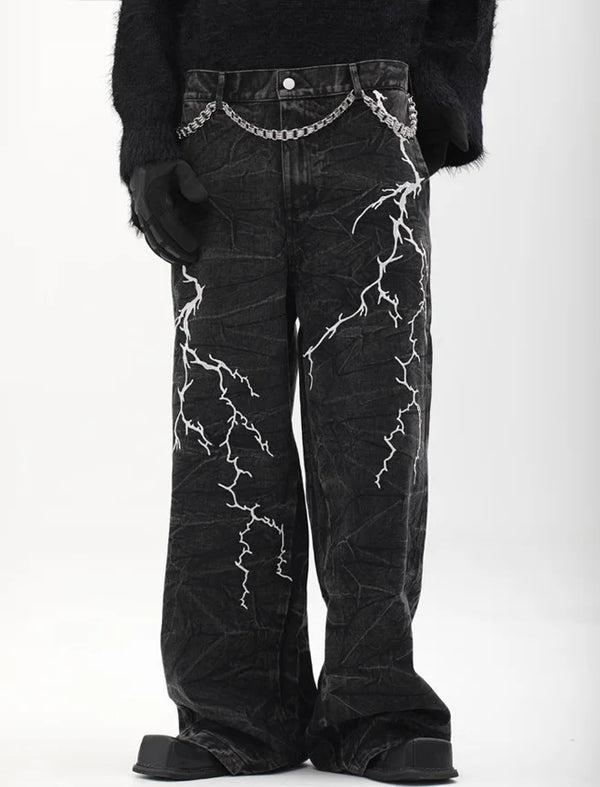
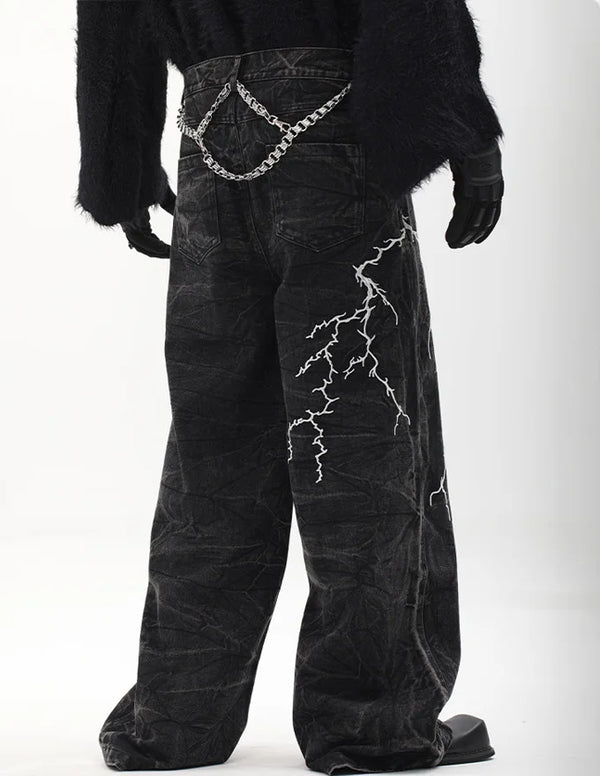
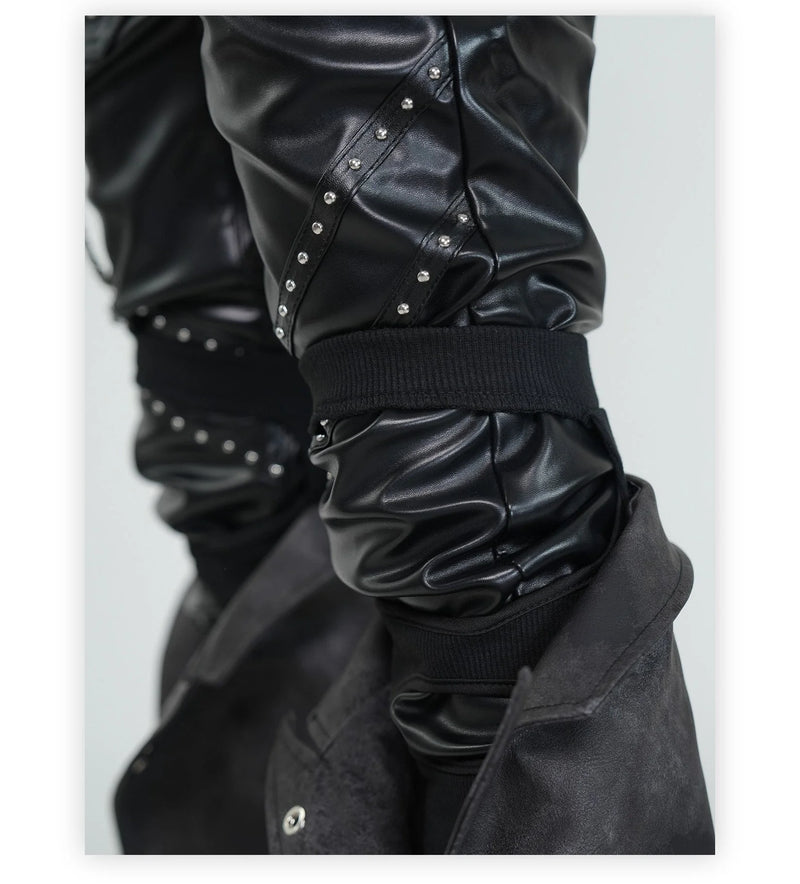
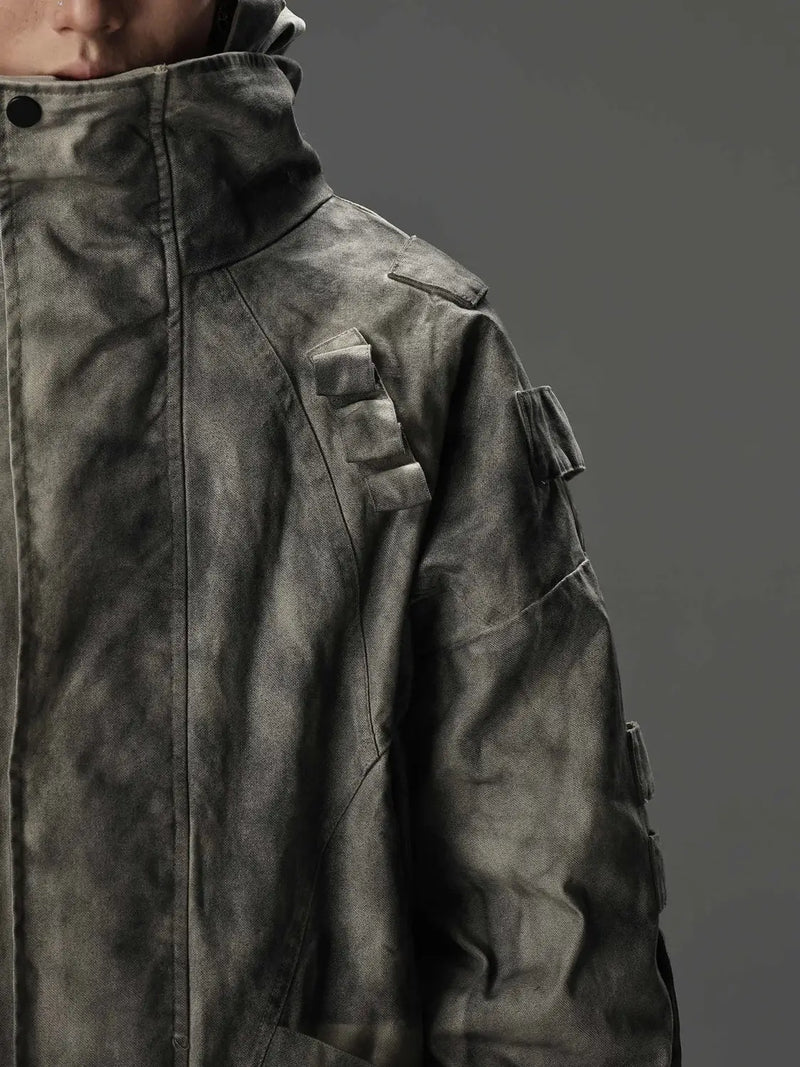
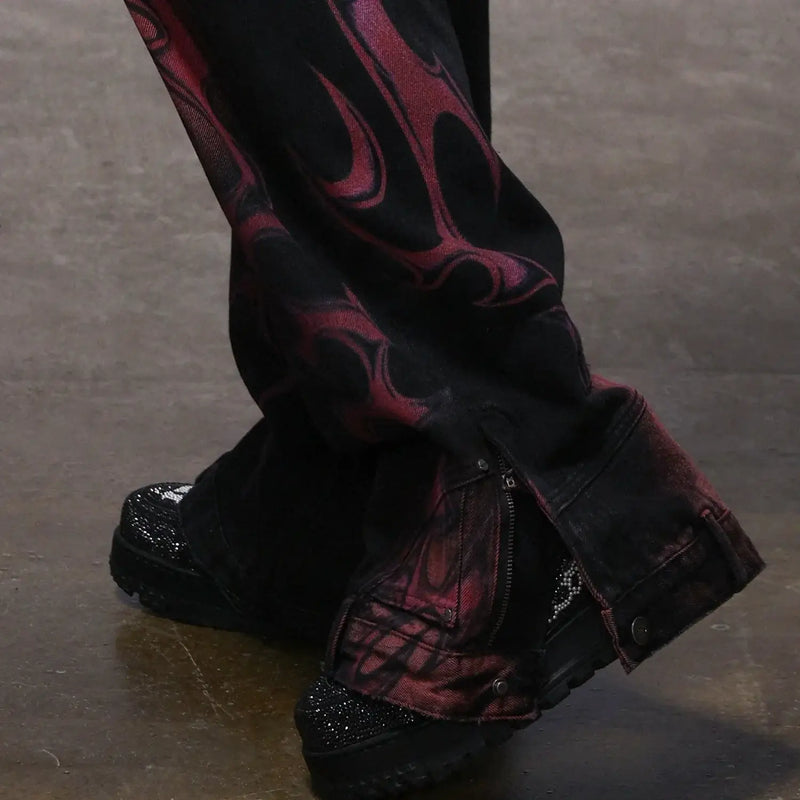
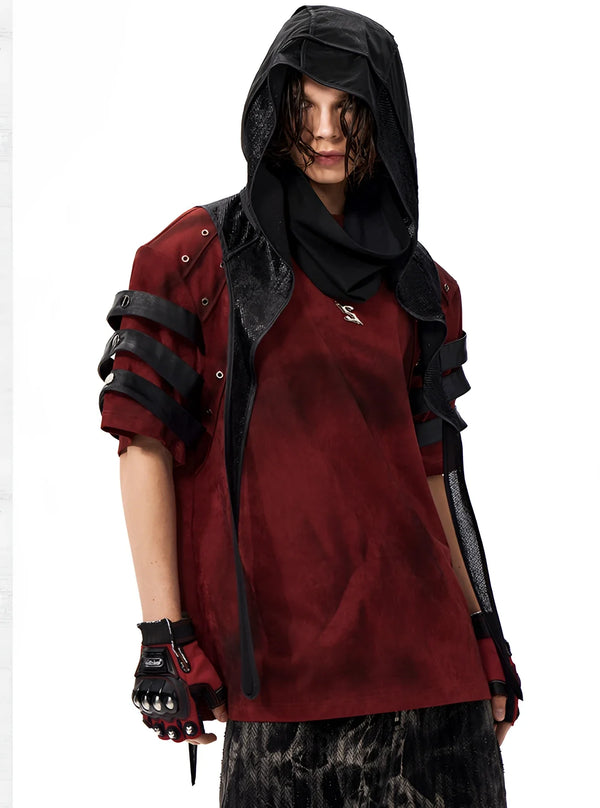
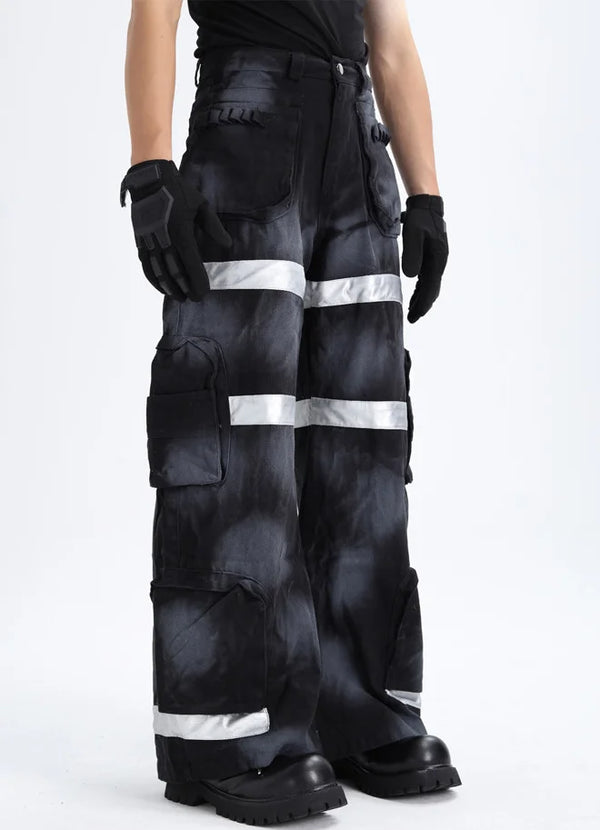
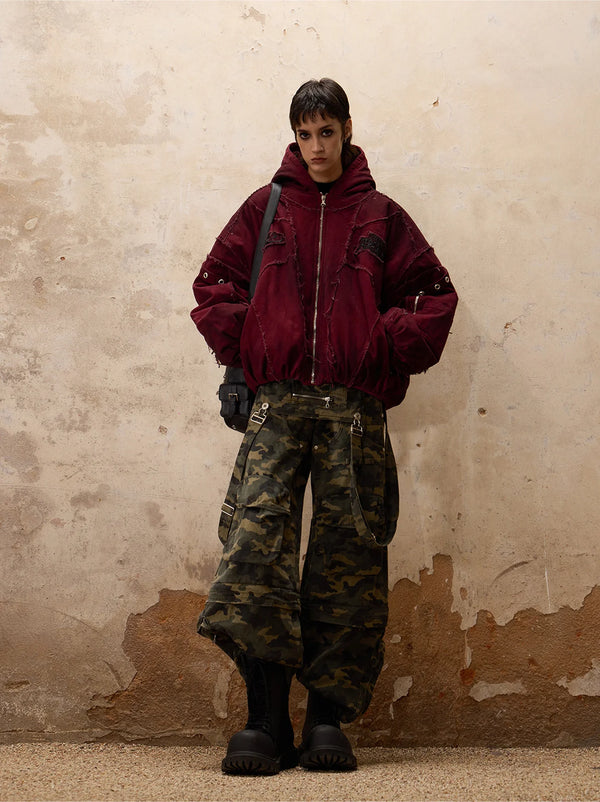
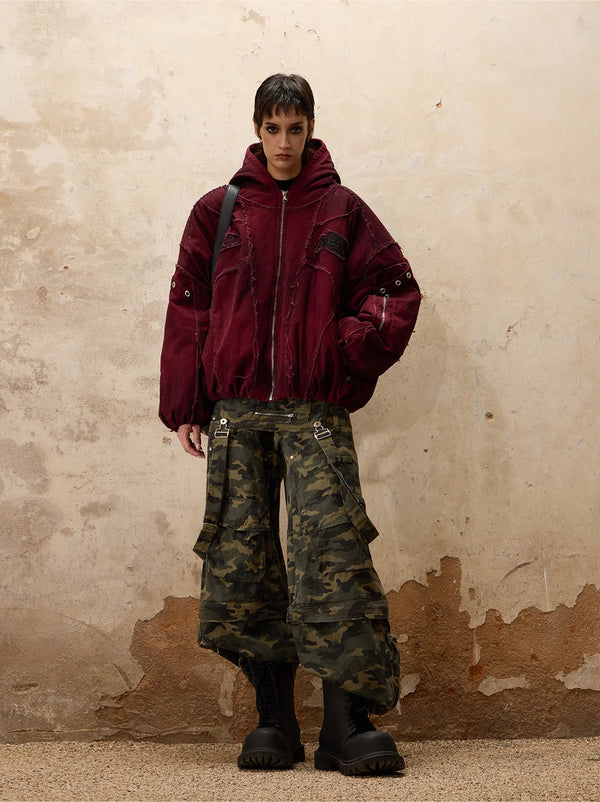
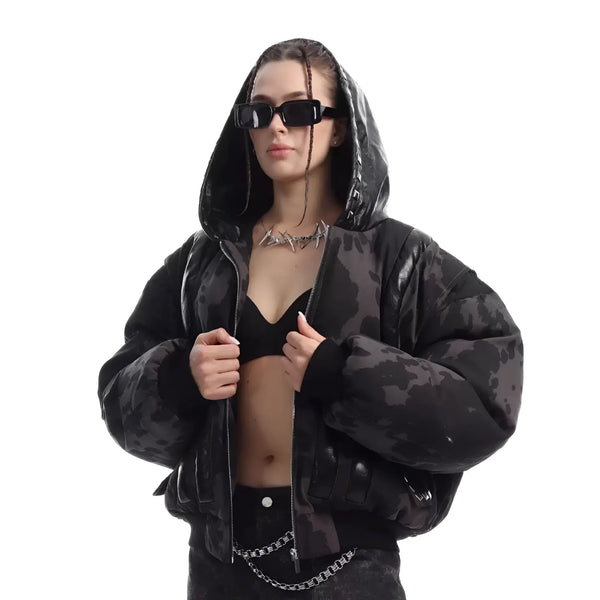
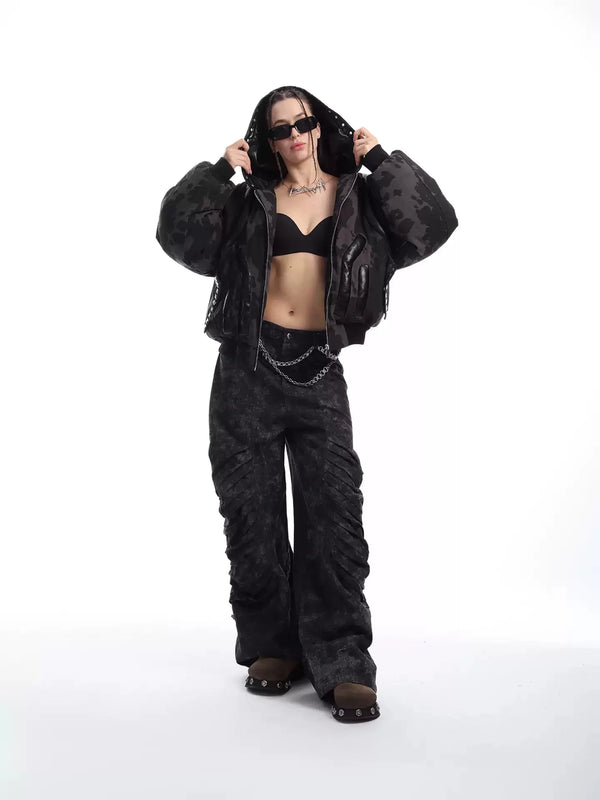
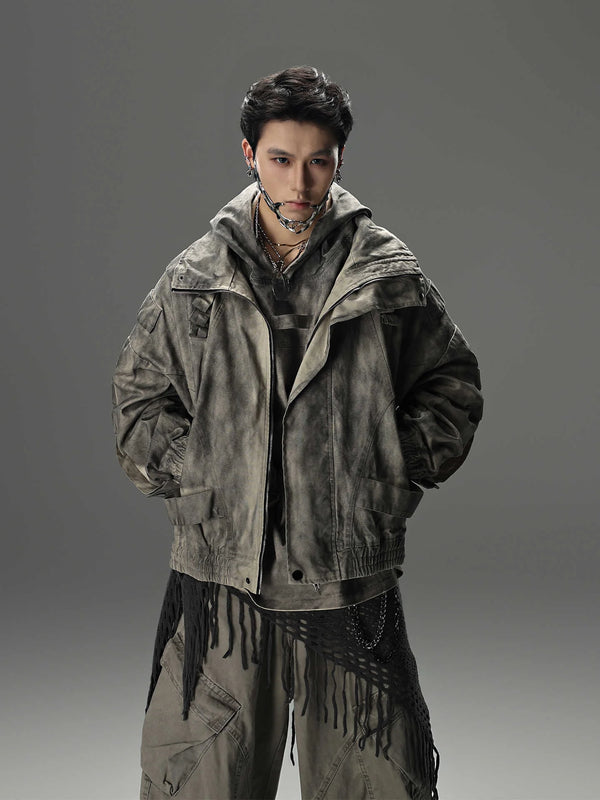
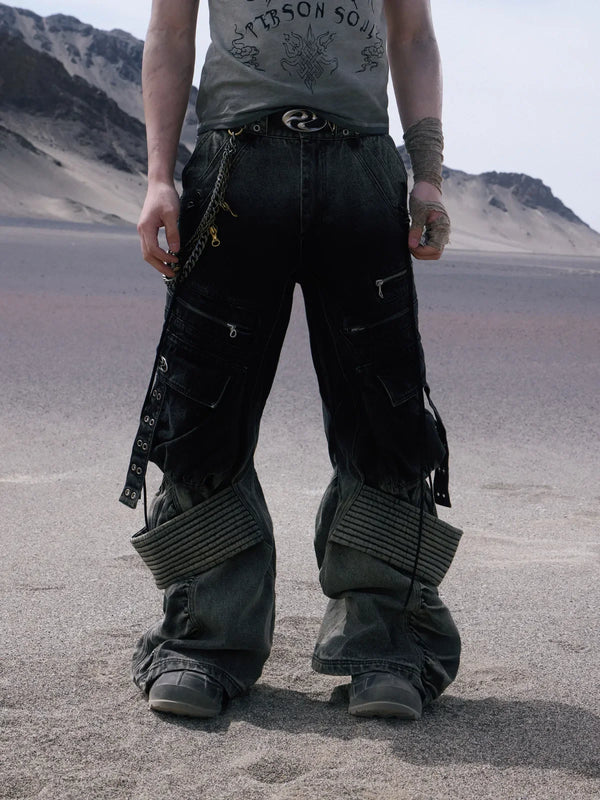
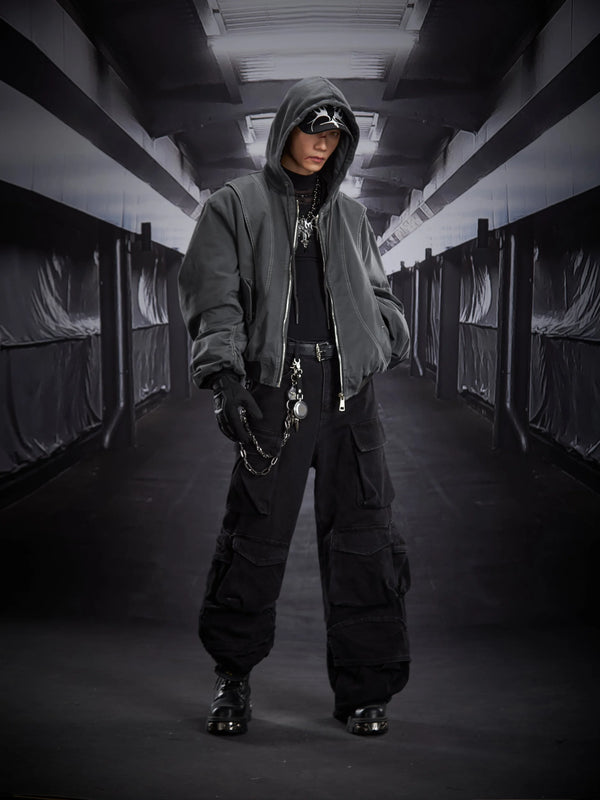
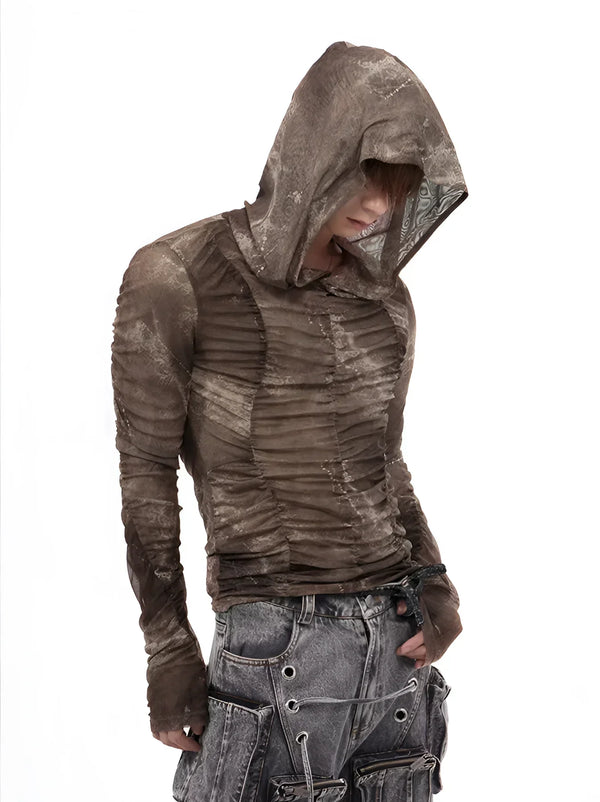
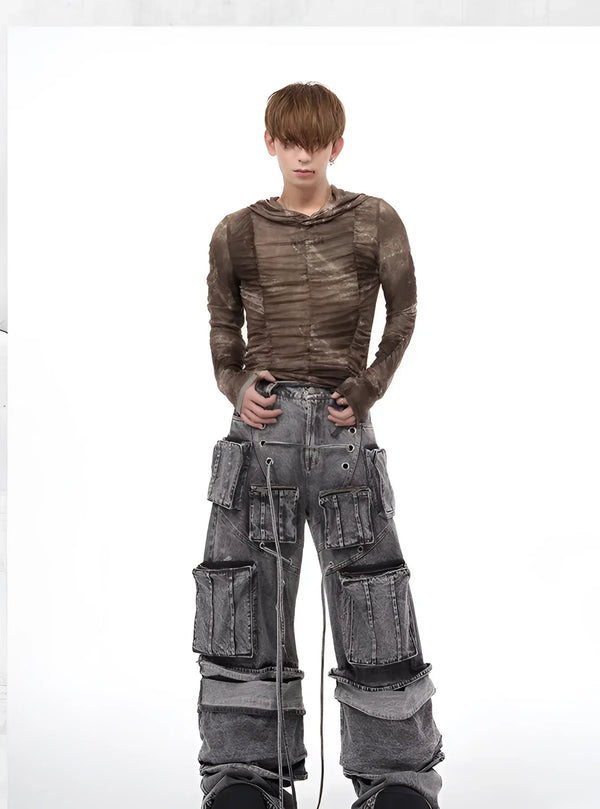
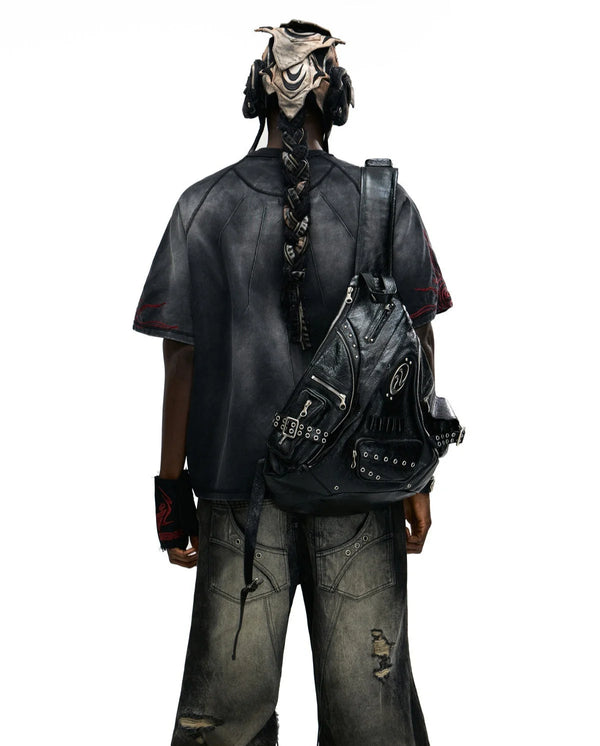
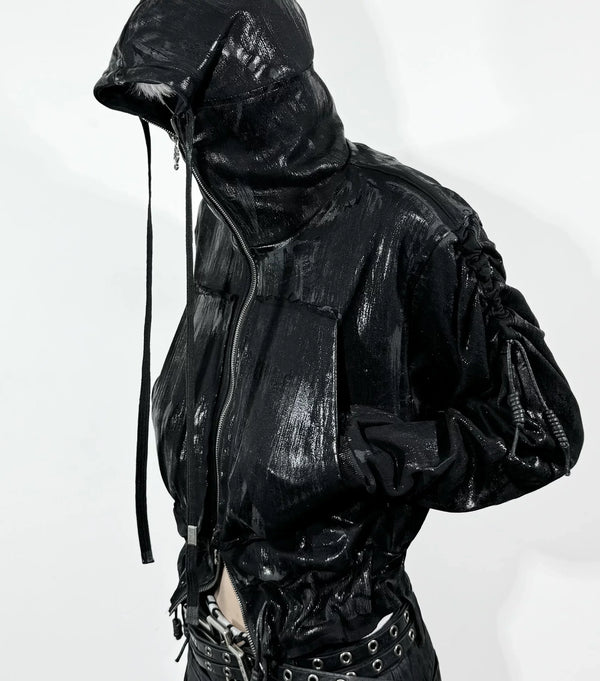
Futuristic techwear combines technical materials with urban silhouette — clothing built for movement, not for display cases. What makes futuristic techwear Waterproof membranes, welded seams, magnetic closures.
Most Wanted

All pieces



Drop Alerts
We'll let you know when the next drop in this niche lands.
You're in. We'll let you know at the next drop.
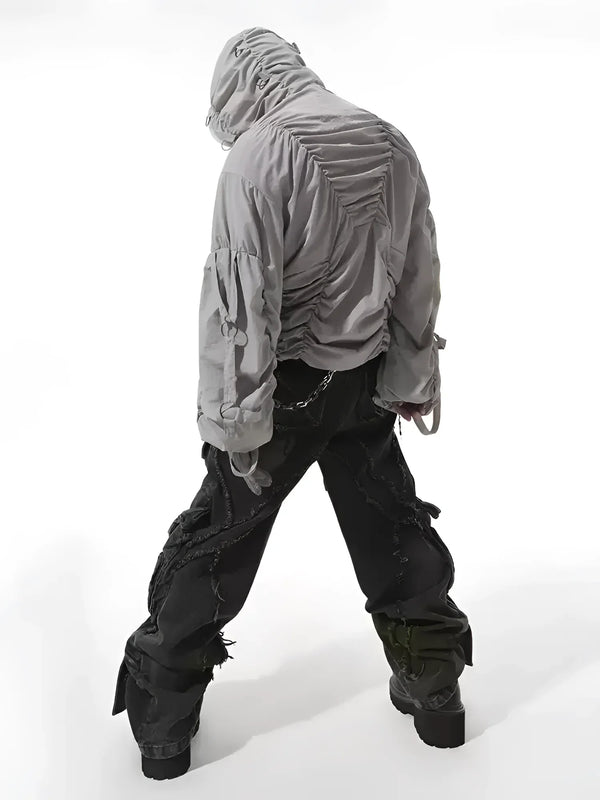

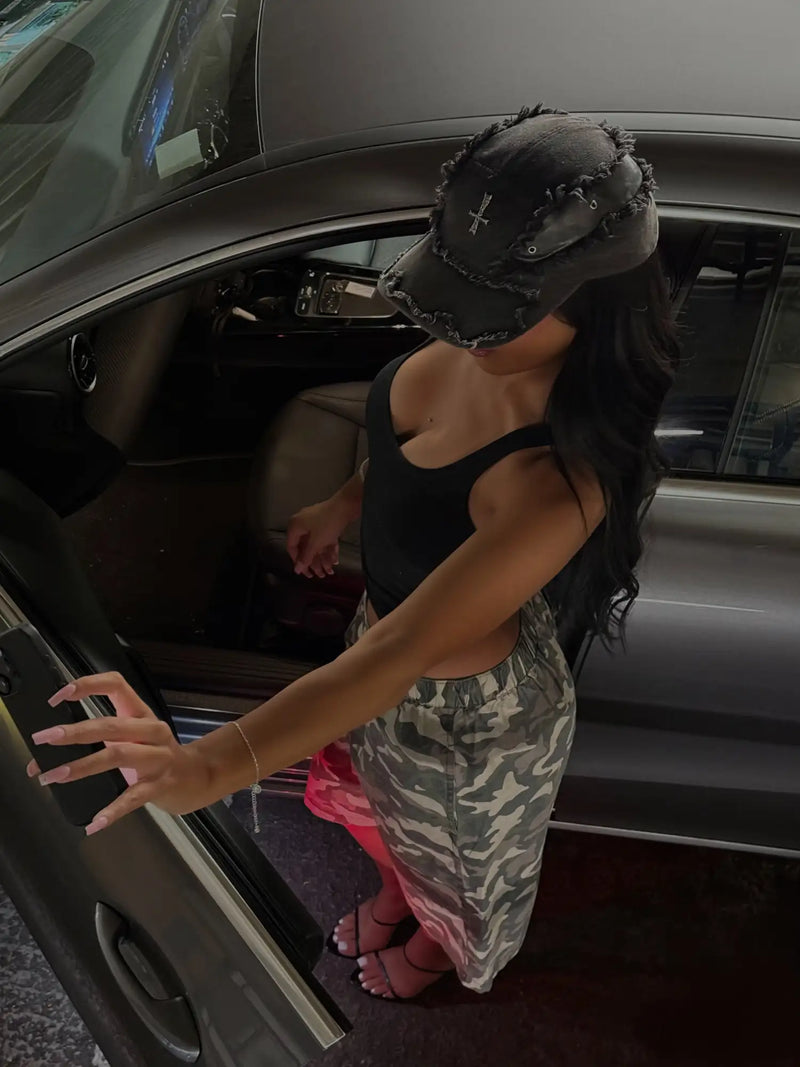
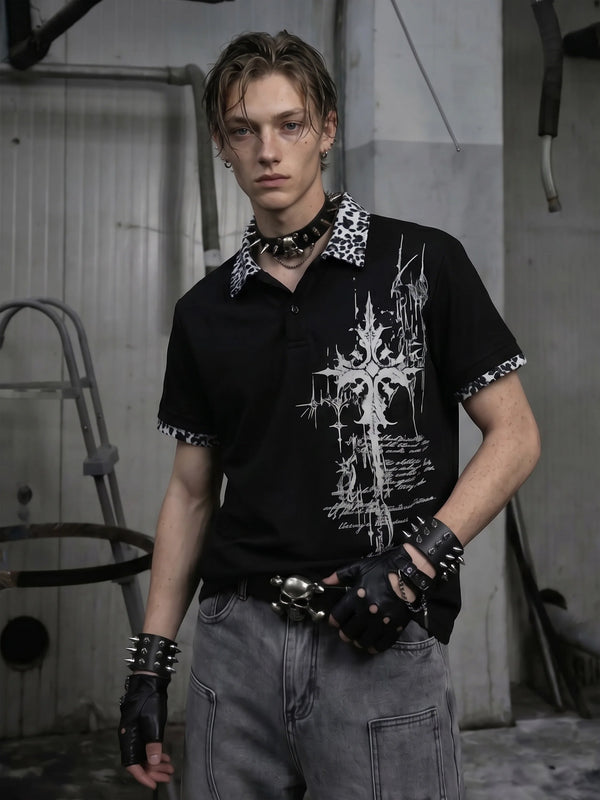
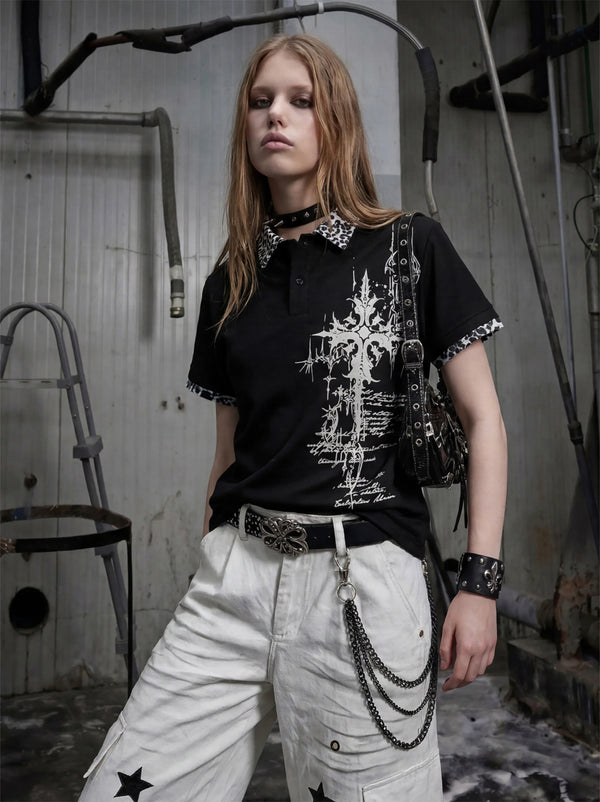
Futuristic techwear combines technical materials with urban silhouette — clothing built for movement, not for display cases.
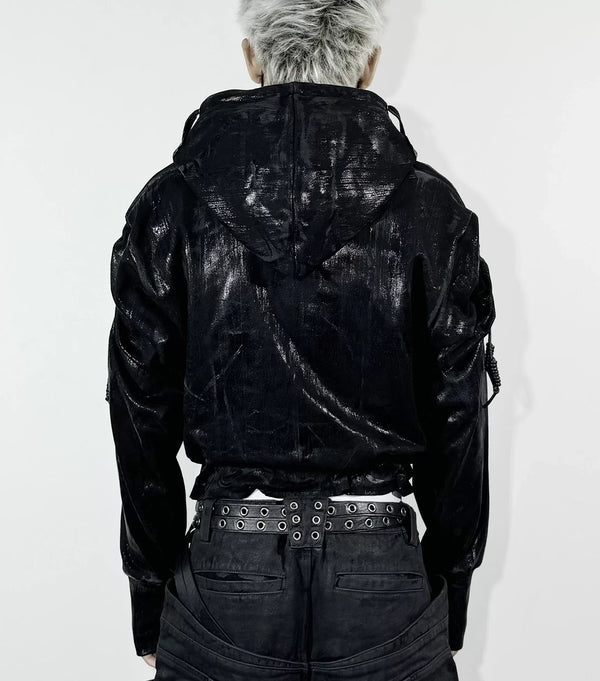
Waterproof membranes, welded seams, magnetic closures. Futuristic techwear thinks everyday clothing from function first — every detail solves a problem. The cuts come from Tokyo and Seoul, the fabrics from the outdoor industry. What emerges looks like science fiction, but works in Berlin rain. The difference from classic Techwear: here the silhouette goes further, proportions break harder, details are more visible.
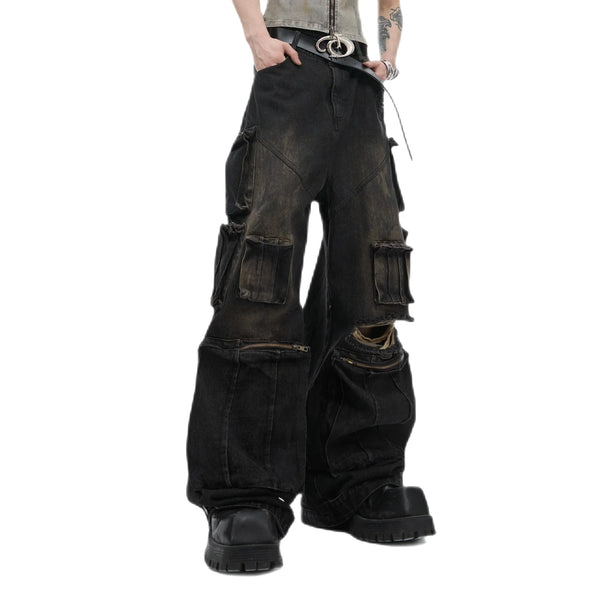
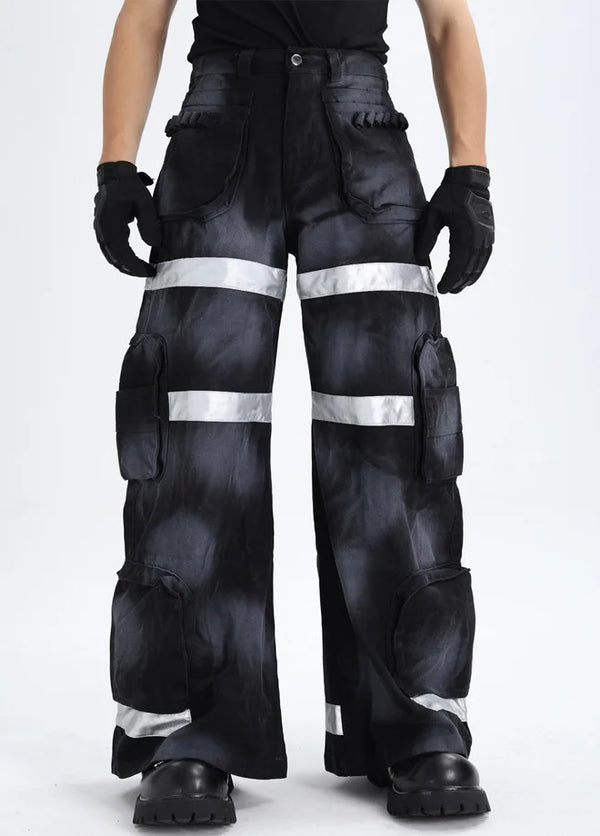
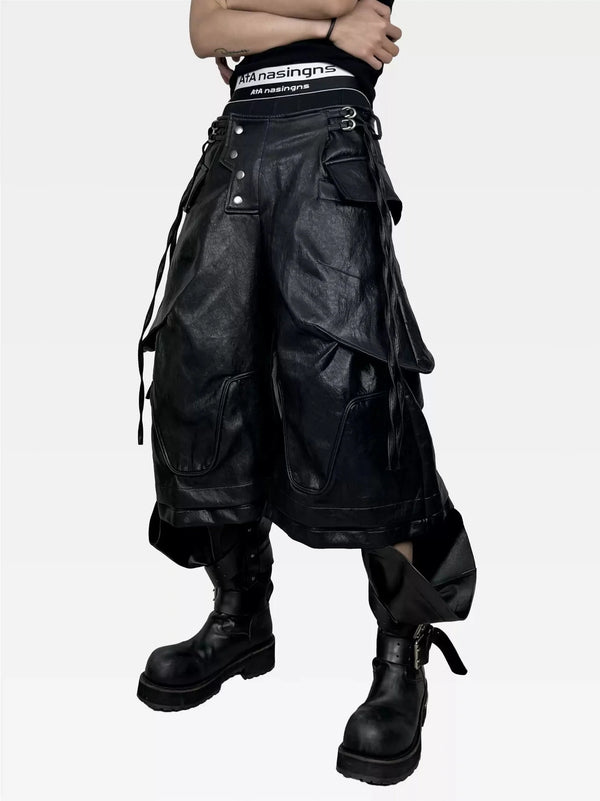
Layering is the core. A technical vest over a longsleeve, cargo pants with utility pockets, shoes with grip. Black stays the base, but futuristic techwear lives off texture contrasts — matte nylon against reflective accents, smooth surfaces against ripstop. For deeper exploration, you'll find in Techwear Fashion Guide the full architecture. For hybrid looks, the connection works with Y2K Techwear — Retro-Futurism meets technical fabrics.
Jackets with adjustable systems, pants with modular pockets, tops in technical fabrics. Every piece is cut to work alone or as a layer. No basics, no compromises.
Techwear is clothing that puts technical materials and functional design front and center. Waterproof membranes, breathable fabrics, and thoughtful pocket concepts form the core.
Technical fabrics cost more to produce. Welded seams, DWR coatings, and modular construction require specialized manufacturing that shows in the price.
Technical fabrics cost more to produce. Welded seams, DWR coatings, and modular construction require specialized manufacturing that shows in the price.

Opium Gradient Snake Cardigan
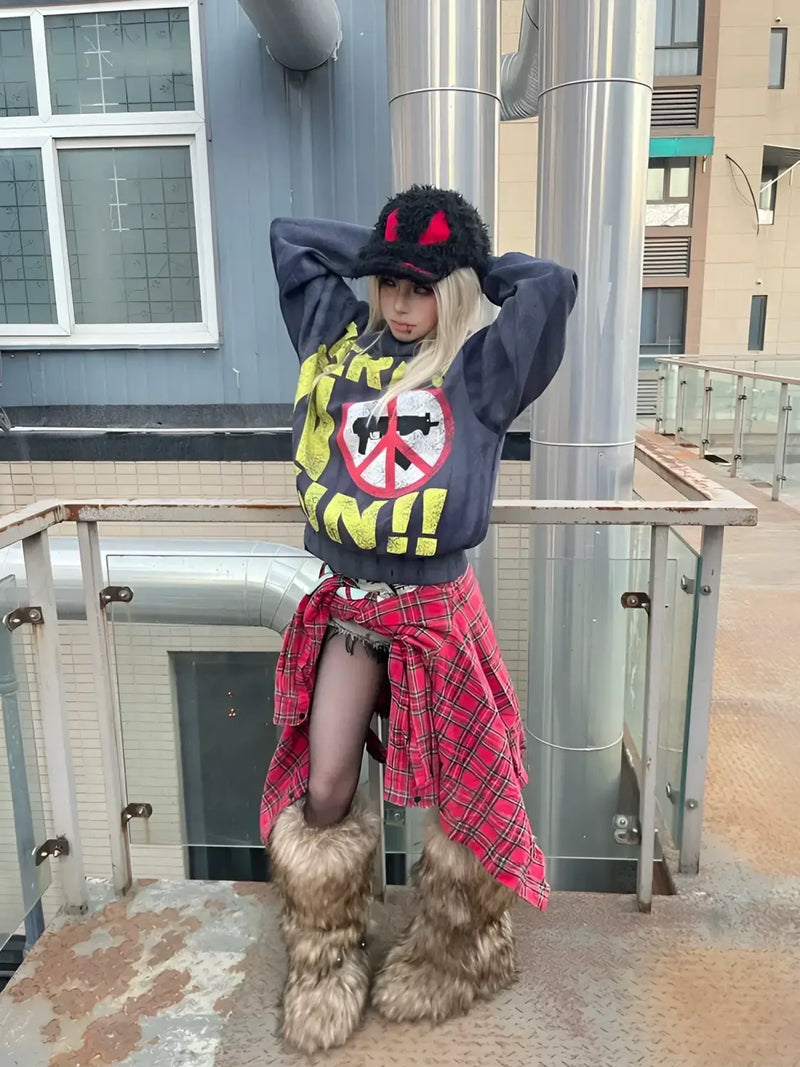
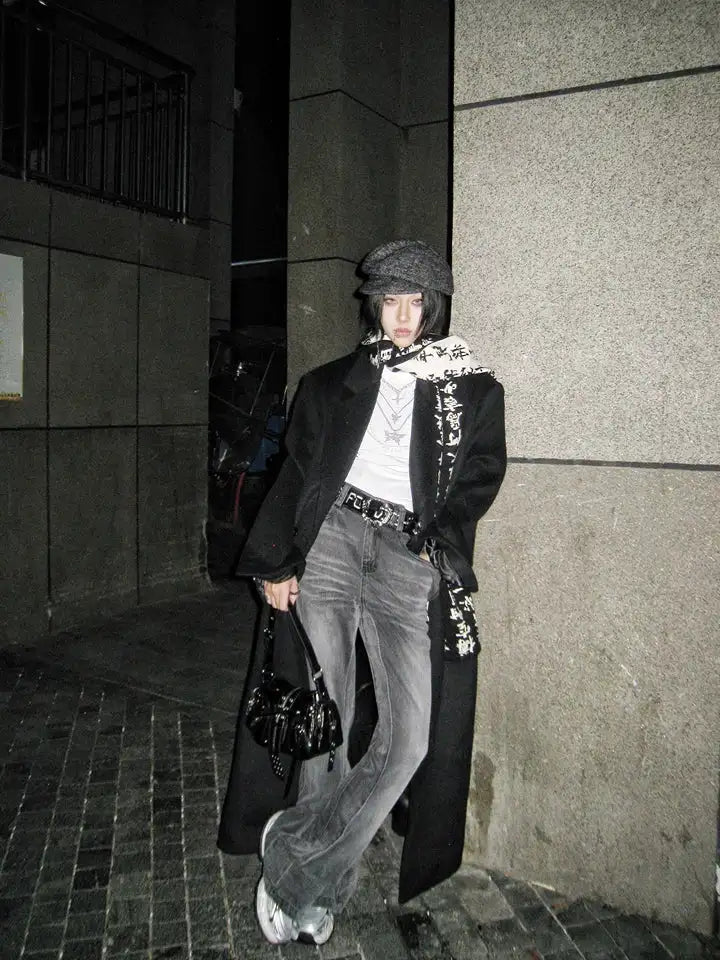
shanghai studio fit check

From Opium · 4 Pieces
All 84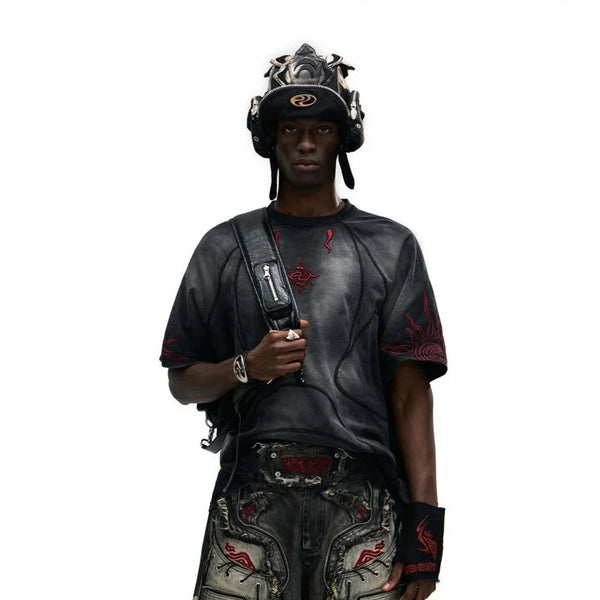
Drop Alerts
We'll let you know when the next drop in this niche lands.
You're in. We'll let you know at the next drop.
Drop Alerts
We'll let you know when the next drop in this niche lands.
You're in. We'll let you know at the next drop.

Drop Alerts
We'll let you know when the next drop in this niche lands.
You're in. We'll let you know at the next drop.


4 of 84 Pieces
All 84
From Businesscore · 4 Pieces
All 23
Niche · 03 / 04
Techwear started here as a translation of Tokyo reduction into fabric. Errolson Hugh, Acronym, GORE-TEX, ergonomic cuts — and parallel to that, Japanese discipline: nothing superfluous, all function.
From Techwear · 4 Pieces
All 104 of 10 Pieces
All 10
Niche · 04 / 04
Streetwear is the root — the first designs out of Tokyo 2015 were Anime prints, Japanese characters, Harajuku graphics. Everything else grew from that, but the line keeps running.
From Streetwear · 4 Pieces
All 714 of 71 Pieces
All 712015 → today
Fūga
風雅
Berlin Plattenbau origins, Asia-inspired. Creative, but never fully fitting into the system. Tokyo 2015 as the starting point — six niche phases since then.
Today: Berlin · Shanghai · Tokyo · Poznań. We know our designers by name. Limited drops, no restocks.
We aren't dropouts. We know the system — went through training, worked, kept building. Both sides hold.
How Fūga evolved
What started as Streetwear in Tokyo has shifted over the years — through different phases, our own and collective.
01
The first designs. Anime prints, Harajuku characters, Tokyo connection.
02
Functional, layered, dark. Tokyo reduction translated into fabric.
03
Heavier, uncompromising, more shadow. Grew up parallel to Techwear.
04
Berghain aesthetic with street cuts. Raw, black, Berlin avant-garde meets Streetwear.
05
Cyberpunk meets the Berghain floor. Reflective, tactical, sound-system ready.
06
Tailored cuts with Streetwear logic. Growing older without going 9-to-5. Stay edgy.
What comes next, we'll write when the time comes.