

Limited drop · Live ora
Grunge Combat Boots are the foundation of any Grunge outfit — heavy, chunky, uncompromising.
Vuoto
Questa nicchia è vuota. Esplora Stivali da combattimento grunge o vai a New In.
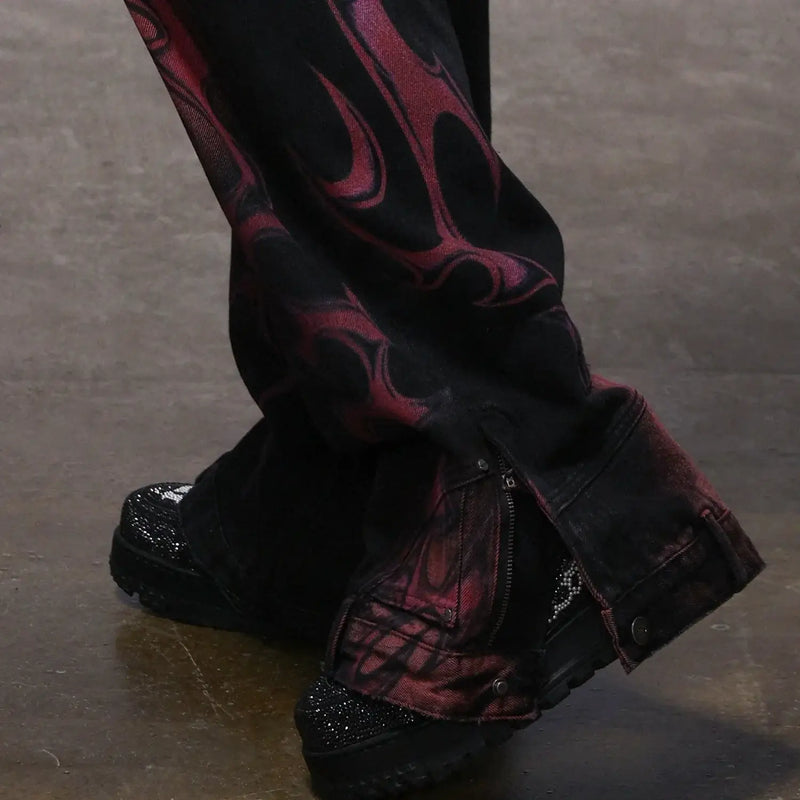
Grunge Combat Boots are the foundation of any Grunge outfit — heavy, chunky, uncompromising. At Fūga Studios you'll find boots with thick soles, matte surfaces and lacing that sets the tone before you say a word.
In the 1990s, bands in Seattle wore heavy boots on stage because they were cheap, durable and unpretentious. This principle has held: Combat Boots stand for function without staging. The chunky sole changes the silhouette — wider stance, lower center of gravity, more presence. Whether with ripped jeans or an oversized flannel shirt, the boots ground every outfit. The Soft Grunge Fashion Guide shows how to interpret the look more softly.
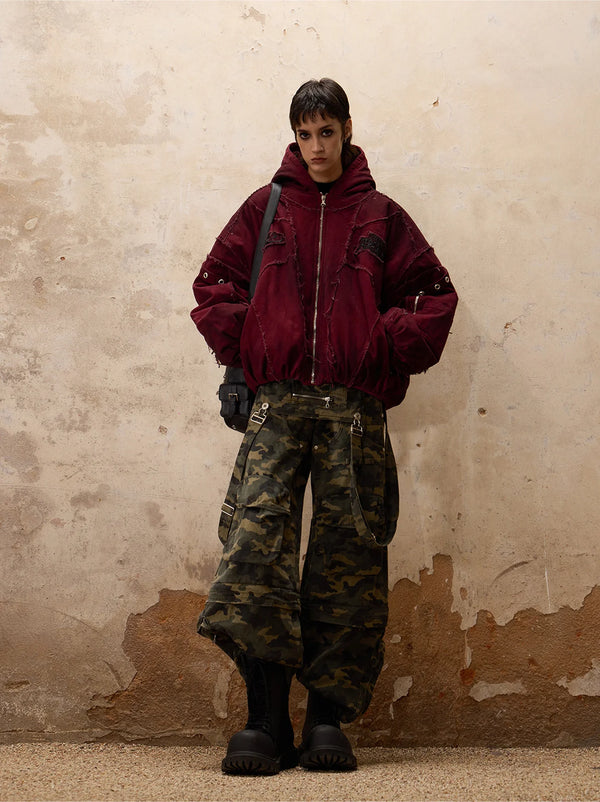
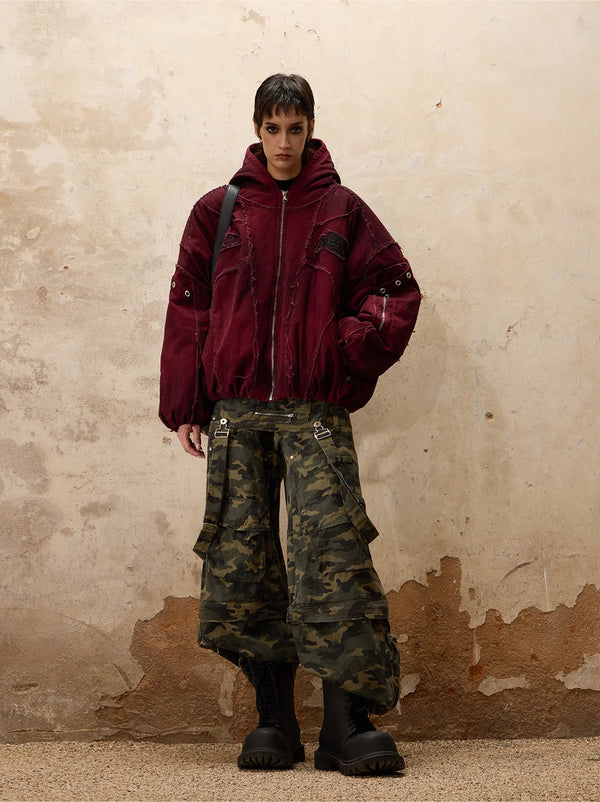
Combat Boots work just as well with slim pants as under wide cargos. Pant leg tucked into the shaft or falling loose over it — both work and create different proportions. With Grunge Tops creates an overall picture that reads subculture, not costume. If you're seeking the transition to Fairy Grunge choose models with lighter profile or lighter sole.
Combat Boots with thick sole are the classic. Besides them, heavy platform shoes and worn-out sneakers work — what matters is the contrast between heavy shoe and casual outfit.
Yes. They were a fixture of the Seattle scene and were worn by bands like Nirvana and Pearl Jam on stage. The connection between Grunge and heavy boots comes directly from that era.
Dr. Martens were frequently worn in Grunge in the 1990s and remain a common entry point today. Grunge Combat Boots often go further — thicker soles, more aggressive profiles, less mainstream.

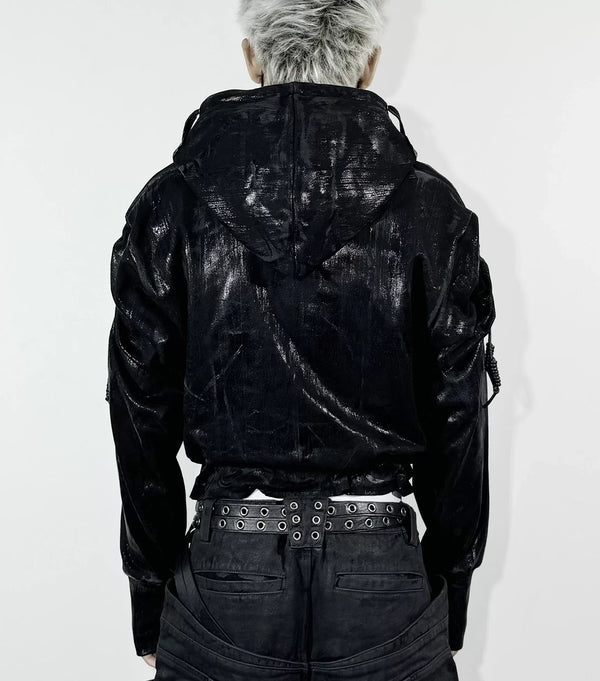
Opium Gradient Snake Cardigan
shanghai studio fit check

Da Opium · 4 Pieces
Tutti i 84
Drop Alerts
Ti avvisiamo al prossimo drop in questa Niche.
Ci sei. Ti avvisiamo al prossimo drop.

Drop Alerts
Ti avvisiamo al prossimo drop in questa Niche.
Ci sei. Ti avvisiamo al prossimo drop.


4 di 84 Pieces
Tutti i 84
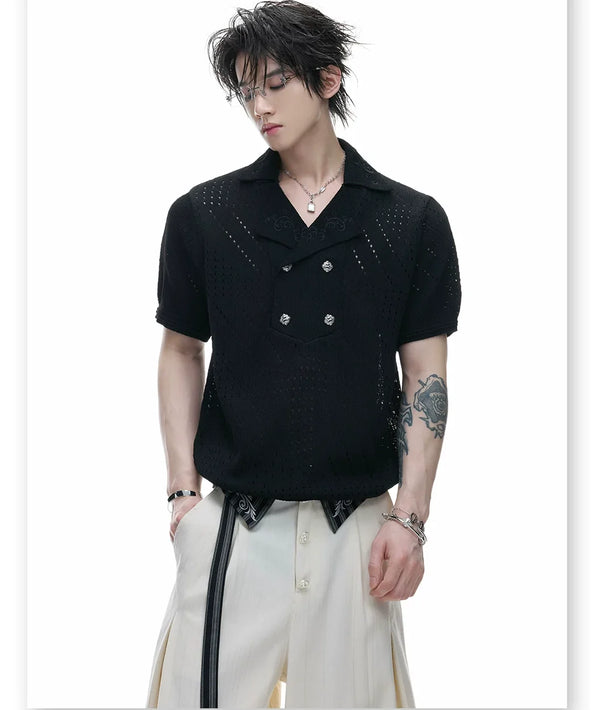
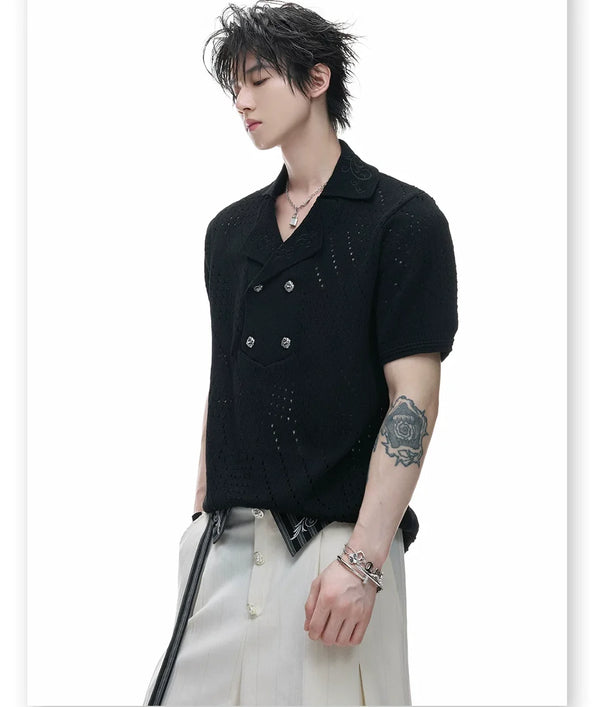
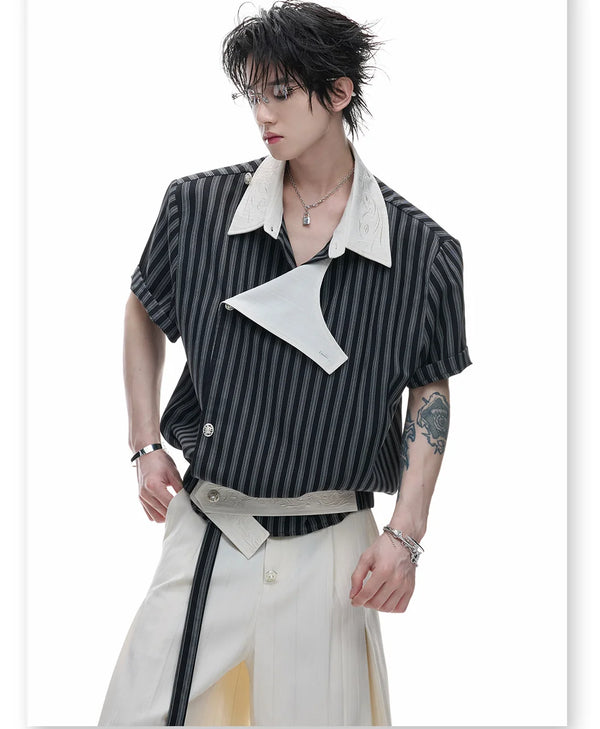
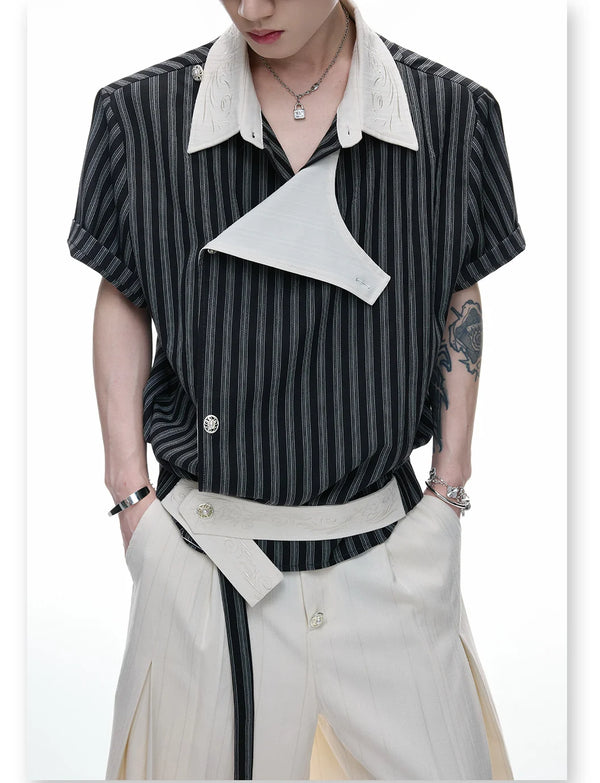
Da Businesscore · 4 Pieces
Tutti i 23
Drop Alerts
Ti avvisiamo al prossimo drop in questa Niche.
Ci sei. Ti avvisiamo al prossimo drop.


Drop Alerts
Ti avvisiamo al prossimo drop in questa Niche.
Ci sei. Ti avvisiamo al prossimo drop.
4 di 23 Pieces
Tutti i 23
Niche · 03 / 04
Techwear è partito da noi come traduzione della riduzione Tokyo nel tessuto. Errolson Hugh, Acronym, GORE-TEX, tagli ergonomici — e in parallelo la disciplina giapponese: niente di superfluo, tutto funzione.
Da Techwear · 4 Pieces
Tutti i 104 di 10 Pieces
Tutti i 10
Niche · 04 / 04
Streetwear è la radice — i primi design da Tokyo 2015 erano stampe Anime, caratteri giapponesi, grafica Harajuku. Tutto il resto è nato da lì, ma la linea continua.
Da Streetwear · 4 Pieces
Tutti i 714 di 71 Pieces
Tutti i 712015 → oggi
Fūga
風雅
Origini Plattenbau di Berlino, ispirazione asiatica. Creativi, ma mai del tutto dentro al sistema. Tokyo 2015 come punto di partenza — sei fasi niche da allora.
Oggi: Berlin · Shanghai · Tokyo · Poznań. I designer li conosciamo per nome. Limited drops, no restocks.
Non siamo dei mollati. Conosciamo il sistema — formazione fatta, lavoro fatto, continuato a costruire. Tutte e due le cose tengono.
Come si è evoluta Fūga
Quello che è iniziato come Streetwear a Tokyo si è spostato negli anni — attraverso fasi diverse, nostre e collettive.
01
I primi design. Stampe Anime, caratteri Harajuku, connessione Tokyo.
02
Functional, layered, dark. La riduzione Tokyo tradotta nel tessuto.
03
Più pesante, senza compromessi, più ombra. Cresciuto in parallelo a Techwear.
04
Estetica Berghain con tagli street. Raw, nero, avanguardia berlinese che incontra Streetwear.
05
Cyberpunk incontra il floor del Berghain. Reflective, tactical, sound-system ready.
06
Tagli Tailored con logica Streetwear. Invecchiare senza diventare standard. Restare edgy.
Quello che viene dopo lo scriviamo quando sarà il momento.