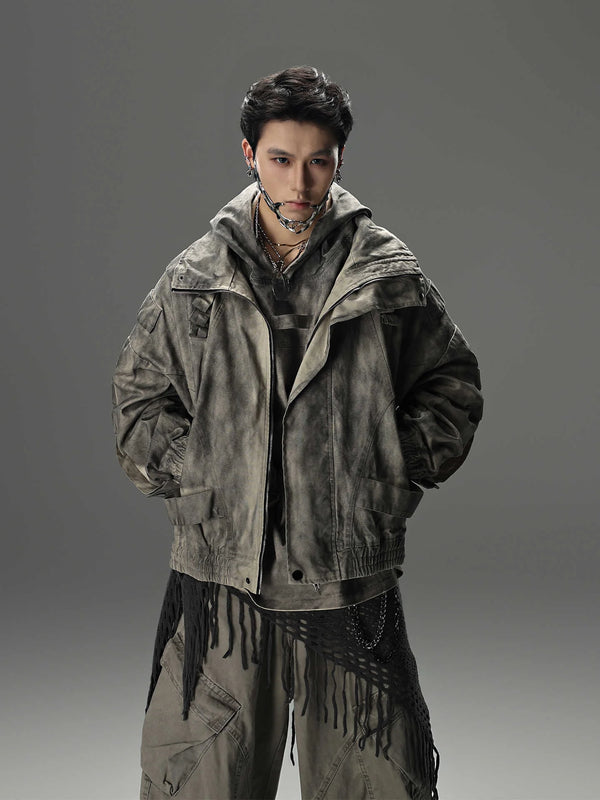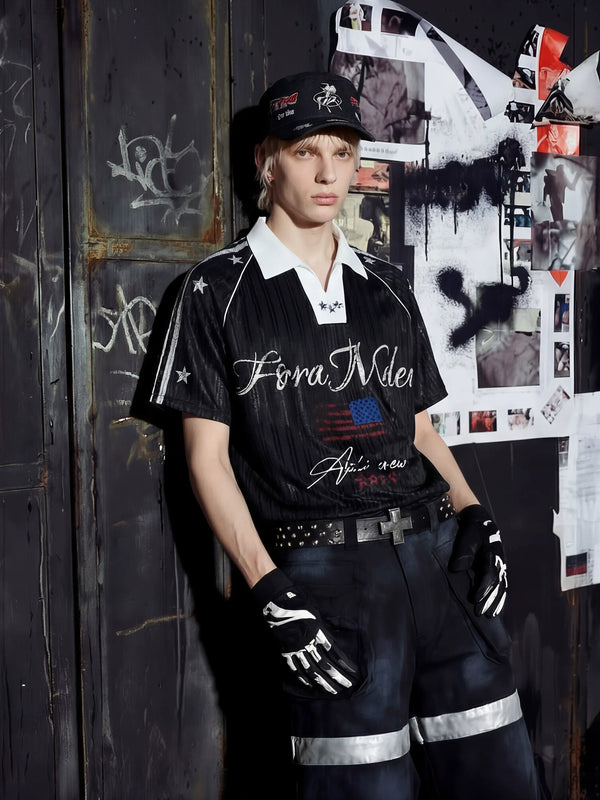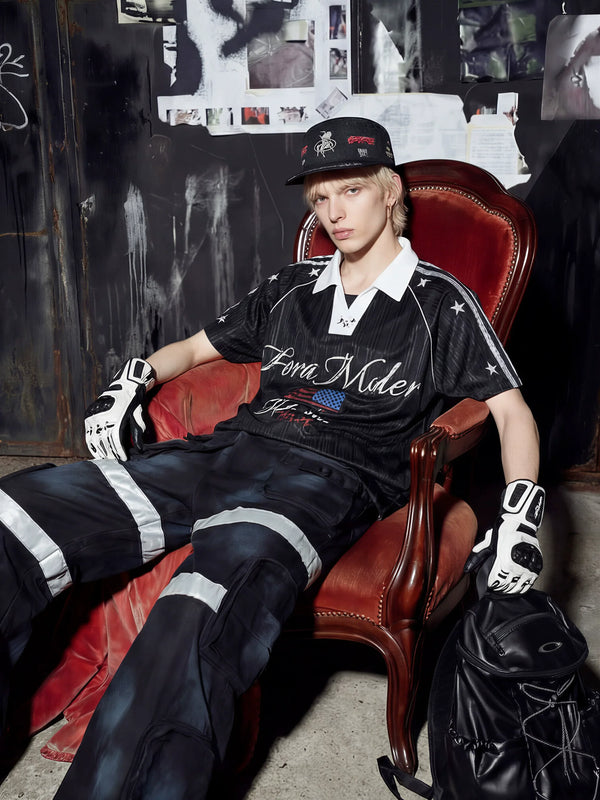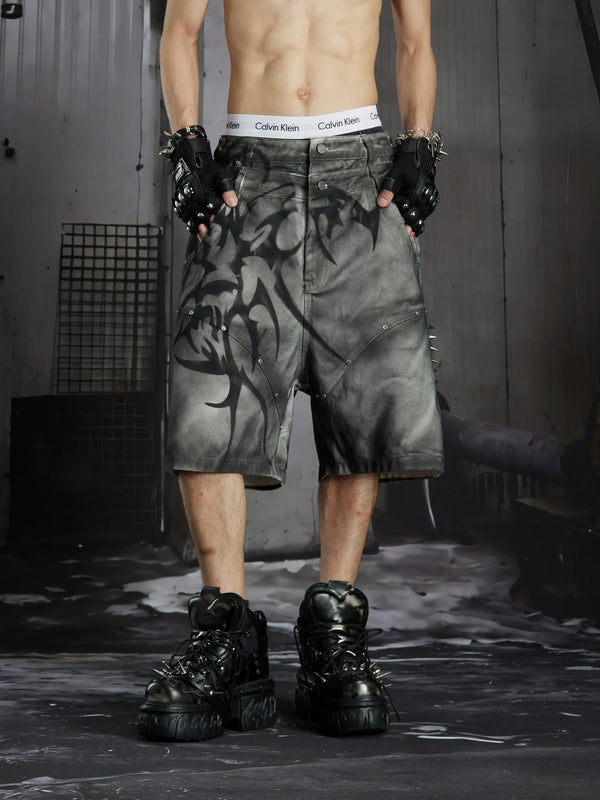


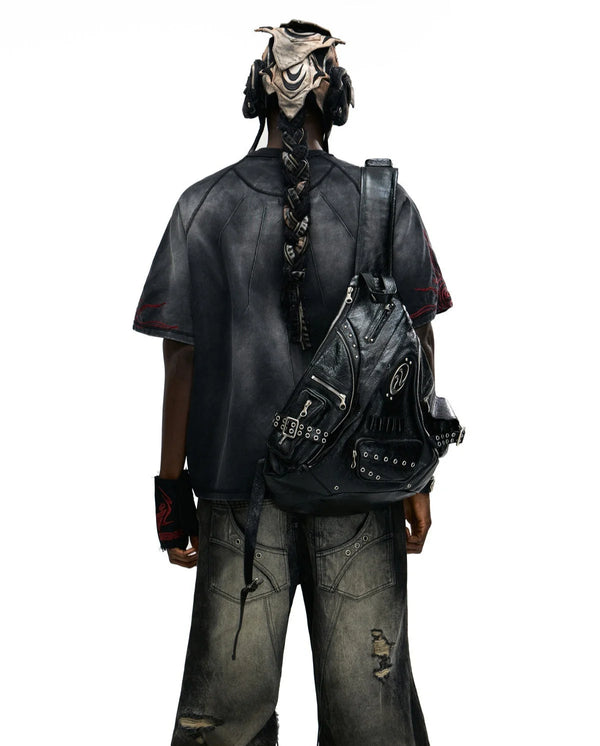
Limited drop · Live ahora
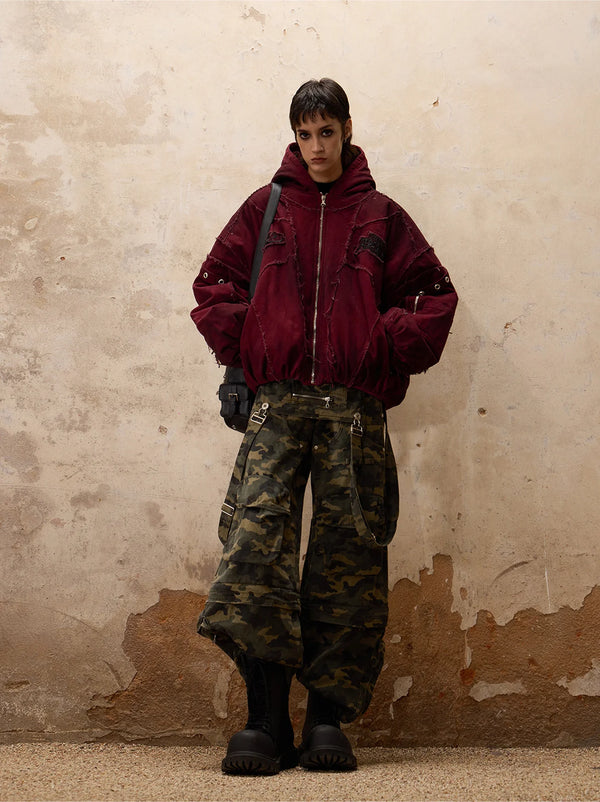
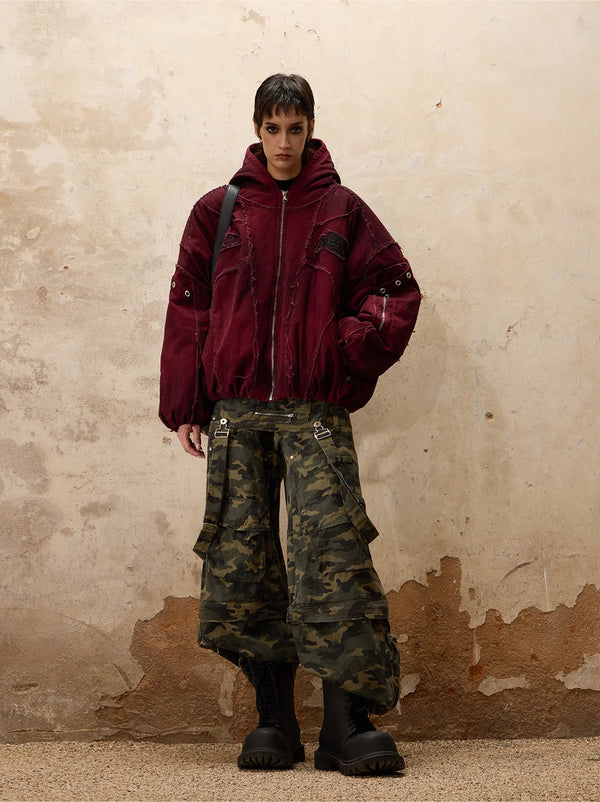
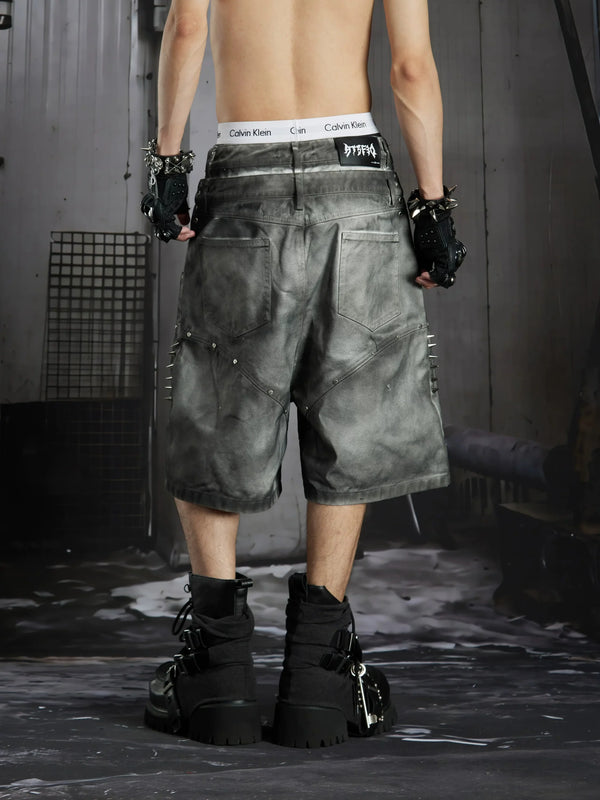
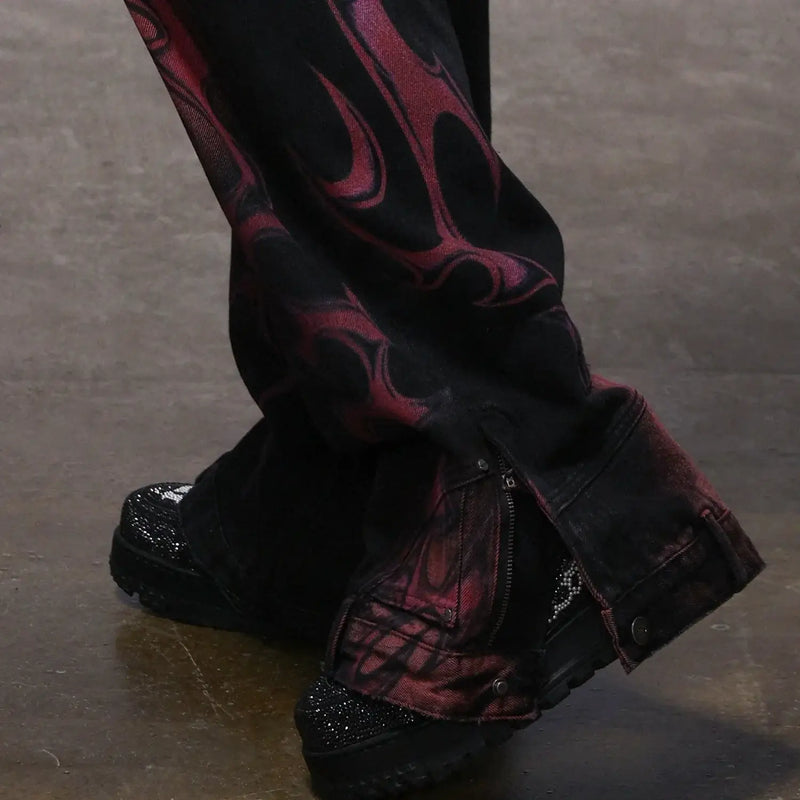
Grunge Combat Boots are the foundation of any Grunge outfit — heavy, chunky, uncompromising.
Vacío
Esta niche está vacía. Mira todo en Botas de combate grunge o ve a New In.
Grunge Combat Boots are the foundation of any Grunge outfit — heavy, chunky, uncompromising. At Fūga Studios you'll find boots with thick soles, matte surfaces and lacing that sets the tone before you say a word.
In the 1990s, bands in Seattle wore heavy boots on stage because they were cheap, durable and unpretentious. This principle has held: Combat Boots stand for function without staging. The chunky sole changes the silhouette — wider stance, lower center of gravity, more presence. Whether with ripped jeans or an oversized flannel shirt, the boots ground every outfit. The Soft Grunge Fashion Guide shows how to interpret the look more softly.
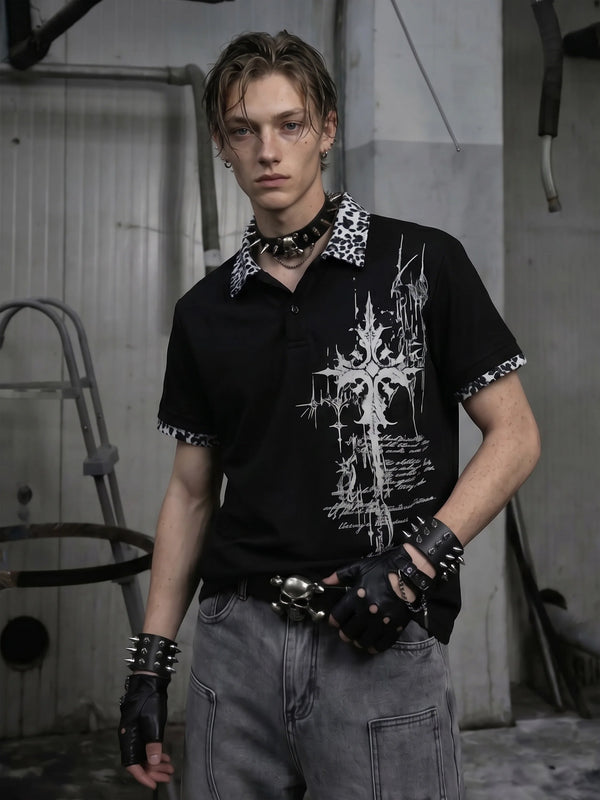
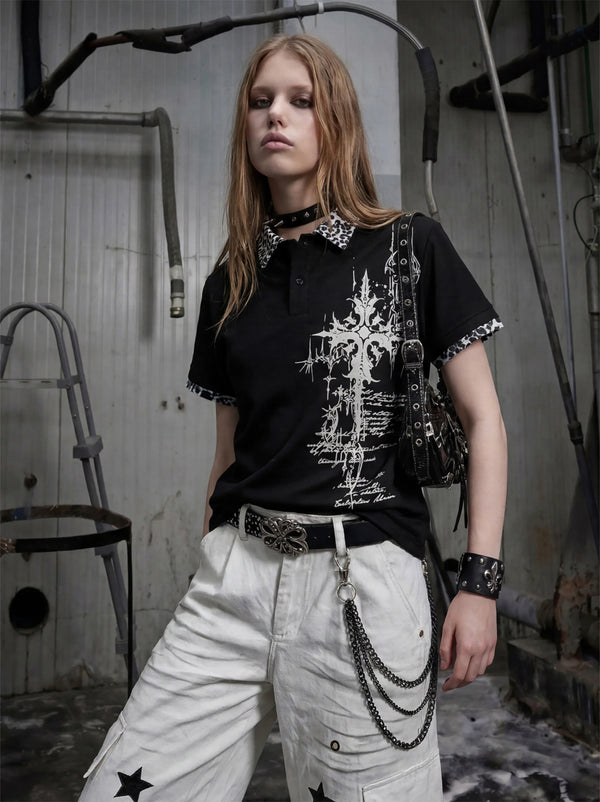
Combat Boots work just as well with slim pants as under wide cargos. Pant leg tucked into the shaft or falling loose over it — both work and create different proportions. With Grunge Tops creates an overall picture that reads subculture, not costume. If you're seeking the transition to Fairy Grunge choose models with lighter profile or lighter sole.
Combat Boots with thick sole are the classic. Besides them, heavy platform shoes and worn-out sneakers work — what matters is the contrast between heavy shoe and casual outfit.
Yes. They were a fixture of the Seattle scene and were worn by bands like Nirvana and Pearl Jam on stage. The connection between Grunge and heavy boots comes directly from that era.
Dr. Martens were frequently worn in Grunge in the 1990s and remain a common entry point today. Grunge Combat Boots often go further — thicker soles, more aggressive profiles, less mainstream.

Opium Gradient Snake Cardigan
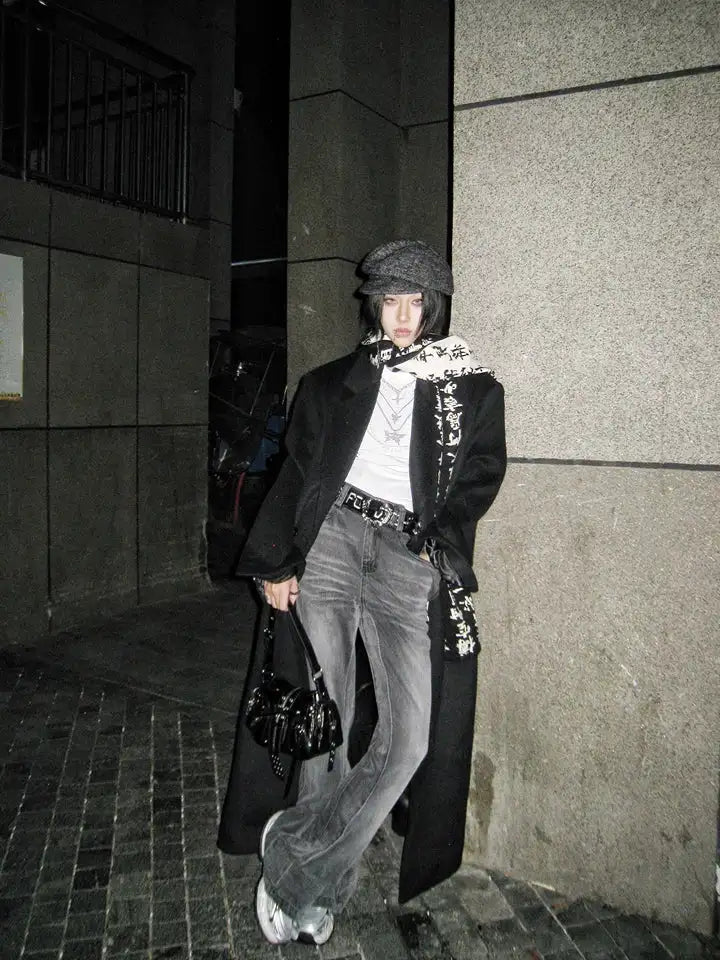
shanghai studio fit check

De Opium · 4 Pieces
Los 84
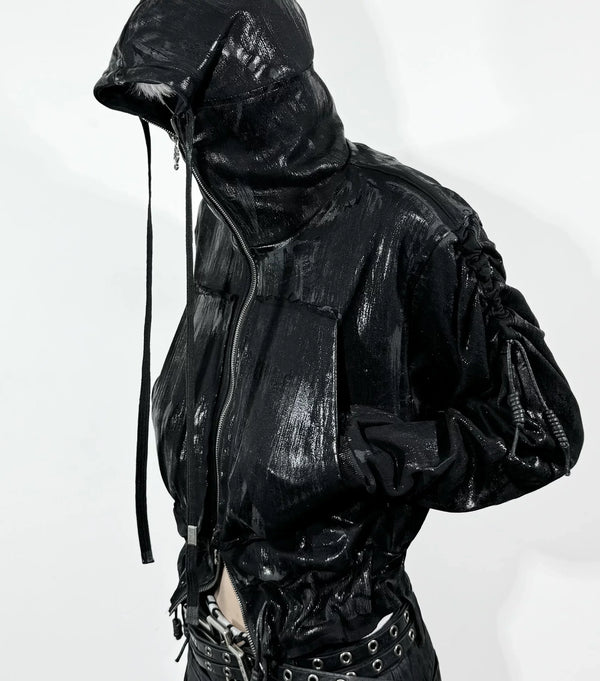
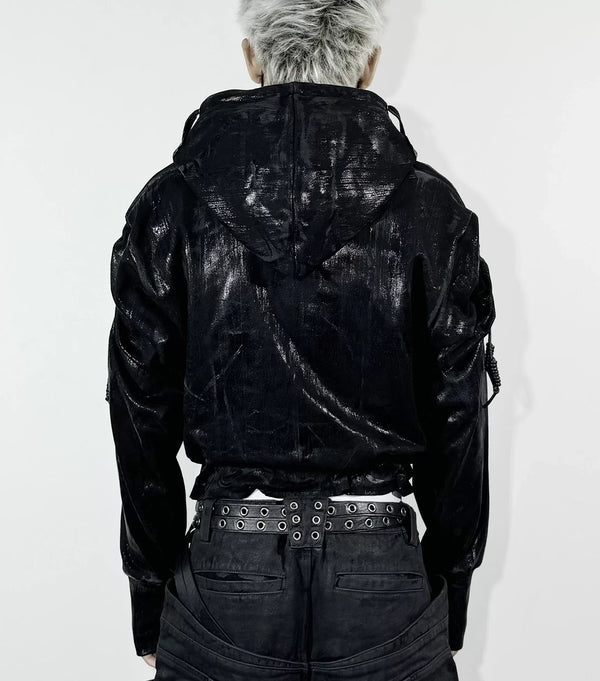
Drop Alerts
Te avisamos en el próximo drop de esta Niche.
Dentro. Te avisamos en el próximo drop.
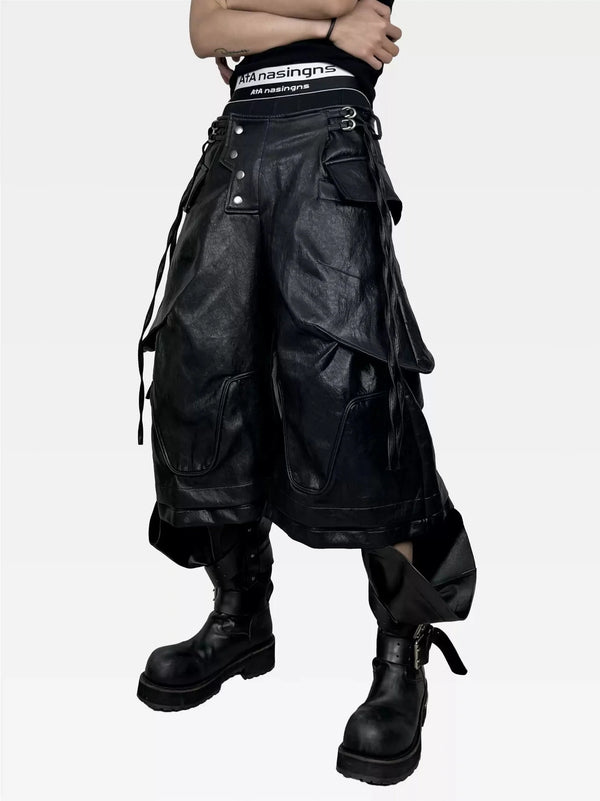

Drop Alerts
Te avisamos en el próximo drop de esta Niche.
Dentro. Te avisamos en el próximo drop.


4 de 84 Pieces
Los 84

Niche · 03 / 04
Techwear empezó para nosotros como traducción de la reducción Tokyo en tejido. Errolson Hugh, Acronym, GORE-TEX, cortes ergonómicos — y en paralelo la disciplina japonesa: nada de más, todo función.
De Techwear · 4 Pieces
Los 104 de 10 Pieces
Los 10
Niche · 04 / 04
Streetwear es la raíz — los primeros diseños desde Tokyo en 2015 eran prints Anime, caracteres japoneses, gráfica Harajuku. De ahí creció todo lo demás, pero la línea sigue.
De Streetwear · 4 Pieces
Los 714 de 71 Pieces
Los 712015 → hoy
Fūga
風雅
Orígenes Plattenbau de Berlín, inspirados en Asia. Creativos, pero nunca encajando del todo en el sistema. Tokyo 2015 como punto de partida — seis fases niche desde entonces.
Hoy: Berlin · Shanghai · Tokyo · Poznań. A los diseñadores los conocemos por nombre. Limited drops, no restocks.
No somos outsiders. Conocemos el sistema — formación, trabajo, seguir construyendo. Las dos cosas funcionan.
Cómo evolucionó Fūga
Lo que empezó como Streetwear en Tokyo se ha ido moviendo a lo largo de los años — pasando por distintas fases, propias y colectivas.
01
Los primeros diseños. Prints Anime, caracteres Harajuku, conexión Tokyo.
02
Functional, layered, dark. La reducción Tokyo traducida al tejido.
03
Más pesado, sin compromiso, más sombra. Crecido en paralelo a Techwear.
04
Estética Berghain con cortes street. Raw, negro, vanguardia berlinesa se encuentra con Streetwear.
05
Cyberpunk se cruza con el floor del Berghain. Reflective, tactical, sound-system ready.
06
Cortes Tailored con lógica Streetwear. Crecer sin volverse del montón. Seguir edgy.
Lo que venga después, lo escribimos cuando toque.